

Horror Games That Were Too Scary To Be Sold In Stores

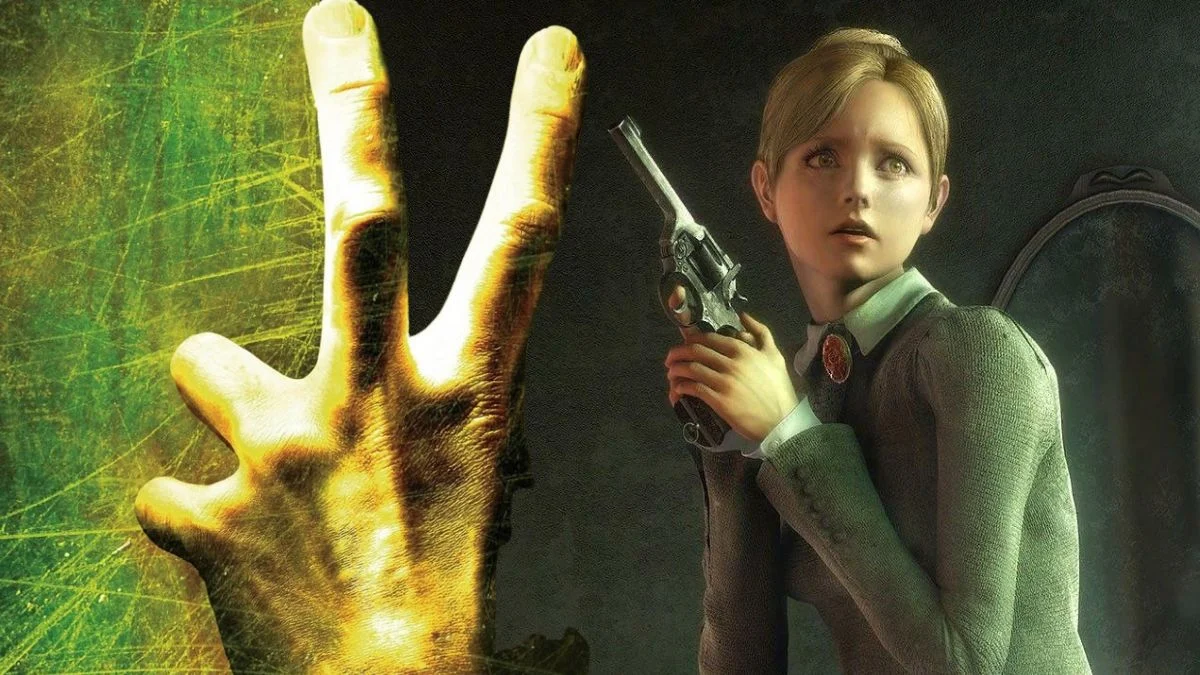


For decades, video games have pushed the boundaries of fear and good taste, often clashing with censorship boards worldwide. Many titles featuring extreme gore, intense psychological horror, or taboo subjects have found themselves banned, refused classification, or pulled from shelves in various countries. While some developers edit their work to meet rating standards, others accept their fate as forbidden media that collectors hunt down. These games were deemed too terrifying or grotesque for the general public to access easily.
‘Manhunt 2’ (2007)
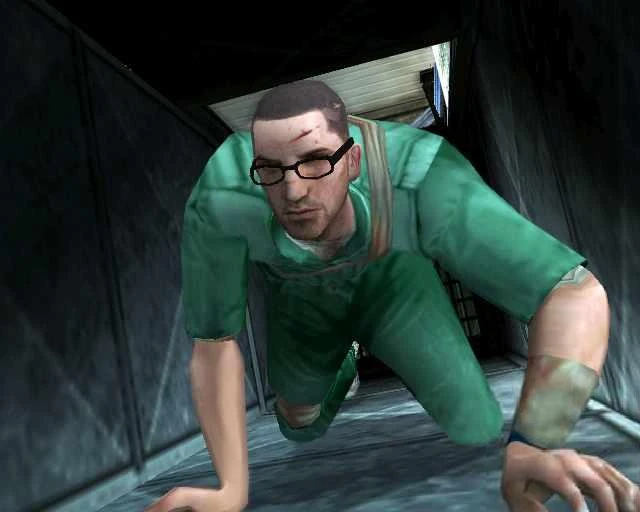
Rockstar Games found themselves in the crosshairs of censors once again with this psychological horror sequel. The game follows an escaped mental asylum patient with a split personality who executes enemies in gruesome ways. Ratings boards in the United Kingdom and United States initially refused to rate the title due to its unremitting cruelty and sadism. The developers had to apply visual filters to the execution scenes to secure a release in major retail markets.
‘Thrill Kill’ (1998)
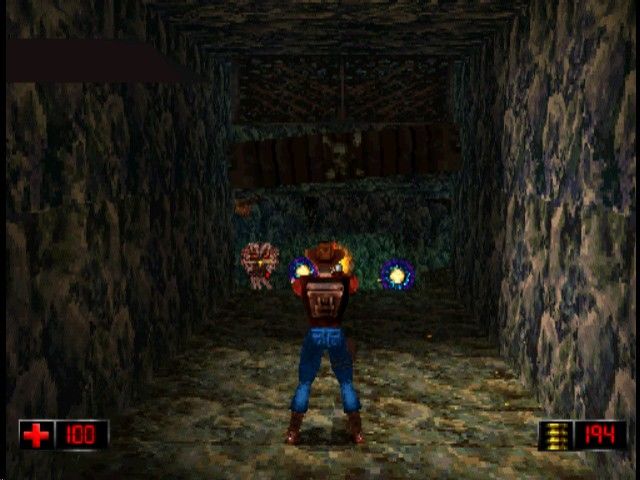
This fighting game was set in hell and featured characters battling for a chance at reincarnation. It gained notoriety for its BDSM themes, limb dismemberment, and sexually suggestive “Fatalities” that shocked executives at Electronic Arts. The publisher cancelled the game weeks before shipment because they felt it would damage their corporate image. Although it never saw an official retail release, bootleg copies circulated widely online.
‘Rule of Rose’ (2006)
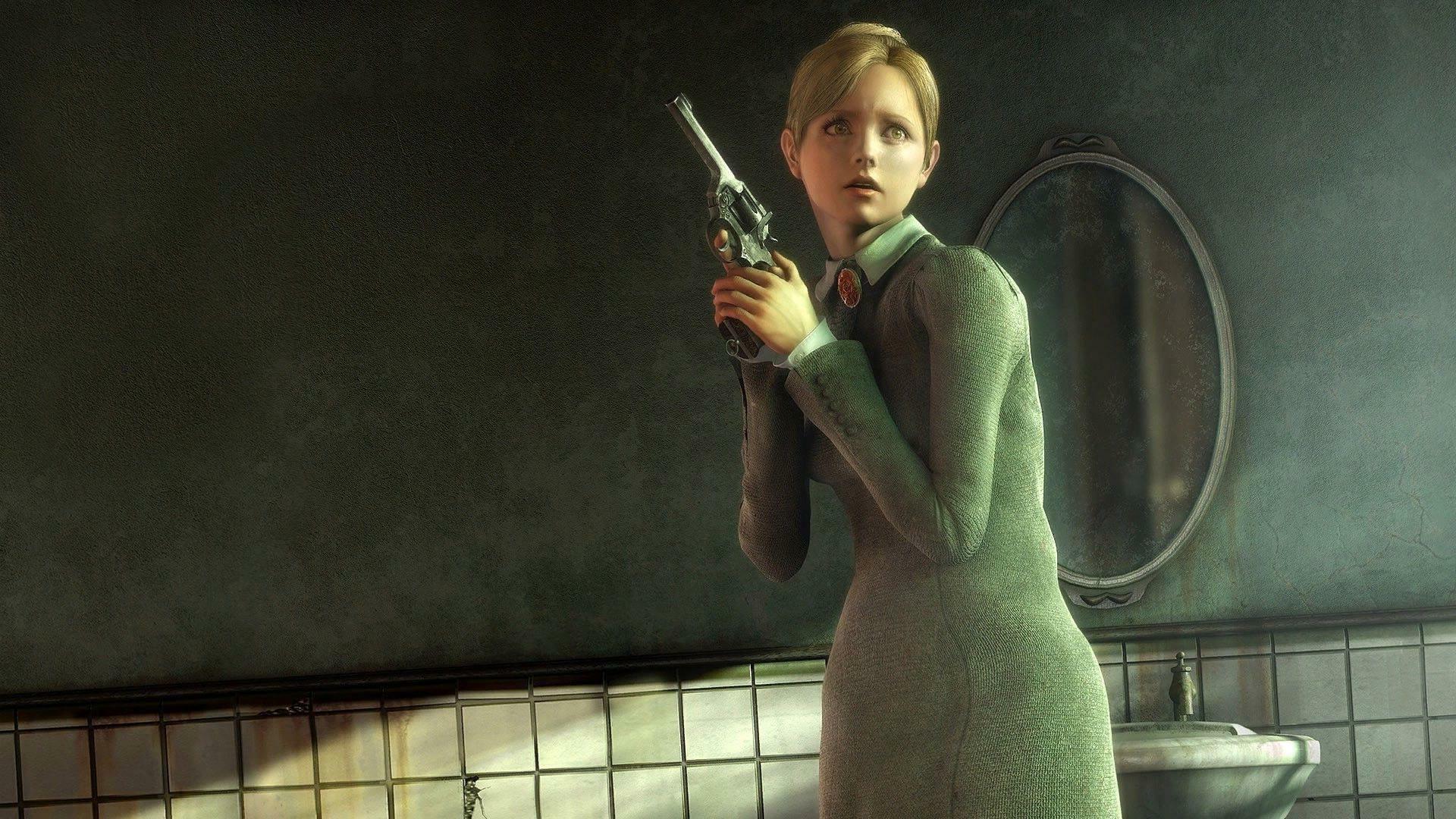
This psychological survival horror game creates an atmosphere of unease through its depiction of bullying and childhood trauma. The story involves young girls in an orphanage who form a cruel hierarchy known as the Red Crayon Aristocrats. Misinformation about the game’s content led to a moral panic in Europe that caused it to be cancelled in the United Kingdom. Its rarity has since made it one of the most expensive PlayStation 2 titles to acquire.
‘Phantasmagoria’ (1995)
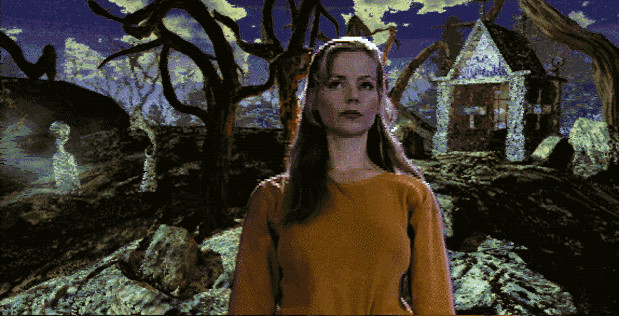
Roberta Williams moved away from family-friendly adventures to create this interactive movie horror game. It features a writer who moves into a mansion possessed by a demon that forces her husband to commit horrific acts. The game included a controversial scene involving sexual assault that caused it to be banned in Australia and refused by major retailers in the United States. Its use of live-action actors made the violence appear disturbingly real for the time.
‘Harvester’ (1996)
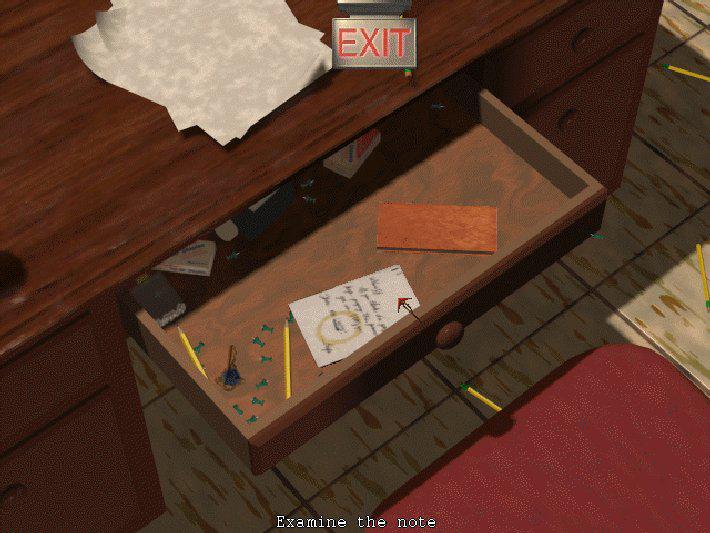
Players wake up in a surreal town called Harvest where a bizarre cult pressures them to join the Order of the Harvest Moon. The game utilizes full-motion video to depict grotesque scenes of cannibalism and murder that serve as a satire of violence in media. Germany banned the game upon release because the censors found the gore and cynical tone unacceptable. It remains a cult classic for its distinctively disturbing atmosphere and dark humor.
‘Condemned: Criminal Origins’ (2005)
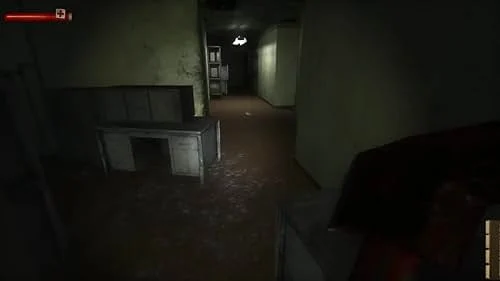
This first-person psychological thriller puts players in the shoes of an FBI agent hunting serial killers in a decaying city. The combat focuses on visceral melee attacks using pipes and planks against deranged addicts and psychopaths. German authorities confiscated the game and banned its sale due to the high-impact violence and bleak tone. The relentless tension and brutal finishing moves made it a standout title in the horror genre.
‘Condemned 2: Bloodshot’ (2008)
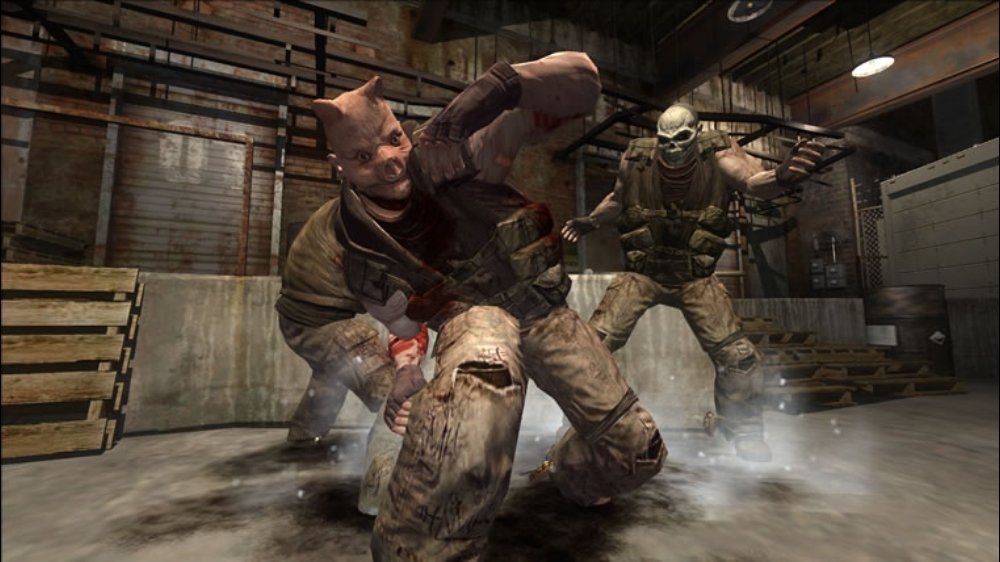
The sequel continues the story of Ethan Thomas as he descends into alcoholism while fighting his inner demons and real monsters. It ramped up the violence with new environmental executions that allowed players to use the surroundings to dispatch enemies. Like its predecessor, it faced strict bans in Germany where it was deemed too brutal for public sale. The game remains known for its terrifying level involving a relentless bear chase.
‘Left 4 Dead 2’ (2009)
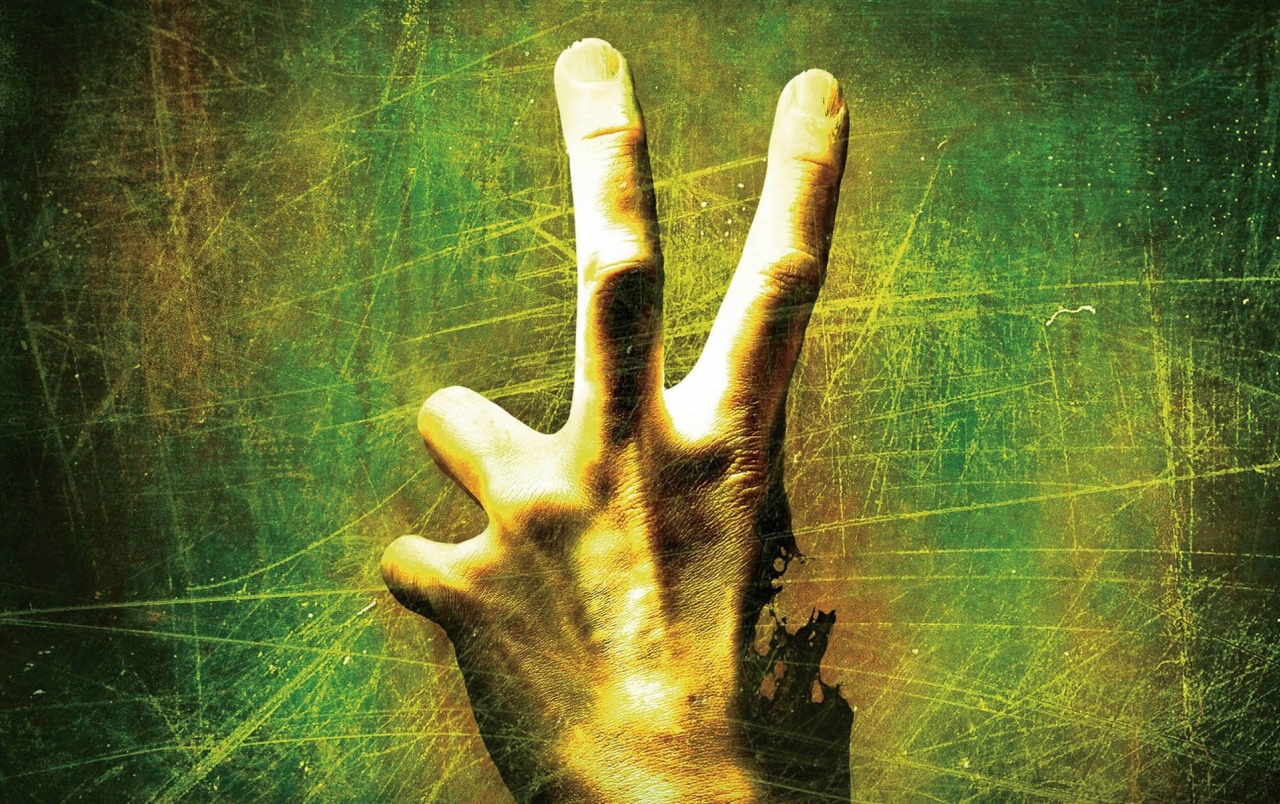
Valve’s cooperative zombie shooter faced significant hurdles in Australia due to its realistic depiction of dismemberment. The Classification Board refused to rate the unedited version because of the way infected enemies broke apart under gunfire. A heavily sanitized version with disappearing bodies and no gore was eventually released to stores in that region. The original version was only made legal years later after an R18+ rating was introduced for games.
‘Silent Hill: Homecoming’ (2008)
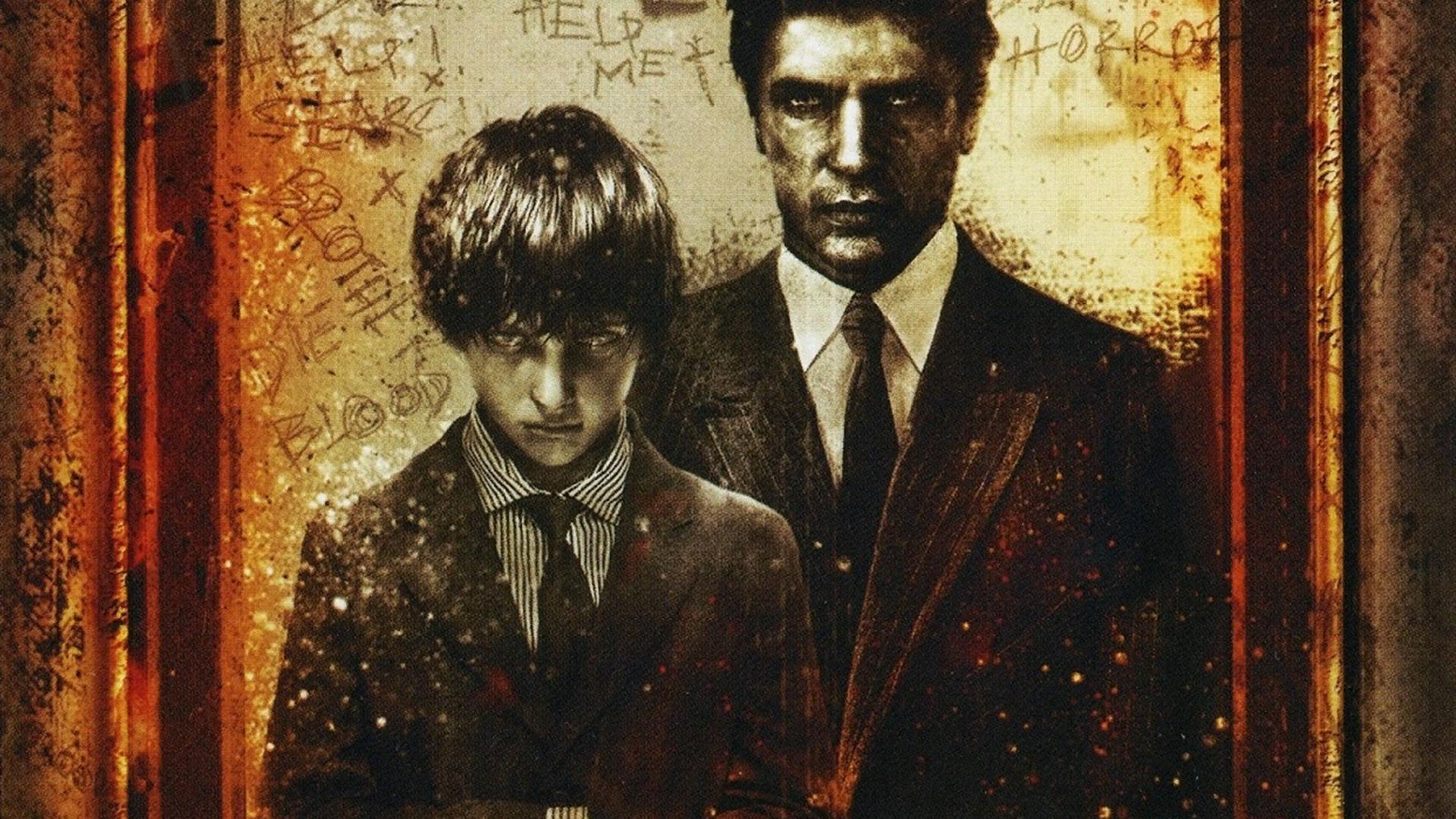
Alex Shepherd returns to his hometown to find his brother missing and the streets filled with fog and monsters. The game introduced a more combat-heavy approach that included graphic scenes of drilling and dismemberment. Australian censors refused to classify the title initially due to the high impact of the violence and torture scenes. The developers had to cut specific camera angles and animations to get the game onto store shelves.
‘F.E.A.R. 2: Project Origin’ (2009)
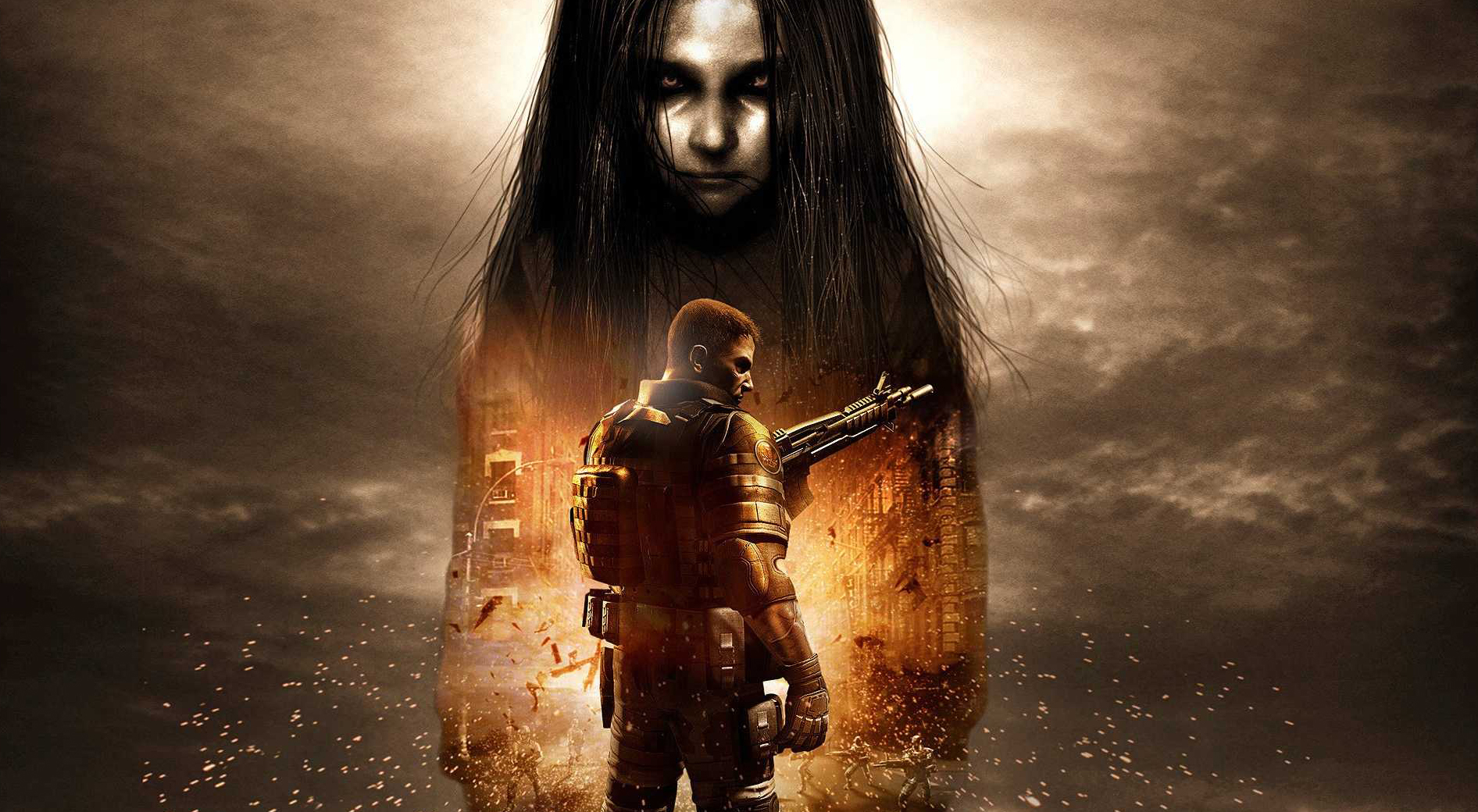
Alma Wade returns to torment players in this shooter that blends military action with supernatural horror. The game features hallucinations and ghostly apparitions that create a constant sense of dread alongside the gunplay. It was initially banned in Australia and had to be edited to remove decapitation and dismemberment effects. The unedited version was considered too high-impact for the ratings system available at the time.
‘Outlast 2’ (2017)
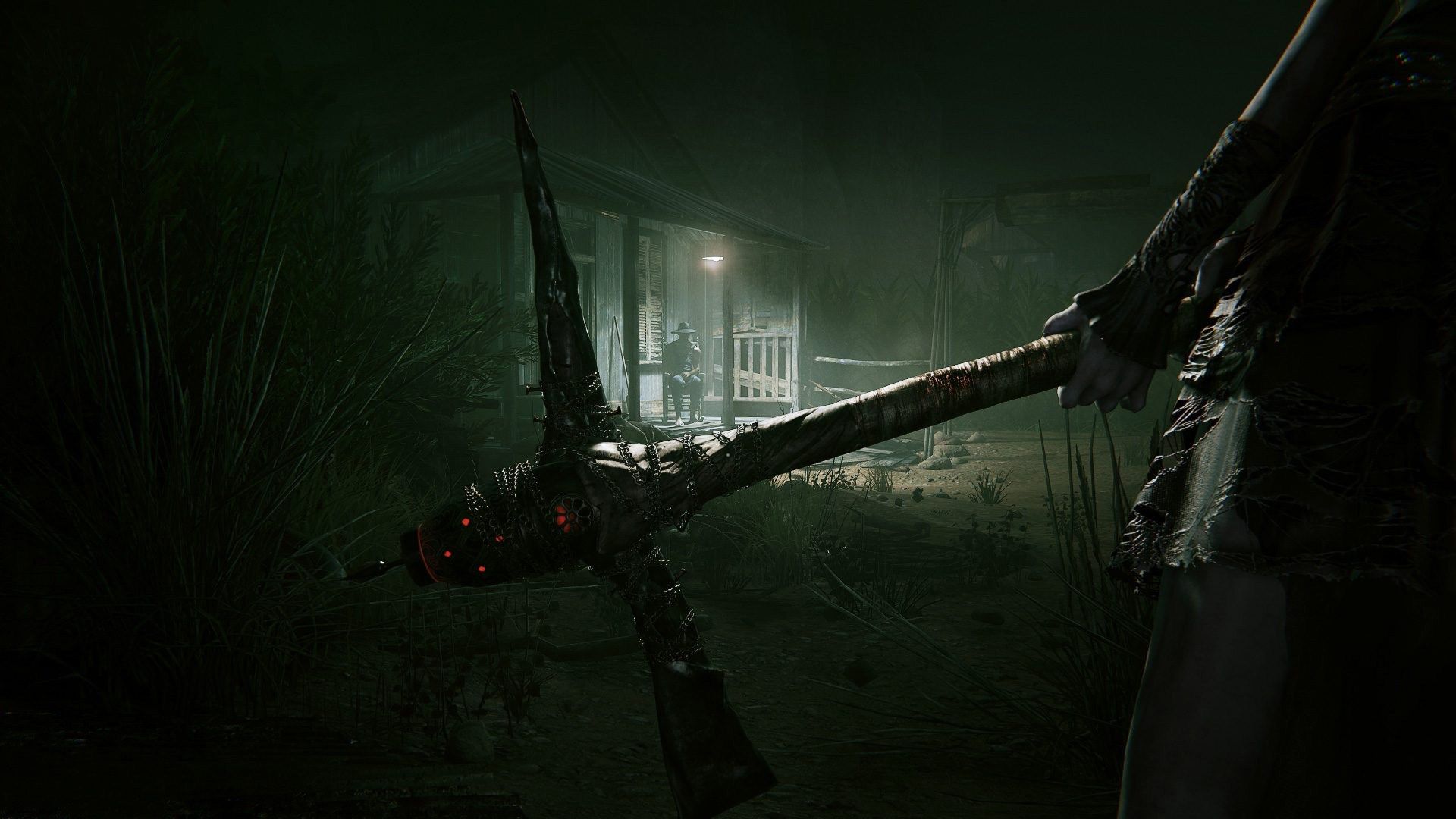
Investigative journalists crash their helicopter in the Arizona desert and stumble upon a deranged cult. The game is infamous for its relentless intensity and scenes involving sexual violence and religious fanaticism. Australian authorities initially refused classification because of a sequence implying sexual assault in a school flashback. The developers had to clarify that the content was not explicit to eventually secure a release.
‘Dead Rising’ (2006)
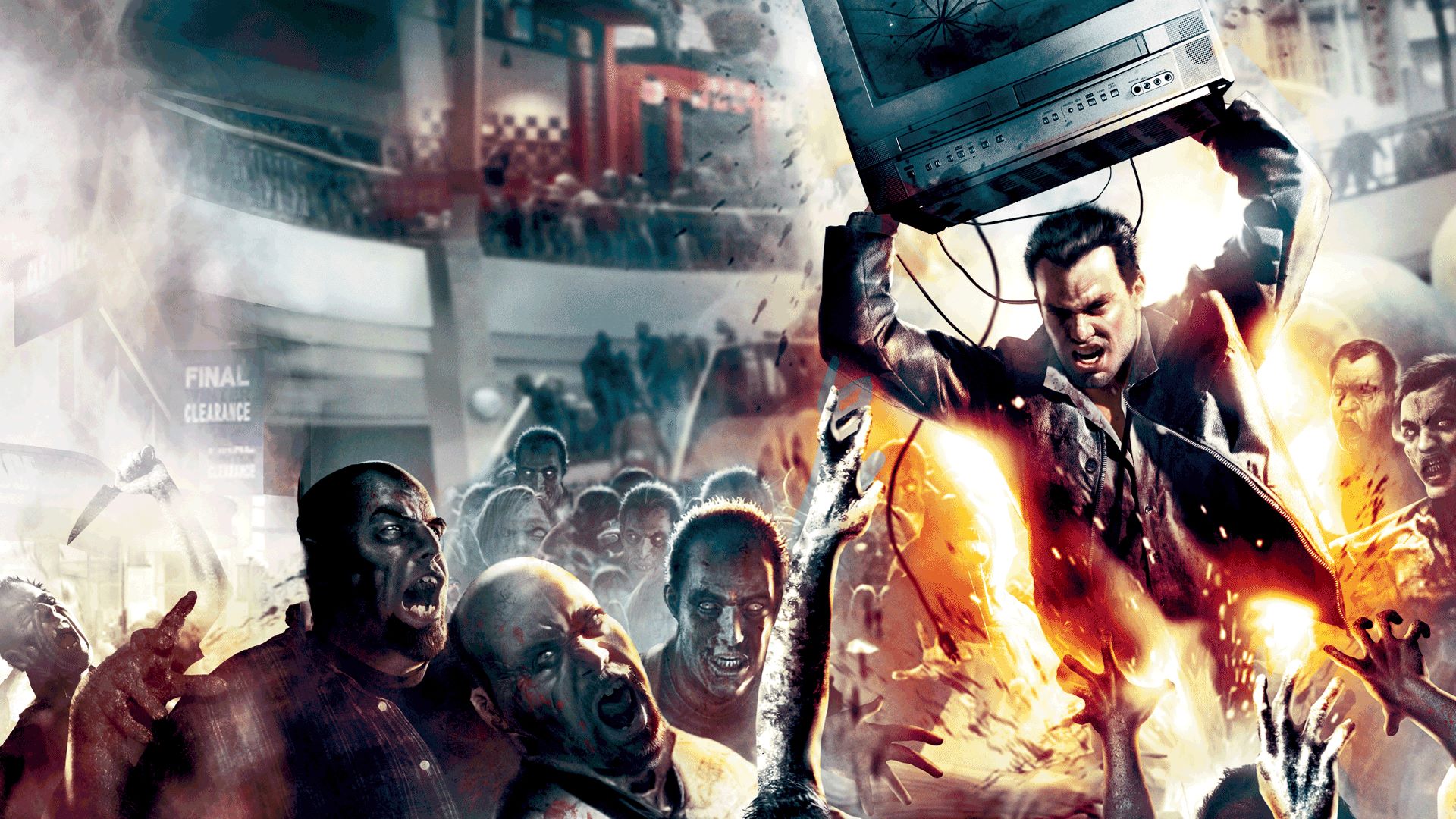
Frank West finds himself trapped in a shopping mall infested with zombies and psychopaths. The game encourages players to use anything as a weapon, from lawnmowers to shower heads, resulting in massive amounts of blood. Germany’s strict laws against glorifying violence led to the game being placed on the “Index” of harmful media. This effectively banned the game from being advertised or sold openly in German stores.
‘Dead Rising 2’ (2010)
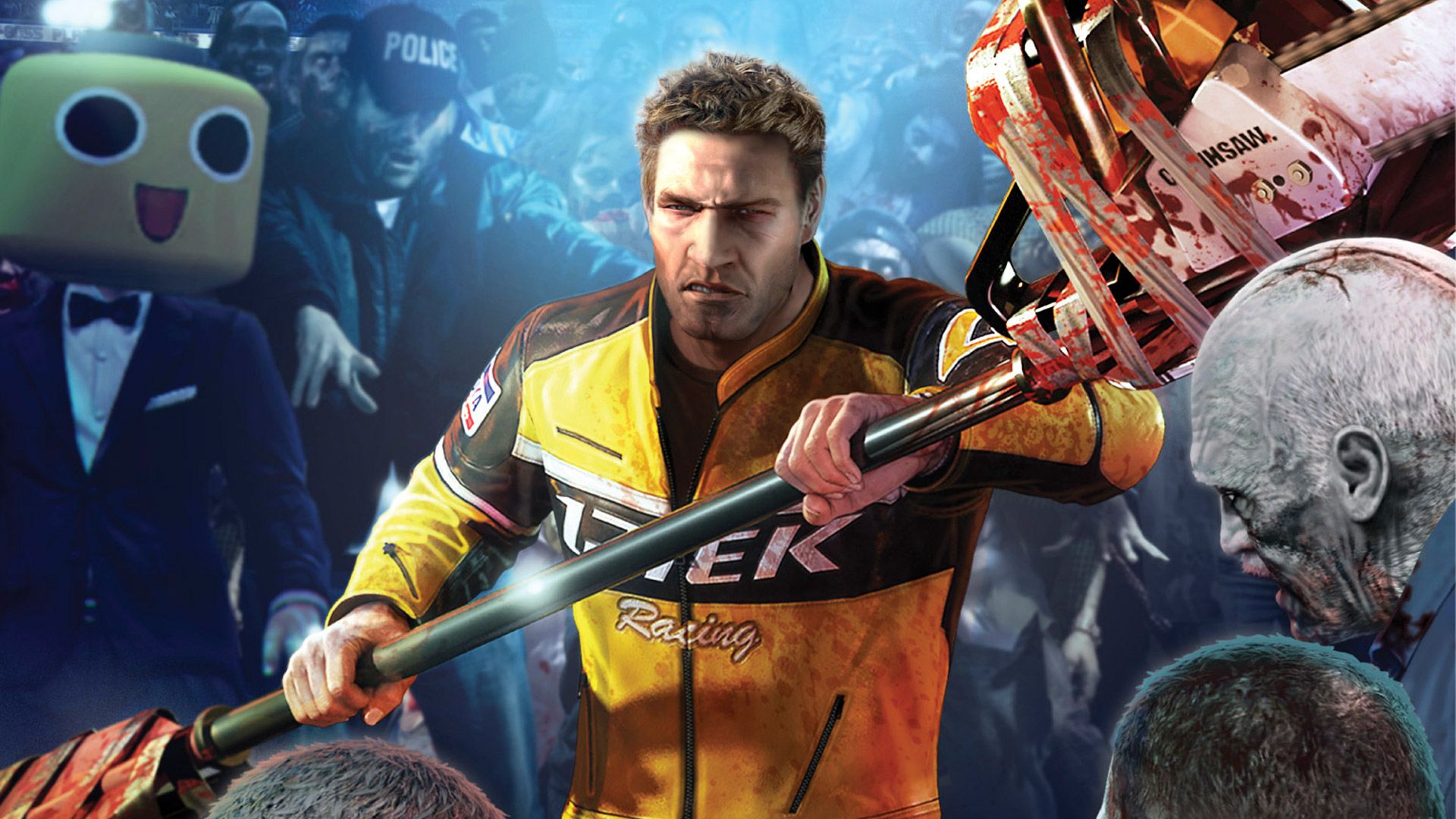
Chuck Greene competes in a reality TV show killing zombies before trying to clear his name in Fortune City. The sequel allows players to tape weapons together to create combo weapons that inflict creative and gory damage. Like the first game, it was banned in Germany due to the high level of interactivity in the violence. The ability to dismember human-like enemies was cited as a primary reason for the restriction.
‘Dead Island’ (2011)

A tropical paradise turns into a nightmare when a mysterious outbreak turns tourists into flesh-eating monsters. The game emphasizes melee combat where players can break bones and sever limbs with precise strikes. Germany placed the title on its list of media harmful to young people, preventing its sale in local stores. The visceral nature of the damage models on the zombies was considered too extreme.
‘Dying Light’ (2015)

Parkour meets the zombie apocalypse in this open-world game set in the quarantined city of Harran. Players must scavenge for supplies by day and hide from volatile monsters that emerge at night. The game was banned from physical and digital stores in Germany due to the graphic violence against humanoid enemies. Gamers in the region had to import copies from neighboring countries to play it.
‘Aliens vs. Predator’ (2010)
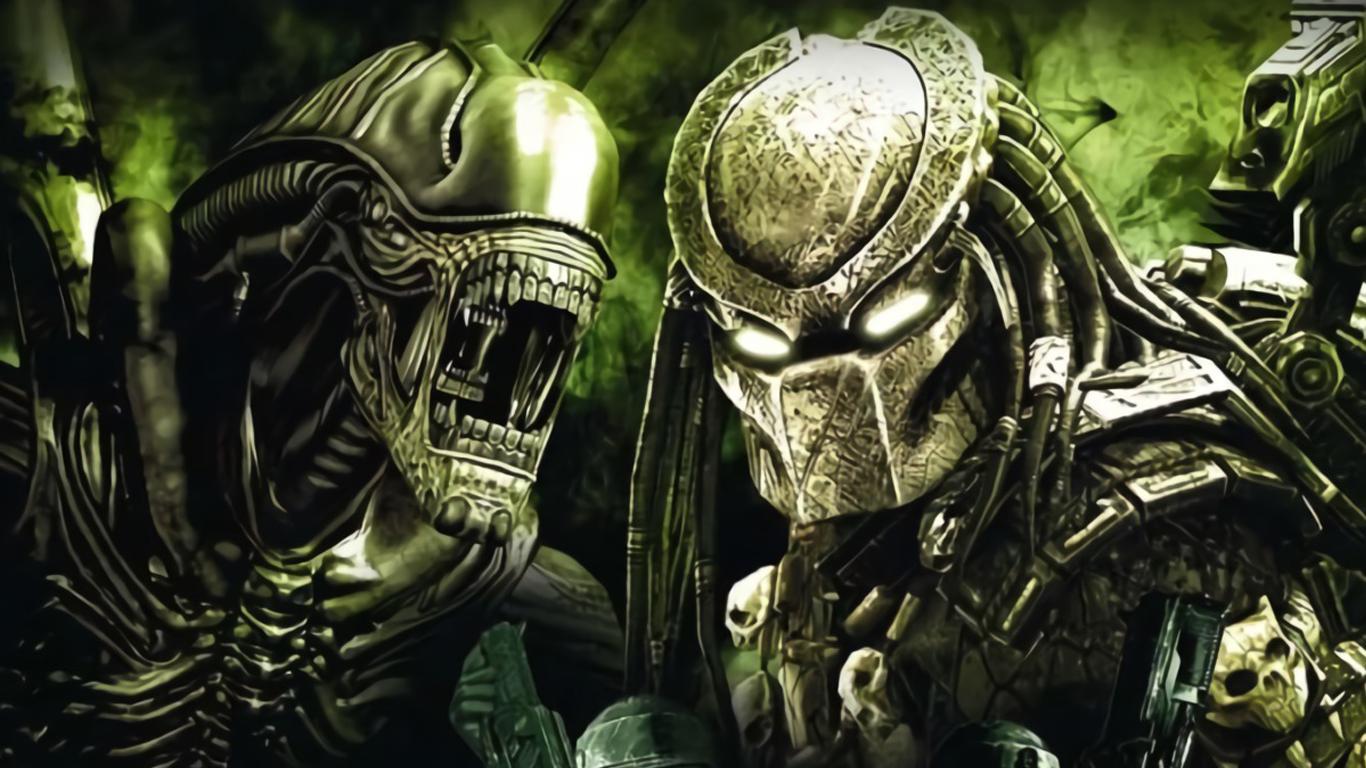
Three campaigns allow players to control a Colonial Marine, a Xenomorph, or a Predator. The Predator campaign features stealth kills that involve ripping spines and heads from human victims. Australian censors refused classification for the game initially because of these specific trophy kill animations. Sega appealed the decision and eventually managed to get the game released with an MA15+ rating without cuts.
‘Clive Barker’s Jericho’ (2007)
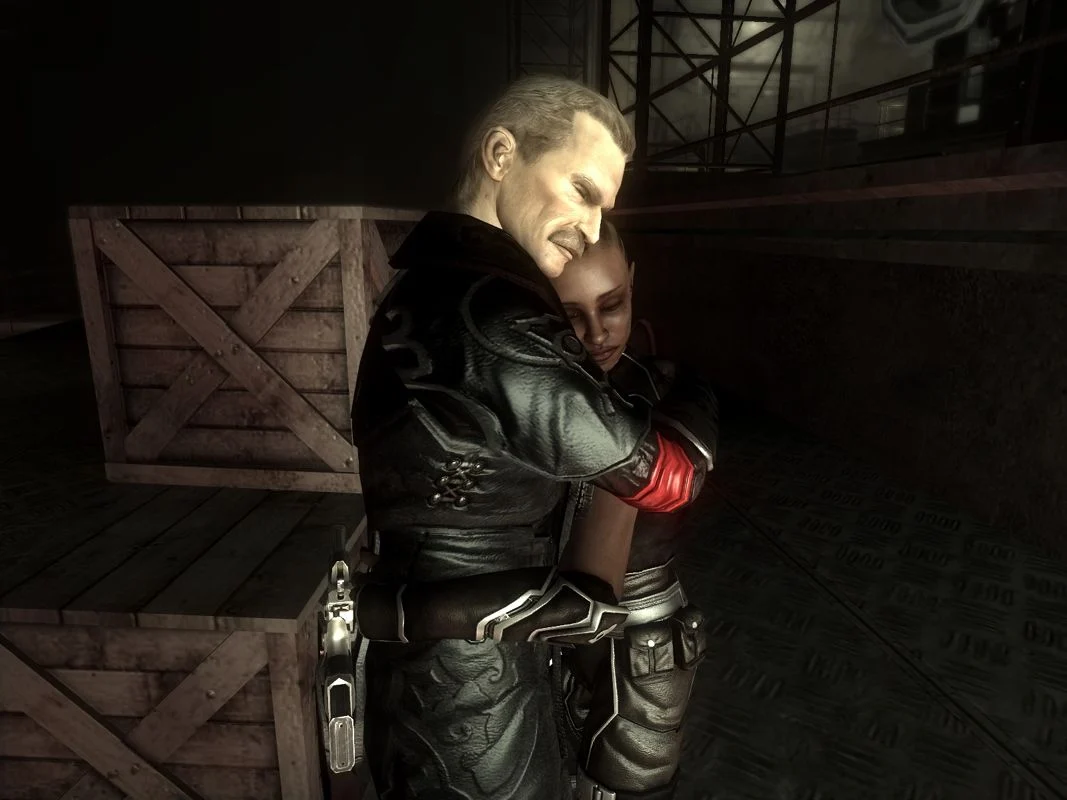
Horror author Clive Barker designed the creatures and story for this squad-based supernatural shooter. A special forces team travels back in time to fight twisted abominations in a lost city. The German ratings board refused to classify the game due to its excessive blood and grotesque monster designs. This left the title legally in limbo and unavailable in most German retail outlets.
‘Splatterhouse’ (2010)
Rick Taylor puts on a cursed Terror Mask to save his girlfriend from a deranged scientist. The game lives up to its name by featuring over-the-top gore where blood literally splatters onto the screen. It was banned in Germany and faced scrutiny elsewhere for its sheer volume of violence and dismemberment mechanics. The game revels in its B-movie aesthetic and shock value.
‘Night Trap’ (1992)
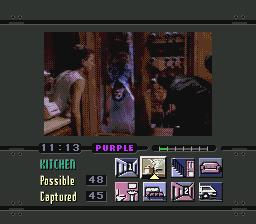
This full-motion video game tasks players with protecting a group of teenage girls from vampires using trapdoors. It became the center of a congressional hearing on video game violence in the United States despite having no on-screen gore. Major retailers like Toys “R” Us and Kay-Bee Toys pulled the game from their shelves following the public outcry. The controversy was instrumental in the creation of the ESRB rating system.
‘Hatred’ (2015)
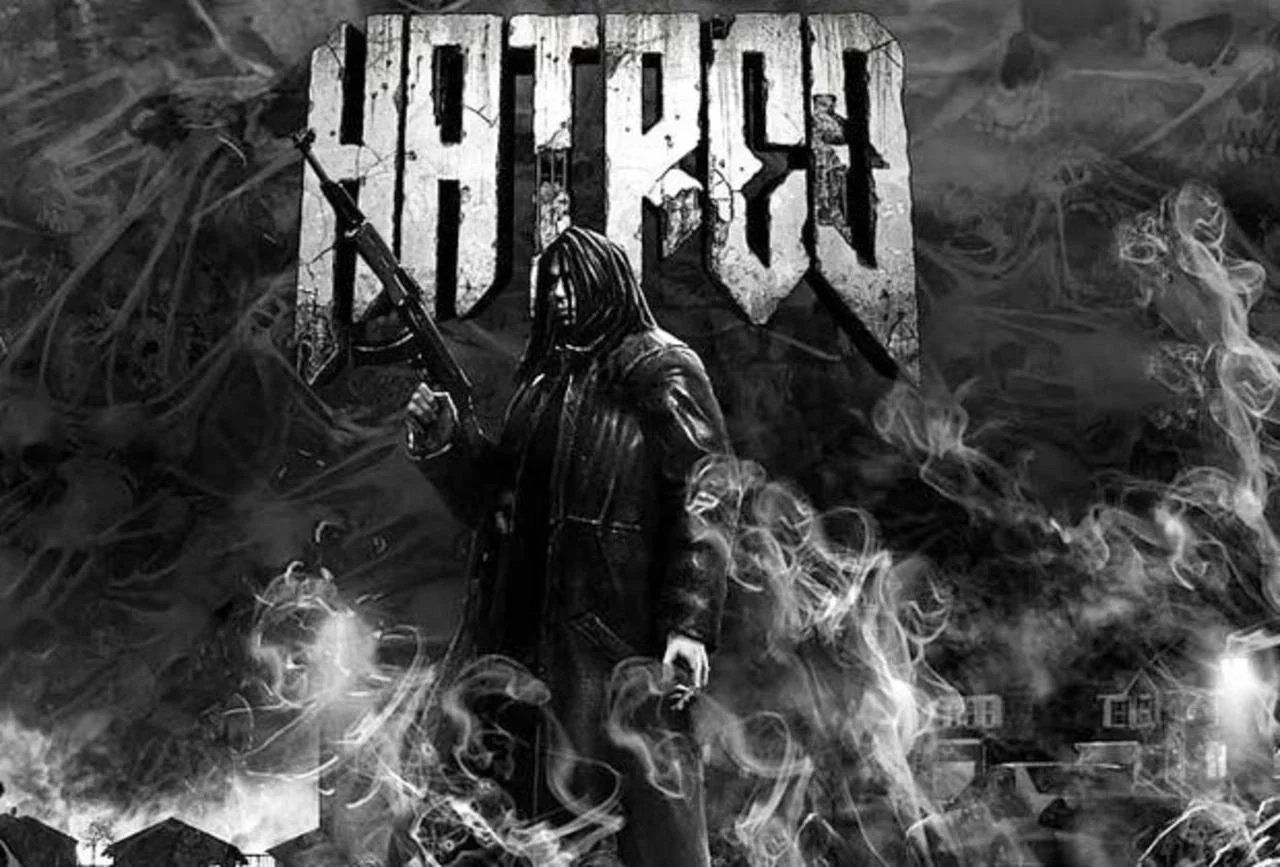
The player controls a misanthropic mass murderer who embarks on a “genocide crusade” against innocent civilians. Its sole purpose is killing, which drew immediate condemnation from the gaming press and distribution platforms. It was the second game in history to receive an Adults Only rating solely for violence, which barred it from release on major consoles. Steam briefly removed the game before reinstating it with a content warning.
‘Agony’ (2018)
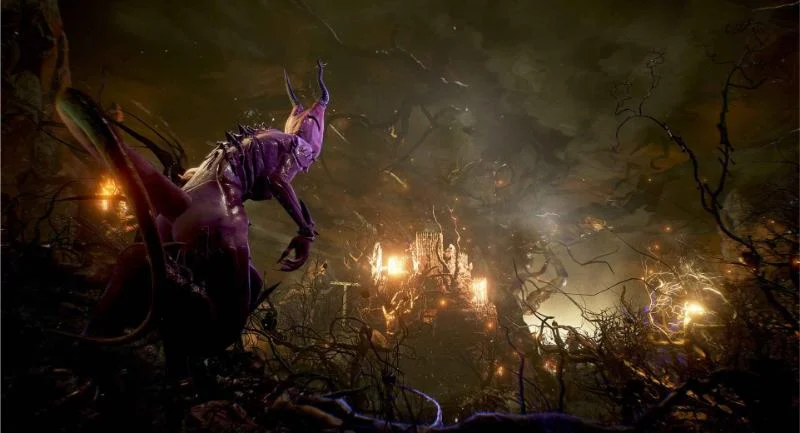
Players take on the role of a tormented soul trying to escape the depths of Hell. The game features disturbing imagery constructed from flesh, bone, and bodily fluids. To avoid an Adults Only rating that would prevent a console release, the developers had to censor several scenes of sexual violence and gore. The unrated version remains available only on PC for those seeking the original vision.
‘Martha Is Dead’ (2022)
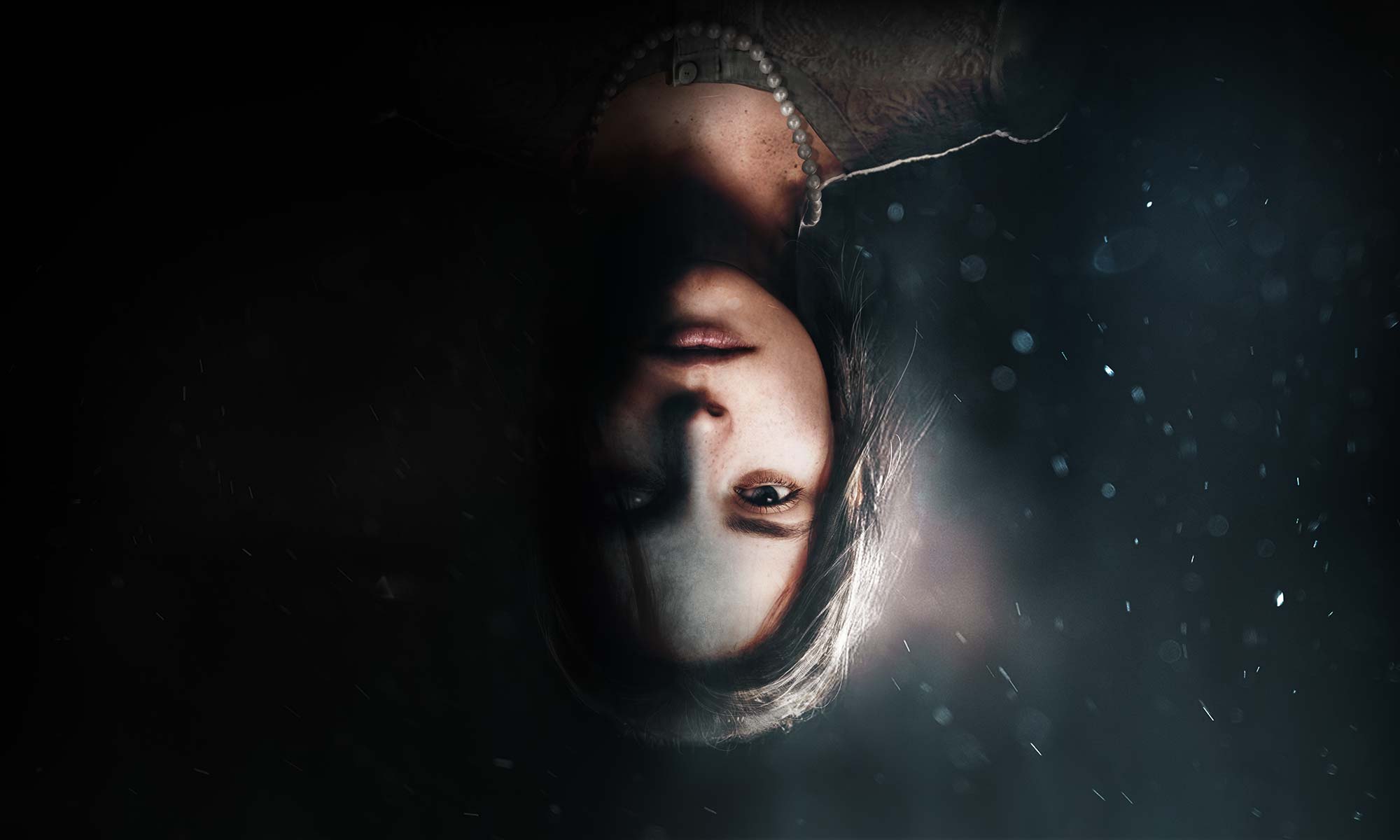
This psychological thriller set in 1944 Italy deals with the desecration of a corpse and the trauma of war. One interactive scene requires the player to cut off the face of a dead body, which caused significant controversy. Sony demanded that this scene be censored and made non-interactive for the PlayStation versions of the game. The Xbox and PC versions remained uncensored, highlighting the differing standards between platform holders.
‘Shellshock 2: Blood Trails’ (2009)
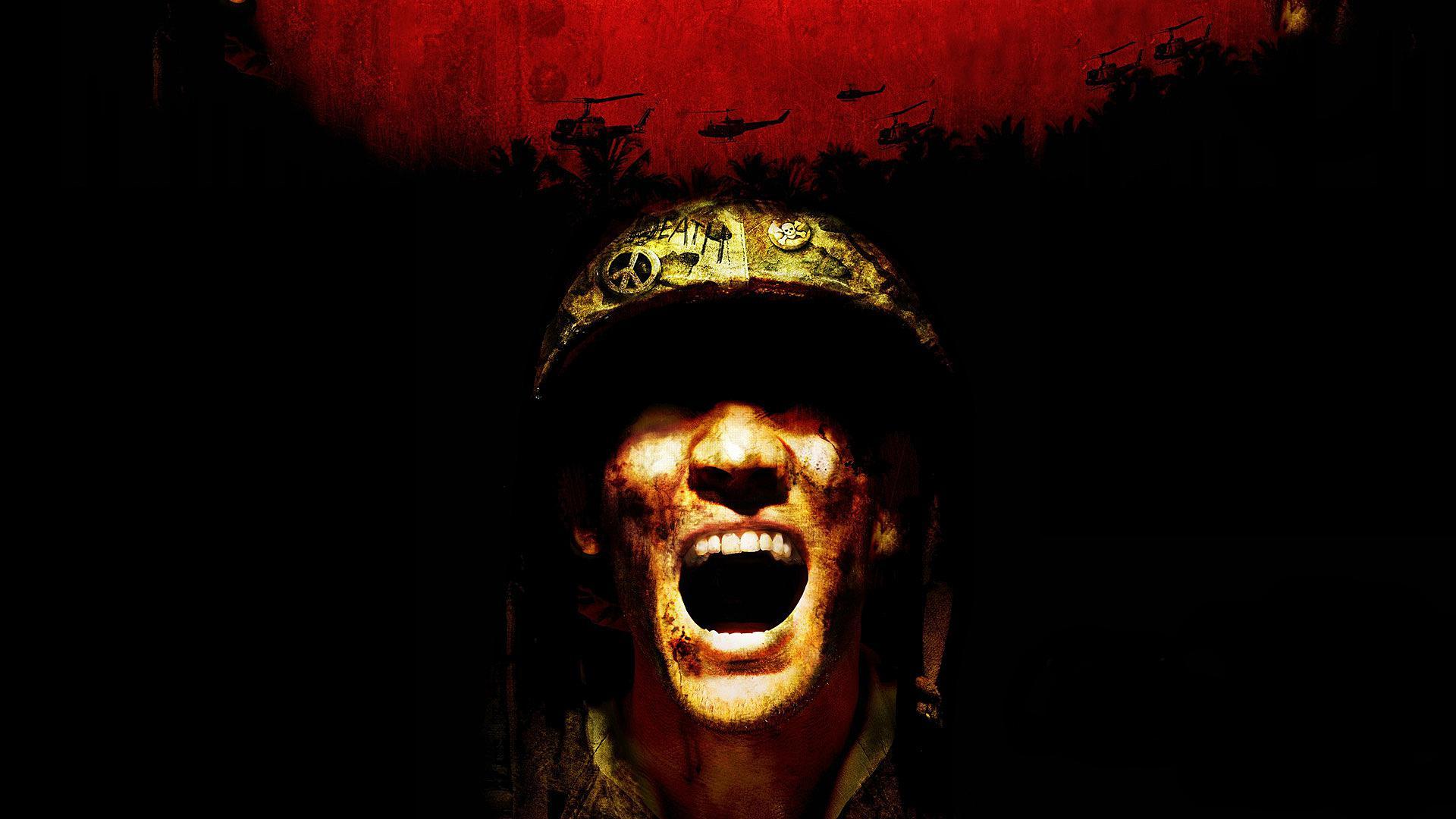
The Vietnam War serves as the backdrop for a zombie outbreak caused by a chemical weapon known as Whiteknight. The game blends war movie tropes with survival horror elements as soldiers mutate into flesh-eating monsters. Australia refused classification for the title due to the high impact of its bloody violence and infection themes. It remains one of the few war games to be banned strictly for its horror content.
‘Land of the Dead: Road to Fiddler’s Green’ (2005)
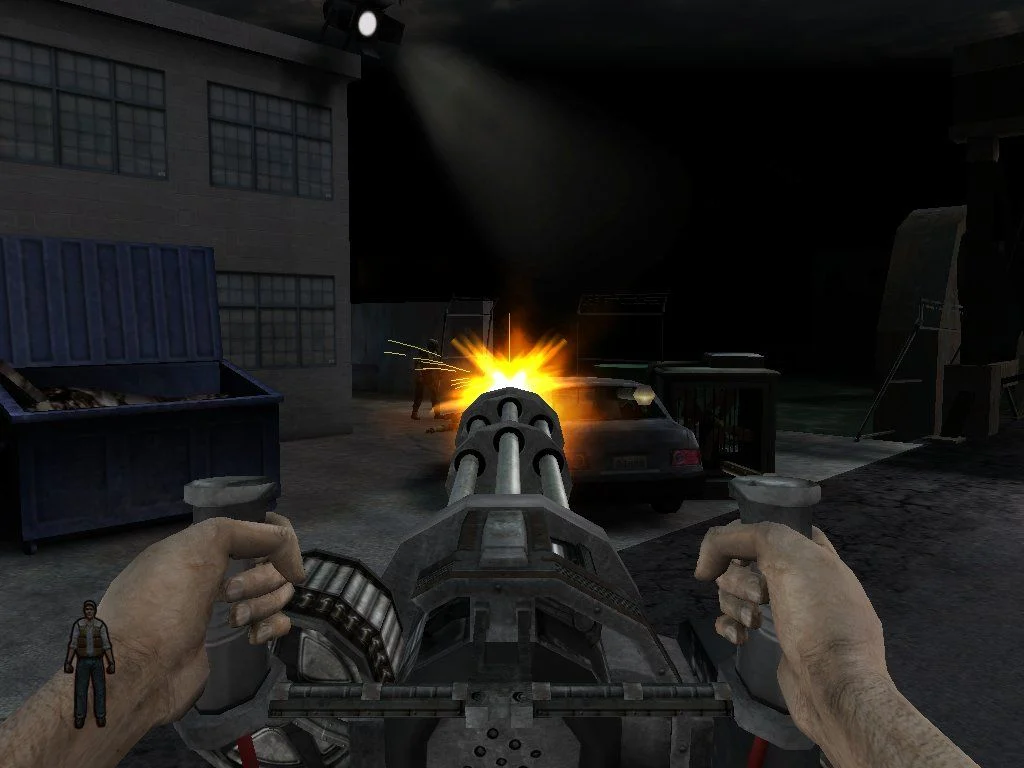
Based on the George A. Romero film universe, this prequel lets players fight through a zombie-infested city. The game features localized damage that allows players to blow off limbs and heads with shotguns and melee weapons. The Australian Classification Board banned the game upon submission, citing its gratuitous violence. It was a budget title that gained infamy primarily because of its banned status.
‘The House of the Dead: Overkill’ (2009)
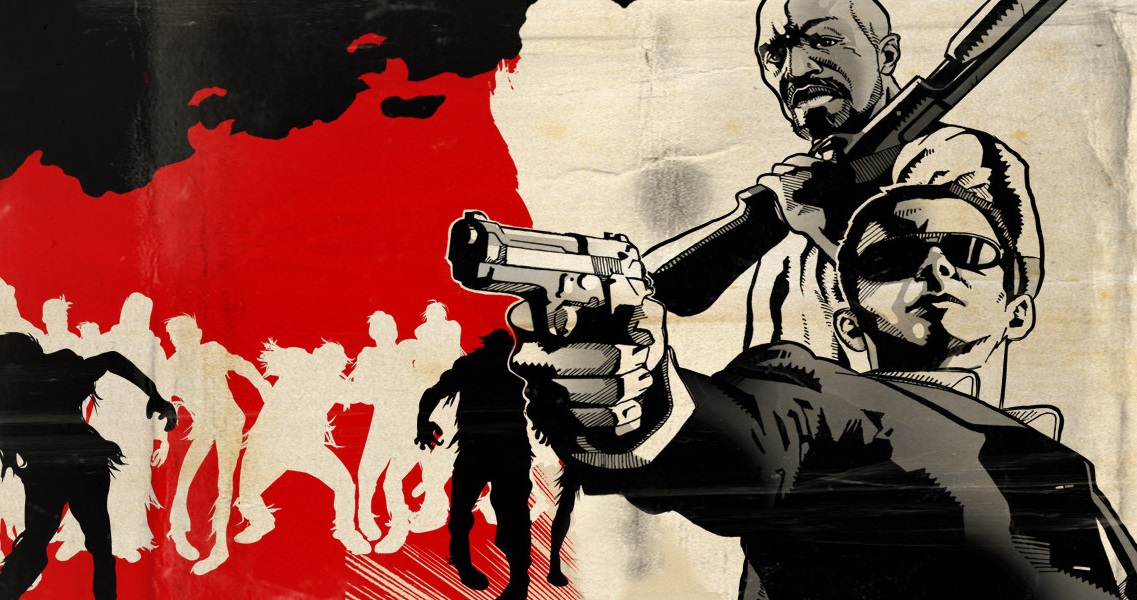
This rail shooter adopts a grindhouse cinema aesthetic complete with film grain and an enthusiastic narrator. It held the world record for the most swear words in a video game at the time of its release. Germany banned the title because the combination of high-score arcade gameplay and graphic headshots was deemed to trivialize violence. The game’s intentionally trashy tone did not save it from the censors.
‘Waxworks’ (1992)
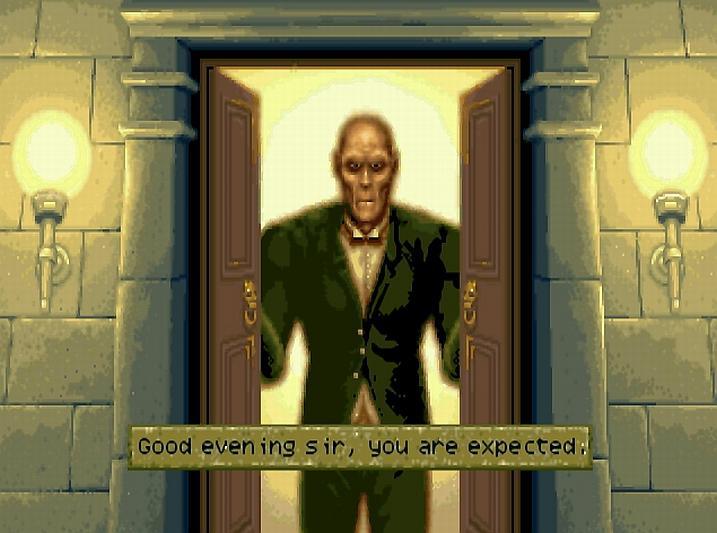
Players must enter different wax exhibits to break a family curse, facing scenarios like Jack the Ripper and zombie-filled graveyards. The game is remembered for its incredibly graphic death screens that show the protagonist being melted, decapitated, or disemboweled. Germany banned the game in the 90s for these detailed static images of gore. It remains a prime example of early PC horror pushing visual boundaries.
‘Chiller’ (1986)
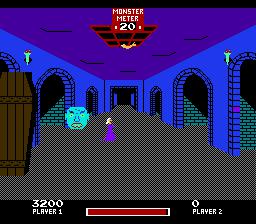
This arcade shooter places players in a torture chamber where they must shoot helpless victims to rack up points. The premise involves maiming bound captives rather than fighting back against enemies, which was shocking for the time. It was banned in the United Kingdom and many arcade operators in the United States refused to install the machine. It is widely considered one of the most tasteless video games ever made.
‘Dark Sector’ (2008)
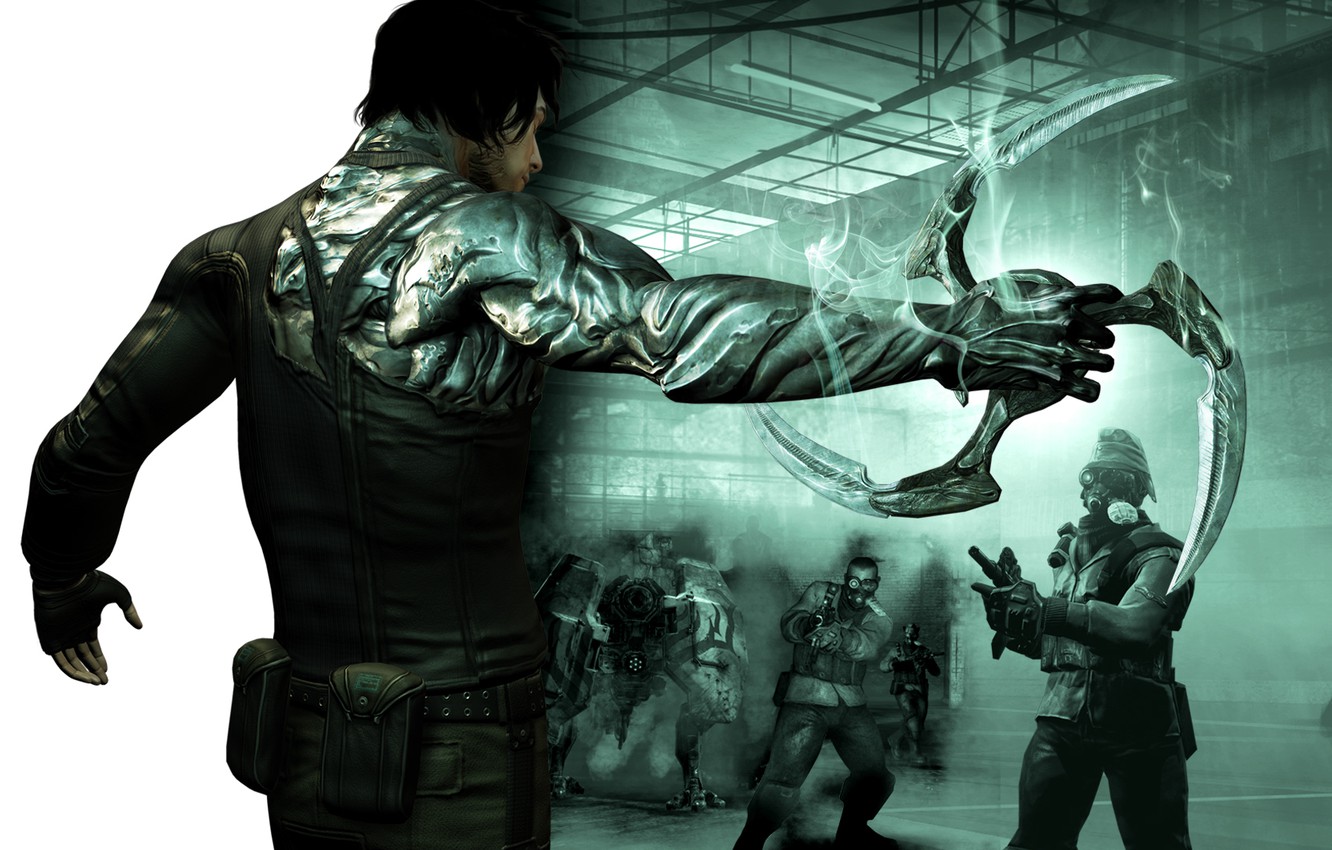
Hayden Tenno wields a bladed glaive that he can control in mid-air to dismember mutant enemies. The game features brutal finishing moves where the protagonist decapitates or severs the limbs of his foes. Australian censors refused to rate the game initially due to the predatory nature of the violence. The game was eventually released with minor edits to the most graphic execution animations.
‘The Darkness’ (2007)
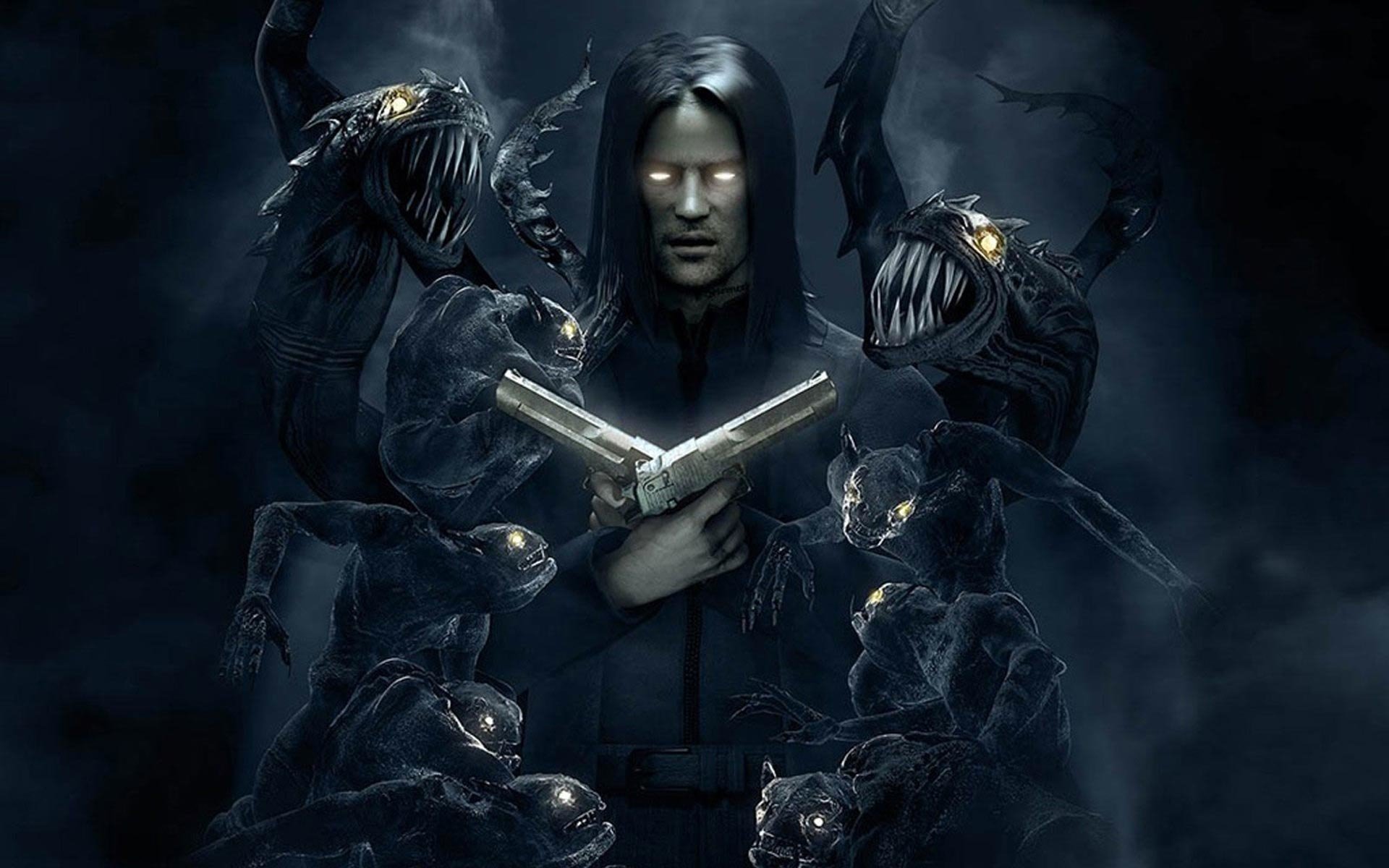
Jackie Estacado possesses a demonic power that allows him to summon tentacles to tear enemies apart. The game includes hearts that can be devoured to upgrade powers, a mechanic that was considered too gruesome for some markets. Germany ordered the removal of the heart-eating animations and all Nazi symbols from the game before it could be sold. The uncut version remains indexed and restricted from public sale in the country.
‘Doom’ (1993)
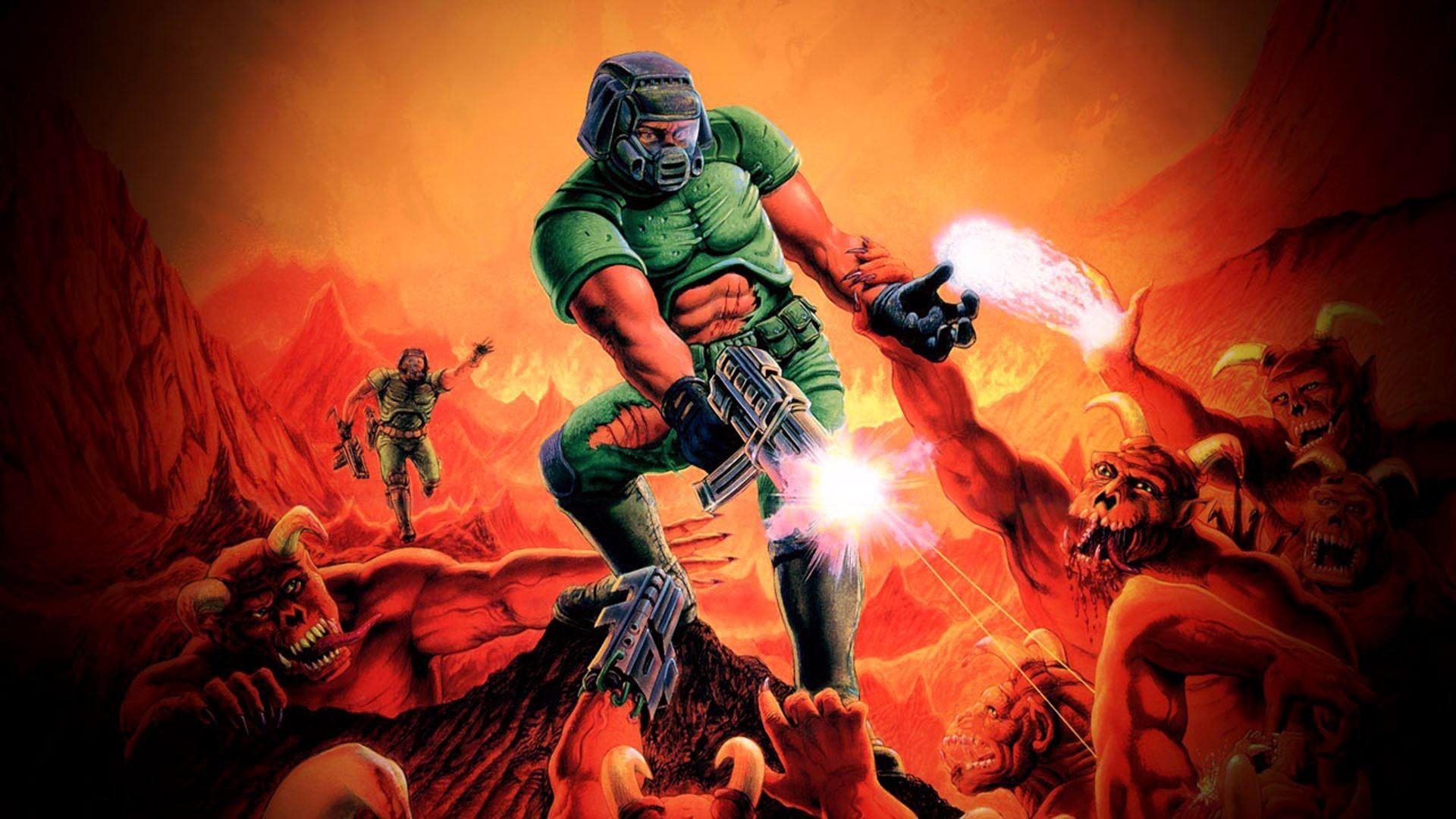
The grandfather of first-person shooters introduced the world to demons, shotguns, and chainsaws on Mars. Its violence and satanic imagery caused a moral panic that lasted for years. Germany placed the game on its index of harmful media, which meant it could not be advertised or sold to minors for nearly two decades. The ban was only lifted in 2011 after a successful appeal by Bethesda.
‘Resident Evil Code: Veronica’ (2000)
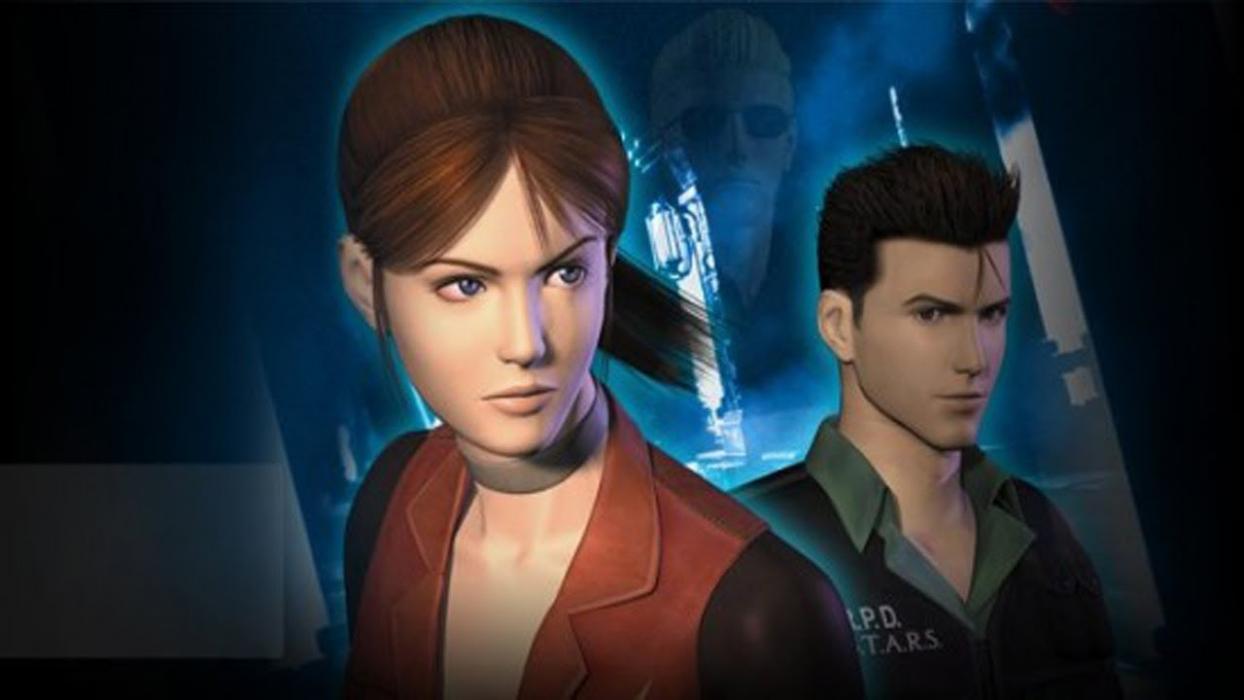
Claire Redfield’s search for her brother leads her to a prison island run by the twisted Ashford family. The game features zombies, mutants, and a storyline involving grotesque experiments. Germany indexed the title shortly after release, preventing it from being sold openly in stores. This restriction applied to the Dreamcast original and subsequent PlayStation 2 ports for many years.
‘Cold Fear’ (2005)
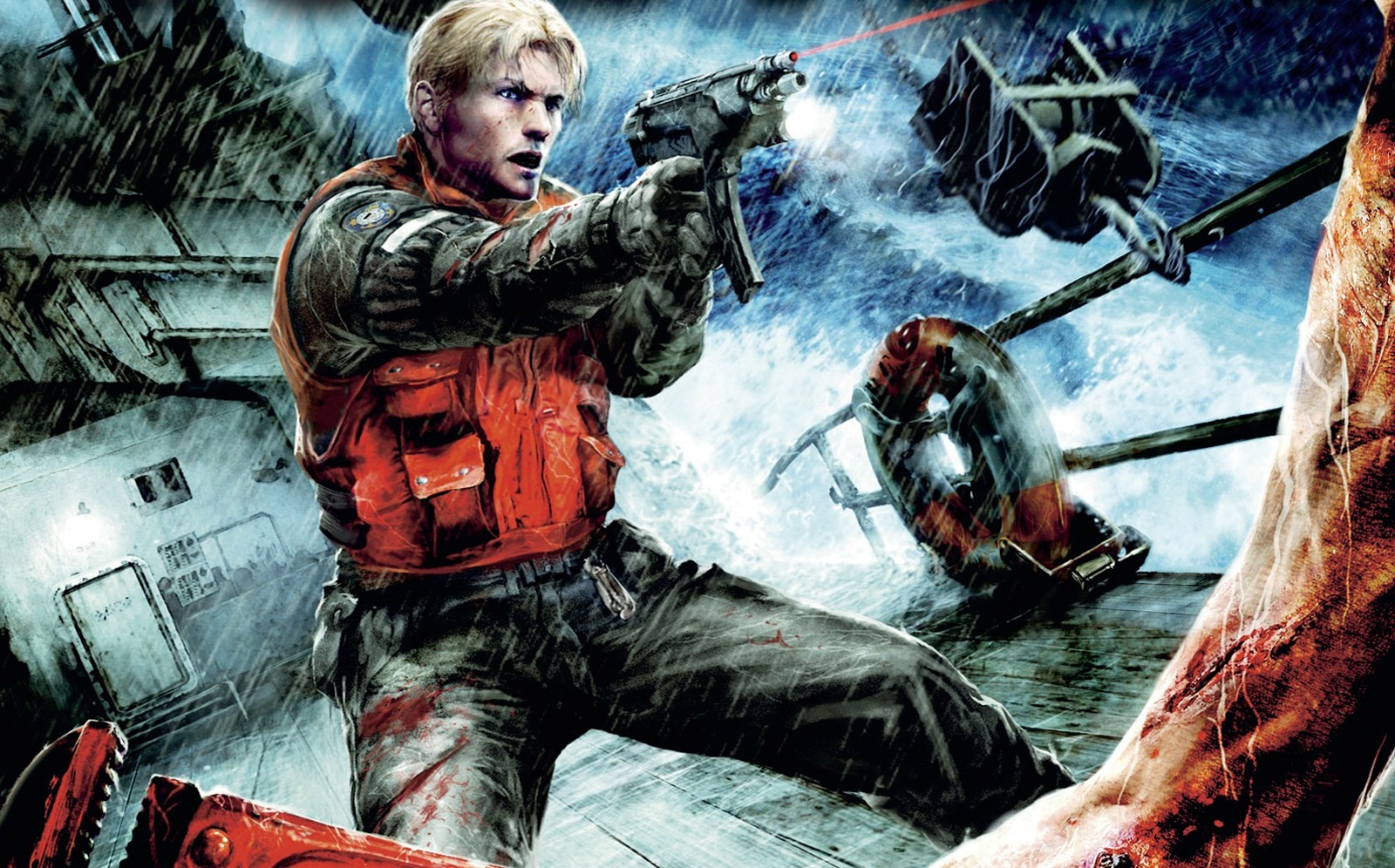
A coast guard officer investigates a drifting Russian whaler ship only to find it overrun by parasites. The game features zombies that can only be killed by destroying their heads, resulting in significant gore. It was placed on the German index of harmful media, restricting its availability to adult-only shops. The game is often compared to other survival horror giants but faced harsher distribution hurdles in Europe.
‘Manhunt’ (2003)
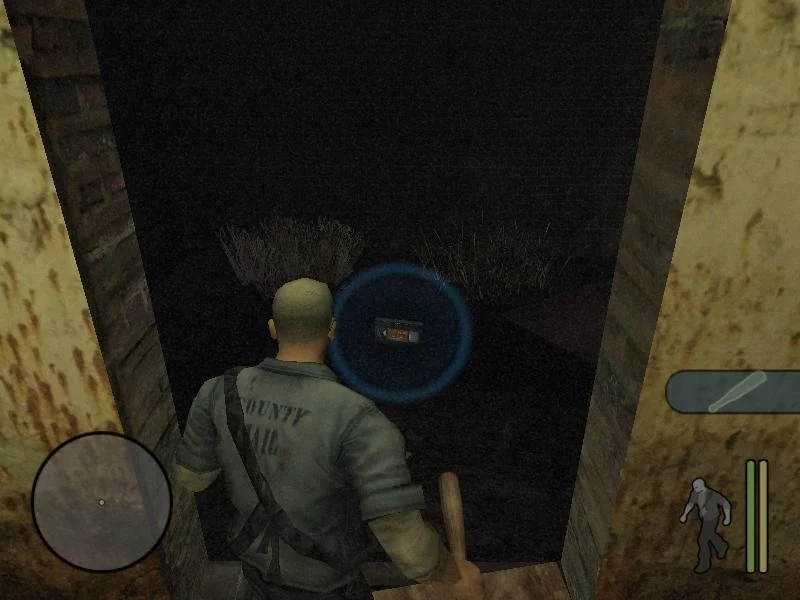
Rockstar’s stealth horror game casts players as a death row inmate forced to star in a snuff film. The executions are graded by level of brutality, encouraging players to perform the most gruesome kills for higher scores. It was banned in New Zealand and became implicated in a murder case in the United Kingdom, leading to its temporary removal from shelves. The game remains one of the most controversial titles in history due to its realistic tone.
‘The Medium’ (2021)
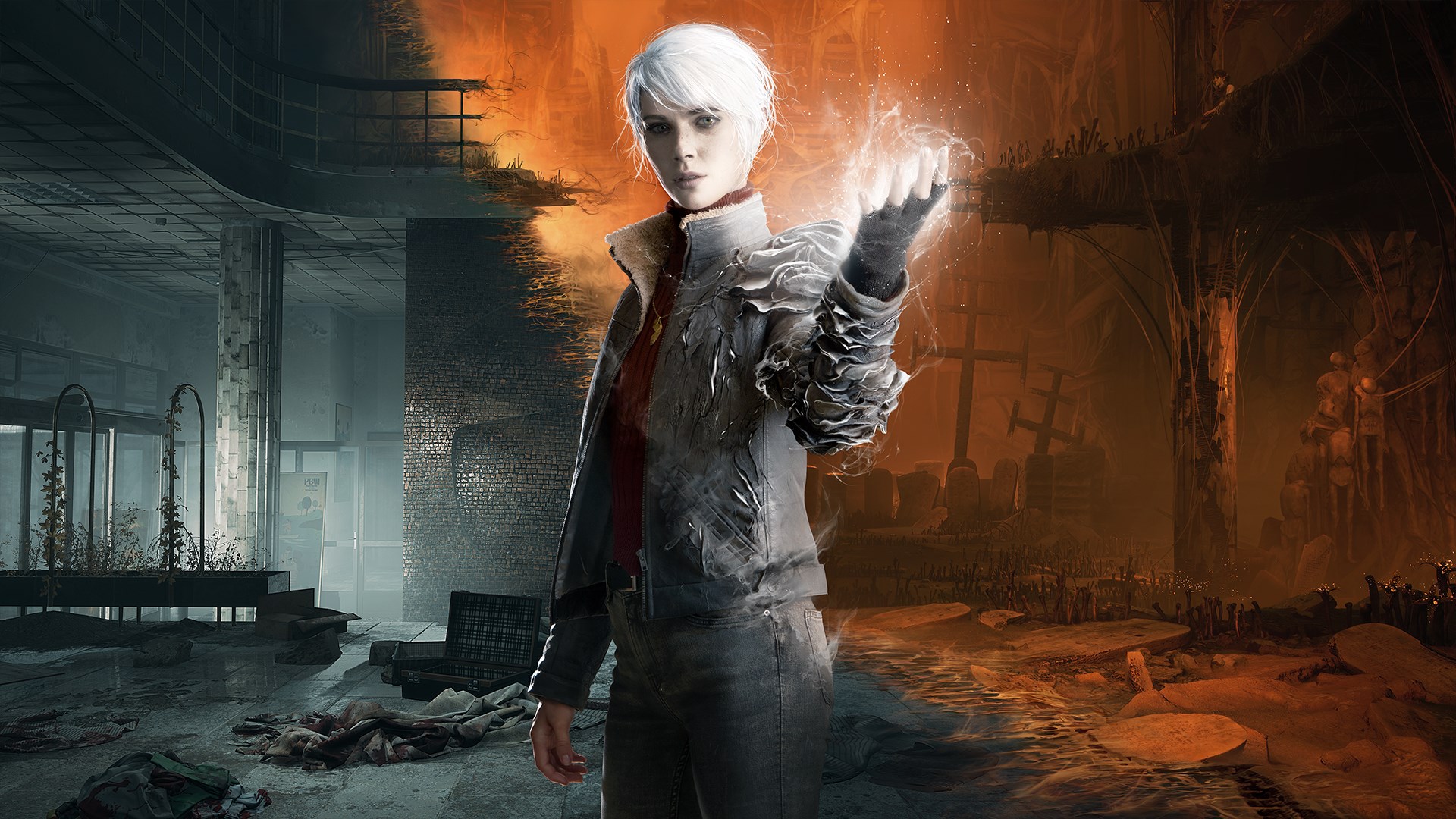
A spirit medium explores an abandoned communist resort to uncover the truth about her past. The game deals with heavy themes including child abuse, suicide, and the Holocaust. Australian censors initially refused classification, effectively banning the game, likely due to a scene depicting a ritualistic suicide. The decision was later overturned, allowing the game to be sold with an R18+ rating.
‘We Happy Few’ (2018)
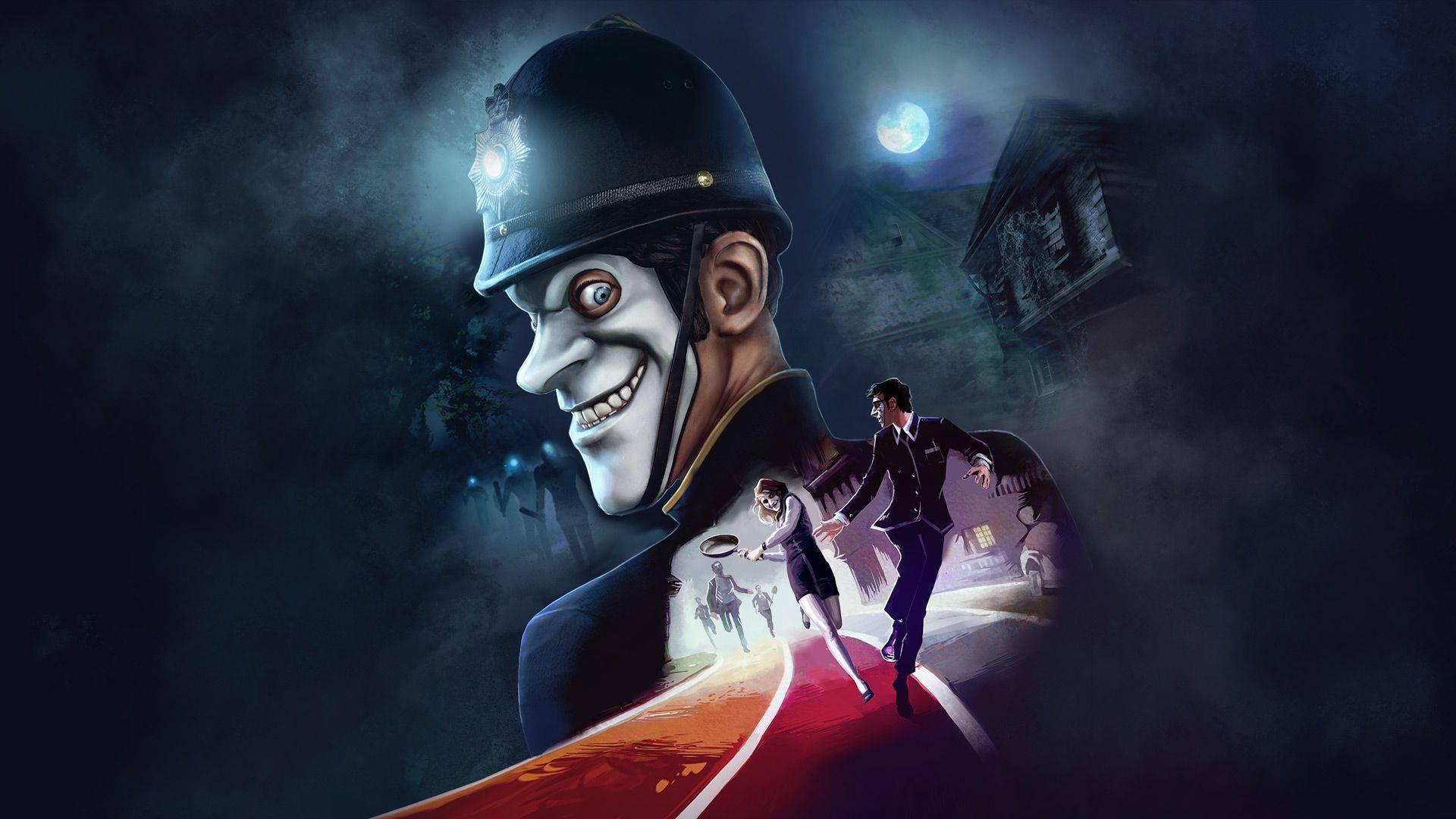
In a retro-futuristic England, citizens are forced to take a drug called Joy to forget a terrible past. The game was initially refused classification in Australia because the mechanics incentivized drug use to survive. This “drug use related to incentives or rewards” is a specific criteria that often triggers bans in the region. The ruling was eventually overturned after an appeal by the developers.
Tell us which of these forbidden horror games you would be brave enough to play by leaving a response in the comments.