


15 Horror Movies That Originally Had Much Darker Endings

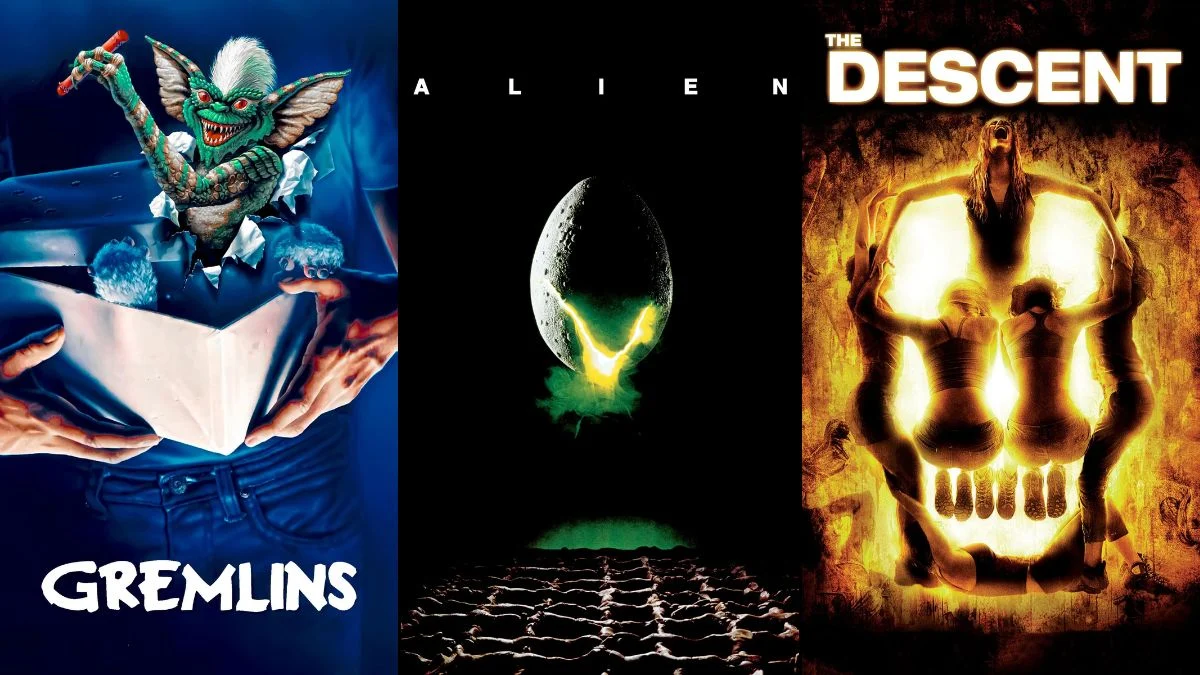


Horror filmmakers often test different finales to see what works, and sometimes those early cuts go to places that are far grimmer than what audiences finally see. Studio notes, test screenings, and rating concerns can all nudge a movie away from a pitch black conclusion and toward something a little easier to walk out of.
Here are fifteen horror titles that nearly closed on much bleaker notes. Each one had an ending that was shot or seriously scripted before being softened in the version most viewers know today.
‘Get Out’ (2017)
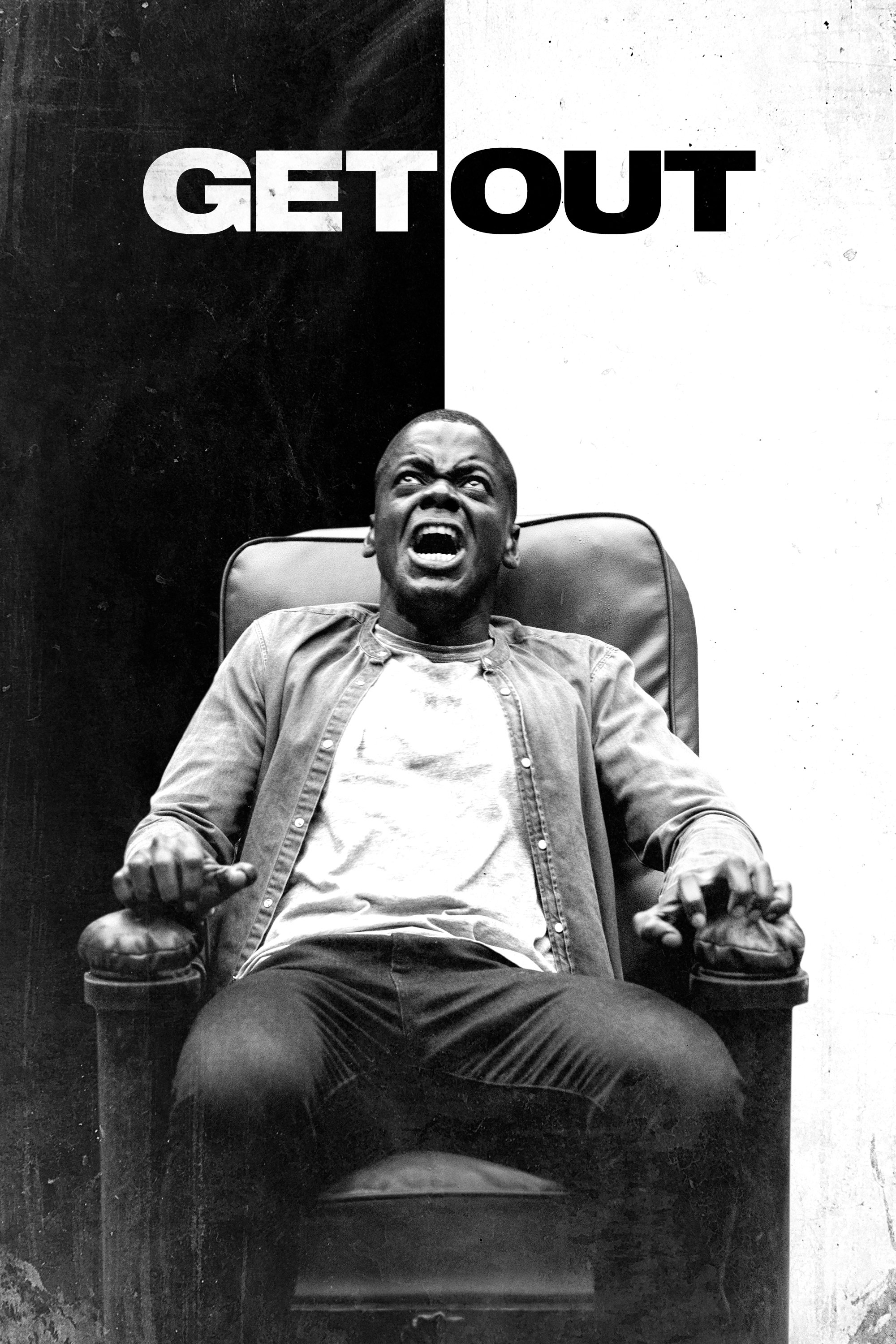
Jordan Peele first cut an ending where Chris survives the night only to be arrested when police arrive, which sends him to prison despite doing everything he could to escape. That finale underlined the story’s systemic themes and left Rod’s warnings unanswered.
The release version brings TSA friend Rod to the rescue at the last second. Chris leaves the Armitage house with his life and his freedom, which shifts the emphasis from a grim epilogue to survival after the ordeal.
‘Little Shop of Horrors’ (1986)
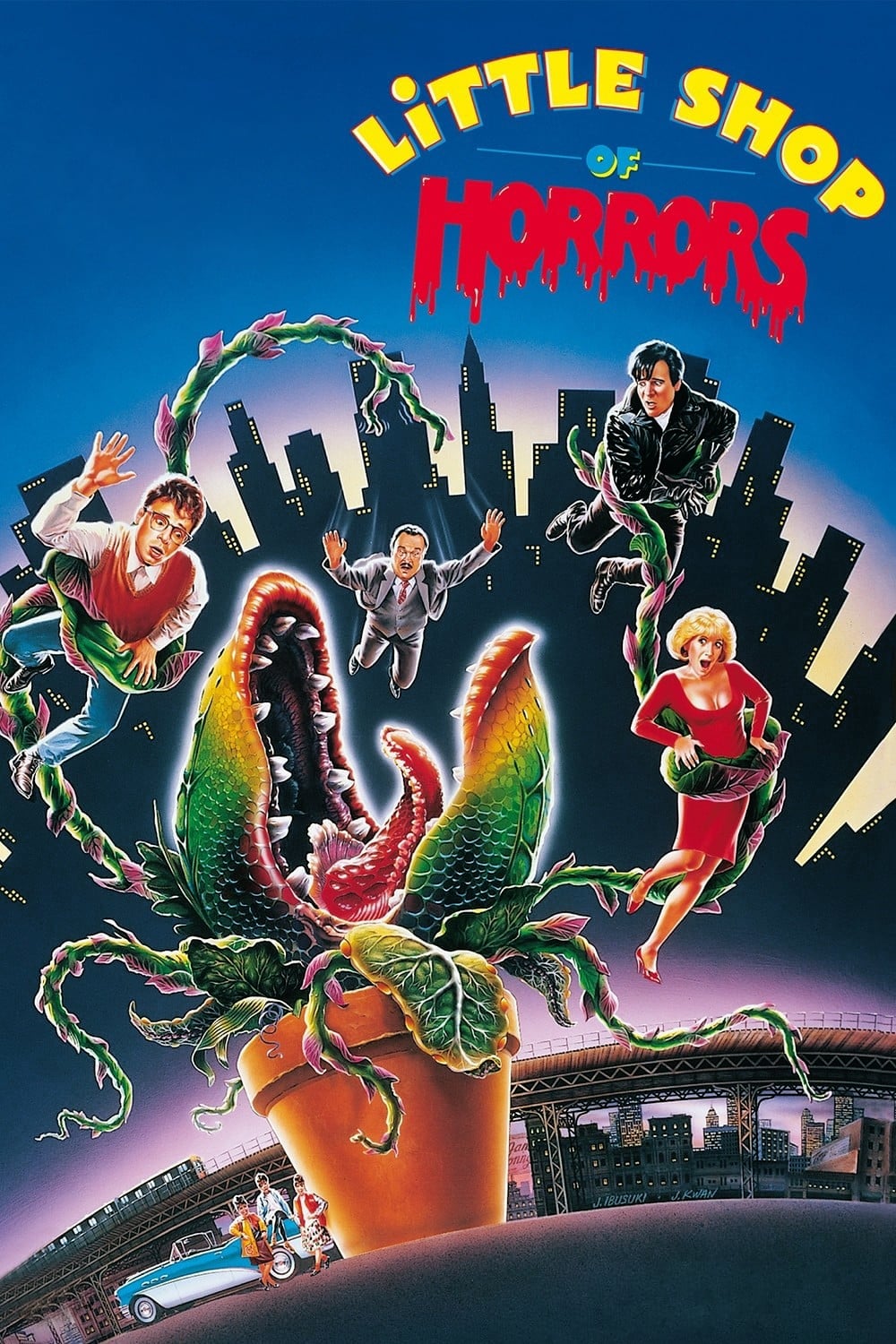
The production shot a massive sequence faithful to the stage show in which Audrey II kills Audrey, then devours Seymour, multiplies, and destroys the city. Miniature work and visual effects showed the plants overrunning skyscrapers and bridges before the credits.
Preview audiences rejected the downbeat finish, so the film was recut to let Seymour save Audrey and defeat the plant. The alternate apocalypse survives in restored versions and bonus features, but theaters got the more hopeful wrap up.
’28 Days Later’ (2002)
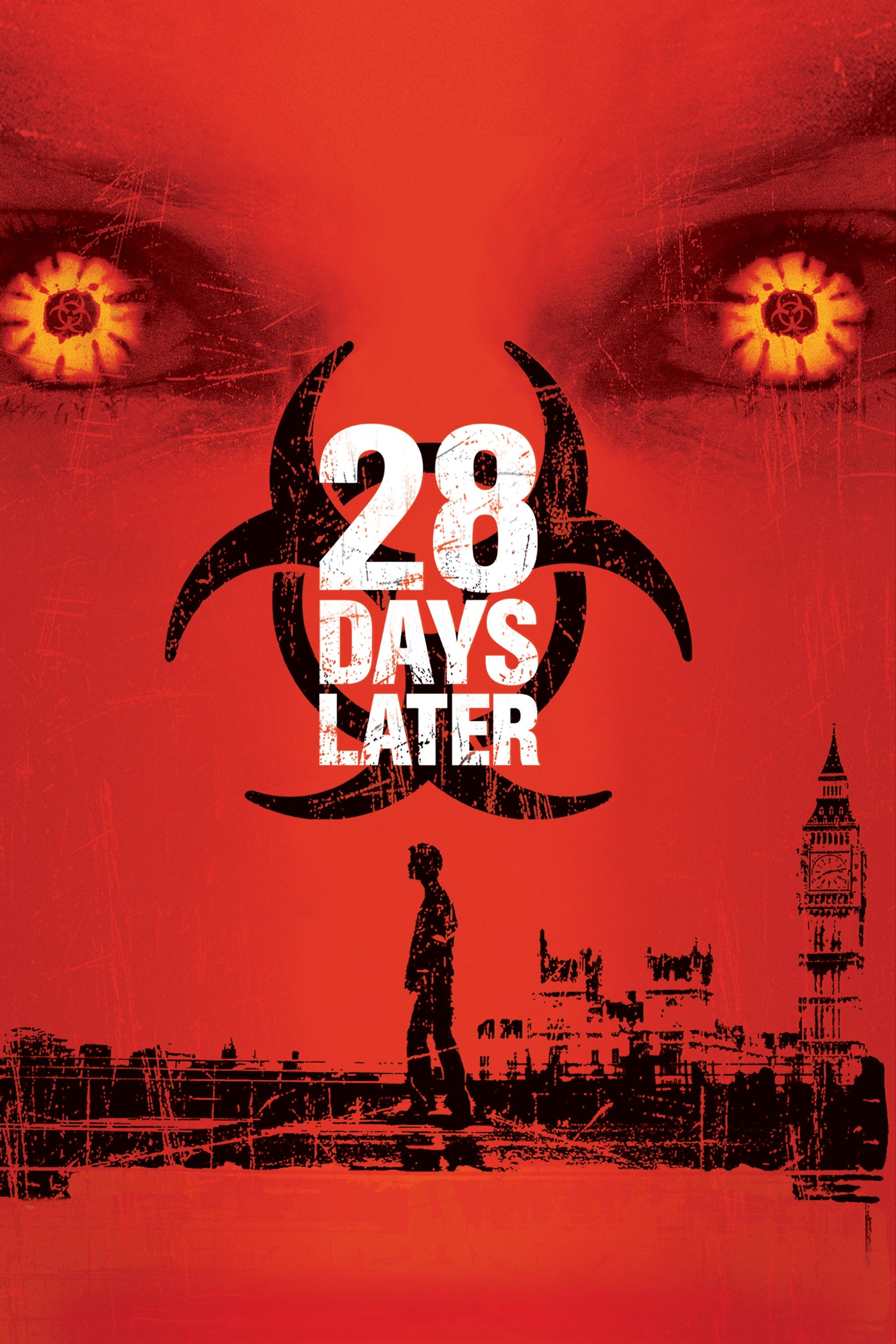
One filmed ending has Jim dying on a hospital table after a desperate attempt to save him with an improvised transfusion. Selena and Hannah walk away without him, and the story closes with no reunion or cottage sequence.
The final cut keeps Jim alive and adds the country refuge with the fabric sign, which reframes the last minutes around a chance at recovery. Earlier drafts also explored an even harsher version that removed the entire military subplot, but the release sticks to the softer coda.
‘Paranormal Activity’ (2007)
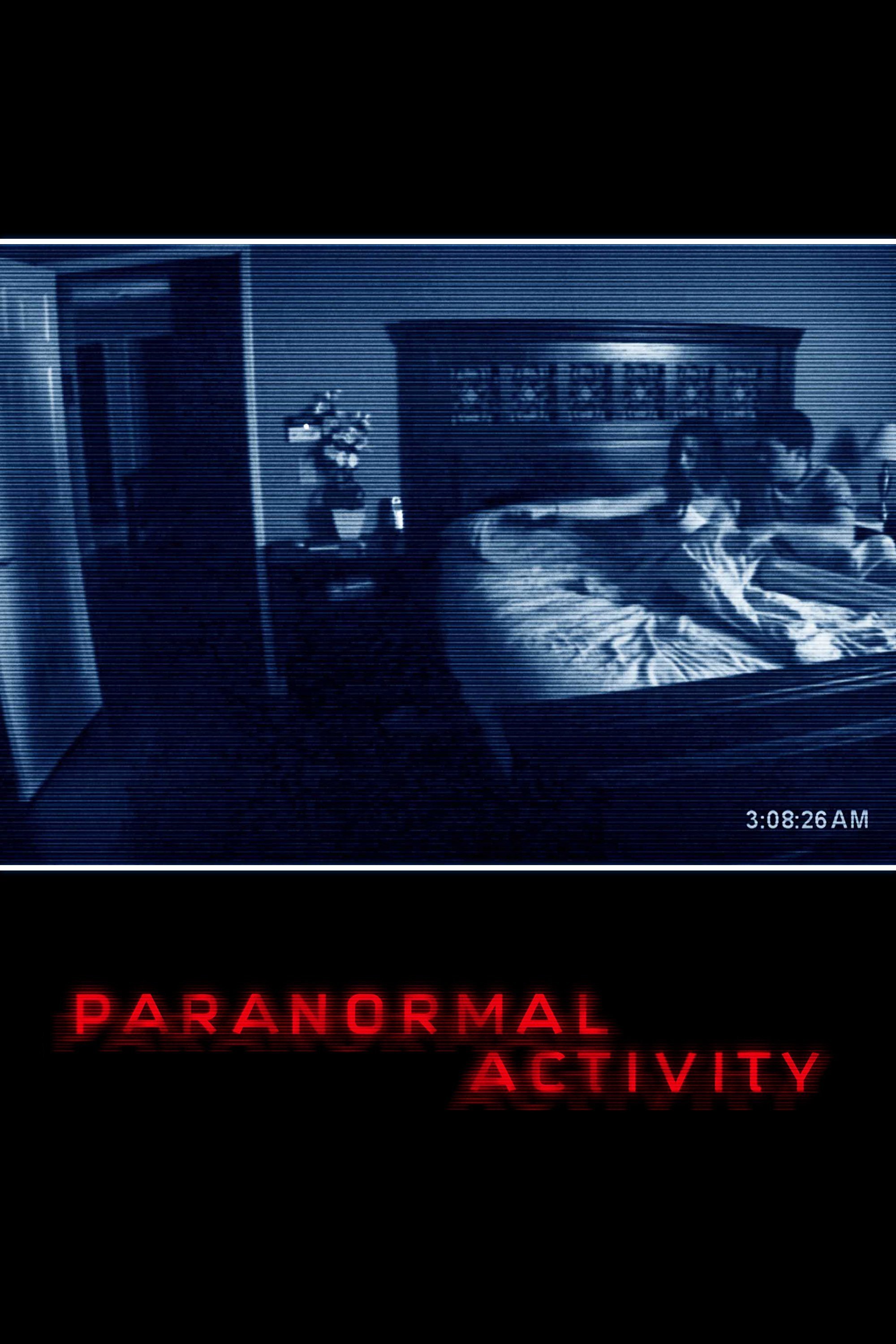
Oren Peli’s original finish brings police into the house after the night of violence. Katie reappears in a stunned state, advances with a knife, and is shot dead by officers who mistake her for the attacker, ending the story with a sudden and tragic misunderstanding.
Another alternate shows Katie calmly returning to the bedroom and killing herself on camera. The theatrical release instead ends with Micah’s body thrown toward the lens and Katie lunging into frame, which leaves the demon’s presence intact without the police aftermath.
‘Army of Darkness’ (1992)
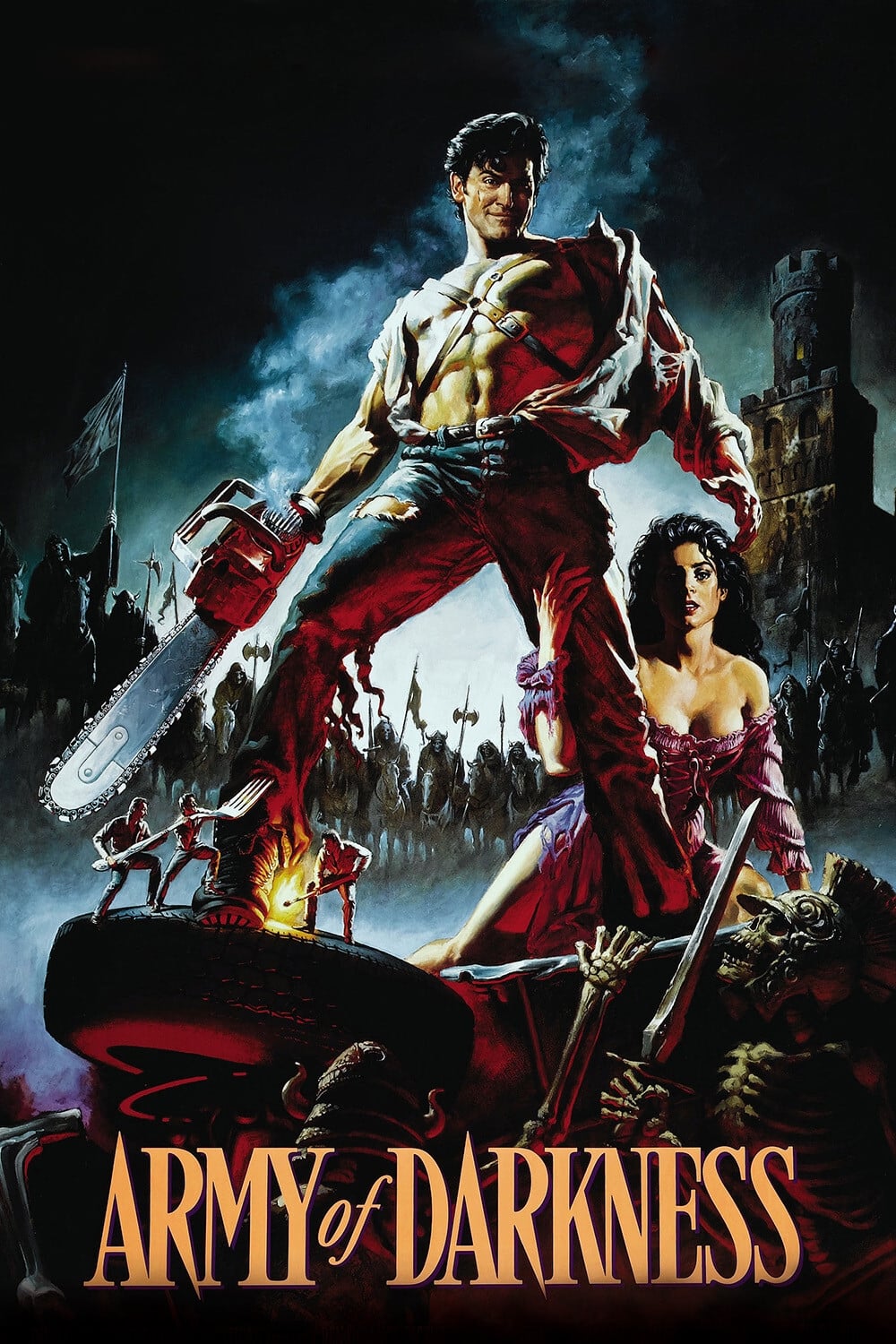
Sam Raimi’s preferred ending sends Ash back to his own time with a supply of potion, but he drinks too many drops and wakes in a ruined future. He steps into a landscape of collapse and screams as he realizes he overslept past the end of the world.
Universal opted for a lighter store showdown with Ash working at S Mart and fighting one last Deadite in the aisles. The credits roll on a wisecracking survivor rather than a devastated wanderer in a broken world.
‘The Descent’ (2005)
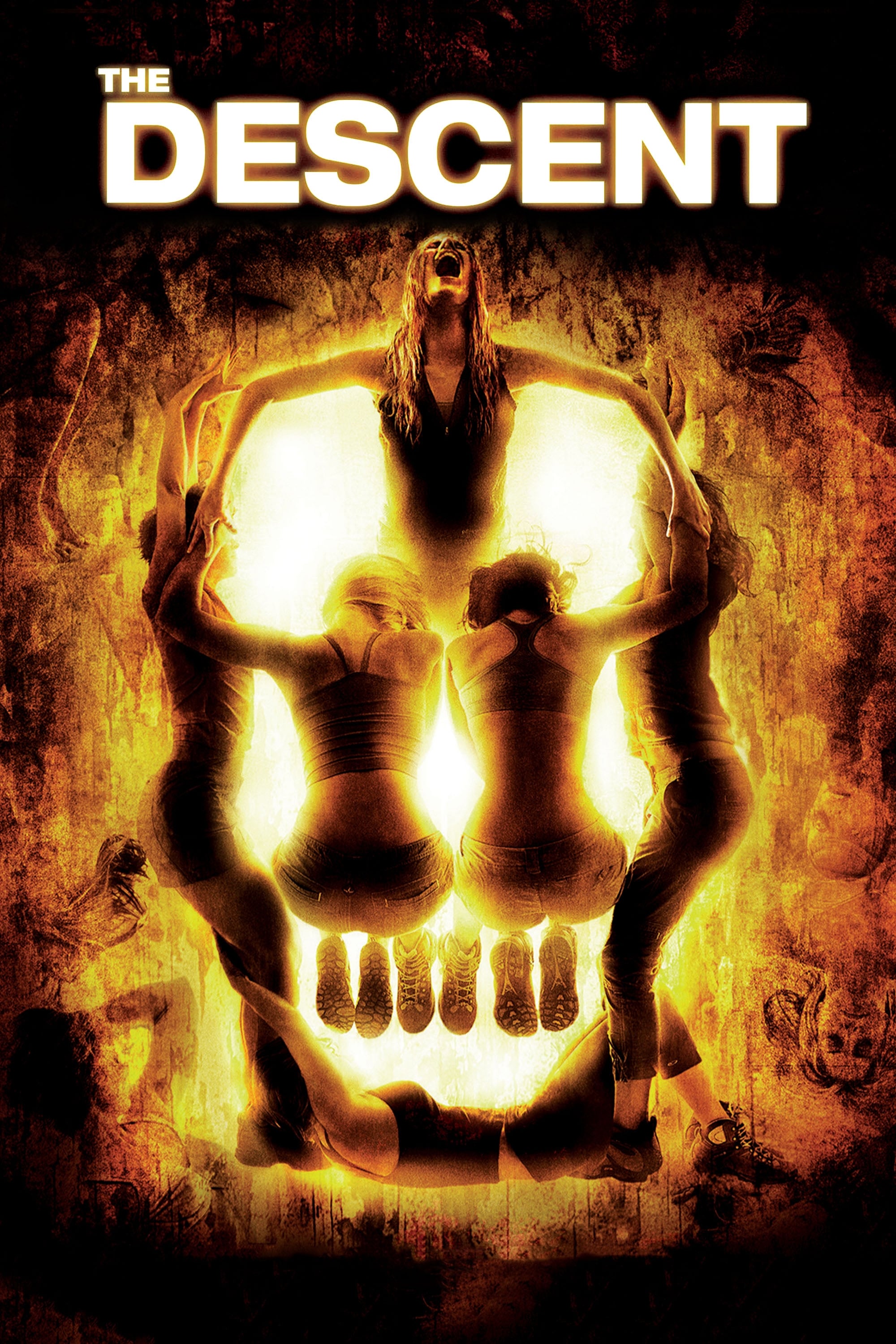
The original UK ending keeps Sarah in the cave after a hallucinated escape. She imagines sunlight and freedom, then the vision falls away and the camera reveals her still trapped with only a birthday cake of torchlight for comfort as the creatures close in.
For the US release, the film cuts to black right after Sarah’s burst from the earth and a roadside shock. That change removes the final reveal and avoids the complete loss of hope shown in the UK version.
‘The Omen’ (1976)
Early plans had Robert Thorn succeed in killing Damien in the church, only for police to shoot Robert moments later. The Antichrist threat would have ended there, closing the story without a surviving child to carry the prophecy forward.
The released film stops Robert before he can finish the act. Damien appears at a funeral, alive and watched by powerful allies, which preserves the menace and avoids the absolute finality of the original idea.
‘Gremlins’ (1984)
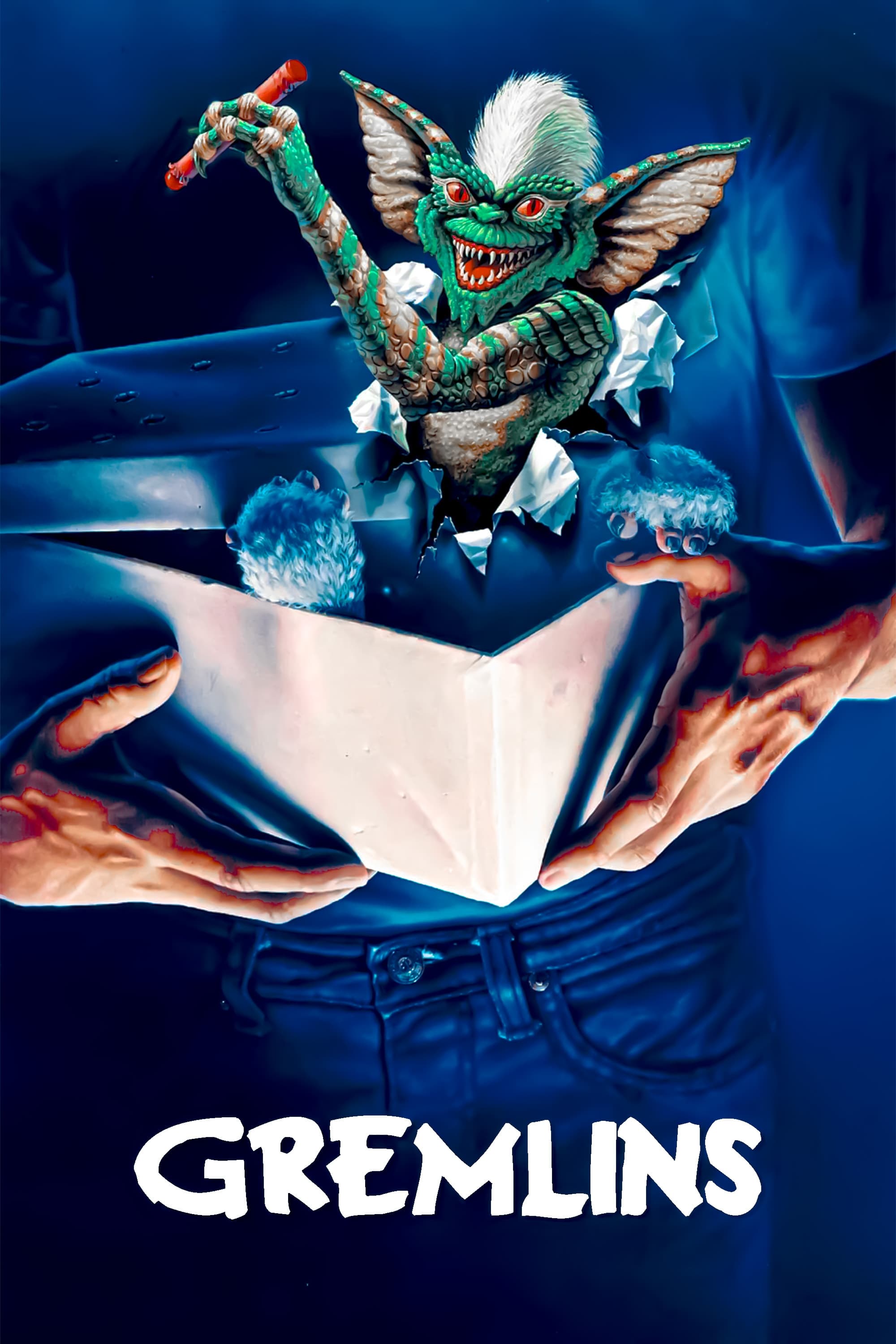
Chris Columbus’s early drafts turned Gizmo into Stripe, which meant the cuddly Mogwai would become the villain and die in the climax. Those pages also sketched a far bloodier final stretch for Kingston Falls and its residents.
Joe Dante and Steven Spielberg chose to keep Gizmo separate from Stripe and let him stay the hero through the finale. The showdown still wrecks the town, but the movie ends with Gizmo alive and returned to Mr. Wing rather than gone for good.
‘Friday the 13th Part III’ (1982)
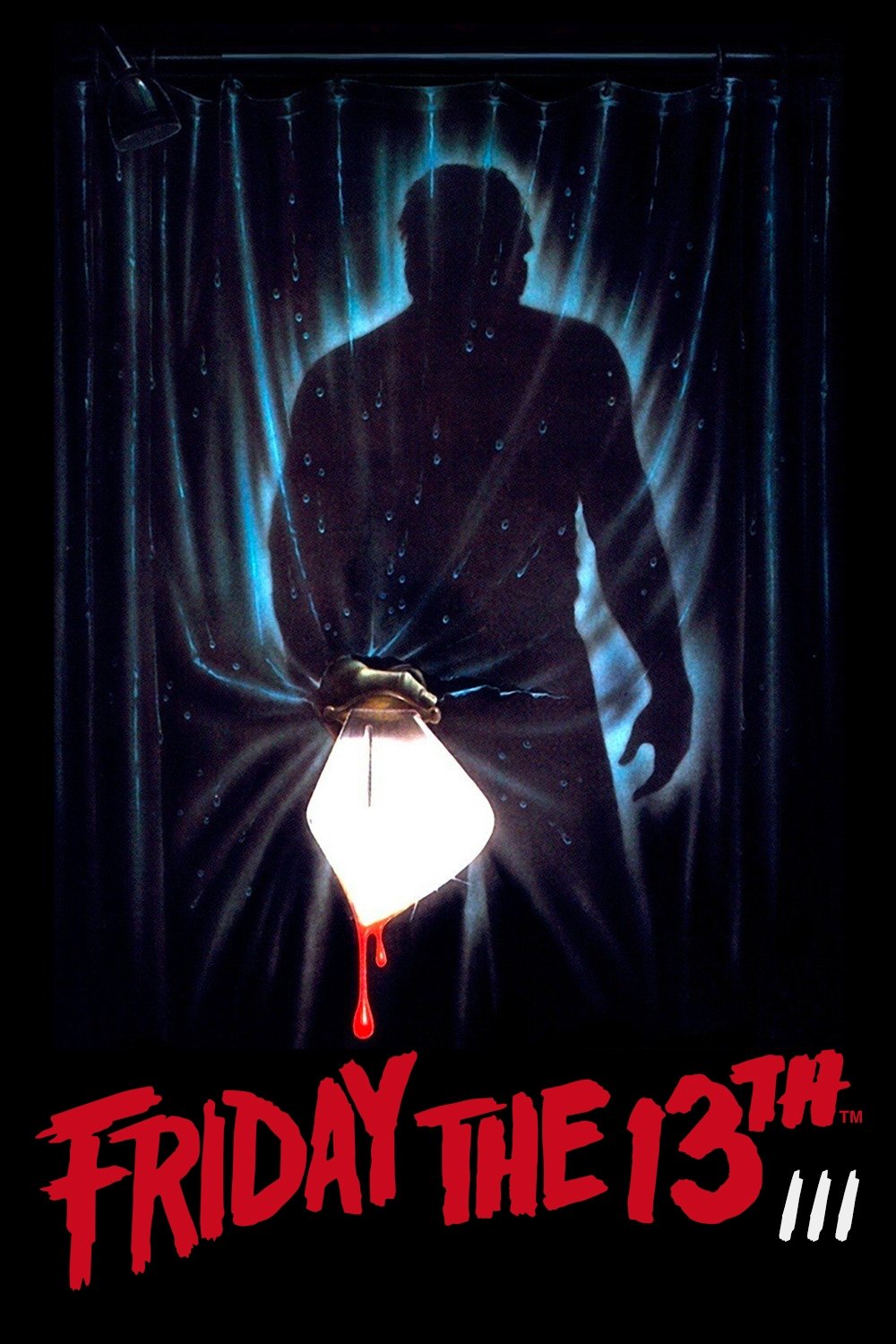
The production shot a nightmare capper in which Pamela Voorhees appears at the dock and decapitates Chris. That version was intended as the final scare before cutting to the morning aftermath.
The movie swapped in the now familiar lakeside jump with Jason’s corpse and finished with police rescuing a traumatized Chris. The alternate beheading stayed in stills and accounts while theaters got a less terminal jolt.
‘Disturbing Behavior’ (1998)
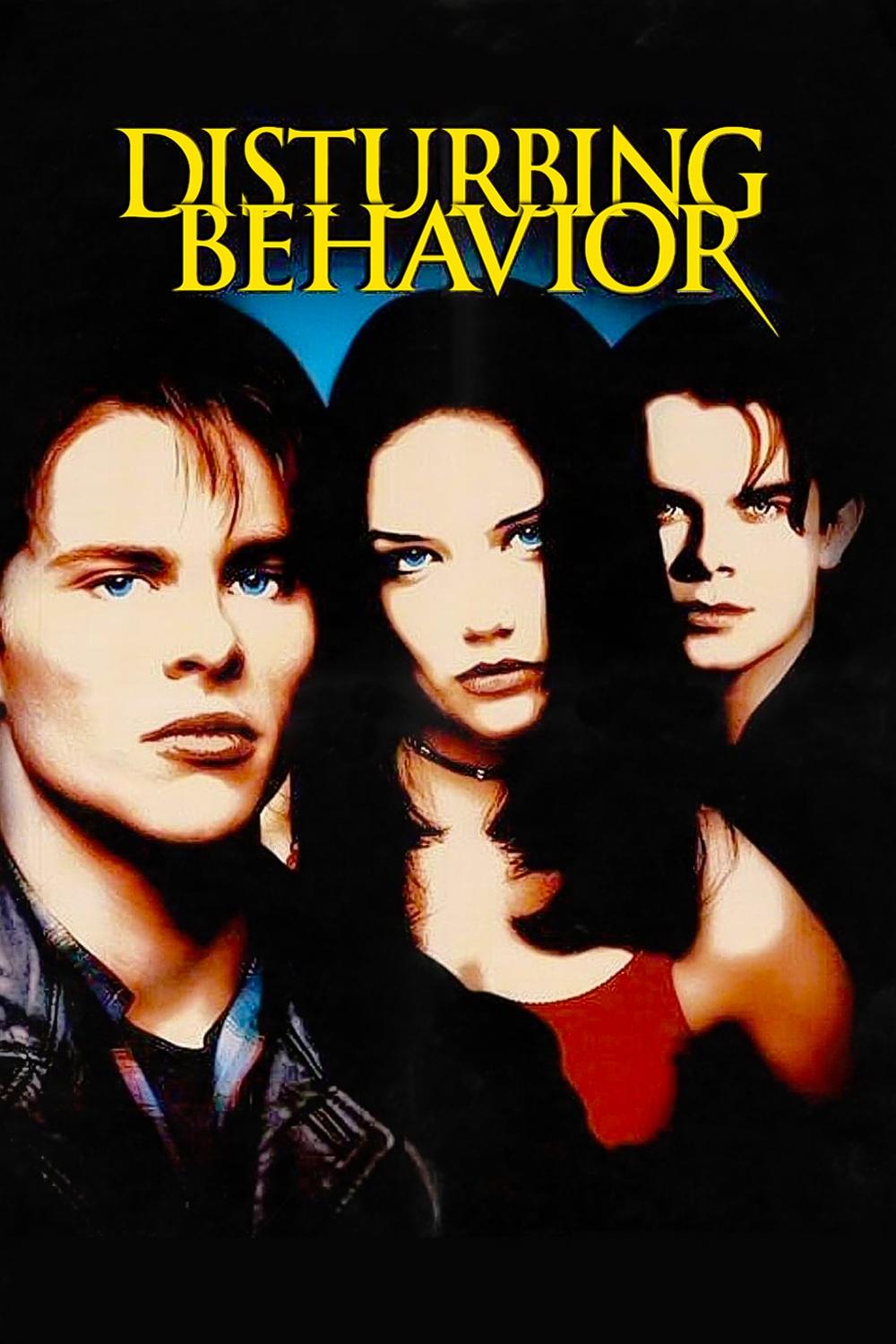
Test screenings originally saw Steve stripped of his free will by a lobotomy and left working as an emotionless fast food employee. His friends could not reach him, and the mind control program quietly spread to another school.
Miramax reedited the movie after reshoots to blow up the Blue Ribbon operation at Cradle Bay and let the core trio escape. A final classroom reveal hints at the threat’s survival, but it is not the total personal erasure of the first ending.
‘Alien’ (1979)
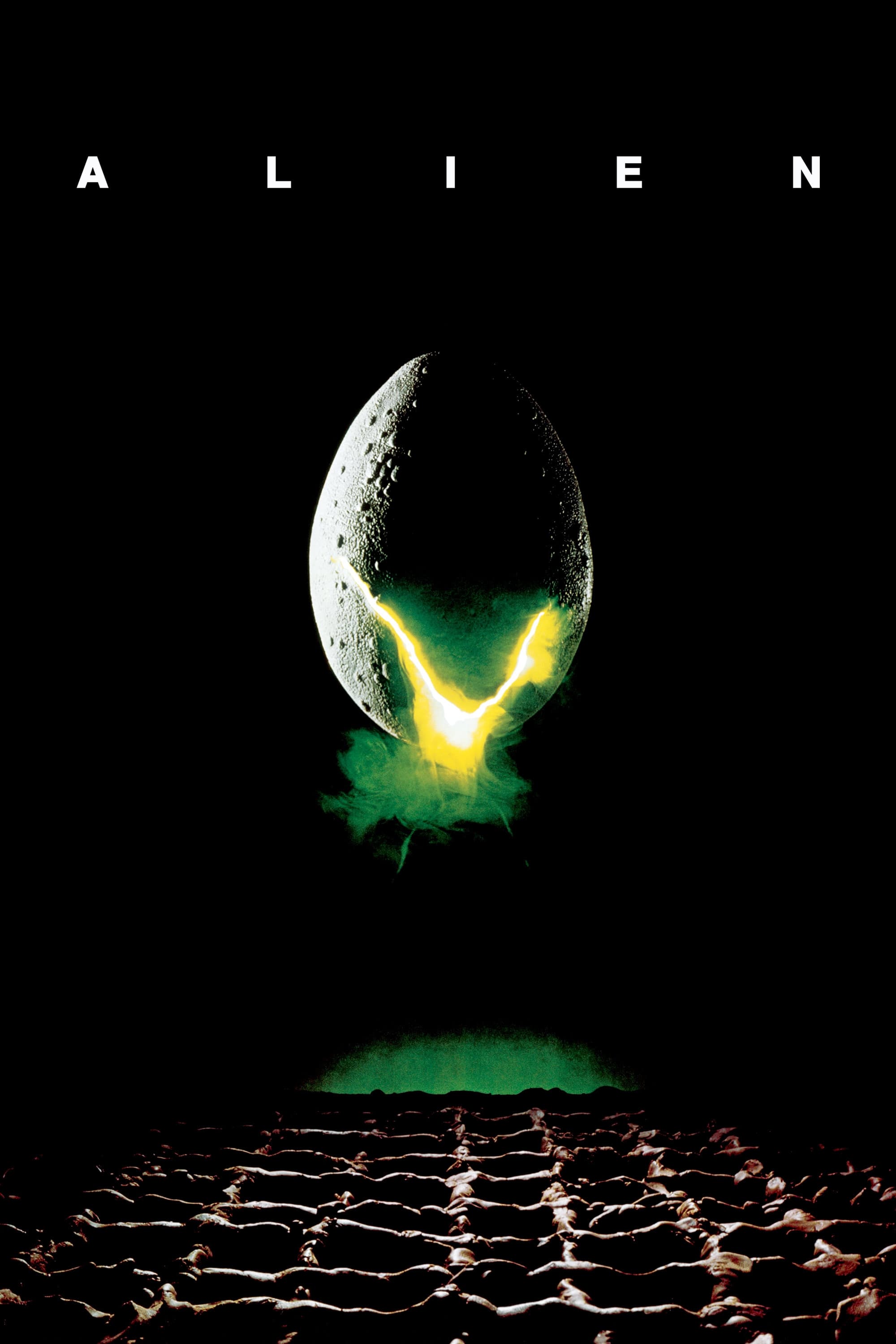
Ridley Scott proposed a conclusion where the Xenomorph kills Ripley in the shuttle, then mimics her voice over the radio as it heads into space. The idea would have erased the lone survivor and replaced the last transmission with the creature’s chilling deception.
Fox rejected that pitch, and the film ends with Ripley suiting up, venting the alien, and signing off before hypersleep. The franchise gained an enduring protagonist instead of closing on the monster’s victory.
‘The Butterfly Effect’ (2004)
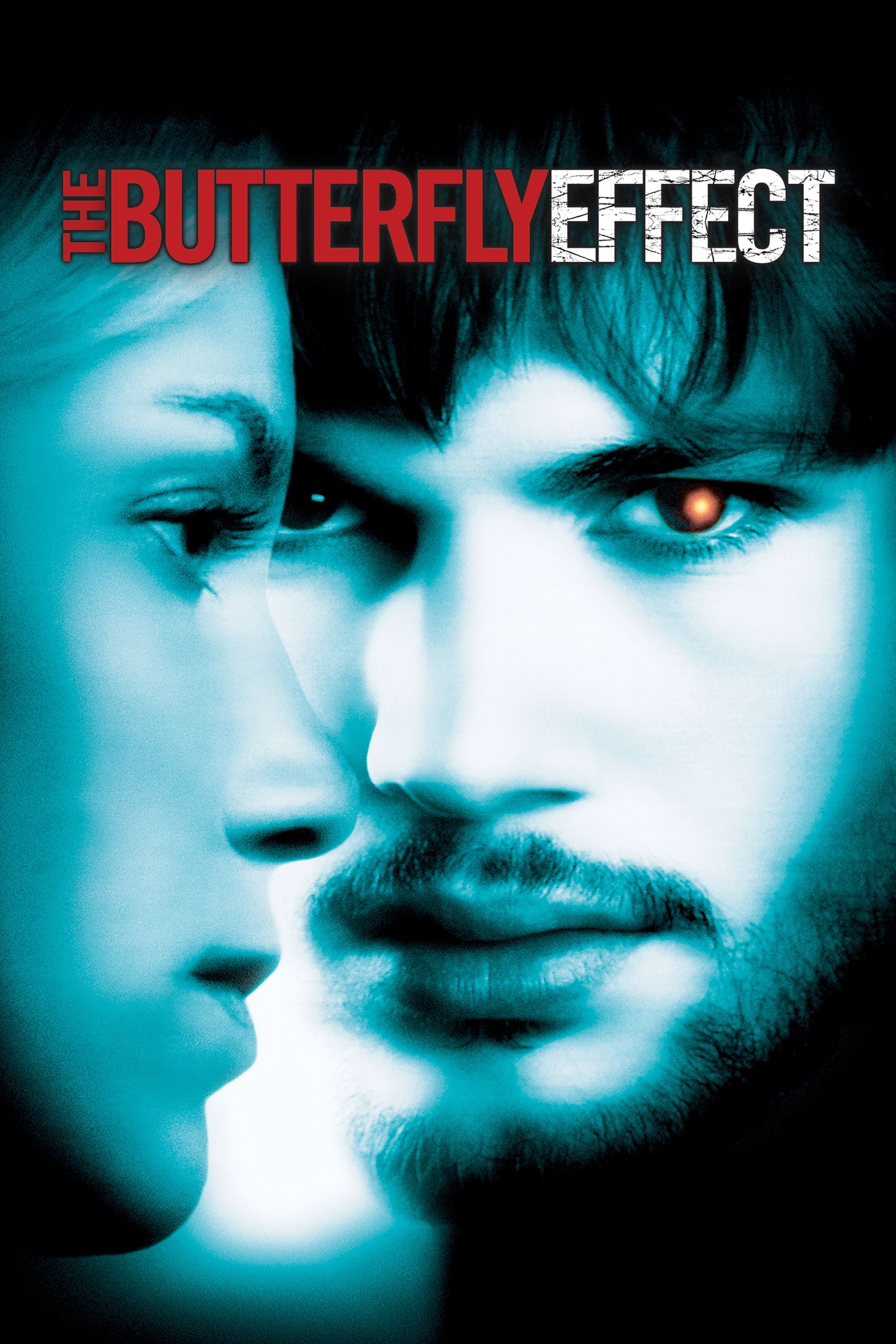
The director’s cut ends with Evan traveling to his birth and strangling himself with his umbilical cord to prevent the chain of tragedies he causes. The last images show the timeline resetting without him in it.
The theatrical version sends Evan to confrontations that sever toxic connections rather than erase his existence. The film finishes with a street pass by an old flame, which removes the self destruction that capped the darker cut.
‘Evil Dead’ (2013)
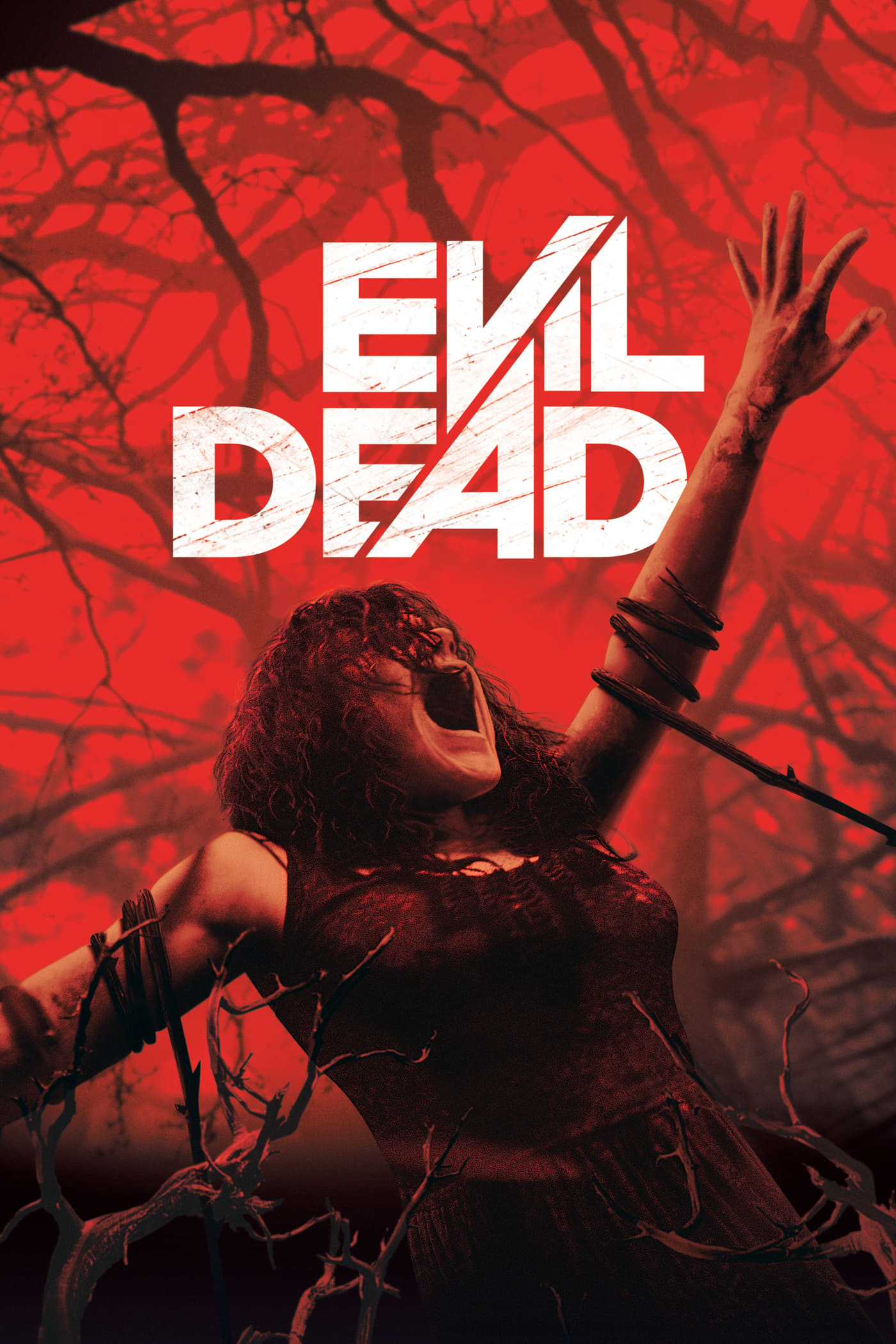
Fede Álvarez shot an epilogue in which Mia hitchhikes after the cabin ordeal and reveals a sinister change with a final look that signals the demon’s return. That tag left her fate grim and suggested the evil was still in control.
The released film ends with Mia alive after the blood rain and the defeat of the Abomination. A brief audio stinger in the credits nods to the franchise without confirming a possession twist for the survivor.
‘World War Z’ (2013)
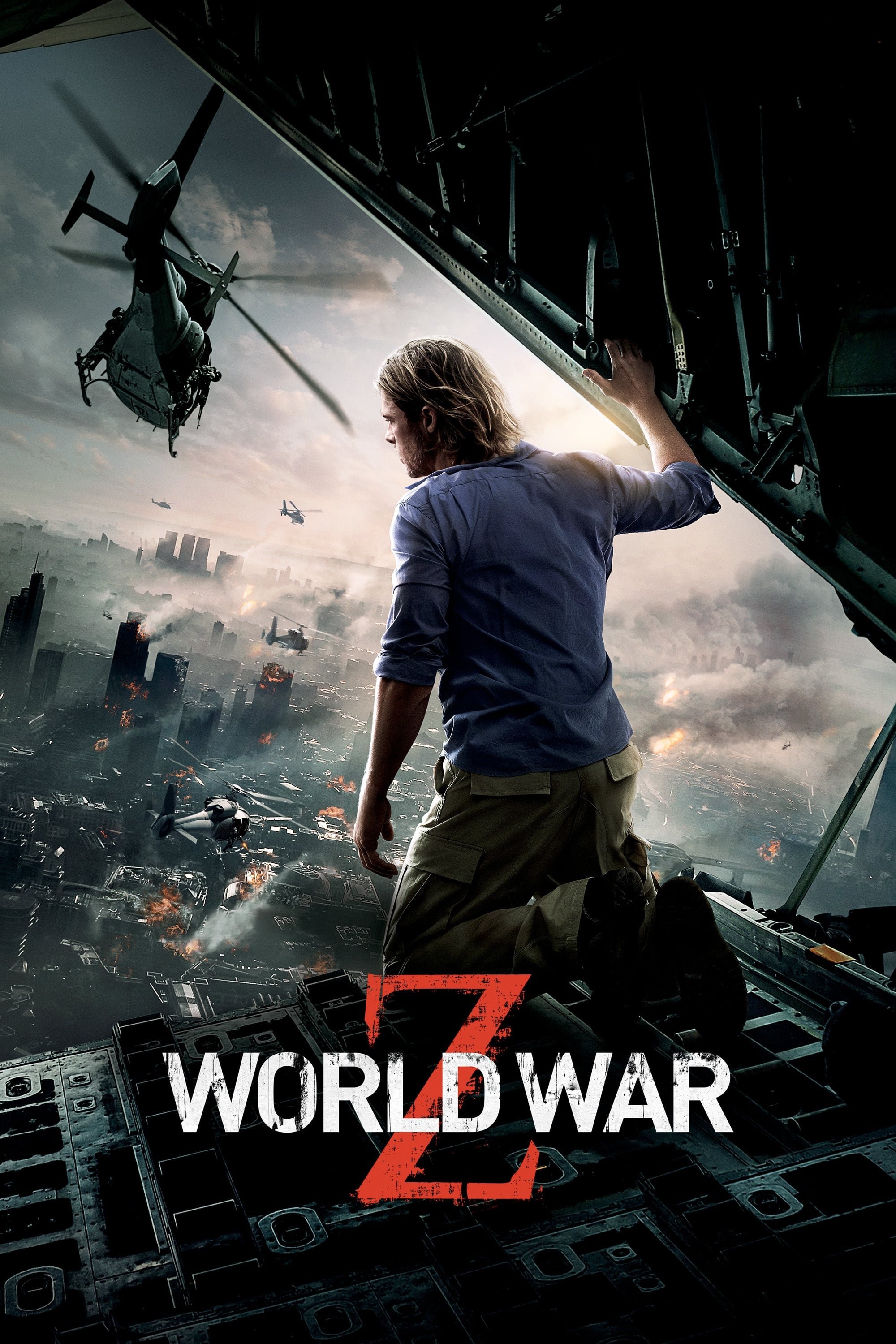
The original third act sent Gerry to the Eastern Front where conscripted civilians fought in brutal conditions and his family was relocated for safety far from him. The story paused on a hard won stalemate that aimed to set up a future chapter rather than closure.
Reshoots replaced that material with the World Health Organization sequence and a reunion that implies a way forward. The altered structure trades the grinding war ending for a contained stealth mission and a tentative path to survival.
‘The Blair Witch Project’ (1999)
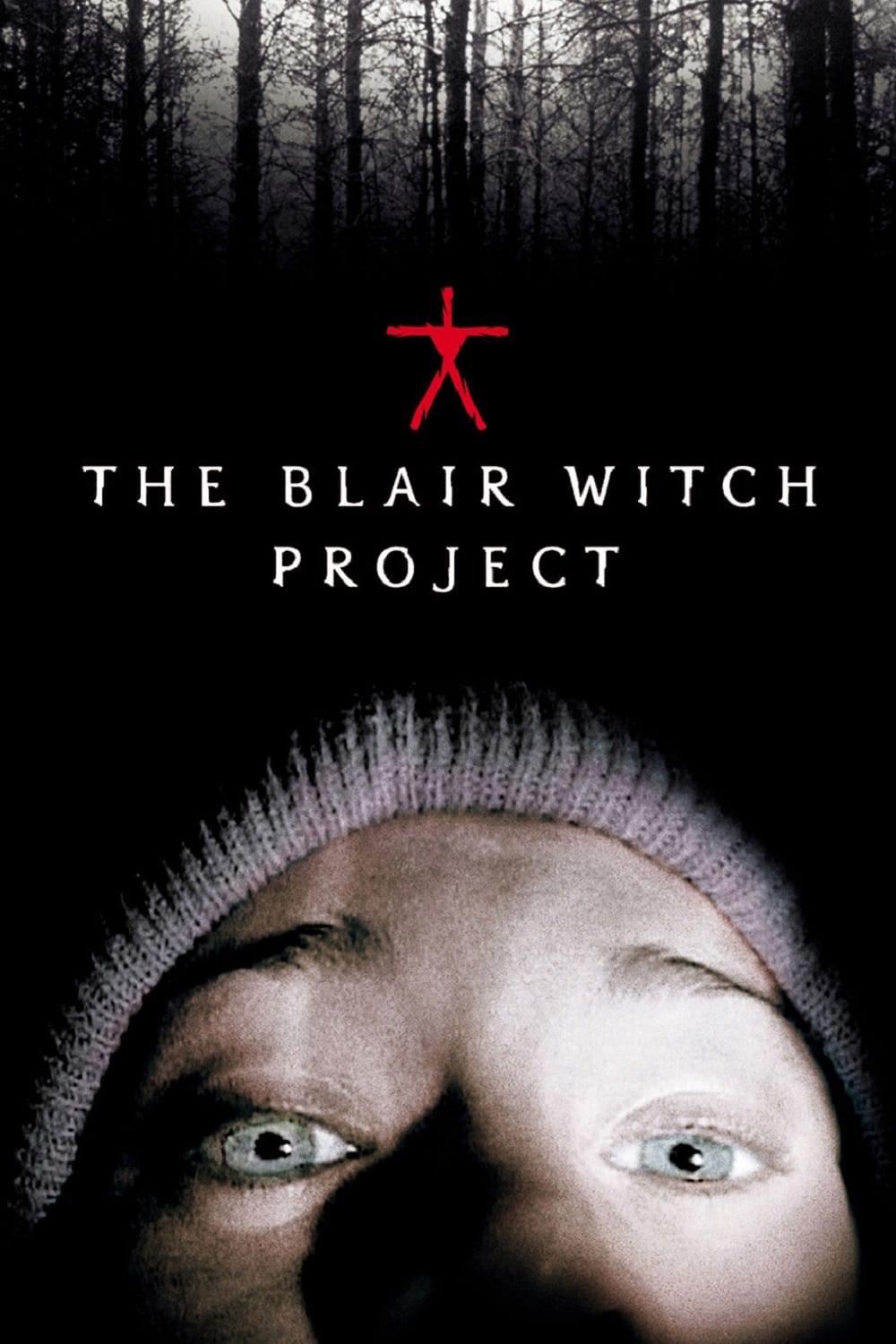
The crew prepared and filmed several final reveals that were more explicit and violent, including an ending with a hanging body in the basement. These versions spelled out the fate of the missing student rather than leaving it offscreen.
The release uses the corner ending where one character faces the wall while another drops out of frame. The choice keeps the last images suggestive and omits the harsher footage that was considered during production.
Share the darker ending that shocked you the most in the comments so others can compare notes.