How Cristian Garcia Zelada Gets Secular Juries to Award Faith Films

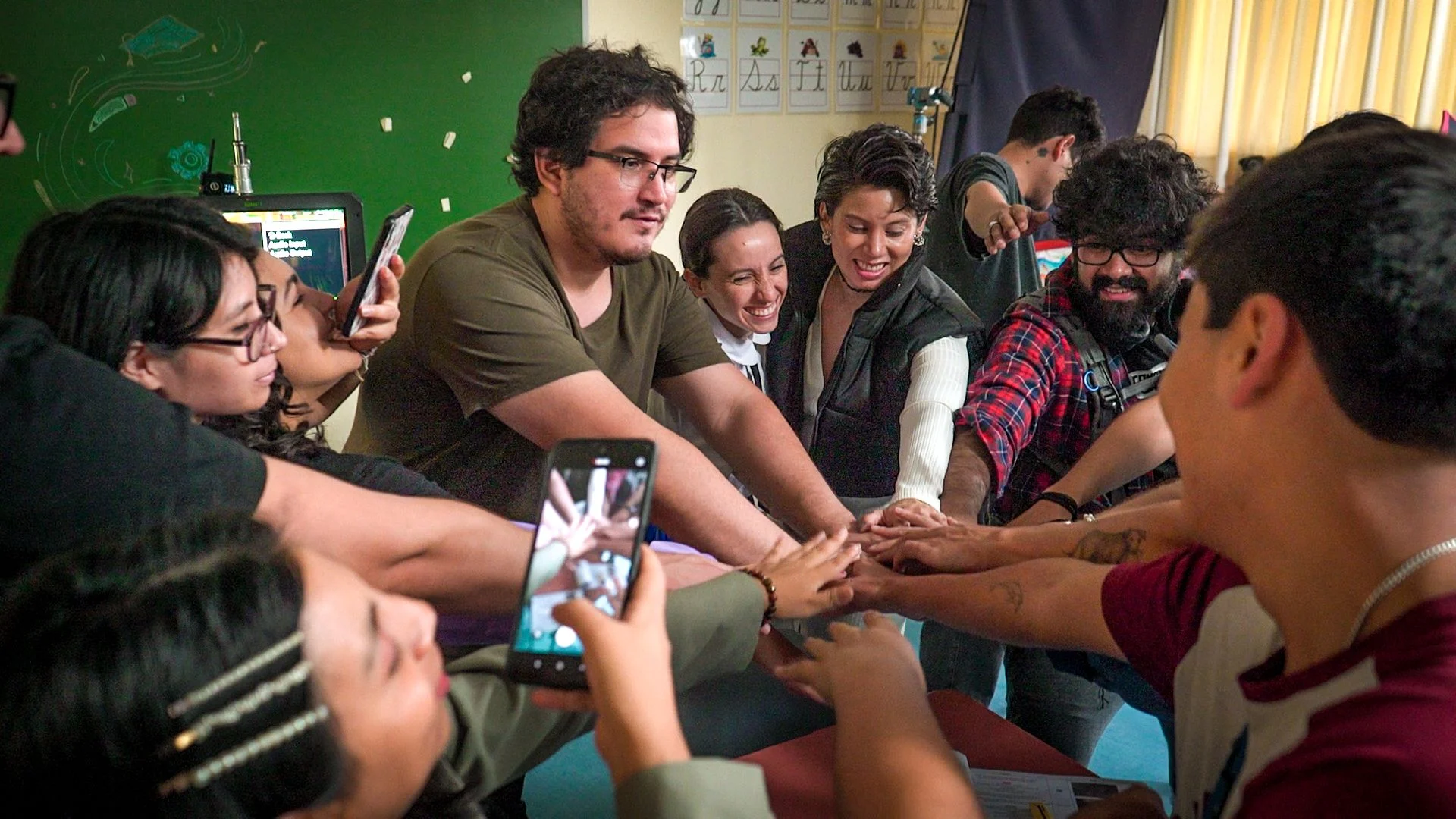

A Peruvian director whose shorts have won at festivals on five continents shows why spiritual stories travel best when they refuse easy answers, and what independent filmmakers can borrow from that record.
The 2026 Faith & Entertainment Index, released by research firm HarrisX in January, put more than 100 faith-related film and TV scenes in front of more than 12,000 American viewers. The findings cut against a durable industry assumption: 92% of respondents said faith has a place in modern entertainment, 77% believe faith content can carry broad appeal, and the scenes that scored highest were the emotional, reflective, and thought-provoking ones. What audiences rejected was preaching. The report’s guidance for writers and producers reads almost like a warning label: weave faith into everyday moments of doubt, grief, love, and courage, and skip the sermon.
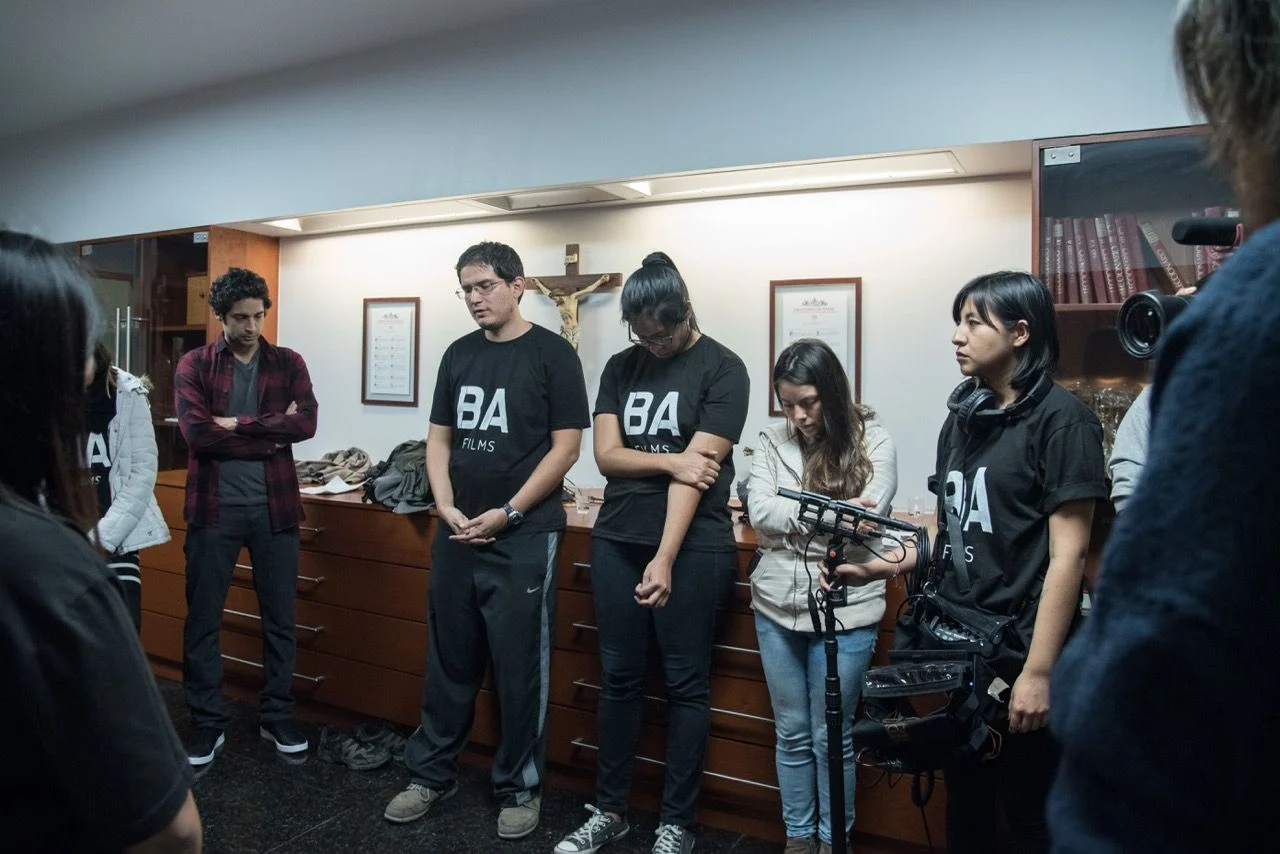
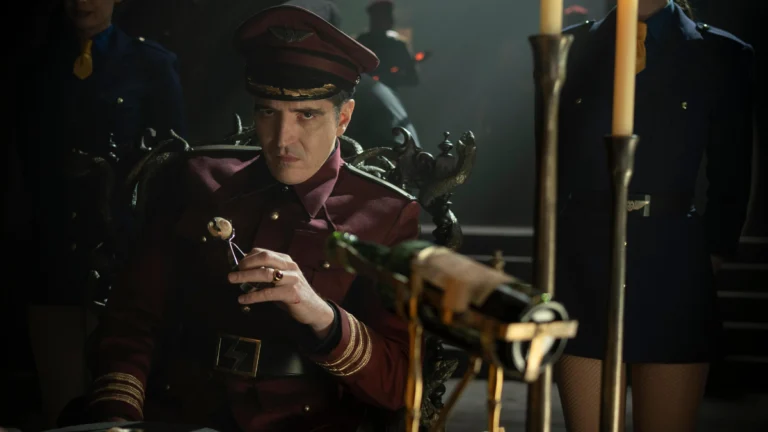
The festival circuit reached that conclusion years before the survey did, and one place to see it is the catalogue of Cristian Garcia Zelada. The Lima-based director has written and directed more than 15 short films since 2018, collecting awards on five continents with material that is openly, sometimes explicitly, spiritual. His debut, One-to-One, stages a confrontation between Jesus and a young man estranged from faith, who presses him on the injustice of his own sickness, loneliness, and helplessness in the face of suffering. The film hands its protagonist no answer on the way to 13 awards, from Best Short Film at Rome’s Catholic festival Mirabile Dictu to Best Film on Religion at the Calcutta International Cult Film Festival, juries with opposite vocabularies arriving at the same verdict.
“It is not my goal to present answers but rather to open questions in a world that might sometimes be too fast-paced to even stop and think about our own lives. I believe every story has the power to move something inside the people it reaches, no matter where they’re from,” says Cristian Garcia Zelada, founder and CEO of BienAventurados Films.
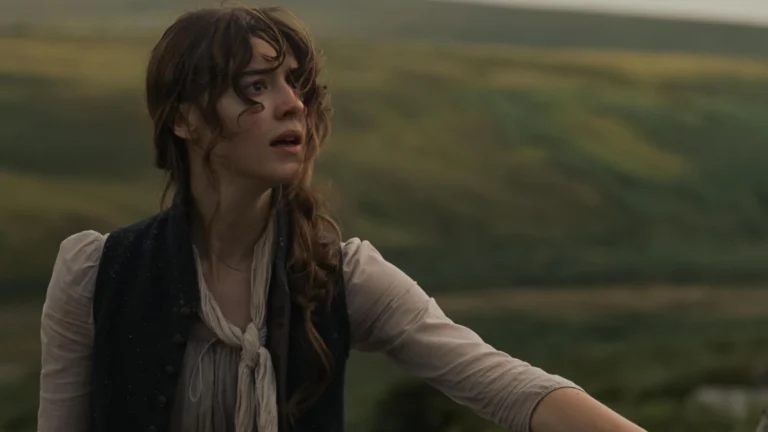
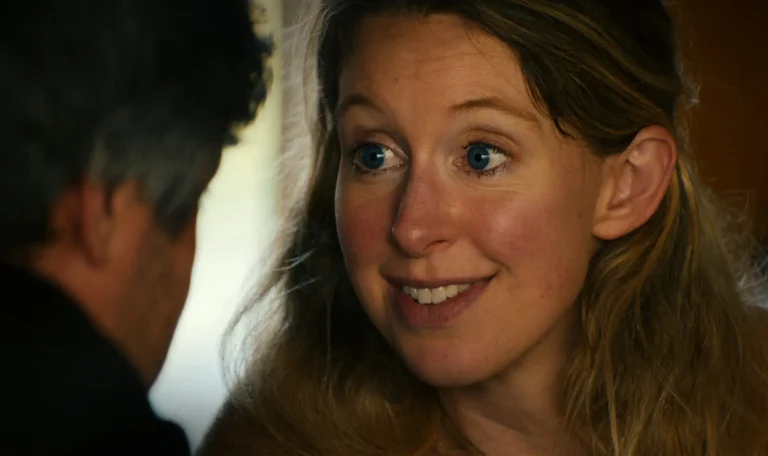
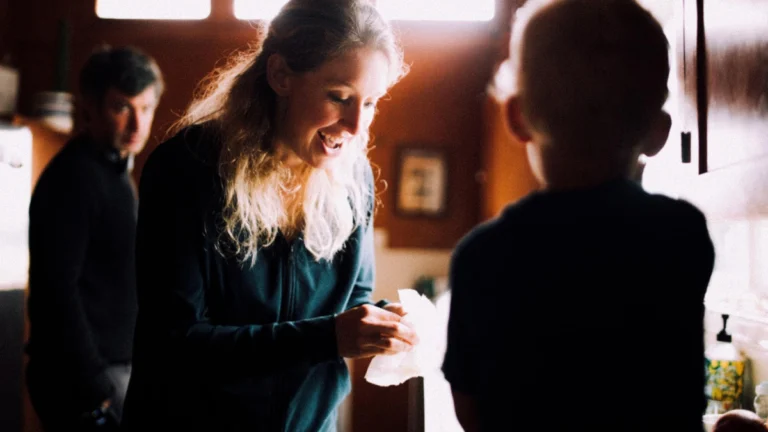
The pattern repeats across the catalogue. In Pieces of Me, Cristian Garcia Zelada follows a young woman confronting the different roles life has assigned her, trying to silence the voices of her past, and he never lets her settle the argument. In Our Island, he writes and directs the story of a young man losing his sight to a congenital condition, who does everything he can to avoid becoming a burden to the people he loves; the drama lies in what that effort costs him. Neither film announces a faith framework, and both travelled under his direction: Best Drama at the International Hollywood Short Film Festival in 2025 for the first, Best Disability Film at South Africa’s Power24 International Film Festival for the second.
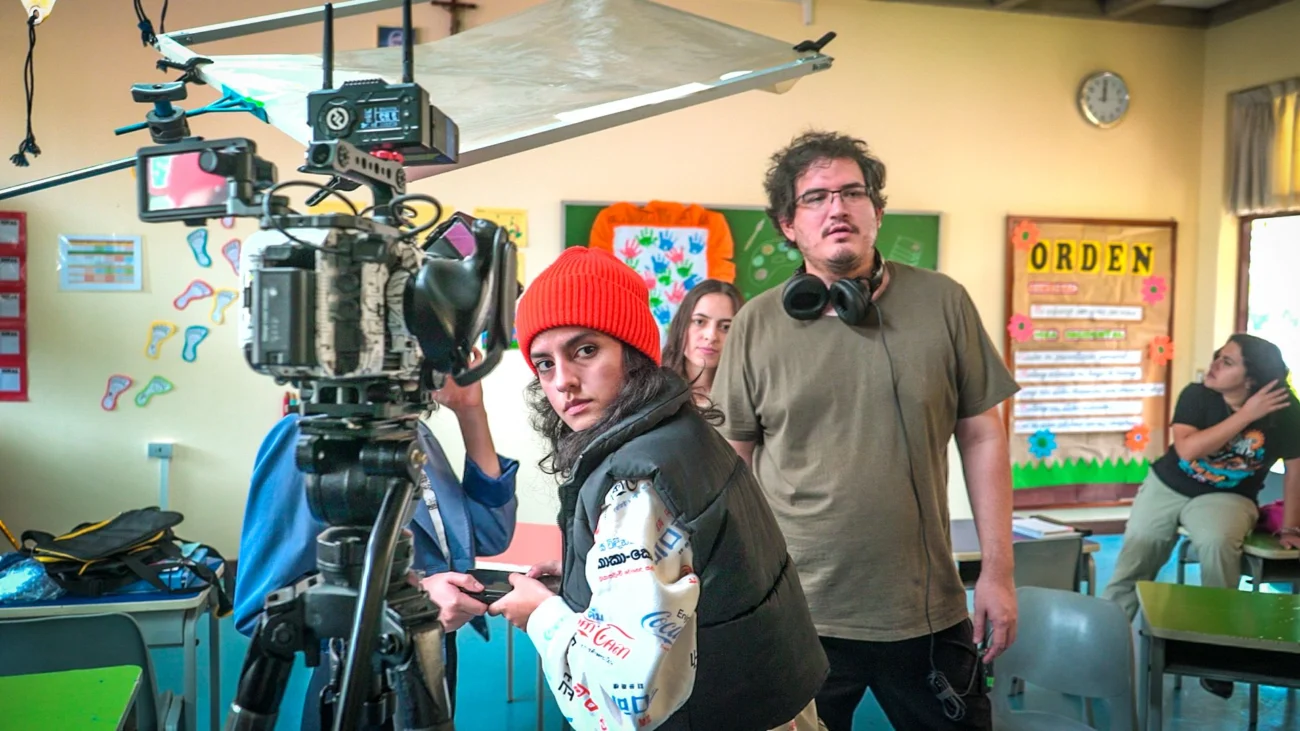
The clearest test may be Imparfecto, which Cristian Garcia Zelada wrote and directed as the first Peruvian short film to star actors with intellectual disabilities. His premise is deliberately plain: a group of people with intellectual disabilities debates whether to admit a normal person into their association, quietly reversing the usual question of who must earn belonging. He issues no verdict, leaving the audience sitting with a decision they assumed they would never have to justify. Juries with no stake in any faith framework rewarded exactly that, naming it Best Film on Disability at both New Delhi’s Woodpecker International Film Festival and the Calcutta festival.
“I’ve never seen film as just a way of expressing myself, but as a way of amplifying other people’s voices. Every project has had its ups and downs, and there’ve been moments I almost shut one down mid-shoot, but we always found a way through, because it was never really just about me,” Cristian Garcia Zelada explains.
Where much faith-based filmmaking starts from a message, he starts from a person whose experience he wants to make visible, and the spiritual frame arrives with the person. Sometimes the constraint itself does the crossover work. In Claustrophobia, shot during the 2020 lockdown, Cristian Garcia Zelada directed 50 Peruvian actors each filming alone at home, building a film about the very isolation that produced it: people reaching for each other through screens, certain only that they are not alone in being afraid. He turned the fractured, home-shot texture, the same condition everyone watching was living through, into the film’s core language, and it was selected as part of Best of the Quarantine at the San Diego International Film Festival, winning the audience choice award there, with a separate audience choice win at Peru’s Festival de Cine en Cuarentena 2020.
The reach now extends past festival screens. “Los derechos de autor con el Chino y Leonela” (Copyright with El Chino and Leonela ), the short film that won Indecopi’s inaugural National Short Film Competition in 2019, later found its way to Geneva. The film was shown in 2024 in connection with Peru’s delegation to the World Intellectual Property Organisation’s Assembly of Member States, the same forum where, that July, Indecopi’s leadership met with WIPO (World Intellectual Property Organization) officials on treaty ratification and capacity-building initiatives. It’s a fitting second life for a film built around explaining copyright to a sceptical audience: a story written for a blogger’s followers, later carried into a room built for delegates from across the UN’s member states, an audience with no shared vocabulary at all beyond the subject itself. And in March 2026, Garcia Zelada served on the judging panel at the International Hollywood Short Film Festival, judging the same competition where Pieces of Me had won Best Drama the year before.
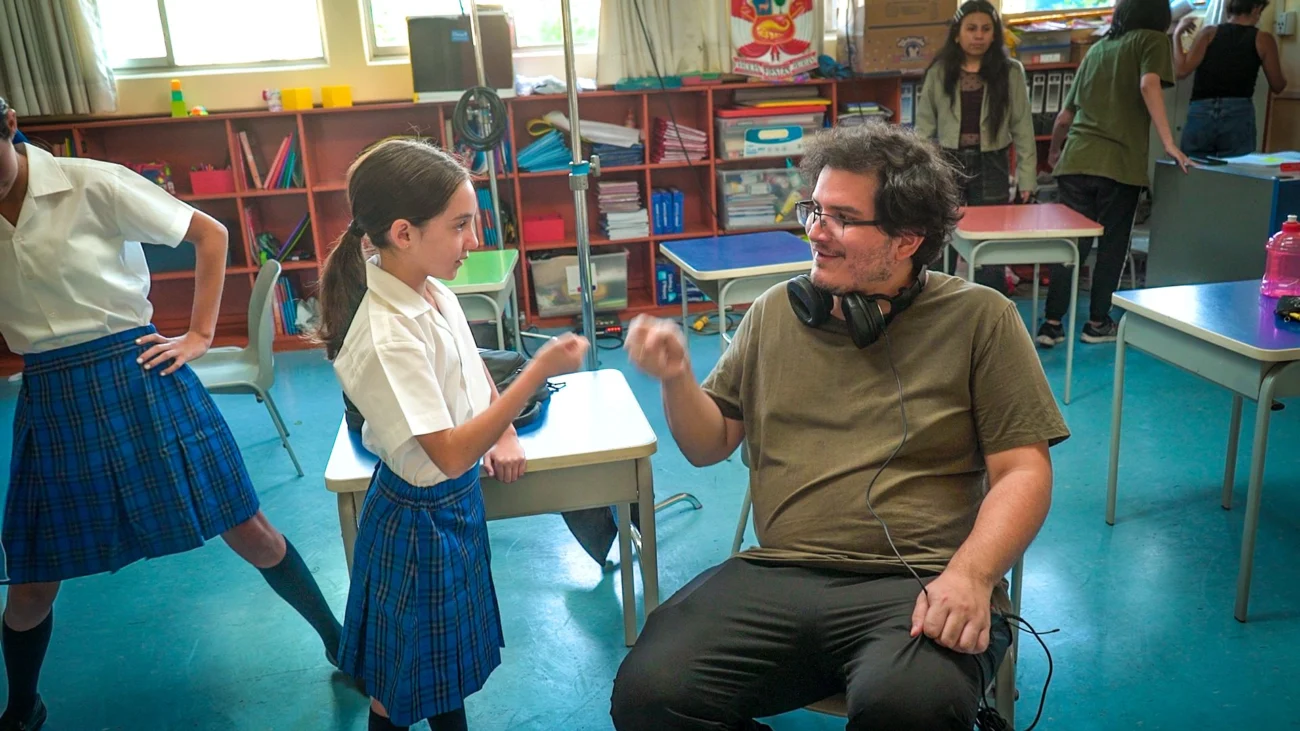
The approach has also begun to outgrow his own filmography. In 2026, he founded Cinema Libertá, a tuition-free film school in Lima, where the next generation of Peruvian filmmakers is now trained on the same premise. The larger test is personal: Cristian Garcia Zelada is developing his first feature, and a feature demands wider distribution, which forces wider assumptions about who is watching.
“I have witnessed people from all around the globe writing to share how our films have touched them deeply. Even today, we still get messages from people who say they saw their own life reflected at them in something we made,” Cristian Garcia Zelada notes.
The 2026 data settles the question of whether faith stories can reach beyond a faith audience. The harder question is whether a filmmaker builds that crossover into the first scene or appends it afterwards and hopes. Cristian Garcia Zelada’s decade of festival results comes from the first approach. Whether it holds at feature length is the next thing his audience, secular and otherwise, will find out.