How Hossam Nageeb Brought a Medieval Astronomer’s Story to the Screen


Hossam Nageeb had 24 minutes to bring a medieval astronomer’s life to the screen. His documentary about Ibn al-Shatir combined dramatic reenactments, expert interviews, narration, and manuscript graphics to make the historical biography accessible to television viewers.
The Egyptian filmmaker researched, wrote, directed, and edited the film, which aired on Al Jazeera Documentary as part of its 30-episode series, Muslim Scientists. The film is available on Al Jazeera Documentary’s official YouTube channel.
From Historical Research to Screenplay
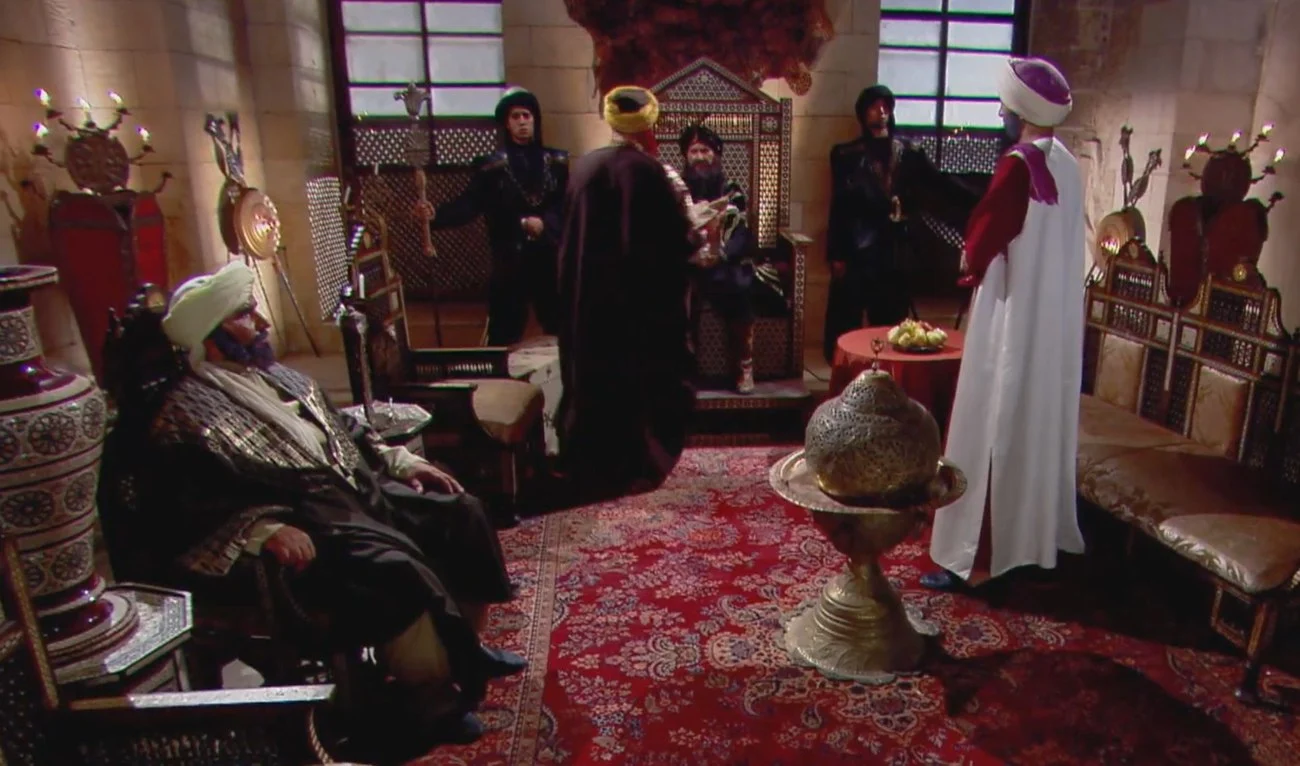
Nageeb holds a degree in history from Cairo University and studied editing and studio directing at the American University in Cairo. The documentary brought those disciplines together, beginning with research into Ibn al-Shatir’s life and the period in which he worked.
The screenplay traced his development and scientific achievements. Within the short running time, Nageeb had to select the stages that would carry the biography forward and decide how much explanation each required.
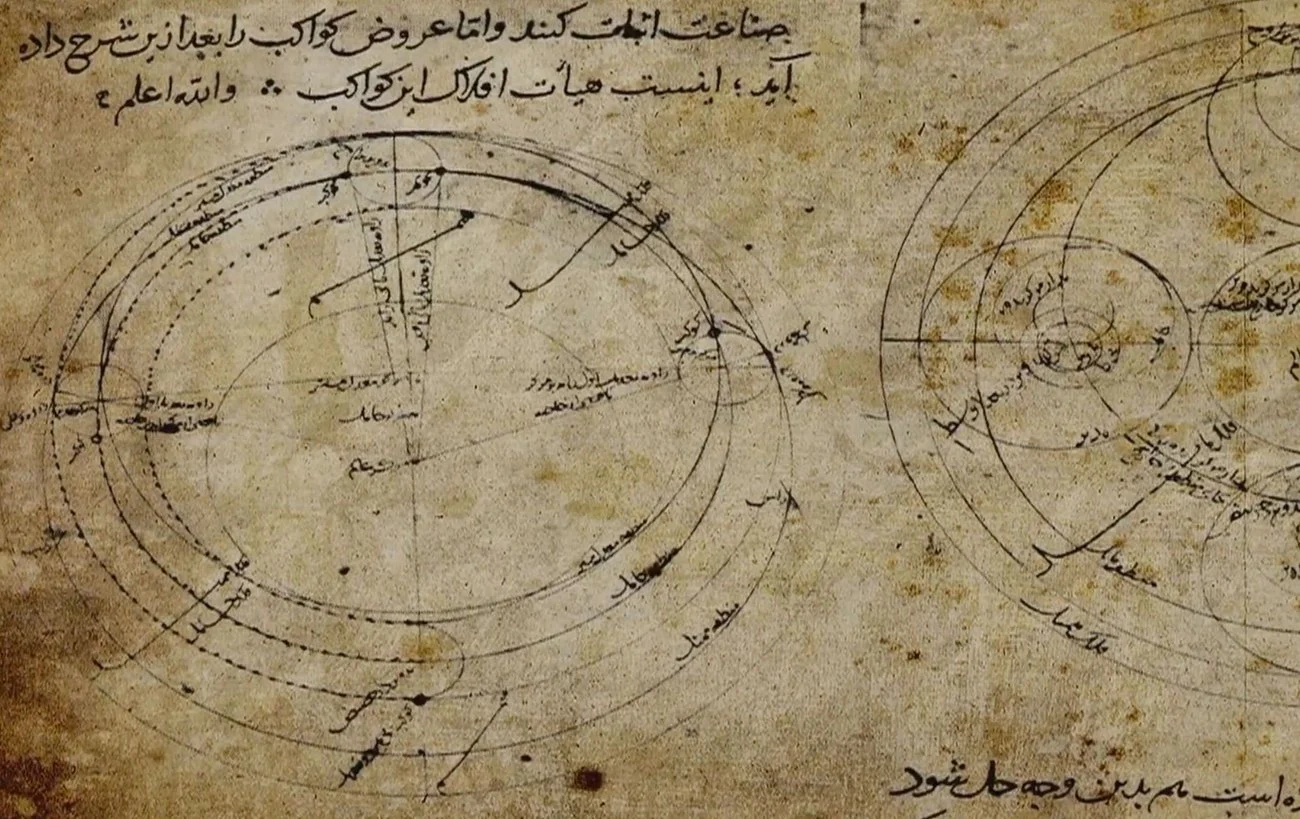
Research also supplied material for the screen. He collected microfilm reproductions of original manuscripts from a manuscript library in Cairo. These became the basis for graphic treatments that incorporated historical documents into the film’s visual storytelling.
Recreating the Past in Cairo
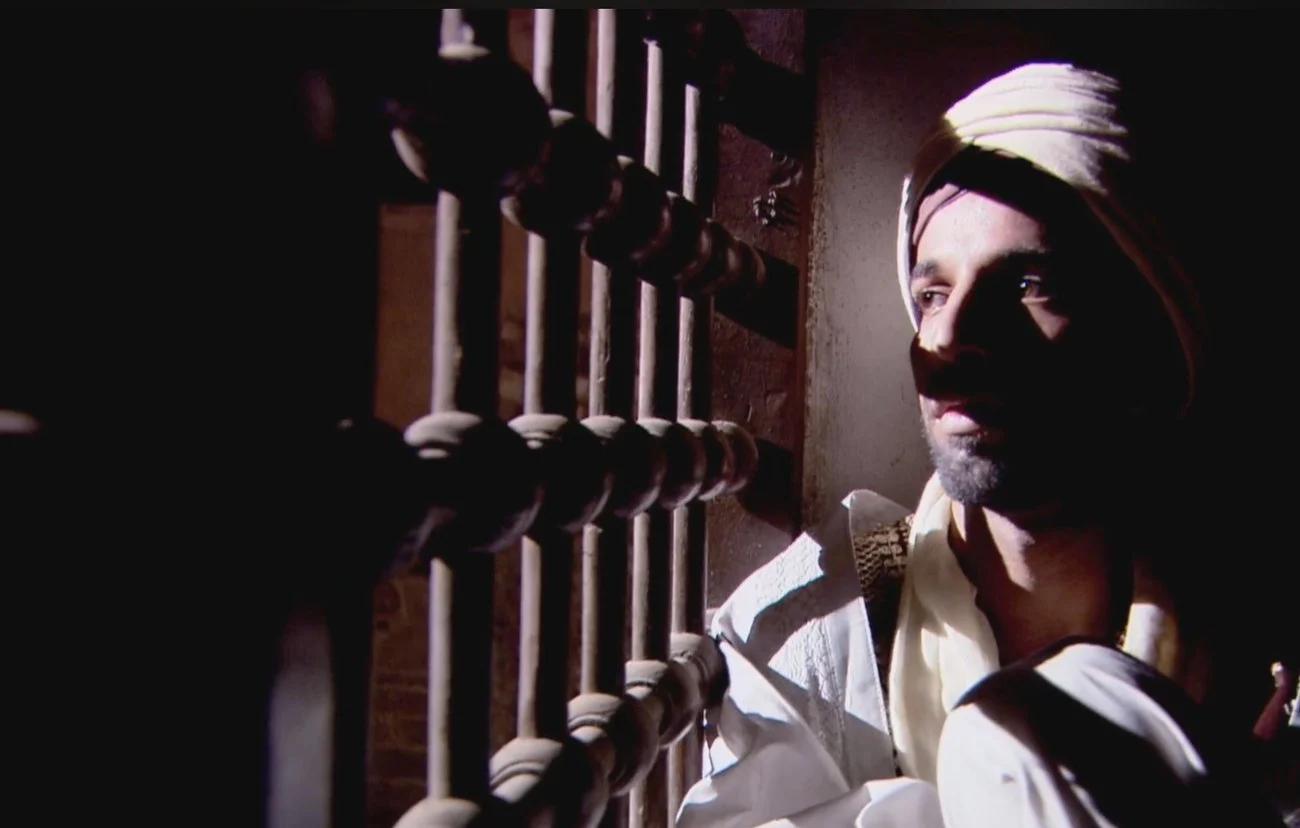
Nageeb selected the actor who would portray Ibn al-Shatir and coordinated clothing, makeup, accessories, and tools with the props supervisor, production designer, and production company. Those choices translated the research into details the performer could use within the scenes.
The location presented a separate challenge. Ibn al-Shatir’s life was rooted in Damascus, while filming would take place in Egypt. Nageeb and the production team chose the Palace of Prince Taz in Cairo for the historical dramatization, bringing the scripted action into a setting suited to its period.
Interviews with university professors and historical researchers from Syria and Egypt provided context for the biography. Their contributions explained the circumstances surrounding Ibn al-Shatir’s work, complementing the actor’s portrayal and the manuscript material.
Finding the Film’s Rhythm
In the editing room, Nageeb brought these elements into a single 24-minute narrative. Interviews needed time for ideas to become clear, reenactments needed room for the action to register, and manuscript graphics had to remain readable alongside the spoken explanation.
He also sat with the narrator during editing to work on the pacing of the commentary against the scenes. These sessions helped align the delivery with the images as the film’s rhythm developed.
The final edit connected decisions made throughout research, writing, casting, and filming. From microfilm sources to scenes at the Palace of Prince Taz, the documentary shows how historical material can become a screen biography through the coordinated use of performance, expert knowledge, images, and sound.
Selected films and further information are available on Hossam Nageeb’s official website.