


How Sci-Fi Rebels and Legendary Adventurers Teach us About Probability and Strategic Risk

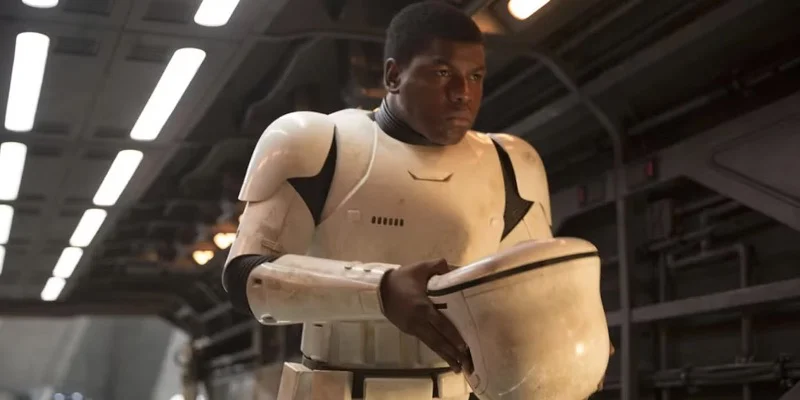


Heroes rarely act without calculation. Whether resisting empires or navigating dark forests, sci-fi and fantasy protagonists constantly weigh odds and consequences. This article explores how iconic characters turn probability into strategy and what we can learn from their choices.
Sci-fi and fantasy books, games and movies are hugely popular worldwide. “Released in 1977, “A New Hope” was the first film in the Star Wars franchise and had a production cost of 11 million U.S. dollars, achieving worldwide box office revenues of around 775 million U.S. dollars. One of the newest additions to the franchise, “Solo: A Star Wars Story”, ranks among the most expensive films of all time, with production costs in the hundreds of millions” (statista.com, 2024)
Fans of science fiction and epic fantasy know that the most memorable heroes rarely succeed on strength alone. Instead, they survive because they assess danger, evaluate risks and make difficult choices with limited information. From rebellion leaders plotting covert missions to lone adventurers facing mythical foes, probability becomes a powerful storytelling force. Understanding how characters weigh their chances reveals deeper layers of narrative craft and reflects the strategic instincts that shape real-world decisions.
Heroic Decisions Under Pressure
Across fiction, decisive moments often hinge on a hero’s ability to read a situation quickly. In Star Wars–inspired universes, rebel crews must evaluate enemy positions, resource levels and escape vectors under extreme time pressure. These tactical judgments create compelling tension: audiences root for characters not because they are invincible, but because they make smart decisions that reveal their growth.
Fantasy stories use probability differently but just as effectively. A knight may decide whether to enter a cursed forest based on legends, signs and intuition. A wizard might calculate the chance of an enchantment backfiring before casting it. Even without explicit numbers, the storytelling highlights uncertainty and the courage needed to take a risk anyway.
FictionHorizon often explores this dynamic when comparing heroic archetypes. The strongest characters are rarely the ones with the most brute force; instead, they understand when to push forward and when to adapt.
Rebellion Missions and Quest Hooks
In sci-fi narratives, strategic risk creates forward momentum. A single miscalculated infiltration plan can alter a galaxy’s fate, while an unexpected detour might expose new alliances or hidden threats. Writers use these “risk spikes” to push characters beyond their comfort zones and reveal new dimensions of leadership.
Fantasy quests operate similarly. A fellowship choosing a mountain pass over an under-city route weighs environmental risk against enemy exposure. These choices signal maturity: heroes must analyse probability intuitively, predicting which dangers are manageable and which require sacrifice or improvisation.
Whether the backdrop is star-cruiser corridors or enchanted ruins, narrative structure often mirrors real decision-making frameworks: assessing reward, estimating outcomes and acting boldly.
How Real-World Players Interpret Risk the Same way Heroes do
Audiences connect instinctively with heroes who think before they act, because strategic risk assessment is a familiar part of everyday life. Whether deciding which opportunity to pursue or which danger to avoid, people constantly weigh potential outcomes against available information, much like fictional protagonists facing uncertain paths.
In digital entertainment spaces, as an example, players researching regulated gaming options often rely on independent review platforms such as casino.us, which evaluates and compares other operators based on licensing, player protections, bonus structures, and regulatory compliance. This mirrors the way heroes gather intelligence before committing to a mission: analysing conditions, understanding constraints and reducing unnecessary exposure to risk before moving forward.
By consulting structured reviews rather than acting impulsively, casino game players adopt the same logic that defines effective heroes in science fiction and fantasy. Both scenarios reward preparation, situational awareness, and informed choice, reinforcing the idea that smart risk-taking is rarely about chance alone, but about understanding the landscape before taking action.
How Probability Shapes Hero Growth
A defining feature of great storytelling is watching characters evolve as their relationship to risk deepens. Probability, subtle or overt, shapes arcs in meaningful ways.
A young pilot who once charged headfirst into battle learns that survival depends on calculated restraint. A rookie mage who miscasts spells begins studying consequences more closely. These shifts not only make characters more believable but also highlight the cost of experience.
Writers often use “failure probabilities” to strengthen arcs. When a hero misjudges a scenario and pays a price, that loss becomes a seed for transformation. FictionHorizon frequently discusses how these turning points define legendary figures: the best protagonists don’t avoid risk; they learn to read it more accurately over time.
Thus, probability becomes more than math; it becomes emotional architecture, weaving character development directly into narrative stakes.
What Fiction Teaches us About Strategic Risk in the Real World
In innovation-driven universes, heroes often rely on tools that shift the odds in their favor. Sci-fi rebels may wield enhanced scanners, predictive algorithms, or high-intelligence droids that update them on enemy patterns.
At its heart, science fiction and fantasy use probability to craft meaning. The same principles apply beyond fiction. Whether navigating a difficult life decision, choosing a secure digital platform, or planning a career move, people use the same internal calculus as fictional heroes.
By studying how characters navigate risk, audiences sharpen their own understanding of strategy, resilience and foresight. The best stories equip us with psychological tools: courage in the face of uncertainty, awareness of consequences and the confidence to act even without perfect knowledge.