How Video Editing Tools Are Transforming Pop Culture Commentary



In an era dominated by high-budget visual effects, streaming wars, and hyper-realistic gaming graphics, the line between indie creators and Hollywood production studios has blurred dramatically. From cinematic YouTube video essays dissecting the narrative structure of The Last of Us to short-form TikTok breakdowns analyzing character arcs in House of the Dragon, content creation surrounding film, TV, and gaming is experiencing an unprecedented golden age.
The Rise of High-Production Entertainment Analysis
Entertainment commentary is no longer just about sharing an opinion over a webcam. Audiences expect polished visual storytelling, slick edits, and seamless motion graphics. When creators analyze intricate action sequences, break down character development, or compare video game cutscenes to their live-action TV adaptations, the quality of their presentation directly impacts viewer retention.
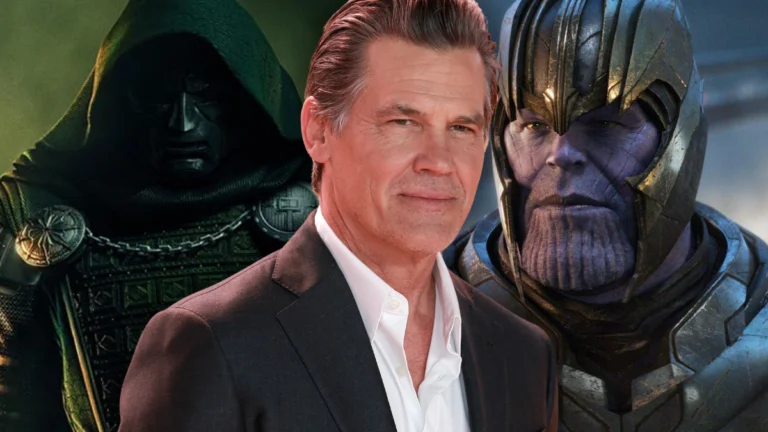
To keep viewers engaged, creators frequently isolate actors, game characters, or iconic film scenes to overlay them onto custom graphics, motion backgrounds, or side-by-side comparison charts. Traditionally, separating a character from their environment required tedious, frame-by-frame rotoscoping or access to a dedicated green screen setup—an approach that took hours for just a few seconds of finished footage.
Streamlining Content Creation with Modern AI Tools
As post-production workflows evolve, automated tools are replacing traditional editing bottlenecks. Modern creators increasingly rely on dedicated AI applications to speed up their editing timelines. For example, using a tool like the video background remover
from Vmake AI allows editors to instantly isolate actors, cinematic figures, or dynamic game footage without manual masking.
Whether dropping a game protagonist into a live-action show comparison or keying out an actor’s background for a commentary overlay, AI subject detection automatically tracks moving elements across frames. Creators can export clips with either a solid green screen or a transparent alpha channel, making it easy to layer footage inside popular video editing software.
What This Means for the Future of Pop Culture Media
As barrier-to-entry tools become faster and more accessible, the volume of high-quality entertainment media continues to surge. Fans aren’t just consuming movies, games, and TV shows passively anymore—they are active participants in the culture, producing documentary-style content that rivals mainstream entertainment news outlets.
By automating repetitive editing steps, creators can shift their focus away from technical keying and concentrate on what actually matters: insightful commentary, sharp writing, and deep-dive storytelling.