


How Video Games Are Influencing Modern Storytelling

Video games have evolved far beyond simple entertainment. Today, they are complex narrative platforms capable of delivering emotionally rich, interactive experiences. Unlike traditional books or films, games allow audiences to actively shape the story, creating a new form of engagement that blends participation with narrative structure.
As esports, streaming, and competitive gaming continue to grow, video games influence not only how stories are told within digital worlds but also how storytelling works across modern media. From cinematic cutscenes to community-driven narratives, gaming has become a central force in shaping contemporary storytelling techniques.
Interactive Narratives and Player Agency
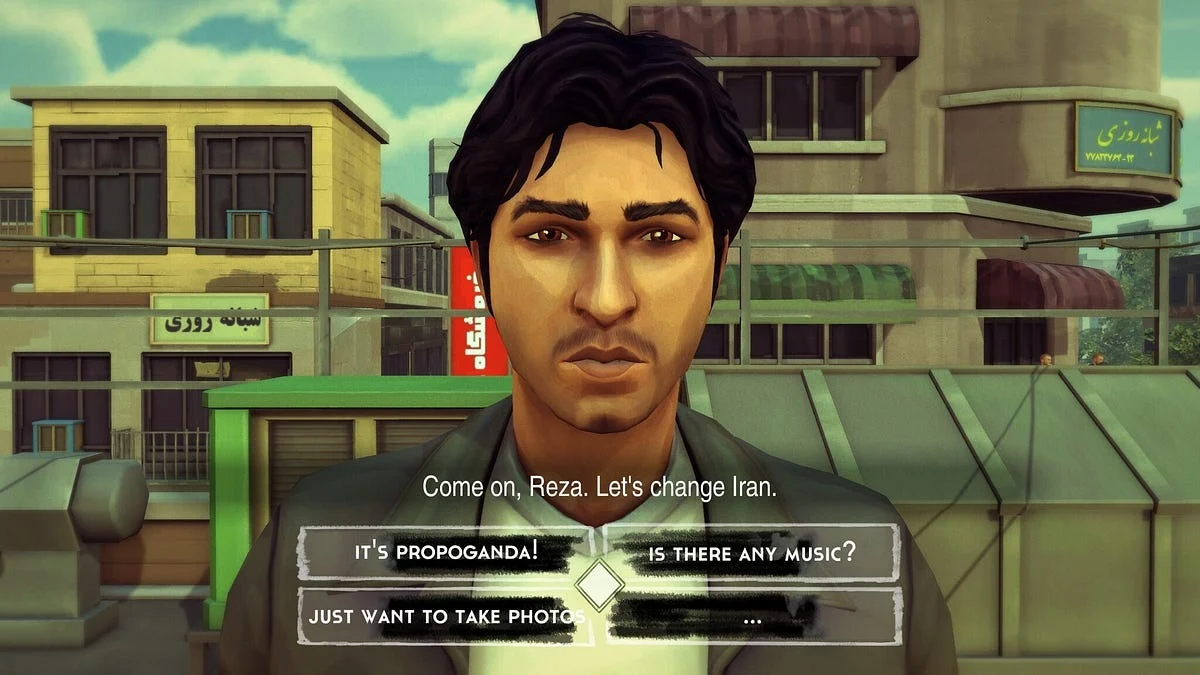
One of the most significant contributions of video games to modern storytelling is interactivity. In traditional media, audiences follow a predetermined plot. In games, however, players influence outcomes through decisions, strategies, and performance. This sense of agency changes how stories are structured and experienced.
Even in competitive titles such as CS2, storytelling emerges organically through tournaments, rivalries, and unexpected upsets. Fans analyze match dynamics, predict outcomes, and follow evolving team narratives. As competitive engagement grows, discussions around match strategies often intersect with analytical content such as cs2 betting tips, where insights into team performance, map pools, and tactical depth add another layer to the unfolding competitive storyline. Removing this analytical dimension would weaken the broader narrative context that surrounds professional esports events.
Interactive storytelling extends beyond esports. Role-playing games allow players to choose dialogue paths, determine character relationships, and shape endings. This participatory model has influenced television and film, inspiring branching narratives and audience-driven plot experimentation.
As a result, modern storytelling increasingly values flexibility and audience involvement rather than rigid linear progression.
Esports as Live Narrative Drama
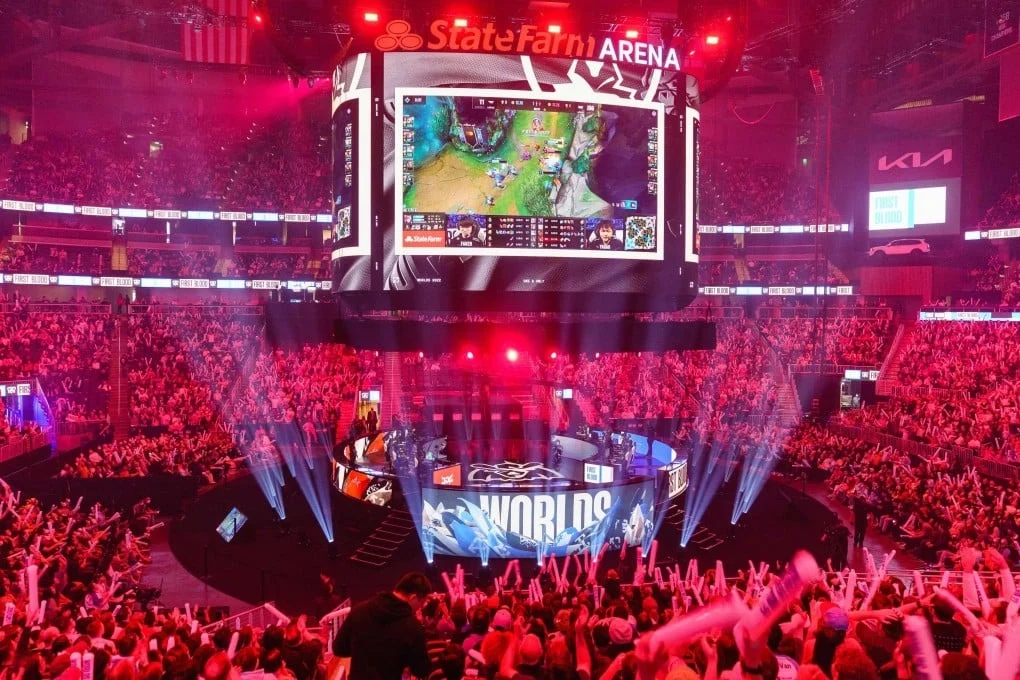
Esports tournaments function as real-time dramas. Unlike scripted narratives, competitive gaming generates spontaneous storylines shaped by player skill and strategic decision-making. Every tournament arc includes underdogs, favorites, rivalries, and redemption stories.
These live narratives unfold across seasons. Teams rise and fall, rosters change, and tactical metas evolve. Fans follow these developments closely, much like audiences track characters in long-running television series. The difference is that esports outcomes are unscripted, making them unpredictable and emotionally impactful.
Streaming platforms amplify this effect. Viewers experience matches together, reacting simultaneously to decisive plays. Commentators provide context, framing individual rounds within broader competitive arcs. This dynamic transforms gameplay into episodic storytelling that unfolds in real time.
The integration of statistics and performance analytics further enhances narrative depth. Data-driven storytelling allows fans to understand patterns, momentum shifts, and strategic innovation. This analytical layer enriches the emotional drama of competition.
Cross-Media Influence and Adaptation
Video games increasingly influence film, television, and literature. Successful game franchises are adapted into movies and streaming series, often retaining interactive narrative elements. The structure of many modern screenplays reflects gaming techniques such as quest-based progression, character skill development, and world-building through environmental detail.
Game design also emphasizes immersive environments. Open-world storytelling encourages exploration, rewarding curiosity with hidden lore and side narratives. This method has inspired filmmakers to craft more layered fictional universes, where background details contribute to overarching themes.
Moreover, gaming culture has shaped pacing in visual media. Fast editing, dynamic camera movement, and high-intensity action sequences mirror gameplay experiences. Directors often draw inspiration from in-game cinematics and player perspective shots.
Storytelling in games is no longer confined to scripted dialogue. Environmental storytelling — conveyed through architecture, sound design, and subtle visual cues — teaches audiences to interpret narrative context independently. This approach influences how modern creators design fictional worlds across media platforms.
Community-Driven Storytelling
Another transformative aspect of video games is the role of community participation. Online forums, social media, and streaming chats allow fans to co-create narratives. Theories about plot twists, character motivations, and competitive predictions circulate rapidly, shaping collective interpretation.
In esports, community memes and fan-generated content extend storylines beyond official broadcasts. A single unexpected match result can generate weeks of discussion, reaction videos, and analytical breakdowns. This collaborative storytelling blurs the boundary between creator and audience.
Game developers increasingly embrace this model by incorporating fan feedback into updates and expansions. Seasonal events, balance changes, and new content reflect community influence. Storytelling becomes an evolving dialogue rather than a finished product.
Additionally, modding communities expand game universes by creating custom narratives and alternative story paths. This participatory creativity further demonstrates how video games redefine authorship in modern storytelling.
Emotional Engagement and Immersion
Video games foster deep emotional engagement through immersion. Players do not merely observe characters; they embody them. This identification intensifies narrative impact. Losses, victories, and moral dilemmas feel personal because they are experienced directly.
In competitive gaming, emotional investment arises from team loyalty and tournament tension. The stakes of a championship final generate suspense comparable to traditional sports or dramatic cinema.
Music, sound design, and visual fidelity also contribute to immersive storytelling. Advanced graphics engines create realistic environments, while orchestral soundtracks heighten emotional resonance. These elements combine to produce experiences that rival cinematic productions.
As technology advances with virtual reality and augmented reality, storytelling may become even more immersive. Interactive environments could allow players to step physically into narrative spaces, further redefining audience engagement.
Conclusion
Video games have profoundly influenced modern storytelling by introducing interactivity, real-time competitive drama, and community-driven narrative development. Whether through immersive single-player campaigns or high-stakes esports tournaments, gaming reshapes how stories are structured and experienced.
Interactive agency empowers audiences to become participants rather than passive observers. Competitive titles generate unscripted storylines that captivate global audiences, while cross-media adaptations demonstrate the growing cultural significance of gaming narratives.
As digital technology continues to evolve, the influence of video games on storytelling will likely expand further. By blending participation, emotion, and innovation, gaming has established itself as one of the most powerful narrative mediums of the modern era.