


Howard Stern and 9 Other Top Controversial Talk Shows




Talk shows have long been a platform for bold voices and heated debates, but some push the boundaries further than others. From shock jocks to political commentators, these shows have sparked outrage, drawn massive audiences, and often faced cancellation due to their provocative content.
Here’s a look at ten talk shows that stirred controversy with their daring hosts, shocking moments, or polarizing topics. Each has left a mark on the industry, for better or worse, by challenging norms and igniting discussions.
The Howard Stern Show (1986-Present)
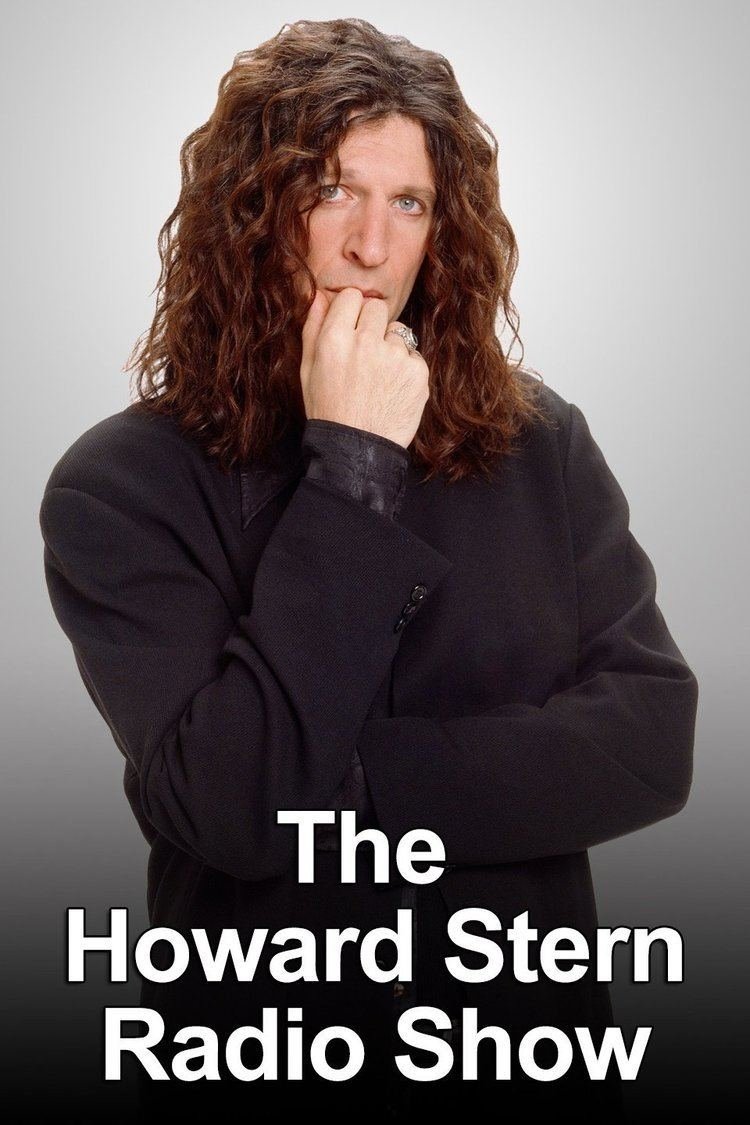
Howard Stern, known as the “King of All Media,” built his career on pushing limits with crude humor, explicit content, and candid interviews. His radio show, which moved to SiriusXM in 2006, faced multiple FCC fines totaling $2.5 million for indecency between 1990 and 2004, including comments about Selena’s death and the Columbine shooting. Stern’s shift to more serious interviews in recent years, like his 2024 Kamala Harris discussion, has drawn criticism for being too political, with reports suggesting his $100 million contract may not be renewed due to financial disputes and evolving audience tastes.
His antics, like the ‘Fartman’ stunt at the 1992 MTV Video Music Awards and body-shaming guests like Gabourey Sidibe, cemented his shock jock reputation. While some praise his evolution into a thoughtful interviewer, others argue he’s lost his edge, fueling debates about his legacy as his show faces potential cancellation.
The Jerry Springer Show (1991-2018)

Jerry Springer’s show became infamous for its chaotic episodes featuring brawls, outrageous confessions, and controversial topics like infidelity and family feuds. Airing for 27 years, it drew millions but faced backlash for exploiting guests and promoting violence, with critics calling it “trash TV” that degraded public discourse.
The show’s sensationalism led to advertiser pullouts and network scrutiny, but Springer defended it as entertainment for willing participants. Its cultural impact is undeniable, spawning catchphrases like “Jerry! Jerry!” while raising questions about the ethics of exploiting personal drama for ratings.
The Morton Downey Morty Show (1987-1989)
Morton Downey Jr.’s confrontational style made his show a lightning rod for controversy in the late 1980s. Known for yelling at guests and stoking divisive issues like race and politics, Downey’s approach drew comparisons to modern shock jocks but led to his show’s cancellation after two years due to declining ratings and advertiser concerns.
His aggressive tactics, including a staged skinhead attack to boost publicity, alienated audiences and networks. Despite its short run, the show influenced future controversial hosts by showing how provocation could drive viewership, even if it burned out fast.
The Magic Hour (1998)
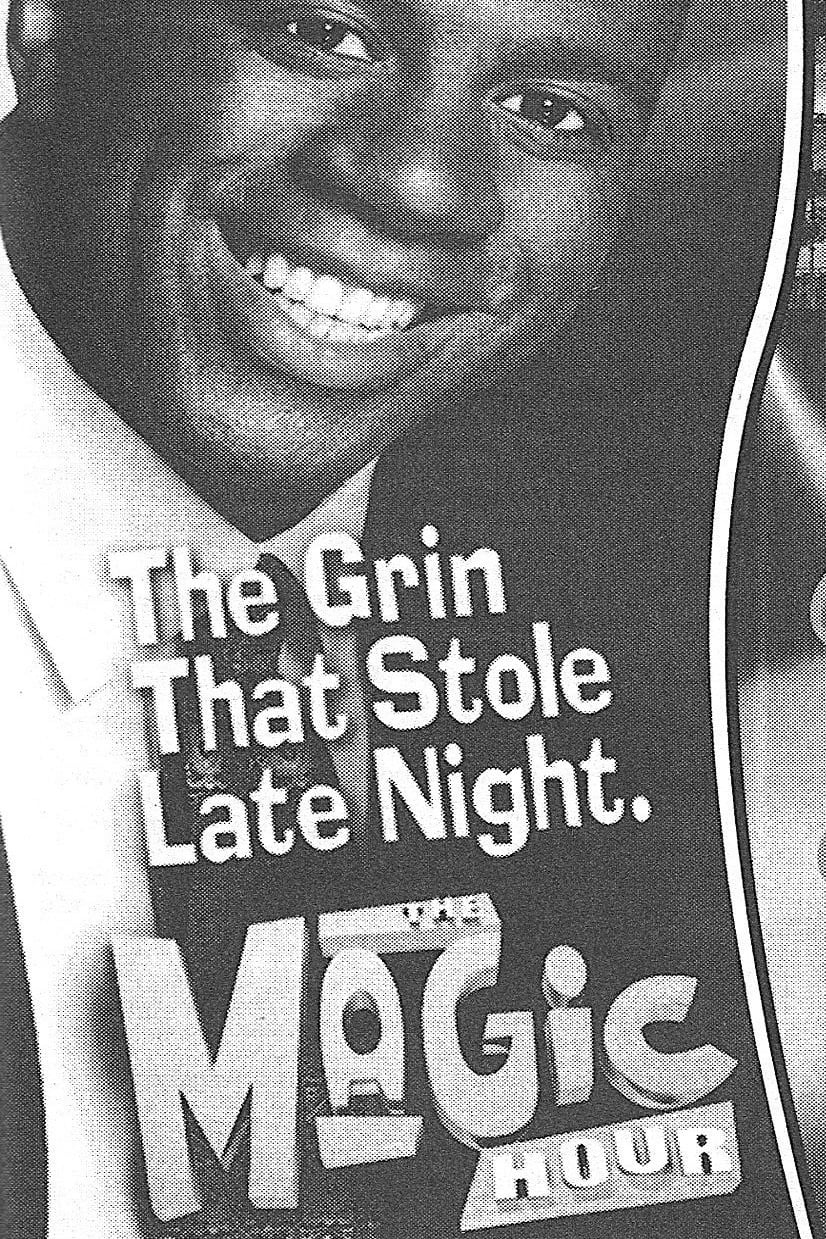
Hosted by Magic Johnson, this late-night talk show aimed to bring a sports legend to TV but crashed after three months due to Johnson’s inexperience and awkward interviews. A guest appearance by Howard Stern, where he made offensive remarks about race and sexuality, drew heavy criticism and embarrassed the show, hastening its demise.
The show’s failure highlighted the risks of miscasting a host without talk show skills. While Johnson’s charm worked in sports, his inability to handle controversial moments or engage guests effectively made ‘The Magic Hour’ a cautionary tale in TV history.
The Pat Sajak Show (1989-1990)

CBSPat Sajak, best known for ‘Wheel of Fortune,’ tried his hand at late-night talk with this short-lived show. His mild-mannered style struggled to compete with flashier rivals, and a heated interview with Rush Limbaugh exposed Sajak’s difficulty handling controversial topics, leading to CBS canceling it after 15 months due to low ratings.
The show’s lack of edge and inability to stand out in a crowded late-night field doomed it. Sajak’s return to game shows proved his strength lay in a less contentious format, where his charm could shine without the pressure of hot-button issues.
The Megan Mullally Show (2006-2007)
Megan Mullally, known for her comedic roles, hosted this daytime talk show that flopped after one season. Her occasional dives into political jabs and controversial topics clashed with the light fare expected by daytime audiences, leading to low ratings and syndication’s end.
Mullally’s humor, better suited for scripted roles, didn’t translate to the talk show format. The show’s failure showed how audience expectations can clash with a host’s style, especially when controversial content feels forced or out of place.
Politically Incorrect with Bill Maher (1993-2002)
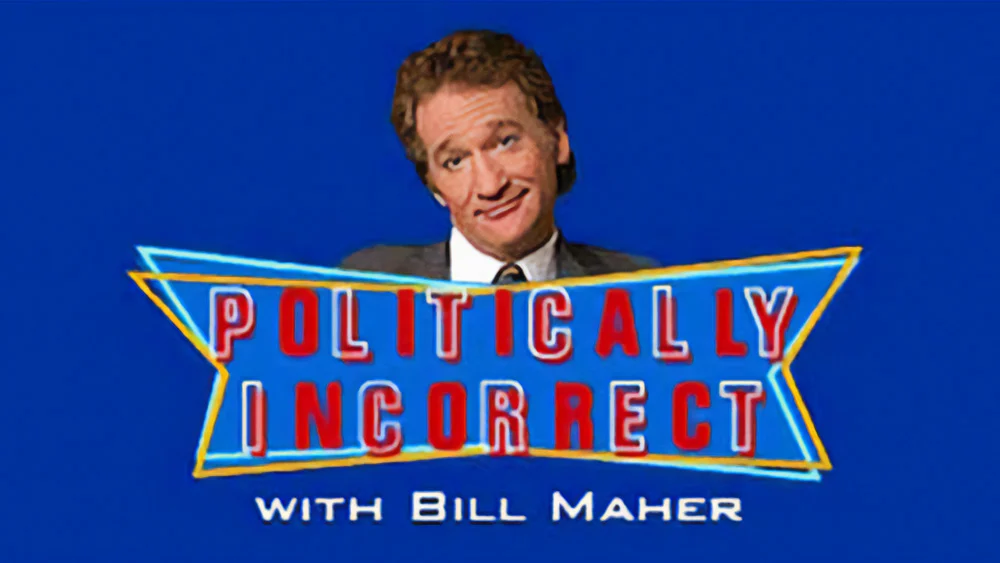
Comedy CentralBill Maher’s show thrived on debating politics and culture with a mix of humor and bluntness, but his comments after 9/11, calling U.S. military actions “cowardly,” sparked outrage and led to ABC pulling the plug. The show’s bold discussions on race, religion, and politics made it a lightning rod for criticism from all sides.
Maher’s unapologetic style paved the way for his later success on ‘Real Time with Bill Maher,’ but ‘Politically Incorrect’ showed how quickly controversy could end a show in a sensitive climate. Its legacy lies in proving provocative discourse could draw viewers, if not always keep them.
The Jenny Jones Show (1991-2003)
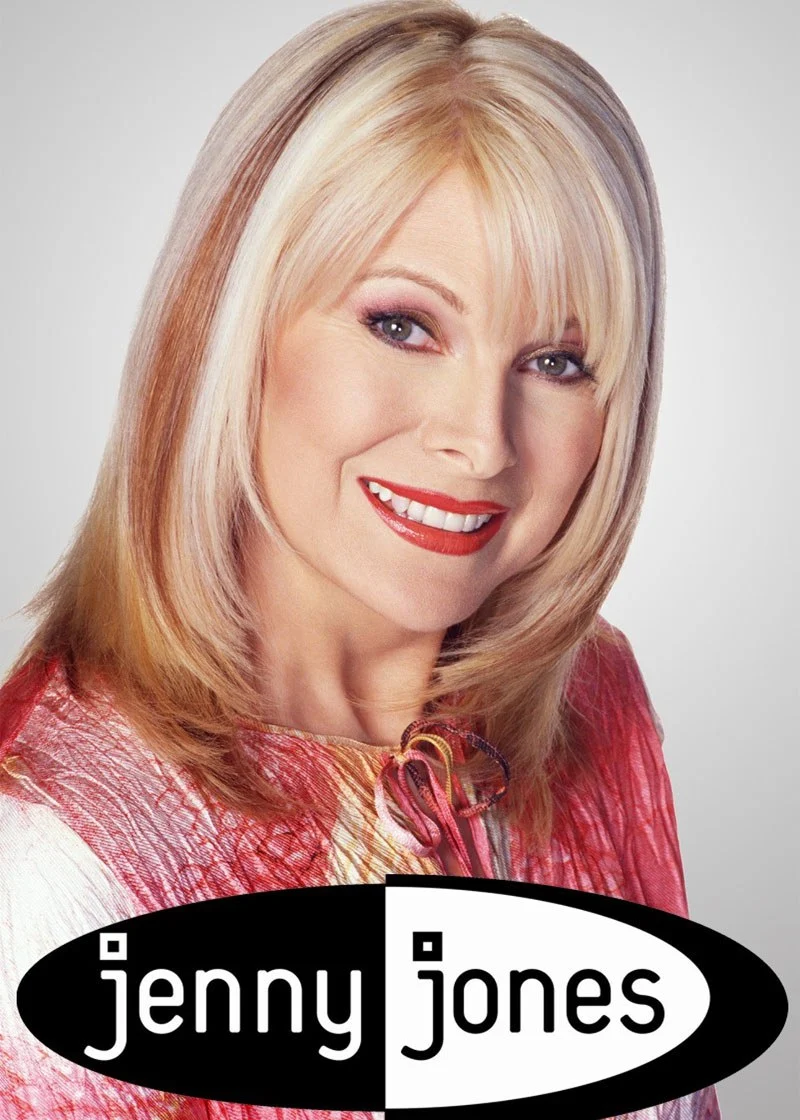
Jenny Jones hosted a daytime talk show that tackled taboo topics like secret crushes and family conflicts, but a 1995 episode led to tragedy when a guest, Scott Amedure, was murdered after revealing a crush on another guest. The resulting lawsuit and public backlash damaged the show’s reputation, though it limped on until 2003.
The incident raised questions about the responsibility of talk shows in handling sensitive topics. While Jones aimed for sensationalism, the tragedy underscored the real-world consequences of exploiting personal stories for ratings.
The Chevy Chase Show (1993)
Chevy Chase’s late-night talk show was a disaster, lasting just five weeks due to his awkward hosting and inability to connect with guests. Controversial moments, like crude jokes and a lack of chemistry with guests, alienated viewers and led Fox to cancel it swiftly.
The show’s failure showed that star power alone couldn’t sustain a talk show. Chase’s comedic talent didn’t translate to the format, and his attempt to mimic edgier hosts fell flat, making it one of TV’s most notorious flops.
The Late Show with Stephen Colbert (2015-2025)
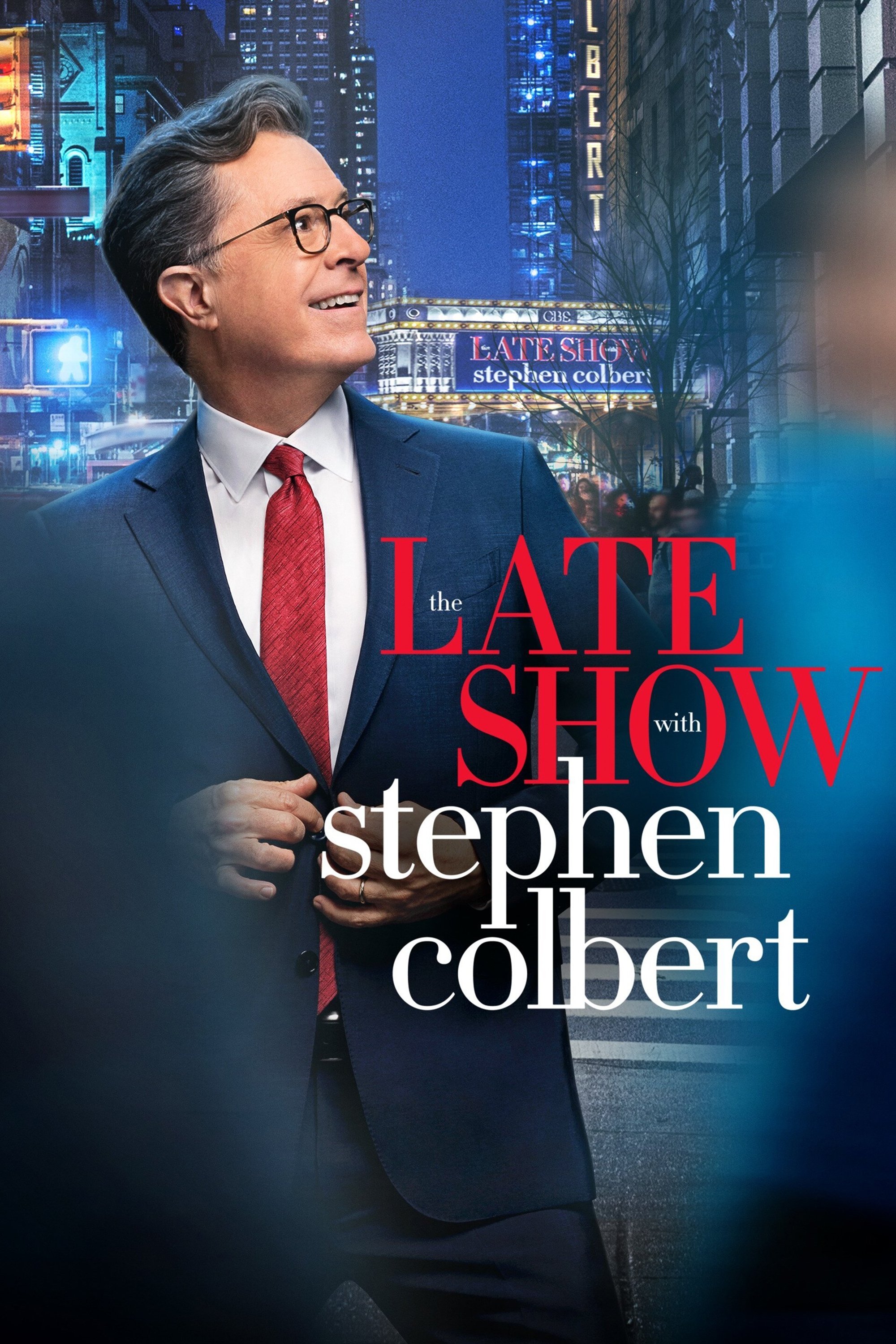
Stephen Colbert’s sharp political satire, especially targeting Donald Trump, made his show a hit with some but drew accusations of bias from conservative viewers. CBS cited financial losses of $40 million a year for its 2025 cancellation, though many believe his anti-Trump humor and declining ratings in a polarized climate played a role.
Colbert’s blend of comedy and commentary pushed boundaries but alienated parts of the audience. The show’s end reflects the challenges of politically charged talk shows in an era of divided viewers and shifting network priorities.
What’s your take on these controversial talk shows—did they go too far, or were they just what audiences needed? Share your thoughts in the comments!