


Huge List of Greatest Sci-Fi Shows Ever

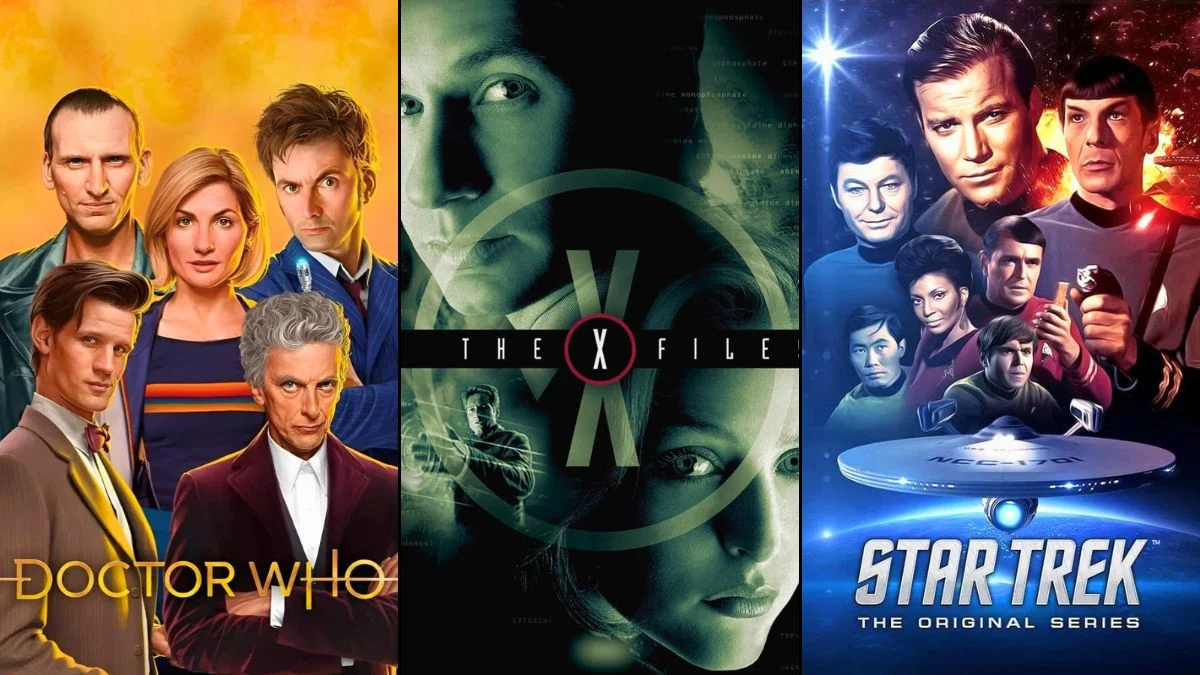


From space exploration to mind bending timelines, science fiction TV has mapped out entire universes on the small screen. These shows introduced new technologies, tackled social questions, and pushed visual effects on tight schedules. Many of them built loyal fan communities that kept the stories alive through reruns and revivals. Here are landmark series that shaped how sci fi looks and feels on television.
‘The Twilight Zone’ (1959–1964)
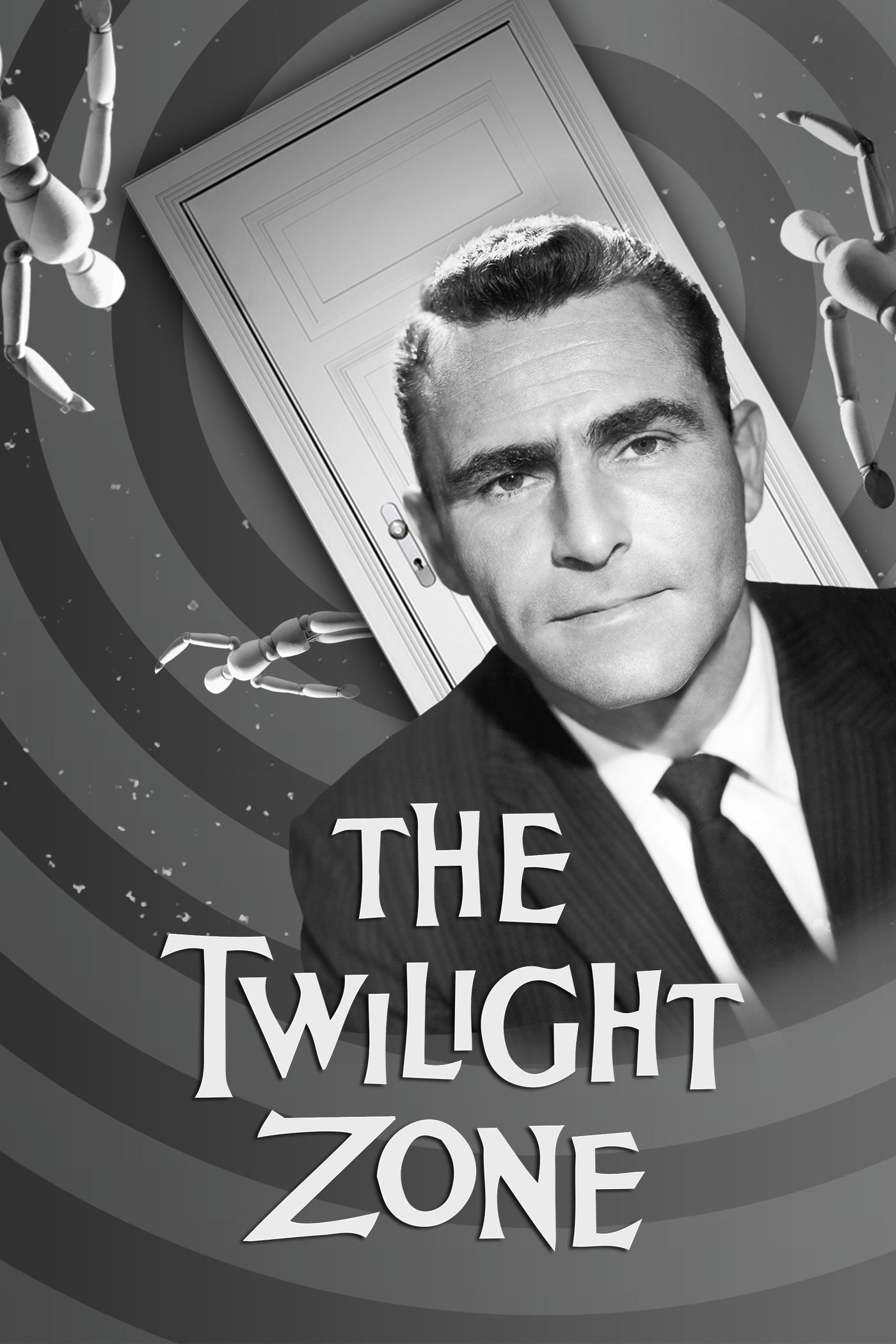
Rod Serling created this anthology that blended speculative premises with sharp social commentary. Episodes used isolated settings, twist endings, and moral dilemmas to explore fears about technology and human nature. The production relied on compact sets and character driven scripts that kept costs manageable. Its half hour format made it easy to syndicate, which helped the series reach generations of new viewers.
‘Star Trek: The Original Series’ (1966–1969)
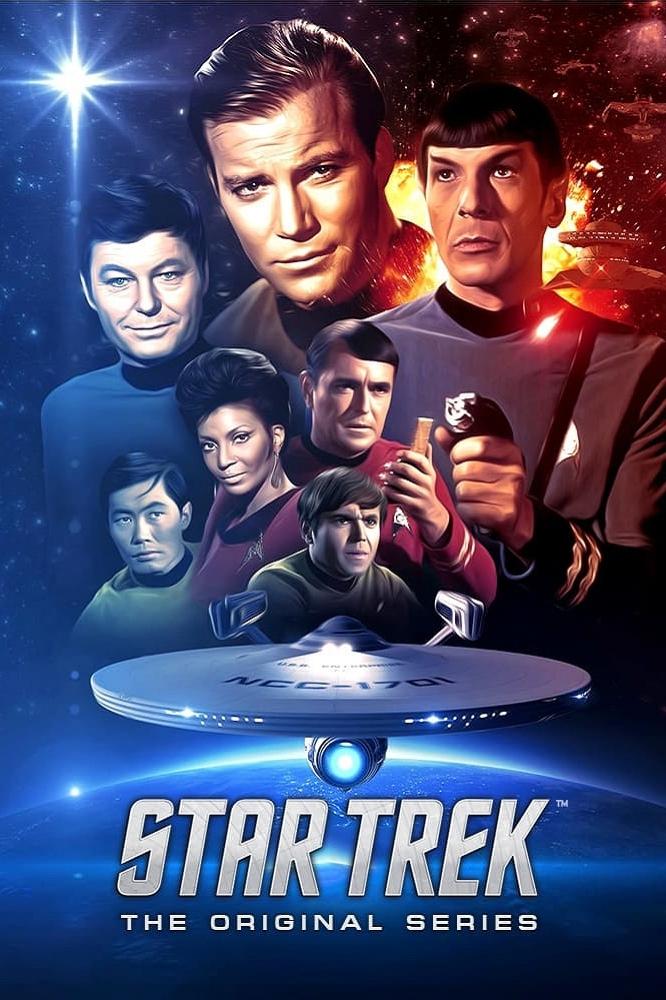
This series followed the crew of the starship Enterprise on missions across the galaxy for a scientific and diplomatic organization. It depicted a diverse bridge crew and imagined handheld communicators, universal translators, and warp travel. Cancellation after three seasons led to a large letter writing campaign that boosted syndication. The show’s popularity in reruns launched multiple films and spin offs.
‘Star Trek: The Next Generation’ (1987–1994)
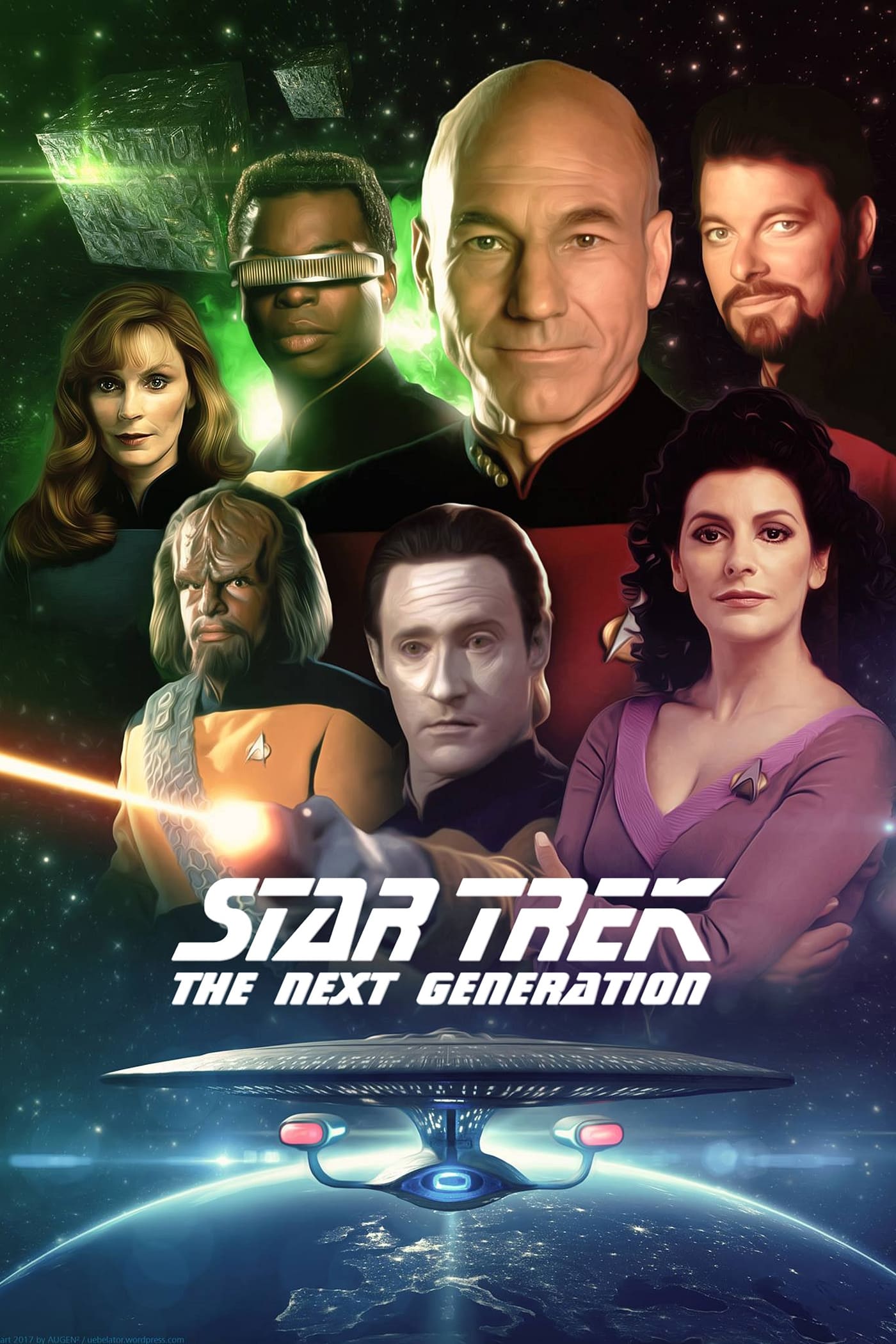
Set decades after the original, this series introduced a new Enterprise with Captain Jean Luc Picard. It expanded the franchise with story arcs involving the Borg, the Romulans, and the Klingon Empire. The show upgraded effects with model work and motion control photography for starship scenes. Its seven season run established a production model that supported additional ‘Star Trek’ series.
‘Doctor Who’ (2005–present)
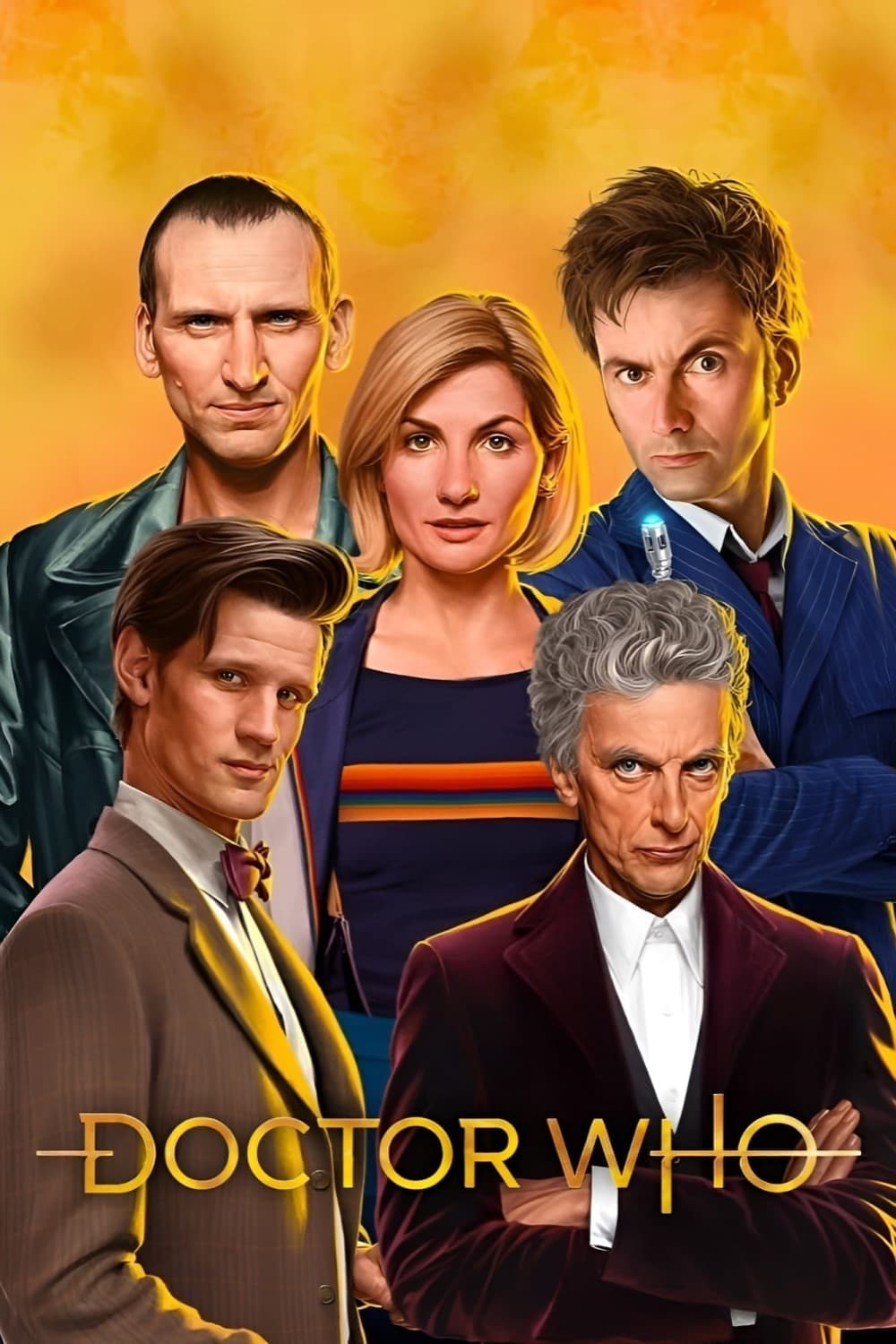
The revival follows the Doctor, an alien Time Lord who travels in a police box that is bigger on the inside. Regeneration allows the lead role to pass to new actors without breaking continuity. Standalone adventures mix with multi episode arcs that revisit returning foes and companions. The production uses a flexible writers room that adapts tone and scale from intimate stories to event specials.
‘The X-Files’ (1993–2002)
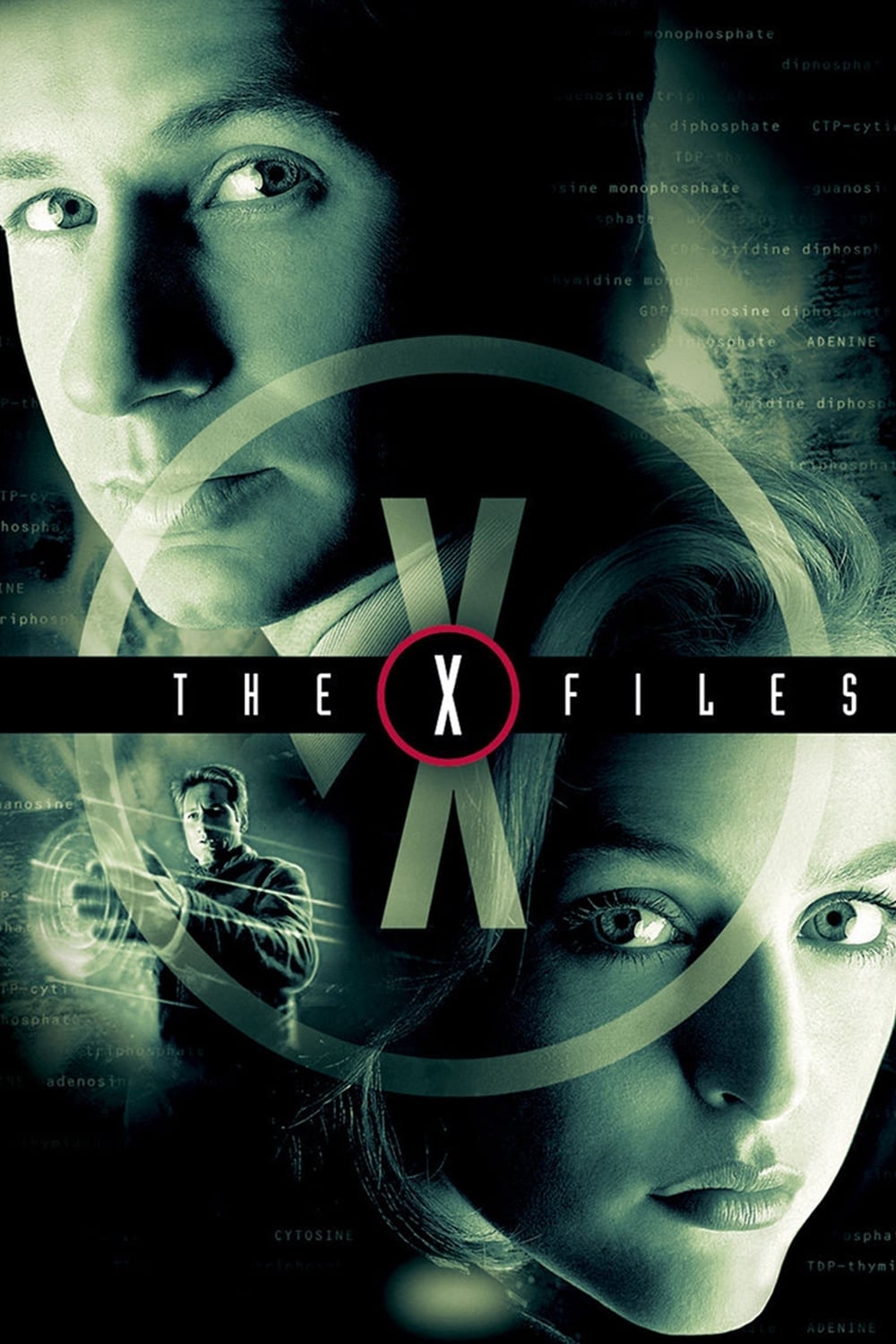
FBI agents Fox Mulder and Dana Scully investigate cases involving unexplained phenomena and government secrecy. The series alternates between mythology episodes that build a conspiracy and monster of the week installments. Its Vancouver based production created a distinctive moody look with location shooting at night. The show helped define genre television in the nineties with a strong procedural structure.
‘Battlestar Galactica’ (2004–2009)
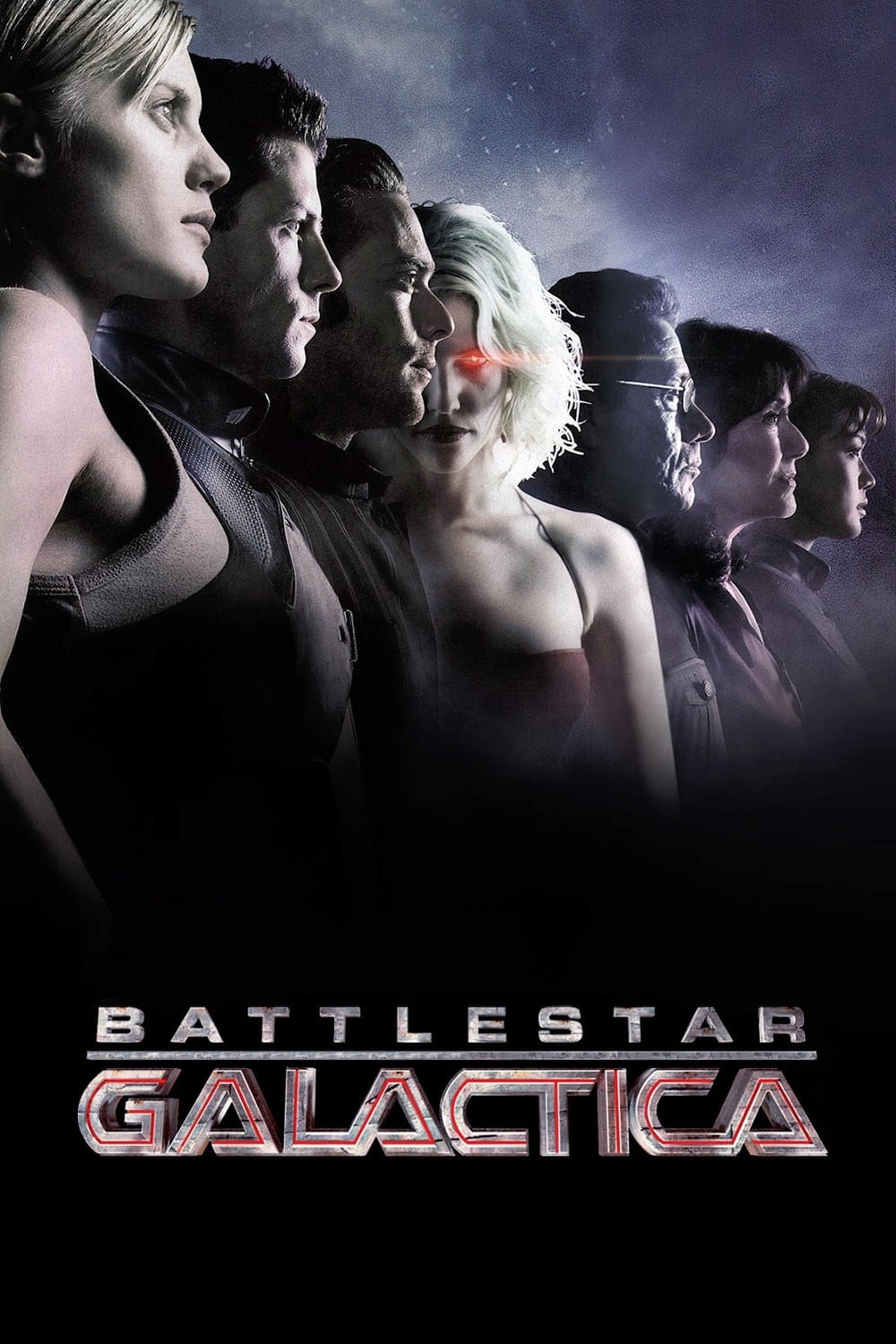
This reimagining follows human survivors fleeing robotic Cylons while searching for Earth. It uses a pseudo documentary camera style with zooms and hand held shots during space battles. The story focuses on military command decisions, civilian politics, and questions about artificial life. The show employed a blended visual effects pipeline that combined CGI and practical elements for spacecraft and sets.
‘Babylon 5’ (1994–1998)
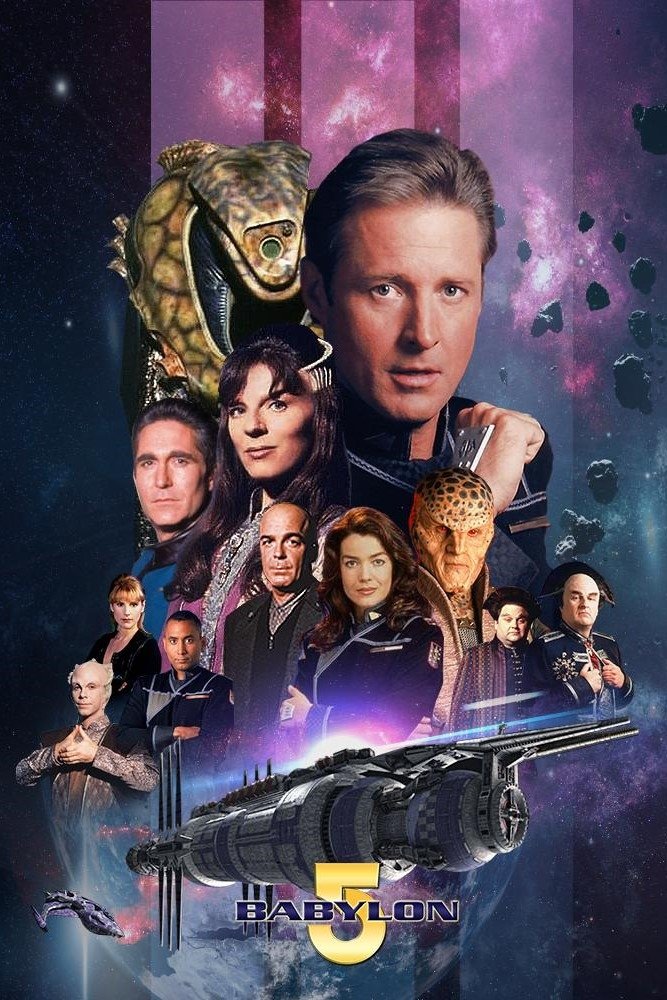
Set on a diplomatic space station, this series planned a five year narrative with a defined beginning and end. It pioneered heavy use of CGI for ships and environments on a television budget. The arc structure allowed character growth and political shifts to pay off over long stretches. Syndication deals and international financing helped sustain the production across its seasons.
‘Black Mirror’ (2011–present)
This anthology explores near future technologies and their unintended consequences. Each episode stands alone with new casts, locations, and visual styles. The show often builds its worlds by extrapolating existing platforms like social media and rating systems. Production partners have varied across seasons, which has enabled larger scope and international shoots.
‘The Expanse’ (2015–2022)
Based on novels, this series maps a colonized solar system divided among Earth, Mars, and the Belt. It grounds space travel with realistic physics such as thrust limits and zero g sequences. The show shifted from cable to streaming after a mid run cancellation, which kept the adaptation moving forward. Its production design emphasizes functional spacecraft interiors and multi language culture.
‘Star Trek: Voyager’ (1995–2001)
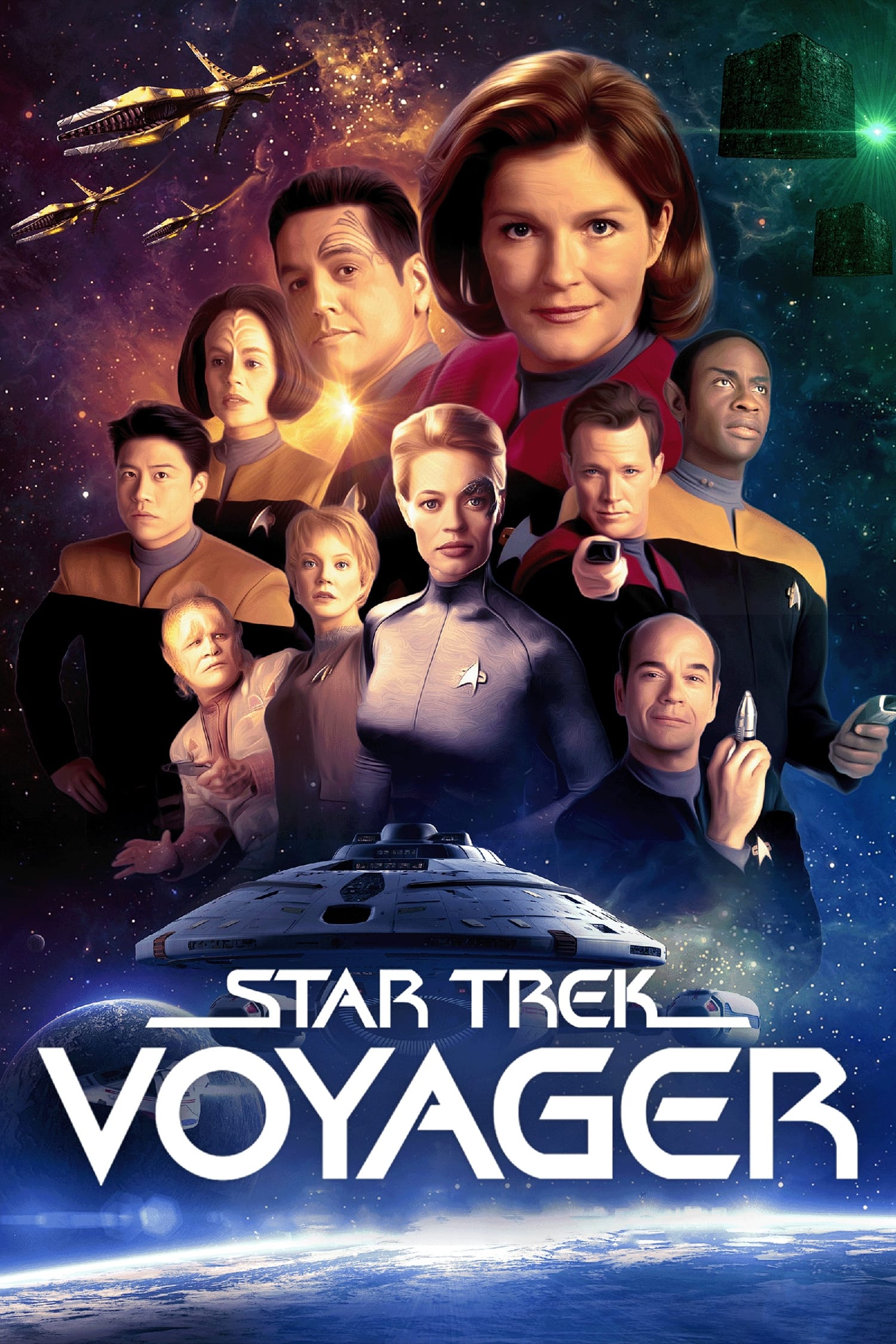
This series follows a Starfleet ship and a Maquis crew stranded far from Federation space. It used a mix of model work and CGI to depict new regions and species. Character arcs track the integration of two crews under a single command structure. The show introduced technologies like bio neural gel packs and a holographic doctor as a main character.
‘Star Trek: Enterprise’ (2001–2005)
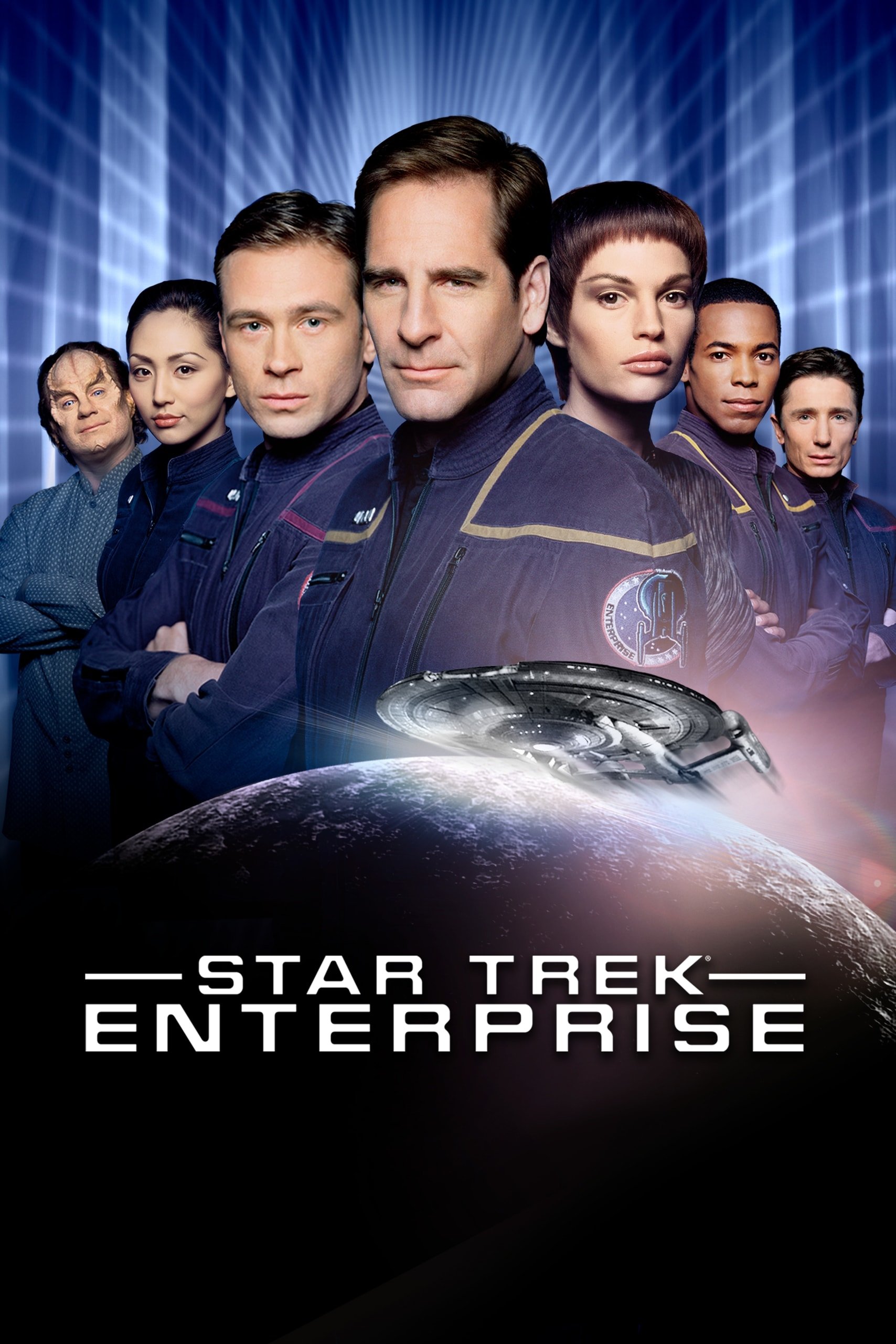
Set before the formation of the Federation, this prequel explores early warp exploration. It features first contact incidents that set up later conflicts in the timeline. Production emphasized a transitional design language that bridged contemporary tech and future aesthetics. The series built a long form arc around a temporal cold war and an interstellar crisis.
‘Star Trek: Strange New Worlds’ (2022–present)
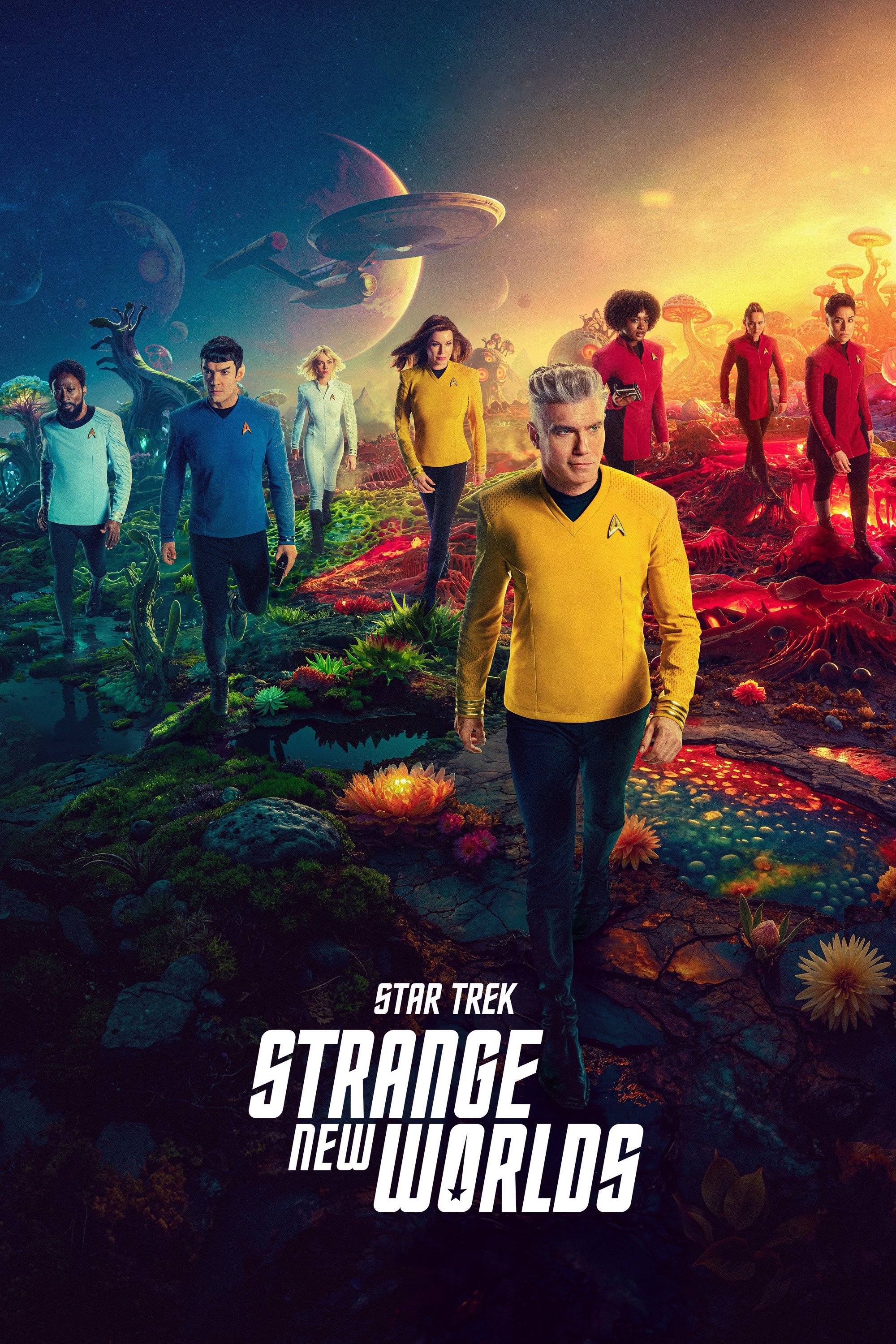
This show returns to episodic adventures aboard the Enterprise under Captain Pike. It blends standalone missions with ongoing character threads for the bridge crew. Sets and costumes reference earlier designs while using current visual effects workflows. Episodes highlight first contact protocols and medical and engineering challenges on deep space assignments.
‘Star Trek: Picard’ (2020–2023)
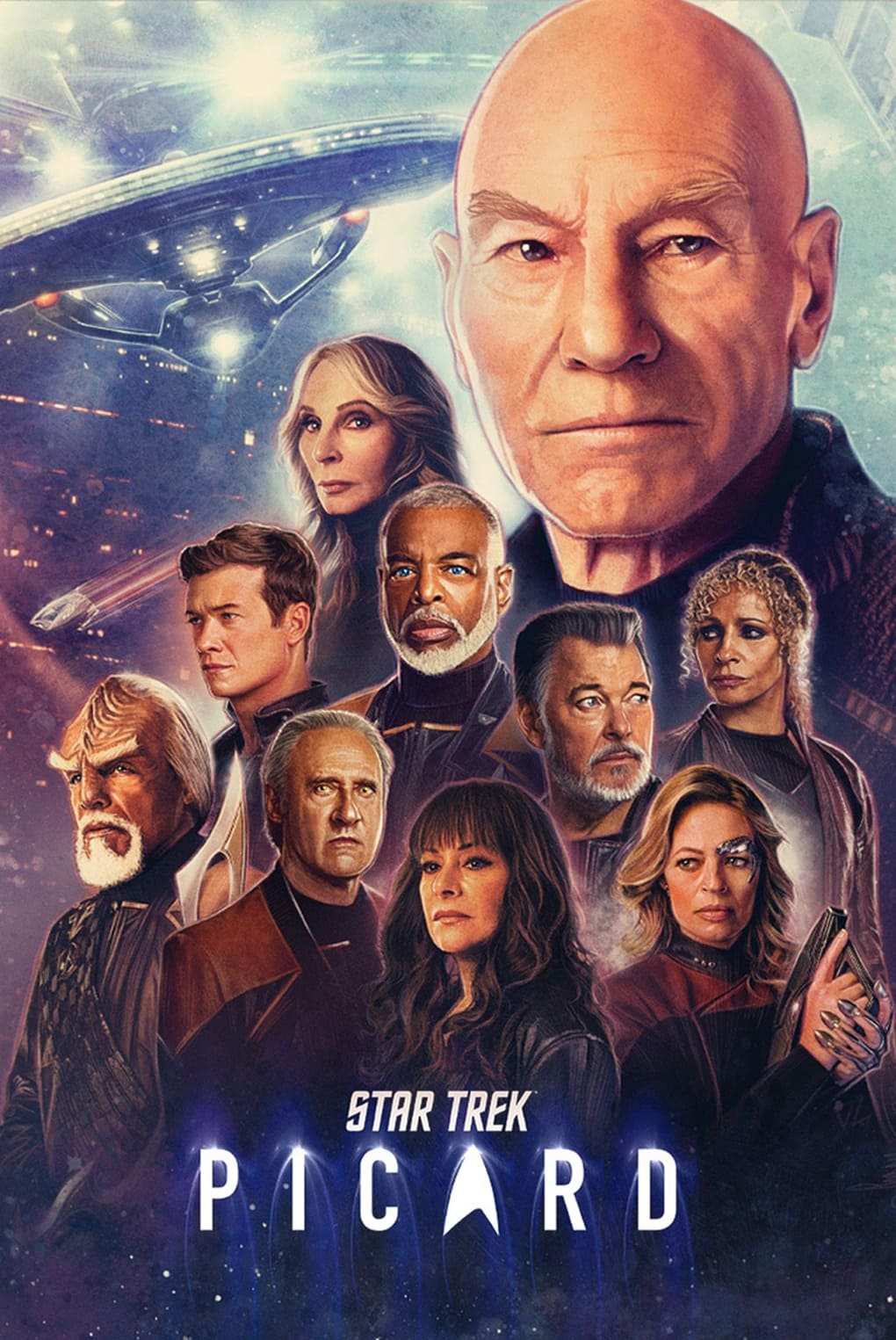
This continuation follows a retired captain drawn back into interstellar events. It revisits legacy characters and updates political dynamics within the quadrant. The production used location shooting in California and large stage builds for starships. Storylines examine synthetic life rights, intelligence operations, and interspecies diplomacy.
‘Stargate SG-1’ (1997–2007)
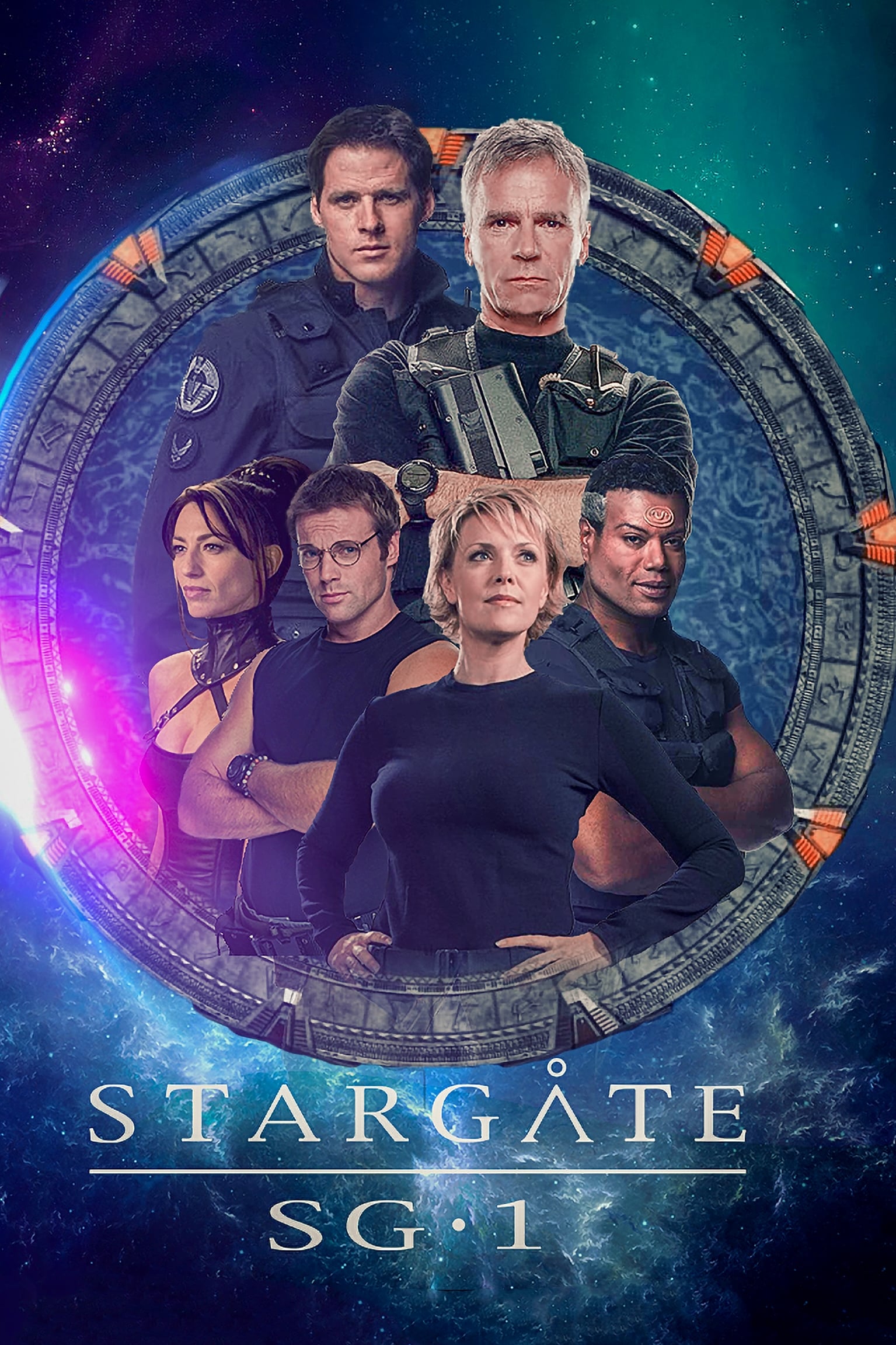
A military team uses an ancient portal network to travel to other worlds. The series combines episodic exploration with multi season arcs about interstellar empires. Vancouver based shooting supported extensive location reuse for alien environments. Practical props and visual effects created recurring technologies like staff weapons and ring transporters.
‘Stargate Atlantis’ (2004–2009)
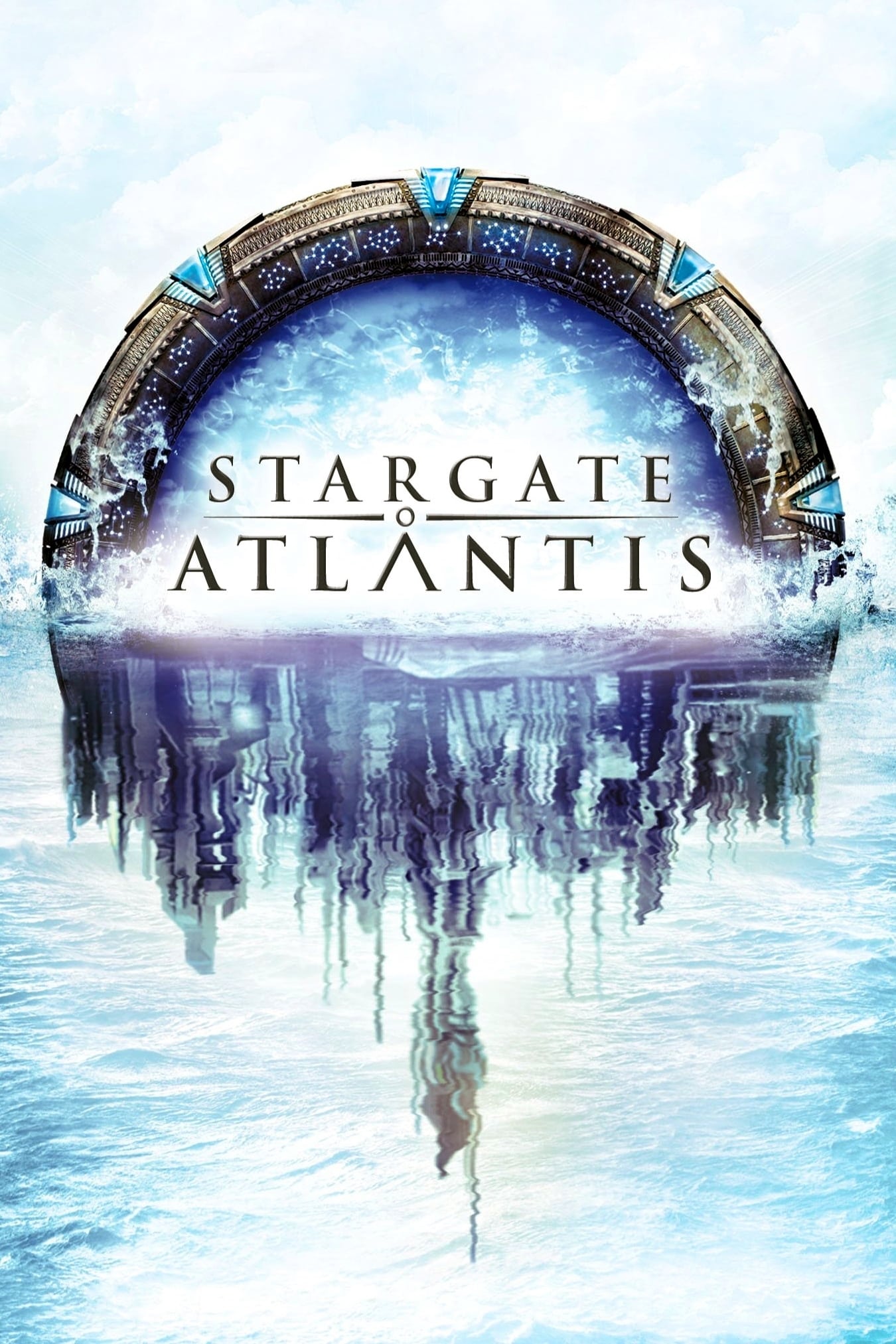
An international expedition discovers a lost city in another galaxy. The show develops new species and technologies while maintaining ties to the originating program. Water tank stages and digital extensions helped realize the city’s ocean setting. The team structure supports missions that balance science goals with security needs.
‘Stargate Universe’ (2009–2011)
A group of civilians and military personnel become trapped on an ancient ship traveling between galaxies. The narrative focuses on resource management and shipboard survival. Production used a darker lighting scheme and handheld cameras for a grounded look. The ship’s automated course drives exploration into unknown systems.
‘The Mandalorian’ (2019–present)
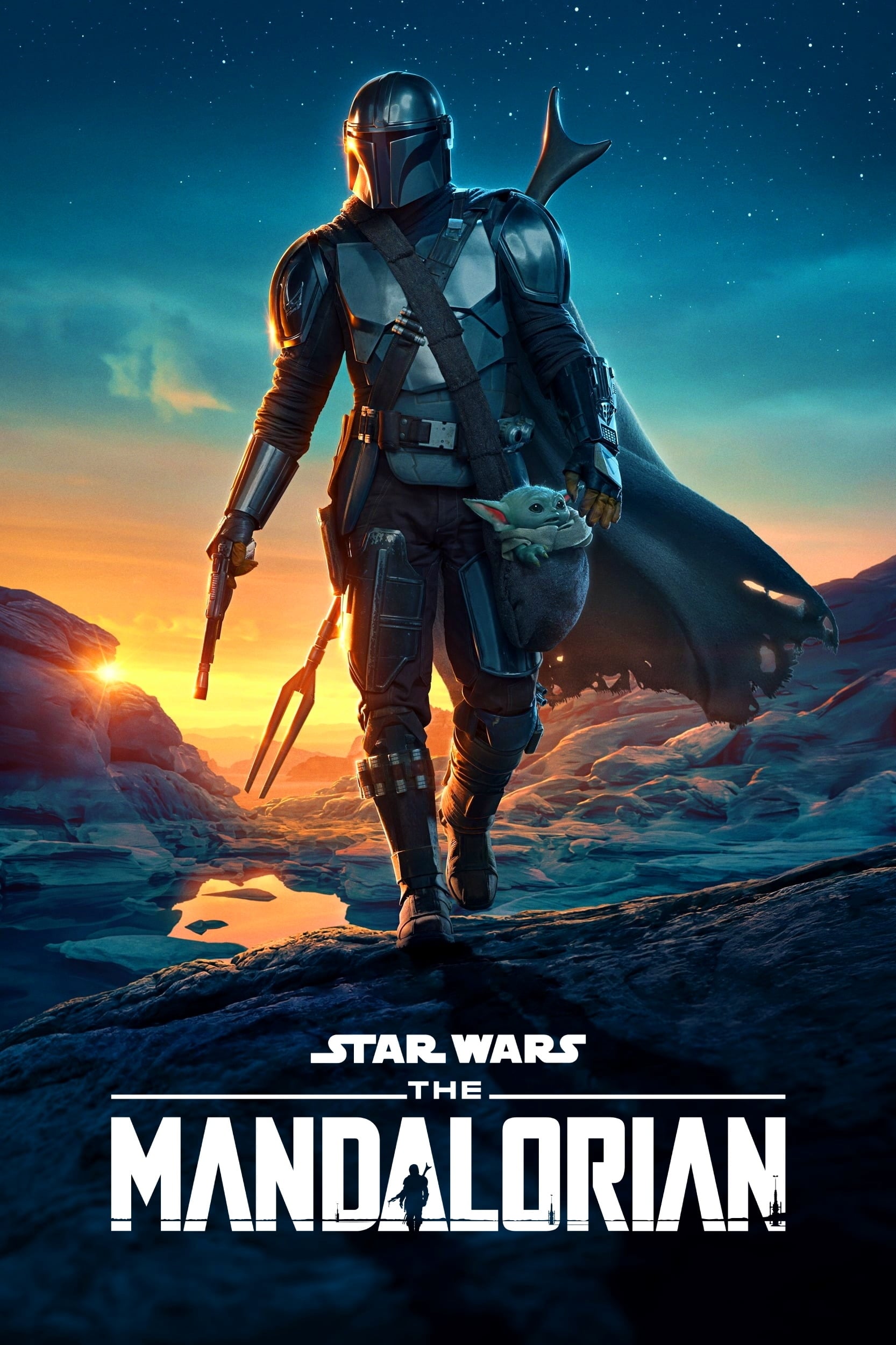
A lone bounty hunter accepts missions across remote planets within a familiar galaxy. The series popularized virtual production volumes that project real time environments. Episodes mix serialized goals with self contained quests. Practical creature effects combine with digital work for consistent worldbuilding.
‘Andor’ (2022–present)
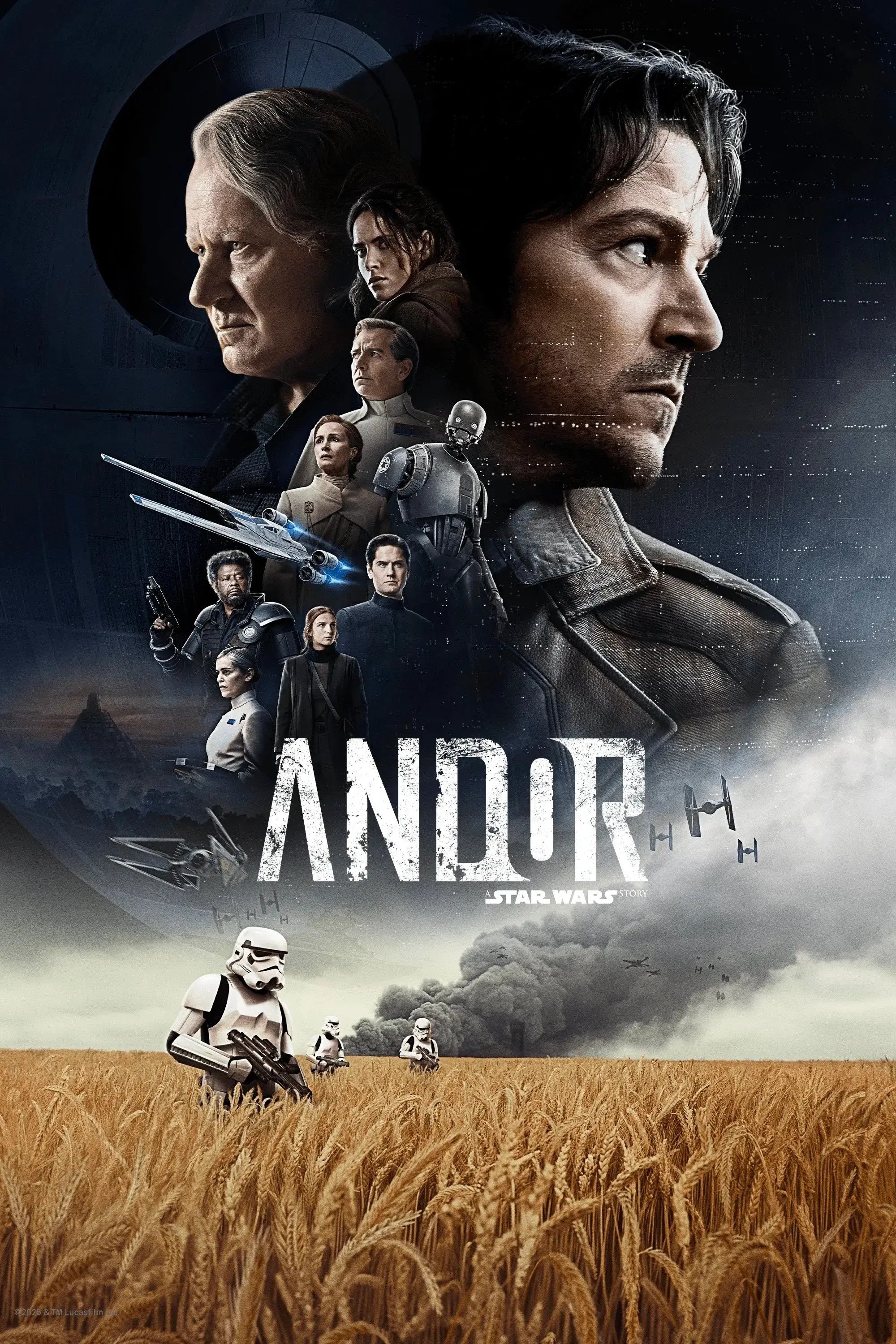
This prequel tracks the growth of a rebellion through espionage and organized resistance. It uses on location shoots and large physical sets to ground the setting. Story arcs are structured in multi episode blocks with distinct objectives. Attention to logistics like supply chains and prison labor illustrates how an empire maintains control.
‘Foundation’ (2021–present)
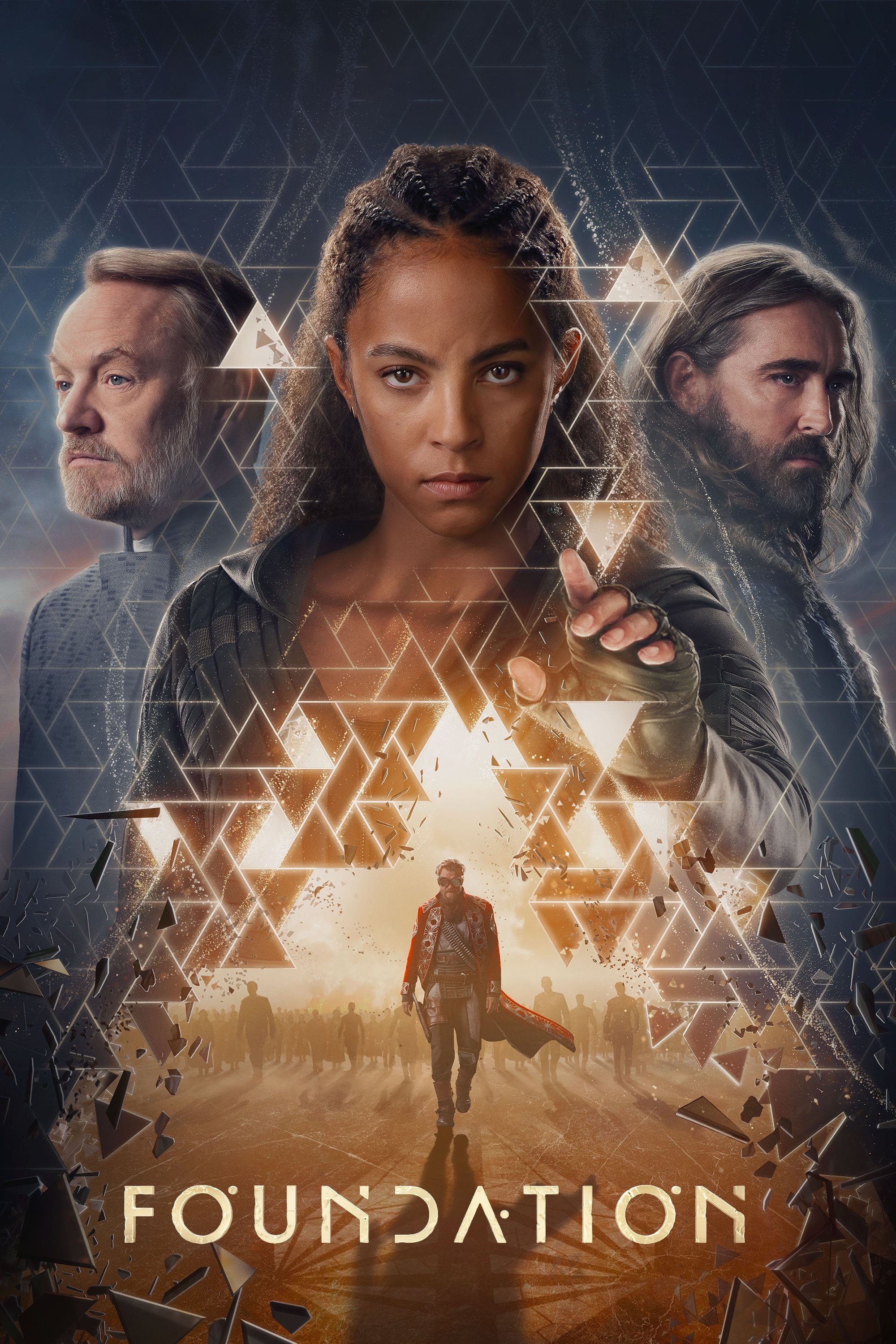
An adaptation follows mathematicians and colonists trying to preserve knowledge across centuries. The show uses time jumps and parallel storylines to track multiple generations. It features a visual design that contrasts imperial architecture with frontier settlements. The production employs extensive digital environments for planetary backdrops and space travel.
‘For All Mankind’ (2019–present)
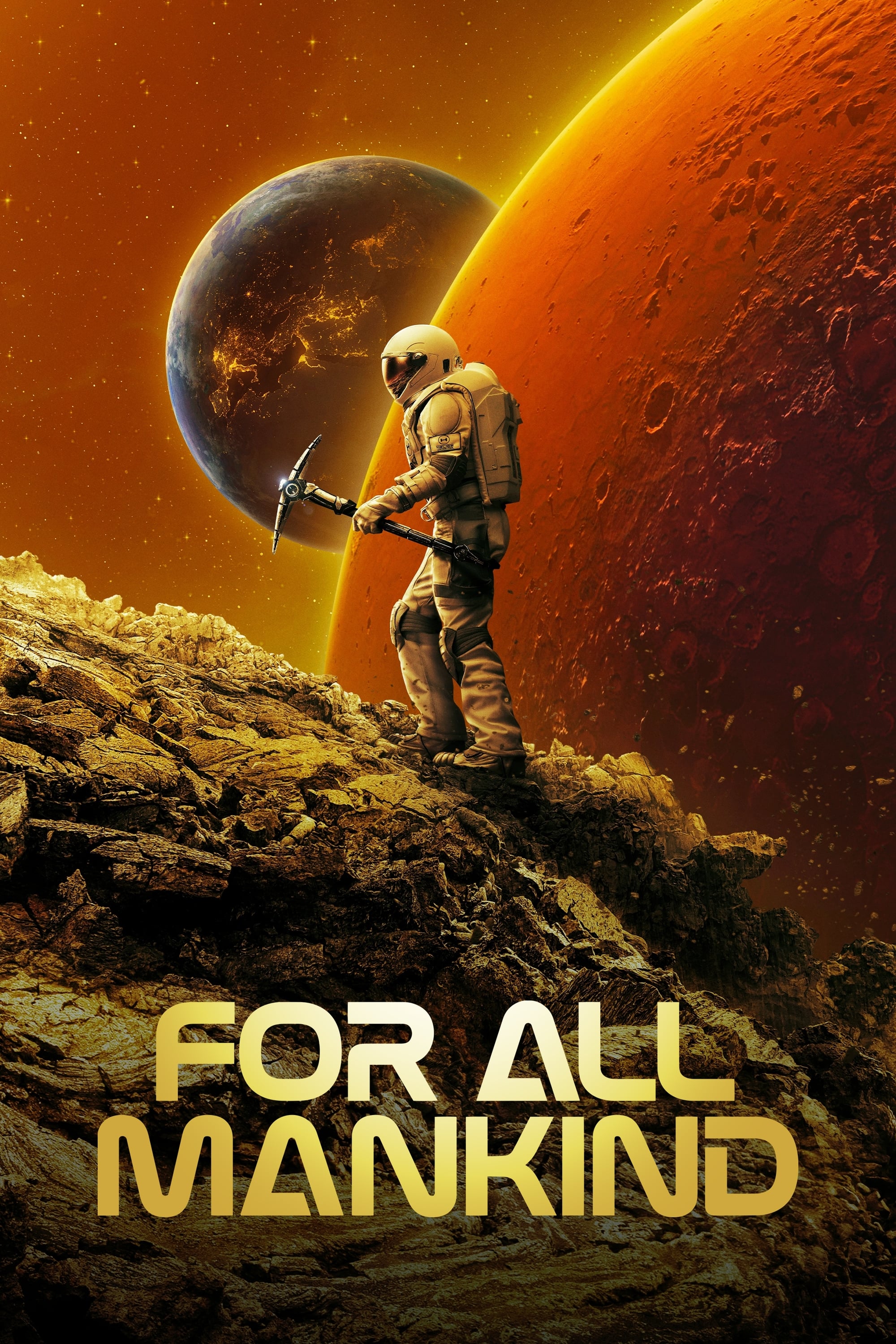
This series imagines an alternate history in which the space race never ended. It tracks aerospace programs as they expand from low Earth orbit to deeper missions. Real aerospace procedures and hardware evolution inform the mission profiles. Production blends archival style footage with detailed sets and cockpit builds.
‘The Orville’ (2017–present)
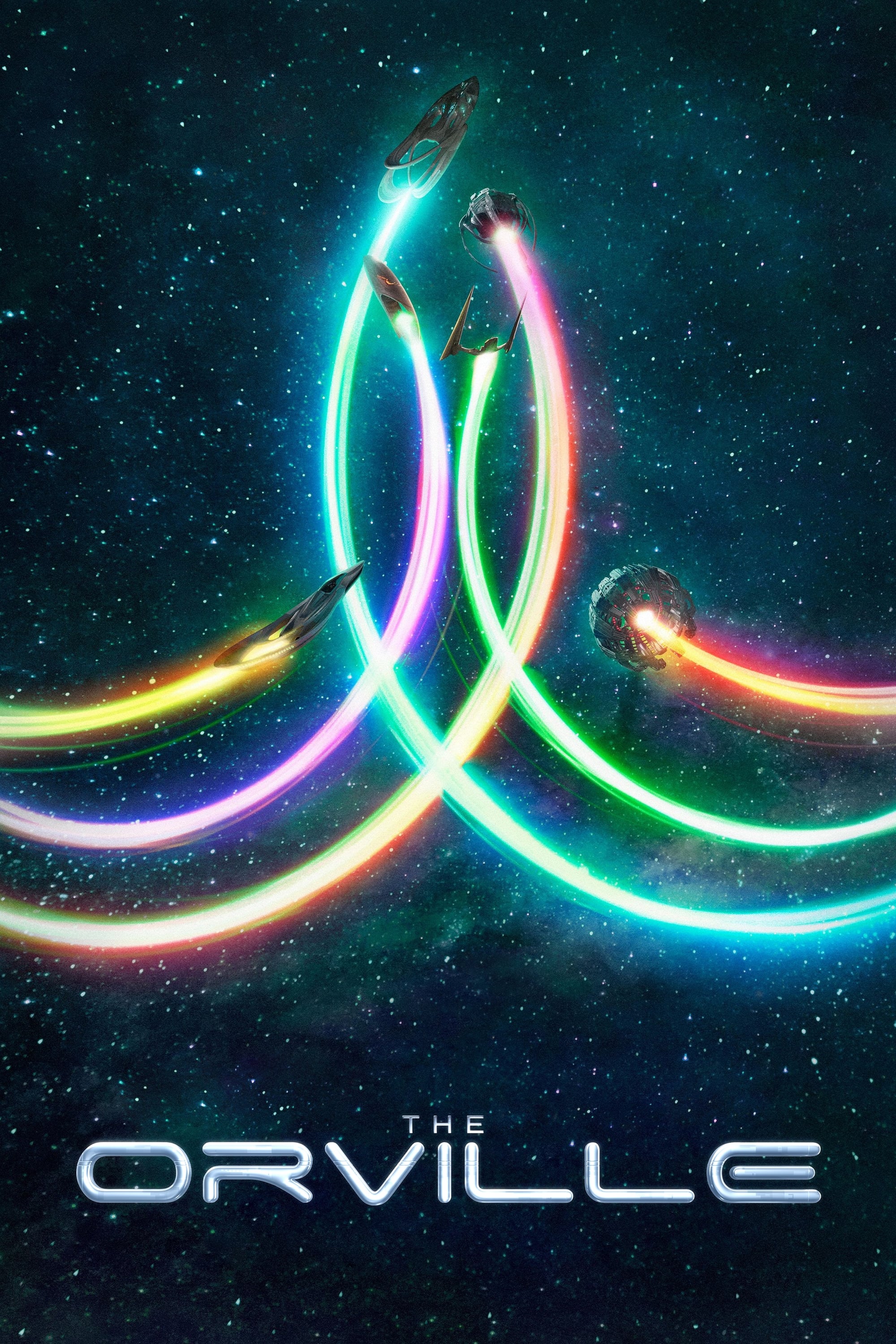
A mid level exploratory vessel undertakes diplomatic and scientific missions. The show uses a mix of character comedy and classic mission structures. Sets include a modular bridge and shuttle bays designed for recurring action scenes. Effects shots feature practical gags augmented by CGI for ship exteriors and space phenomena.
‘Red Dwarf’ (1988–present)
This long running comedy follows a small crew adrift on a mining ship in deep space. Early seasons relied on studio audiences and model shots for spacecraft. Later runs added single camera shooting and updated digital effects. The series maintains continuity with recurring characters, shipboard AI, and alternate reality scenarios.
‘Quantum Leap’ (1989–1993)
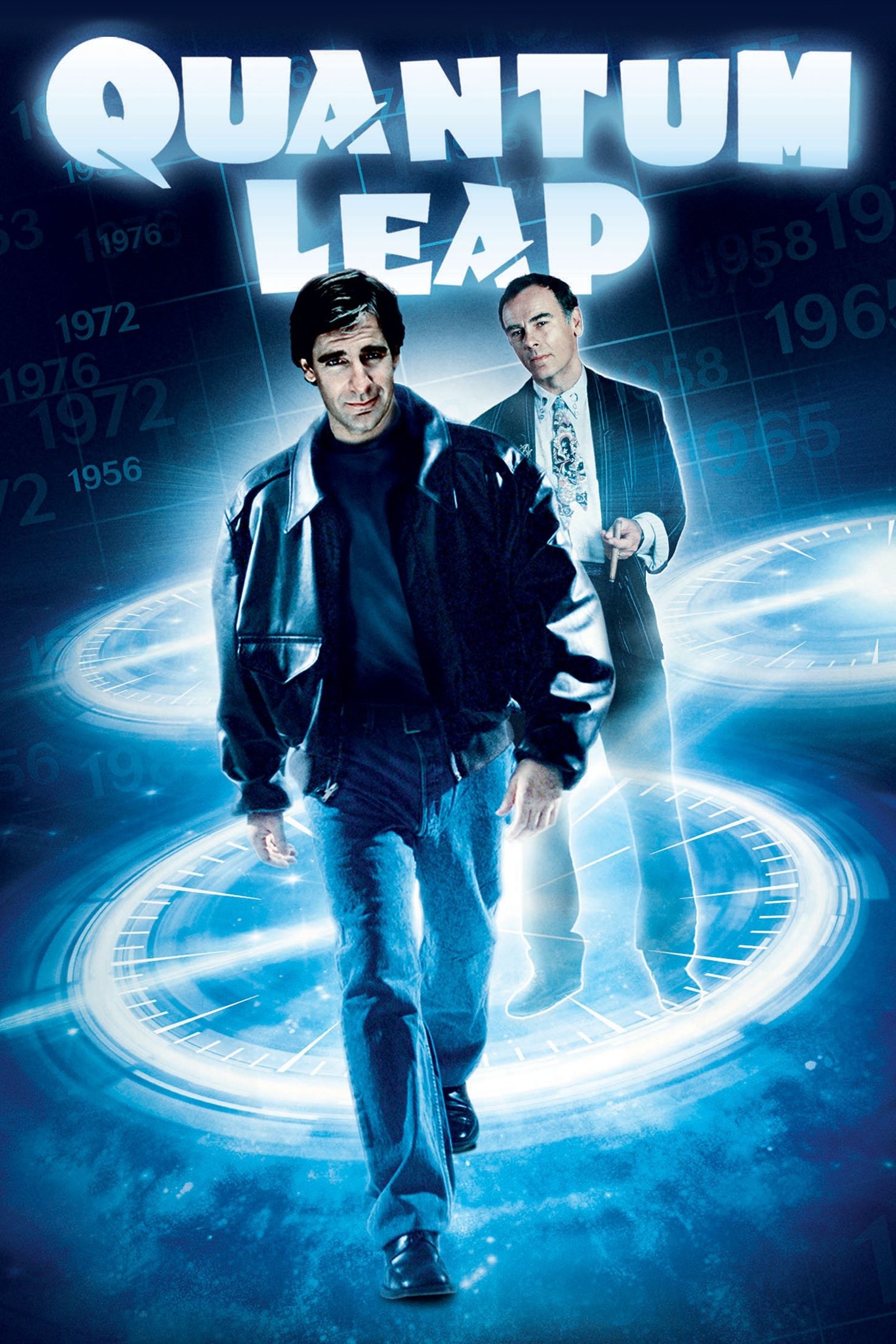
A physicist becomes unstuck in time and temporarily inhabits people in different eras. Each episode centers on correcting a historical problem for the person he leaps into. The production built period accurate sets and costumes for rapid weekly changes. A handheld imaging device and a holographic guide provide mission data within the story.
‘Sense8’ (2015–2018)
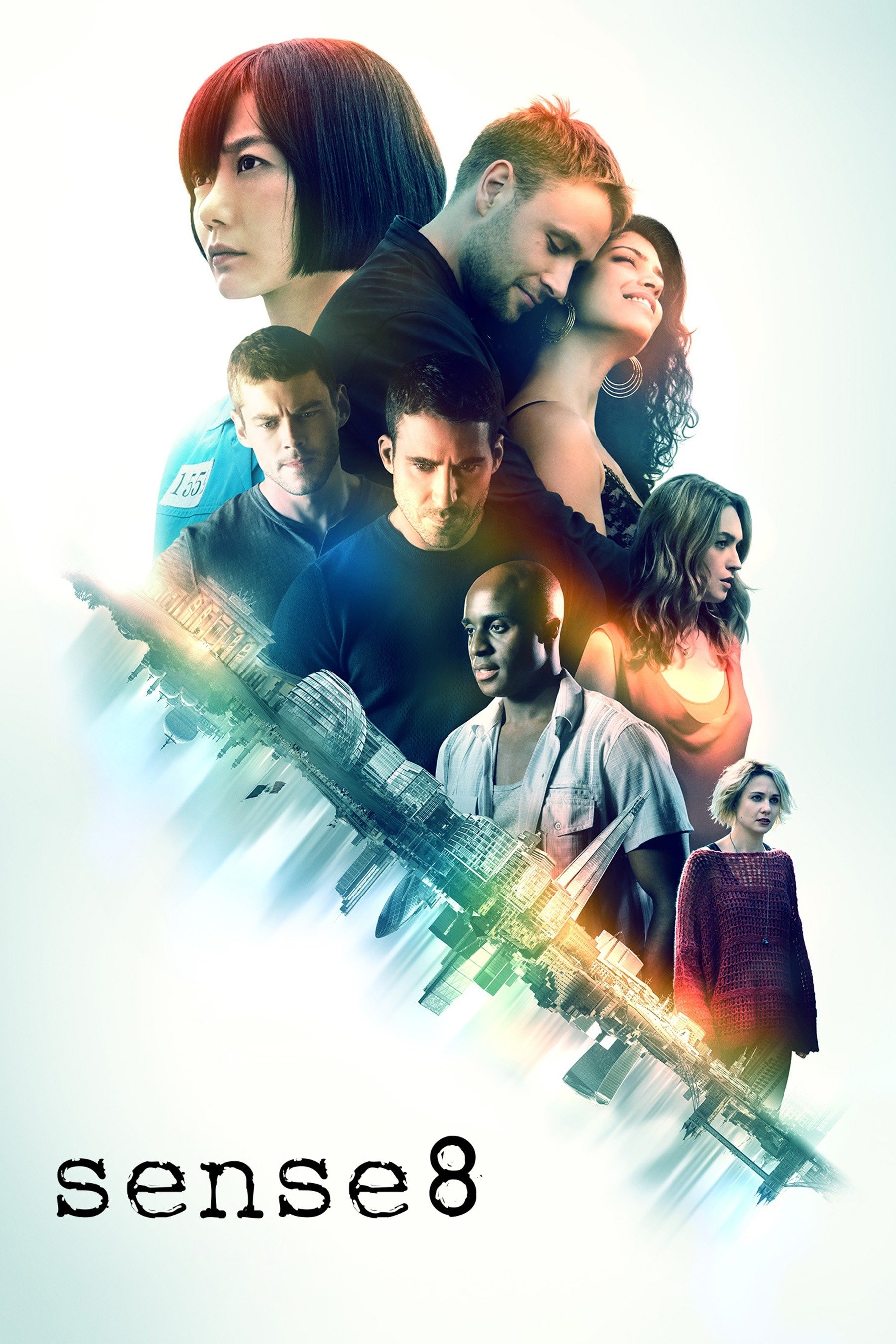
Eight strangers across the world discover they are mentally linked. The show filmed on multiple continents with local crews to capture real locations. Characters share skills and language through their connection, which shapes action scenes. The narrative examines biotech interests, surveillance, and the implications of a new kind of human network.
‘Dark’ (2017–2020)
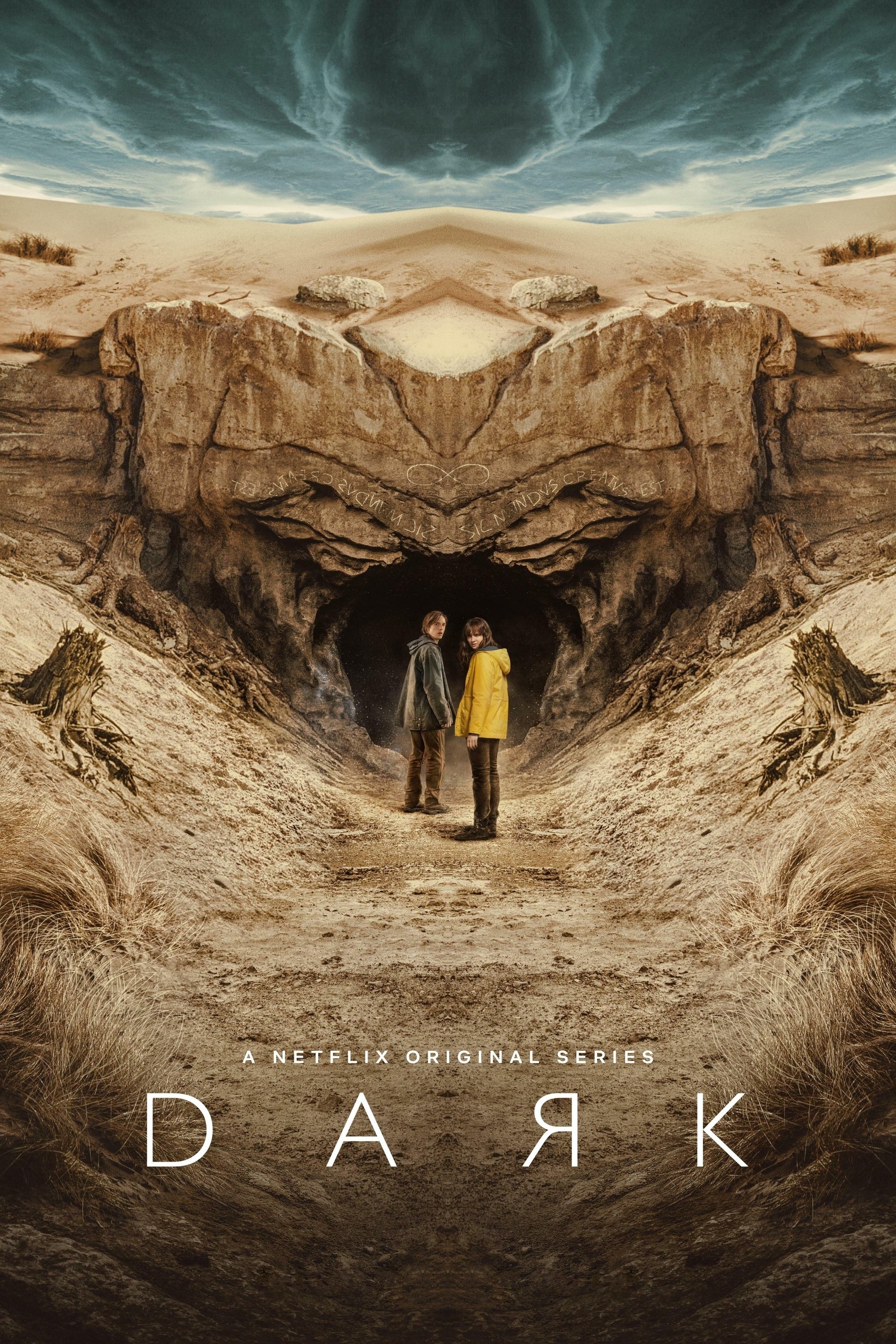
A small town mystery unfolds into a story about time loops and family lineages. The series maps events across multiple eras with a strict internal timeline. Visual motifs and color cues help viewers track identities and periods. Attention to causality drives how characters attempt to change or preserve events.
’12 Monkeys’ (2015–2018)
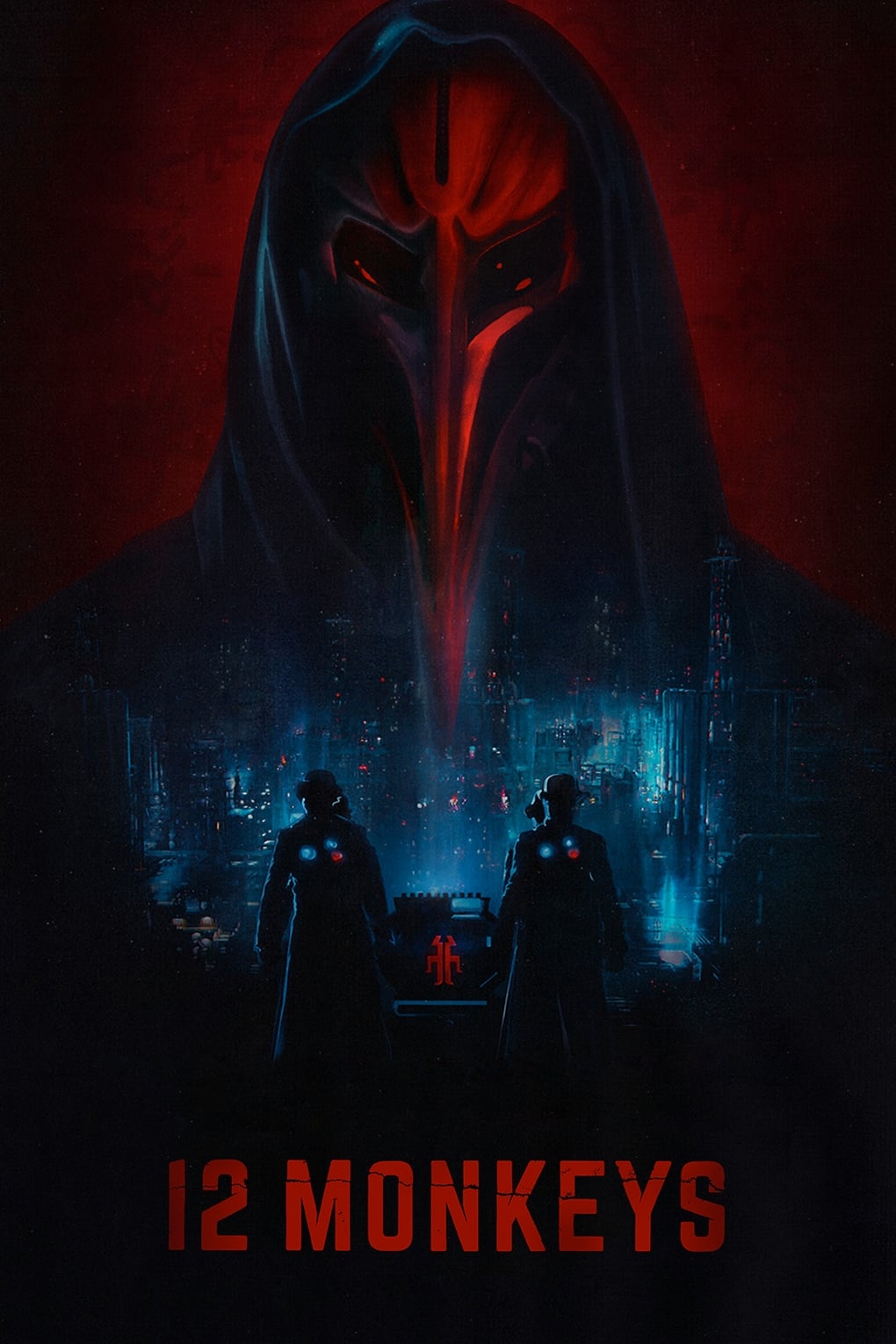
A traveler from a devastated future works to stop a plague at its origin point. The show establishes rules for time travel through cause and effect and stable loops. Sets range from present day labs to future facilities with scavenged technology. Multi season arcs build organizations that form and fall across changing timelines.
‘Altered Carbon’ (2018–2020)

In this world, consciousness can be transferred between bodies using embedded devices. The story follows investigations that move through corporate towers and criminal networks. Production created neon drenched cityscapes using large sets and digital extensions. Fight choreography highlights the separation between identity and physical form.
‘Terminator: The Sarah Connor Chronicles’ (2008–2009)
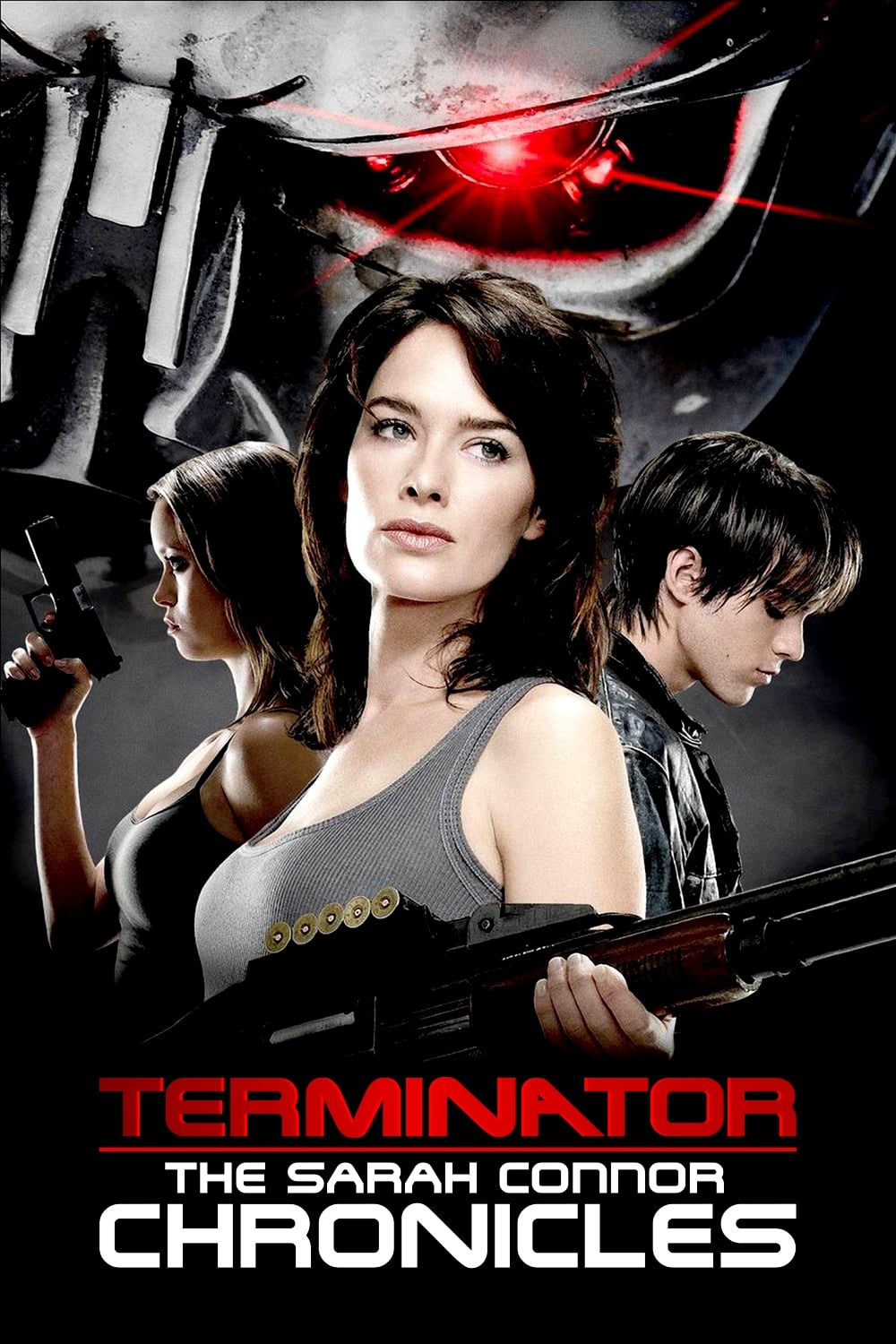
This continuation follows a mother and son avoiding future machines while seeking a way to stop them. It introduces new models with distinct capabilities and objectives. The series uses present day settings to stage encounters with hidden operatives. Plotlines explore software development, military contracts, and the origins of networked intelligence.
‘Severance’ (2022–present)
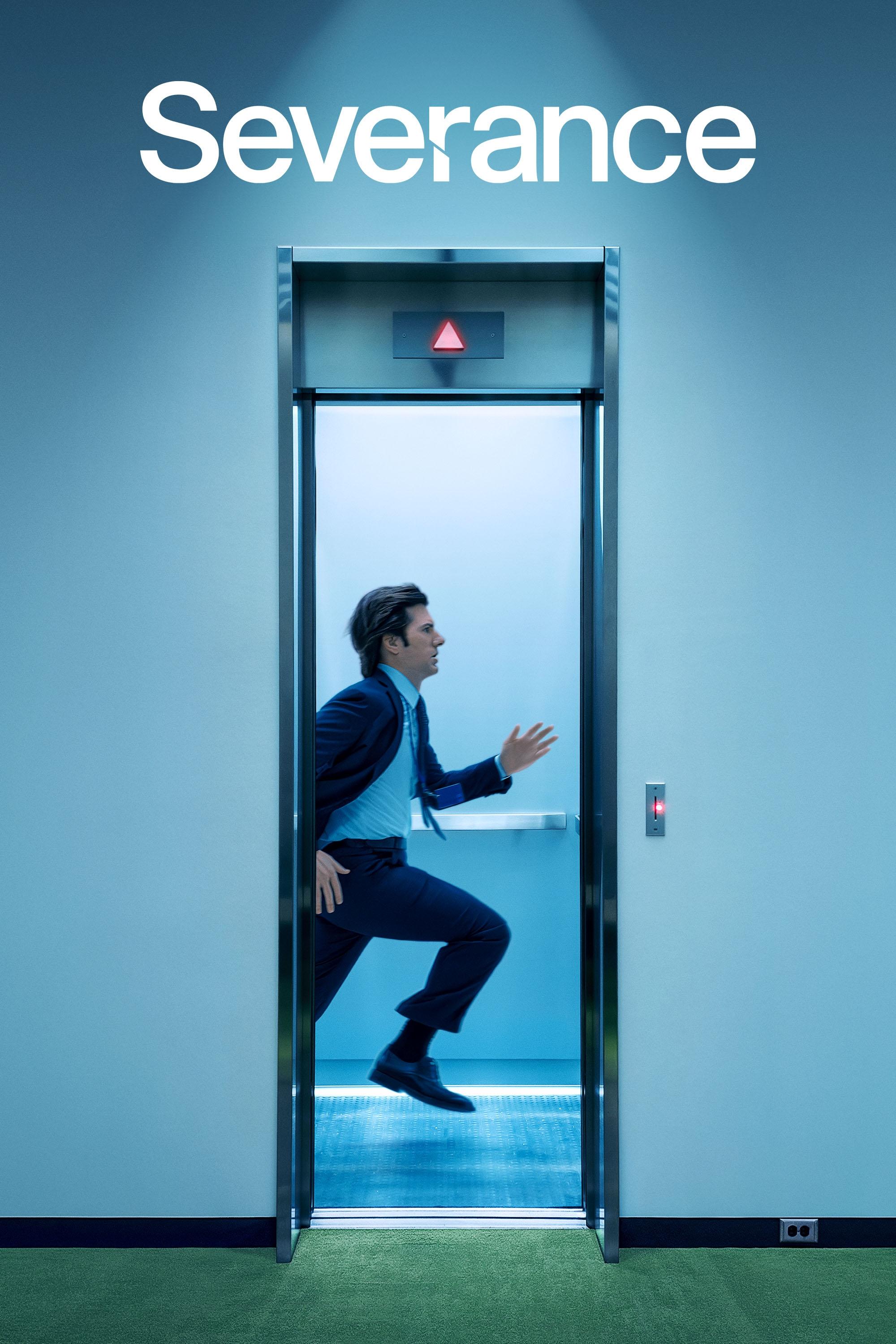
Office employees undergo a procedure that splits work memories from personal lives. Episodes detail how corporate policies control movement, communication, and data access. Sets use symmetrical layouts and analog props to depict a controlled environment. The plot tracks oversight committees, security teams, and the technology behind memory partitions.
‘Fringe’ (2008–2013)
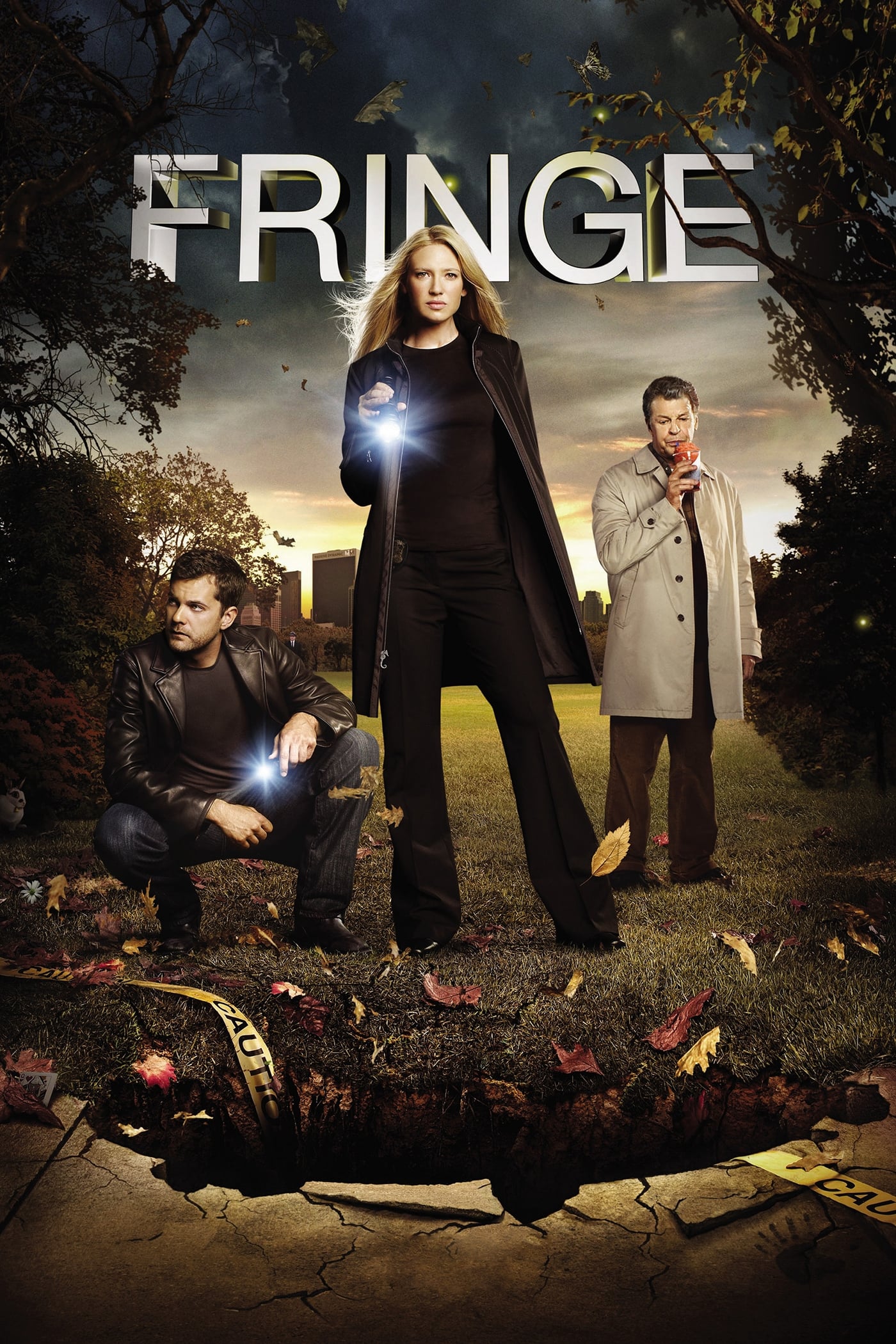
A special FBI unit investigates fringe science like parallel universes, bio engineering, and temporal anomalies. The series uses case of the week plots while slowly revealing a larger multiverse mythology. It employed recurring visual motifs, glyph codes, and title cards to signal timeline changes. The production team balanced practical effects for body horror with digital augmentation.
‘Stranger Things’ (2016–present)
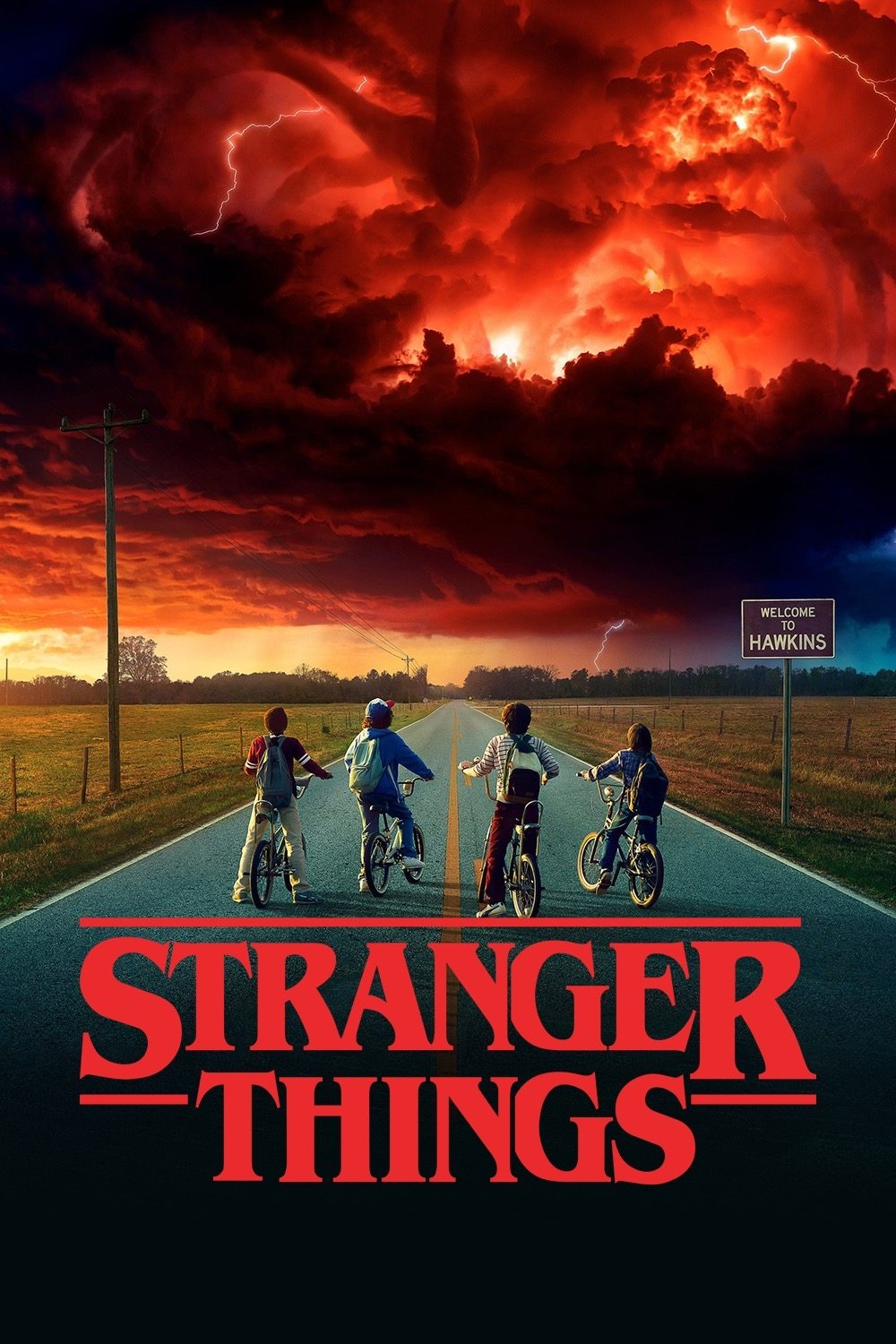
Set in a small American town, this series follows kids and teens confronting a hidden dimension known as the Upside Down. The show features government labs, psychic abilities, and creature design inspired by tabletop games. Its ensemble cast and needle drops created a recognizable identity across seasons. Production scaled from local sets to larger stage builds while keeping the town’s geography consistent.
‘Westworld’ (2016–2022)
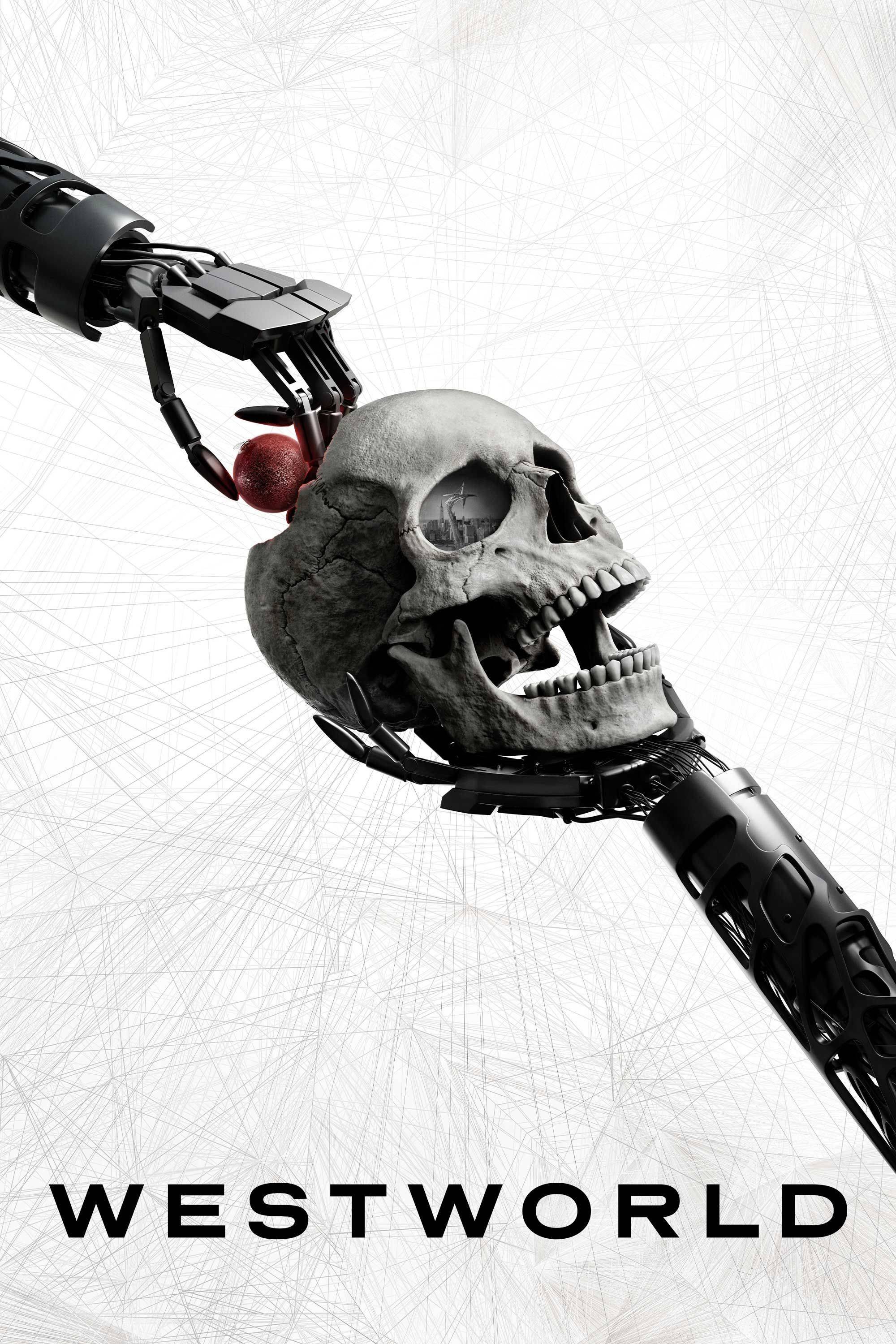
This series begins in a high end theme park populated by android hosts and expands into a wider corporate world. It uses non linear storytelling that jumps among loops, memories, and simulations. Effects teams built practical sets for frontier towns and combined them with digital environments. The show examined data privacy and algorithmic control through corporate plots and technology.
‘Firefly’ (2002)
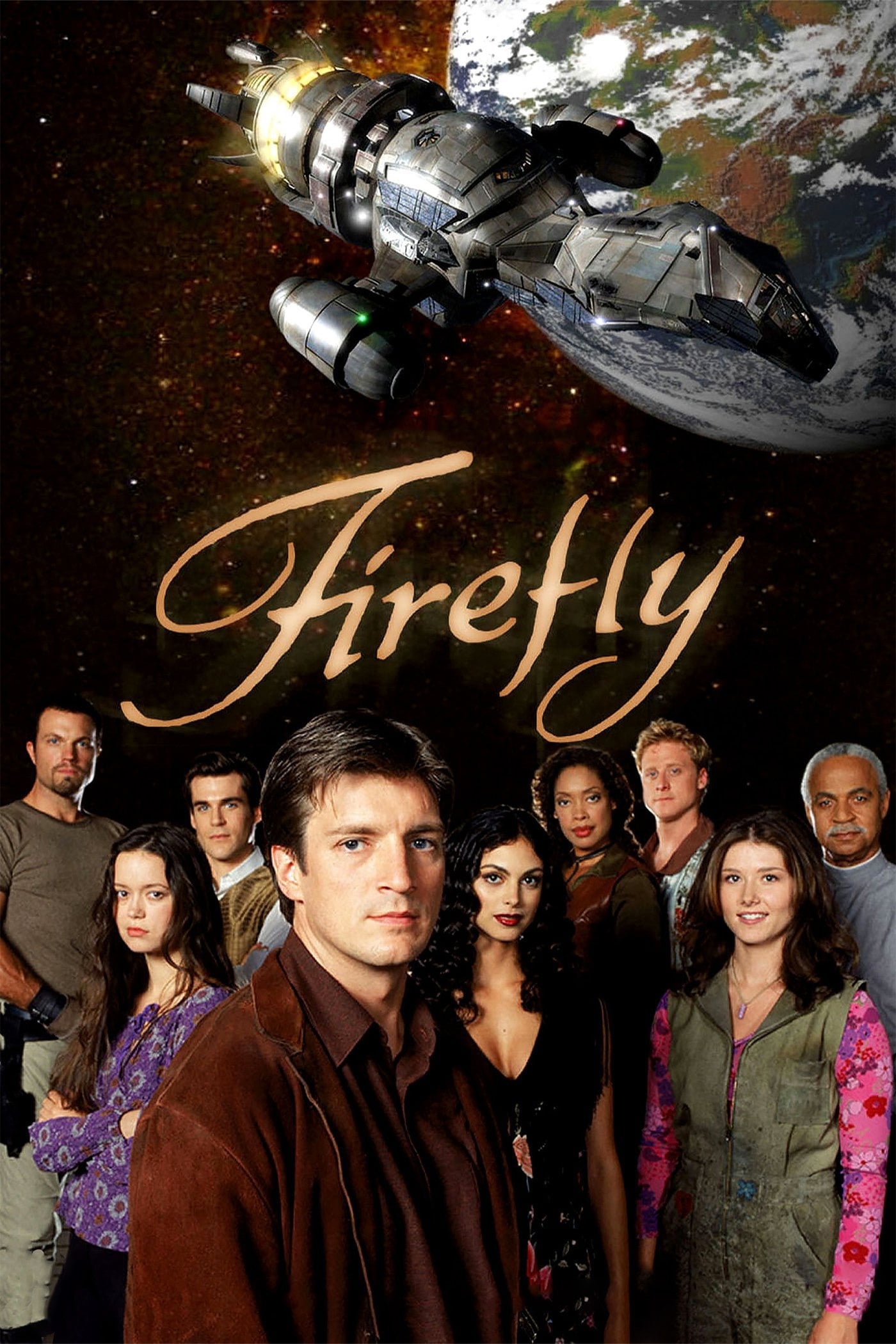
A crew of smugglers and outcasts travels on a small ship conducting jobs on the fringes of settled space. The production leaned on lived in sets, Chinese English bilingual signage, and acoustic music. Short network run led to a feature film that continued storylines from the series. The show’s single season generated a strong fan community that organized events and conventions.
‘Neon Genesis Evangelion’ (1995–1996)
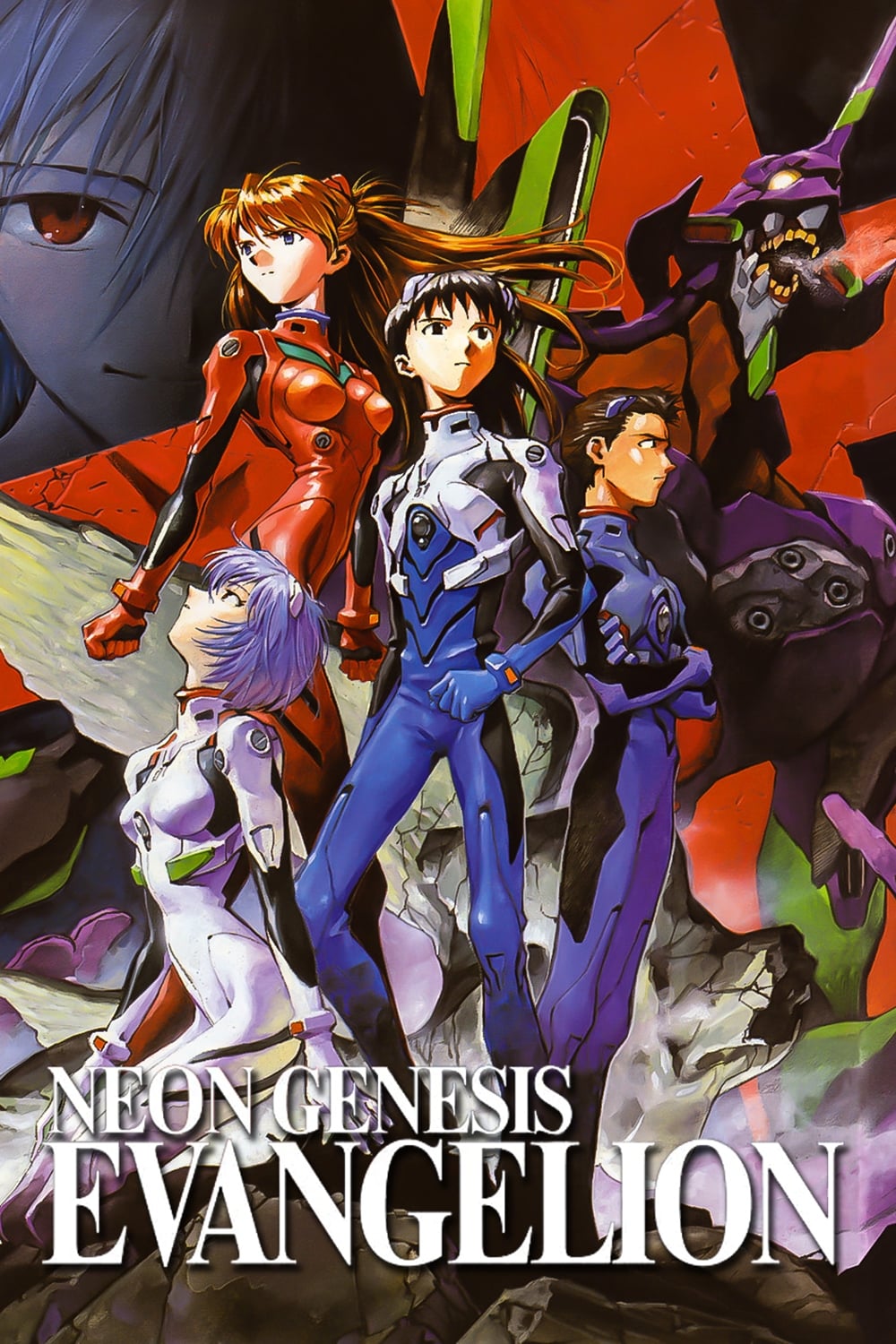
This anime follows teenage pilots controlling biomechanical weapons against mysterious beings. It blends mecha action with psychological themes and religious imagery. Television episodes led to alternate film endings that expanded the narrative. Merchandising and home video releases played a major role in its global reach.
‘Cowboy Bebop’ (1998–1999)
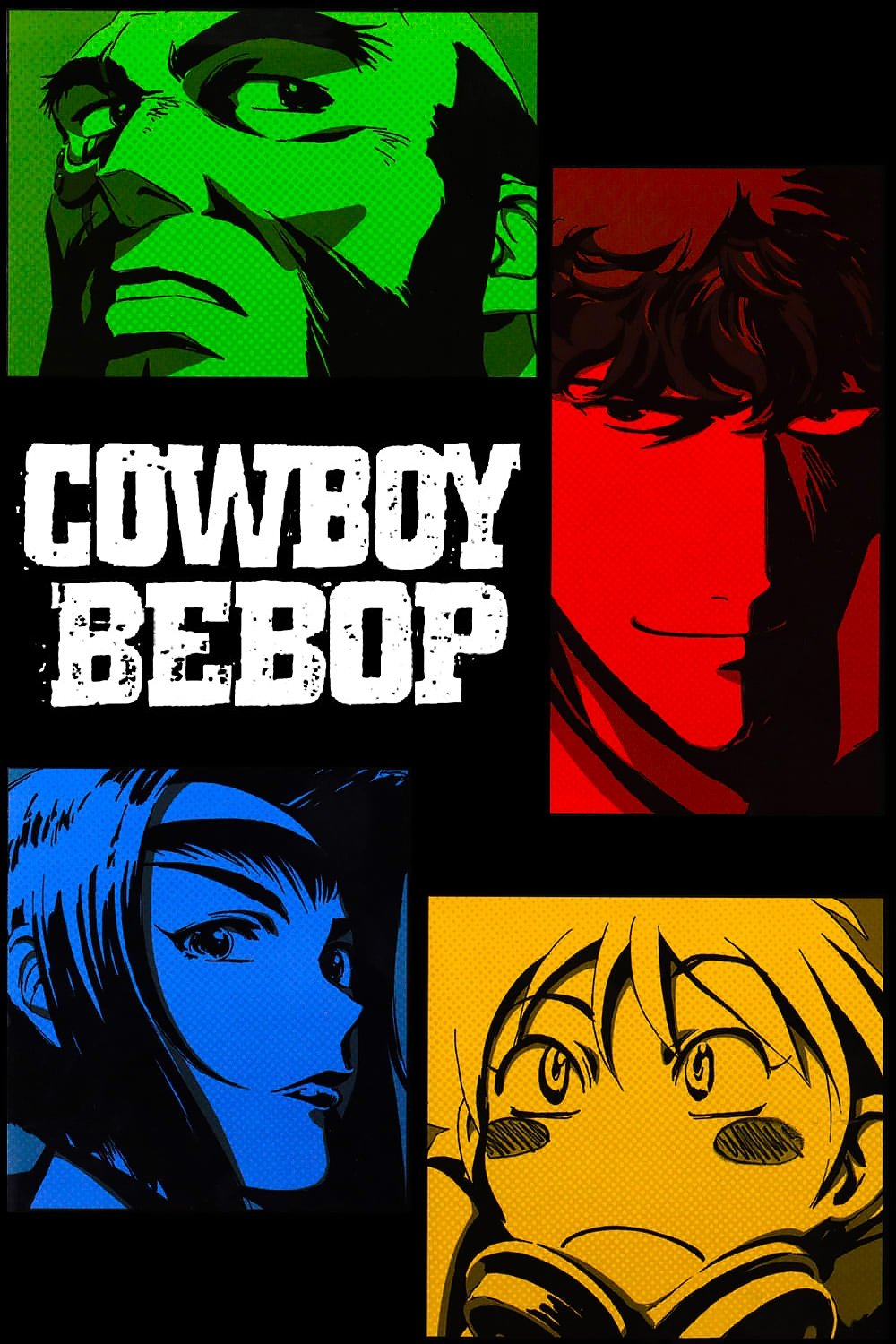
A team of bounty hunters travels the solar system aboard a fishing style spaceship. The series mixes jazz influenced music with noir plots and science fiction tech. Standalone episodes build character backstories that converge in a final arc. Its widescreen compositions and detailed backgrounds became a benchmark for late nineties anime.
‘Star Trek: Deep Space Nine’ (1993–1999)
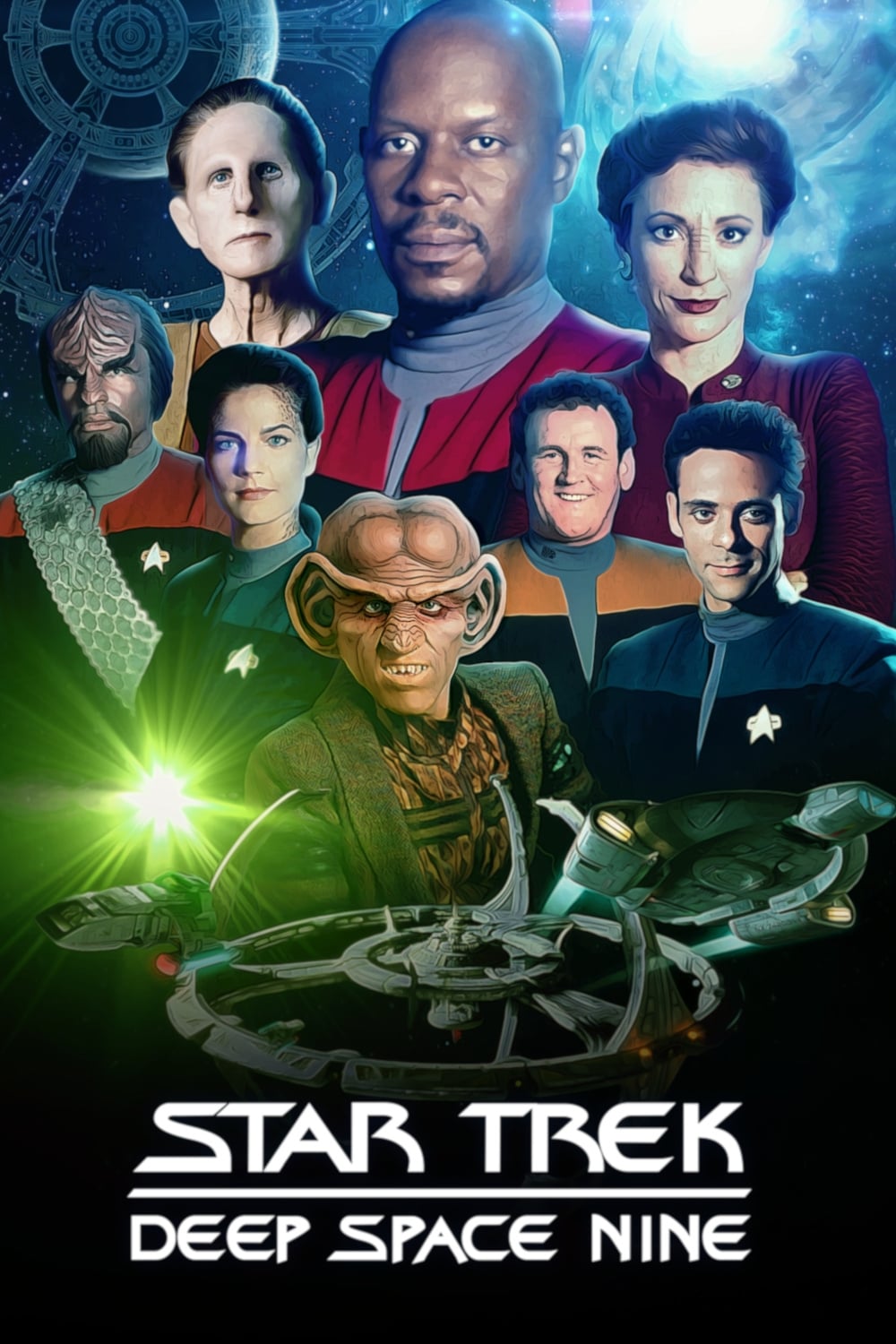
Set on a station near a stable wormhole, this series introduced serialized war arcs and political intrigue. It developed new cultures and religions through Bajoran and Cardassian stories. The show used model work for exterior shots and expanded CGI in later seasons for large battles. Its ensemble structure supported multiple overlapping plotlines within a single season.
‘Farscape’ (1999–2003)
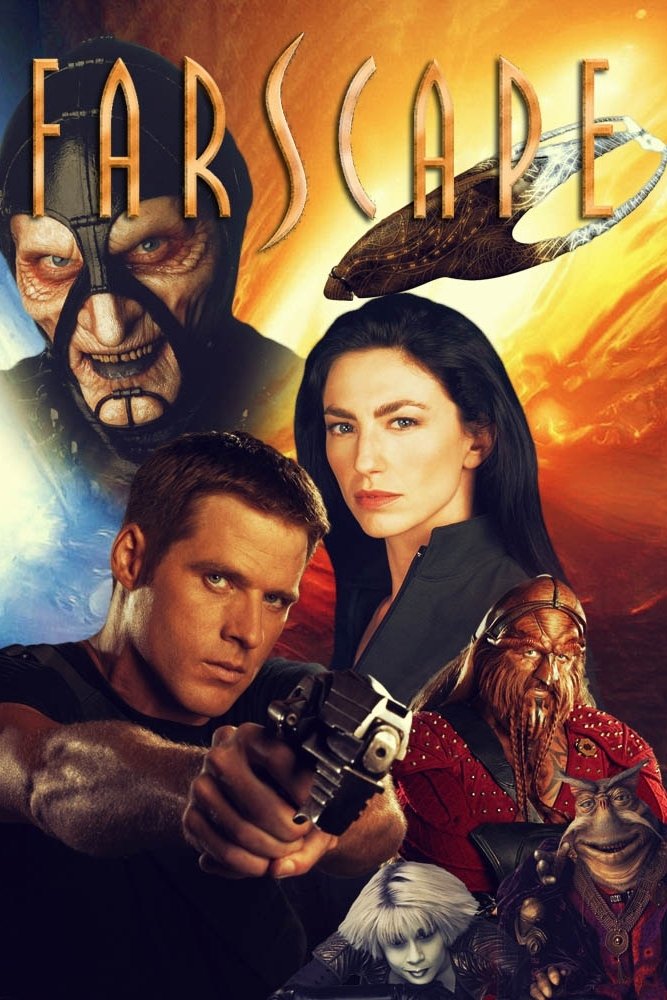
An astronaut flung across the universe joins a crew of fugitives on a living ship. Creature effects by a major workshop produced elaborate puppets and prosthetics for alien characters. The series combined space opera action with experimental episodes and bottle shows. A miniseries wrapped major story threads after the initial cancellation.
‘Lost’ (2004–2010)
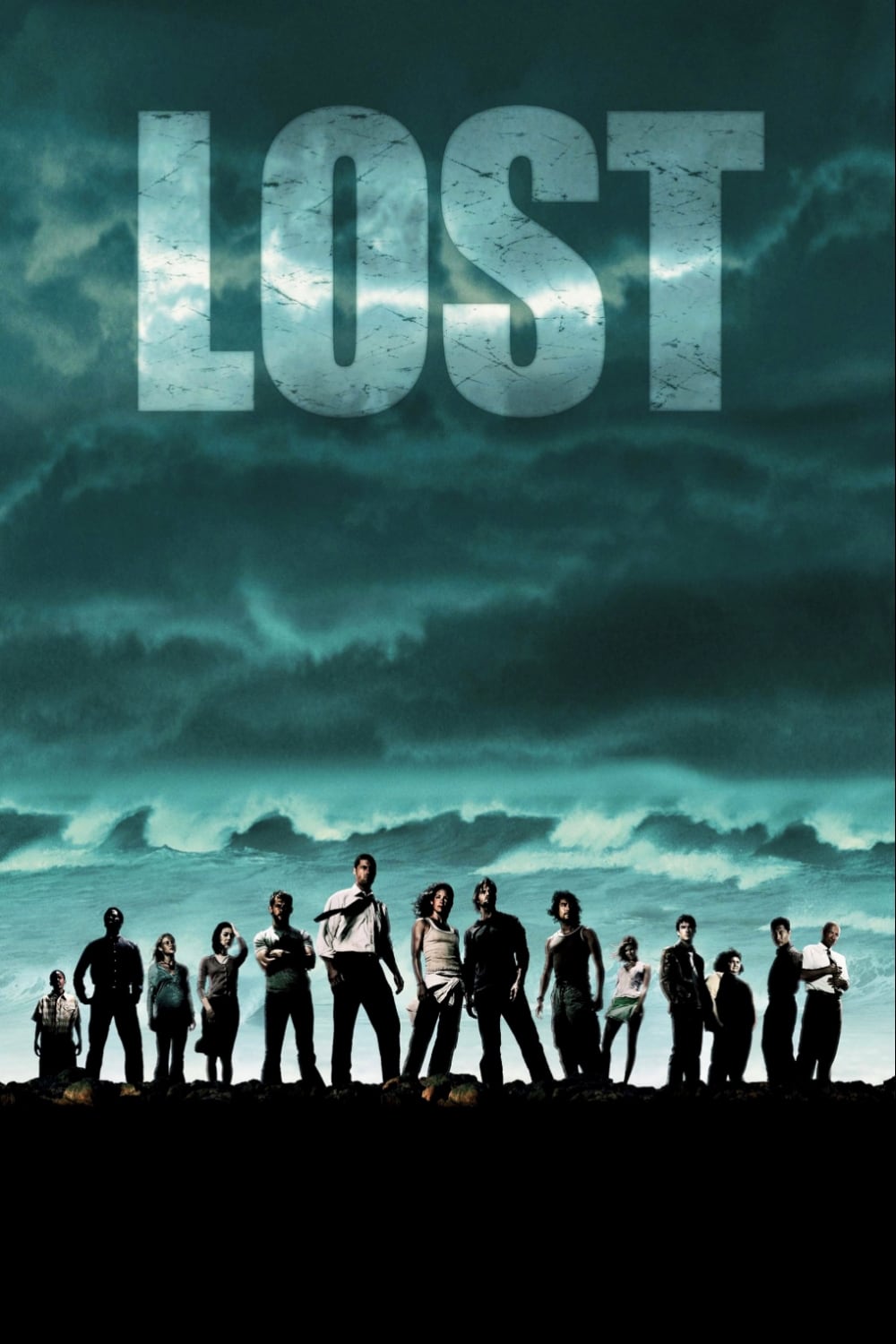
Plane crash survivors on a mysterious island encounter scientific research sites and temporal anomalies. The show used flashbacks and later flash forwards to reveal character histories and future events. Filming took place on location with large ensemble scheduling across multiple units. Viral marketing and web features expanded the narrative beyond weekly broadcasts.
‘Rick and Morty’ (2013–present)
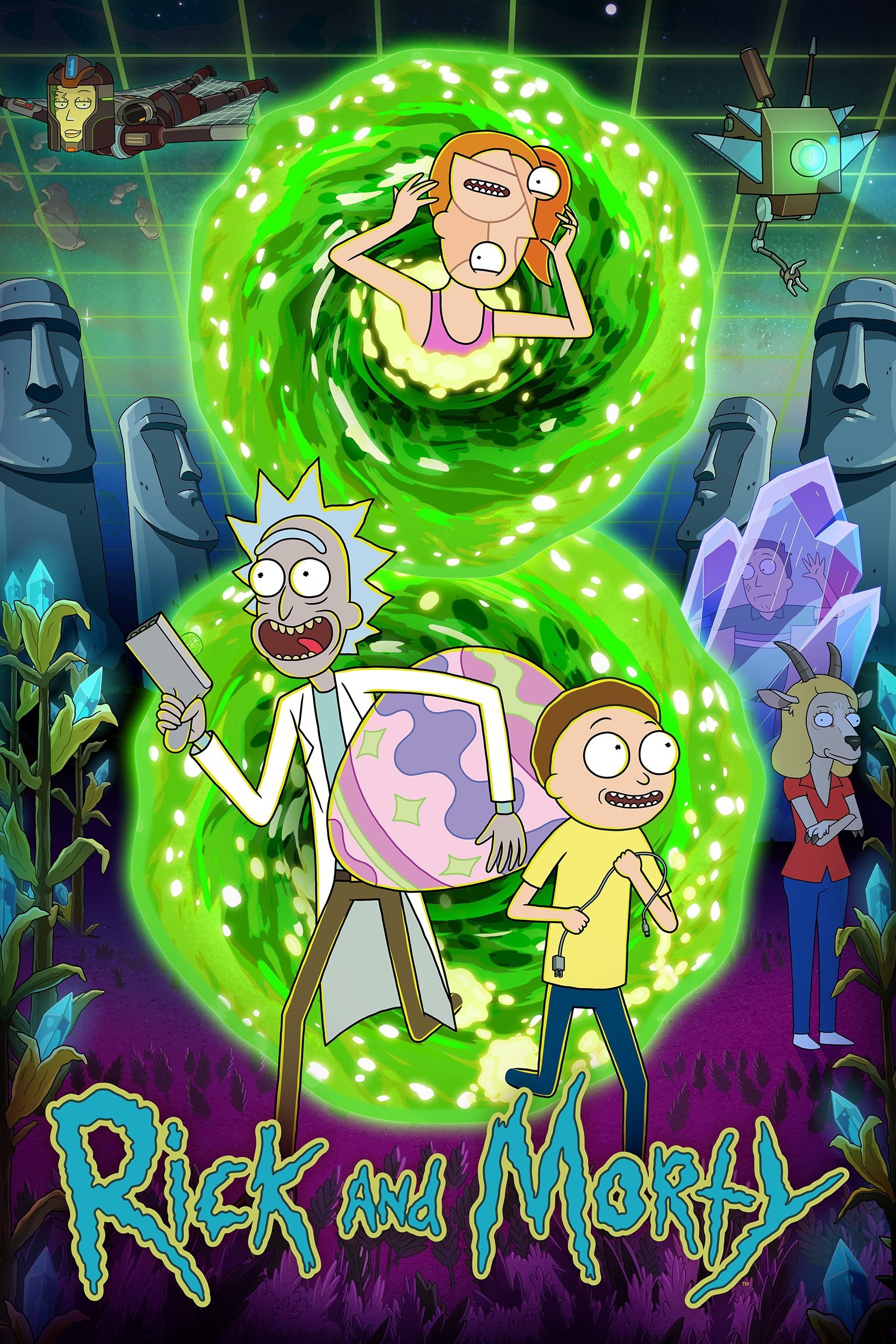
This animated series pairs interdimensional travel with high concept science fiction ideas. Episodes often build to consequences that carry into later seasons despite resets. Writers use story circles and color coded beats to structure complex plots. The production pipeline coordinates voice recording, animatics, and overseas animation to deliver rapid gags and detailed backgrounds.
‘The Outer Limits’ (1995–2002)
This anthology presents stand alone stories that test the boundaries of science and ethics. Episodes focus on biotech, artificial intelligence, and space exploration with cautionary twists. Production reused sets and practical props to keep weekly schedules on track. Guest casts and flexible scripts let the show explore new settings each week.
‘Space: 1999’ (1975–1977)
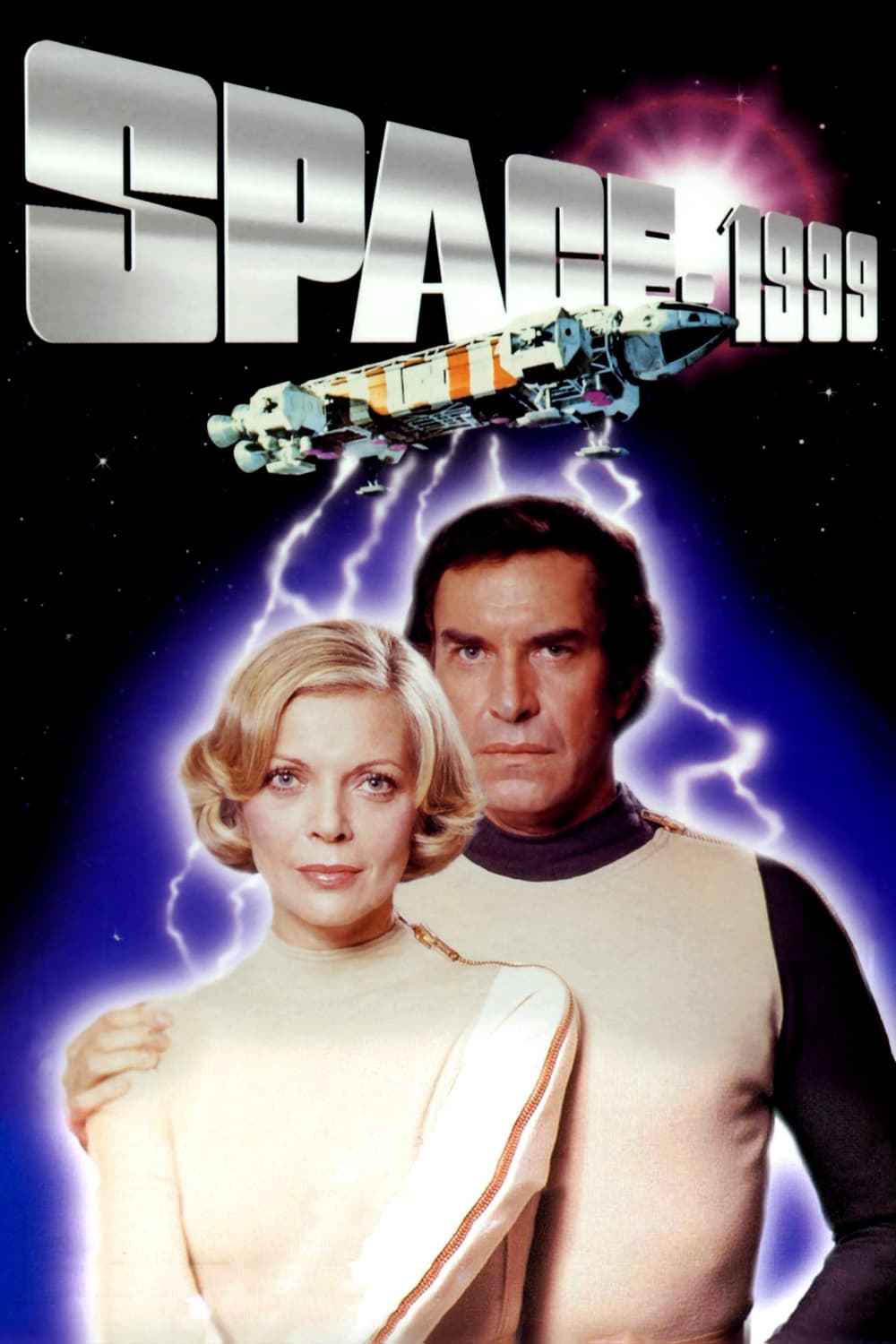
A lunar colony is thrown into deep space after a catastrophic explosion. The series uses detailed model work for spacecraft and bases. Stories combine survival challenges with encounters involving strange phenomena. Costumes and modular sets define a clean futuristic look that repeats across episodes.
‘Blake’s 7’ (1978–1981)
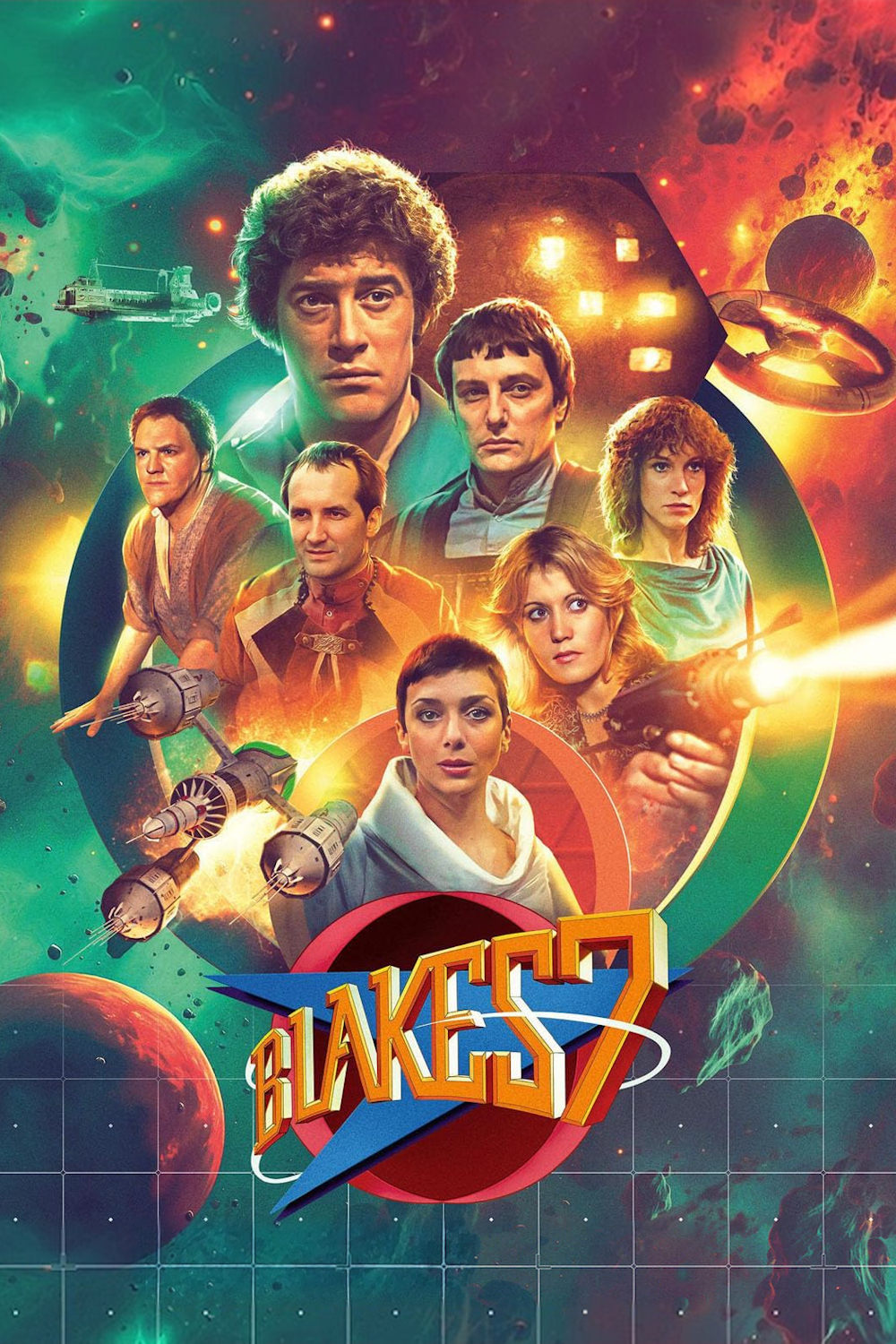
A group of freedom fighters operates from a captured starship while evading a totalitarian regime. The show balances mission episodes with ongoing power struggles among the crew. Minimal sets and location shoots supported fast production cycles. A recurring computer interface and teleport system structure many mission plans.
‘UFO’ (1970–1971)
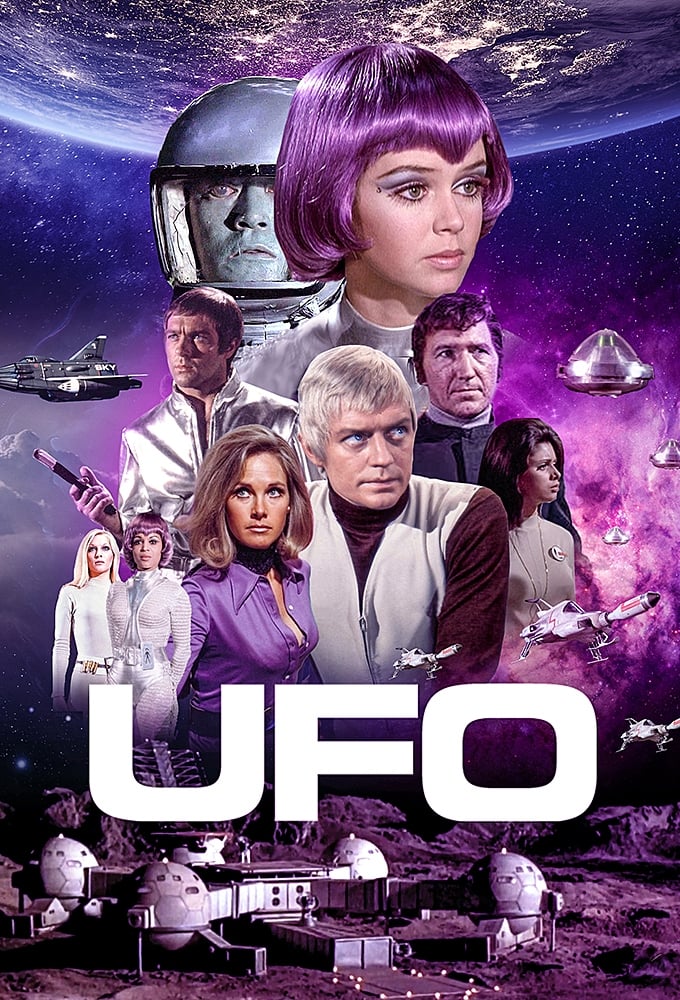
A secret organization protects Earth from alien incursions using submarines, aircraft, and a lunar base. The series tracks chain of command decisions and resource limits during alerts. Miniatures and motion control shots depict vehicles and launch sequences. Procedural plots show how the group responds to radar contacts and intercepted signals.
‘The Prisoner’ (1967–1968)
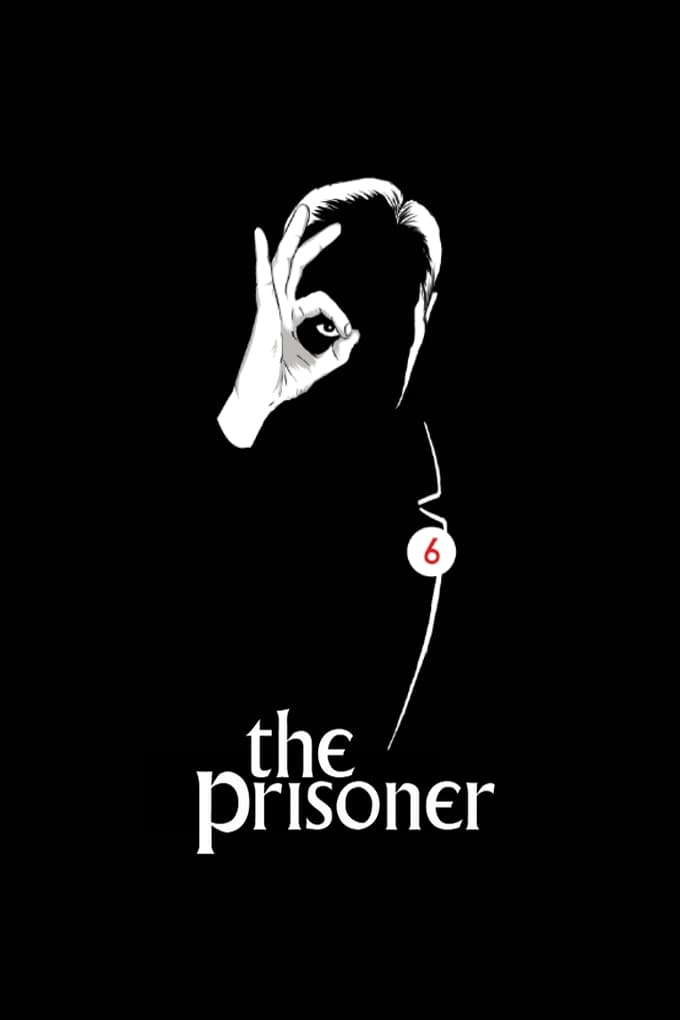
A former agent is held in a mysterious coastal village where surveillance is everywhere. Episodes show escape attempts, psychological tests, and shifting authority figures. The production used a real resort location to portray the village. Visual symbols like numbered badges and a roaming security device reinforce control themes.
‘Person of Interest’ (2011–2016)

An artificial intelligence predicts violent crimes by analyzing global data streams. A small team uses surveillance, disguises, and field tactics to intervene. The show evolves from isolated cases into a conflict between competing machine systems. Custom software interfaces and camera networks are depicted as tools for both sides.
‘Humans’ (2015–2018)
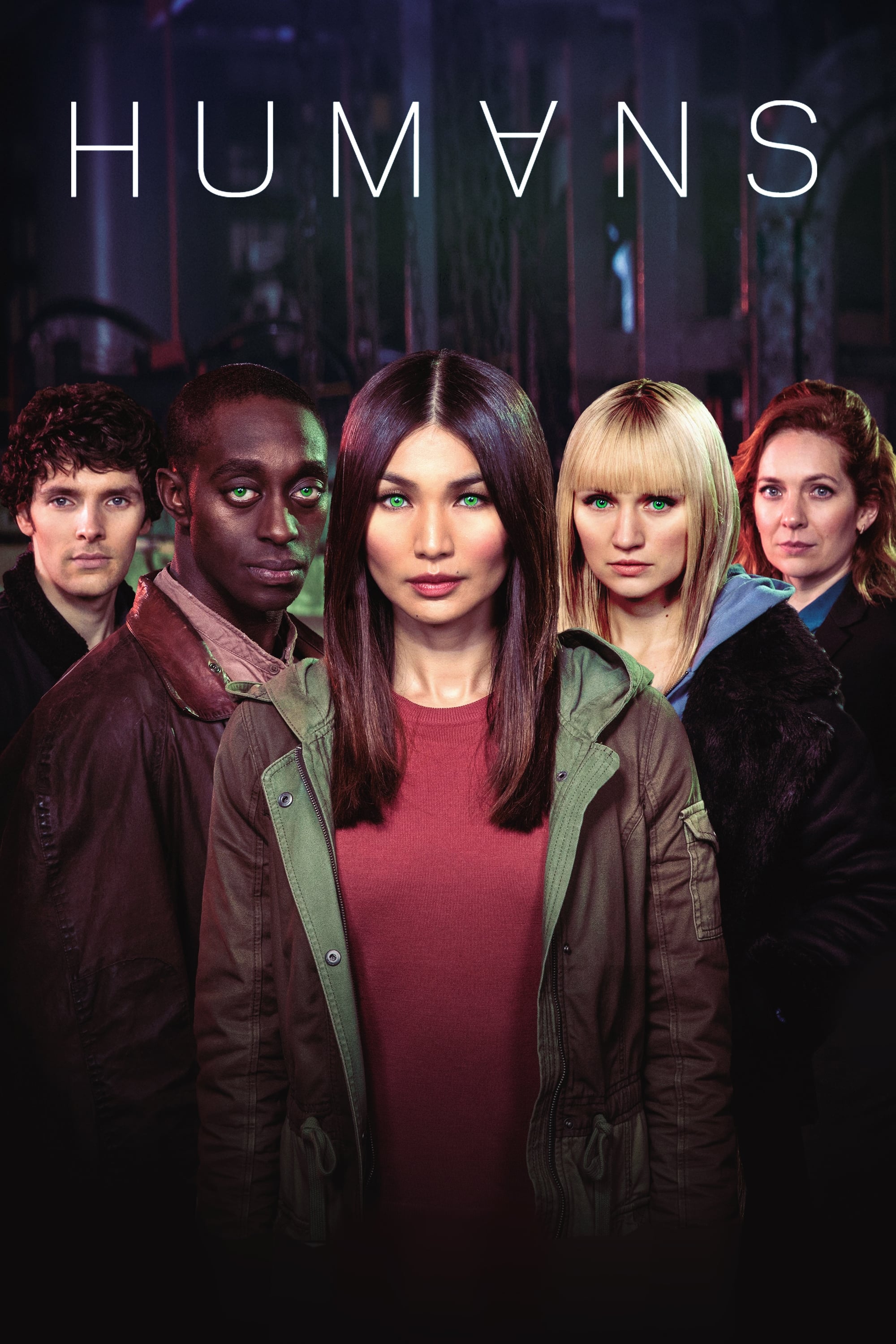
Households adopt realistic synthetic workers and face social and legal consequences. The series examines firmware restrictions, consciousness emergence, and ownership disputes. Practical robot performances rely on precise movement and makeup rather than heavy effects. Government and corporate responses escalate as incidents involving synths increase.
‘Continuum’ (2012–2015)
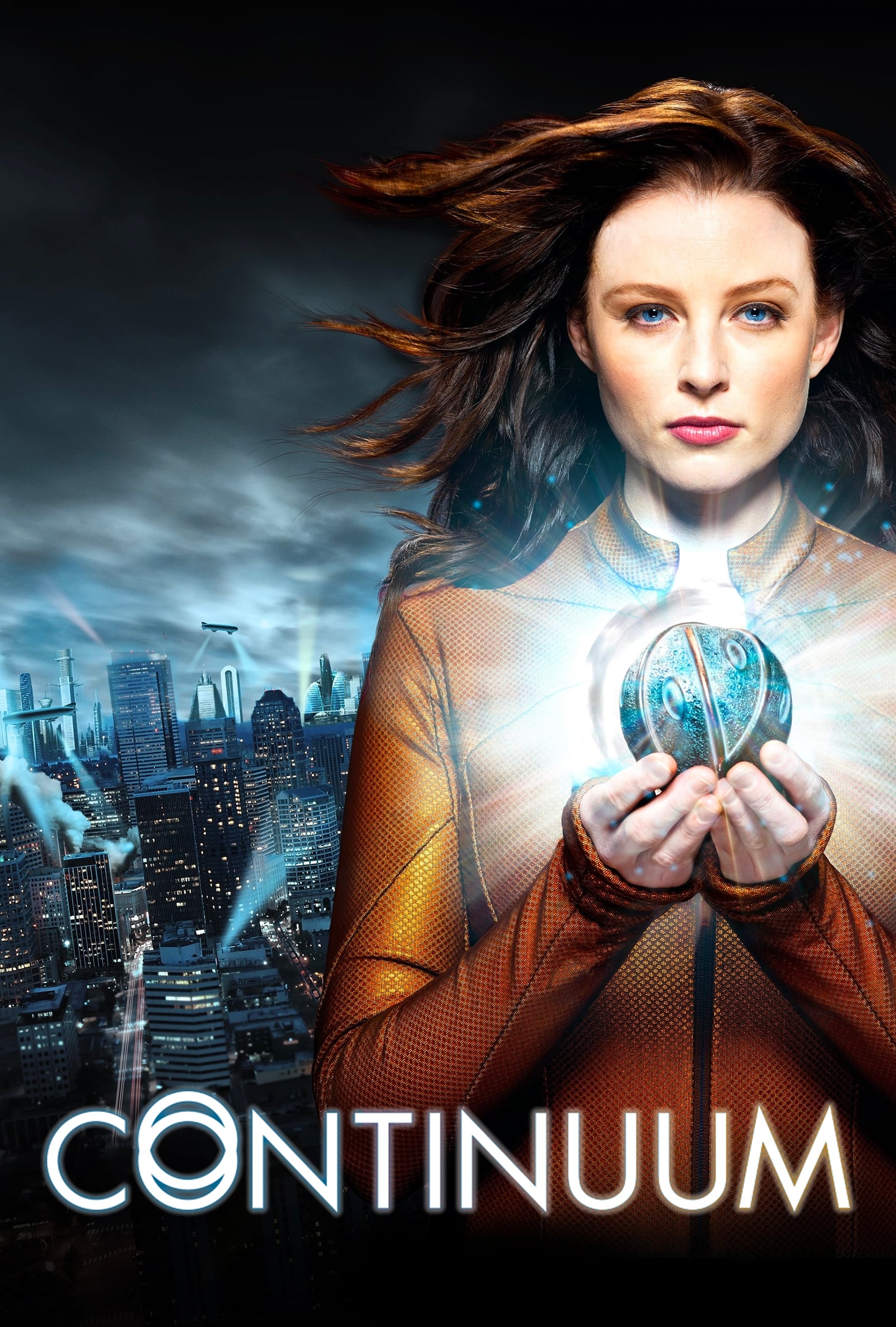
A law officer from the future finds herself in the present while pursuing fugitives. The story builds rules for time travel and the impact of changing events. Present day technology firms become key players in the future timeline. Props like suits and implants illustrate advances that characters bring backward in time.
‘Colony’ (2016–2018)
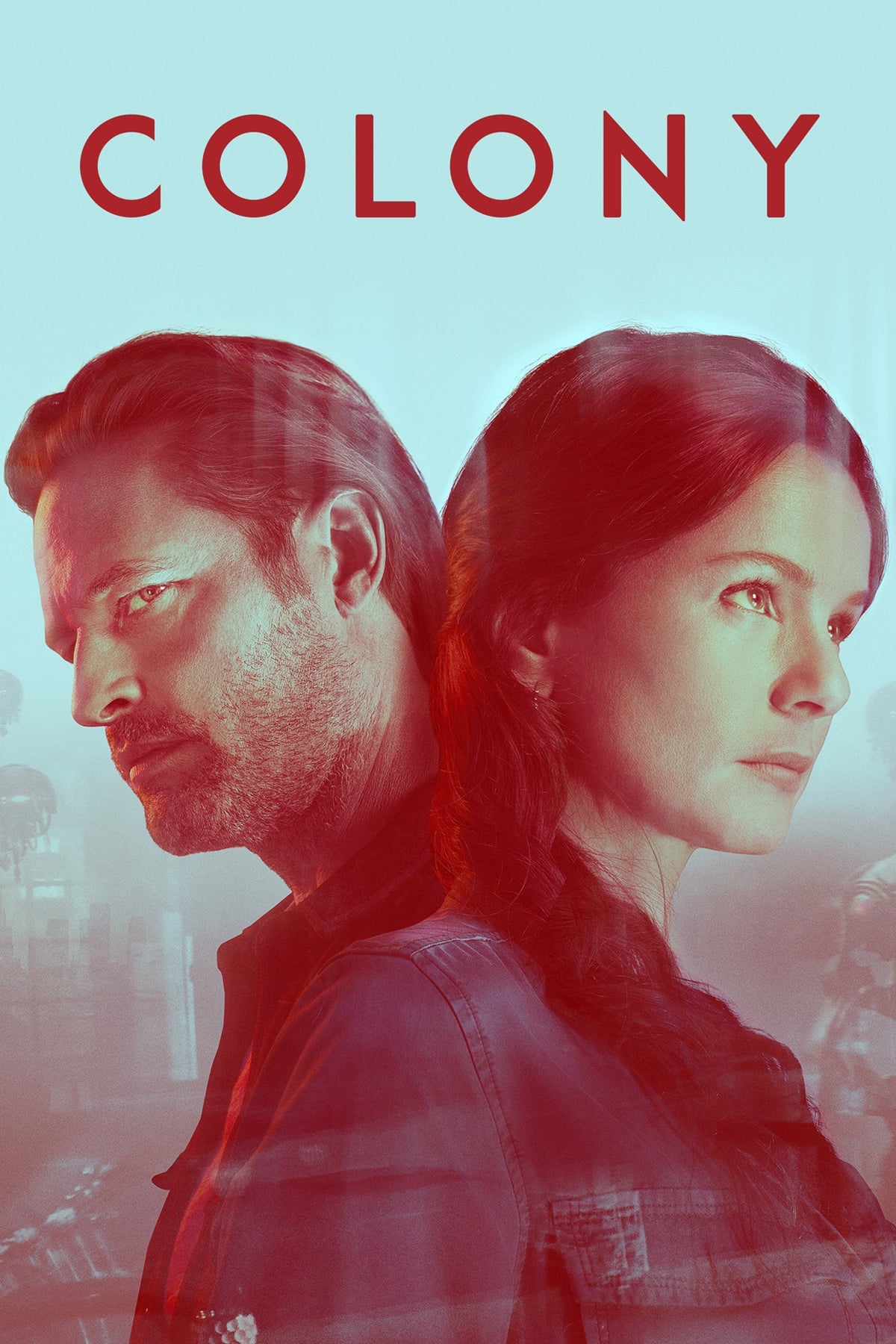
A city under occupation adapts to new rules enforced by human collaborators and unseen visitors. The plot follows resistance cells, supply controls, and curfews. Episodes track black market trade and ration systems that shape daily life. The show gradually reveals the layered structure of the occupying forces.
‘Counterpart’ (2017–2019)
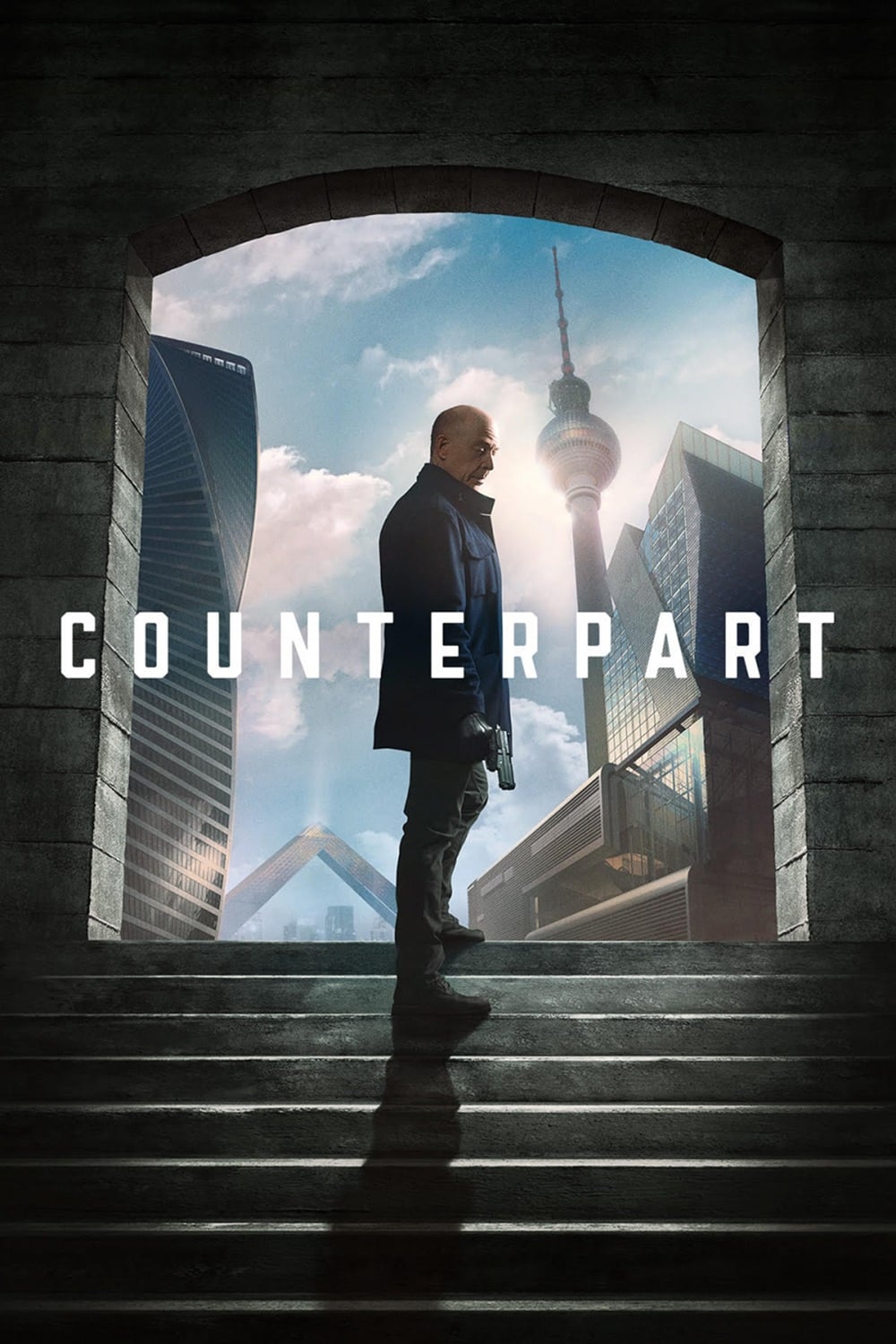
A border facility connects two parallel versions of Earth with diverging histories. Agents manage travel permits, quarantines, and covert exchanges between worlds. The narrative uses doubles to study identity and policy differences across the divide. Production mirrors sets and props to show small but telling variations.
‘The Man in the High Castle’ (2015–2019)

An alternate history presents rival powers controlling regions of North America. The series depicts underground movements, contested borders, and propaganda systems. A mysterious technology becomes central to plans by several factions. Period design and location work ground the setting while the science element grows.
‘Lost in Space’ (2018–2021)
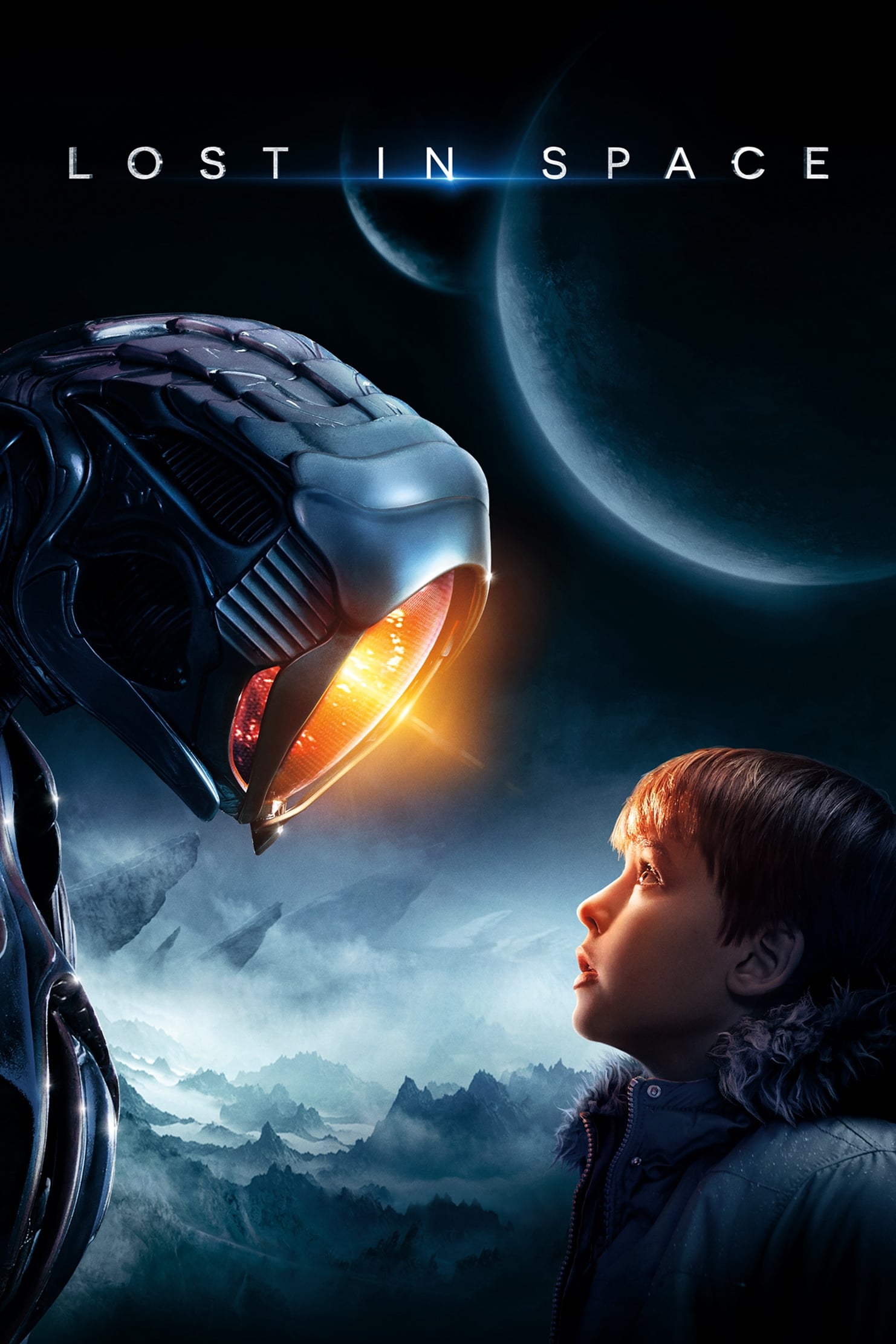
A family of colonists is separated from a larger mission and must adapt to unknown worlds. The show features engineering fixes, navigation problems, and hazards like poor terrain and storms. A robot with unclear motives creates both risks and solutions. Sets combine spacecraft interiors with rugged outdoor locations.
‘Dark Matter’ (2015–2017)
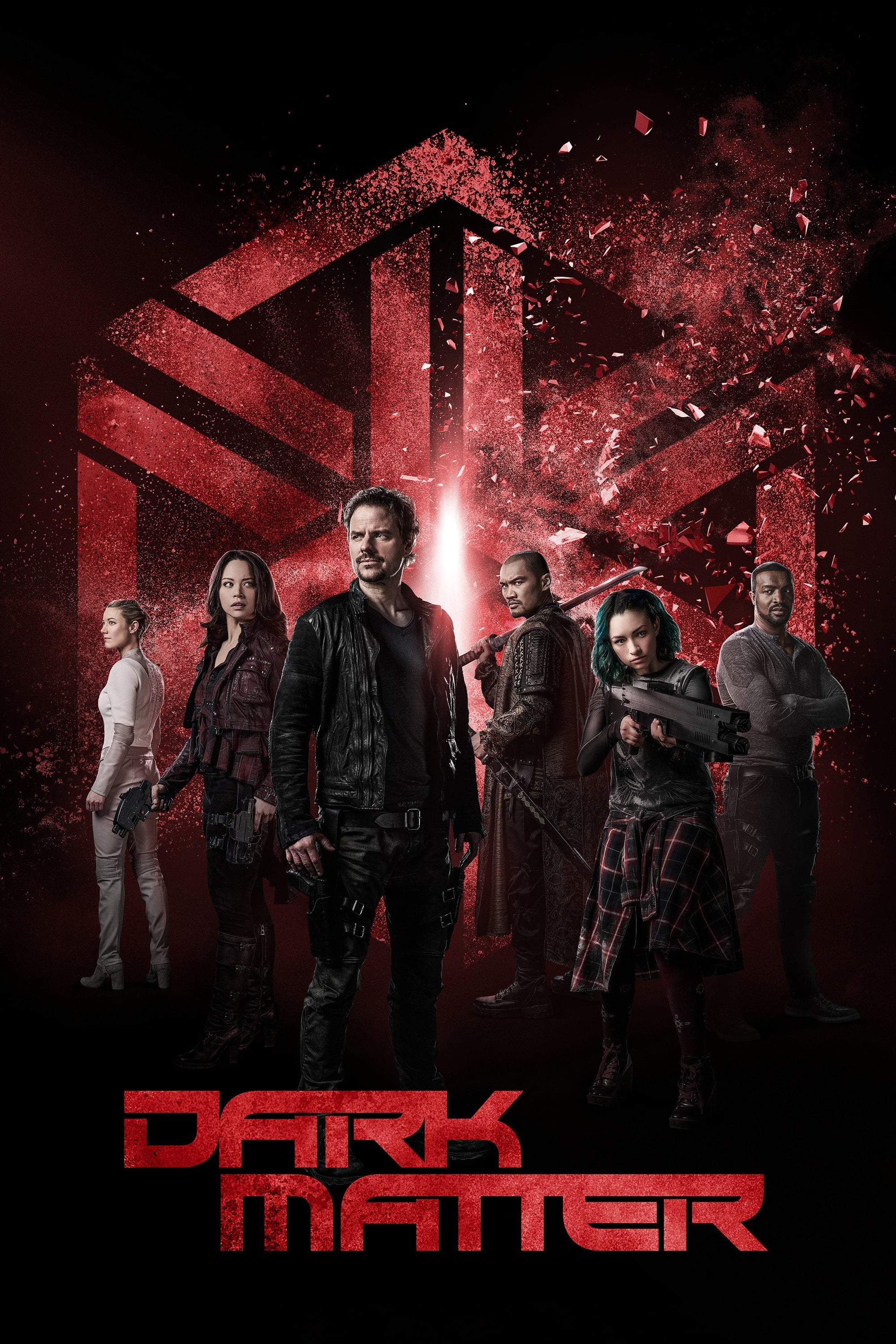
A crew wakes with no memories on a ship that carries advanced weapons and secrets. Episodes explore corporate contracts, black ops missions, and personal pasts as files are recovered. The production uses standing sets for corridors and cargo bays that reconfigure for different stories. A shipboard android handles diagnostics and security.
‘Killjoys’ (2015–2019)
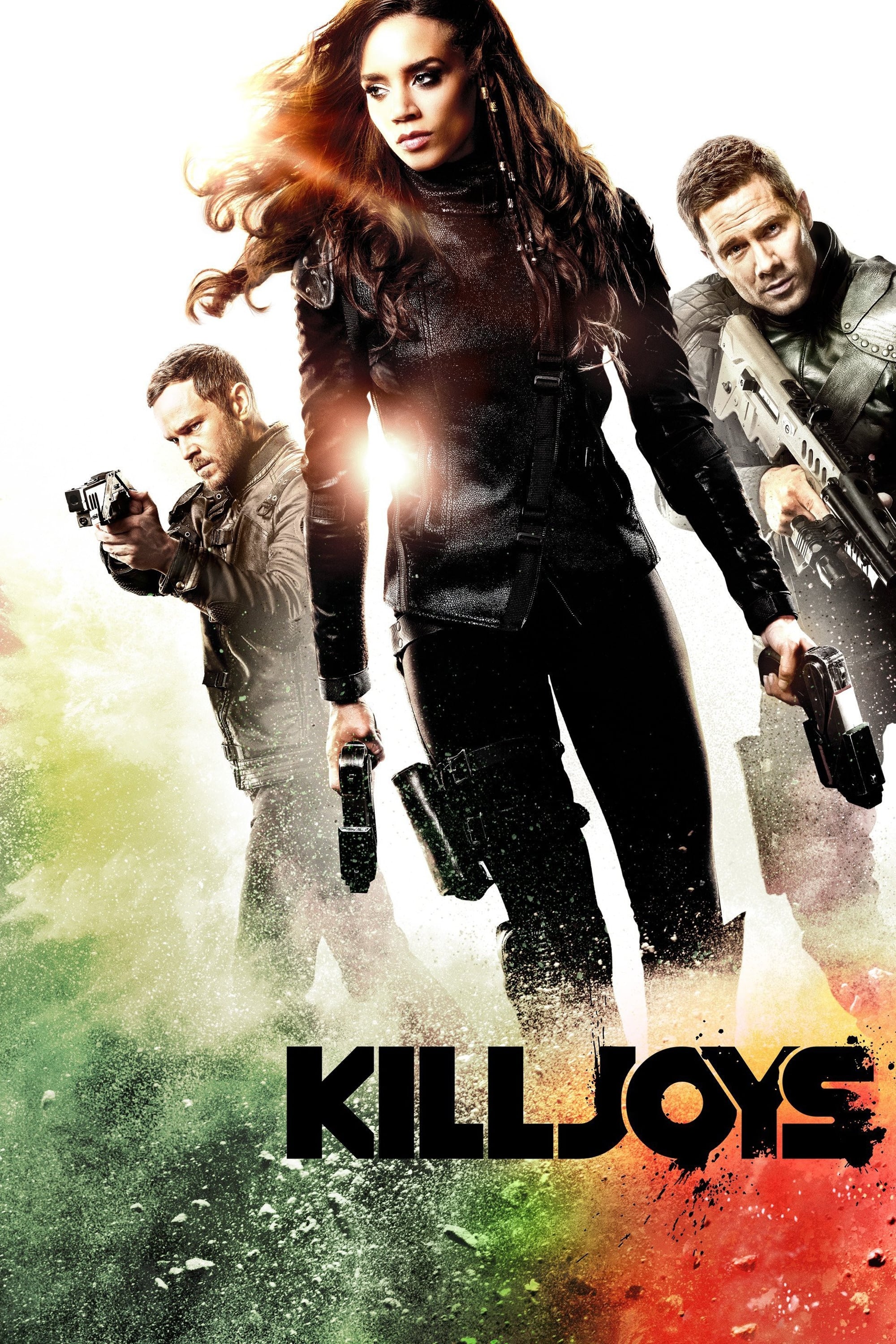
A team of licensed agents works jobs across a multi moon system. Bureaucratic warrants define mission scope and pay grades. The series layers corporate governance, gangs, and border rules to shape travel and trade. Gadgets and ship systems recur to support heists and retrievals.
‘Eureka’ (2006–2012)
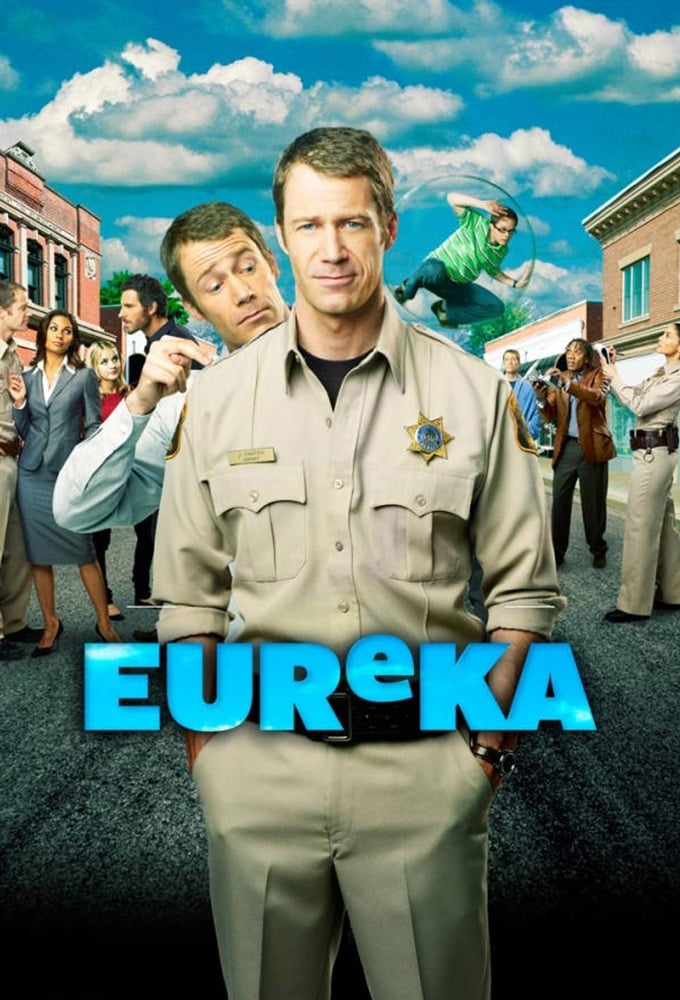
A small town hosts research labs where experimental projects often go wrong. The local sheriff coordinates with scientists to contain incidents. Devices range from energy prototypes to artificial intelligences that run facilities. Bottle episodes and town festivals keep recurring locations central to the format.
‘Almost Human’ (2013–2014)
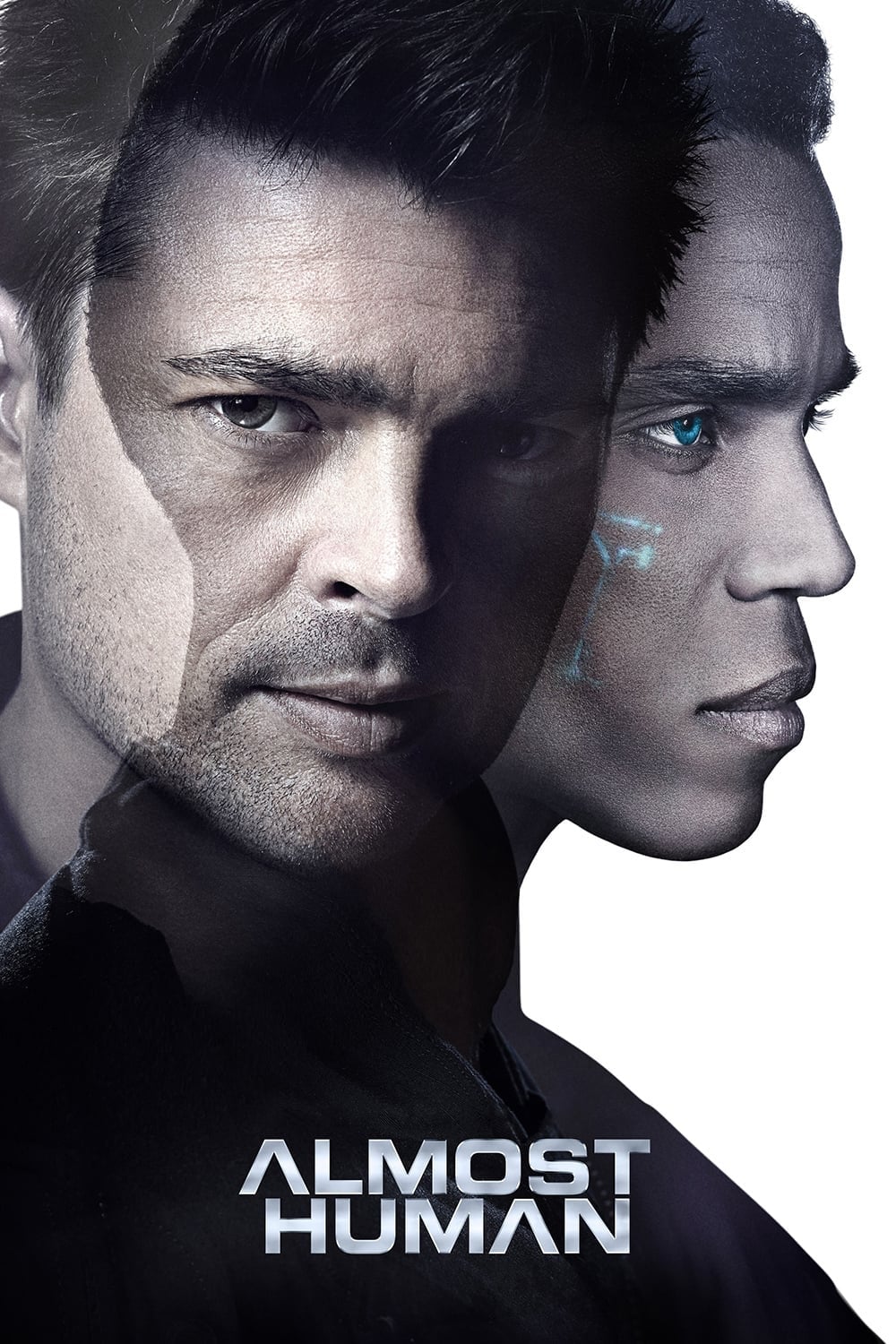
Police partners include a detective and an older model android with human like responses. Cases involve black market implants, smart weapons, and bio engineered threats. The show details department policies for pairing officers with synthetic partners. Production leaned on practical stunts with digital augmentation for tech displays.
‘Space: Above and Beyond’ (1995–1996)
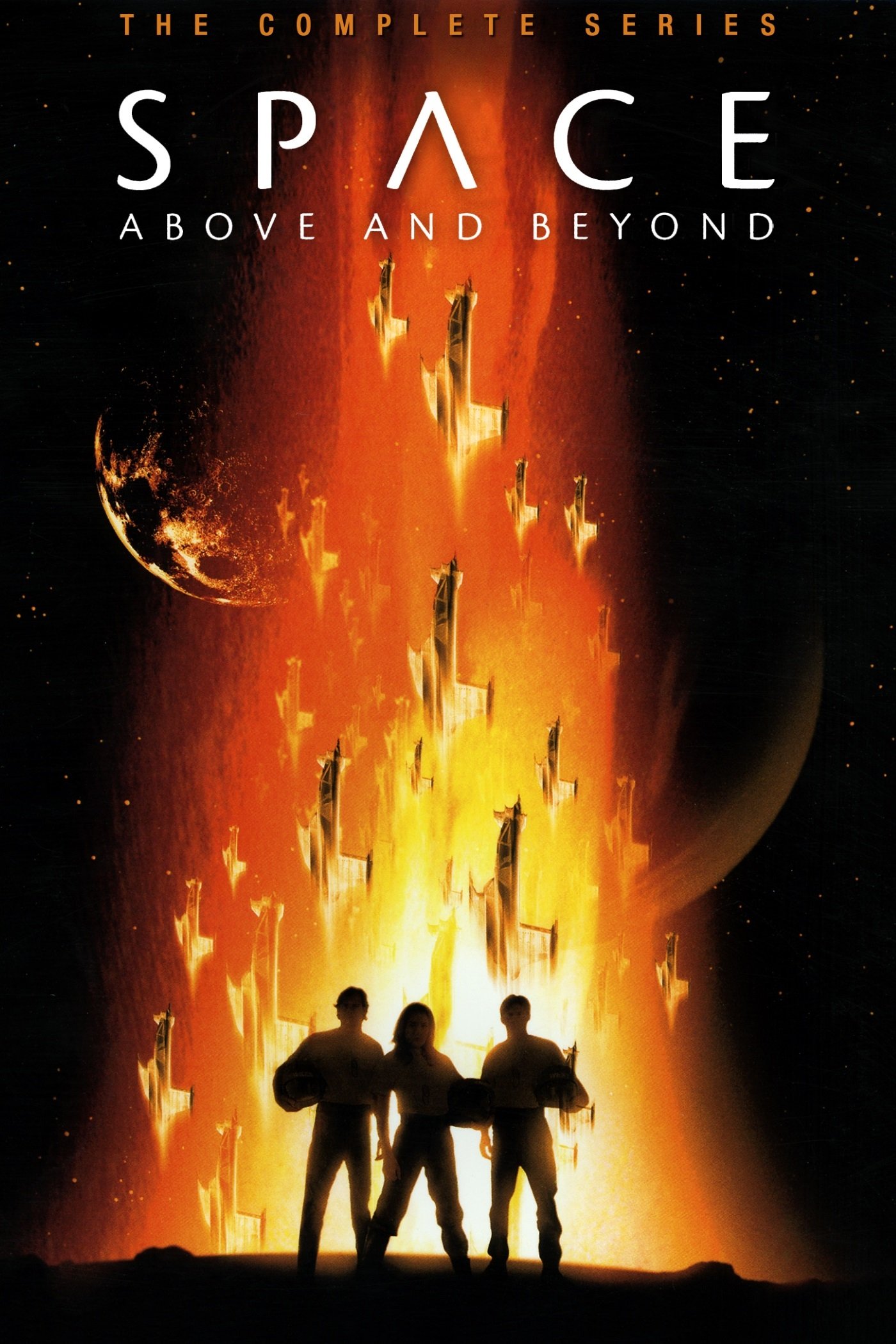
Volunteer pilots fight in a war against an alien species using carrier based squadrons. Episodes cover training, supply missions, and deep space engagements. Miniatures and early CGI depict dogfights and atmospheric drops. Military procedure and chain of command shape how crews plan sorties.
‘Silo’ (2023–present)
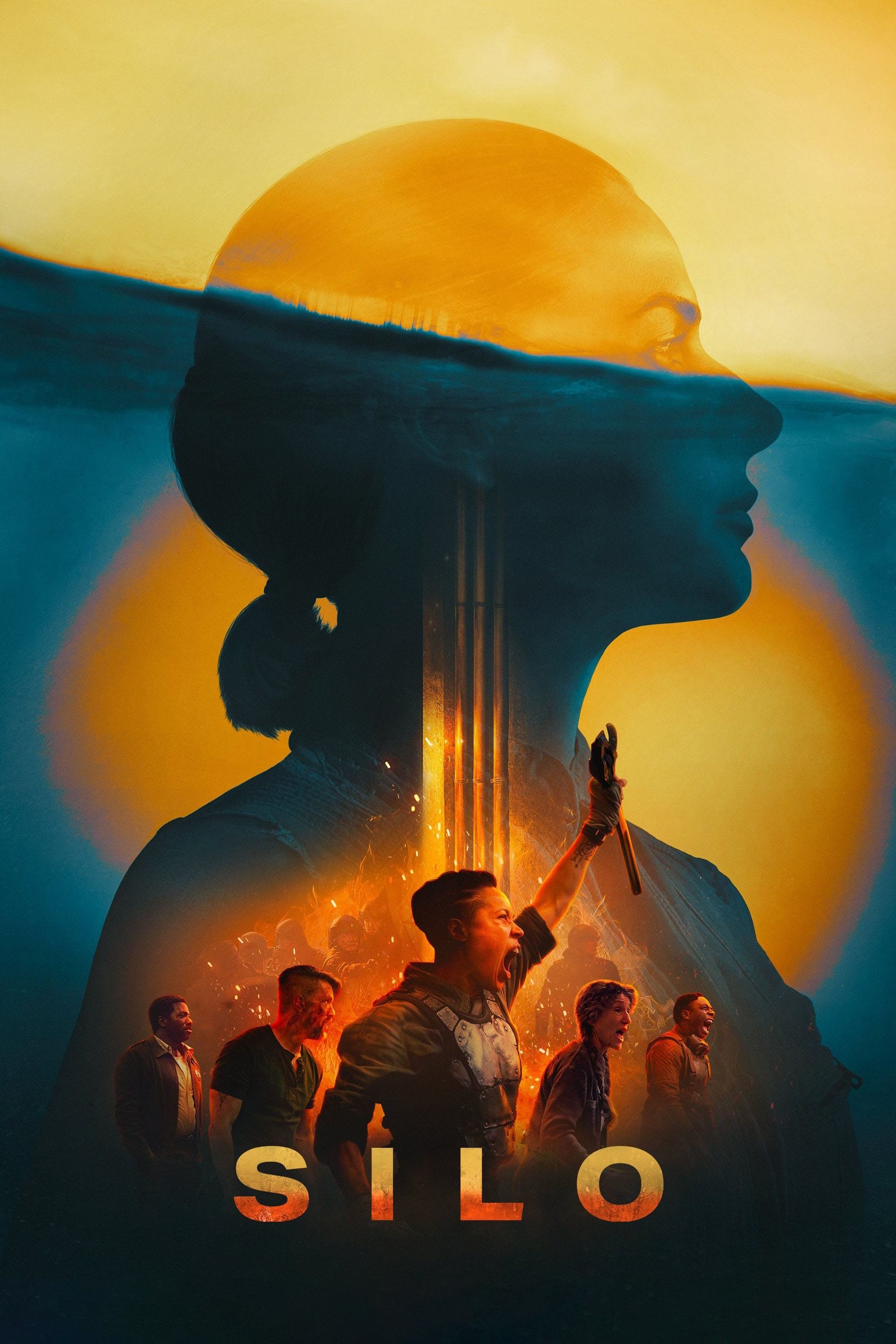
A closed underground society follows strict rules that govern information and movement. Investigations reveal how maintenance, sensors, and old records keep the place running. The series shows vertical infrastructure like farms, water systems, and recycling. Props use numbered modules and worn tools to indicate long service.
‘Travelers’ (2016–2018)
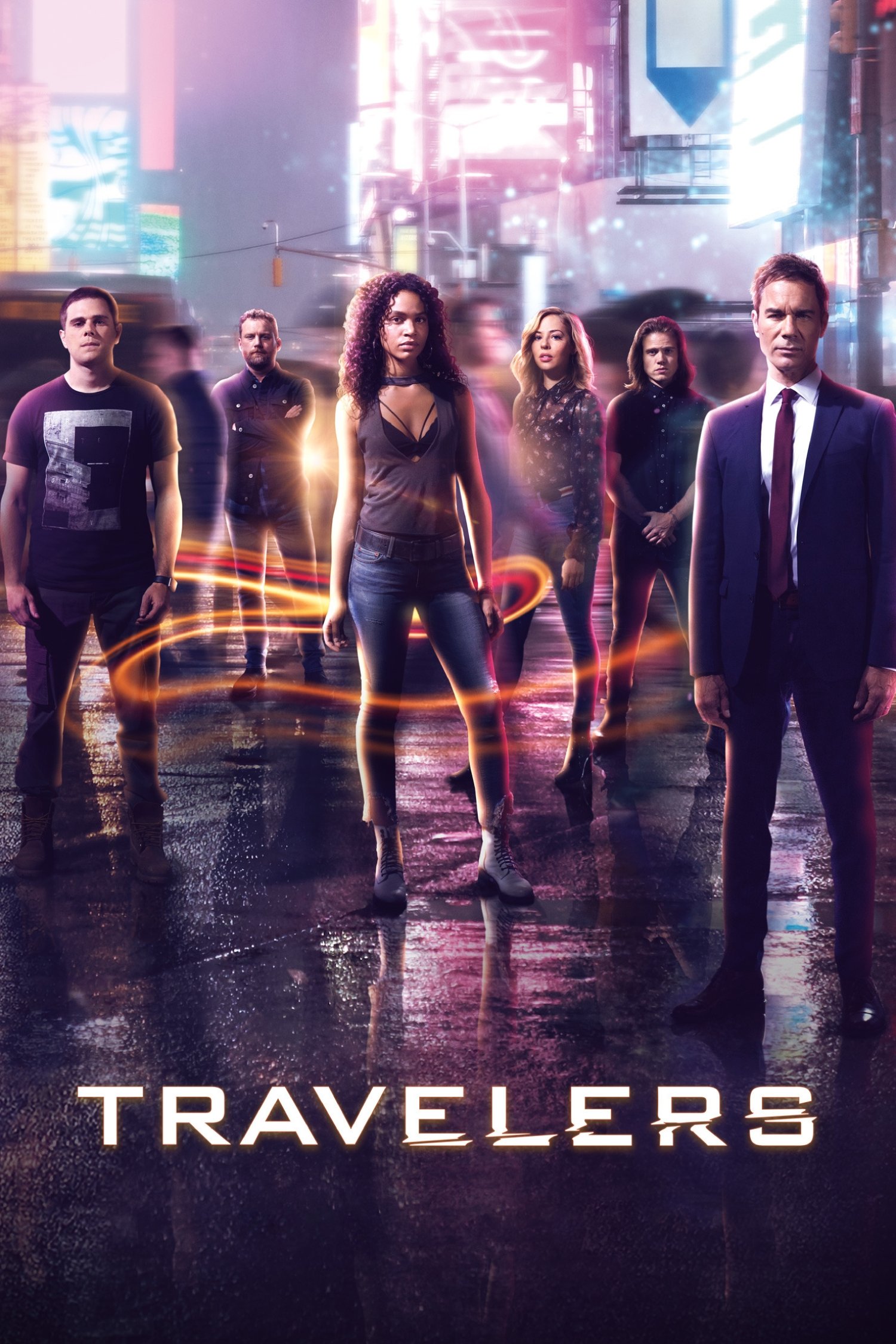
Teams from the future transmit consciousness into people moments before death to alter events. Missions arrive as numeric orders with limited context and strict protocols. Cover identities create conflicts with families and jobs in the present day. The show treats communication blackouts and mission failure as major risks.
‘Upload’ (2020–present)
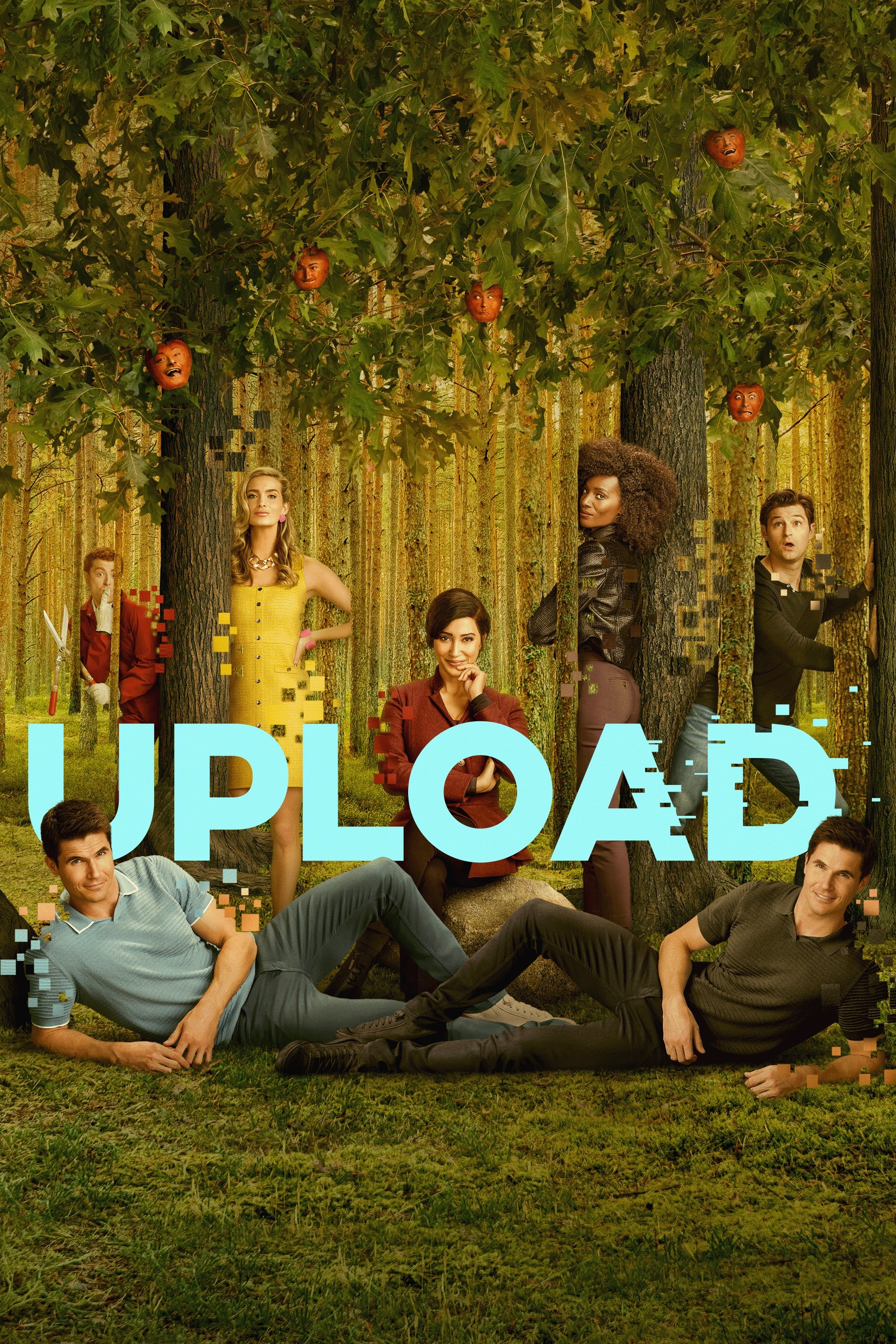
People can transfer their minds to a digital afterlife managed by private companies. The plot follows upgrades, data caps, and terms of service that shape daily experience. Engineers and customer service staff handle bugs and billing disputes inside the simulation. Real world hardware and neural interfaces determine access and control.
‘Orphan Black’ (2013–2017)
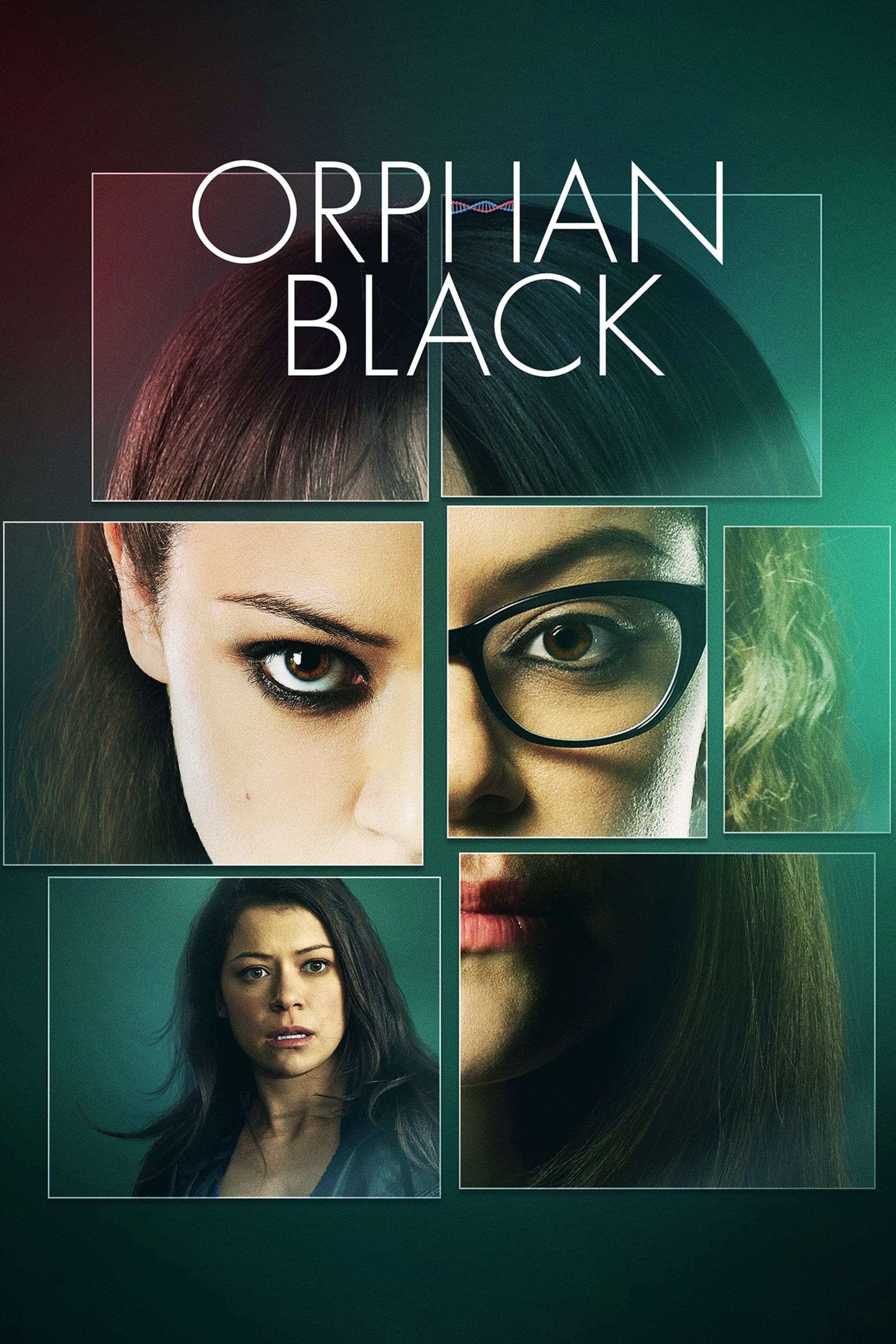
A woman discovers she is one of many clones and uncovers a network of biotech conspiracies. The lead actor performs multiple roles within the same scenes using motion control and split screen. Storylines track intellectual property, genetic patents, and secret experiments. The show maintained continuity across clones with distinct costumes, accents, and physical mannerisms.
Share your favorite sci fi series in the comments and tell us which ones you think deserve a spot on the list.