

‘Hunter×Hunter’ Mistakes You’ll Never Be Able to Unsee




Even the sharpest shōnen has the occasional slip-up, and ‘Hunter×Hunter’—across both the 1999 and 2011 anime—packs in enough fast cuts, complex power rules, and globe-trotting scenes that little errors creep through. From mirrored shots that shuffle face paint to continuity hiccups with props and maps, these are the kinds of flubs fans catalog and discuss because they reveal how animation, editing, and localization all juggle a ton of detail at speed. Here are ten concrete mistakes and production goofs that viewers have documented over the years—once you spot them, they’re surprisingly hard to ignore.
Face-Paint Flip-Flops
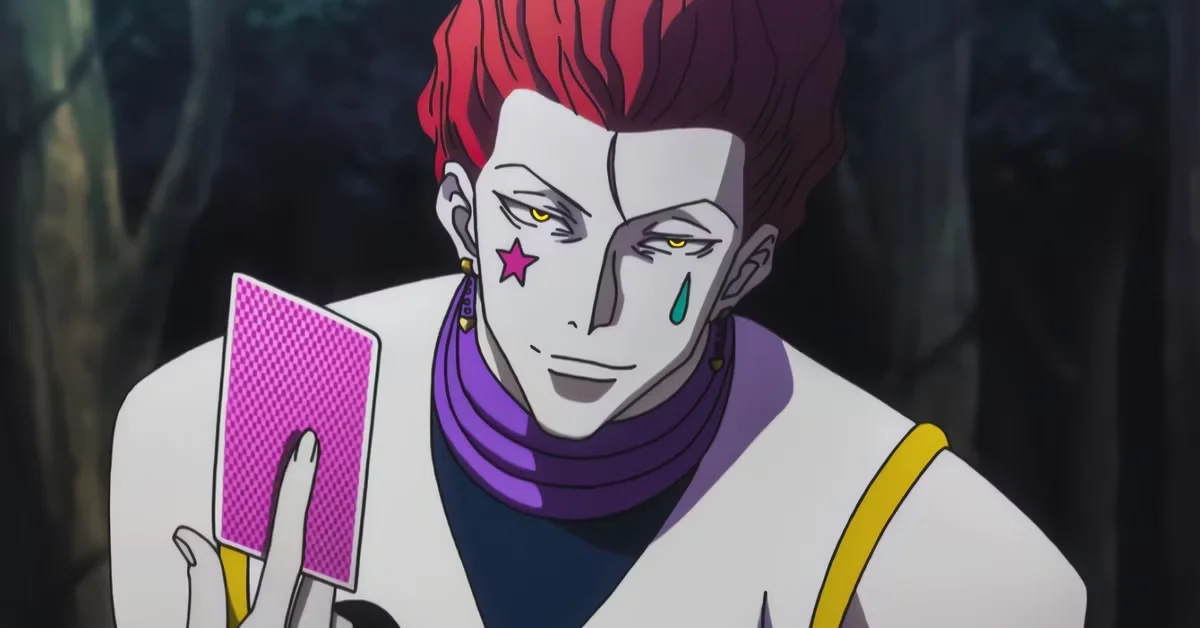
Hisoka’s star-and-teardrop face paint occasionally swaps cheeks in mirrored or reused cuts. This happens when a shot is flipped to maintain screen direction, but the asymmetrical makeup gives the change away instantly. You can identify it by comparing consecutive frames where his card hand switches but the background doesn’t, revealing a horizontal flip.
Vanishing-and-Reappearing Props
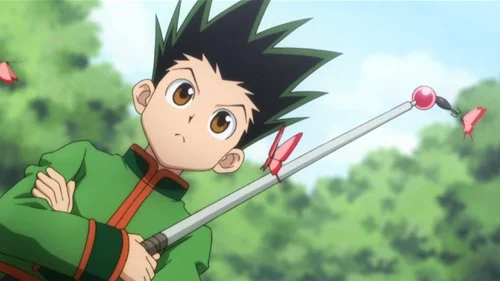
Early episodes feature small continuity errors where Gon’s fishing rod or Killua’s skateboard changes position or disappears between angles. These jumps typically occur across quick dialogue cutaways, where the prop is present in a wide shot but missing in the close-up. Animation pipelines often split work across teams, and layouts can drift if not reconciled before compositing.
Recolored Outfits Between Cuts
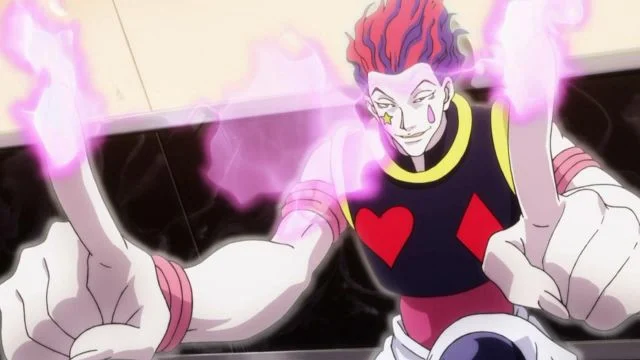
Character palettes sometimes shift within the same scene—greens deepen, trims change tint, or boots lose detailing—due to lighting layers being applied inconsistently. Because ‘Hunter×Hunter’ uses mood lighting and heavy shadow passes, a base color can appear as a different hex when exposure or multiply layers stack. You’ll notice it most in caves, night scenes, and storm sequences.
Hunter Exam Phase Numbering Mix-Ups
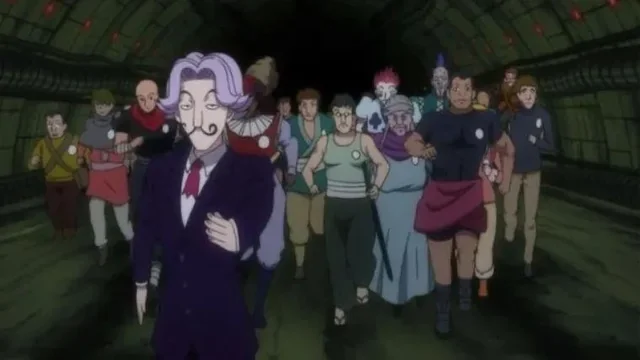
Announcements and on-screen signage in the Hunter Exam arc contain scattered inconsistencies about “phases” when scenes transition rapidly. In a few instances, dialogue calls a stage by a different ordinal than the title card used earlier, a byproduct of script revisions and edits to the exam’s pacing. Cross-checking the sequence of challenges exposes the mismatch between what’s said and what’s labeled.
Mirrored Backgrounds That Break Geography
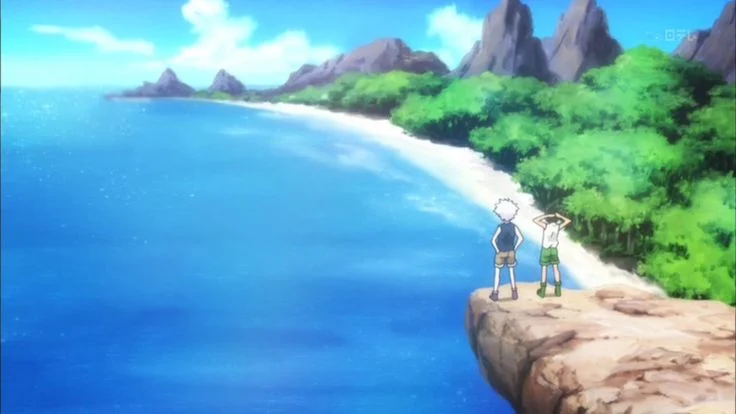
To preserve action flow, some backgrounds are mirrored, which accidentally flips signage, stair orientations, or arena layouts. When a later shot returns to the unflipped layout, exits and landmarks appear to jump sides. This is most obvious in hallways and training floors where symmetry isn’t perfect, so a mirrored wall hangs different fixtures than before.
Inconsistent World Maps and Scaling
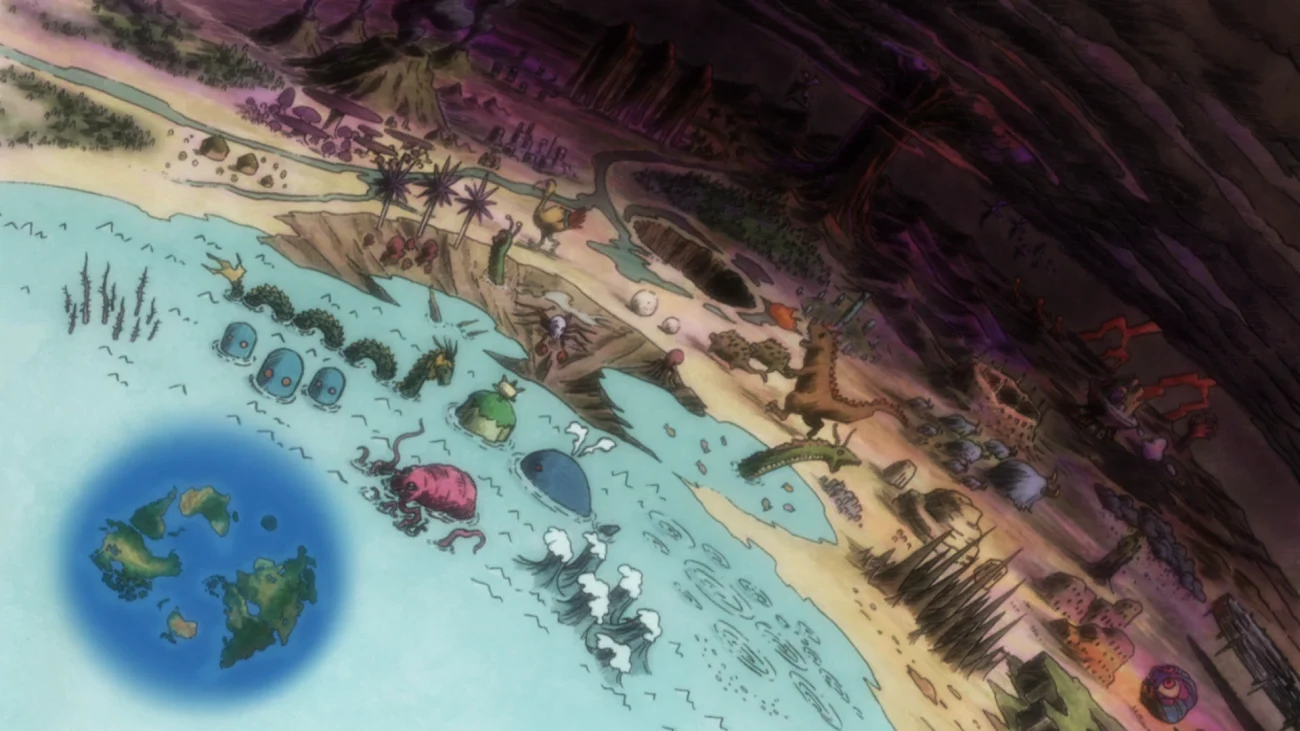
World maps shown during travel segments don’t always agree on coastlines, nation borders, or the relative distance between key locations. These discrepancies arise from using stylized maps by different artists without a single cartographic master. When characters reference journey time, the on-screen routes occasionally imply a shorter or longer distance than earlier establishing shots suggested.
Nen Category Terminology Drift
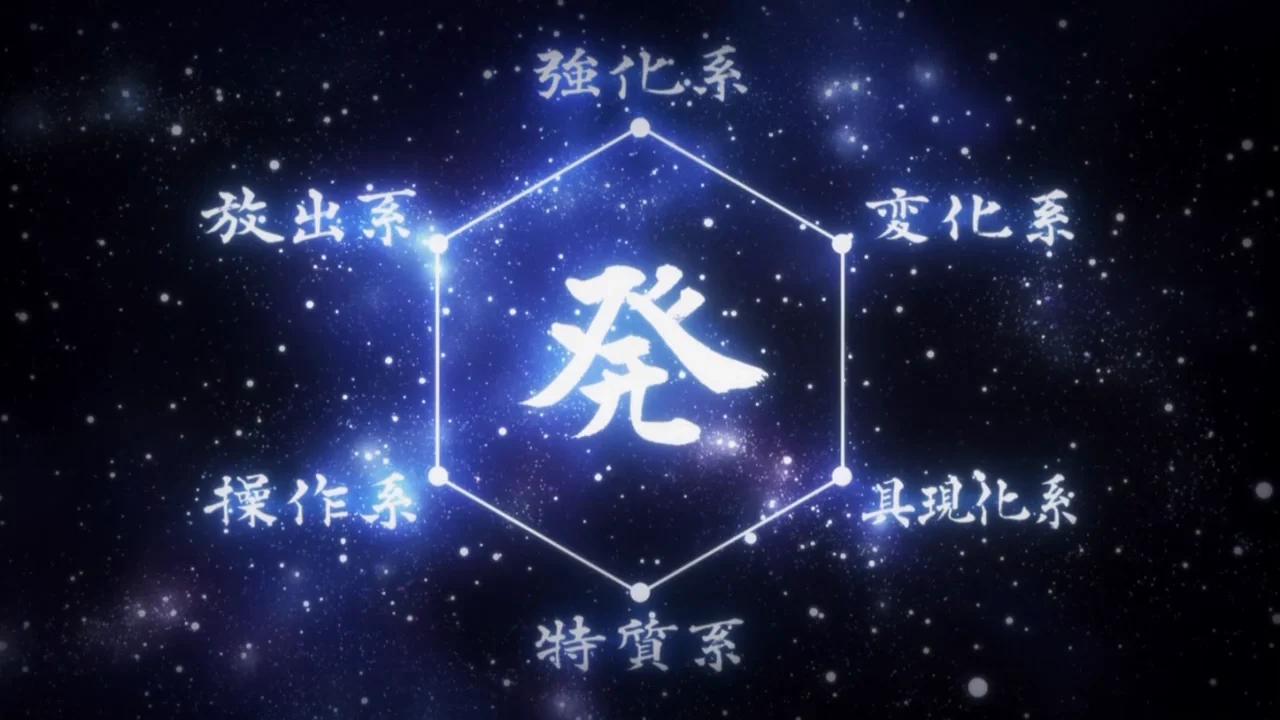
Terminology for Nen types and conditions varies across subtitles, dubs, and even on-screen text overlays, creating apparent contradictions. The same chain of rules can be labeled with slightly different category names or phrasing, which confuses whether a technique is constrained by a vow, a condition, or both. Comparing translation sets makes it clear that the underlying concept is stable, but the labels are not.
Greed Island Card Counts on the HUD
During Greed Island readouts, the card HUDs and binder tallies occasionally miscount filled slots versus displayed totals. The interface overlays sometimes lag one card behind or show an icon without updating the numerical counter in the same frame. These are overlay timing errors—UI layers render based on separate triggers from the dialogue and animation track.
Zoldyck Testing Gate Weight Math
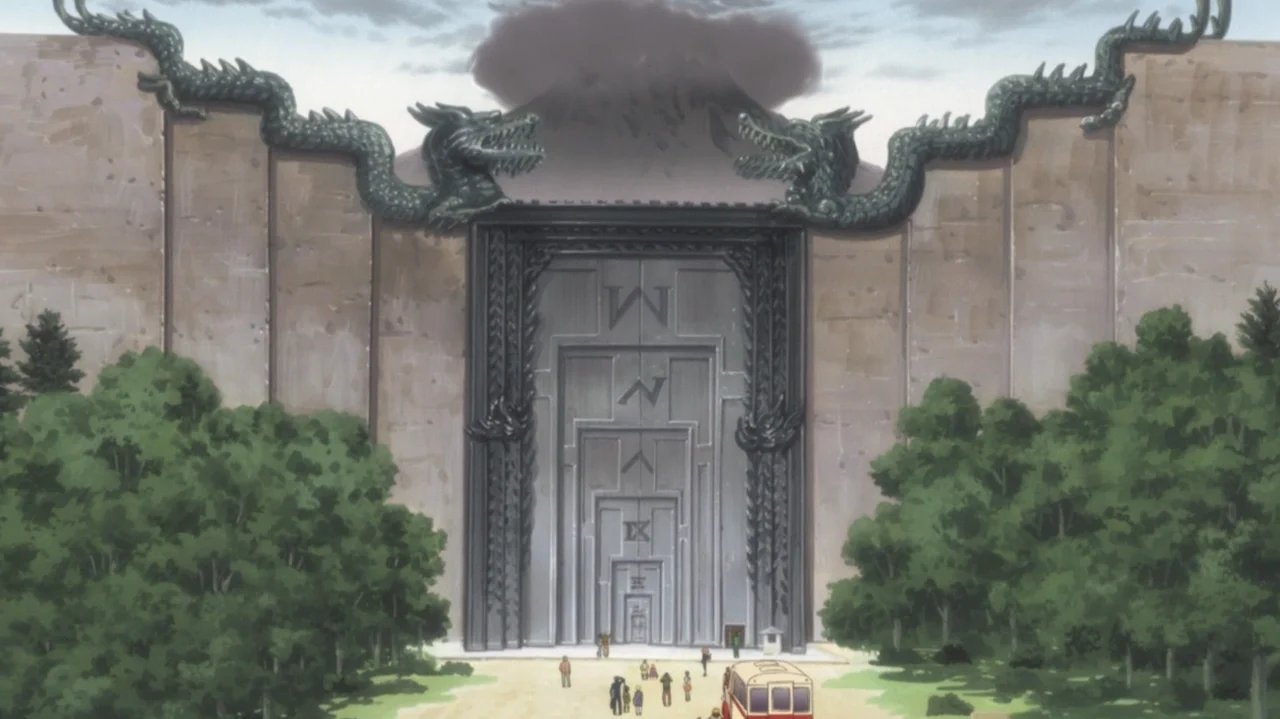
Explanations of the Testing Gate’s tonnage introduce small arithmetic mismatches between how much each door leaf weighs and what a character claims to be pushing. Because the doors double per leaf, a single misstatement in dialogue can produce a number that doesn’t align with the demonstrated effort on screen. Fans have charted the weights per door, and a few callouts simply don’t add up to the on-screen configuration.
Off-Model Hands and Weapon Grips
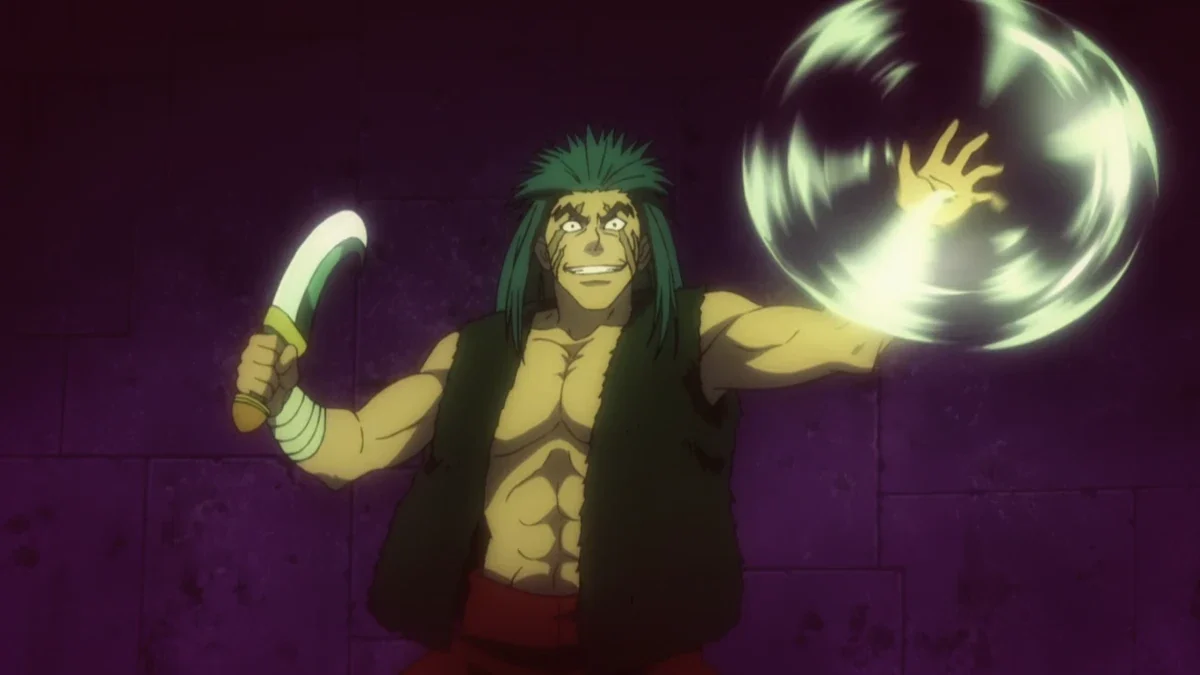
Close-ups of card grips, fishing-rod reels, and yo-yo strings sometimes land off-model—finger counts compress, reel orientation flips, or string anchors attach to the wrong side. These errors crop up in high-motion shots where effects animation takes priority over line accuracy. Frame-by-frame, you can spot grips that would be impossible to hold the way they appear a beat later.
Share the other ‘Hunter×Hunter’ mistakes you’ve noticed in the comments!