


10 Iconic Alternate Endings That Almost Changed Movie History



Alternate endings can spark endless debates among movie fans. Some films almost had finales that would have shifted their entire legacy, leaving audiences with a completely different experience.
These alternate endings, whether scrapped for creative or practical reasons, offer a glimpse into what could have been. Here are 10 iconic alternate endings that nearly redefined their films.
‘Blade Runner’ (1982)
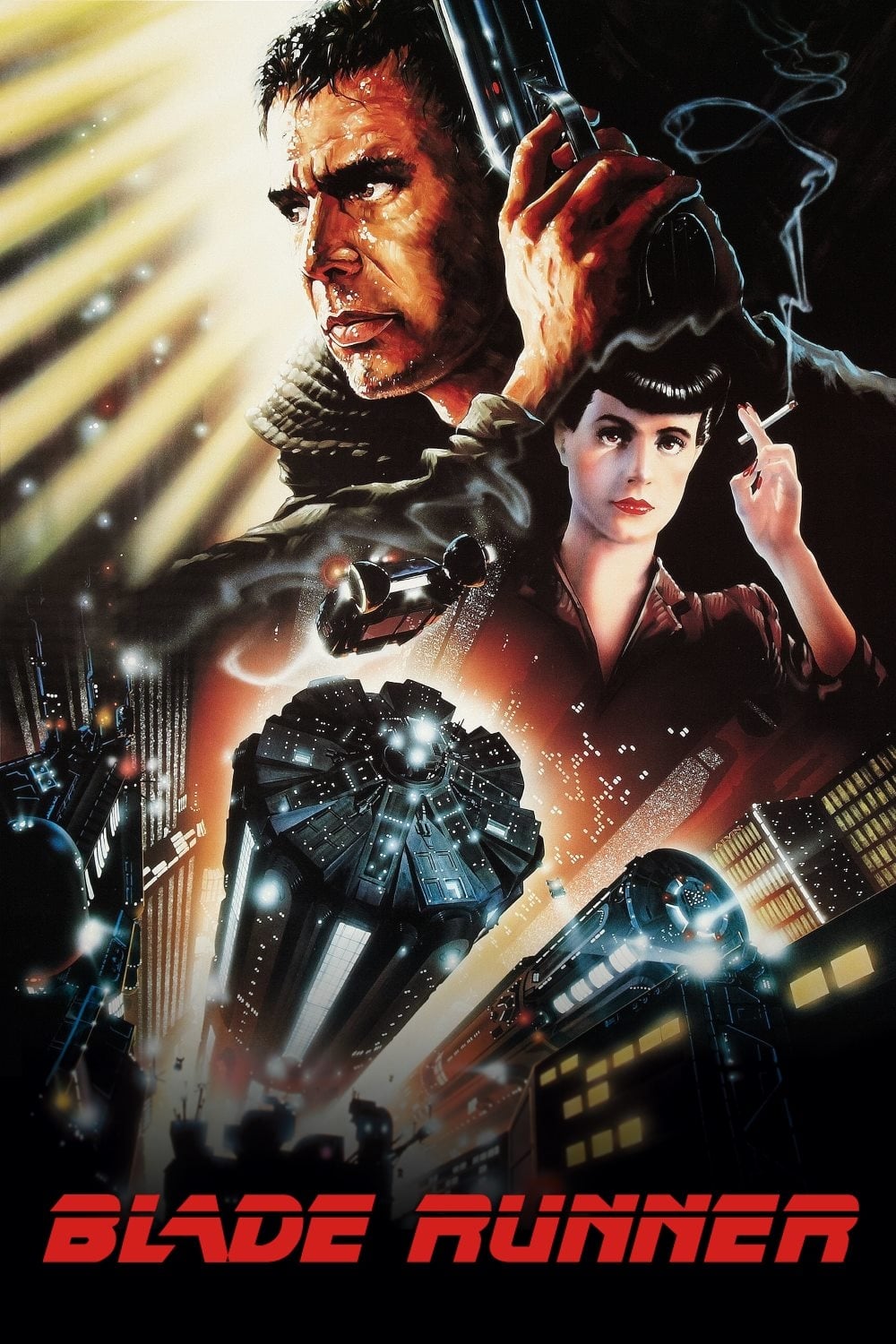
The theatrical cut of ‘Blade Runner’ had a happy ending where Deckard and Rachael drive off into a sunny landscape. This was forced by the studio to make the film more upbeat, but director Ridley Scott hated it.
His preferred ending, used in the Director’s Cut, is darker and more ambiguous, hinting at Deckard’s own humanity—or lack of it. The shift made the film a cult classic, with fans still debating its meaning.
‘Titanic’ (1997)
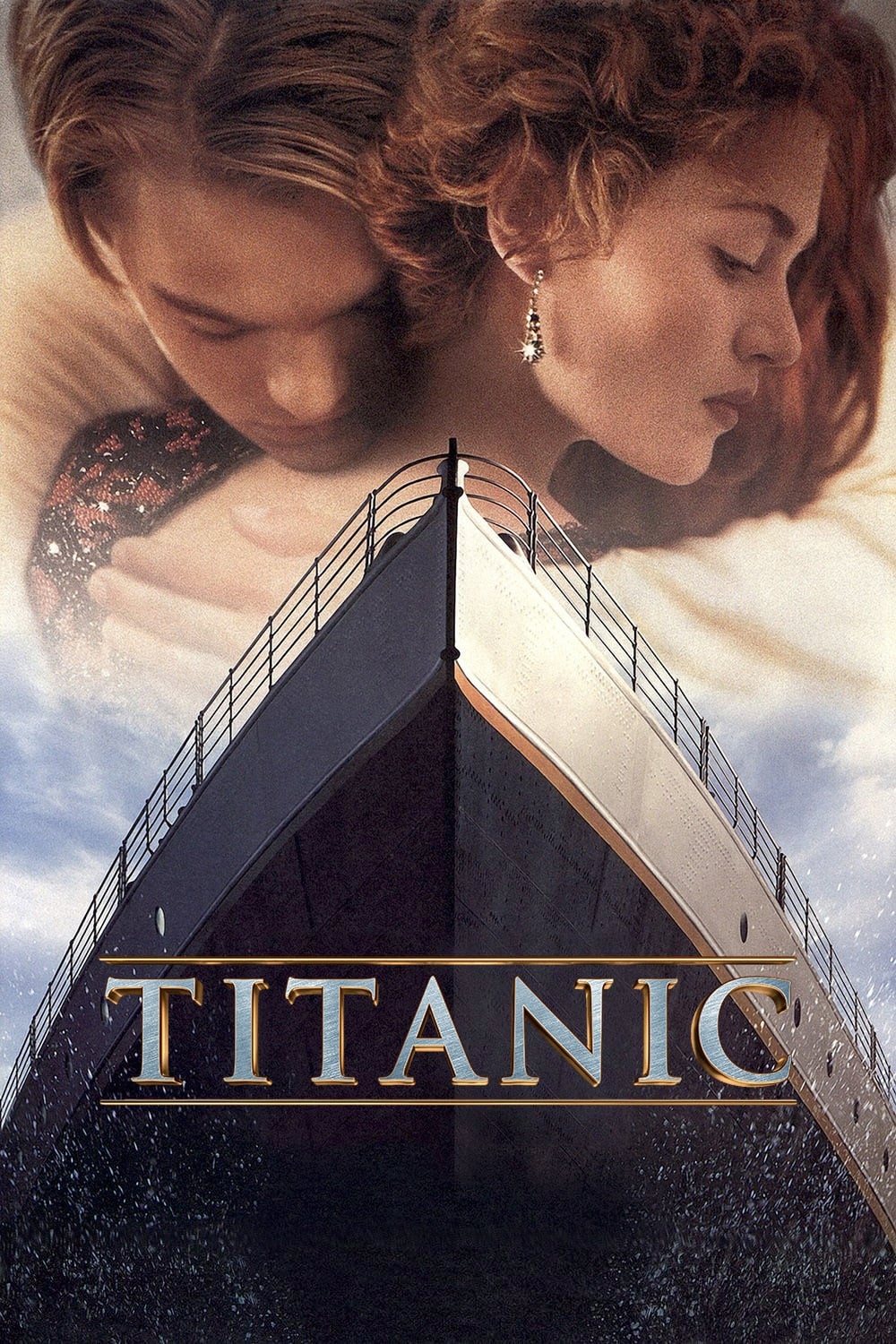
An early version of ‘Titanic’ had old Rose throwing the Heart of the Ocean necklace into the sea during a dramatic confrontation with treasure hunters. She even taunted them before tossing it, making the scene feel over-the-top.
James Cameron opted for a quieter, more emotional ending where Rose drops the necklace alone, reflecting on her love story. This choice kept the focus on her personal journey, not the treasure.
‘I Am Legend’ (2007)
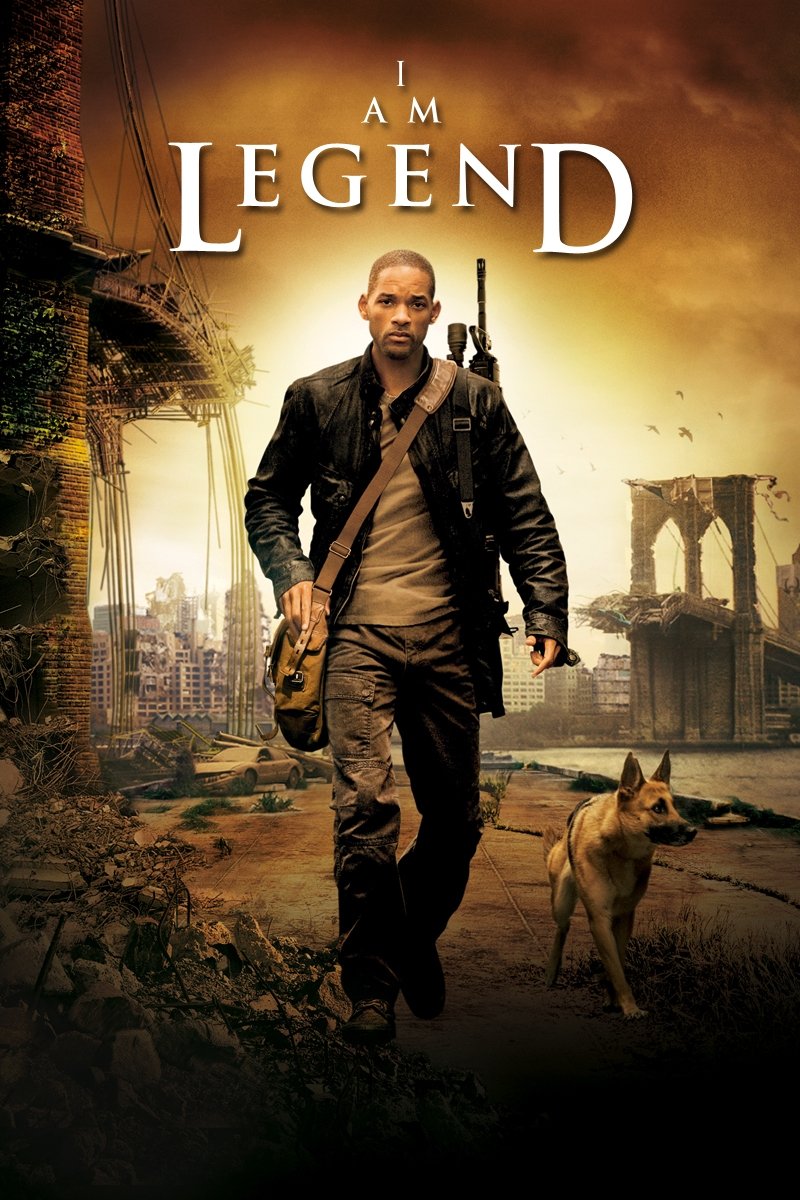
In the alternate ending of ‘I Am Legend,’ Will Smith’s character, Robert Neville, survives and realizes the infected creatures have human-like emotions. He makes peace with them and leaves the city, offering a hopeful twist.
The theatrical ending, where Neville sacrifices himself, was chosen to heighten the drama and heroism. Fans argue the alternate version better matches the book’s themes of understanding and coexistence.
‘Get Out’ (2017)
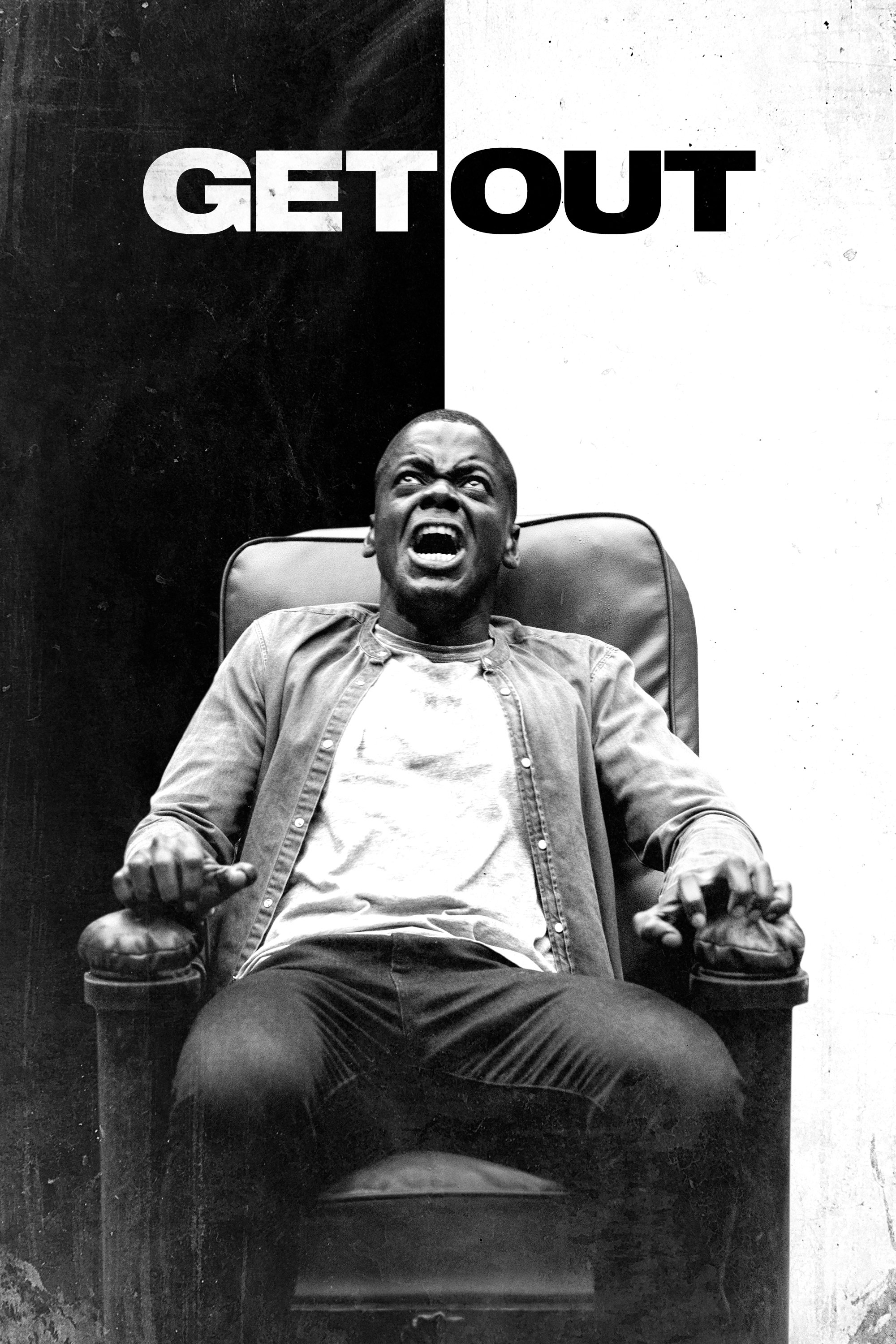
The original ending of ‘Get Out’ saw Chris arrested after escaping the Armitage family’s horrific scheme. Police show up and take him away, leaving his fate grim and uncertain.
Jordan Peele changed it to a happier resolution where Chris is rescued by his friend Rod. This shift avoided a bleak commentary on systemic injustice, letting audiences leave with a sense of triumph.
‘Alien’ (1979)
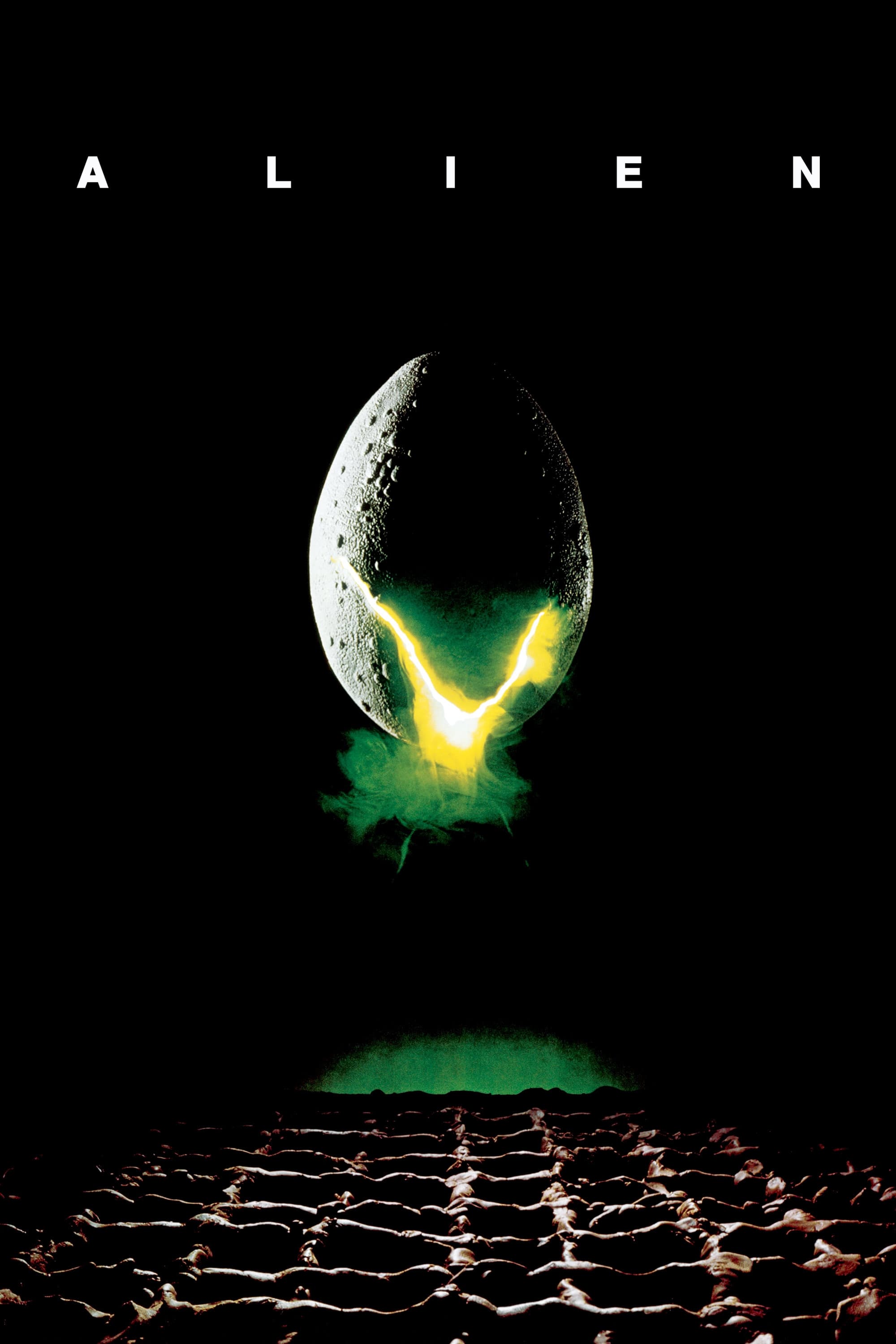
An early draft of ‘Alien’ had Ripley killed by the xenomorph, which then mimics her voice to send a distress signal. This brutal ending would have left no hope for humanity’s survival.
Director Ridley Scott went with Ripley’s escape in the lifeboat, cementing her as a sci-fi icon. The final choice gave the franchise a hero to build on for sequels.
‘The Descent’ (2005)
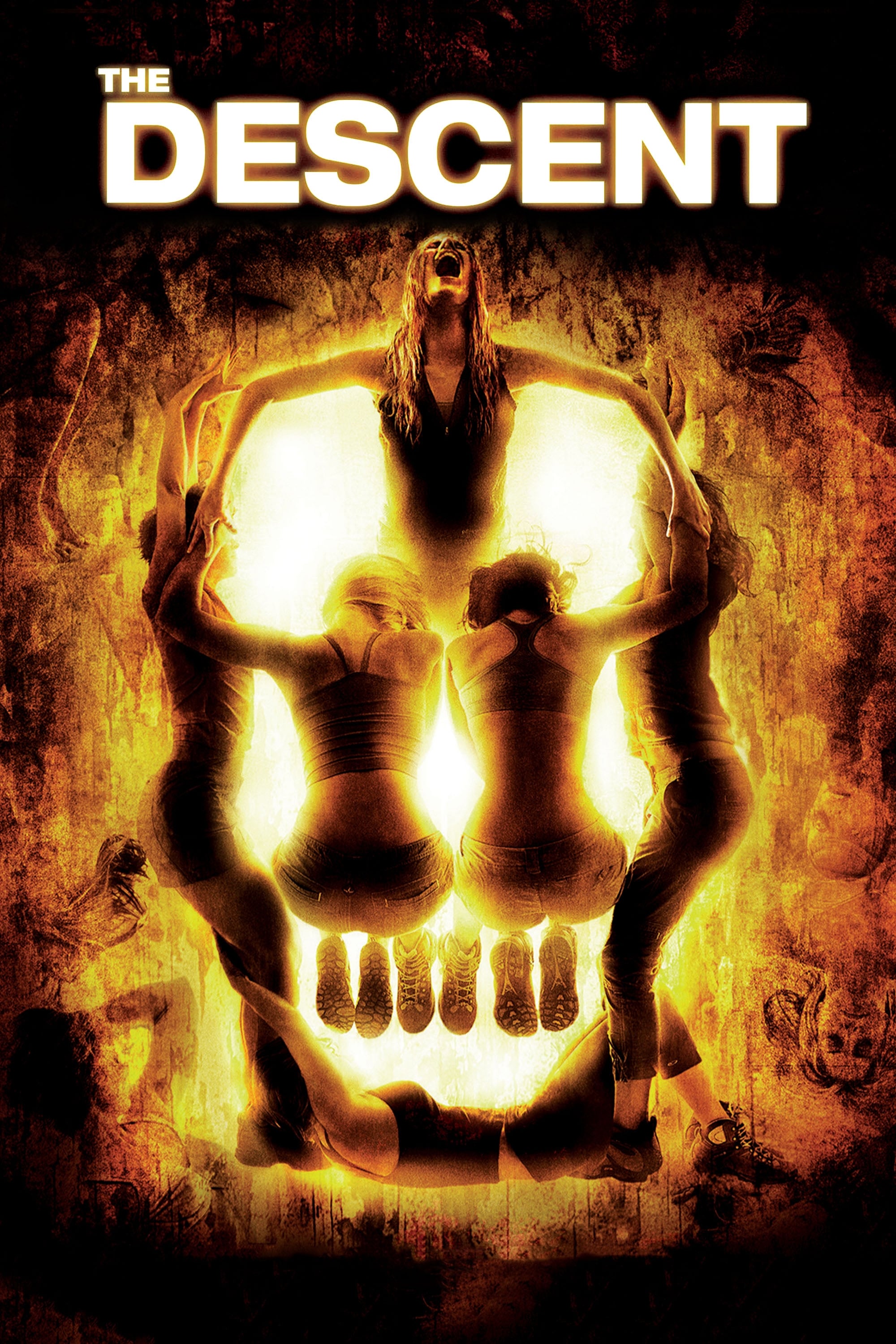
The U.K. version of ‘The Descent’ ends with Sarah trapped in the cave, hallucinating an escape as monsters close in. It’s a gut-punch that leaves no hope for her survival.
The U.S. theatrical cut shows Sarah escaping the cave, though it’s still ambiguous. This lighter ending was chosen to appeal to audiences who wanted a sliver of optimism.
‘Clerks’ (1994)
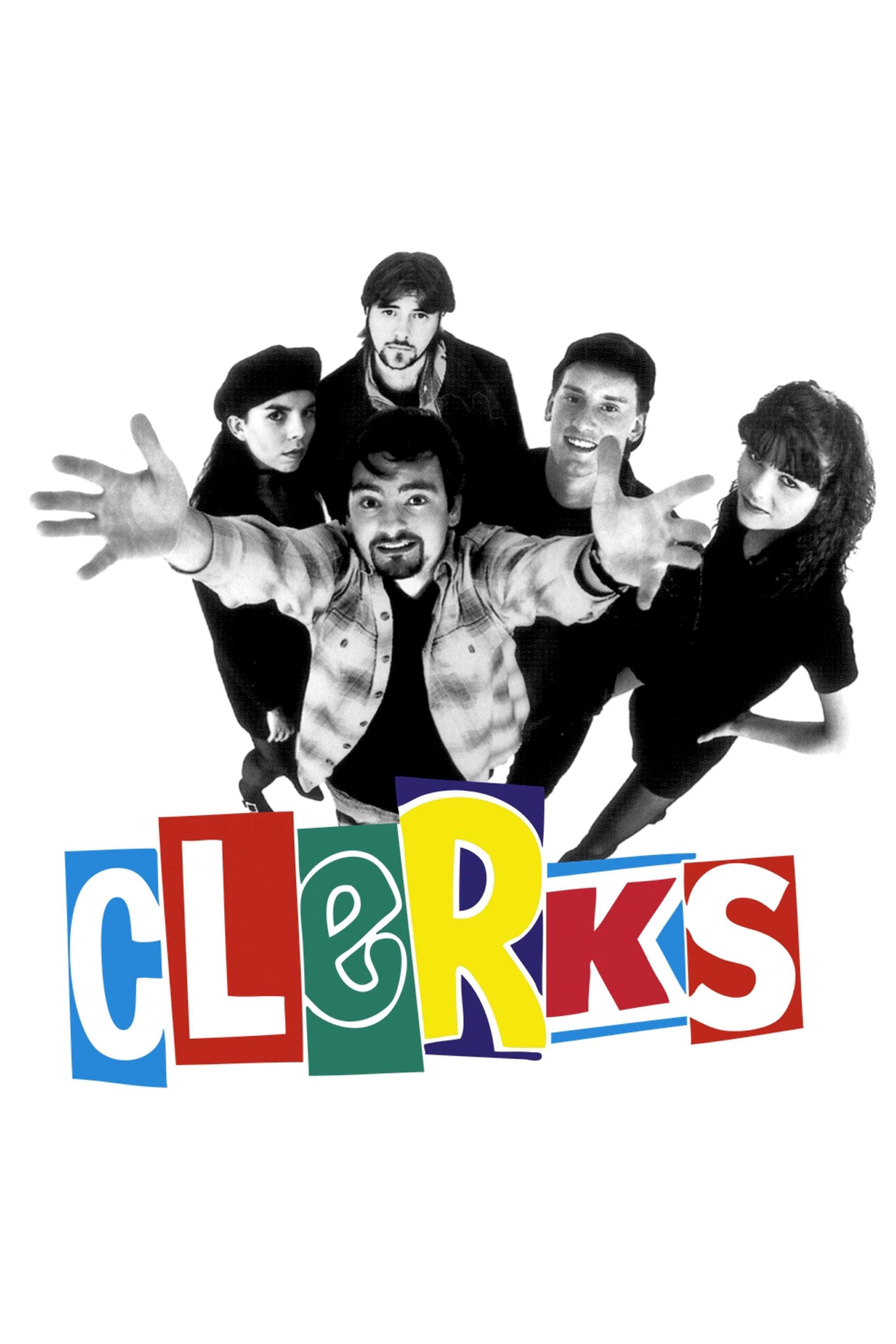
In the original cut of ‘Clerks,’ Dante is shot and killed by a robber at the end of his convenience store shift. The abrupt death shocked early test audiences.
Kevin Smith rewrote it to let Dante survive, keeping the film’s darkly comedic tone intact. This choice preserved the movie’s cult status and allowed for sequels.
‘Pretty Woman’ (1990)
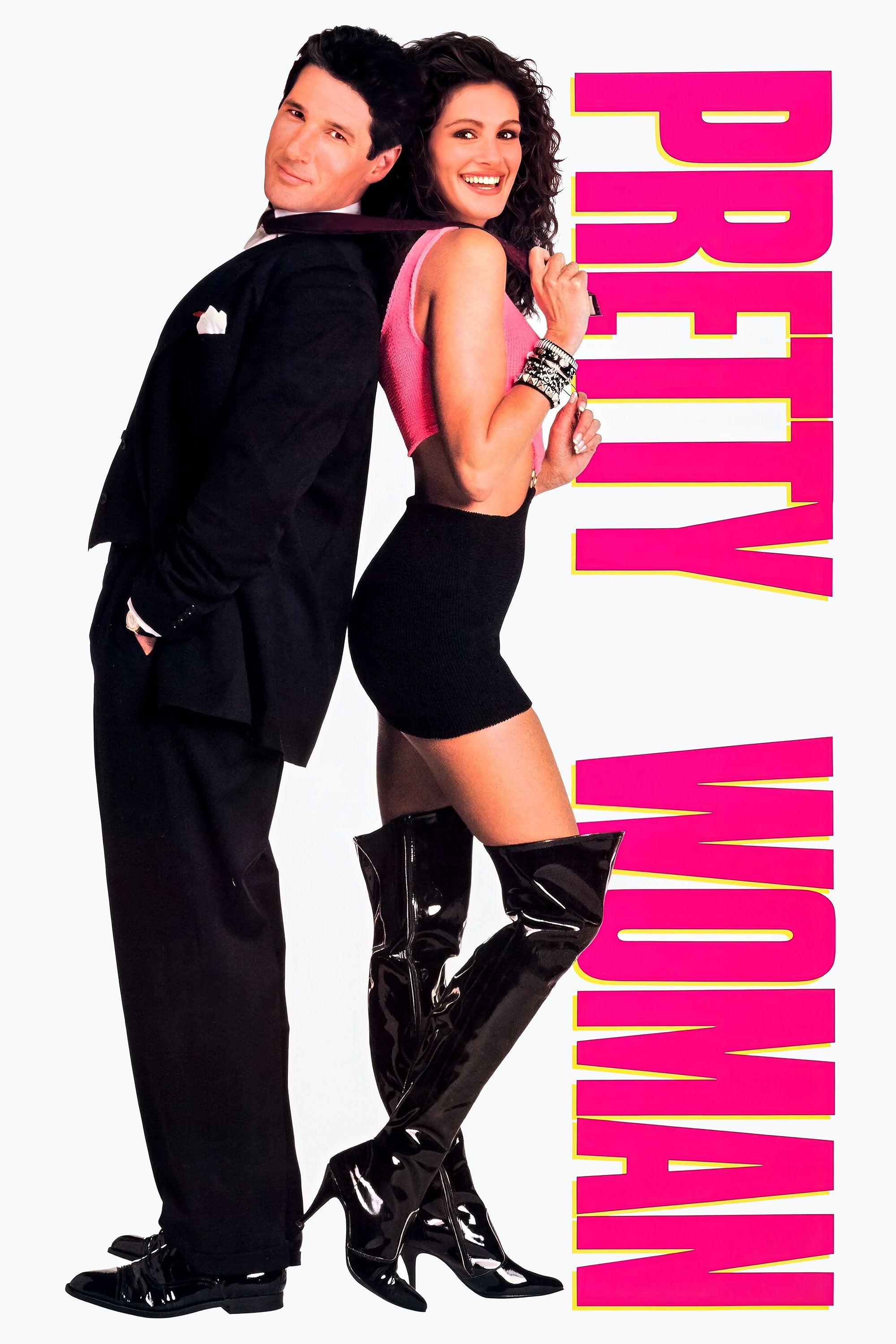
An early script for ‘Pretty Woman’ had a grim ending where Vivian is left on the street with money thrown at her as Edward drives away. It leaned into the harsh realities of her life.
The final romantic ending, with Edward rescuing Vivian, turned the film into a beloved fairy tale. This shift made it a box-office hit and a cultural touchstone.
‘Fight Club’ (1999)

The alternate ending of ‘Fight Club’ for some international releases toned down the explosive climax. Instead of buildings collapsing, the chaos was implied, and the Narrator’s fate was less clear.
David Fincher’s original ending, with the city skyline crumbling, was kept for most releases. It perfectly captured the story’s anarchist spirit and remains iconic.
‘Terminator 2: Judgment Day’ (1991)
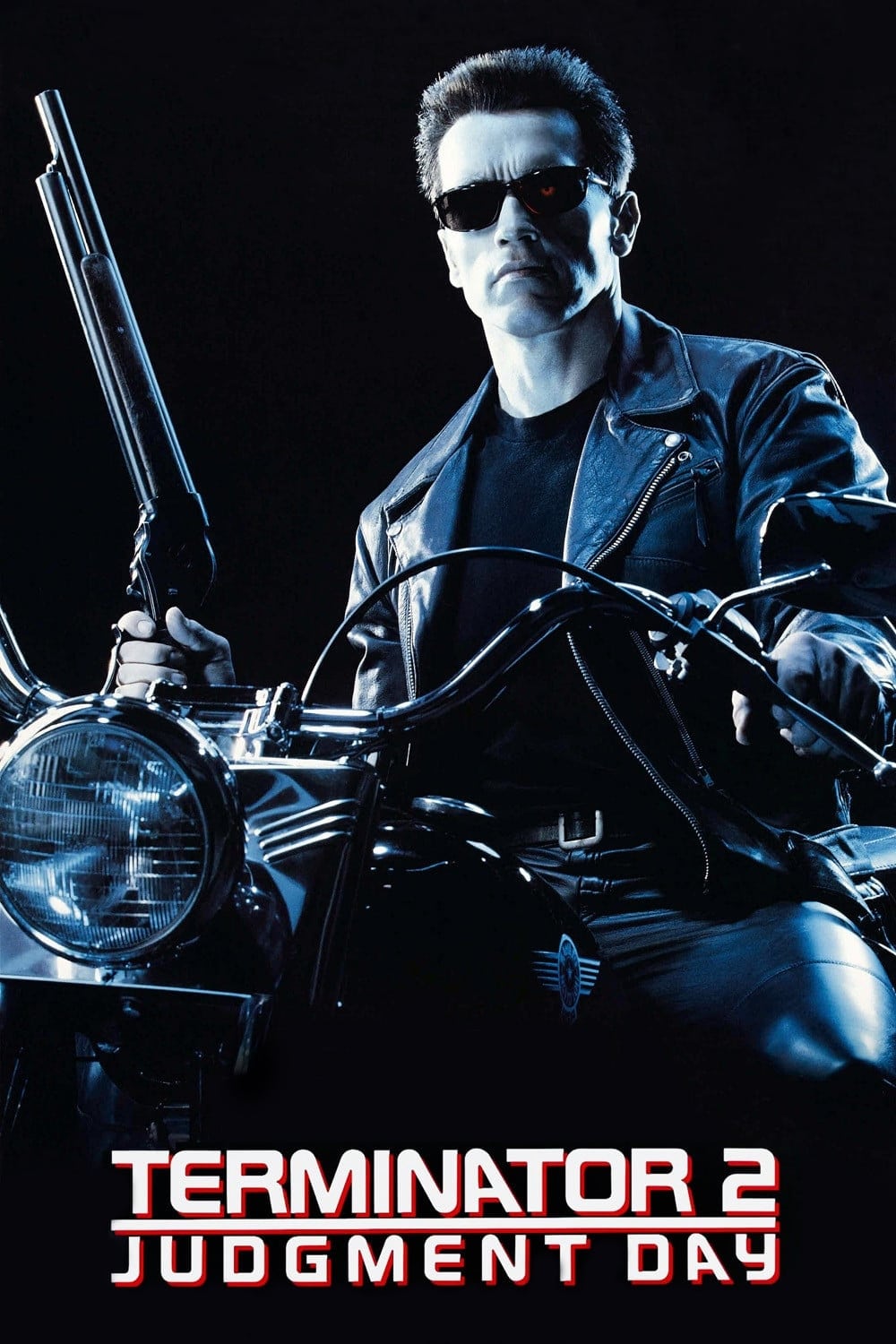
An alternate ending for ‘Terminator 2’ showed an older Sarah Connor in a peaceful future where Judgment Day never happened. It wrapped the story in a neat, hopeful bow.
James Cameron chose the ambiguous highway scene, leaving the future uncertain but hopeful. This open-ended finale fit the film’s themes of choice and redemption better.
What’s your favorite alternate movie ending, and how do you think it would’ve changed the film’s legacy? Share your thoughts in the comments!