


Top 20 Iconic Films That Exceeded Their Budgets



Big movies do not always go according to plan. When shoots run long, sets get rebuilt, or entire endings are reworked, costs can swell far beyond what studios first approved. Some productions recover with strong ticket sales, while others become cautionary tales that executives still reference when a new project starts to wobble.
Here are twenty famous films that blew past their original budgets. For each one you will find what pushed costs higher and how the studio tried to navigate the overruns, along with how things played out once the movie finally reached theaters.
‘Cleopatra’ (1963)
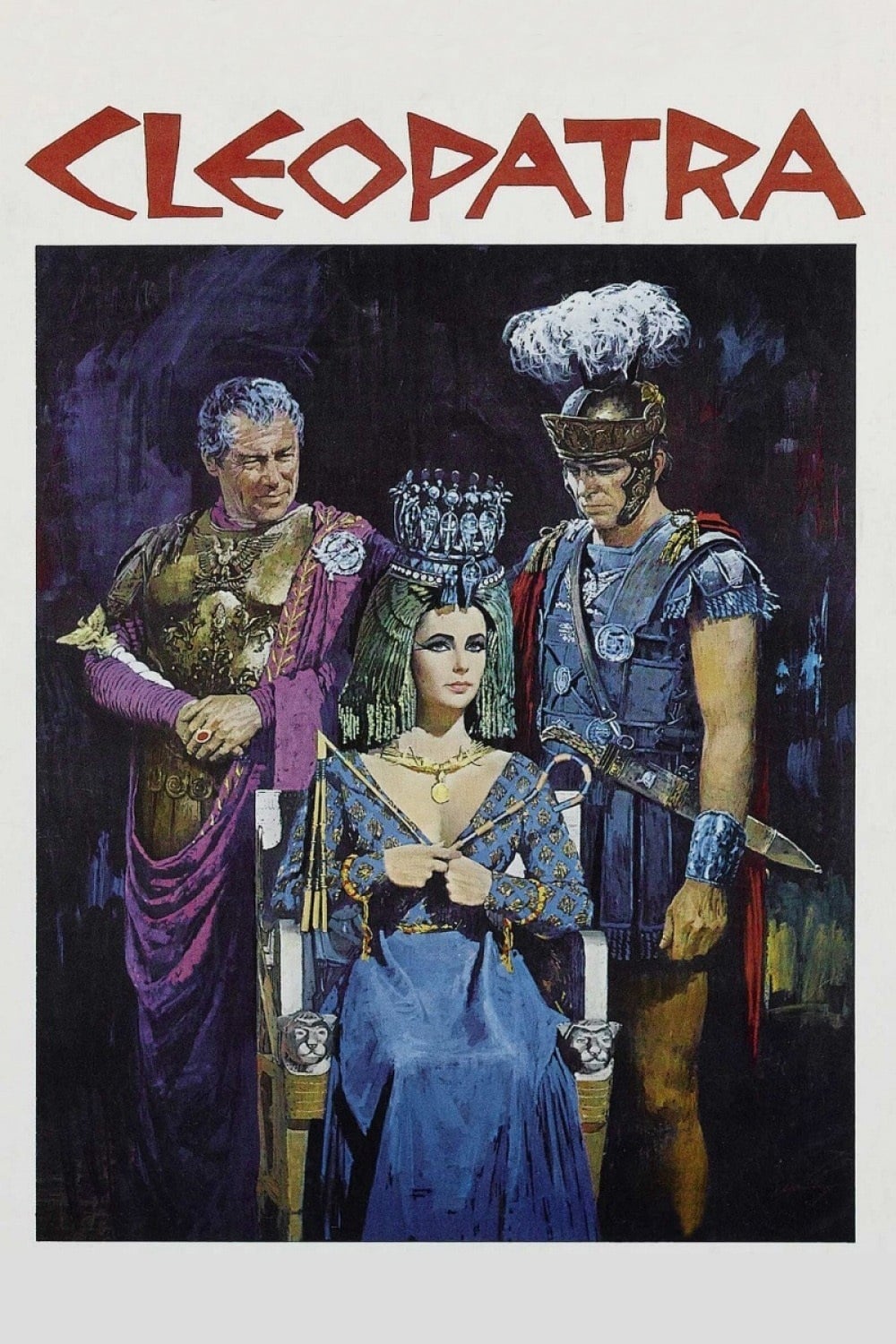
The production restarted after an initial shoot collapsed, with the entire operation relocating from the United Kingdom to Rome. Massive sets were rebuilt, elaborate costumes were remade, and long delays from illness and weather pushed costs upward with every additional day on the schedule.
The studio poured in more money for spectacle and publicity to protect its investment. The movie eventually sold plenty of tickets worldwide and benefited from multiple reissues, but it forced the company to tighten spending for years after release.
‘Apocalypse Now’ (1979)
A typhoon destroyed key jungle sets and halted filming, which meant crews had to wait while locations were rebuilt and helicopters were reallocated. Expensive overtime, custom equipment, and extensive on-site rewrites kept the meter running as the director reworked scenes on location.
Postproduction stretched out with complex sound design and editing that required more cash to finish. The result became a landmark release, and later versions and home video helped the film earn back its swollen costs.
‘Heaven’s Gate’ (1980)
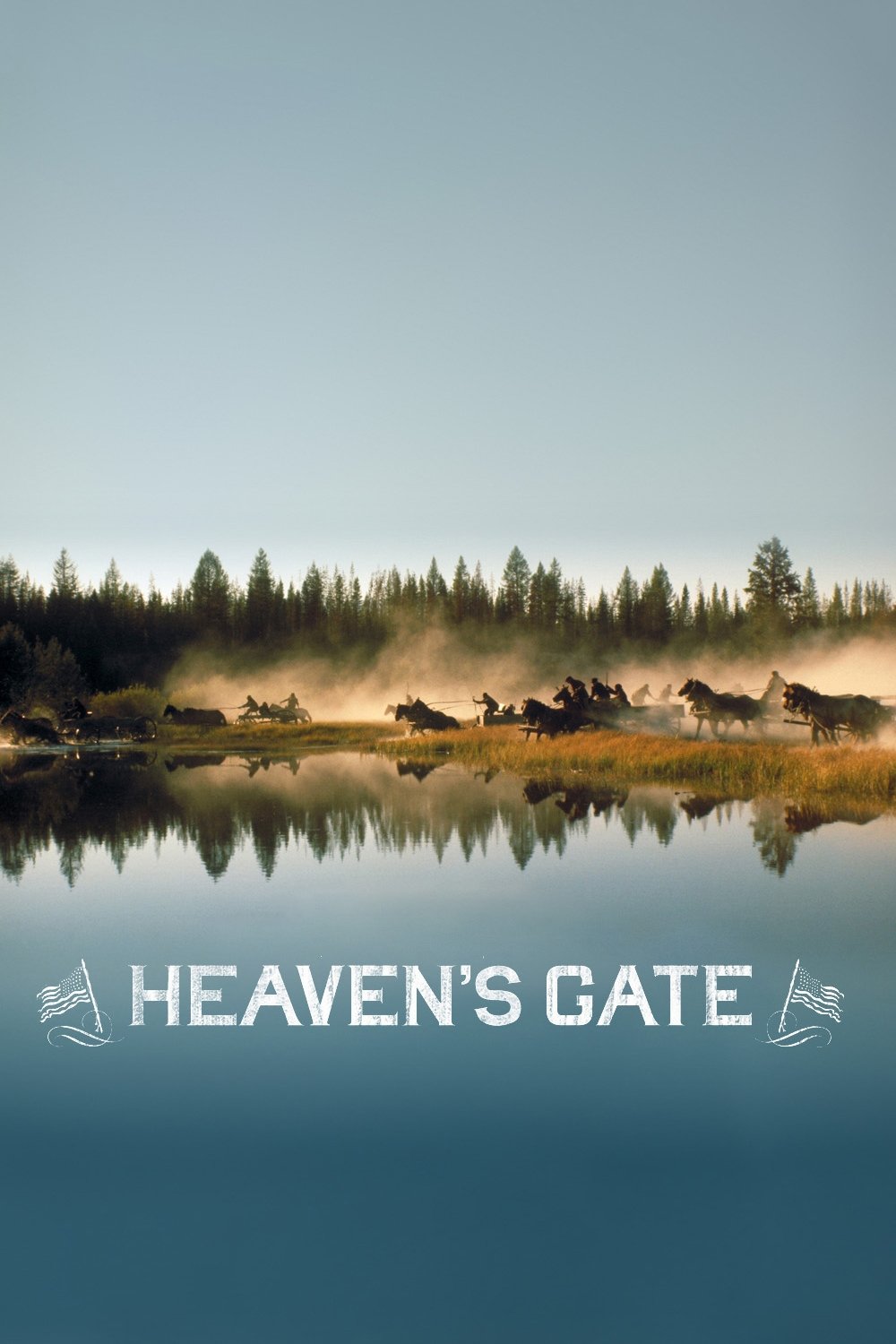
An initially modest plan expanded into an epic shoot with repeated takes, custom period sets, and intricate crowd scenes that ate through the budget. The schedule kept slipping as the director chased a precise look, which drove up labor and location expenses.
The studio funded a lengthy postproduction phase that produced multiple cuts, each demanding more editing time and music work. The movie opened to poor turnout, which left the company with a large loss and a new era of tighter creative oversight.
‘The Adventures of Baron Munchausen’ (1988)
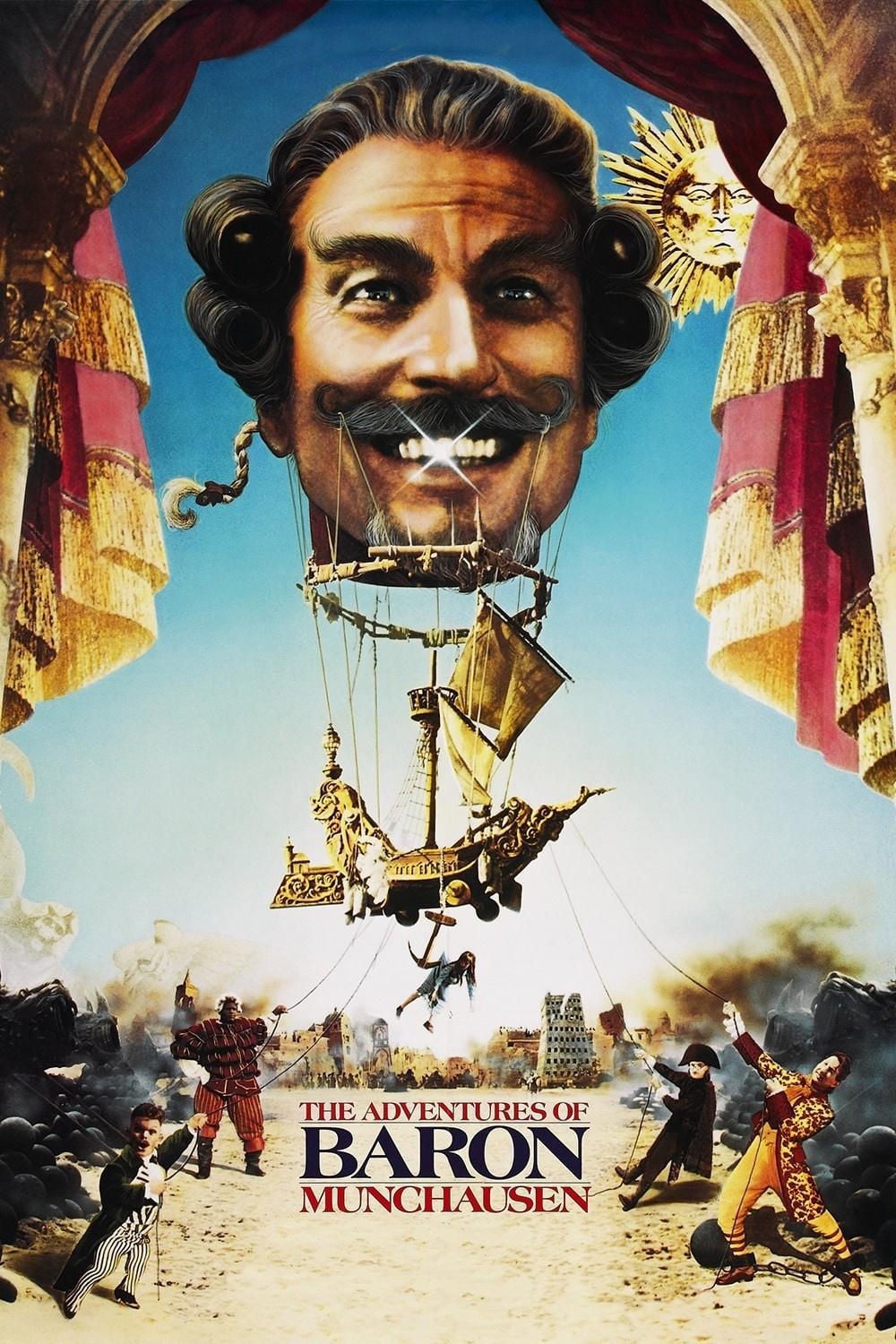
Ambitious fantasy sequences required elaborate miniatures, practical effects, and detailed costumes that exceeded early estimates. Several production partners shifted during the shoot, which complicated financing and cash flow.
Marketing costs rose as the distributor attempted to explain a whimsical story to broad audiences. Despite critical admiration in some regions, the film struggled to recoup its rising negative cost during its initial run.
‘The Abyss’ (1989)
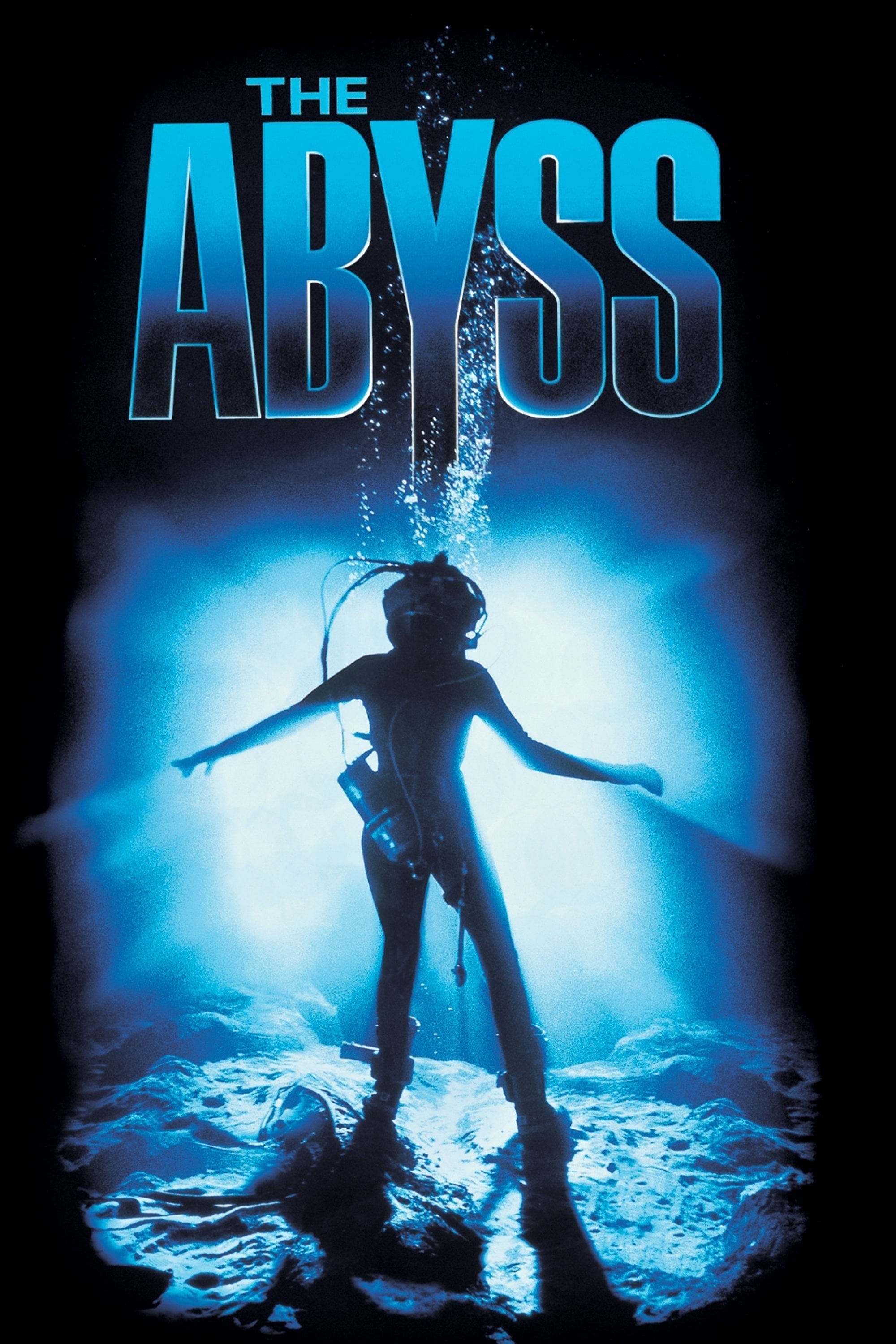
Most of the shoot took place in enormous water tanks that had to be constructed and maintained, adding specialized safety teams and custom lighting to the bill. Delays from underwater technical challenges made crew days longer and more expensive.
Visual effects required new methods for liquid simulations, which extended postproduction and increased vendor spending. The film eventually drew strong interest on home video and in special edition releases, which helped the studio close the gap.
‘Waterworld’ (1995)

A floating atoll set was built at sea, then damaged by severe weather and rebuilt, which quickly exhausted contingency funds. Operating offshore required fleets of boats, marine safety teams, and fuel that pushed daily costs to extraordinary levels.
Reshoots and editorial changes added weeks to the schedule. The movie underperformed domestically but earned better overseas and with later television and home sales, slowly chipping away at its heavy overage.
‘The Island of Dr. Moreau’ (1996)
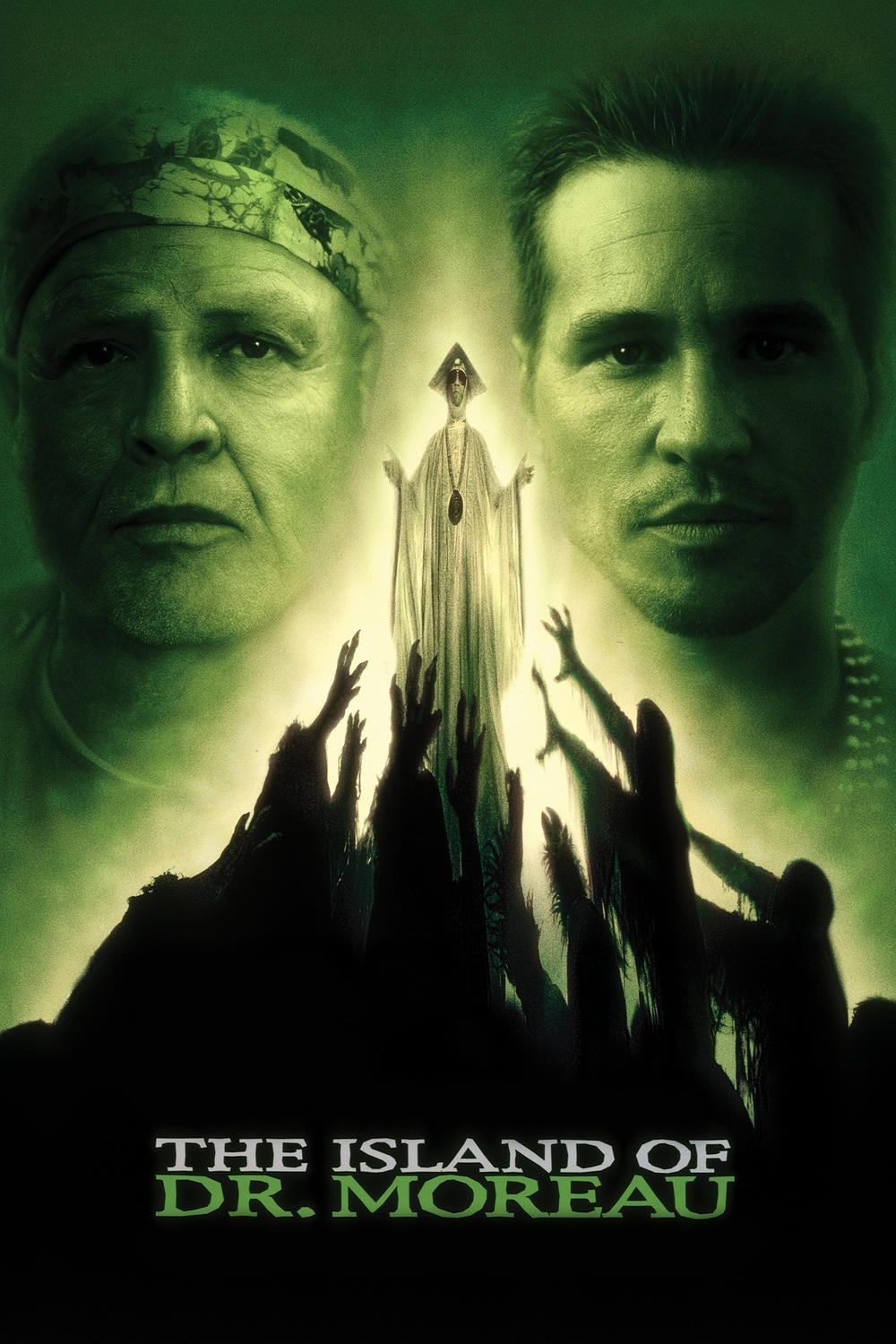
Creative turnover led to a director change and significant reworking of the script while cameras were already rolling. Cast conflicts and location issues caused shutdowns and restarts that made every day pricier than planned.
Extensive makeup and creature effects required long hours and specialized crews, further inflating labor costs. The film’s theatrical run did not cover the overruns, leaving it as a textbook case of a troubled production.
‘Titanic’ (1997)
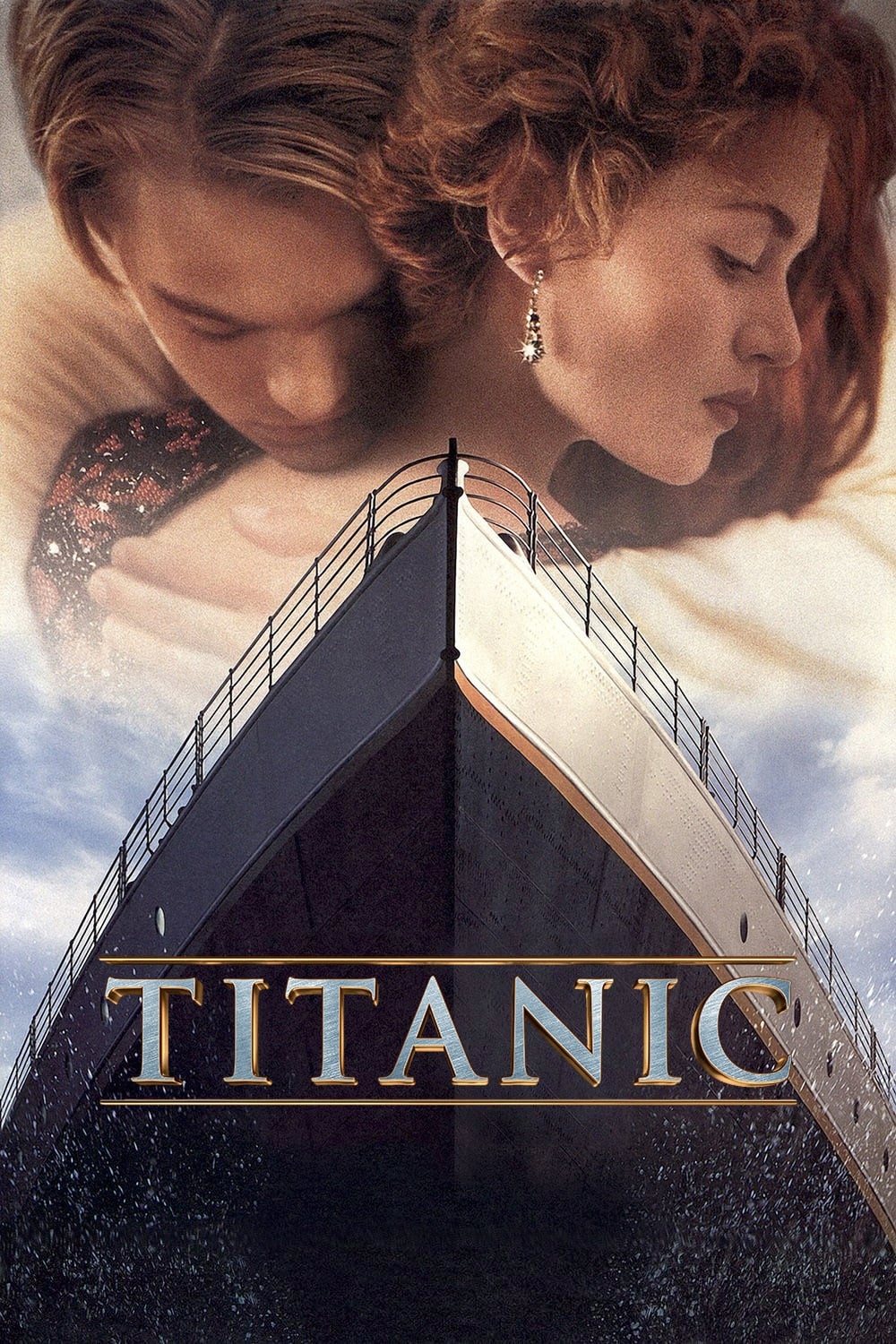
A near full scale ship environment and massive water tanks were built specifically for the shoot, with huge engineering and safety requirements. Complex stunt work and practical effects extended the schedule well beyond initial expectations.
Postproduction included cutting edge digital composites and an extensive original score and sound mix. While the budget swelled, global audiences turned the release into a phenomenon that repaid its cost many times over.
‘The Postman’ (1997)
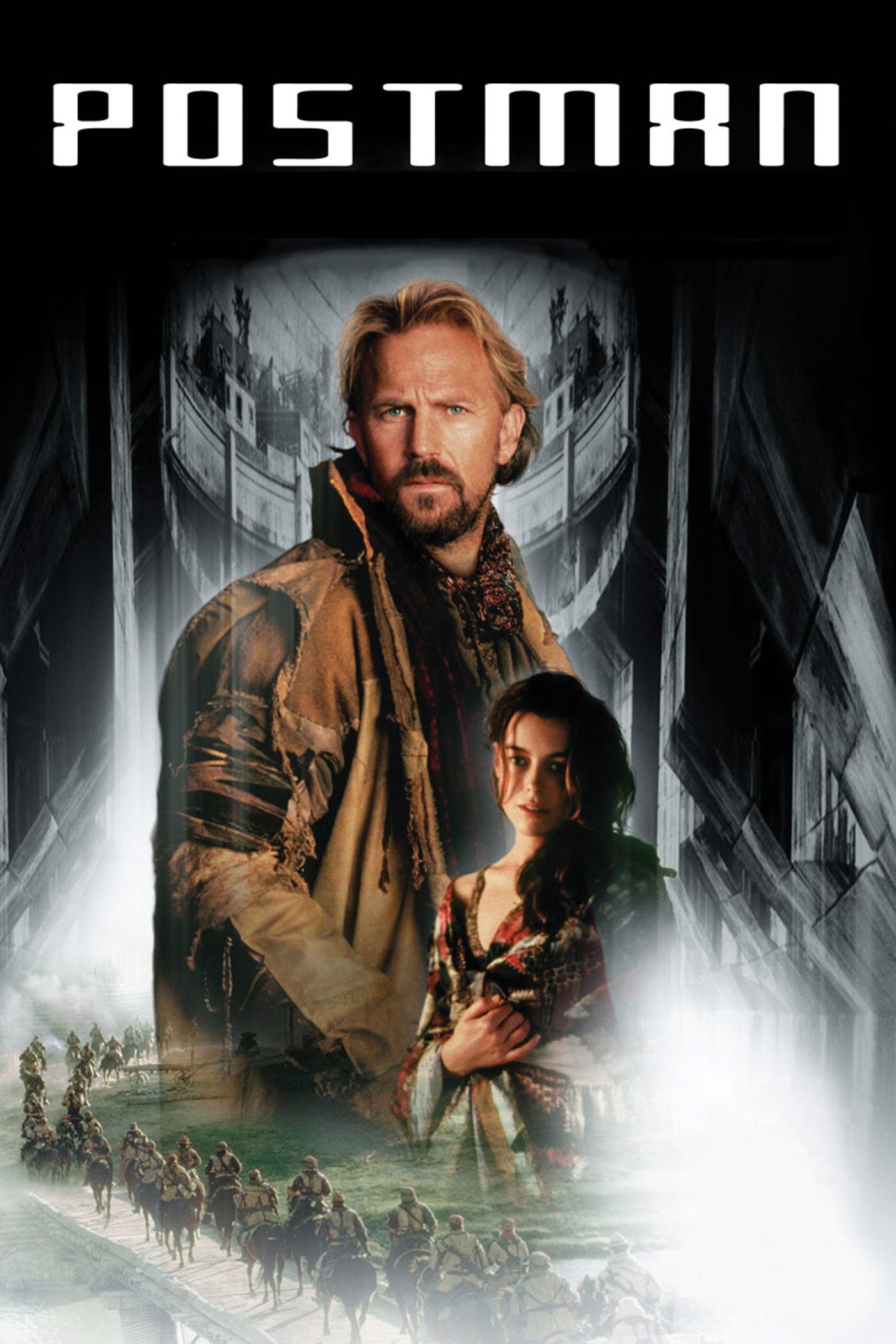
Location work in remote areas required moving large crews and equipment across long distances, which strained the logistical plan. Weather disruptions and set rebuilds added unplanned shooting days that drove up expenses.
Marketing increased once the studio realized it needed to reframe the film for audiences, which pushed total spend even higher. The theatrical response remained soft, and ancillary revenue could not fully erase the shortfall.
‘The 13th Warrior’ (1999)
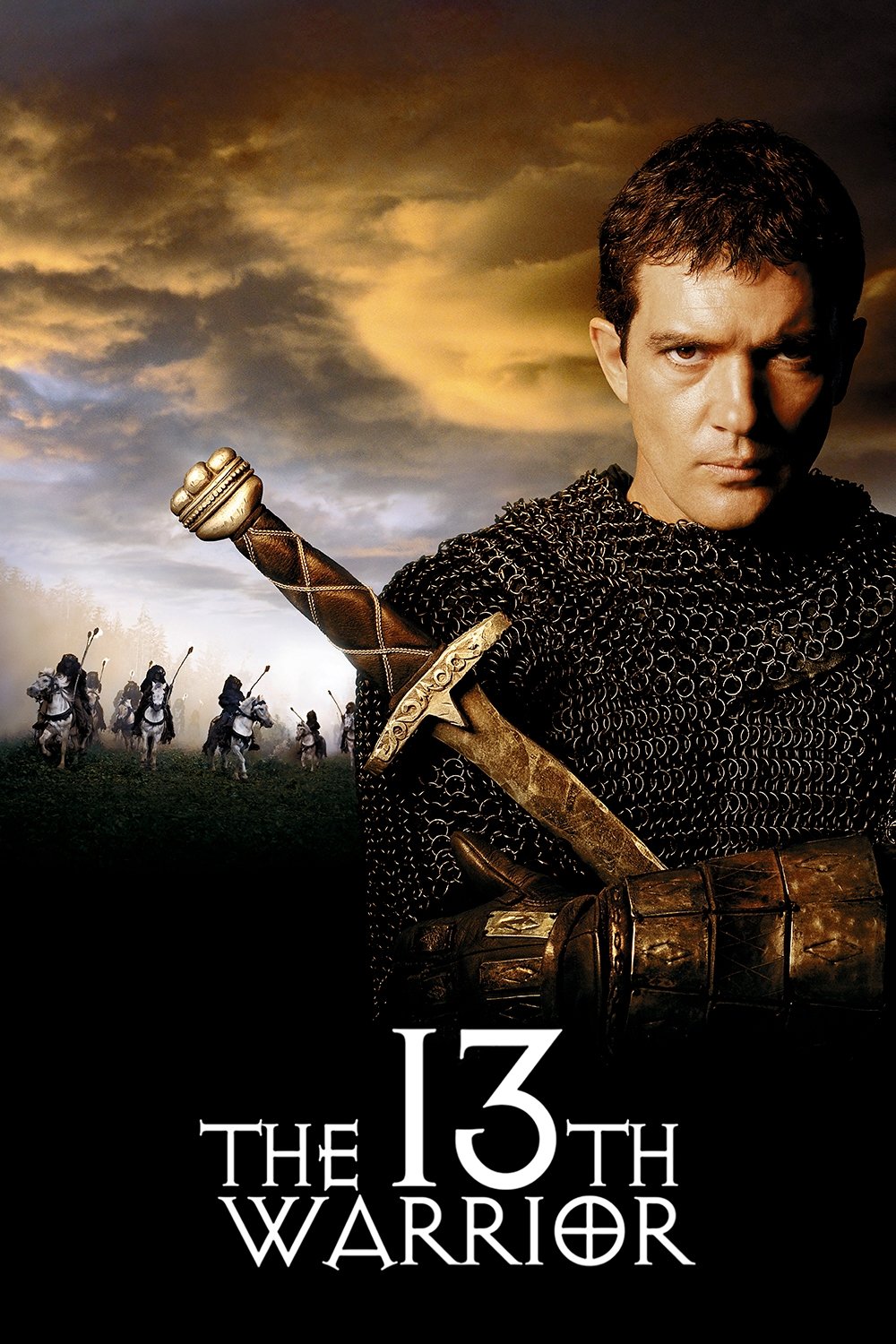
Extensive reshoots were ordered after test screenings revealed problems with pacing and tone, leading to new scenes and a reworked ending. A different creative team stepped in for parts of postproduction, which meant fresh scoring and editing runs that added cost.
Multiple release date shifts extended marketing and interest costs over a longer period. The movie’s box office fell short of its swollen negative cost, making it one of the most cited overruns of its era.
‘King Kong’ (2005)

Digital creatures and cityscapes demanded long rendering times and large visual effects teams, which expanded vendor budgets. The production also carried a long editorial period with complex sound and music work to support the scale of the action.
New Zealand based shoots added travel and housing for international crew members. Although expenses rose well beyond early targets, strong global turnout and robust home sales helped the studio manage the final tally.
‘The Wolfman’ (2010)

A late shift in creative direction prompted major reshoots and a new cut, which required rebuilding sets and bringing stars back on the clock. The plan pivoted from practical effects to heavier digital augmentation, raising vendor invoices.
The release date moved as the team refined the movie, adding months of carrying costs and marketing adjustments. Revenue from theaters and later platforms helped, but the inflated budget remained difficult to cover.
‘John Carter’ (2012)
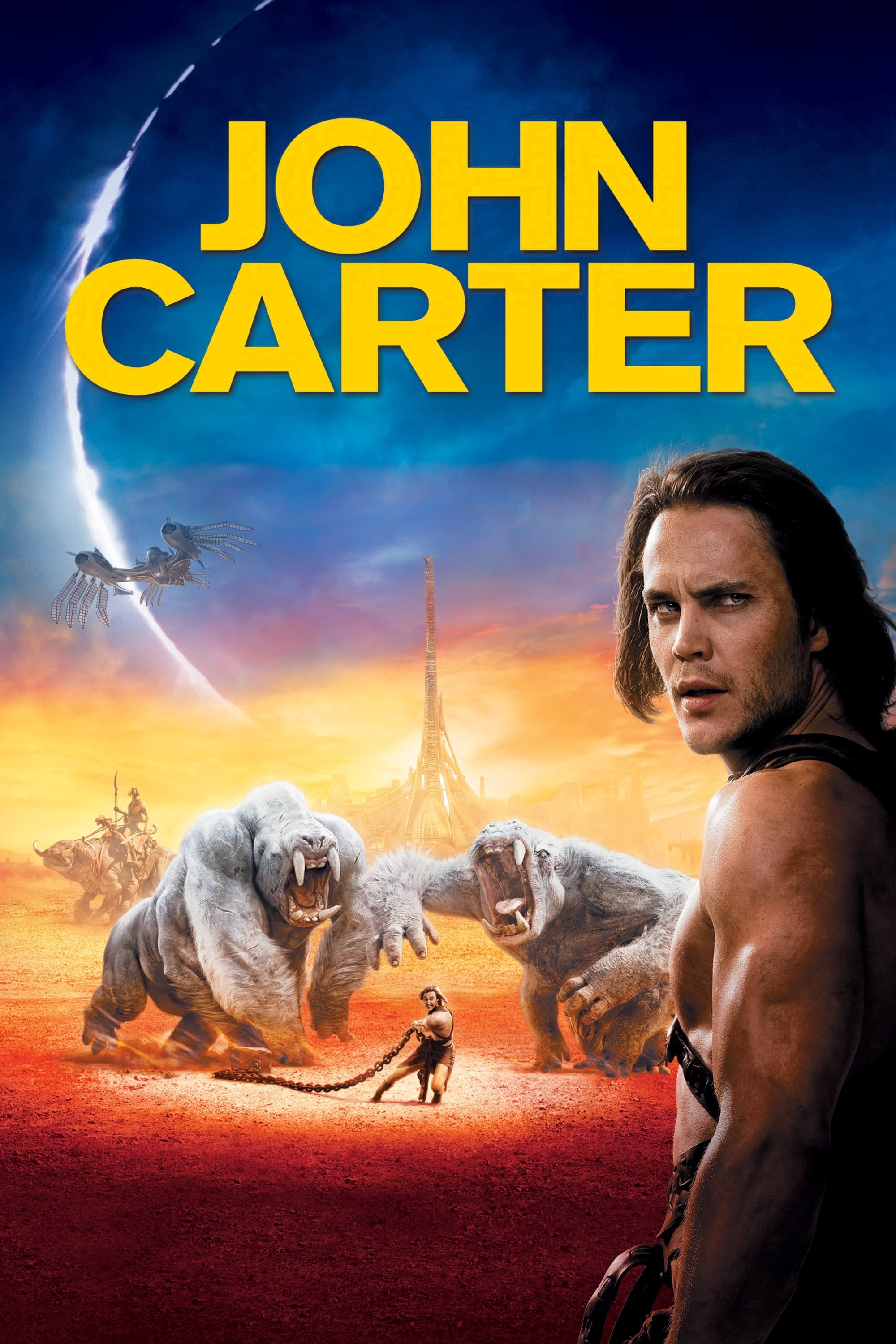
Designing alien worlds and large scale action required extensive visual effects that grew past early bids. Story changes during postproduction led to added sequences and longer rendering schedules.
A global ad campaign expanded as the studio worked to introduce unfamiliar source material to mass audiences. Even with a wide release, total revenue did not offset the enlarged production and marketing spend.
‘The Lone Ranger’ (2013)

Production paused during budgeting disputes, then resumed with revised plans that still faced weather and location setbacks. Large set pieces combined with heavy stunt work increased insurance, safety, and overtime costs.
Postproduction involved significant effects integration for train sequences and environmental work. Despite a broad release, the movie’s returns could not keep pace with the final spend once all costs were counted.
‘World War Z’ (2013)
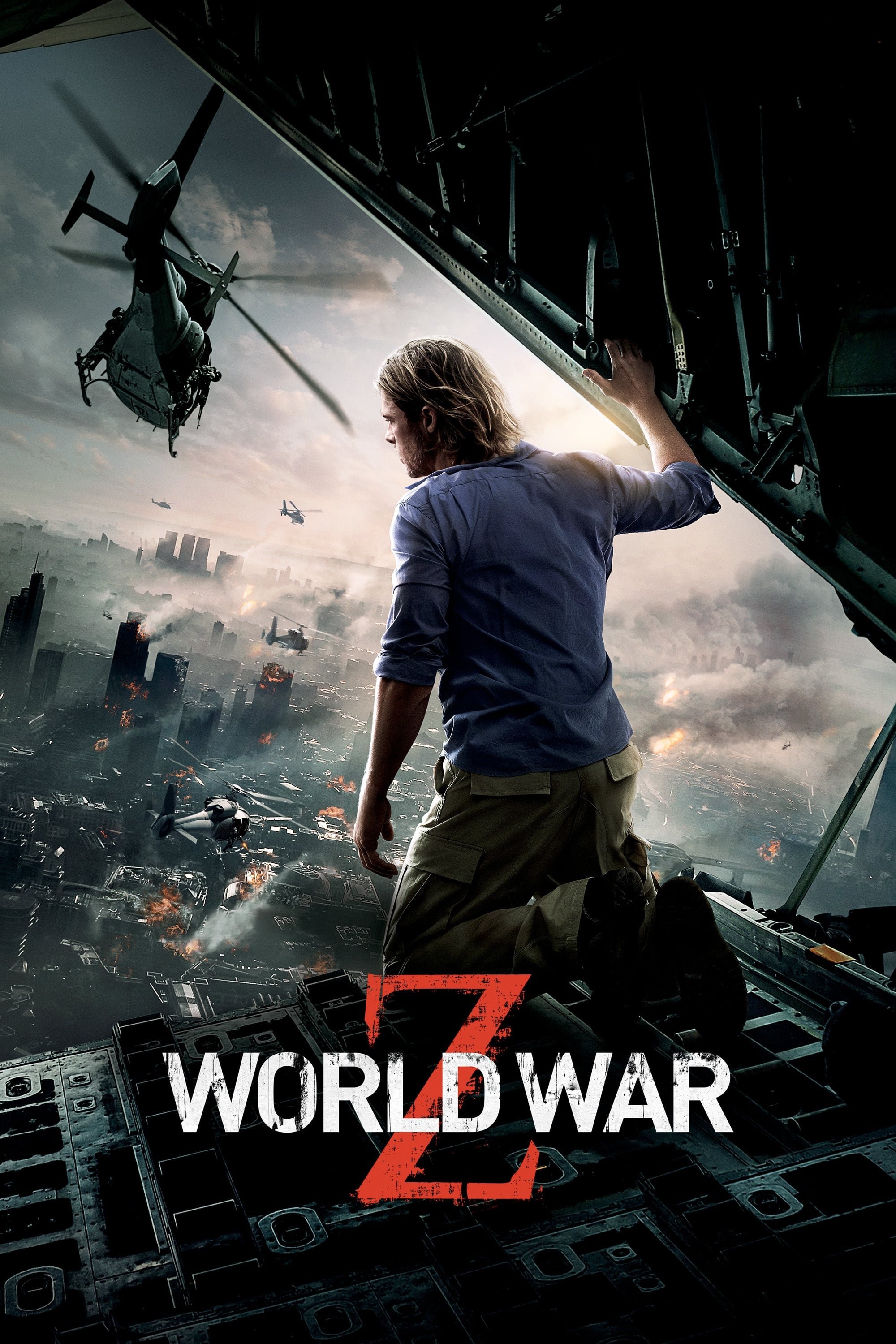
A major rewrite late in the process produced a new final act, which meant assembling cast and crew for a substantial reshoot. The change required fresh sets, new action choreography, and a revised editorial plan.
Holding the film for a later release extended marketing and interest expenses. The movie ultimately sold well worldwide and on home platforms, which helped mitigate but not erase the earlier overruns.
‘Mad Max: Fury Road’ (2015)
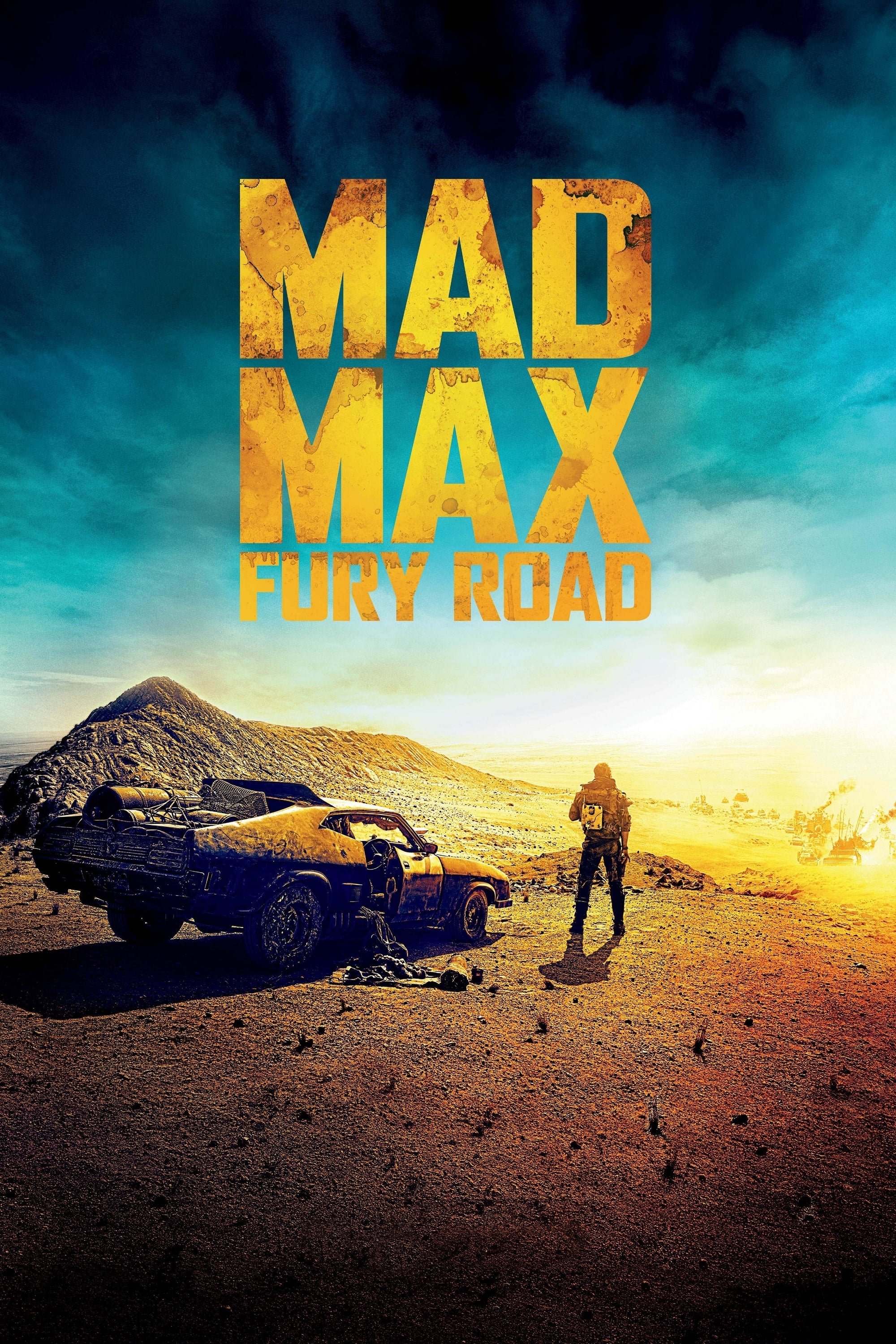
Shifting locations and unexpected weather forced the production to reconfigure months of planning, which led to additional prep and transport costs. Practical stunts demanded large safety teams, custom vehicles, and frequent repairs that stretched the budget.
A long editorial process refined action beats and world building, with effects work layered on top of practical footage. Strong global results and awards attention helped balance the higher than planned negative cost.
‘Justice League’ (2017)

A change in directors midstream prompted extensive reshoots and a fresh editorial approach, with new scenes and dialogue passes. Scheduling conflicts required costly coordination to reunite a large ensemble cast.
Digital fixes and added sequences raised visual effects costs far above early estimates. The theatrical release generated significant revenue, but the final budget figure remained one of the largest for a superhero title at that time.
‘Solo: A Star Wars Story’ (2018)

After a mid production leadership change, large portions of the movie were reshot, which meant reassembling sets and extending crew deals. New scenes and tonal adjustments required additional editorial and scoring work.
The extended schedule increased vendor spending for effects and sound. The film opened widely but faced stiff competition, and total earnings did not fully offset the increased negative cost.
‘No Time to Die’ (2021)

Multiple delays and a lengthy shoot added carrying costs, with location changes and safety protocols pushing daily spending higher. Complex action sequences required specialized rigs, extensive second unit work, and expanded insurance coverage.
Marketing plans were adjusted more than once, which meant fresh campaigns and updated materials. The film drew strong global interest and premium format surcharges, helping the studio manage a budget that had grown well beyond the original plan.
‘Last Action Hero’ (1993)
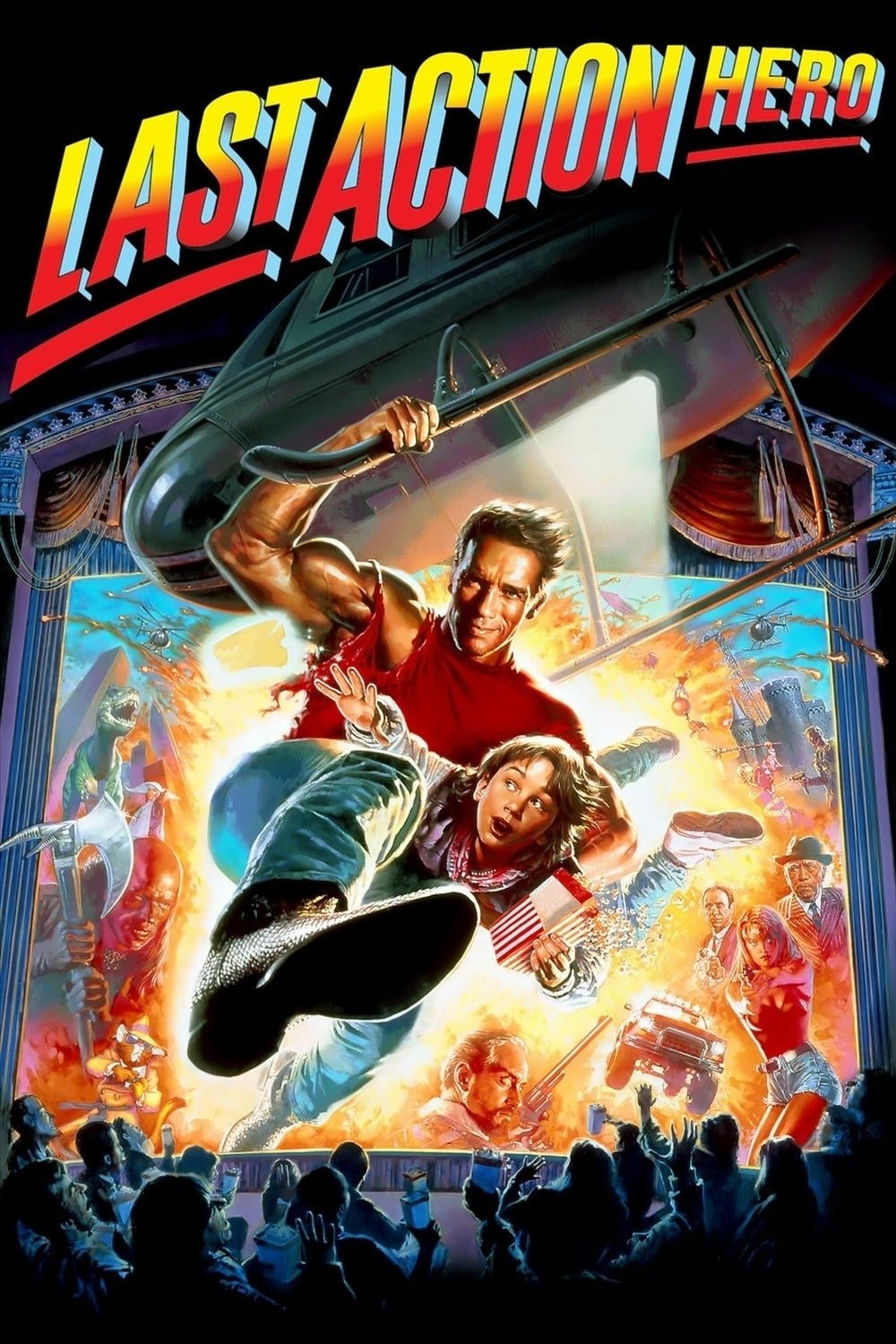
A compressed postproduction schedule drove up overtime in editorial, sound, and visual effects as the team raced to meet a fixed release window. Test screenings led to revisions that added costs close to the finish line.
A large promotional push rolled out across television, print, and tie in merchandise, which stacked on top of a rising negative cost. The movie opened in a crowded marketplace, and its earnings could not fully cover the expanded spend.
Share your own picks for budget busting films in the comments and tell us which behind the scenes stories surprised you most.