

Iconic Games With Plot Twists That Players Still Debate

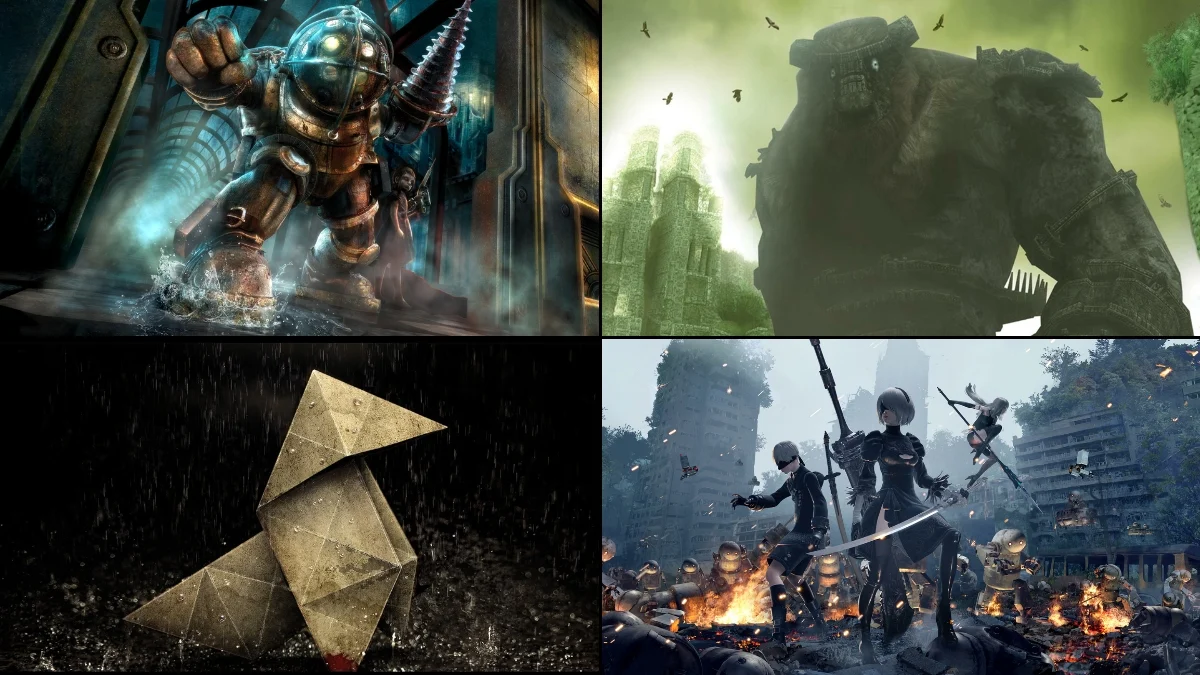


Video games have evolved from simple entertainment into complex narrative experiences that often rival literature and cinema. One of the most effective tools in a writer’s arsenal is the plot twist, a revelation that shifts the player’s perspective on everything they have experienced thus far. These narrative pivots can redefine character motivations, recontextualize previous actions, or entirely subvert the player’s understanding of the game world. Even years after their release, certain titles continue to spark intense debates regarding their ending revelations and the philosophical questions they pose.
‘BioShock’ (2007)
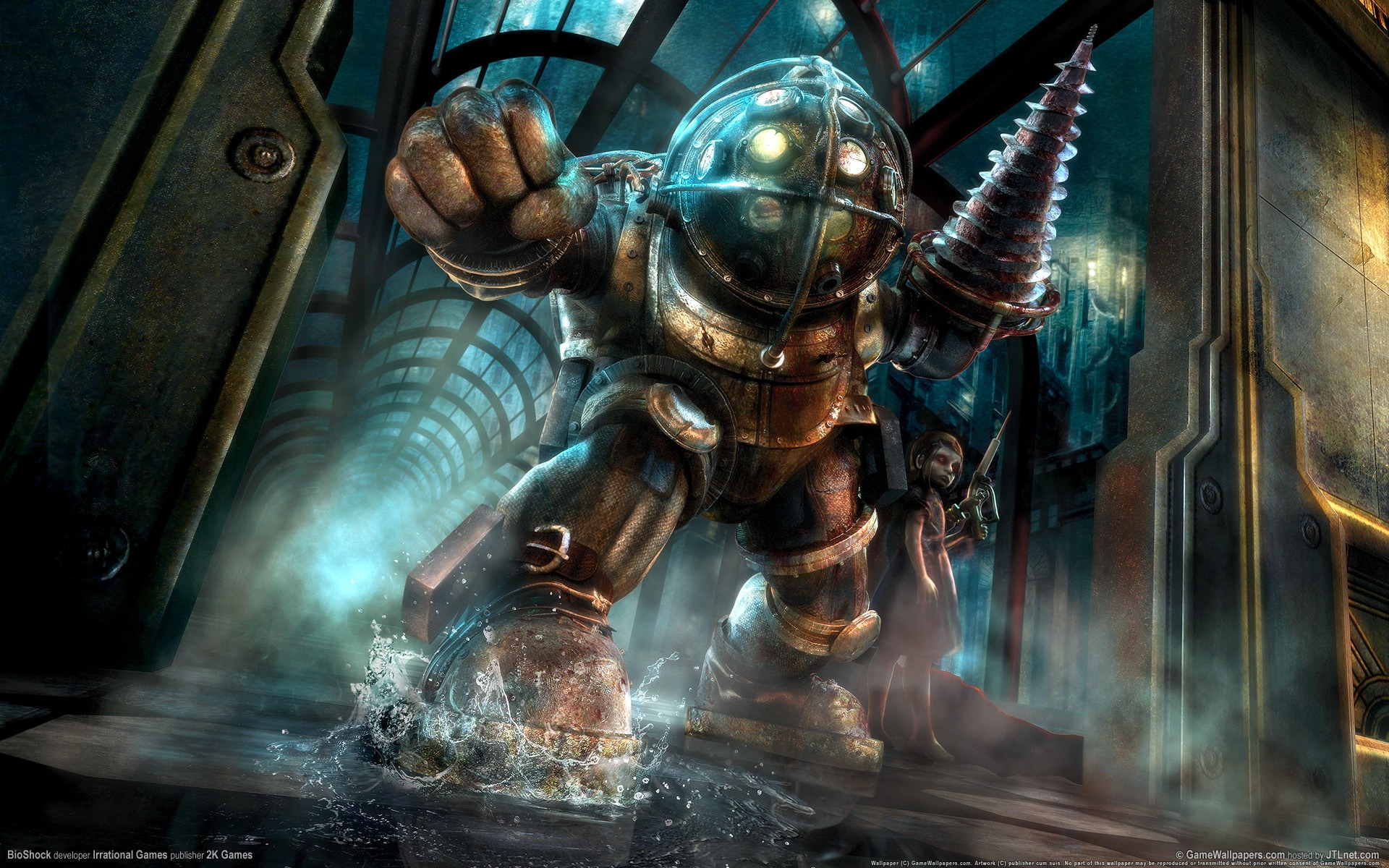
Developed by Irrational Games and published by 2K, ‘BioShock’ takes place in the decaying underwater city of Rapture. The protagonist, Jack, is guided by a mysterious figure named Atlas who uses the phrase “would you kindly” to direct his actions. The late-game revelation that Jack is a conditioned sleeper agent following linguistic triggers fundamentally changes the player’s relationship with the narrative. This twist is frequently cited in discussions about agency and the illusion of choice in modern game design.
‘Metal Gear Solid 2: Sons of Liberty’ (2001)
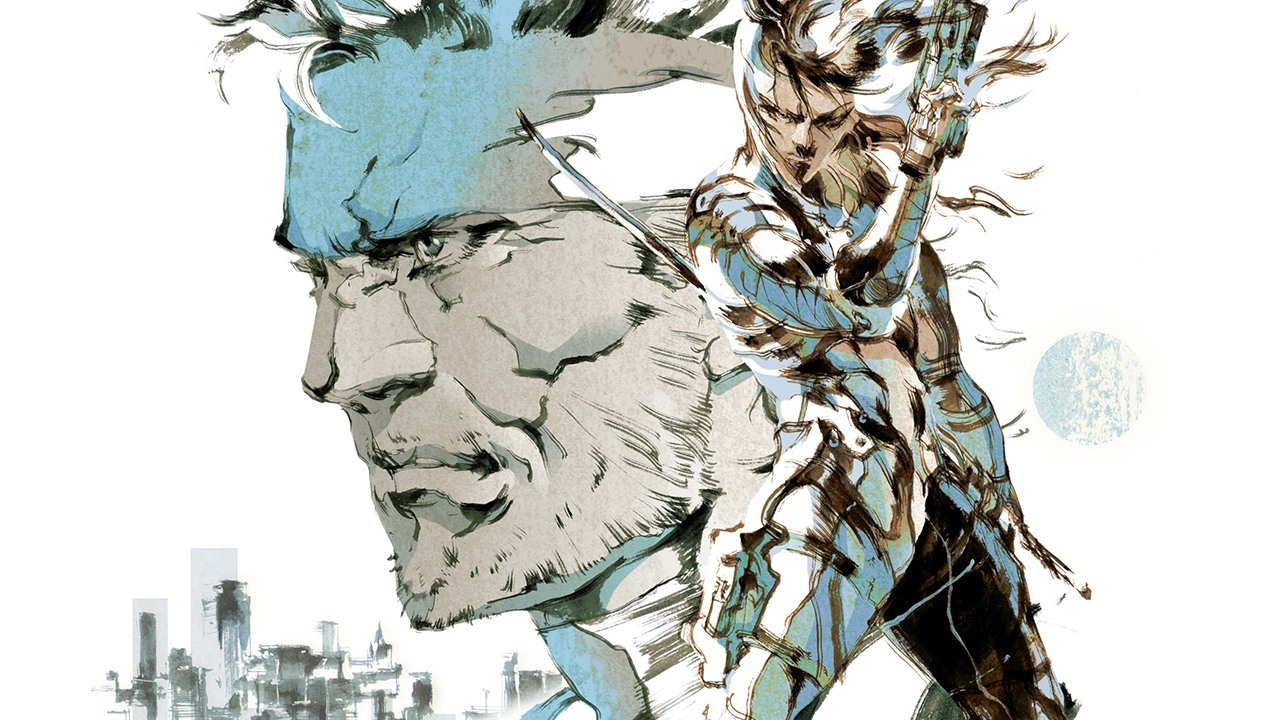
This title was developed and published by Konami under the direction of Hideo Kojima. It famously replaced the series’ established hero, Solid Snake, with a new character named Raiden for the majority of the campaign. The narrative eventually spirals into a surreal exploration of digital information control and the manipulation of the human experience by an artificial intelligence collective. Critics and fans still analyze the game’s meta-commentary on the relationship between the player and the medium.
‘Silent Hill 2’ (2001)
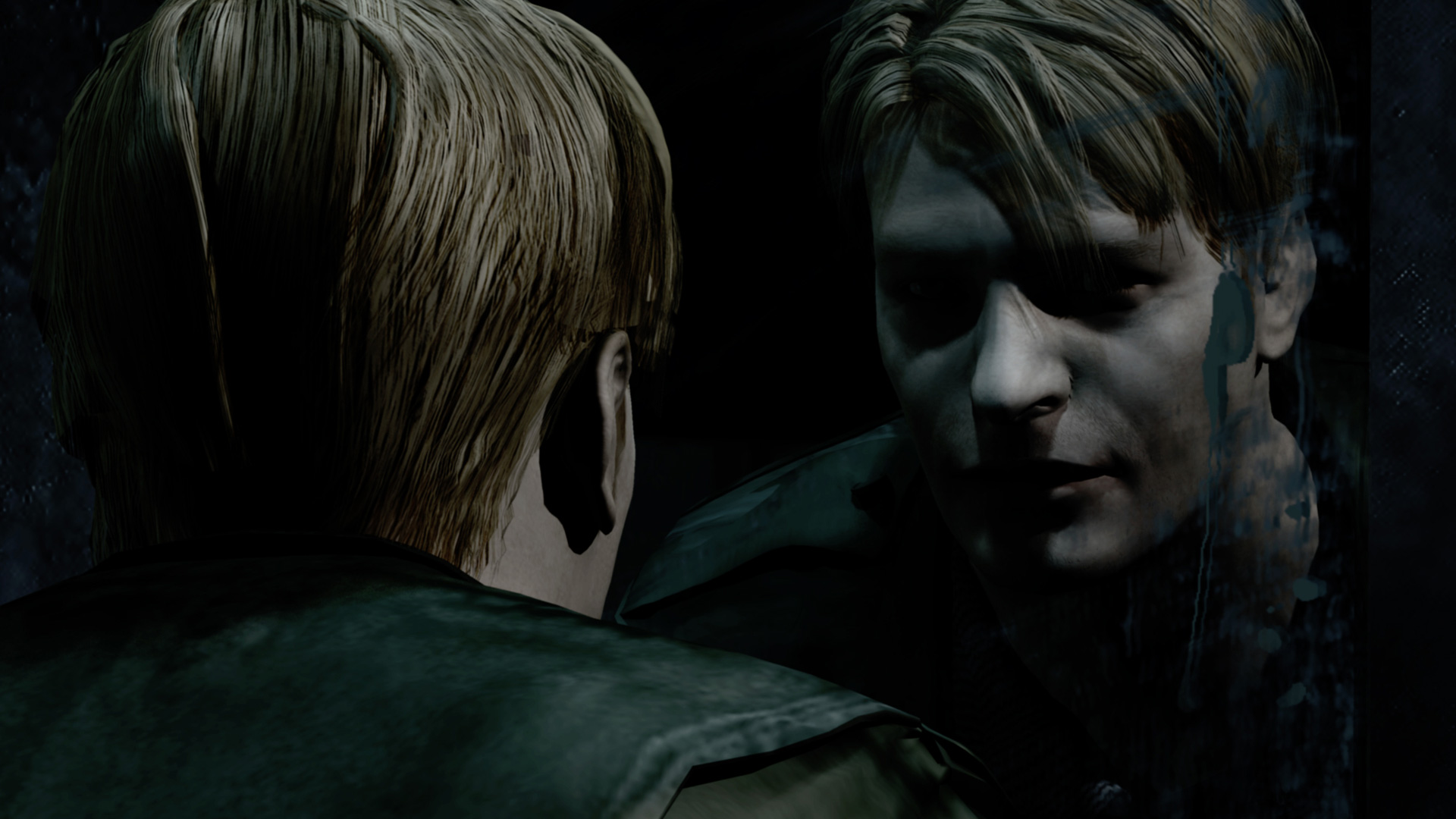
Developed by Team Silent and published by Konami, this survival horror masterpiece follows James Sunderland as he searches for his deceased wife. The plot twist reveals that James’s journey is a manifestation of his own guilt and repressed trauma regarding his wife’s death. The monsters and environments are revealed to be personalized psychological projections rather than simple supernatural entities. This narrative depth has made the game a subject of academic study regarding symbolism in digital media.
‘The Last of Us Part II’ (2020)
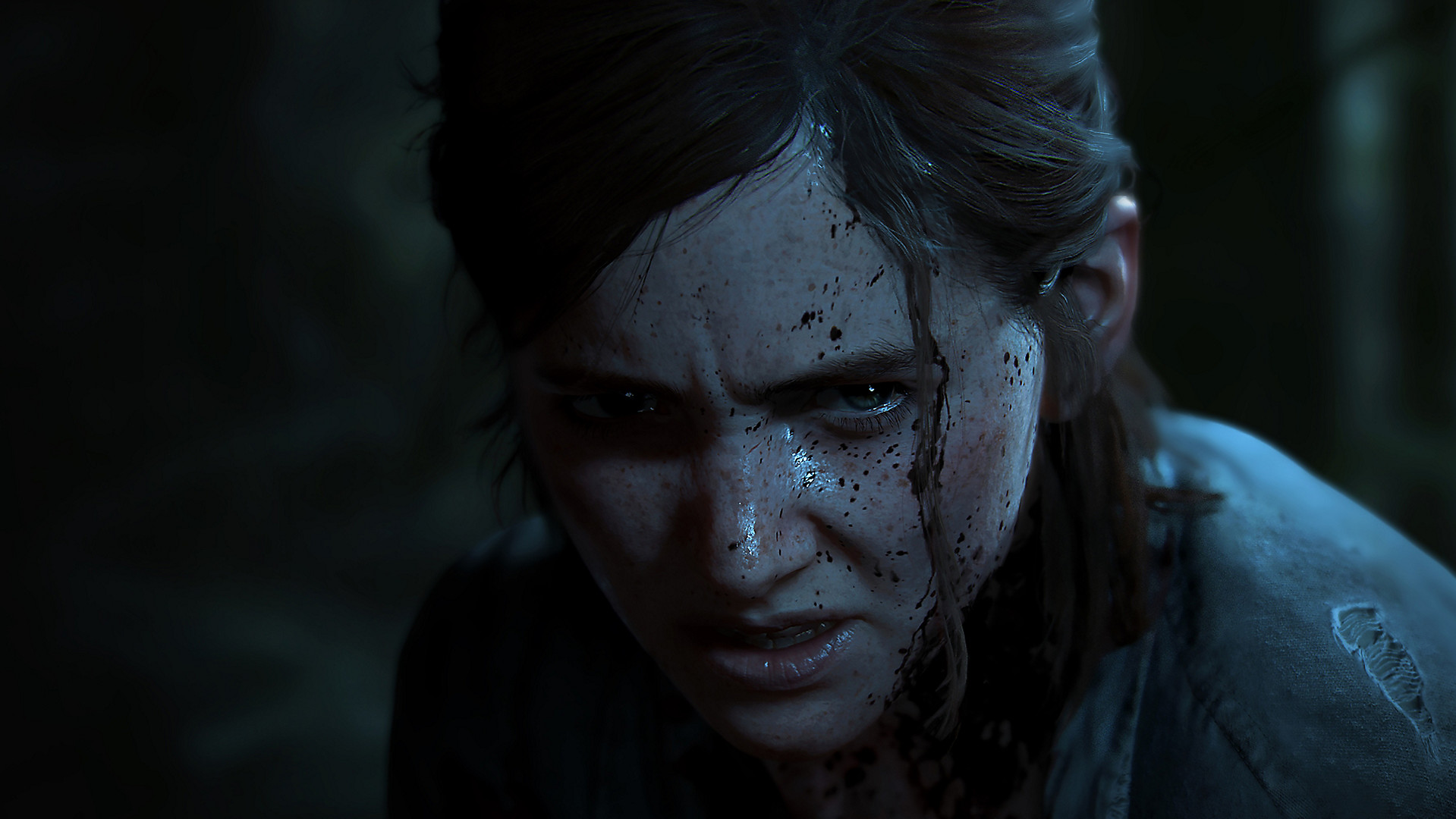
Naughty Dog developed this sequel while Sony Interactive Entertainment handled its global publication. The story takes a controversial turn early on by killing the previous protagonist, Joel, and forcing players to experience half the game through the perspective of his killer, Abby. This perspective shift challenges the player’s sense of tribalism and the traditional hero-villain dichotomy. The game remains a polarizing topic among fans who debate the effectiveness of its structural subversion.
‘Shadow of the Colossus’ (2005)
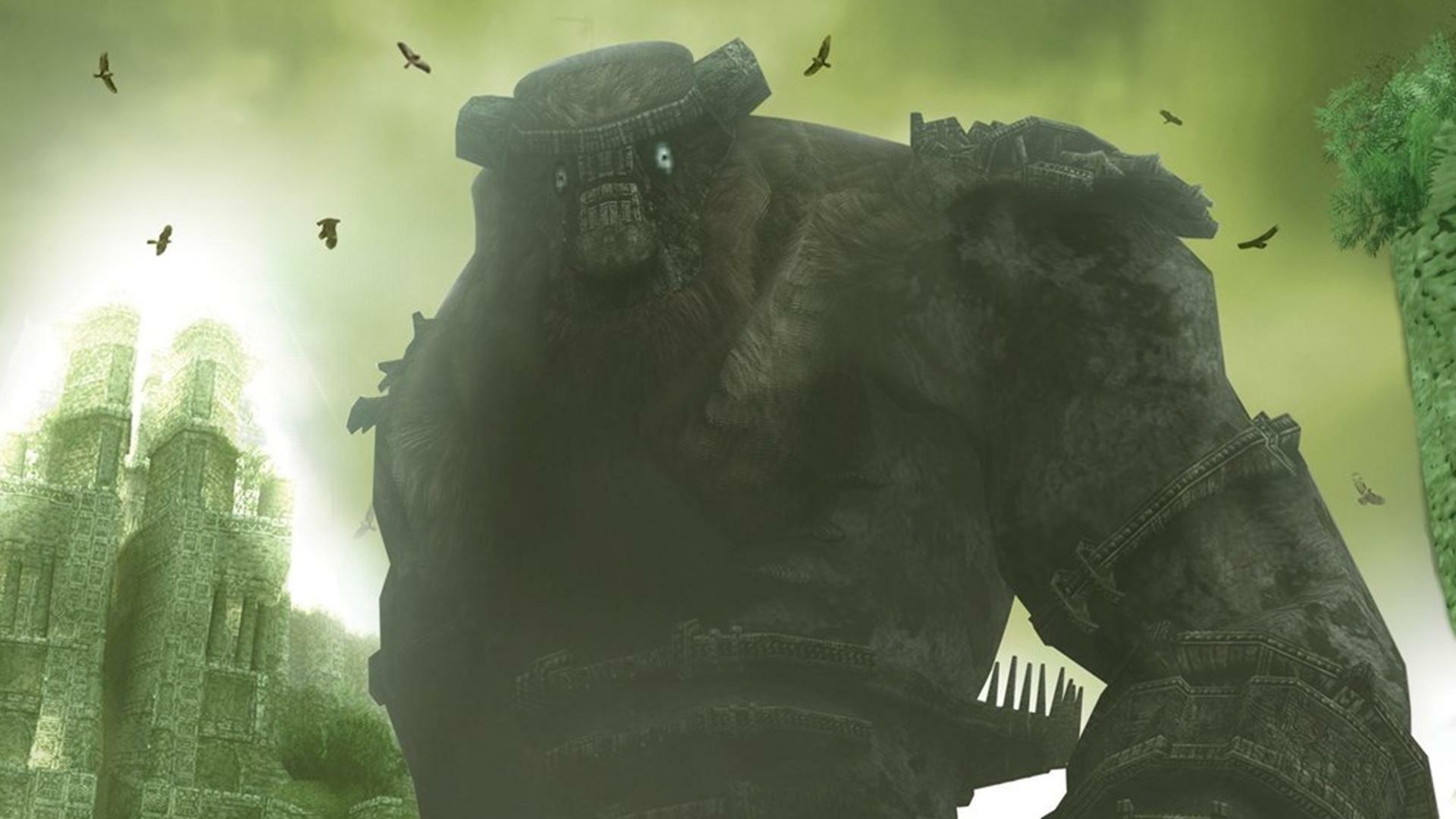
Developed by Team Ico and published by Sony Computer Entertainment, ‘Shadow of the Colossus’ follows Wander as he slays sixteen colossi to resurrect a girl named Mono. As the journey progresses, Wander’s physical appearance deteriorates, signaling that his noble quest has a darker cost. The final twist reveals that the player has been an unwitting pawn in releasing an ancient, malevolent entity known as Dormin. This subversion of the “slay the monster” trope continues to be a point of discussion regarding narrative morality and unintended consequences.
‘Spec Ops: The Line’ (2012)
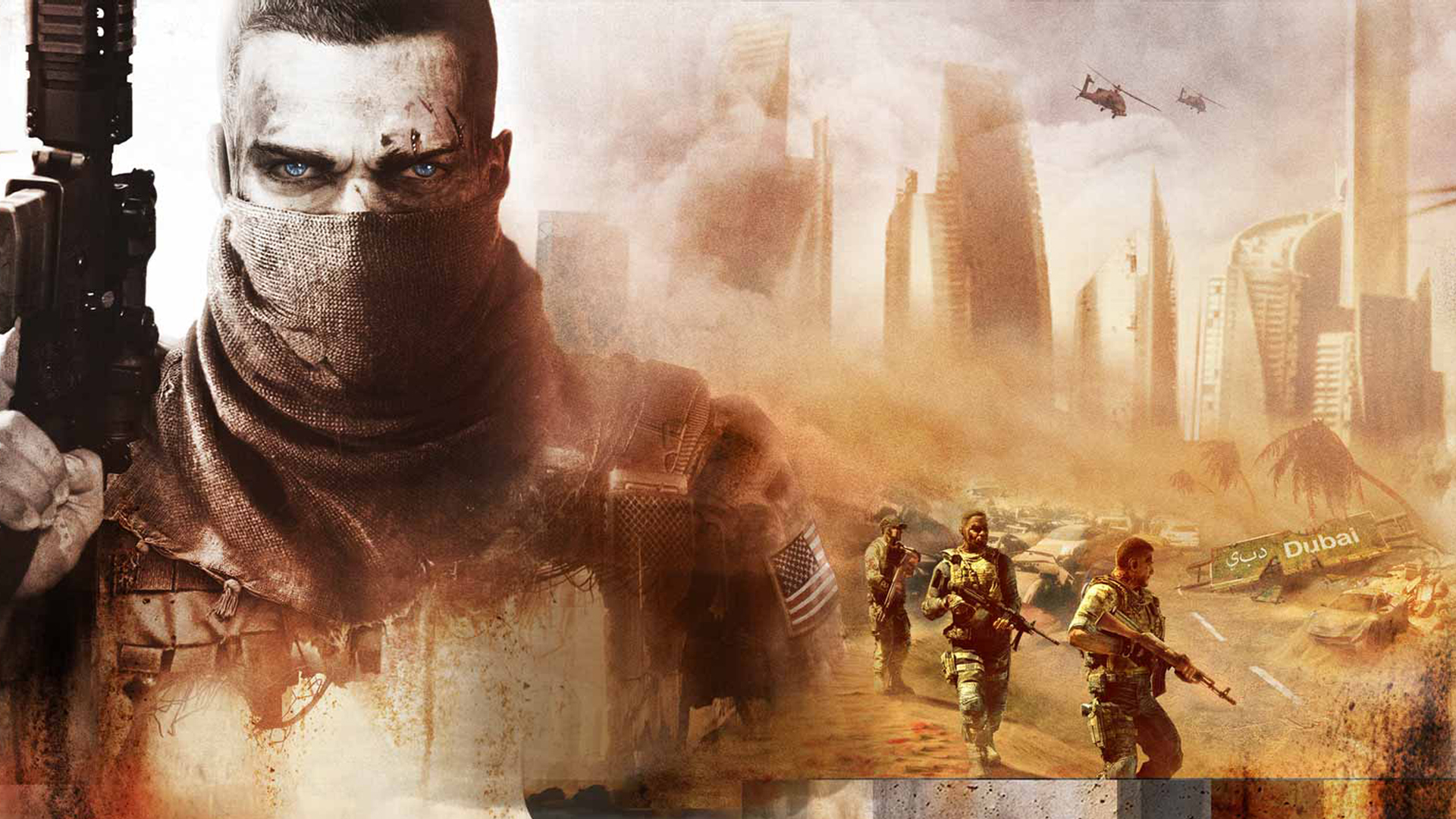
Developed by Yager Development and published by 2K, this shooter is set in a sandstorm-devastated Dubai. The story begins as a standard military rescue mission but descends into a harrowing exploration of war crimes and psychological collapse. The protagonist, Captain Walker, discovers that many of his perceived enemies and the mission’s objectives were hallucinations caused by his trauma. The game’s commentary on the desensitization of players to military violence remains highly influential within the industry.
‘Braid’ (2008)
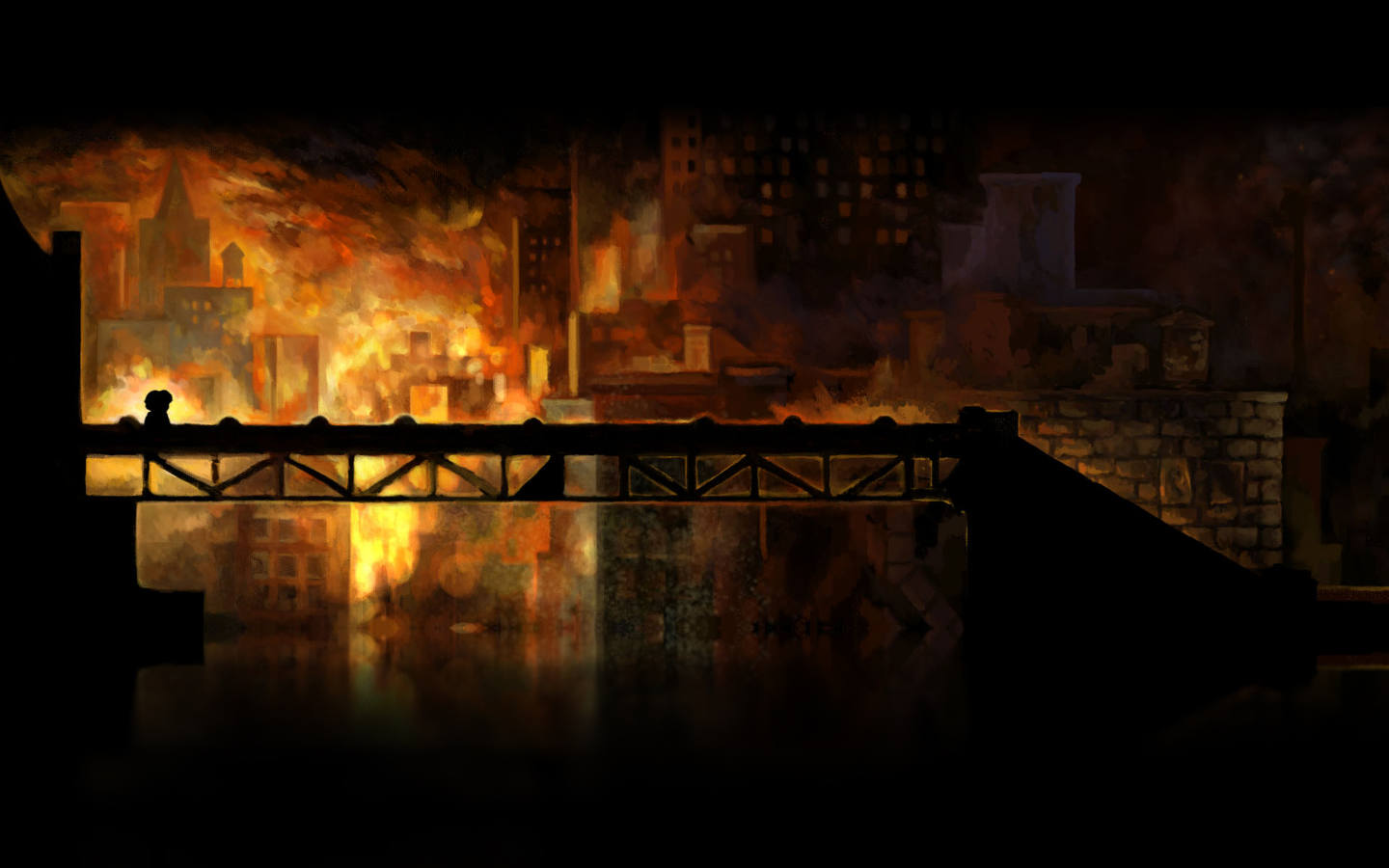
Developed and published by Number None, this indie puzzle platformer features a protagonist named Tim who is searching for a princess. The manipulation of time is the core mechanic, but the final level reverses the flow of time to reveal a shocking truth. Instead of Tim rescuing the princess from a monster, it is revealed that Tim is the monster she is fleeing from. This revelation recontextualizes every previous level as an act of pursuit rather than a rescue mission.
‘Star Wars: Knights of the Old Republic’ (2003)
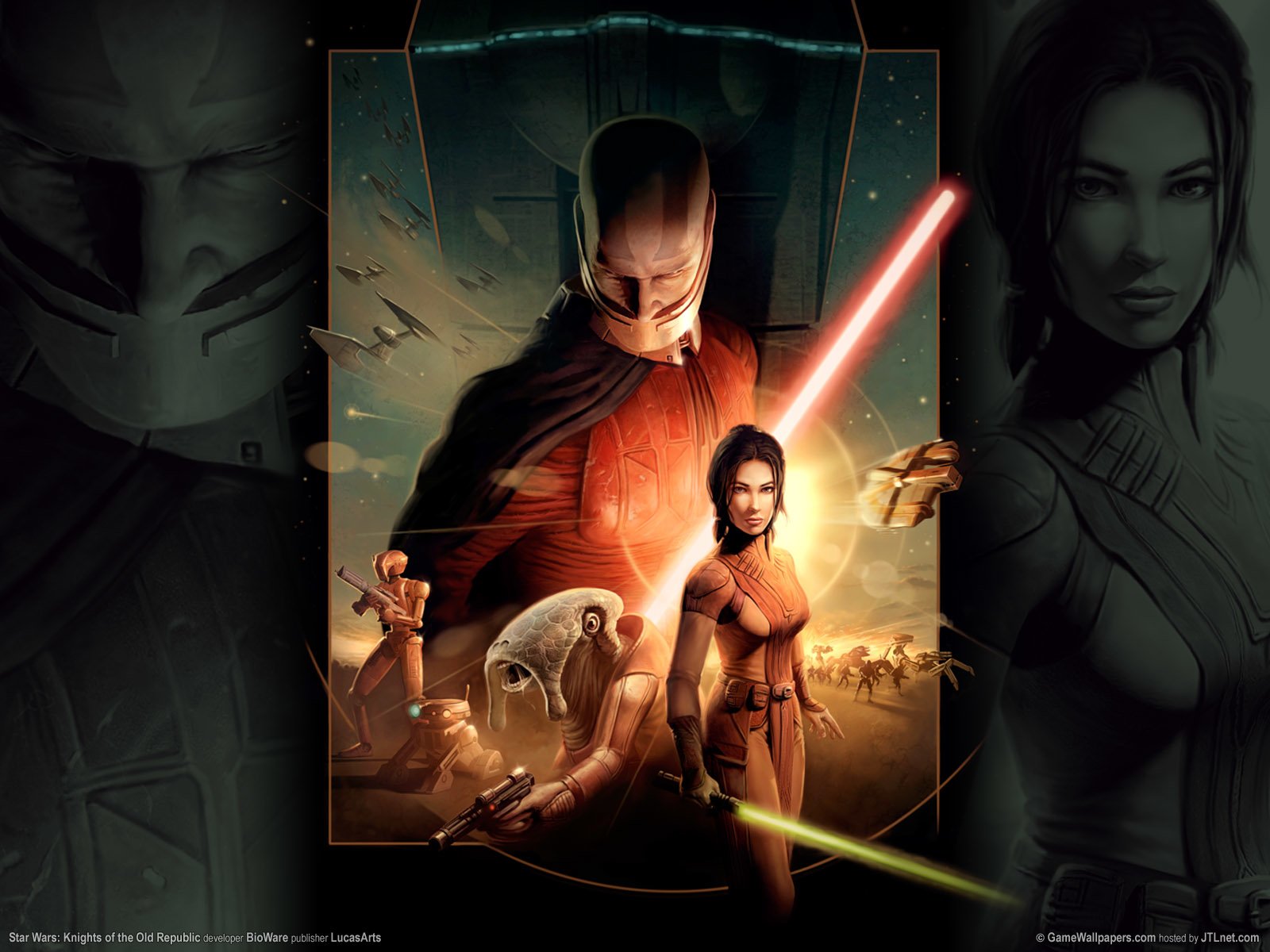
BioWare developed this RPG while LucasArts served as the publisher during its initial release in 2003. Players control a custom character who is caught in a galactic conflict between the Republic and the Sith Lord Malak. A mid-game revelation informs the player that their character is actually Darth Revan, the former Sith Master who had been mind-wiped by the Jedi. This twist is considered a landmark moment for narrative role-playing games because it integrates player identity with the lore of the franchise.
‘God of War’ (2018)
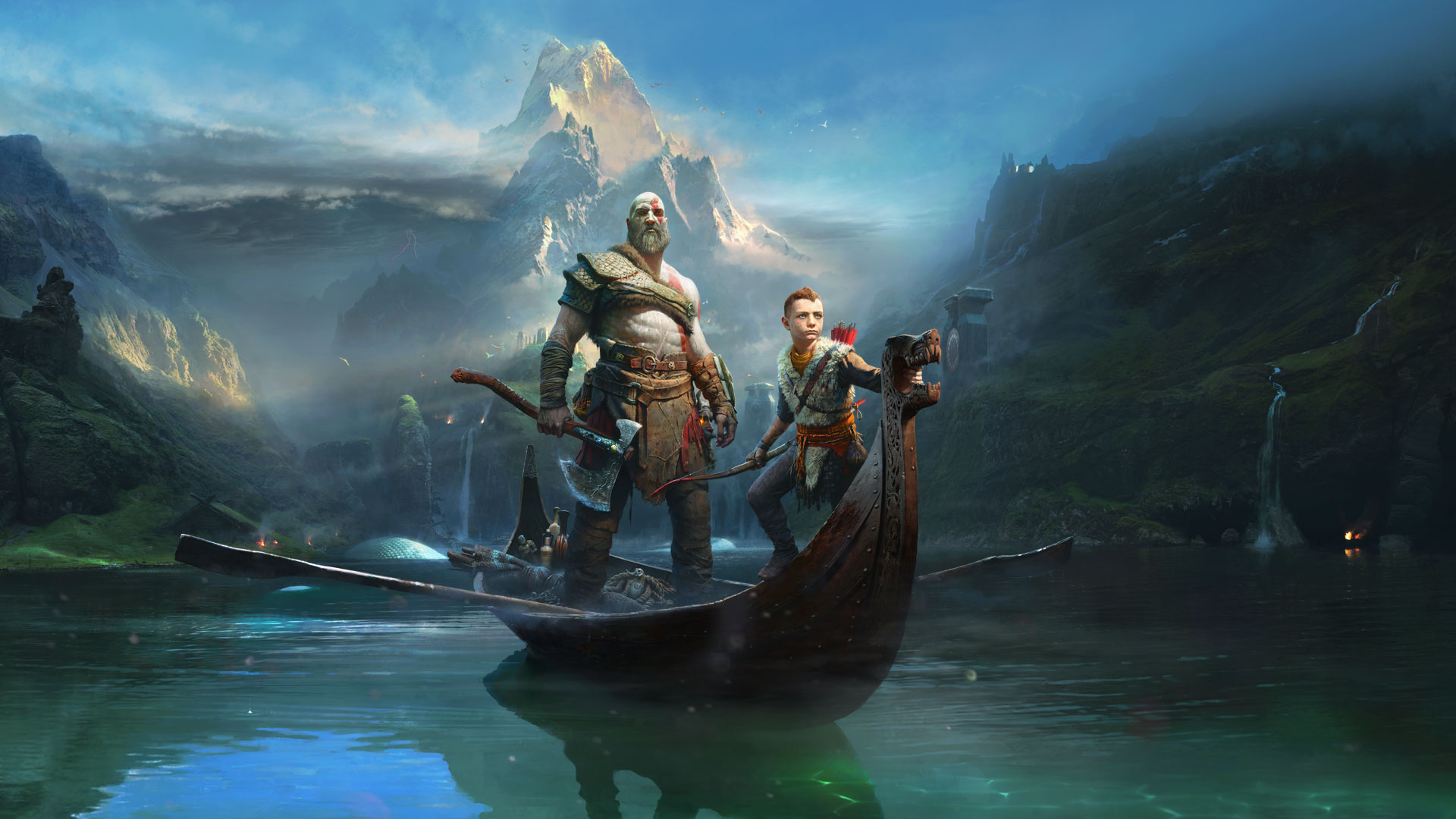
Santa Monica Studio developed this Norse-inspired reboot, which was published by Sony Interactive Entertainment. The story focuses on Kratos and his young son, Atreus, as they travel to the highest peak in the realms to scatter his wife’s ashes. The conclusion reveals that Atreus’s giant name is actually Loki, positioning him as a central figure in the future events of Ragnarök. This connection to established mythology created a wealth of fan theories regarding the timeline and fate of the series.
‘Heavy Rain’ (2010)
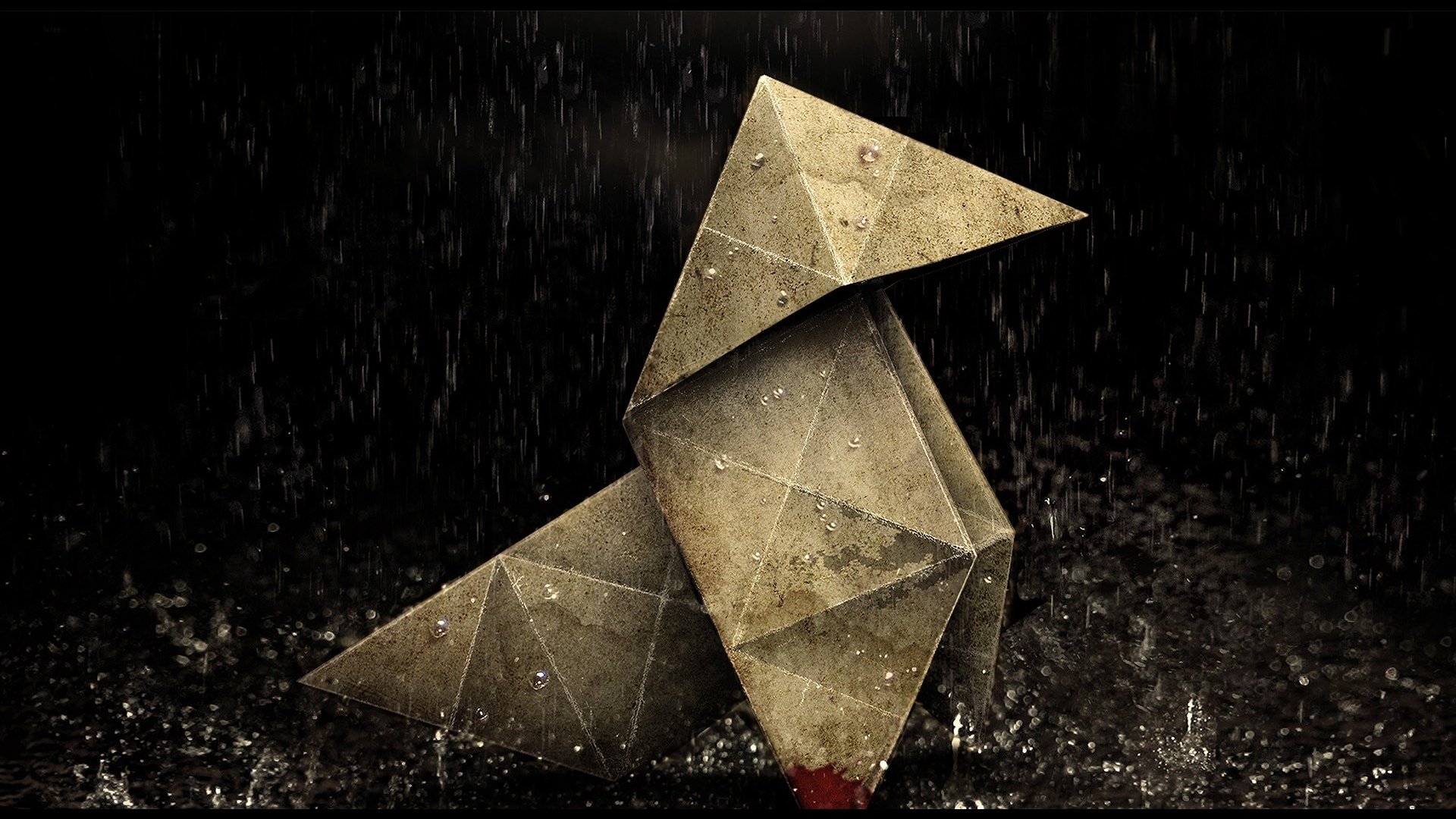
Developed by Quantic Dream and published by Sony Computer Entertainment, this cinematic thriller follows four characters searching for the Origami Killer. The game allows players to control each character, including private investigator Scott Shelby. The plot twist reveals that Shelby is the actual killer, meaning the player had been controlling the antagonist throughout his investigation. This narrative choice sparked significant debate over whether the game cheated the player by hiding the character’s internal thoughts and motivations.
‘Bloodborne’ (2015)
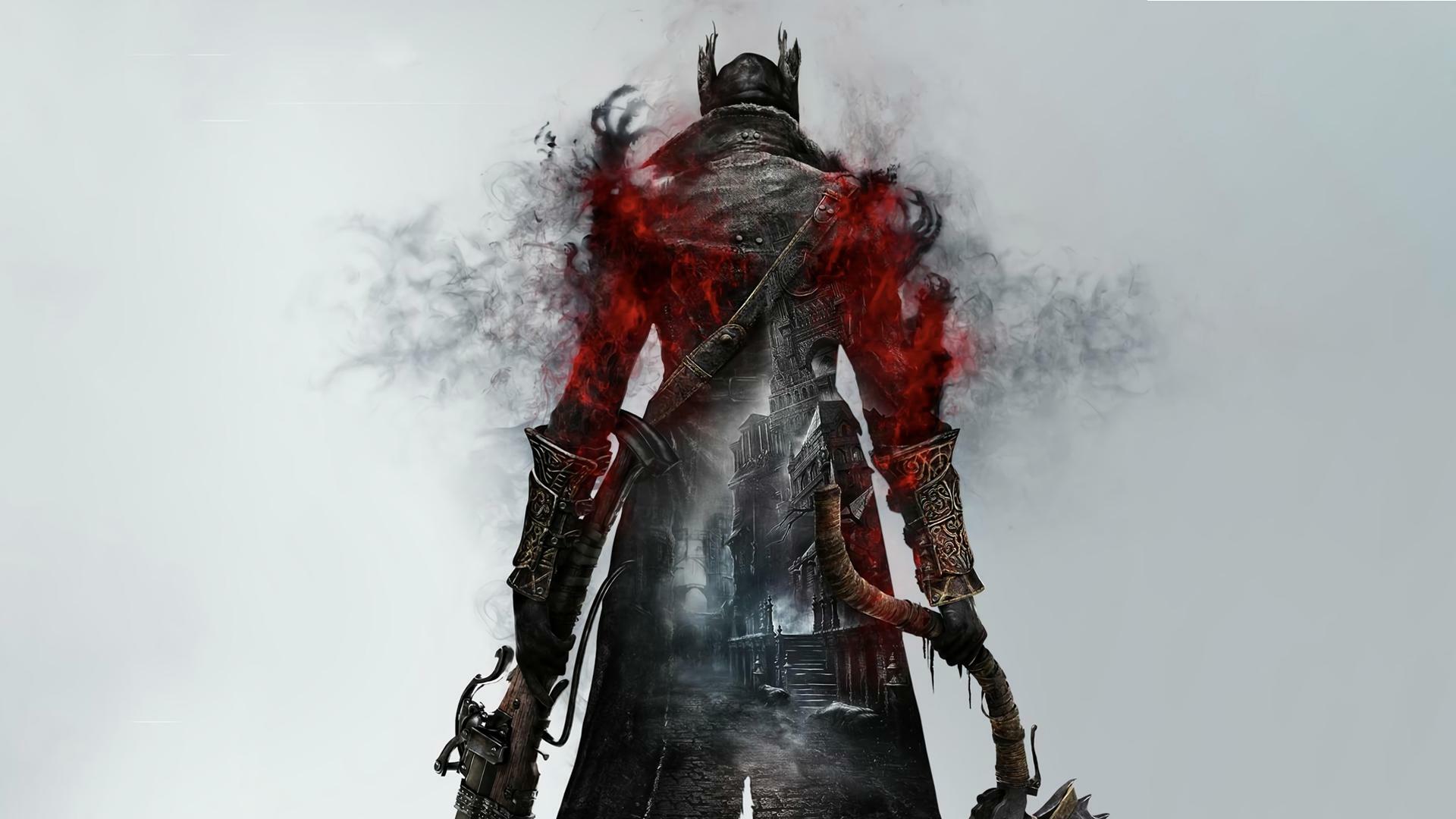
Developed by FromSoftware and published by Sony Computer Entertainment, this title initially presents itself as a Gothic horror story about hunting beasts. As players progress and gain “Insight,” the world shifts into a cosmic horror narrative involving eldritch gods from other dimensions. The transition from Victorian horror to Lovecraftian terror is executed through environmental changes and horrifying enemy designs. The ambiguity of the game’s various endings continues to fuel extensive lore analysis within the gaming community.
‘Horizon Zero Dawn’ (2017)
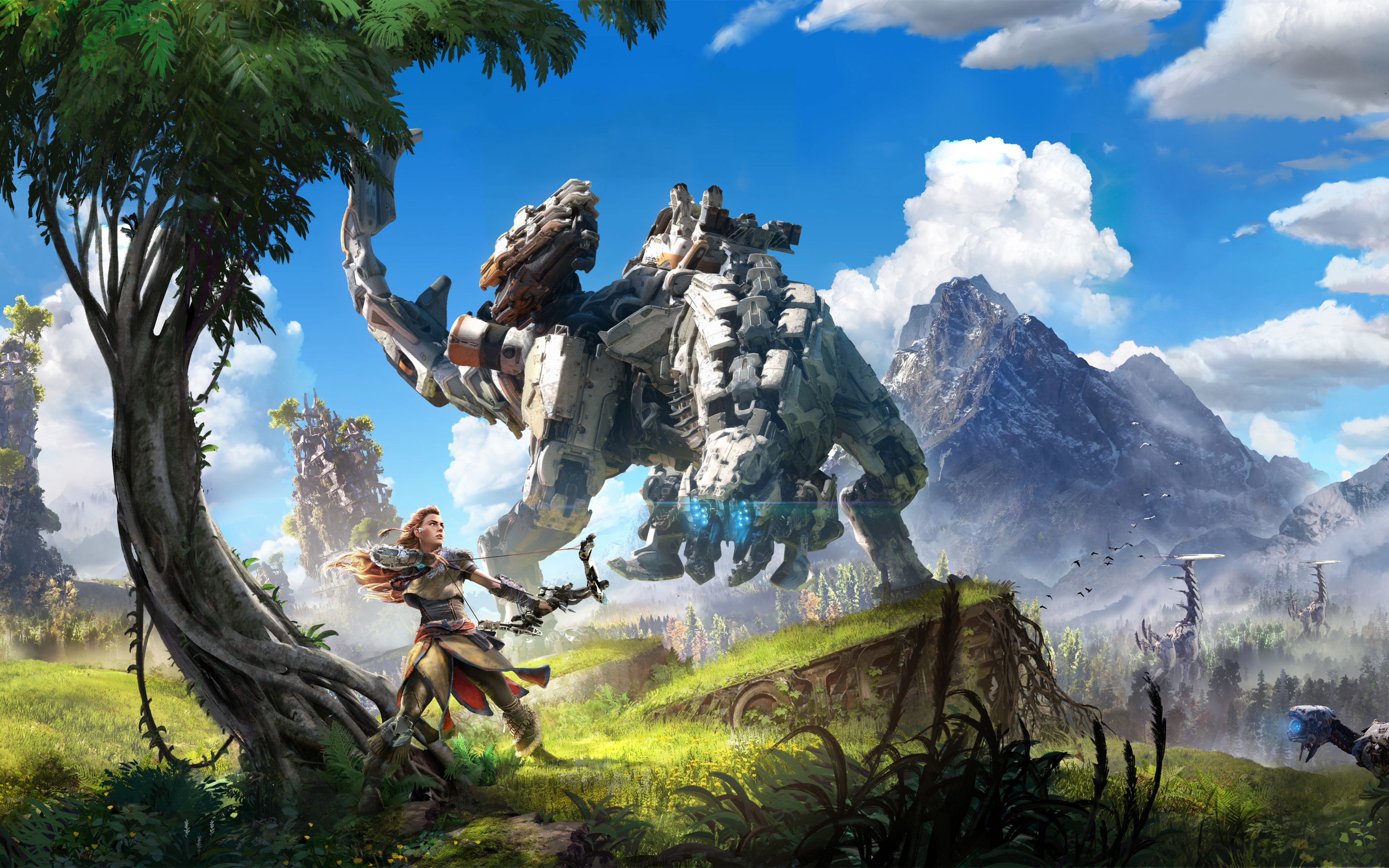
Guerrilla Games developed this open-world title, with Sony Interactive Entertainment handling publication duties. Set in a future where robotic creatures roam the earth, the protagonist Aloy seeks to discover why the ancient human civilization collapsed. The discovery of Project Zero Dawn reveals that the project was not a weapon to save humanity, but a system to reboot life after total extinction. This realization shifts the narrative focus from survival to the preservation of human knowledge and legacy across generations.
‘Doki Doki Literature Club!’ (2017)
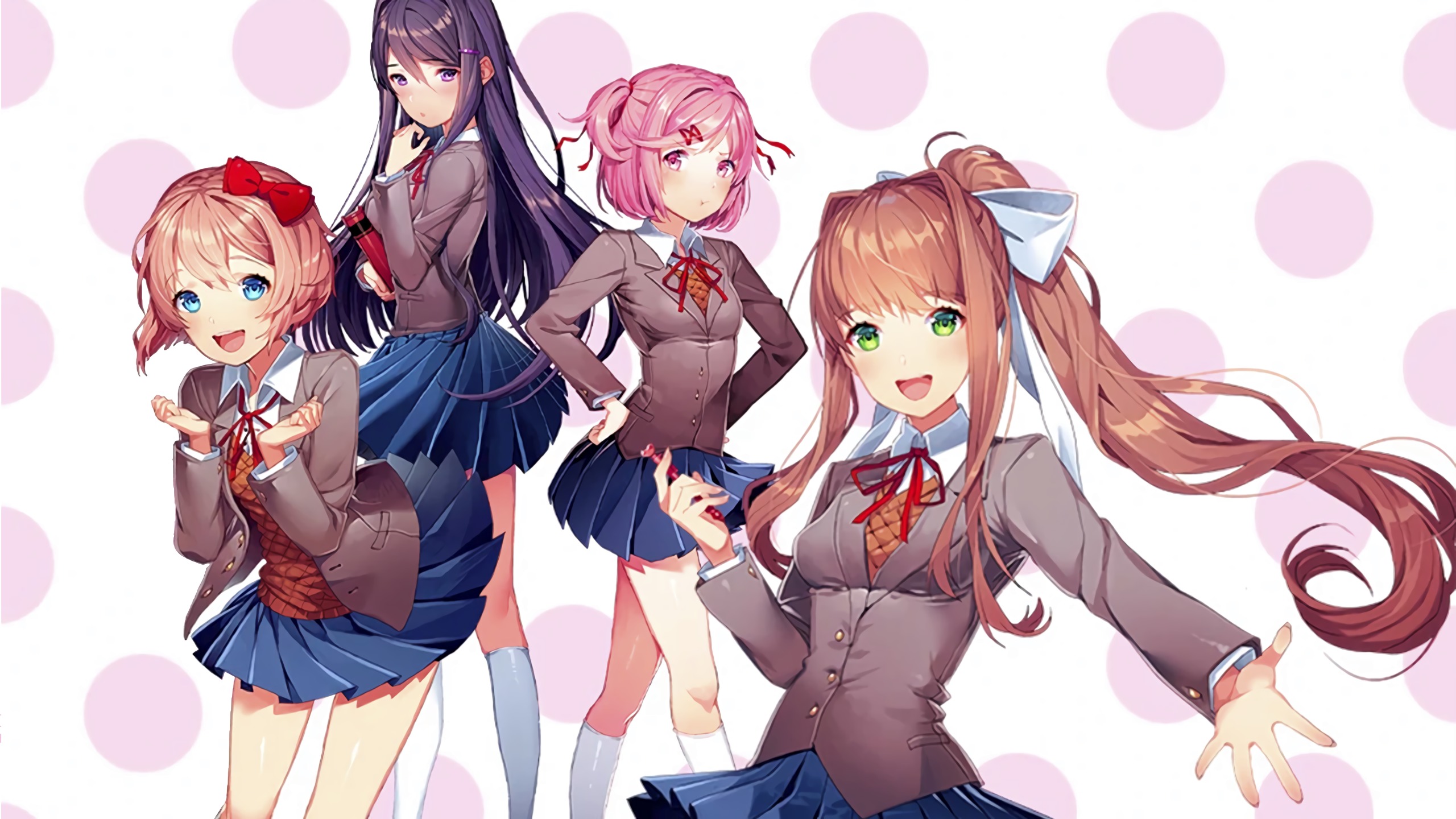
Team Salvato developed and published this psychological horror game, which masquerades as a standard dating simulator. The narrative takes a dark turn when one of the characters, Monika, reveals she is aware of the game’s code and the presence of the player. She begins deleting other characters and files on the player’s actual computer to force a relationship with the user. The breaking of the fourth wall serves as a central plot twist that remains a definitive example of the meta-horror subgenre.
‘Alan Wake’ (2010)
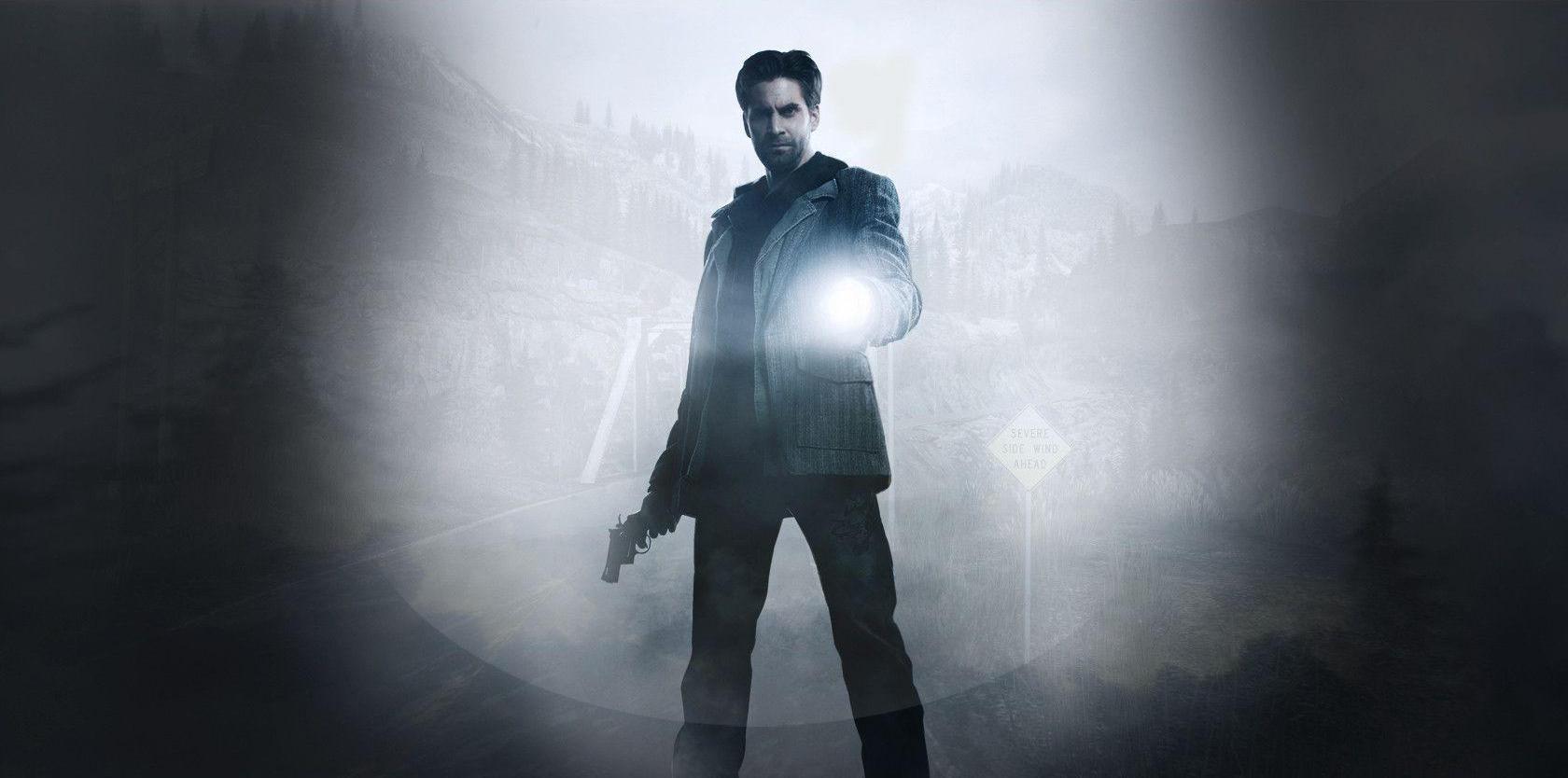
Developed by Remedy Entertainment and published by Microsoft Game Studios, ‘Alan Wake’ follows a thriller novelist who finds himself living out the plot of a book he doesn’t remember writing. As Alan battles “The Taken” in the town of Bright Falls, the lines between his fiction and reality become increasingly blurred. The ending leaves the nature of the “Dark Place” and Alan’s fate open to interpretation by the player. This ambiguity has led to years of speculation and was recently expanded upon in the developer’s connected universe of games.
‘Batman: Arkham City’ (2011)
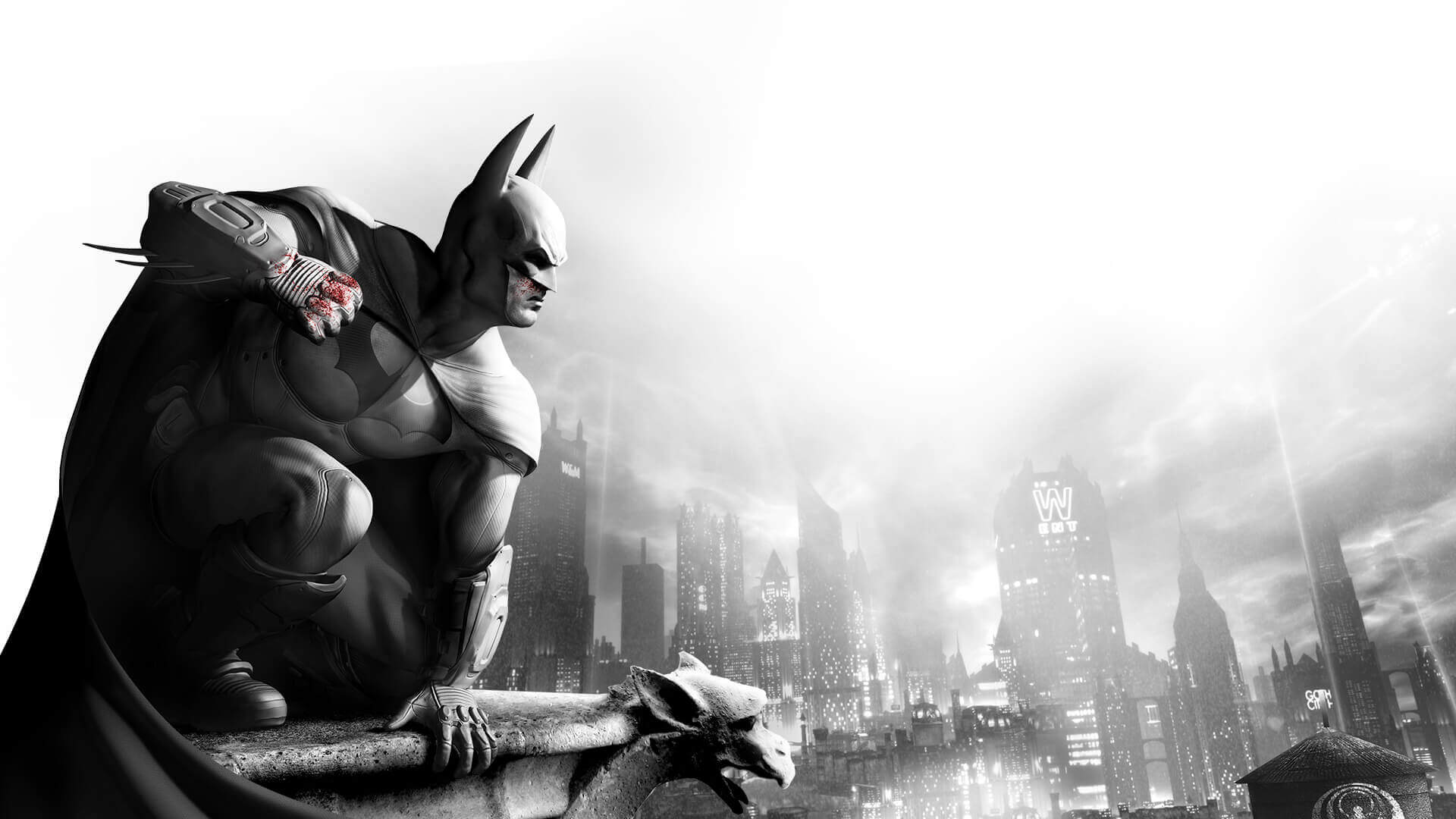
Rocksteady Studios developed this action-adventure title, which was published by Warner Bros. Interactive Entertainment. The story involves Batman being trapped in a massive prison district while the Joker suffers from a terminal illness. The finale reveals that the Joker who appeared healthy throughout the game was actually the shape-shifting Clayface. The subsequent death of the real Joker had a profound impact on the franchise’s narrative direction and the future of the series.
‘The Walking Dead’ (2012)
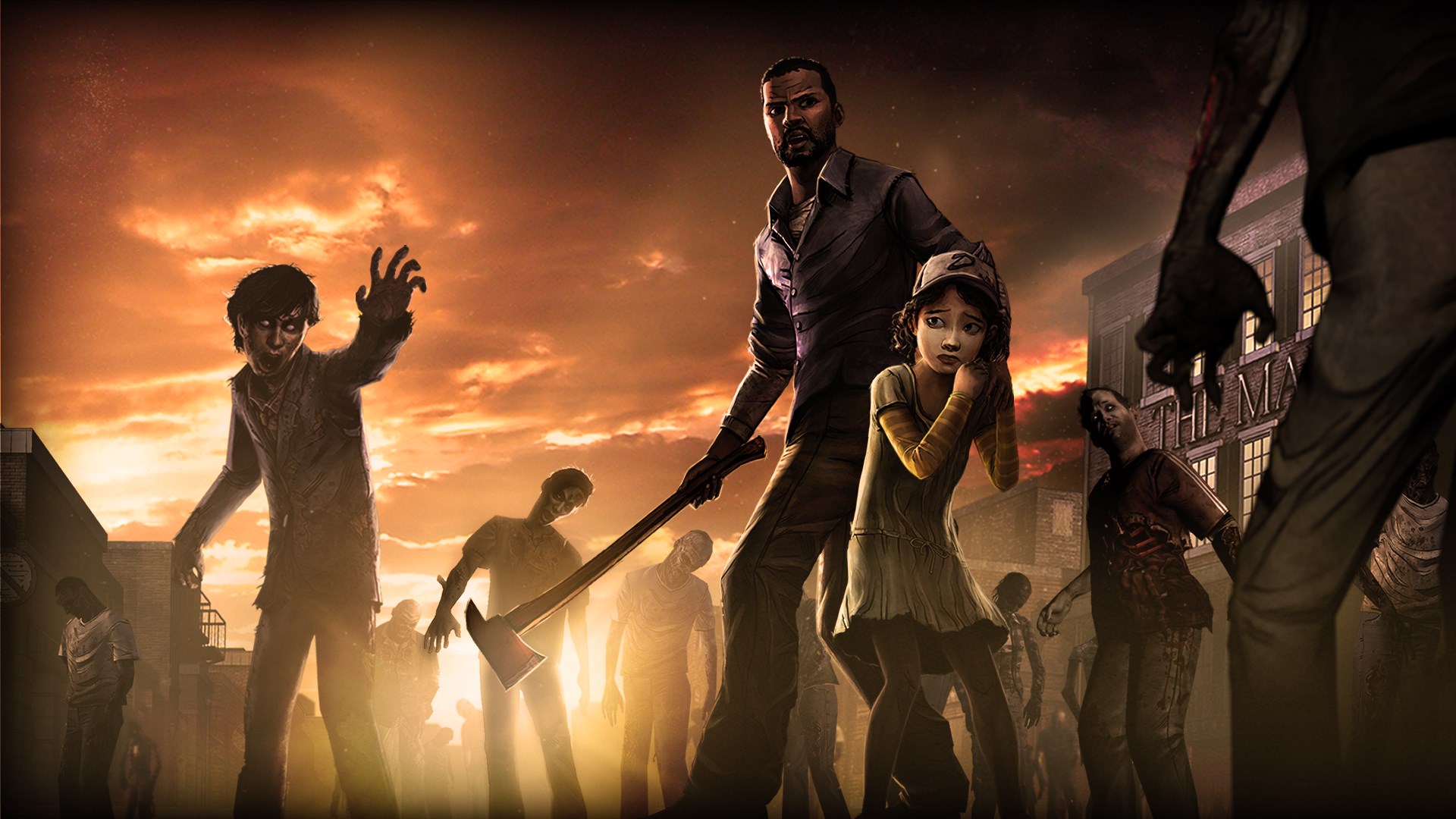
Telltale Games developed and published this episodic adventure based on the popular comic book series by Robert Kirkman. Players take on the role of Lee Everett, who protects a young girl named Clementine during a zombie apocalypse. The story reaches a climax when Lee is unexpectedly bitten by a walker, ensuring his death regardless of player choices. This subversion of the “invincible protagonist” trope remains one of the most emotional and debated moments in modern narrative games.
‘NieR: Automata’ (2017)
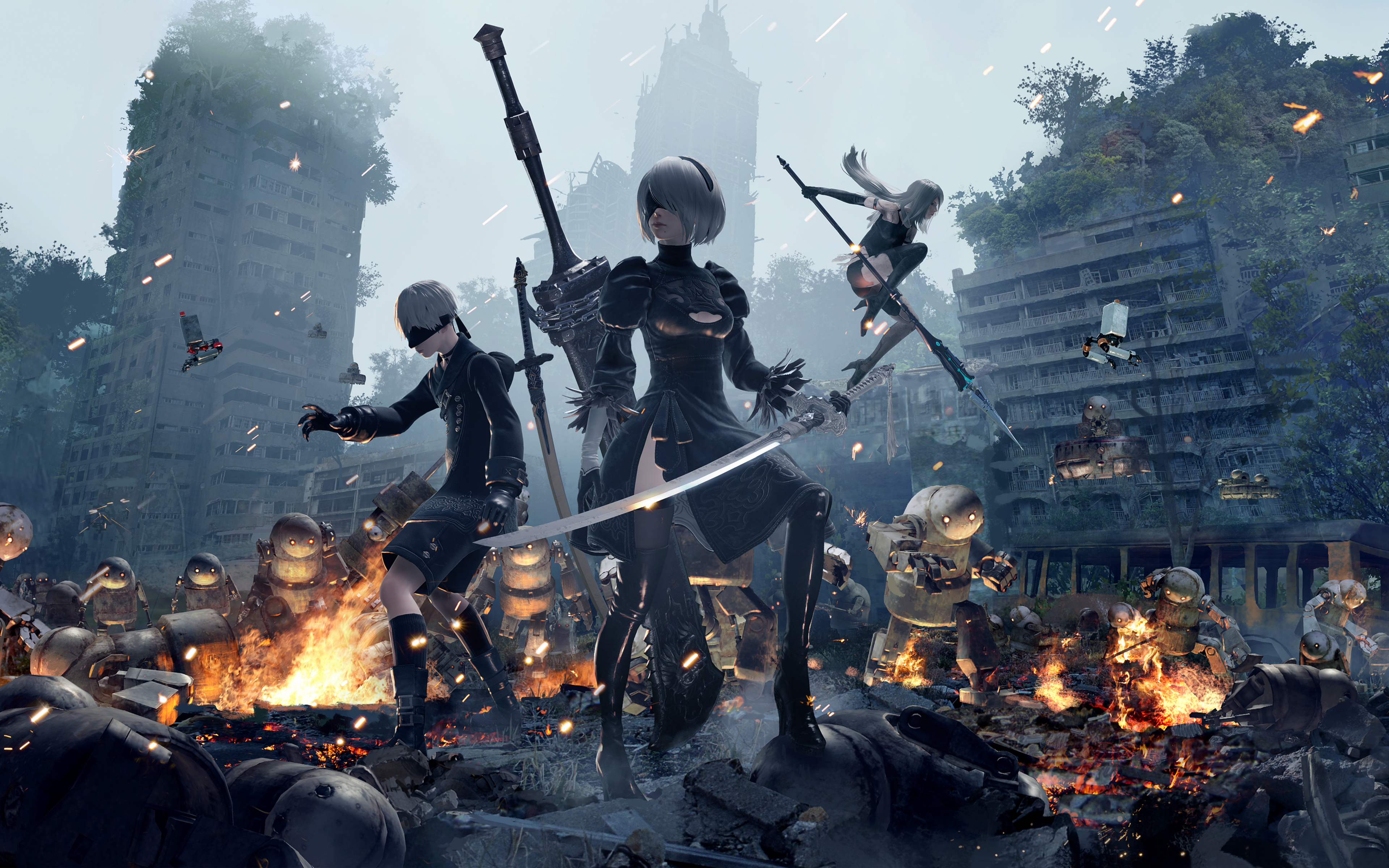
Developed by PlatinumGames and published by Square Enix, ‘NieR: Automata’ explores a proxy war between androids and machines on a desolate Earth. The game requires multiple playthroughs to uncover the true nature of the conflict and the purpose of the YoRHa project. It is eventually revealed that humanity has been extinct for centuries and the war is a self-perpetuating cycle designed to give androids a reason to exist. The philosophical implications of these revelations regarding purpose and existence continue to be analyzed by players worldwide.
‘Final Fantasy VII’ (1997)
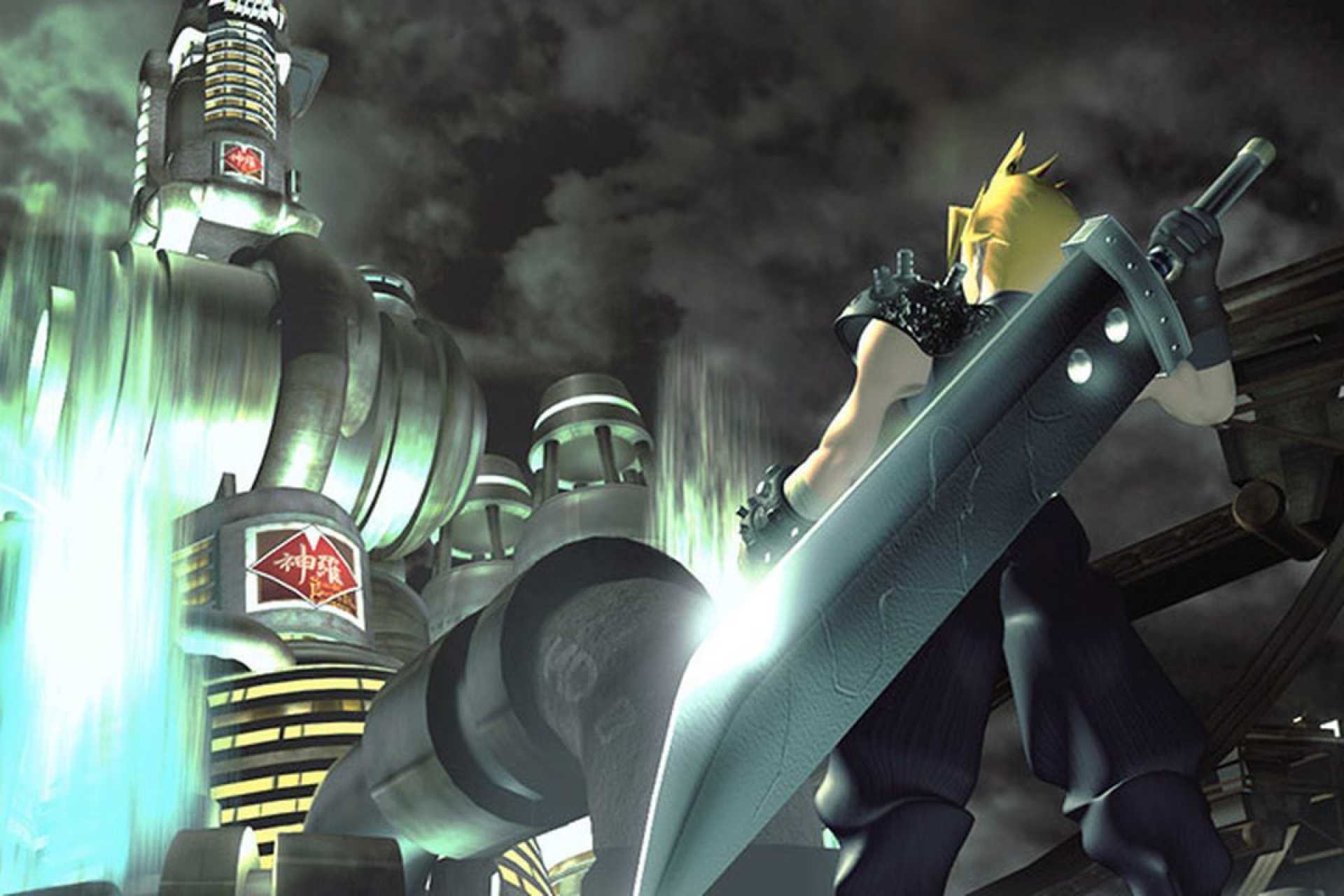
Developed and published by Square, this iconic RPG features a group of rebels fighting against the Shinra Electric Power Company. The game famously features the death of Aerith Gainsborough at the hands of the antagonist, Sephiroth, during the first half of the story. At the time, removing a primary party member permanently was a shocking departure from established genre conventions. This narrative decision remains a touchstone for discussions regarding emotional stakes and character development in the medium.
‘Red Dead Redemption’ (2010)
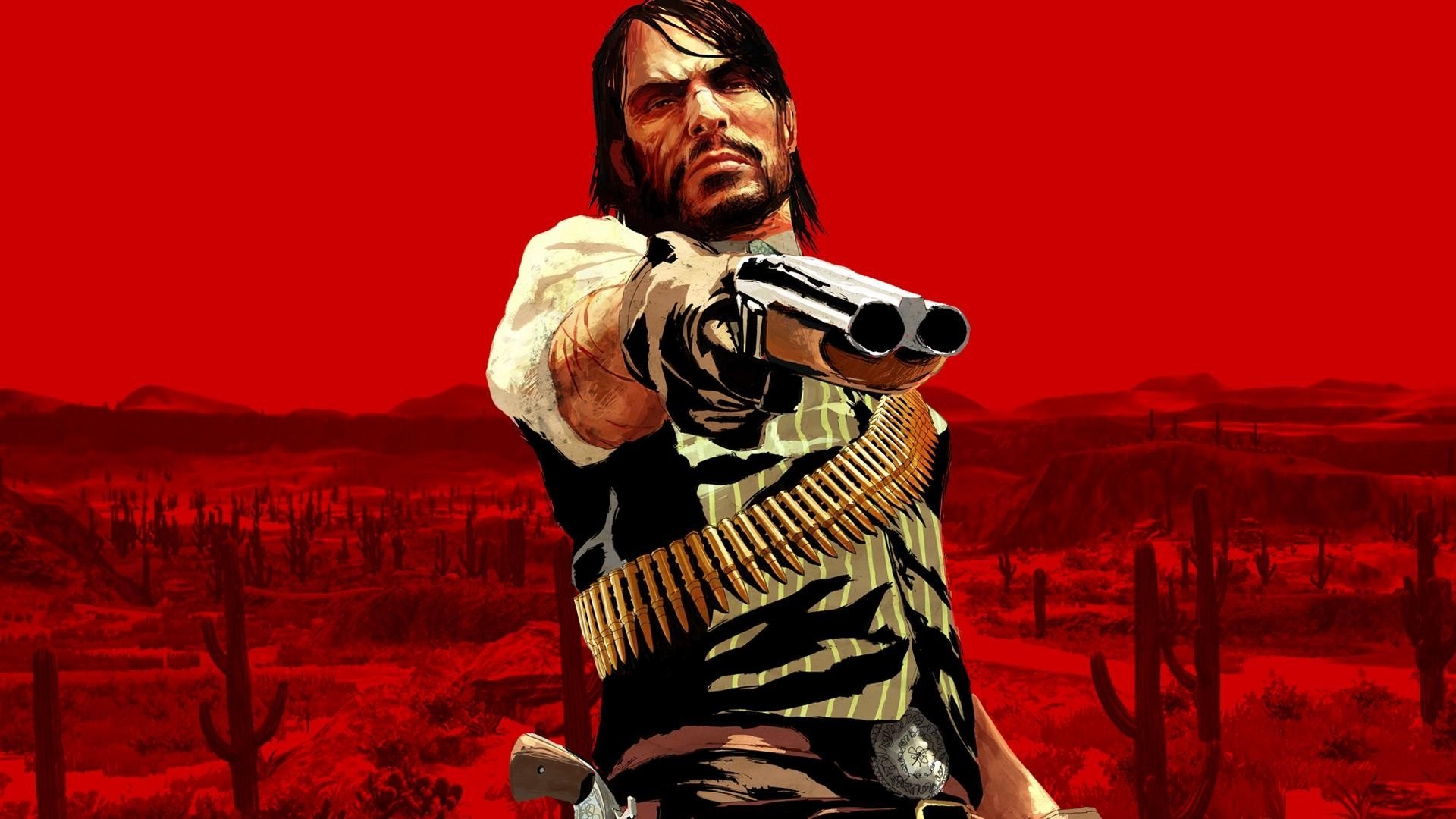
Rockstar San Diego developed this Western epic, with Rockstar Games serving as the publisher in 2010. Players control John Marston, a former outlaw forced by the government to hunt down his old gang members to save his family. After completing his tasks and returning home, Marston is betrayed and killed by the very agents who employed him. The epilogue, which shifts the perspective to his son Jack, provides a somber reflection on the cycle of violence and the death of the frontier.
‘Soma’ (2015)
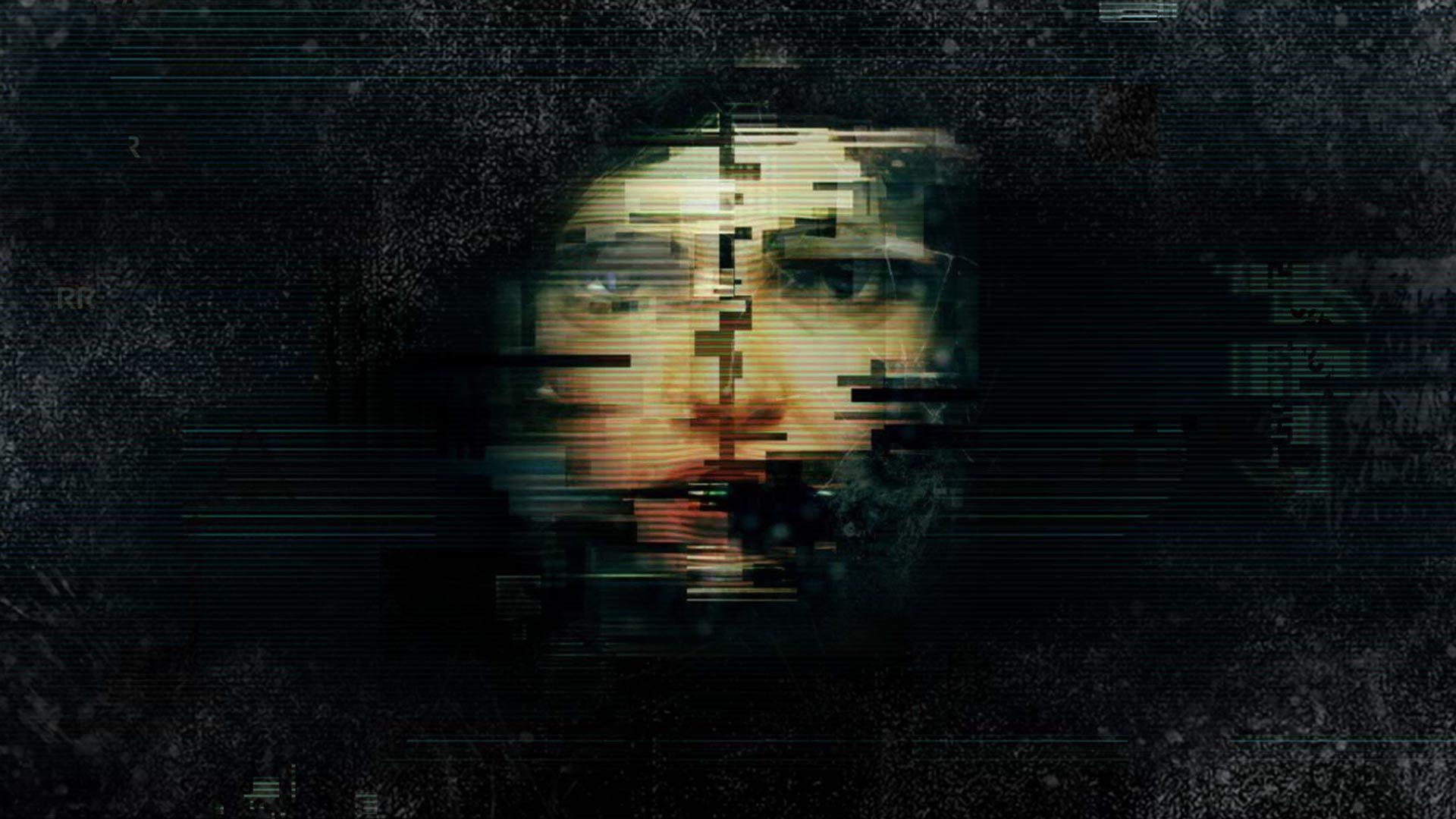
Developed and published by Frictional Games, ‘Soma’ is a sci-fi horror title set in an underwater research facility after a global apocalypse. The plot centers on the concept of consciousness transfer and the philosophical question of what defines the “self.” The protagonist, Simon, discovers that “uploading” his mind to a new body does not move his consciousness, but merely copies it. This leaves the original version behind to face a bleak fate, prompting ongoing debates regarding the ethics of digital immortality.
Share which of these narrative revelations impacted your gaming experience the most in the comments.