


Iconic Roles That Almost Went Gender-Swapped

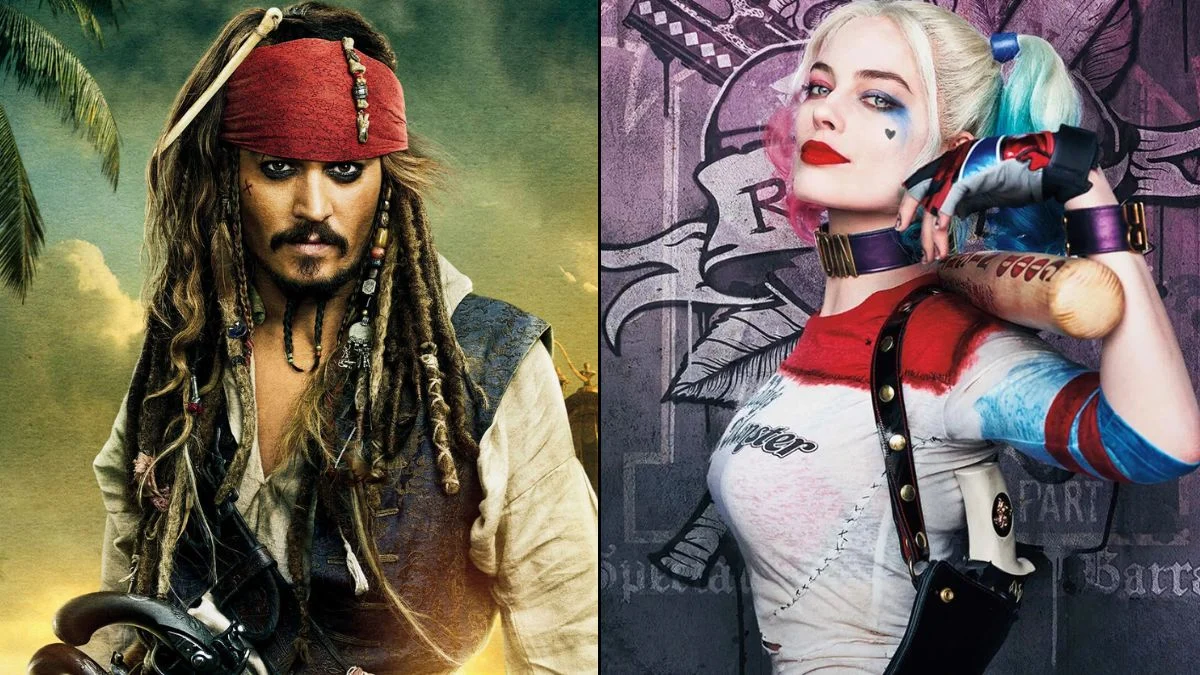


Studios test wild ideas in development, and a handful of famous characters came close to getting rewritten as the opposite gender. The proposals reached script drafts, pitch decks, and internal meetings, then hit resistance from canon, branding, or legal estates. What remains are paper trails of almosts that show where the line was for long running properties.
This list focuses on roles that neared a flip but stayed put on screen. You will see projects that explored female led versions, ideas that shifted into spin offs, and reboots that paused after early noise. The common thread is the same character identity surviving unchanged once the work actually rolled cameras.
James Bond
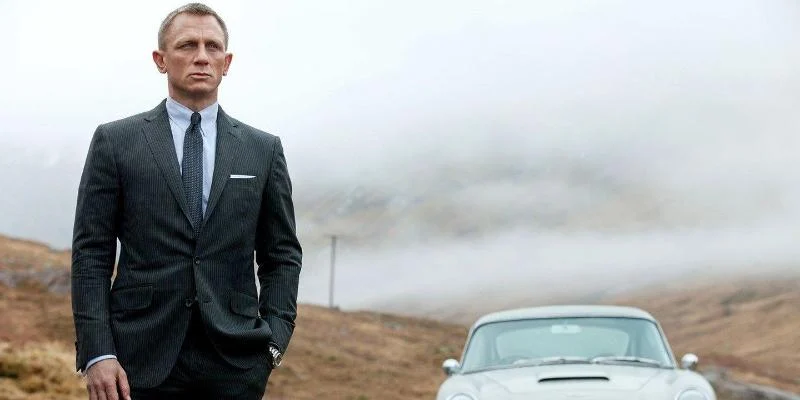
The series regularly entertained a female Bond during early casting chatter and exploratory conversations between films. The team experimented with handing the 007 designation to a woman in one entry while keeping James Bond as a separate identity. That approach let the brand measure audience response without altering the core character.
Franchise stewards affirmed that Bond’s biography and tone rely on a fixed character while the code number can rotate. Future development cycles kept the role male while exploring other agents and story angles. The result preserved a long running continuity while leaving room for new original spies.
Indiana Jones

Ahead of the final chapter with Harrison Ford there were widespread reports about passing the hat in universe to a woman. Writers explored how a protégé could inherit the adventure framework while avoiding a direct rewrite of Indiana Jones himself. The conversation stayed active through preproduction and marketing windows.
Decision makers closed the door on replacing Indy and framed supporting characters as additions rather than successors. The property tied Jones to a defined life history that guides artifacts, periods, and mentors. That structure made a handoff unlikely without turning the series into a new character vehicle.
Jack Sparrow
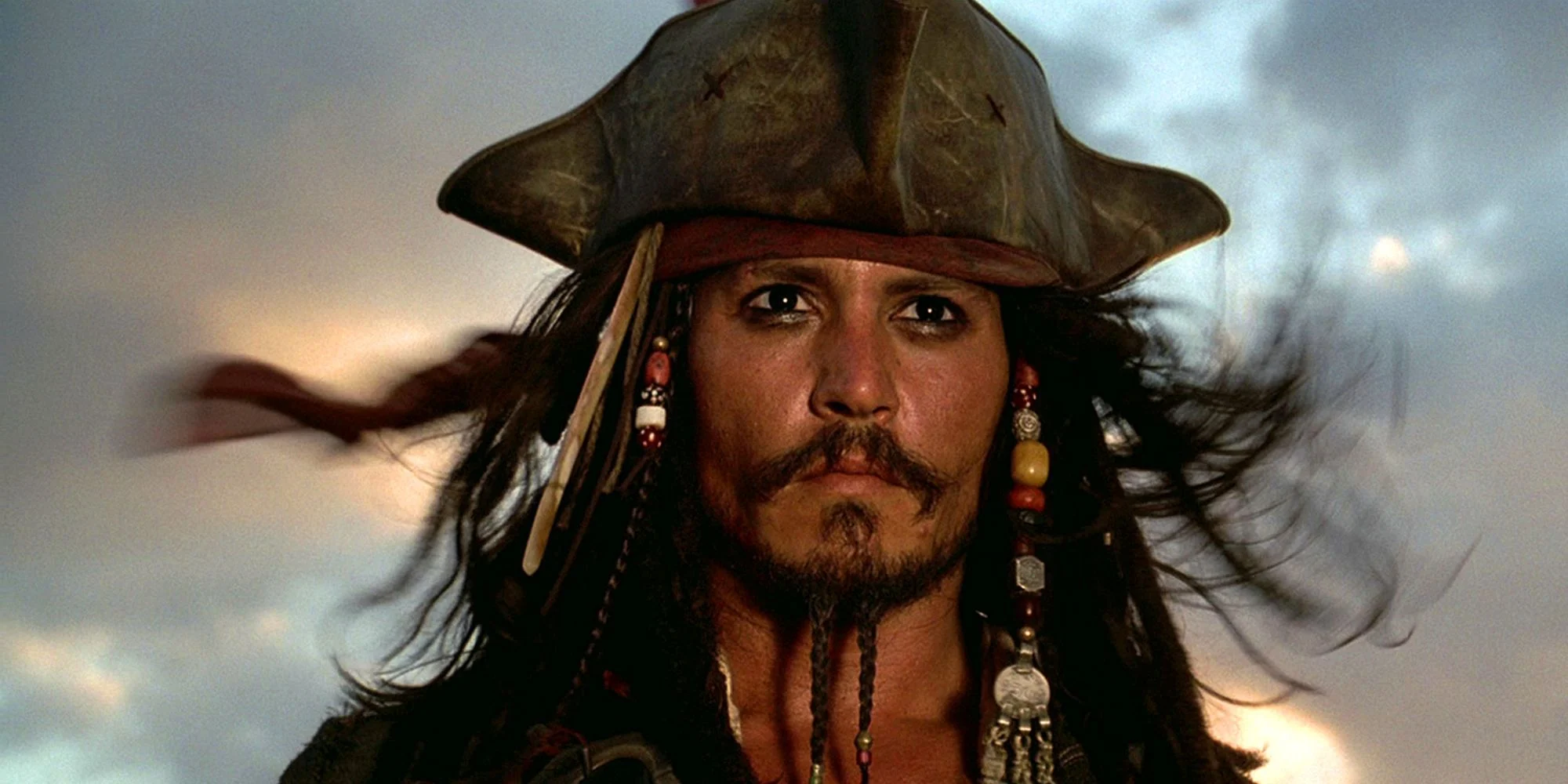
During development of new ‘Pirates of the Caribbean’ entries, studios examined female led directions inside the same world. Early outlines focused on launching a different pirate through new crews and routes rather than recasting Jack as a woman. The name and silhouette of Jack Sparrow remained attached to a specific performance and persona.
Work shifted toward parallel protagonists that could sail under the franchise flag without rewriting its most recognizable role. The production pipeline moved in fits and starts and those trials never translated into a gender switched Sparrow on screen. The franchise kept options open for fresh leads while leaving the Jack template intact.
Ralph and Jack from ‘Lord of the Flies’
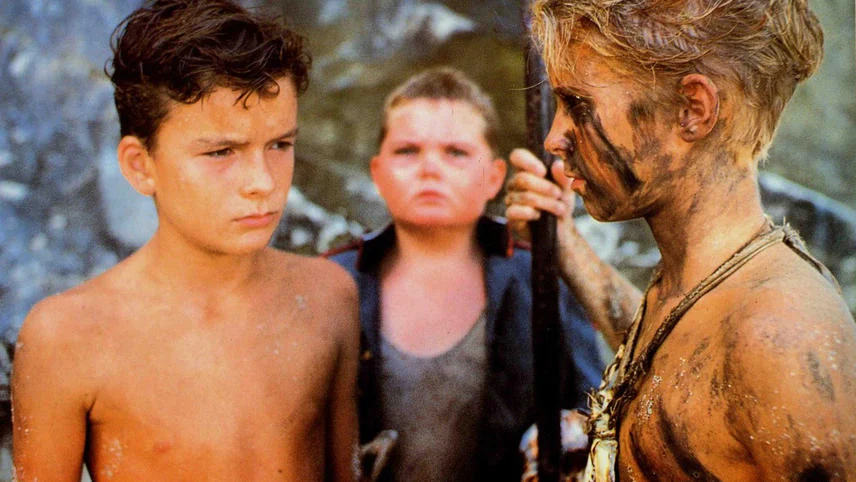
A feature remake with a female ensemble advanced through development with writers and producers attached. The plan kept the island experiment and social collapse while reframing the power struggle among girls who would mirror the classic factions. The project wrestled with age casting, setting logistics, and tone.
As timelines slipped, the studio did not deliver a finished film, so the original boys remained the only canonical screen version for that premise. The near miss showed that the book’s structure can map onto a female group but also exposed practical hurdles that slowed the flip before cameras rolled. The core roles of Ralph and Jack stayed unchanged in released adaptations.
Madison and Allen from ‘Splash’
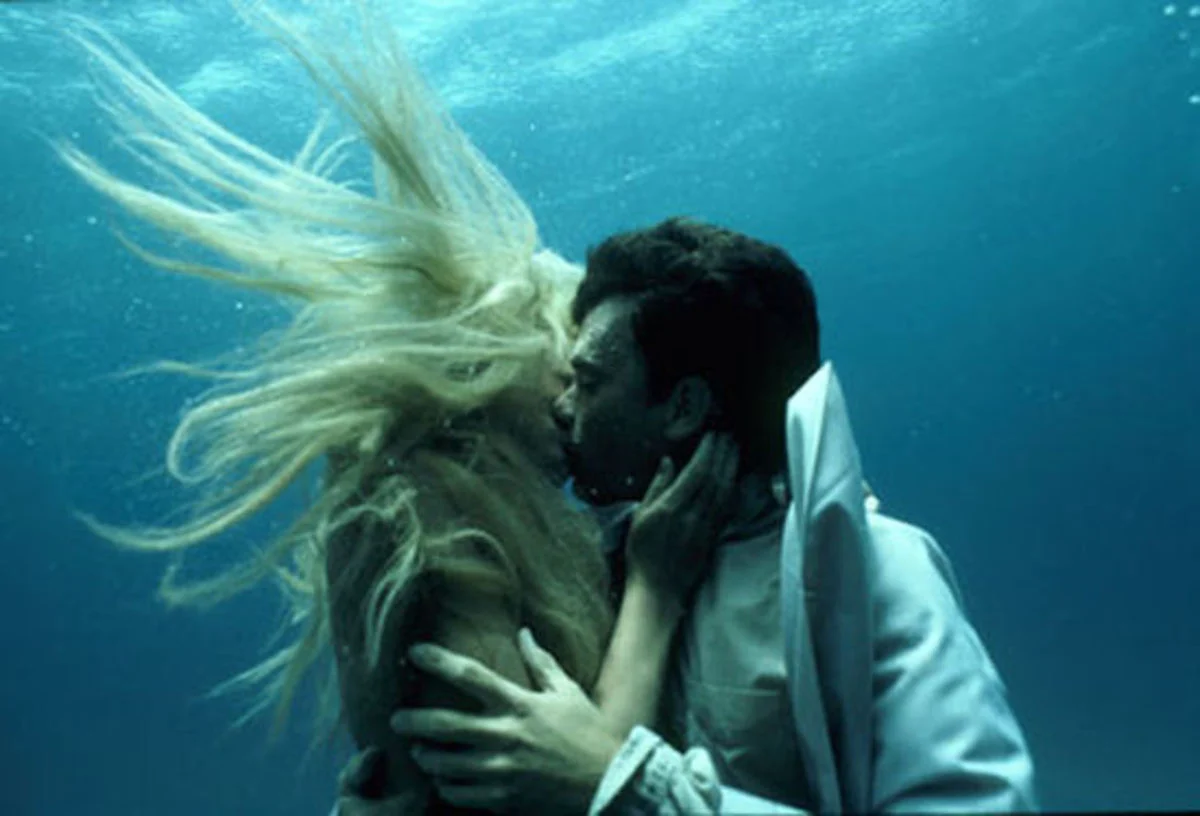
A studio pursued a remake that inverted the original dynamic by turning the mermaid into a merman and the human lead into a woman. Casting names surfaced and rewrite cycles explored how secrecy and discovery would play from that angle. The project lived in active development for an extended period.
Scheduling, budget, and script work kept the film from entering production. The exercise proved the premise could sustain a reversal but stopped short of delivering it to theaters. The released canon still reflects the original pairing and names while the flipped version remains an unused blueprint.
Cliff Secord from ‘The Rocketeer’
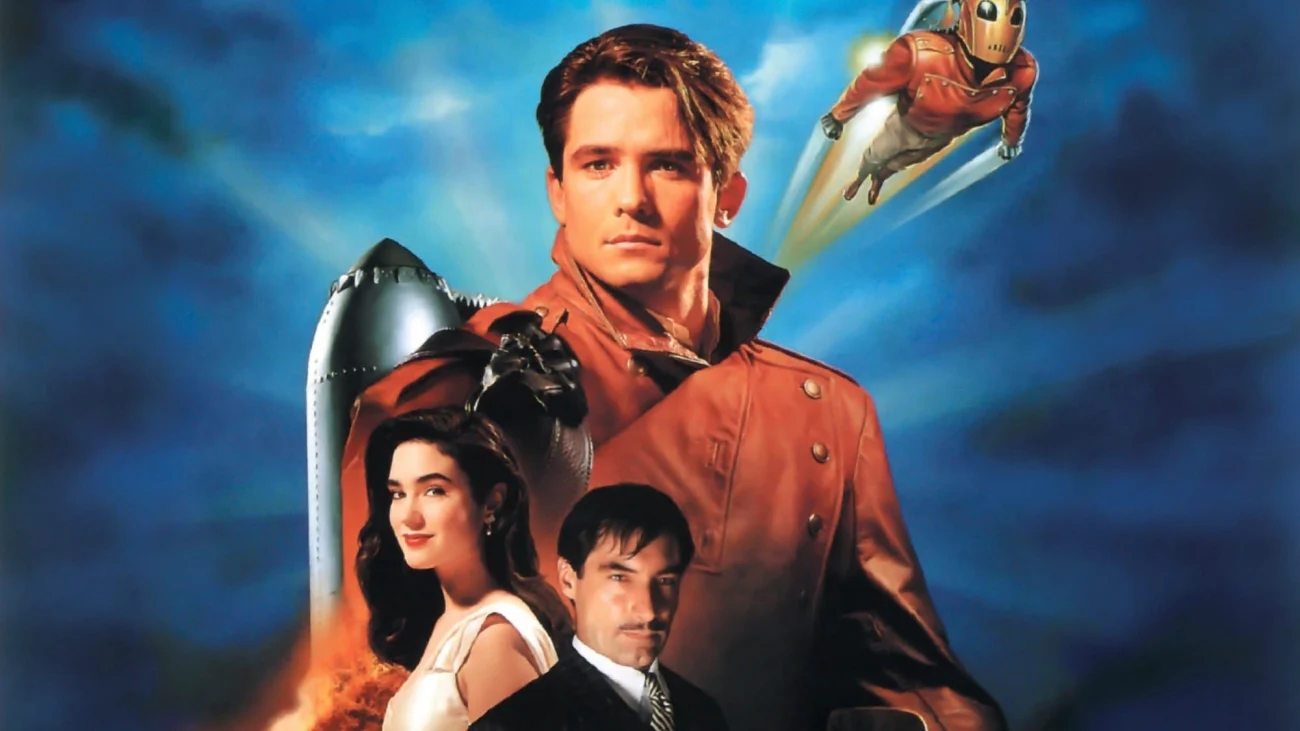
Buena Vista Pictures DistributionA follow up explored the idea of passing the rocket pack to a woman while keeping the world and iconography intact. The approach treated the rocket as a mantle and wrote a new pilot into the timeline rather than rewriting Cliff himself. Development announcements outlined creative teams and direction.
As iterations continued, the property shifted between sequel and soft reboot possibilities and never locked a shooting draft that changed the original hero’s identity. The character of Cliff Secord stayed as established in existing films while the female led path remained a development lane that did not reach release. The brand kept legacy room without altering the prior lead.
Zorro
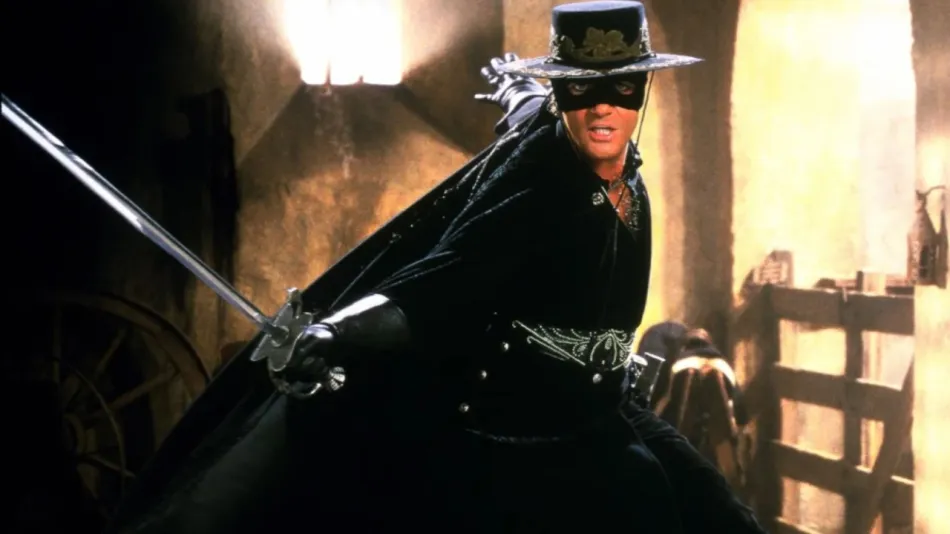
Studios repeatedly examined female led takes that would carry the Zorro idea into new settings. Some drafts imagined a near future angle while others focused on lineage through a woman connected to the mask. The proposals were built to use the symbol without rewriting Don Diego de la Vega.
Those projects cycled through attachments and option windows but did not yield a completed feature that changed the central identity. Official screen entries continued to treat Zorro as a defined male persona in period stories. The female concepts functioned as parallel branches that stalled before production.
Thomas Magnum
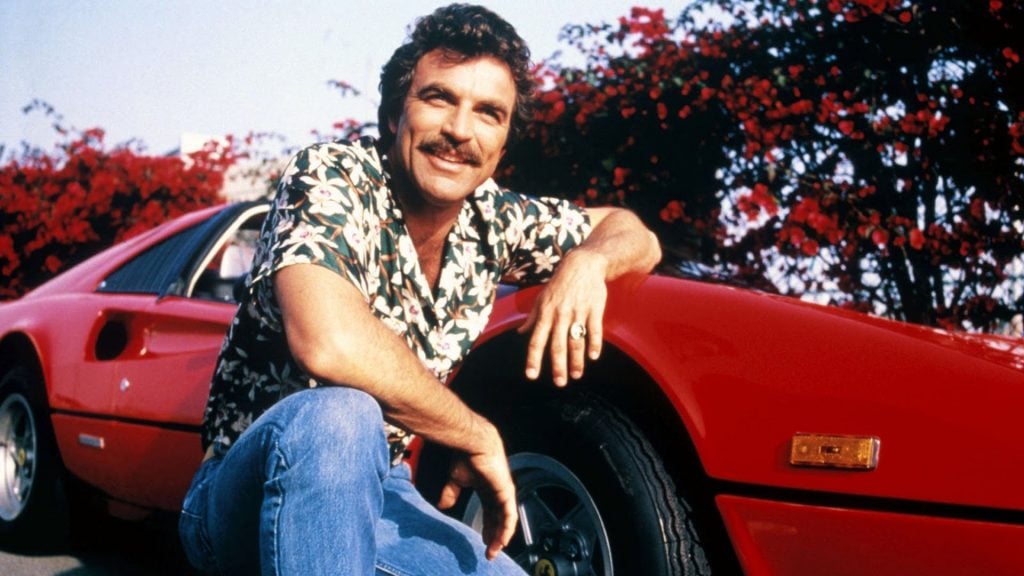
Before the recent reboot, a separate concept outlined a continuation built around a woman tied to the original Magnum mythology. The plan positioned the brand as a private investigator framework that could support a new lead without copying the old biography. Early materials tested how the Ferrari and casework would read from that vantage point.
Network decisions moved to a traditional reboot that kept Magnum male and anchored the show in a recognizable setup. The alternative remained a development experiment rather than a filmed pilot. The title character’s gender and history stayed consistent once the series returned to air.
Robin Hood

Studios developed scripts that would shift the outlaw mantle to a woman through Marian centered storytelling. The idea preserved Sherwood iconography while reassigning the bow and leadership to a different figure. The aim was to keep the legend while avoiding a direct rewrite of Robin as female.
Those projects did not reach release and the role of Robin stayed linked to its familiar identity in recent screen versions. The near swap highlighted legal and folklore considerations that favor spinoffs over changing the core figure. The brand continued to add new leads around the legend rather than altering the central name.
John McClane

At various points the action franchise explored ways to refresh the formula with a next generation lead. Among the options considered was a female centered vehicle that would inherit the high rise and siege DNA without rewriting McClane himself as a woman. The work focused on how to translate the setup without touching the character’s established backstory.
Development converged on prequel and legacy ideas that ultimately stalled, and no filmed entry altered McClane’s identity. The exercise showed that the franchise template can support different protagonists, yet the named role remained unchanged in released material. The brand held the door for new heroes while keeping the original lead intact.
Share which near swaps you think studios should retire for good in the comments.