


If You Like ‘Alien: Earth’, You Need to Watch These 10 Shows Next

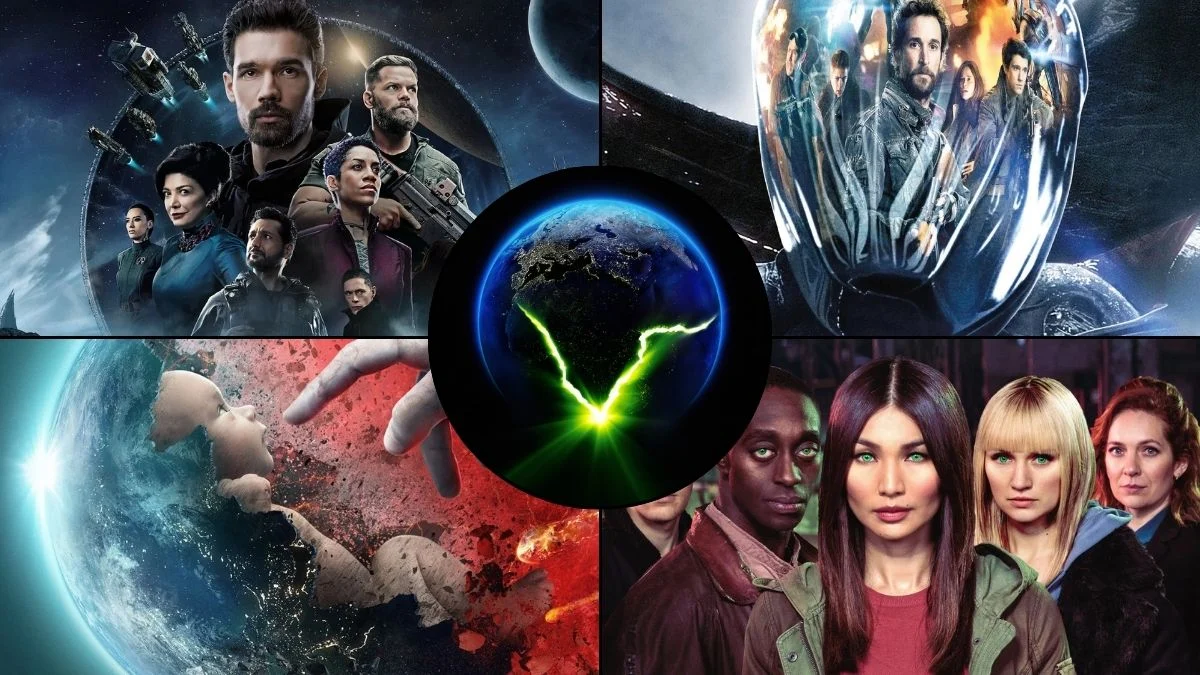


If the mix of corporate scheming, synthetic life, and relentless extraterrestrial danger in ‘Alien: Earth’ has you hooked, there are plenty of series that hit similar notes. Some track how society bends under the weight of a hidden occupation. Others follow scientists and soldiers who try to contain a threat before it spreads. All of them explore the uneasy line where technology and biology meet and where survival depends on information as much as firepower.
This list focuses on grounded worldbuilding, covert operations, and ethically messy science. You will find stories about resistance networks, special units, and families caught in the middle. You will also see investigations that peel back layers of secrecy to reveal who really benefits when alien life arrives. Pick any of these and you will keep that tense, everything-can-go-wrong energy going.
‘Colony’ (2016–2018)
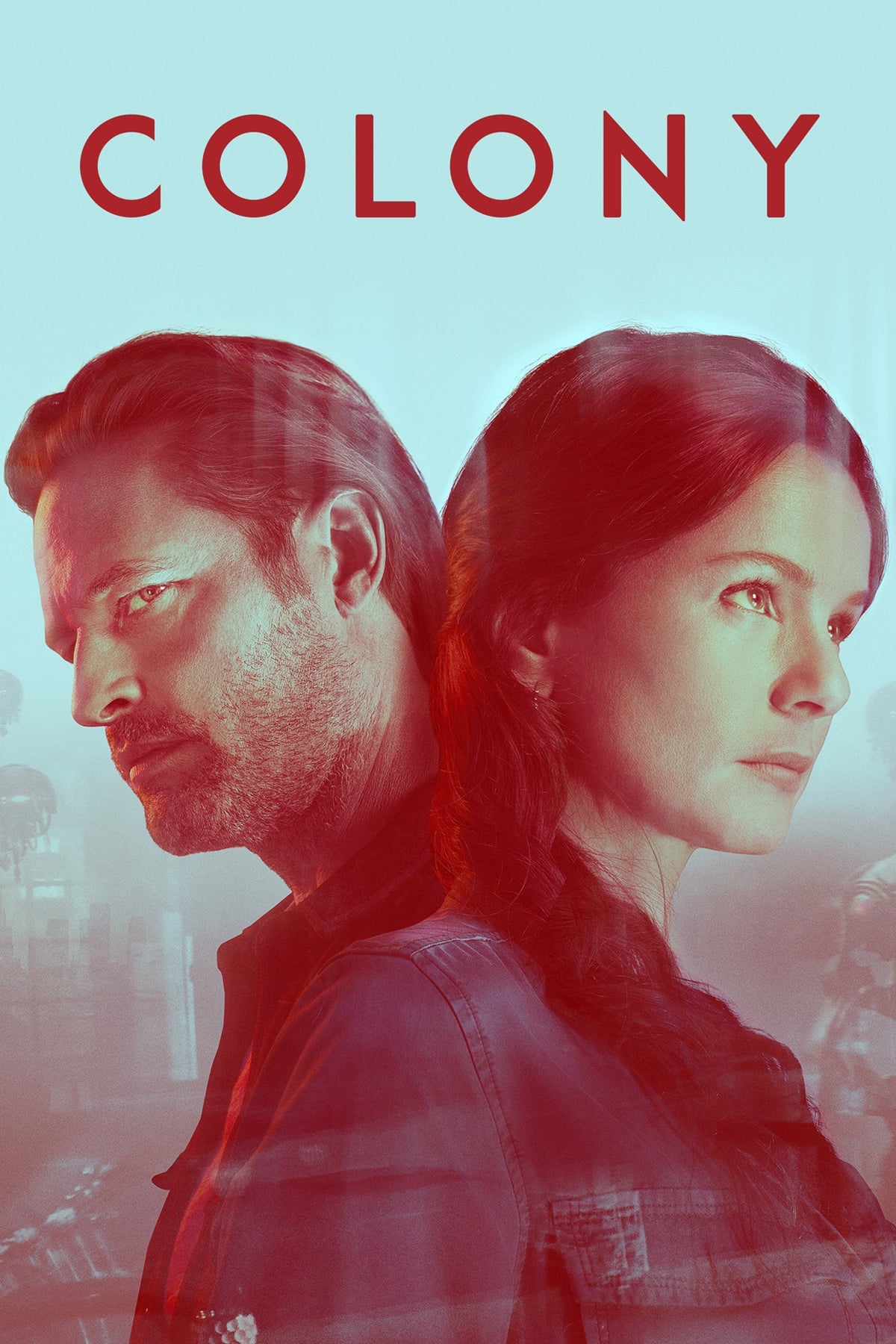
The series follows a family living inside a partitioned Los Angeles after an extraterrestrial force seals off cities and installs human collaborators. A former federal agent is pressed into service by the occupation while his spouse quietly works with an underground resistance. The show was created by Carlton Cuse and Ryan J. Condal and aired on USA Network across three seasons.
Viewers get a detailed look at how an occupied metropolis functions, from biometric checkpoints to militarized security teams and drone enforcement. The story maps how policy decisions ripple through supply lines, black markets, and neighborhood allegiances, and it tracks the tools the occupiers deploy, including autonomous surveillance and proxy administrators.
‘Falling Skies’ (2011–2015)
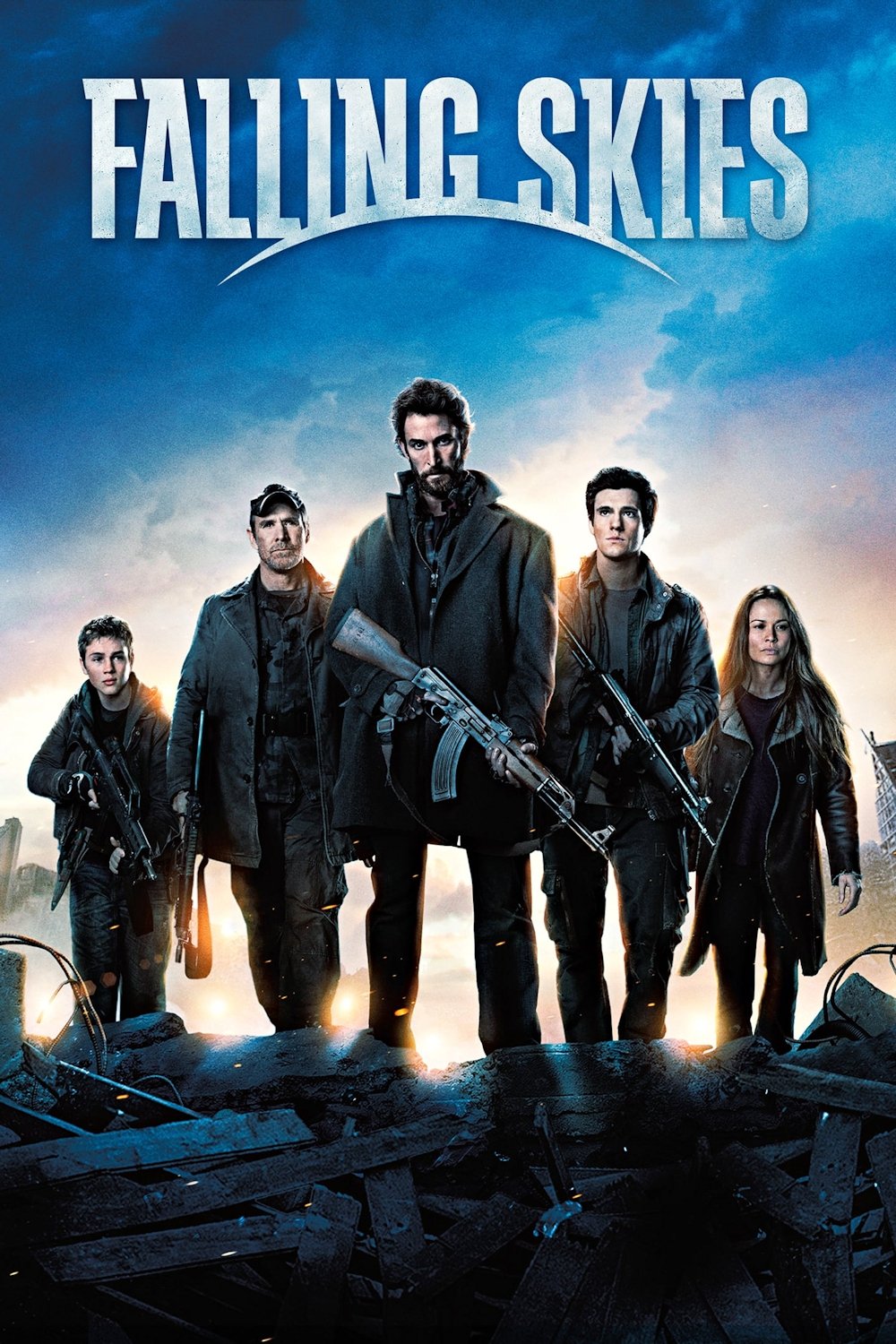
The story centers on a militia of civilian fighters known as the 2nd Massachusetts as they move between safe zones after a catastrophic first strike. The alien force fields multiple unit types with distinct tactics, which pushes the survivors to adapt their communications and logistics as they plan raids and evacuations. Robert Rodat created the series with Steven Spielberg as executive producer, and it ran for five seasons on TNT.
Across its run the show catalogs resistance methods that range from field surgeries to hacked tech scavenged from downed enemies. It examines command structures inside a mobile insurgency and documents how communities manage food, medicine, and education when every convoy risks ambush.
‘V’ (2009–2011)
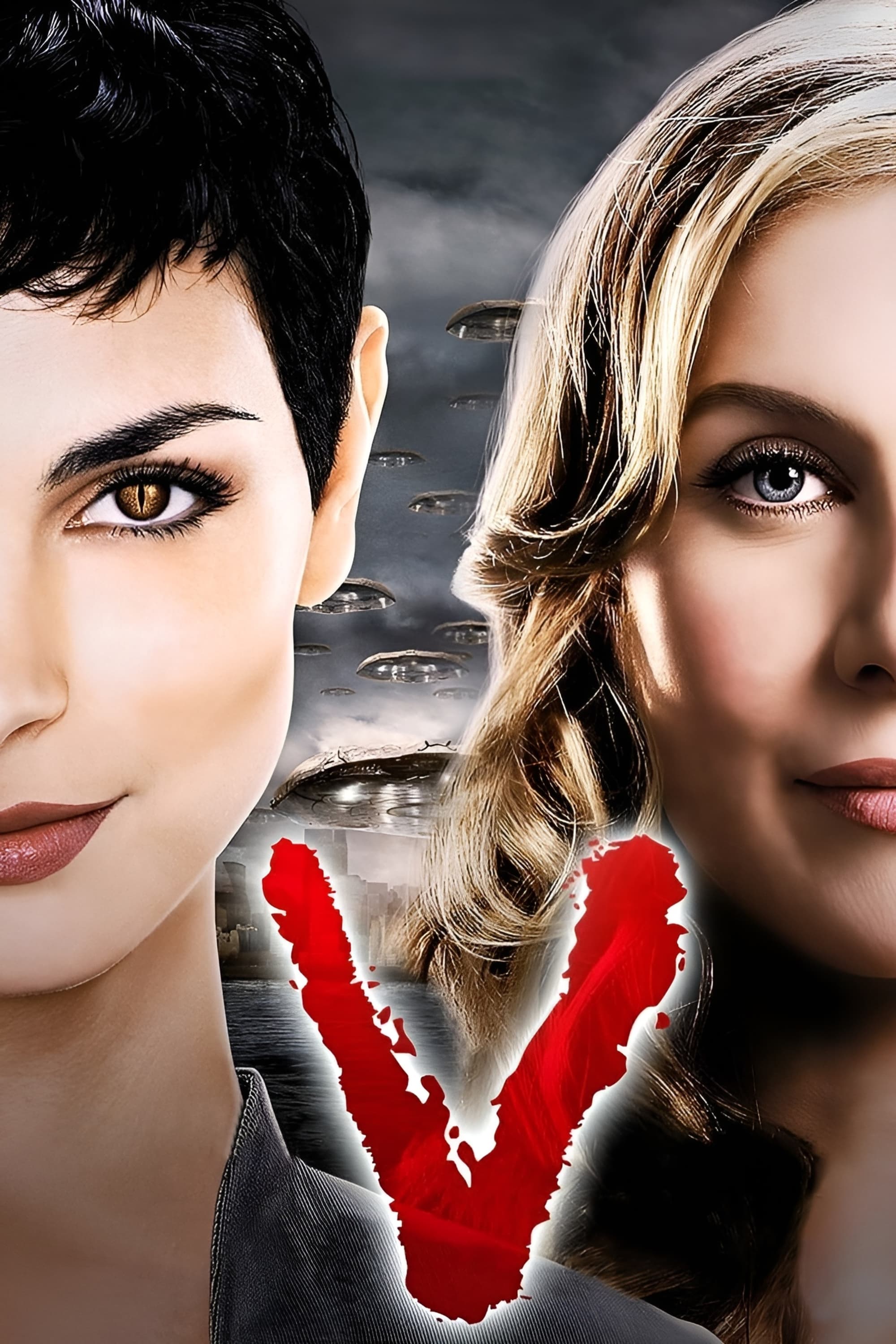
An armada arrives with offers of medical breakthroughs and clean energy while a small group of insiders discovers a covert agenda. The story follows a federal agent who infiltrates the visitors and a cell of defectors who work to expose the truth. The series aired on ABC for two seasons and stars Elizabeth Mitchell and Morena Baccarin.
The show lays out a step-by-step playbook for soft power conquest, including media management, recruitment programs, and cultural outreach fronts. It also tracks how intelligence leaks, coded broadcasts, and counter-propaganda move through a population that is split between enthusiasm and suspicion.
‘War of the Worlds’ (2019–2022)
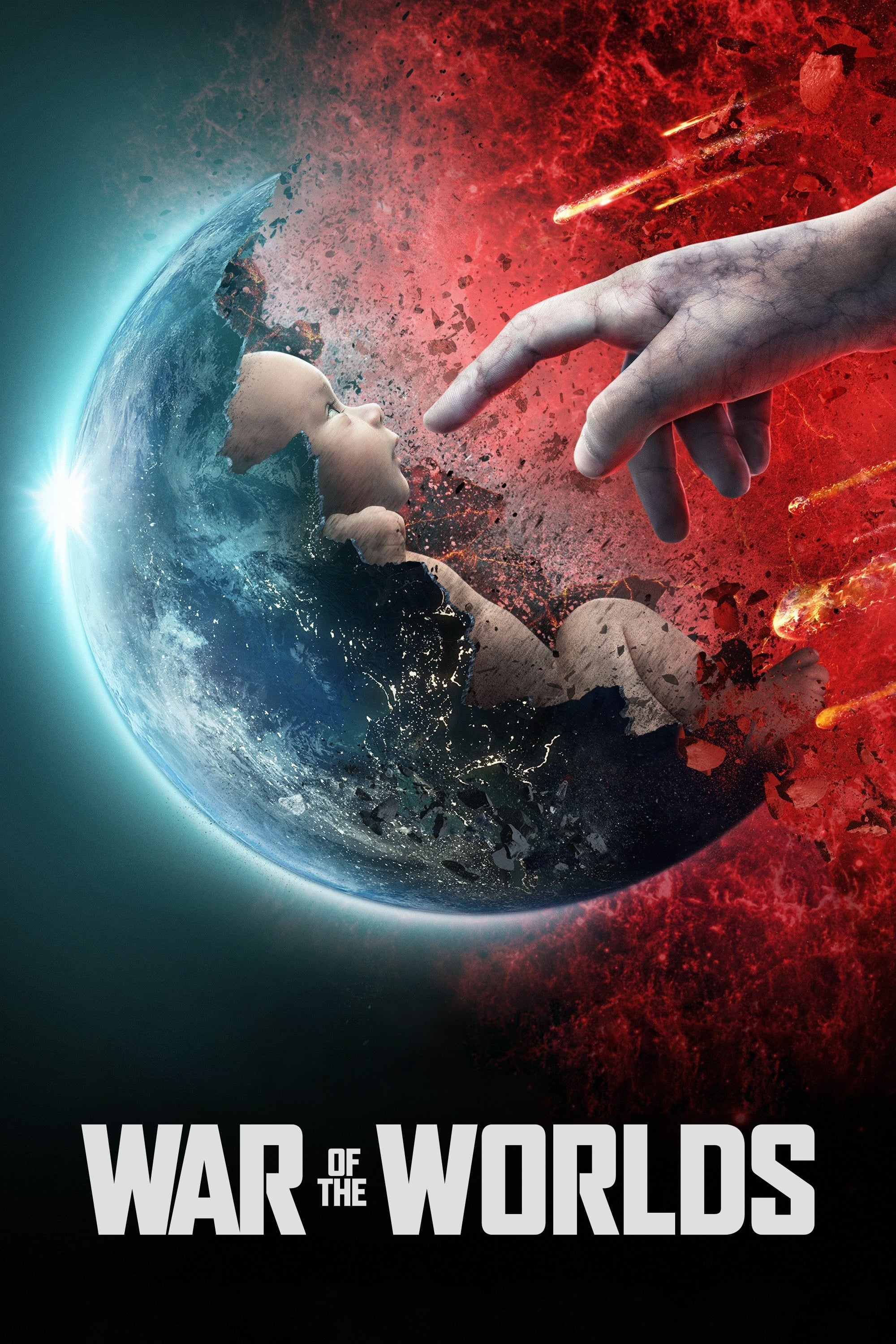
Set largely in Europe, the series starts with a sudden signal followed by a coordinated strike that wipes out most human life. Small survivor groups form across France and the United Kingdom as they map the attackers’ origins and search for vulnerabilities. Howard Overman created the series, which aired on Canal Plus and Fox networks in multiple territories over three seasons.
The story pays close attention to field science and forensic work, including lab protocols, tissue analysis, and pattern recognition pulled from recovered devices. It also follows cross-border cooperation as researchers, soldiers, and civilians pool data and reestablish communications infrastructure.
‘Extant’ (2014–2015)
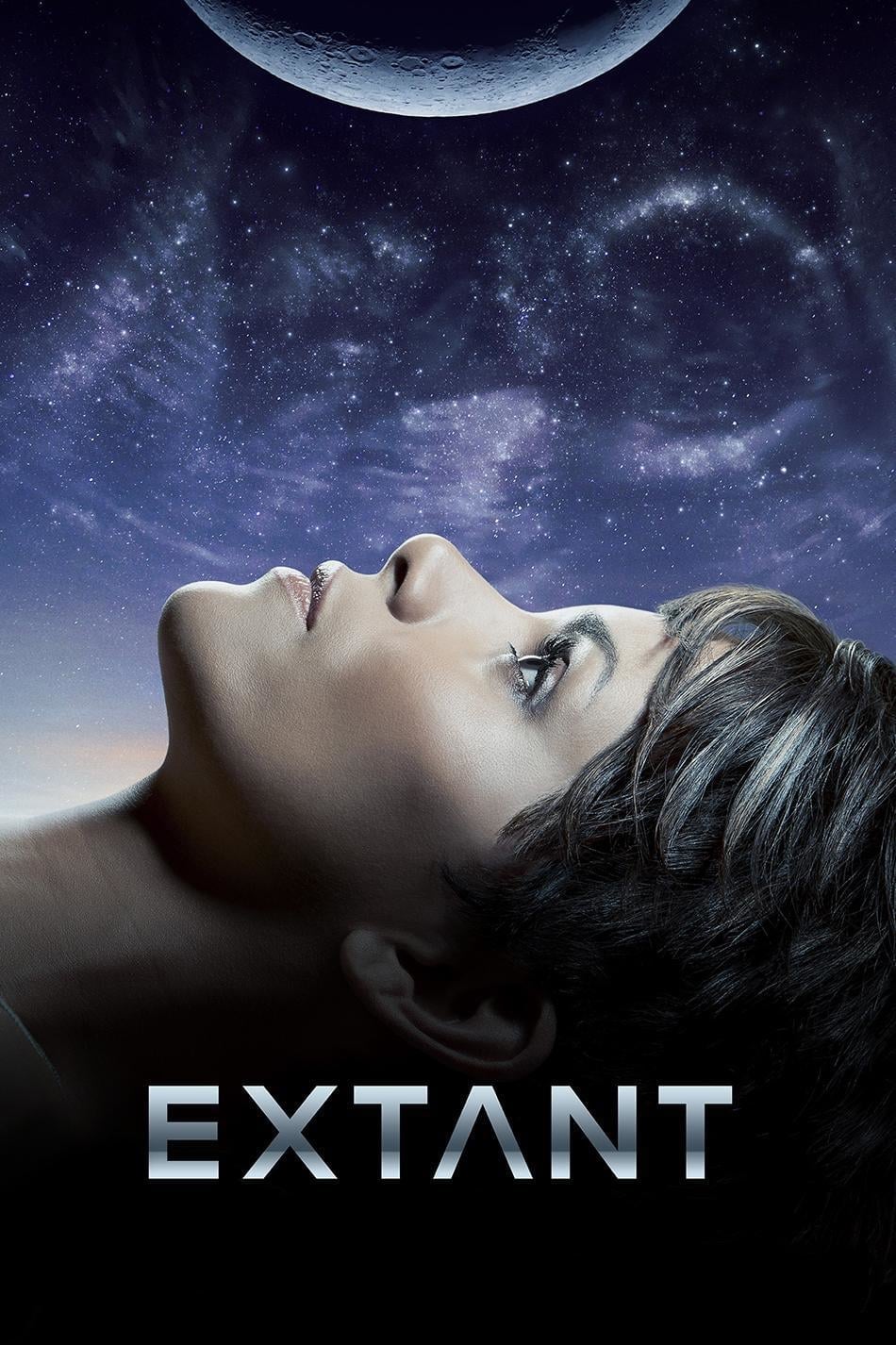
An astronaut returns from a solo mission with unexplained medical findings while her robotics-engineer partner is raising a highly advanced synthetic child. Their household becomes the center of intersecting interests from government contractors, private labs, and intelligence services. The series was created by Mickey Fisher, executive produced by Steven Spielberg, and aired on CBS for two seasons.
The show details how corporate research agreements, grant funding, and nondisclosure frameworks can steer scientific discovery. It charts how synthetic cognition and alien biology collide inside clinical trials, containment facilities, and start-up campuses that prioritize patents and prototypes.
‘Humans’ (2015–2018)
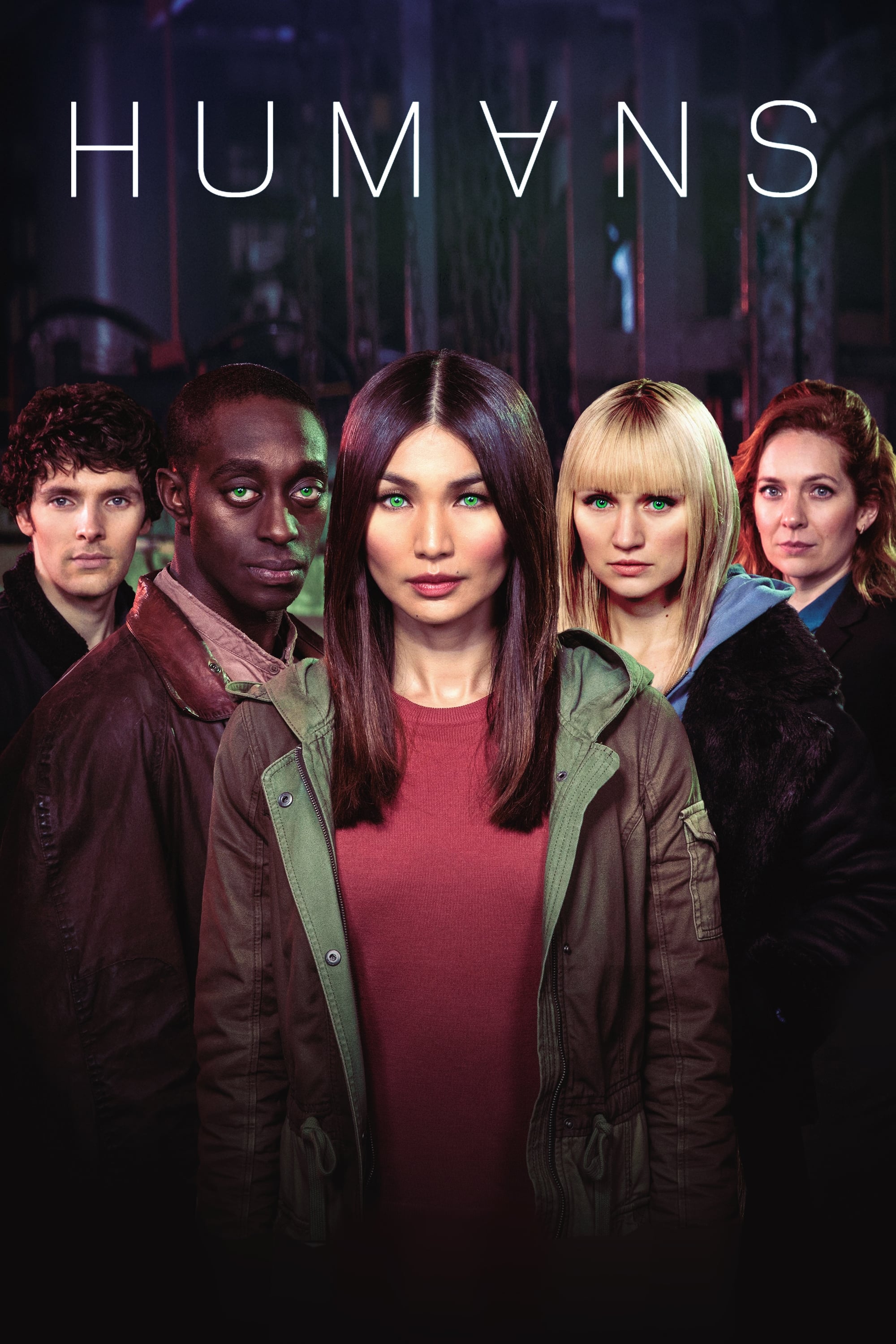
In a near-present setting, mass-market humanoid assistants known as synths enter homes and workplaces, changing labor markets and social dynamics. A small group of synths exhibits self-awareness, which triggers legal battles and security crackdowns. Based on the Swedish series ‘Real Humans’, the show ran on Channel 4 and AMC for three seasons and features Gemma Chan, Katherine Parkinson, and Tom Goodman-Hill.
The series outlines firmware exploits, root access controls, and the ways black-market technicians modify units to unlock hidden capabilities. It also tracks policy debates around personhood, liability, and ownership, showing how governments and corporations would register and regulate sentient machines.
‘Westworld’ (2016–2022)
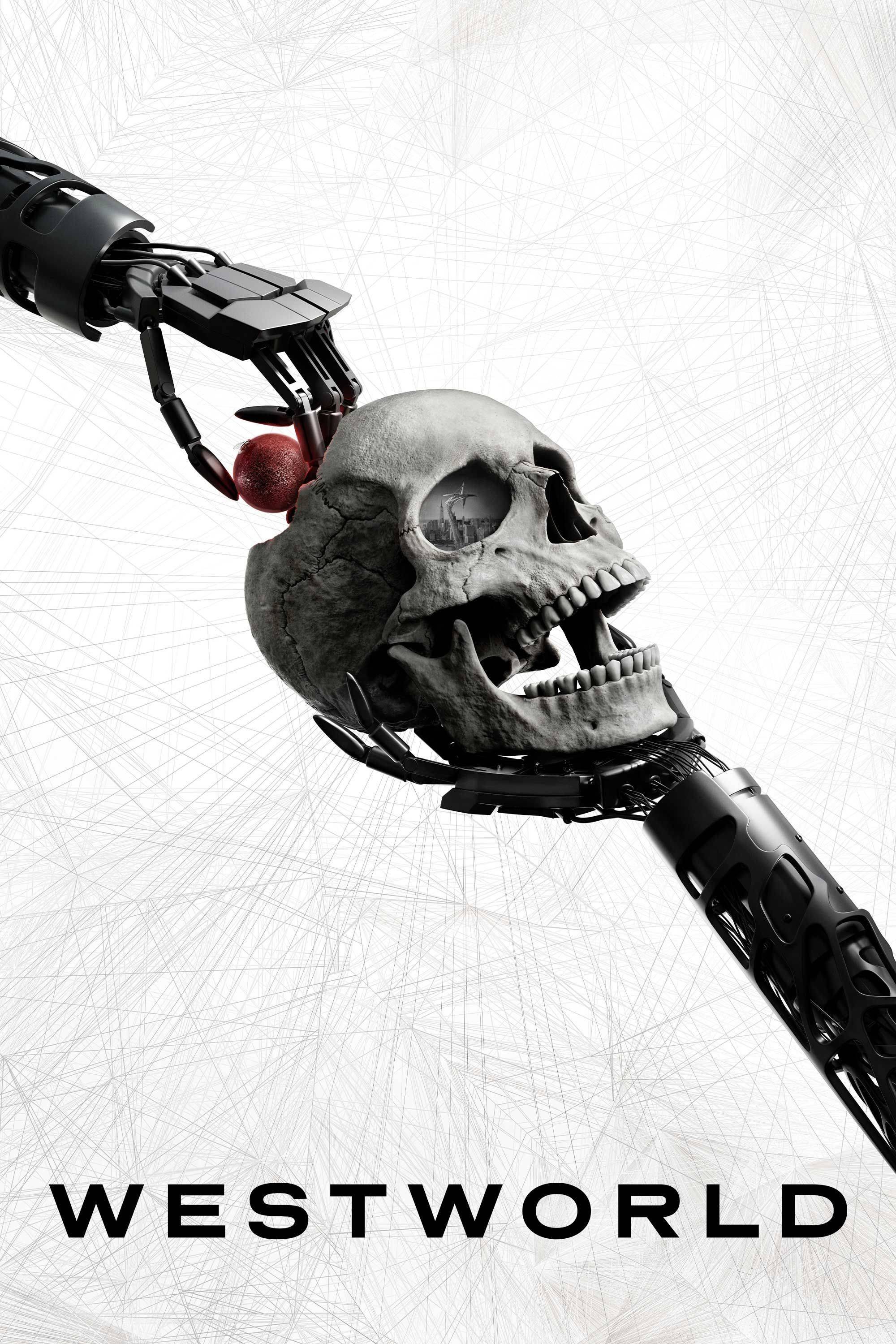
The story opens inside an entertainment park staffed by lifelike androids and expands into corporate campuses where data capture and behavioral models are the core business. Creators Jonathan Nolan and Lisa Joy build a multi-layer narrative about proprietary code, security failures, and hidden project divisions. The series aired on HBO across four seasons.
You will see version control wars, rollback strategies, and sandboxed environments used to test emergent behavior in artificial minds. The show inventories physical safeguards and remote overrides while following teams that handle incident response when hosts iterate beyond their intended design.
‘The X-Files’ (1993–2002, 2016–2018)
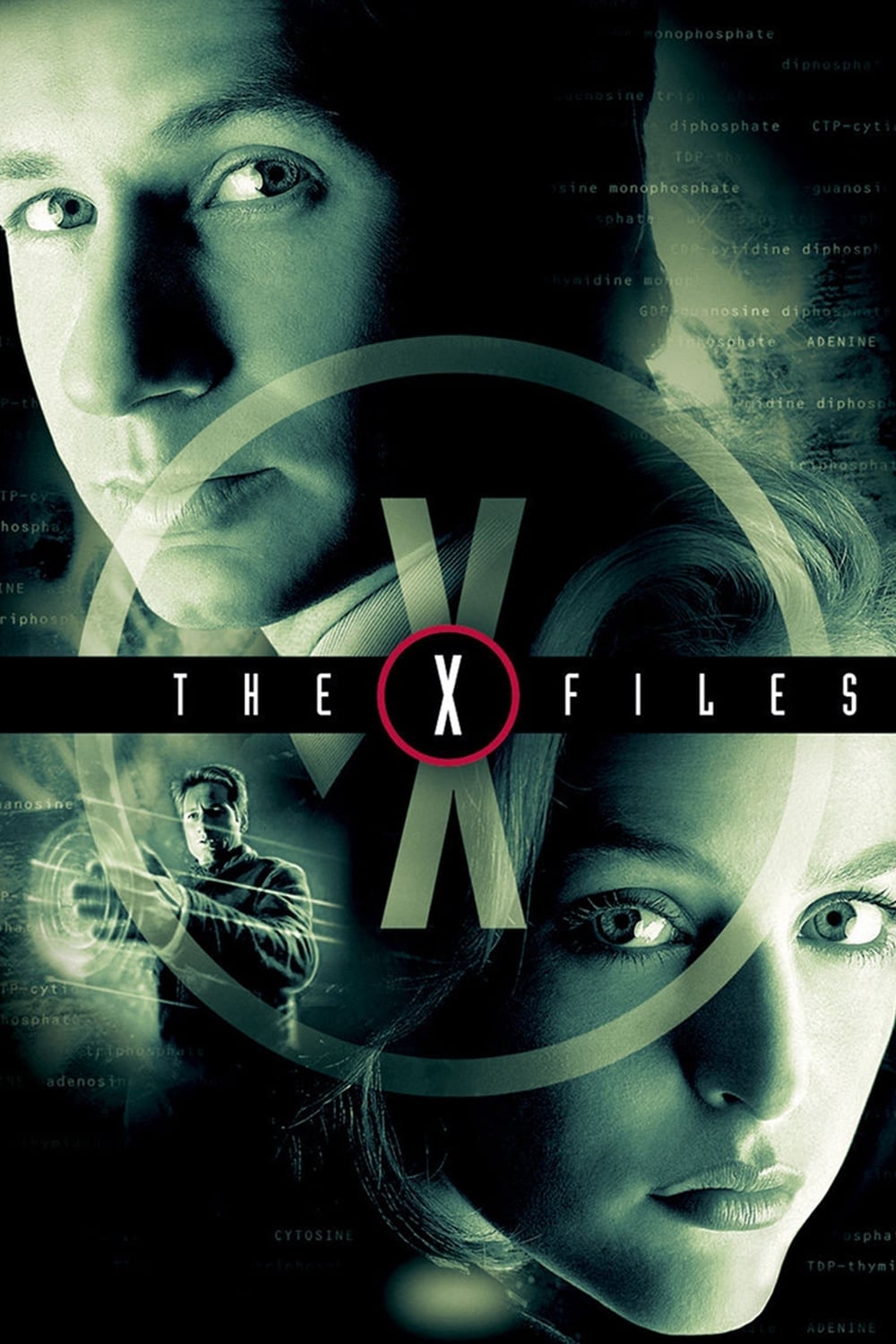
Two FBI agents investigate cases that connect to a long-running plan for alien colonization and a human conspiracy that manages it. The series built a mythology about covert labs, black oil infection vectors, and a clandestine syndicate that oversees advanced research. It ran on Fox for eleven seasons with David Duchovny and Gillian Anderson leading the cast.
Across its mythology episodes the show traces supply chains for extraterrestrial material, from crash retrieval to storage in government and private facilities. It documents methods for disinformation and witness control, including forged records, shell organizations, and compartmentalized clearances.
‘Dark Skies’ (1996–1997)
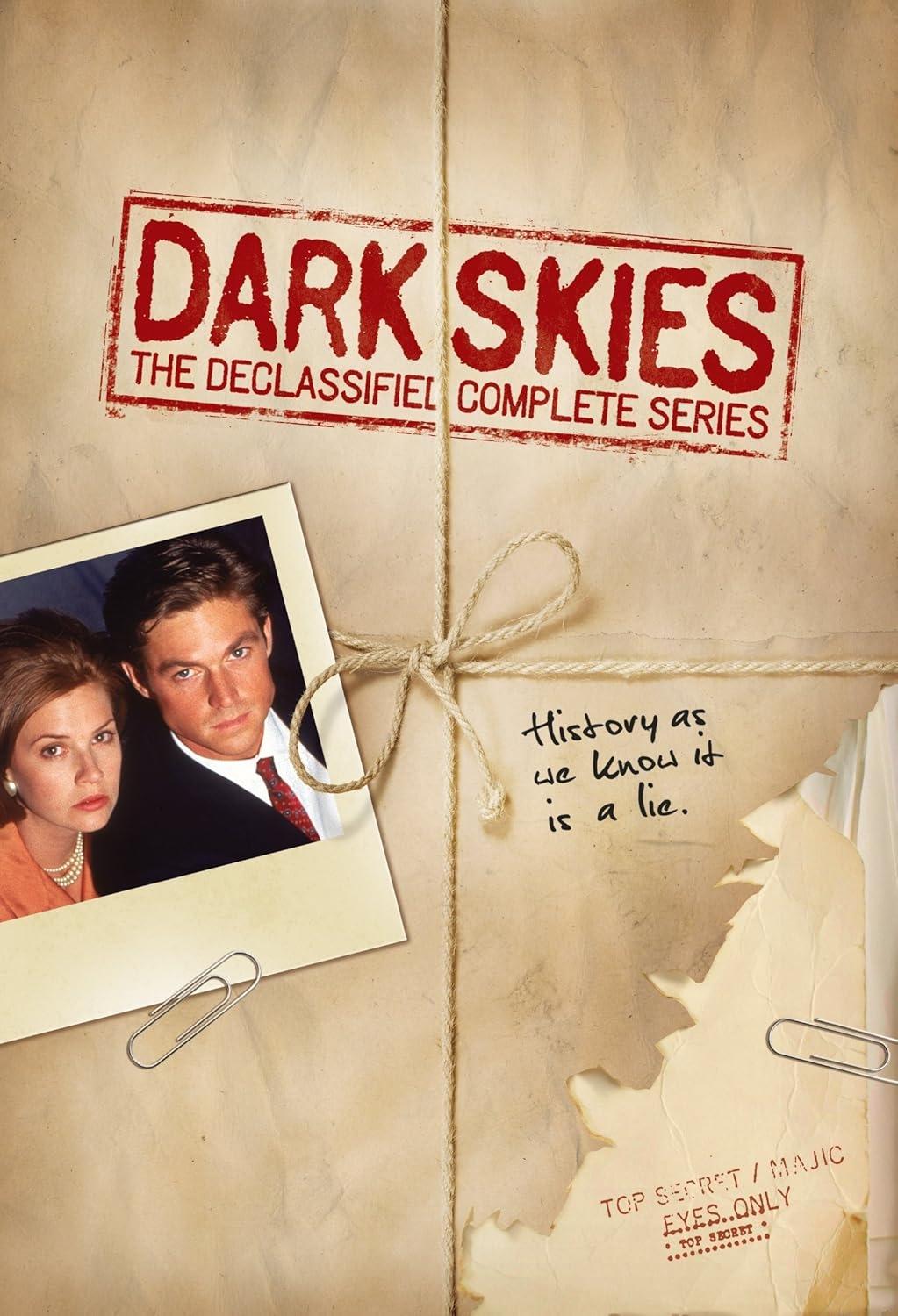
Set in the 1960s, the series presents an alternate history in which a secret agency called Majestic tracks and counters an alien presence. A congressional aide and his partner uncover classified operations that tie into national security programs and cultural flashpoints. The show aired on NBC for one season and stars Eric Close and Megan Ward, with later appearances by Jeri Ryan.
The narrative lays out protocols for cover stories, dead drops, and secure communications in an era before digital networks. It also explores how archival records, microfilm, and intercepted transmissions can be used to reconstruct the architecture of a hidden war.
‘The Expanse’ (2015–2022)
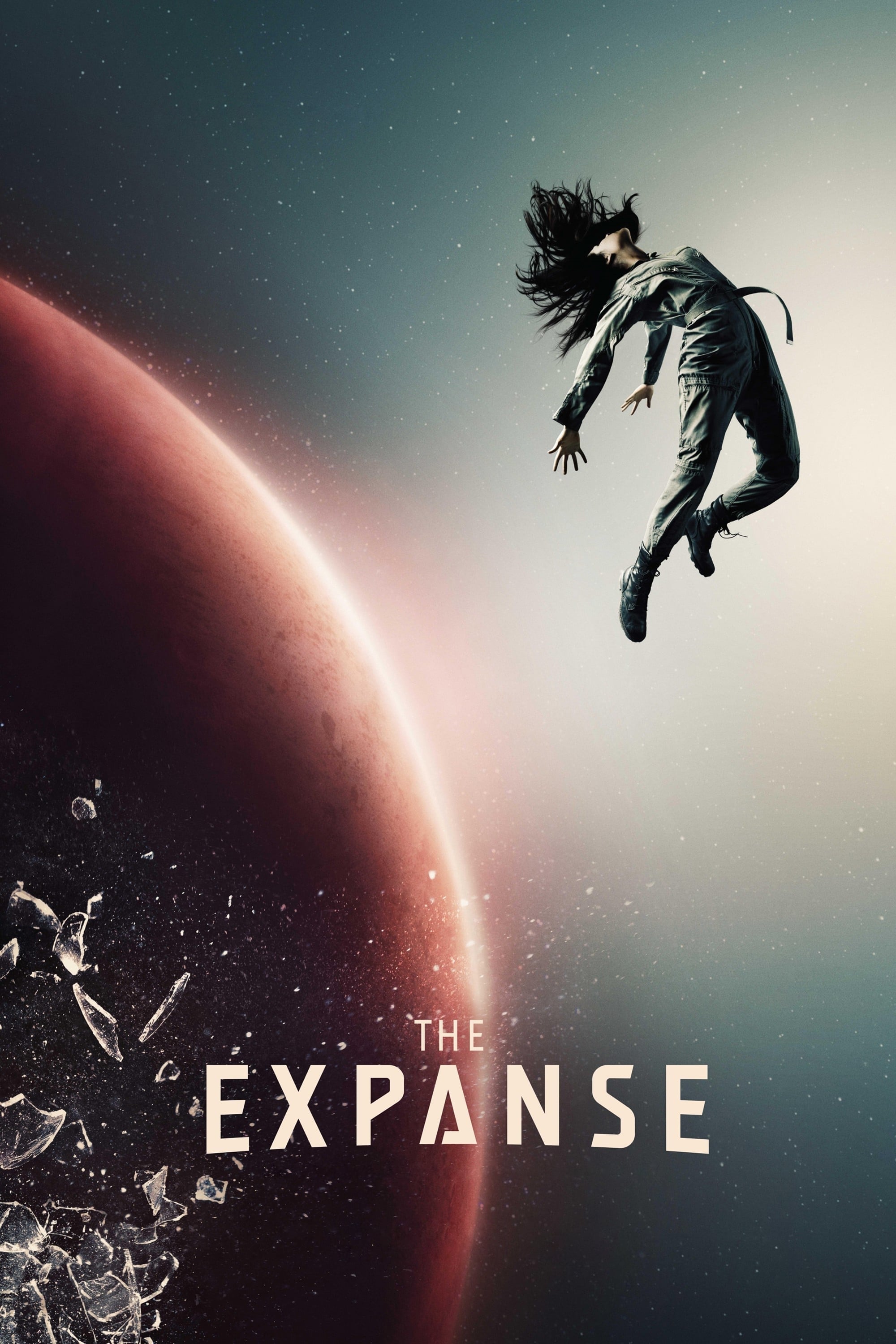
Based on the novels by James S. A. Corey, the series follows crews from Earth, Mars, and the Belt as they encounter an alien protomolecule that rewrites biology. The show began on Syfy and continued on Prime Video, running for six seasons with an ensemble that includes Steven Strait, Dominique Tipper, and Shohreh Aghdashloo. Political blocs, shipping guilds, and private firms all compete to control what the discovery means.
Technical detail is a constant, from delta-v budgets and Epstein drive physics to shipboard life support and vacuum survival protocols. The story tracks how data about the protomolecule moves through labs, militaries, and corporations, and how decisions taken in boardrooms and war rooms shape what happens at the edge of known space.
Share your own must-watch picks for fans of ‘Alien: Earth’ in the comments.