


If You Loved ‘Monster: The Ed Gein Story ’, Watch These 15 Similar Shows on Netflix

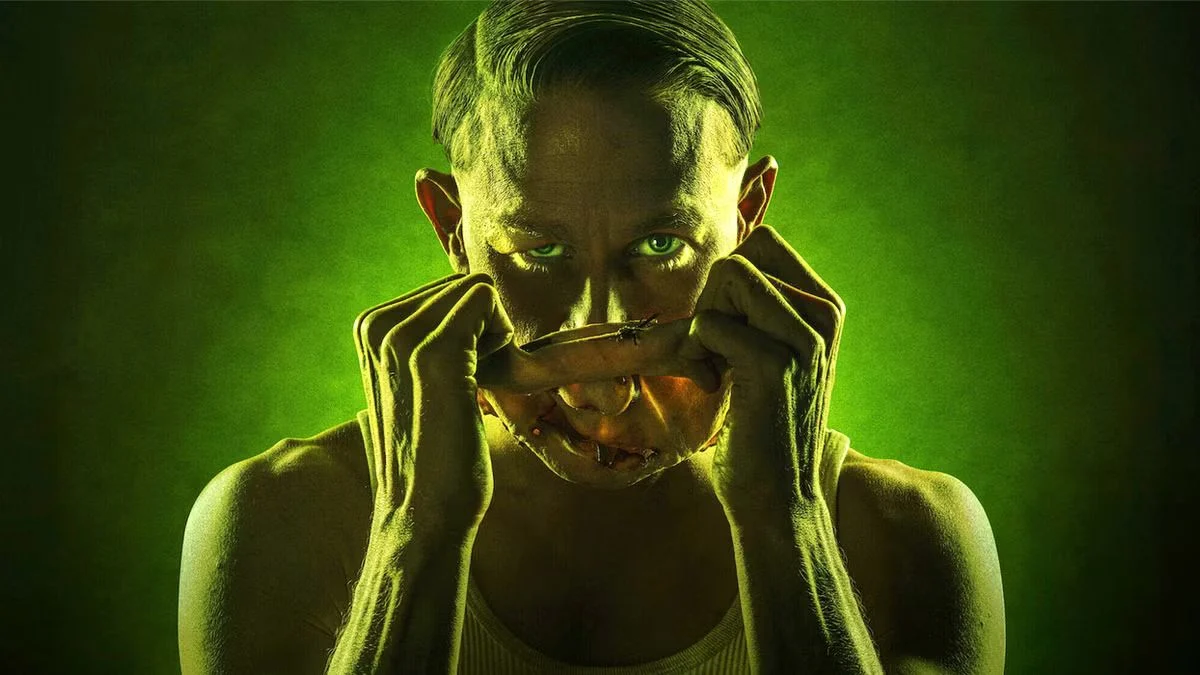


True crime fans who were drawn to the meticulous detail and forensic storytelling in ‘Monster: The Ed Gein Story ’ will find plenty more to dive into on Netflix. The platform has a deep library of series that examine real investigations, archival materials, and the methods that detectives and criminologists use to piece cases together. Many of these shows focus on serial cases, while others explore the broader systems that surround violent crime and its investigation.
This list brings together docuseries and dramatized series that track offenders, victims, and investigators across different eras and regions. You will find interview-driven shows, archive-first productions, and methodical case reconstructions that break down timelines, evidence, and investigative breakthroughs. Each pick is chosen for its focus on verifiable facts, primary sources, and detailed case work that mirrors what made ‘Monster: The Ed Gein Story ’ so compelling.
‘Dahmer – Monster: The Jeffrey Dahmer Story’ (2022– )
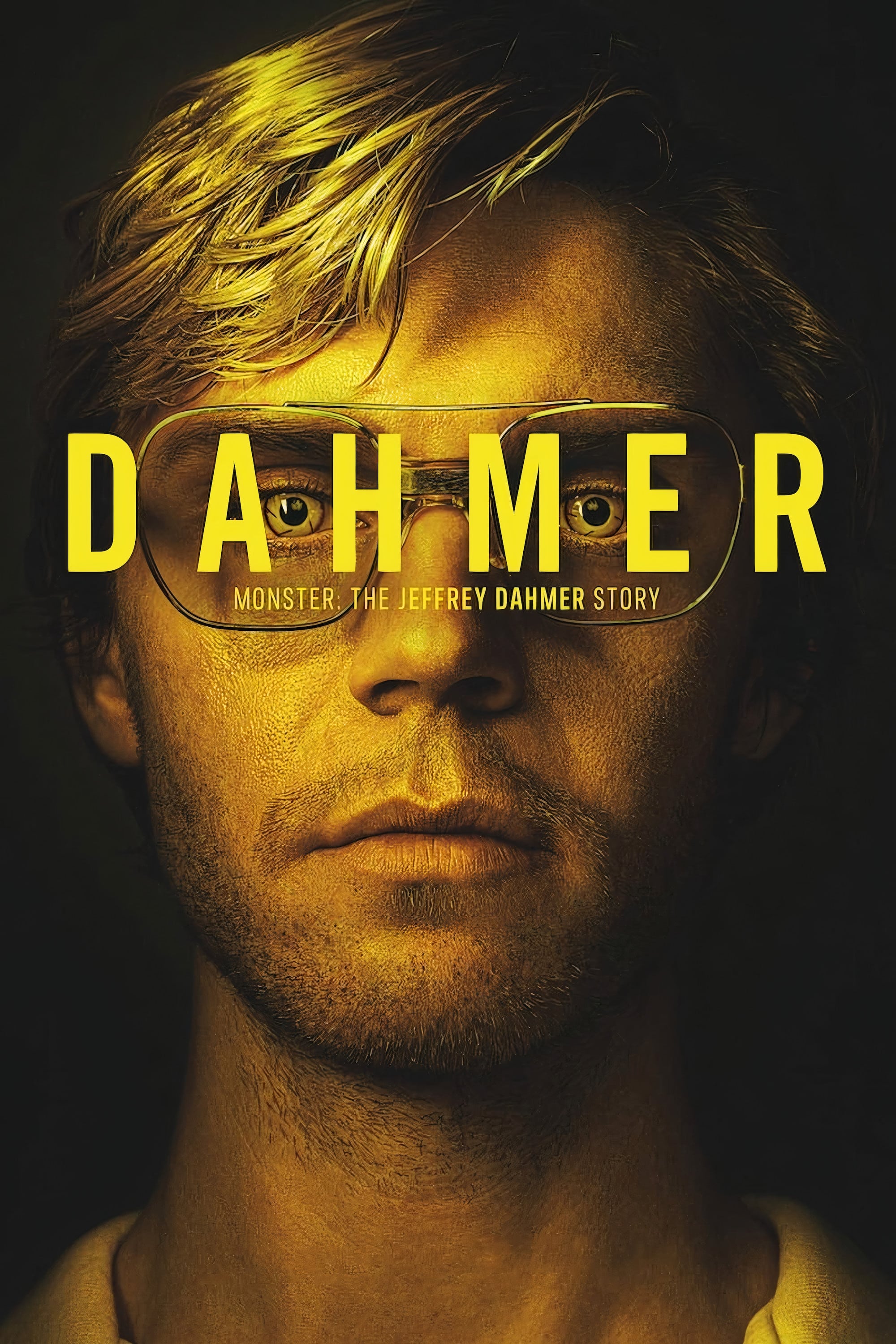
This dramatized series follows the Milwaukee case through the perspective of police files, court records, and documented neighbor accounts. It reconstructs investigative milestones and procedural gaps using events that are already a matter of public record, including arrest details and trial proceedings.
Episodes map the chronology of known incidents and embed scene work around confirmed locations and timelines. The show interweaves official testimony, victim statements, and legal outcomes to present how the case moved from initial complaints to conviction.
‘Monsters: The Lyle and Erik Menendez Story’ (2024)
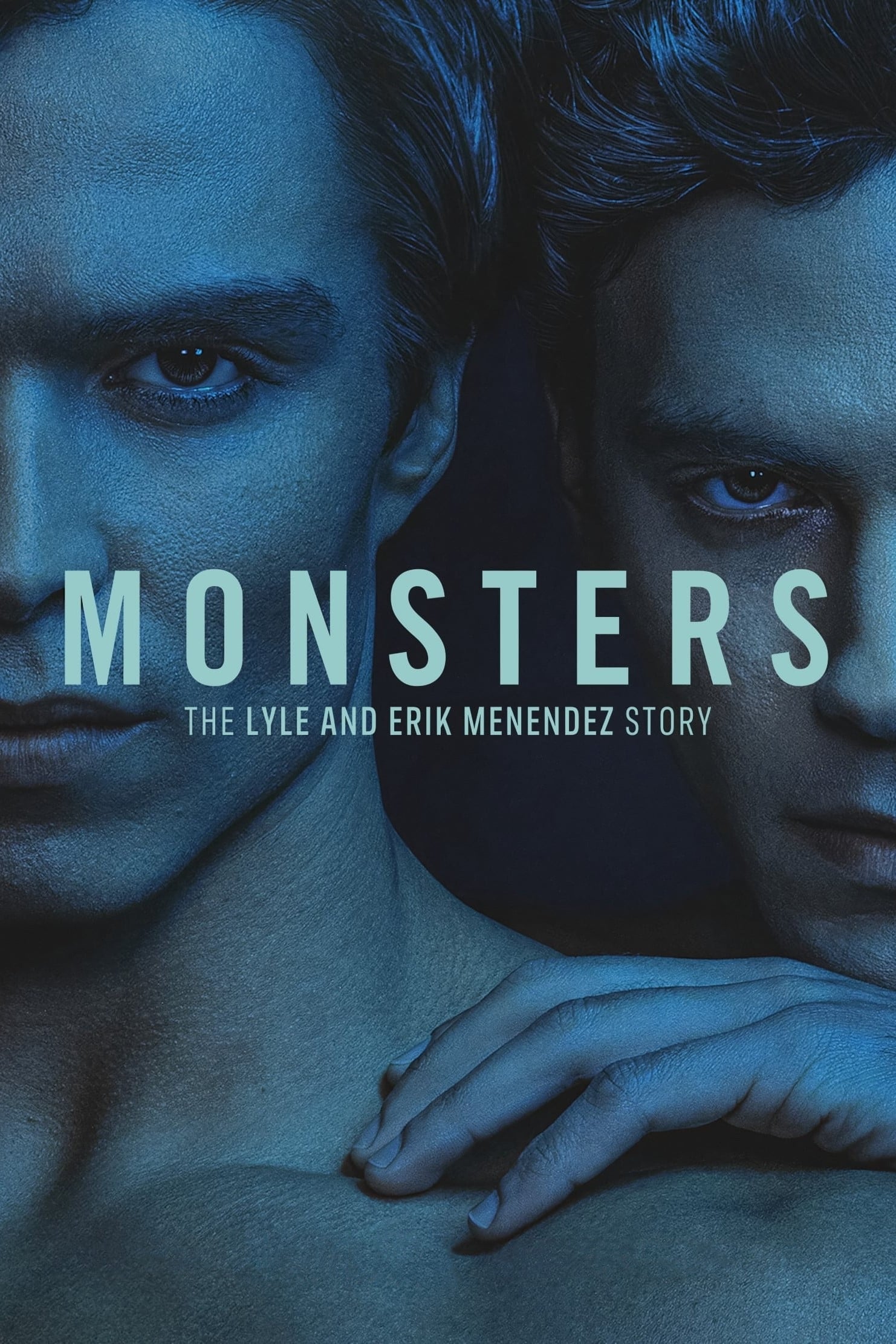
This entry in the anthology centers on the Beverly Hills case and uses transcripts, interrogations, and court exhibits to trace the events from the night of the crime through the high-profile trials. The narrative incorporates documented family history and financial records that appeared in the public case file.
Episodes align with the major procedural beats such as defense strategies, prosecutorial evidence, and rulings. The series places recorded phone calls and interview excerpts alongside timeline reconstructions to show how investigators assembled their theory of the crime.
‘Catching Killers’ (2021– )
This docuseries focuses on detectives and forensic specialists as they recount investigations step by step. Each episode uses interview testimony, archival footage, crime scene photography, and mapping to lay out how suspects were identified and evidence was tested.
The show covers a range of cases across jurisdictions, often highlighting the introduction of new techniques like DNA profiling or geographic analysis. It emphasizes how teams coordinated warrants, surveillance, and lab work to convert leads into admissible evidence.
‘Conversations with a Killer: The Ted Bundy Tapes’ (2019)
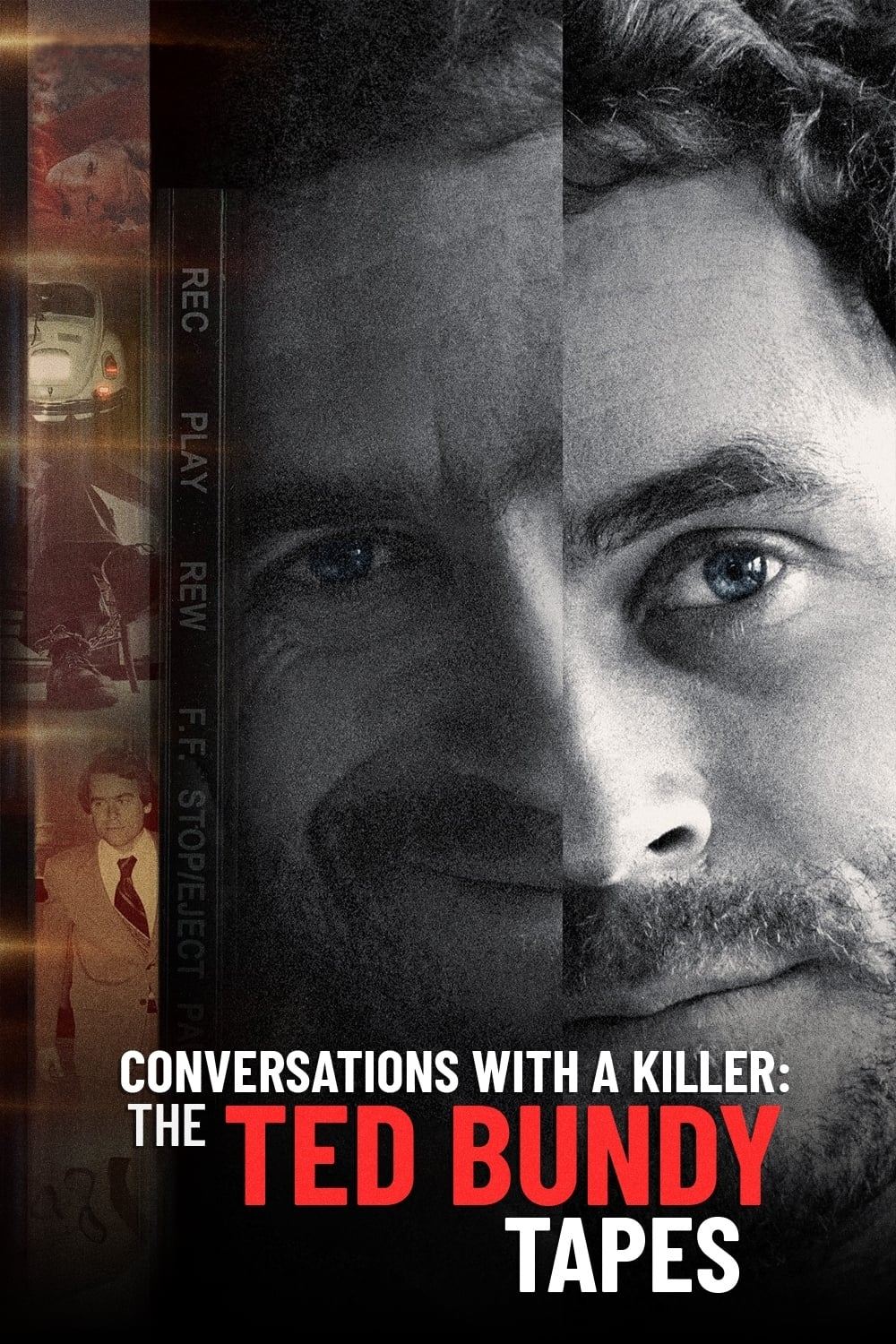
Built around long-form audio recordings, this series uses the subject’s taped interviews along with news footage, police files, and courtroom video. It reconstructs known movements across multiple states and connects them to contemporaneous reports and investigative notes.
The production organizes the chronology with maps, dates, and official documents to show how patterns emerged. It also details how jurisdictional coordination and evidence sharing ultimately helped consolidate the case.
‘Conversations with a Killer: The John Wayne Gacy Tapes’ (2022)
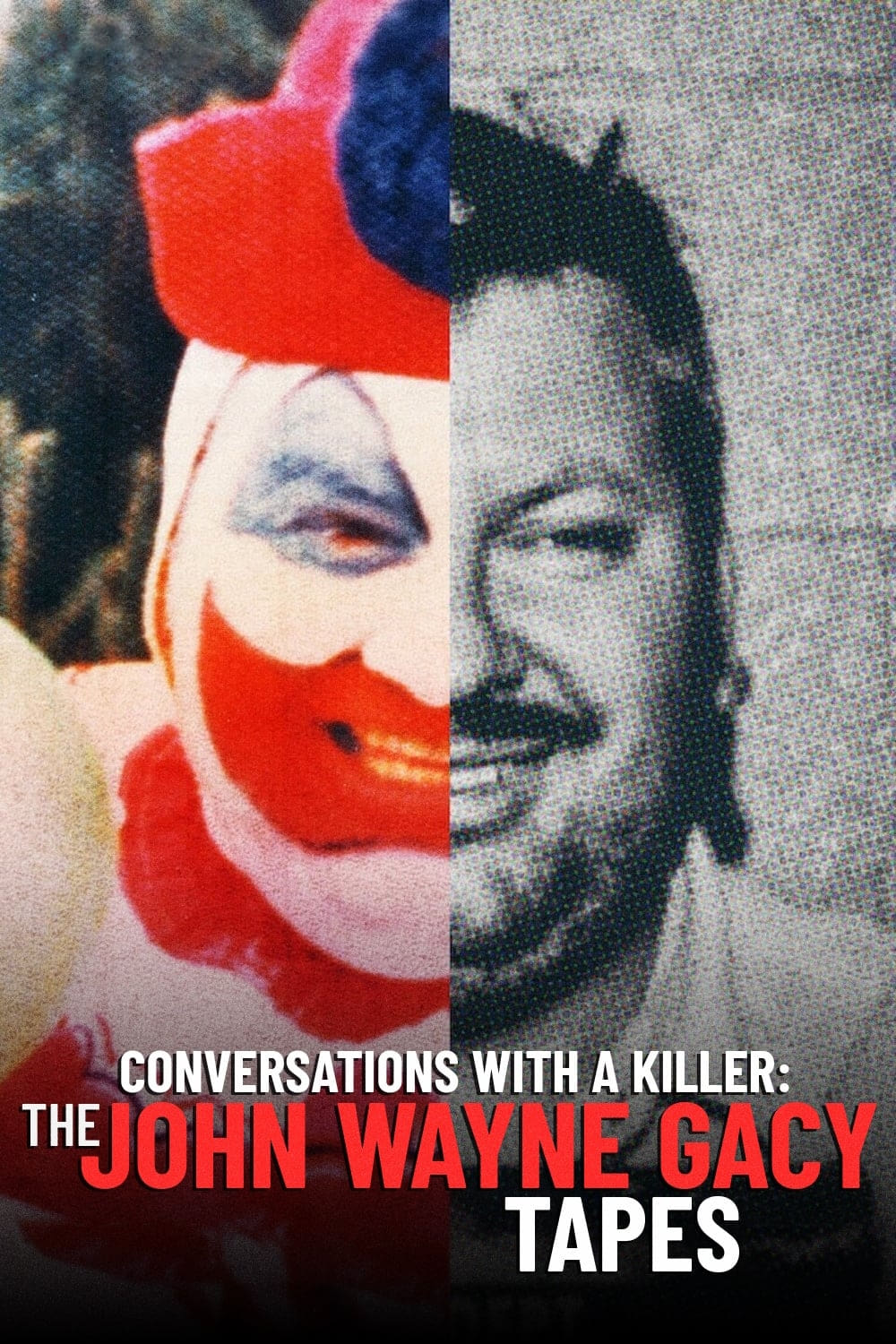
This series pairs archival recordings with photographs, search records, and testimony to retrace the investigation in suburban Chicago. It includes the discovery process at the crime scene and documents the procedures used during excavation and identification.
Episodes follow the issuance of warrants, the tracking of missing persons reports, and the compilation of forensic findings. The narrative shows how local and state agencies collaborated on evidence cataloging and case-building.
‘Night Stalker: The Hunt for a Serial Killer’ (2021)
This docuseries chronicles the Los Angeles investigation through interviews with lead detectives, surviving witnesses, and reporters who covered the case. It uses location footage, composite sketches, and evidence photography to align events on a detailed timeline.
The series explains how task forces were organized, how tips were processed, and how ballistic and footprint analysis contributed to identification. It documents the public safety measures and press briefings that accompanied the manhunt.
‘The Ripper’ (2020)
Focusing on the Yorkshire case, this series pulls from police archives, contemporary broadcasts, and interviews with investigators and residents. It sets out the search areas and investigative decisions that shaped the inquiry.
Each episode traces how suspect lists were compiled and filtered, and how conflicting witness accounts affected resource allocation. It examines the impact of misleading communications and the eventual evidentiary breakthroughs that led to arrest.
‘The Sons of Sam: A Descent into Darkness’ (2021)

This series revisits the New York case through archival news, police reports, and the research files of independent investigators. It lays out the known facts of the case and then catalogs alternative hypotheses that were documented outside official channels.
The episodes present interviews, letters, and public documents to distinguish verified events from disputed claims. It shows how case materials were organized and how freedom of information requests contributed to the public record.
‘The Raincoat Killer: Chasing a Predator in Korea’ (2021)
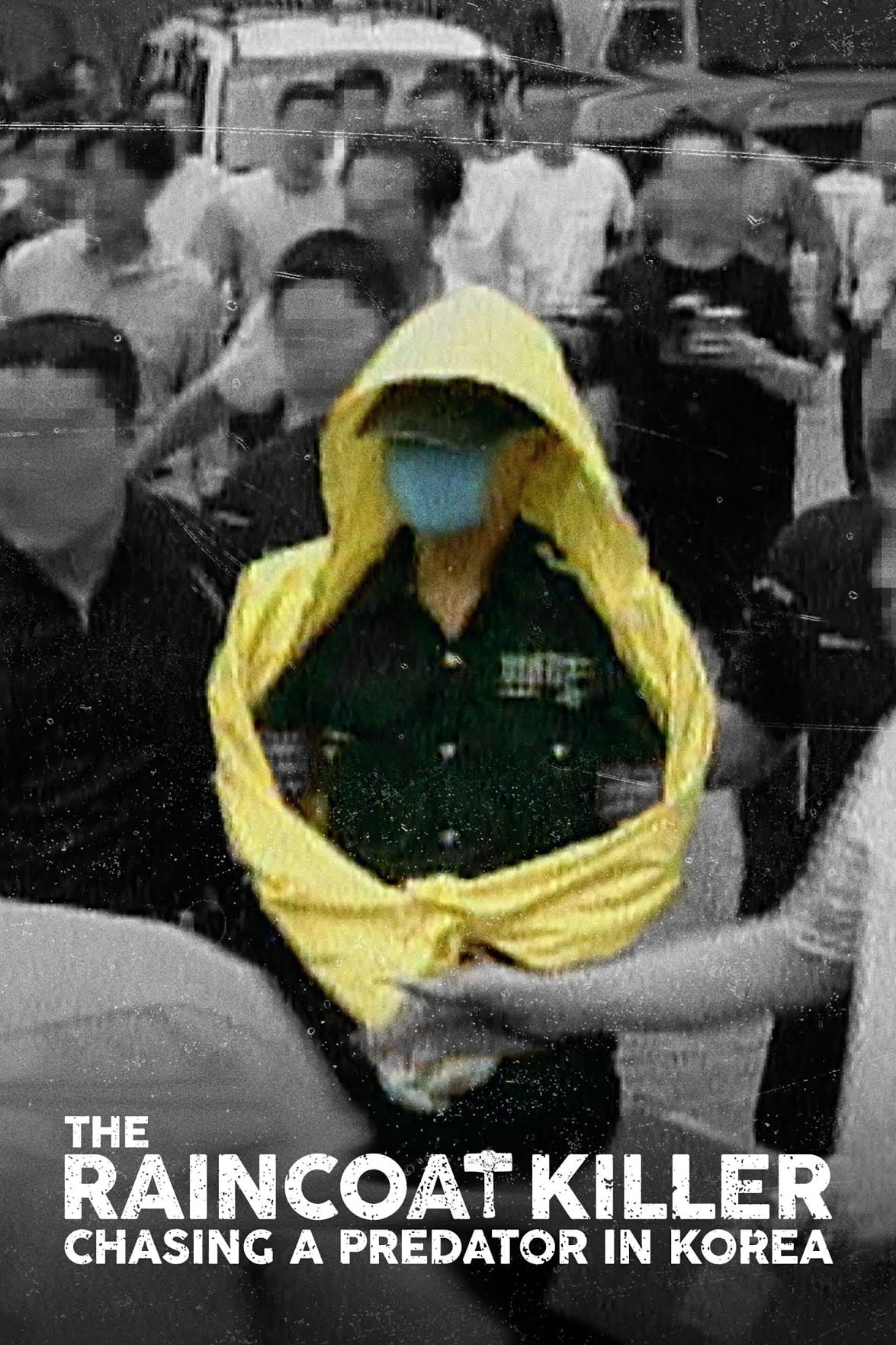
This Korean docuseries uses law enforcement interviews, reenactments grounded in case files, and location footage to reconstruct the investigation. It details how surveillance, undercover work, and forensic results combined to identify and capture the suspect.
The show provides a clear sequence of events, including crime scene processing, media releases, and community alerts. It explains the procedural tools available under local law and how they were applied during the search.
‘I Am a Killer’ (2018– )
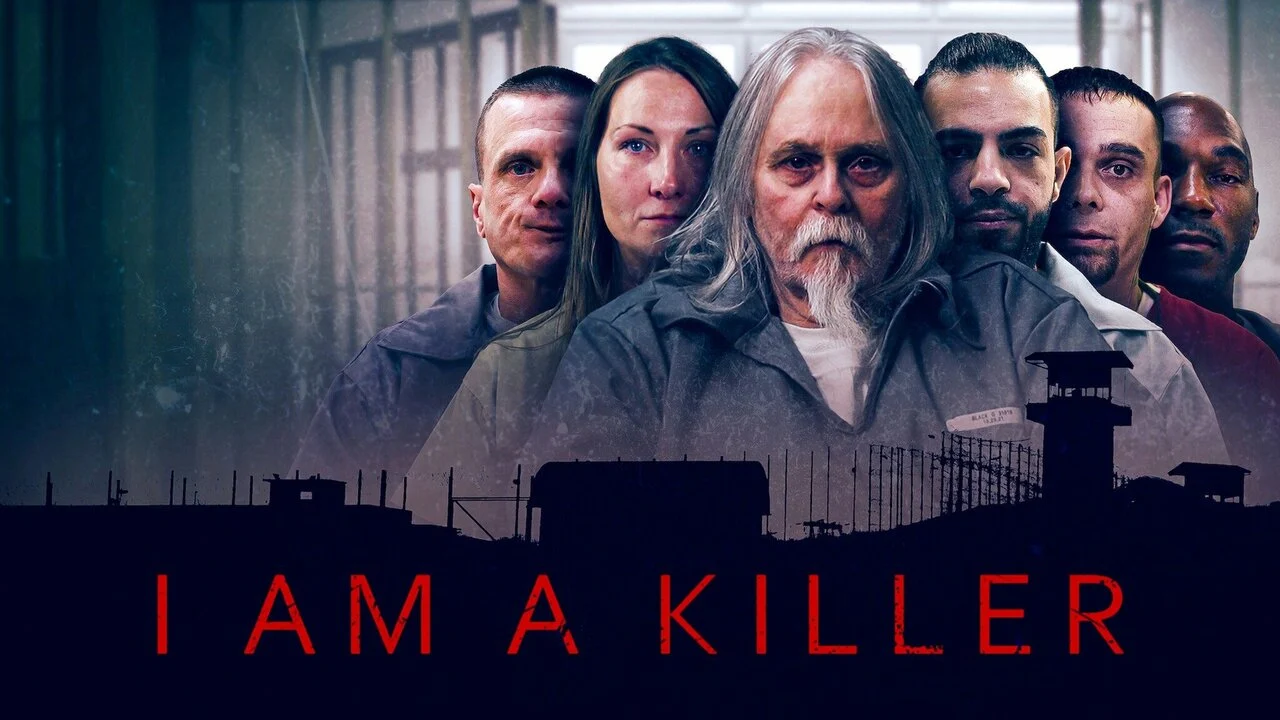
This interview-based series features incarcerated individuals discussing their cases, with context provided by investigators, attorneys, and family members. It supplements firsthand accounts with official records, photographs, and court documents.
Each episode cross-references personal narratives with filings and transcripts to clarify the legal posture of the case. It outlines sentencing, appeals, and eligibility for parole as recorded by the relevant jurisdictions.
‘Making a Murderer’ (2015–2018)
This long-form docuseries follows a Wisconsin case through police work, pretrial motions, trials, and postconviction filings. It includes depositions, transcripts, exhibits, and interviews with counsel to show the evolution of the legal arguments.
The production tracks timelines with dates, discovery disclosures, and court rulings. It documents forensic testing requests, expert testimony, and the administrative steps involved in appeals and motions.
‘Mindhunter’ (2017–2019)
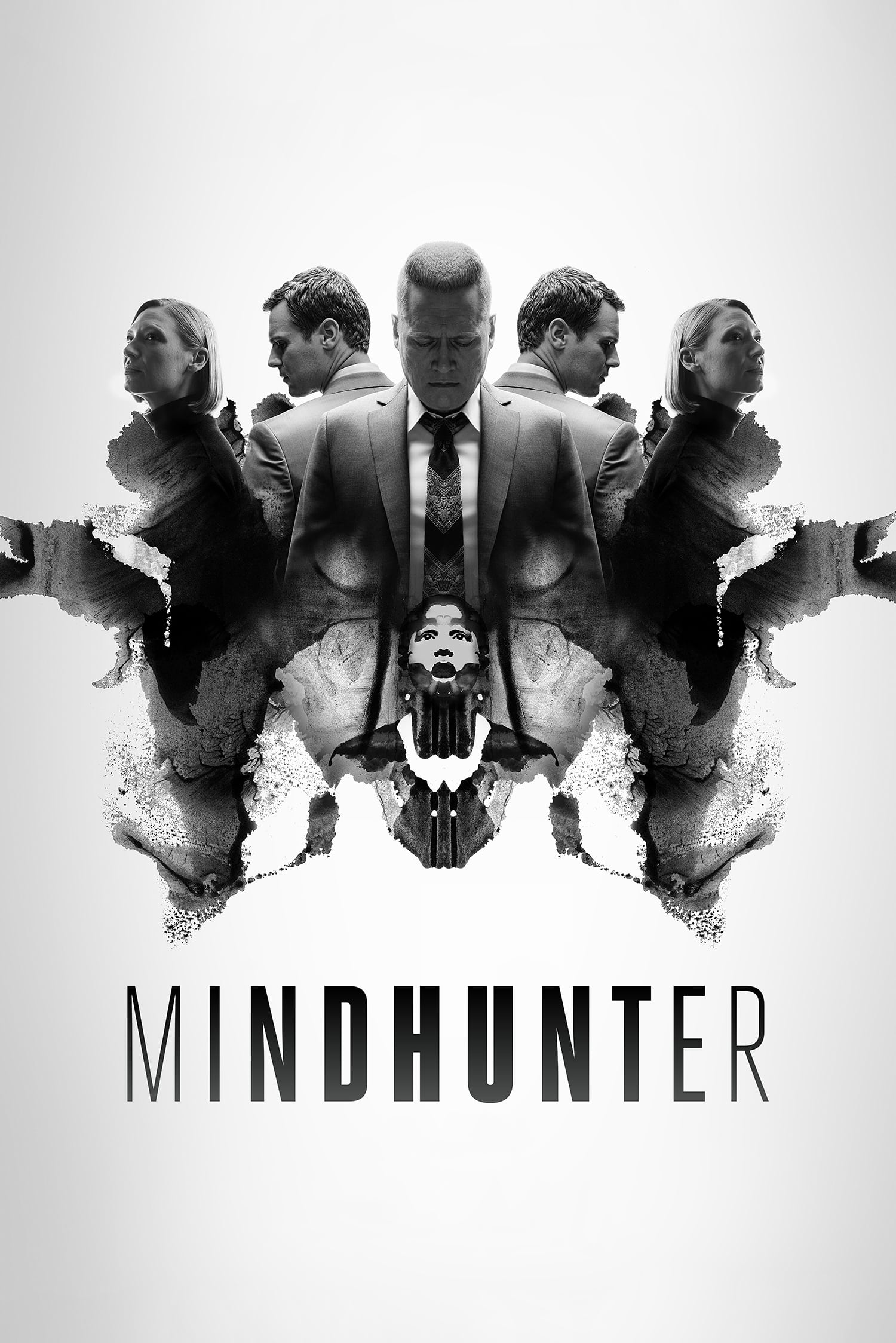
This dramatized series is based on the historical development of behavioral analysis within the FBI. It stages interviews modeled on published procedures and aligns storylines with case studies that informed early offender profiling.
Episodes depict how agents compiled typologies, conducted prison interviews, and coordinated with local departments. The show organizes case details around interview notes, evidence summaries, and investigative hypotheses used in the field.
‘The Confession Killer’ (2019)
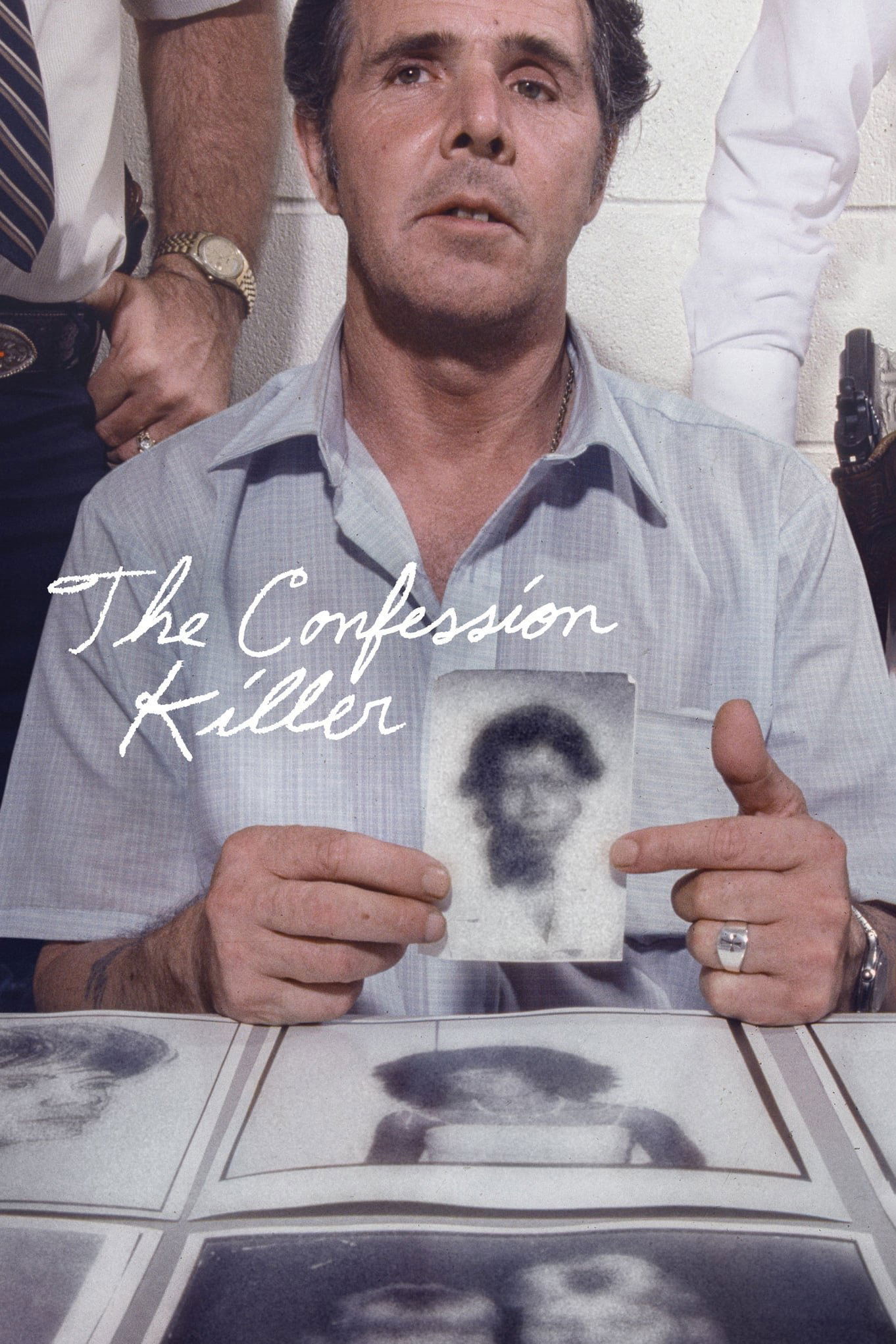
This docuseries examines the Henry Lee Lucas confessions using interrogation footage, legal documents, and media reports. It traces how statements were taken, logged, and compared with unsolved cases across multiple states.
The series details the verification process that agencies used to test confessions against physical evidence. It also covers how case closures were cataloged and later re-examined when inconsistencies emerged.
‘Crime Scene: The Vanishing at the Cecil Hotel’ (2021)
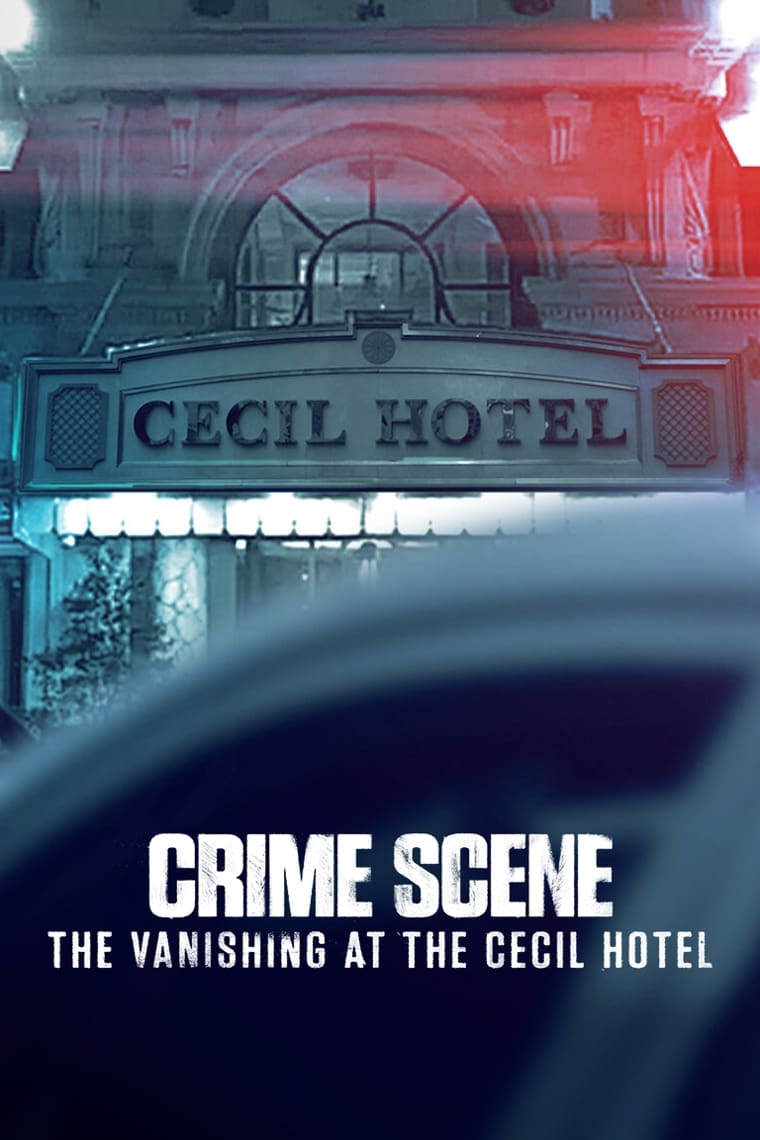
This series documents the investigation into a missing persons case tied to a downtown Los Angeles hotel. It compiles surveillance video, interview material, and public records to illustrate how leads were generated and prioritized.
Episodes outline the search protocols, timelines, and interagency coordination that shaped the inquiry. They also show how online activity intersected with the official investigation and how authorities addressed public speculation.
‘Crime Scene: The Times Square Killer’ (2021)
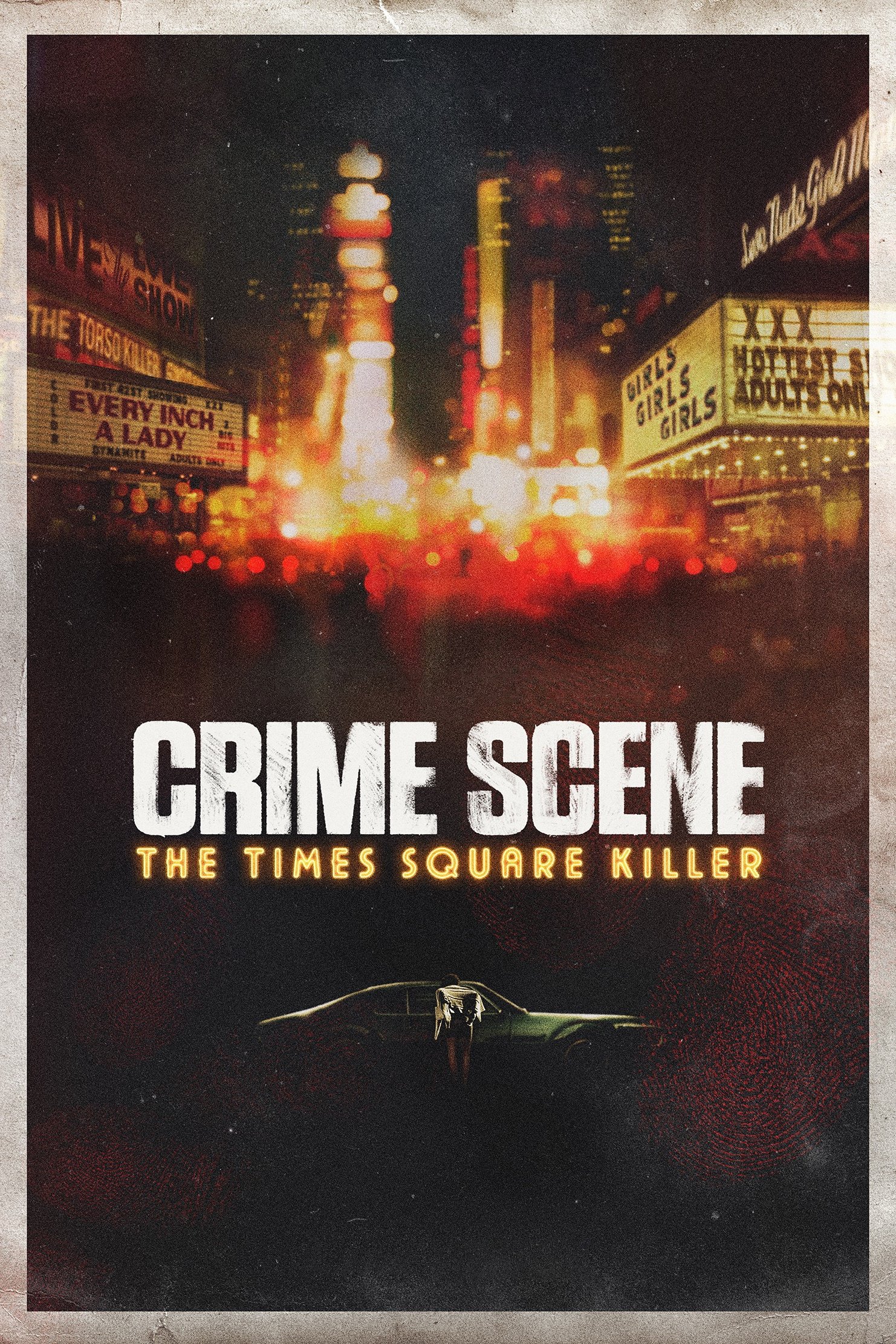
This installment looks at a series of murders in New York and uses case files, period reporting, and investigator interviews to build the timeline. It situates the crimes within known locations and reconstructs investigative steps with documented evidence.
The series explains how detectives linked separate incidents, processed physical evidence, and coordinated with prosecutors. It presents the sequence of surveillance, witness statements, and forensic testing that supported charges.
If you have a favorite true crime series we missed, share your picks in the comments so other readers can check them out.