


If You Remember These 20 TV Shows, You’re Officially Getting Old



There are some series that shaped entire generations of viewers and set the blueprint for what television could be. These shows introduced unforgettable characters, quotable lines, and formats that shaped sitcoms, dramas, and sci fi for decades to come. Many launched stars who became household names and inspired spin offs, revivals, and reboots. If these titles are part of your regular nostalgia cycle, you have watched TV history unfold in real time.
‘I Love Lucy’ (1951–1957)
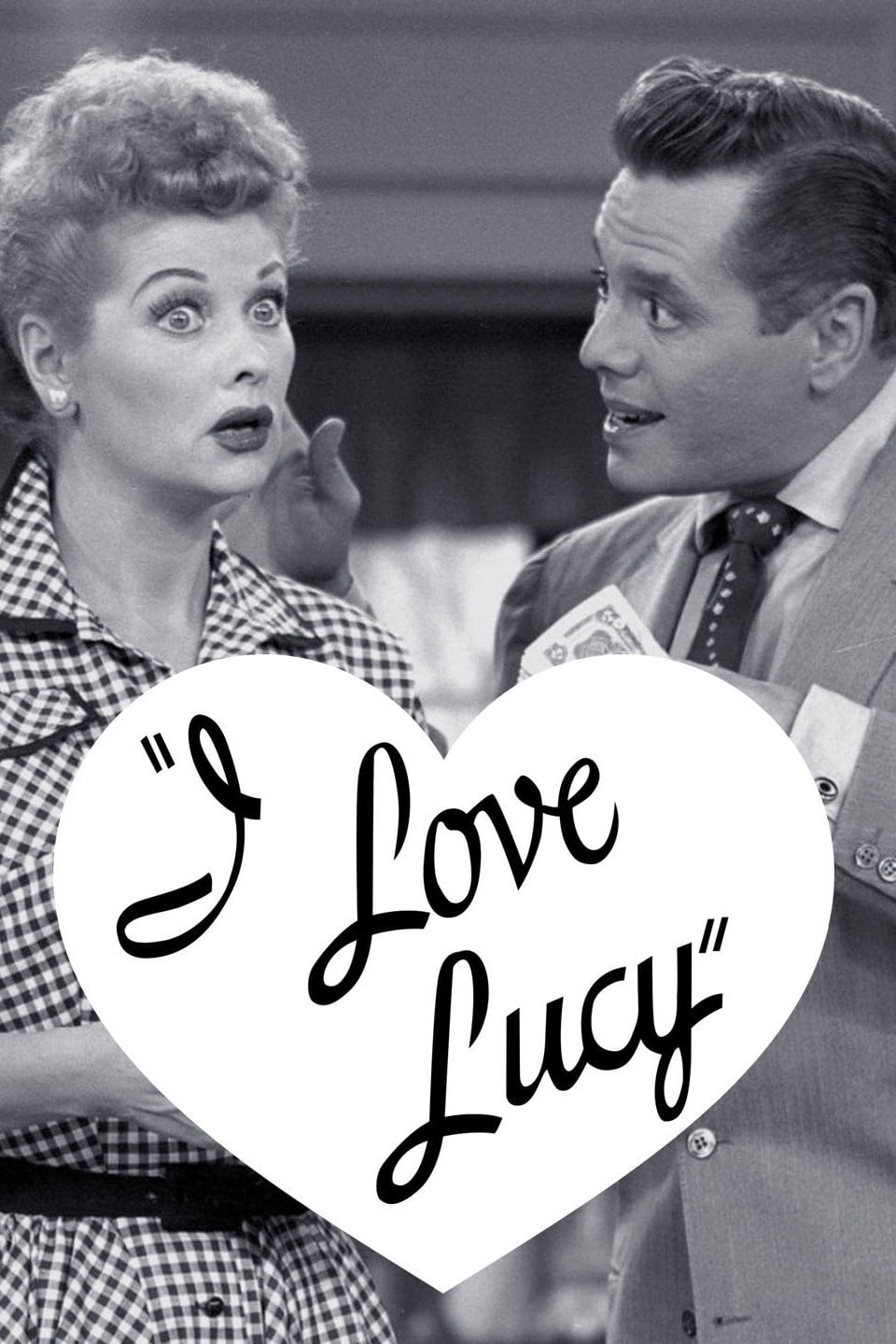
This pioneering sitcom used a three camera setup in front of a live audience to capture precise timing and physical comedy. Lucille Ball and Desi Arnaz also popularized syndication by filming on high quality film stock. The show centered on a married couple balancing show business dreams with everyday life. Its famous chocolate factory and grape stomping sequences became staples in television clip reels.
‘The Twilight Zone’ (1959–1964)
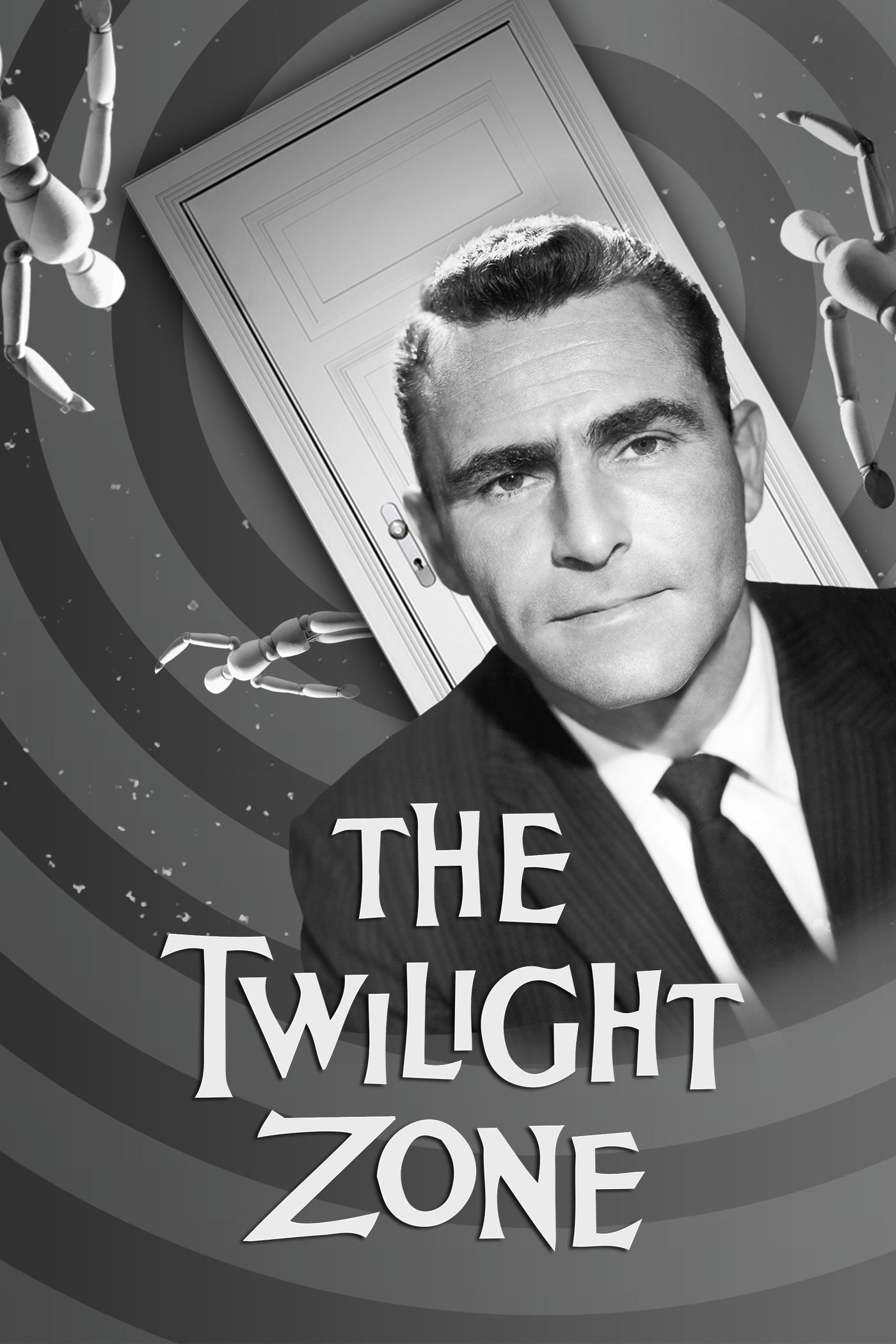
Rod Serling introduced a weekly anthology that mixed science fiction with social commentary. Each episode presented a self contained story with a twist ending that challenged viewers to think about human nature. The series featured early appearances from many soon to be famous actors. Its opening narration and theme remain among the most recognizable in TV.
‘Gunsmoke’ (1955–1975)
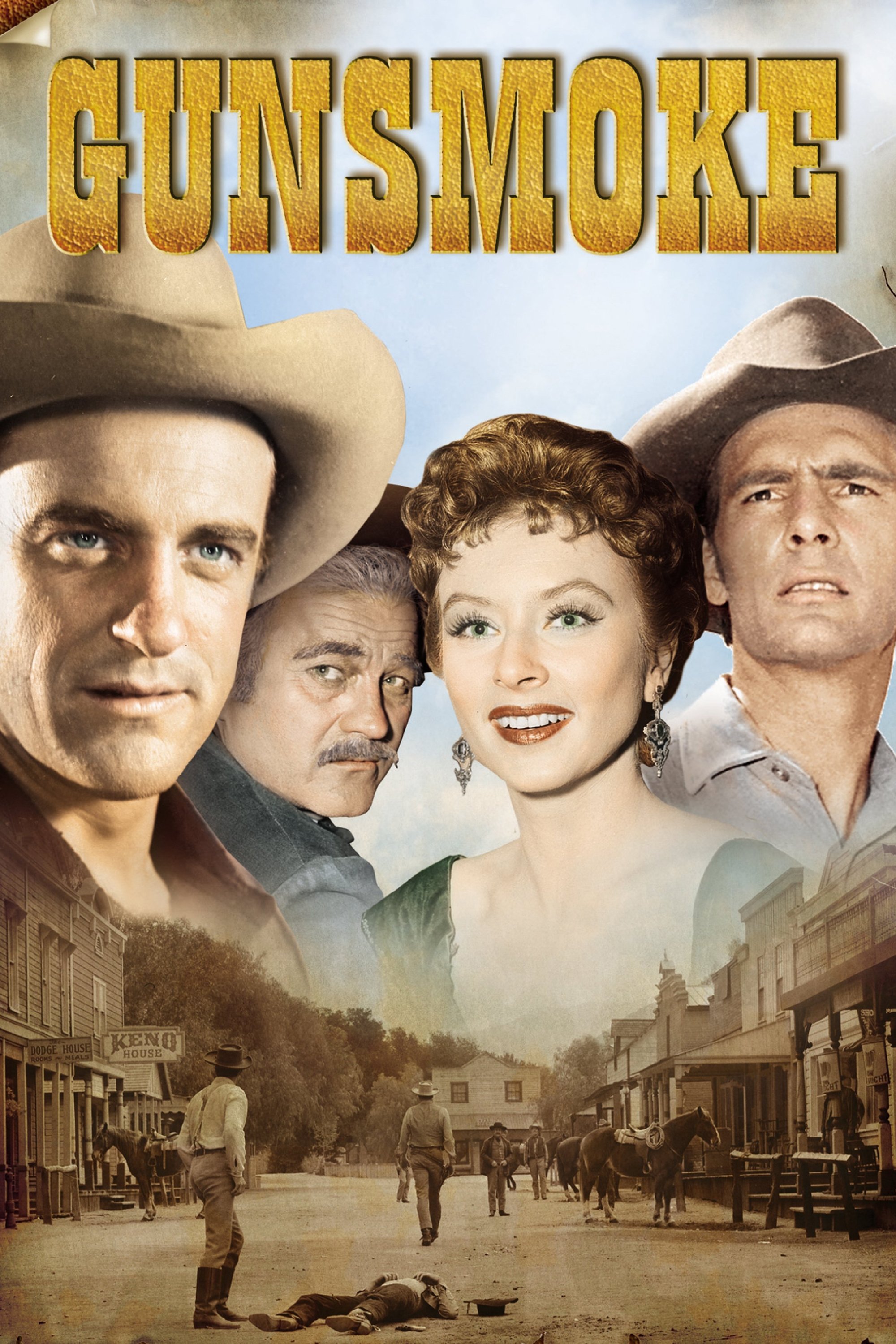
Set in Dodge City, this long running western followed Marshal Matt Dillon as he maintained order on the frontier. The show moved from radio to television and became a staple of prime time schedules. It emphasized character driven stories about law, morality, and survival. The series also helped cement the western as a dominant TV genre.
‘Leave It to Beaver’ (1957–1963)
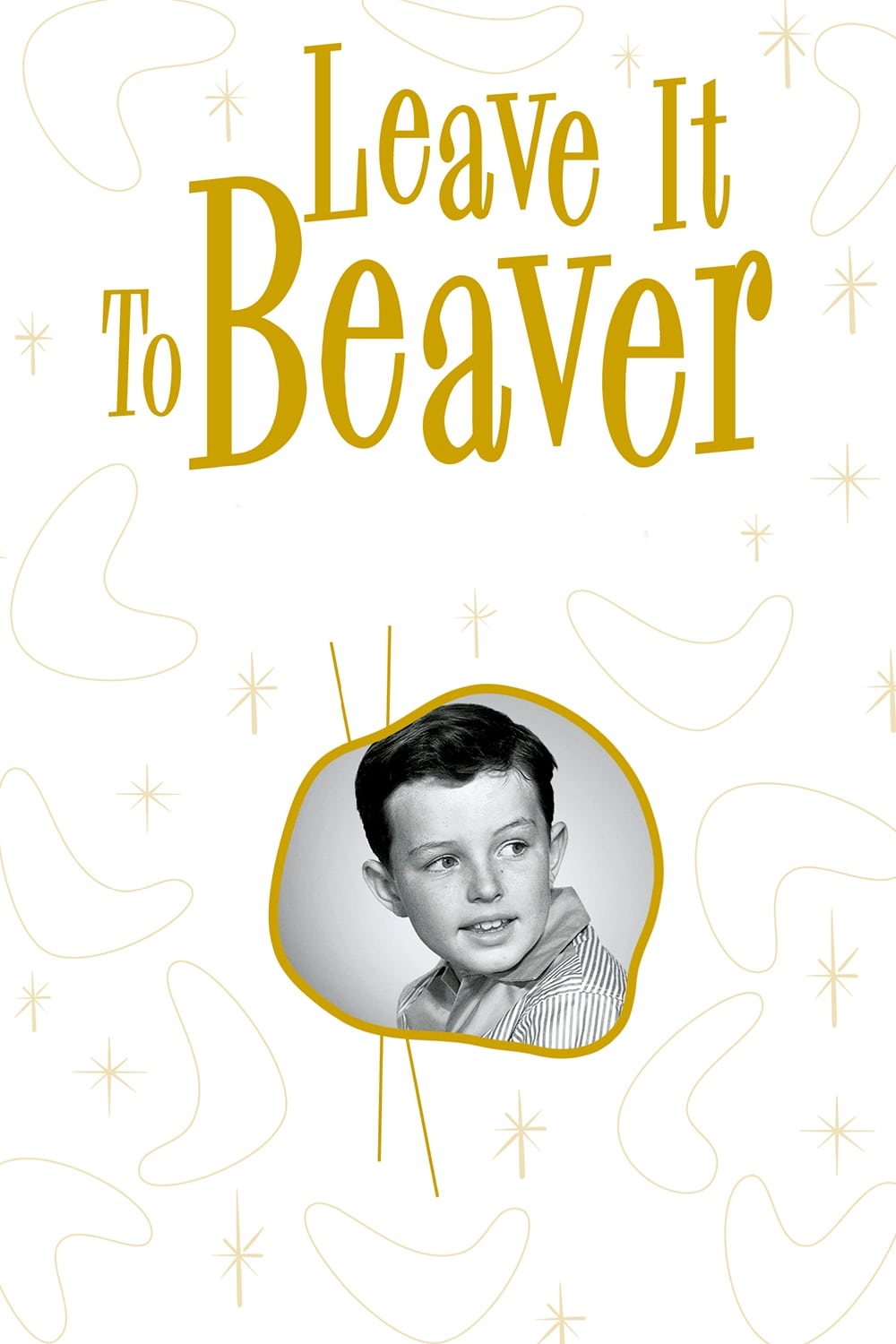
This family sitcom viewed suburban life through the eyes of a young boy nicknamed Beaver. Episodes focused on small misadventures that turned into teachable moments for parents and kids. The writing aimed for relatable situations rather than big gags. It remains a cultural reference for mid century American family ideals.
‘The Andy Griffith Show’ (1960–1968)
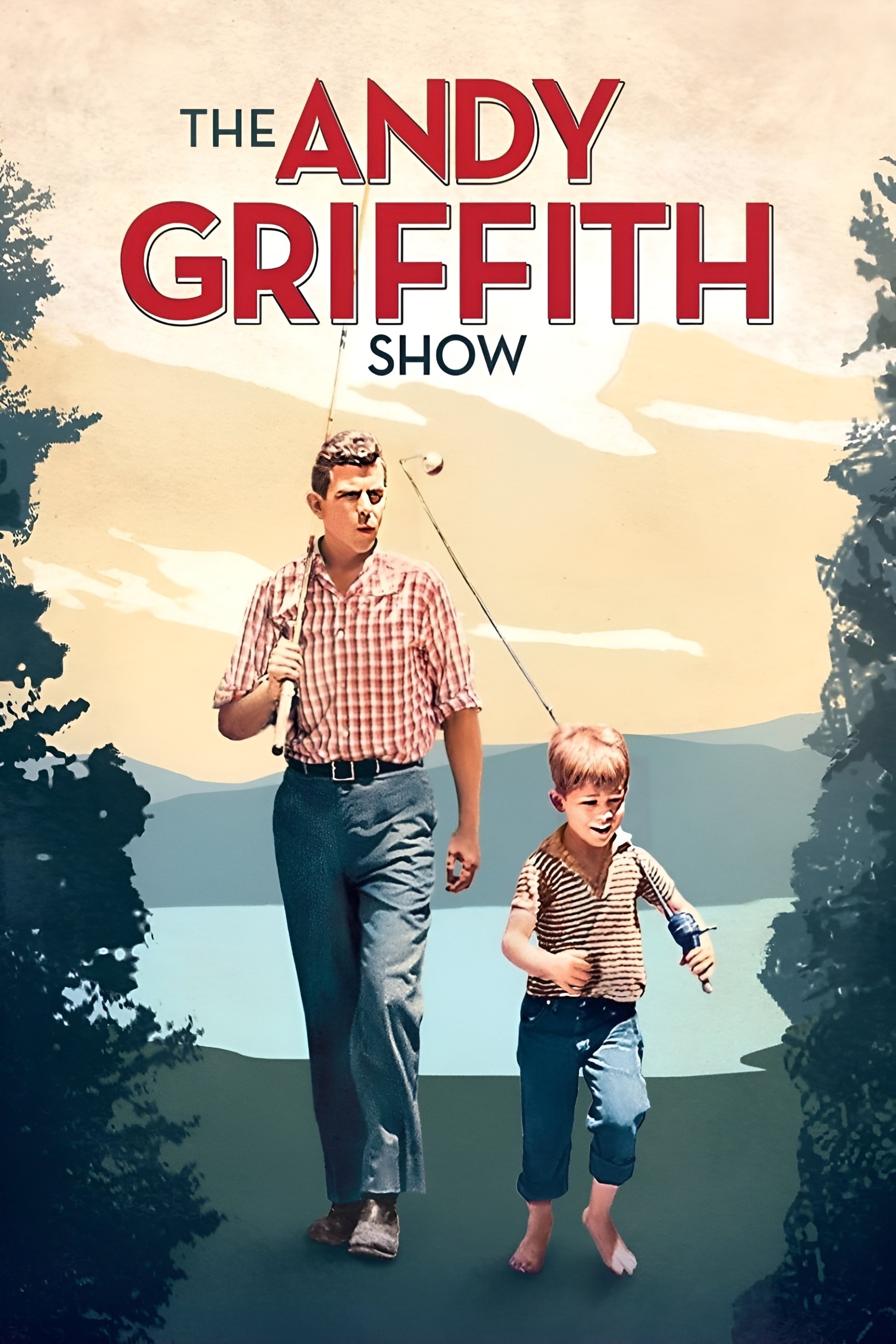
Set in the fictional town of Mayberry, the series followed a widowed sheriff raising his son with help from an eccentric deputy. Stories emphasized community, decency, and gentle humor. Many episodes featured musical interludes and front porch conversations. The show spun off characters and continued in a successor series after the original ended.
‘Gilligan’s Island’ (1964–1967)
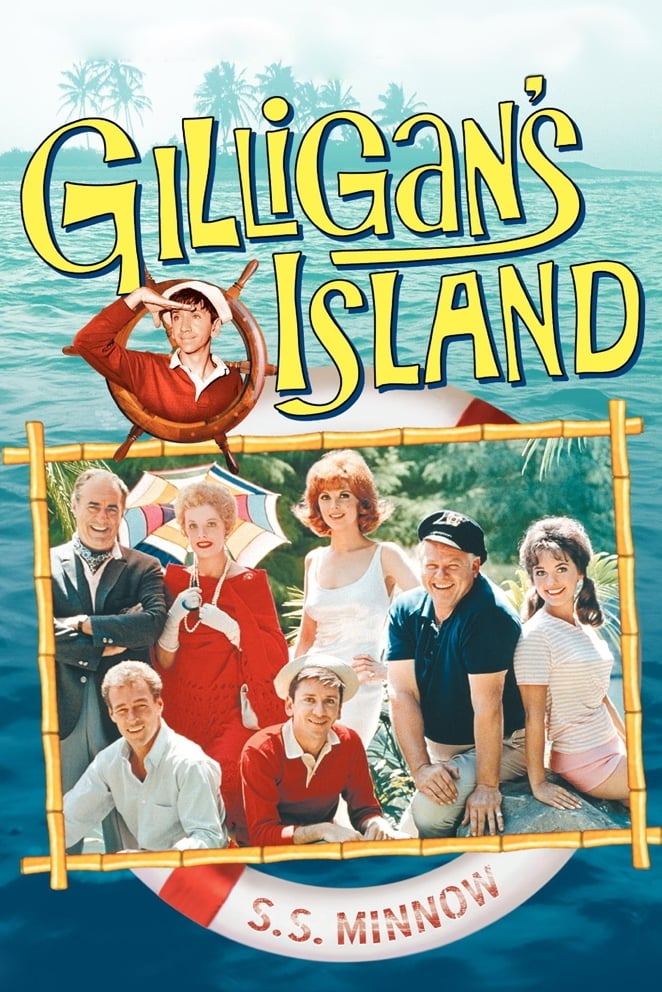
Seven castaways tried to escape a tropical island after a pleasure cruise went wrong. Each episode brought a new plan that ran into comic obstacles. The cast types included a skipper, a millionaire couple, a professor, a movie star, and a girl next door. Its theme song told the premise so clearly that new viewers could jump right in.
‘The Brady Bunch’ (1969–1974)
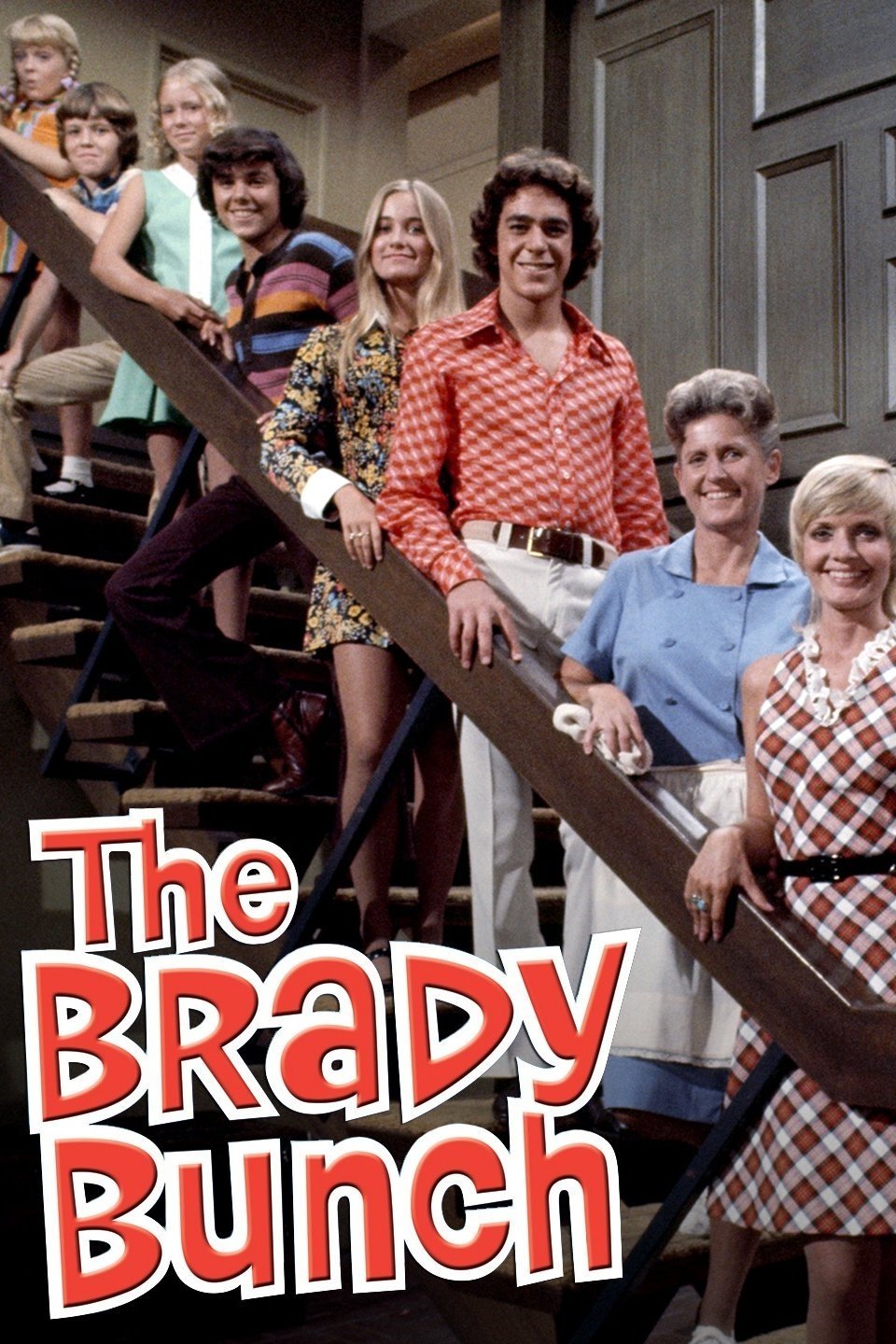
This blended family sitcom followed six kids, their parents, and a quick witted housekeeper under one roof. Episodes covered sibling rivalries, school mishaps, and life lessons told with catchy music interludes. The show later generated reunion movies and animated projects. Its house set and grid style opening became TV icons.
‘All in the Family’ (1971–1979)
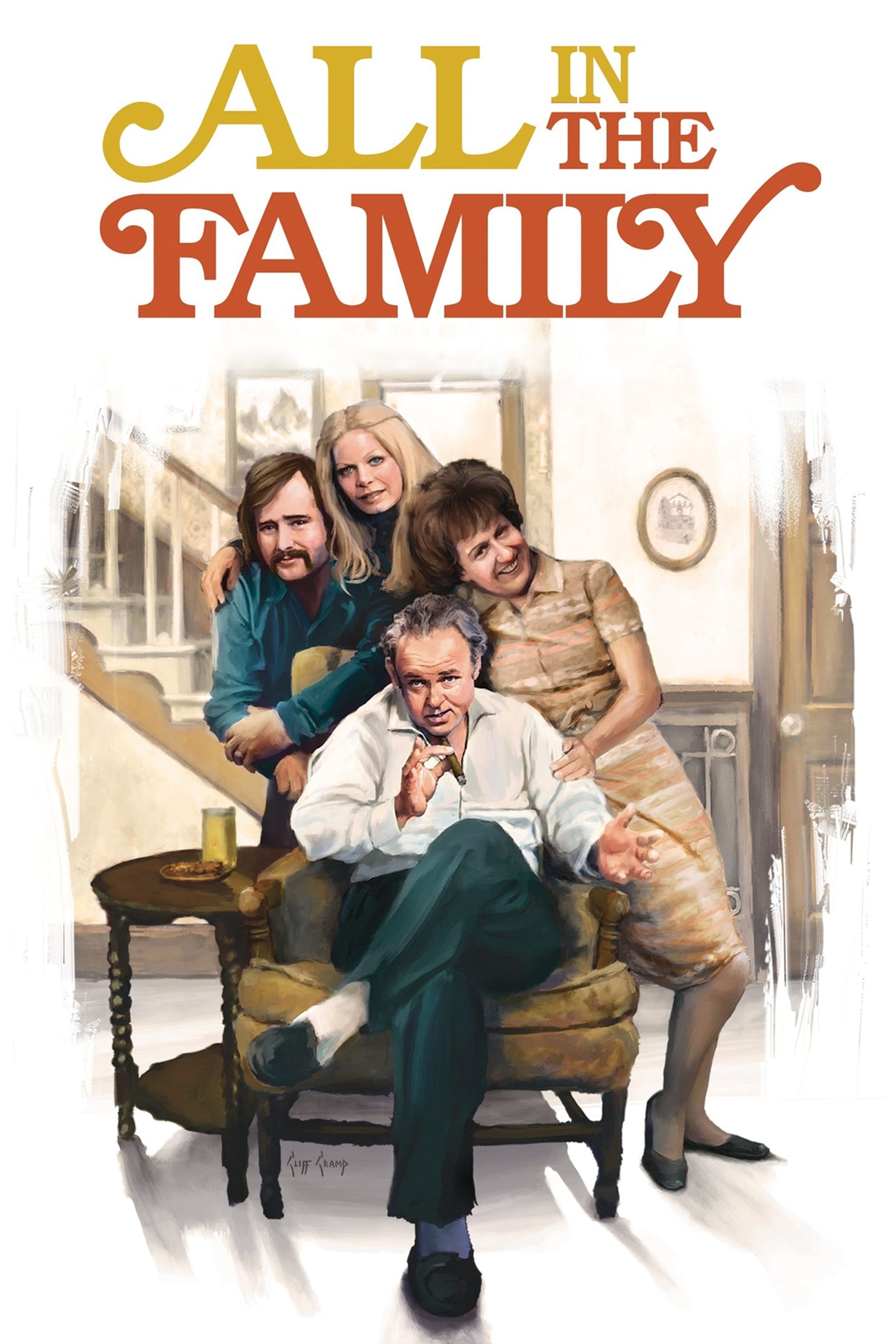
The series centered on a working class Queens household where generational and cultural clashes played out at the dinner table. Norman Lear used the comedy to address social issues through frank dialogue. Characters like Archie and Edith became fixtures of watercooler talk. The show launched multiple spin offs that expanded its TV universe.
‘MAS*H’ (1972–1983)
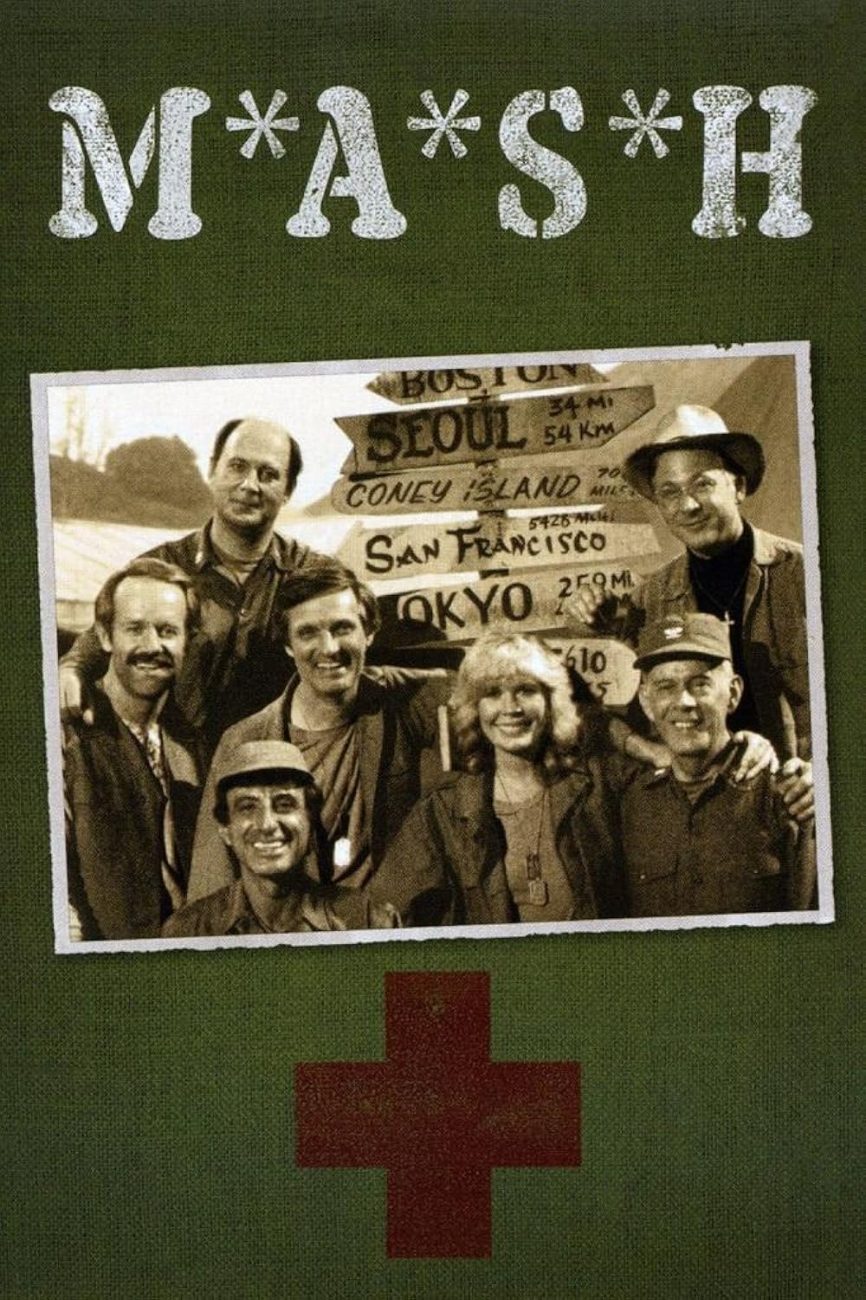
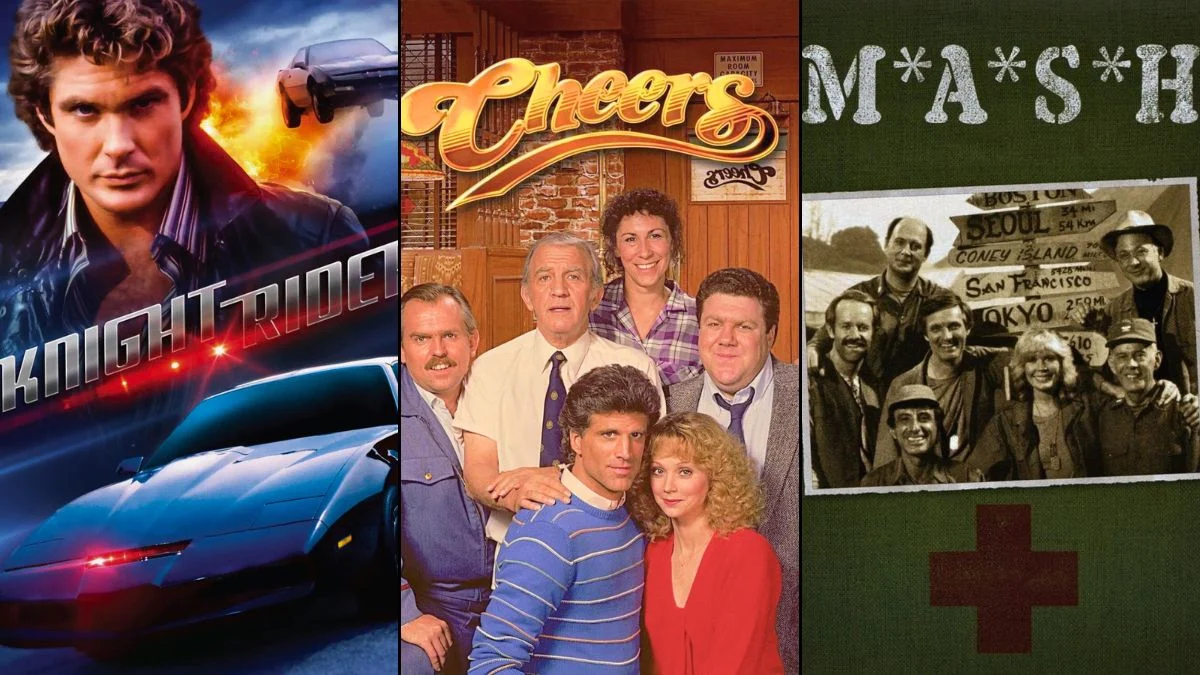
Set at a mobile army surgical hospital, this dramedy balanced wartime surgery scenes with sardonic humor and friendship. The ensemble cast changed over time yet kept a consistent tone of compassion. Its finale drew a massive audience and set viewing records. The series used wit to explore the human cost of conflict.
‘Happy Days’ (1974–1984)

This nostalgic sitcom followed teenagers and their families in a Milwaukee setting focused on a cool yet loyal friend group. The character of Fonzie evolved from side role to cultural phenomenon with signature style and greetings. The show produced spin offs that carried characters into new settings. It kept a warm focus on friendship and community.
‘The Six Million Dollar Man’ (1973–1978)
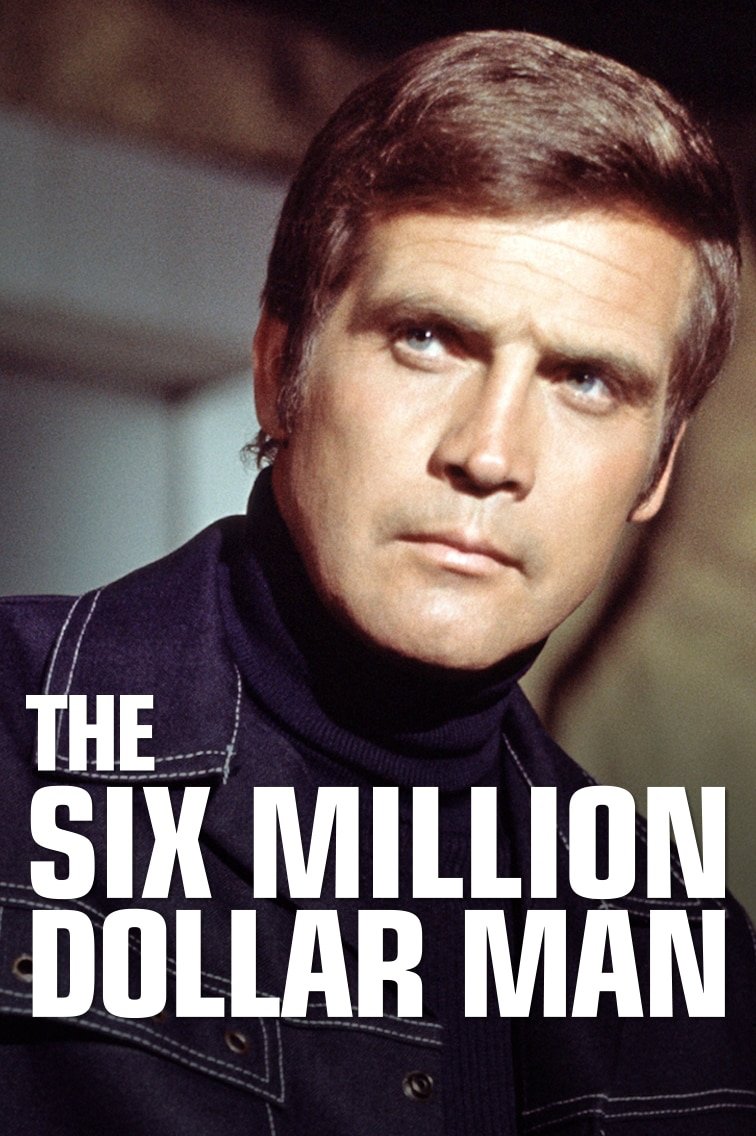
After a near fatal accident, a former astronaut received bionic enhancements that gave him superhuman abilities. The series combined espionage plots with slow motion action to highlight his strength and speed. Iconic sound effects signaled the use of bionics. It led to a companion show centered on a female counterpart.
‘Charlie’s Angels’ (1976–1981)
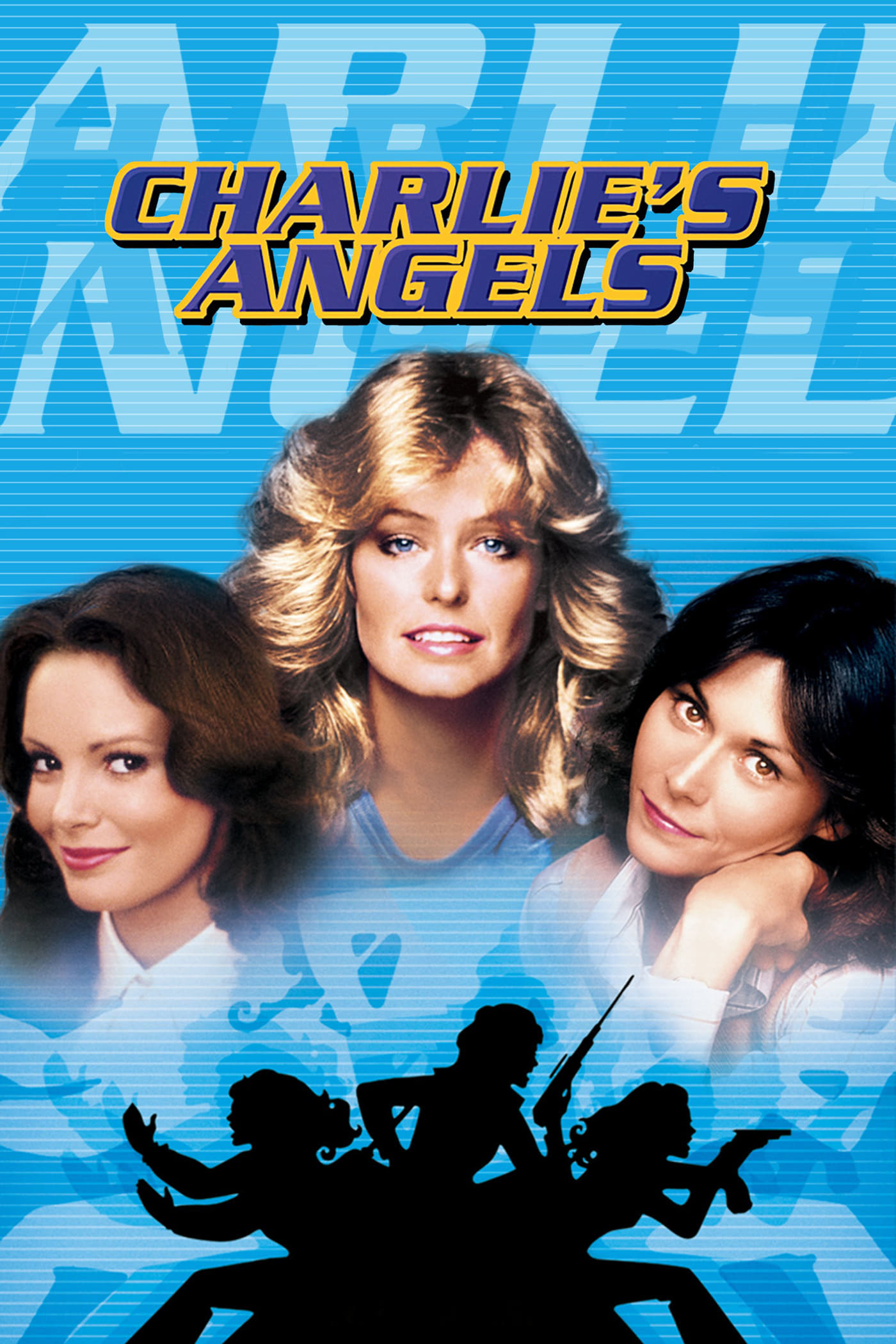
A trio of private investigators took on undercover assignments for an unseen boss who briefed them by speakerphone. The series blended action, fashion, and mystery of the week storytelling. Casting changes refreshed the team while keeping the premise intact. It later inspired feature films and a rebooted TV version.
‘Dallas’ (1978–1991)
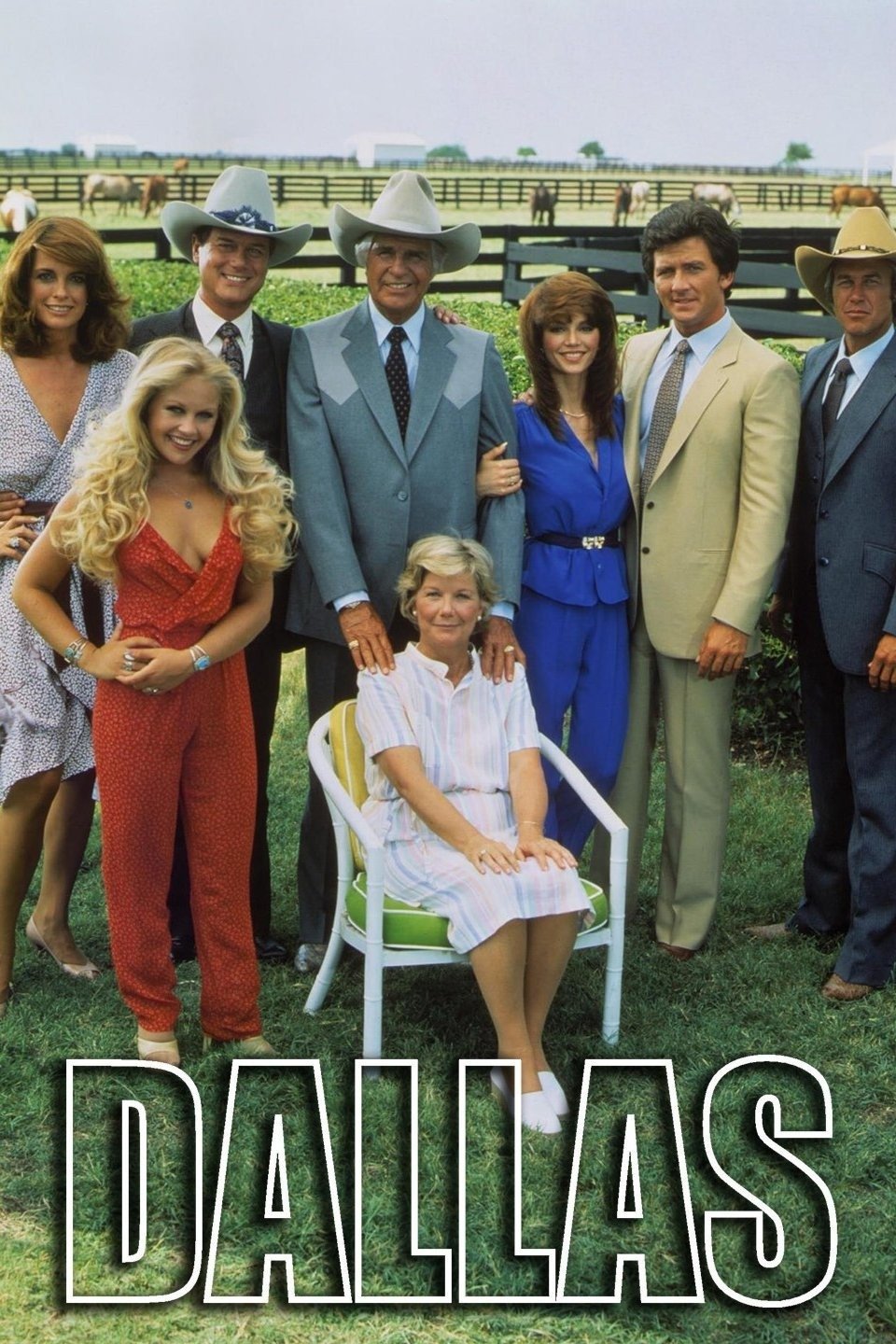
This primetime soap chronicled the power struggles of a wealthy oil family in Texas. Storylines centered on corporate battles, family alliances, and headline making cliffhangers. A famous mystery about a shooting turned the show into a global talking point. The series returned years later with a continuation that brought back legacy characters.
‘Cheers’ (1982–1993)
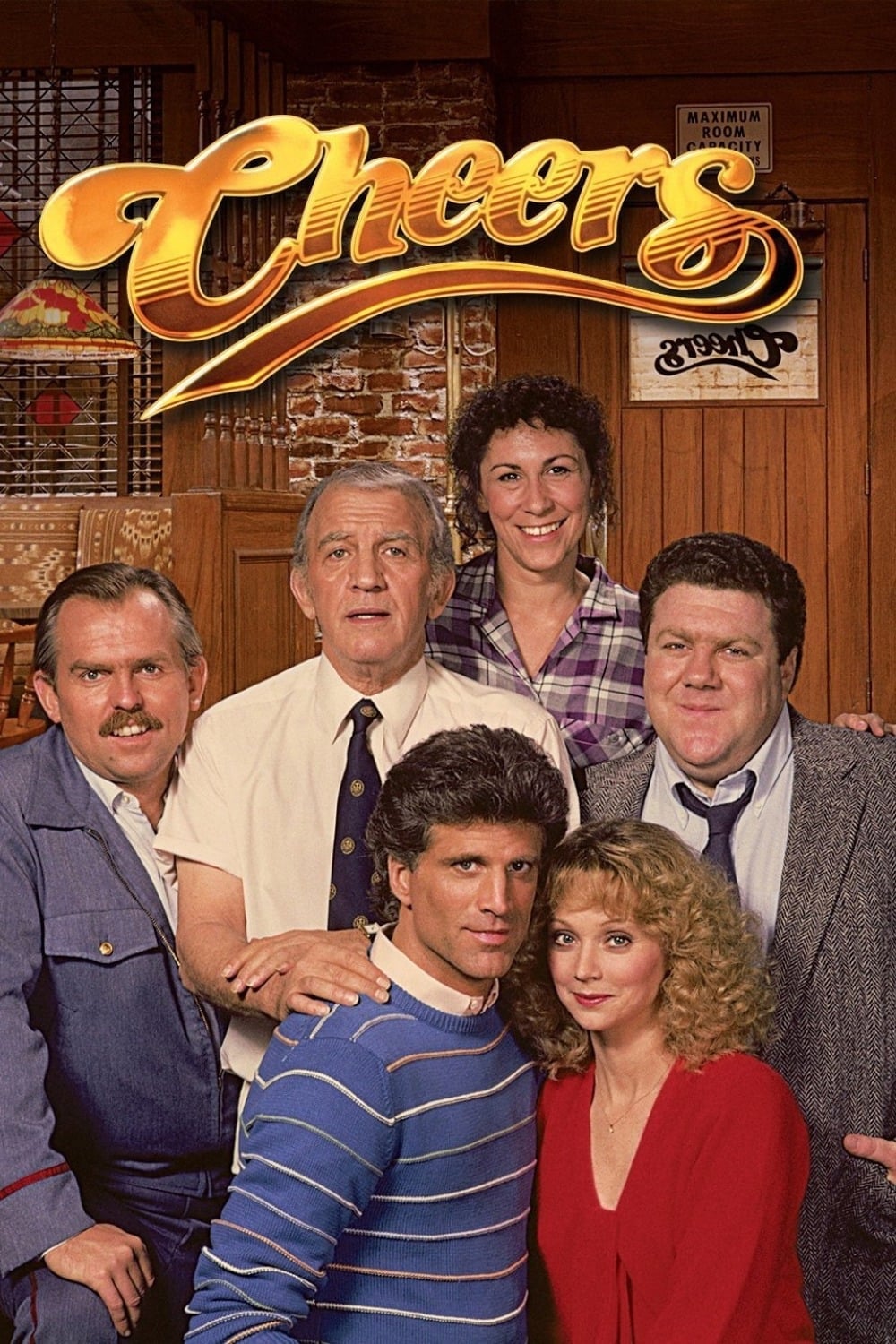
Set entirely around a Boston bar, the series found humor in a group of regulars who felt like family. The ensemble grew and changed while keeping sharp banter and character driven plots. It introduced a psychiatrist who later headlined a successful spin off. The closing credits song invited viewers to feel at home with the cast.
‘Knight Rider’ (1982–1986)

A crime fighter partnered with an advanced talking car named KITT to take on high tech villains. The show mixed sleek gadgetry with chase filled action. The car featured turbo boosts and onboard analysis that felt futuristic to audiences. Its synth theme and glossy style became defining trademarks.
‘The Golden Girls’ (1985–1992)
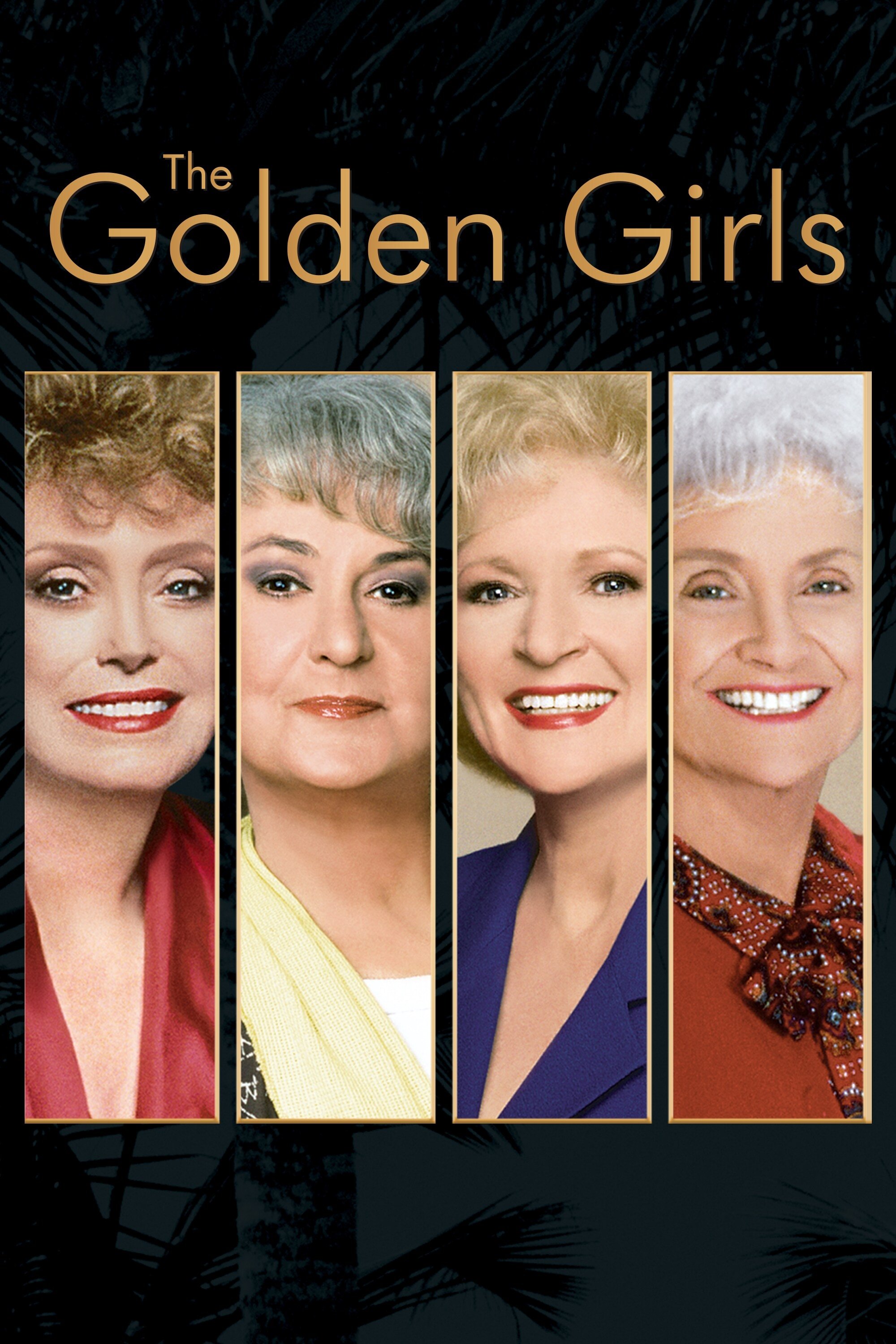
Four friends shared a home and navigated careers, dating, and friendship in a warm South Florida setting. The writing paired sharp one liners with heartfelt conversations around the kitchen table. Each character balanced distinct personalities that played off one another. The series remains a go to example of ensemble chemistry.
‘MacGyver’ (1985–1992)
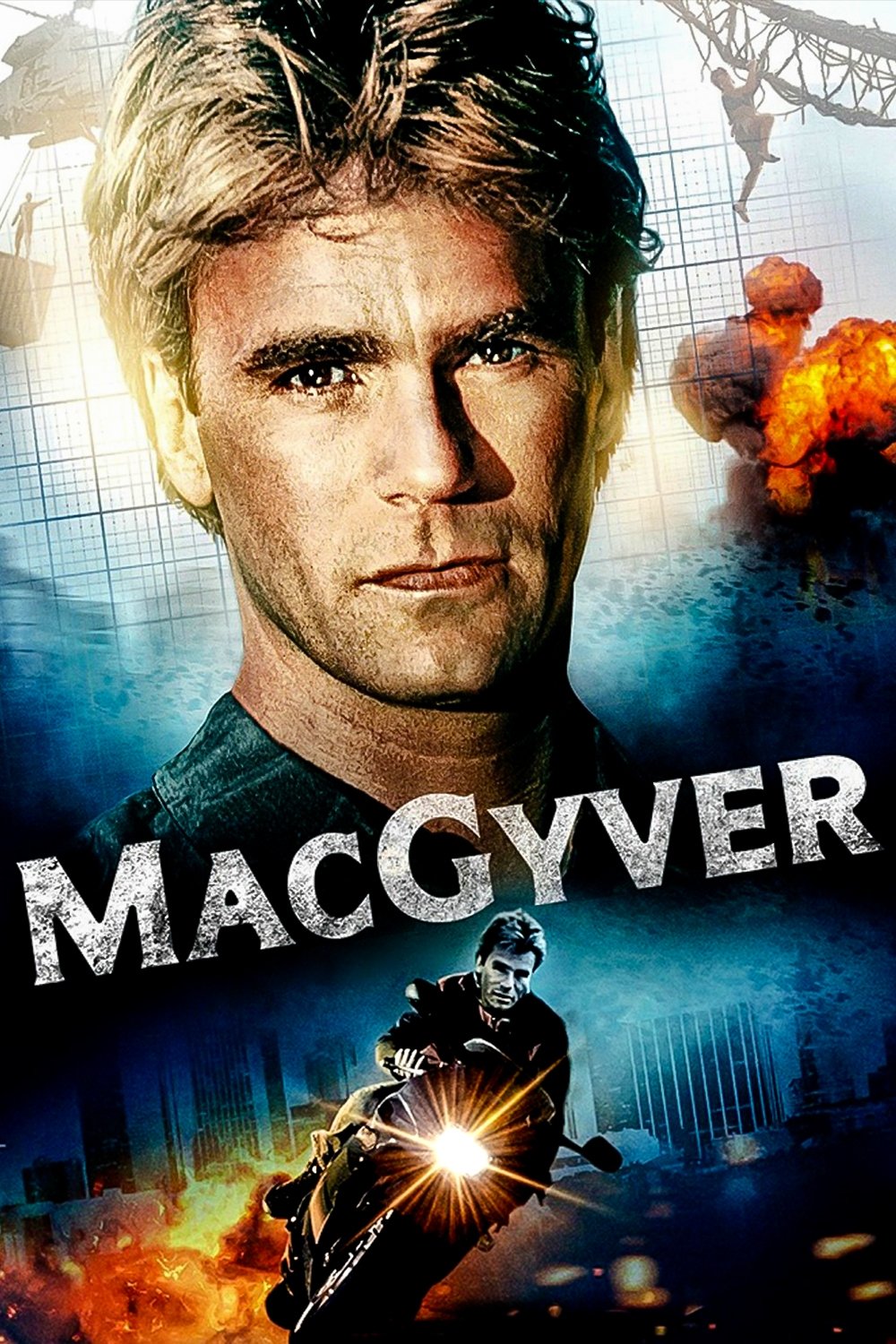
A resourceful field operative solved problems using science tricks and everyday objects. Episodes showcased improvised tools that turned household items into clever solutions. The show emphasized nonlethal approaches and creative thinking. It later inspired a new version that introduced the concept to a younger audience.
‘The Fresh Prince of Bel-Air’ (1990–1996)
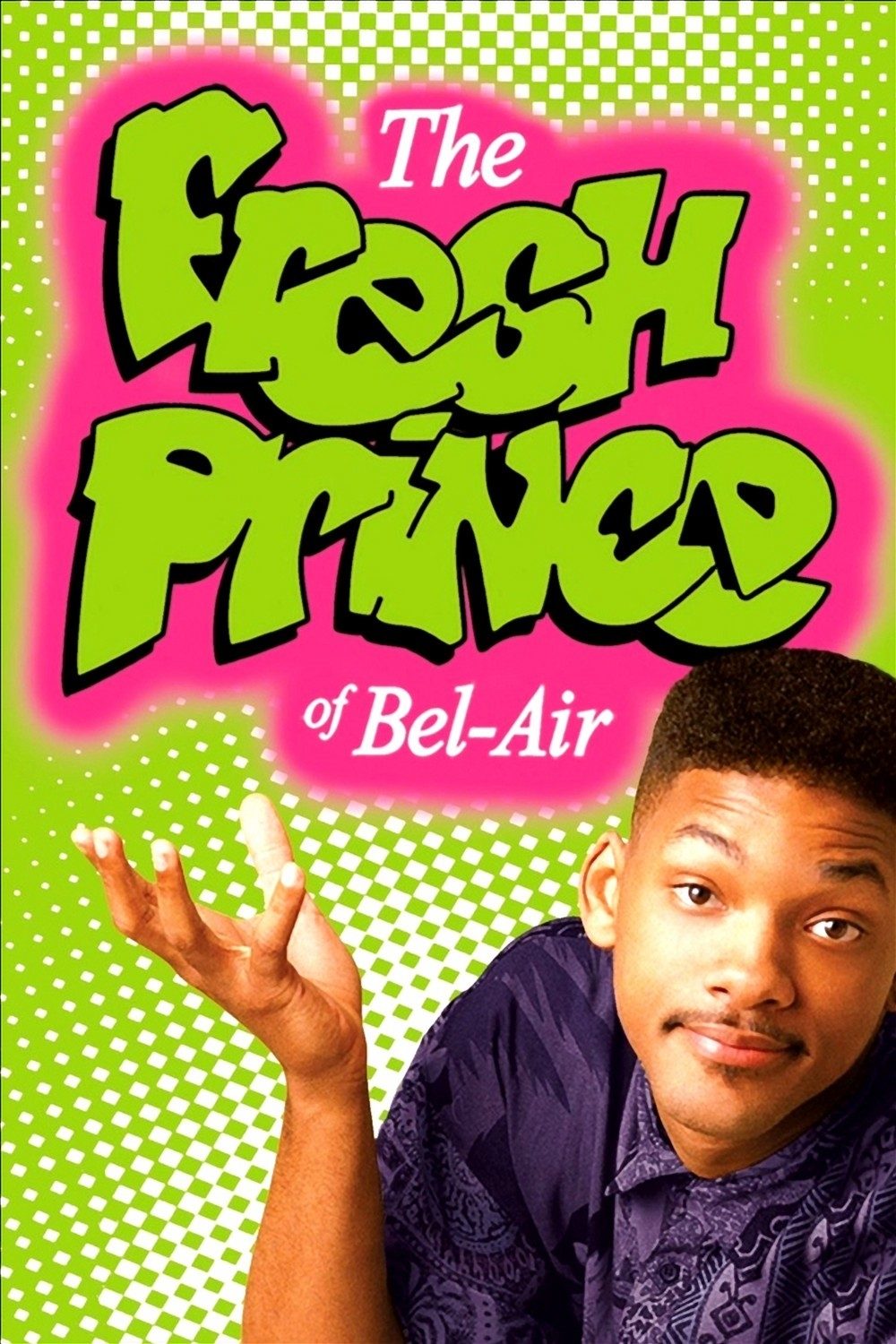
A teenager from West Philadelphia moved in with wealthy relatives and shook up their routines. The series blended comedy with heartfelt family moments and memorable musical bits. It launched its lead into a major screen career. The show’s mansion setting and living room scenes became part of TV pop culture.
‘The X-Files’ (1993–2002)
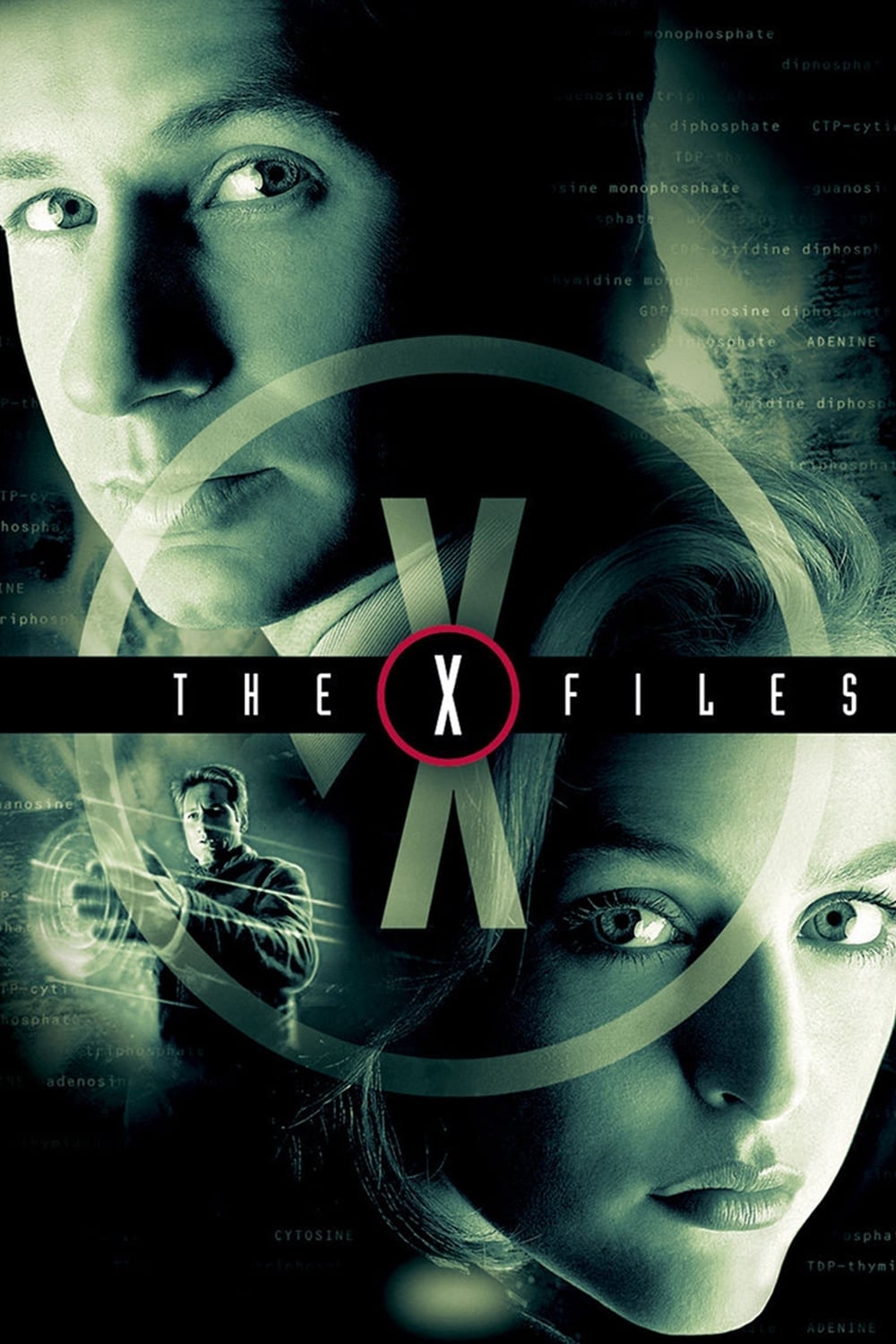
Two FBI agents investigated cases involving unexplained phenomena and government secrets. The season structure mixed mythology arcs with standalone stories. The chemistry between the leads anchored both eerie and character driven episodes. The property later returned with limited series events and films.
‘Friends’ (1994–2004)
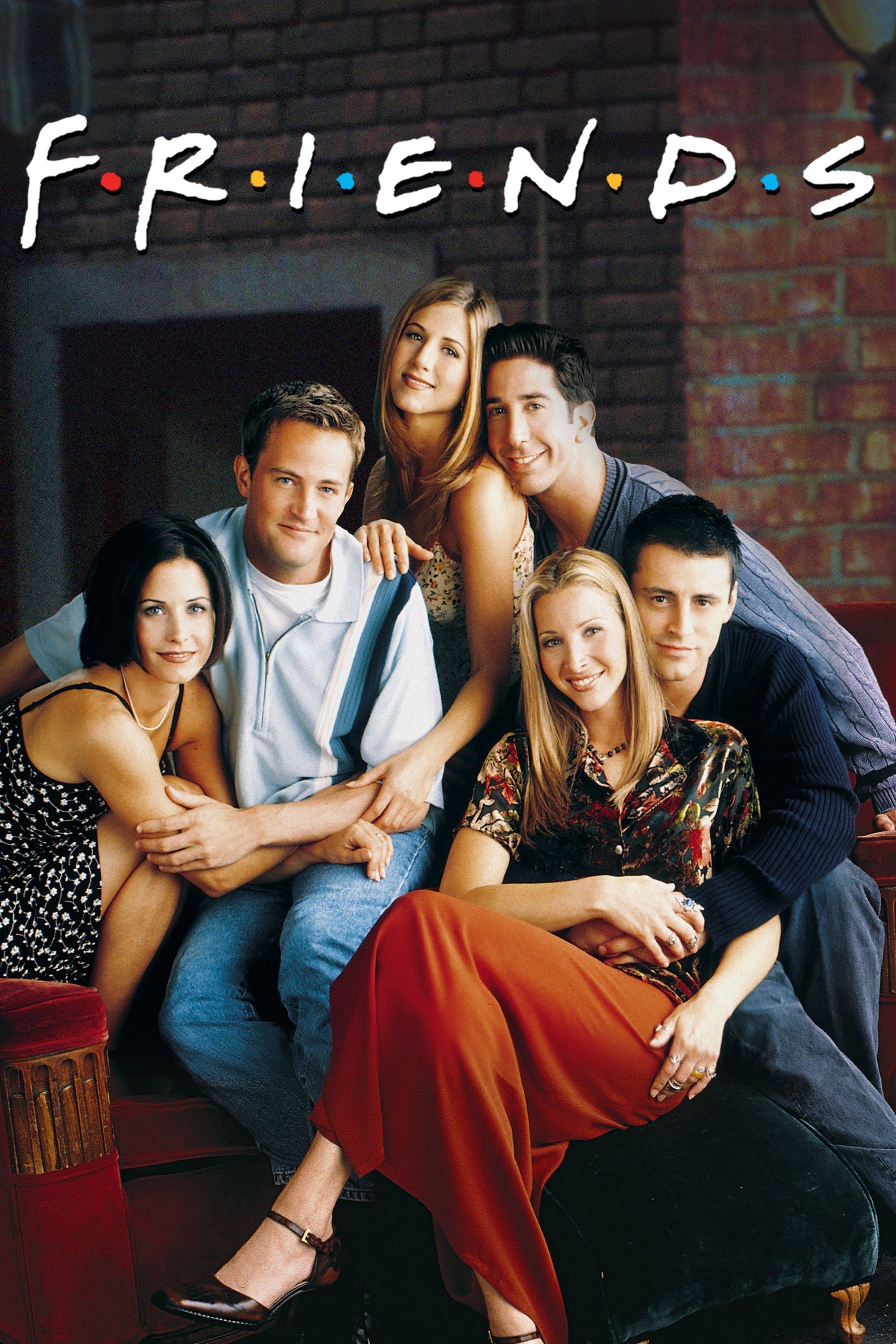
Six close friends navigated careers, relationships, and life in New York apartments and a familiar coffeehouse. The show built long running arcs that rewarded consistent viewers. Catchy episode titles and recurring gags made it easy to revisit favorite moments. It continues to find new audiences through reruns and streaming.
Tell us which shows you watched the most and which moments you still quote in the comments.