

If You Remember These 20 Anime, You’re Officially Getting Old

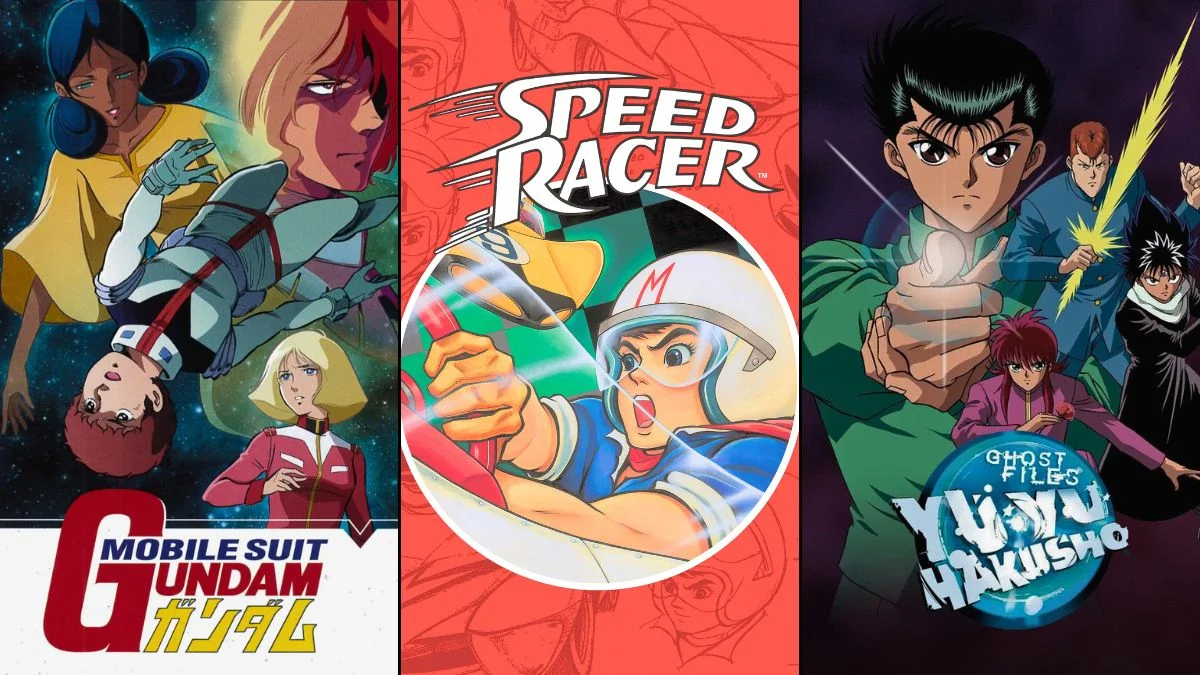


If these classics instantly ring a bell, your anime journey goes back to a golden era of weekend blocks, VHS tapes, and theme songs you can still hum. These shows shaped entire genres, introduced iconic tropes, and crossed over from Japan to living rooms around the world. You probably watched them on cable networks or after school programming with dubbed voices and heavy edits. Let’s revisit the pillars that built so many fans’ love for the medium.
‘Astro Boy’ (1963–1966)
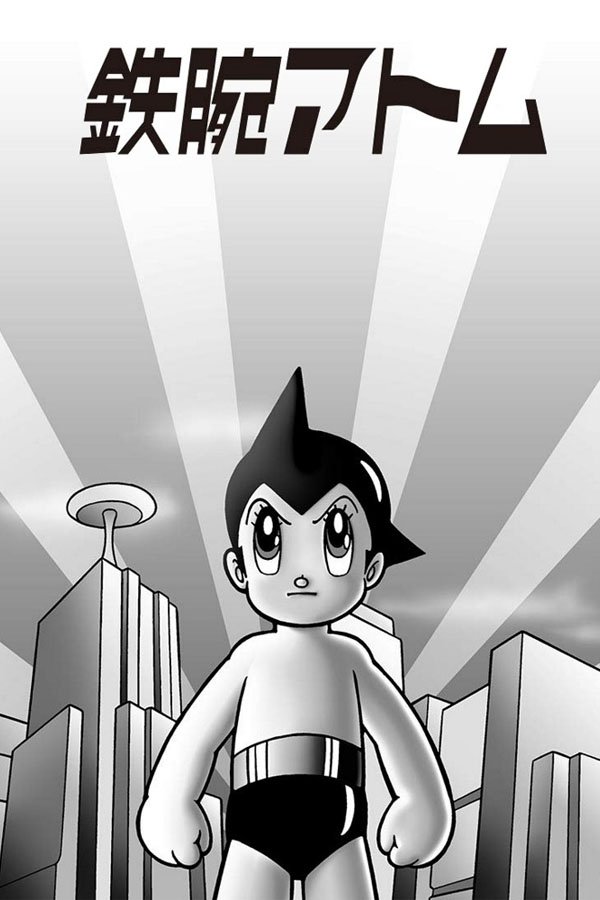
Osamu Tezuka’s robot hero brought manga aesthetics and cinematic techniques to television animation. The story follows a childlike android with super strength and a heart for justice. It laid groundwork for sci fi themes about identity and technology that other series expanded. International syndication helped introduce Japanese animation to Western audiences.
‘Speed Racer’ (1967–1968)
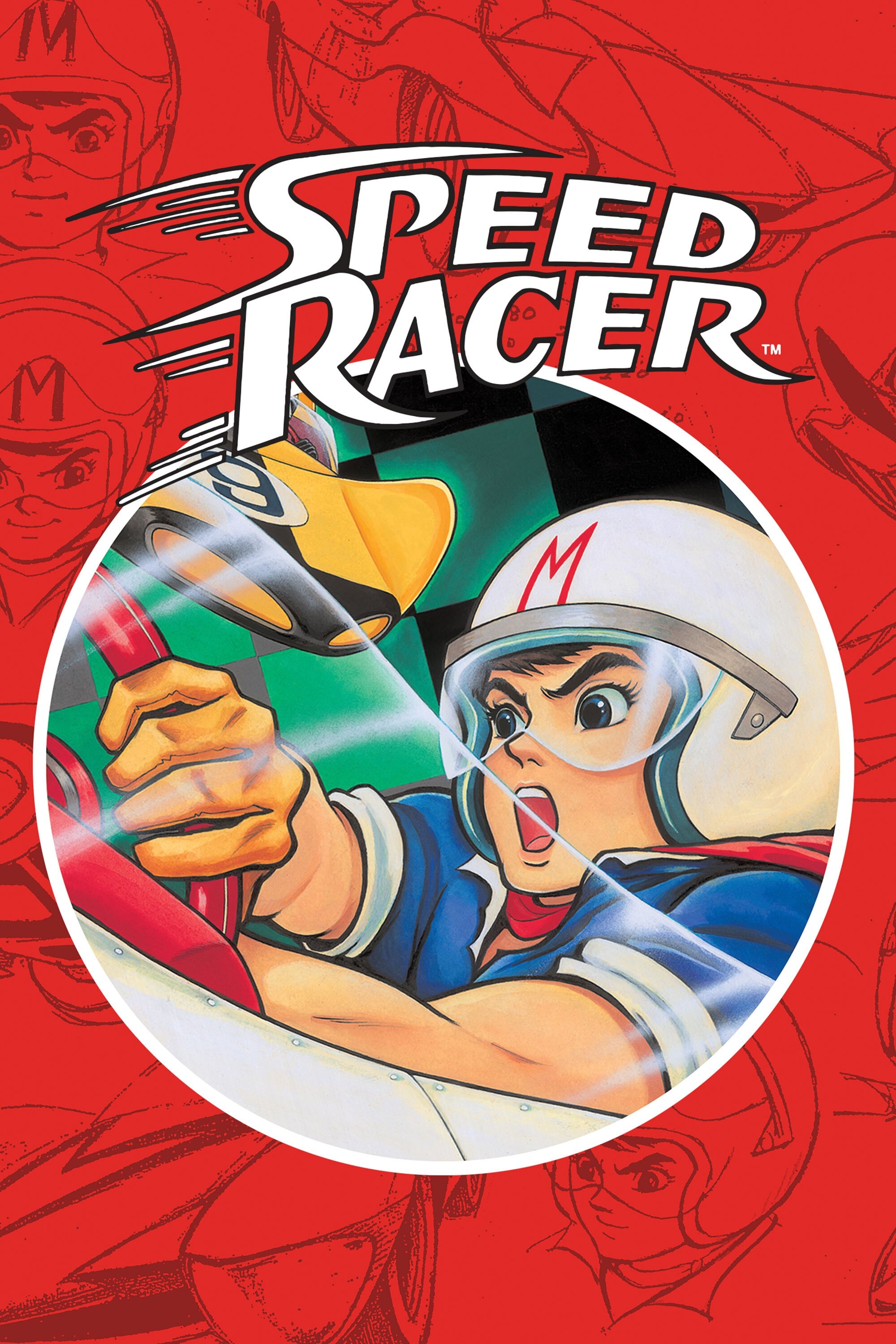
This high octane adventure centers on the Mach 5 and a family of racers. Rapid fire dialogue and inventive racing gadgets became its calling card. Broad syndication made it one of the first widely recognized Japanese imports in the West. Merchandising and a catchy opening cemented its pop culture footprint.
‘Lupin the 3rd’ (1971–1972)
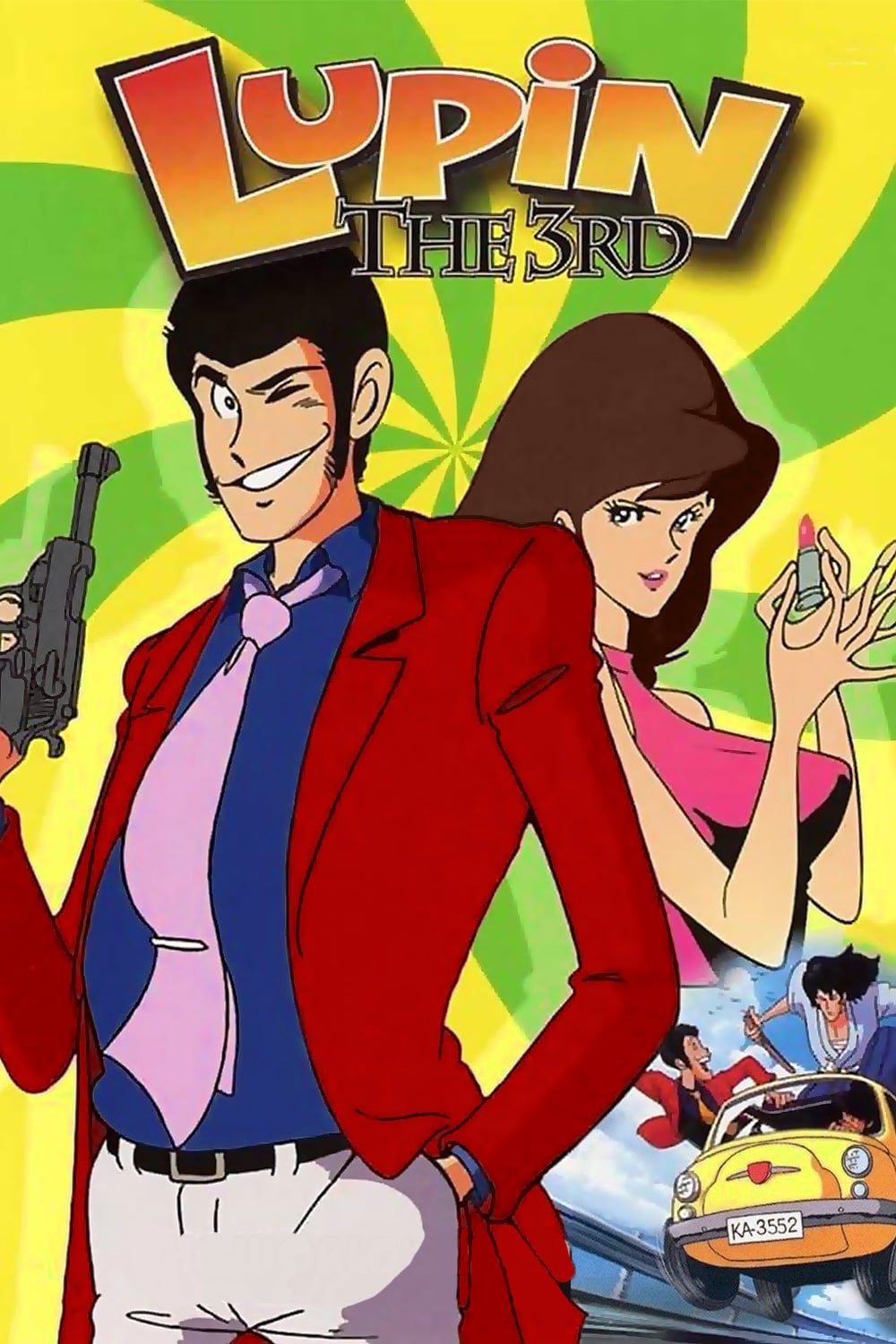
The gentleman thief Arsène Lupin III headlines capers that blend heists, gadgets, and globe trotting escapades. Its ensemble includes a sharpshooter, a stoic swordsman, and an Interpol inspector who never gives up the chase. The franchise spun off multiple series and films with shifting tones. Jazzy music and stylish set pieces became trademarks.
‘Mobile Suit Gundam’ (1979–1980)
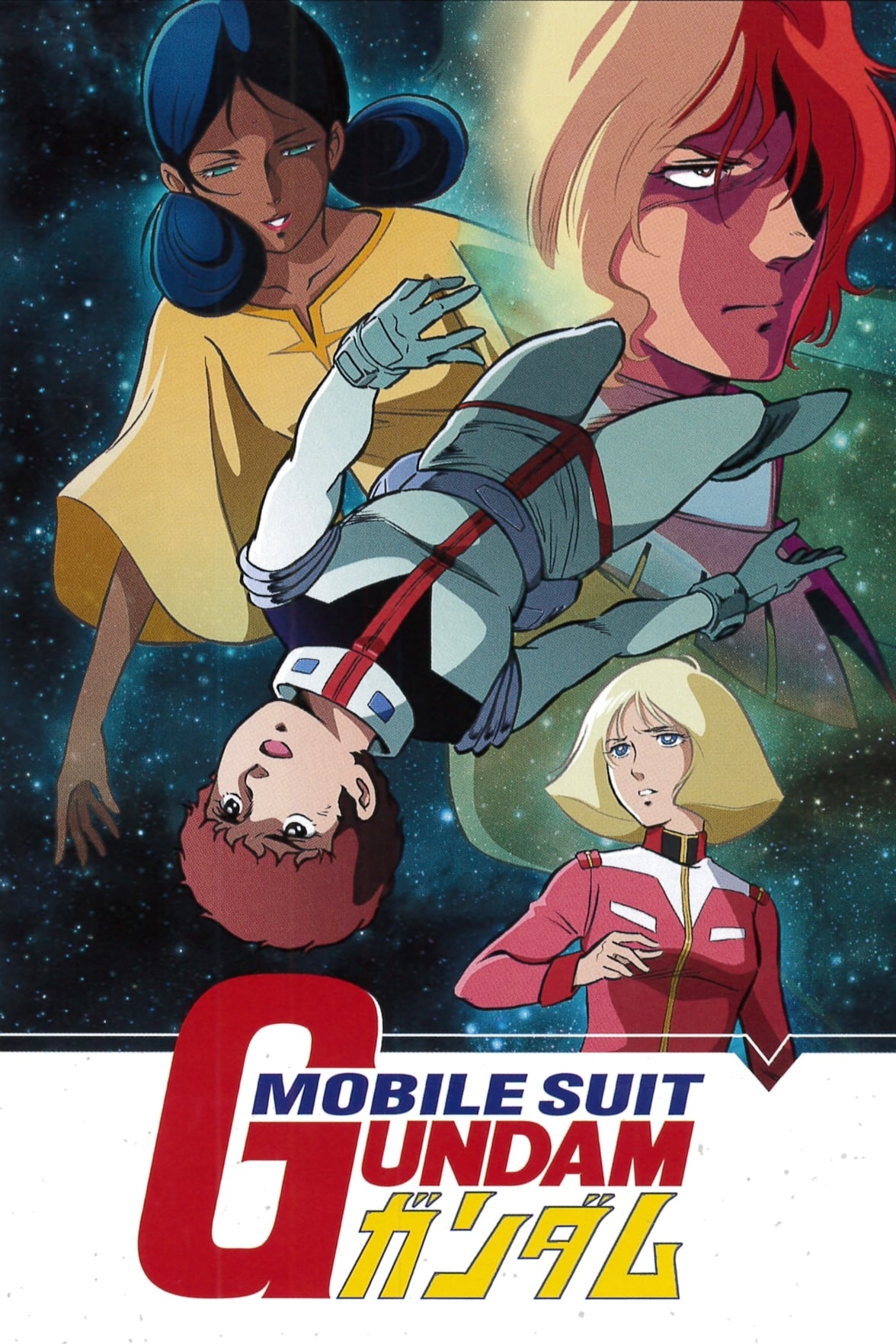
This entry helped inaugurate the real robot subgenre with grounded military politics and resource driven conflict. The narrative examines colonization, neutrality, and the costs of war through a civilian pilot’s perspective. Model kits turned into a cultural phenomenon and funded expanding timelines. Its approach influenced countless mecha series that followed.
‘Voltron: Defender of the Universe’ (1984–1985)

Formed from adapted Japanese series, this team of pilots combines mechanical lions into a towering defender. The format emphasized monster of the week battles and teamwork. Localized edits created a distinct identity that resonated with toy lines and TV programming blocks. The combination sequence and blazing sword became signature moments.
‘Robotech’ (1985)
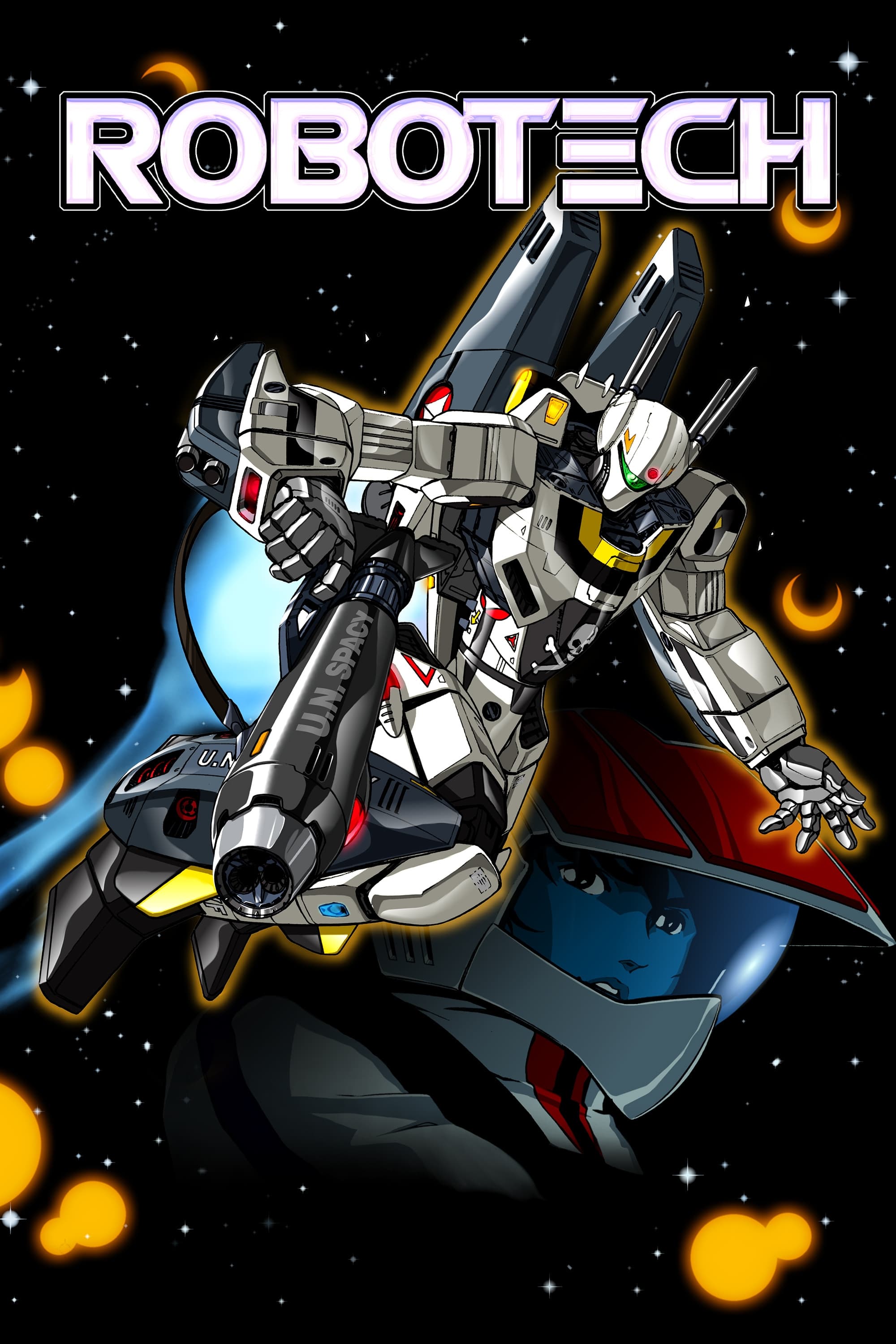
This re edited saga stitched together multiple Japanese shows into a single multigenerational storyline. It introduced transforming fighters, alien cultures, and an emphasis on music as a narrative device. The long arc structure encouraged serialized viewing on weekday television. Home video releases built a dedicated fandom around its continuity.
‘Dragon Ball Z’ (1989–1996)

The series follows Goku and allies through escalating battles featuring ki techniques and planet shaking stakes. Fights are organized into major arcs with training, rivalries, and tournament structures. Localization brought different musical scores and dialogue choices across regions. Its influence is visible in modern shonen pacing and power progression.
‘Sailor Moon’ (1992–1997)
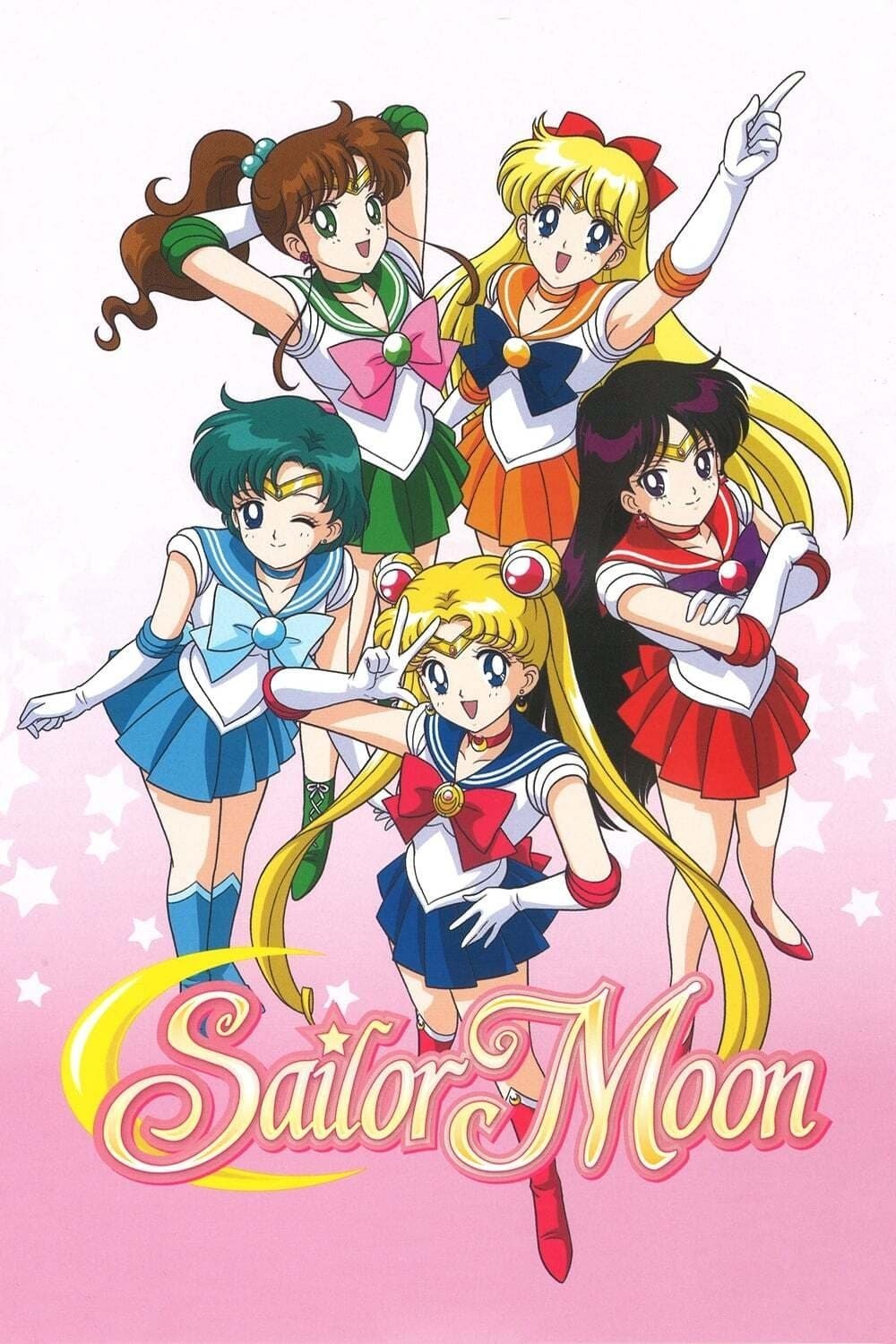
A group of schoolgirls awakens as guardians who protect Earth while balancing everyday life. Transformation sequences, attack calls, and themed villains defined its style. The show helped popularize the magical girl team format outside Japan. Broadcast edits varied by market, shaping how characters and relationships were presented.
‘Pokémon’ (1997– )
This long running series follows trainers traveling to capture, train, and battle pocket monsters. Rotating regions introduce new creatures, gyms, and tournaments. Cross media synergy with games and trading cards drove its global reach. The mascot Pikachu became one of the most recognizable characters in entertainment.
‘Neon Genesis Evangelion’ (1995–1996)
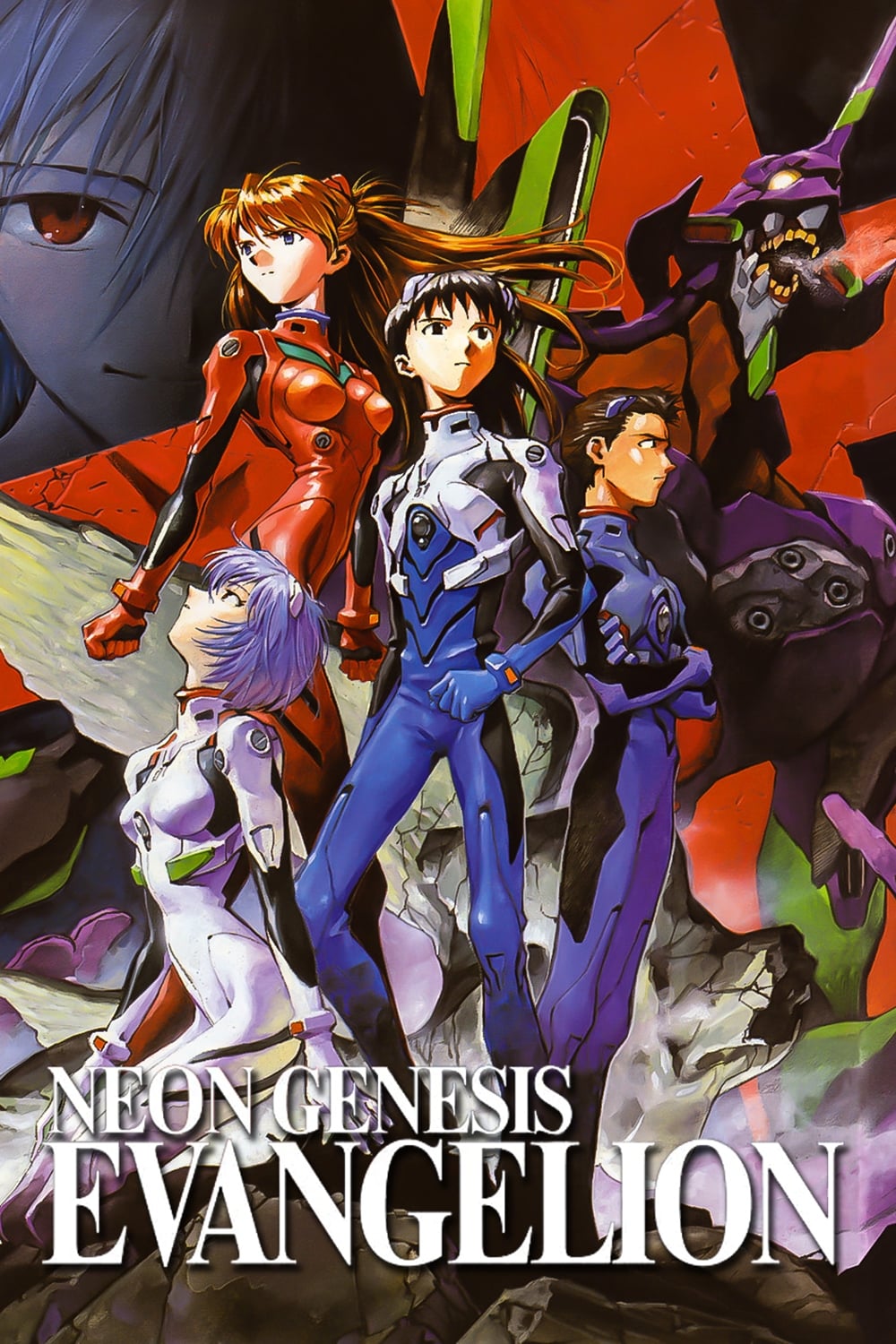
Teen pilots operate biomechanical units against mysterious beings while grappling with psychological pressure. The production blends religious imagery, military bureaucracy, and experimental direction. Multiple edits and endings expanded discussion around its narrative. Sound design and quiet moments contrast sharply with sudden action.
‘Yu Yu Hakusho’ (1992–1995)
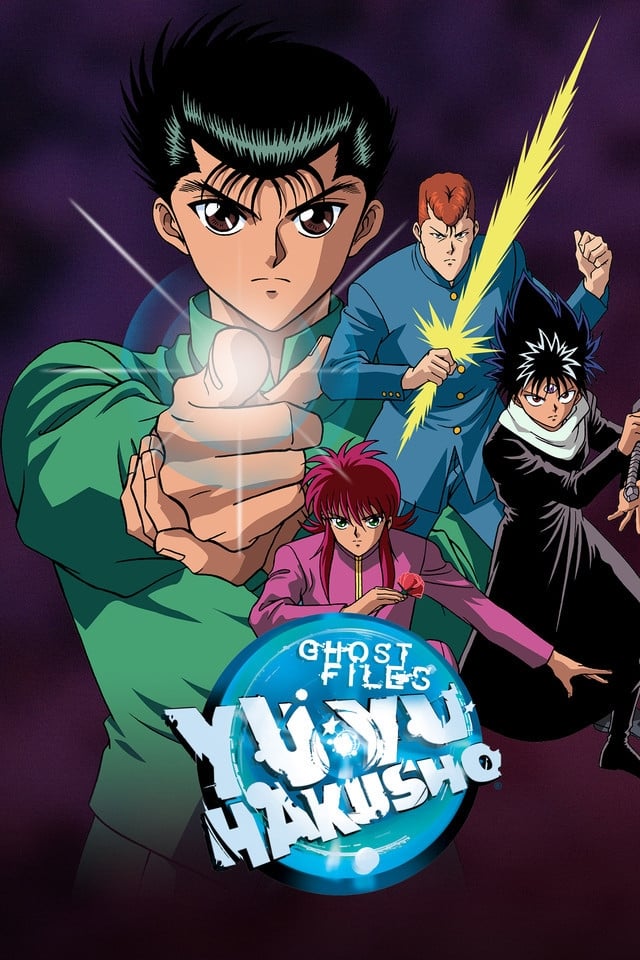
A delinquent turned spirit detective investigates supernatural cases with a growing team. The story transitions from cases to tournaments and large scale conflicts. Distinct abilities and power ceilings give structure to fights. Character dynamics balance humor with serious stakes across arcs.
‘Rurouni Kenshin’ (1996–1998)

Set in the early Meiji period, this story follows a former assassin who vows never to kill again. Sword styles are presented with named techniques and tactical counters. Historical settings and political shifts underpin the wanderer’s encounters. Arcs introduce adversaries who test both skill and conviction.
‘Cowboy Bebop’ (1998–1999)
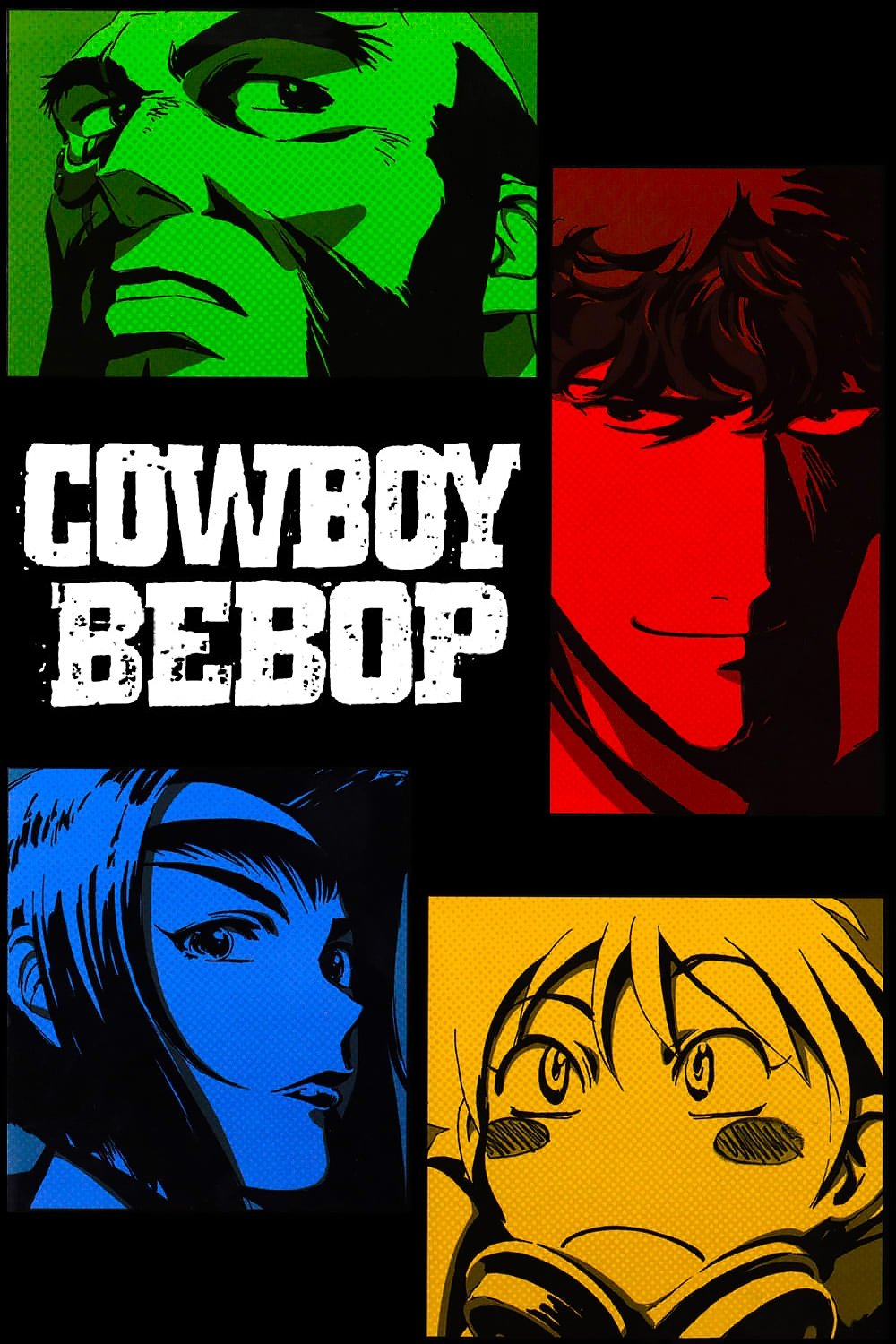
Bounty hunters drift through space taking odd jobs while confronting pasts that will not stay buried. Each episode blends genres with standalone cases and recurring threads. The soundtrack features jazz and blues that drive pacing and mood. Visual design mixes retro tech with noir cinematography.
‘Trigun’ (1998)
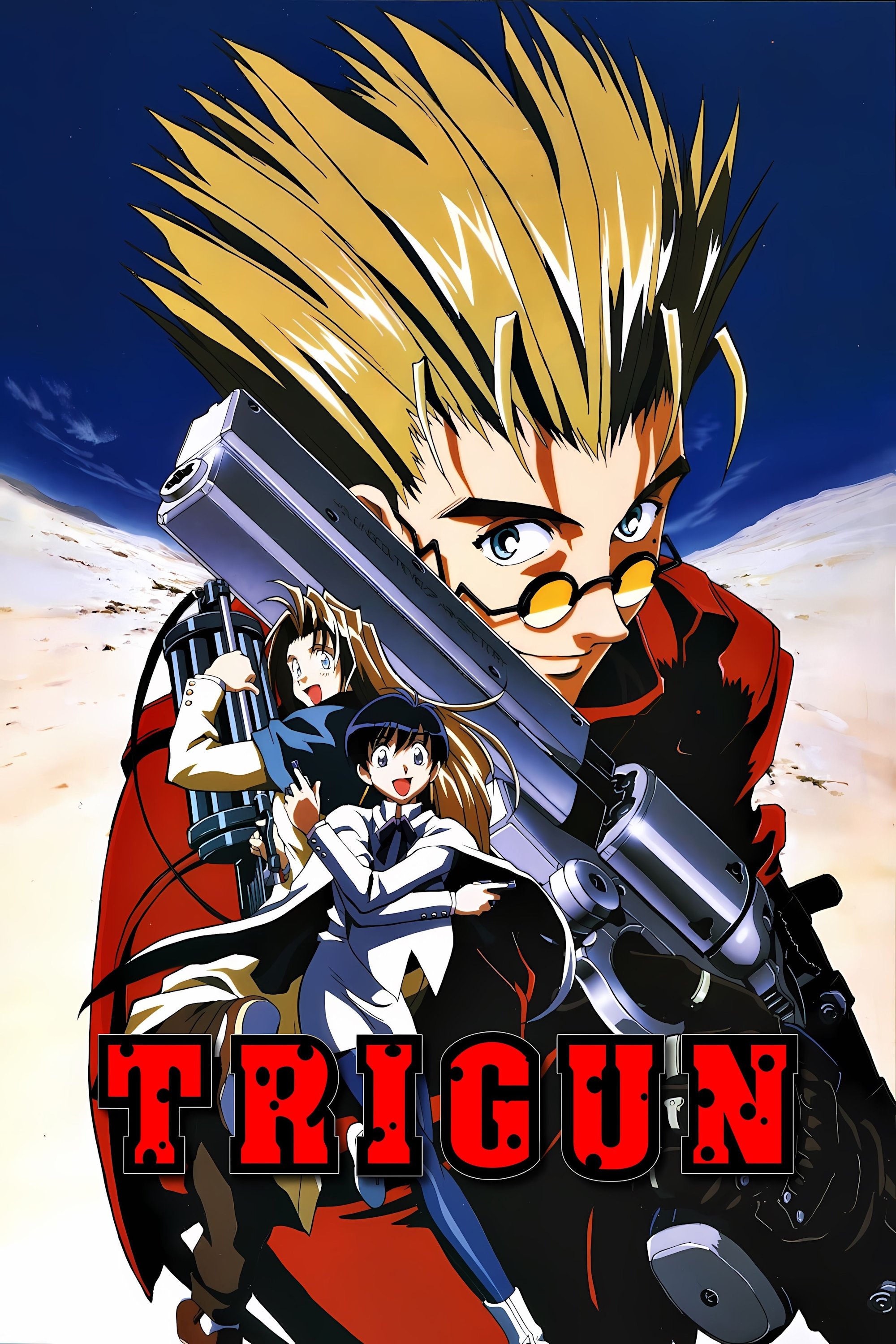
A pacifist gunslinger navigates a desert world with a massive bounty on his head. The series alternates comedic setups with serious revelations about its protagonist. Gunfights highlight creative choreography and moral dilemmas. Environmental themes and lost technology sit beneath the action.
‘Cardcaptor Sakura’ (1998–2000)
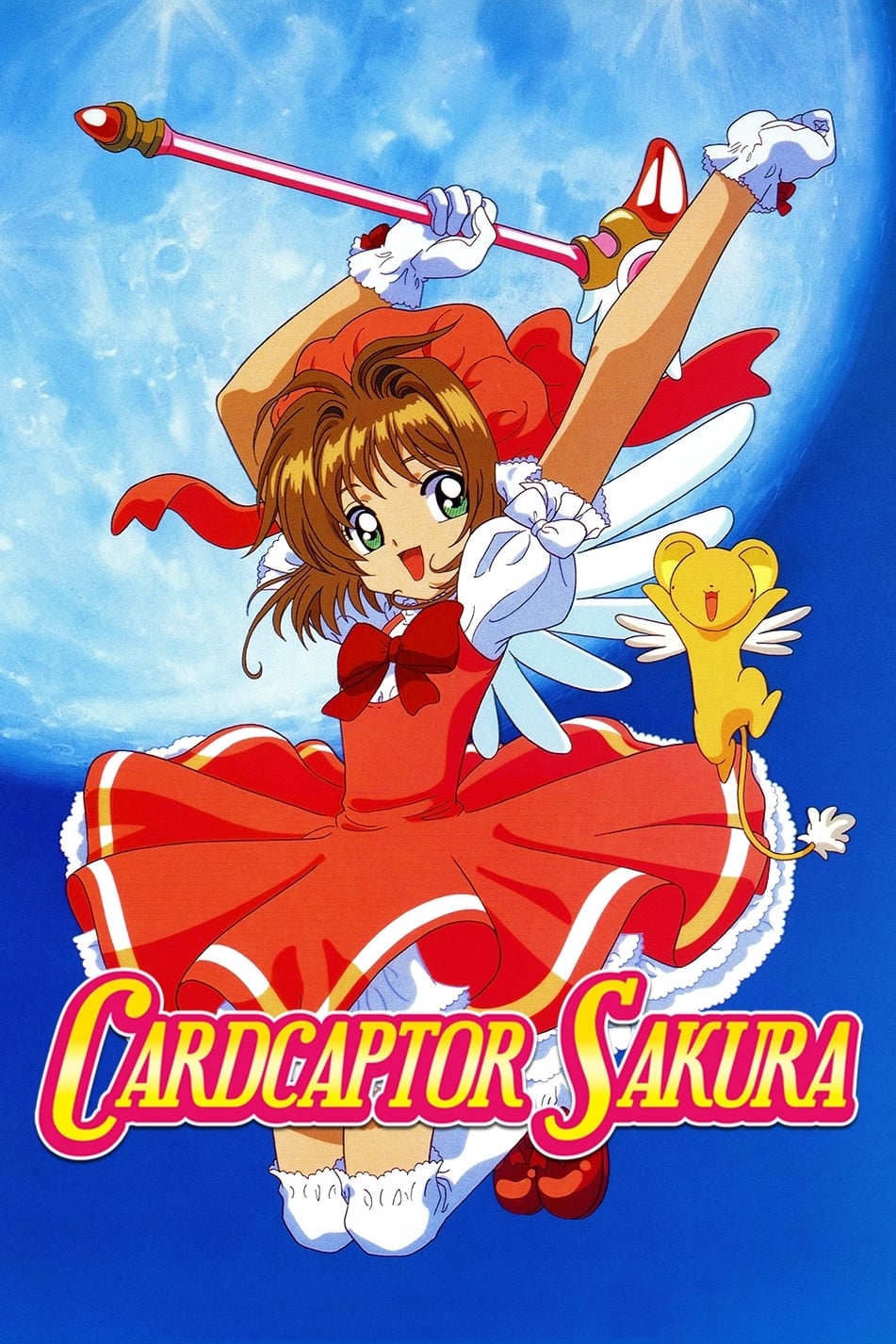
A student accidentally releases magical cards and must recapture them using a staff and costumes. Each card embodies a specific power that shapes the challenge of the episode. Relationships among friends and family receive careful attention alongside magic. International releases varied in episode order and content.
‘Digimon Adventure’ (1999–2000)
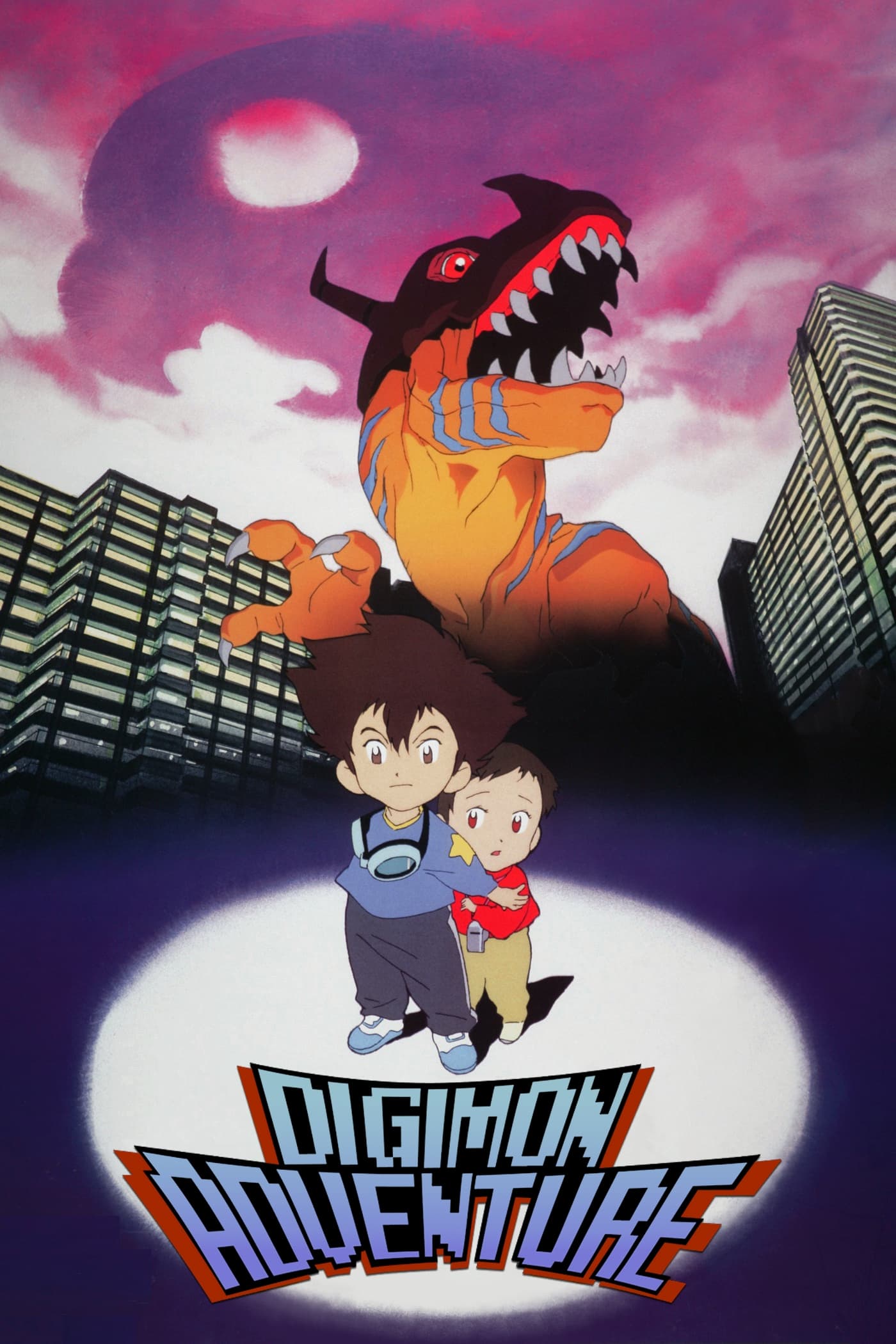
A group of children partners with digital monsters linked to personal traits and growth. The worldbuilding connects real world networks to a parallel realm. Evolution sequences mark turning points during battles and story beats. Seasonal formats refresh casts and settings while retaining core ideas.
‘Mobile Suit Gundam Wing’ (1995–1996)
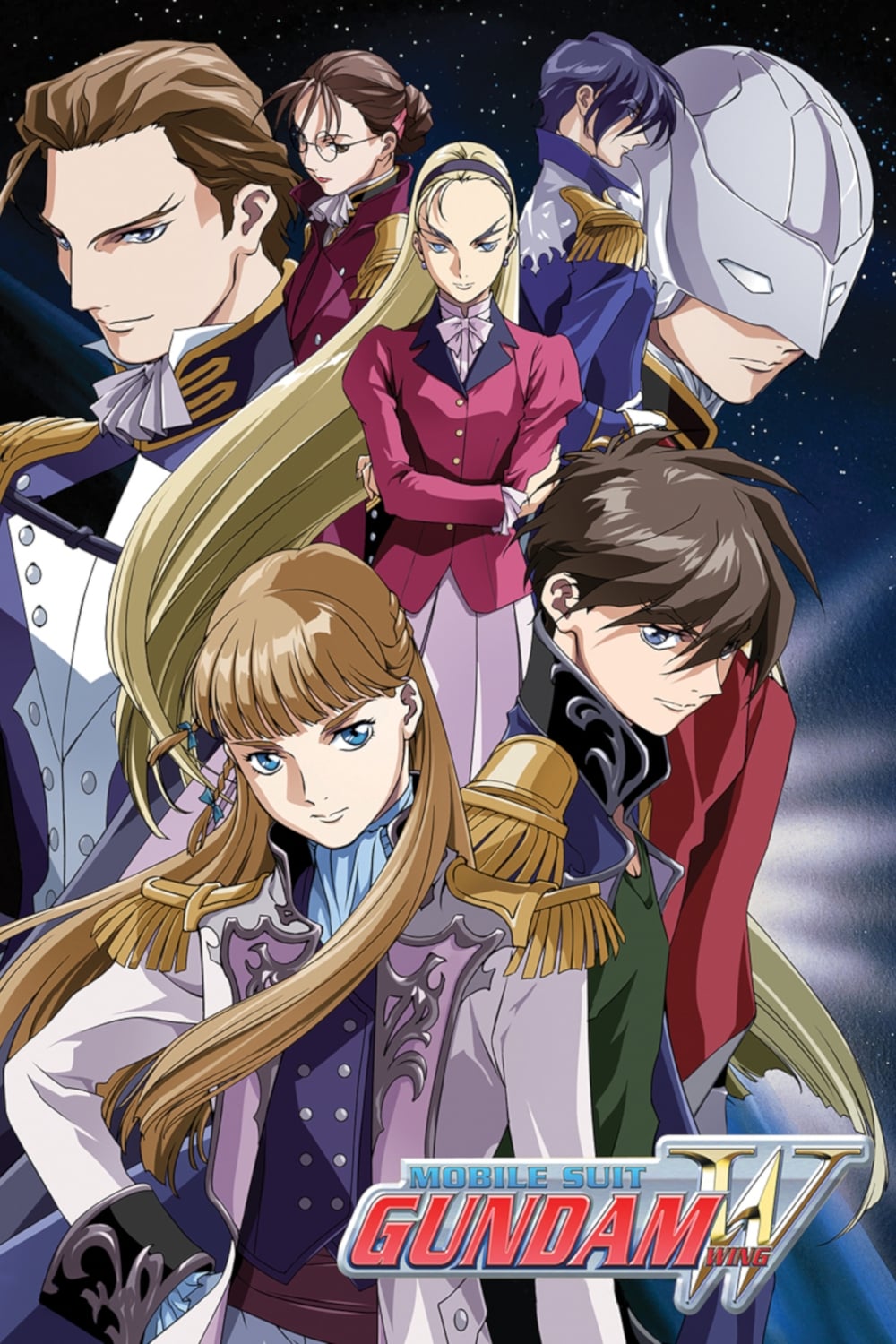
Five young pilots wage guerrilla style operations with advanced mobile suits. Political factions and shifting alliances drive the plot through coups and peace talks. Character focused episodes explore motives behind extreme tactics. Broadcast on Western networks broadened the franchise’s reach to new viewers.
‘Inuyasha’ (2000–2004)

A modern student travels to a historical era and joins a half demon in a quest involving a powerful jewel. The group collects shards while contending with rival factions and recurring foes. Demon abilities and spiritual techniques shape combat encounters. The mix of action and folklore drew steady late night audiences.
‘Naruto’ (2002–2007)
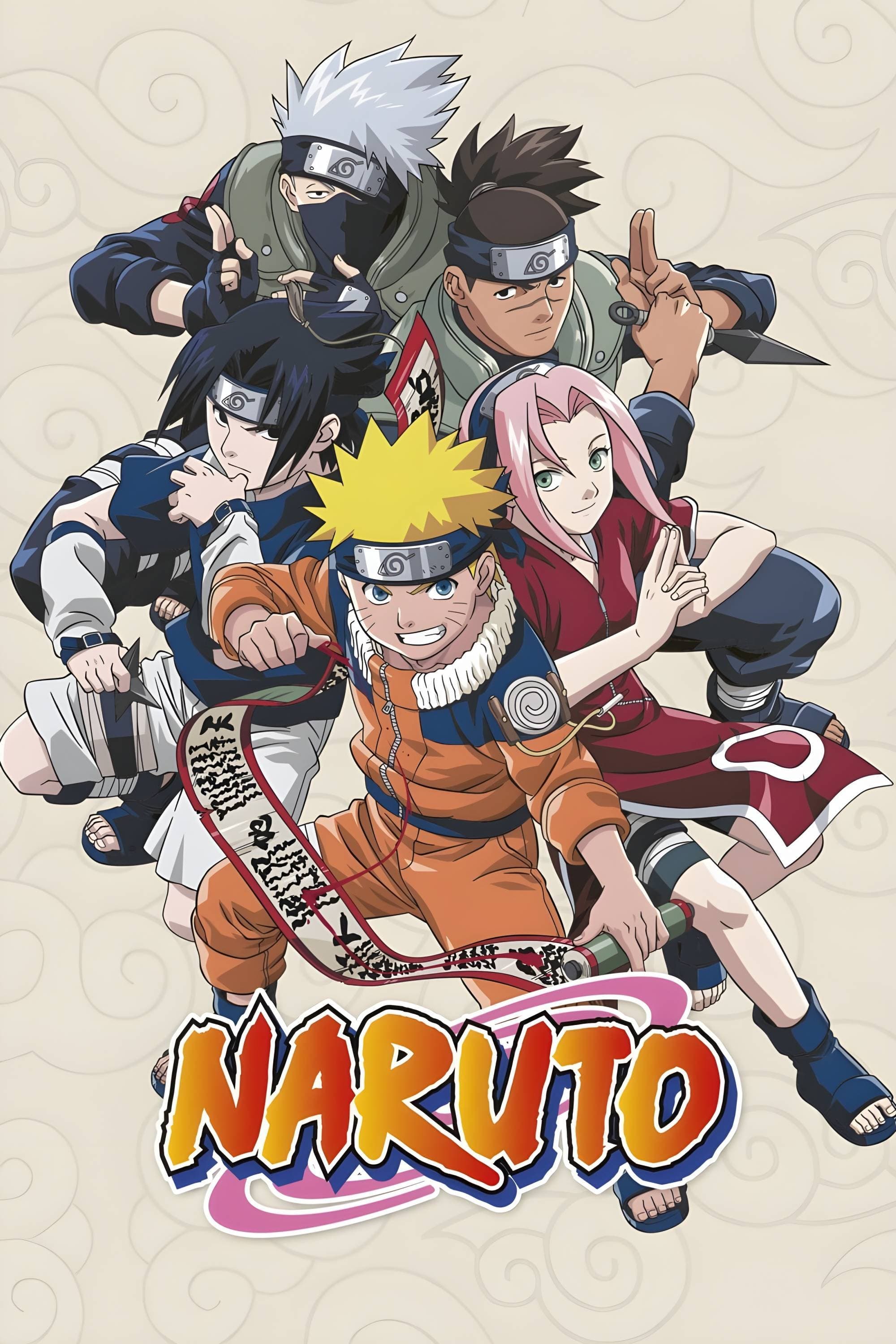
A young ninja pursues recognition while mastering techniques tied to elemental nature. Village politics and clan histories form the backbone of conflicts. Training arcs and exams introduce a large cast with defined skill sets. Long storylines are punctuated by missions and rival confrontations.
‘Bleach’ (2004–2012)
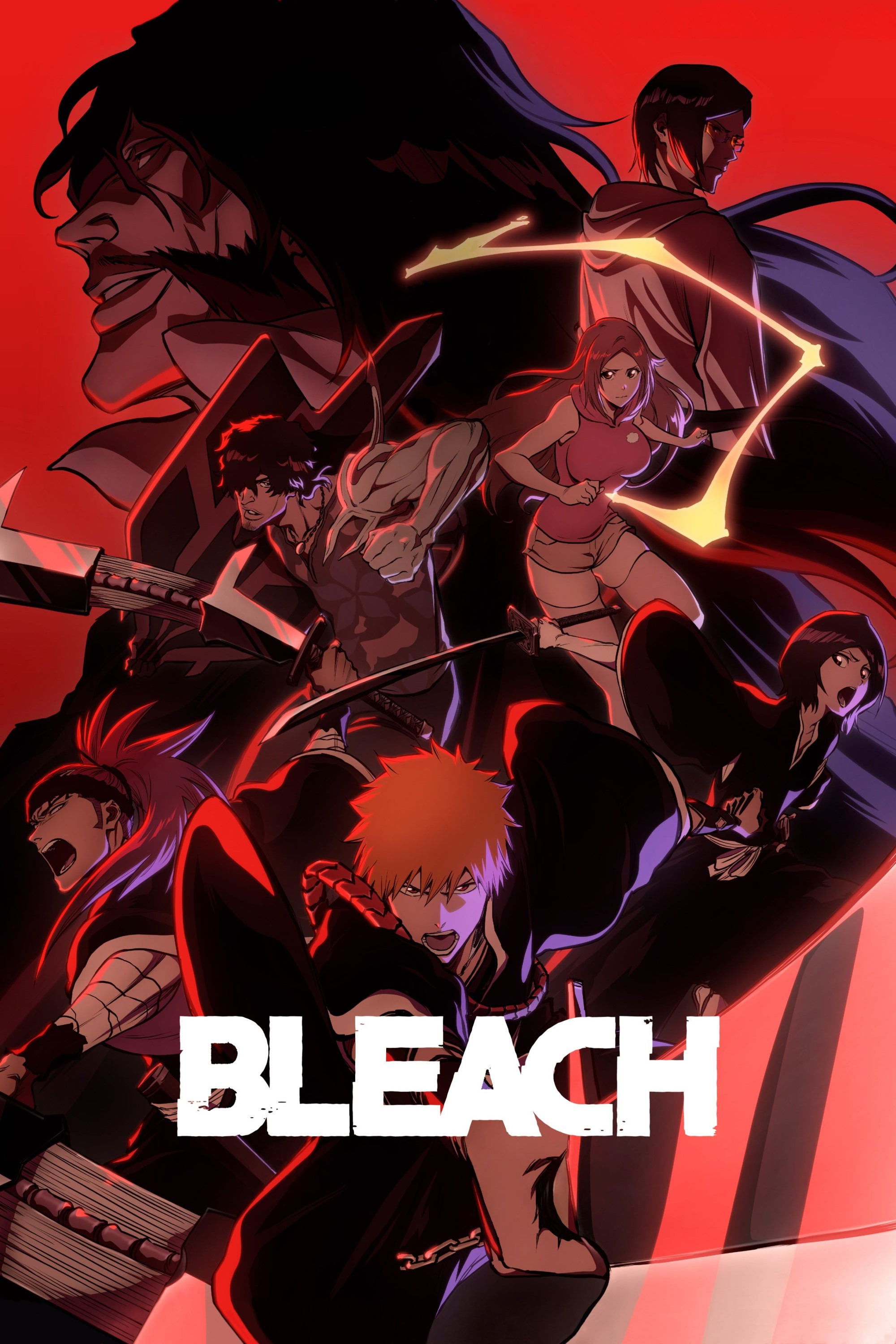
A student gains the duties of a soul reaper and enters a structured afterlife society with distinct divisions. Sword releases and ranked officers organize power tiers and strategy. Major arcs move between the human world and spiritual realms. The series expanded through films, games, and extensive character rosters.
Share which of these you grew up with in the comments and tell us the one you think still holds up today.