

If You Remember These 20 Video Games, You’re Officially Getting Old

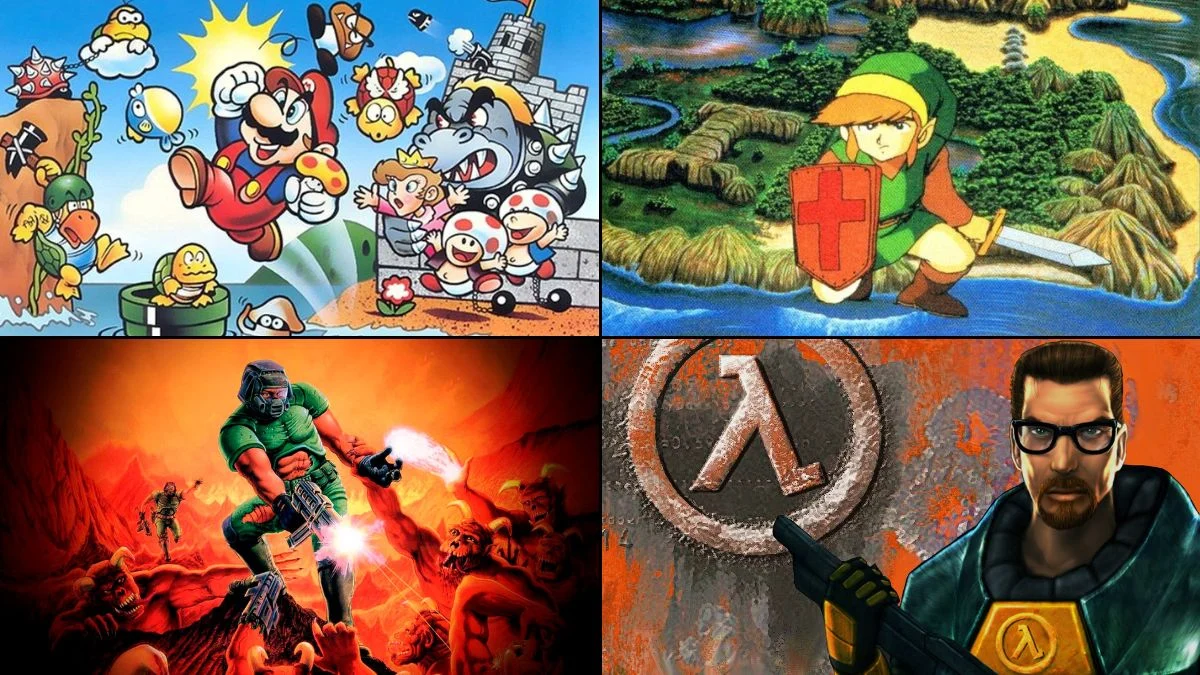


Whether you grew up in arcades or spent weekends blowing on cartridge pins, these games marked turning points in how we play. They introduced mechanics that shaped whole genres, sold hardware by the truckload, and turned living rooms into makeshift arcades. If their sound effects still live in your head, you have earned your retro badge. Take a lap through memory lane and see how many you can still picture on the screen.
‘Pong’
Released in 1972 by Atari, ‘Pong’ brought table tennis to the screen with two paddles and a square ball. It popularized coin op arcade machines and helped kick off the commercial video game industry. The cabinet’s simple knobs and clean white visuals made it easy to learn. Home versions later helped sell early consoles to a wide audience.
‘Space Invaders’
Taito’s 1978 hit ‘Space Invaders’ locked players into a fixed shooter where rows of aliens marched downward. The game increased difficulty by speeding up as enemies fell. It caused a boom in arcades and helped spark a wave of licensing and merchandise. Its distinctive sound ramp created a sense of rising tension that designers studied for years.
‘Pac-Man’
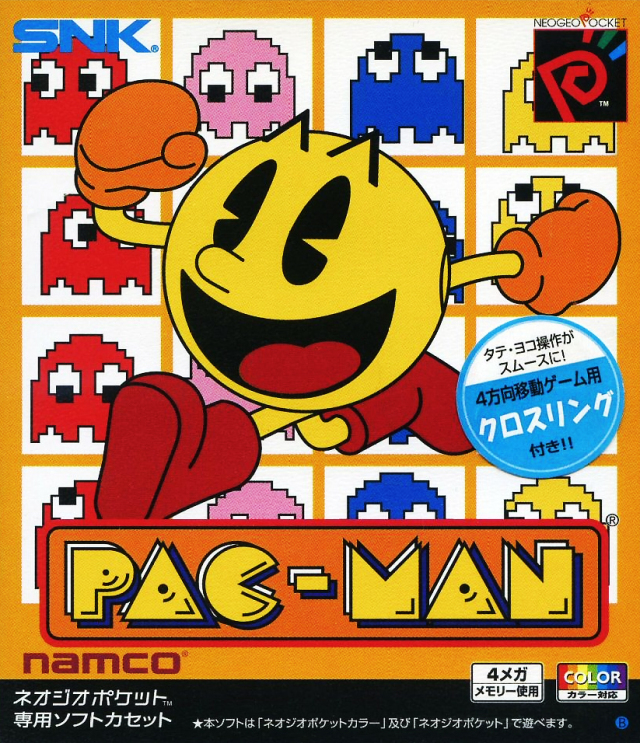
Namco’s ‘Pac-Man’ arrived in 1980 with maze chasing and pellet munching as the core loop. The colorful ghosts each used different movement patterns that could be learned and countered. Its character design drove a global marketing phenomenon that reached toys, cereal, and music. High score chasers mapped perfect patterns and turned mastery into a spectacle.
‘Donkey Kong’
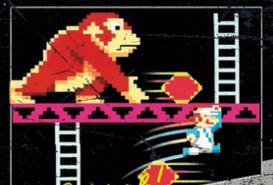
Launched in 1981 by Nintendo, ‘Donkey Kong’ introduced players to Jumpman, who later became Mario. The game stacked platforms with hazards like rolling barrels and timed jumps. It showcased early storytelling in short interludes between stages. Competitive play around world records has persisted for decades.
‘Super Mario Bros.’
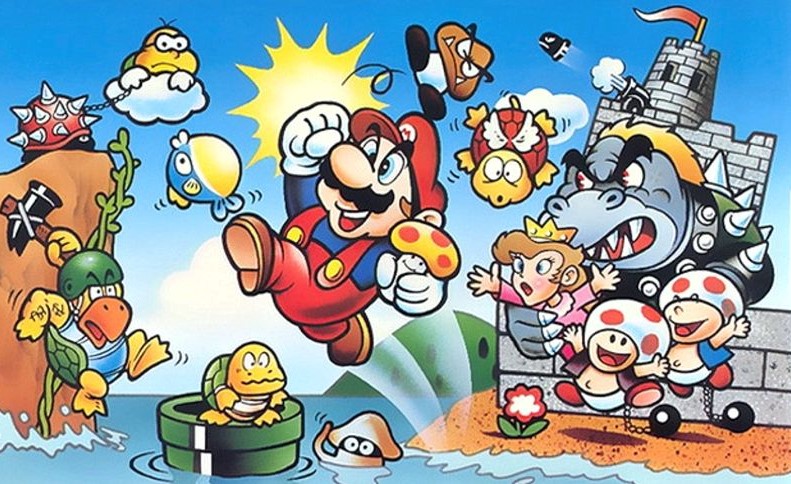
In 1985 Nintendo set the template for side scrolling platformers with ‘Super Mario Bros.’. The game used tight physics, hidden blocks, and warp zones to reward exploration. Its level design taught mechanics through play rather than tutorials. The cartridge helped revive the home console market after the early 80s downturn.
‘Tetris’
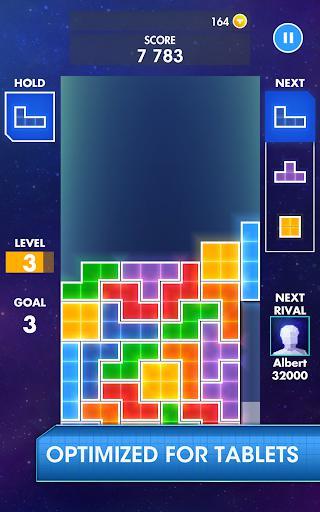
Designed by Alexey Pajitnov in 1984, ‘Tetris’ turned falling tetrominoes into a pure puzzle loop. Clearing lines raised the speed and demanded quick spatial choices. Portable versions drove sales of handheld hardware and made it a universal pick up game. The theme music and marathon modes became fixtures of high score competitions.
‘The Legend of Zelda’
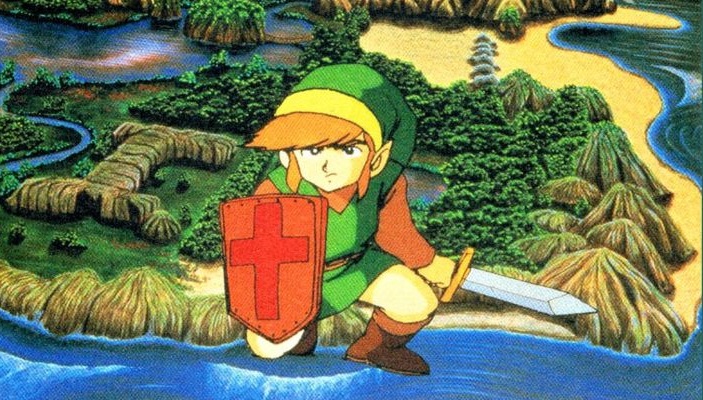
Nintendo’s 1986 ‘The Legend of Zelda’ offered a broad overworld, dungeon keys, and item based progression. The original cartridge used battery backed saves, which let players continue long quests. Secrets hidden behind burnable bushes and bombable walls rewarded curiosity. Its open structure influenced countless action adventure designs.
‘Metroid’
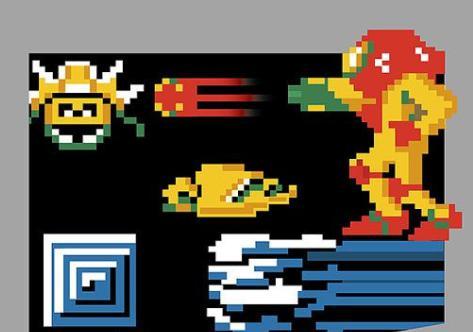
Also from 1986, ‘Metroid’ blended platforming with a map that looped back on itself as new abilities unlocked paths. The atmosphere leaned on sparse music and environmental storytelling. Passwords and later save systems supported long form exploration. Its upgrade loop became a pillar for the entire metroidvania genre.
‘Mega Man 2’
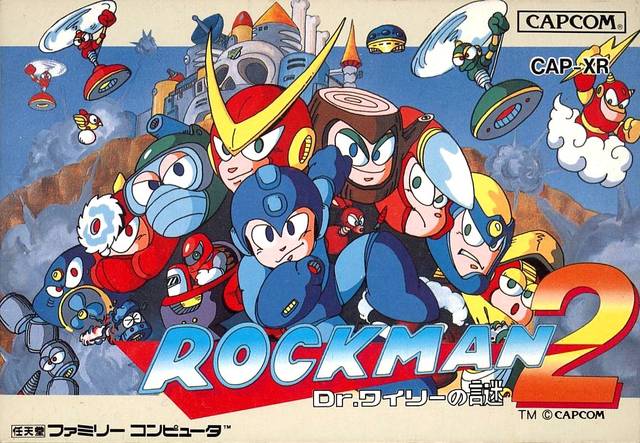
Capcom’s 1988 ‘Mega Man 2’ refined boss order strategy with weapons that countered specific enemies. Nonlinear stage selection let players choose their path through eight robot masters. Energy management and tight platforming demanded precise inputs. The Wily stages stitched the campaign together with escalating challenges.
‘Sonic the Hedgehog’

In 1991 Sega introduced ‘Sonic the Hedgehog’ to showcase speed on the Genesis. Momentum based movement and loop de loops created a different feel from other platformers. The blue mascot helped sell hardware during the console wars. Rings served as both a health buffer and a collectible score system.
‘Street Fighter II’
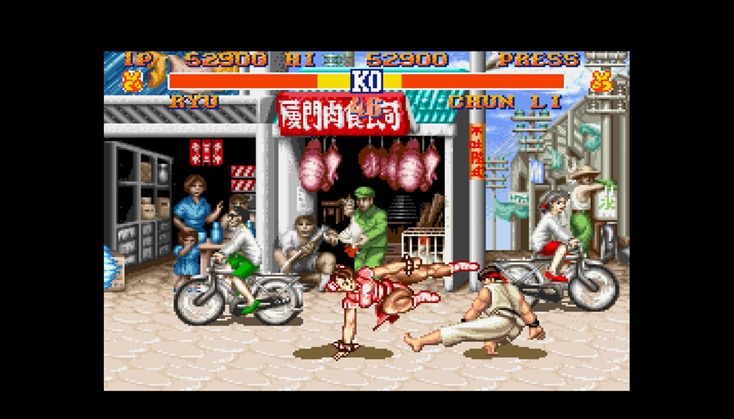
Capcom’s 1991 ‘Street Fighter II’ standardized six button controls and special move inputs for fighters. Distinct characters with unique move sets encouraged match up learning. Arcades filled with competitive play and head to head brackets. Home ports moved fighting games into living rooms and sold millions of cartridges.
‘Mortal Kombat’
Midway’s 1992 ‘Mortal Kombat’ used digitized actors and finishing moves that pushed ratings debates. Its block button and run mechanics differentiated the feel from other fighters. The controversy helped drive the creation of the ESRB rating system in North America. Secret characters and inputs fueled playground knowledge sharing.
‘Doom’
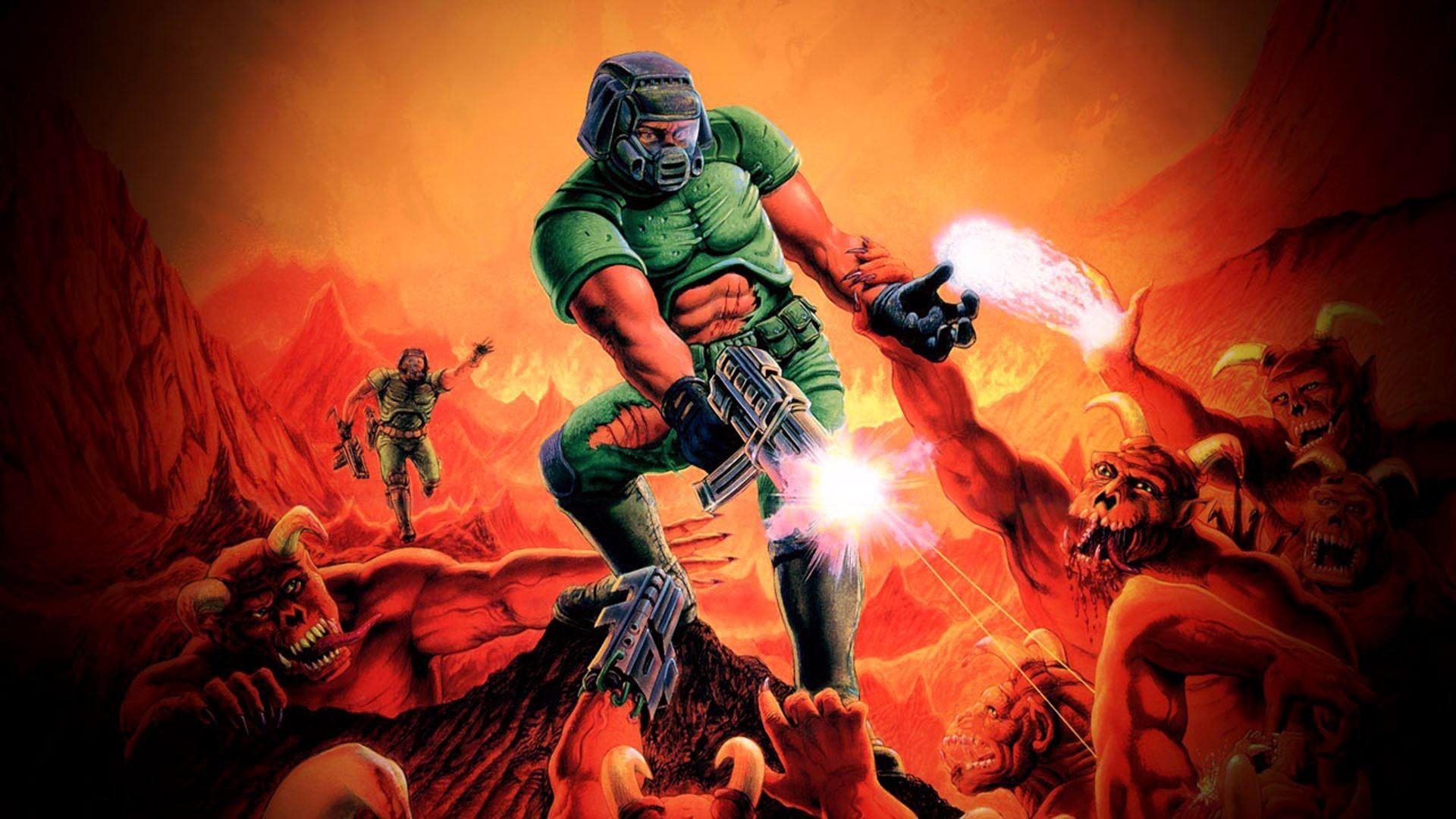
Id Software’s 1993 ‘Doom’ delivered fast first person shooting with networked deathmatch on PCs. The shareware model spread episode one widely and built a massive audience. WAD support enabled community mods and custom levels. Its engine technology inspired a generation of shooters and tools.
‘Myst’
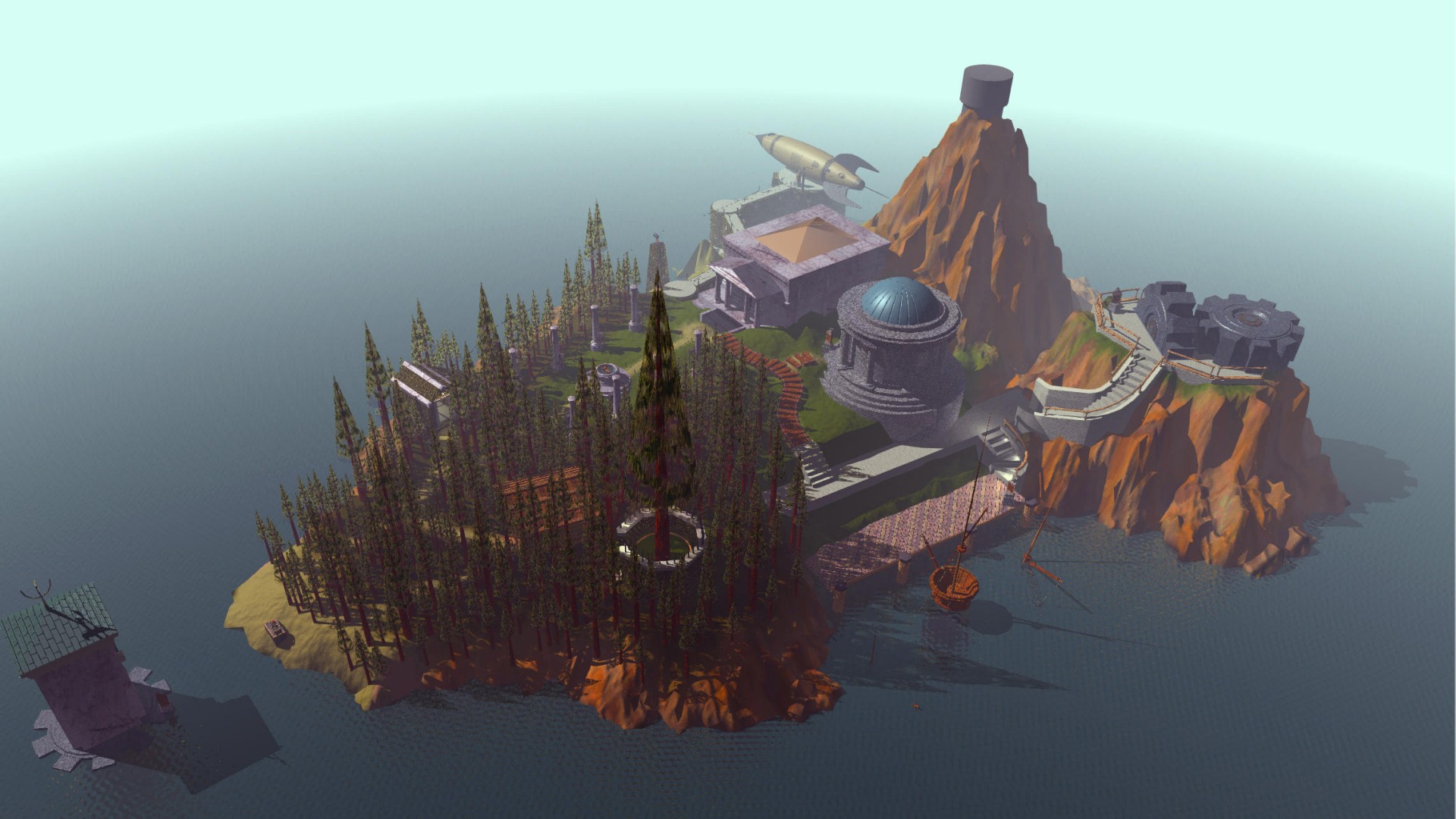
Cyan’s 1993 ‘Myst’ used pre rendered scenes to create a quiet puzzle world on CD ROM. Nonlinear islands and environmental clues encouraged note taking and careful observation. It became a best selling PC game and drove adoption of optical drives. The soundtrack and linking book concept expanded into sequels and novels.
‘Pokémon Red and Blue’

Game Freak’s 1996 ‘Pokémon Red and Blue’ combined turn based battles with collection across 151 creatures. Link cable trading encouraged social play and version exclusive captures. The campaign structure moved from gyms to an elite challenge and a final rival match. It launched a cross media franchise that reached cards, shows, and films.
‘Final Fantasy VII’
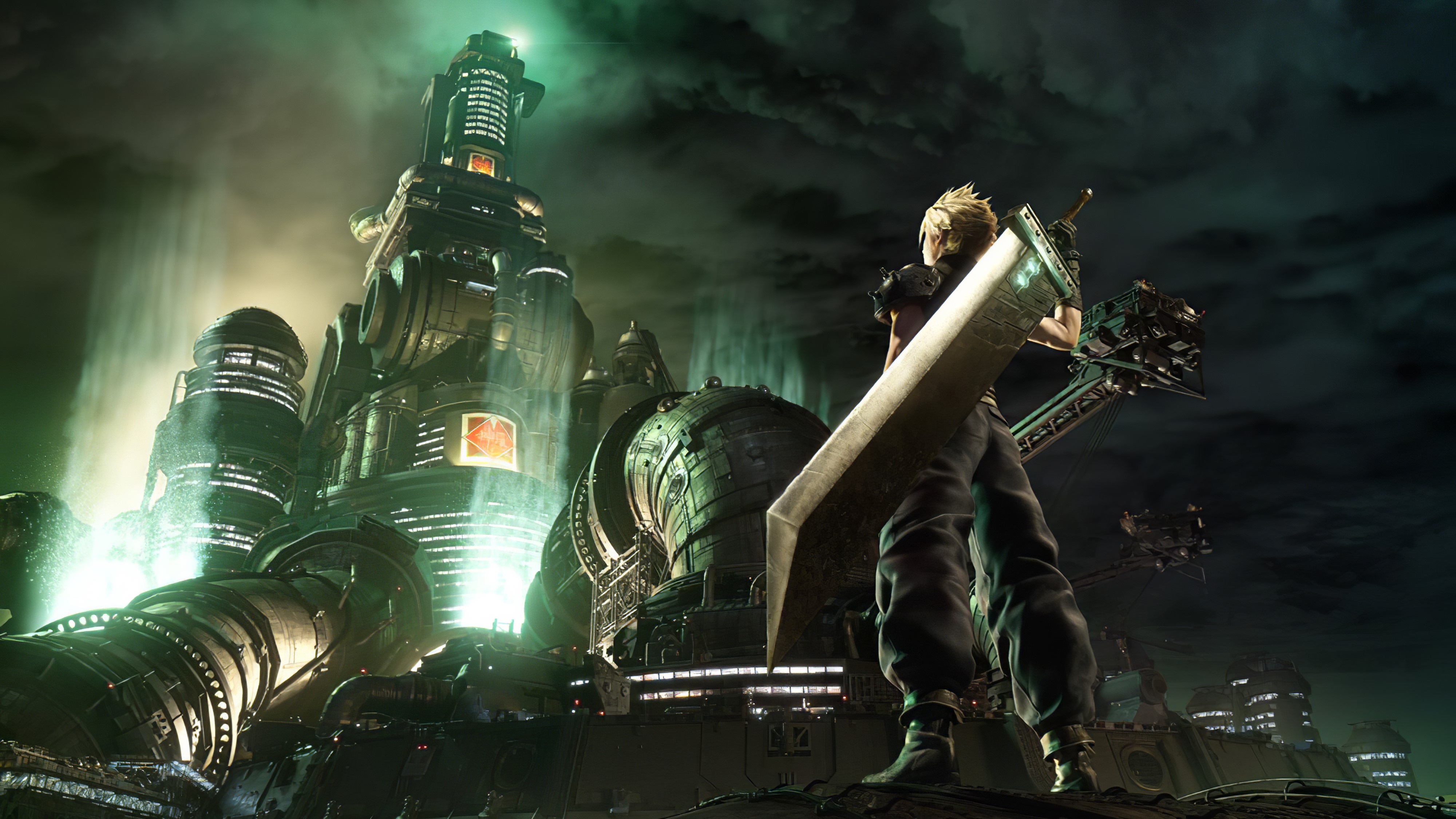
Square’s 1997 ‘Final Fantasy VII’ moved the series to 3D with cinematic cutscenes on multiple discs. Materia customization let players tune spells and abilities across the party. The title pushed the PlayStation hardware with pre rendered backdrops and full motion video. Its global success opened the door for more large scale RPGs outside Japan.
‘GoldenEye 007’
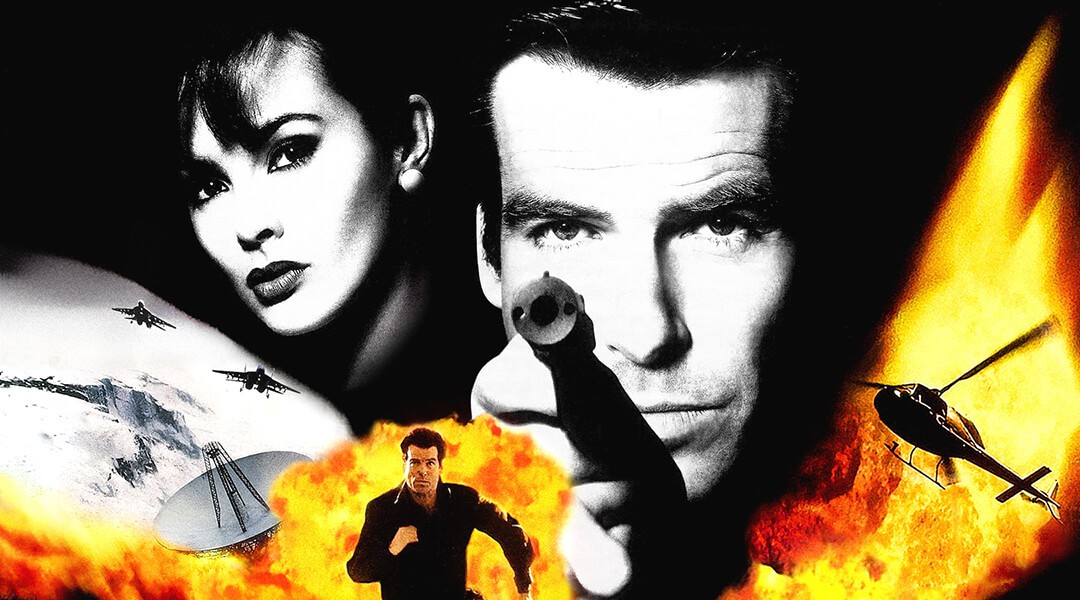
Rare’s 1997 ‘GoldenEye 007’ turned a film license into a landmark console shooter on Nintendo 64. Objective based missions added variety beyond simple exits. Four player split screen made it a go to party game with custom options. Smart enemy reactions and stealth elements stood out for the era.
‘Half-Life’
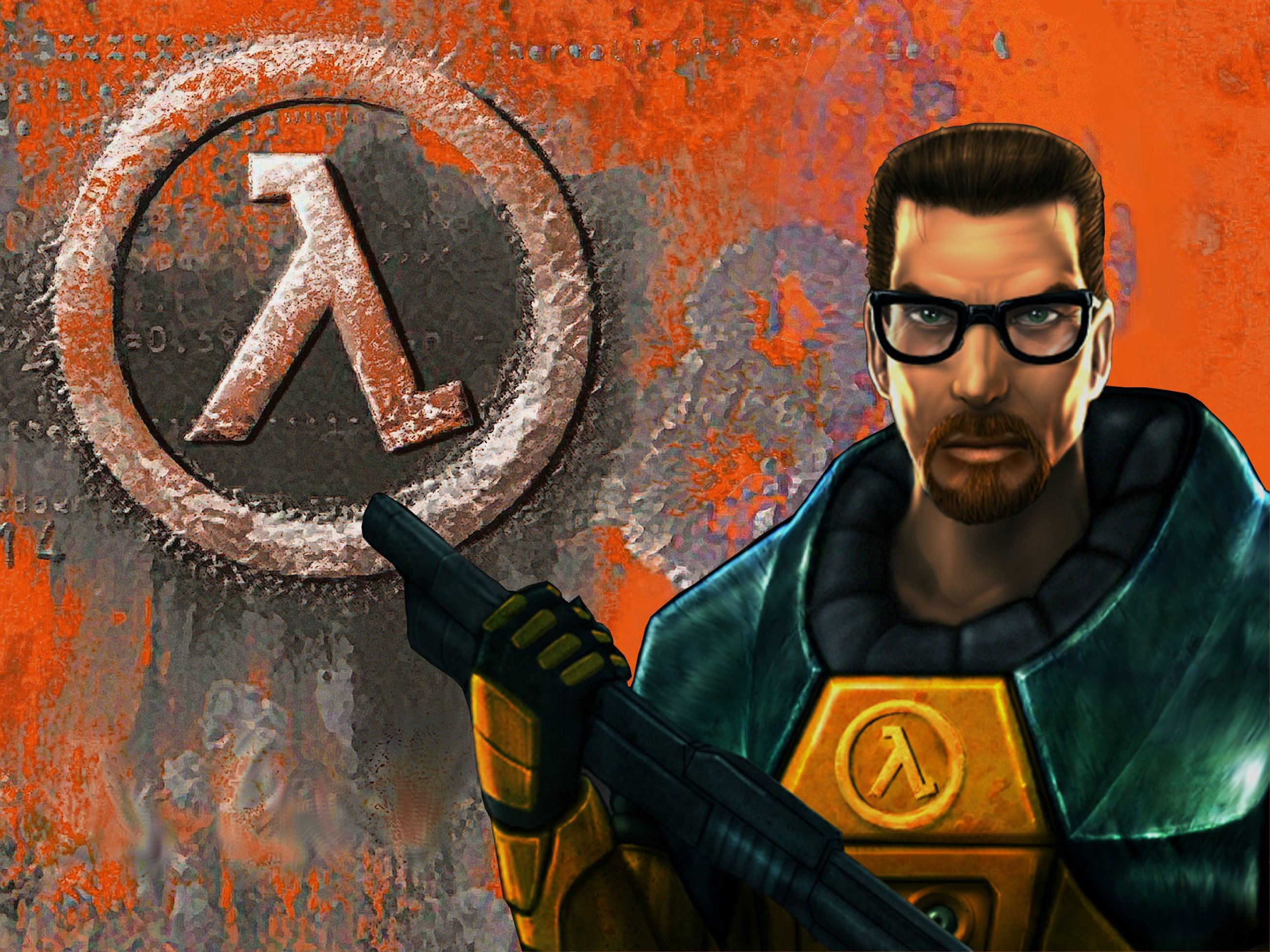
Valve’s 1998 ‘Half-Life’ integrated storytelling directly into gameplay without cutaways. Scripting and AI schedules made encounters feel dynamic. Mod support led to projects like ‘Counter-Strike’ that grew into standalone hits. The game’s level transitions kept immersion through continuous spaces.
‘The Sims’
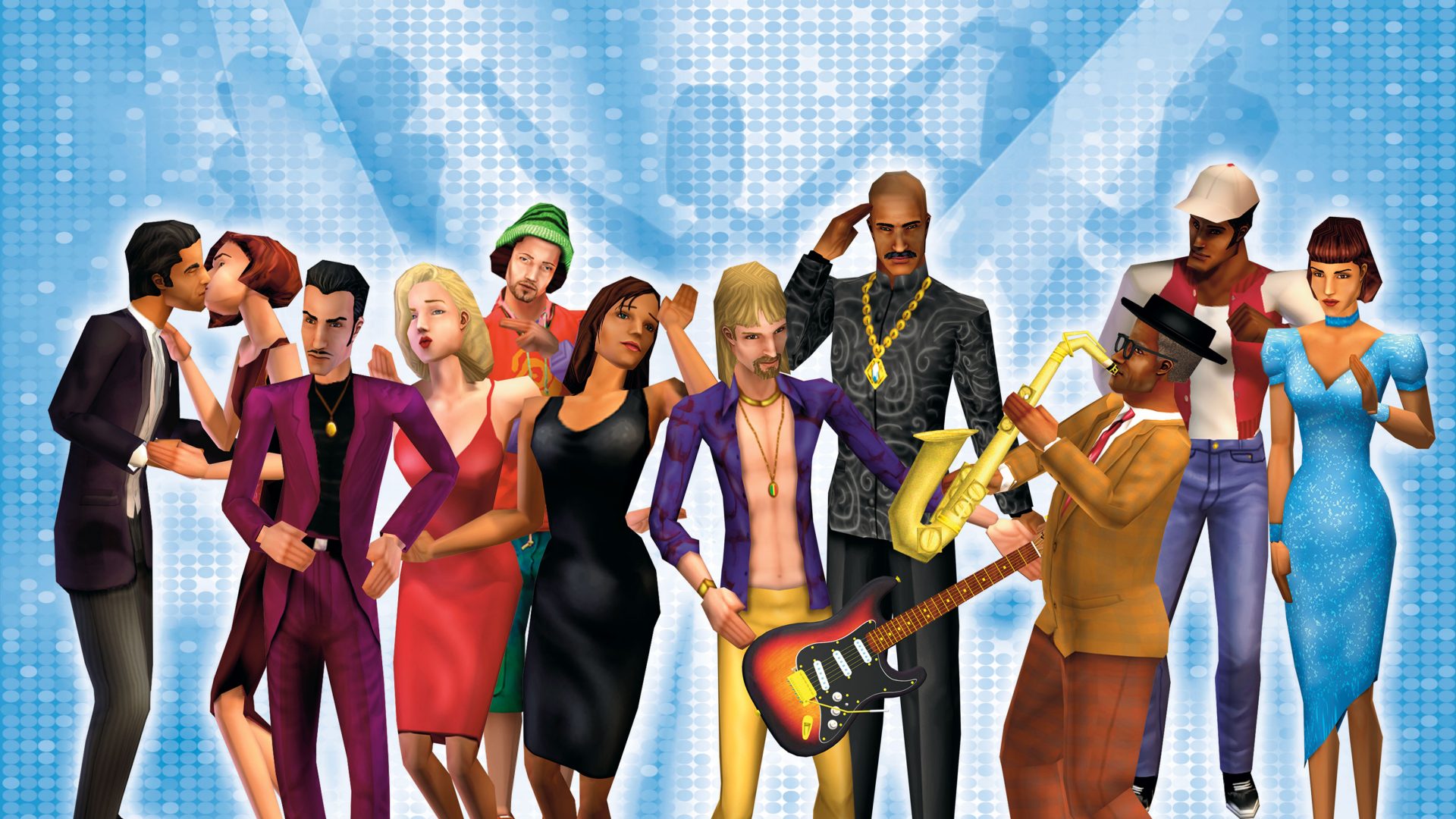
Maxis released ‘The Sims’ in 2000 as a life simulation with open ended goals. Players managed needs, jobs, and relationships while building homes from the ground up. Expansion packs added items, careers, and social features. Its sandbox design drew in audiences beyond traditional genre boundaries.
‘Halo: Combat Evolved’
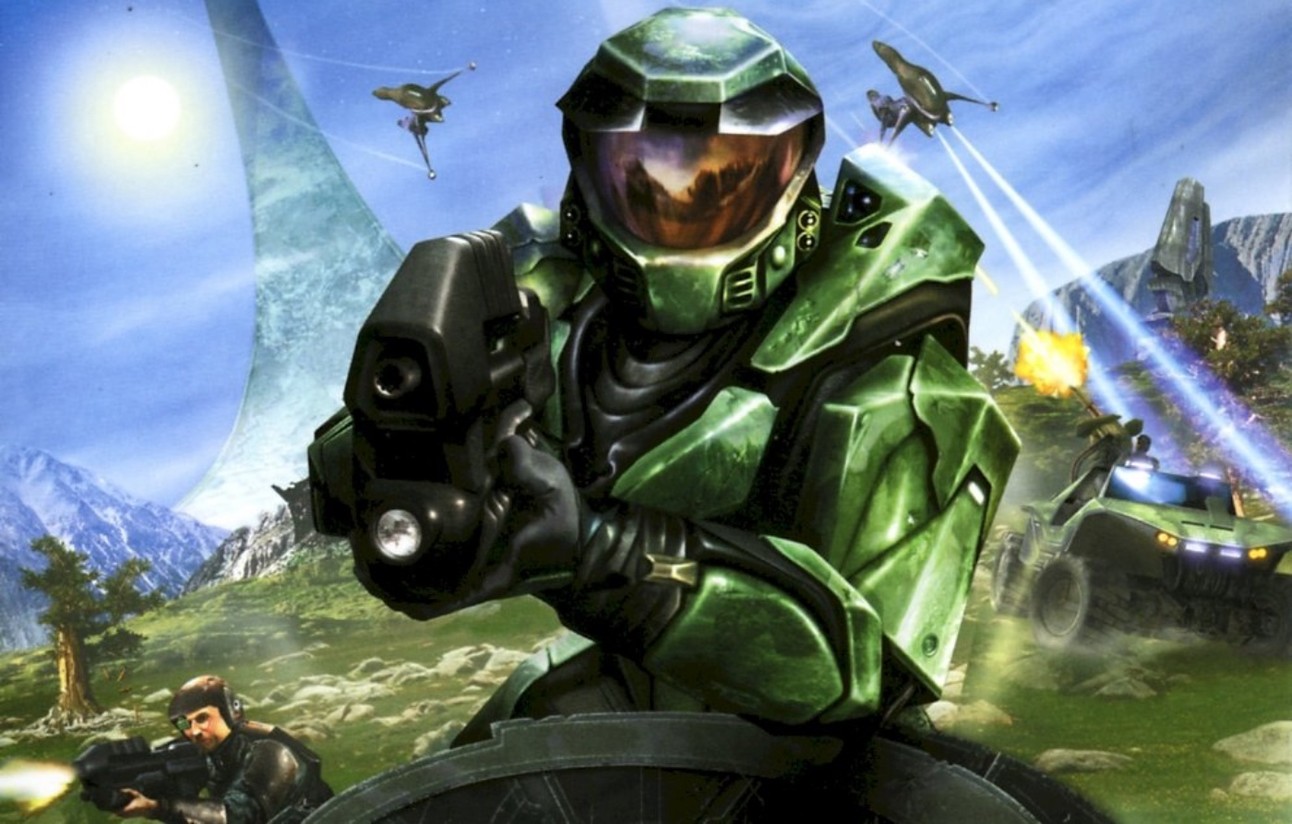
Bungie’s 2001 ‘Halo: Combat Evolved’ launched with the original Xbox and set console FPS standards. Two weapon limits, regenerating shields, and smart enemy squads defined combat flow. Cooperative campaign and LAN system link supported social play. The control scheme became a model for shooters on gamepads.
Share the ones you remember most in the comments and tell us which classic still lives rent free in your head.