

15 Impractical Anime Weapons That Would Be Useless In Real Life



The worlds of Japanese animation are filled with fantastical battles where the laws of physics are routinely ignored for the sake of an epic visual spectacle. Characters often brandish unbelievably massive swords, cumbersome mechanical contraptions, or implements that require a magical energy source to function at all. When removed from their fictional settings, these stylish tools of combat immediately expose their fatal real-world flaws in weight, balance, or basic functionality. This list explores the weaponry from across the genre that would only serve as an incredible hindrance to any ordinary person trying to survive a fight.
‘Berserk’ (1997–1998)
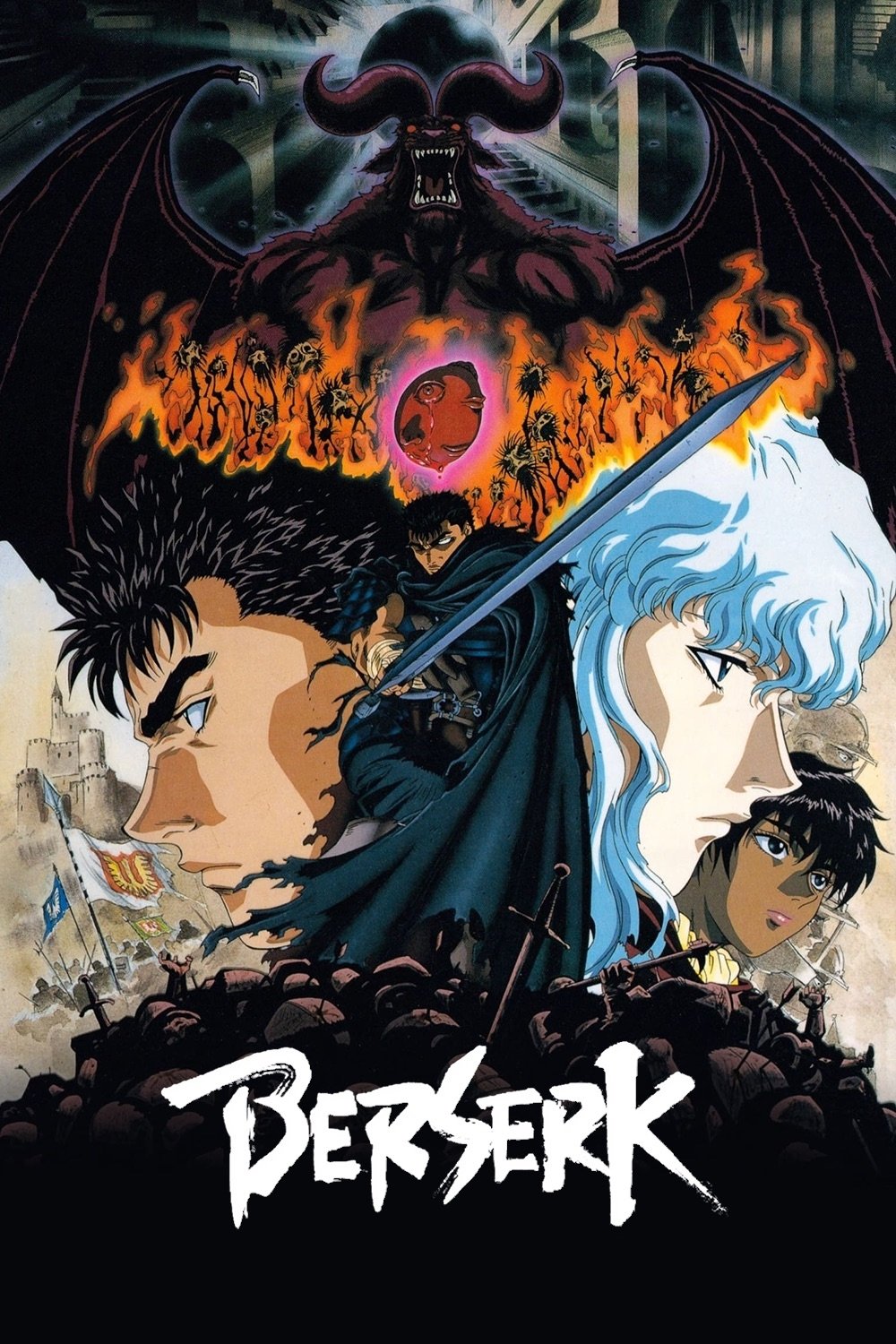
The weapon known as ‘Dragon Slayer’ is famously less of a sword and more of a portable battering ram that is disproportionate to any human wielder. The colossal size and extreme weight of the blade would make it impossible for an average person to lift, let alone swing with any meaningful speed or control. Its immense surface area would create significant air resistance, slowing any strike and making the wielder a stationary target for any nimble opponent, an effect that is often ignored in the OLM/Nippon Animation production. Furthermore, carrying a weapon of this magnitude on a daily basis would cause severe, career-ending joint and back injuries in a very short amount of time.
‘One Piece’ (1999–present)
Dracule Mihawk’s signature blade, ‘Yoru’, is a gigantic, ornate sword far taller than its user, making it one of the largest swords showcased in the long-running Toei Animation production. This massive long-bladed weapon, which resembles an oversized Kriegsmesser, would be almost impossible to manage effectively in a real-world duel. The extended crossguard, while aesthetically impressive, would add excessive weight and negatively impact the sword’s maneuverability and balance. Attempting to wield such a dramatically heavy and unwieldy weapon in close combat would rapidly exhaust the user, leaving them open to even the simplest counterattack.
‘Rurouni Kenshin’ (1996–1998)

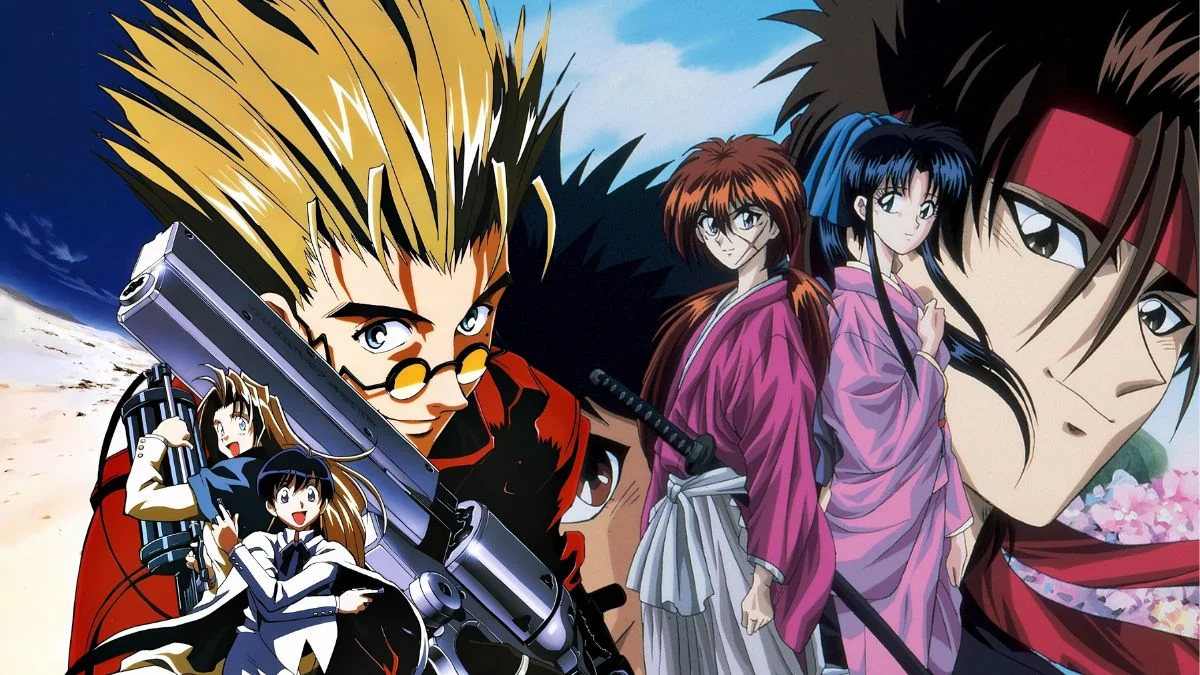
The ‘Zanbato’ sword wielded by Sanosuke is a ridiculously massive implement shown to be cumbersome and slow, lacking the necessary speed for true sword combat. Its initial purpose was to chop a horse and rider in half with one mighty blow, suggesting an emphasis on brute force that Studio Gallop animated with dramatic flair. The enormous blade lacks the refinement and balance of a practical sword, making quick defensive parries or evasive maneuvers completely out of the question. Even the weapon’s fictional user quickly realized its disadvantages when facing a fast opponent, eventually choosing to discard the giant implement for a different fighting style.
‘Fairy Tail’ (2009–2019)

Panther Lily’s transforming ‘Bustermarm Sword’ is typically shown to be a weapon four times the size of its wielder in its gigantic form, a scale that is simply not feasible outside of the magical context created by A-1 Pictures and Satelight. Though the weapon can magically alter its size, its maximum size presents an absurd obstacle for any non-superpowered individual. Lifting such a massive blade would be a miraculous feat, and generating enough force to swing it would be physically impossible. The momentum required to stop the swing of such a huge mass of metal would also lead to severe joint dislocation and injury for the average wielder.
‘Trigun’ (1998)
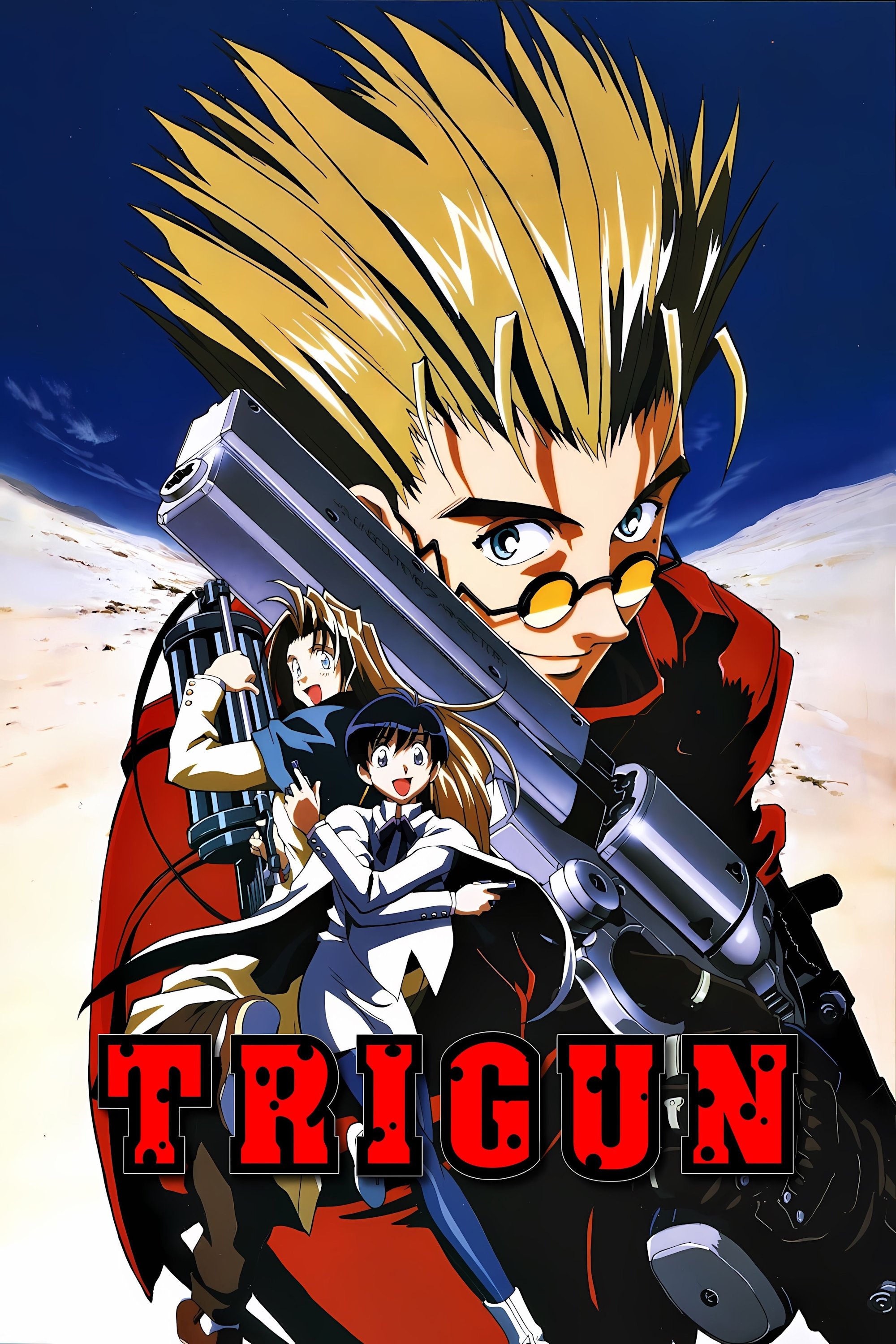
The cross-shaped weapon known as ‘The Punisher’ combines multiple firearms, including a machine gun, pistol storage, and a rocket launcher, into one incredibly heavy package. The sheer density and size of the weapon, which is shown to weigh hundreds of pounds, make it utterly useless for an unenhanced human, despite the stylish action animated by Madhouse. Its cross shape is structurally inefficient for balance and comfort, severely impairing its use as a bludgeoning weapon or shield. Furthermore, the recoil from simultaneously firing its numerous heavy-caliber weapons would likely dislocate the shoulder of the user with the first pull of the trigger.
‘Naruto: Shippuden’ (2007–2017)
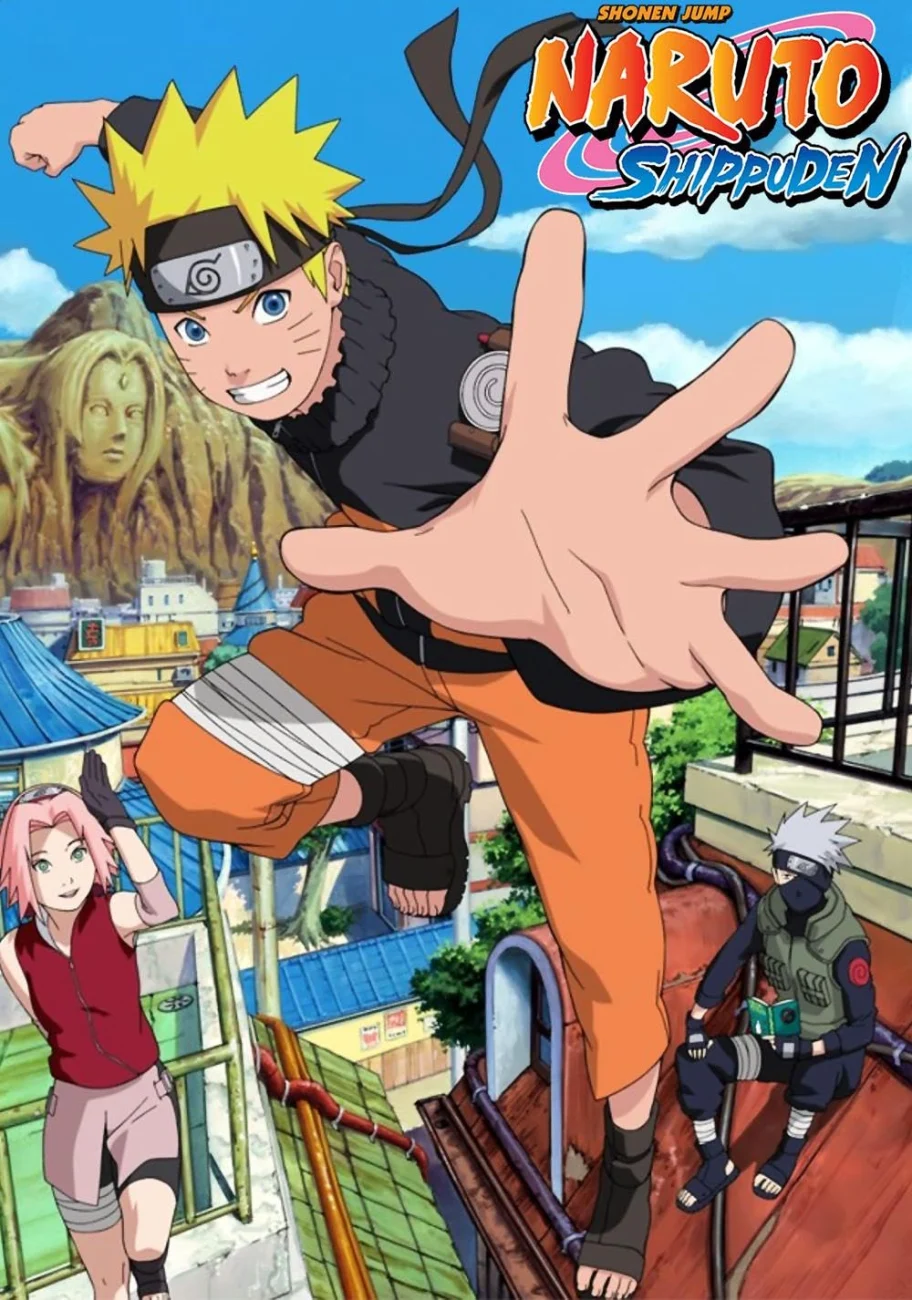
Kisame Hoshigaki’s sword ‘Samehada’ is a sentient, living entity that has an incredibly coarse surface of sharp scales rather than a traditional cutting edge. Aside from its massive and unwieldy size, its sentience makes it an unpredictable partner that can turn on its wielder if displeased or drawn to a different energy source, a feature showcased by Studio Pierrot. The sword feeds on the spiritual energy of others, a fantastical concept that removes any practical application from the real world. Even in its own fictional universe, the sentient weapon is extremely picky about its user, which demonstrates an impossible hurdle for any real-life soldier or swordsman.
‘Hunter x Hunter’ (2011–2014)
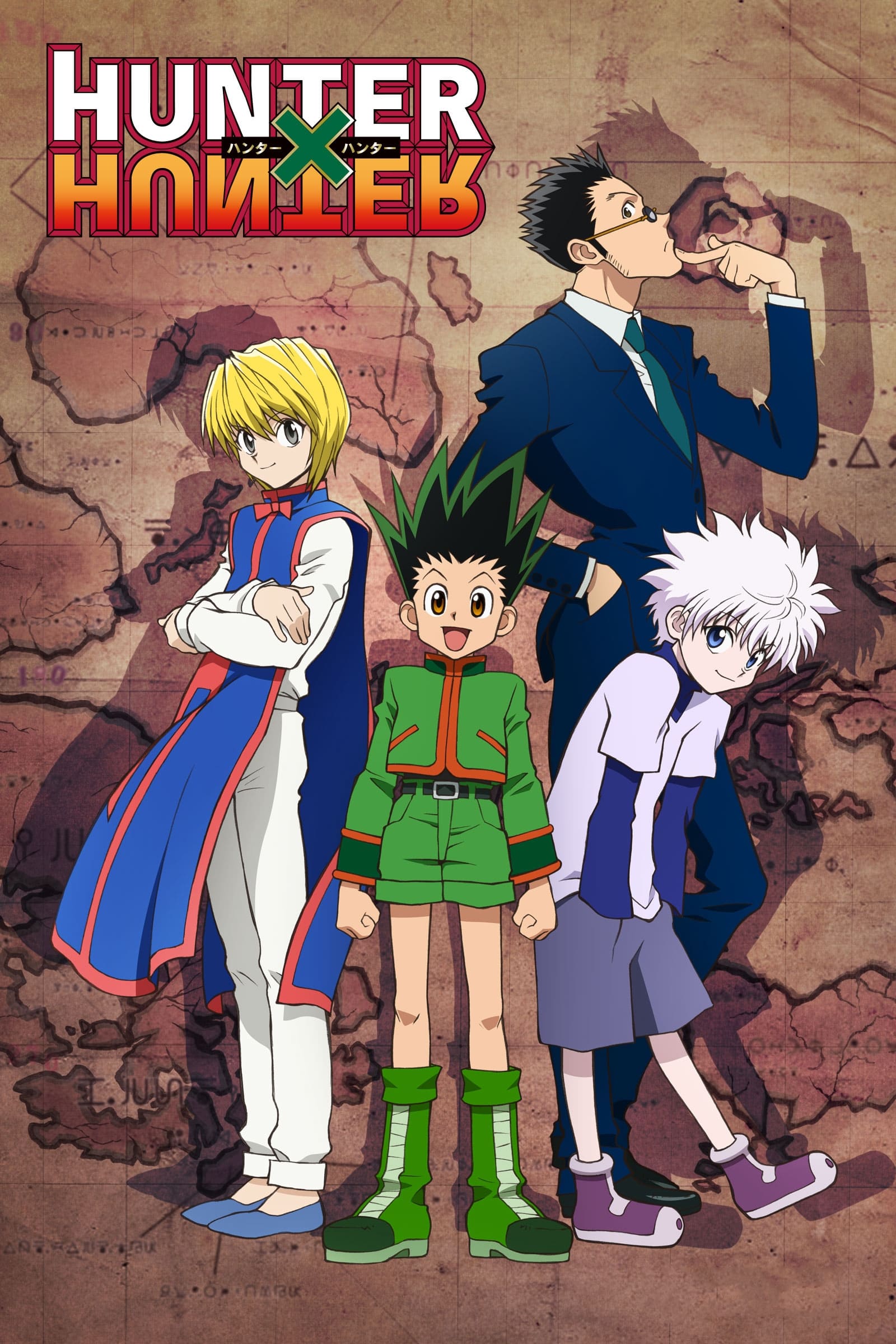
Killua Zoldyck’s ‘Yo-Yos’ are seemingly innocuous toys that are actually weapons individually made of extremely heavy metal, weighing approximately 110 pounds each. Using a yo-yo as a weapon requires incredible dexterity and control, but performing complicated maneuvers with such monumental weight would be impossible for even the most athletic individual, regardless of how expertly Madhouse animated the combat. The constant strain on the wielder’s fingers, hands, and arms would be debilitating, making prolonged use a guaranteed cause of severe muscle and tendon damage.
‘Inuyasha’ (2000–2004)

Sango’s weapon ‘Hiraikotsu’ is an enormous, bone-made boomerang that can be thrown with devastating speed and accuracy over vast distances in the classic Sunrise production. The size and density of the bone boomerang would make it far too heavy and cumbersome to launch with any practical velocity or control. A real-world attempt to throw a multi-hundred-pound object like this would be a static effort resulting in a simple, useless drop to the ground, rather than an airborne attack. Furthermore, the physics required for an object of that massive scale to return perfectly to the wielder’s hand upon release completely defies gravity and aerodynamics.
‘Akame ga Kill!’ (2014)

Sheele’s weapon is ‘Cutter of Creation: Extase’, a massive pair of stylized scissors designed for combat, which have the fantastical ability to cut through nearly any material in the White Fox adaptation. The colossal size of the scissors’ handles and blades would make it nearly impossible to grip securely and manipulate with the fine motor control needed for sword fighting. Real-world physics dictate that the cutting mechanism would be incredibly slow and unwieldy, making it simple for any opponent to avoid the slow, telegraphed attacks. Trying to run or move quickly while carrying a pair of exaggerated, razor-sharp blades that constantly open and close is also a significant, self-inflicted hazard.
‘Demon Slayer: Kimetsu no Yaiba’ (2019–present)
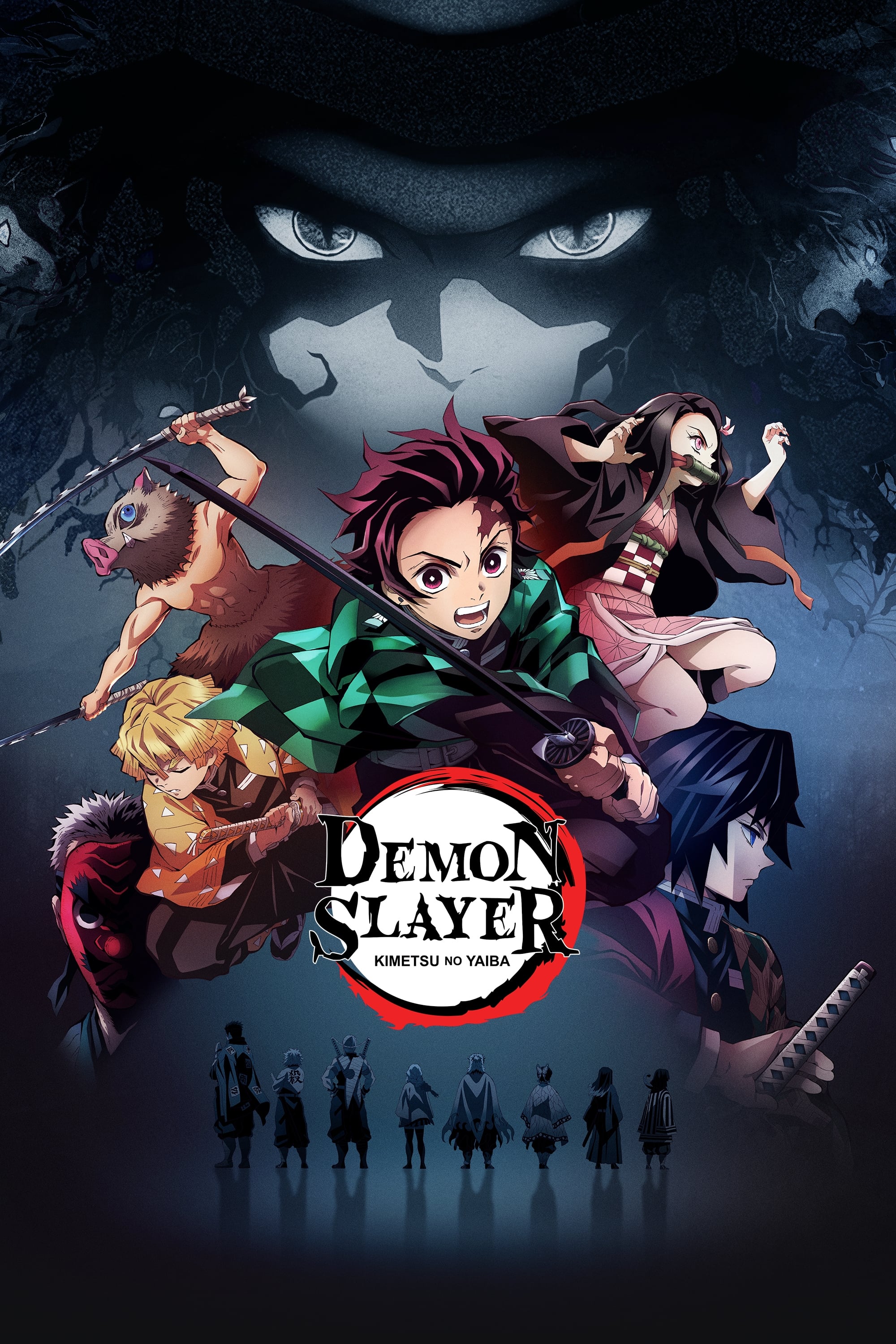
Mitsuri Kanroji’s ‘Ribbon Sword’ is a distinctive weapon that is a long, thin, flexible blade which moves like a ribbon, requiring the user to have superhuman flexibility and a highly specialized breathing technique to wield it. In a real-world scenario, the flaccid nature of the extremely thin blade would make it impossible to use for parrying, blocking, or maintaining any controlled cutting angle, a feature often overlooked in the beautiful Ufotable animation. The sword would simply flop against the target, failing to generate the necessary rigidity and force required to pierce or slash any meaningful defense.
‘Attack on Titan’ (2013–2023)
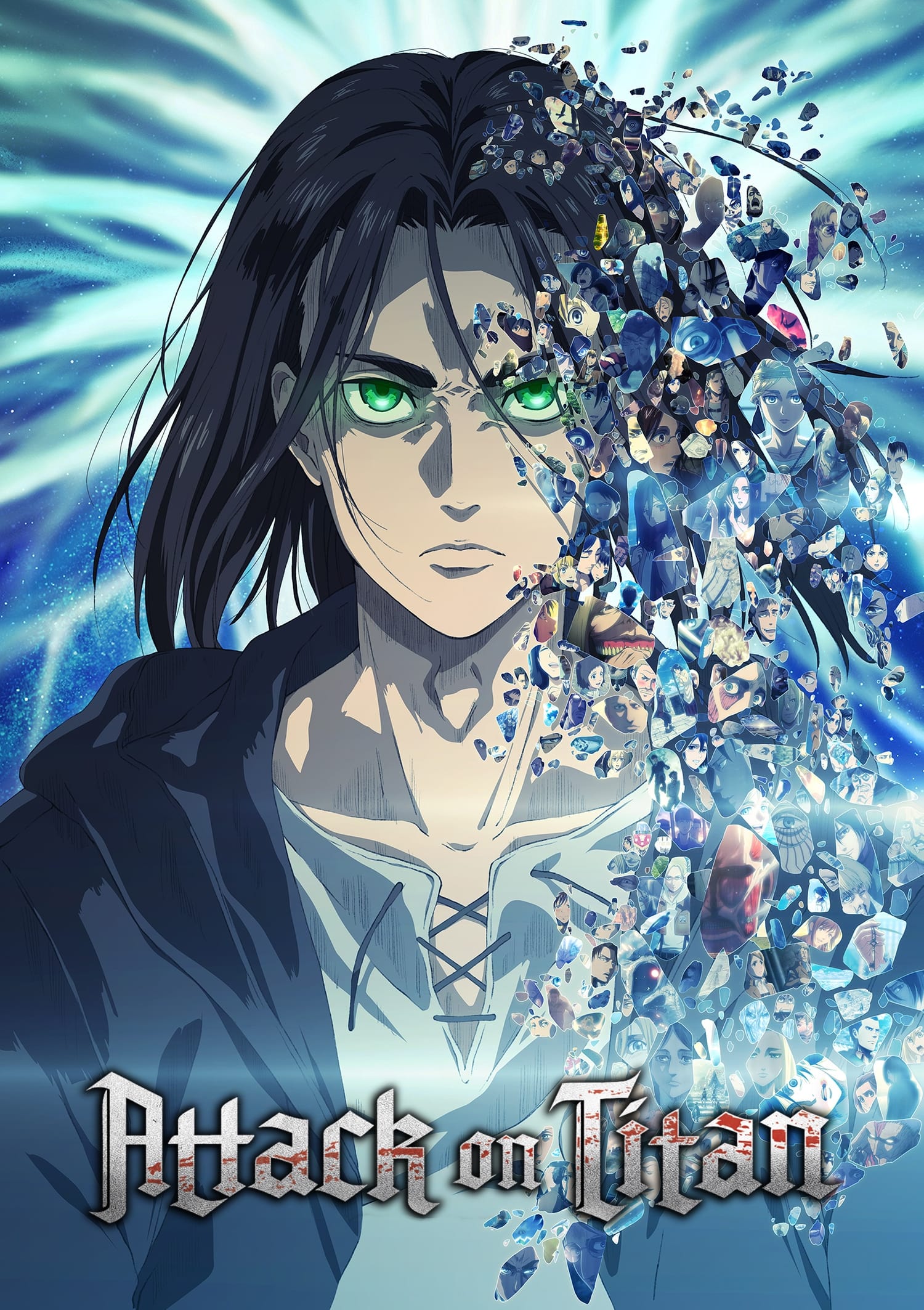
The ‘ODM Blades’ used with the Omni-Directional Mobility Gear are specialized, reverse-gripped swords that dull incredibly fast due to the extreme materials they cut through, necessitating the carrying of dozens of replacements. The need to carry an absurdly large stack of replacement blades in a bulky hip-mounted cartridge system creates an inefficient and supply-dependent fighting style that Wit Studio and MAPPA expertly visualize. The reverse grip, while offering more wrist strength, would severely limit the range of motion and flexibility in an earthbound, standard sword fight. In reality, the blades would wear down on any hard surface quickly, forcing the wielder to constantly and inconveniently pause the fight for a dangerous reload.
‘D.Gray-man’ (2006–2008)
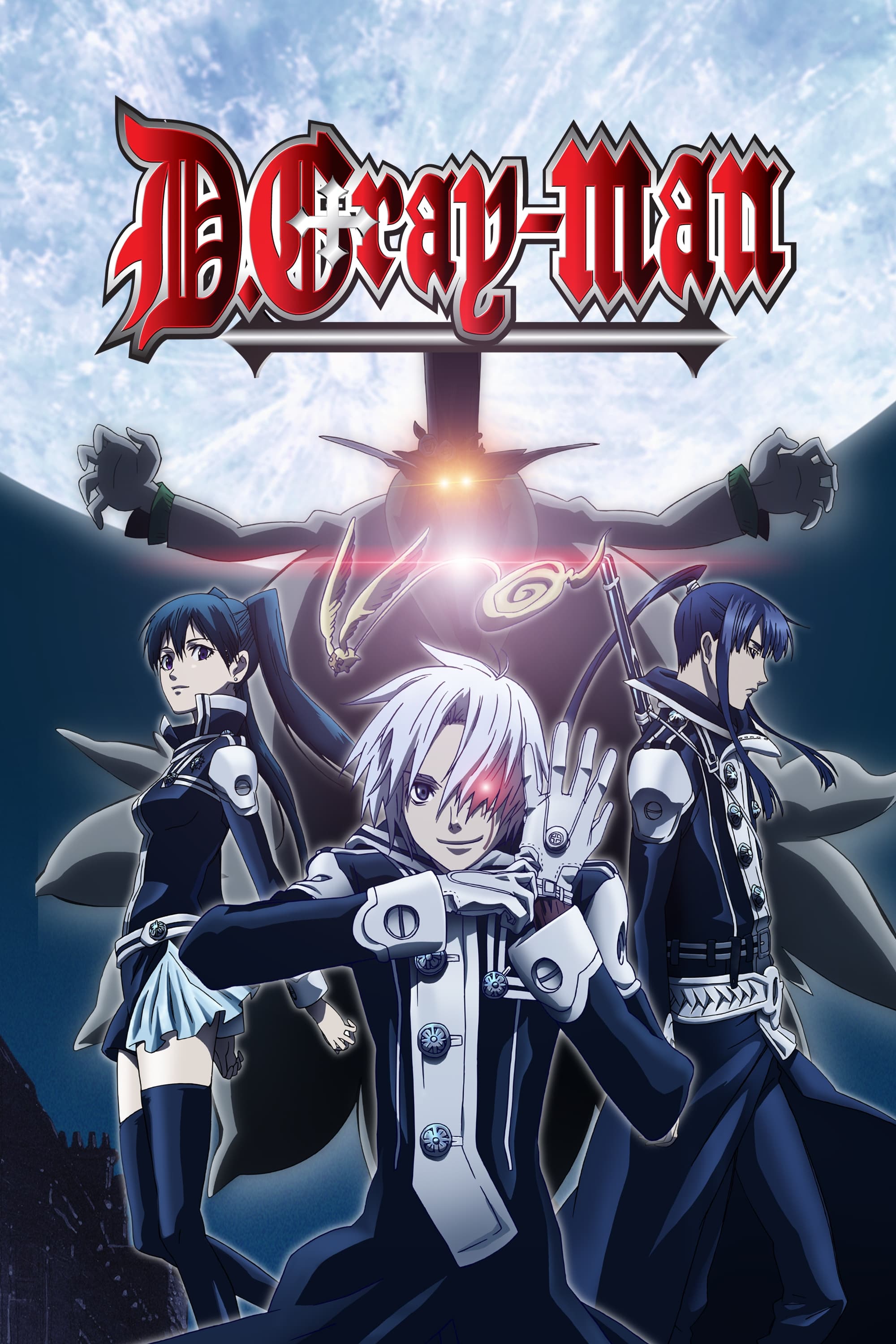
Lavi’s hammer is a giant weapon that can instantaneously grow to an impossibly huge size and also shrink to a miniature form for easy transport. The fact that the hammer has no weight despite its tremendous size in its large form is an anomaly that completely violates the conservation of mass and force, a feature TMS Entertainment had to animate with fantastical physics. If the gigantic hammer were to possess a realistic density and weight, no human could lift it, let alone swing it with the speed and dexterity shown. The concept of an arbitrarily weightless, multi-story-high striking tool is fundamentally unworkable outside of magical anime physics.
‘Bleach’ (2004–2012)
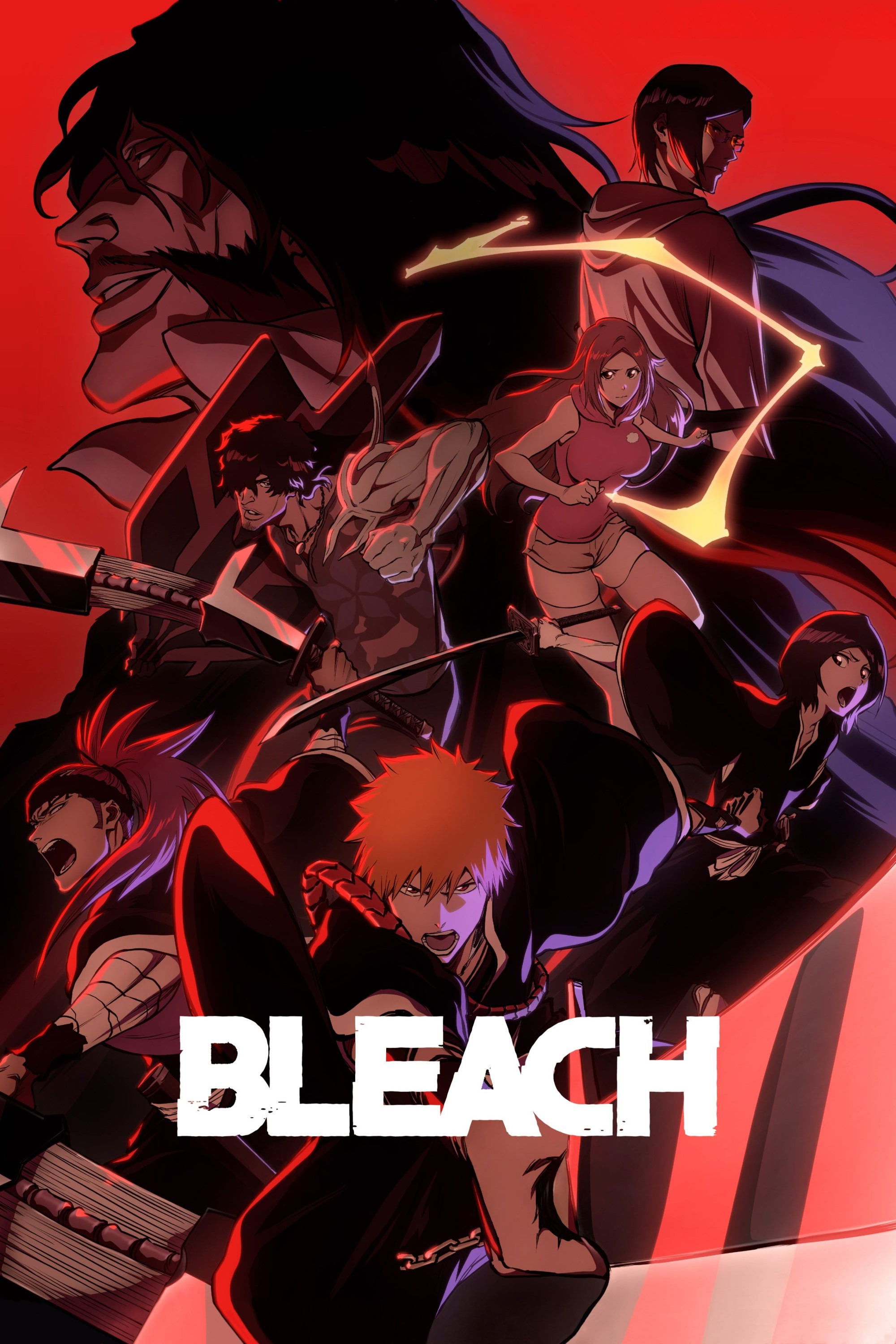
The ultimate form of Sui-Feng’s weapon transforms into the ‘Jakuho Raikoben,’ a giant, armored missile launcher that attaches to her arm, a transformation that Studio Pierrot always emphasized as a last resort. This heavy, unwieldy apparatus is the antithesis of a stealth and speed-based assassin, trading agility for a single, powerful attack. The incredible weight of a missile launcher on one arm would destroy the user’s balance and mobility, making them a sitting duck for any counterattack. Furthermore, the enormous scale of the weapon means it cannot be concealed or quickly deployed in close quarters, which is where its user typically operates.
‘One Piece’ (1999–present)
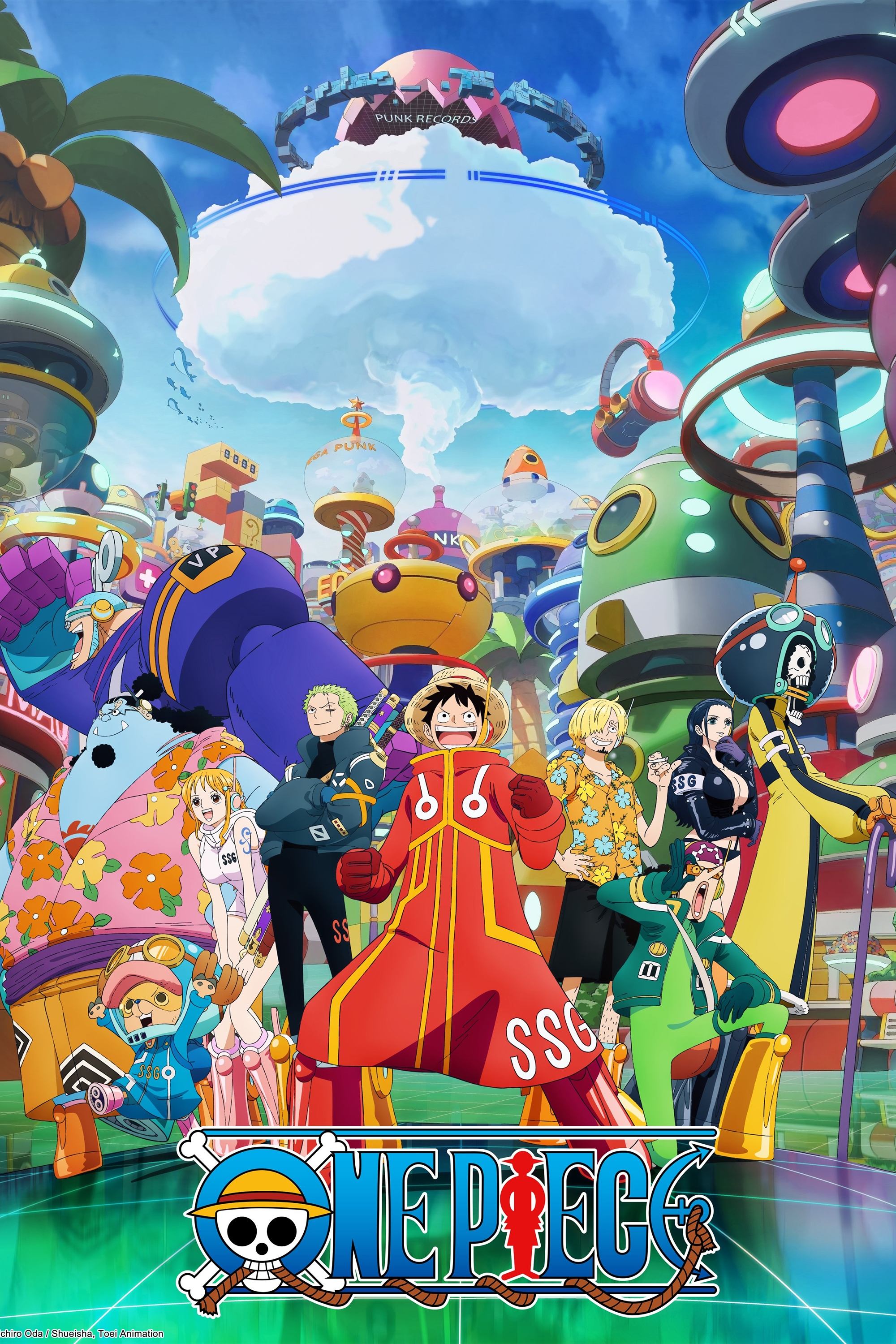
Nami’s signature weapon ‘Clima-Tact’ is a seemingly harmless, simple baton made up of three clicking sticks that can be assembled in various configurations. Its effectiveness is completely reliant on the creation and manipulation of specialized atmospheric phenomena like lightning, wind, and clouds, which is not possible without the fantastical environment created by Toei Animation. In the real world, the Clima-Tact is simply three hollow sticks of plastic or metal that possess no inherent combat value, offering little more than a flimsy prop. A real-life opponent would easily break the weapon or simply overpower its user, as it lacks any defensive or offensive capabilities without its magical elements.
‘Gintama’ (2006–2018)
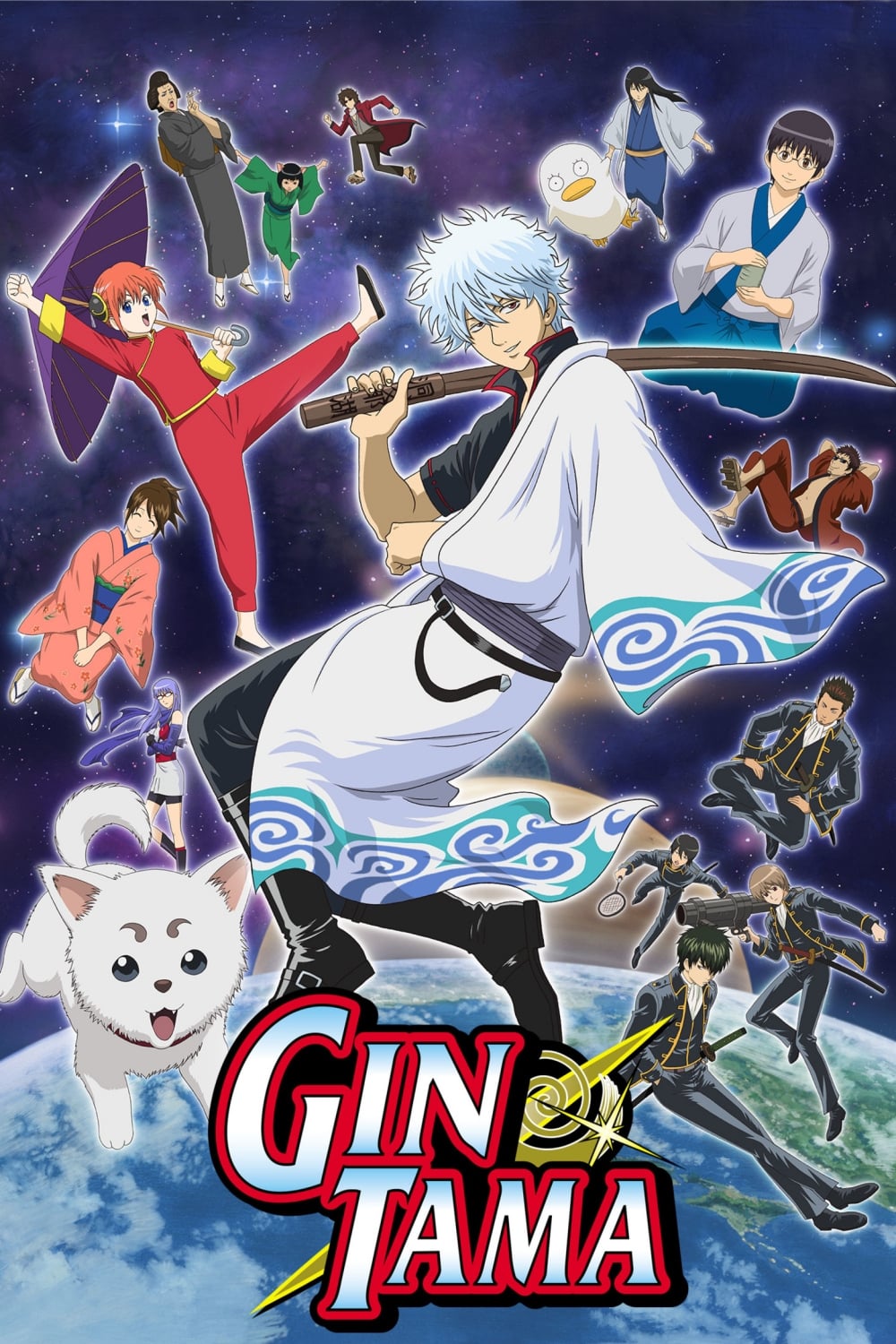
Gintoki’s ‘Bokuto’ is a wooden sword, or bokuto, that is famously depicted as an unbreakable blade that can cut through steel and perform feats of power that surpass a real katana in the Sunrise production. In reality, a wooden practice sword would be immediately ineffective against metal weaponry, splintering and breaking after just a single impactful strike. The ‘Toyako Bokuto’ is explicitly not a real sword and relies on a comedic or fantastical premise of being invulnerable, rendering it useless in any genuine martial context. Using a wooden weapon against a trained opponent with a sharpened steel blade is a guaranteed losing proposition.
Share your thoughts on which of these fantastical weapons you would still try to carry in a comment.