


‘Iron Man’ Mistakes You’ll Never Be Able to Unsee

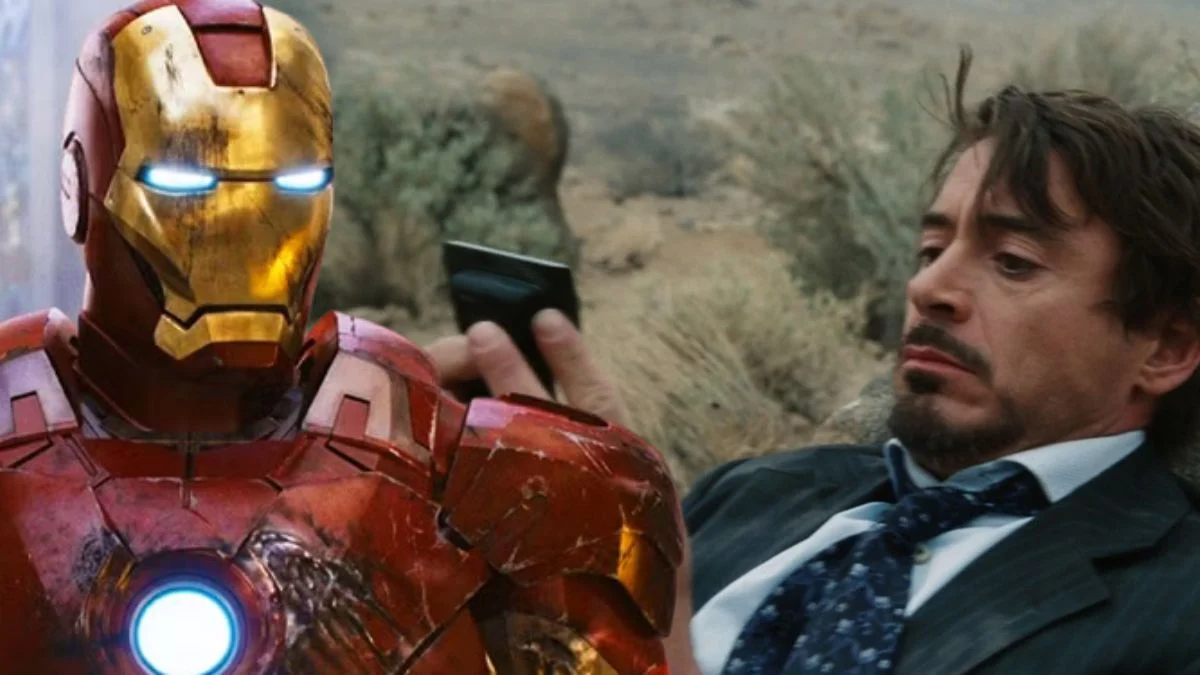


The first ‘Iron Man’ kick-started a cinematic era and still flies by like a charm, but a close look reveals small hiccups tucked between the quips and the tech. Continuity slips pop up around props, wardrobe, and even the shiny suits, and once you notice them they can be hard to ignore. None of these derail the story, yet they show how tricky it is to stitch together complex action scenes and effects shots from many separate takes.
What follows collects small on-screen mismatches and production goofs you can spot on a rewatch. Each one points to a specific moment or sequence, with what appears on screen and what changes from shot to shot. If you like scanning frames for details, these are the tiny tells that stand out the next time Tony Stark powers up.
Sunglasses Switch In The Humvee
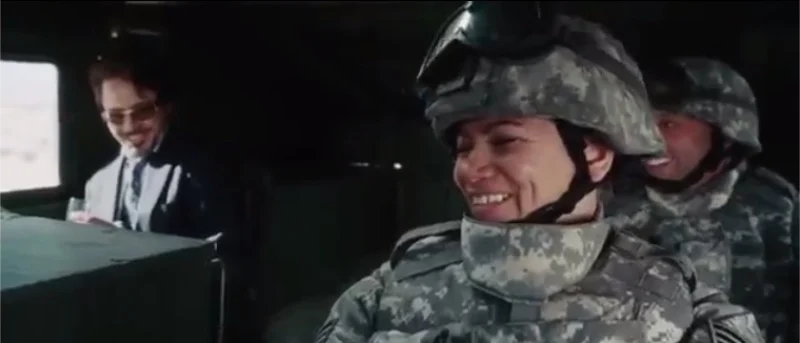
Early on, Tony rides in a Humvee with soldiers and mugs for a photo. In one shot he raises his sunglasses, and a cut later they rest differently or disappear before reappearing in the next angle. The dialogue continues smoothly, but the placement of the glasses does not match the action beats shown just seconds apart.
The swap likely comes from cutting together multiple takes to land the timing of the jokes and the camera positions inside the cramped vehicle. Since the scene uses quick inserts and reaction shots, small prop resets can drift, and the sunglasses end up moving around between cuts without a matching motion on screen.
Jericho Demo Debris Continuity
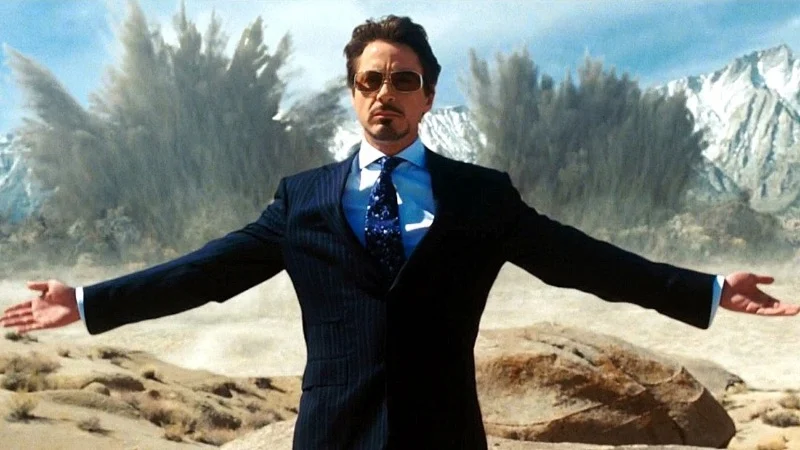
During the Jericho missile demonstration, the blast kicks up a dramatic wall of dust and debris behind Tony. As the camera cuts to different angles while he spreads his arms, the density and height of the dust cloud change noticeably. In wide shots the plume lingers, then in a closer angle it thins out or shifts position without enough time passing for it to settle.
Effects-heavy sequences often combine practical explosions and separate plates, which can create mismatches when intercut. The result here is a shifting background that does not stay consistent across the rapid edits, even though the onscreen timeline covers only a few moments.
Cave Armor Mask Appears And Vanishes
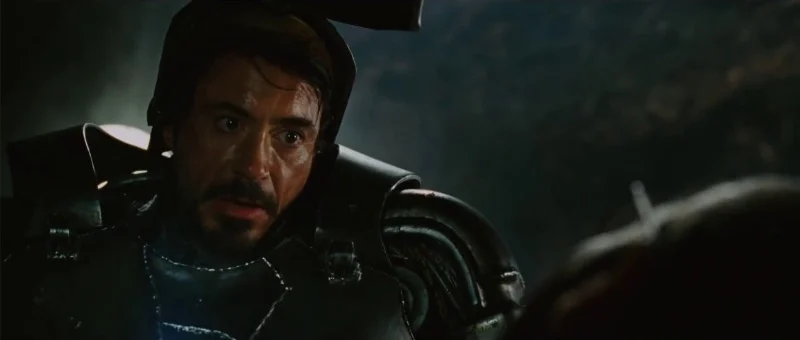
When Tony dons the improvised cave armor, the face section of the helmet does not stay consistent across cuts. In one angle the mask is raised or missing while he moves through the tunnel, and a beat later it looks fixed differently without a visible motion to account for the change. The lighting in the tunnel makes the shifts easy to spot against the metal surfaces.
This kind of continuity issue often comes from second-unit inserts and safety resets during stunt work. The mask positions get adjusted between takes for performer visibility and protection, and when the footage is intercut to build pace, the helmet configuration jumps between shots.
Pepper’s Glove And Hand Mess
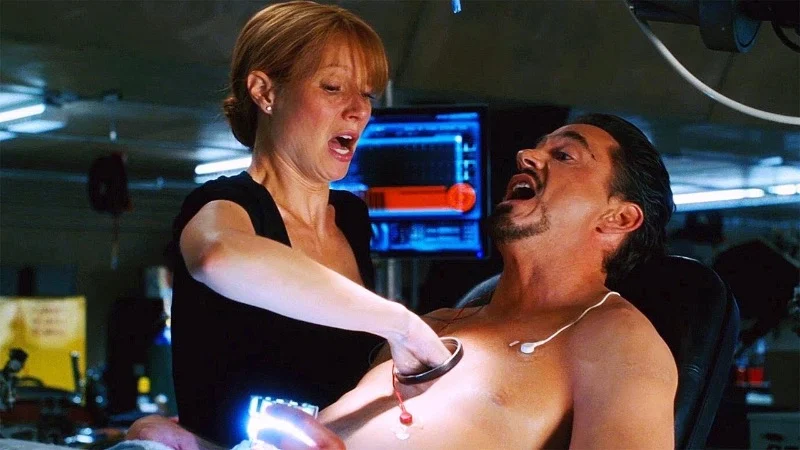
In the workshop arc reactor scene, Pepper puts on gloves and reaches into Tony’s chest to swap the device. As the camera alternates between wide and close angles, the amount of residue on her glove and fingers changes, and in a couple of cuts the glove placement at the wrist does not match the angle before it. The props inside the cavity also shift slightly from cut to cut.
Medical-style close-ups are usually filmed separately to capture the needed detail. That means the hero insert shots and the dialogue coverage are not continuous, so wardrobe and prop alignment must be matched later. Here, the glove and residue continuity drift between those different passes.
Workshop Car Position Changes
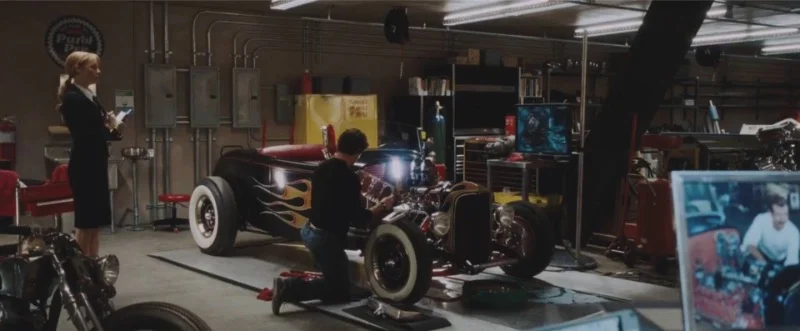
Tony’s garage features eye-catching cars parked near the workbench. During early repulsor tests, the position and angle of a car in the background shift between takes, so its orientation relative to the table and tool racks does not stay steady. In some shots a wheel points outward, then in the next angle the car sits straighter or a bit farther from the bench.
Because the workshop scenes were filmed over multiple days with heavy equipment moves, background set dressing and vehicle placements can be reset a few inches off. When those shots are cut together for pacing, the car’s position becomes a telltale continuity jump.
Burn Marks That Won’t Stay Put
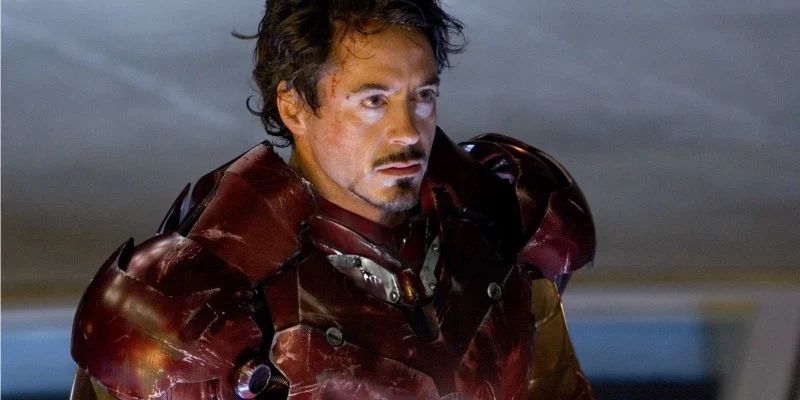
After a rough landing during suit testing, scorch marks and smudges appear on Tony’s shirt and the surrounding floor. As the sequence cuts from a wide to a medium and back, the pattern and darkness of those marks change. A prominent smudge on the shirt fades or shifts location, and a dark patch on the floor looks larger in one angle than it does a moment later.
Makeup and set aging often need quick touch-ups between takes, and when multiple units cover the same beat, the exact pattern can vary. Here, the burn and soot layout does not stay locked across the assembled shots, making the marks bounce around the frame.
Extinguisher Foam That Disappears
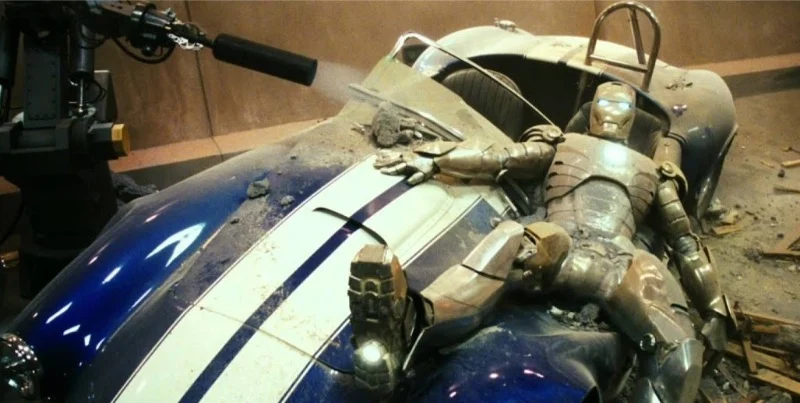
The helpful robot douses Tony with foam after a failed test, leaving a thick layer on his suit and the floor. In the immediate follow-up shots, the amount of foam on the armor and around his feet drops sharply, only to appear heavier again when the angle changes. The time elapsed on screen is too short for that much foam to melt away naturally.
Foam gags are messy and often reset between takes with different amounts sprayed. When the edit alternates between coverage captured on separate passes, the foam’s volume and spread change noticeably, producing a visual stutter in the mess level.
Phone Prop Model Shuffle
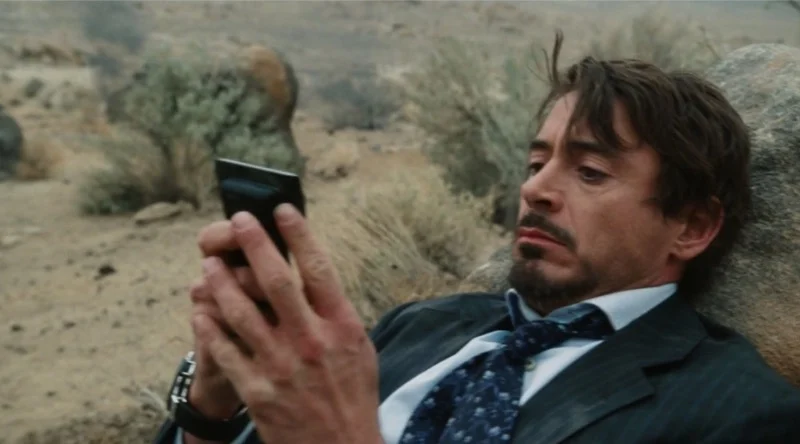
In Stark’s mansion and workshop, Tony uses a sleek slider phone. Between two consecutive scenes, close-up inserts show a device with different button layouts and screen framing than the wider shots. The interface graphics and physical details do not line up with the handset visible in the surrounding coverage.
Insert shots of screens and buttons are commonly filmed later for clarity, sometimes with a stand-in or a modified prop to better show the UI. That can introduce a mismatch with the original on-set phone, and the resulting cut reveals the prop swap.
License Plate And Badge Inconsistencies

When Tony arrives at events in a black car, the grille badge and plate details do not stay entirely consistent across shots in the same sequence. A cut will show a different trim badge alignment or a plate frame that was not present an instant before. The vehicle is meant to be the same, yet the front detailing tells a different story in alternating angles.
Film productions frequently use multiple identical vehicles for logistics, and minor differences in trim or accessories can slip through. Intercutting footage from those units within a single beat makes the car’s identifying details shift as the camera changes position.
Suit Damage That Heals Between Cuts
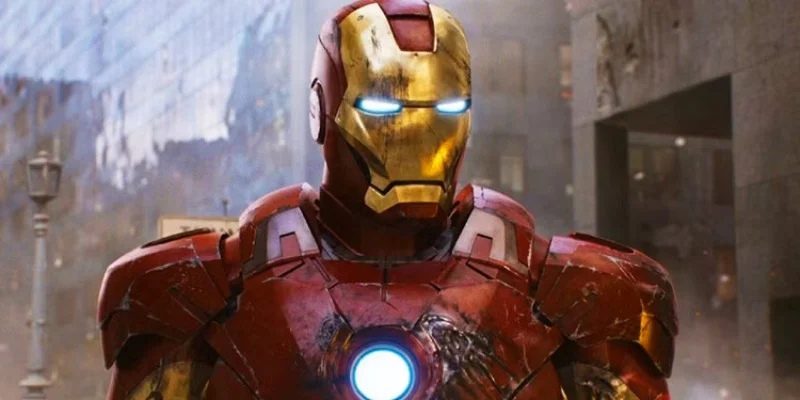
During the final fight, visible scratches and dents appear on Tony’s red-gold armor. As the scene intercuts dialogue and impacts, some gouges vanish or relocate on the chest and shoulder plates, then reappear when the camera returns to a previous angle. The timing of the damage does not align with the moment it is shown being inflicted.
Action climaxes are assembled from extensive coverage, including separate stunt and effects plates. Armor pieces get swapped and repaired between setups, which can desynchronize the continuity of damage. In the fast edit, the wear pattern jumps around, creating the impression that the suit heals and re-scratches within seconds.
Share the tiny slip you notice most in the comments so everyone can look for it on their next rewatch.