


Jack Nicholson’s Career: From ‘The Cry Baby Killer’ to ‘How Do You Know’

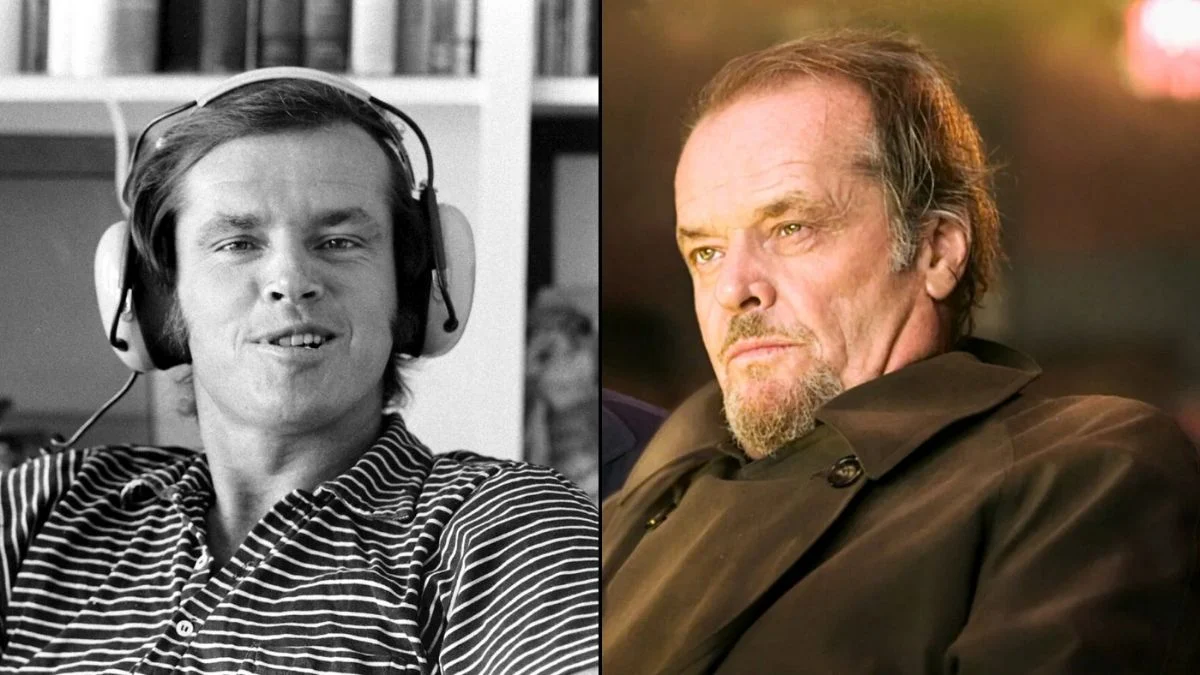


Jack Nicholson is more than just an actor; he is a Hollywood legend. For over five decades, his intense energy and iconic grin have defined countless classic films. He is the most nominated male actor in the history of the Academy Awards, a testament to his incredible talent and lasting impact on cinema. From rebellious outsiders to charming rogues and terrifying villains, Nicholson created characters that are impossible to forget.
His career began in the world of low-budget B-movies, where he worked not only as an actor but also as a writer and producer. This early grind paved the way for his explosive arrival as a leading man during the “New Hollywood” era of the 1970s. He became a symbol of counter-culture cool before transforming into one of the biggest and most respected movie stars in the world. This list chronicles the remarkable journey of his work in film.
‘The Cry Baby Killer’ (1958)
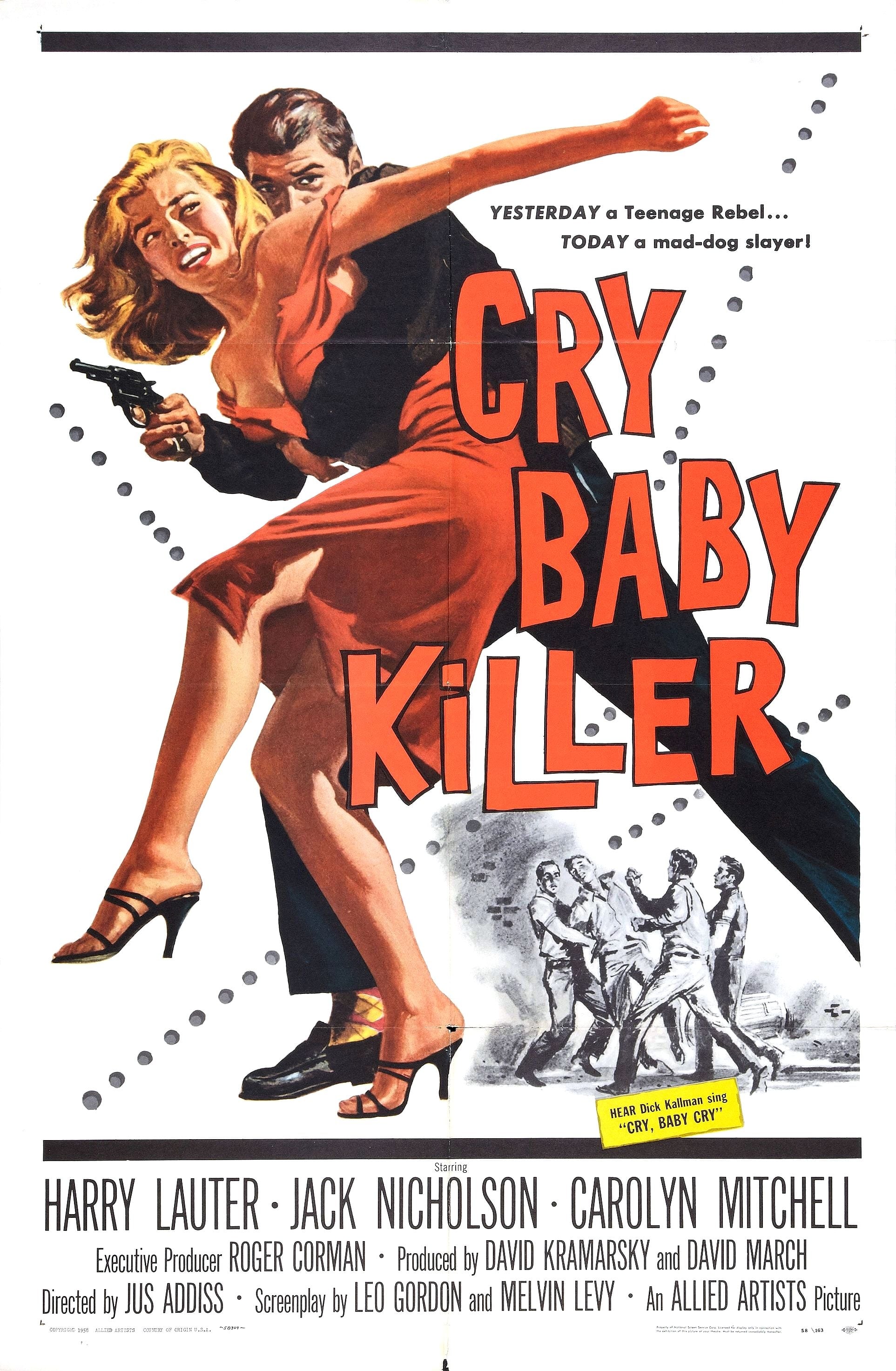
In his film debut, a teenage Jack Nicholson starred as Jimmy Wallace. The story follows Jimmy, a high school student who gets into a fight with a group of other teens. Believing he has accidentally killed someone, he panics and takes several people hostage in a small restaurant.
This was Nicholson’s first leading role, setting the stage for his long career. The low-budget crime drama put him on screen for the first time as a troubled young man, a type of character he would often return to and explore with much greater depth in later years.
‘Too Soon to Love’ (1960)
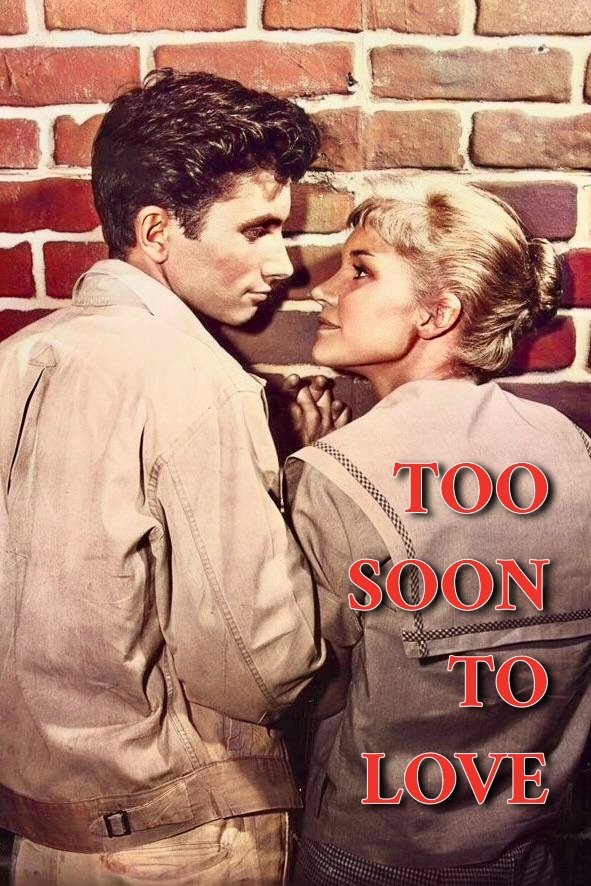
In this drama, Nicholson played a supporting role as Buddy, a friend of the main character. The film tells the story of a teenage girl who gets into trouble and struggles to find help from her friends and family.
The movie was an early exploration of serious teen issues and featured Nicholson as part of the ensemble cast. It was another step in his early career, where he took on various small roles to build experience in the film industry.
‘The Wild Ride’ (1960)
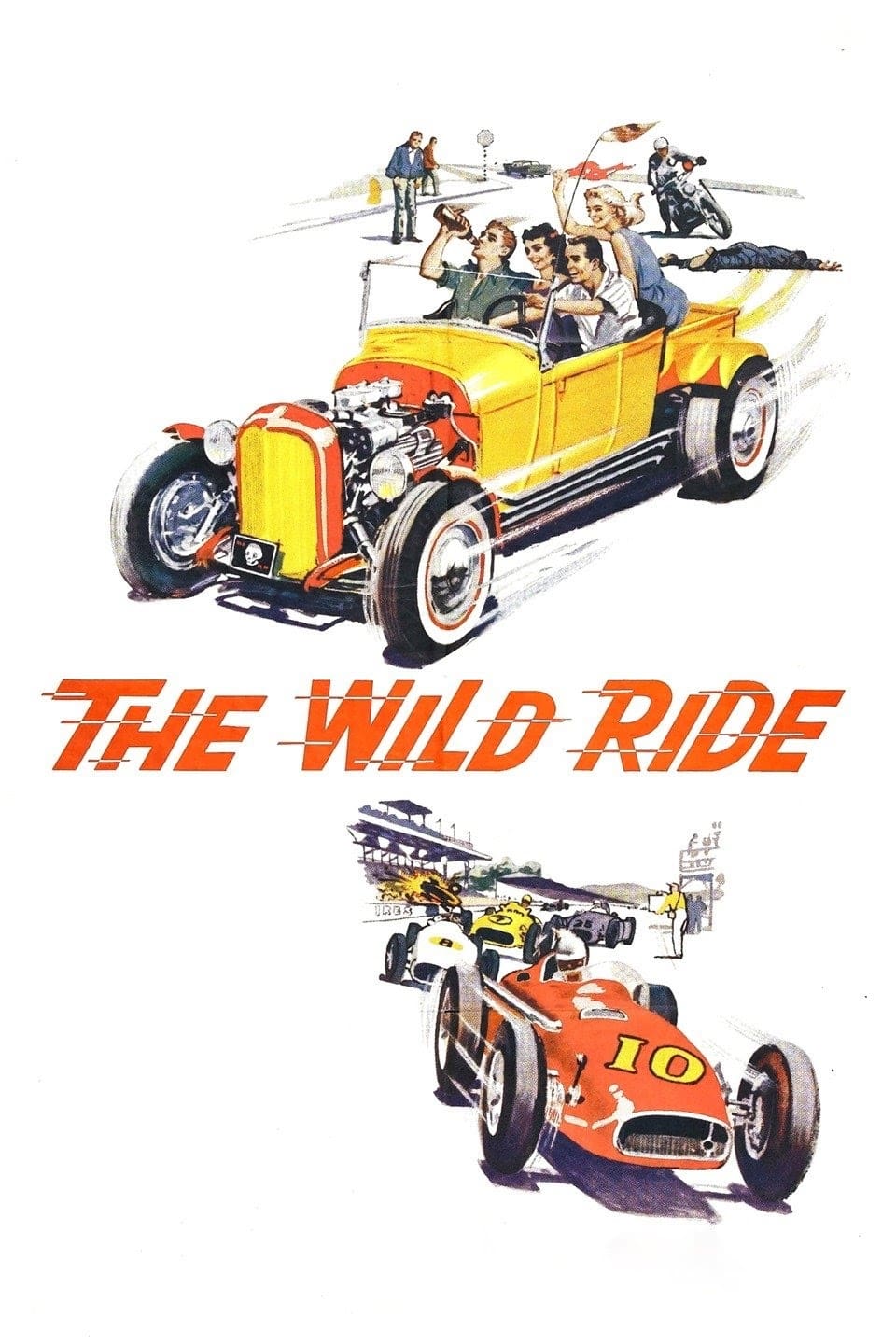
Nicholson played the lead role of Johnny Varron, a rebellious amateur dirt-track driver. Johnny is a thrill-seeker who lives a wild life, but his reckless behavior begins to alienate his friends and girlfriend.
The film is a classic B-movie tale of a troubled anti-hero. Nicholson’s performance as the defiant Johnny showcased the charismatic and dangerous energy that would become one of his trademarks.
‘The Little Shop of Horrors’ (1960)
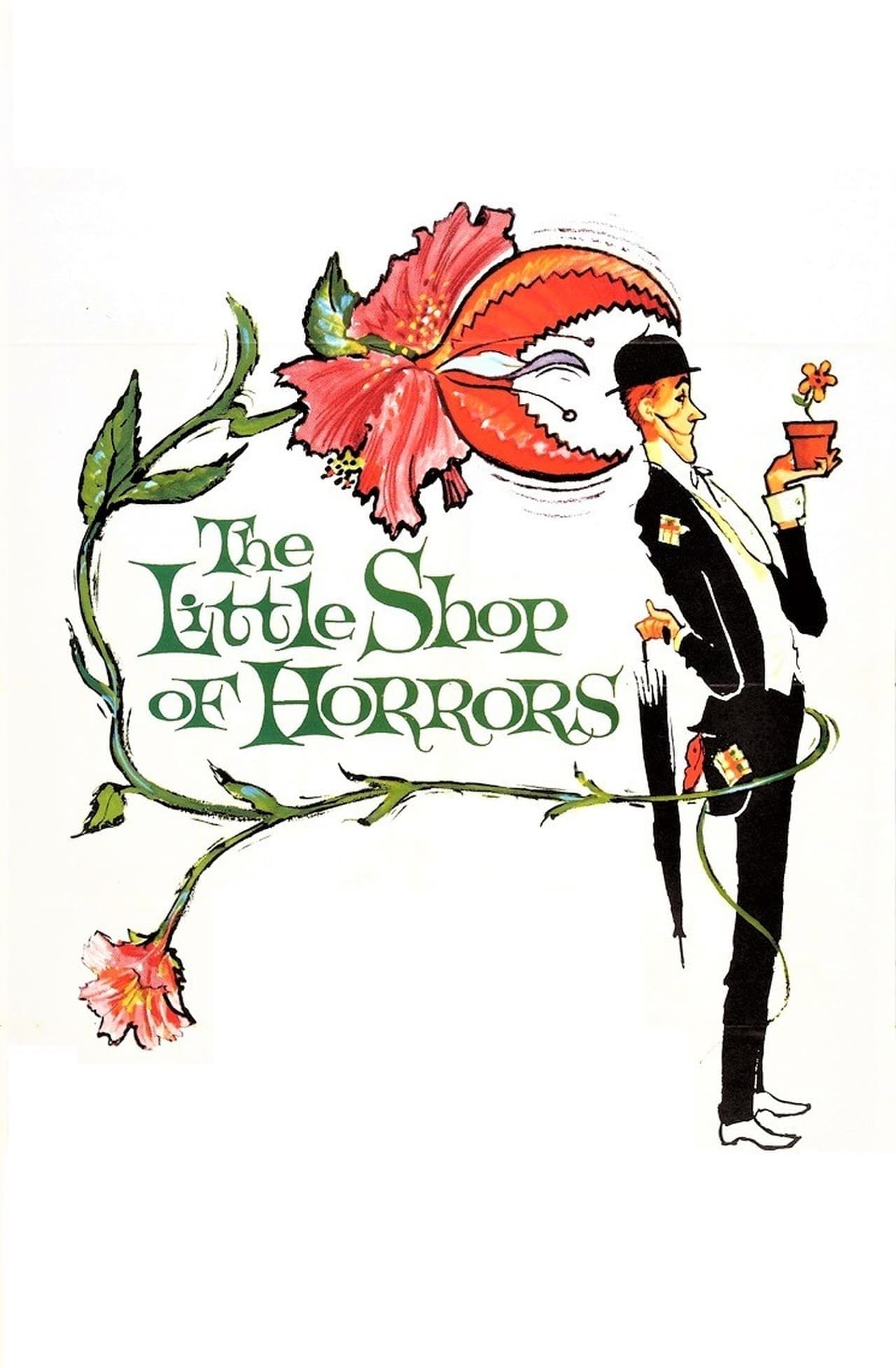
In one of his most famous early roles, Nicholson has a small but memorable cameo as Wilbur Force. He plays a cheerful and pain-loving dental patient who is thrilled to be getting his teeth worked on by a sadistic dentist.
Though he is only on screen for a few minutes, his quirky and hilarious performance is a highlight of this cult classic comedy. It demonstrated his ability to create a vivid character in a very short amount of time.
‘Studs Lonigan’ (1960)
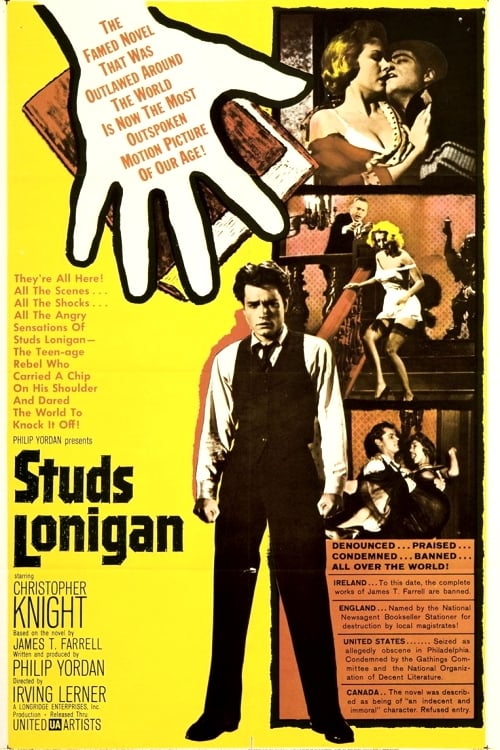
This film is based on a famous novel trilogy and tells the story of a young Irish-American man growing up in Chicago. Nicholson had a supporting role as Weary Reilly, one of the tough young men in the main character’s social circle.
His part was small, but it placed him in a more serious literary adaptation. The role was another example of his work in the early 1960s, taking parts in a variety of different films.
‘The Broken Land’ (1962)
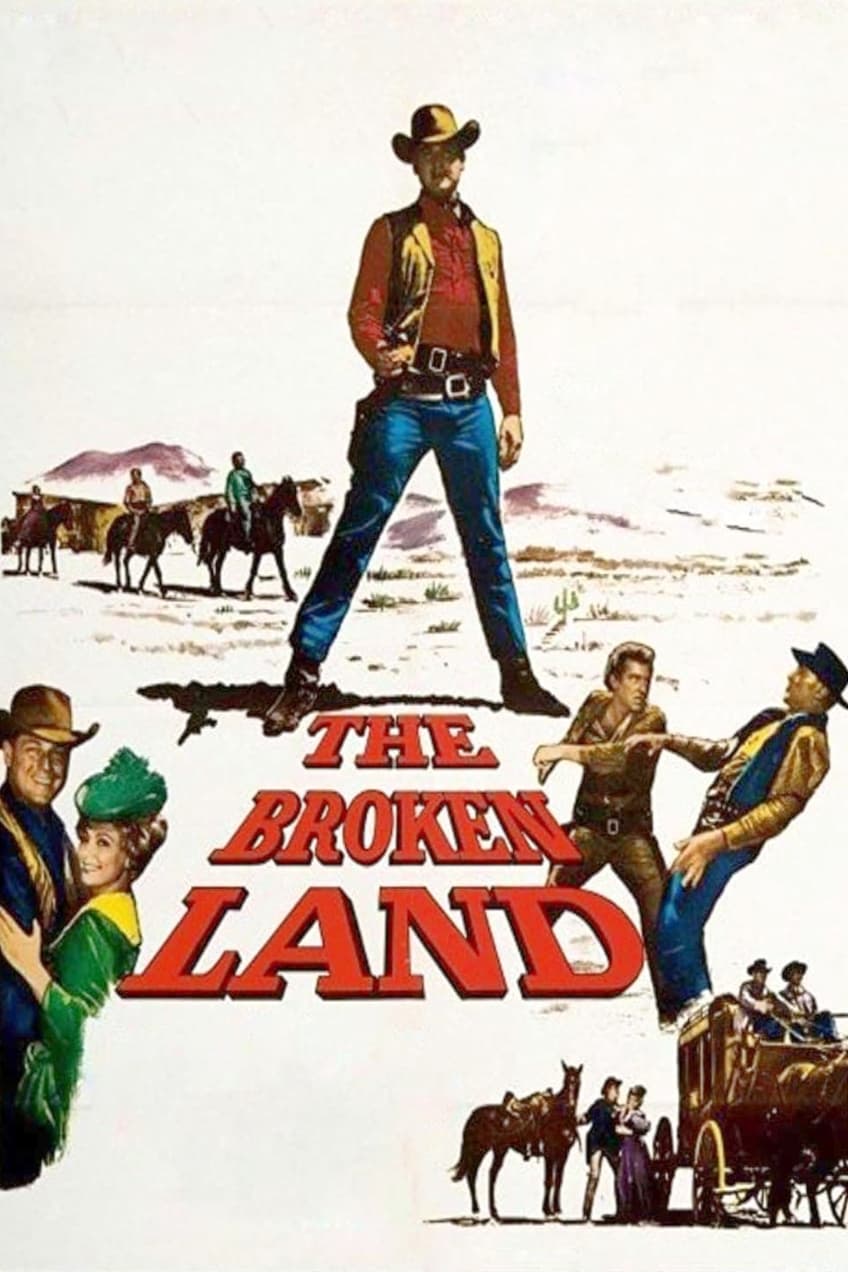
In this Western, Jack Nicholson played Will Brocious, a character based on the real-life cowboy William Brocius. The story follows a town marshal who is trying to track down a cowboy who is wanted for a crime.
This was one of Nicholson’s earliest roles in the Western genre. He played a supporting character caught up in the central conflict between the law and an outlaw.
‘The Raven’ (1963)
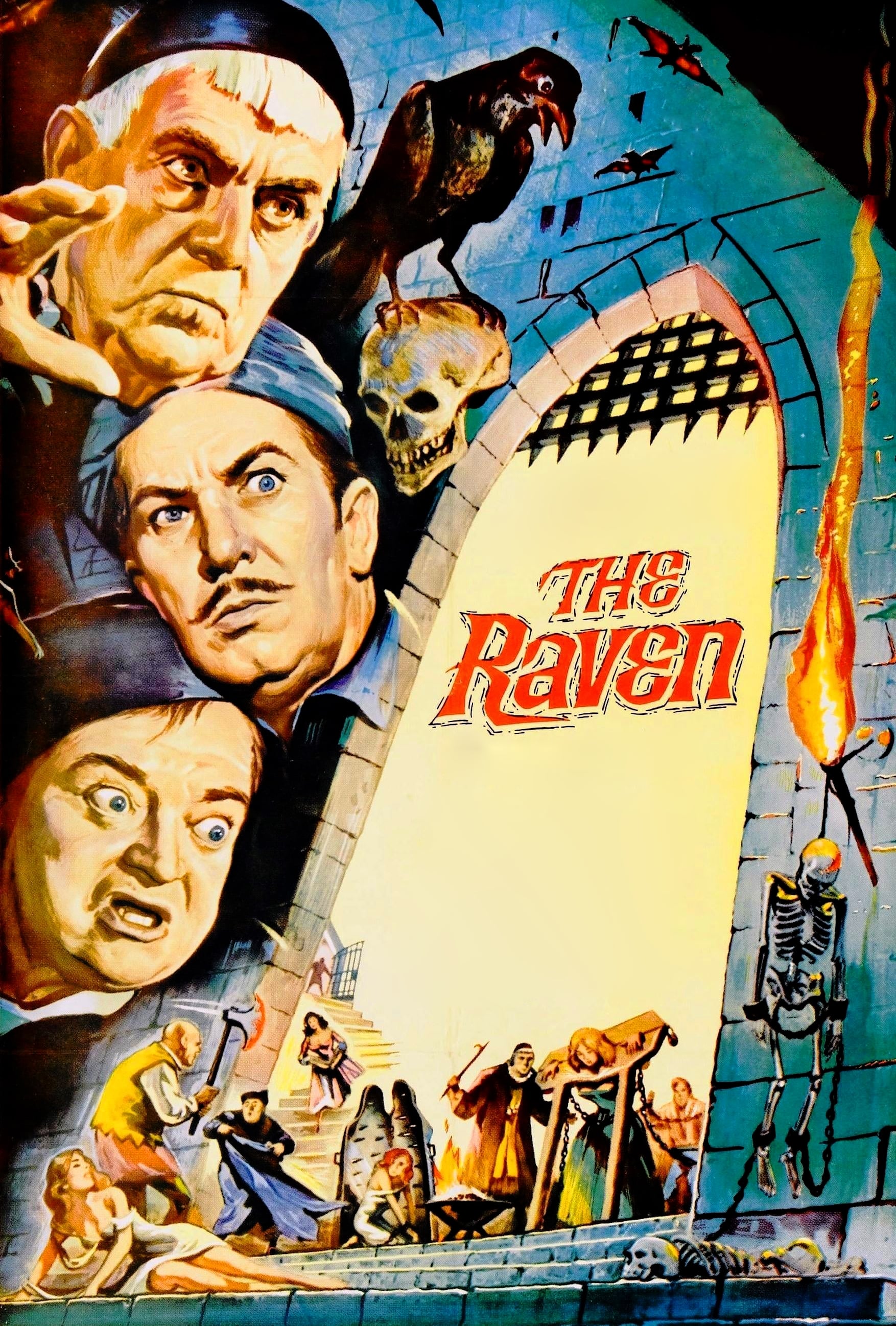
Nicholson took on the role of Rexford Bedlo in this horror-comedy directed by Roger Corman. He plays the son of a bumbling magician who has been turned into a raven by an evil sorcerer.
The film is a brightly colored and campy adventure featuring horror icons Vincent Price and Boris Karloff. Nicholson’s role as the whining son provided a lot of the film’s comic relief and became a notable part of his early work with Corman.
‘The Terror’ (1963)
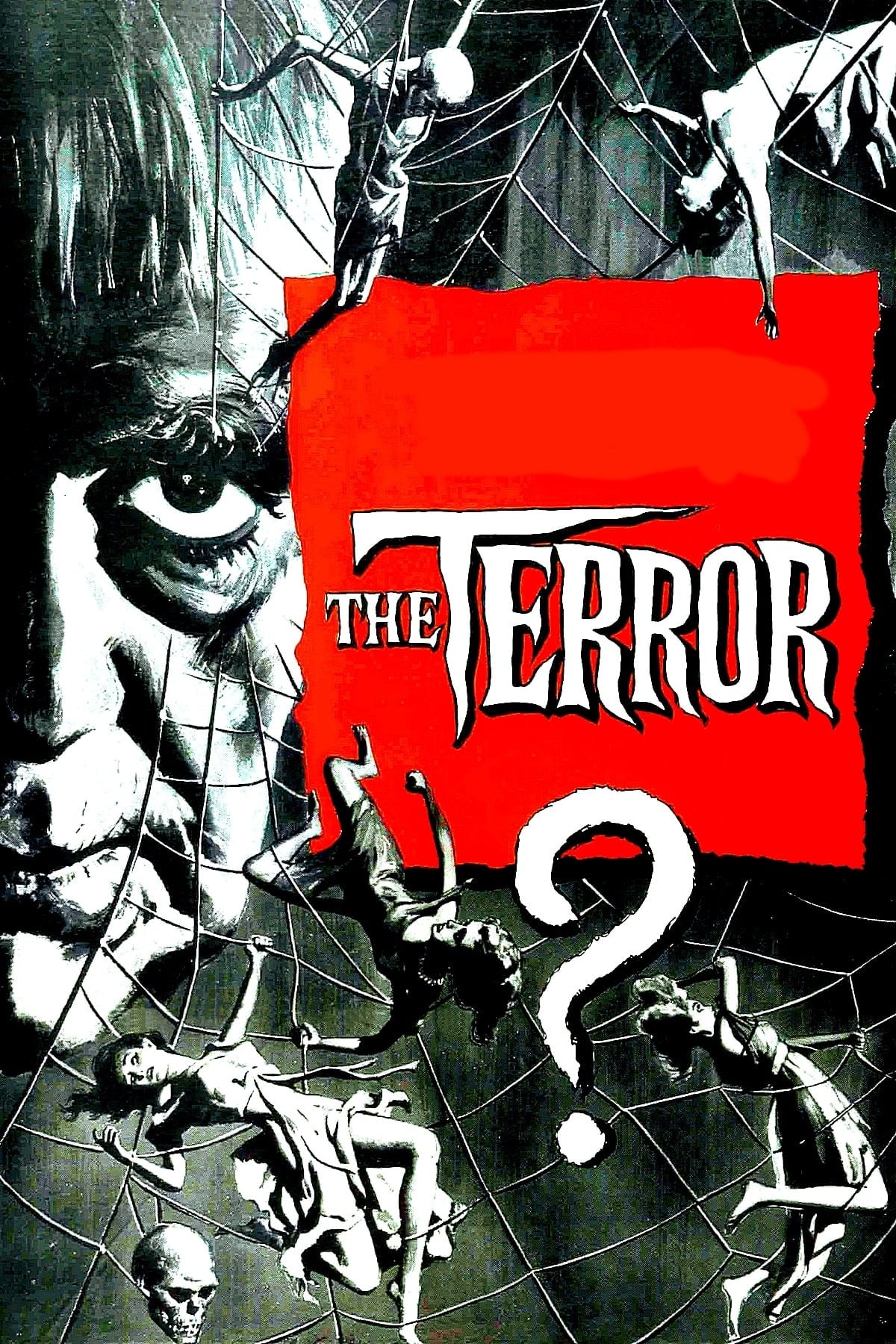
In another Roger Corman production, Nicholson starred as Andre Duvalier, a French soldier who gets separated from his regiment. He becomes obsessed with a mysterious woman who leads him to the castle of a reclusive baron with a dark secret.
The movie was famously shot in just a few days using leftover sets from ‘The Raven.’ Nicholson’s leading performance holds the confusing and eerie plot together, cementing his status as a reliable star in Corman’s films.
‘Flight to Fury’ (1964)
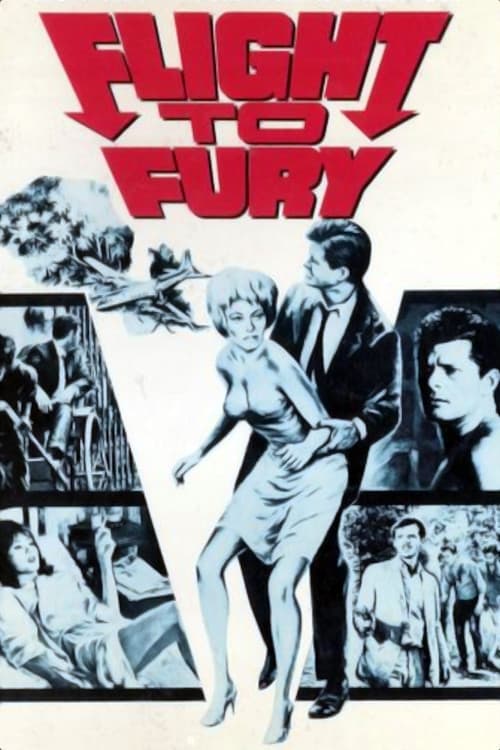
In this adventure film, Nicholson not only starred as the villain Jay Wickham but also wrote the screenplay. The story follows a group of people whose plane crashes in the Philippines, leading to a desperate search for a hidden stash of diamonds.
This project was a significant step for Nicholson, showcasing his ambition to do more than just act. His character is a ruthless and greedy killer, giving him an early chance to play a truly menacing villain.
‘Back Door to Hell’ (1964)
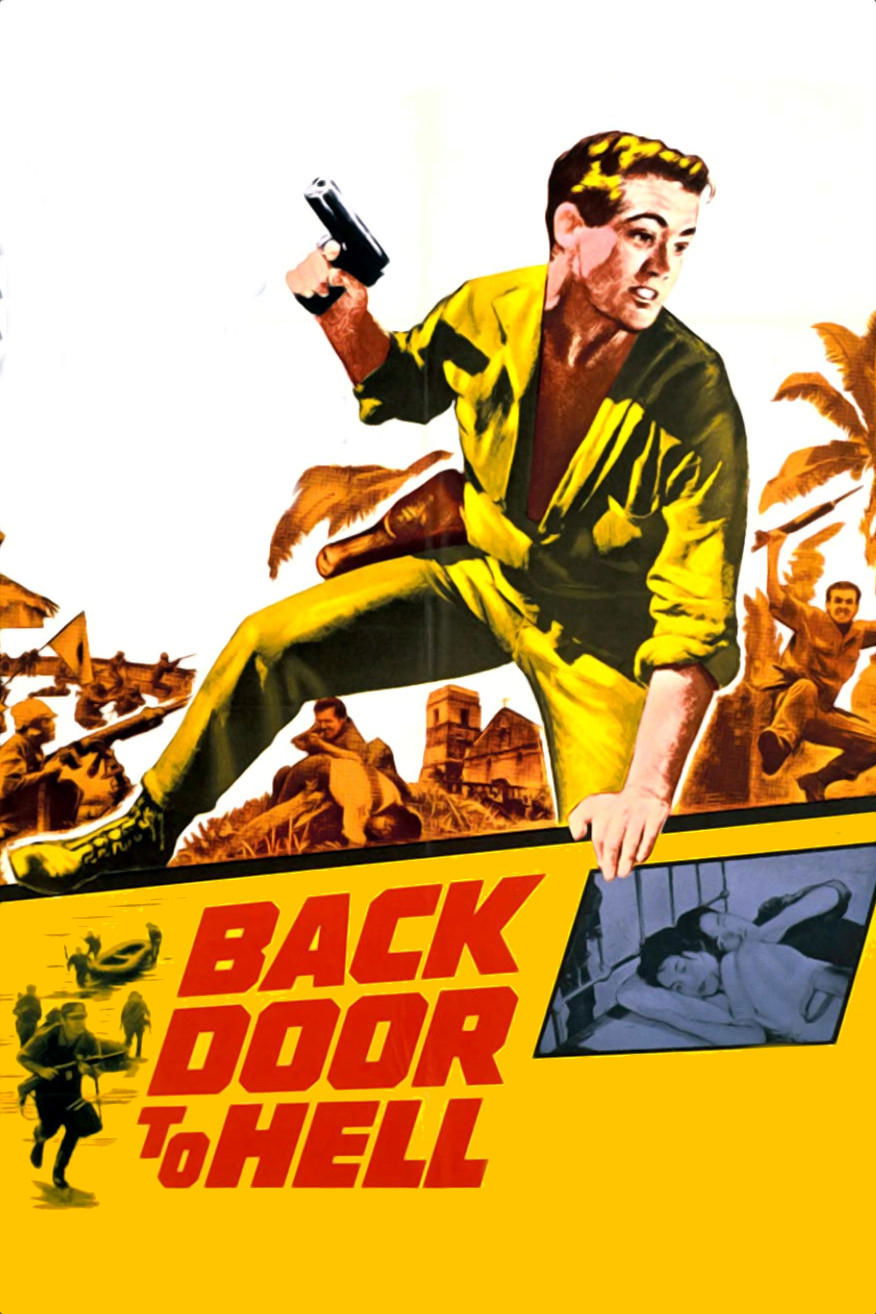
Set during World War II, this film follows a small group of American soldiers on a dangerous reconnaissance mission in the Philippines. Nicholson plays Burnett, one of the three soldiers who must rely on each other to survive behind enemy lines.
The movie was filmed on location in the Philippines back-to-back with ‘Flight to Fury.’ It was a gritty and low-budget war film that featured Nicholson in a serious, dramatic role.
‘Ensign Pulver’ (1964)
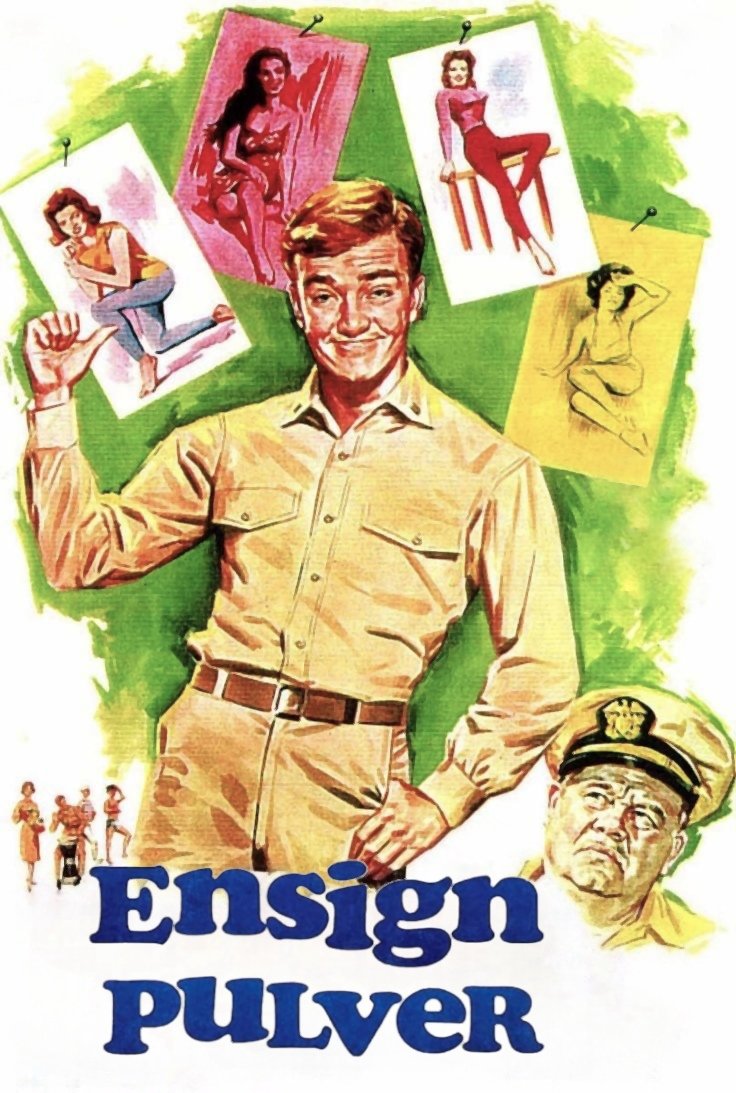
Nicholson had a supporting role as Dolan in this comedy sequel to the classic film ‘Mister Roberts.’ The movie continues the story of the crew of a U.S. Navy cargo ship during World War II, focusing on the antics of Ensign Pulver.
This was a larger studio production than many of his other early films. His role as a member of the ship’s crew placed him in a major Hollywood comedy.
‘The Shooting’ (1966)
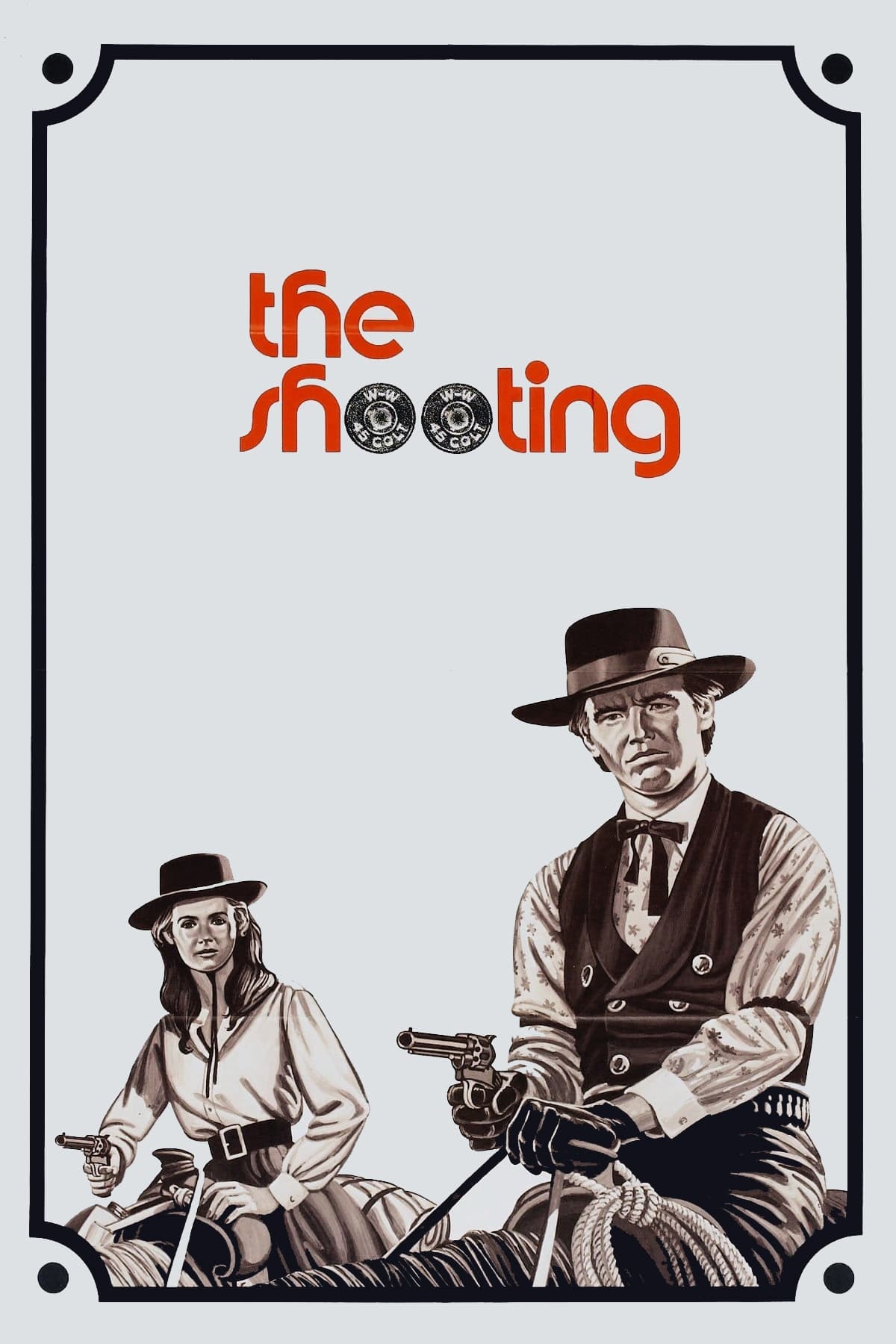
In this minimalist Western, Nicholson played Billy Spear, a ruthless and mysterious hired gun. He also served as a producer on the film. The story follows a former bounty hunter who is led on a strange journey through the desert by an unnamed woman.
Spear is a cold and menacing character who brings a constant sense of threat to the story. The film has become a cult classic, praised for its mysterious atmosphere and Nicholson’s chilling performance.
‘Ride in the Whirlwind’ (1966)
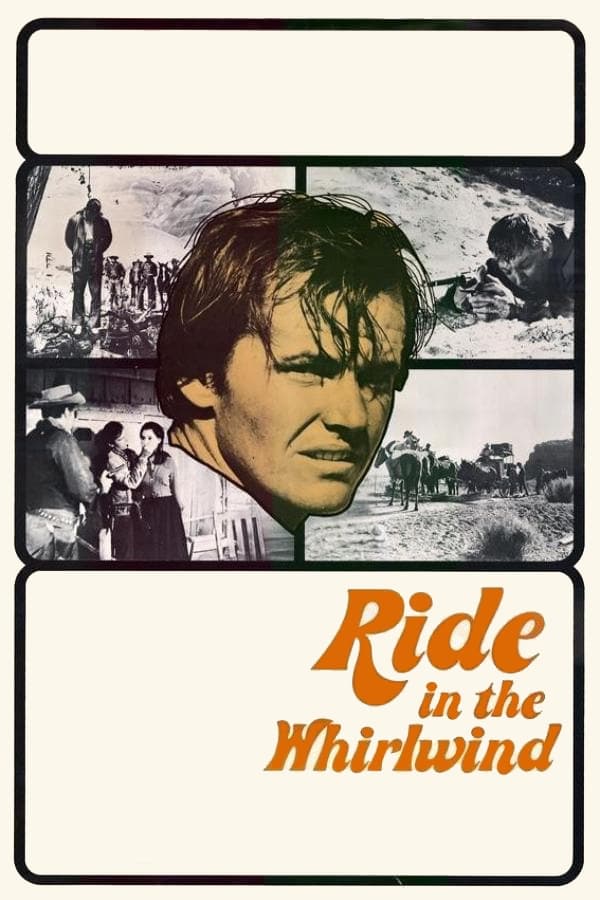
Nicholson starred as Wes in this Western, which he also wrote and produced. The story follows three innocent cowboys who are mistaken for a gang of outlaws by a vigilante posse and must run for their lives.
This project, made back-to-back with ‘The Shooting,’ was another showcase for Nicholson’s creative talents. His script is a tense and realistic survival story, and his performance is quiet and thoughtful.
‘Hells Angels on Wheels’ (1967)
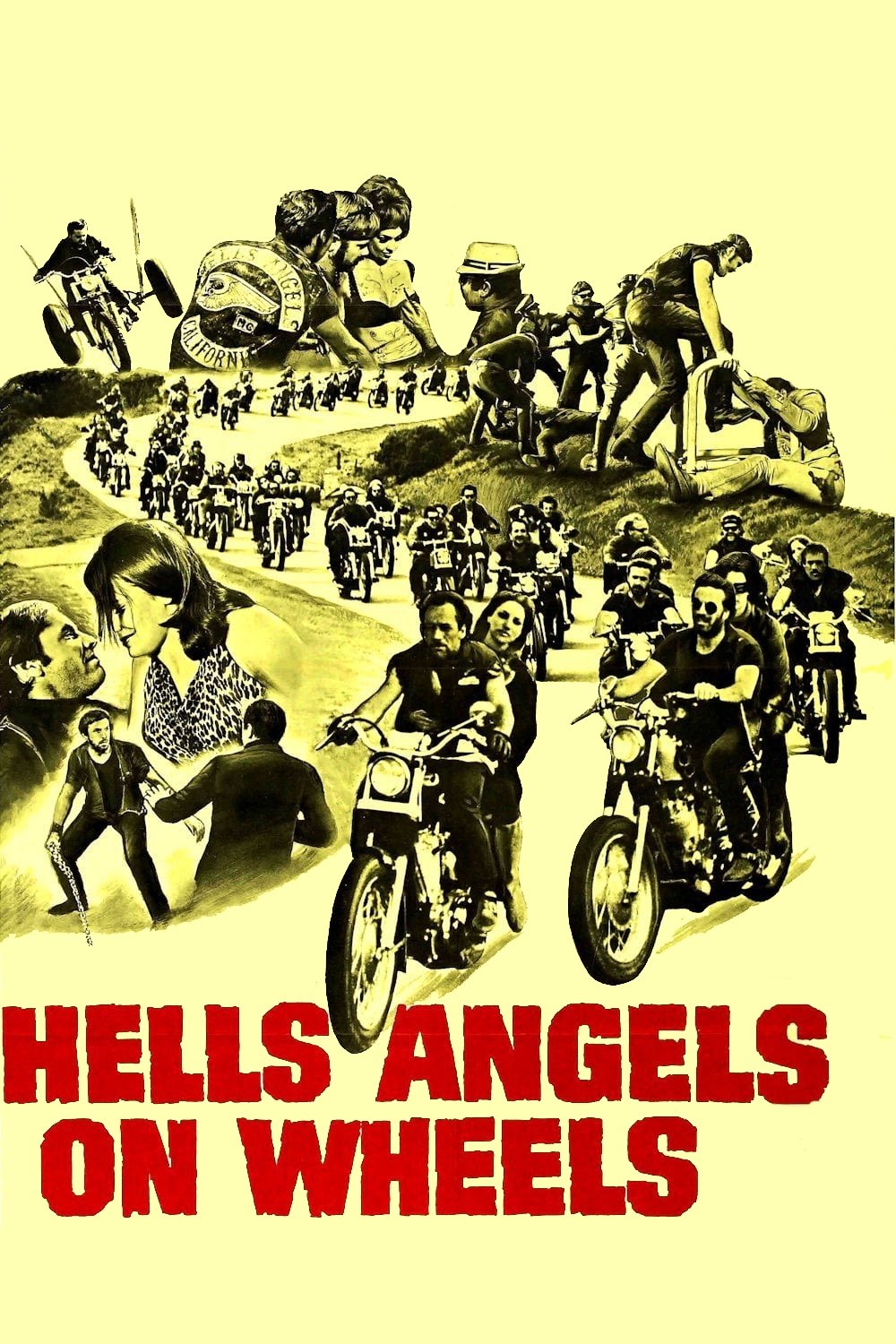
Nicholson plays a character named Poet in this biker film. The story is about a gas station attendant who becomes fascinated with a chapter of the Hells Angels and decides to join them, only to discover their violent reality.
Poet is a talkative and slightly nerdy member of the biker gang. This role continued Nicholson’s association with counter-culture films, which would soon lead to his major breakthrough.
‘Psych-Out’ (1968)
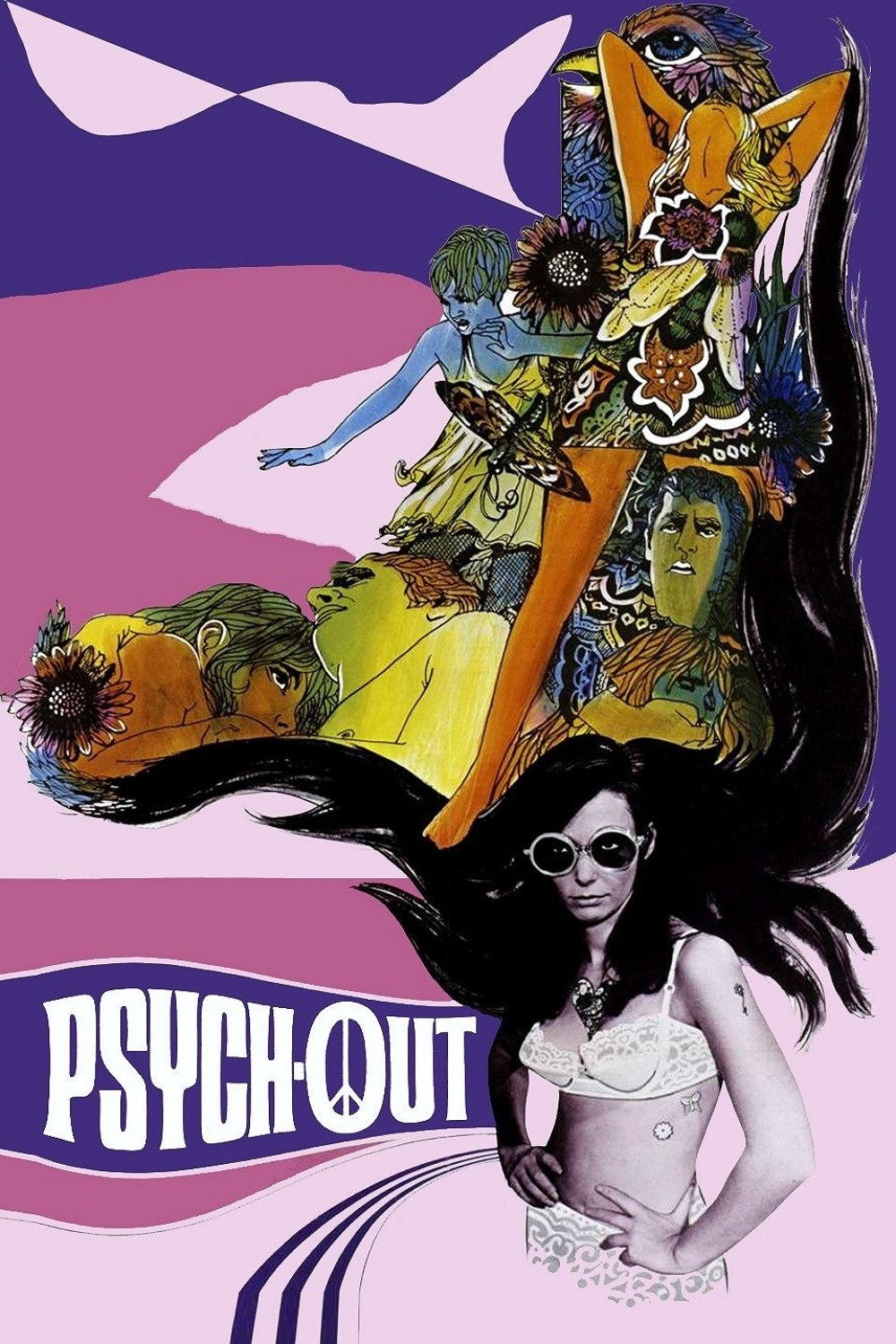
In this film set in the hippie subculture of San Francisco, Nicholson starred as Stoney, the leader of a rock band. The story follows a deaf runaway who comes to the city looking for her lost brother.
Stoney helps the girl navigate the psychedelic world of Haight-Ashbury while dealing with his own band’s issues. The film is a colorful time capsule of the era and features Nicholson as a charismatic hippie rocker.
‘Head’ (1968)
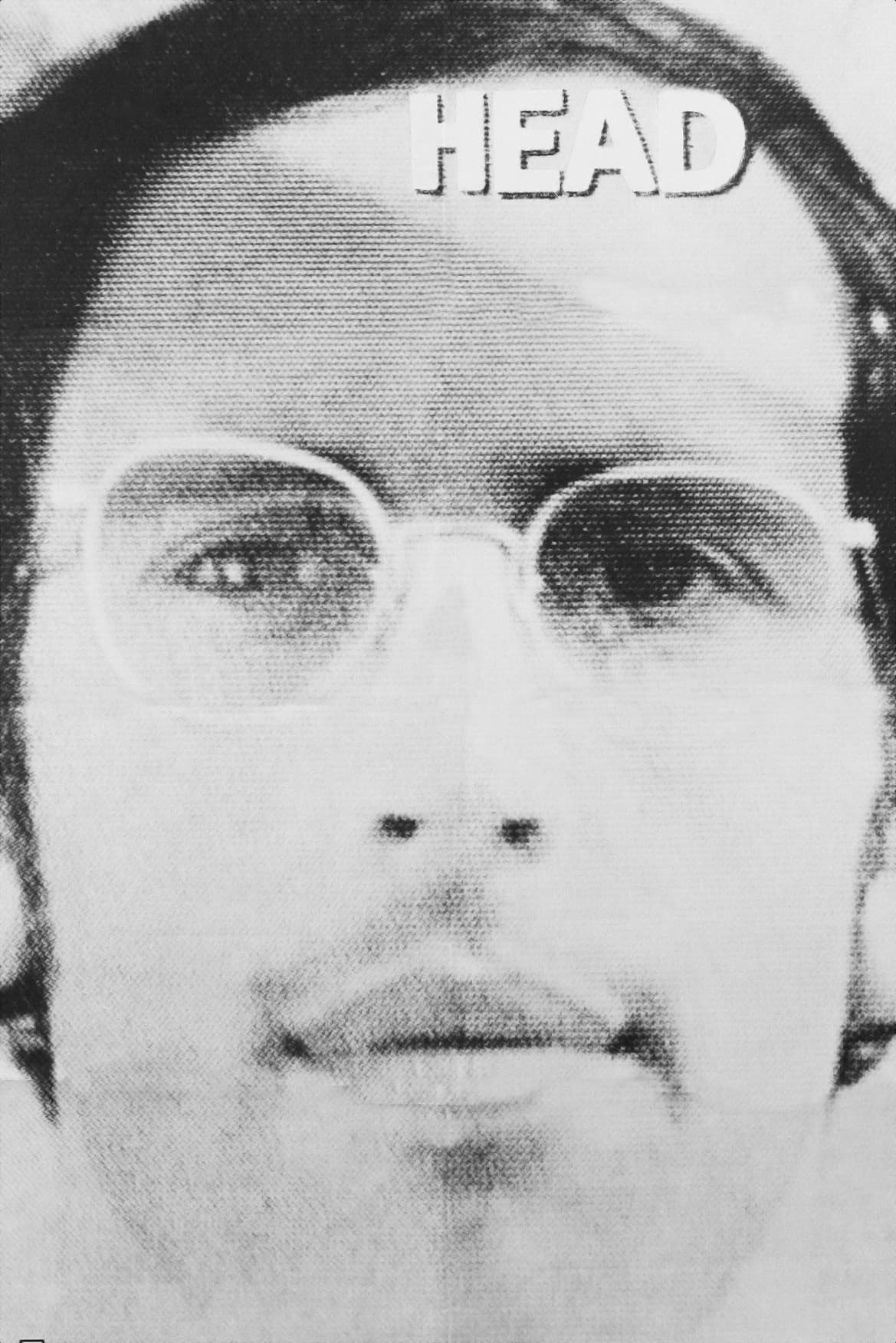
Nicholson co-wrote and co-produced this surreal and satirical film starring the pop band The Monkees. The movie deconstructs the band’s manufactured image through a series of disconnected and bizarre sketches.
Nicholson also makes a brief, uncredited cameo as a movie director in a restaurant scene. This project was one of his most experimental, showing his interest in pushing the boundaries of conventional storytelling.
‘Easy Rider’ (1969)
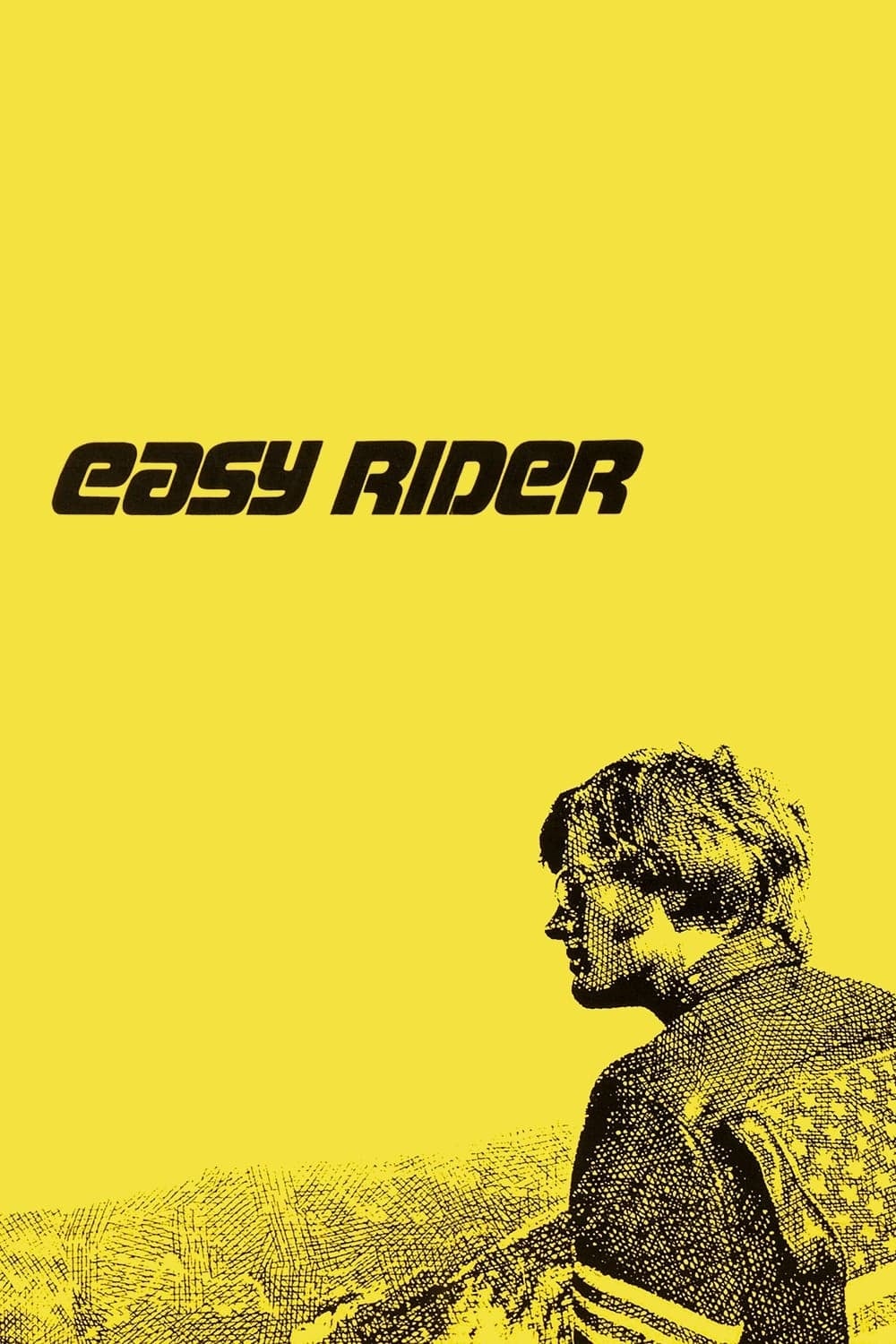
This film gave Jack Nicholson his career-making breakout role as George Hanson, an alcoholic lawyer who joins two hippie bikers on their journey across America. His performance earned him his first Academy Award nomination and made him a star.
George is a charming and tragic character who represents a bridge between the establishment and the counter-culture. Nicholson’s improvised monologues and charismatic presence stole every scene he was in, turning him into a symbol of the New Hollywood movement.
‘On a Clear Day You Can See Forever’ (1970)
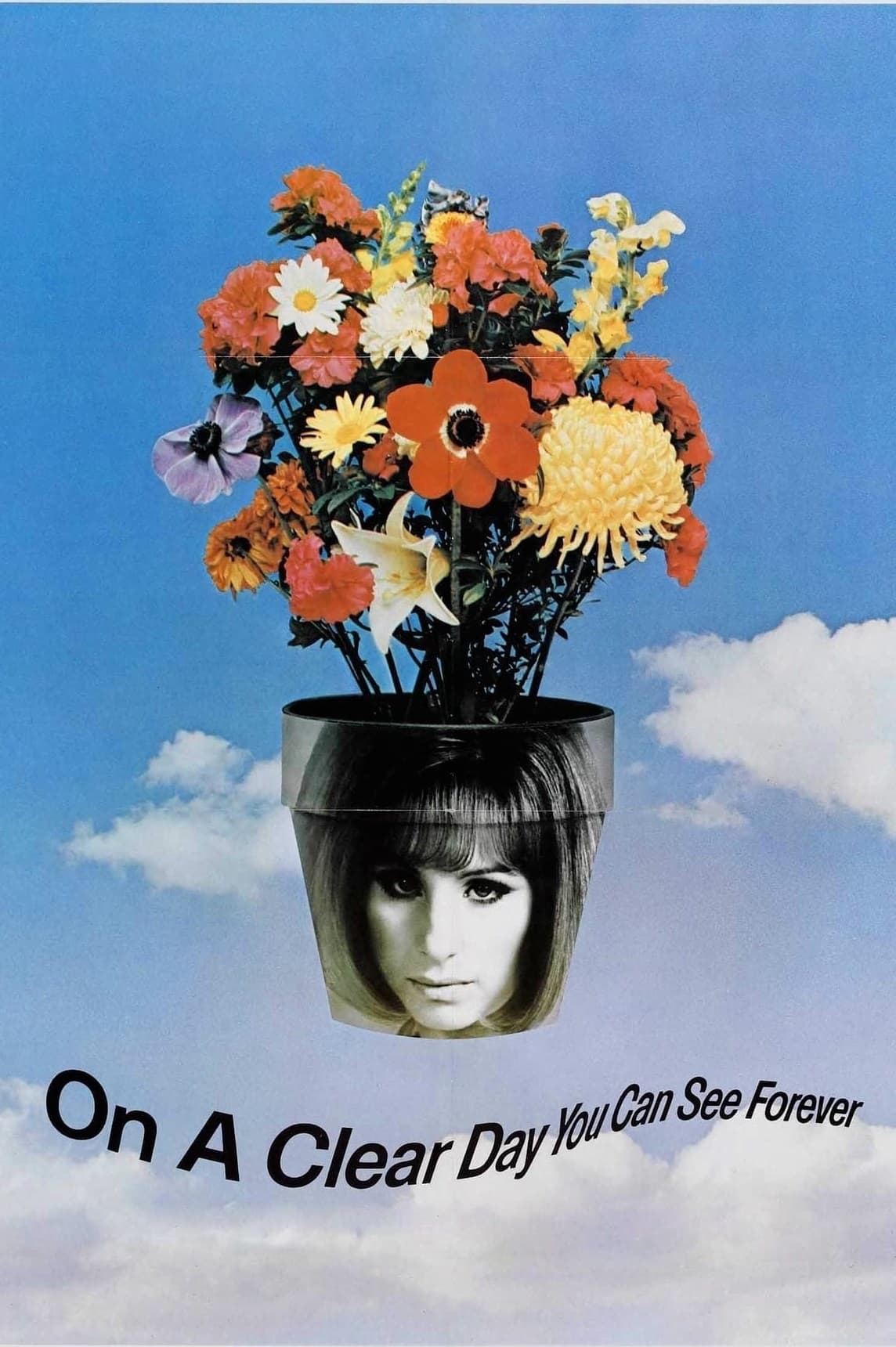
In this musical comedy starring Barbra Streisand, Nicholson played Tad Pringle, the wild and rebellious stepbrother of the main character. His character is a hippie who clashes with the more traditional world of the film.
The role was a supporting part in a major studio musical, but it showed his versatility. He even sang in the film, performing the song “Don’t Tamper with My Sister.”
‘The Rebel Rousers’ (1970)
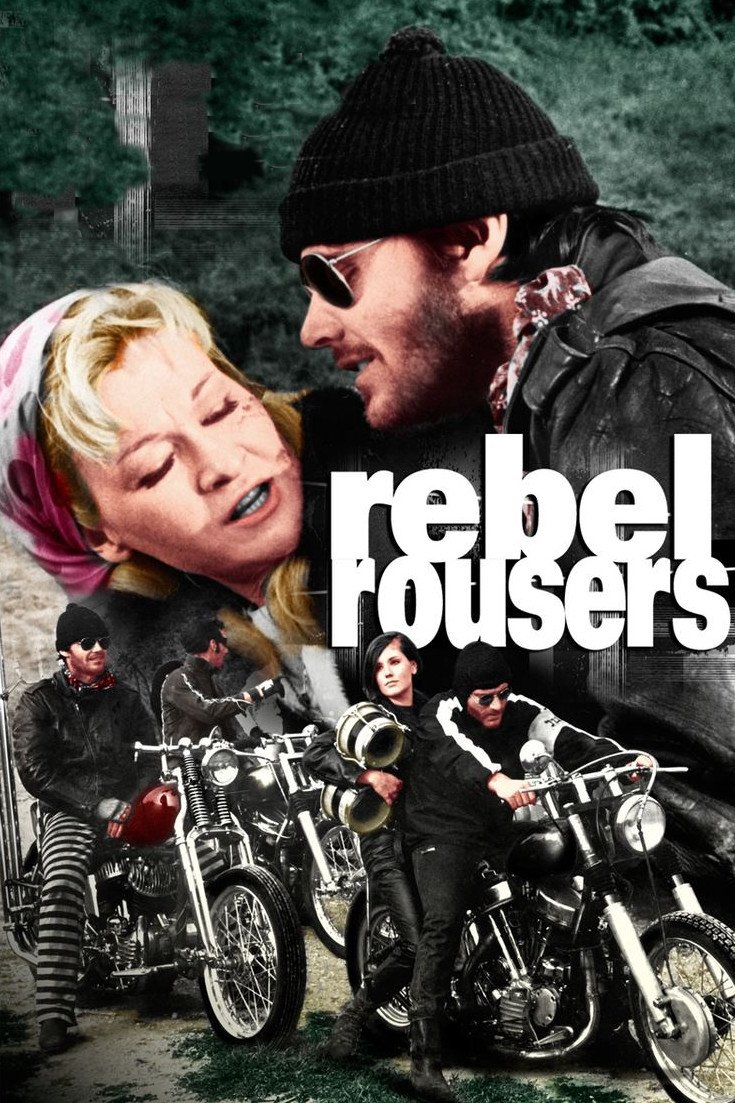
This biker movie was filmed years earlier but was only released after Nicholson became famous from ‘Easy Rider.’ He plays Bunny, the friend of a man whose girlfriend is being harassed by a motorcycle gang.
The film capitalized on his newfound stardom and his association with counter-culture roles. It’s a rough B-movie that stands as a relic of his pre-fame career.
‘Five Easy Pieces’ (1970)
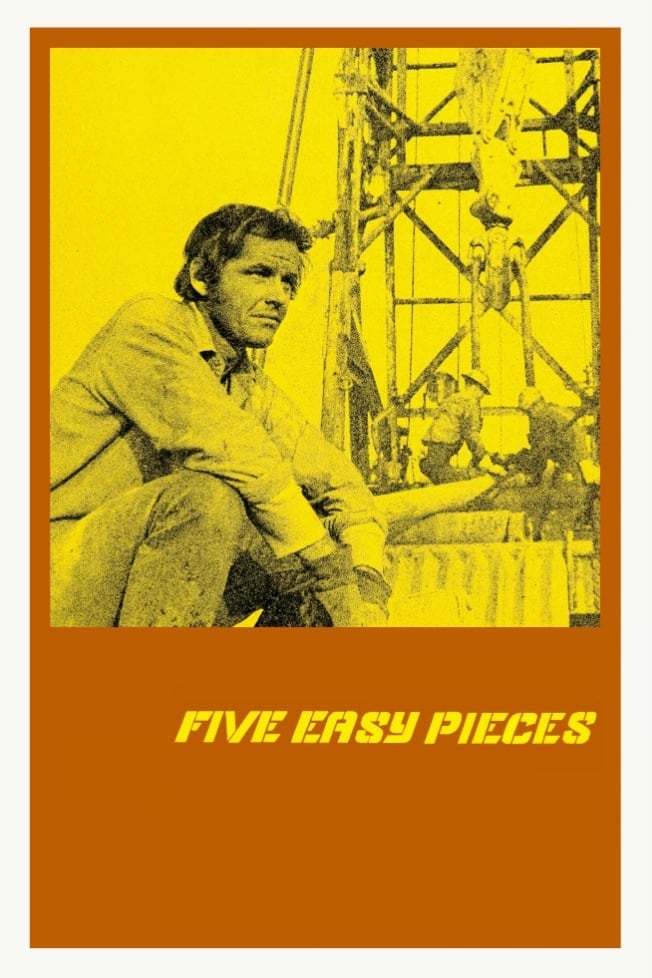
Nicholson gave one of his most iconic performances as Robert Eroica Dupea, a gifted classical pianist from a wealthy family who has rejected his past to work on an oil rig. He returns home to visit his dying father, forcing him to confront the life he left behind.
The film is a masterpiece of the New Hollywood era and cemented Nicholson’s status as a leading man. The famous “chicken salad sandwich” scene perfectly captures his character’s rebellious and anti-authoritarian nature, earning him his first Oscar nomination for Best Actor.
‘Carnal Knowledge’ (1971)
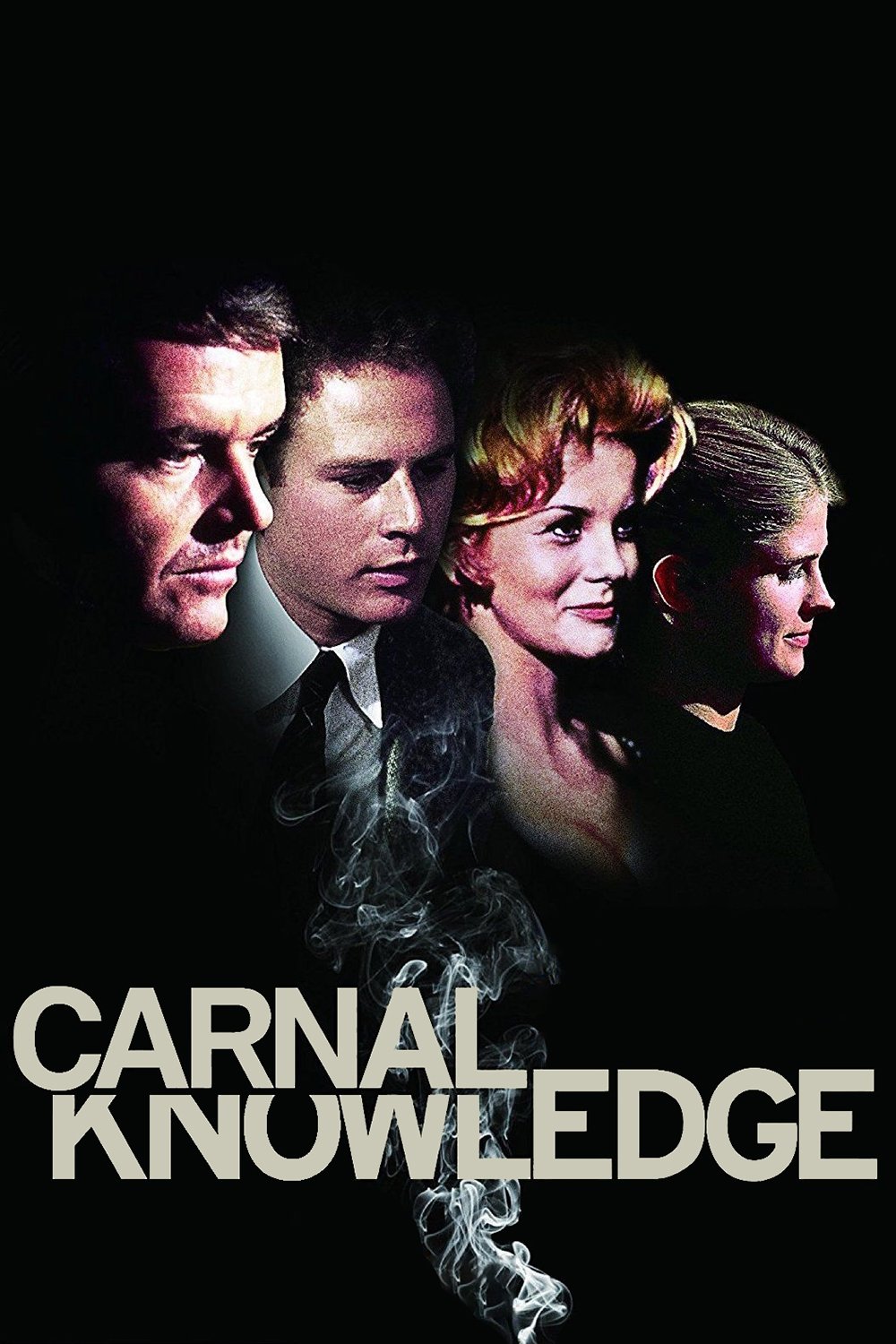
In this controversial and acclaimed drama, Nicholson played Jonathan Fuerst. The film follows the romantic and sexual lives of two college friends, Jonathan and Sandy, from the 1940s through the 1970s.
The movie was a frank and honest look at male attitudes towards women and relationships. Nicholson’s performance as the selfish and increasingly bitter Jonathan was powerful and complex, showing his character’s emotional decay over several decades.
‘A Safe Place’ (1971)
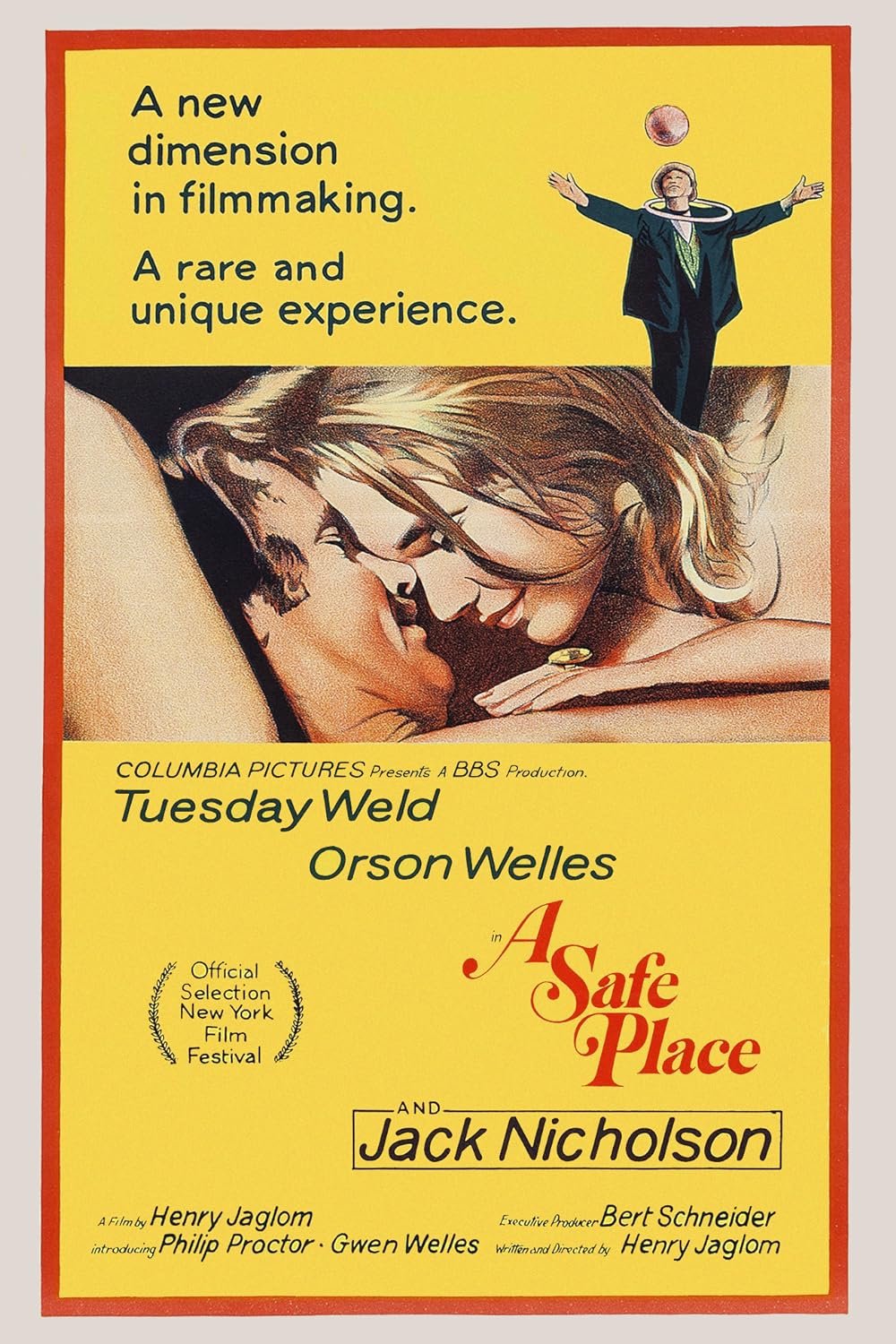
Nicholson had a supporting role as Mitch in this experimental and dreamlike film. The story centers on a troubled young woman who retreats into her memories and fantasies.
Mitch is a charismatic and mysterious figure from the woman’s past. The film is unconventional and non-linear, and Nicholson’s appearance added to its strange and magical atmosphere.
‘The King of Marvin Gardens’ (1972)
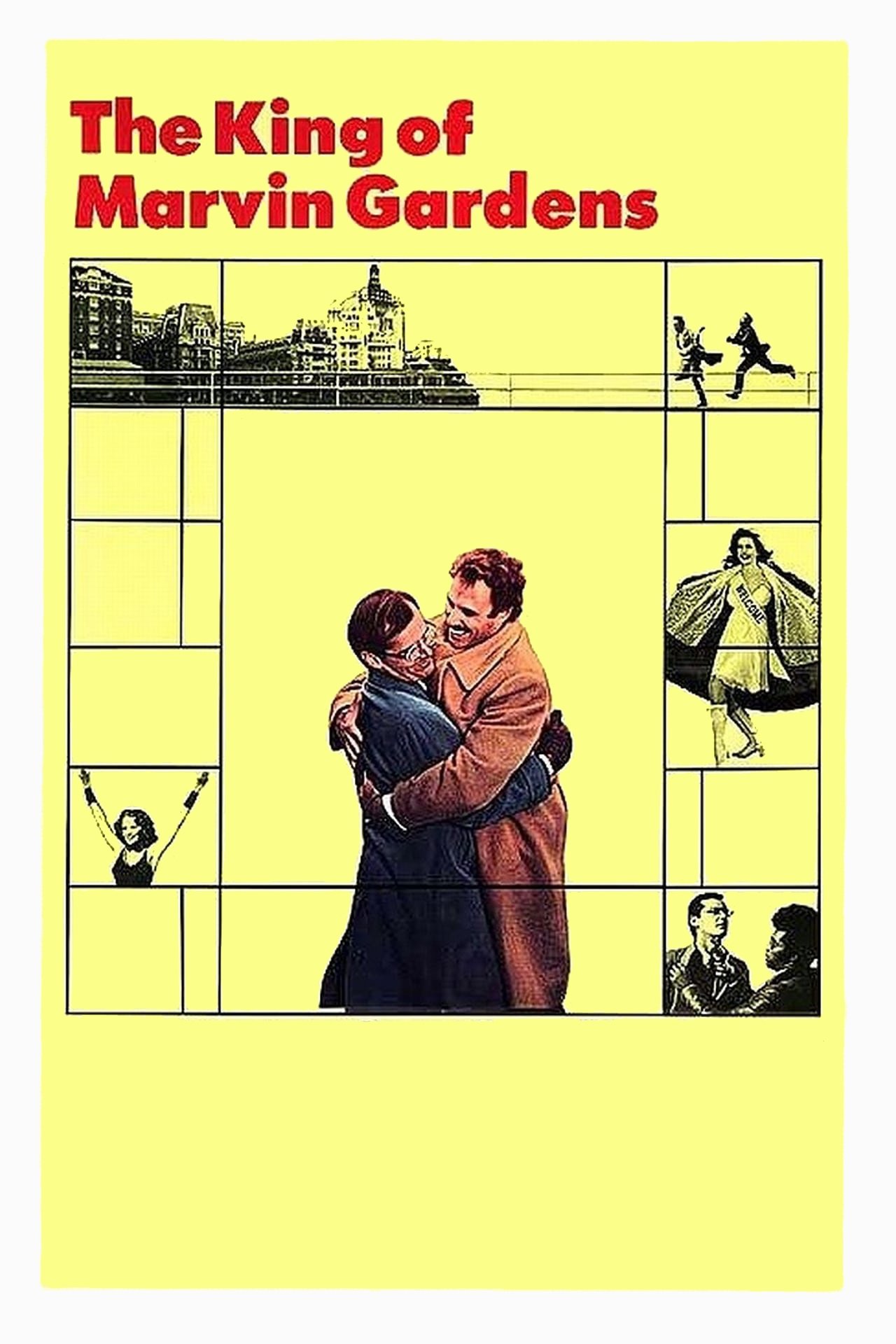
Nicholson played David Staebler, a quiet and depressive late-night radio host. He is convinced by his charismatic but unstable brother, Jason, to come to Atlantic City and get involved in a scheme to buy a Hawaiian island.
The film is a bleak and powerful character study about two very different brothers. Nicholson’s subdued and thoughtful performance is the opposite of his brother’s manic energy, creating a tragic and compelling dynamic.
‘The Last Detail’ (1973)
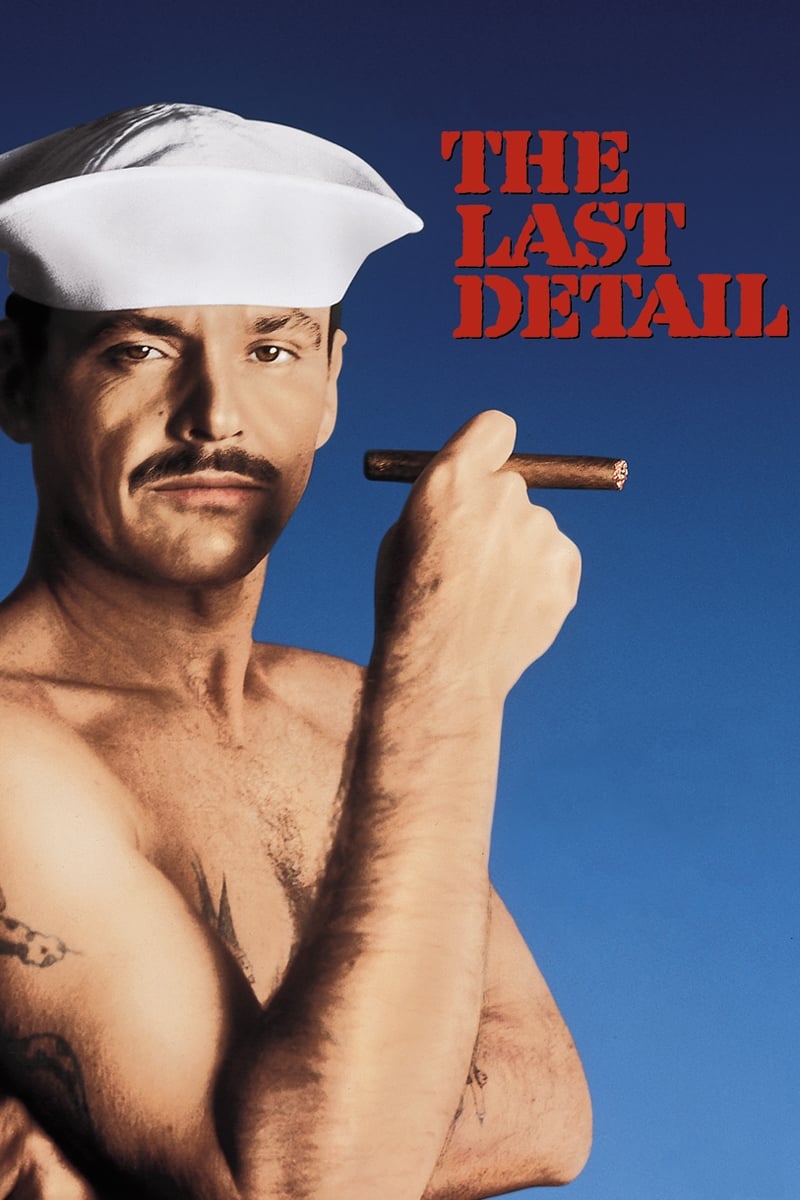
Nicholson starred as Signalman Billy “Badass” Buddusky, a cynical but good-hearted Navy sailor. He and another sailor are assigned to transport a young, naive recruit to a naval prison, but they decide to show him one last good time on the way.
His performance is full of profanity-laced humor and hidden warmth. Nicholson earned another Academy Award nomination for his portrayal of a man who rebels against the dehumanizing nature of the military system in his own small way.
‘Chinatown’ (1974)
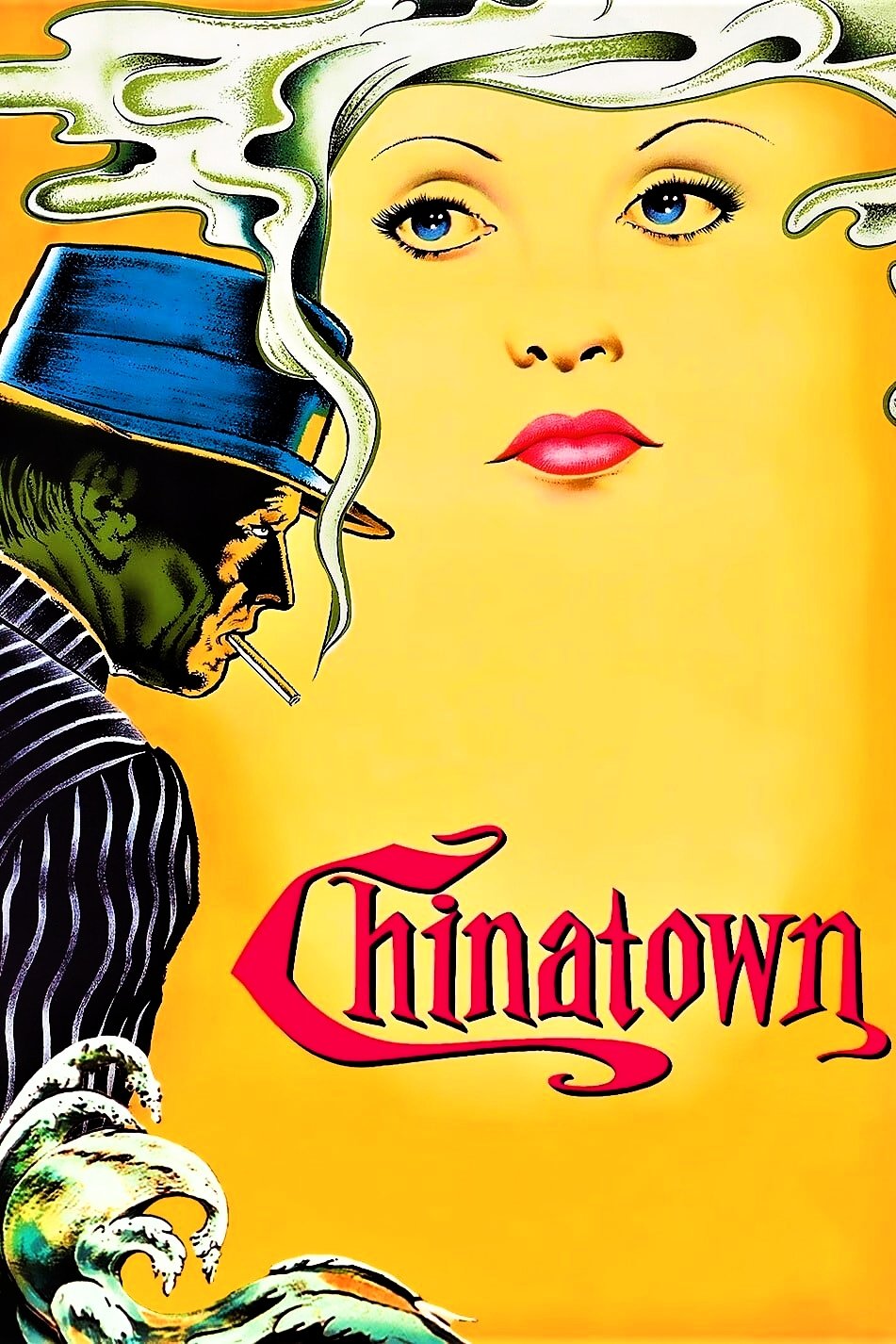
In one of the greatest films ever made, Nicholson played private detective J.J. “Jake” Gittes. Set in 1930s Los Angeles, Jake is hired for what seems like a standard case of a cheating husband, but he soon uncovers a massive conspiracy involving murder, corruption, and dark family secrets.
Gittes is perhaps Nicholson’s most iconic character, a smart and cynical man who is in over his head. His performance is the perfect center for this brilliant neo-noir mystery, earning him another Oscar nomination.
‘Tommy’ (1975)
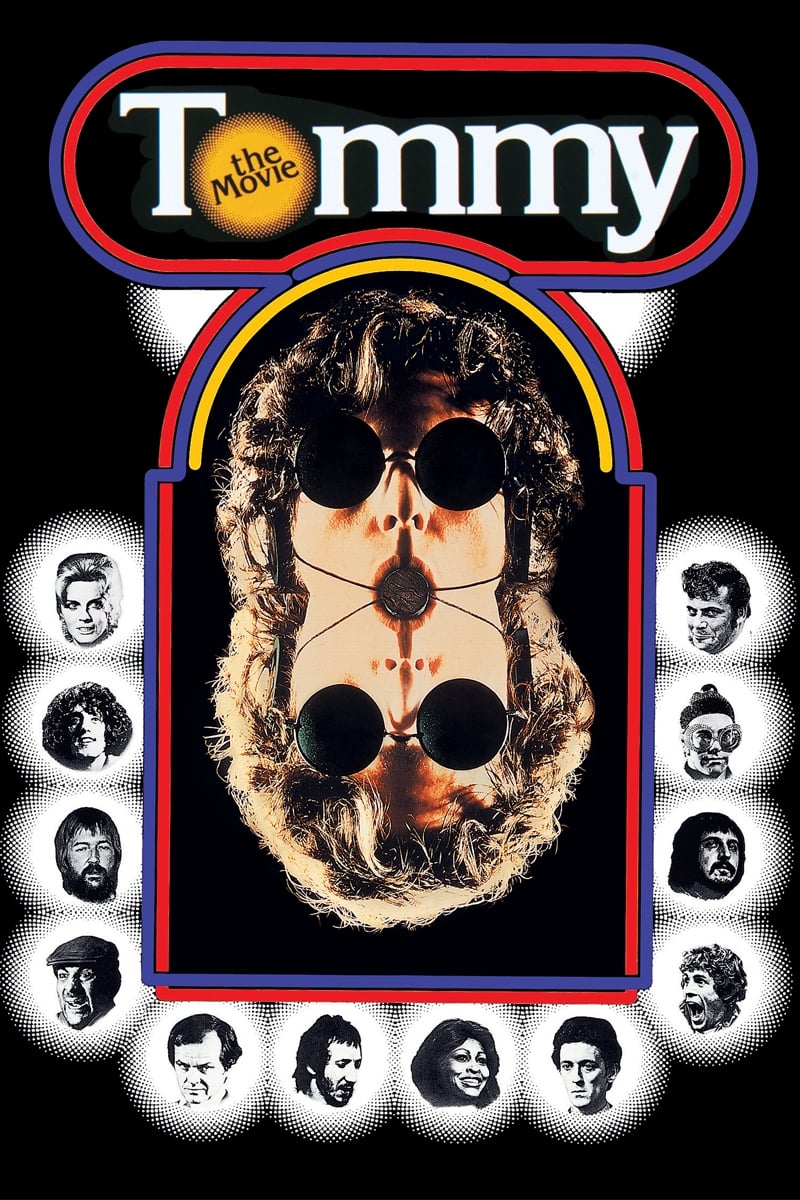
In this wild rock opera based on The Who’s album, Nicholson had a memorable cameo as The Specialist. He plays a doctor who tries to cure the deaf, dumb, and blind title character.
Nicholson sings his part in the film, bringing a slick and slightly sinister charm to the role. It was another example of his willingness to take on unusual and theatrical parts in major films.
‘The Passenger’ (1975)

Nicholson starred as David Locke, a disillusioned television journalist working in North Africa. When he finds a dead businessman who looks just like him, he decides to switch identities and take over the man’s life, a choice that leads him into a world of danger.
The film is a slow-paced and philosophical art-house thriller. Nicholson gives a quiet and internal performance, perfectly capturing his character’s sense of alienation and his desperate search for a new identity.
‘The Fortune’ (1975)
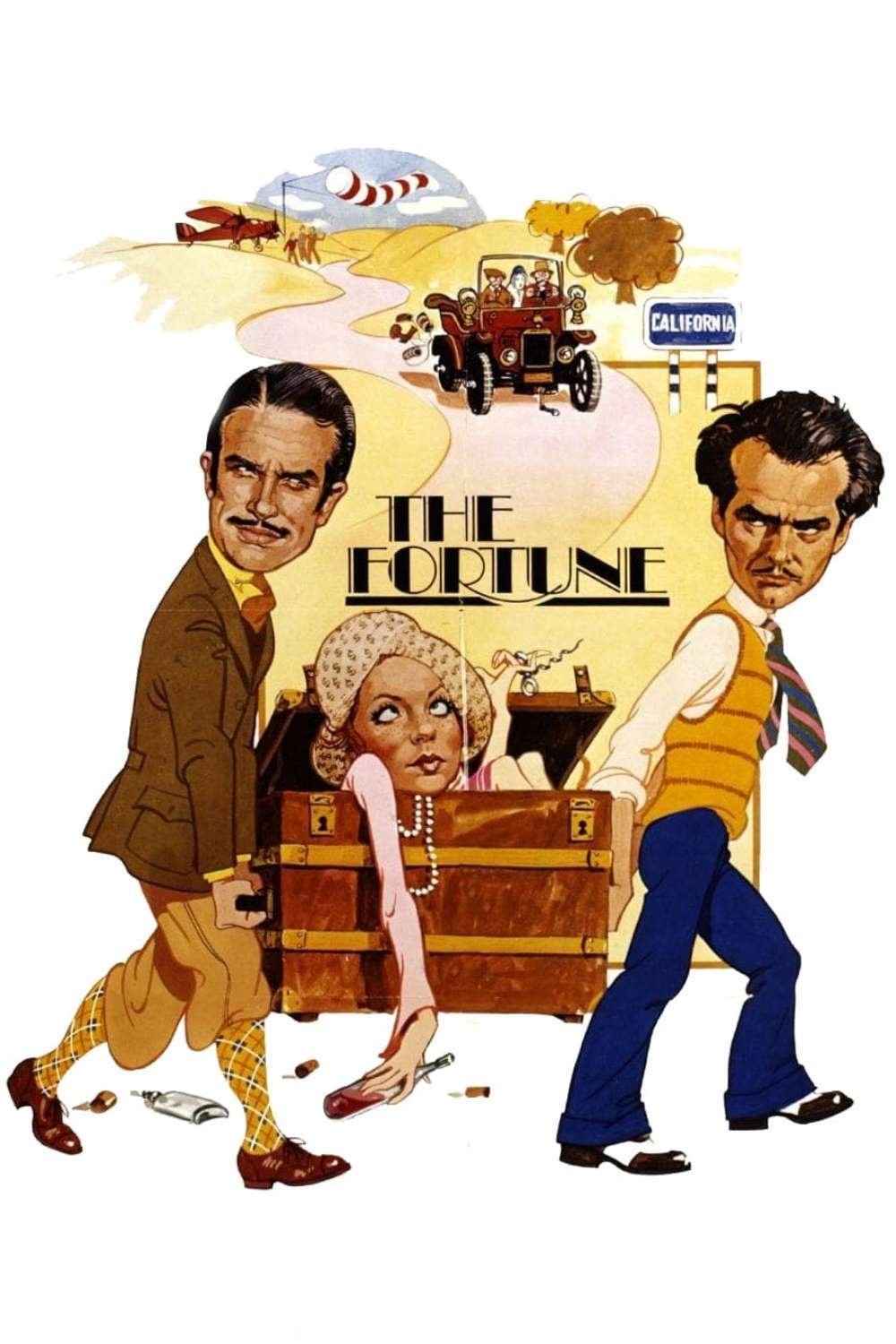
This screwball comedy co-starred Nicholson and Warren Beatty as two bumbling con men in the 1920s. They plan to marry a wealthy heiress and then murder her to inherit her fortune, but their schemes constantly go wrong in hilarious ways.
Nicholson plays Oscar Sullivan, the more oafish and less clever of the two schemers. The film allowed him to show off his comedic timing and physical comedy skills alongside another major star.
‘One Flew Over the Cuckoo’s Nest’ (1975)

Nicholson won his first Academy Award for Best Actor for his legendary performance as Randle Patrick “Mac” McMurphy. McMurphy is a rebellious criminal who fakes insanity to get out of a prison sentence and is sent to a mental institution.
Once there, he clashes with the cold and tyrannical Nurse Ratched, inspiring the other patients to stand up for themselves. McMurphy is the ultimate anti-authoritarian hero, and Nicholson’s energetic, funny, and heartbreaking performance is considered one of the greatest in cinema history.
‘The Missouri Breaks’ (1976)
1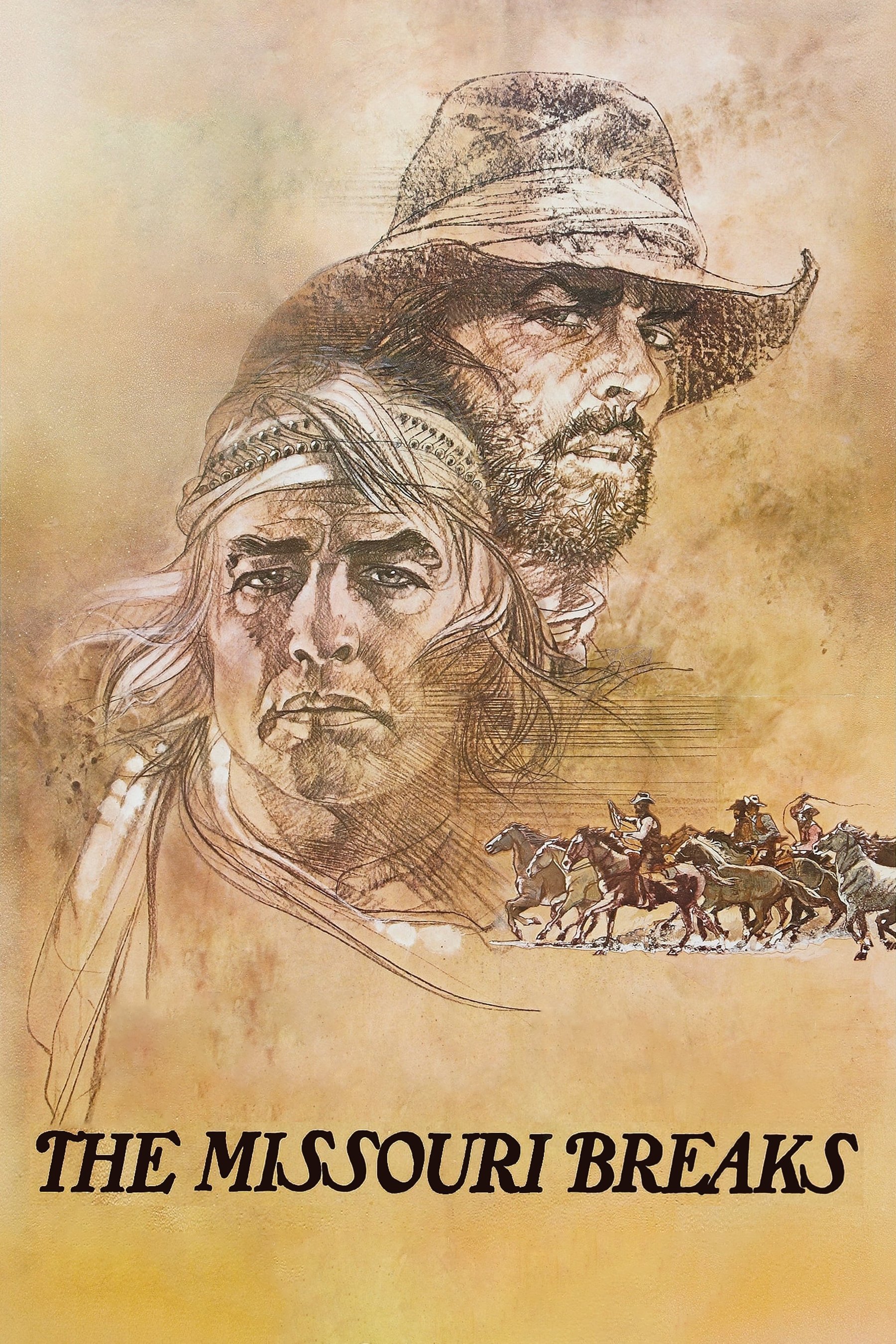
In this unconventional Western, Nicholson played Tom Logan, the leader of a gang of rustlers. The gang’s operations are threatened when a wealthy rancher hires a bizarre and eccentric “regulator” to hunt them down.
The film is famous for bringing together two acting legends, Jack Nicholson and Marlon Brando. Nicholson plays the relatively straightforward gang leader who is confounded by the strange methods of his opponent.
‘The Last Tycoon’ (1976)
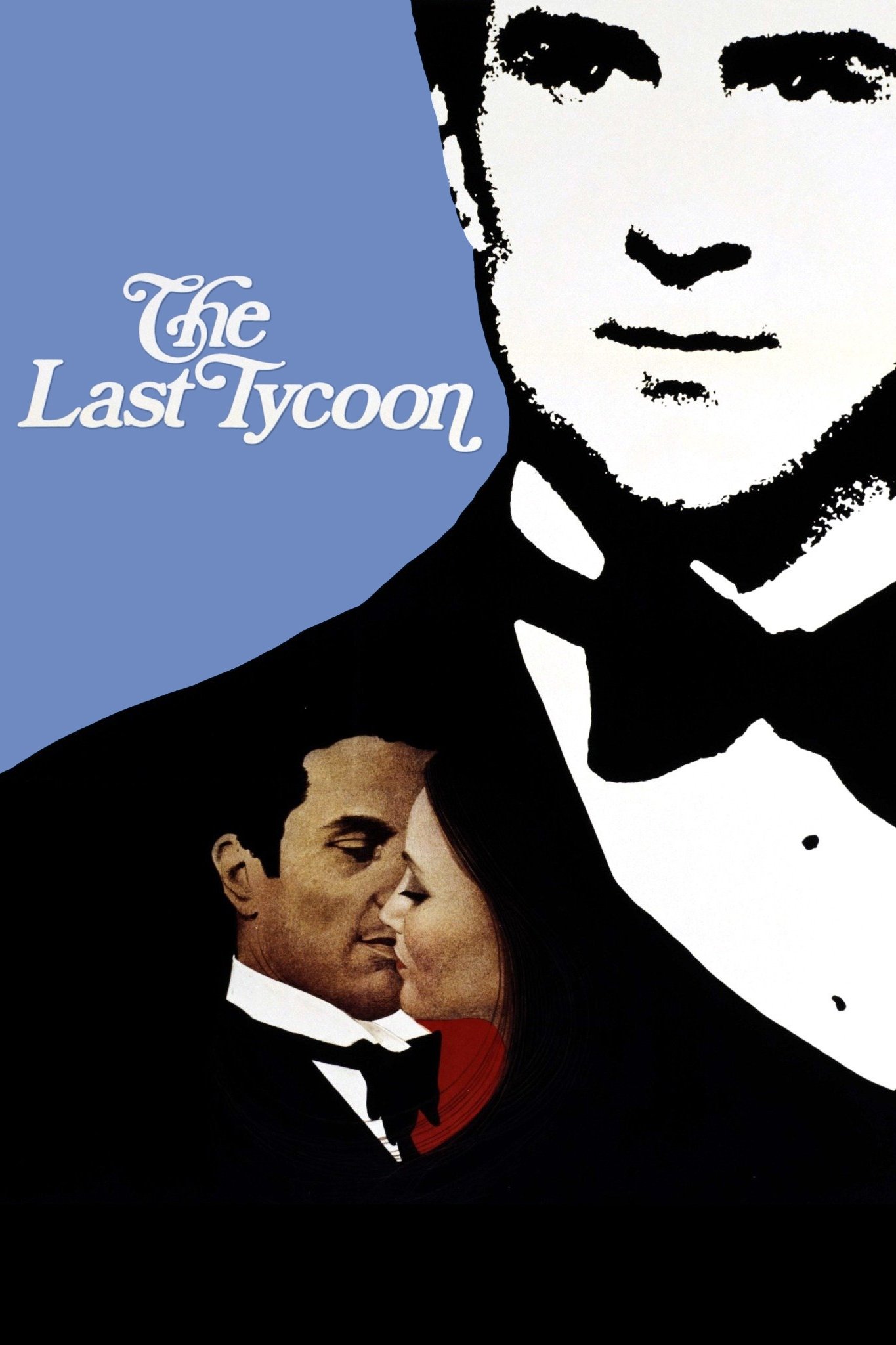
Based on F. Scott Fitzgerald’s final novel, this film is set in 1930s Hollywood. Nicholson had a supporting role as Brimmer, a tough and pragmatic communist organizer who clashes with the film’s main character, a powerful studio executive.
Though his role is small, his one major scene is a tense and powerful confrontation about politics and power in Hollywood. It was another prestigious project that added to his impressive filmography.
‘Goin’ South’ (1978)
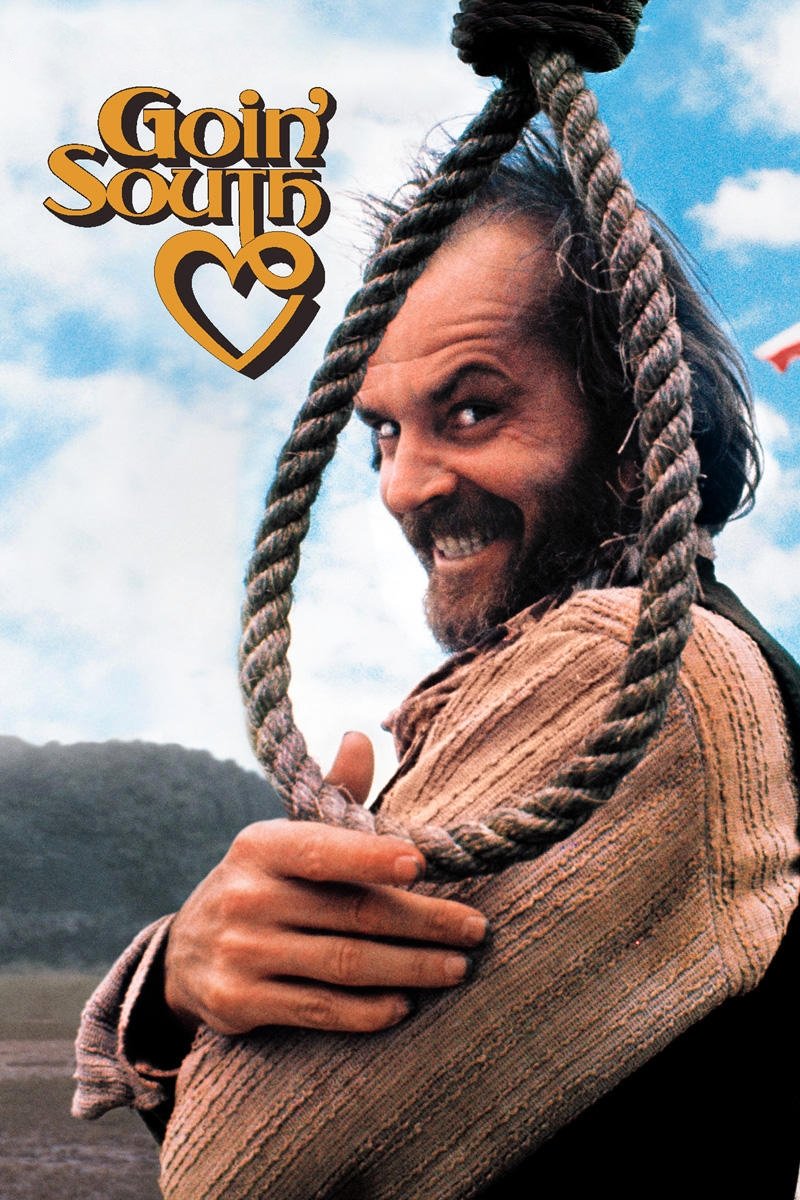
Nicholson starred in and directed this comedic Western. He played Henry Lloyd Moon, a scruffy outlaw who is saved from hanging when a lonely spinster agrees to marry him to make him a respectable member of the community.
The film is a lighthearted romantic comedy that allowed Nicholson to direct himself in a charming and funny role. He plays Moon as a lovable rogue who is slowly tamed by his new wife and the responsibilities of a settled life.
‘The Shining’ (1980)
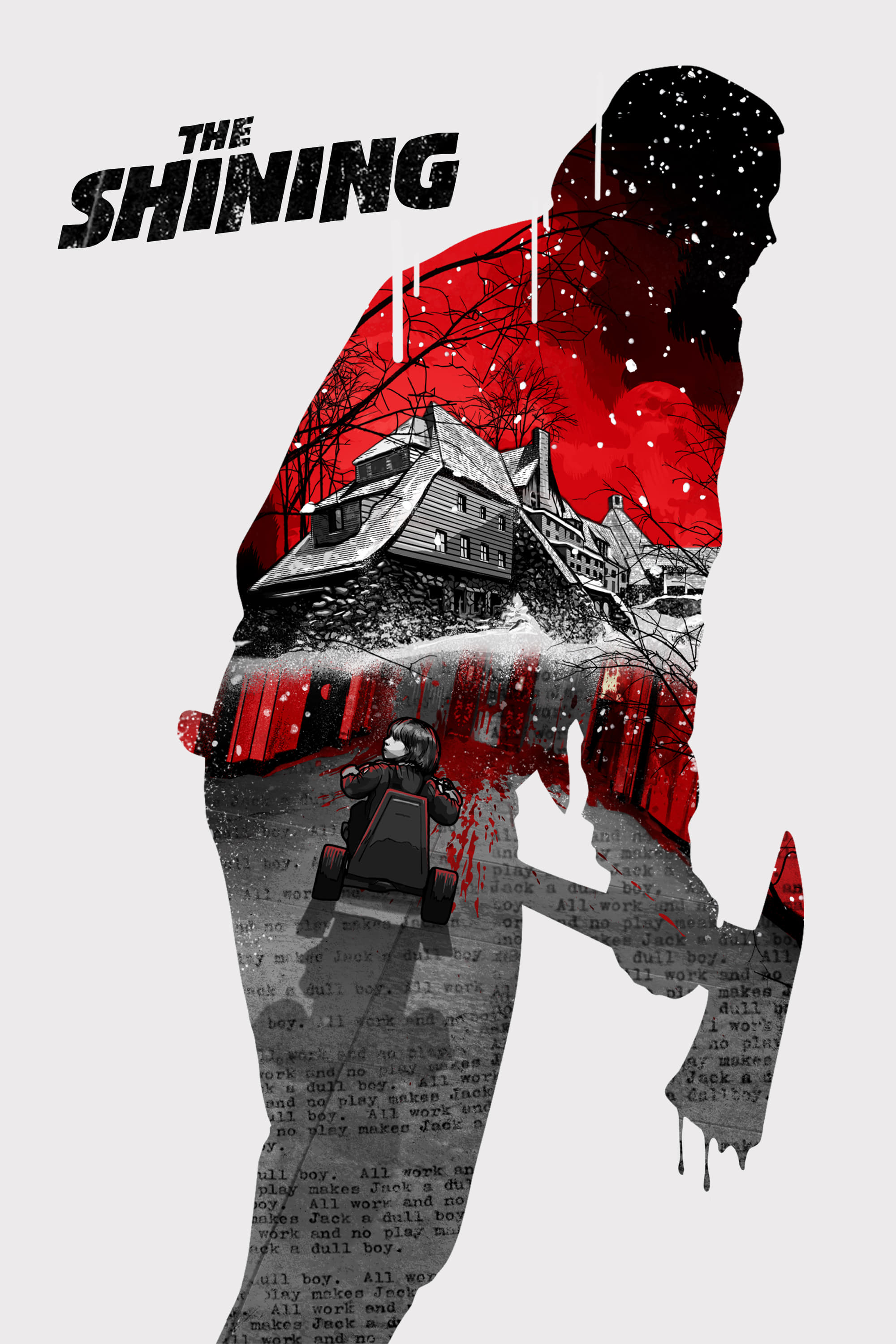
In one of the most iconic horror films ever made, Nicholson delivered a terrifying performance as Jack Torrance. He is a struggling writer and recovering alcoholic who takes a job as the winter caretaker at the isolated Overlook Hotel, bringing his wife and son with him.
As supernatural forces in the hotel prey on his weaknesses, Jack slowly descends into madness, threatening his family. Nicholson’s unhinged and menacing performance, from the subtle tics to the explosive rage, is the terrifying heart of Stanley Kubrick’s masterpiece.
‘The Postman Always Rings Twice’ (1981)
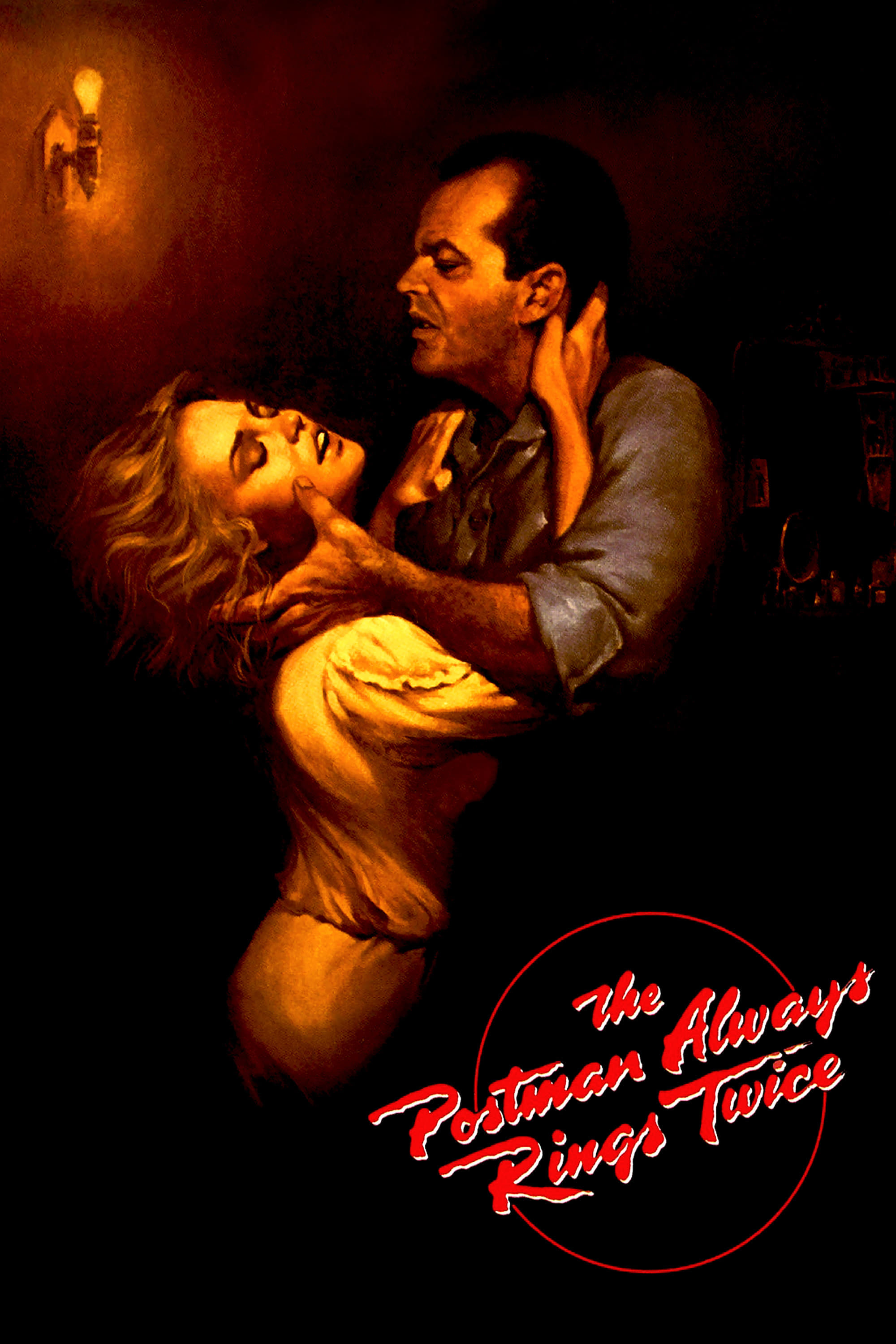
In this steamy neo-noir, Nicholson played Frank Chambers, a drifter who stops at a roadside diner and begins a passionate affair with the owner’s beautiful wife. Their lust leads them to plot the murder of her husband.
The film is famous for its intense and explicit romantic scenes. Nicholson’s performance as the brooding and desperate Frank is a classic noir archetype, a man whose life is ruined by his desires.
‘Reds’ (1981)
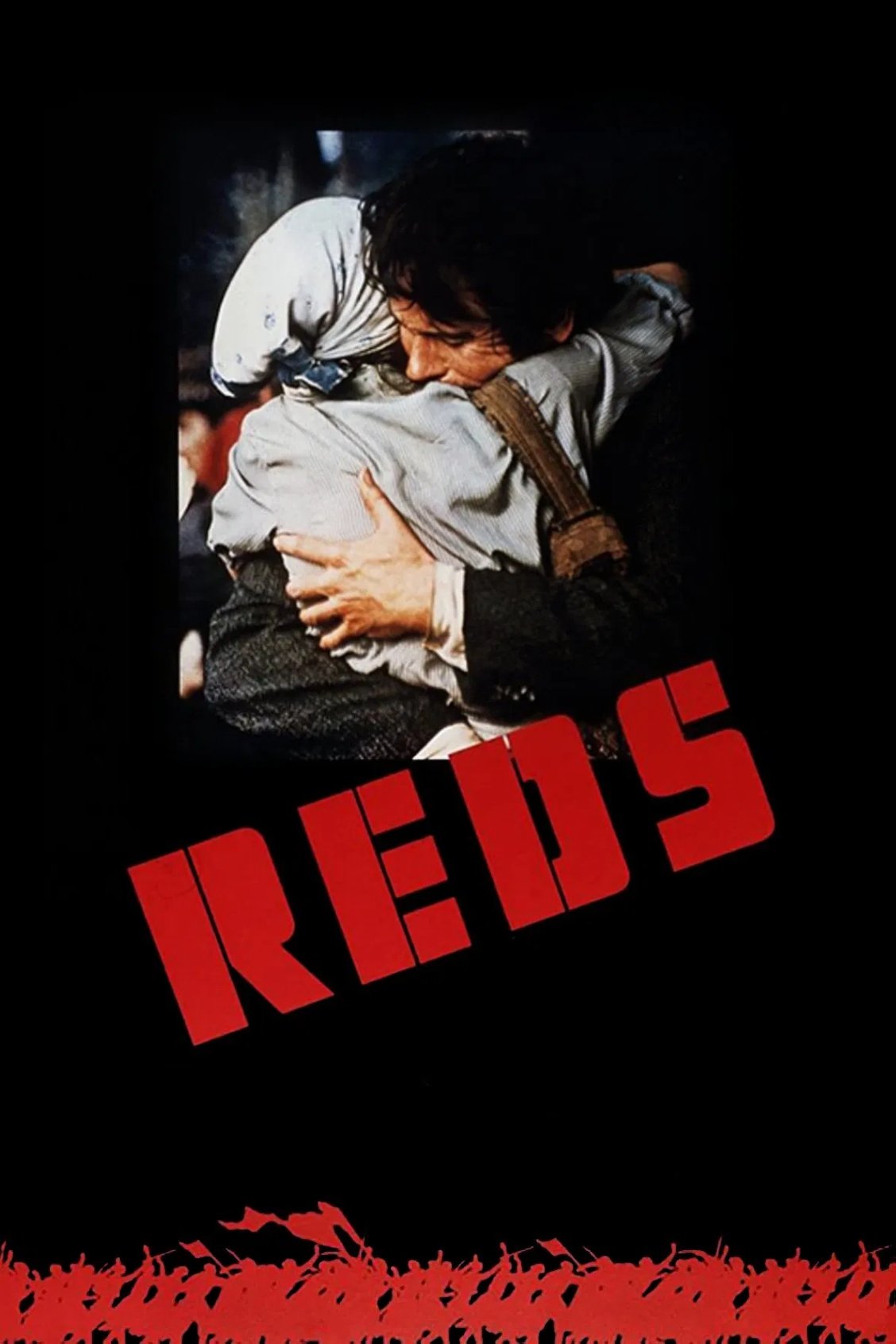
Nicholson won his second Academy Award, this time for Best Supporting Actor, for his role as the famous playwright Eugene O’Neill. The epic film tells the story of John Reed, an American journalist who documented the Russian Revolution.
O’Neill is a friend and romantic rival of Reed, a cynical and brilliant intellectual who offers a pessimistic counterpoint to Reed’s revolutionary idealism. Nicholson’s performance is quiet, powerful, and full of intellectual weight.
‘The Border’ (1982)
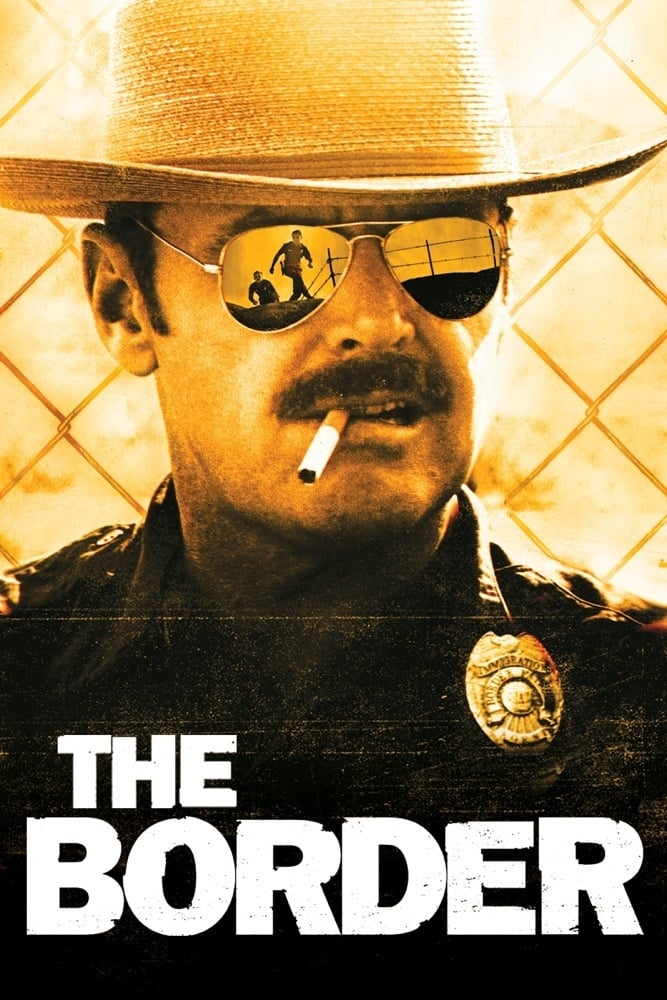
Nicholson starred as Charlie Smith, a U.S. Border Patrol agent working on the U.S.-Mexico border. He becomes disgusted by the corruption of his fellow agents, who are involved in a human trafficking ring.
This was a more serious and restrained role for Nicholson, who plays an ordinary man trying to do the right thing in a corrupt system. His character’s moral struggle is the core of this gritty crime drama.
‘Terms of Endearment’ (1983)
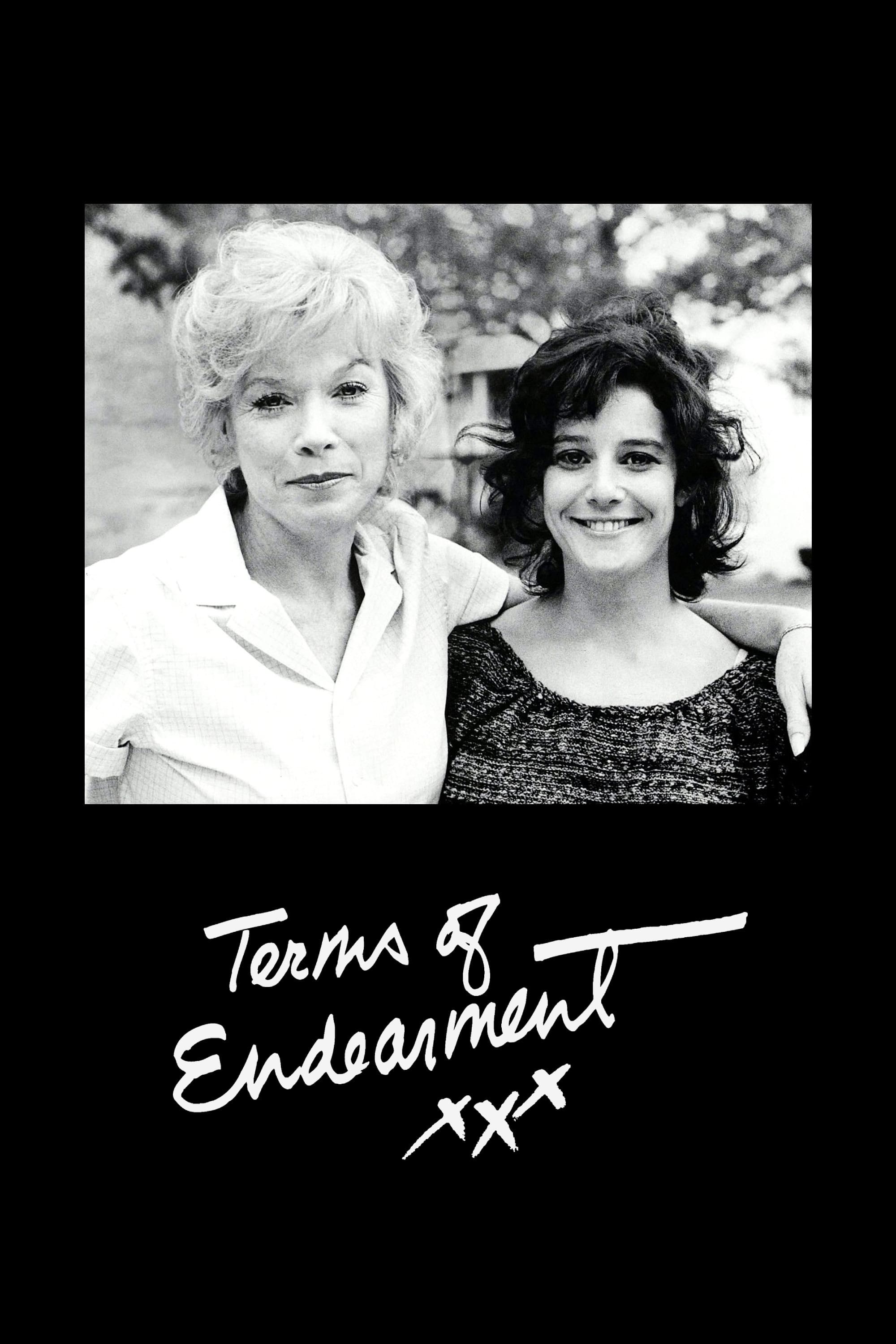
Nicholson won his third Academy Award for his role as Garrett Breedlove, a boozy, womanizing former astronaut. He lives next door to a reserved widow, and they begin an unlikely and touching romance.
Garrett is one of Nicholson’s most charming and beloved characters. He played the aging playboy with hilarious comic timing and surprising emotional depth, stealing every scene he was in and creating an unforgettable character.
‘Prizzi’s Honor’ (1985)
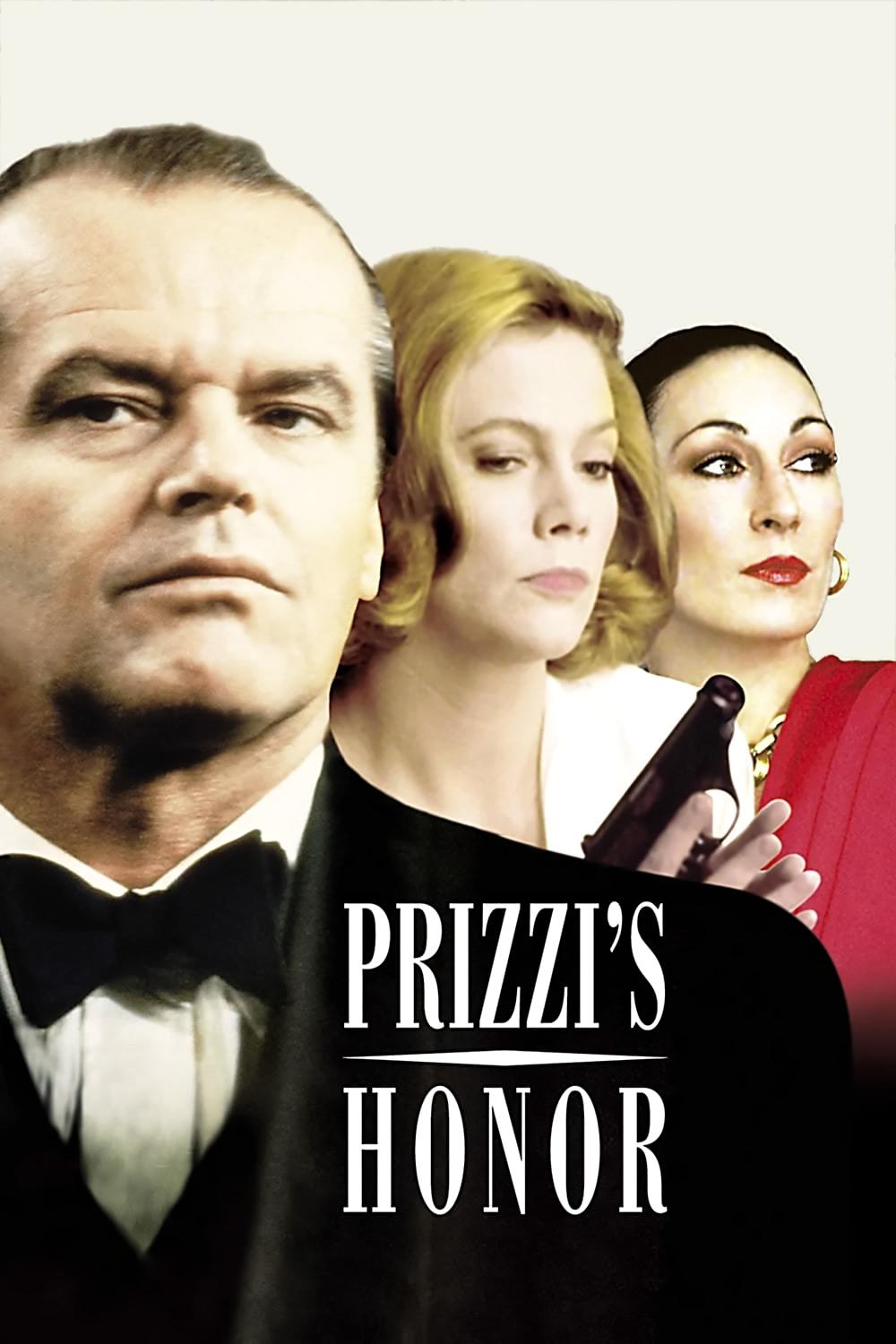
In this dark comedy, Nicholson played Charley Partanna, a loyal and not-so-bright hitman for a powerful Mafia family. His life becomes complicated when he falls in love with a woman who he later discovers is also a professional assassin.
The film is a satirical take on gangster movies, and Nicholson’s performance is both funny and surprisingly sweet. He plays Charley as a simple man trying to navigate the very strange rules of his job and his romantic life.
‘Heartburn’ (1986)
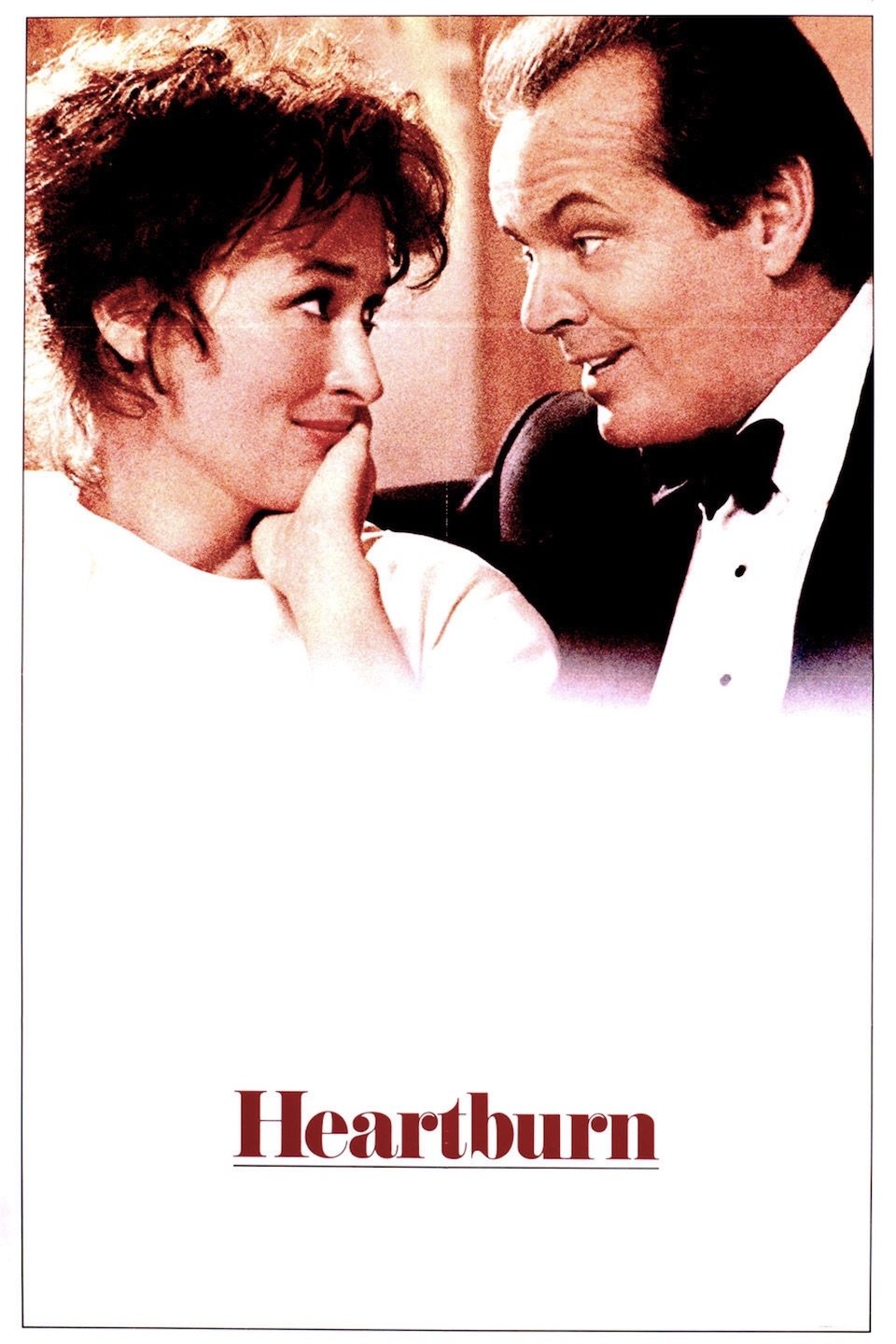
Based on Nora Ephron’s autobiographical novel, this film stars Nicholson as Mark Forman, a political columnist in Washington D.C. The story follows his marriage to a New York food writer and the eventual breakdown of their relationship.
The film re-teamed him with director Mike Nichols. He plays a charming and funny husband who is also unfaithful, creating a complex and realistic portrait of a flawed man in a difficult marriage.
‘The Witches of Eastwick’ (1987)

Nicholson had a blast playing the devilish Daryl Van Horne. When three single women in a small New England town wish for the perfect man, the rich, eccentric, and charismatic Daryl mysteriously arrives and seduces all three of them.
This role allowed Nicholson to fully embrace his wild and anarchic screen persona. His performance as the literal devil is outrageously funny, charming, and menacing, making him the perfect center for this supernatural comedy.
‘Broadcast News’ (1987)

In a brief but crucial uncredited role, Nicholson played Bill Rorish, the powerful and respected senior news anchor at a national television network. He embodies the integrity and gravitas of old-school journalism.
Though he is only in a few scenes, his character represents the high standard that the main characters aspire to. His presence lends authority and weight to the film’s exploration of journalistic ethics.
‘Ironweed’ (1987)
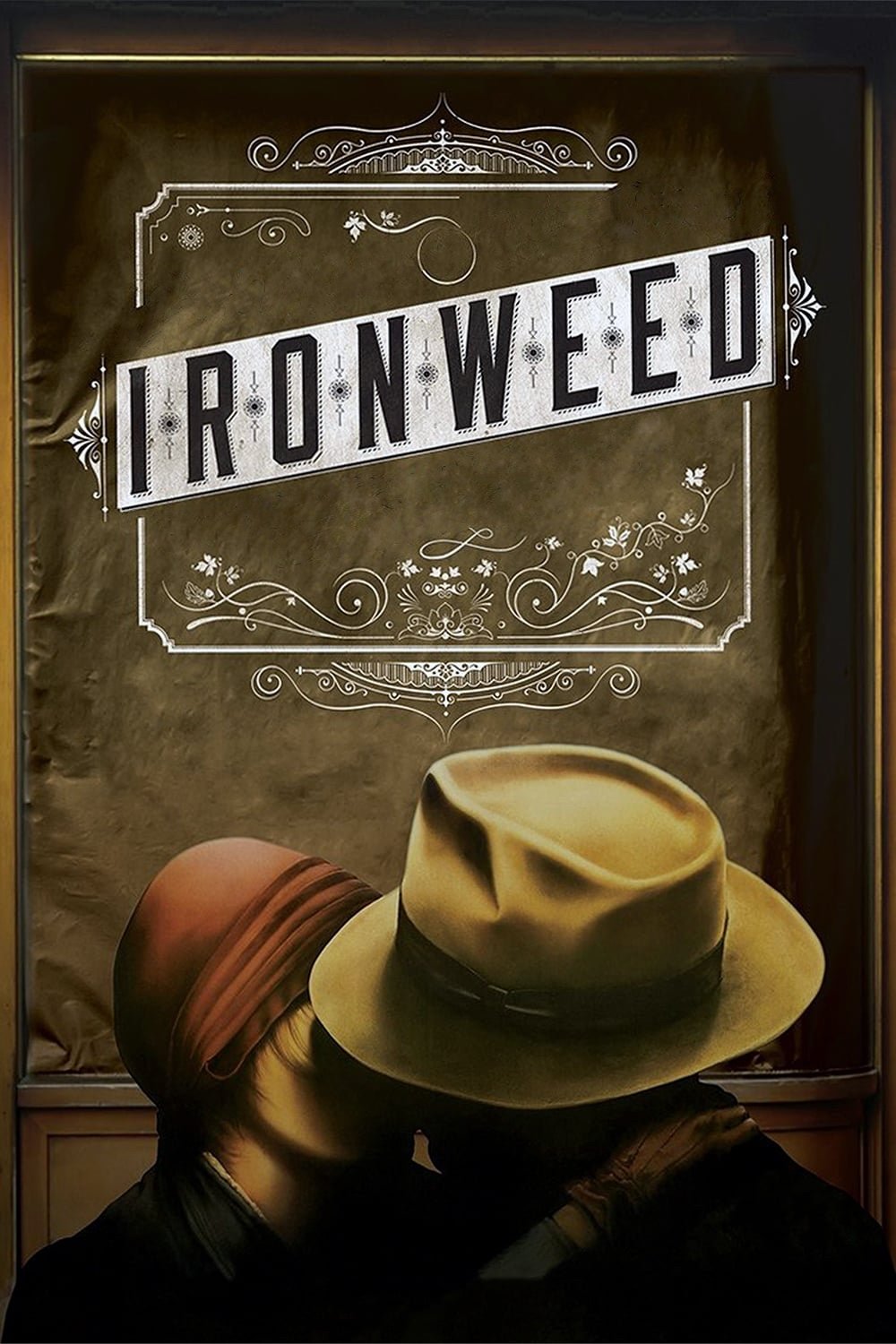
Nicholson earned another Best Actor Oscar nomination for his role as Francis Phelan. The film is a bleak drama set during the Great Depression, following a homeless former baseball player who returns to his hometown to confront the tragic events of his past.
This was one of his most powerful and physically transformative roles. Nicholson gives a deeply sad and moving performance as a broken man haunted by guilt and regret.
‘Batman’ (1989)
Nicholson created one of the most iconic villains in movie history with his portrayal of Jack Napier, a gangster who is transformed into the psychotic supervillain, The Joker. His performance was a cultural phenomenon and a massive box office draw.
As The Joker, Nicholson was both terrifying and hilarious, a “homicidal artist” who unleashes chaos on Gotham City. The role perfectly combined his talent for menace and comedy, and it redefined the character for a generation.
‘The Two Jakes’ (1990)
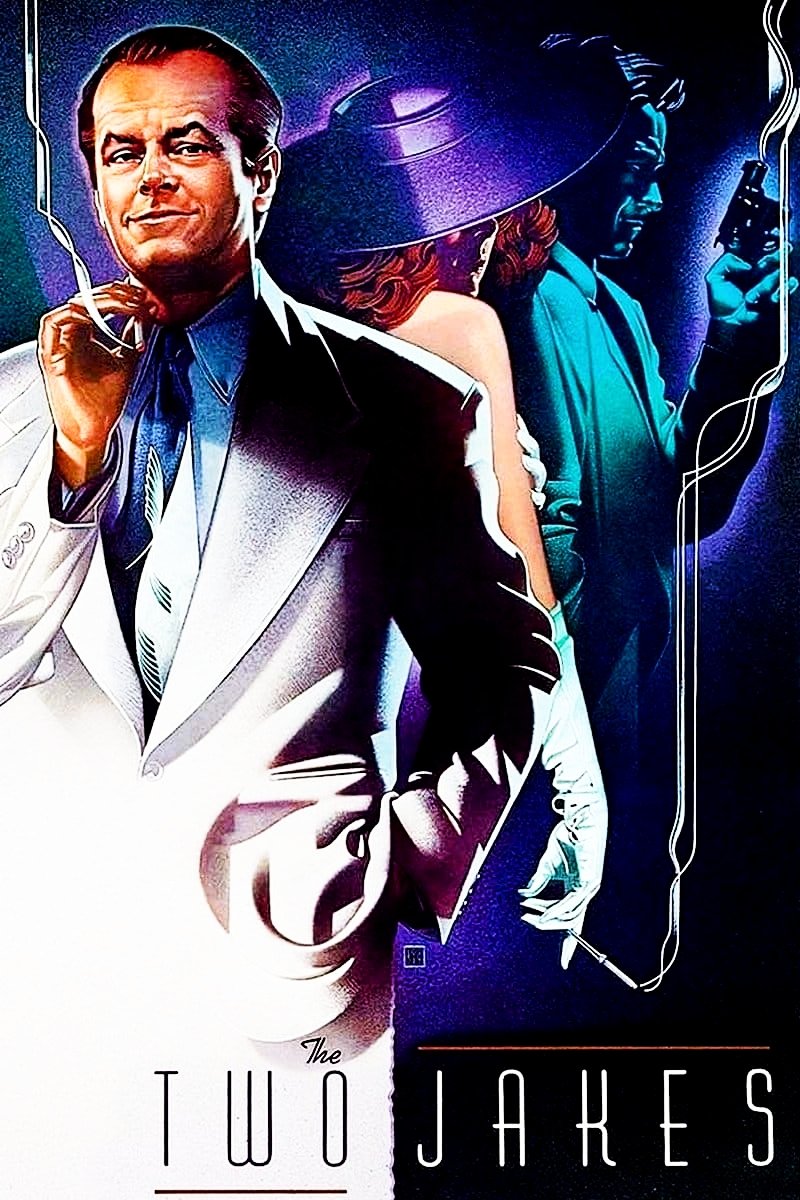
Nicholson returned to his iconic role as private eye J.J. “Jake” Gittes in this sequel to ‘Chinatown,’ which he also directed. Set a decade after the original, Jake is now a prosperous investigator who gets drawn into another complex case involving oil, murder, and the past coming back to haunt him.
Directing and starring in the sequel to such a beloved classic was a huge undertaking. The film is a complex mystery that continues the story of its haunted protagonist, with Nicholson once again at its center.
‘Man Trouble’ (1992)
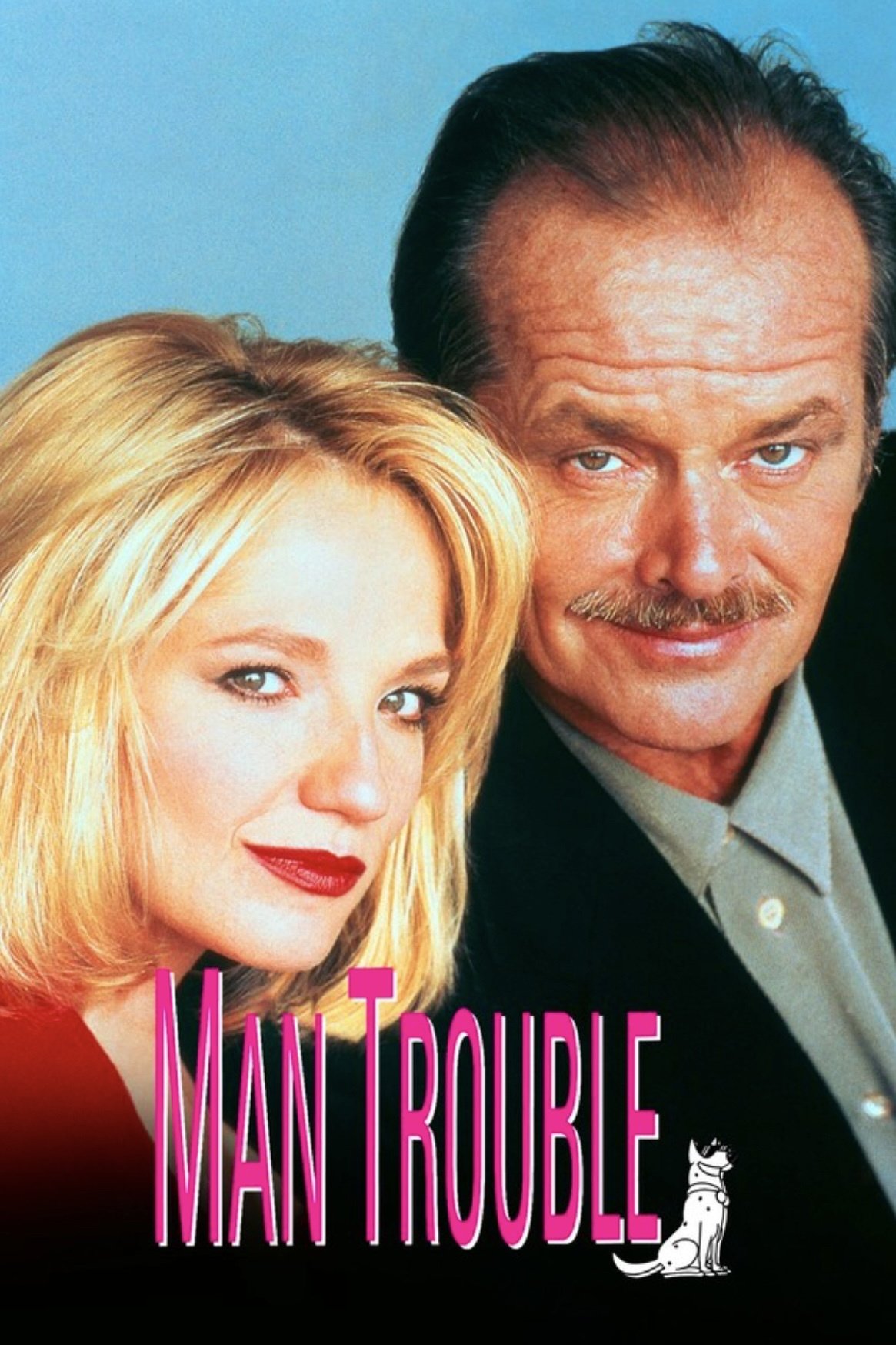
In this romantic comedy, Nicholson played Harry Bliss, who runs a guard dog training service. He becomes involved with a classical singer who hires him for protection after her apartment is ransacked.
The film reunited him with his ‘Five Easy Pieces’ screenwriter. He plays a sleazy but charming character who finds himself in over his head in this lighthearted crime caper.
‘A Few Good Men’ (1992)
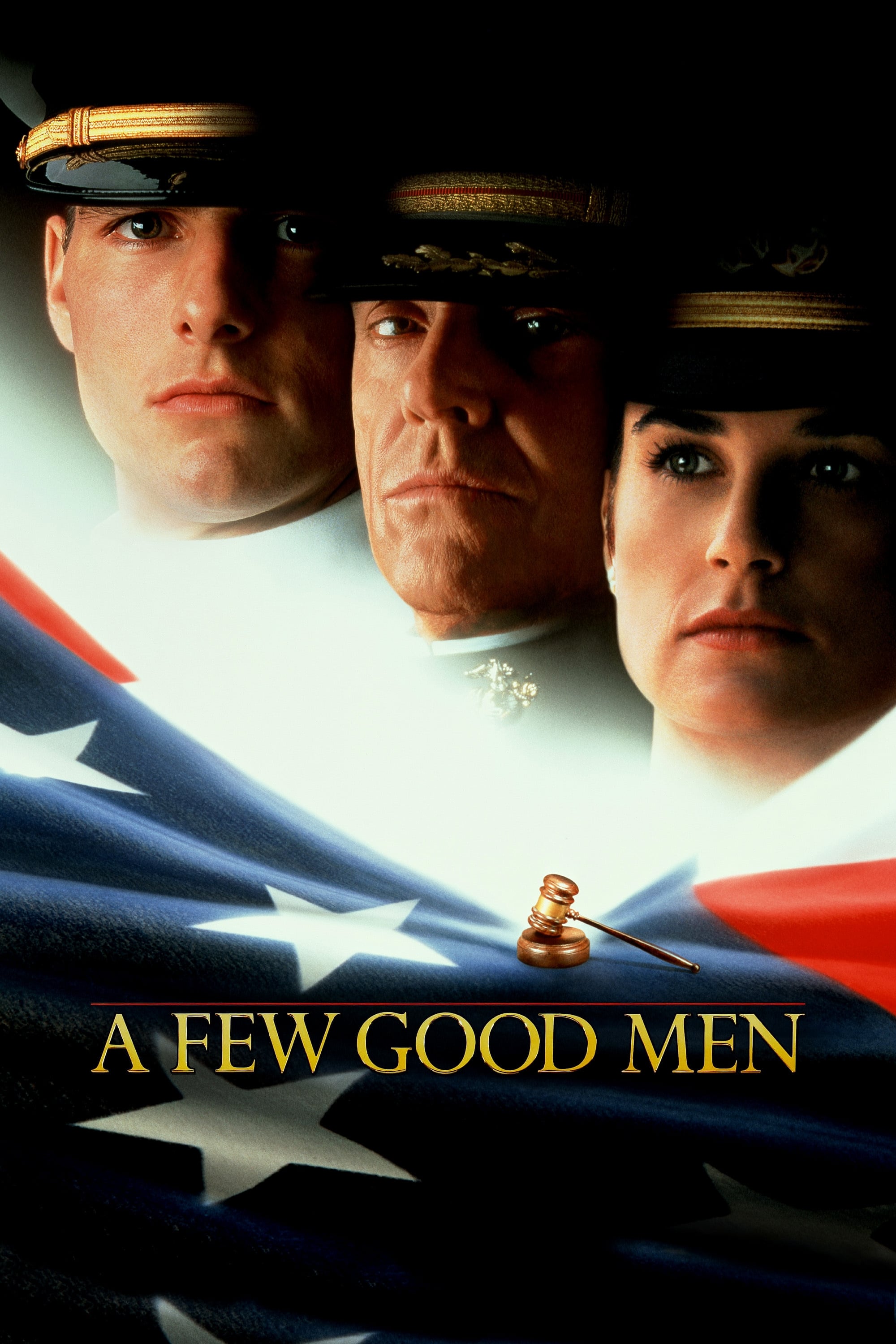
Despite having only a few scenes, Nicholson delivered one of his most famous performances as Colonel Nathan R. Jessup. He is a tough, unyielding Marine commander being questioned in a military courtroom about the death of a soldier under his command.
His explosive testimony, culminating in the iconic line, “You can’t handle the truth!”, is one of the most memorable moments in modern cinema. The powerhouse performance earned him another Academy Award nomination for Best Supporting Actor.
‘Hoffa’ (1992)
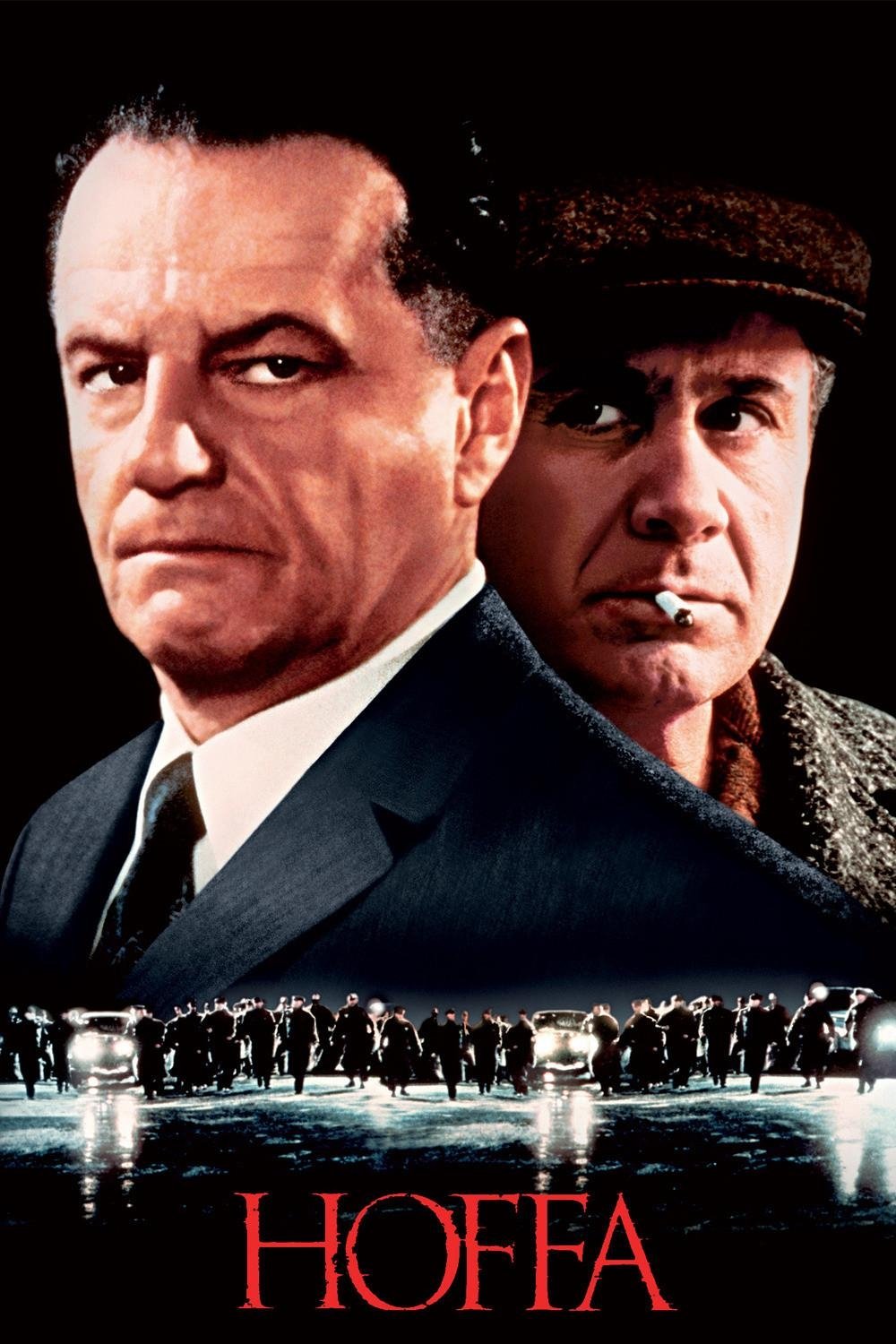
Nicholson took on the role of the powerful and controversial Teamsters union leader, Jimmy Hoffa. The biographical film tells the story of his life, from his rise as a labor organizer to his mysterious disappearance.
With the help of extensive makeup, Nicholson transformed himself to look like the real Hoffa. He portrayed him as a complex and determined figure, a champion of the working class who was also deeply involved with organized crime.
‘Wolf’ (1994)
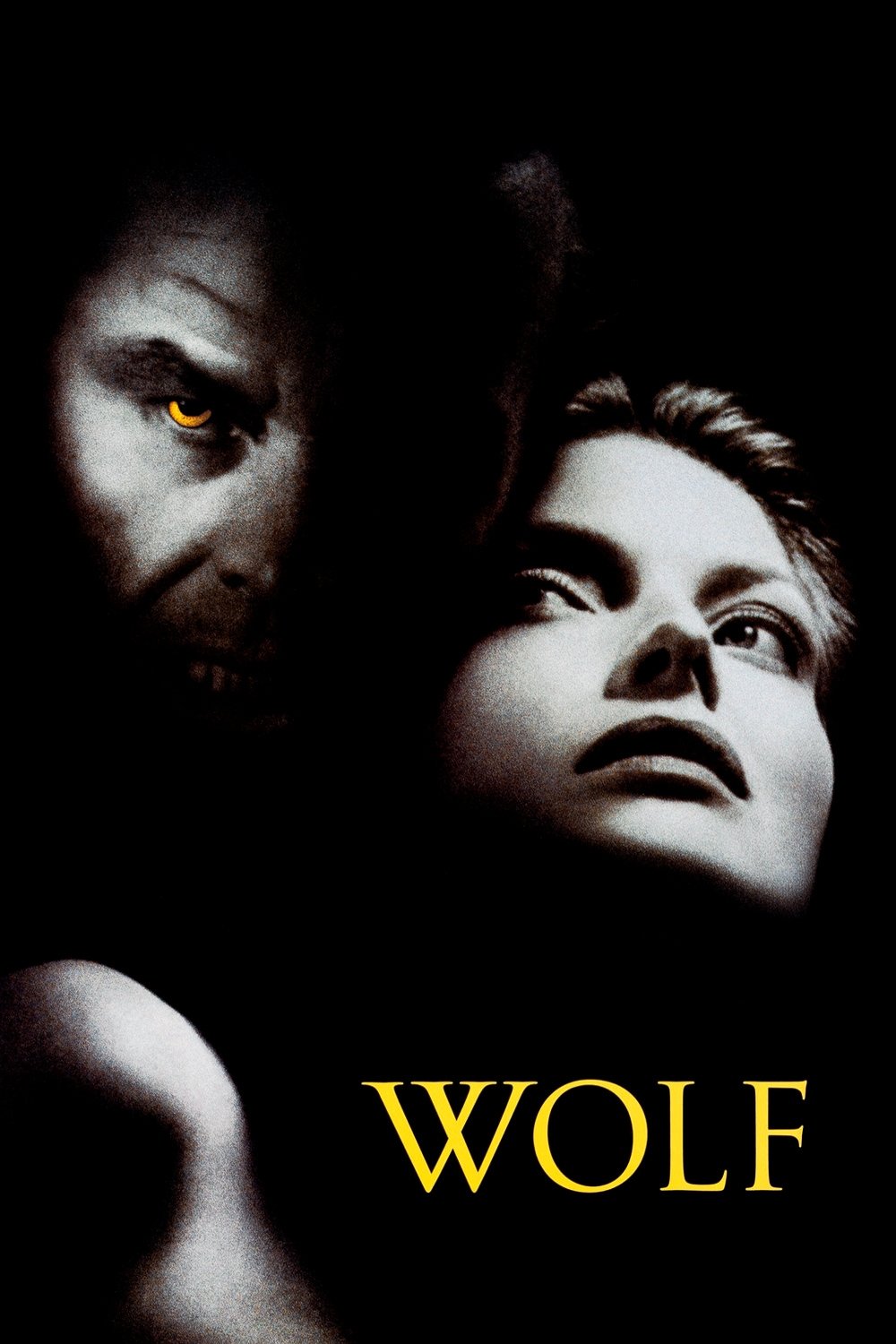
In this horror-thriller, Nicholson played Will Randall, a mild-mannered book editor who is bitten by a wolf. He soon finds himself becoming more aggressive, confident, and animalistic as he slowly transforms into a werewolf.
The film used the werewolf story as a metaphor for aging and male aggression. Nicholson effectively portrayed the character’s transformation from a civilized man into a creature of instinct.
‘The Crossing Guard’ (1995)
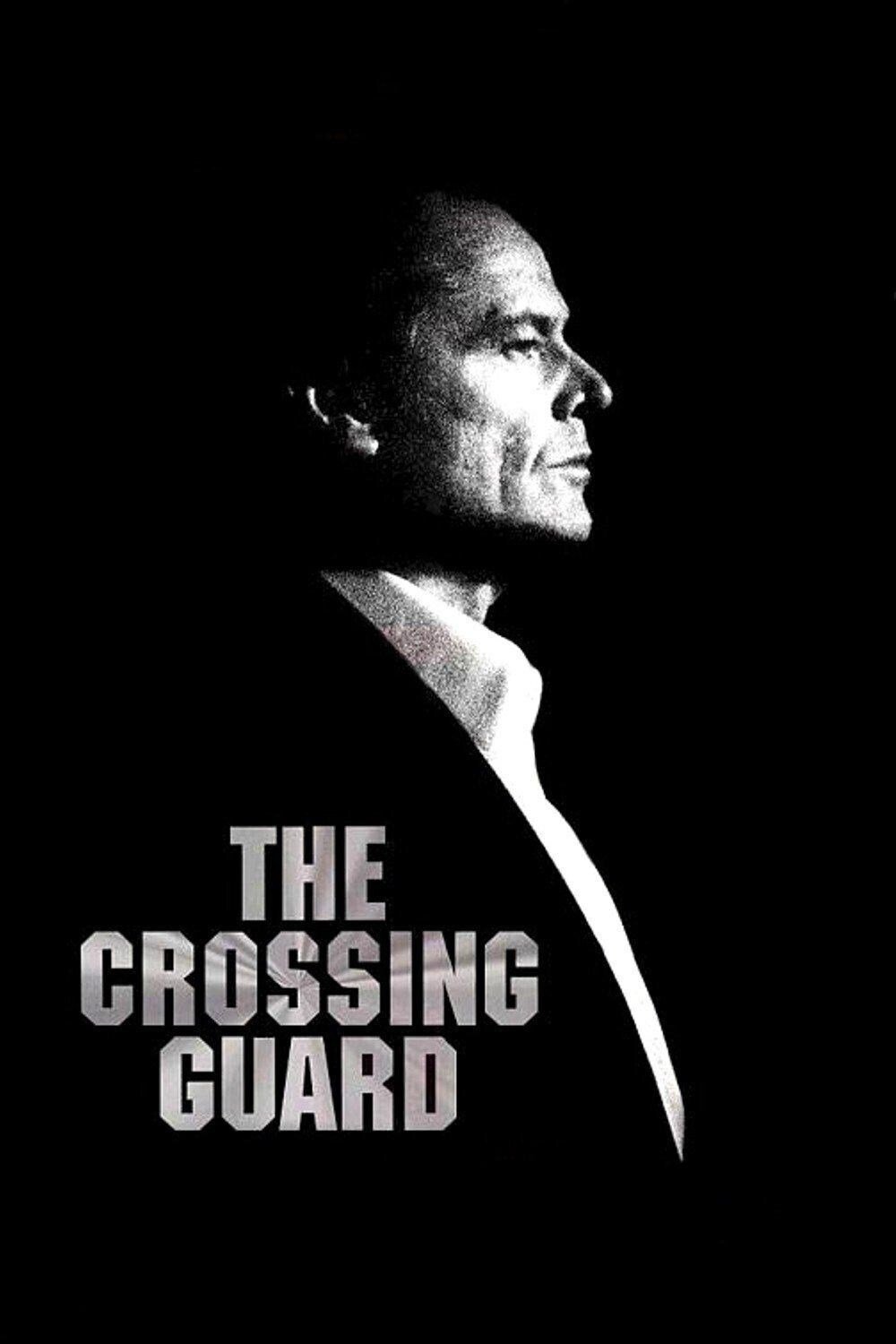
Nicholson played Freddy Gale, a jeweler whose life has fallen apart after his young daughter was killed by a drunk driver. The film follows him in the days leading up to the driver’s release from prison, as Freddy is consumed by his plan to get revenge.
This was a dark and intense dramatic role, directed by Sean Penn. Nicholson gives a powerful performance as a man destroyed by grief and obsessed with vengeance.
‘Blood and Wine’ (1996)
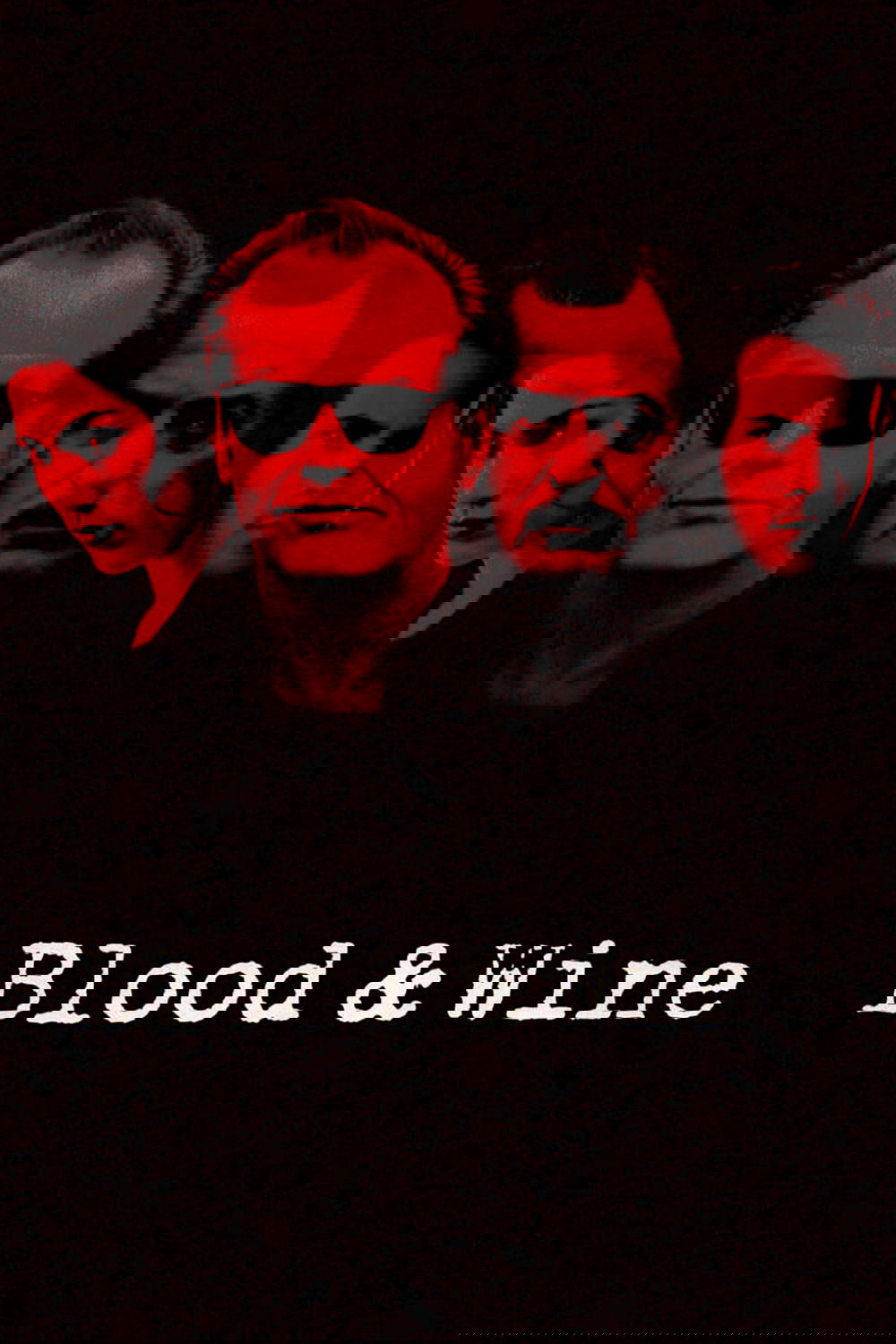
In this noir thriller, Nicholson starred as Alex Gates, a wine merchant whose business is failing. He plans a jewel heist with a safecracker to solve his financial problems, but the plan goes wrong, leading to betrayal and violence.
The film reunited him with his ‘Five Easy Pieces’ director, Bob Rafelson. He plays a desperate and flawed man whose bad decisions lead to his downfall, a classic noir theme that he excelled at portraying.
‘Mars Attacks!’ (1996)
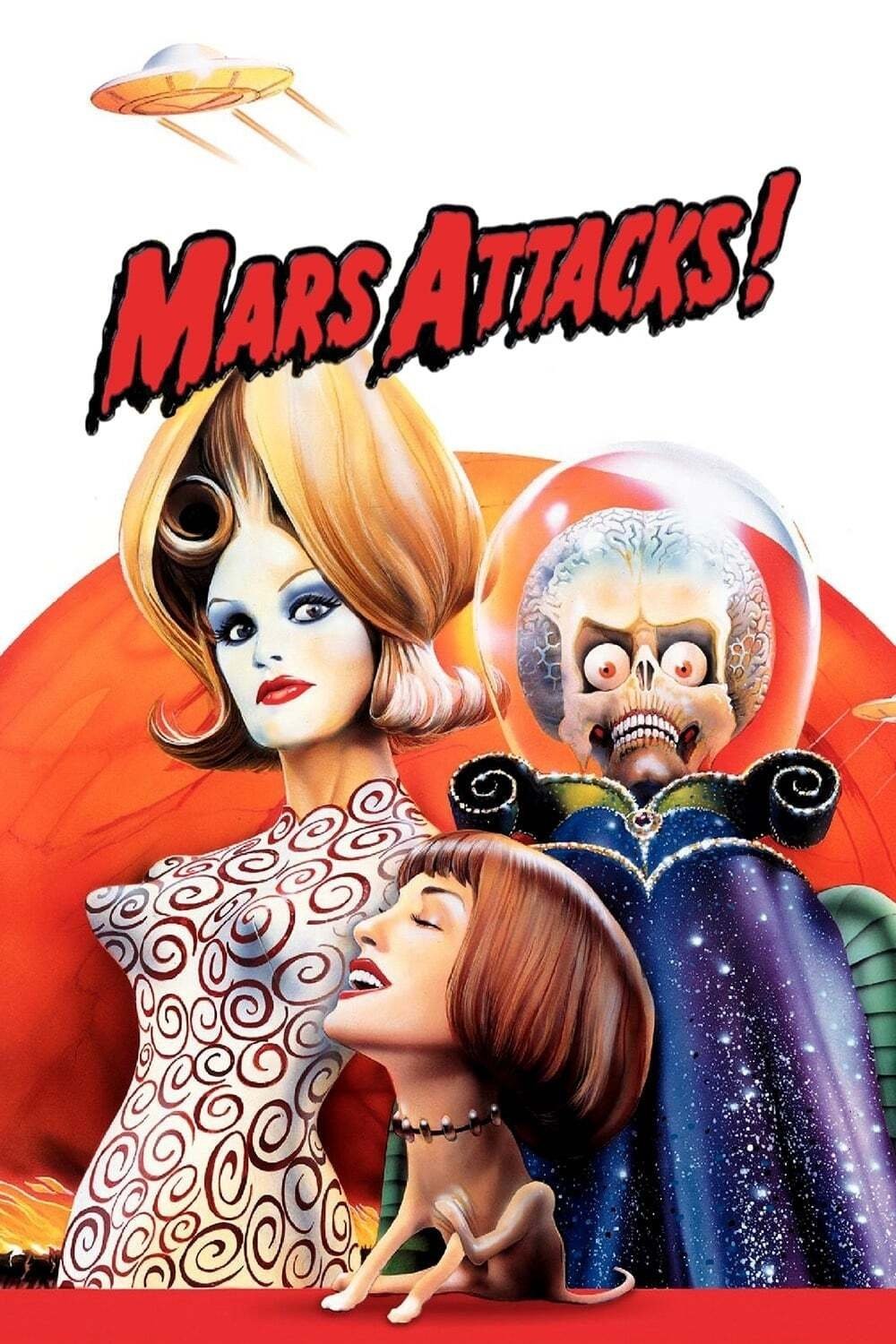
In this wacky sci-fi comedy from director Tim Burton, Nicholson played two different roles. He was President James Dale, the well-meaning but ineffective President of the United States, and also Art Land, a sleazy Las Vegas real estate developer.
The film allowed Nicholson to show off his comedic range by playing two completely different characters. As the President, he is earnest and hopeful, while as Art Land, he is greedy and cartoonishly vain.
‘The Evening Star’ (1996)
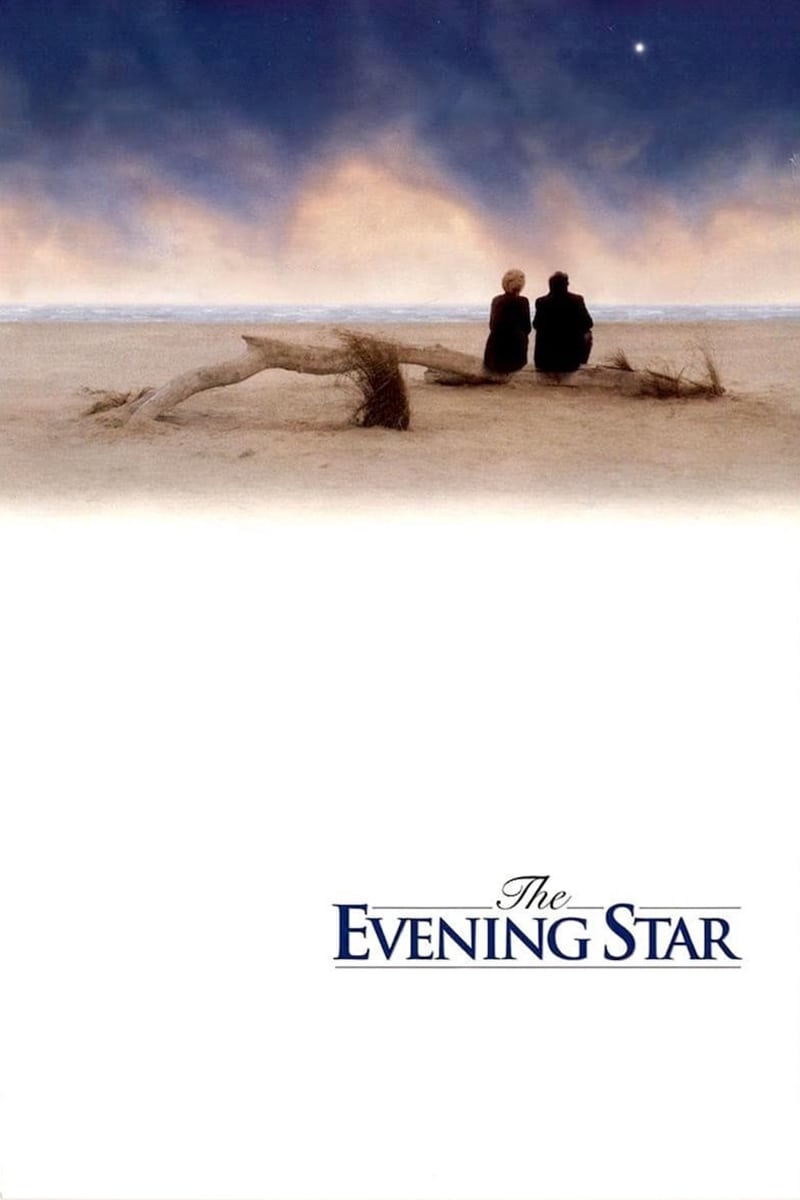
Nicholson reprised his Oscar-winning role as Garrett Breedlove in this sequel to ‘Terms of Endearment.’ The film focuses on the later years of his love interest from the original film, Aurora Greenway.
Garrett appears in a smaller capacity, but his presence is still charming and impactful. He remains a lovable rogue, offering support and friendship to Aurora as she faces new challenges in her life.
‘As Good as It Gets’ (1997)
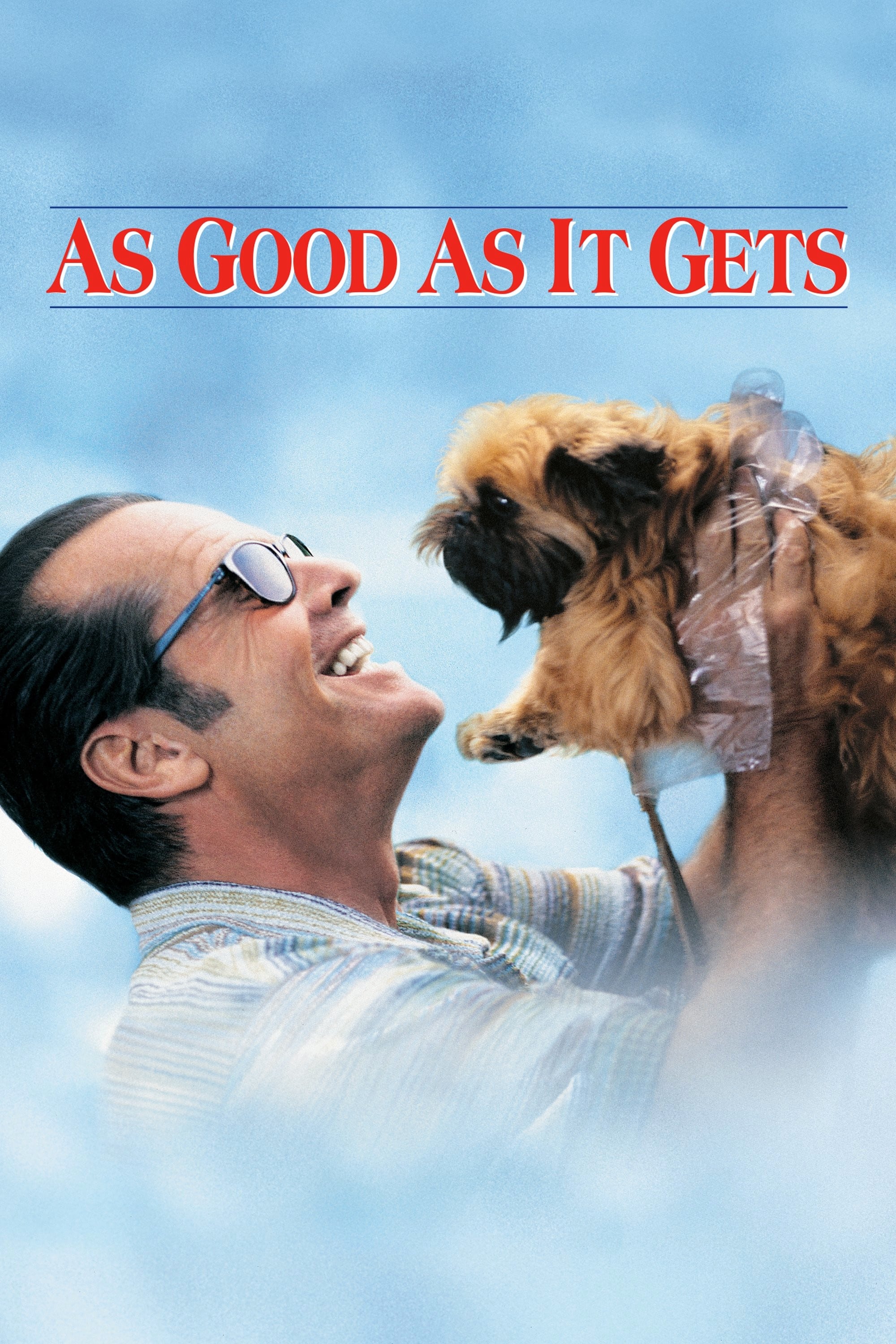
Nicholson won his third Academy Award, and his second for Best Actor, for playing Melvin Udall. Melvin is a successful romance novelist who suffers from severe obsessive-compulsive disorder and is rude to everyone he meets, especially his gay neighbor and a single mother who works as a waitress at his regular diner.
The film follows Melvin as he is unwillingly drawn into the lives of these two people, slowly learning to be a better man. Nicholson’s performance is a masterclass, balancing hilarious comedy with deep emotional pain and creating one of his most beloved characters.
‘The Pledge’ (2001)
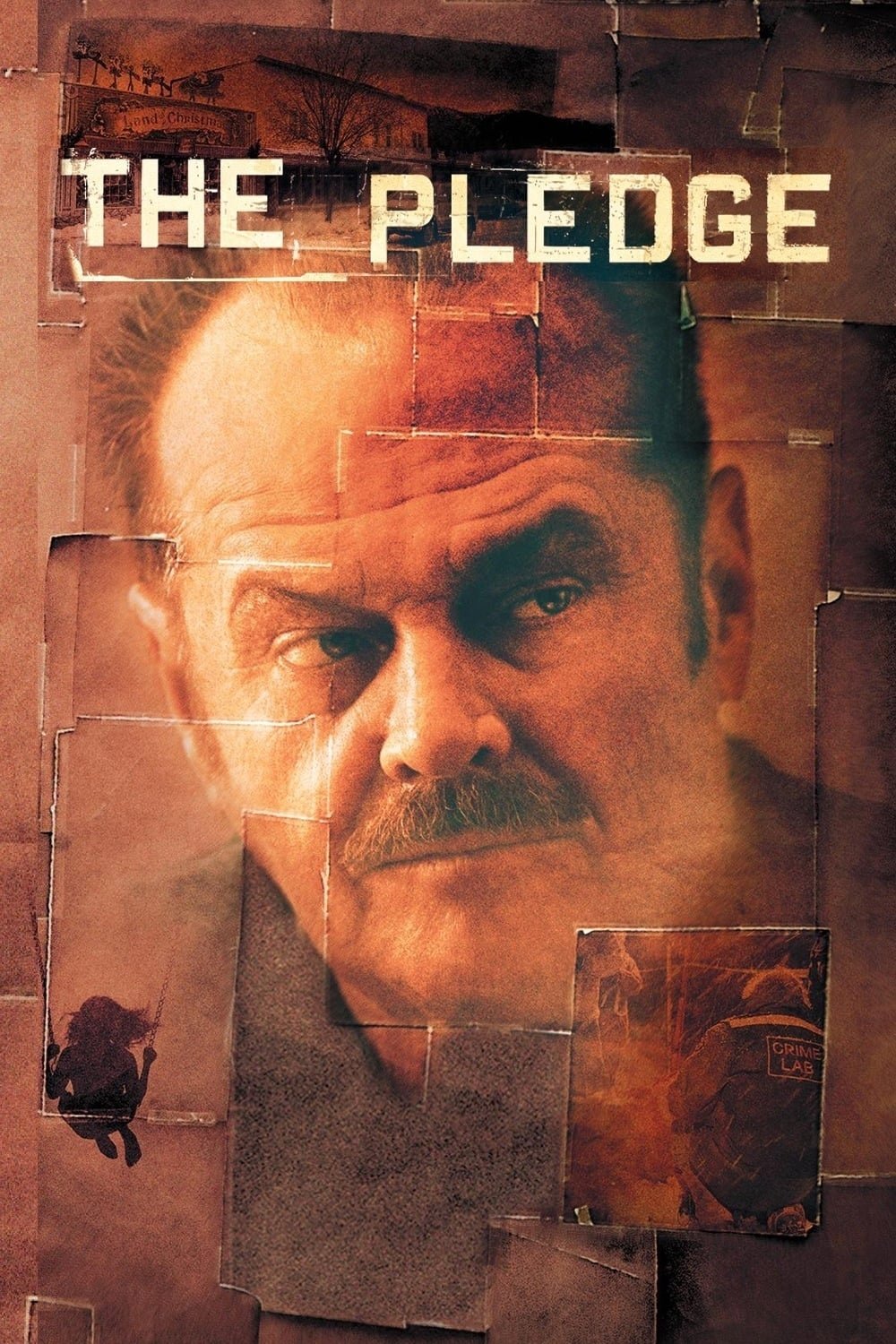
In this dark crime drama directed by Sean Penn, Nicholson played Jerry Black, a homicide detective who pledges to a grieving mother that he will find the person who killed her young daughter. He continues his obsessive investigation even after his retirement.
This was a very serious and understated role for Nicholson. He gives a haunting performance as a good man who becomes completely consumed by a case, sacrificing his own happiness to keep his promise.
‘About Schmidt’ (2002)
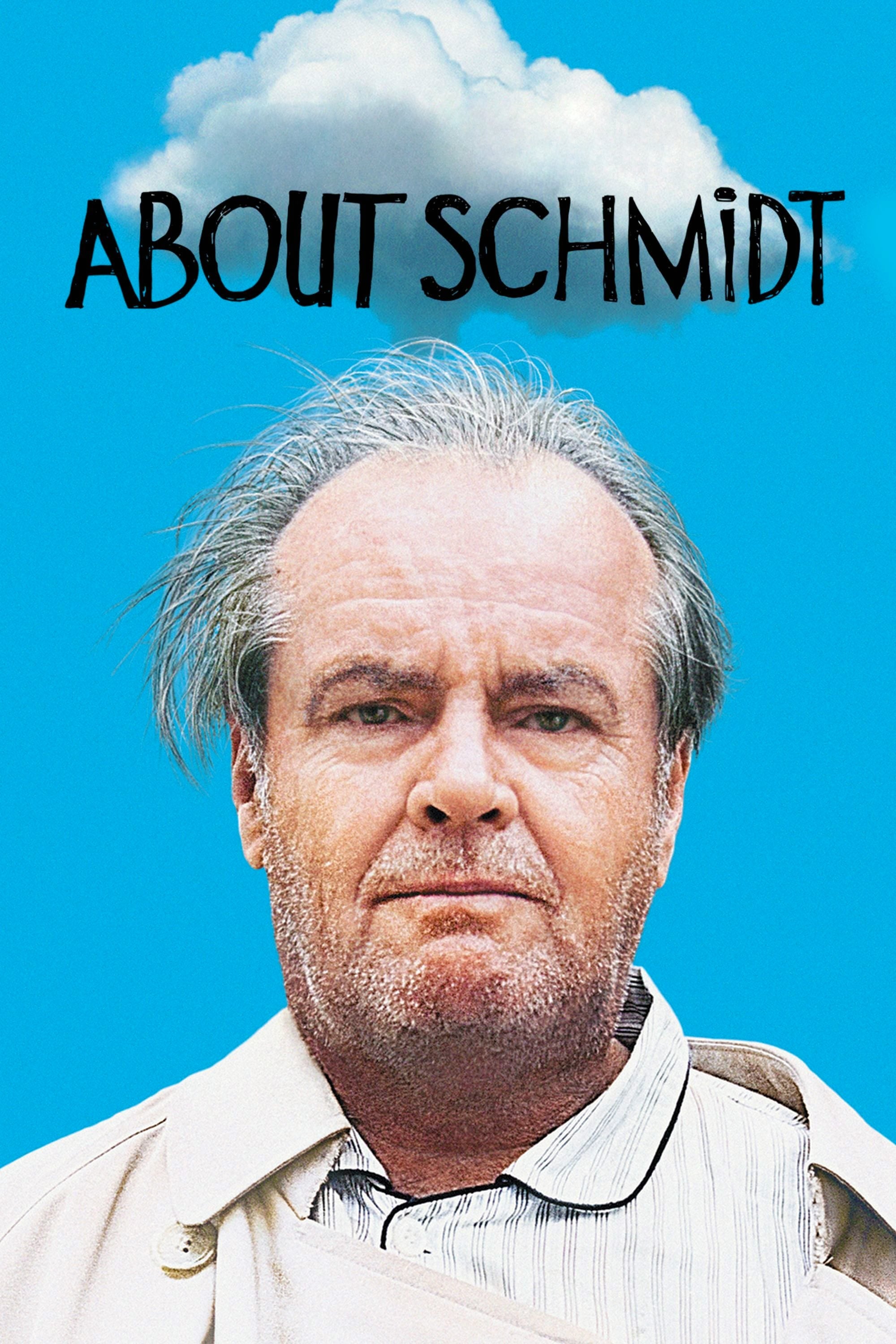
Nicholson earned another Oscar nomination for his role as Warren R. Schmidt, a man who finds himself adrift after retiring from his job as an actuary and losing his wife in the same week. He embarks on a road trip in his RV to attend his daughter’s wedding, writing letters about his life to a child he sponsors in Tanzania.
The role was a major departure, as Nicholson played a quiet, ordinary, and emotionally repressed man. His performance is a brilliant mix of comedy and pathos, capturing the character’s loneliness and his clumsy search for meaning.
‘Anger Management’ (2003)
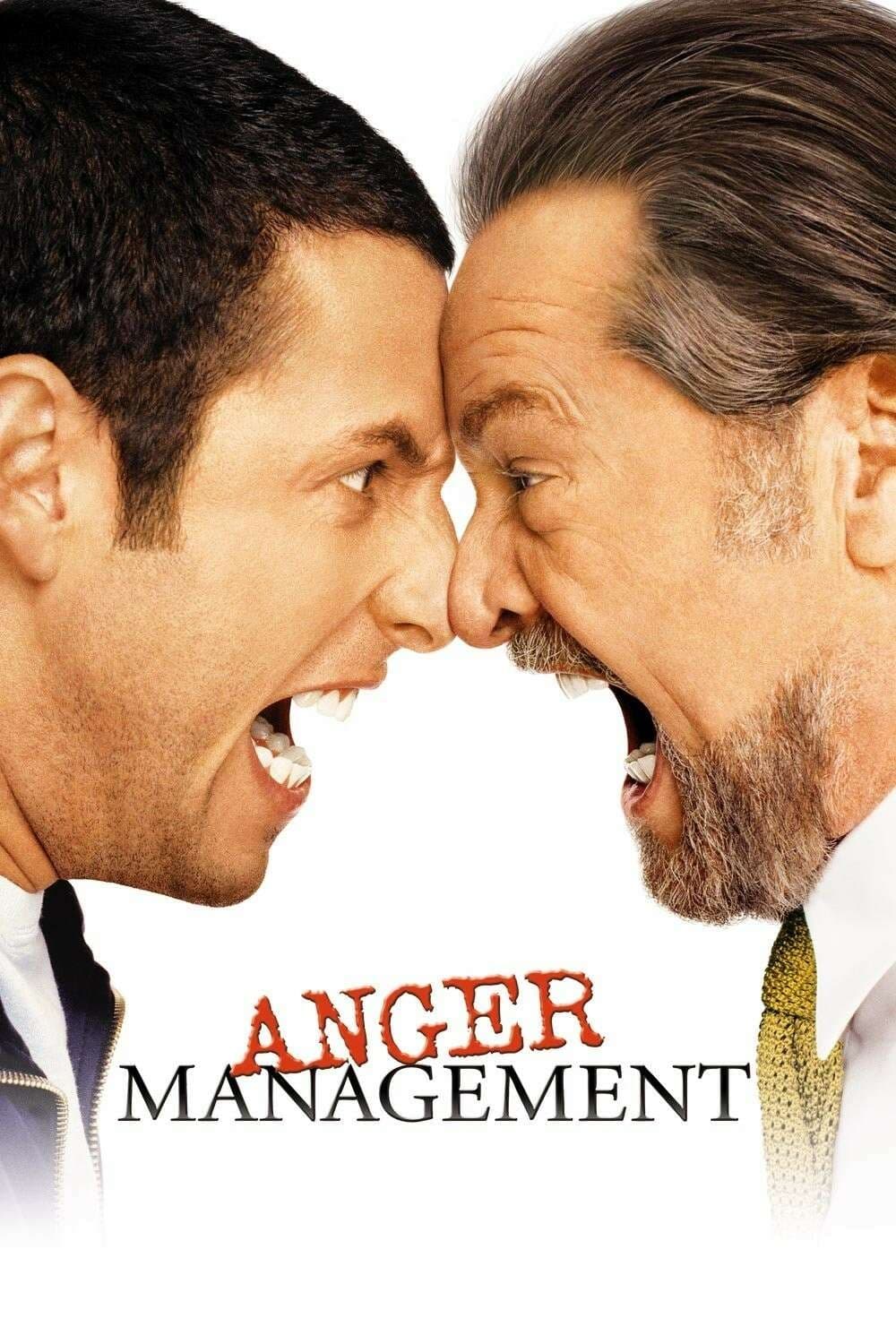
In this broad comedy, Nicholson played Dr. Buddy Rydell, an eccentric and unorthodox therapist who specializes in anger management. He is assigned to help a mild-mannered man who has been wrongly sentenced to his program.
Buddy’s strange and aggressive therapeutic methods create chaos in his patient’s life. The role allowed Nicholson to play a wild and unpredictable character, using his larger-than-life persona for maximum comedic effect.
‘Something’s Gotta Give’ (2003)

Nicholson starred as Harry Sanborn, an aging music executive who has a long history of only dating women under 30. When he has a heart attack while visiting the home of his latest girlfriend’s mother, he finds himself being cared for by her, a successful playwright his own age.
The film is a smart and funny romantic comedy for an older audience. Nicholson is perfectly cast as the charming playboy who is finally forced to grow up and open himself up to a real relationship.
‘The Departed’ (2006)
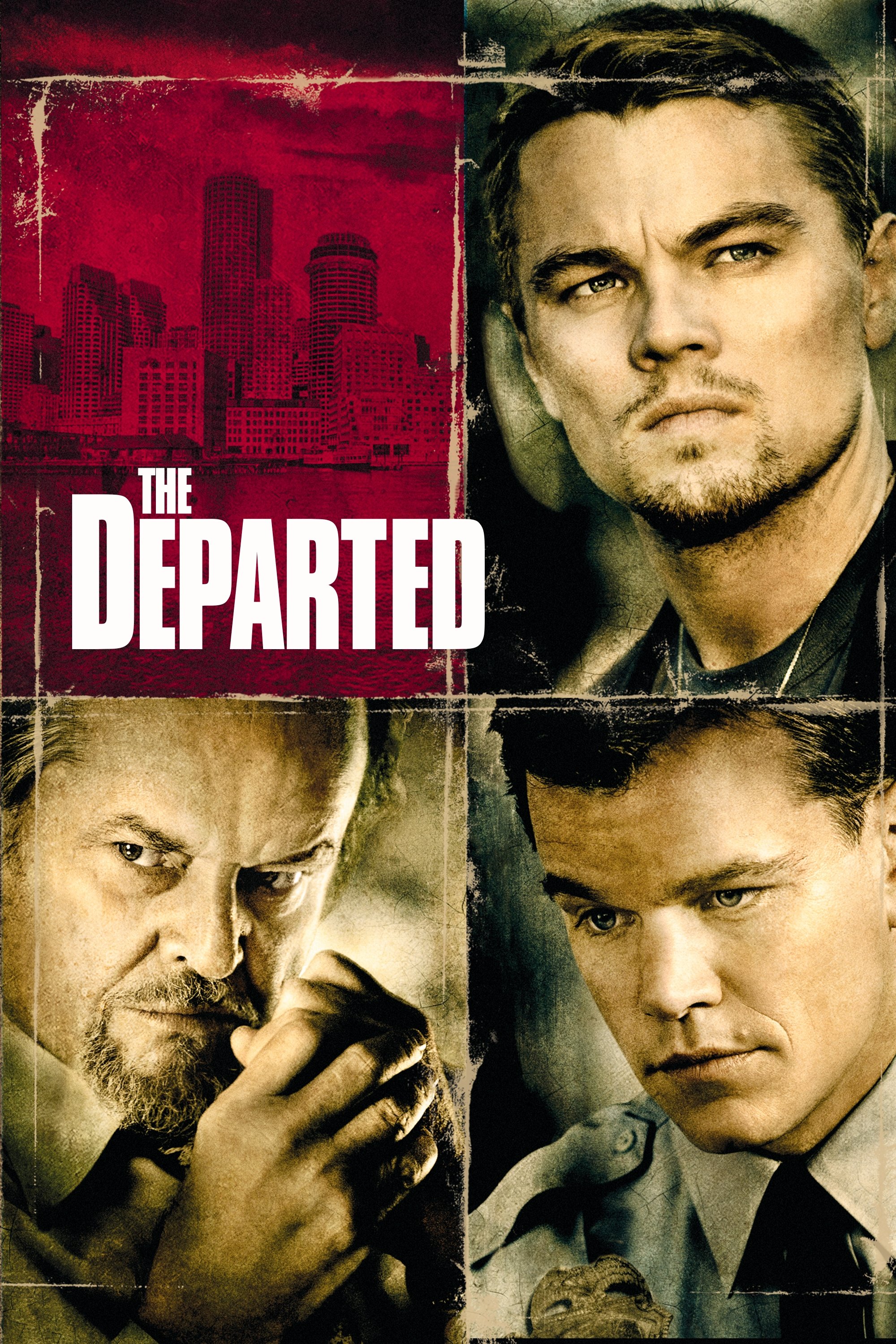
In Martin Scorsese’s crime thriller, Nicholson delivered a chilling performance as Francis “Frank” Costello, a powerful and psychopathic Irish-American mob boss in Boston. He rules his criminal empire with a terrifying and unpredictable mix of charm and brutality.
Costello is one of Nicholson’s most memorable villains. He created a truly menacing character who dominates every scene, adding a layer of pure chaotic evil to the tense undercover story.
‘The Bucket List’ (2007)

Nicholson co-starred with Morgan Freeman in this feel-good comedy-drama. He played Edward Cole, a grumpy and cynical billionaire hospital magnate who is diagnosed with terminal cancer. He forms an unlikely friendship with the mechanic in the next bed, and they decide to escape the hospital and go on a trip to do all the things they want to do before they die.
The film was a major box office success, relying on the incredible chemistry between its two legendary stars. Nicholson played the sarcastic but ultimately warm-hearted Edward with his signature charm.
‘How Do You Know’ (2010)
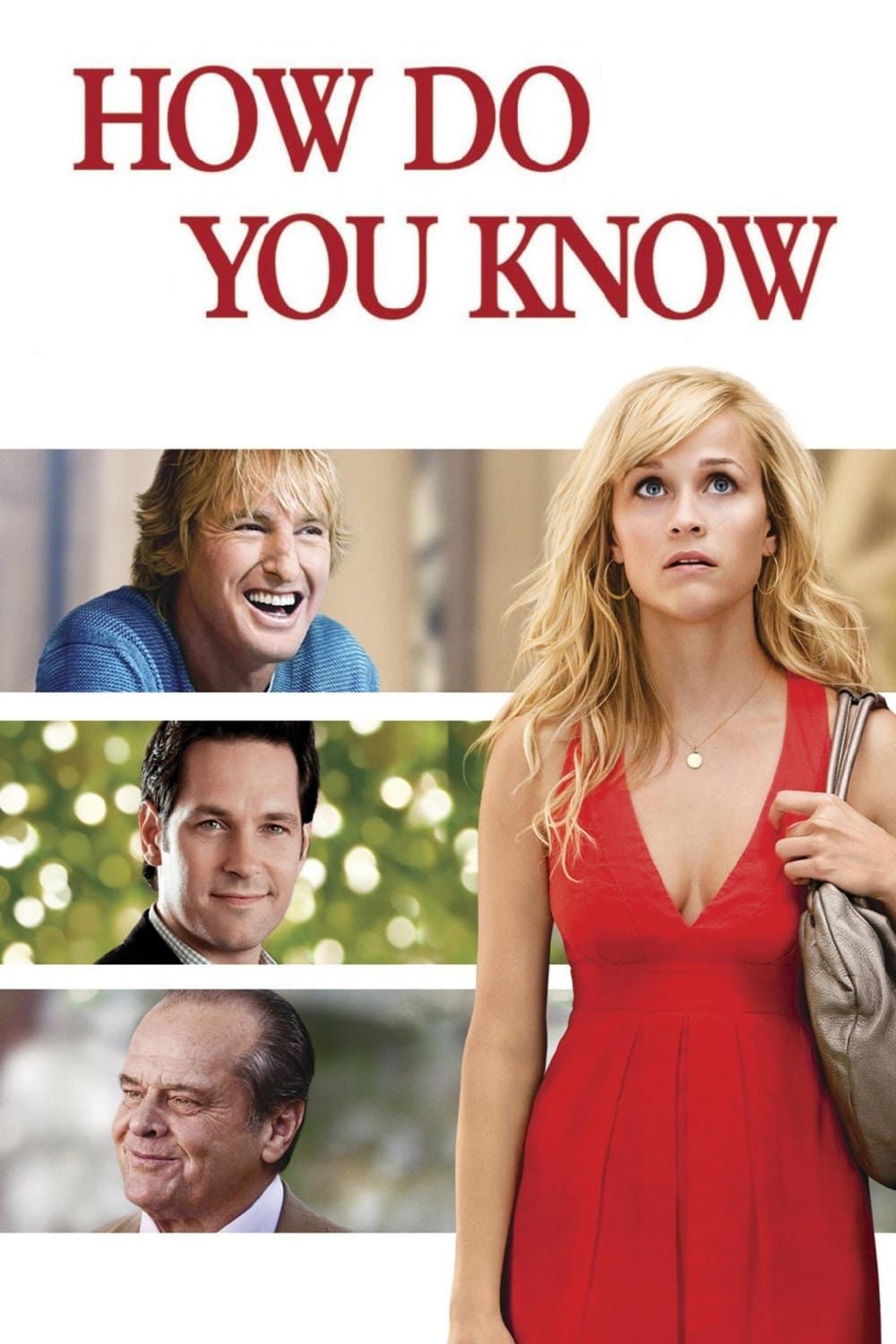
In his most recent film role to date, Nicholson played Charles Madison, the wealthy and charismatic but morally corrupt owner of a financial company. The story centers on his son, who is being investigated for the company’s illegal activities.
Charles is a charming and manipulative figure, a supporting role that allowed Nicholson to once again play a powerful and ethically questionable character. His performance was a highlight of the romantic comedy.
Which of Jack’s legendary roles is forever etched in your memory? Share your favorite in the comments below.