


John Carpenter Names His 8 Favourite Horror Films of All Time

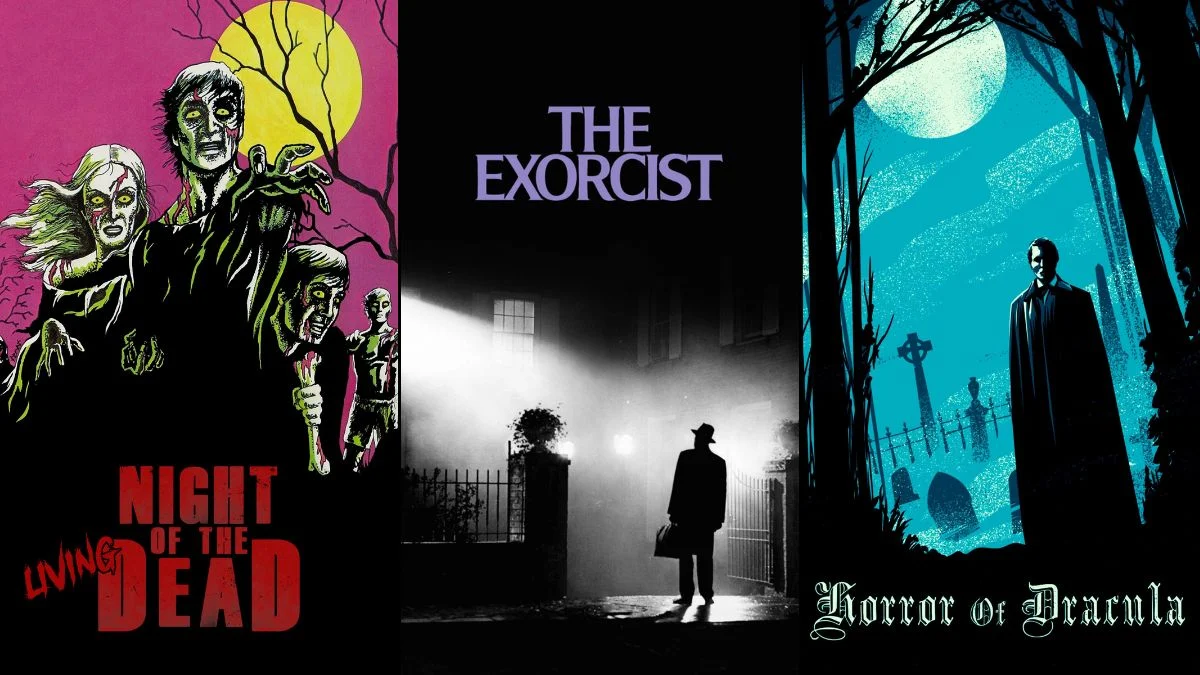


John Carpenter has shaped modern horror with films like ‘Halloween’, ‘The Fog’, and ‘The Thing’. When he points to the works that left a lasting mark on him, the picks offer a clear look at the stories and styles that helped define his approach to tension, atmosphere, and craft.
This list gathers the eight classic titles he has singled out. Together they cover American studio thrillers, British science fiction chillers, and groundbreaking independent shocks. Each entry below highlights the essentials that made these films influential and how they helped set templates other filmmakers still follow.
‘The Thing from Another World’ (1951)
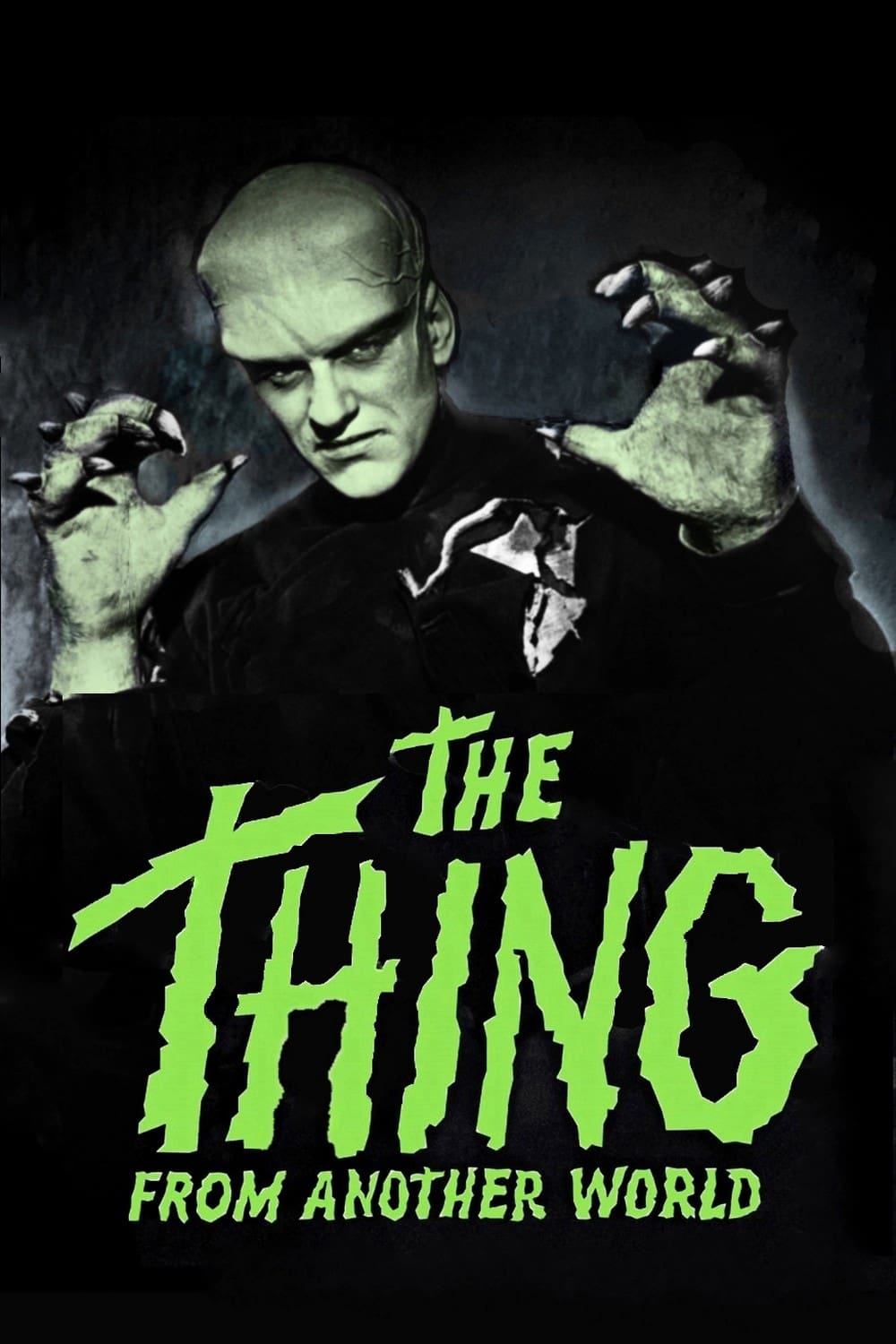
This RKO production adapts John W. Campbell Jr.’s story and sends a military and scientific team to an Arctic outpost where an extraterrestrial organism is recovered from the ice. Christian Nyby received the directing credit and producer Howard Hawks supervised closely, resulting in fast overlapping dialogue, tight group dynamics, and an enclosed setting that drives escalating paranoia. Kenneth Tobey and Margaret Sheridan lead the cast, with James Arness buried under makeup as the creature.
The film showcased a mix of practical effects, stark lighting by Russell Harlan, and a bracing score by Dimitri Tiomkin. Its isolated base, chain of scientific debates, and smart use of confined spaces became a durable blueprint that later stories returned to, and it helped popularize Campbell’s concept for audiences far beyond pulp magazine readers.
‘X: The Unknown’ (1956)
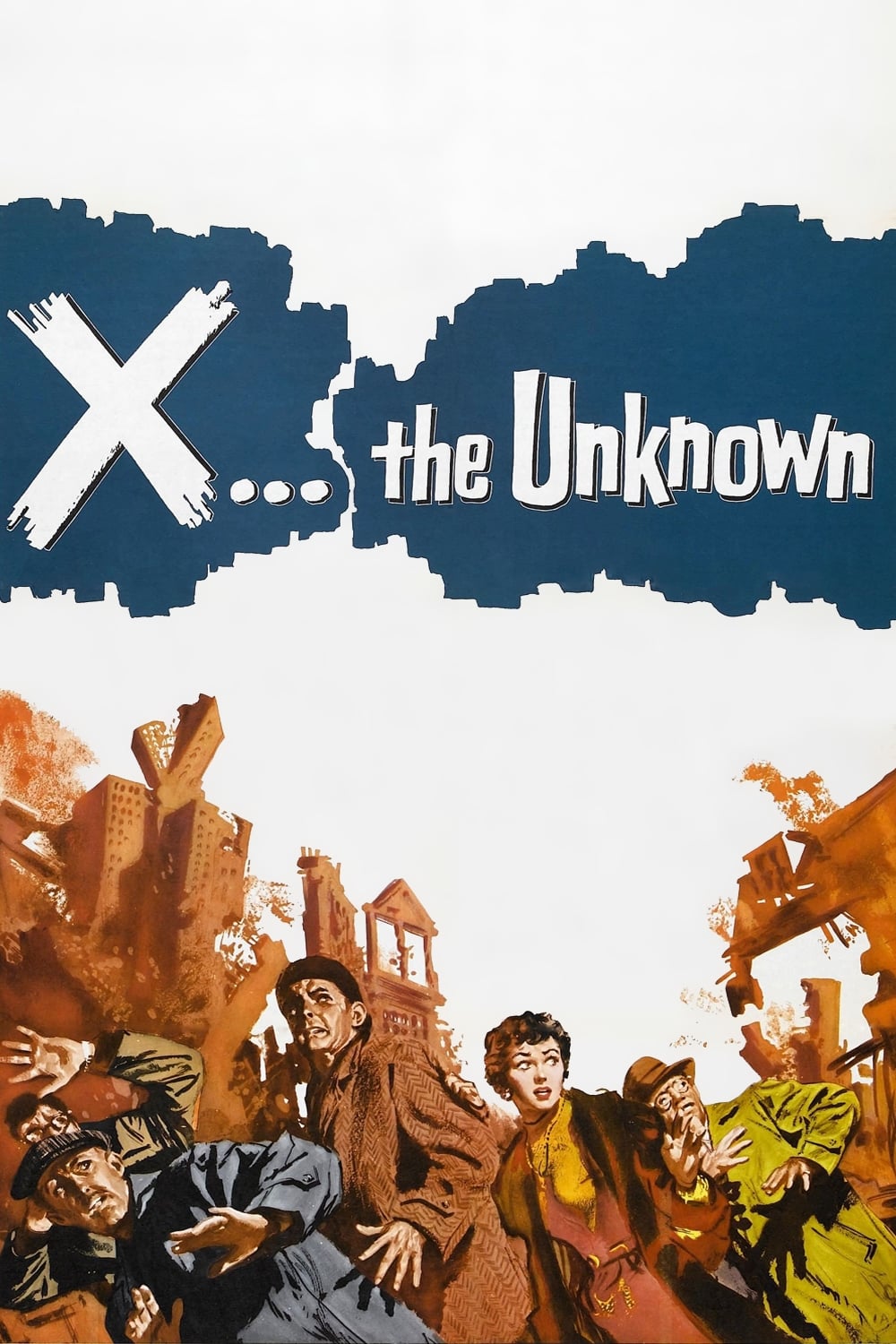
Hammer Films produced this British thriller about a formless radioactive lifeform that surfaces near a Scottish training range and feeds on energy sources as it grows. Leslie Norman directed, with a story by Jimmy Sangster that balances military procedures, lab investigation, and creeping disaster. Dean Jagger, Leo McKern, and Michael Ripper anchor the performances that carry the film’s methodical escalation.
The movie leans on suggestive effects and sound to portray an amorphous threat, which kept the focus on response teams and scientific reasoning. Its radiation theme fit right into Cold War anxieties while giving Hammer a strong calling card in science fiction horror before the company fully pivoted to Gothic tales.
‘The Quatermass Xperiment’ (1955)
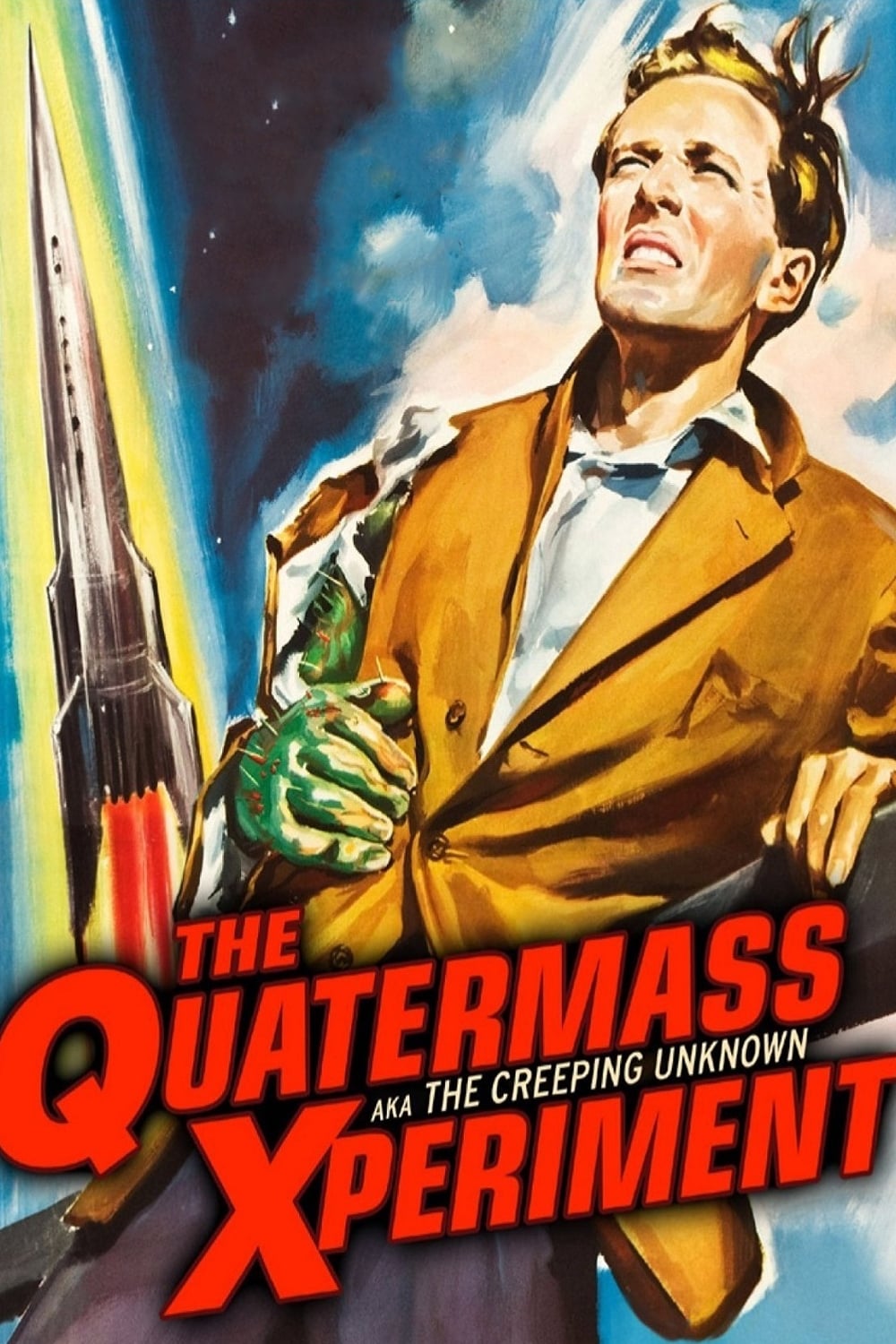
Hammer’s adaptation of Nigel Kneale’s hit BBC serial follows Professor Bernard Quatermass as he investigates an astronaut who returns to Earth with an alien infection. Val Guest directs with a semi documentary style that uses location work, police procedures, and newsreel pacing to ground the fantastic premise. Brian Donlevy plays Quatermass with brusque authority, while Jack Warner and Richard Wordsworth round out the key roles.
The film’s title nods to the British X certificate and its US release carried the alternate title ‘The Creeping Unknown’. Its success launched a franchise of Quatermass features and helped establish Hammer as a leading producer of smart, briskly made genre films that connected television popularity to cinema scale.
‘Horror Of Dracula’ (1958)
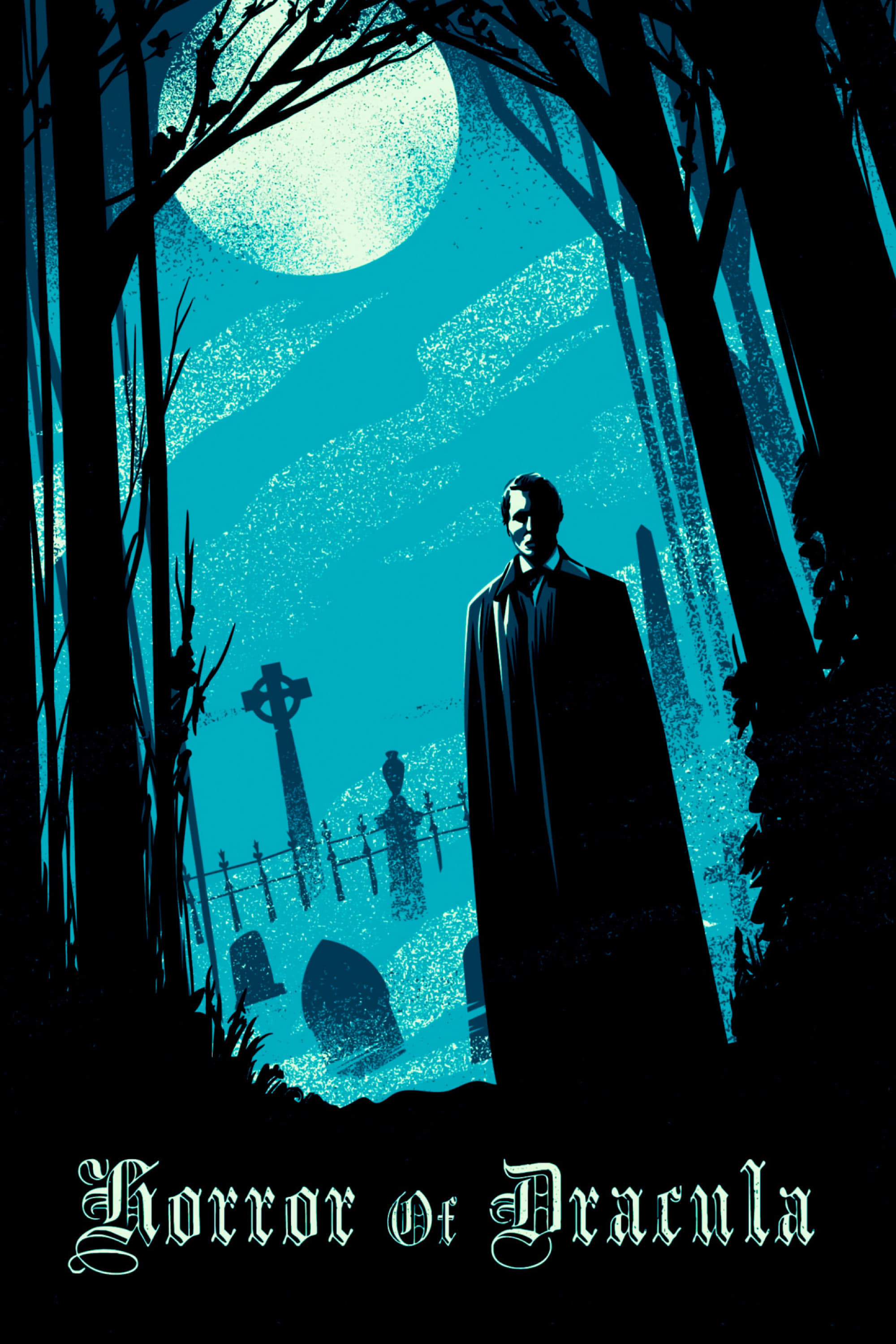
Terence Fisher’s Gothic revival for Hammer reimagines Bram Stoker’s story with vivid color, elegant sets, and sharp editing. Christopher Lee’s Count Dracula and Peter Cushing’s Professor Van Helsing define the film through precise physicality and clear character aims, turning the pursuit into a battle of wits and will. The production design by Bernard Robinson and the bold music by James Bernard give the story a grand, operatic charge.
The movie streamlined the novel into a tight chase narrative that kept momentum high while foregrounding the vampire’s predatory speed. Its success set the tone for many Hammer entries that followed, and it established a House style built on rich atmosphere, strong framing, and confident staging of supernatural action.
‘Night Of The Living Dead’ (1968)
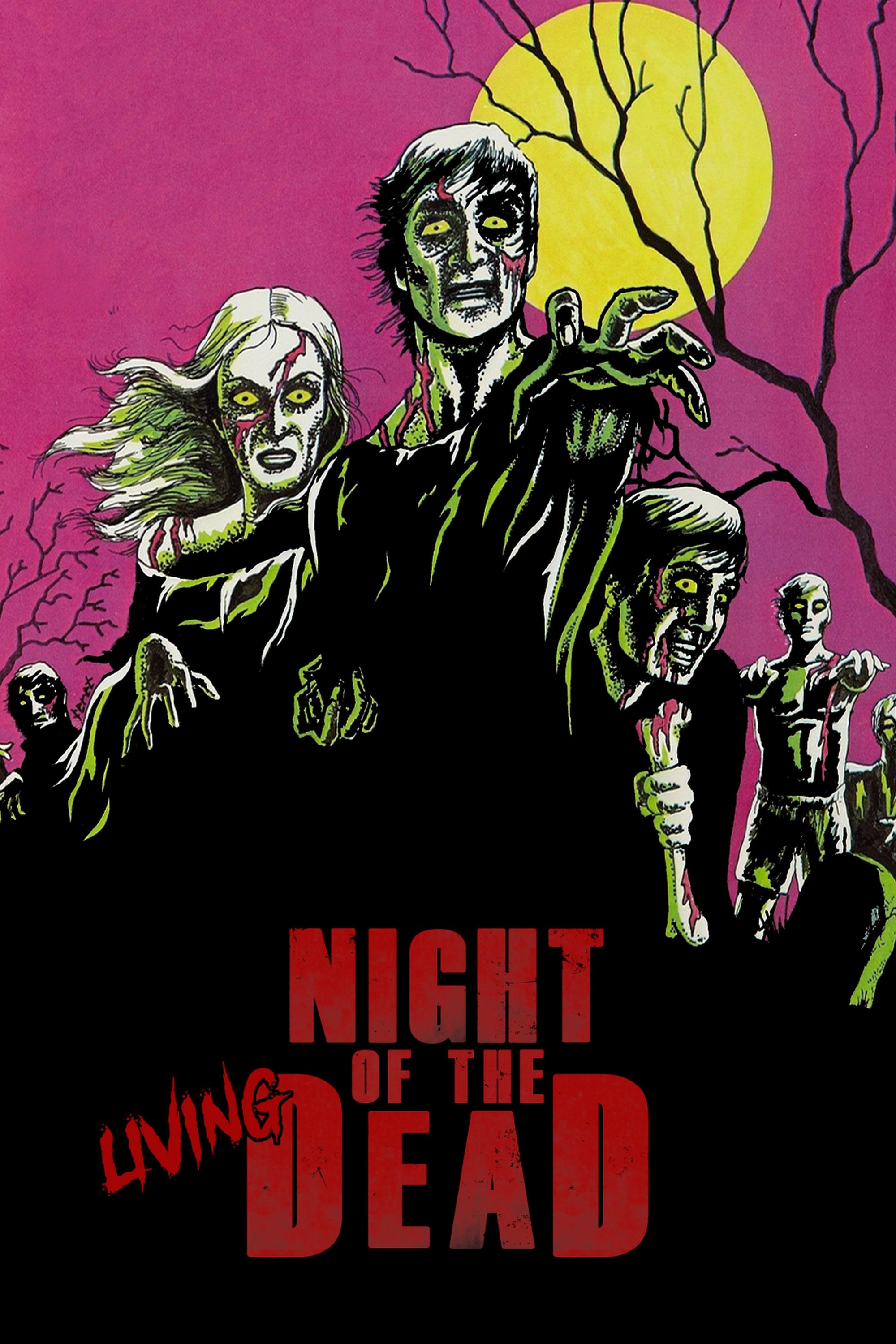
George A. Romero and a Pittsburgh based team made this independently with a small crew, black and white photography, and resourceful practical effects. The story tracks strangers barricaded inside a farmhouse as reanimated corpses gather outside, with radio and television reports stitching together a wider crisis. Duane Jones and Judith O’Dea lead the ensemble, and the production’s bare bones approach keeps the focus on survival choices under pressure.
The film redefined the modern zombie by emphasizing contagion, group dynamics, and relentless attrition. It also became a case study in independent distribution, public domain complications after a title card omission, and the outsized cultural reach that a regional production can achieve through strong ideas and memorable imagery.
‘The Fly’ (1958)
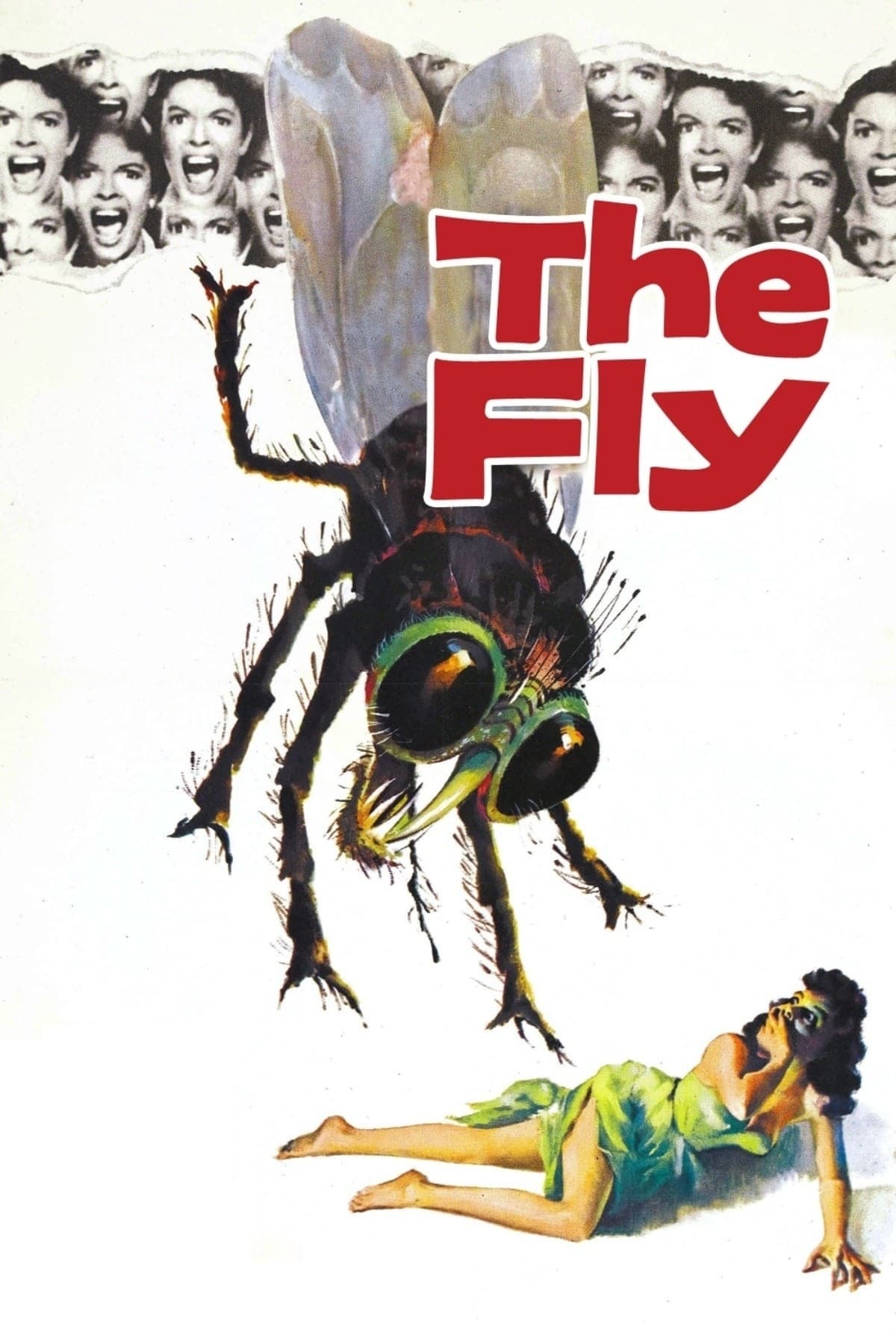
Kurt Neumann directs this adaptation of George Langelaan’s short story about a scientist whose matter transporter experiment goes wrong after a tiny intruder shares the chamber. David Hedison, Patricia Owens, and Vincent Price guide the mystery through a mix of procedural inquiry and tragic revelation, while the color widescreen presentation underscores the laboratory’s sleek, gleaming design.
The film’s makeup effects deliver a striking transformation that remains central to its identity. Twentieth Century Fox supported the production with polished studio resources, and the result balanced speculative science with domestic drama, turning a high concept premise into a cautionary tale about risk, obsession, and the unforeseen consequences of innovation.
‘The Exorcist’ (1973)

William Friedkin directs from William Peter Blatty’s screenplay based on his novel, following a young girl’s possession and the priests who attempt to save her. Ellen Burstyn, Linda Blair, Max von Sydow, and Jason Miller carry the story with grounded performances that let the extraordinary feel unsettlingly believable. The production made notable use of practical effects from makeup legend Dick Smith and a rigorous approach to sound that sharpened every shock.
The movie earned multiple Academy Award nominations including Best Picture and won for adapted screenplay and sound. Its combination of procedural investigation, theological debate, and clinical detail influenced how studios approached serious minded horror and showed how ambitious craftsmanship could bring supernatural material to mainstream audiences.
‘The Texas Chain Saw Massacre’ (1974)
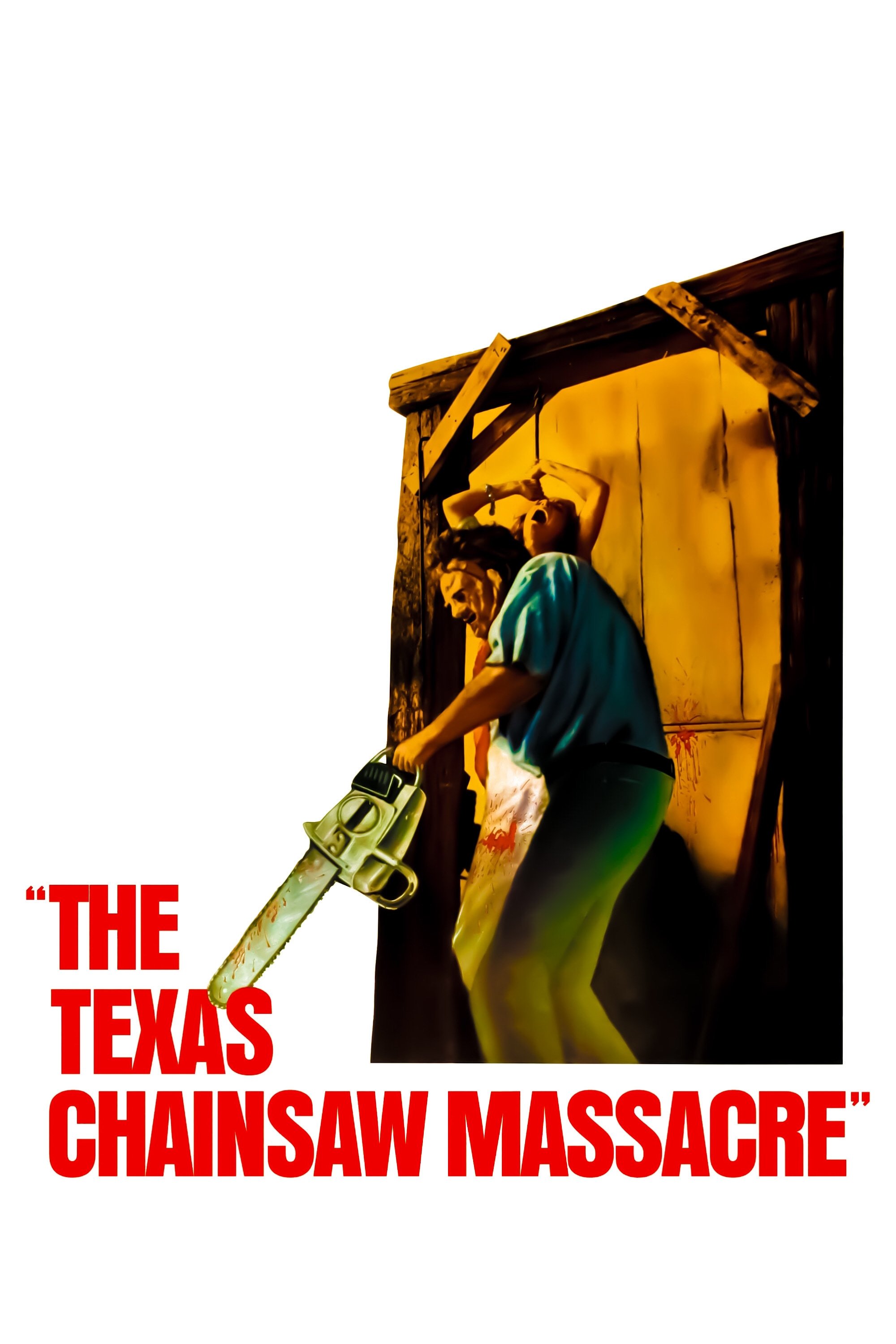
Tobe Hooper’s film follows a group of friends who encounter a cannibal family on a trip through rural Texas, with Leatherface emerging as the most indelible presence. The production used a real farmhouse location, a lean crew, and gritty cinematography by Daniel Pearl to create a raw immediacy. Nontraditional sound design and sparing on screen gore heighten the feeling of shock without relying on elaborate effects.
The release journey involved regional rollouts and distribution hurdles, yet the film’s impact proved enormous across independent horror and beyond. Its stark approach to violence, unnerving production design filled with bone art, and relentless pace became touchstones for filmmakers exploring terror through texture, environment, and relentless momentum.
Carpenter originaly revealed his favorite movies at The Fader.
Share your own favorites from Carpenter’s list in the comments and tell us which one you plan to watch next.