


Kanye West Argues Artistic Freedom Shields His Antisemitic Comments in Ongoing Legal Battle

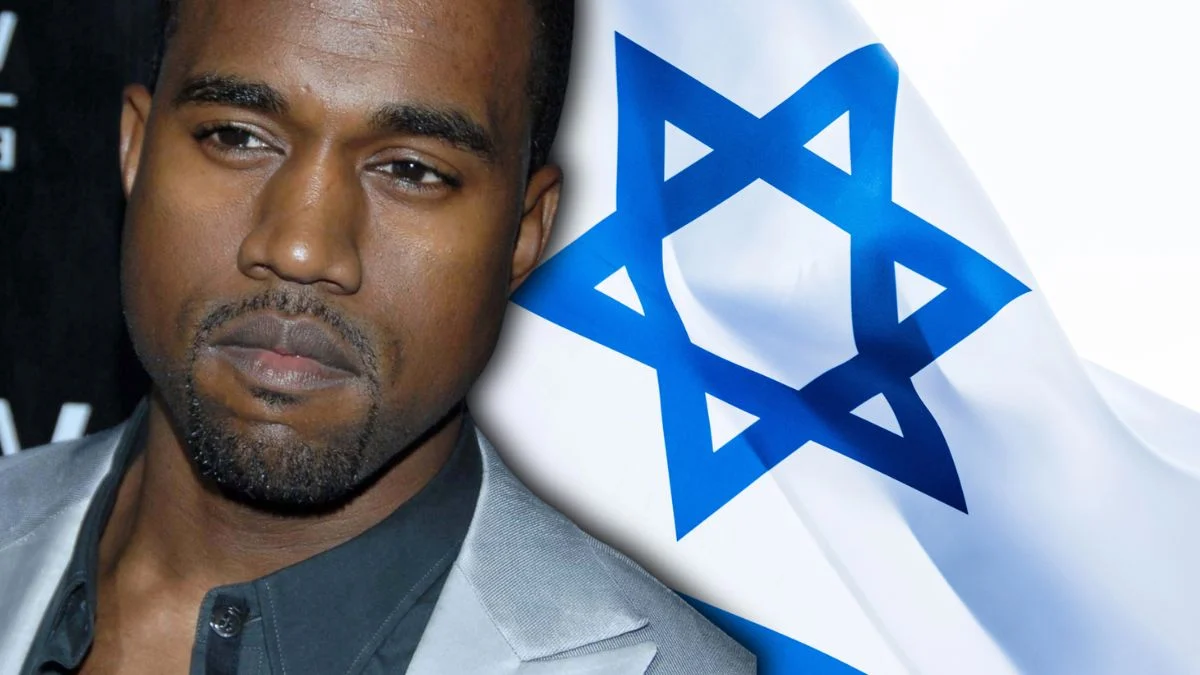


Kanye West, now legally known as Ye, is facing renewed scrutiny after his legal team argued that some of his antisemitic remarks were part of his creative process. The rapper’s attorneys filed papers this week in the California Court of Appeals, trying to block a workplace harassment lawsuit from moving forward.
The suit was filed by a former marketing employee at Ye’s lifestyle company, who claims she endured harassment while promoting his Vultures 1 album in 2024.
The ex-staffer, who is Jewish, alleges that Ye compared himself to Hitler, sent pornographic material, and repeatedly insulted her with texts calling her a “b***.” Her attorney said at the time of filing that Ye “waged a relentless and deliberate campaign of antisemitism and misogyny against my client.”
Ye publicly apologized for his antisemitic comments in January, publishing a full-page ad in The Wall Street Journal. He explained that his hateful statements were linked to a brain injury from a car accident over 20 years ago, which was only properly diagnosed in 2023, alongside a bipolar disorder diagnosis. “I am not a Nazi or an antisemite. I love Jewish people. … I regret and am deeply mortified by my actions in that state and am committed to accountability, treatment and meaningful change,” he wrote.
Despite this apology, Ye’s attorneys now argue that some of the same types of statements he made toward the former staffer fall under his artistic expression. The legal filing claims that “creative directives, conceptual drafts, provocative imagery, marketing strategy and staffing decisions shaping a public-facing message — were not collateral to Ye’s art; they were part of its development.” They also argue that Ye “is not merely a creator; he is art,” and that his actions are a continuous performance meant to challenge societal taboos around race, religion, gender, and politics.
A judge in the lower court was not persuaded by this argument. He described the filing as “rife with defects, specious arguments, and misstatements of law,” and said that Ye’s witness declarations lacked personal knowledge and proper foundation. Ye was ordered to pay $79,000 in the ex-staffer’s attorney fees for attempting to block the case, which was slightly less than the $99,000 she had requested.
The case now moves to the California Court of Appeals, where judges will decide whether Ye’s artistic expression can legally shield him from allegations of harassment. The plaintiff argues that the First Amendment does not protect workplace harassment, even if the harasser claims it is part of their art. If the appeal is denied, the lawsuit will proceed to discovery.
Ye also faces another ongoing legal matter involving a California property he bought for $57.3 million in 2021, which was destroyed under disputed circumstances. The case claims that Ye forced a man to live in the home around the clock, resulting in injury. Both Ye and his wife, Bianca Censori, are expected to testify at the trial.
This case raises complex questions about the limits of artistic freedom and accountability. While Ye argues that his life and work are inseparable from his art, critics see this as an attempt to excuse harmful behavior. It remains to be seen how the courts will balance free expression with the legal protections employees have against harassment.
What do you think about Ye claiming his art allows antisemitic speech? Do you think the courts should accept that defense? Share your thoughts in the comments.