


15 Lame Superhero Origin Stories

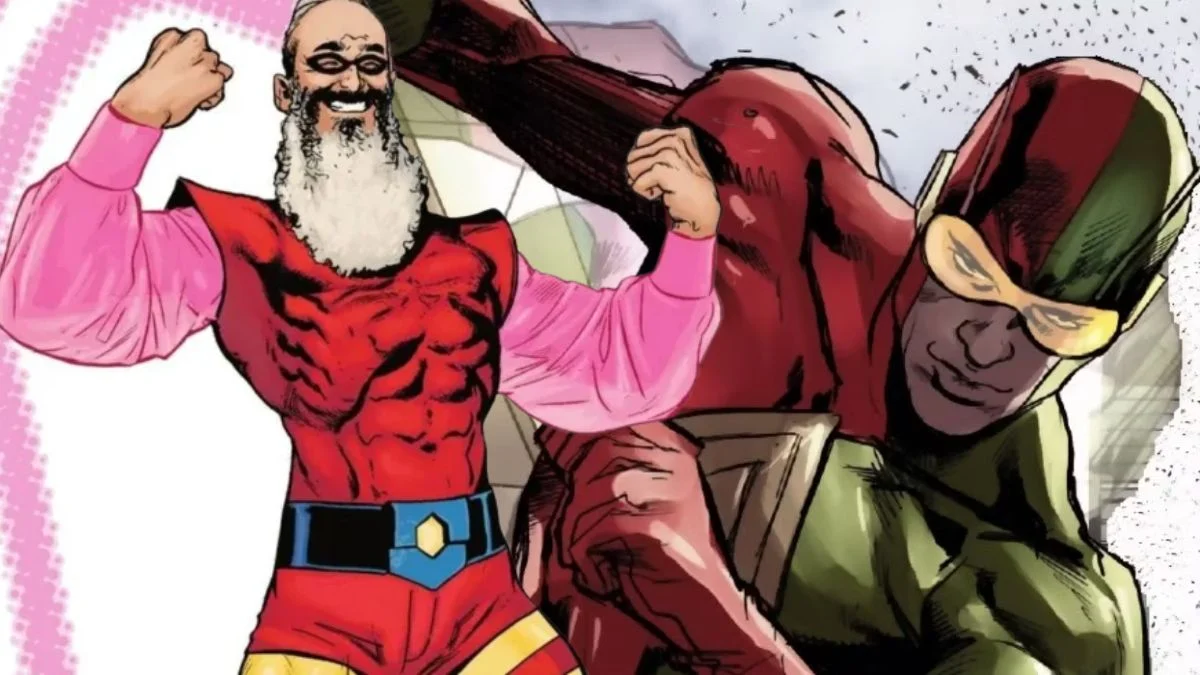


Some superhero debuts are thrilling from the first page, while others feel like someone pulled a random idea out of a hat and ran with it. The genre is full of brave experiments and wild swings, which makes it fun, but it also means a few origin stories landed in very odd places.
This roundup pulls together characters whose beginnings are quirky, awkward, or simply head scratching when you read them today. You will see how each hero first appeared, who created them, and the strange circumstances that kicked off their careers, with the publisher mentioned naturally along the way.
The Whizzer
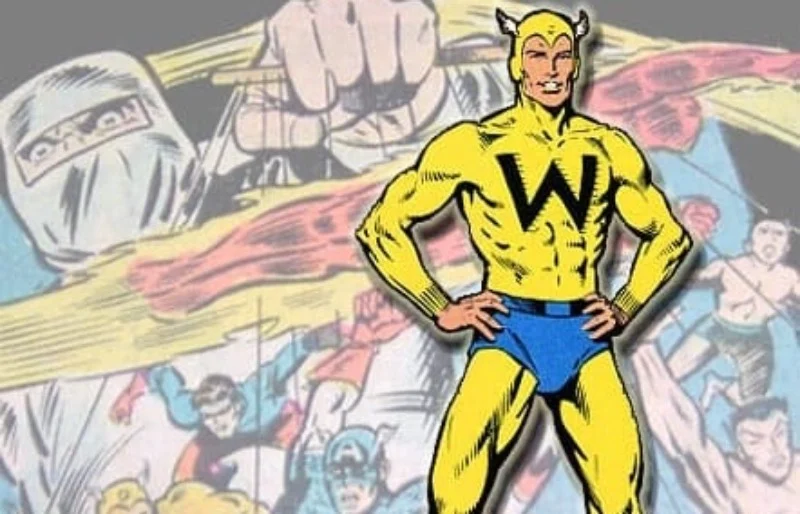
This Golden Age speedster from Marvel Comics first appeared at Timely and was created by Al Avison and Don Rico. His power set arrived after a doctor gave him a transfusion of mongoose blood to counteract a snake bite, which the story claims jump started his super speed. He went on to join teams and cross over with other Timely mainstays, carrying that very specific medical mishap as his start.
Later stories at Marvel tried to tidy up his background with explanations that leaned toward science rather than magic. Even so, the mongoose detail remained the memorable hook that set him apart from other speedsters in the same universe.
Bouncing Boy
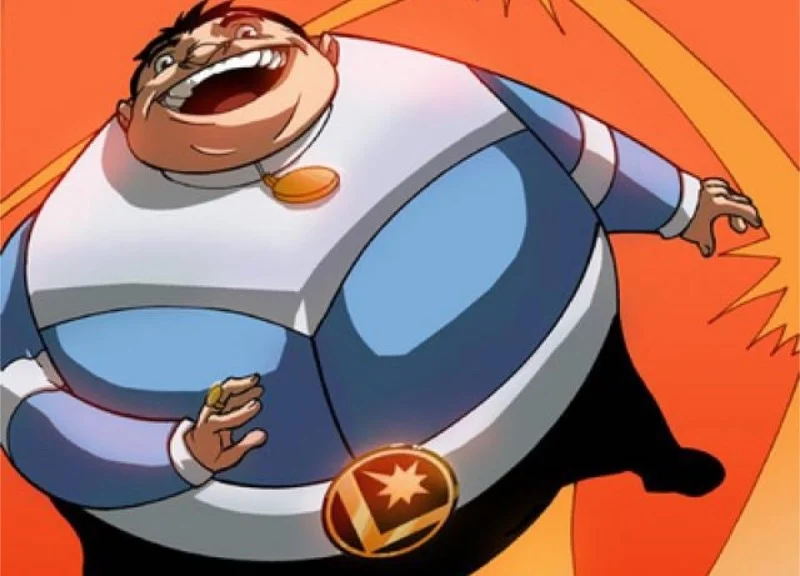
Bouncing Boy comes from DC Comics and joined the Legion of Super Heroes with an accident that reads like a cautionary tale. Chuck Taine drank an experimental super plastic formula that he mistook for soda, which transformed his body so he could inflate and ricochet around rooms. His first appearances leaned into this mishap as the entire origin.
Writers at DC later deepened his role on Legion teams and explored his relationship with Duo Damsel, but they stuck with the original lab mix up as the spark. The gag premise never changed, it just gained more heart around it.
3-D Man
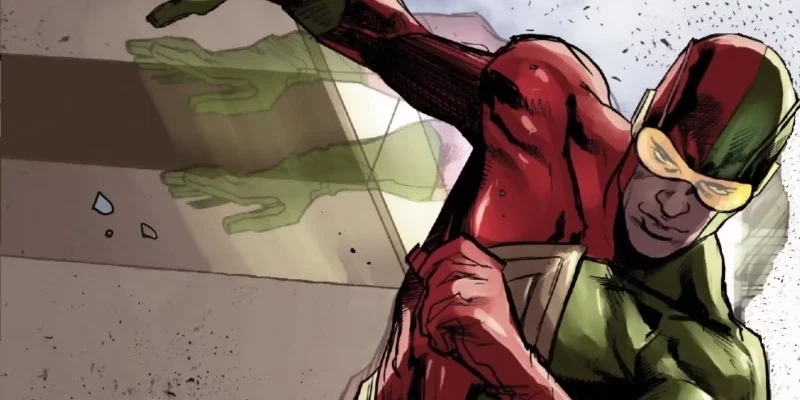
Marvel Comics introduced 3-D Man through the work of Roy Thomas and Jim Craig. Test pilot Chuck Chandler was exposed to a Skrull related explosion that imprinted his essence onto his brother Hal’s glasses, allowing Hal to summon a merged hero with triple strength speed and stamina by focusing on the image of Chuck. The activation through a pair of glasses became the centerpiece of the concept.
Subsequent Marvel stories shuffled him into teams and legacy roles, sometimes switching the person behind the identity. The strange reliance on old school 3D imagery remained the core device that made the origin stand out.
NFL SuperPro
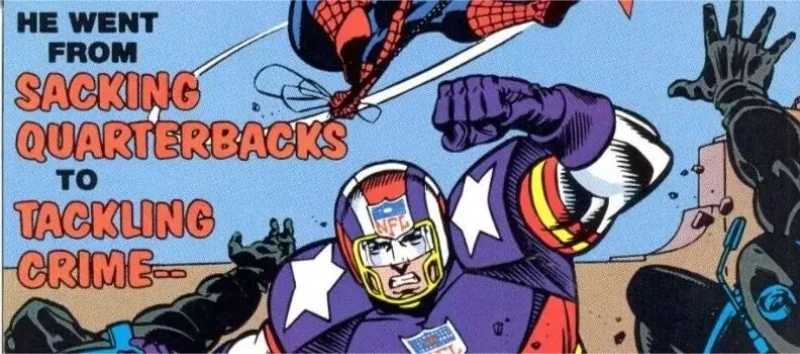
This Marvel Comics hero arrived through a collaboration that paired football branding with superhero spectacle. Phil Grayfield survived a lab break in that left his indestructible football uniform bonded to his persona, after which he vowed to fight crime while maintaining ties to the gridiron. The setup positioned him as a defender who ran plays against crooks rather than linebackers.
Marvel kept the character around for a short run, bringing in cameos and sports themed adversaries. The origin never moved beyond the suit and the sponsorship flavor that defined his debut.
Red Bee
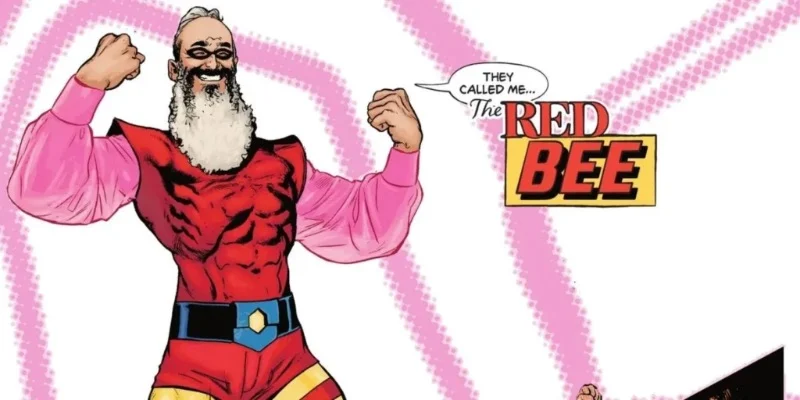
Red Bee began at Quality Comics before moving into DC Comics continuity. District attorney Rick Raleigh trained a swarm of bees and kept a special bee named Michael in a compartment on his belt, which he used to confuse and sting criminals during patrols. His origin did not feature a lab accident or alien gift, only careful training and a novel partnership with insects.
DC later revisited the mantle with new bearers and even a metahuman twist for some versions. The first take stayed famous for relying on a belt hive and trained bees rather than a traditional power source.
Elongated Man
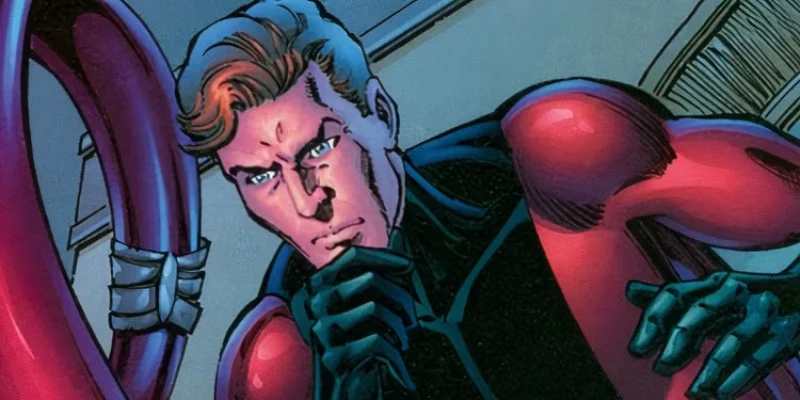
DC Comics introduced Ralph Dibny with a very grounded start. He learned that a drink called gingold, derived from the rare gingo fruit, granted him the ability to stretch his body to astonishing lengths, and he refined the formula to keep the effect stable. The story framed him as a detective who used elasticity to solve mysteries with his wife Sue.
As DC continuity evolved, writers explained the chemistry more carefully and placed him among peers like the Flash. The origin still came back to a home brewed tonic and a talent for deduction rather than a cosmic event.
Hindsight Lad
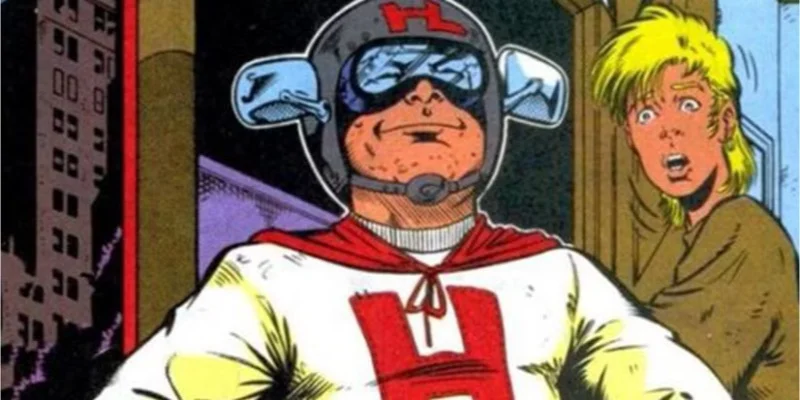
Hindsight Lad entered Marvel Comics as a New Warriors adjacent figure created by Fabian Nicieza and Darick Robertson. Carlton LaFroyge discovered the team’s secret identities by snooping on his neighbor Speedball and forced his way into their circle by threatening exposure, then rebranded himself as a strategist who specialized in after action analysis. He did not gain powers through mutation or technology, he carved out a niche through information.
Marvel later shifted him into support roles and satirical appearances, often using him to comment on the chaos around superhero teams. The origin rooted him in nosiness and leverage, which set a very unusual baseline for a costumed do gooder.
Stone Boy
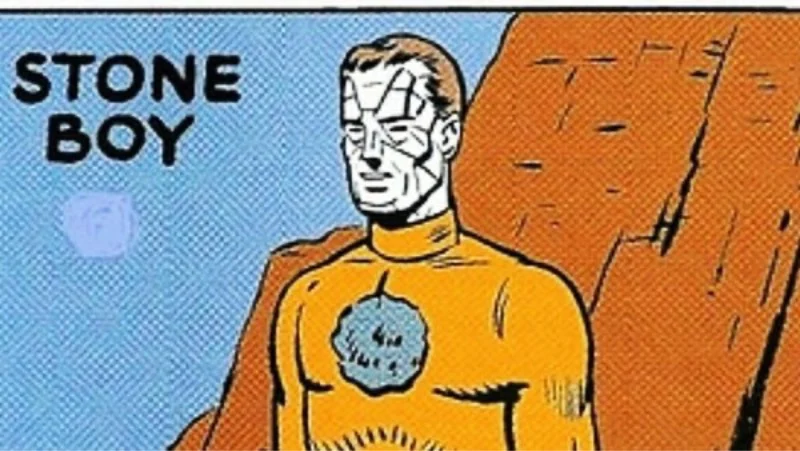
From DC Comics and the Legion of Substitute Heroes, Dag Wentim hailed from the planet Zwen where residents enter suspended animation to survive long work cycles. His ability to turn into immobile stone was ordinary on his world but awkward for crime fighting, since he could not move while transformed. The origin therefore reflected a cultural adaptation rather than an empowering change.
DC used him for comedic beats and occasional clever tactics within Substitute missions. The background never changed much, keeping the hibernation detail as the simple explanation for his rigid power.
Color Kid
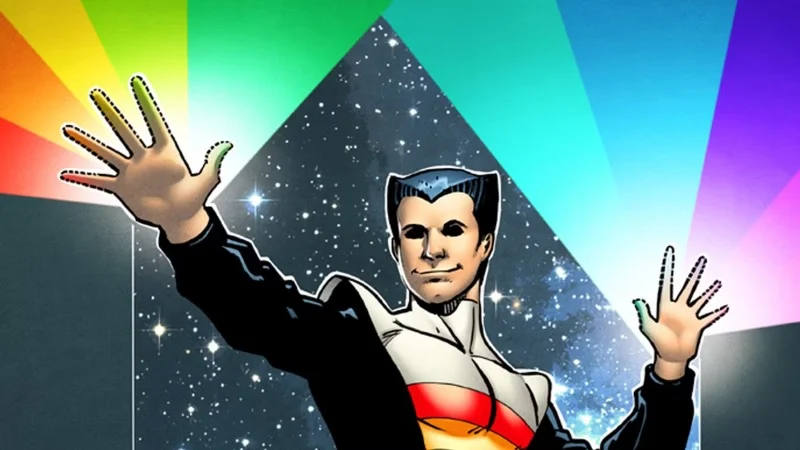
DC Comics presented Ulu Vakk as a scientist’s assistant who was struck by a ray from a color altering alien prism. The accident rewired his senses and granted control over the color spectrum, which he used to confuse enemies and create visual cover for allies. He joined the Legion of Substitute Heroes after a failed Legion tryout.
Writers at DC sometimes upgraded the scope of his abilities to affect wavelengths beyond visible light. The basic origin stayed the same and continued to hinge on a lab mishap with an extraterrestrial device.
Wonder Twins
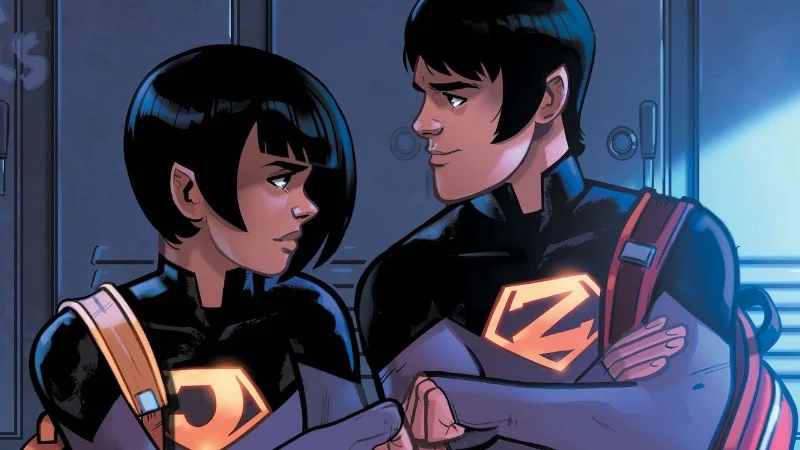
Zan and Jayna originated with DC Comics through the television series that introduced the Super Friends, then moved into print. The twins are aliens from Exxor who activate their abilities by touching fist to fist and calling out their transformation phrase, with Jayna assuming animal forms and Zan taking on states of water. Their origin focuses on their off world heritage and their partnership rather than a single earthbound incident.
DC later expanded their backstory in miniseries that placed them in a modern school setting. The essentials remained in place, including the need to connect to activate powers, which shaped every early adventure.
Dazzler

Marvel Comics created Alison Blaire as a mutant performer whose cells convert sound into light, allowing her to turn concerts into spectacular displays. Her origin centers on a decision to pursue a music career while hiding her abilities from an audience and industry that might not understand them, and her powers manifested naturally during adolescence like many mutants.
Marvel later shifted her through team memberships and cosmic storylines, including a notable period with the X Men. The beginning always connected back to stages, microphones, and a spotlight that doubled as a light show generated by her own biology.
Angel
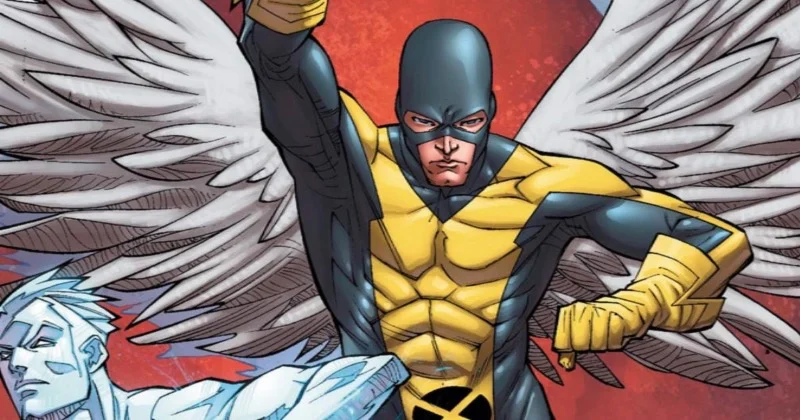
Warren Worthington III appeared at Marvel Comics as a wealthy prep school student who grew a pair of feathered wings and tried to play masked vigilante before joining the X Men. The origin presented mutation as a sudden change during youth, with Warren building harnesses and costumes to conceal and eventually use his wings in secret flights above campus grounds.
Marvel deepened his arc with transformations and team dynamics across many eras. The seed of the story however stayed anchored to a boarding school setting and a teenager figuring out how to hide an unmistakable physical change.
Jubilee
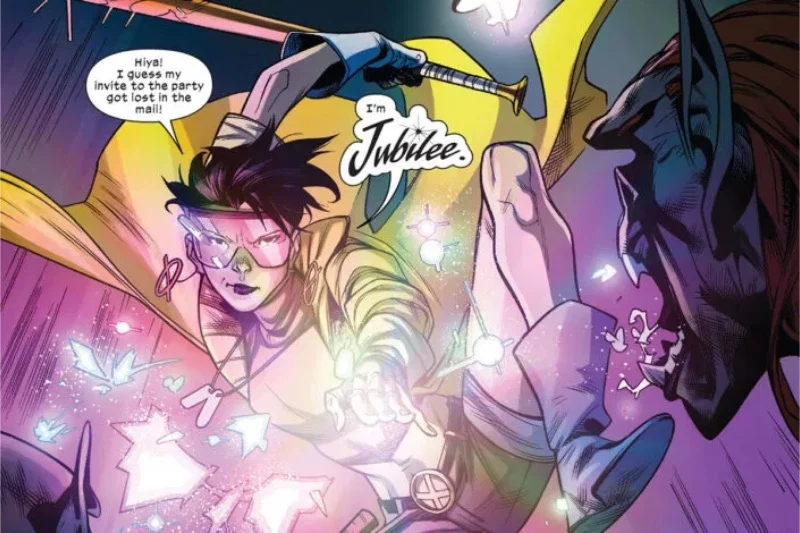
Jubilation Lee entered Marvel Comics as a teenage runaway living in a California mall where her mutant power produced explosive light bursts. X Men members encountered her after she used her abilities to fend off pursuers inside the shopping complex, which became her first step toward mentorship under Wolverine and membership on the team. The origin placed consumer spaces and arcade corners at the center of her early life.
Marvel kept the mall backdrop as a defining image while exploring her role in multiple teams and eras. The first spark never involved a lab or artifact, only a young mutant surviving in a public place where her gifts finally drew heroic attention.
Arm Fall Off Boy
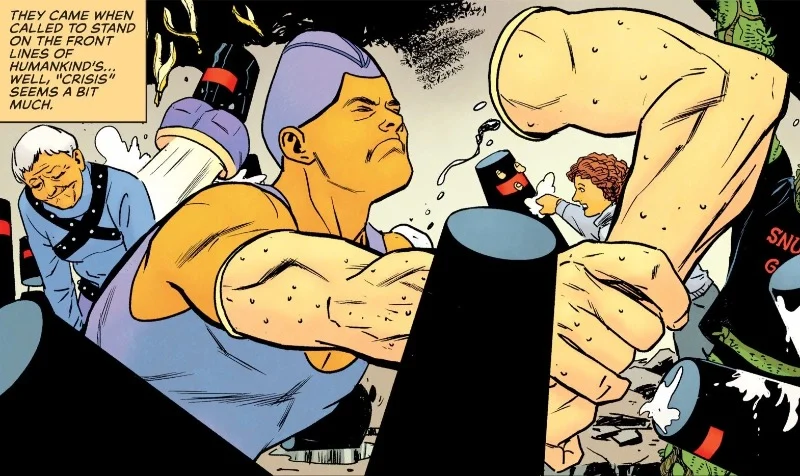
This DC Comics oddity debuted in a Legion tryout story with a single party trick that no one else could copy. He could detach his limbs and use them as blunt weapons, handing an arm to someone or swinging it himself, and the tale hinted that prolonged exposure to a strange element contributed to the effect. The origin stayed vague and leaned on the visual joke as the explanation.
Later DC appearances gave the character alternate names and continuity tweaks, sometimes playing him for humor in modern settings. The starting point never offered more than a hint of cause, which kept the detachment gimmick as his defining trait.
Captain Ultra
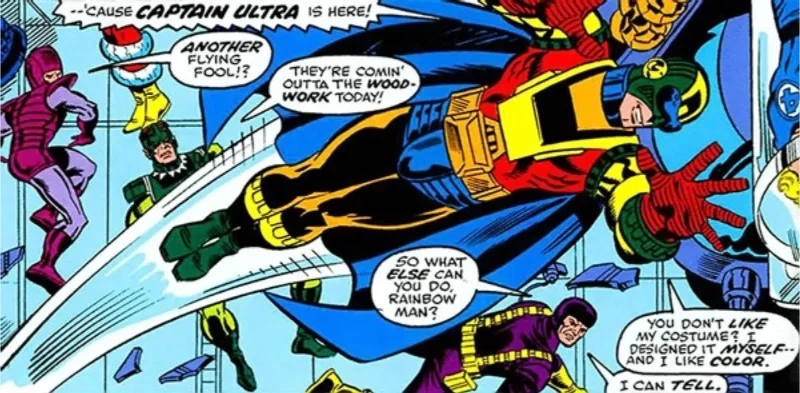
Marvel Comics introduced Griffin Gogol as a plumber who underwent alien induced hypnosis meant to unlock his latent potential. The process granted him a broad suite of abilities, yet it also left him with an intense fear of fire triggered during his empowerment session. His debut positioned him between street level life and cosmic scale upgrades that came with an inconvenient phobia.
Marvel later used him in comedic team lineups and one off missions where his skills could shine if flames stayed out of the picture. The origin always returned to that hypnosis session and the conflicting outcome that made his power set feel like a mixed blessing.
Share your picks for the most head scratching superhero beginnings in the comments so everyone can compare notes.