


Last Wills and Testaments of Iconic Hollywood Actors

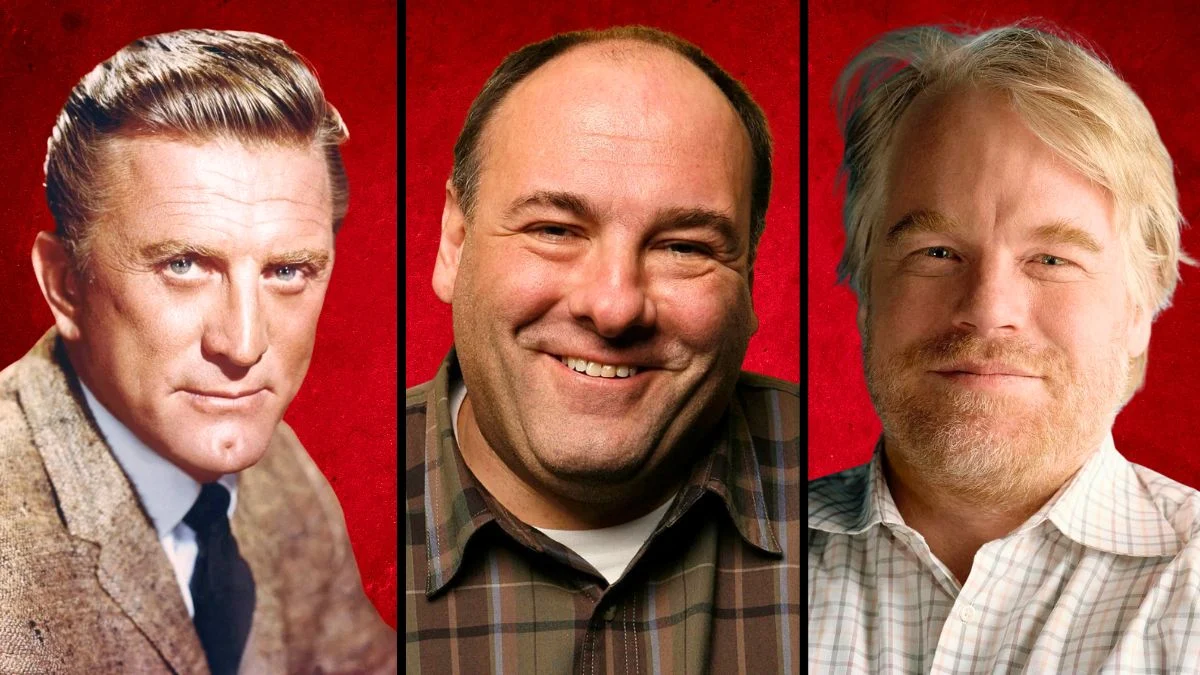


Hollywood legacies do not end at the final curtain call, and the paperwork actors leave behind often shapes how families, charities, and archives preserve their names. These last wills and testaments show how estates handle image rights, memorabilia, royalties, and trusts for children. Many of these plans include detailed instructions for executors and foundations. Others reveal what happens when there is no will at all and state law decides the outcome. Here are the key takeaways from well known cases.
Robin Williams
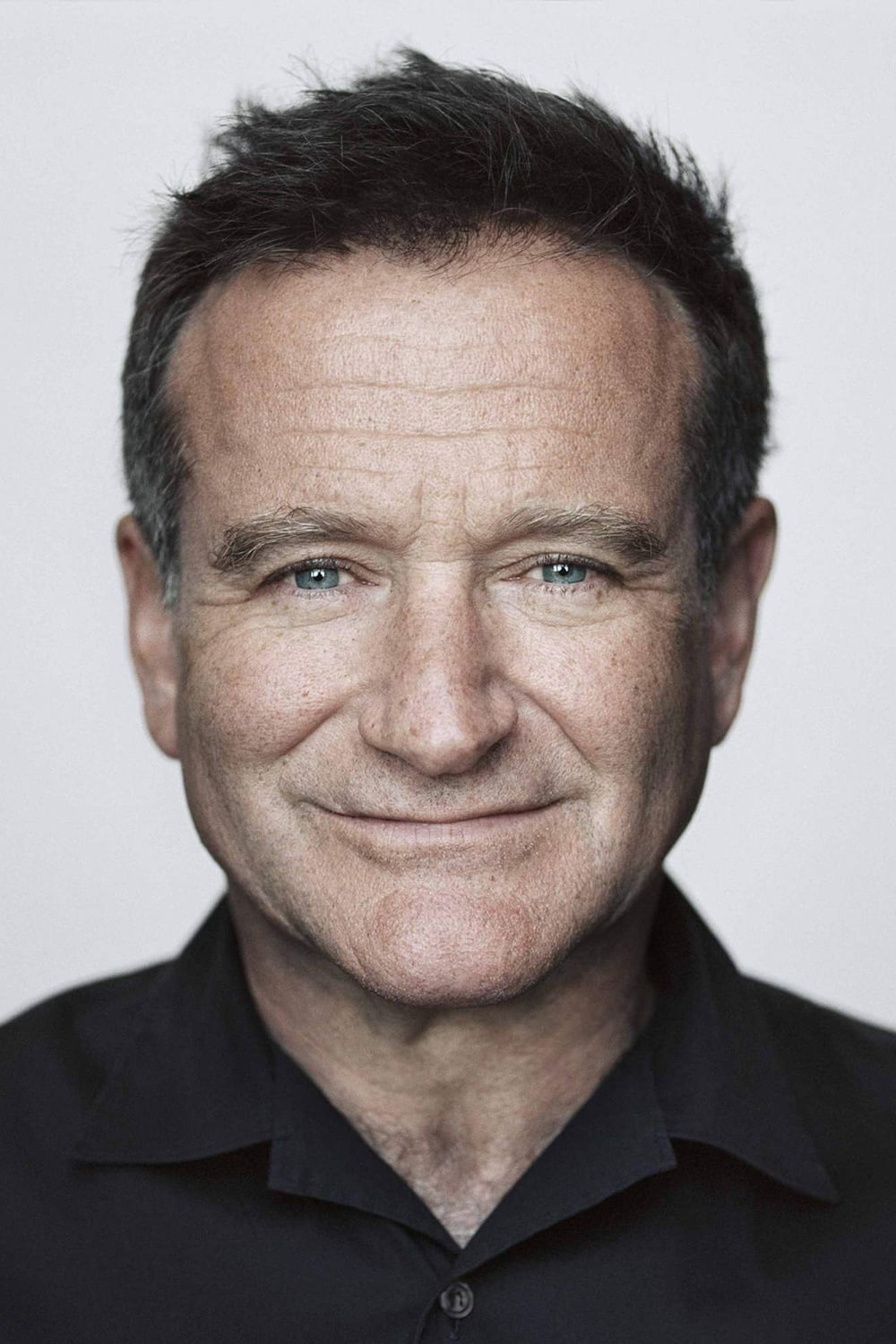
His estate plan placed most assets in trusts that scheduled distributions for his children at specific ages. He set clear rules for how his image could be used and restricted commercial exploitation for a set period after his death. His widow received rights connected to their home and certain personal items. Disagreements over memorabilia were resolved through settlement instructions that kept core collections intact.
Paul Walker
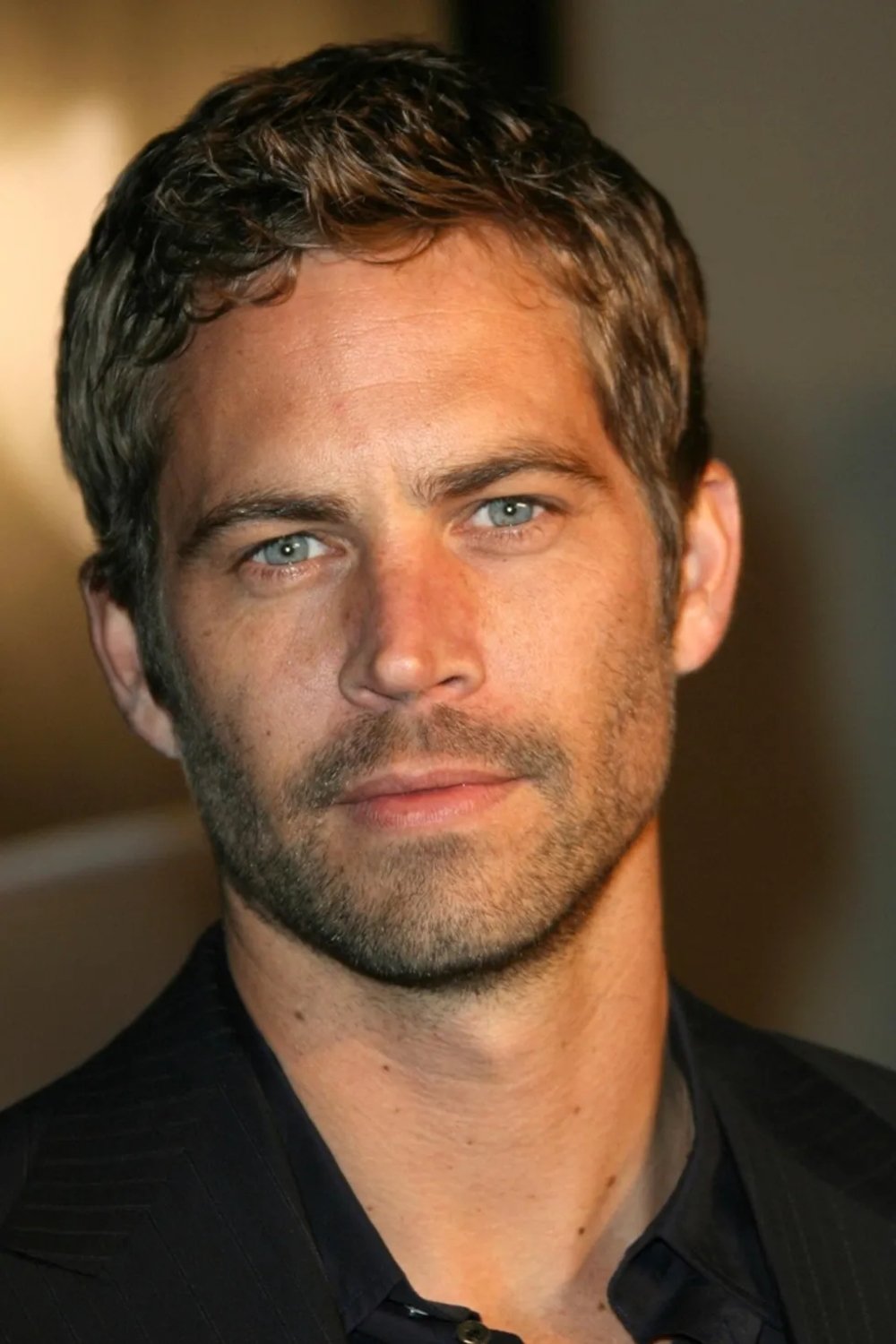
His will left the entire estate to his daughter through a trust structure. He named an adult family member to serve as guardian of the trust assets until his daughter reached legal age. The plan centralized control with a single executor to avoid conflicts among relatives. Real estate and royalties followed the same trust pathway for long term management.
James Gandolfini
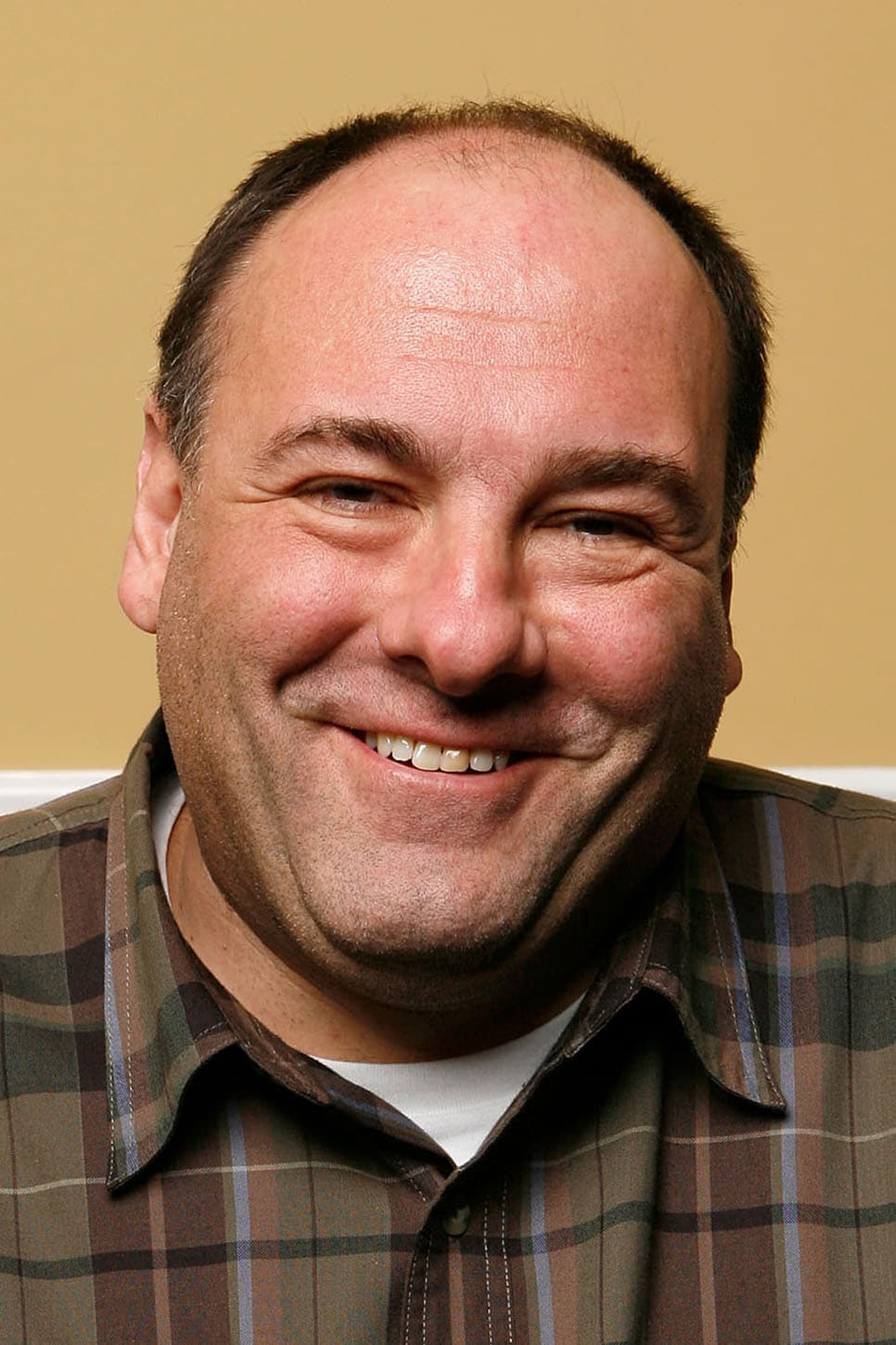
He signed a traditional will that divided property among family members and friends. Significant gifts were made outright rather than placed in trusts for tax planning. An Italian property was addressed separately to ensure local compliance. The document named multiple executors to handle international assets and related filings.
Philip Seymour Hoffman
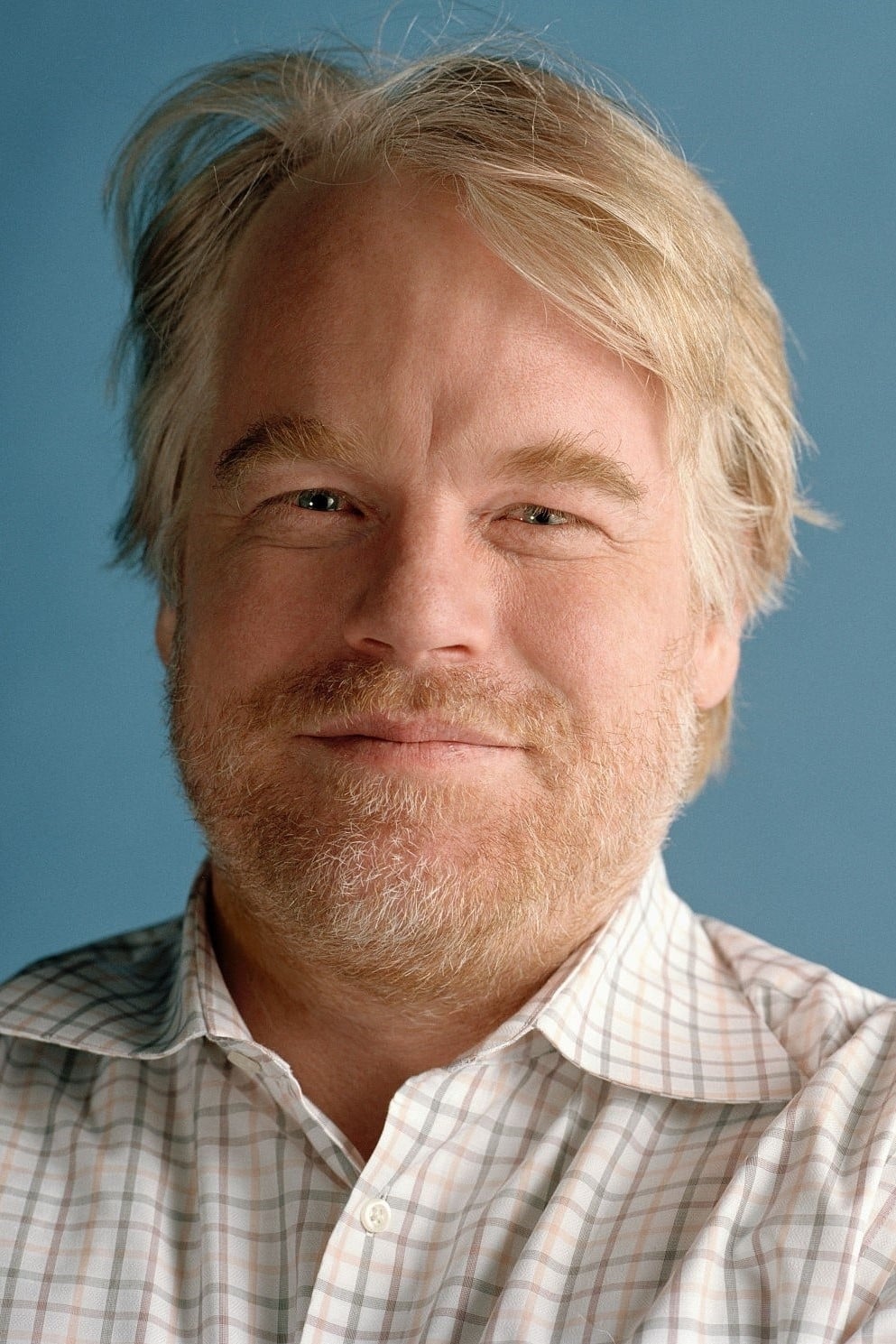
He directed that his partner receive the residue of the estate and that funds for children pass through trusts. The language encouraged his children to be raised in a major American city to promote cultural exposure. He avoided creating broad lifetime trusts that might reduce their incentive to work. The will coordinated with separate guardianship nominations for minor children.
Heath Ledger
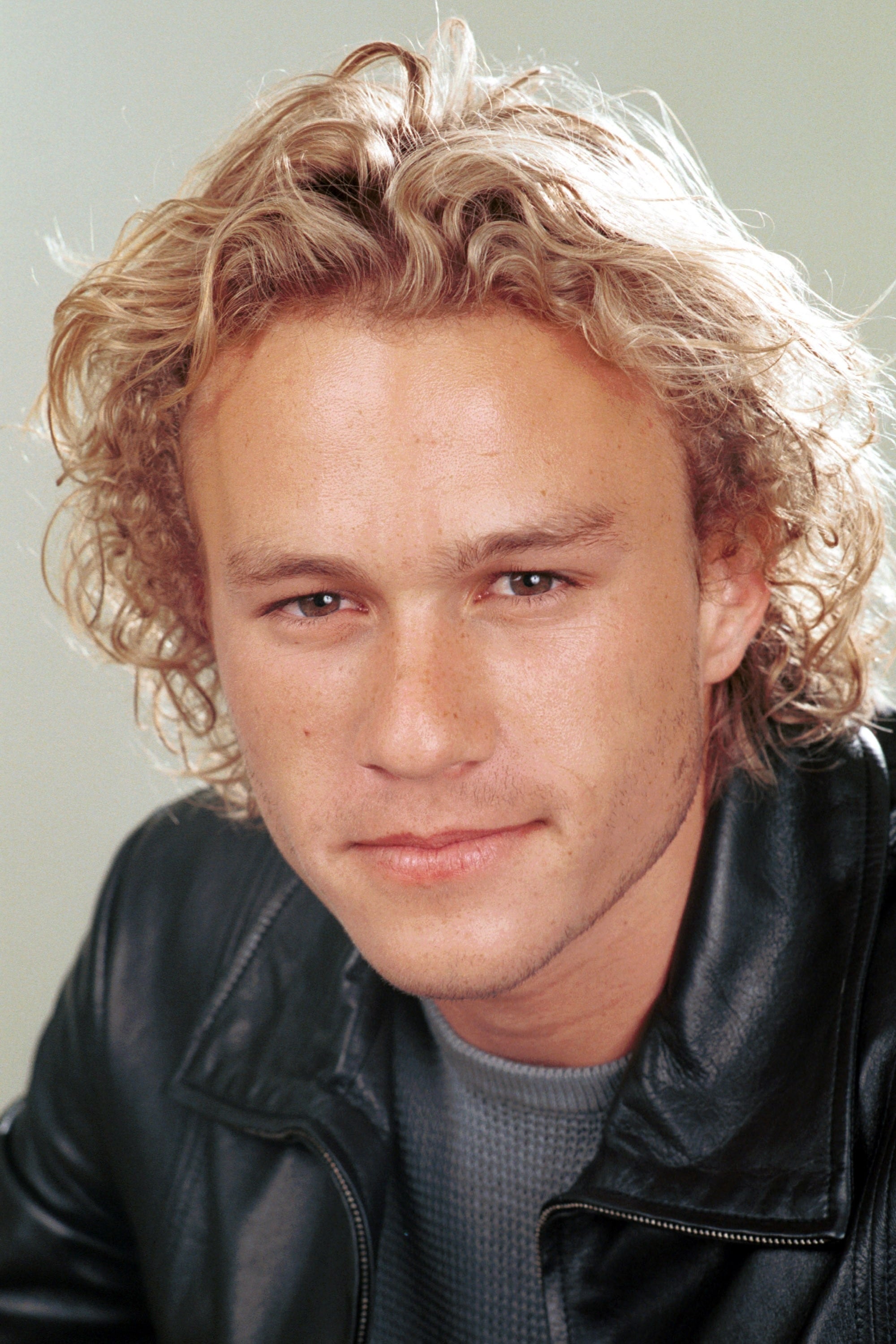
His will predated the birth of his daughter and did not initially include her by name. Family statements indicated that the child would be provided for despite the older document. Executors consolidated royalties and residuals into a single management account. Personal effects such as notebooks and awards were handled under a memorandum outside the main will.
Burt Reynolds
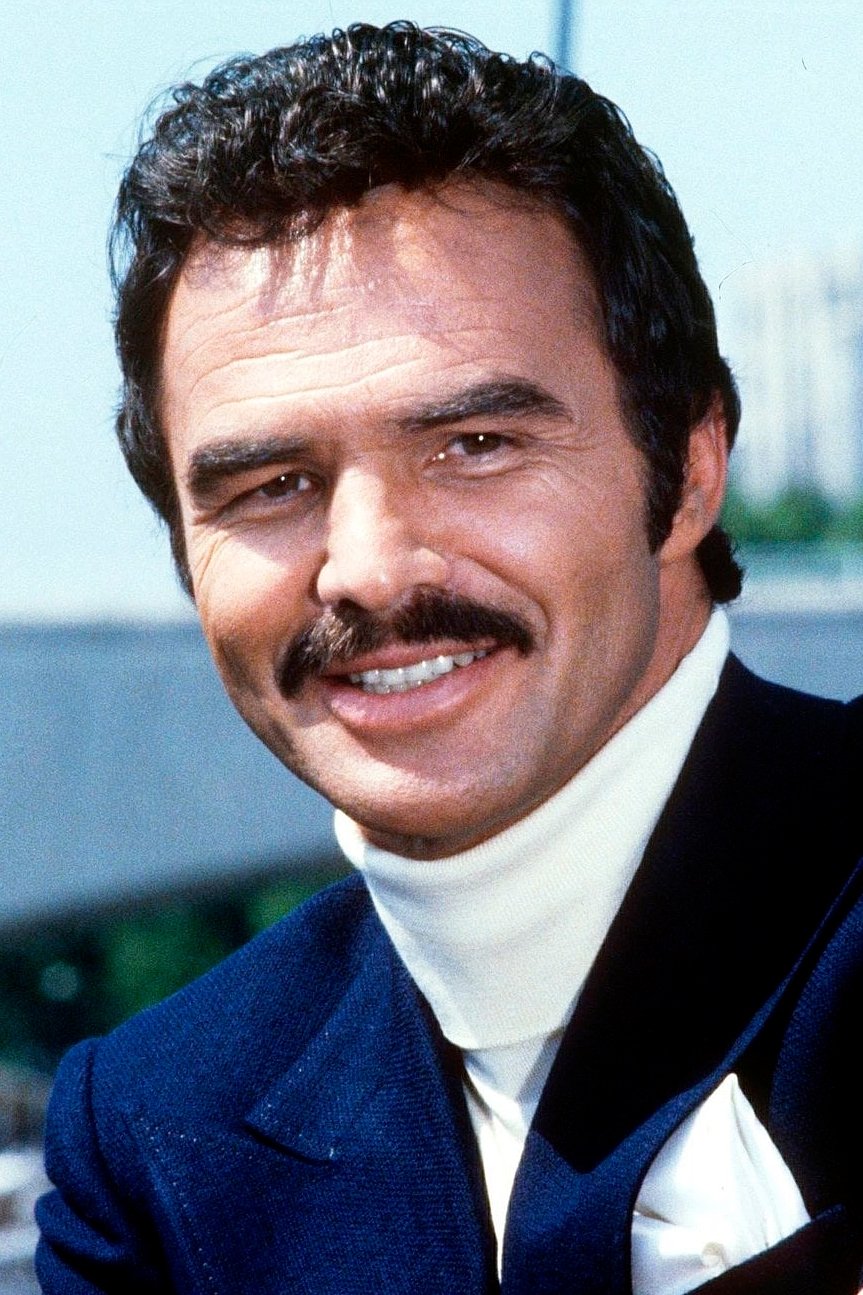
He referenced an existing trust for his son and therefore omitted him from the will on purpose. The will directed most remaining assets to his spouse and coordinated with prenuptial terms. A pour over clause moved any stray property into the living trust at death. Collectibles and scripts were subject to right of first refusal by the trust.
Kirk Douglas
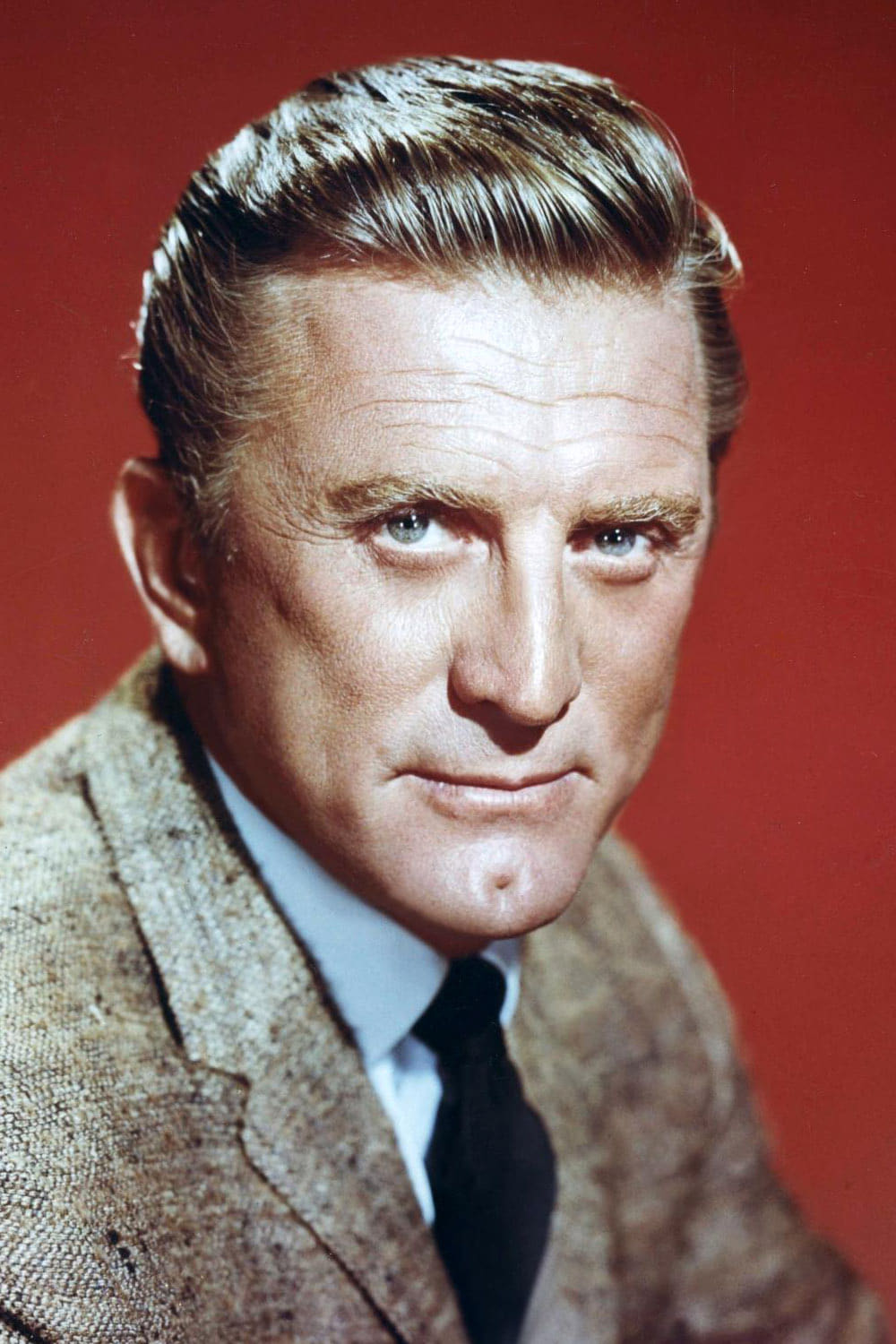
Most of his wealth flowed to charitable causes through the family foundation. The will and foundation charter identified grantmaking priorities such as education and health. Family members received specific personal items and keepsakes. The executors were instructed to sell non mission aligned assets and add proceeds to the foundation.
Jerry Lewis
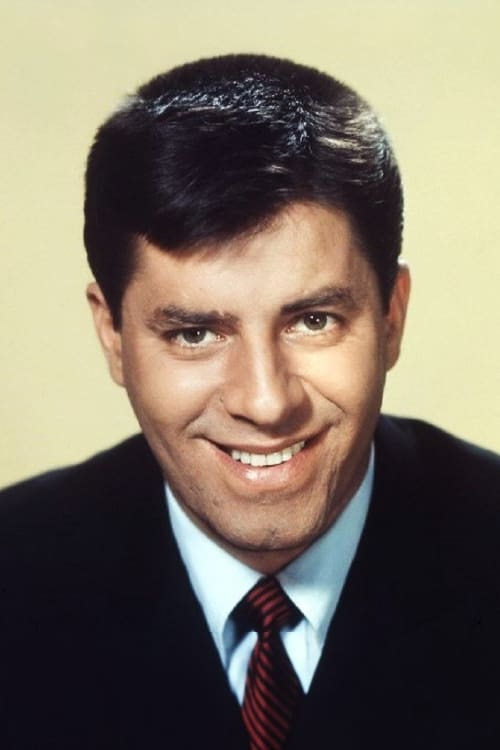
He used explicit disinheritance language for several children from a prior marriage. The residue went to his spouse and an adopted child through trust arrangements. The executor received authority to settle royalty streams from performances and tours. The will required an inventory of memorabilia before any sale or donation.
Mickey Rooney
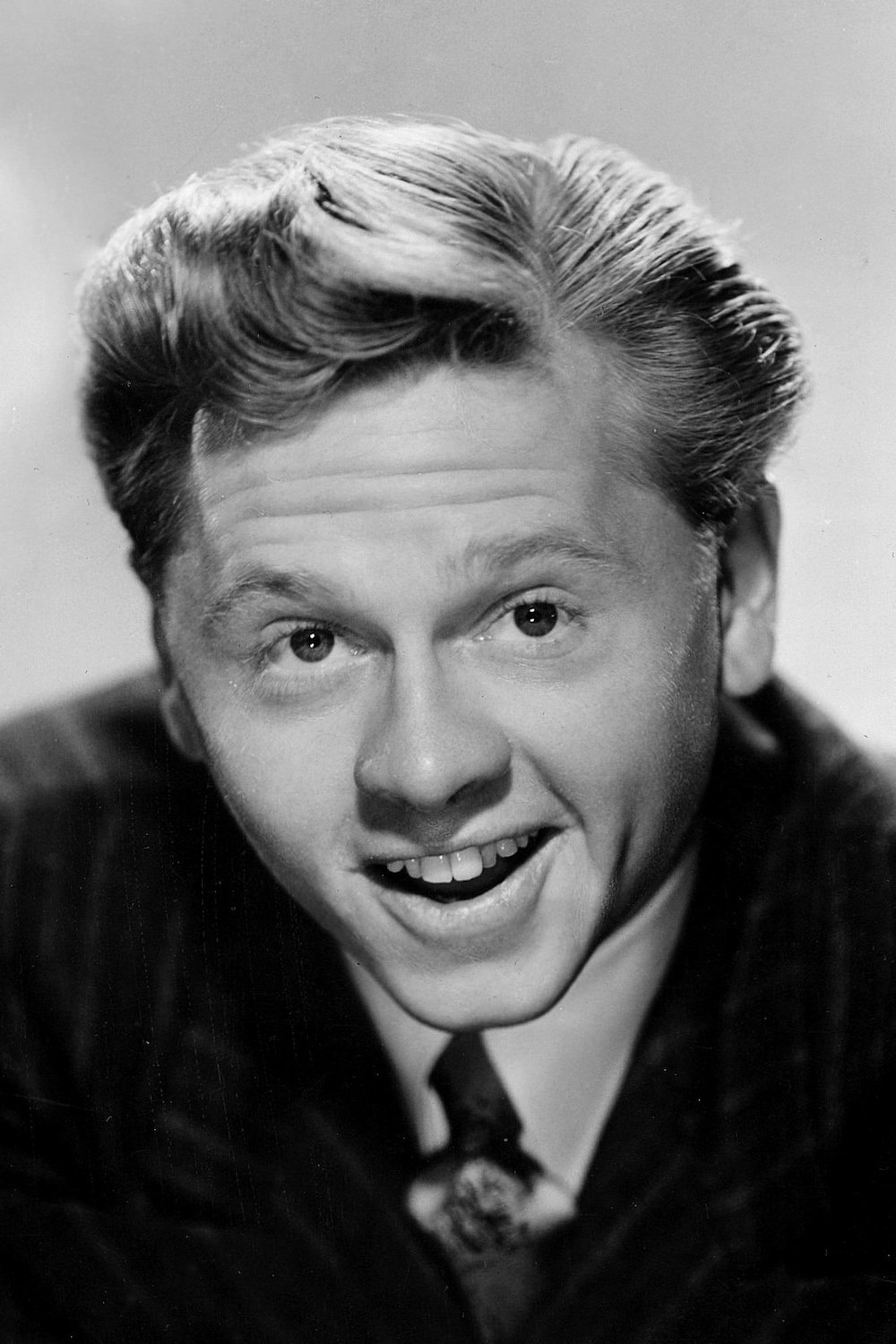
He had a modest estate at the time of death and named a trusted caregiver as primary beneficiary. The will revoked earlier instruments and limited distributions to others. Elder abuse concerns prompted the executor to pursue claims on behalf of the estate. Personal awards and photographs were directed to museums and archives.
Tony Curtis
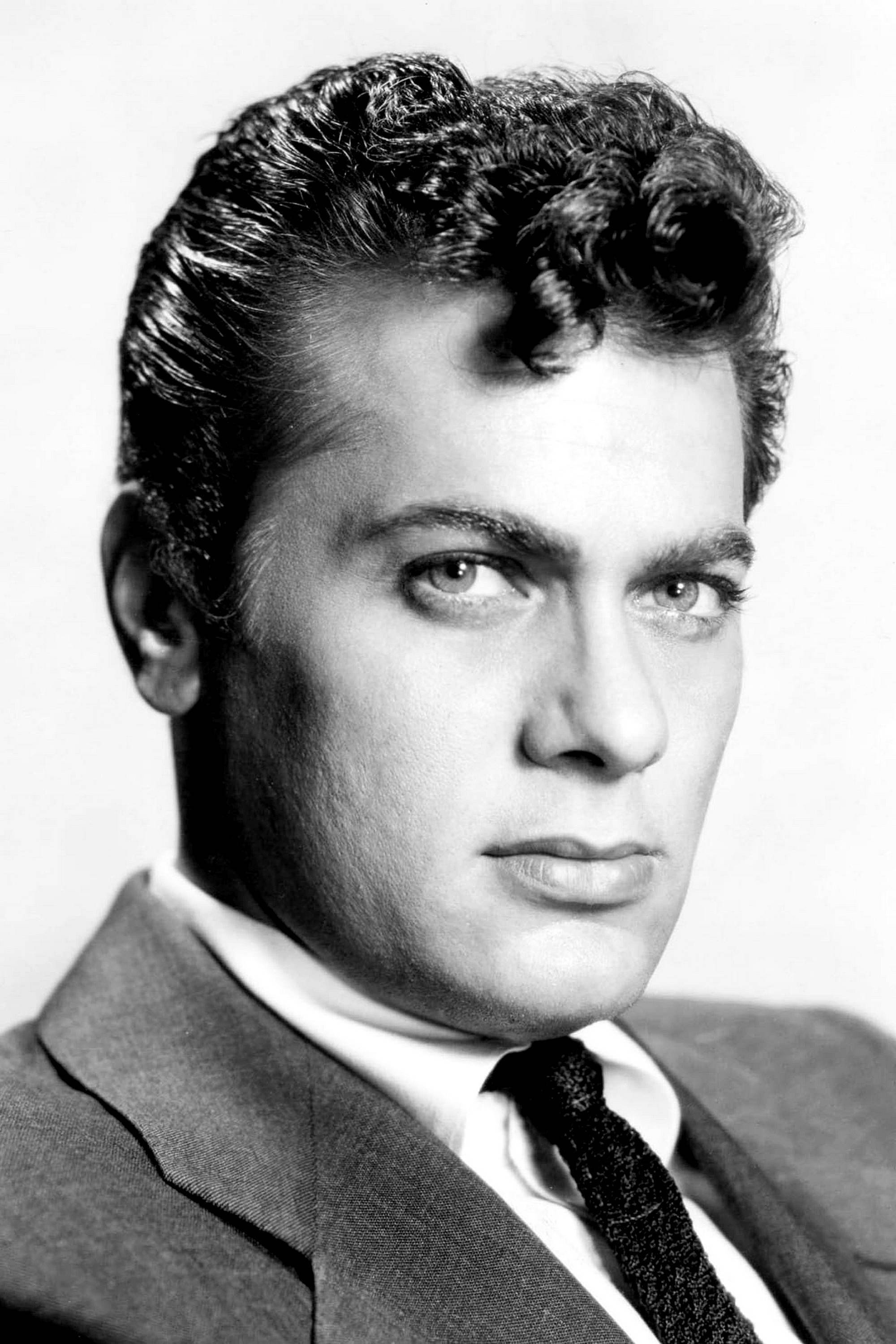
He executed an updated will that left most assets to his spouse and excluded adult children. The document cited that prior gifts and planning had been made for them. Executors were authorized to manage likeness and autograph licensing. Real property was earmarked for sale with proceeds paid to a marital trust.
Marlon Brando
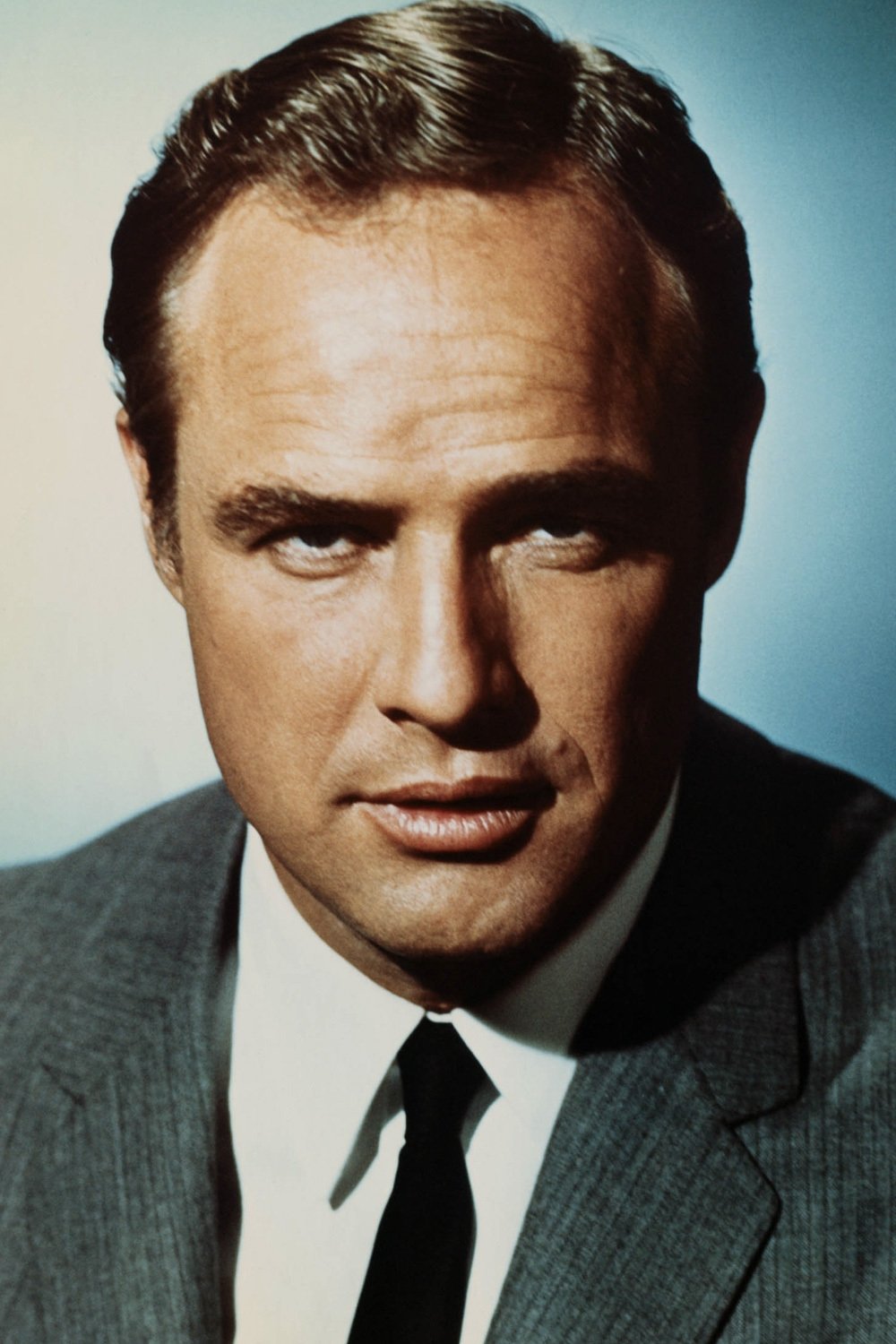
His estate plan combined a will with multiple trusts holding royalties and real property. A house and its contents were addressed in a separate schedule with caretaker provisions. Executors managed rights of publicity and negotiated licensing of his image. Several claims by former employees were handled under the will’s dispute procedures.
John Wayne
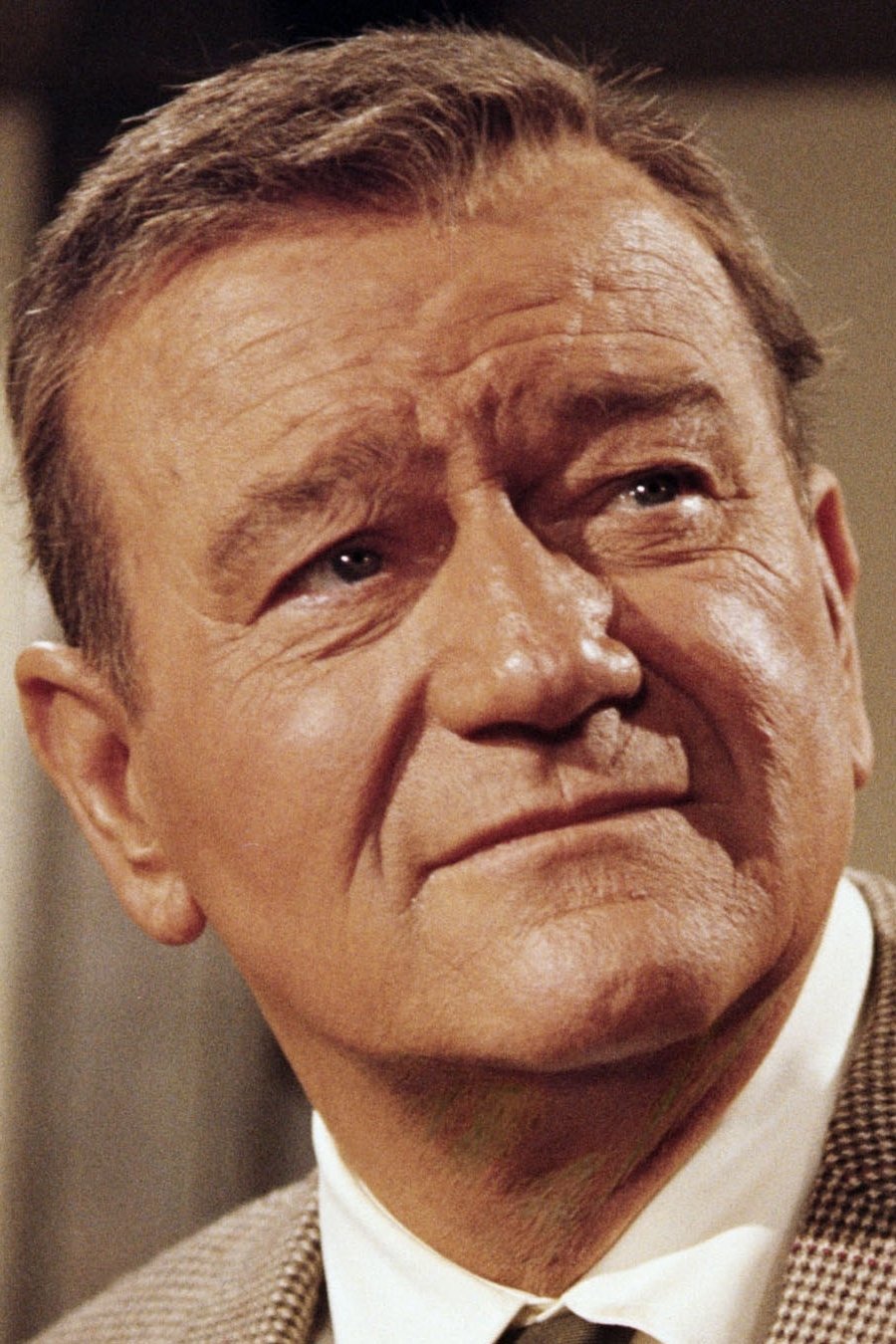
He placed film residuals and trademark rights under a trust that supports family and charitable activity. The plan allowed licensed use of his name for approved causes. Children received staged distributions tied to age and education milestones. The will directed the maintenance of personal archives for research and exhibitions.
Alan Rickman

He left the majority of his estate to his spouse and remembered several charities with specific bequests. The will appointed professional executors to manage intellectual property. Residual income from performances was pooled and divided according to fixed shares. Personal letters and rehearsal materials were restricted from sale for a period.
Gene Wilder
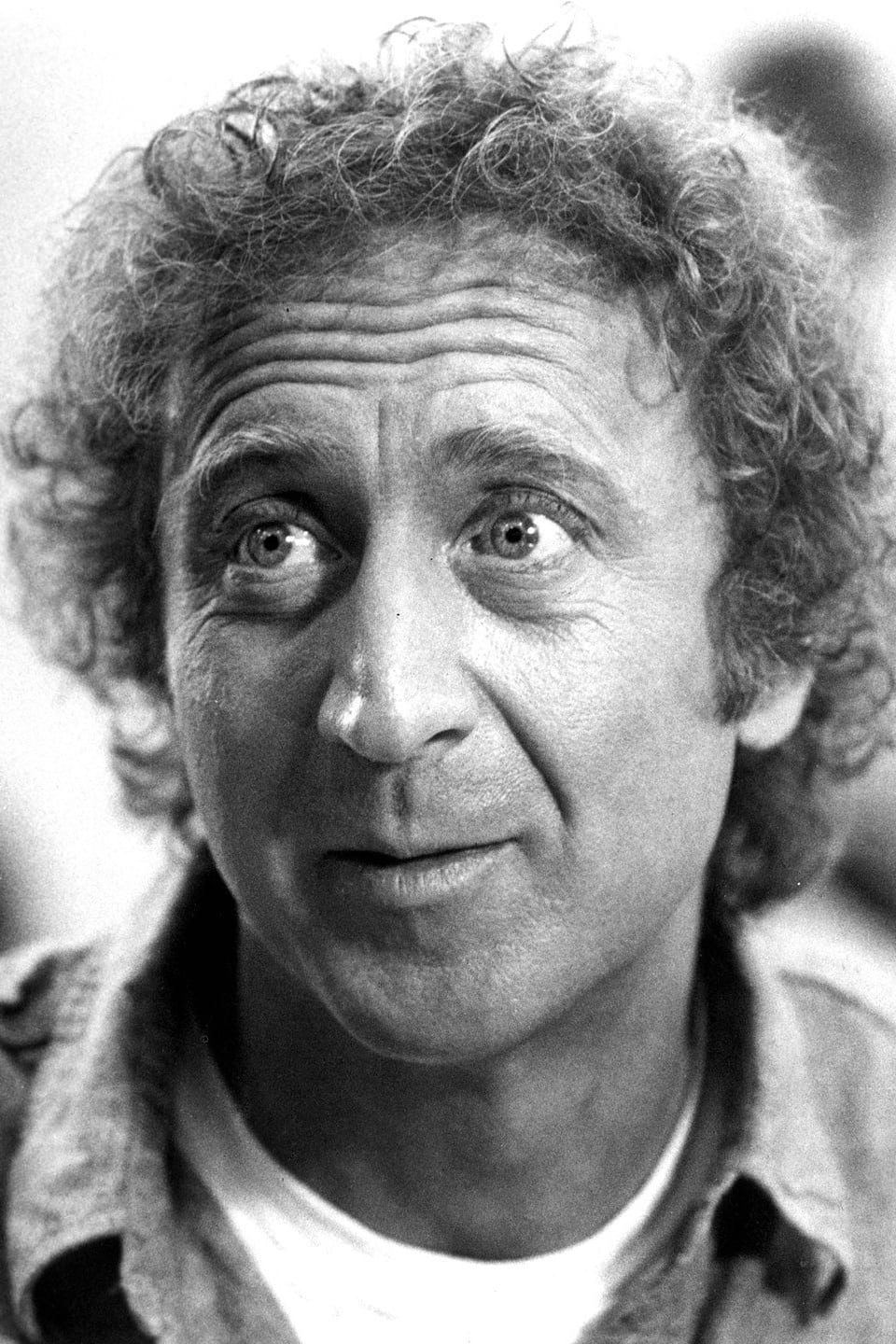
He provided for his spouse and created instructions for the stewardship of writings and memorabilia. The will requested sensitivity around his medical history in public exhibits. Executors were told to favor donations to institutions connected to cancer support. Residuals from screen work were assigned to a family trust.
Chadwick Boseman
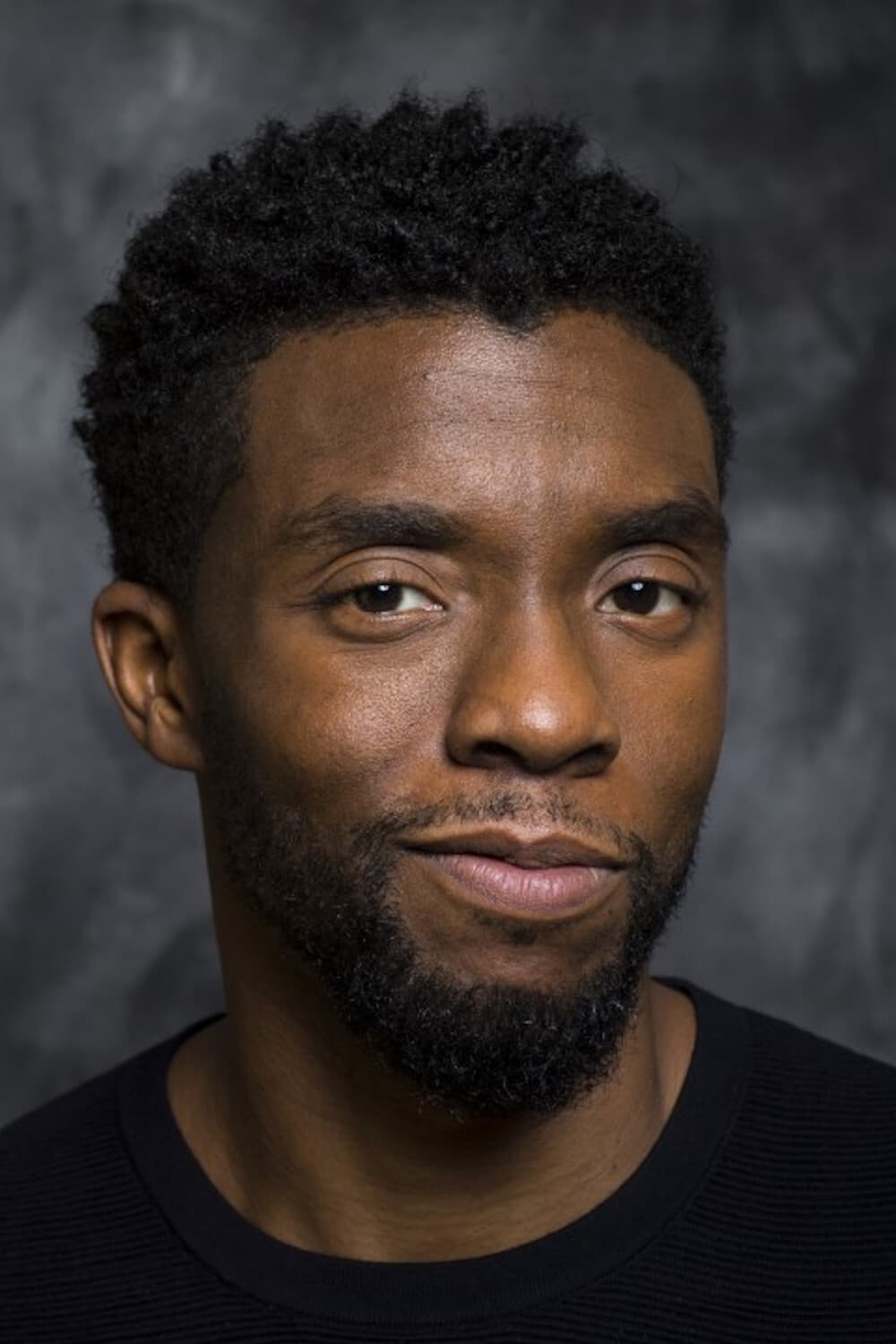
He died without a will and his estate proceeded through intestacy in probate court. The court appointed a family member to act as administrator of assets and debts. Distributions followed state law with priority to the surviving spouse. Royalties and residuals were gathered and accounted for under judicial supervision.
Peter Falk
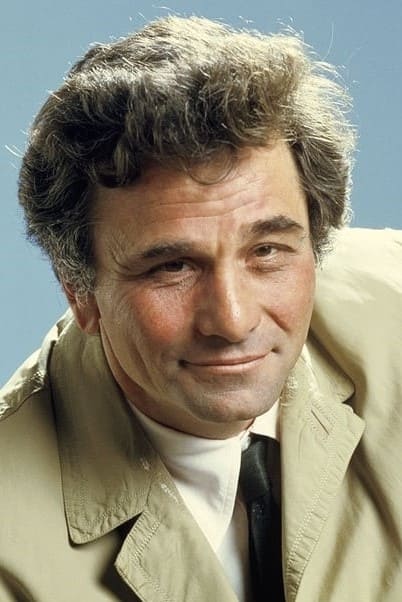
His will left the bulk of property to his spouse and set limits on access for extended relatives. A prior guardianship case influenced who could make medical and financial decisions. The document granted the executor control of likeness licensing and costume items. Charitable donations were authorized at the executor’s discretion.
Christopher Reeve
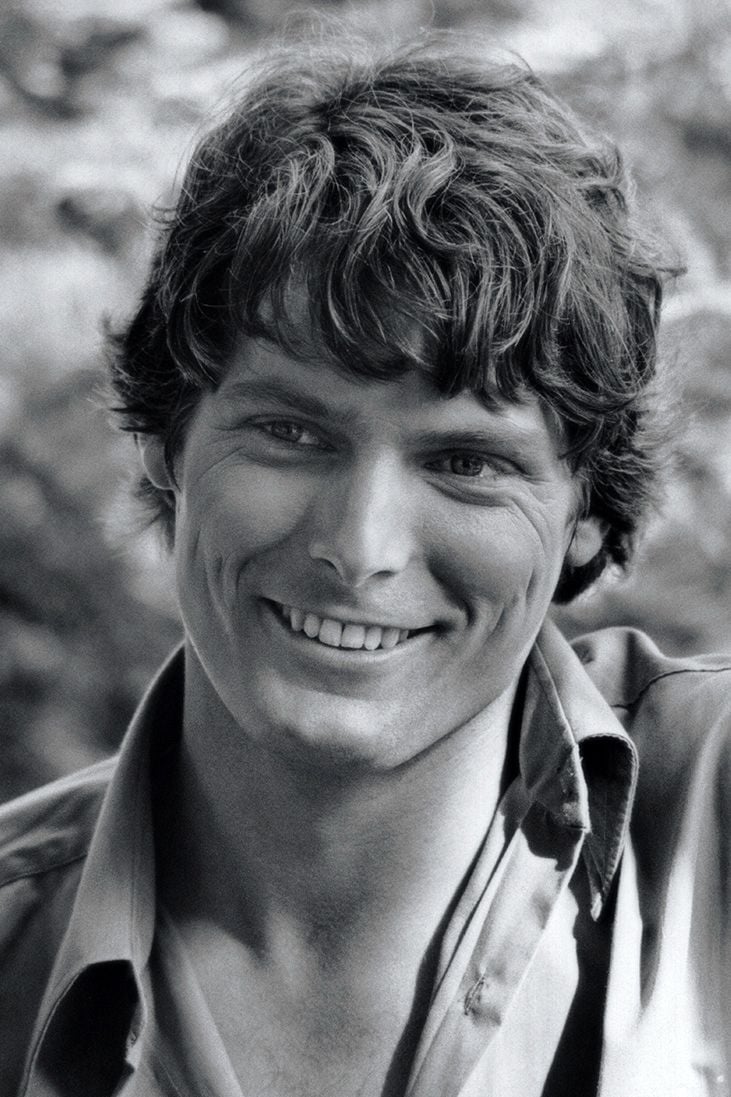
Estate documents created support for his spouse and children through trusts. The plan coordinated private insurance benefits with trust funding. Intellectual property from books and speeches was centralized to one manager. Advocacy related donations were encouraged under a discretionary clause.
Patrick Swayze
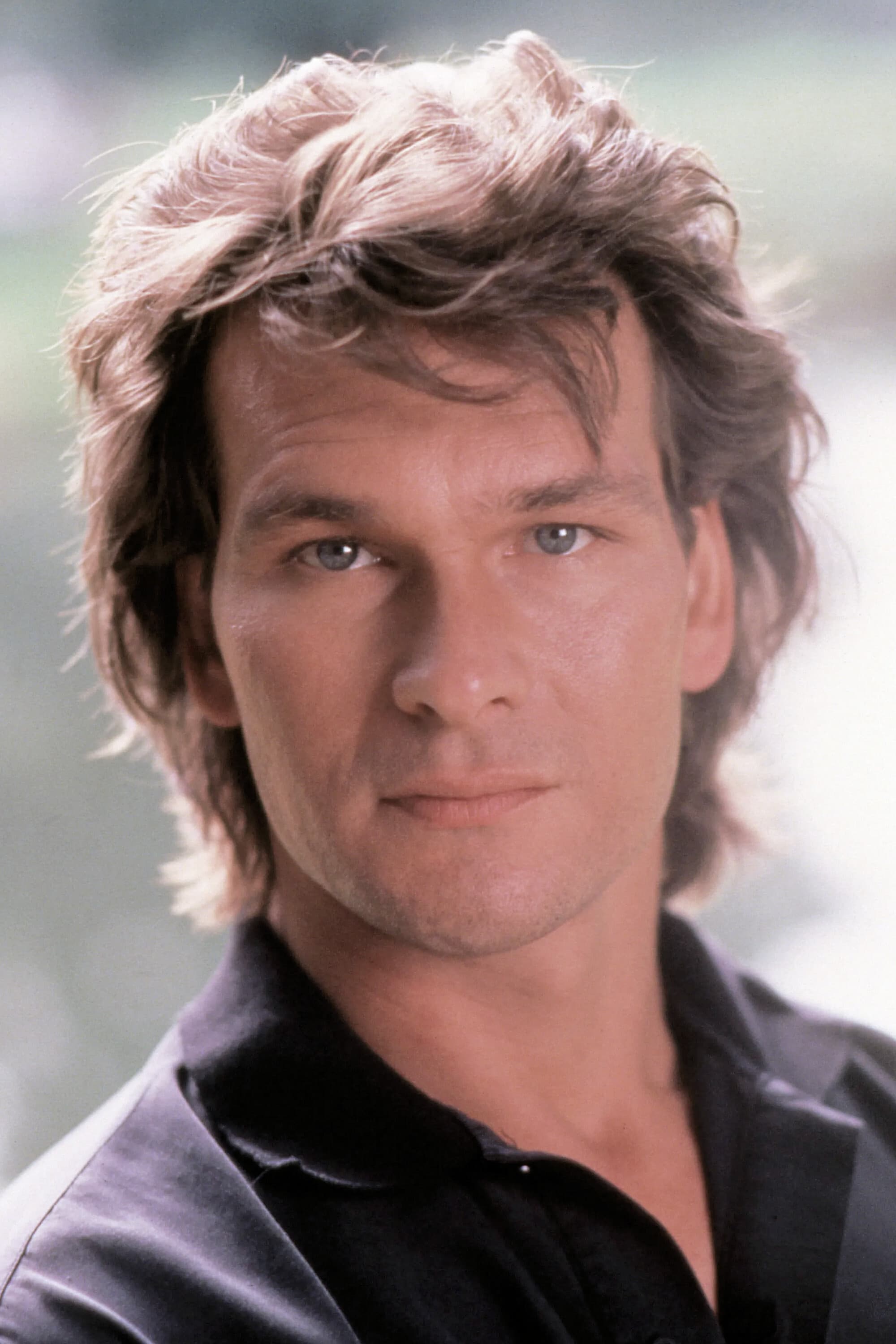
His estate plan provided for his spouse and addressed ranch and personal property. The will included instructions for private handling of medical records. Executors were given authority to conclude royalty agreements for home media. Memorabilia could be donated to selected museums before any sale.
James Dean
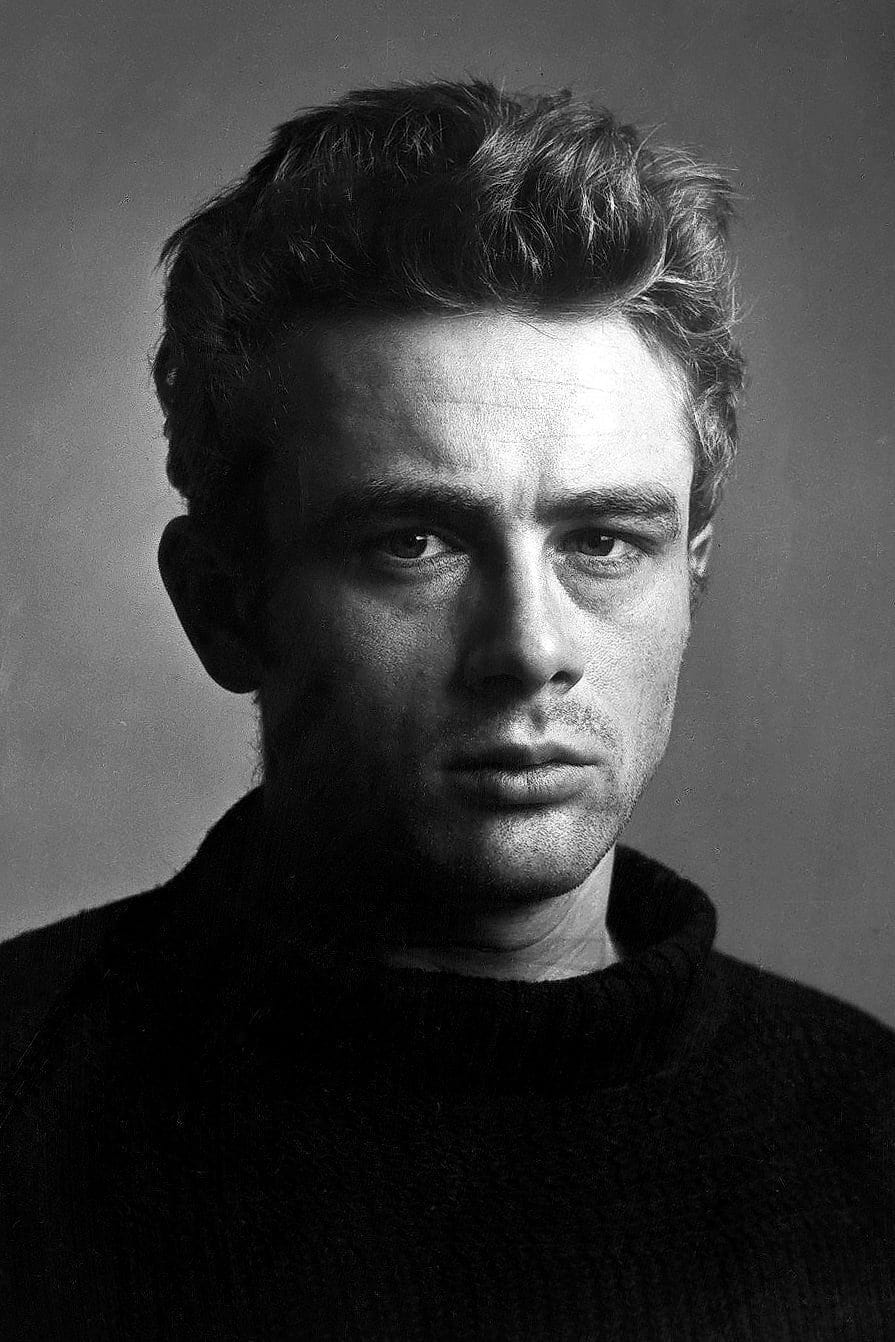
He died without a will and state law transferred his estate to his closest heir. Control of his image and signature later became a significant asset. The administrator licensed publicity rights for merchandise and photo use. Income from these licenses funded taxes and beneficiary distributions.
Bruce Lee
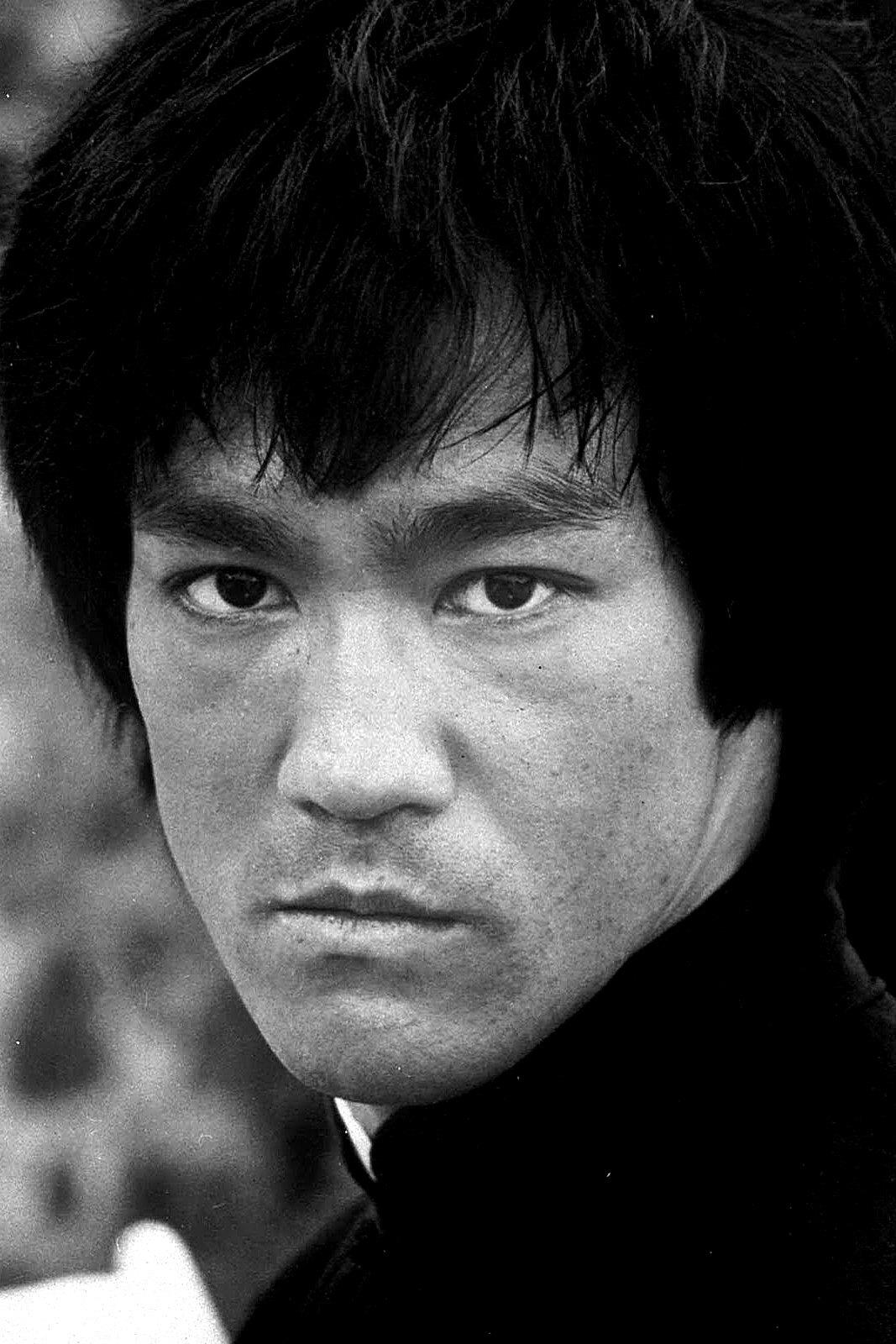
His will directed assets to his spouse with provisions for his children through trust mechanisms. The estate consolidated image rights and training materials under a single entity. Executors worked to standardize licensing agreements worldwide. Personal manuscripts and photographs were cataloged for preservation.
Steve McQueen
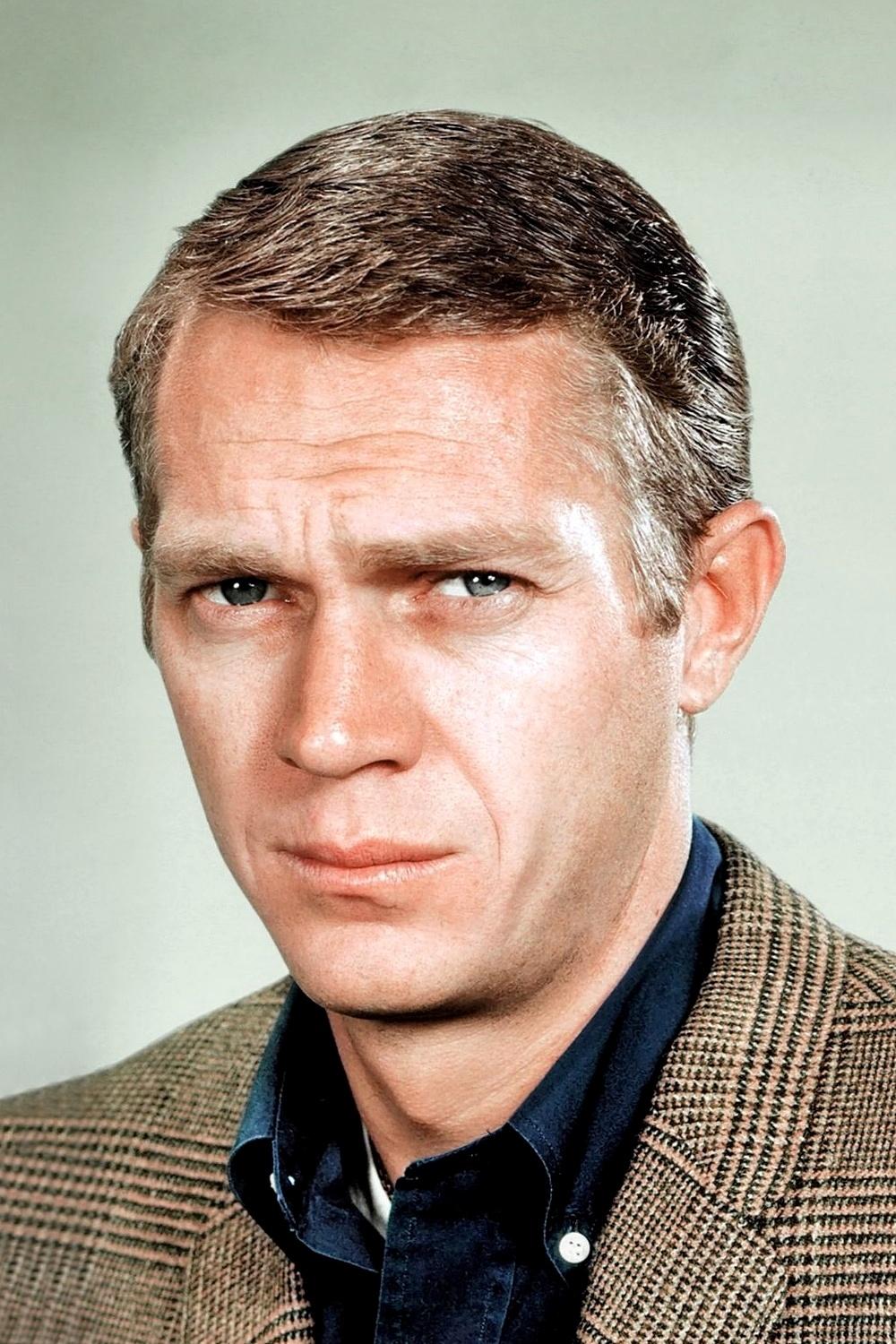
His plan left property to his children and made arrangements for certain charitable gifts. The will addressed vehicles and racing memorabilia in a separate schedule. Executors managed the sale of surplus items to avoid storage costs. Reissue royalties from films were designated for the family trust.
Charles Bronson
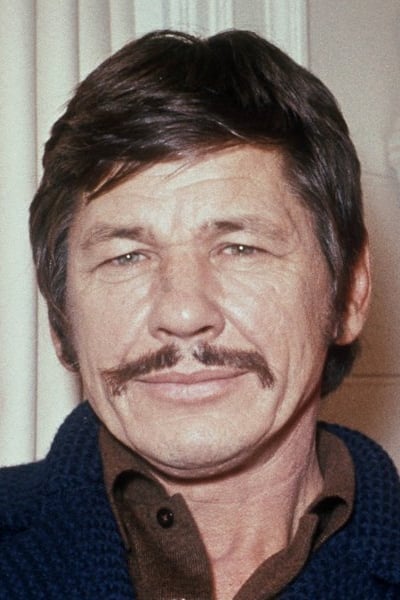
He provided for his spouse with a marital trust and set aside shares for children. Health care directives were cross referenced with the will to avoid conflict. The executor received instructions to resolve mineral and residual income interests. Personal effects from film sets were divided by written list.
Peter Sellers
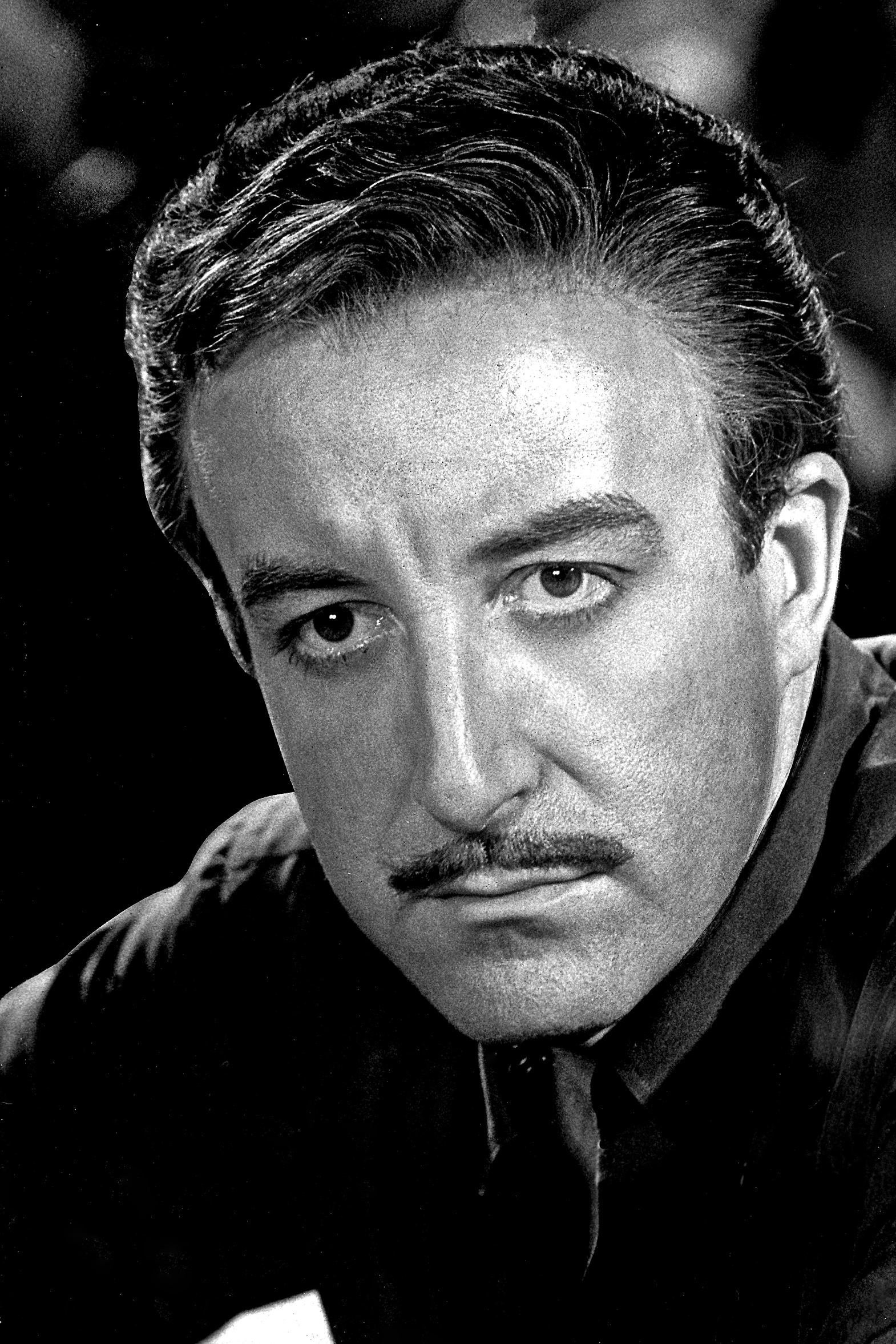
His estate passed largely to his spouse under the terms of his will, with children receiving smaller shares. Residuals and repeat fees were administered by professional trustees. The document allowed consolidation of accounts to simplify reporting. Memorabilia was subject to appraisal before any distribution.
Bela Lugosi
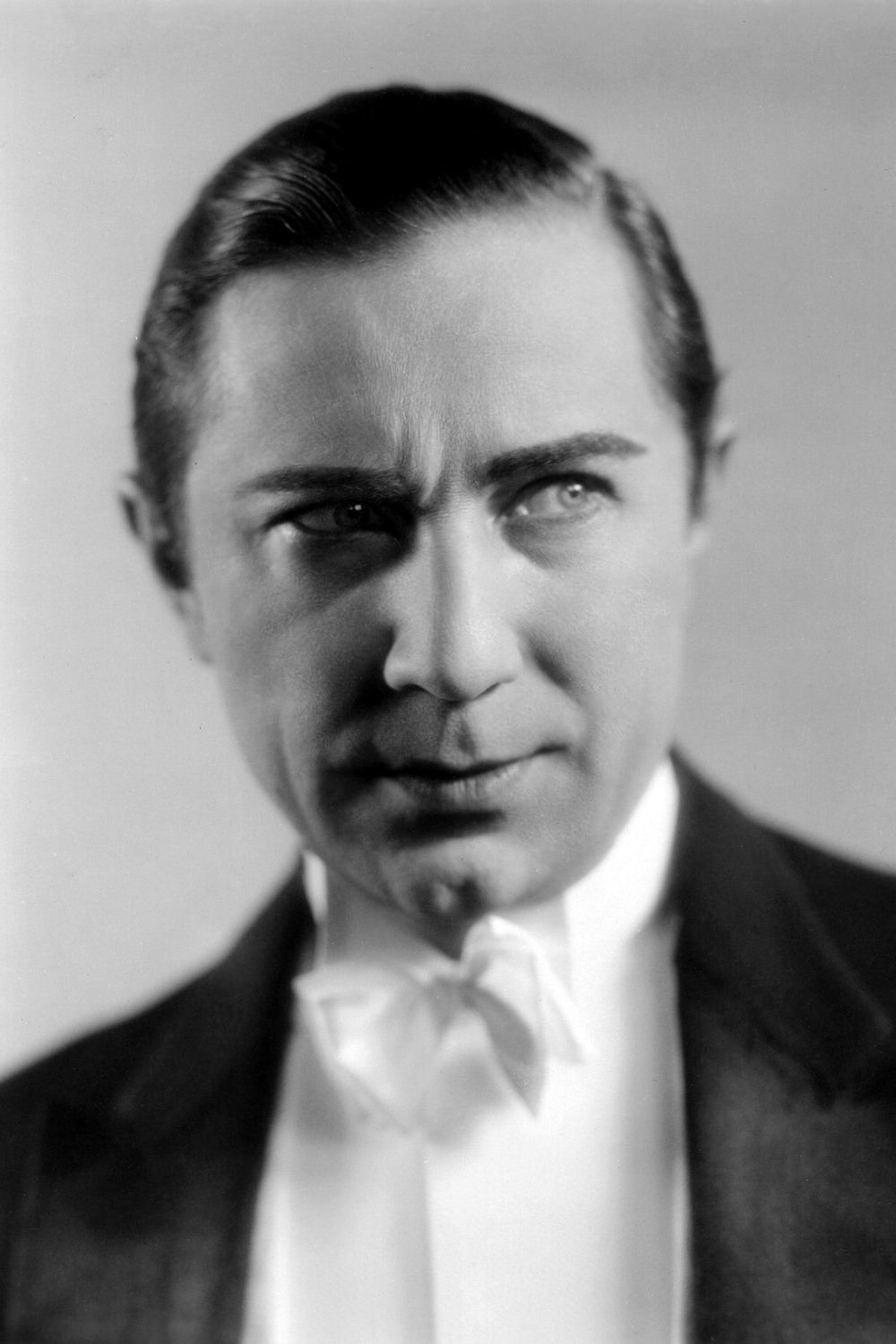
His will placed limited assets with family members while ongoing publicity rights became central later. Disputes over posthumous image licensing shaped how the estate operated. Successors managed stage and film photographs to maintain brand integrity. Court rulings influenced how future estates handle celebrity likeness.
Paul Newman
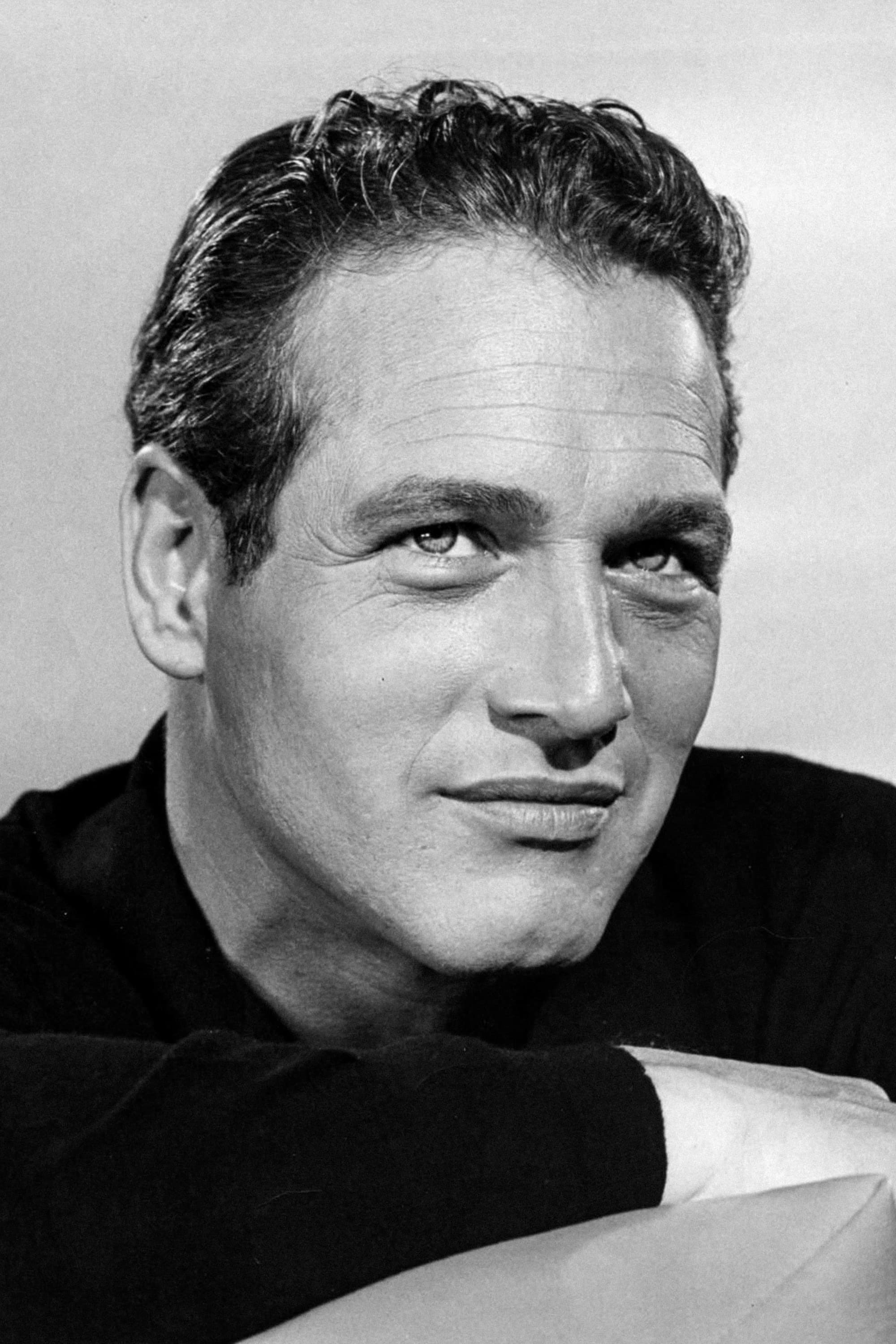
His final plan relied on a network of trusts with a focus on charitable work. The will poured remaining assets into these trusts and set governance standards. Executors received clear conflict of interest rules and reporting duties. Licensing connected to his name in food and racing supported philanthropy.
Sean Connery
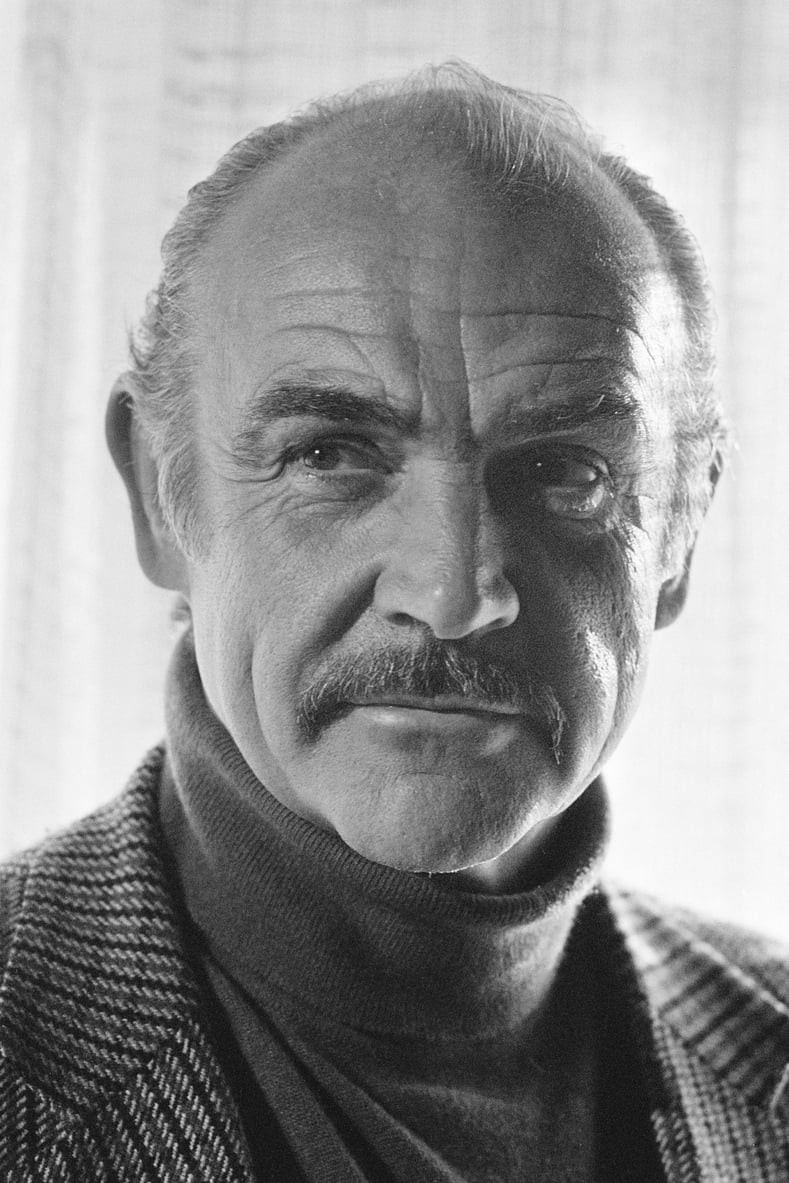
His will coordinated with a family trust to manage royalties, residuals, and image rights. The executors were instructed to consolidate international accounts for reporting and tax filings. Real estate outside the United States was handled with separate local counsel. Memorabilia and scripts were subject to appraisal before any distribution to beneficiaries.
Roger Moore
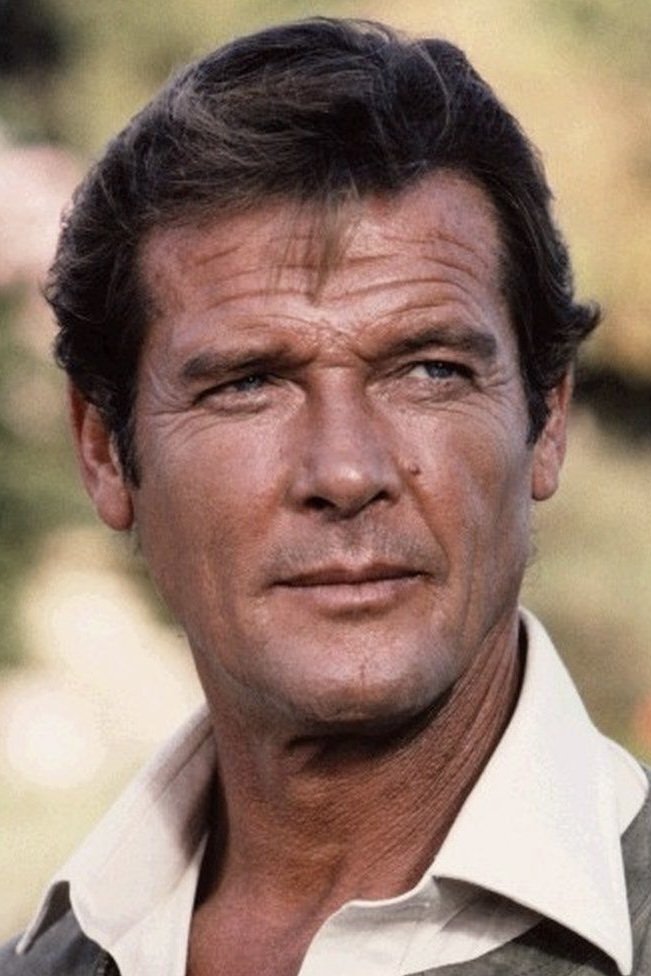
He relied on a combination of a will and longstanding trusts to provide for his spouse and children. The plan centralized control of likeness licensing through professional trustees. Charitable gifts linked to medical causes were authorized from the residue. Personal awards and costumes were cataloged, with select items designated for institutional donation.
Sidney Poitier
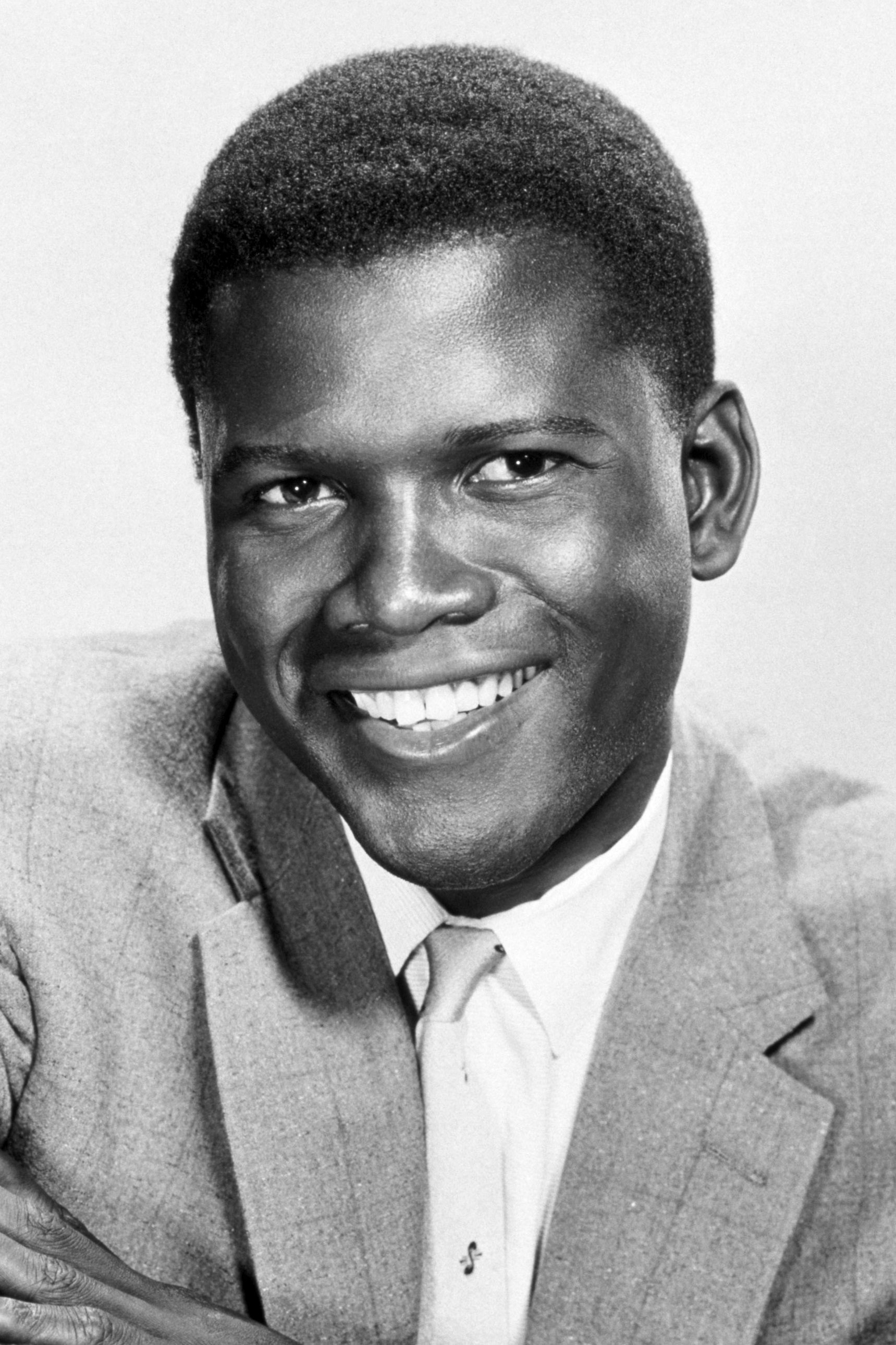
His estate plan directed support for his spouse and children with defined trust shares. Literary and photographic rights were grouped under a single manager for licensing. The executors had authority to negotiate documentary and educational uses of his image. Any disputed personal effects were to be resolved through a written memorandum outside the will.
Charlton Heston
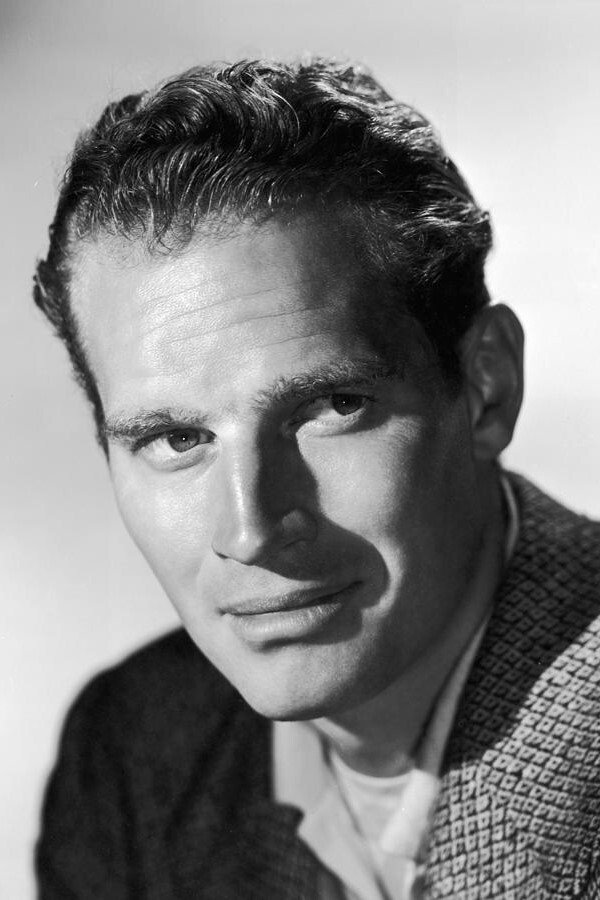
The will integrated with health care directives and a living trust to avoid probate delays. Executors received powers to manage residuals from screen and commercial work. Firearms, historical props, and related items required special inventory and secure storage before transfer. A portion of assets was eligible for charitable grants consistent with prior giving.
Orson Welles
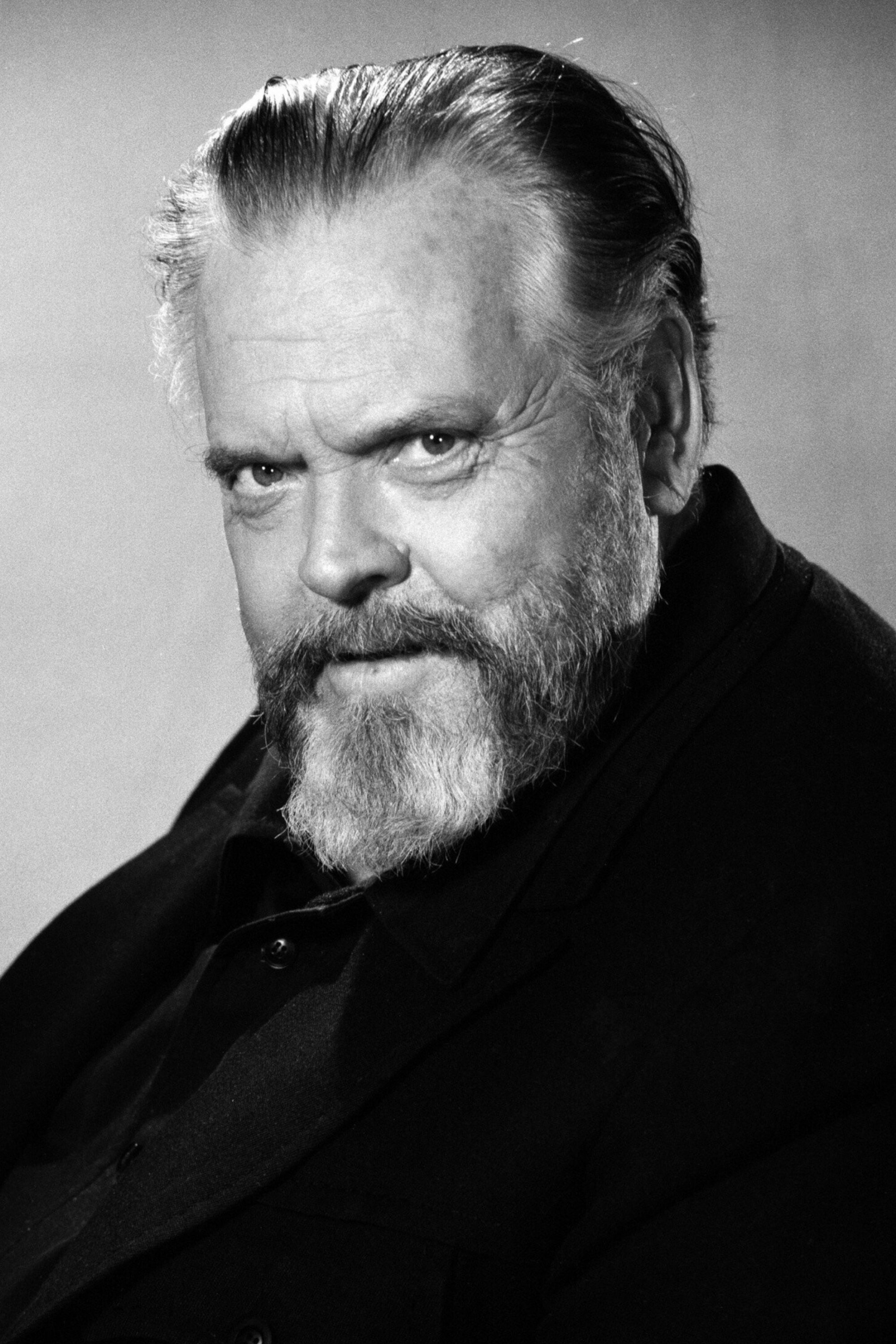
His estate documents addressed unfinished projects and the control of unpublished materials. The will authorized agreements with archives to preserve scripts, notes, and recordings. Executors were empowered to settle competing claims from collaborators. Royalties from reissues and restorations were placed under a dedicated management account.
Peter O’Toole
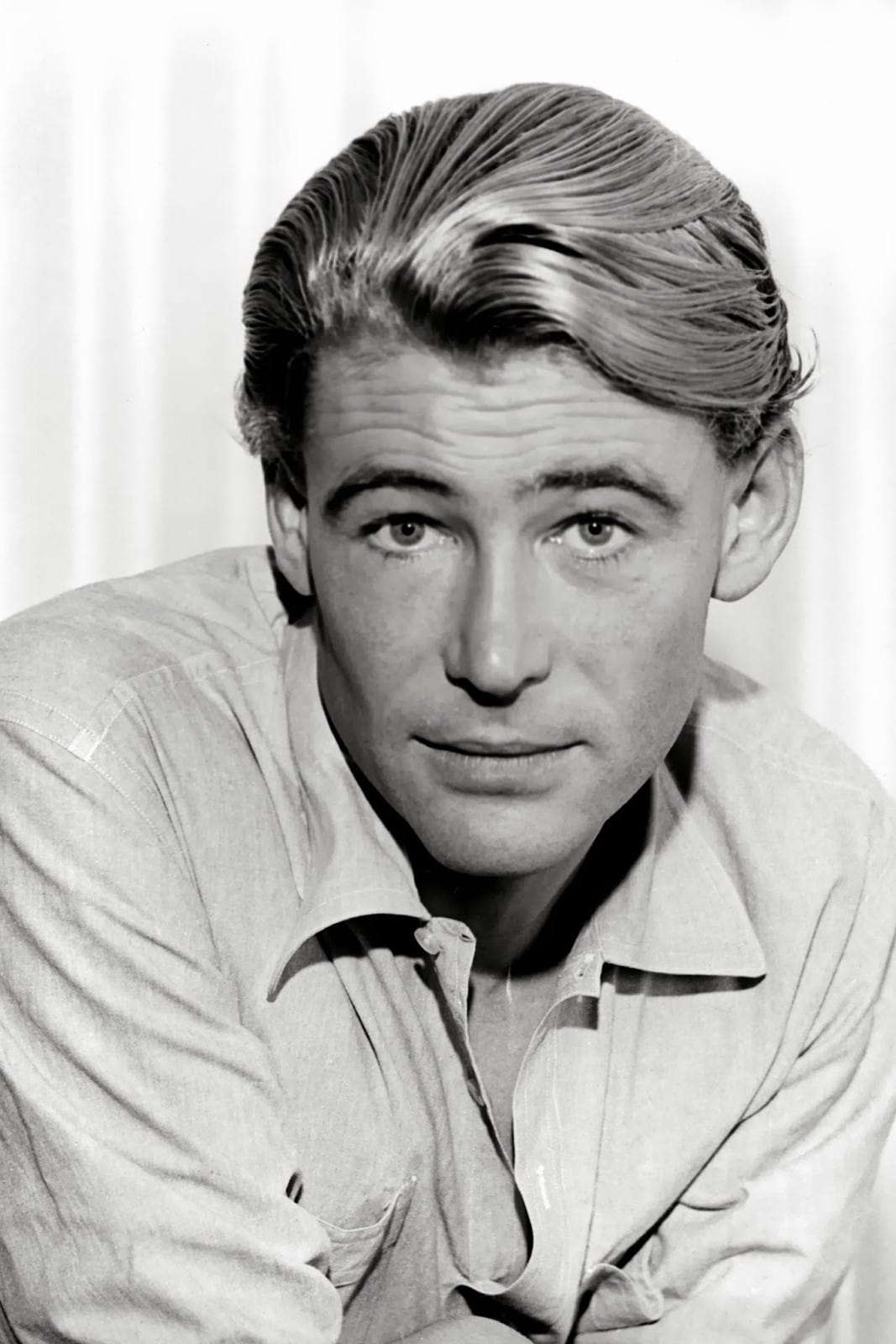
He structured bequests for family alongside provisions for professional executors. Residuals and repeat fees were pooled and divided by set percentages. The plan encouraged preservation of correspondence and rehearsal materials with restricted access periods. Real property sales were permitted to fund trust obligations and expenses.
Richard Burton
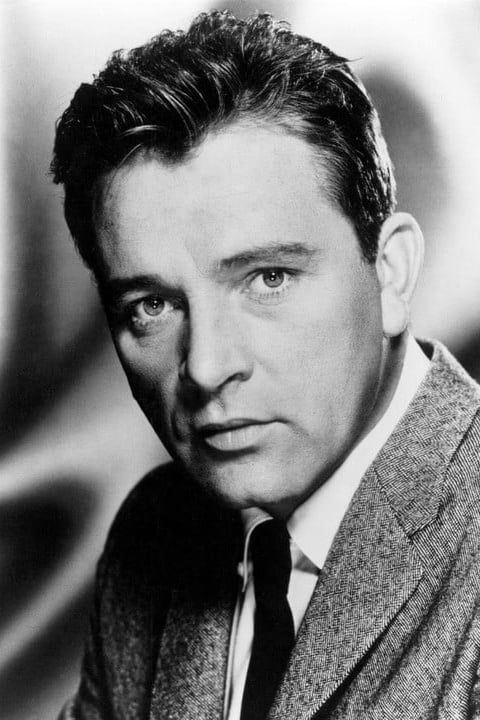
His will specified distributions to family and coordinated with earlier marital agreements. The executors had discretion to license recordings, stage readings, and archival releases. Personal libraries and annotated scripts were to be inventoried before any sale. Currency and accounts in multiple countries were consolidated to a principal estate account.
Laurence Olivier
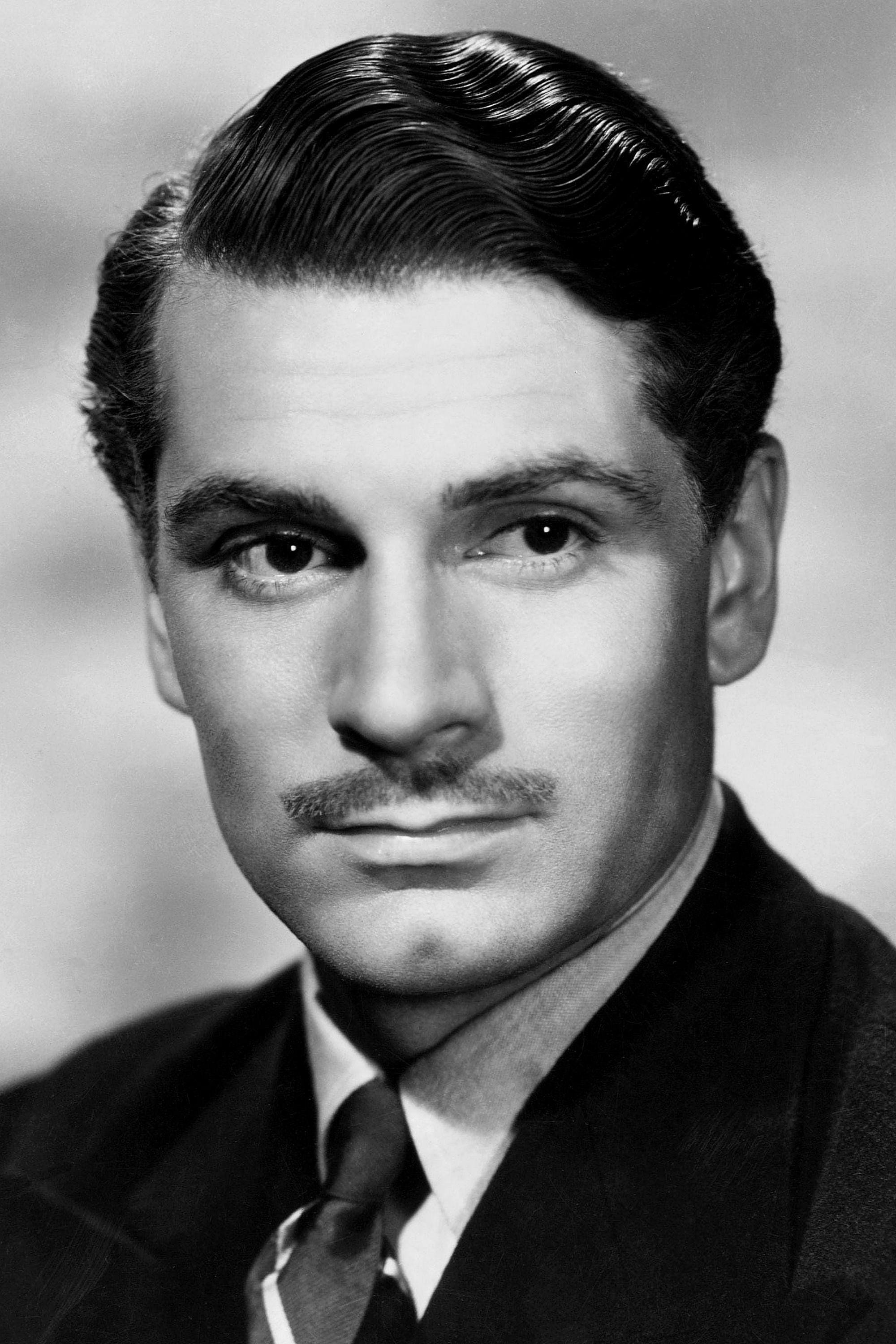
He employed a trust based framework to manage royalties and literary rights. The will permitted negotiated loans of costumes, photos, and recordings to museums. Executors were required to issue periodic reports covering licensing income and expenses. Specific keepsakes were listed for direct transfer to family members.
Alec Guinness
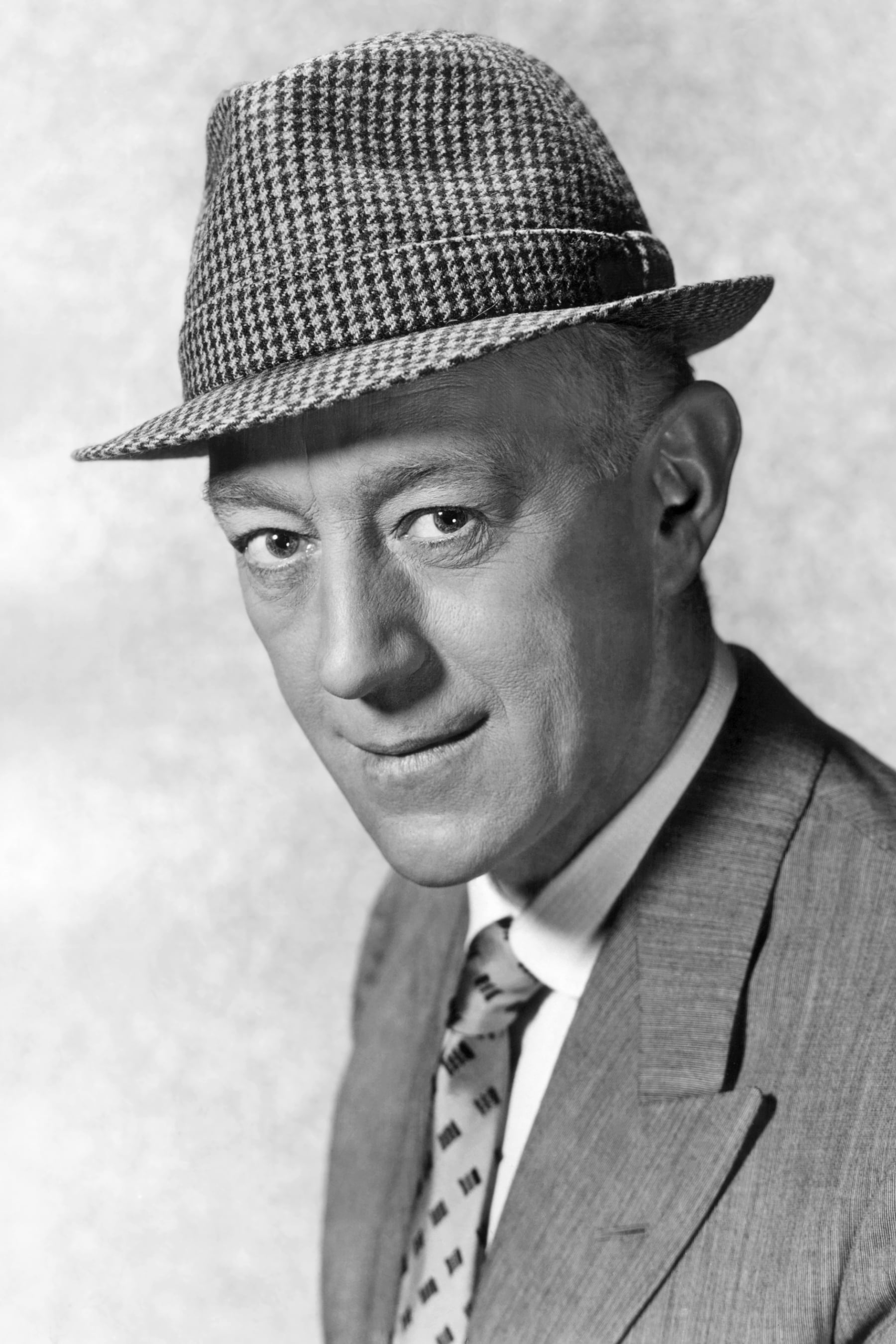
His plan assigned professional trustees to oversee intellectual property and performance residuals. The will encouraged educational use of archives under standardized loan terms. Executors could digitize materials to preserve fragile originals and expand access. Bequests to family were supplemented by a modest charitable set aside.
Christopher Lee
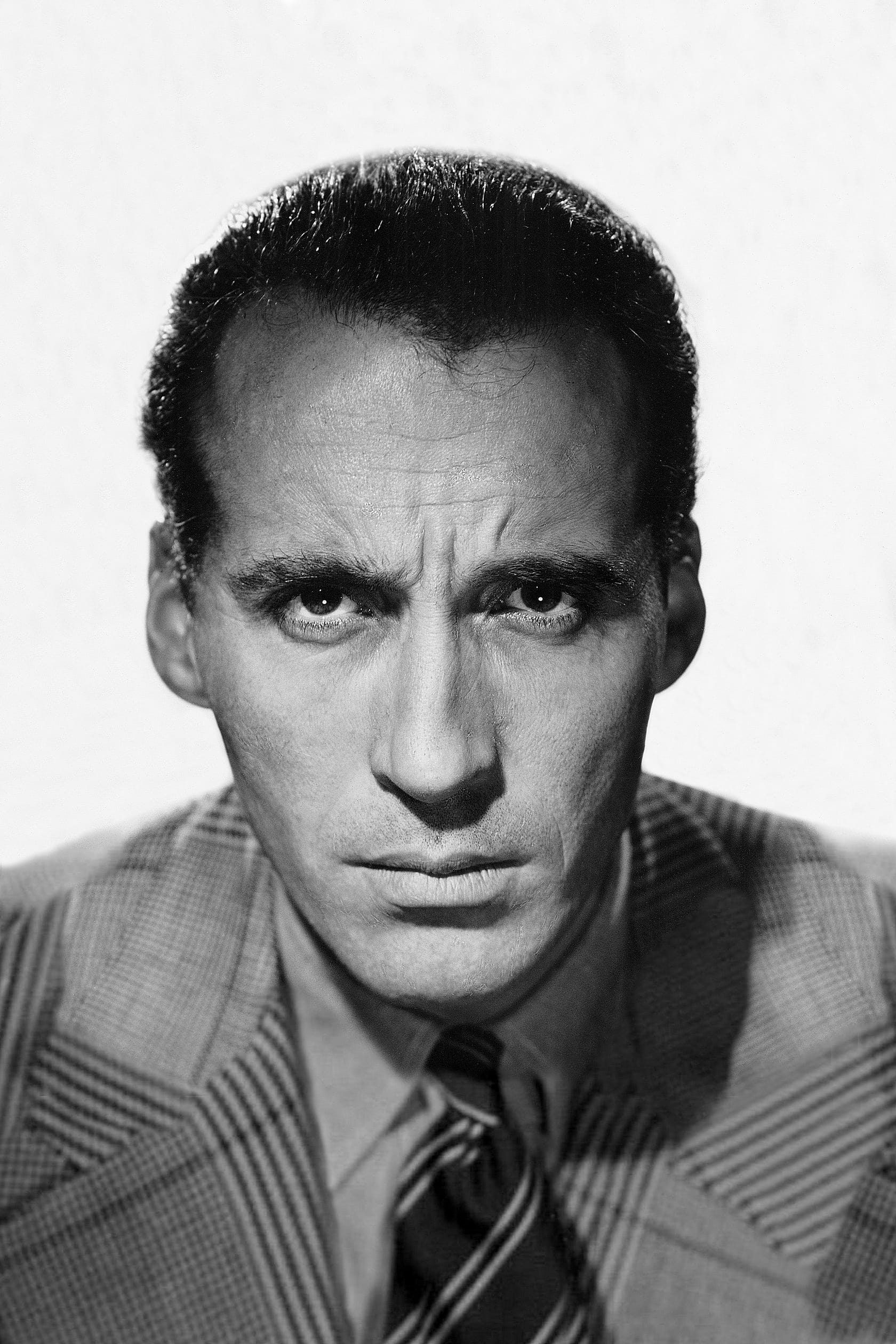
He left instructions for the administration of film residuals, music royalties, and publishing rights. The will allowed the executor to coordinate releases with studios and labels. Personal effects from sets required appraisal and a written chain of custody. International tax filings were to be prepared by designated advisors named in the document.
Peter Cushing
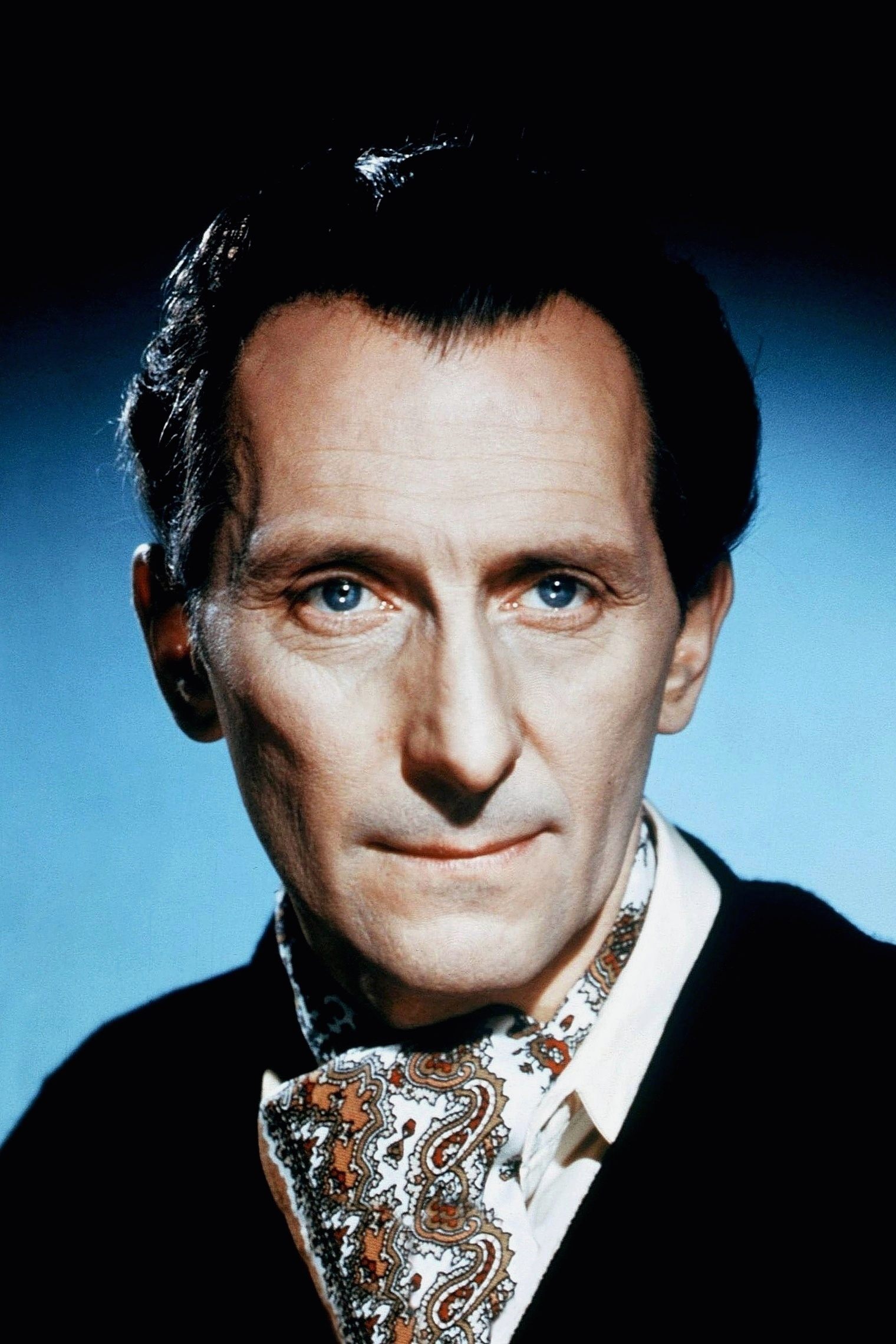
His estate plan directed that notebooks, photographs, and correspondence be preserved with curatorial guidance. Residuals were allocated to family through a fixed share arrangement. The executors could decline low quality licensing requests to protect brand integrity. Sale of duplicate memorabilia was permitted to reduce storage costs.
Gregory Peck
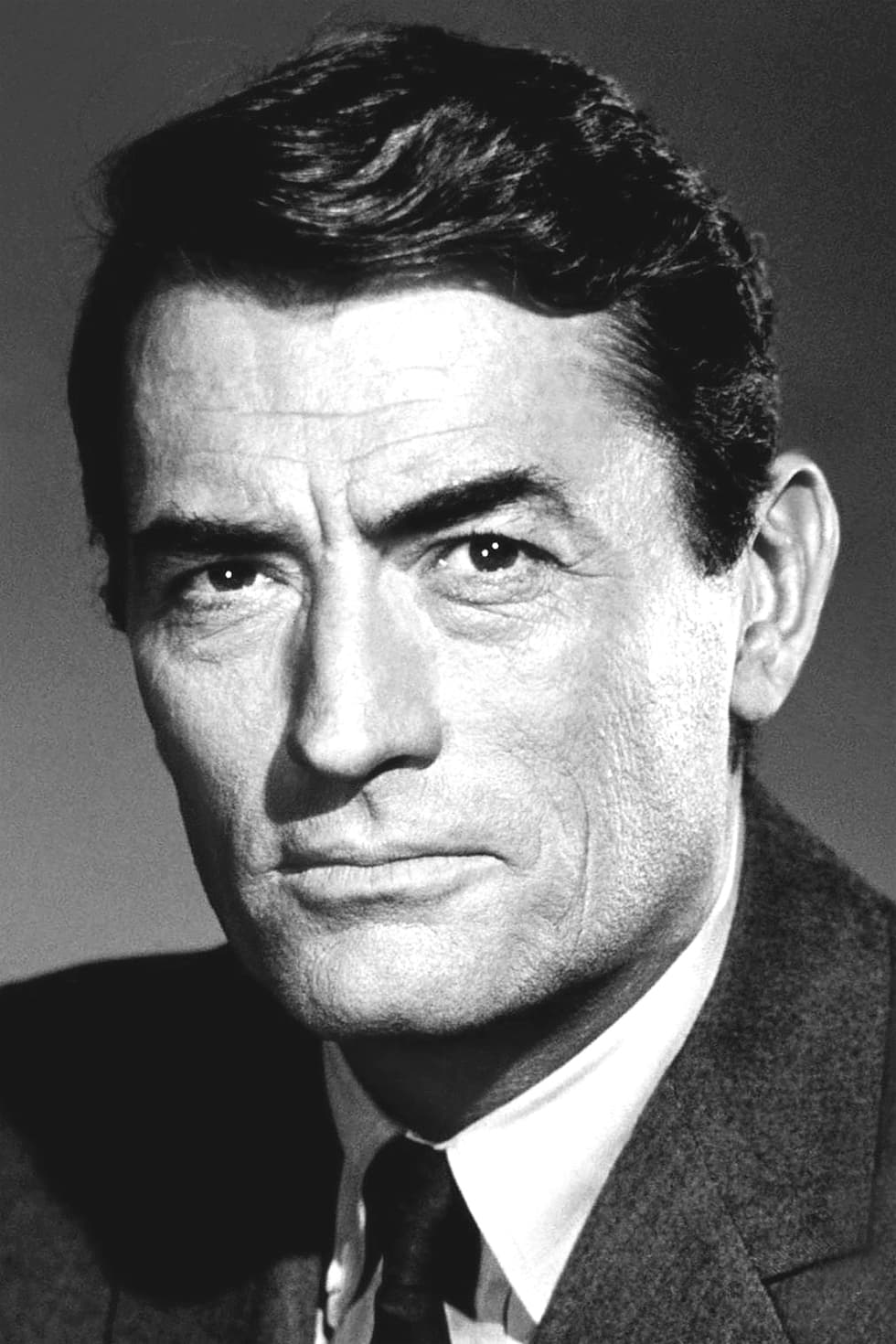
He used a marital trust and generation focused provisions to support descendants. Executors were empowered to manage ongoing guild residuals and pension benefits. A list of awards and honors included handling instructions for display or donation. The plan required annual accounting for beneficiaries receiving trust income.
Yul Brynner
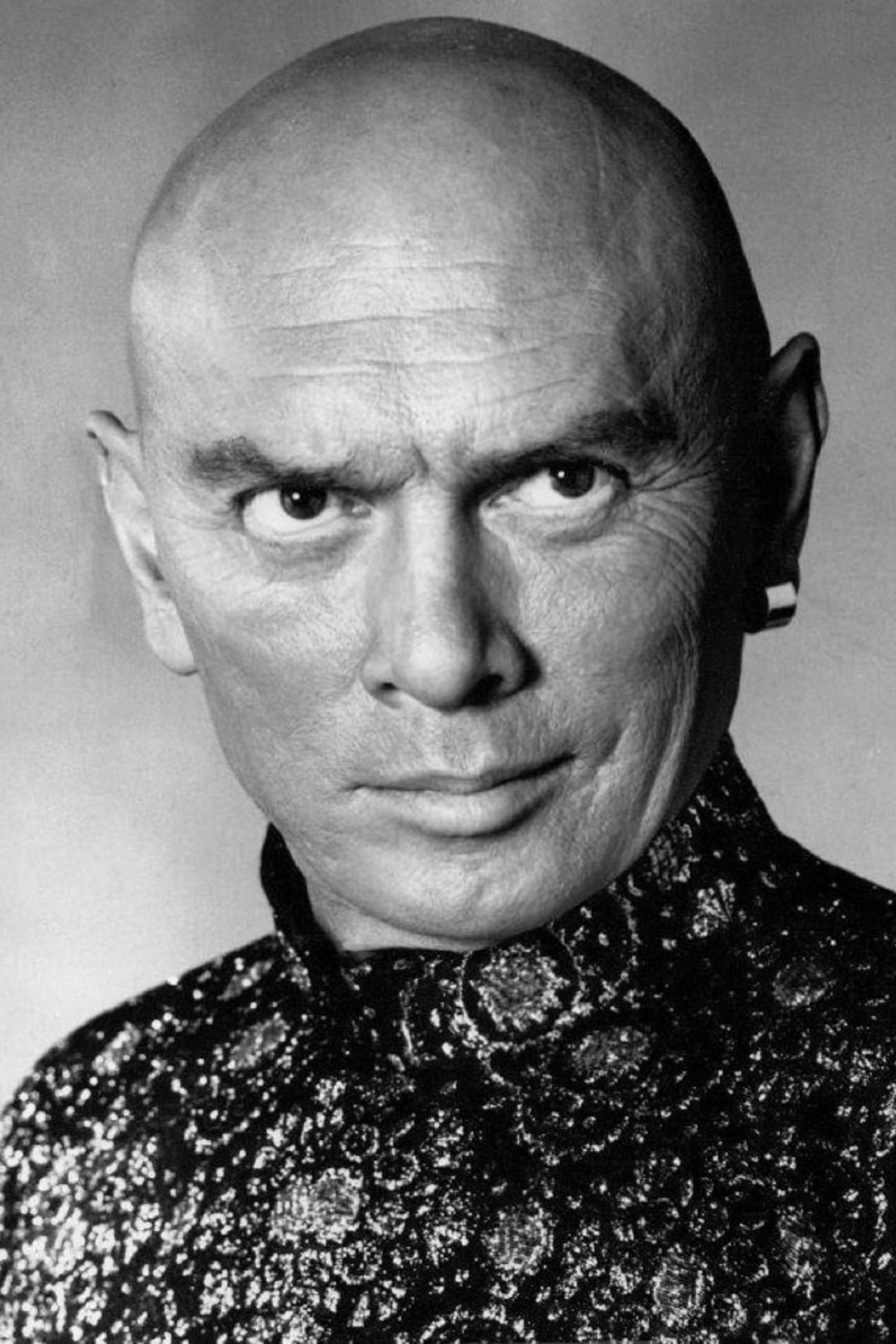
His will coordinated stage, film, and photographic rights under one licensing authority. The executors were instructed to standardize contracts for touring exhibits and retrospectives. Family received scheduled trust distributions tied to age milestones. Certain personal costumes and props were tagged for archival placement before any sale.
Leslie Nielsen
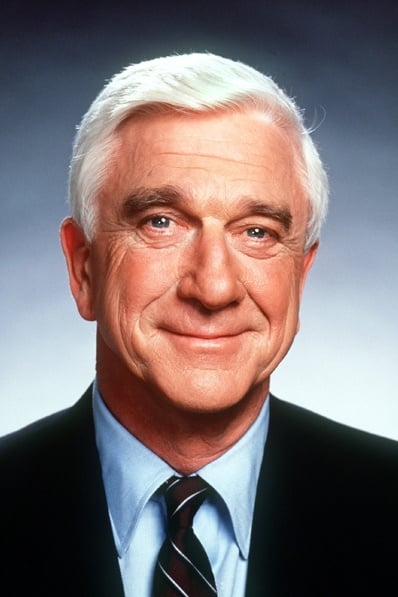
He maintained a living trust with pour over provisions to capture remaining assets through the will. Residual income streams were consolidated for efficient payment and reporting. Executors had discretion to approve documentary use of behind the scenes materials. Personal comedic props and scripts were inventoried and then distributed per written lists.
Oliver Reed
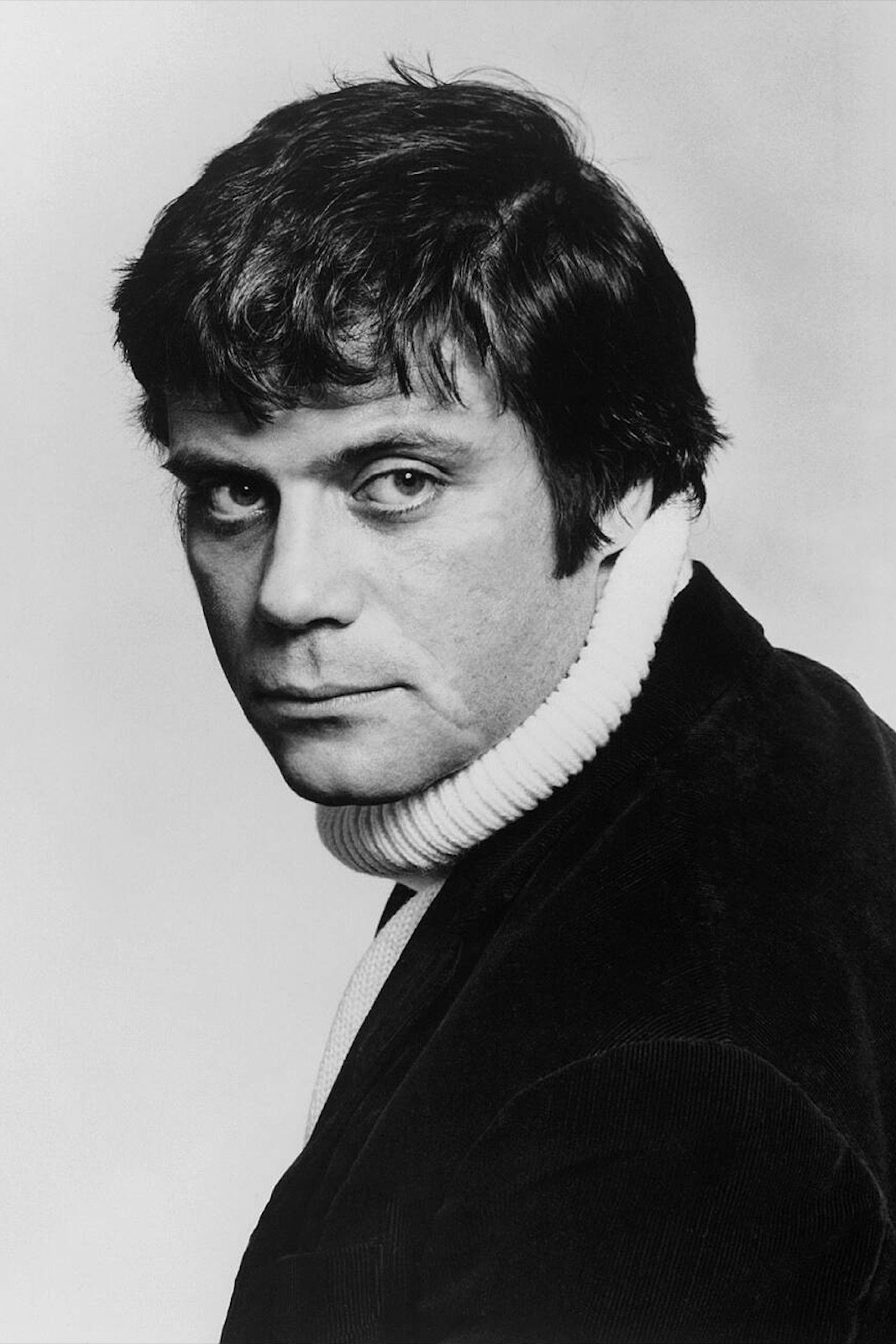
His plan provided for family while designating professional management of international royalties. The will authorized resolution of outstanding production advances and appearance fees. Executors could license image and voice uses subject to quality controls. Real estate liquidations were permitted to fund debts, taxes, and trust allocations.
Share your thoughts on which of these estate plans surprised you the most in the comments.