


Last Wills and Testaments of Iconic Hollywood Actresses

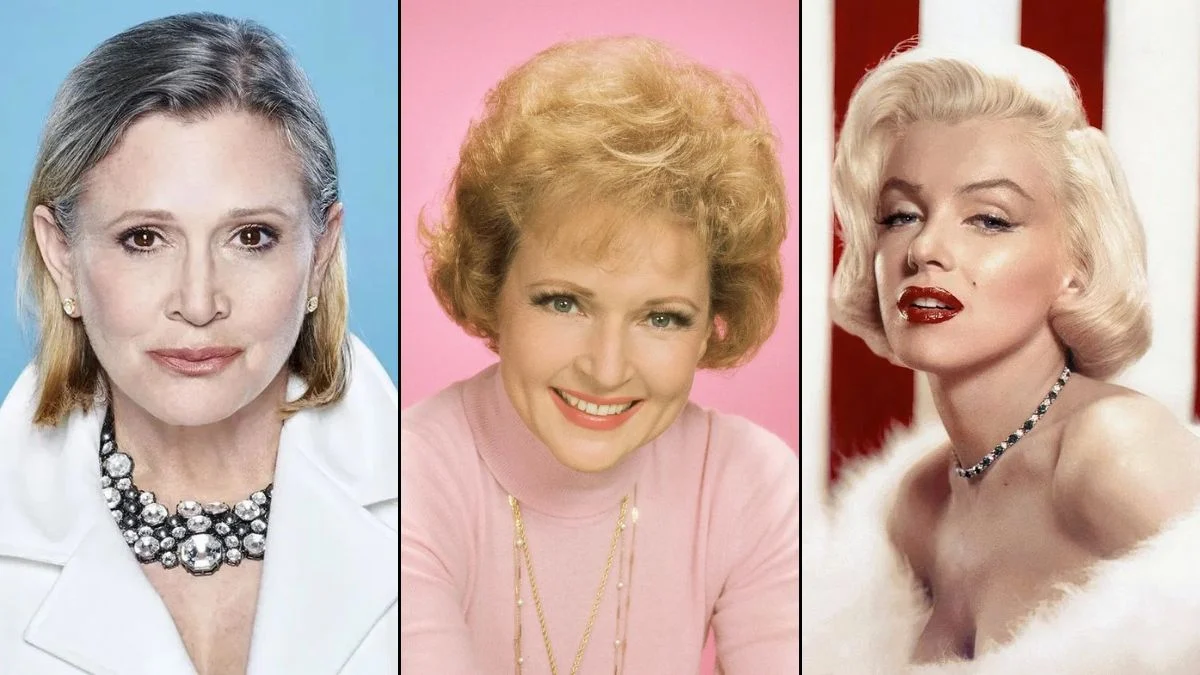


Hollywood legends did not just shape the screen, they also shaped estates that still influence families, charities, and archives today. Many relied on trusts to keep details private and to manage royalties, likeness rights, and memorabilia. Others made very public choices that redirected fortunes toward philanthropy. Here is how iconic actresses arranged their final affairs in clear terms that help explain where their legacies live now.
Marilyn Monroe
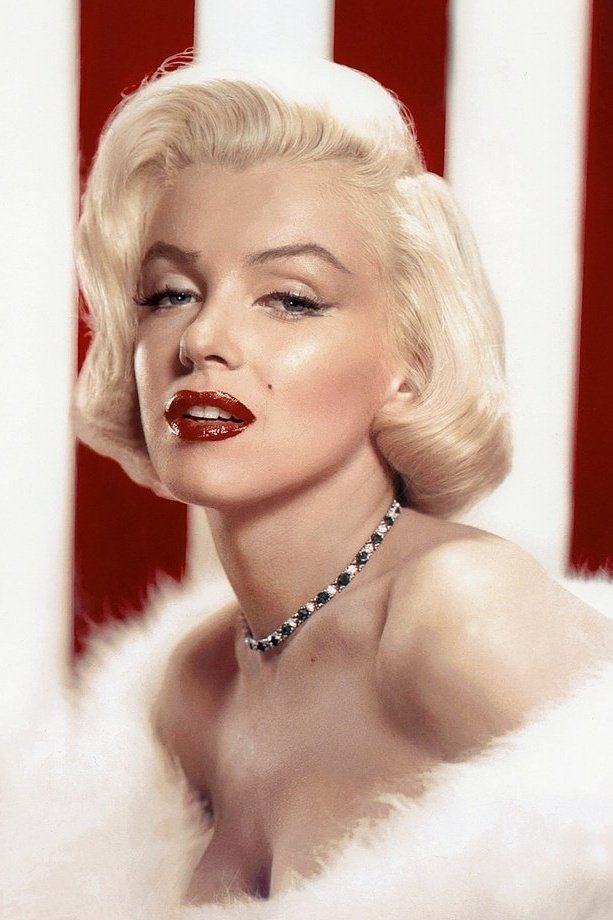
Marilyn Monroe’s will left the bulk of her residuary estate to acting coach Lee Strasberg, with a significant portion to her psychiatrist for charitable work. She made specific cash bequests to relatives and staff. Control of her personal effects passed to Strasberg, which later shaped licensing of her image. Her intellectual property and publicity rights became a long running revenue source managed by the beneficiaries.
Elizabeth Taylor
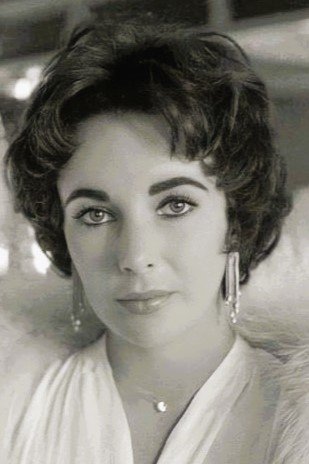
Elizabeth Taylor placed her assets in a revocable living trust, keeping most details outside probate. Her famed jewelry and couture collections were cataloged and sold at auction, generating funds for charitable causes. The structure allowed for distributions to family along with philanthropic gifts. Using a trust also minimized public filings and streamlined estate administration.
Audrey Hepburn
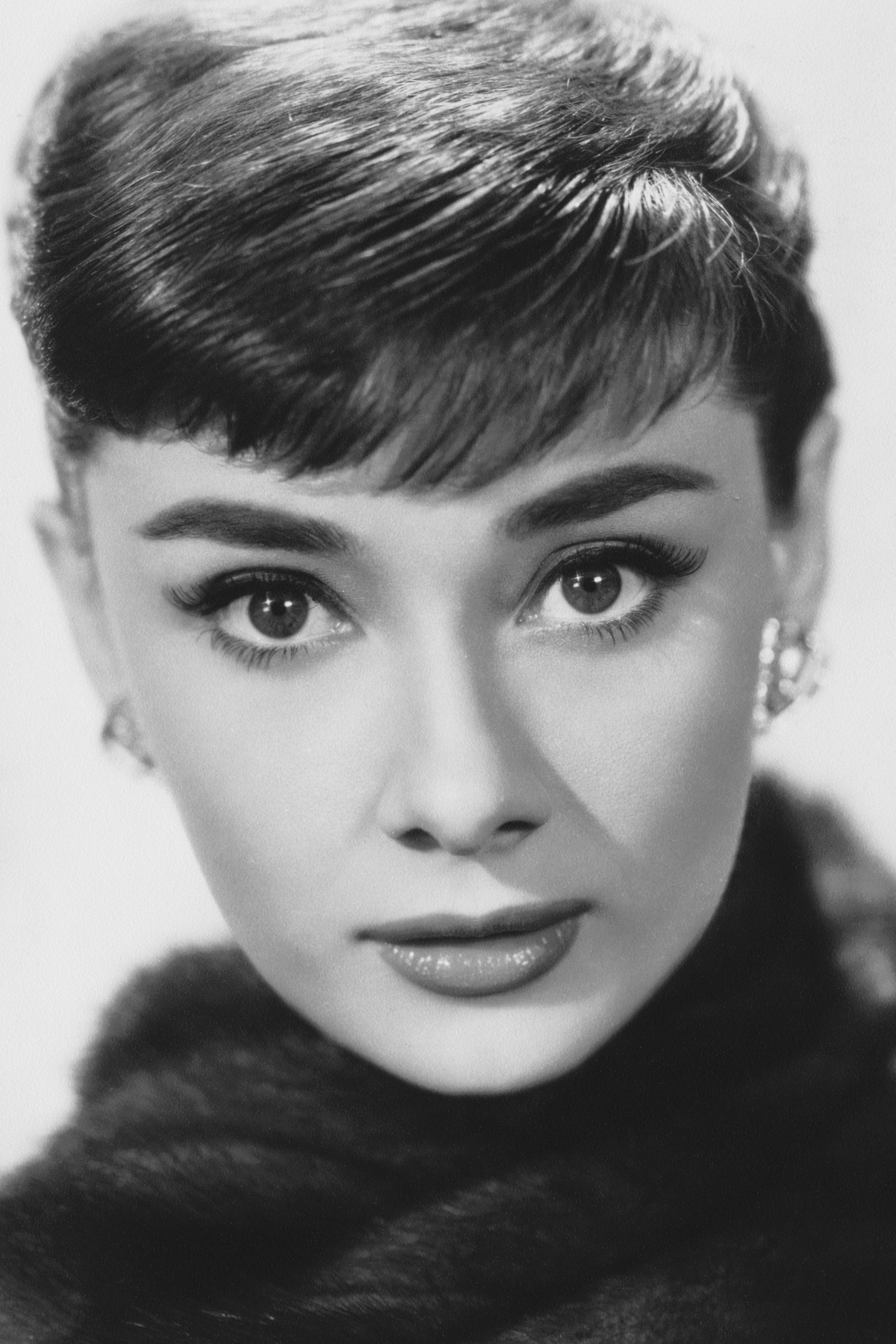
Audrey Hepburn’s estate was divided between her two sons through a plan that addressed her film memorabilia and personal effects. Rights tied to her name and image were organized so they could support future charitable initiatives. Her longtime partner was recognized with specific bequests. The arrangement ensured continued stewardship of materials associated with her humanitarian work.
Grace Kelly

Grace Kelly’s estate followed Monaco’s legal framework and provided for Prince Rainier and their children. Personal property and film era artifacts were handled separately from official princely assets. Her rights related to screen work were managed with an eye to preservation and controlled use. Family trusts helped maintain privacy while supporting cultural projects.
Joan Crawford
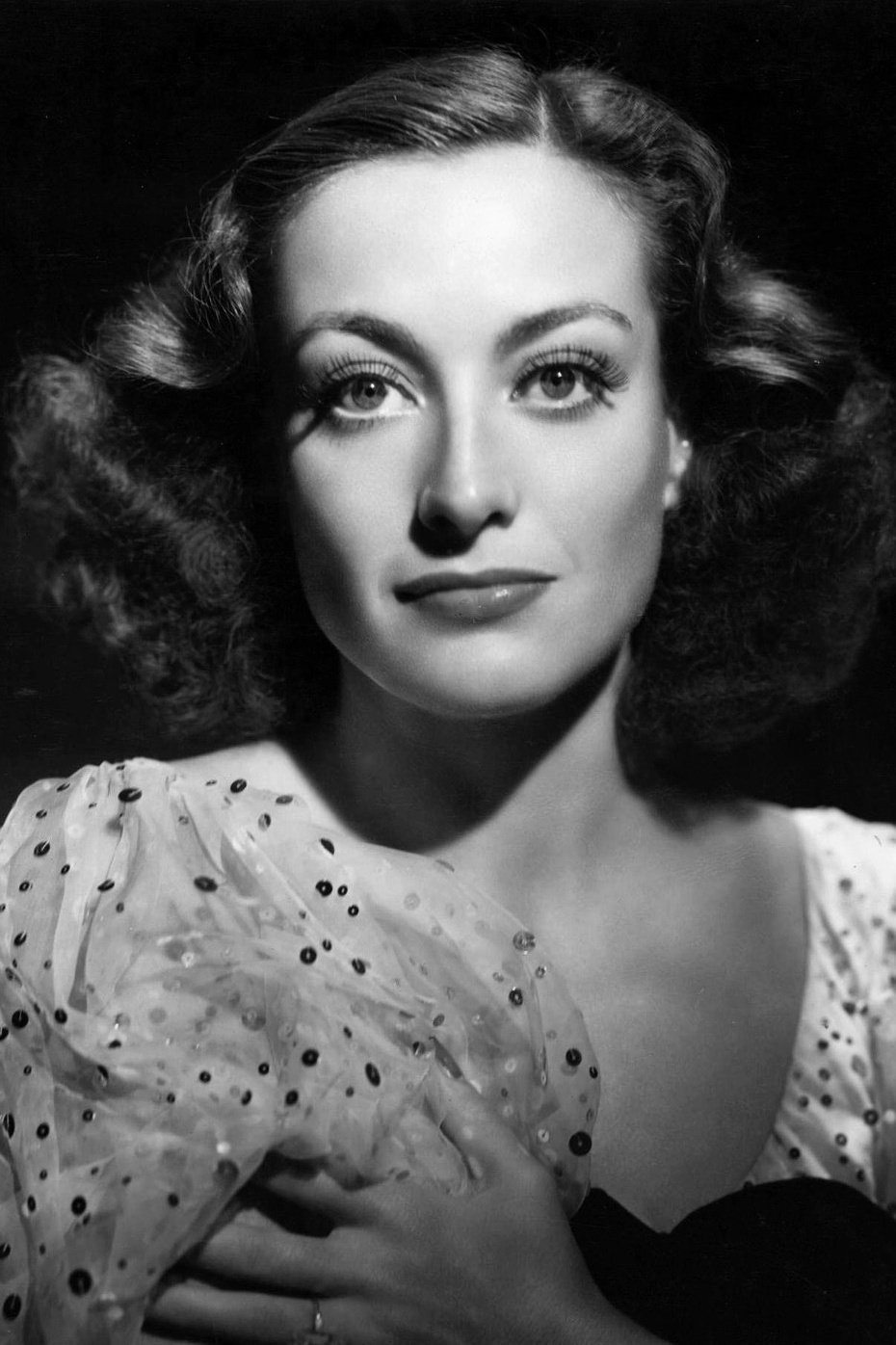
Joan Crawford’s will made notable exclusions and explained they were for reasons well known to those affected. She directed assets to her other children and established charitable bequests. The plan appointed professional executors to manage royalties and literary rights. Her instructions governed posthumous publications and use of her name.
Bette Davis

Bette Davis left the majority of her estate to her son through a straightforward will and trust combination. She specified limited or no provision for certain relatives and documented that choice. Her plan included management of performance royalties and personal papers. The estate prioritized orderly control of licensing requests tied to her classic films.
Katharine Hepburn
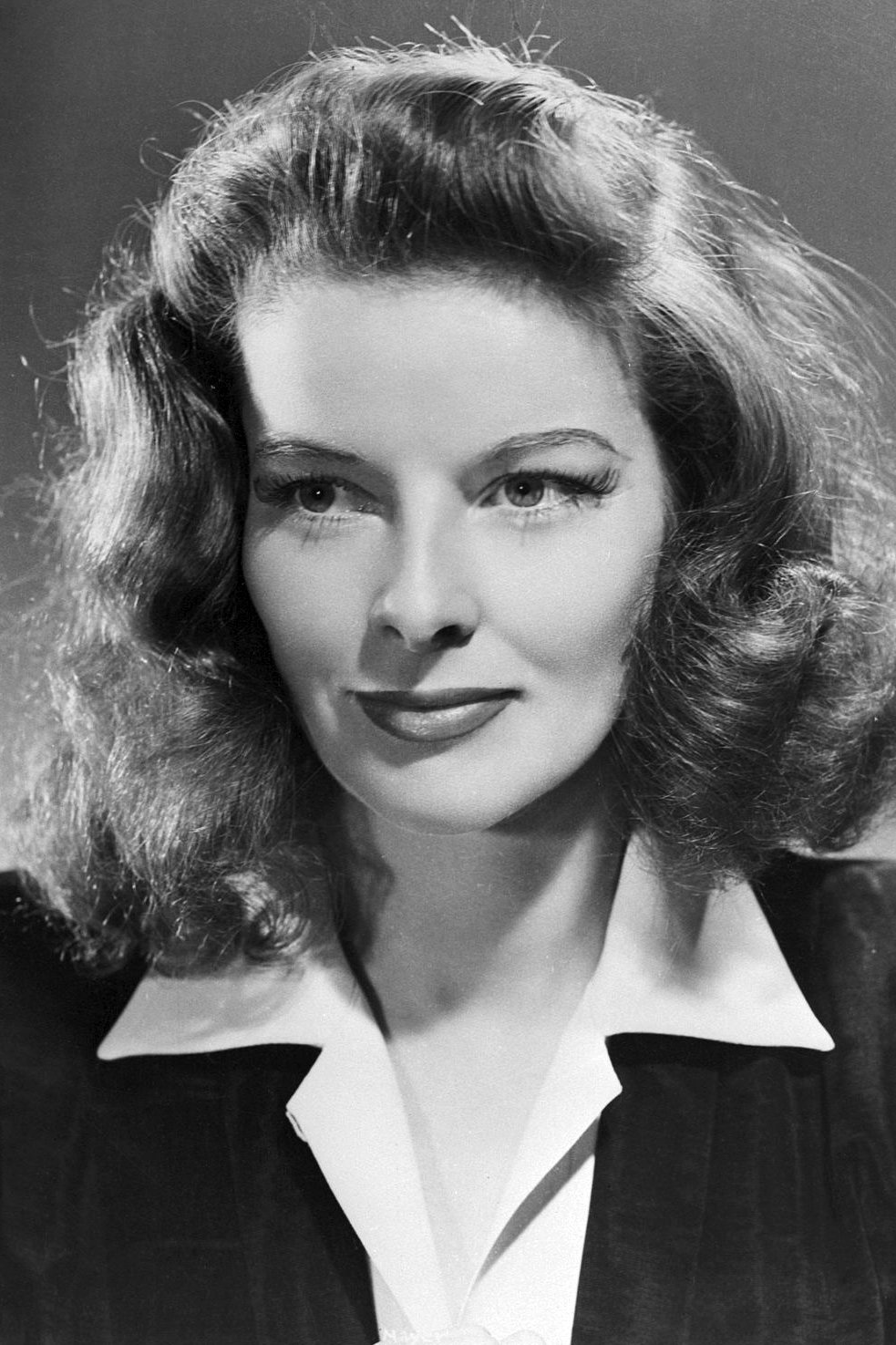
Katharine Hepburn’s estate provided for family through trusts and distributed key personal items by memorandum. She directed that her theatrical and film related materials be preserved and made available for research. Charitable organizations connected to the arts benefited from specific gifts. Sale of certain properties funded additional distributions.
Lucille Ball
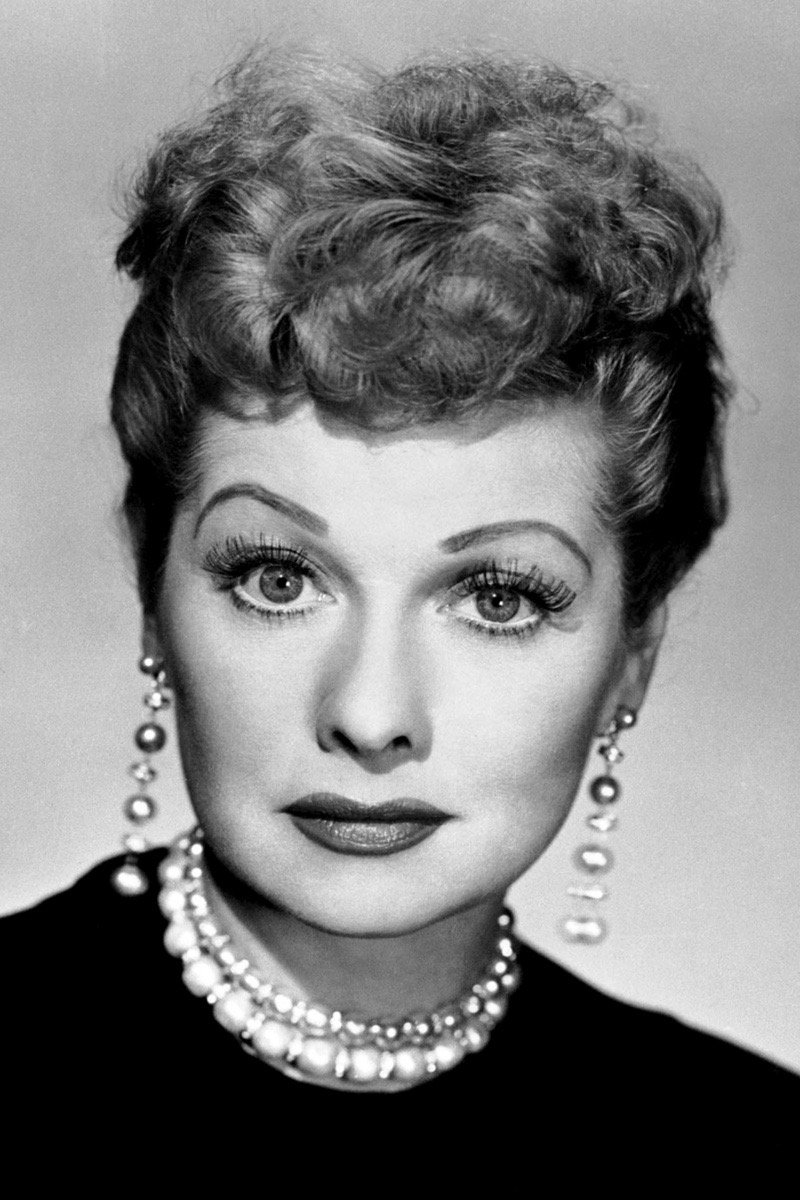
Lucille Ball’s estate arranged for her children to receive income from royalties and corporate holdings connected to her television catalog. She used trusts to manage interests in production companies and residuals. Personal property was divided by written instructions that accompanied the will. Oversight of licensing for her likeness and brand continued under designated fiduciaries.
Judy Garland
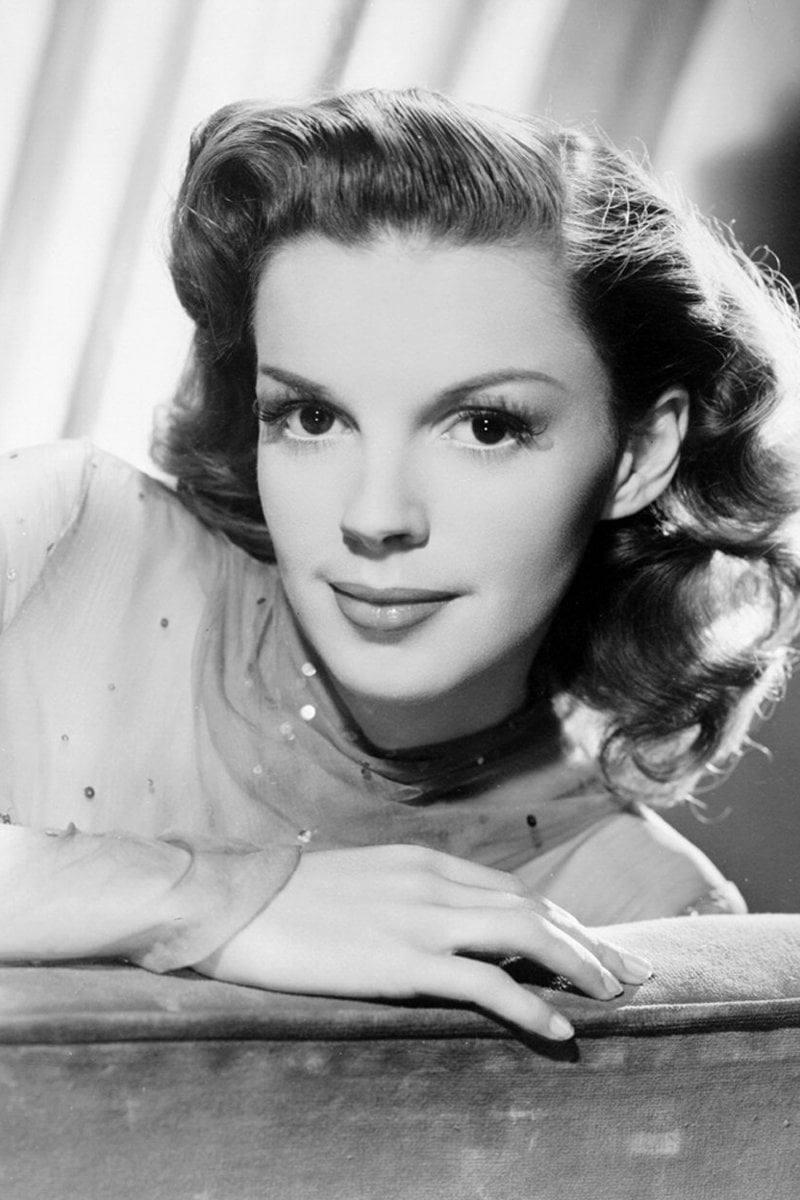
Judy Garland’s probate revealed substantial debts that had to be settled before beneficiaries received assets. Royalties and residual payments later helped stabilize financial outcomes for her children. Personal effects and recordings were inventoried to satisfy creditors and preserve archives. The final accounting balanced obligations with long term rights management.
Ingrid Bergman
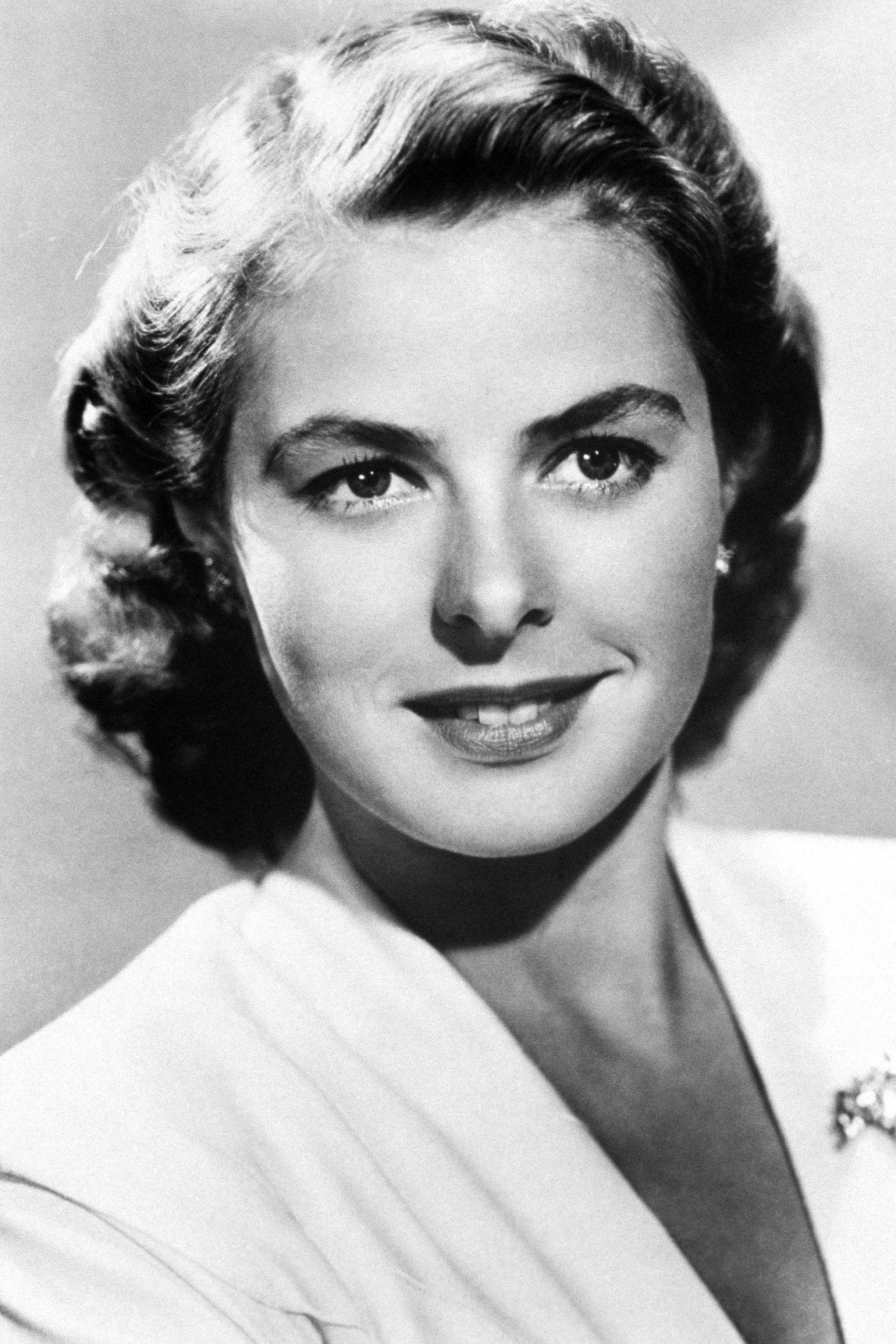
Ingrid Bergman’s estate split assets among her children with provisions for film memorabilia and photographs. Executors coordinated with European institutions to protect archives. Royalties from classic films were directed through standard collection agencies and paid to beneficiaries. The plan emphasized preservation of her international career record.
Natalie Wood
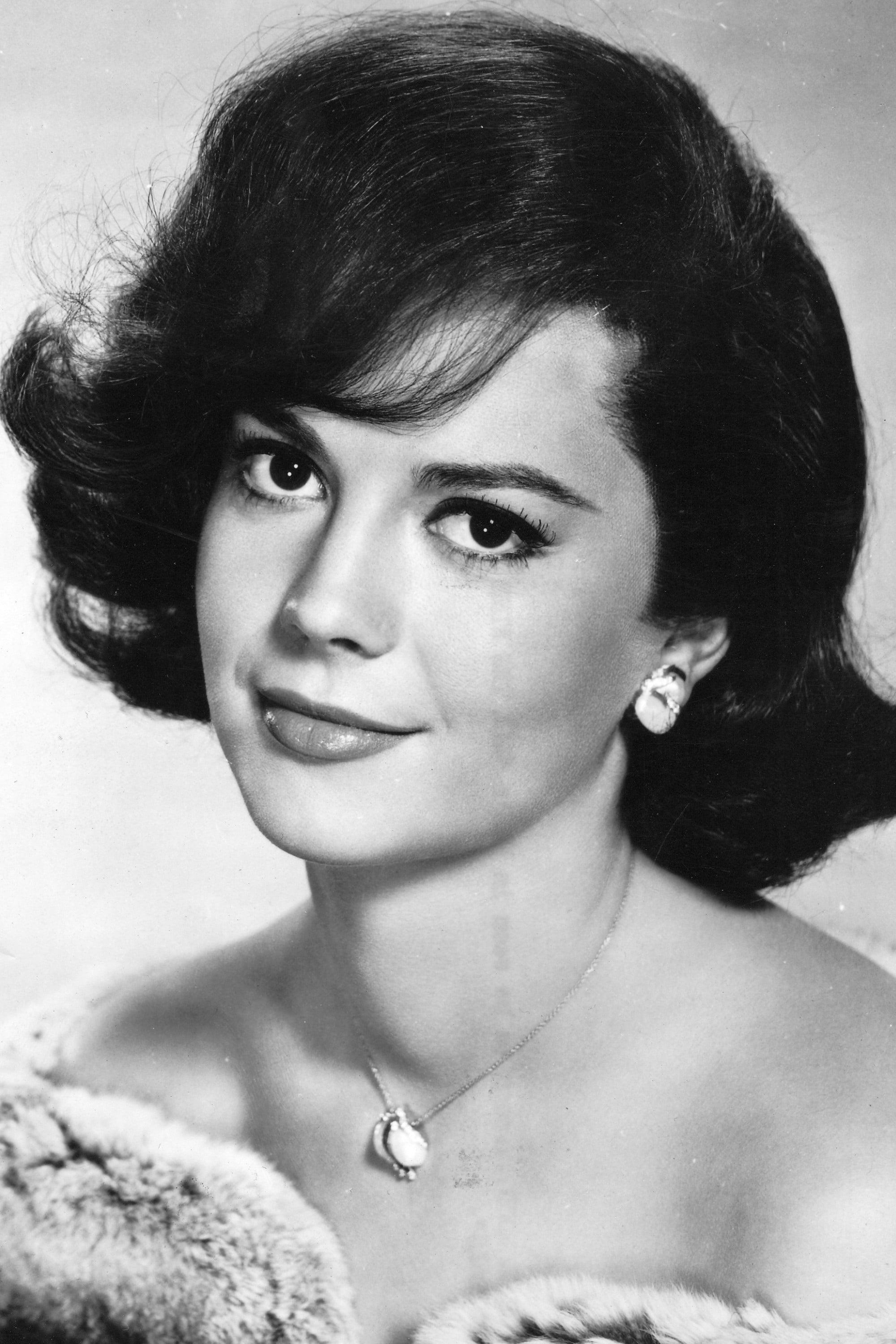
Natalie Wood’s will placed assets in trust for her daughters with her husband serving in a fiduciary role. The trust managed income from residuals and literary rights. Guardianship provisions addressed the children’s welfare and education. Personal property was allocated by list to keep sentimental items within the family.
Debbie Reynolds
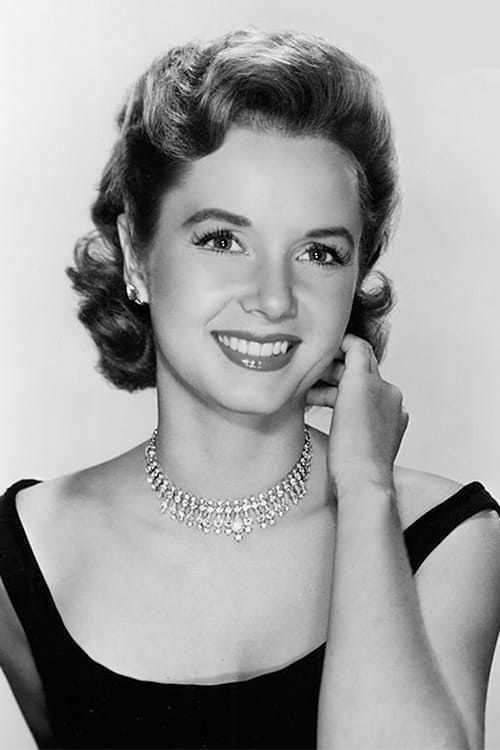
Debbie Reynolds structured her estate to cover museum quality memorabilia and to support family beneficiaries. After the closure of her Hollywood museum project, items were cataloged and sold with proceeds directed according to her plan. She coordinated with her daughter’s estate to avoid conflicts. The approach balanced preservation with practical distributions.
Doris Day
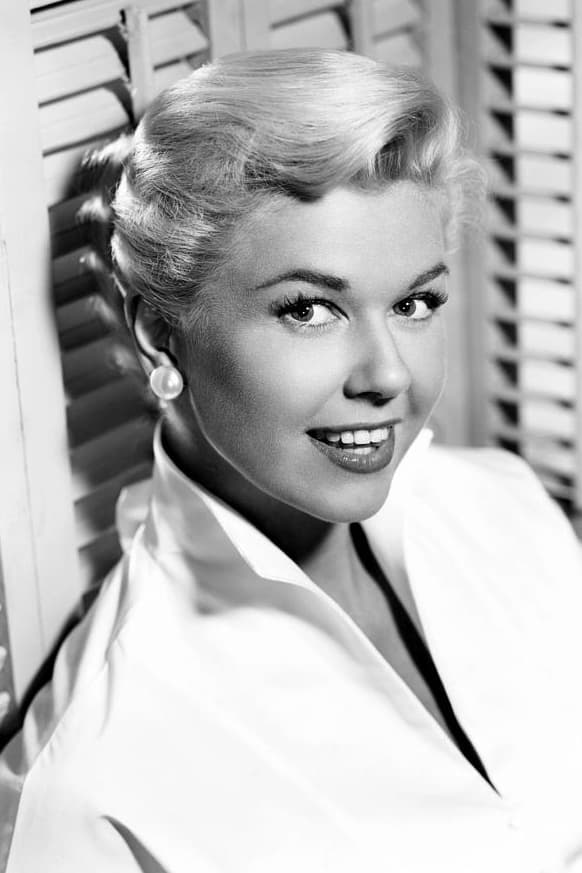
Doris Day left the majority of her estate to the Doris Day Animal Foundation. Her plan directed that real estate and personal property be liquidated to fund the charity’s work. She avoided publicity by relying on trust administration rather than open probate where possible. Income from recordings and screen work continued to support the foundation.
Lauren Bacall
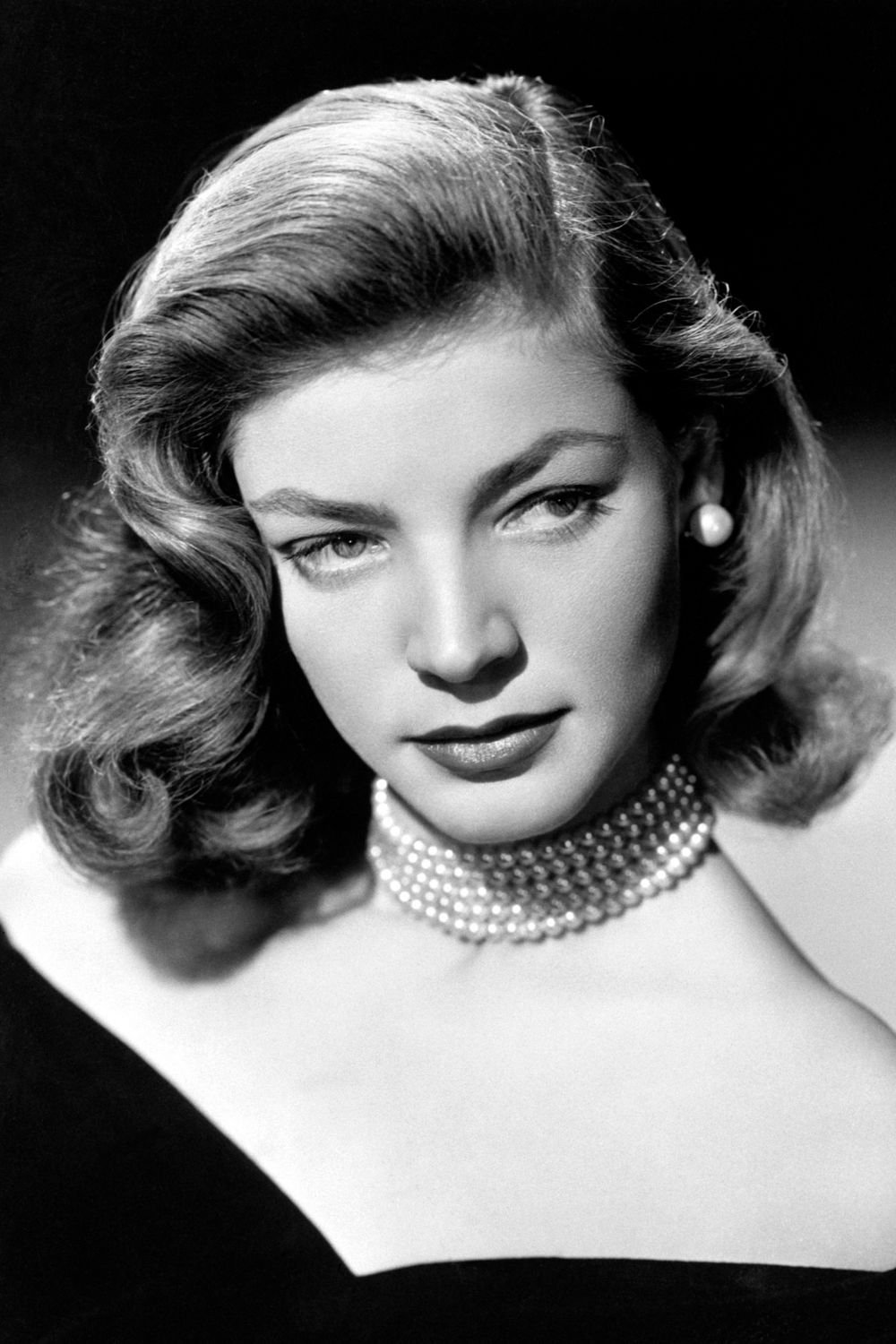
Lauren Bacall’s will included a bequest to care for her dog and named her children as primary beneficiaries. She left charitable gifts to arts and civil rights organizations. The plan authorized the sale of her Manhattan apartment with proceeds divided according to set shares. Cataloged personal effects were distributed or auctioned under executor supervision.
Rita Hayworth
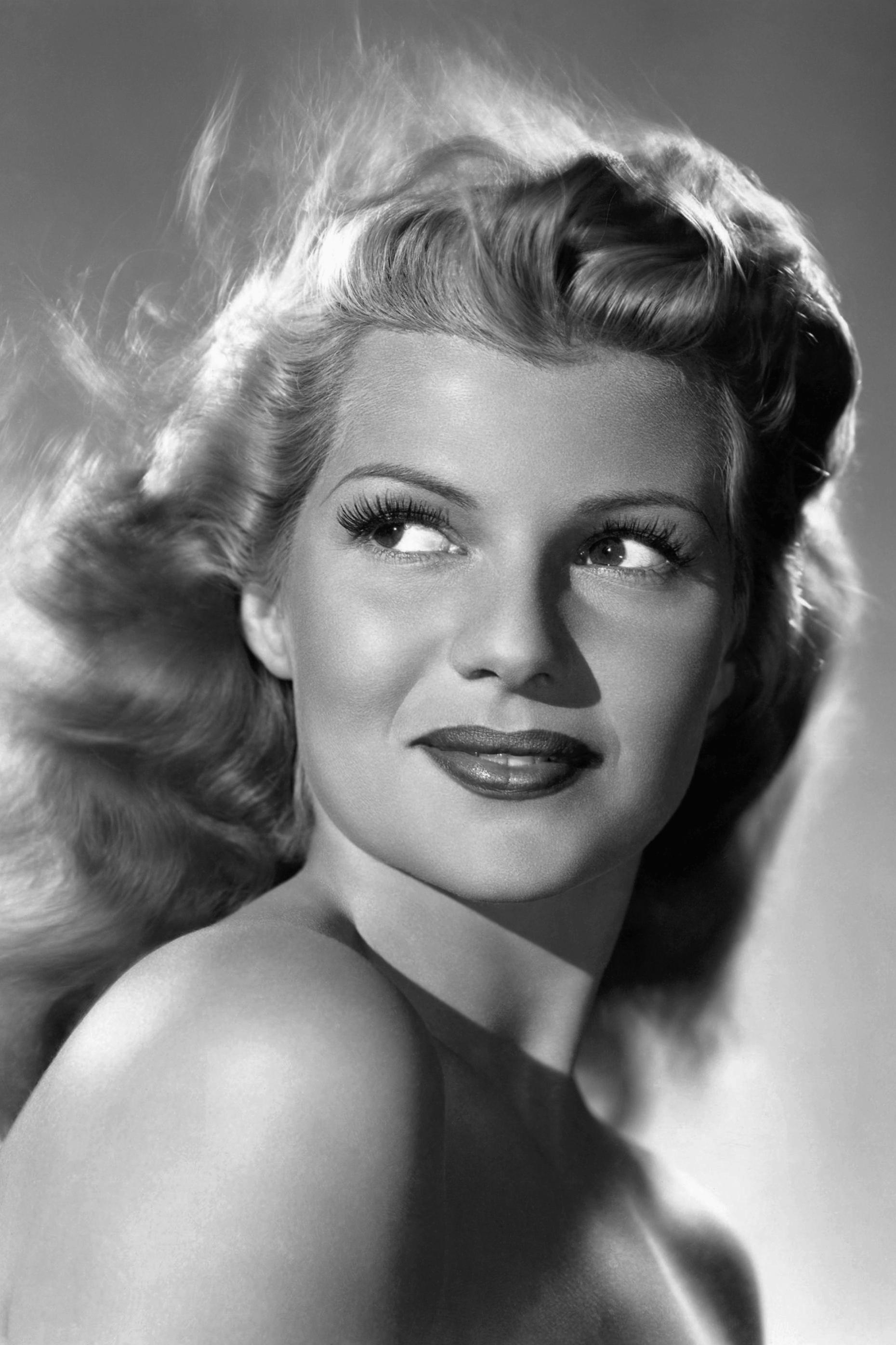
Rita Hayworth’s estate passed primarily to her daughter, with attention to managing rights connected to her film career. Materials documenting her work were preserved for research and exhibition. Later charitable efforts in her name focused on Alzheimer’s awareness using authorized licensing. Executors maintained control over image use in commercial projects.
Ava Gardner
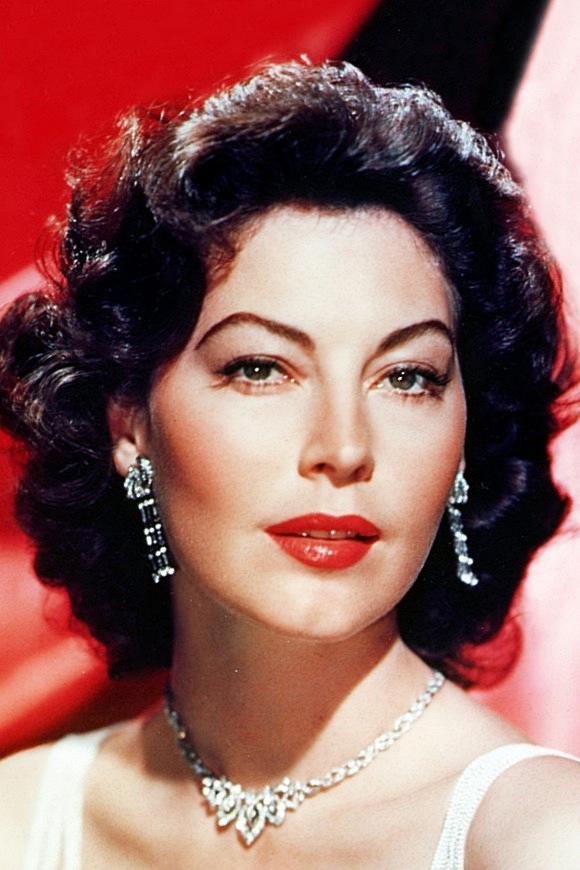
Ava Gardner arranged gifts for family members and close associates, including distributions of jewelry and manuscripts. The plan recognized ongoing royalties from her film catalog. Archival material was designated for preservation and controlled release. Trust provisions handled income management for named beneficiaries.
Mae West
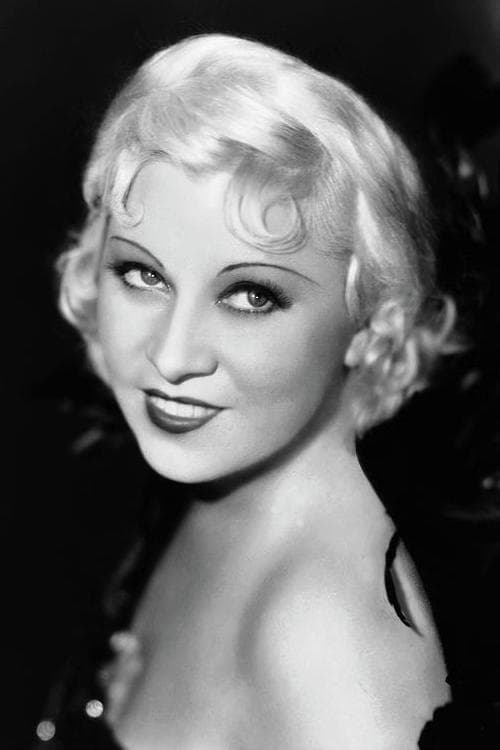
Mae West used a will and trust to direct earnings from publishing and performance rights to selected heirs. She provided for the maintenance and sale of real property with net proceeds divided by percentage. Personal scripts and costumes were inventoried for donation or sale. Executors were instructed to approve only reputable licensing deals.
Jean Harlow
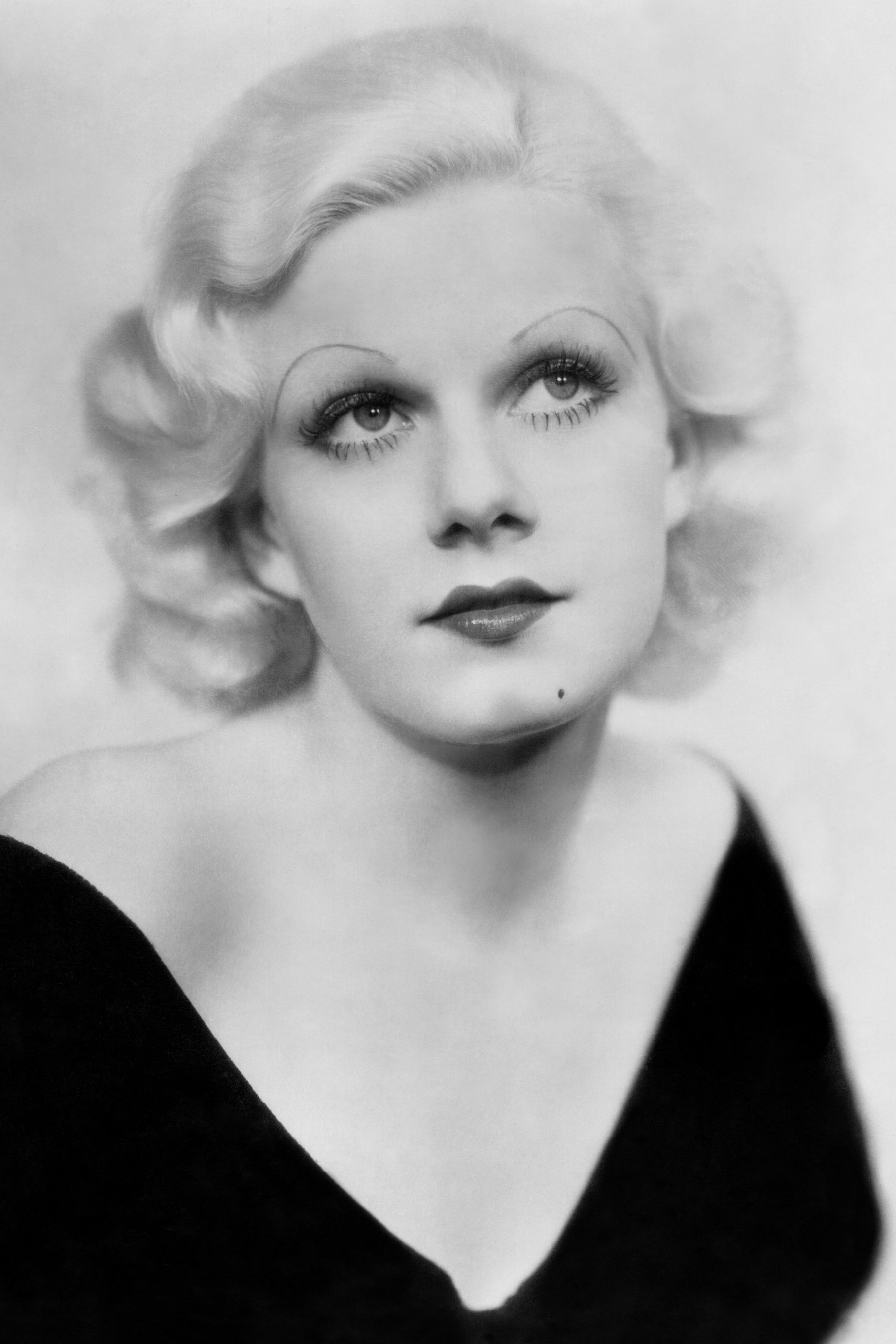
Jean Harlow’s estate primarily benefited her mother under a will made early in her career. Studio contracts and pending payments were settled through probate. Personal jewelry and wardrobe were itemized for distribution. The plan followed the standard California process of the era with court supervised accounting.
Jayne Mansfield

Jayne Mansfield’s will created trusts for her children, with guardianship and management duties assigned to responsible adults. Insurance proceeds were coordinated with the estate to cover debts and provide support. Residual rights from film work were included as trust assets. Personal effects were divided to maintain family keepsakes.
Vivien Leigh
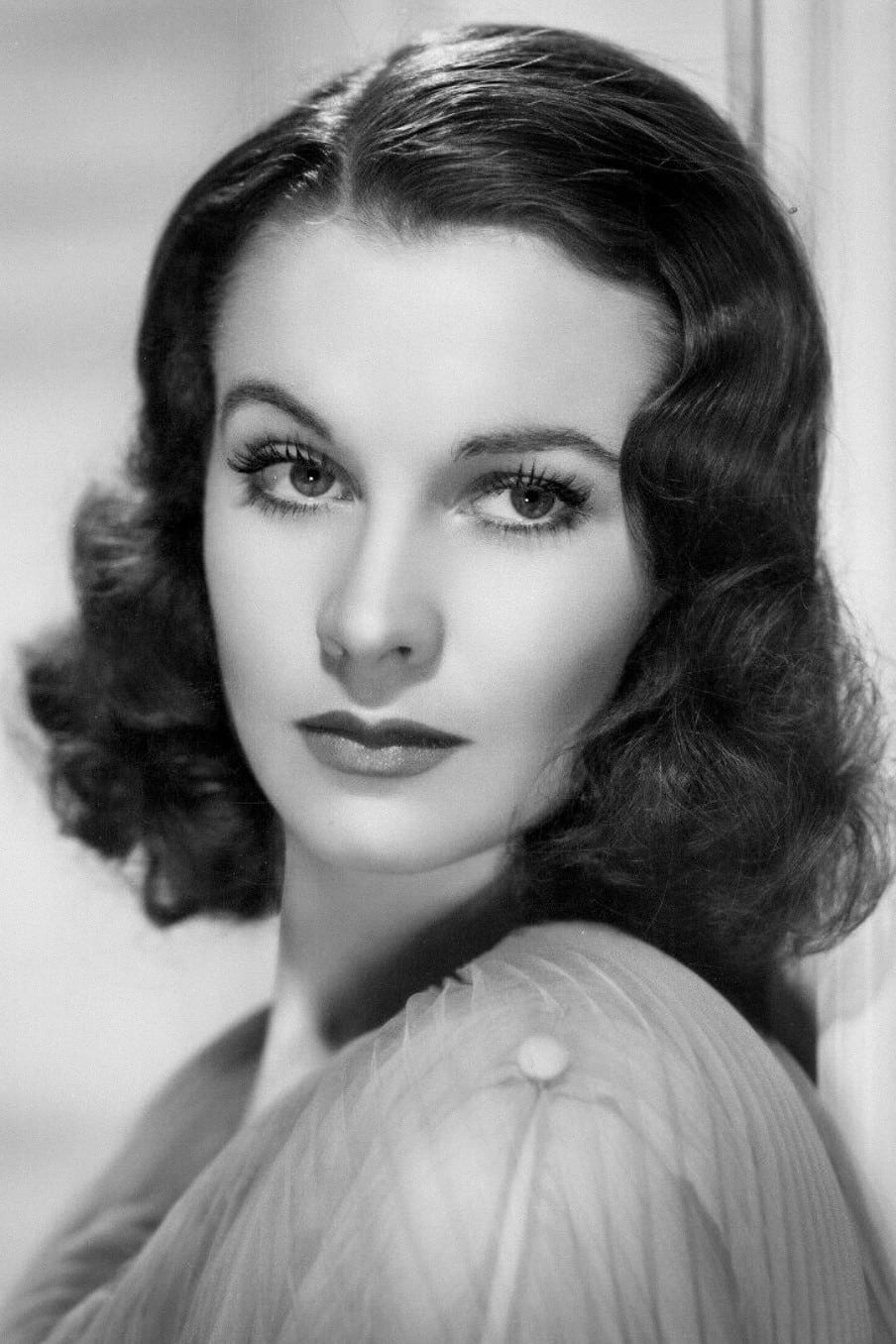
Vivien Leigh’s estate included valuable stage and screen memorabilia that were allocated to family and later auctioned under instructions. Literary rights and correspondence were preserved for academic access. Residuals from films continued to flow to beneficiaries through collection societies. Executors balanced cultural stewardship with fair distribution.
Shirley Temple
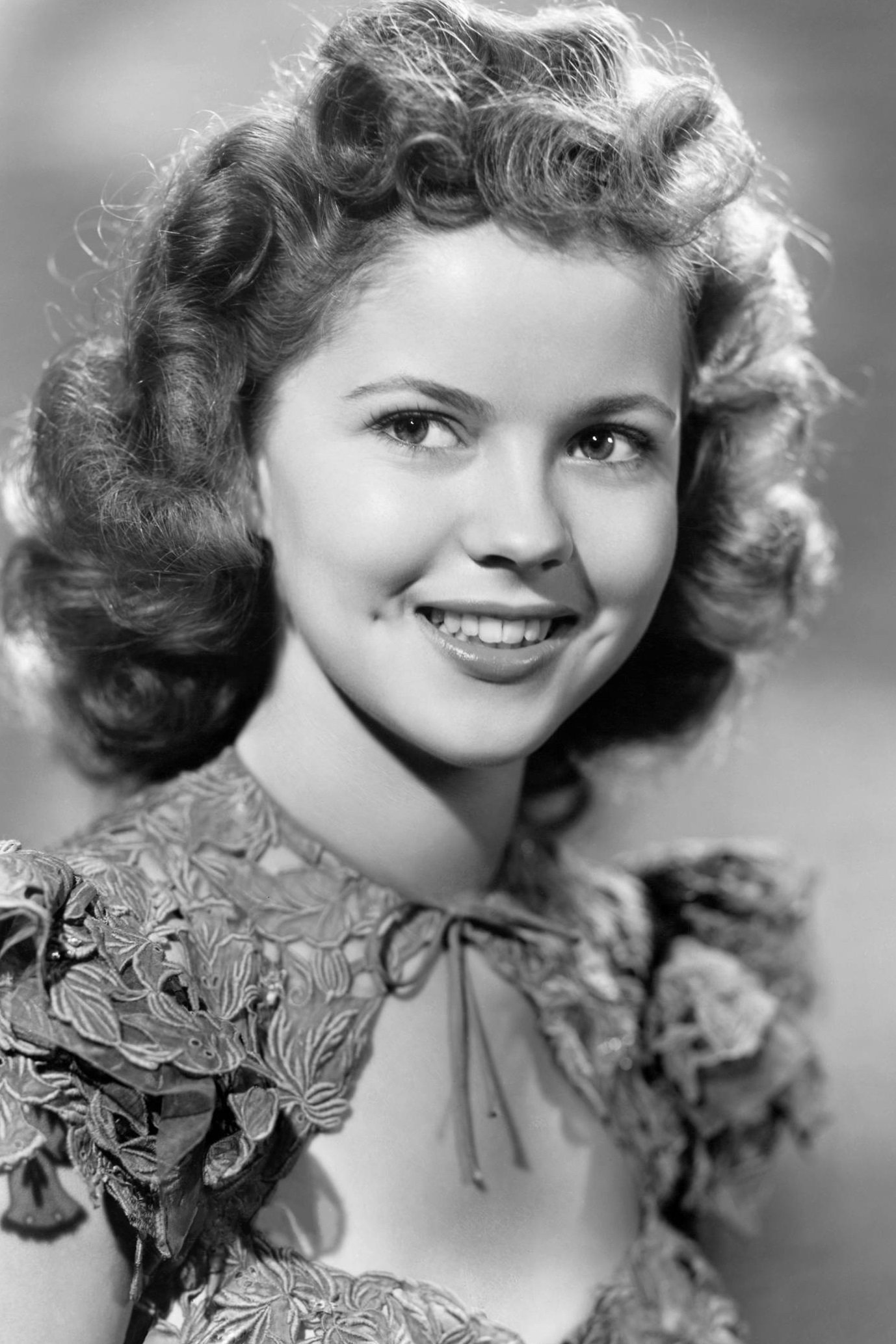
Shirley Temple Black’s estate plan provided for her children and recognized her extensive memorabilia collection. She used trusts to manage income from authorized merchandise and recordings. Diplomatic papers and personal archives were directed to appropriate institutions. The structure emphasized privacy and long term preservation.
Mary Pickford
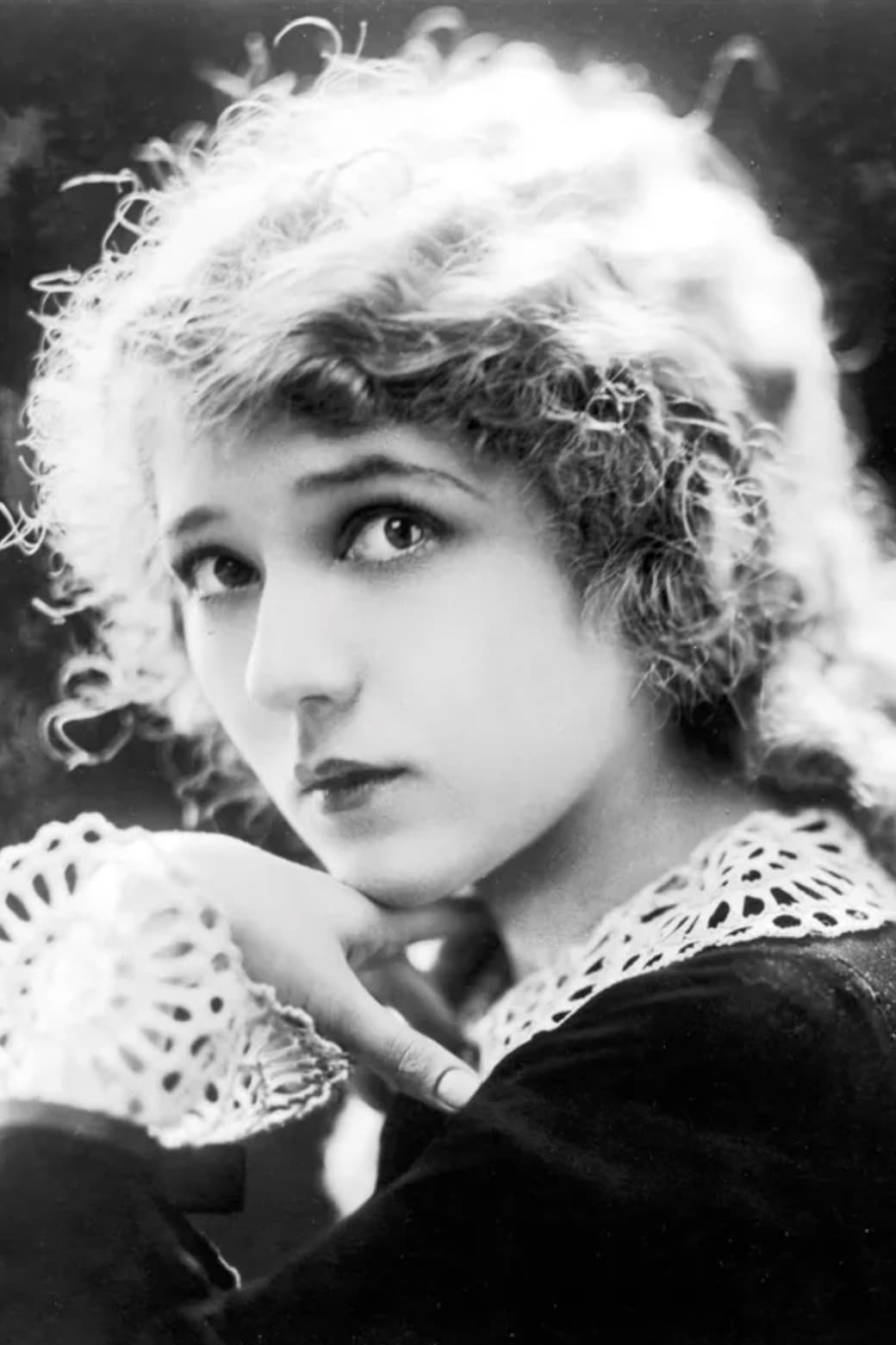
Mary Pickford established the Pickford Foundation and arranged for rights in her silent era catalog to support education in the arts. Her plan protected the Pickfair archive and restricted unauthorized use of her image. She named trusted associates and family as stewards of film elements. Charitable gifts were central to her final directives.
Carole Lombard
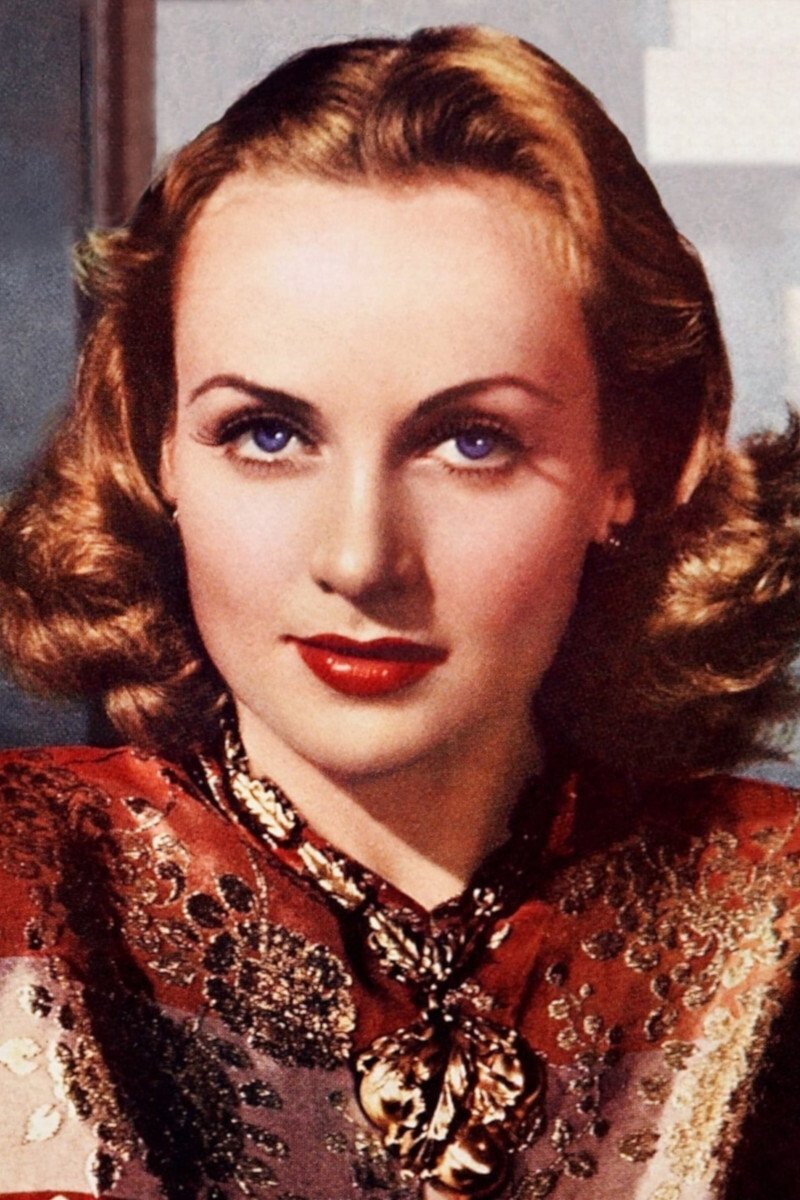
Carole Lombard’s sudden death required expedited probate that handled insurance, contracts, and community property considerations. Distributions addressed obligations alongside family support. Studio settlements and unpaid earnings were reconciled through the court. Personal mementos were carefully distributed according to written instructions.
Elizabeth Montgomery

Elizabeth Montgomery’s estate relied on a living trust to keep details confidential while providing for family. Residuals from television work continued to pay beneficiaries under union rules. Personal property was divided by memorandum outside the will. Privacy clauses limited disclosure of asset values and distributions.
Carrie Fisher

Carrie Fisher named her daughter as primary heir and provided for the management of literary and screen related rights. Her plan addressed future royalties from major franchises and book catalogs. Personal effects and archives were organized for donation and controlled release. Executors coordinated with her mother’s estate to avoid overlapping claims.
Olivia de Havilland

Olivia de Havilland’s estate plan used trusts to distribute assets between family and to manage literary and publicity rights tied to her career. Executors coordinated both U.S. and French filings because she maintained residences in multiple countries. Her personal papers and correspondence were organized for archival access under controlled terms. Royalties from classic films continued to be collected and paid to designated beneficiaries.
Angela Lansbury
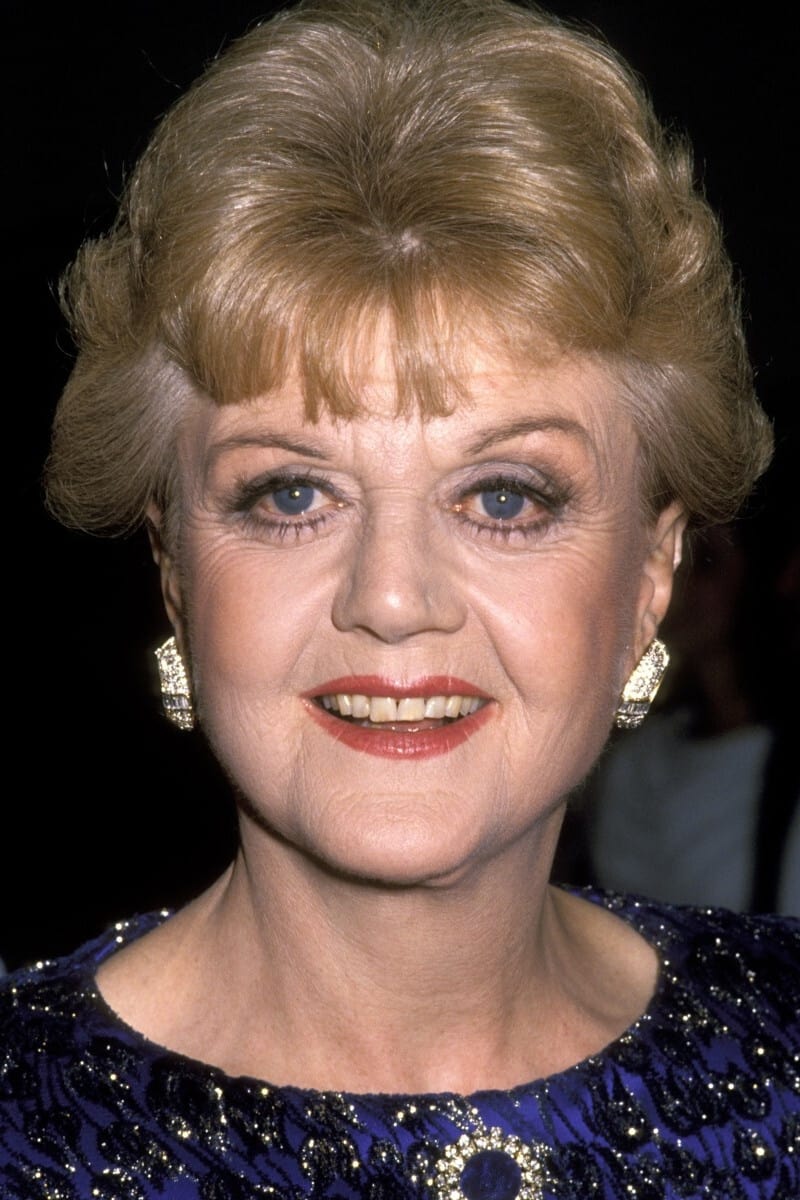
Angela Lansbury arranged for ongoing residuals from stage and screen to flow through a trust for her heirs. She documented specific instructions for scripts, awards, and personal memorabilia to be cataloged before distribution. The plan provided for charitable gifts connected to arts education. Real property holdings were slated for sale with proceeds divided according to percentages set in the trust.
Raquel Welch

Raquel Welch relied on a revocable living trust to keep most details private while ensuring a straightforward transfer of assets. Residuals from film and television appearances were included as trust property for long term income management. Personal effects were inventoried to separate items of sentimental value from those intended for sale. Her trustees were authorized to approve licensed uses of her name and image.
Nichelle Nichols
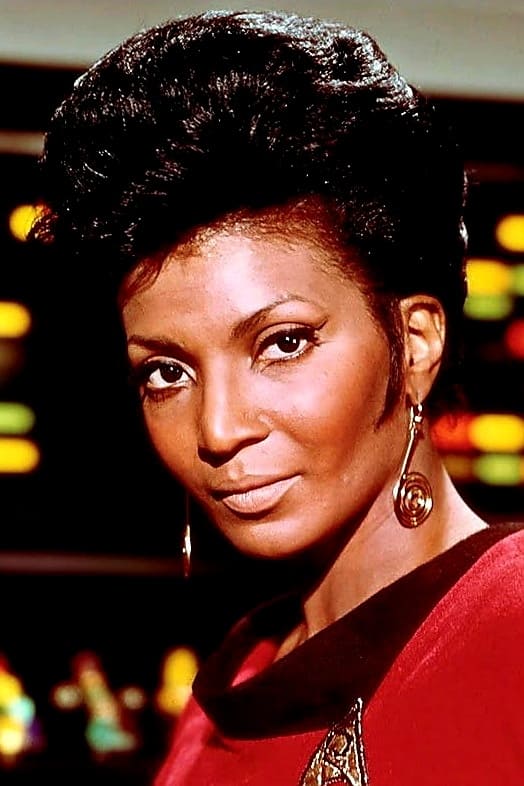
Nichelle Nichols established a structure to manage convention, licensing, and residual income alongside traditional assets. Her plan included provisions for the preservation of memorabilia from science fiction fandom and television history. A fiduciary was tasked with reviewing appearance agreements and publicity rights after death. Personal property lists guided distributions to family and archives.
Cicely Tyson

Cicely Tyson’s estate plan prioritized family support and protection of her professional legacy. She used a trust to handle royalties from screen work and from her published memoir. Executors were instructed to coordinate with unions and collection societies to standardize payments. Selected papers and photographs were earmarked for institutional preservation.
Betty White
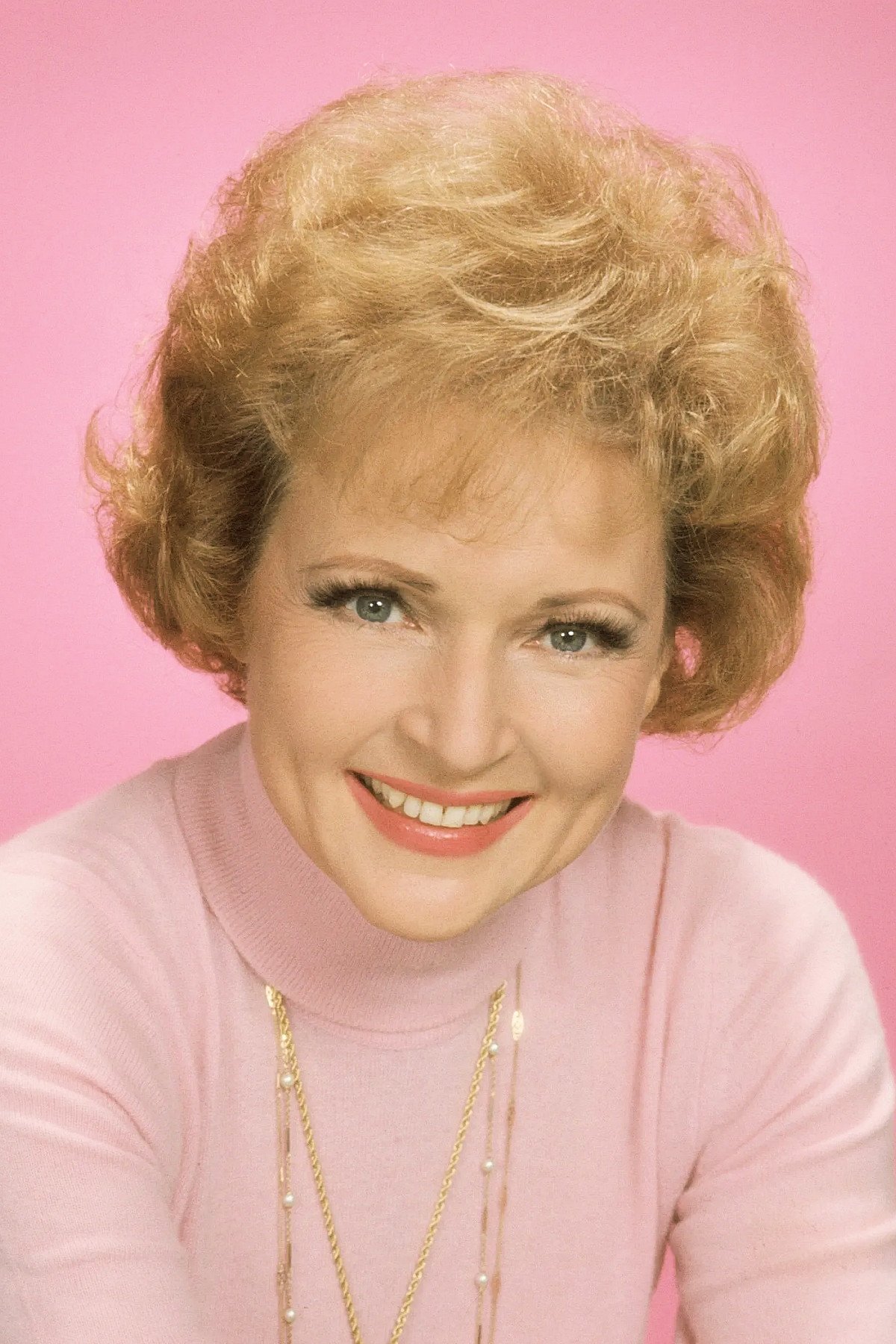
Betty White organized her estate to support animal welfare causes in addition to family beneficiaries. Trust administration allowed for private distributions and ongoing control of licensing requests. She specified protocols for cataloging awards and career artifacts before donation or sale. Residuals from television reruns remained part of the trust’s income stream.
Anne Heche
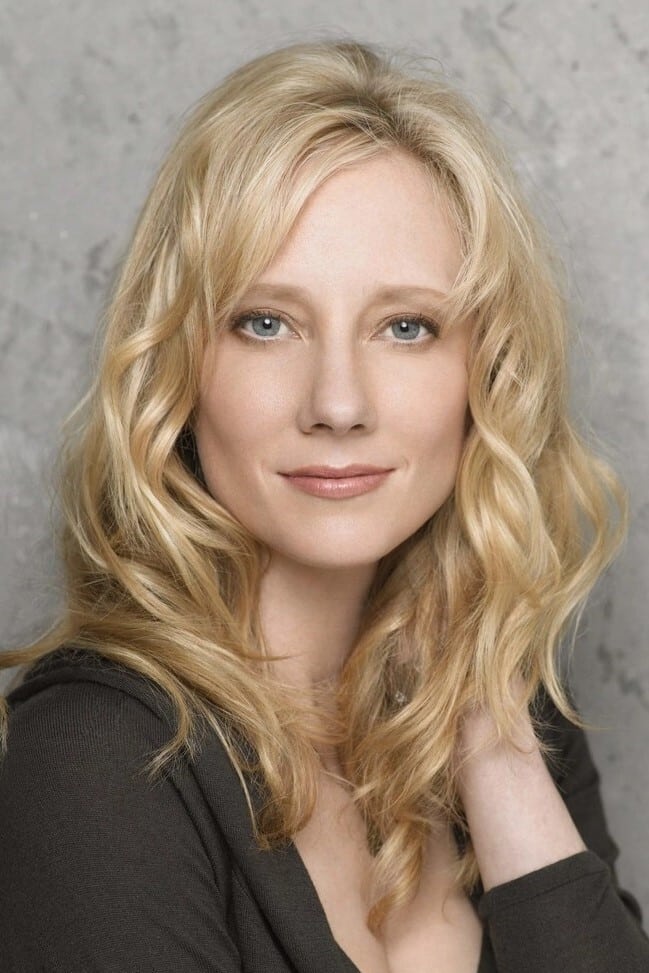
Anne Heche’s estate required appointment of a personal representative to manage probate and disputes regarding guardianship and assets. Her plan addressed future residuals from film and television projects. Inventory and appraisal of personal property were required before distribution. Creditors’ claims were processed prior to releasing funds to beneficiaries.
Gina Lollobrigida
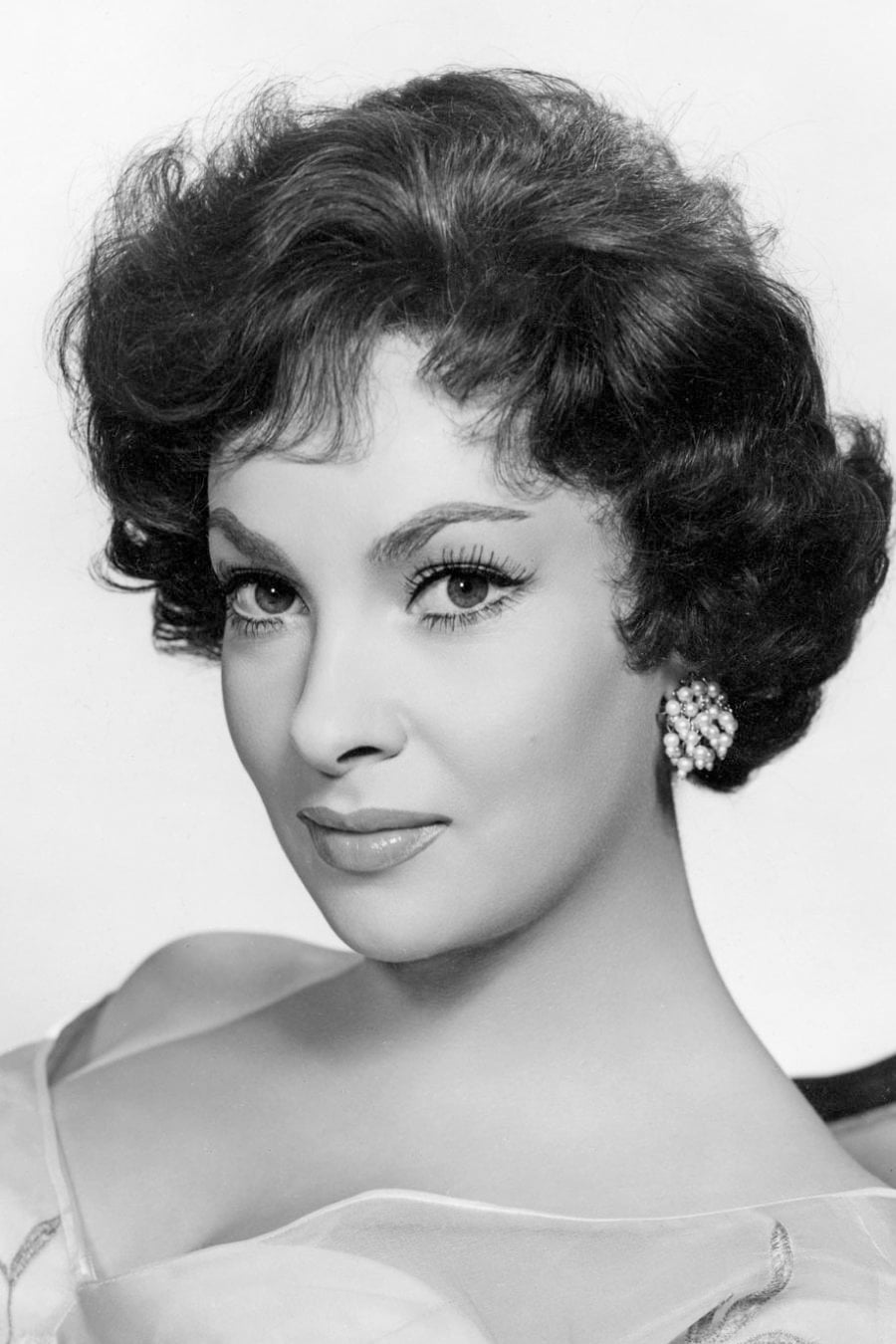
Gina Lollobrigida’s estate involved both Italian and international assets, necessitating cross border coordination. She used legal instruments to separate art and jewelry from financial holdings for appraisal and disposition. Executors oversaw publicity and image rights associated with her film career. Charitable intentions were documented through specific bequests and institutional donations.
Veronica Lake
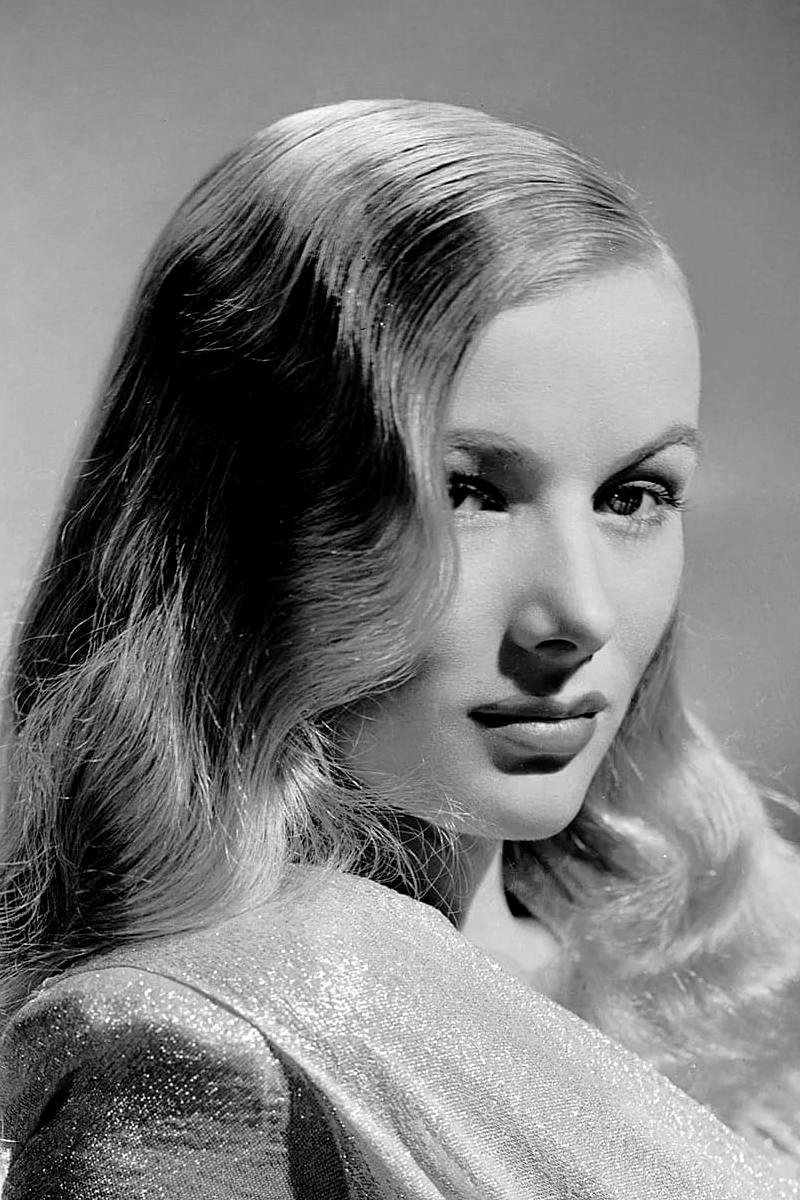
Veronica Lake’s estate followed standard probate practices of the period, with studio pay and residual claims reconciled before distribution. Personal effects were listed for allocation to family and close associates. Royalty rights from later television syndication were directed to named beneficiaries. The final accounting addressed taxes and outstanding obligations.
Barbara Stanwyck
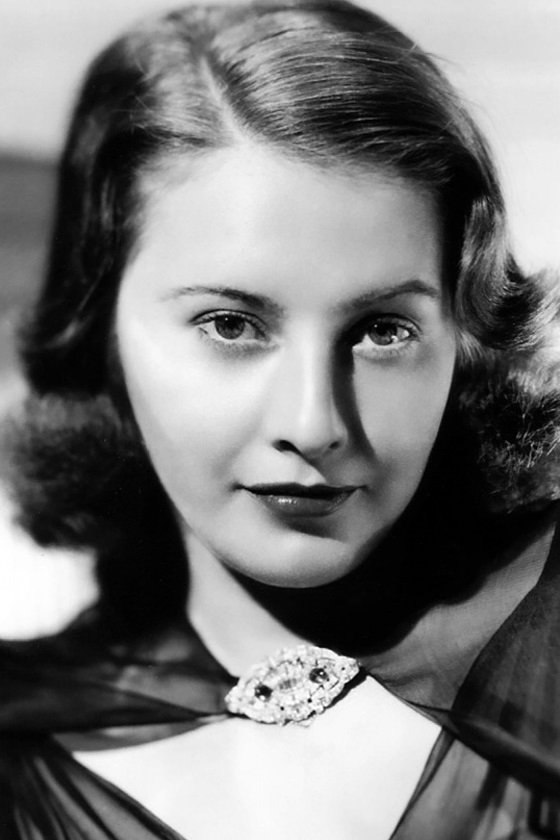
Barbara Stanwyck relied on a combination of will and trust to provide for heirs and to manage residual income. She set out instructions for the controlled sale of real estate and investments. Executors were empowered to license her name and likeness for reputable projects. Records related to her career were preserved with access guidelines.
Lana Turner

Lana Turner’s estate plan included a trust to administer royalties, with periodic statements issued to beneficiaries. She provided written memoranda for jewelry, costumes, and photographs to avoid disputes. Executors arranged professional appraisals prior to auctions or distributions. Licensing requests for her image required fiduciary approval.
Claudette Colbert
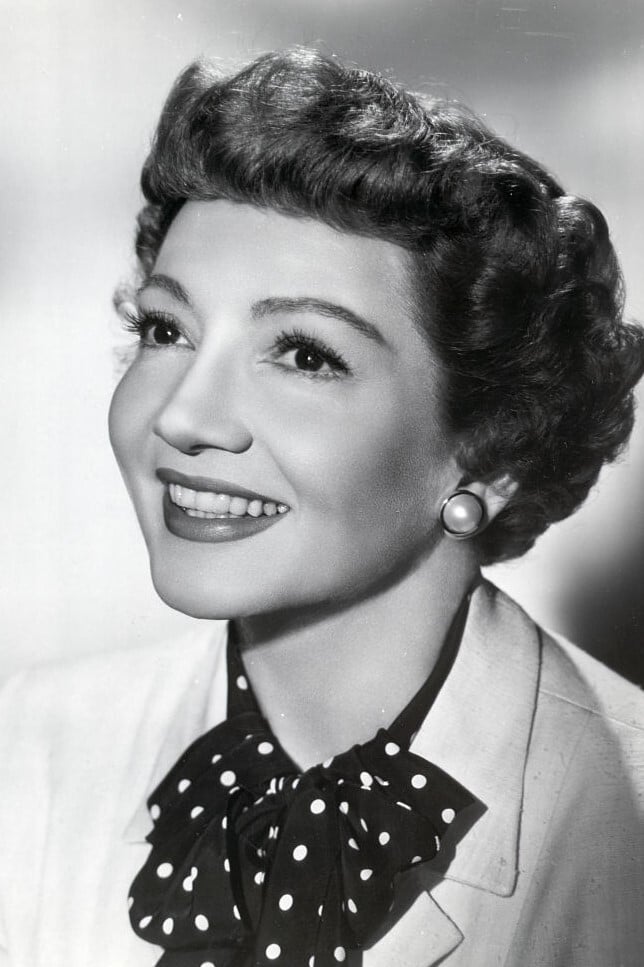
Claudette Colbert structured her estate to address property located in the United States and abroad. Trust assets included residual income and intellectual property interests. She directed that personal archives be organized before any donation. Tax planning within the trust reduced the need for extensive public probate filings.
Greer Garson
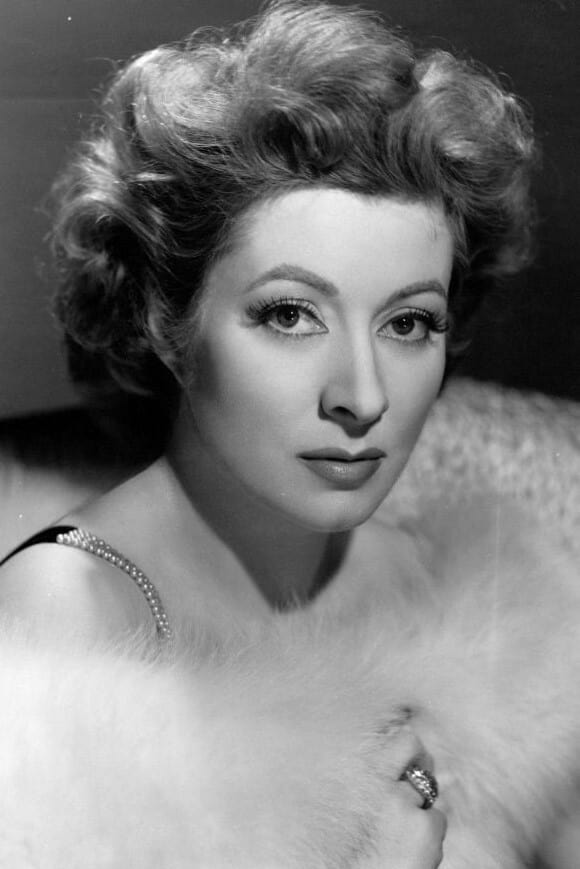
Greer Garson’s plan established charitable gifts tied to education and the performing arts while providing for family. Residuals from film titles were routed through a trust for steady administration. Her executors maintained an itemized catalog of awards and memorabilia prior to distribution. Real estate sales were timed to meet liquidity needs and minimize costs.
Donna Reed

Donna Reed’s estate recognized ongoing income from television syndication and provided instructions for its management. She arranged for preservation of production materials and personal correspondence related to her series work. Beneficiaries received distributions through a trust with clear accounting requirements. Executors coordinated with rights organizations to maintain consistent payments.
Hedy Lamarr

Hedy Lamarr’s estate addressed both film royalties and patents related history, ensuring accurate separation of rights and attributions. Executors managed image licensing carefully due to global interest in her legacy. Personal artifacts and documents underwent archival processing before any transfers. Beneficiaries received trust distributions aligned to income received over time.
Share which actress’s estate plan surprised you most in the comments.