


Laurence Olivier’s Best Roles

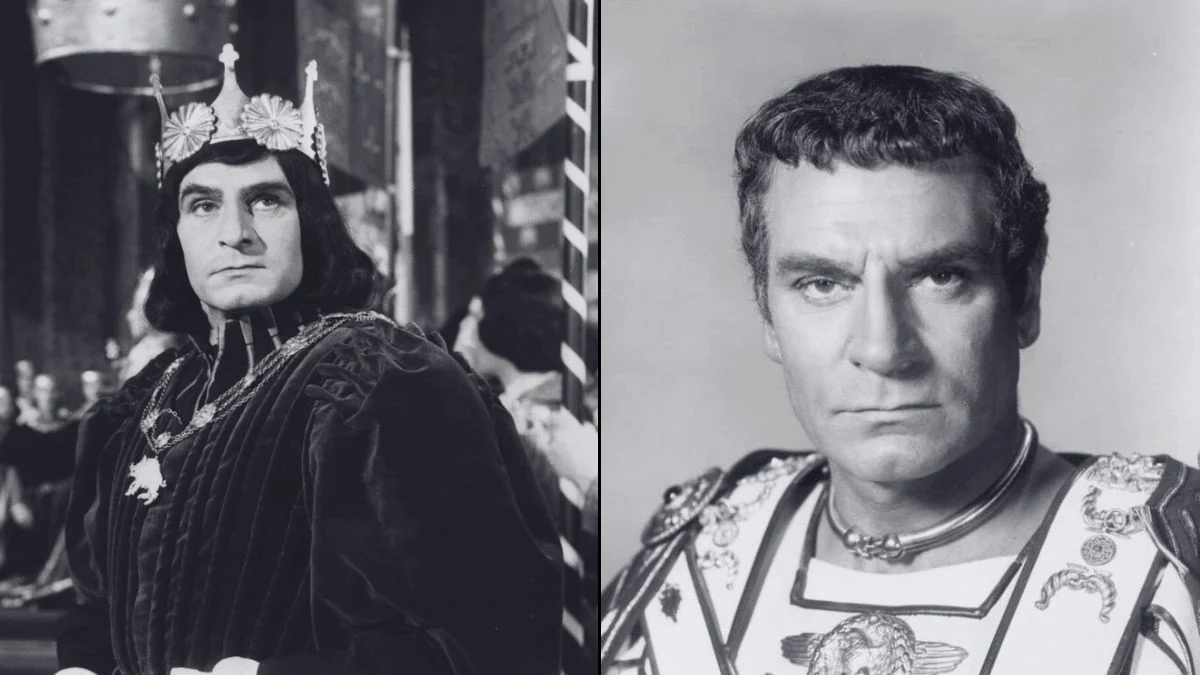


Laurence Olivier is widely regarded as one of the greatest actors of the 20th century, a true titan of both the stage and the screen. His name is synonymous with Shakespeare, as he brought the Bard’s most complex characters to life with a commanding presence and a voice that could shift from a whisper to a roar. Olivier’s dedication to his craft was legendary, known for his meticulous preparation and his willingness to physically transform himself for a role, using elaborate makeup and prosthetics to disappear into his characters.
His career was incredibly long and varied, spanning more than five decades and encompassing a huge range of genres. While he was a master of classical theatre, he was equally compelling in romantic dramas, tense thrillers, and historical epics. He directed and produced many of his own films, leaving an indelible mark on cinematic history. His performances were often grand and theatrical, yet they were always rooted in a deep psychological understanding that made his characters unforgettable.
‘Bunny Lake Is Missing’ (1965)
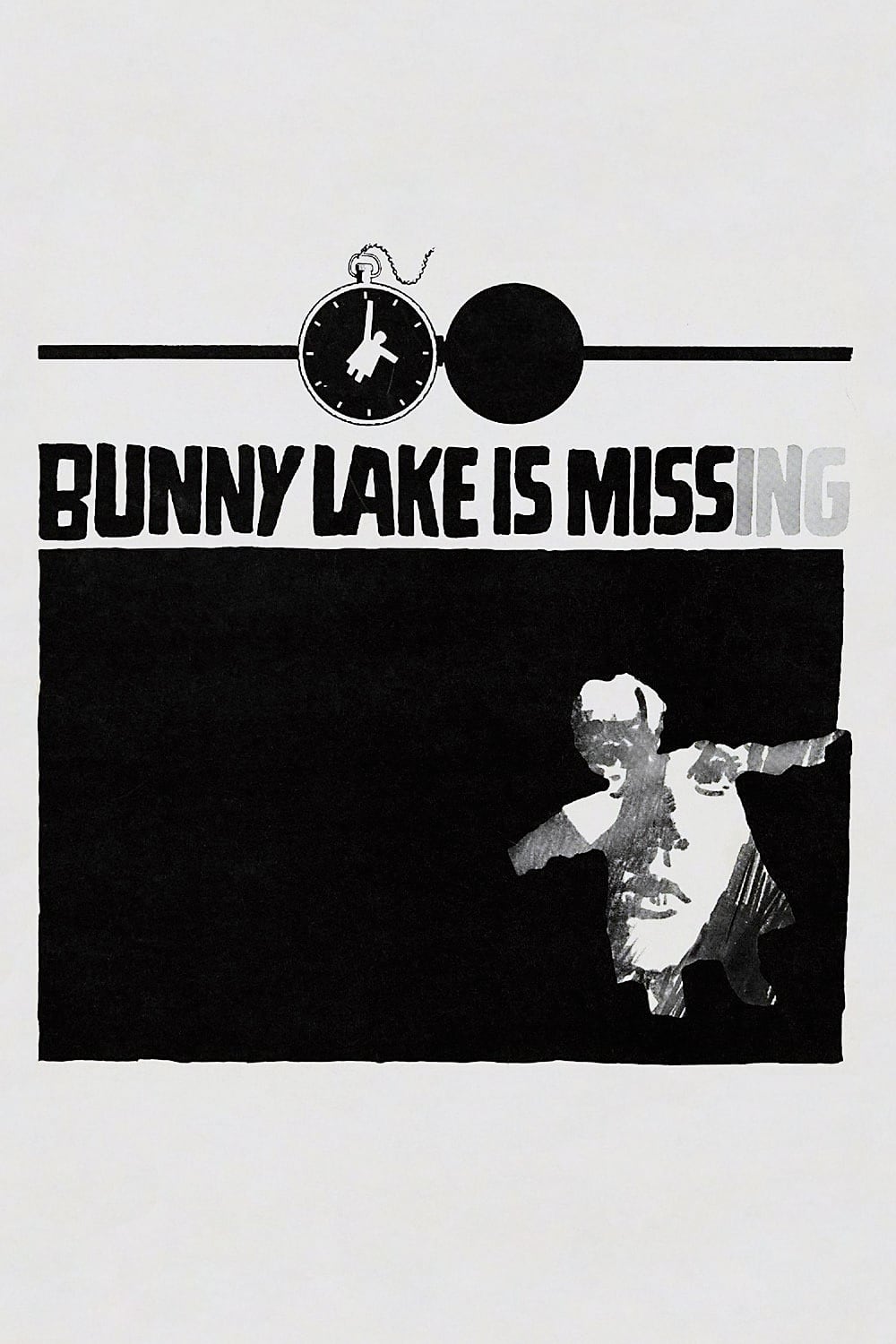
In this psychological thriller, Laurence Olivier plays Superintendent Newhouse, a calm and methodical police officer from Scotland Yard. He is assigned to investigate the case of a young American mother who reports that her daughter Bunny has vanished from her first day at a new school in London. The case becomes increasingly bizarre as there seems to be no evidence that the little girl ever existed.
Superintendent Newhouse must navigate a web of strange characters and conflicting stories to uncover the truth. He remains patient and perceptive even as he begins to doubt the mother’s sanity. Olivier brings a quiet authority and intelligence to the role, serving as the audience’s anchor in a very mysterious and unsettling story.
‘Carrie’ (1952)

Laurence Olivier stars as George Hurstwood in this adaptation of Theodore Dreiser’s novel ‘Sister Carrie’. His character is a respectable and wealthy manager of a high-end restaurant in Chicago who is trapped in a loveless marriage. He becomes completely infatuated with a beautiful young country girl named Carrie Meeber, played by Jennifer Jones.
Hurstwood’s obsession with Carrie leads him to abandon his family, his job, and his social standing. He embezzles money and runs away with her to New York, hoping to start a new life, but his fortunes steadily decline, leading to a tragic downfall. Olivier gives a powerful performance as a man whose passion leads to his complete ruin.
‘The Entertainer’ (1960)
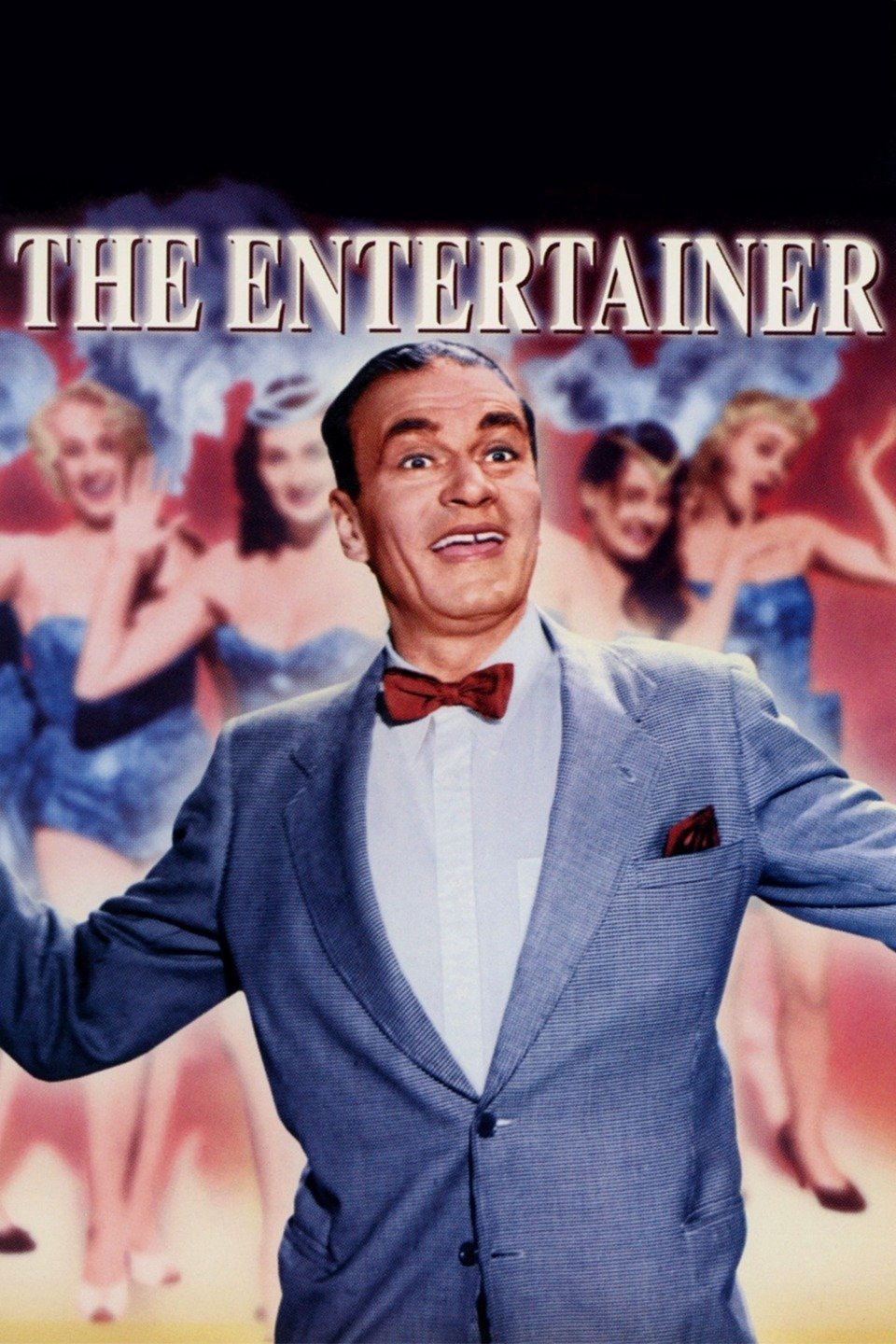
In a departure from his classical roles, Laurence Olivier portrays Archie Rice, a washed-up and third-rate music hall performer. Archie is a relic of a bygone era of entertainment, telling stale jokes and performing mediocre song-and-dance numbers to dwindling audiences in a grim seaside resort. He is a man who seems charming on the surface but is deeply cynical and emotionally empty underneath.
The film follows Archie’s desperate attempts to keep his failing career afloat while his personal life and family relationships crumble around him. The role was one of Olivier’s personal favorites, and he gives a raw and fearless performance as a man whose public smile masks a private despair. He perfectly captures the pathetic yet compelling nature of a man who is dead inside but can’t stop performing.
‘That Hamilton Woman’ (1941)
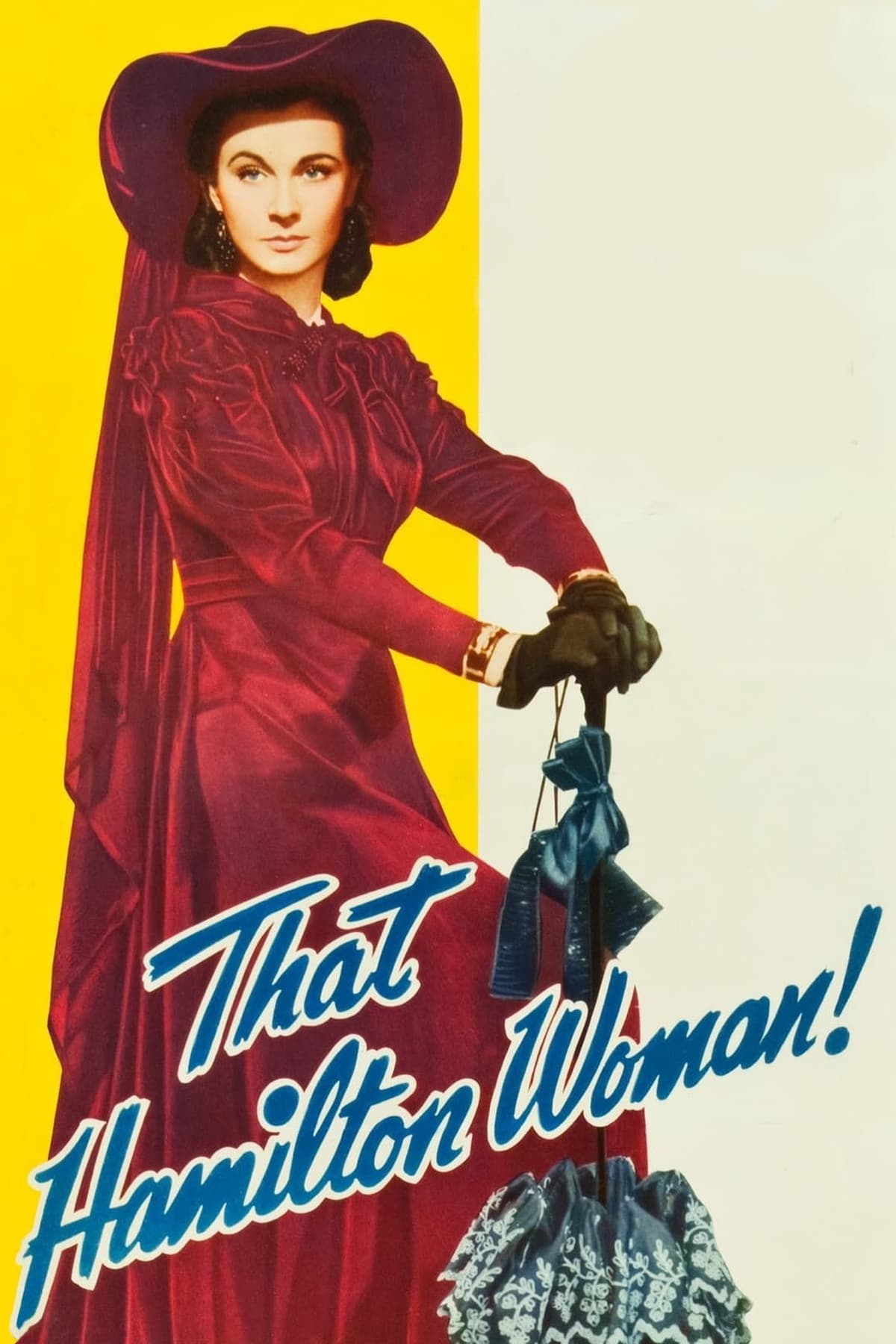
This historical drama features Laurence Olivier as Lord Horatio Nelson, the celebrated British naval hero. The film tells the story of his famous and scandalous love affair with Emma, Lady Hamilton, played by his real-life partner Vivien Leigh. Nelson is depicted as a brilliant military strategist and a devoted patriot who is torn between his duty to his country and his overwhelming love for Emma.
The story is told in flashback as Emma recounts her life with the great admiral. Olivier portrays Nelson as a complex figure, a powerful leader on the battlefield who is vulnerable and passionate in his private life. The film was made during World War II and served as a piece of patriotic propaganda with a message that resonated with contemporary audiences.
‘A Bridge Too Far’ (1977)
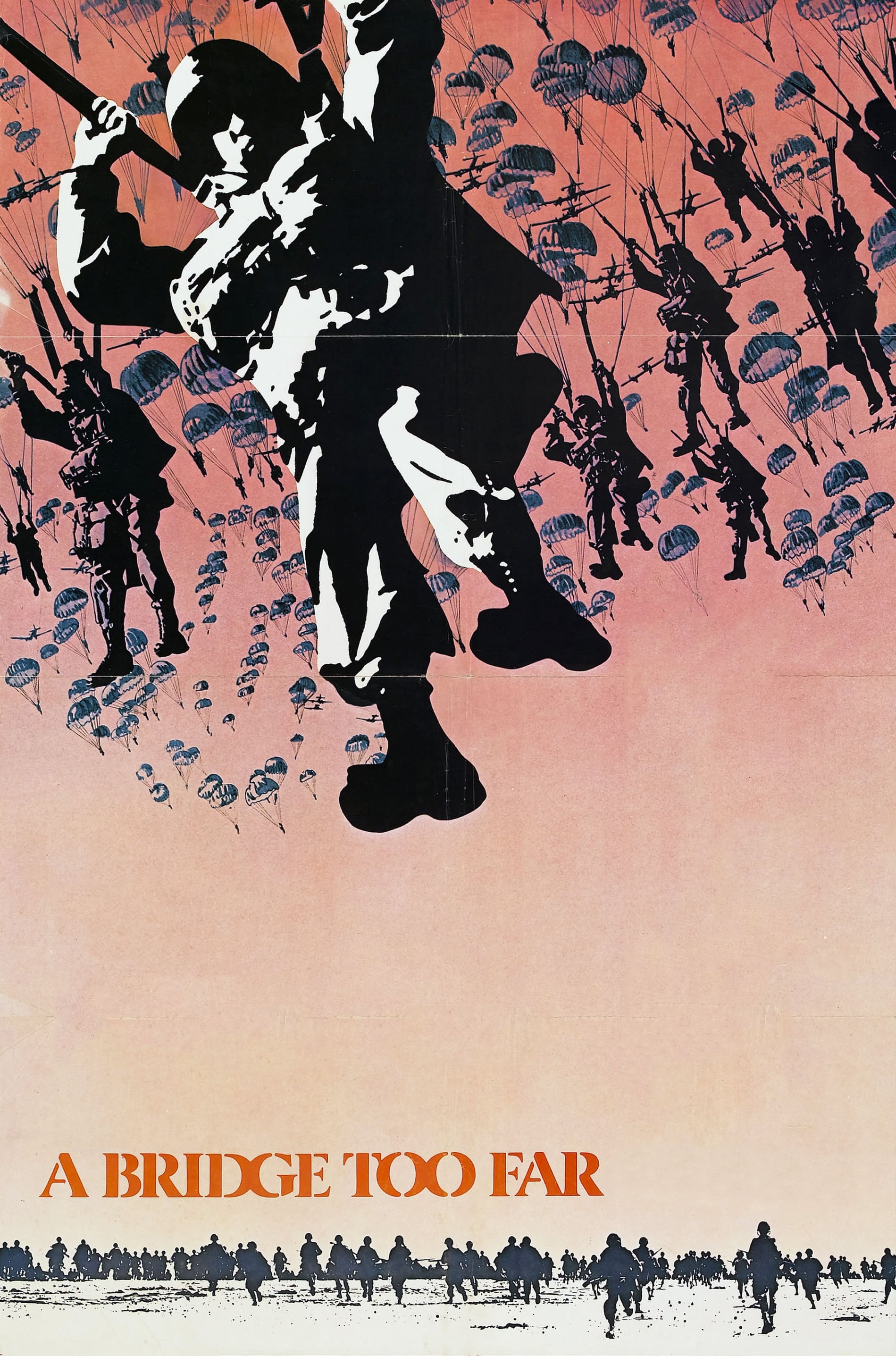
In this epic war film about a disastrous World War II operation, Laurence Olivier has a memorable supporting role as Dr. Jan Spaander. He is a Dutch doctor whose town is caught in the middle of the massive Allied airborne invasion known as Operation Market Garden. His character works tirelessly to save the lives of wounded soldiers from both sides of the conflict.
Dr. Spaander remains a figure of quiet courage and humanity amidst the chaos and devastation of war. He shows compassion to all the injured men who are brought to his makeshift hospital, regardless of their uniform. Olivier’s performance provides a poignant civilian perspective on the immense human cost of the failed military operation.
‘Pride and Prejudice’ (1940)
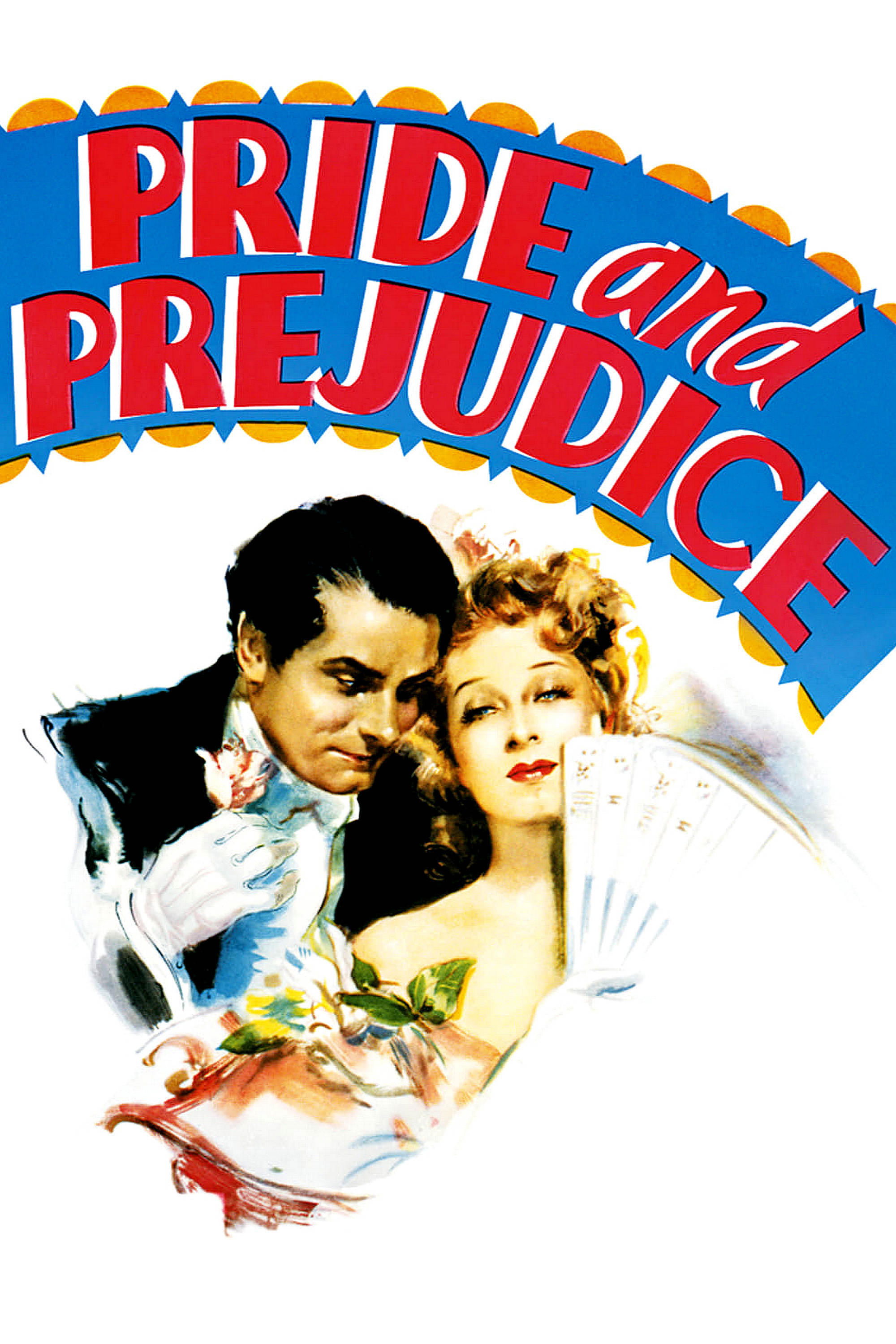
Laurence Olivier brings the iconic literary character Mr. Darcy to the screen in this lavish Hollywood adaptation of Jane Austen’s novel. As the proud and wealthy bachelor, he initially comes across as arrogant and condescending, especially to the spirited Elizabeth Bennet. His reserved demeanor and social snobbery make him an unlikely romantic hero.
Over the course of the story, Darcy’s true character is revealed as a noble and honorable man whose initial pride was a misunderstanding. Olivier perfectly captures the character’s stiff formality, which gradually melts away to reveal his deep and sincere love for Elizabeth. He brings a great deal of charm and charisma to one of literature’s most famous romantic figures.
‘Marathon Man’ (1976)
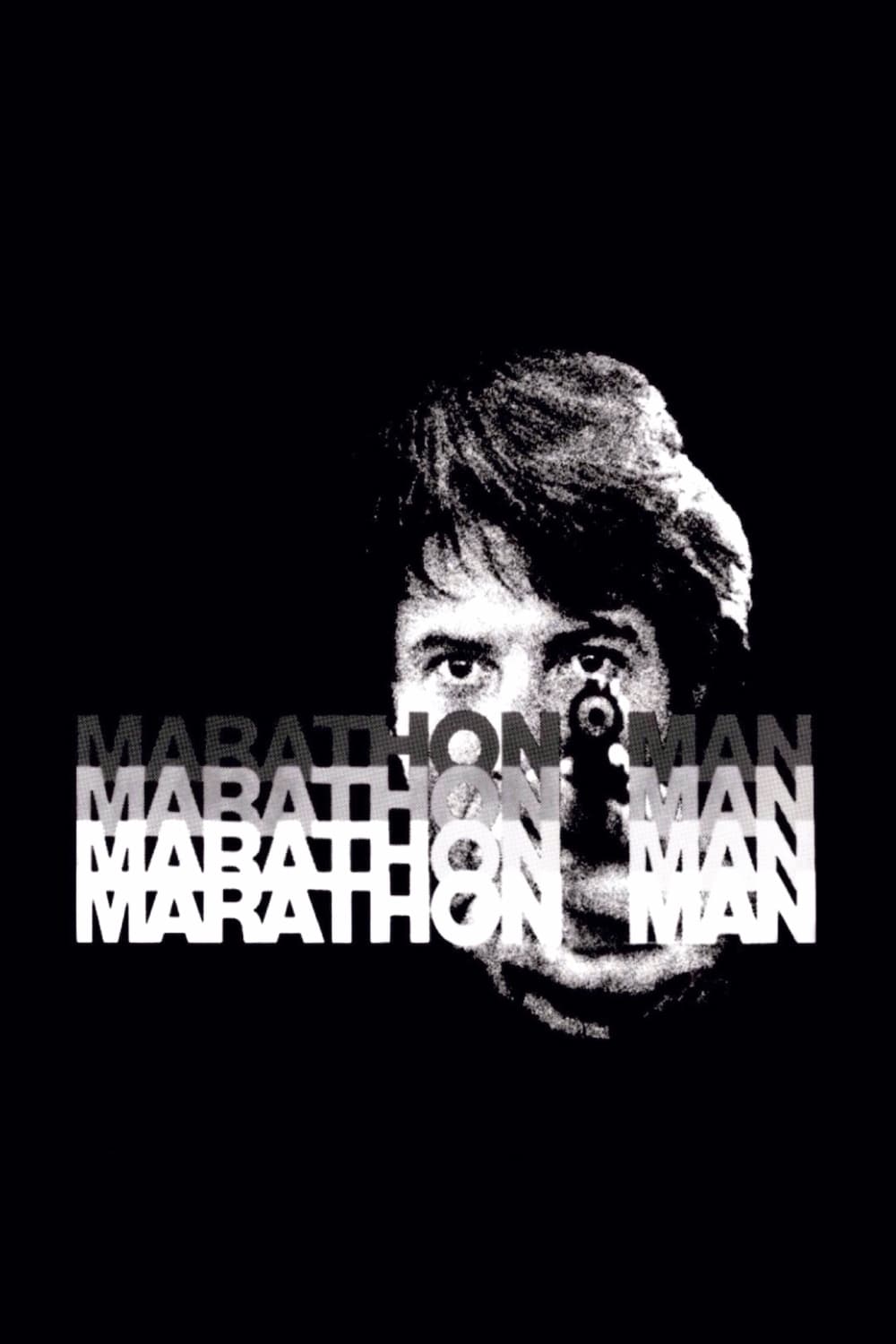
In one of his most chilling roles, Laurence Olivier plays the villainous Dr. Christian Szell, a fugitive Nazi war criminal known as the “White Angel” of Auschwitz. Szell emerges from his hiding place in South America to retrieve a cache of diamonds stored in a New York City safe deposit box. He is a ruthless and sadistic man who will stop at nothing to get what he wants.
His character is responsible for one of cinema’s most terrifying scenes, where he tortures the protagonist, played by Dustin Hoffman, using dental instruments. Olivier’s performance as the cold and menacing former concentration camp dentist is utterly terrifying. The role earned him an Academy Award nomination and created one of the screen’s most memorable villains.
’49th Parallel’ (1941)
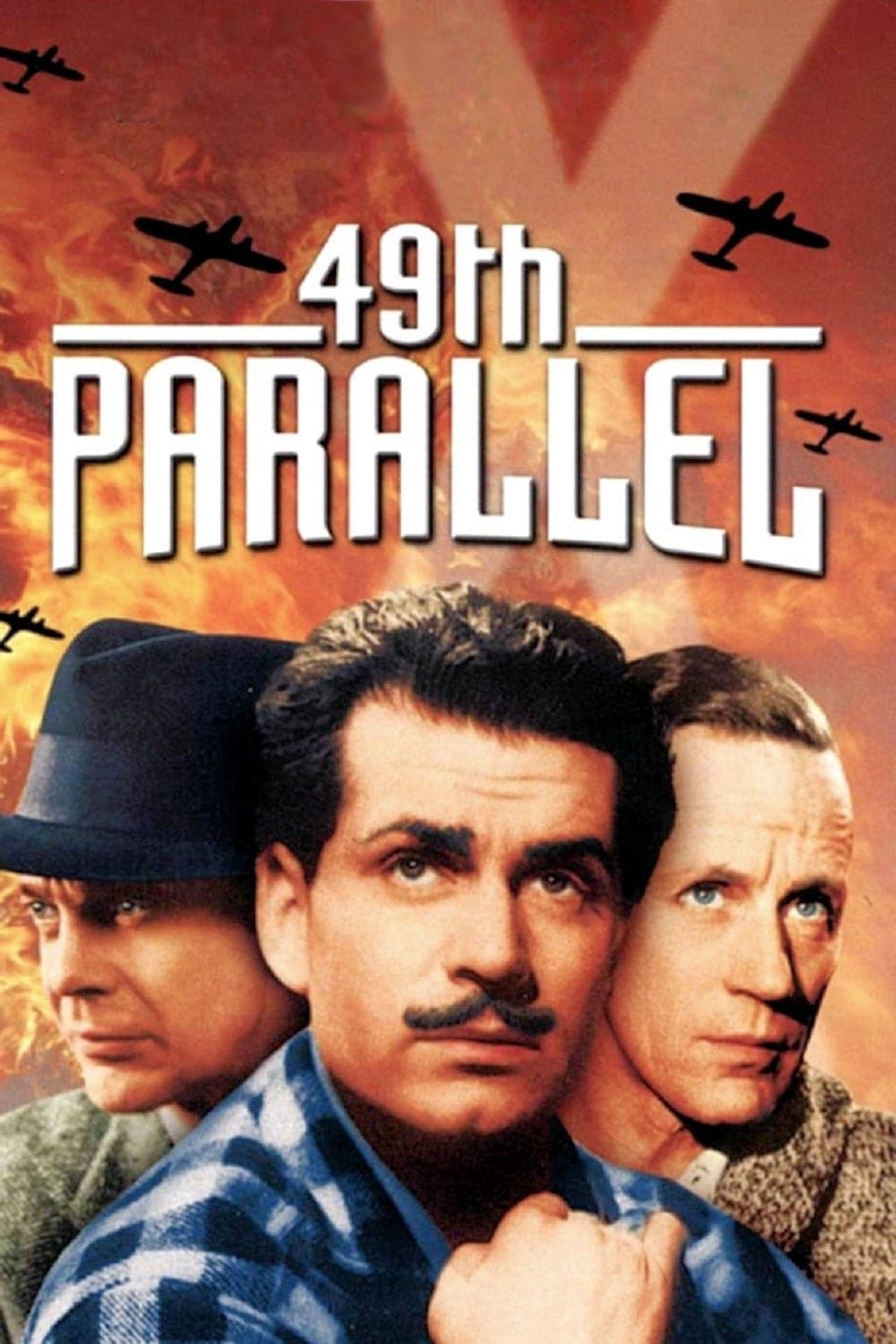
This wartime adventure film tells the story of the crew of a sunken German U-boat who are stranded in Canada. The Nazis attempt to travel across the country to reach the neutral United States. Laurence Olivier appears as Johnnie, a rugged French-Canadian trapper who the Germans encounter on their journey.
Johnnie is a cheerful and independent man who is fiercely proud of his Canadian identity. He initially welcomes the strangers but quickly realizes who they are and what they represent. Olivier’s charismatic performance brings a great deal of energy to the film as his character eloquently stands up to the Nazi commander’s ideology with a passionate defense of freedom and democracy.
‘Wuthering Heights’ (1939)
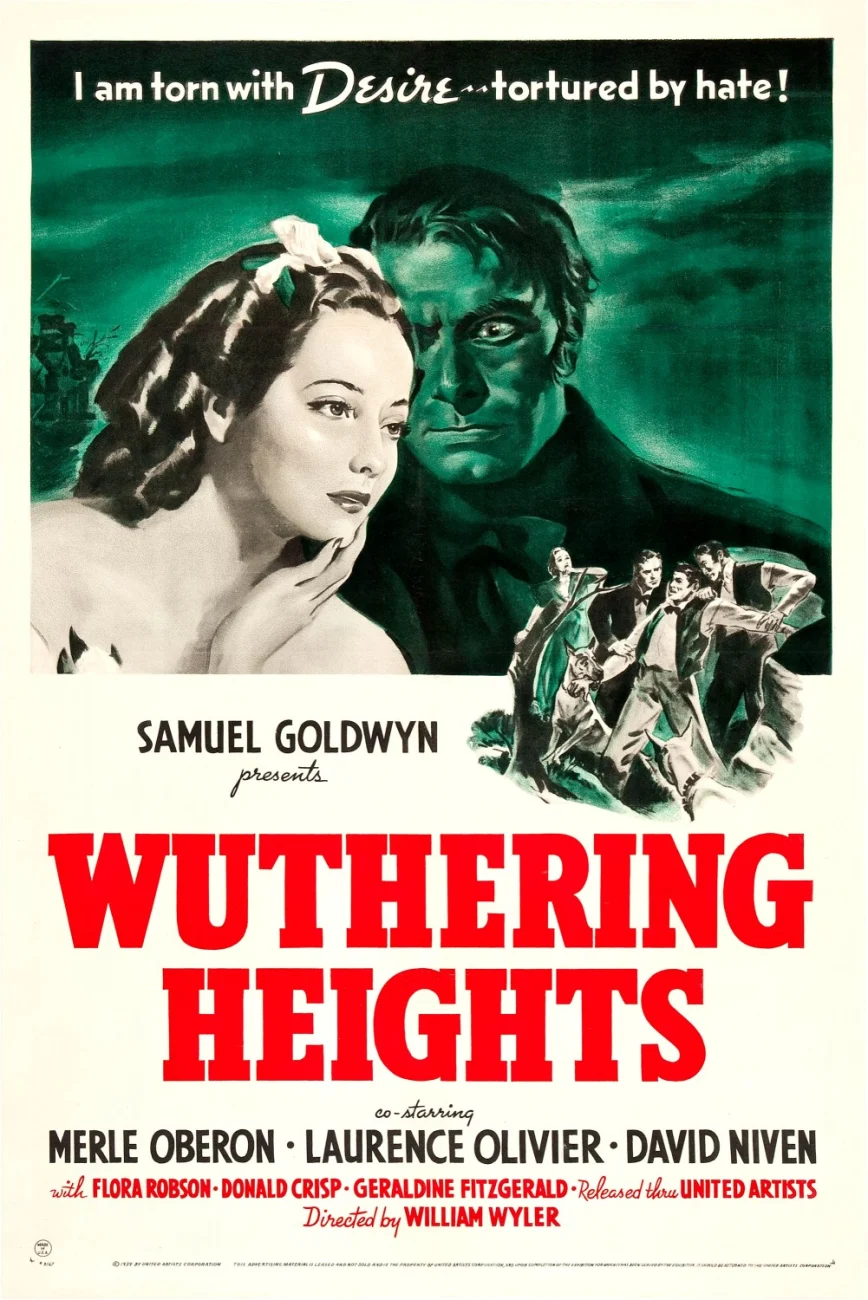
Laurence Olivier delivers a legendary performance as Heathcliff, the brooding and tormented hero of Emily Brontë’s classic novel. Heathcliff is an orphan who is brought to the desolate estate of Wuthering Heights and forms an intense, inseparable bond with the owner’s daughter, Catherine Earnshaw. When Cathy marries a wealthy neighbor for social status, Heathcliff is consumed by bitterness and a desire for revenge.
He leaves for several years and returns as a wealthy and mysterious gentleman determined to ruin the lives of those who wronged him. Olivier perfectly embodies the character’s dark passion and tortured soul. His romantic and tragic portrayal of Heathcliff made him a major international star and remains one of the most iconic performances of Hollywood’s Golden Age.
‘Richard III’ (1955)

Laurence Olivier directed and starred in this thrilling adaptation of William Shakespeare’s historical play. He takes on the role of Richard, Duke of Gloucester, a physically deformed and ruthlessly ambitious nobleman who schemes and murders his way to the throne of England. Richard is a captivating villain who often breaks the fourth wall to speak his malevolent thoughts directly to the audience.
Olivier’s performance is a masterclass in theatricality and psychological depth. He uses a distinctive vocal style and a menacing limp to create a truly unforgettable character. He makes Richard both repulsive in his cruelty and fascinating in his cunning intelligence, giving one of the definitive screen portrayals of a Shakespearean villain.
‘Henry V’ (1944)
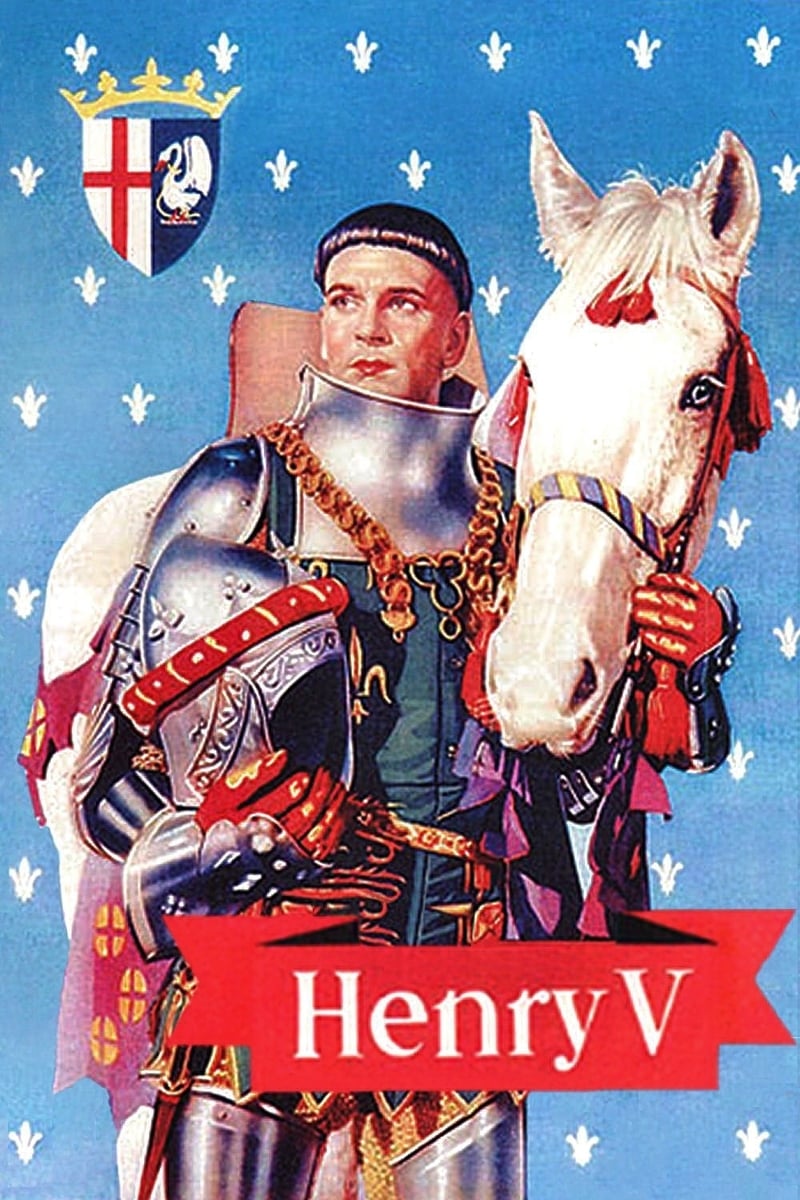
In another film that he both directed and starred in, Laurence Olivier plays the heroic King Henry V of England. The film was made during World War II and was designed to boost British morale. It tells the story of the young king leading his outnumbered English army to a stunning victory against the French at the Battle of Agincourt.
The movie begins in a replica of the Globe Theatre before opening up into epic, colorful battle sequences. Olivier portrays Henry’s transformation from a youthful king to a decisive and inspiring military leader. His powerful delivery of the famous St. Crispin’s Day speech is a highlight of the film, a stirring call to arms that resonated deeply with wartime audiences.
‘Hamlet’ (1948)
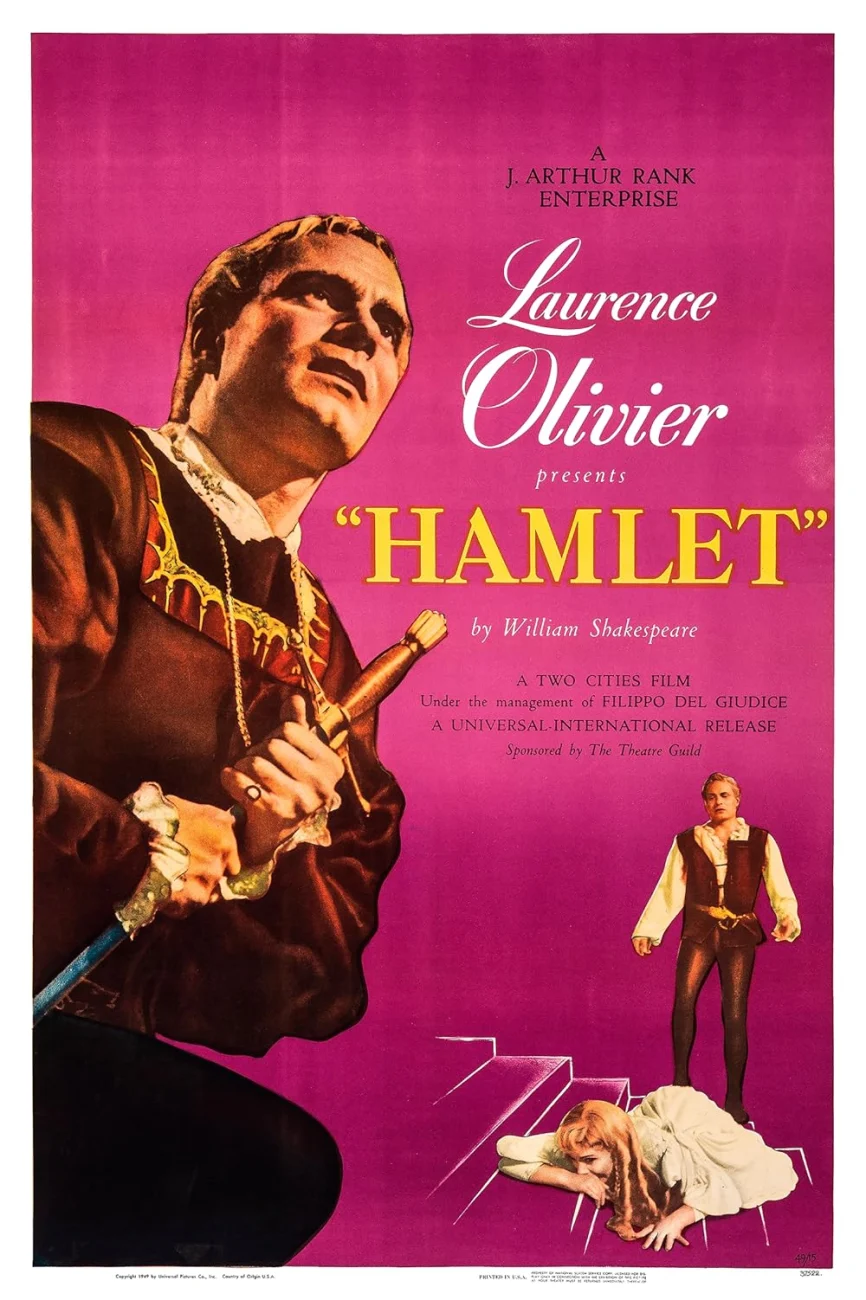
This film marked another triumph for Laurence Olivier as both director and lead actor, earning him Academy Awards for both Best Picture and Best Actor. He portrays the tormented Prince of Denmark, who is driven to seek revenge for the murder of his father. Olivier’s interpretation of the character emphasizes Hamlet’s psychological turmoil and indecisiveness.
The film is shot in stark black-and-white, creating a gloomy and atmospheric setting that reflects Hamlet’s dark state of mind. Olivier famously dyed his hair blond for the role to give the character a more Nordic appearance. His performance is intense and introspective, focusing on the inner conflict of a man burdened by grief and a terrible purpose.
‘Spartacus’ (1960)
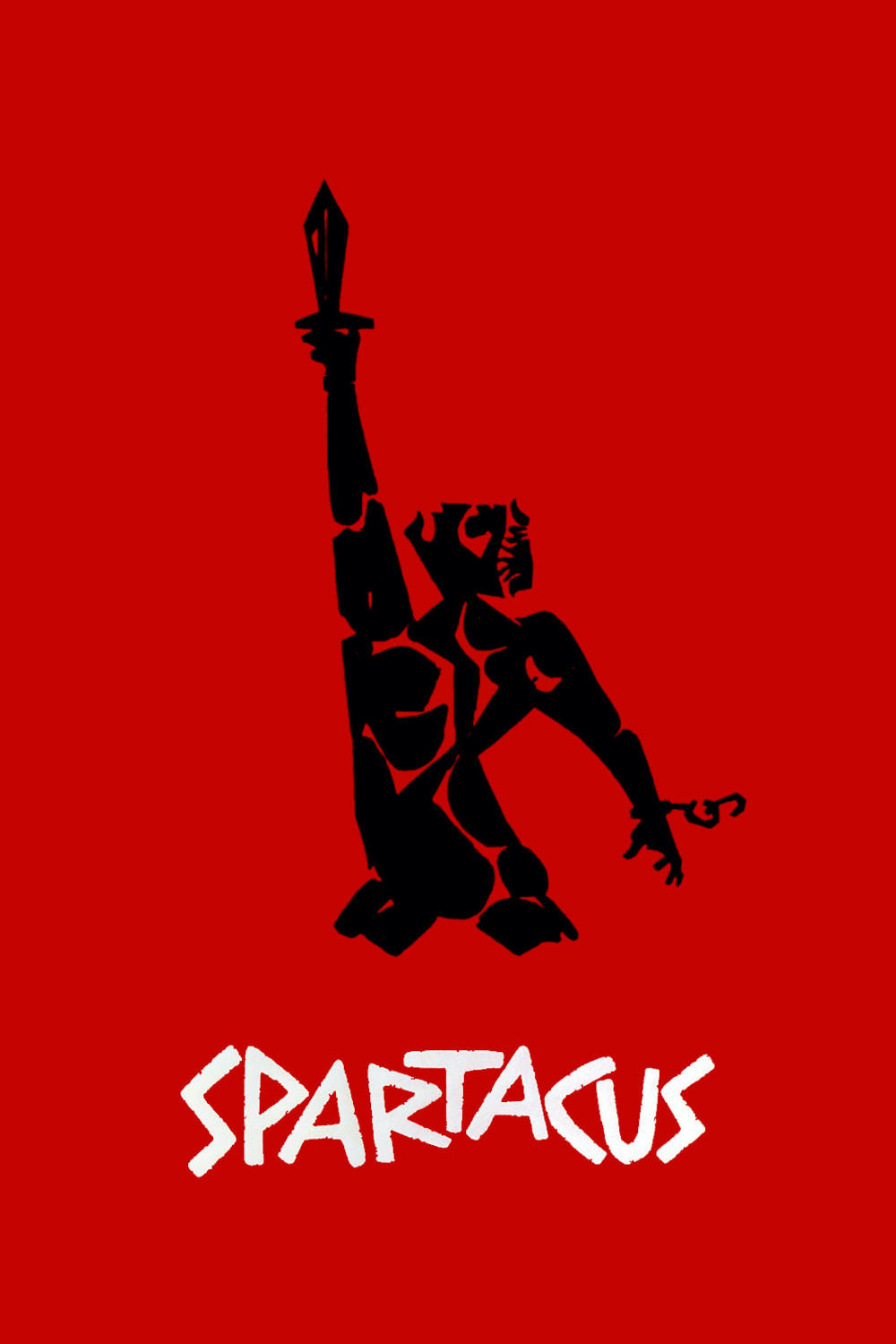
In this grand historical epic, Laurence Olivier plays Marcus Licinius Crassus, a powerful and ambitious Roman general. Crassus is the main antagonist of the film, a wealthy patrician who represents the oppressive power of the Roman Republic. He becomes obsessed with capturing and punishing Spartacus, the slave who leads a massive rebellion against Rome.
Crassus is a complex villain who is both cruel and sophisticated, a man driven by a hunger for absolute power and a desire to impose order on the world. Olivier brings a cold and calculating intelligence to the role, creating a formidable adversary for the heroic Spartacus. His performance is a standout in a film filled with legendary actors.
‘Sleuth’ (1972)
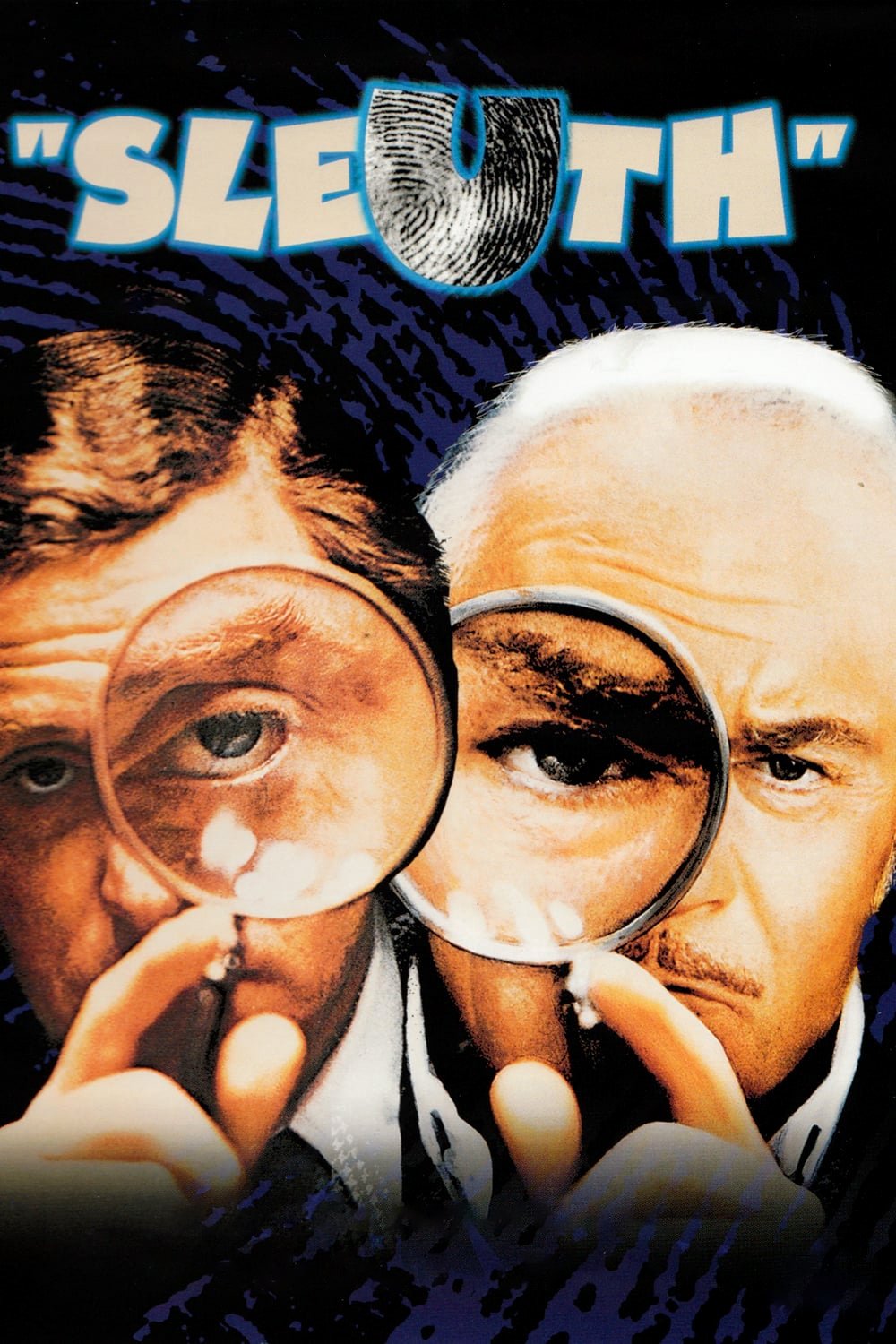
This clever and suspenseful mystery film features Laurence Olivier as Andrew Wyke, a wealthy and eccentric crime novelist who loves to play elaborate games. He invites his wife’s lover, Milo Tindle, played by Michael Caine, to his country mansion. Wyke then proposes a bizarre scheme for Milo to stage a fake robbery of the house for the insurance money.
The invitation is just the beginning of a complex and deadly cat-and-mouse game filled with shocking twists and turns. The film is essentially a two-man show, relying on the brilliant performances of its two leads. Olivier is magnificent as the witty and manipulative Wyke, who finds that his fictional games have become dangerously real.
‘Rebecca’ (1940)
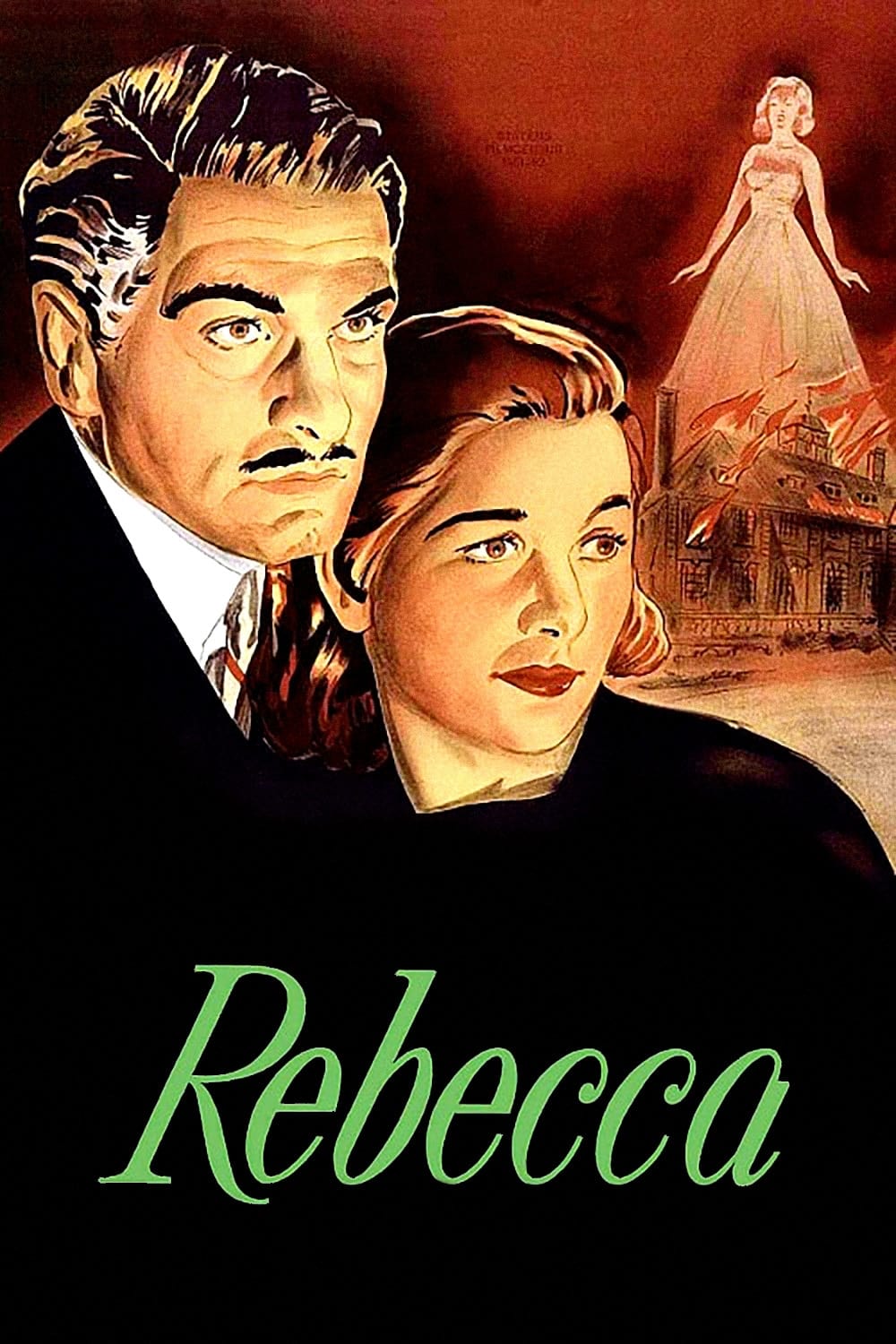
In his first American film, directed by Alfred Hitchcock, Laurence Olivier plays the aristocratic and mysterious Maxim de Winter. He is the wealthy owner of Manderley, a beautiful and imposing country estate that is haunted by the memory of his first wife, Rebecca. He marries a shy young woman who finds herself living in the shadow of her glamorous and perfect predecessor.
Maxim is a troubled and moody character who is burdened by a dark secret concerning Rebecca’s death. Olivier masterfully portrays a man who can be both charming and romantic one moment and cold and distant the next. His performance creates an atmosphere of suspense and intrigue that drives this classic Gothic romance.
Which Laurence Olivier performance do you think is his best?