


Legal Dramas Where the Lawyers Actually Act Like Real Lawyers

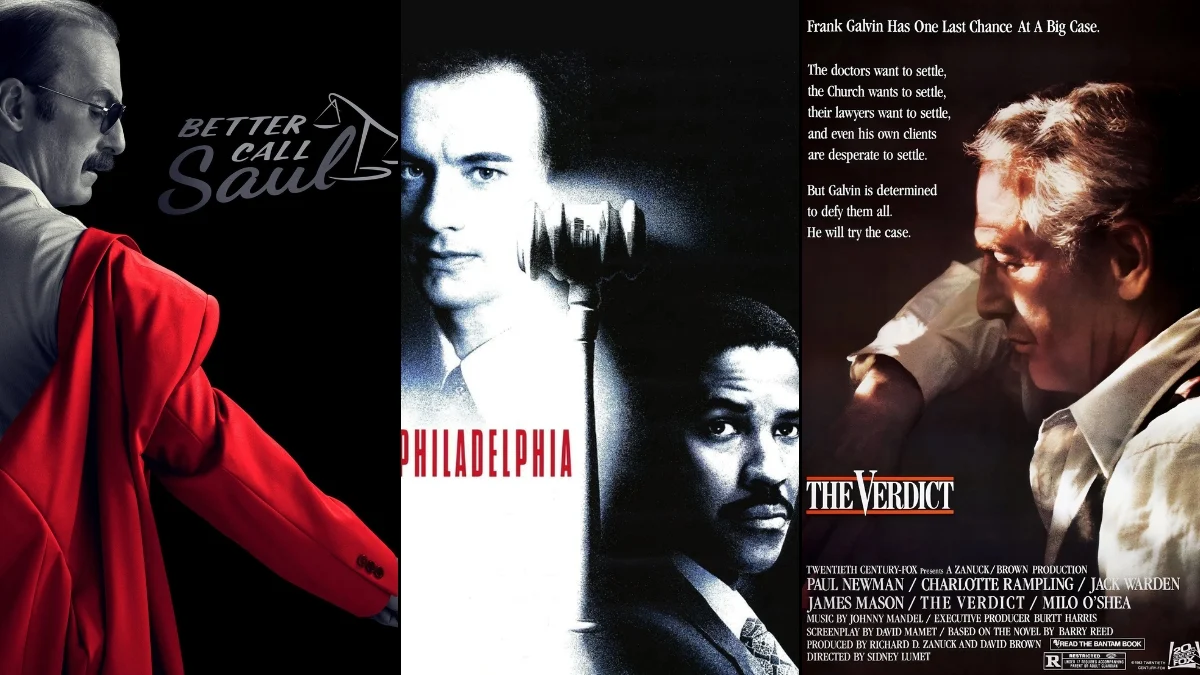


Legal dramas often sacrifice procedural accuracy for dramatic tension or shock value. The reality of practicing law involves tedious document review and lengthy negotiations rather than constant surprise witnesses or courtroom shouting matches. A select few productions manage to capture the authentic spirit of the profession while maintaining narrative momentum. These films and television shows are frequently cited by attorneys for their realistic portrayal of the justice system.
‘My Cousin Vinny’ (1992)
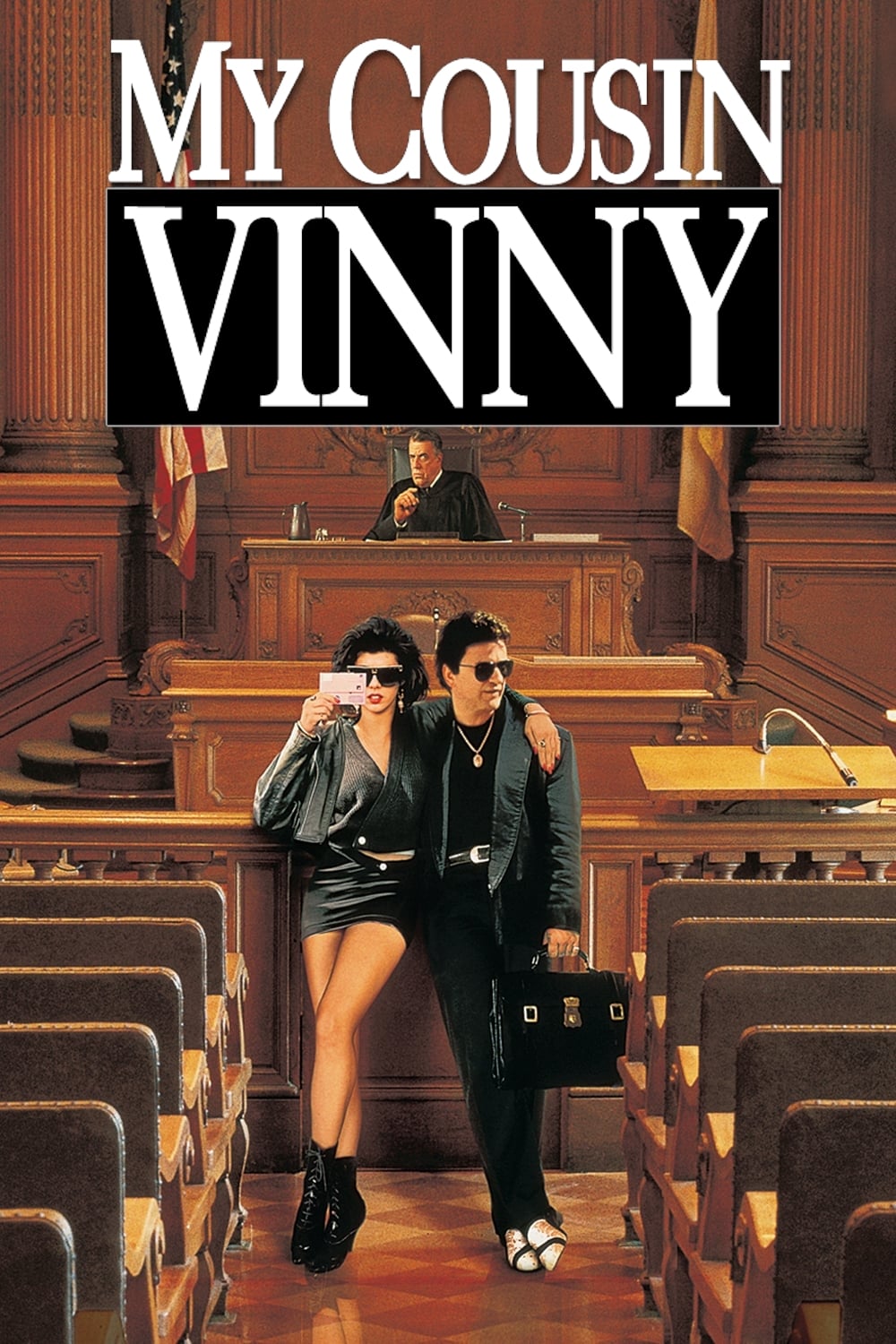
Vincent Gambini travels to Alabama to defend his cousin and a friend against a murder charge despite his lack of trial experience. Legal professionals frequently cite this comedy for its surprisingly accurate depiction of courtroom procedure and evidentiary rules. The film correctly illustrates the Voir Dire process and the strategic importance of cross-examination during a trial. It serves as an educational tool in law schools to demonstrate how to properly qualify an expert witness.
‘Better Call Saul’ (2015–2022)
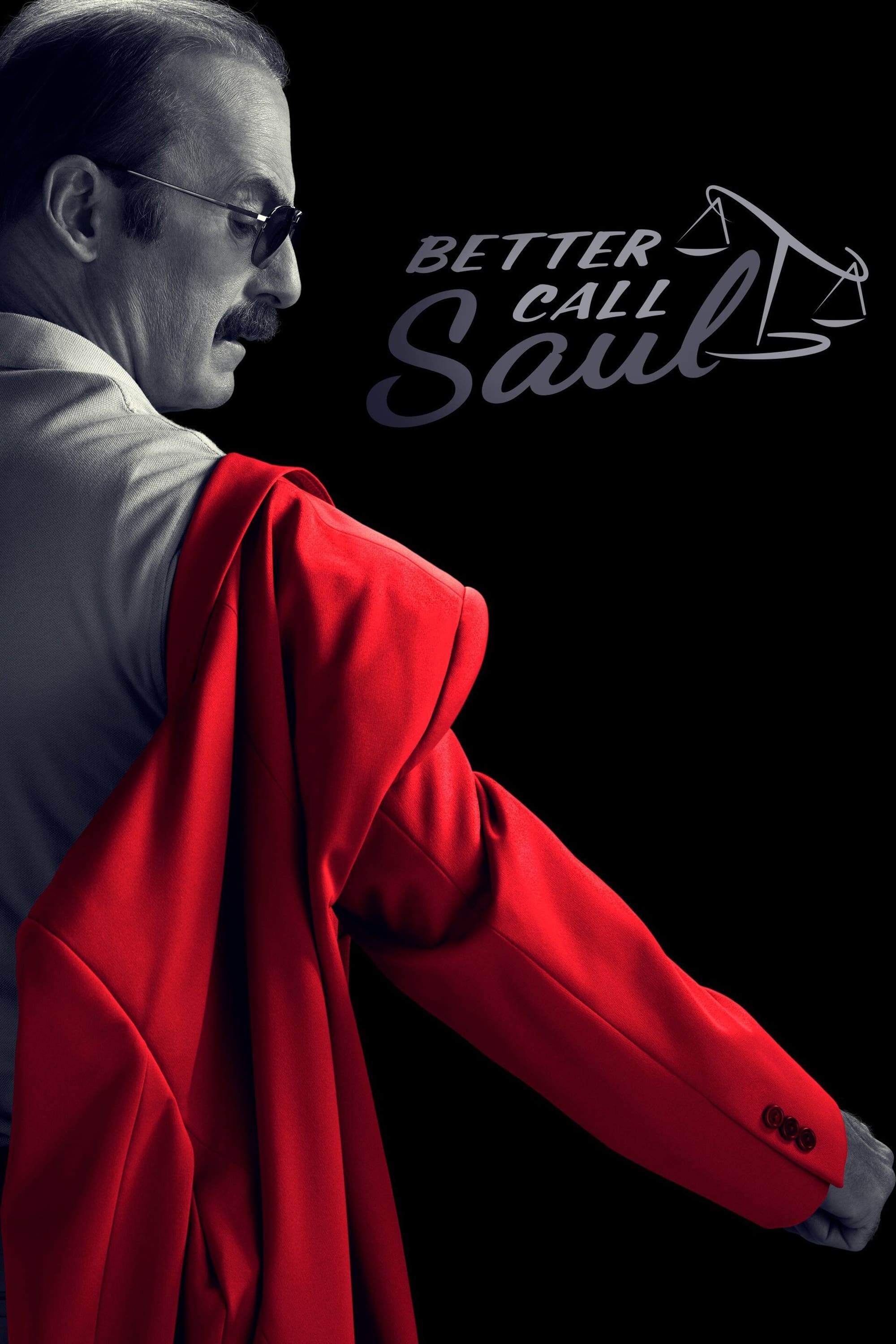
Jimmy McGill struggles to establish himself as a legitimate attorney while dealing with the mundane realities of the legal profession. The series dedicates significant screen time to document review and the slow grind of building a case through paperwork. Viewers see the exhaustion of public defense work and the intricacies of elder law rather than just high-stakes litigation. The writers prioritized the technical details of bar hearings and client solicitation rules.
‘The Verdict’ (1982)
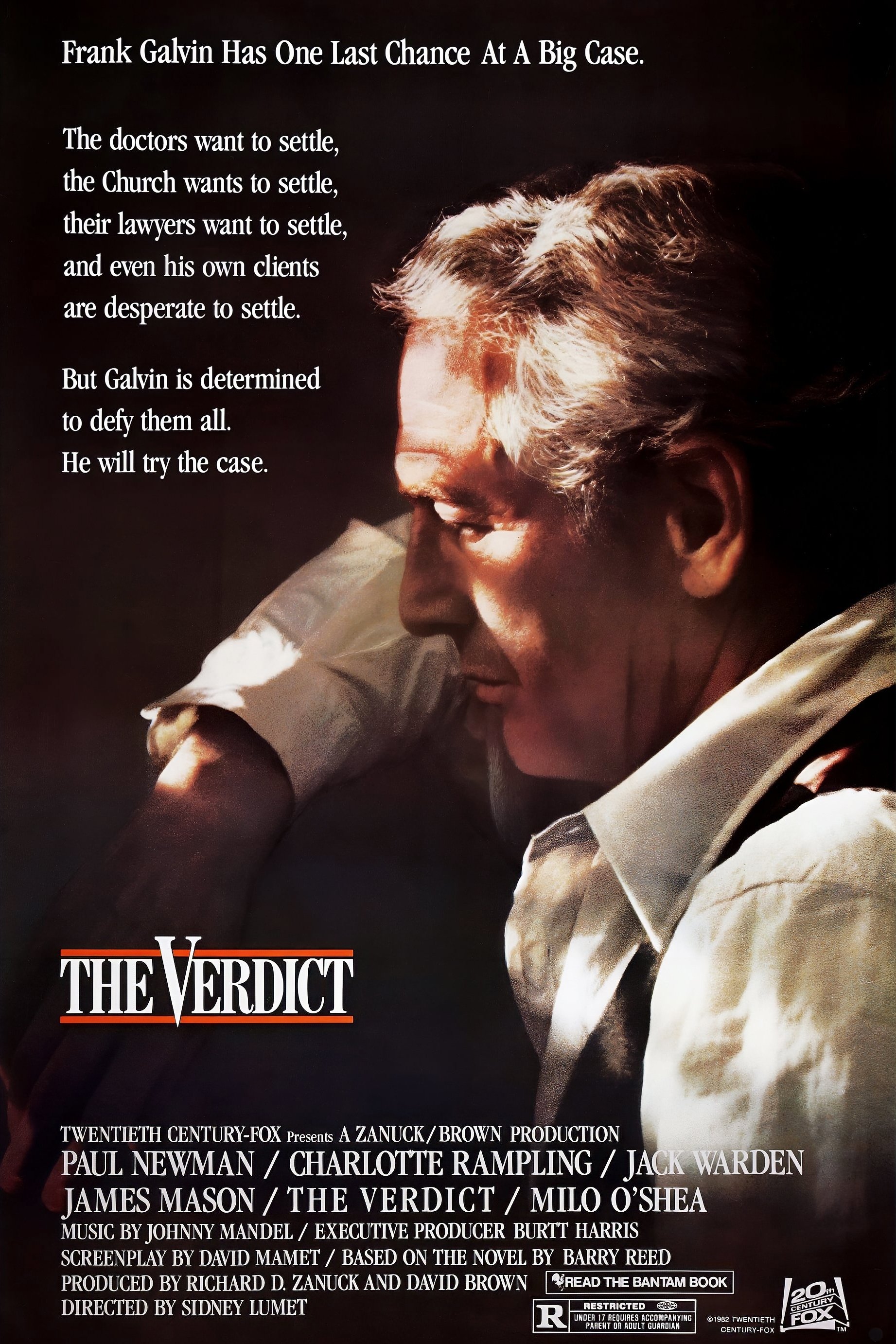
Frank Galvin is a washed-up alcoholic lawyer who takes on a medical malpractice case against a powerful hospital. The film realistically depicts the difficulty of finding credible expert witnesses willing to testify against their peers. Much of the runtime focuses on the preparation phase and the immense pressure placed on a solo practitioner. The protagonist must navigate settlement offers and witness tampering without the resources of a large firm.
‘A Civil Action’ (1998)
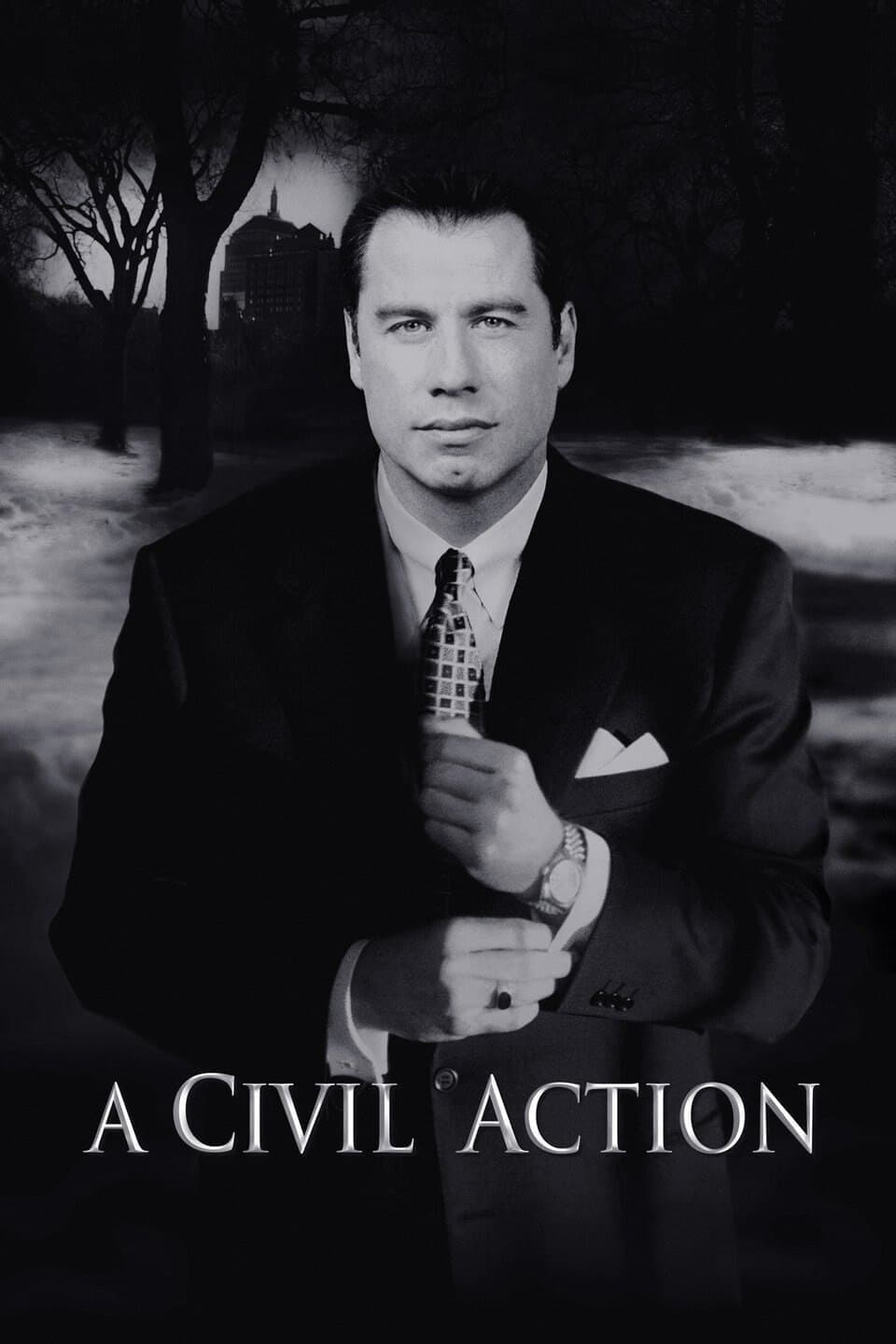
Jan Schlichtmann risks his career and the financial stability of his firm to sue two large corporations for contaminating the local water supply. The narrative focuses heavily on the devastating financial toll that complex litigation takes on a small legal team. It avoids a typical Hollywood ending in favor of a realistic outcome regarding settlements and bankruptcy. The story highlights the grueling nature of the discovery process in environmental law cases.
‘Anatomy of a Murder’ (1959)
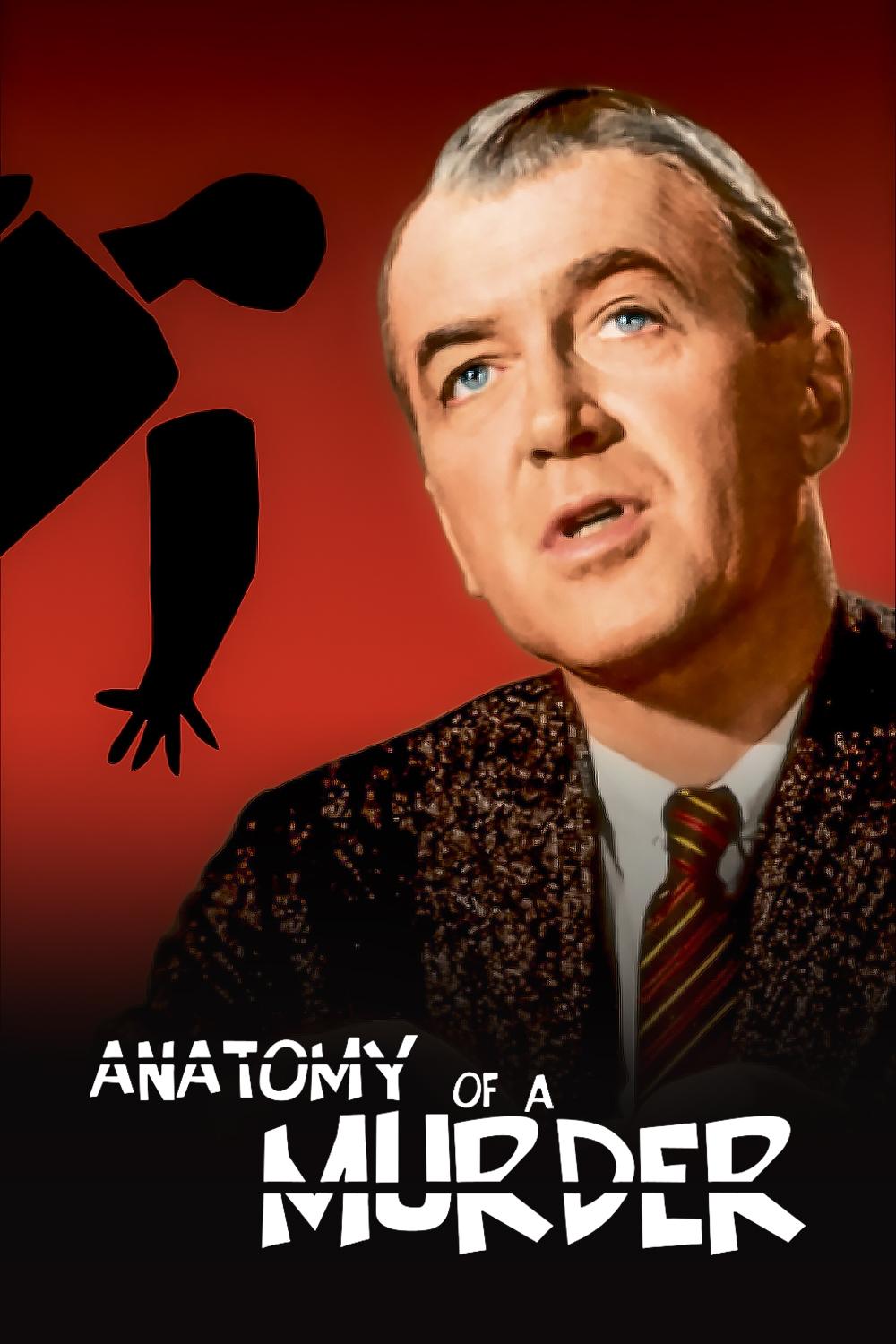
Paul Biegler defends a lieutenant accused of murdering a bar owner who allegedly raped the defendant’s wife. This courtroom classic is renowned for its attention to the nuances of criminal defense and the insanity plea. The script meticulously follows the procedural steps of a murder trial from client interviews to the final verdict. It illustrates how lawyers must carefully navigate legal ethics while vigorously advocating for their clients.
‘The Paper Chase’ (1973)
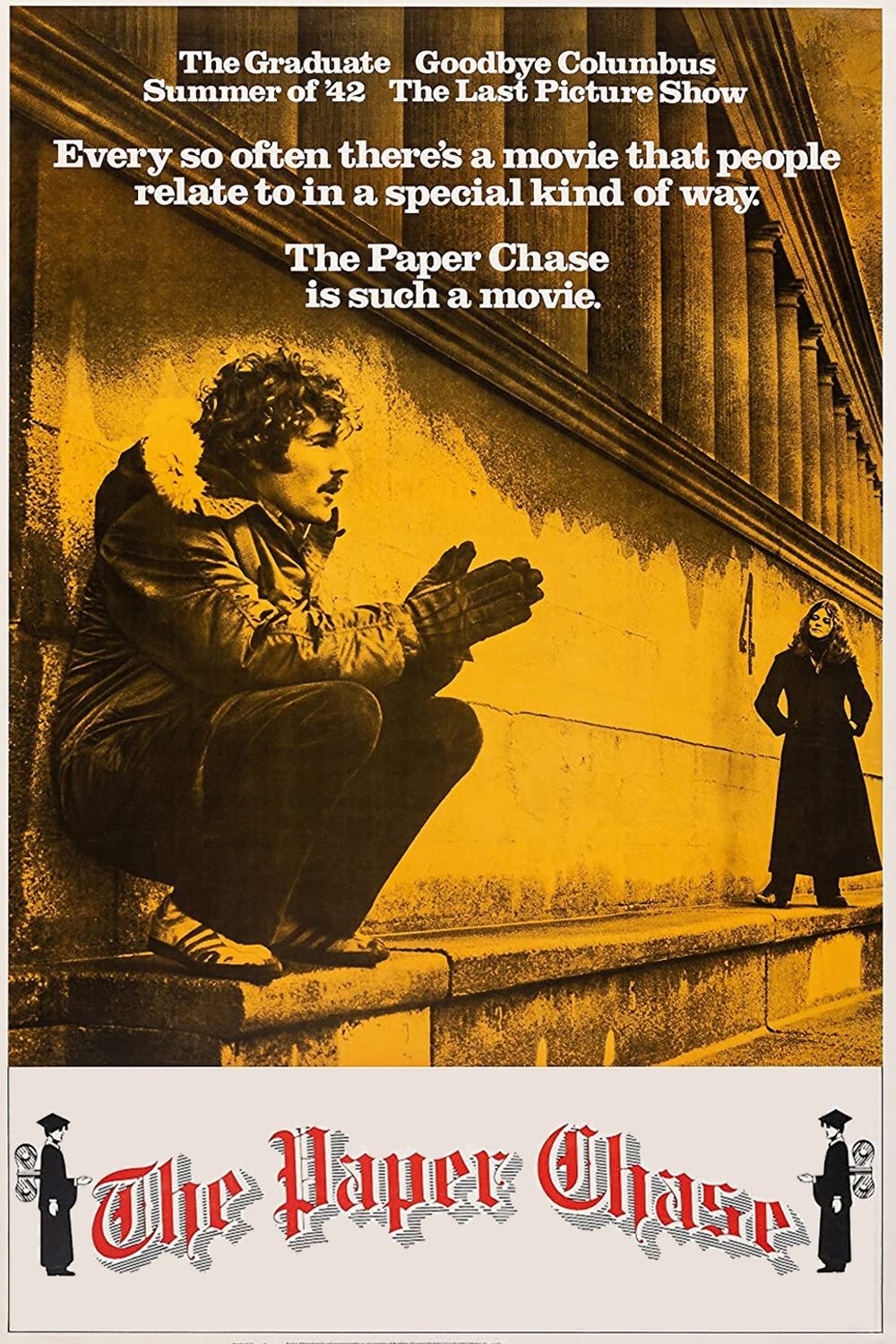
James Hart enters his first year at Harvard Law School and faces the intimidating contracts professor Charles W. Kingsfield Jr. The film captures the intense academic pressure and the Socratic method used in legal education. It strips away the glamour of the courtroom to focus on the intellectual rigor required to master the law. The story resonates with anyone who has endured the stress of study groups and final exams.
‘Dark Waters’ (2019)
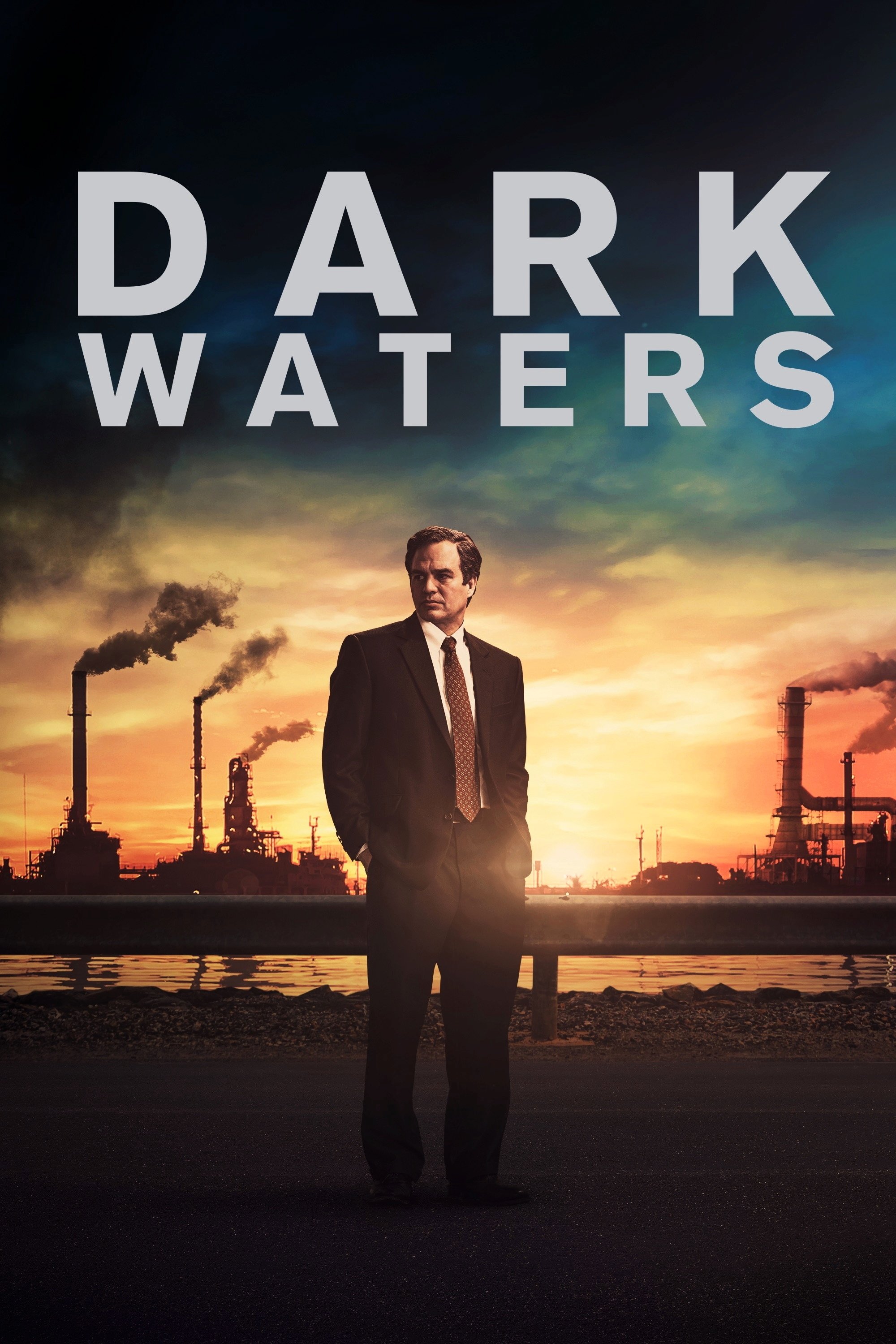
Robert Bilott switches sides from corporate defense to represent a farmer whose cattle are dying due to chemical runoff. The film spans several years to demonstrate the agonizingly slow pace of class-action lawsuits against massive conglomerates. It emphasizes the sheer volume of document discovery required to find a smoking gun in corporate files. The protagonist spends more time in conference rooms and file storage areas than he does before a judge.
‘Judgment at Nuremberg’ (1961)
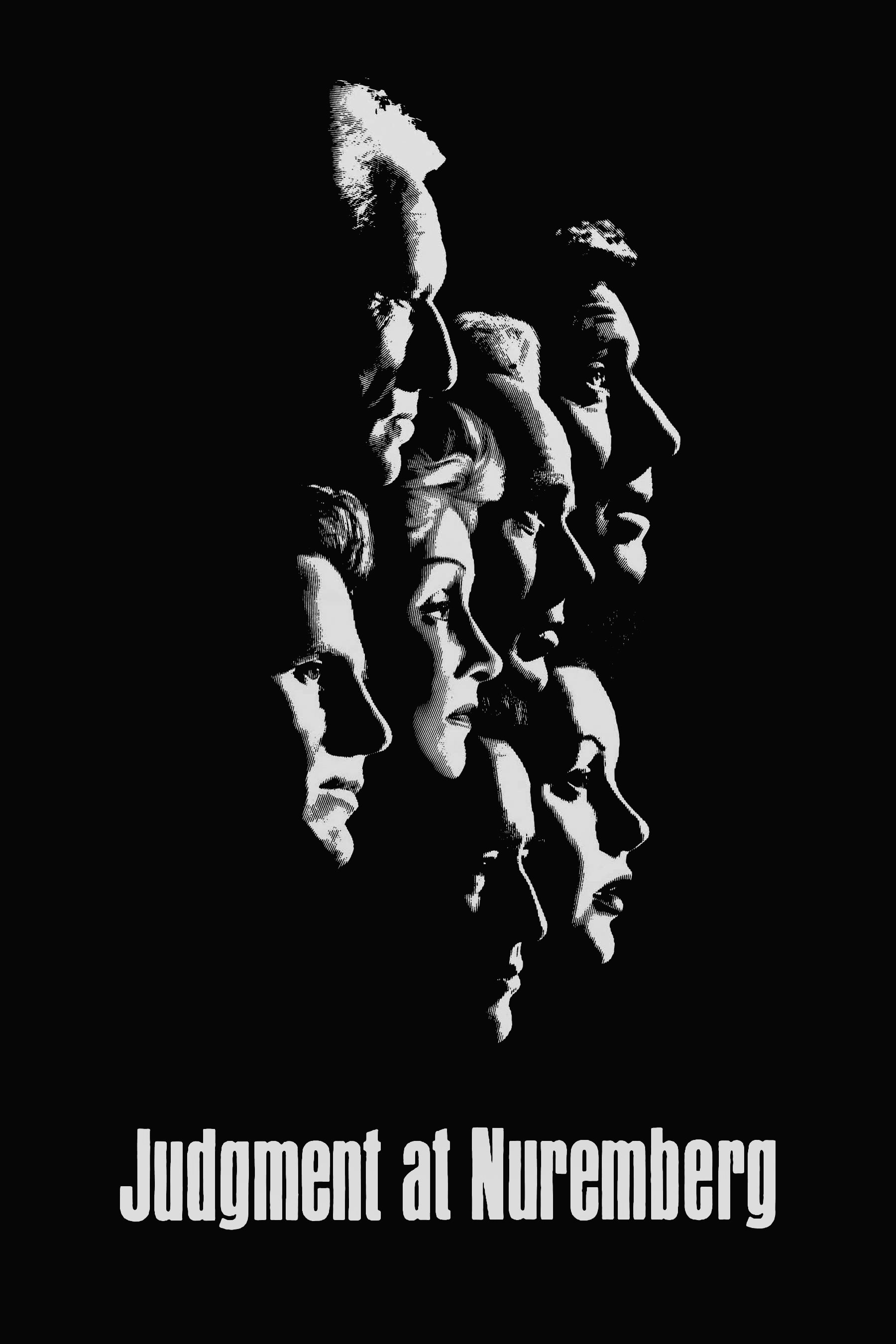
An American tribunal tries four German judges for their complicity in the atrocities committed under the Nazi regime. The film explores complex questions regarding jurisdiction and the culpability of judicial officials enforcing unjust laws. It presents long uninterrupted scenes of legal argumentation that mirror actual courtroom discourse. The drama relies on the weight of testimony and international law principles rather than theatrical outbursts.
‘Rumpole of the Bailey’ (1978–1992)

Horace Rumpole is an aging barrister who defends an array of eccentric clients at the Old Bailey in London. The series provides a humorous but authentic look at the distinction between barristers and solicitors in the British legal system. Rumpole frequently deals with petty criminals and the internal politics of his chambers. The show emphasizes the importance of the “golden thread” of British justice regarding the presumption of innocence.
‘Bridge of Spies’ (2015)
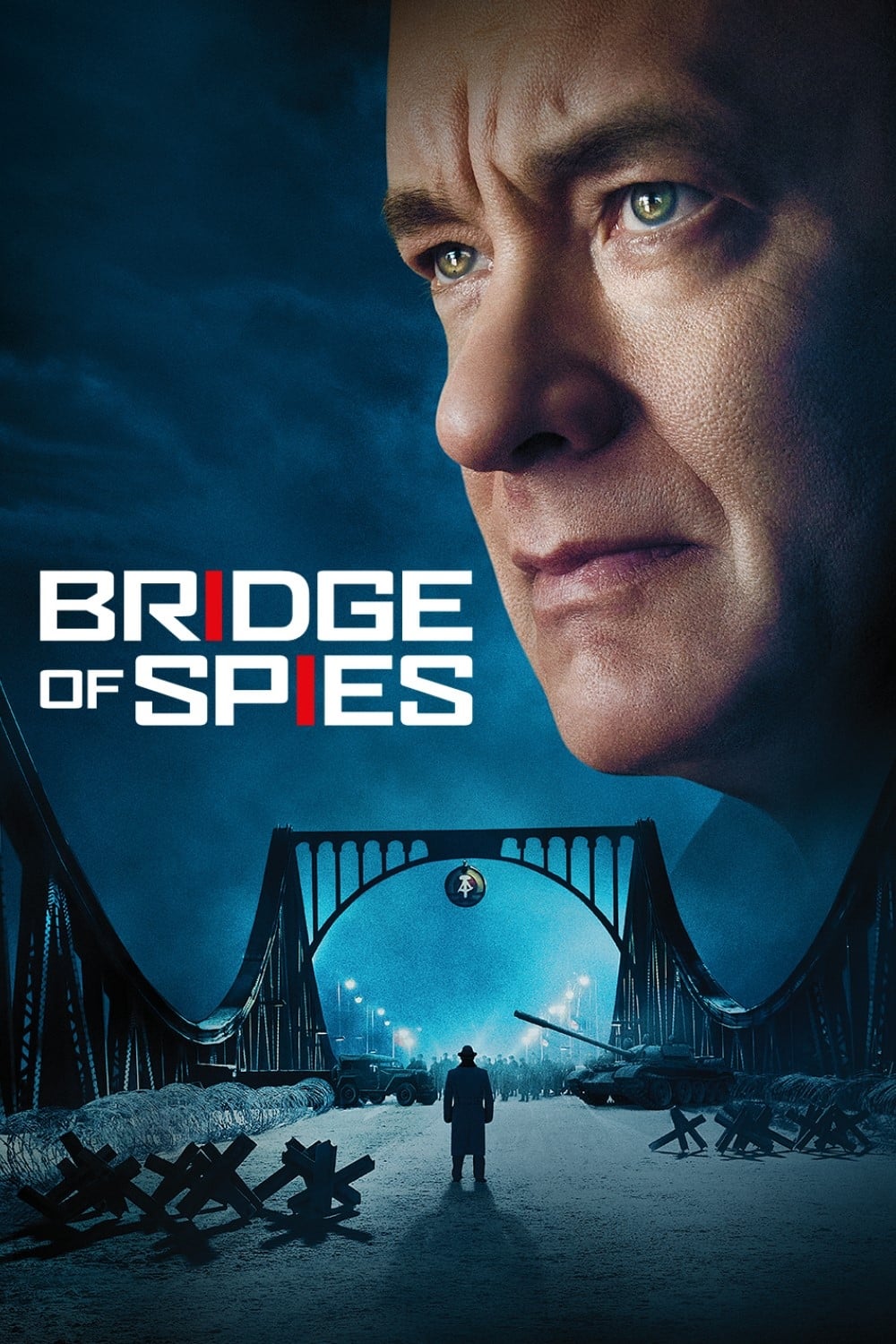
James B. Donovan is an insurance lawyer recruited to negotiate a prisoner exchange between the United States and the Soviet Union. The film showcases the art of negotiation and the importance of upholding constitutional rights even for unpopular defendants. Donovan relies on persuasion and adherence to the rule of law rather than espionage tactics. It highlights how legal principles serve as a foundation for diplomatic resolutions.
‘Philadelphia’ (1993)
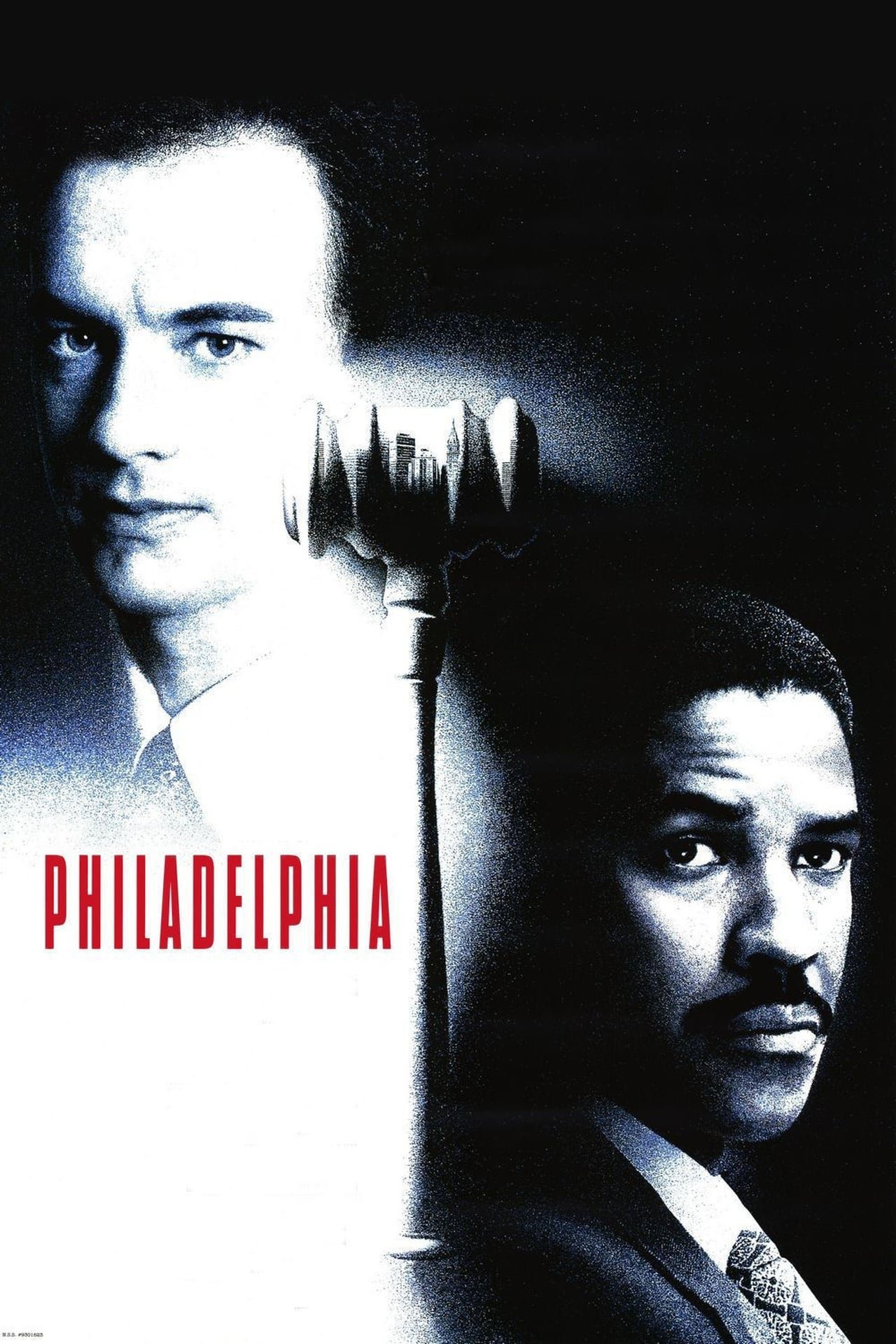
Andrew Beckett sues his former law firm for wrongful termination after being fired due to his AIDS diagnosis. The movie illustrates the procedural hurdles involved in discrimination lawsuits and the deposition process. It portrays the physical and emotional toll of litigation on a plaintiff with a deteriorating health condition. The courtroom scenes focus on establishing a pattern of behavior and proving discriminatory intent.
‘The Rainmaker’ (1997)
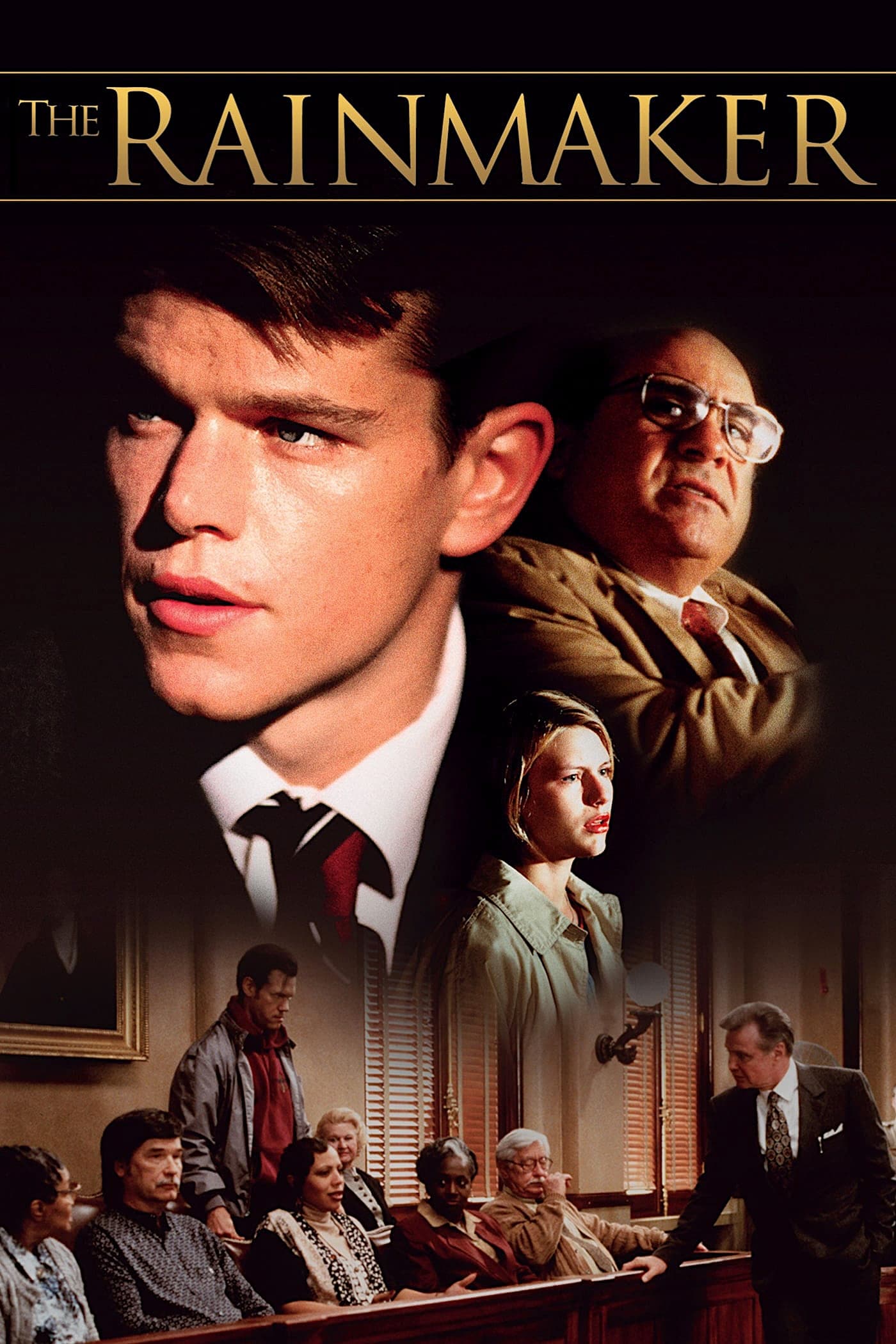
Rudy Baylor is a young attorney who takes on a fraudulent insurance company immediately after law school. The story highlights the challenges of being a new lawyer without a support network or financial resources. It depicts the unethical tactics used by large defense teams to bury solo practitioners in paperwork. The film underscores the importance of jury selection and the ethical dilemmas faced by rookie attorneys.
‘Witness for the Prosecution’ (1957)
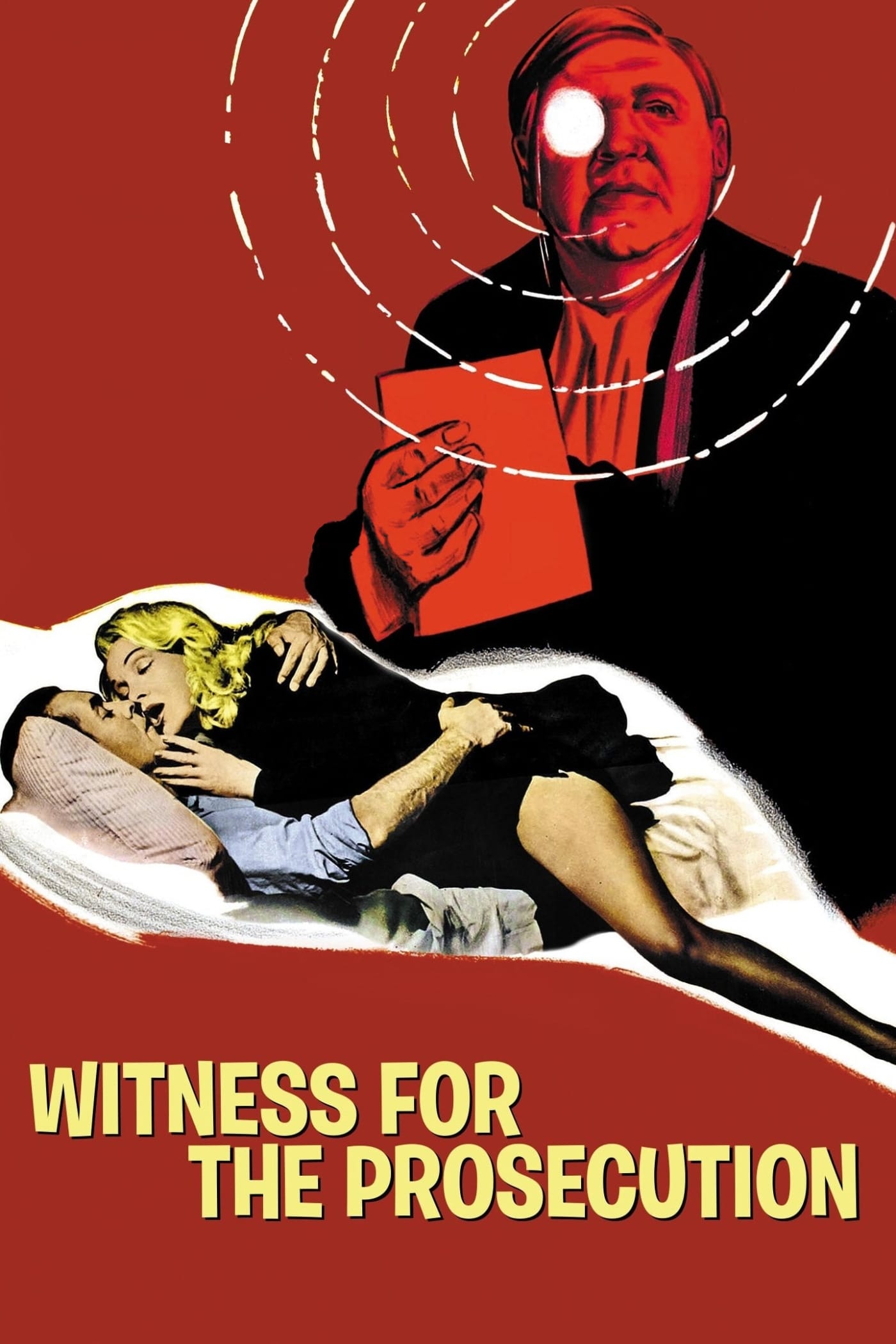
Sir Wilfrid Robarts defends a man accused of murdering a wealthy widow in this adaptation of an Agatha Christie play. The film offers a detailed look at the role of a barrister and the interaction with the presiding judge. It relies on the examination of witnesses and the introduction of evidence to drive the plot forward. The dramatic tension stems from the clever manipulation of legal procedure rather than action sequences.
‘Just Mercy’ (2019)
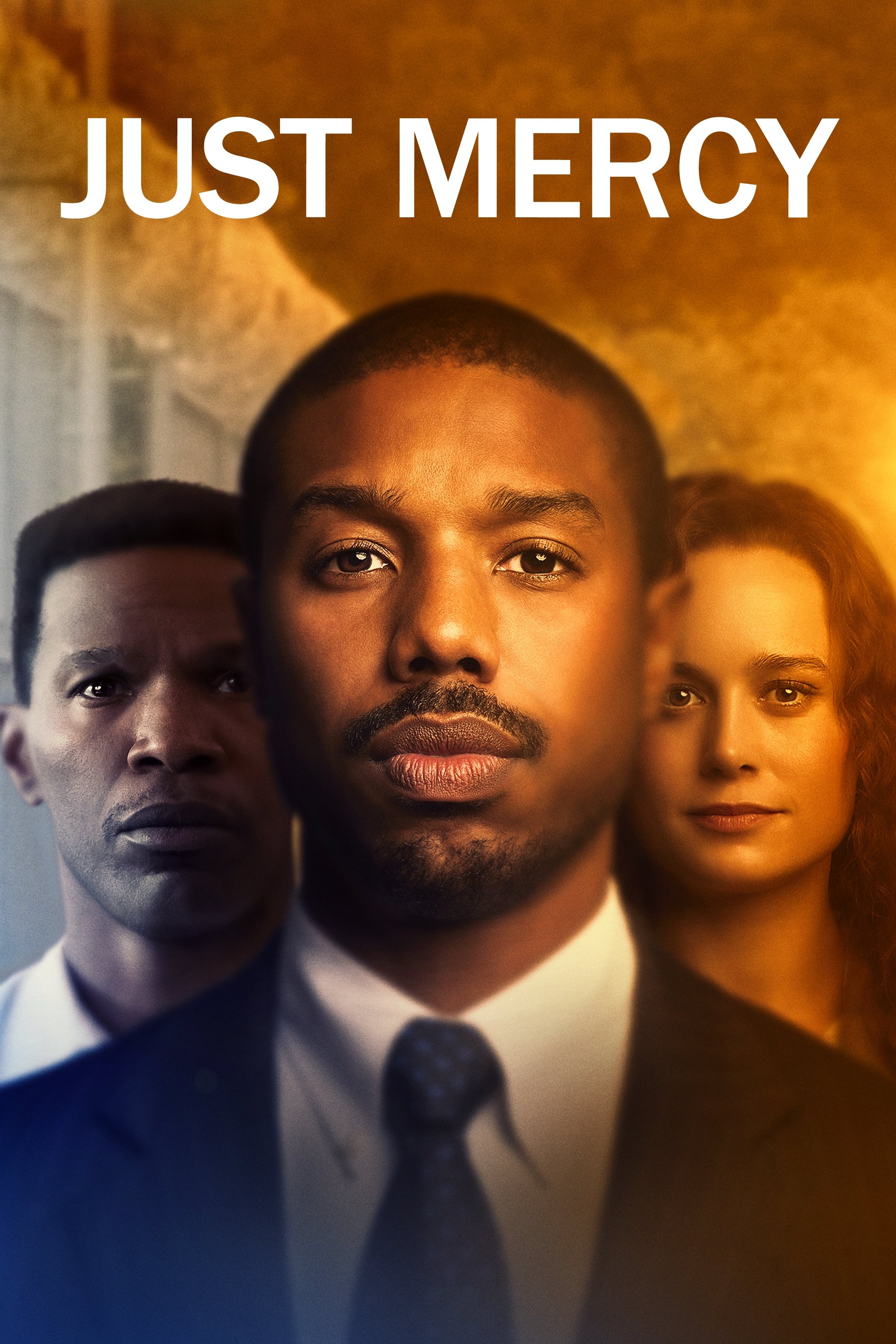
Bryan Stevenson moves to Alabama to defend those wrongly condemned or who were not afforded proper legal representation. The film depicts the founding of the Equal Justice Initiative and the systemic biases within the legal system. It focuses on the arduous process of filing appeals and searching for new evidence in death row cases. The narrative emphasizes the emotional labor involved in representing marginalized clients.
‘The Good Wife’ (2009–2016)
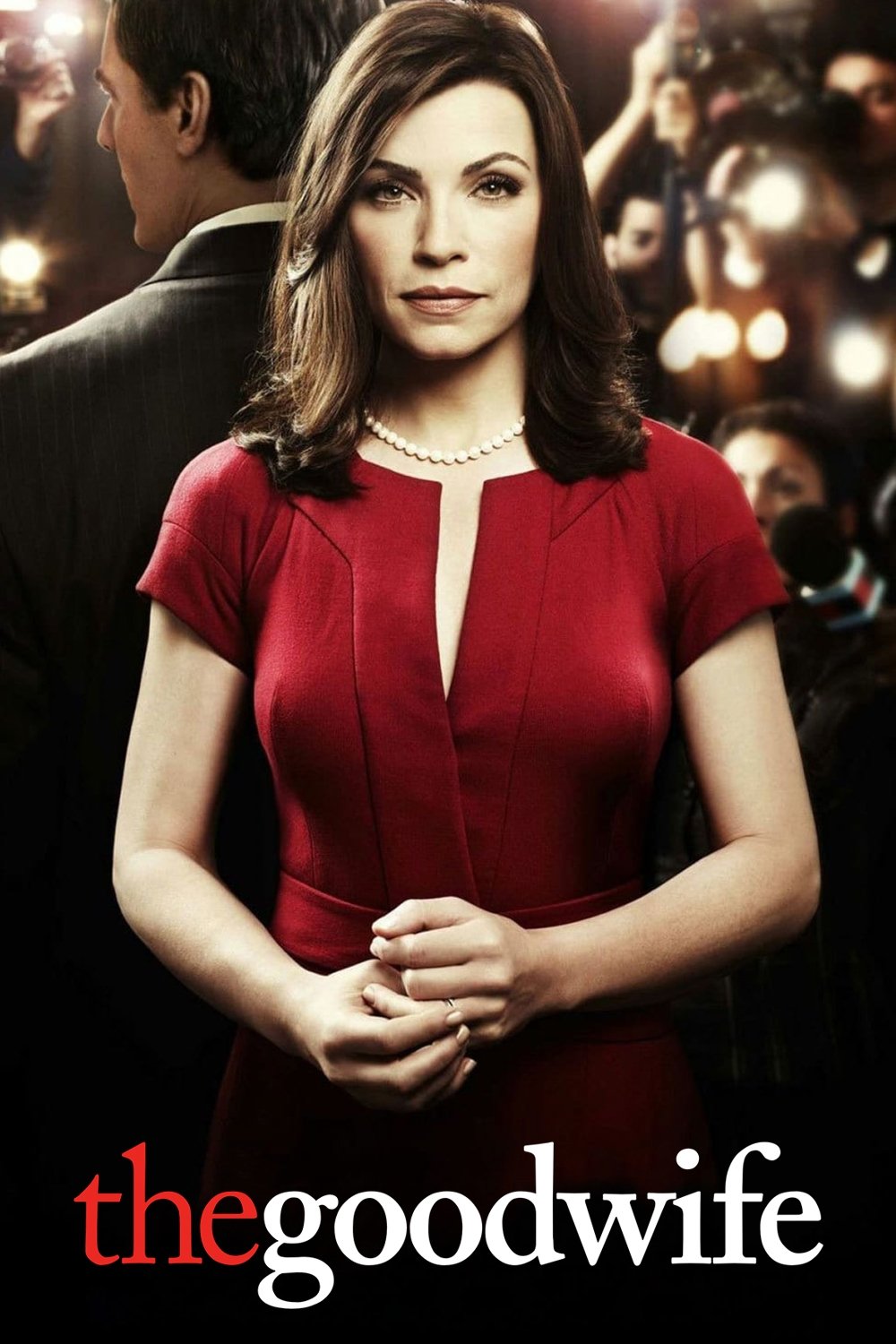
Alicia Florrick returns to the workforce as a junior litigator after her husband is involved in a political scandal. The show explores the internal politics of a law firm and the path to partnership. Writers often incorporated current events to explore emerging legal issues in technology and privacy. It balances courtroom procedure with the business realities of maintaining a profitable legal practice.
‘Presumed Innocent’ (1990)
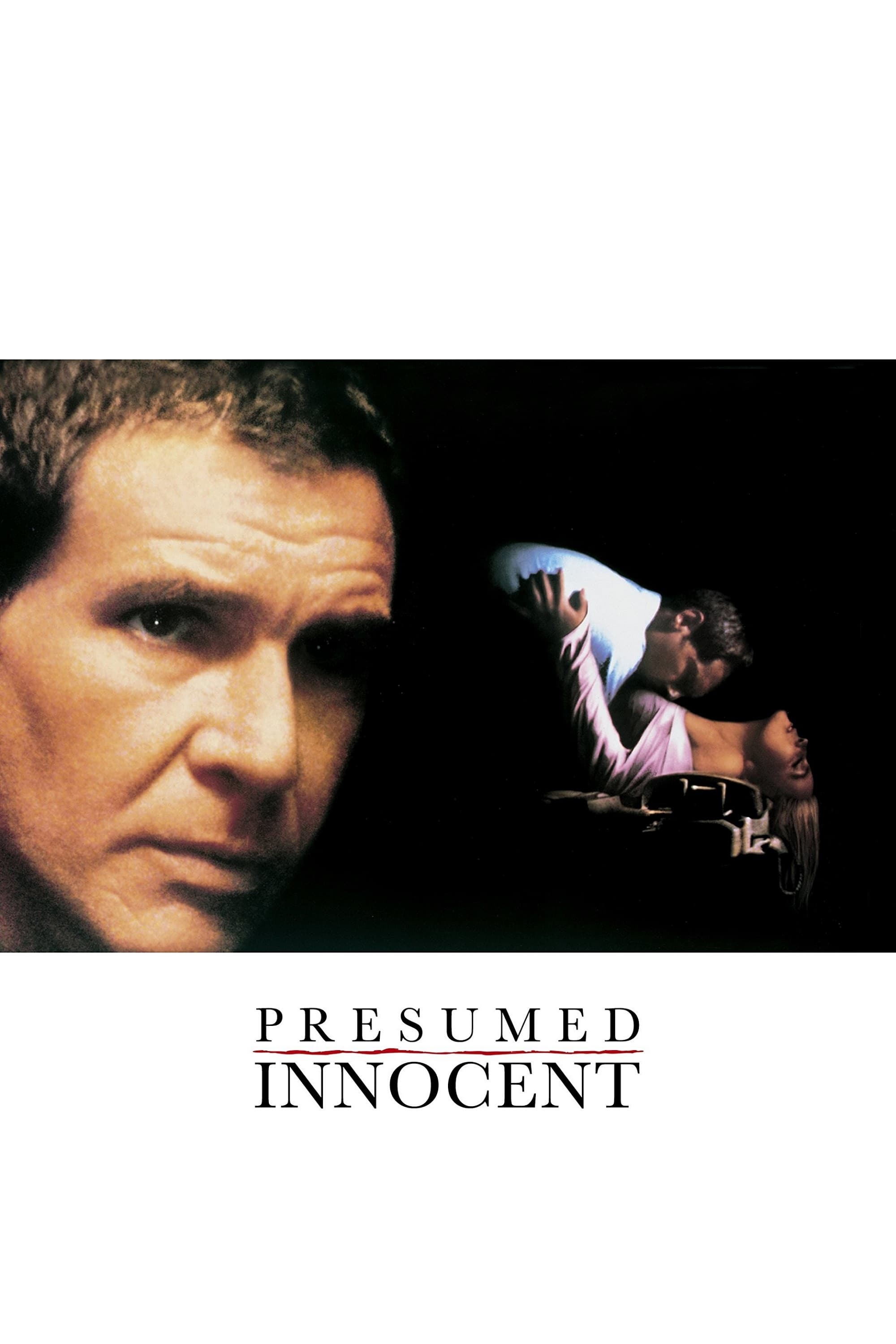
Rusty Sabich is a prosecutor who finds himself charged with the murder of a colleague with whom he had an affair. The film details the investigation process and the strategic maneuvering involved in a high-profile criminal defense. It highlights the role of forensic evidence and the complex relationship between prosecutors and the defense bar. The courtroom scenes are tense and grounded in the realities of criminal procedure.
‘On the Basis of Sex’ (2018)

Ruth Bader Ginsburg teams up with her husband to argue a tax case that challenges gender-based discrimination. The film focuses on the extensive research and brief-writing process required for appellate advocacy. It depicts the moot court preparations necessary to ready an attorney for oral arguments. The story serves as a lesson on how judicial precedent is challenged and reshaped over time.
‘Erin Brockovich’ (2000)

A legal clerk uncovers a massive cover-up involving contaminated water in a California community. Although the protagonist is not a lawyer the film accurately portrays the investigative work required to build a class-action lawsuit. It shows the importance of gathering plaintiff statements and organizing medical records. The narrative demonstrates how a law firm operates when taking on a case on a contingency fee basis.
‘Marshall’ (2017)
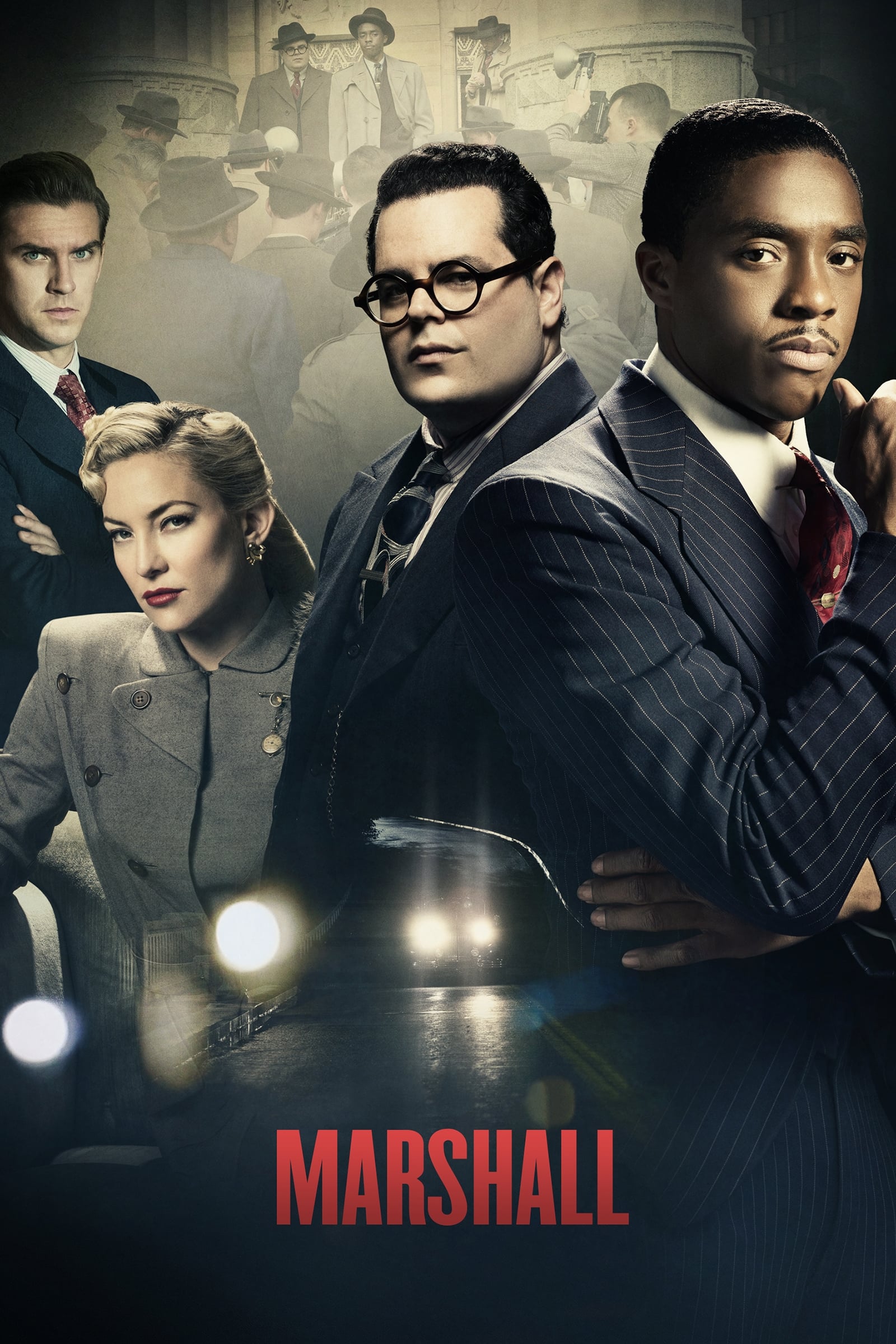
Thurgood Marshall travels to Connecticut to defend a chauffeur accused of sexual assault and attempted murder. The film showcases the restrictions often placed on out-of-state attorneys and the need to partner with local counsel. It focuses on the jury selection process and the racial prejudices inherent in the judicial system of the era. The story highlights the collaborative nature of criminal defense work.
‘Denial’ (2016)
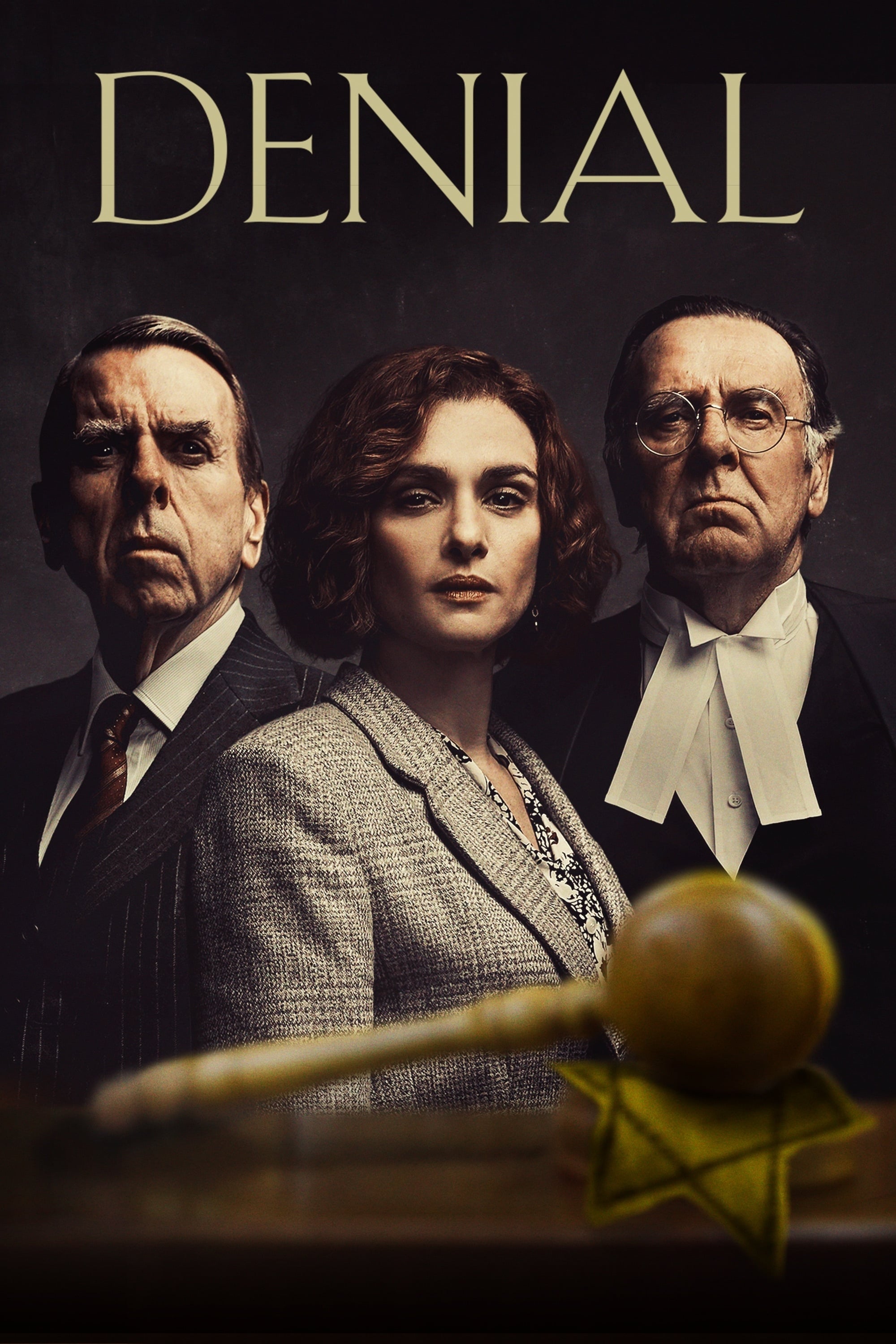
Deborah Lipstadt is sued for libel by a Holocaust denier and must prove in a British court that the Holocaust actually occurred. The film explains the significant differences between the American and British legal systems regarding the burden of proof. It focuses on the strategy of the legal team to avoid putting survivors on the stand to protect them from cross-examination. The drama unfolds almost entirely through legal arguments and archival research.
‘The People v. O.J. Simpson: American Crime Story’ (2016)
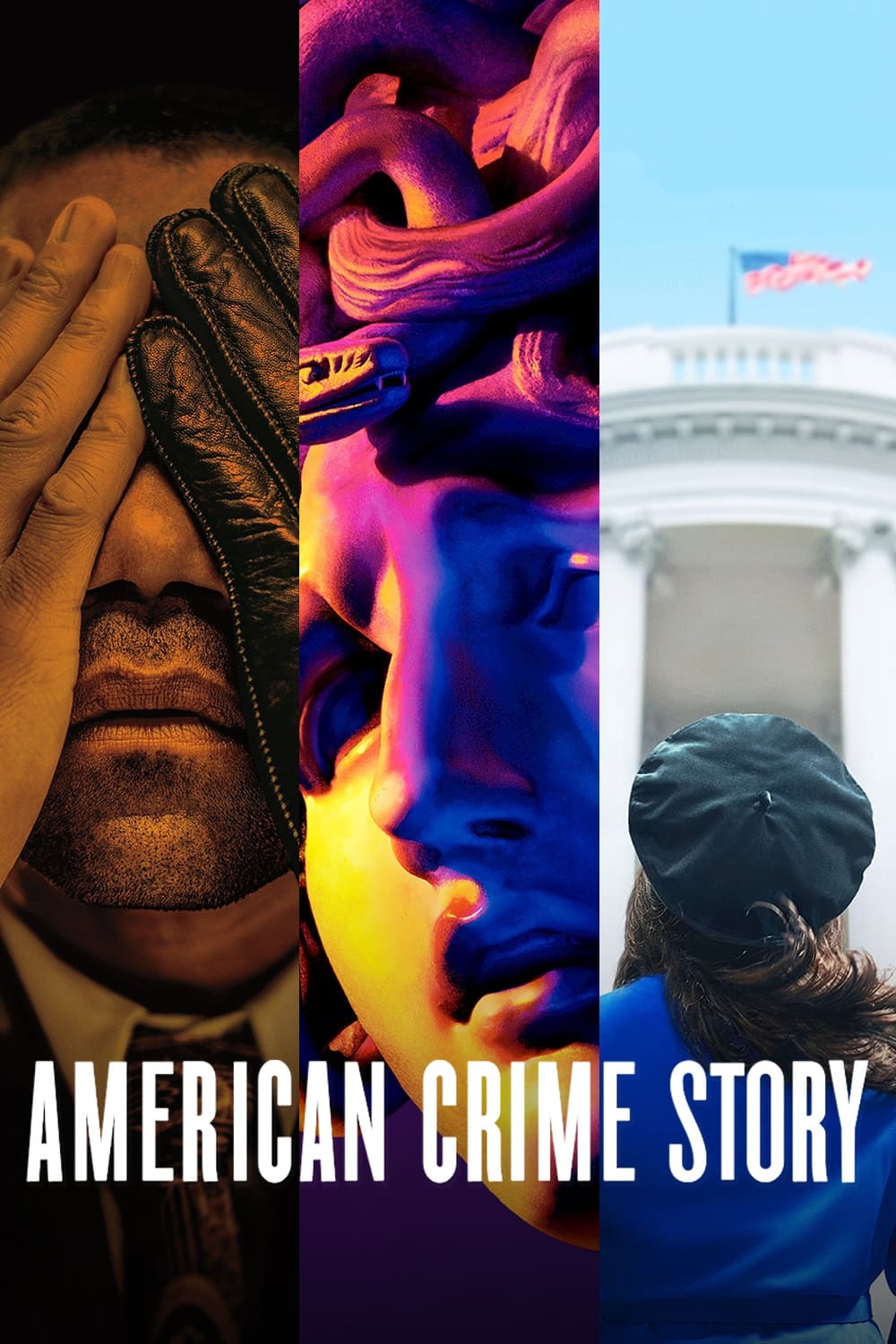
This limited series recreates the “Trial of the Century” with a focus on the strategies employed by both the prosecution and the defense. It delves into the jury selection process and the impact of media coverage on legal proceedings. The show highlights the squabbling between lawyers and the procedural rulings that shaped the outcome. It provides a detailed look at how evidence is handled and challenged in a high-stakes environment.
‘Inherit the Wind’ (1960)
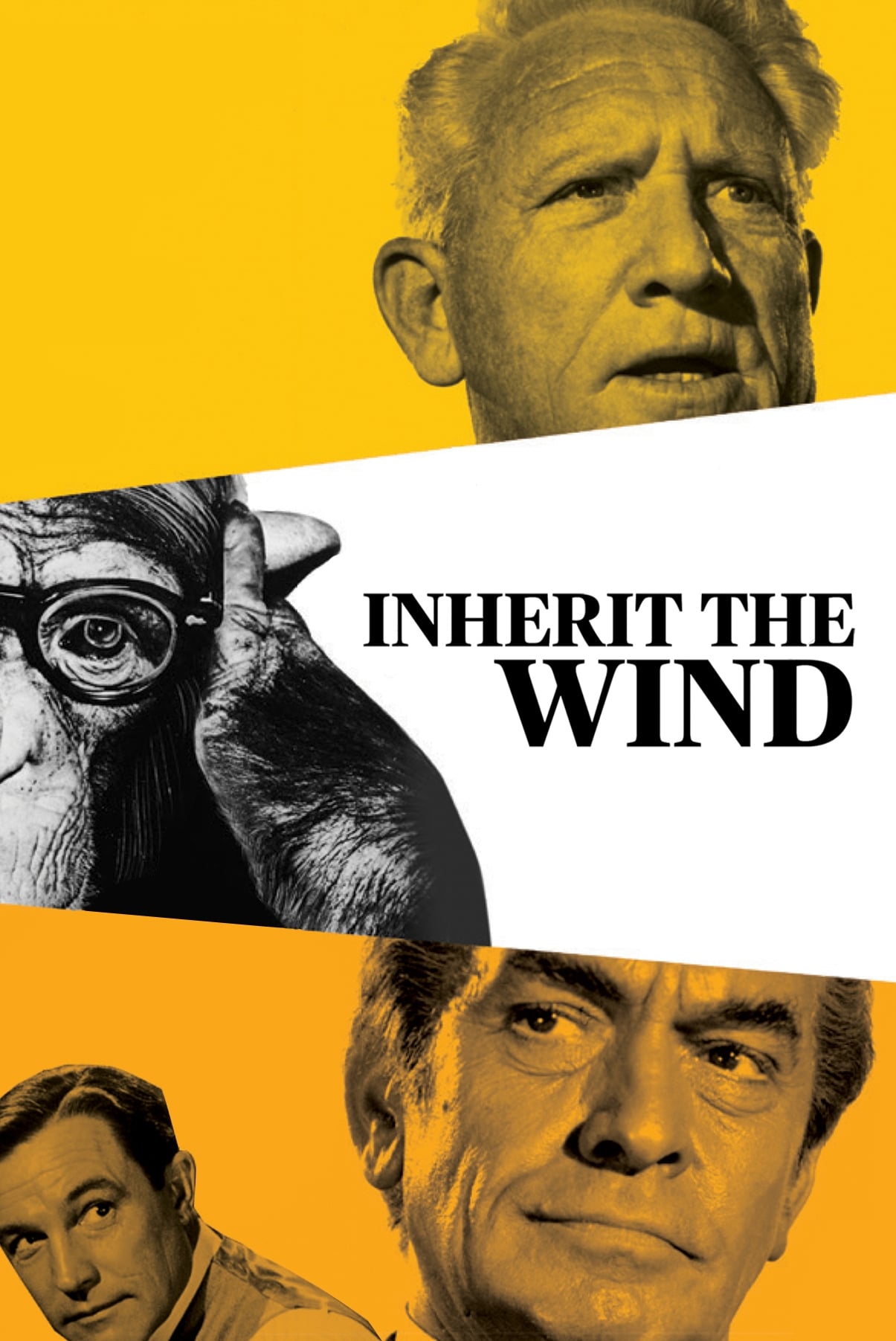
Two legal giants clash in a small town courtroom over the teaching of evolution in public schools. The film creates a fictionalized account of the Scopes “Monkey” Trial and focuses on the power of rhetoric. It illustrates how a courtroom can become a forum for debating societal values and intellectual freedom. The drama relies on the examination of witnesses to expose the flaws in a rigid interpretation of the law.
‘To Kill a Mockingbird’ (1962)
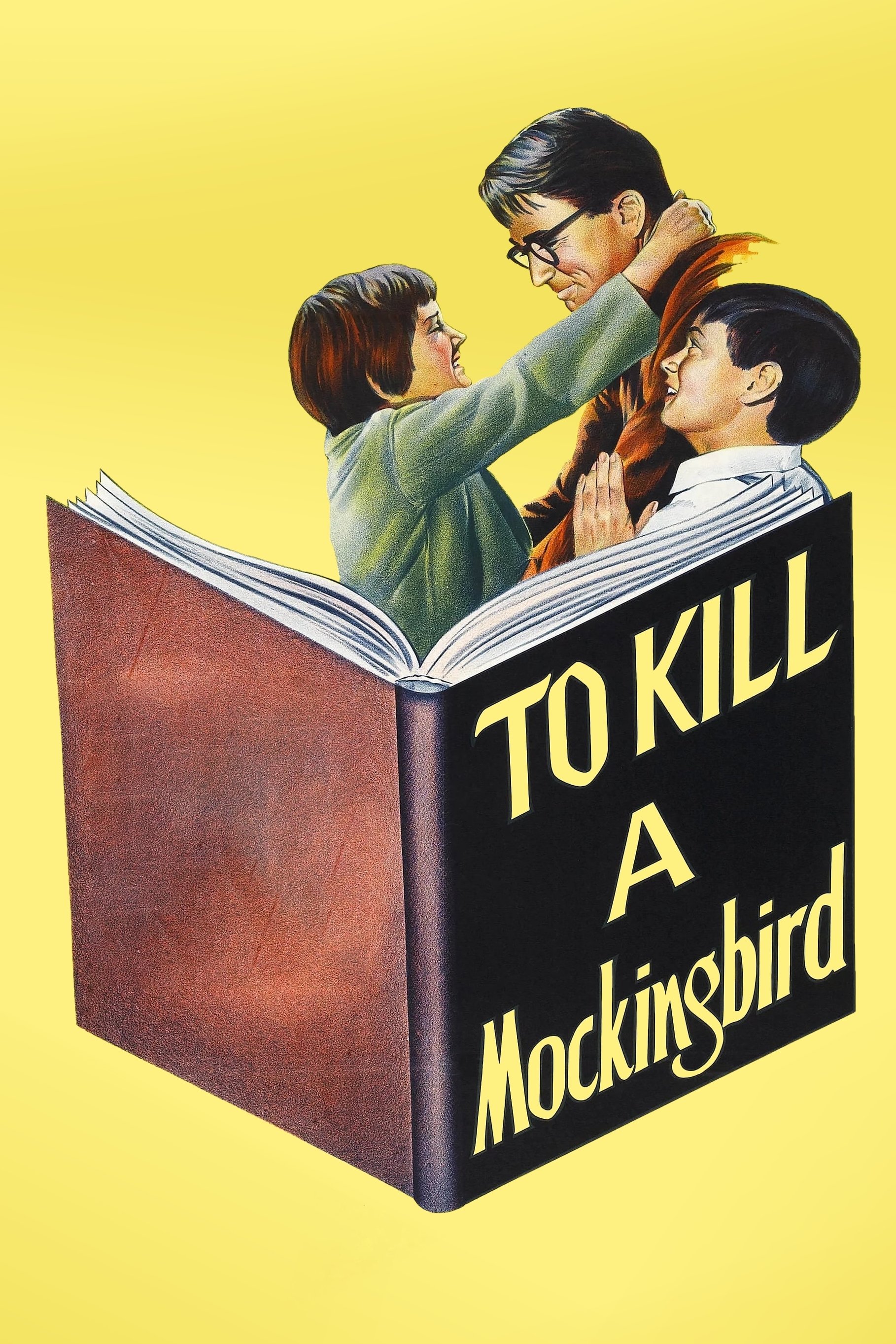
Atticus Finch defends a black man falsely accused of raping a white woman in the Depression-era South. The film is the quintessential portrayal of the lawyer as a moral guardian who upholds the law despite community pressure. It captures the solemnity of the courtroom and the weight of closing arguments. The story remains an inspiration for aspiring lawyers due to its emphasis on integrity and justice.
‘Silk’ (2011–2014)

Martha Costello aims to become a Queen’s Counsel while navigating the pressures of a busy criminal set in London. The series offers a gritty look at the life of a barrister including the long hours and relatively low pay for legal aid work. It depicts the “cab-rank rule” which obliges barristers to accept any case within their area of expertise. The show balances courtroom victories with the emotional toll of defending guilty clients.
‘Breaker Morant’ (1980)
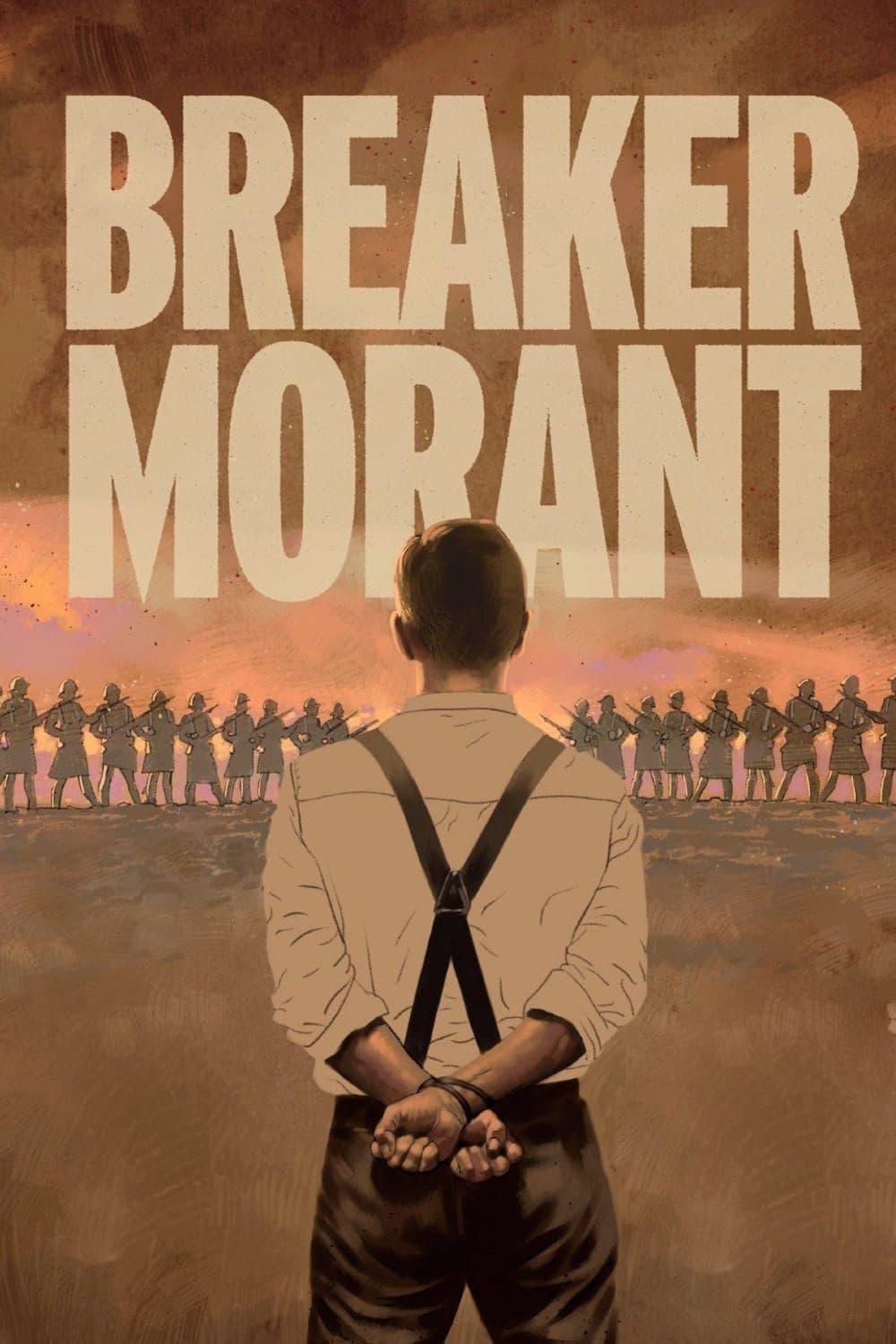
Three Australian lieutenants are court-martialed for executing prisoners during the Second Boer War. The film explores the legal defense of “superior orders” and the political machinations behind military tribunals. It consists largely of courtroom testimony and the legal arguments regarding the rules of engagement. The narrative questions the fairness of a trial where the outcome appears to be predetermined by political necessity.
Please share your favorite legal drama that gets the details right in the comments.