


15 Legal Thrillers Where the Courtroom Feels Like a Battlefield



Legal thrillers captivate audiences by turning procedural arguments into high-stakes warfare where words are the weapons of choice. These films transform the courtroom into an arena where lawyers battle for justice, truth, or simply survival against overwhelming odds. The tension relies on sharp dialogue and psychological maneuvering rather than physical action to keep viewers on the edge of their seats. The following list explores fifteen movies where the judicial process feels just as intense as any physical combat.
‘A Few Good Men’ (1992)
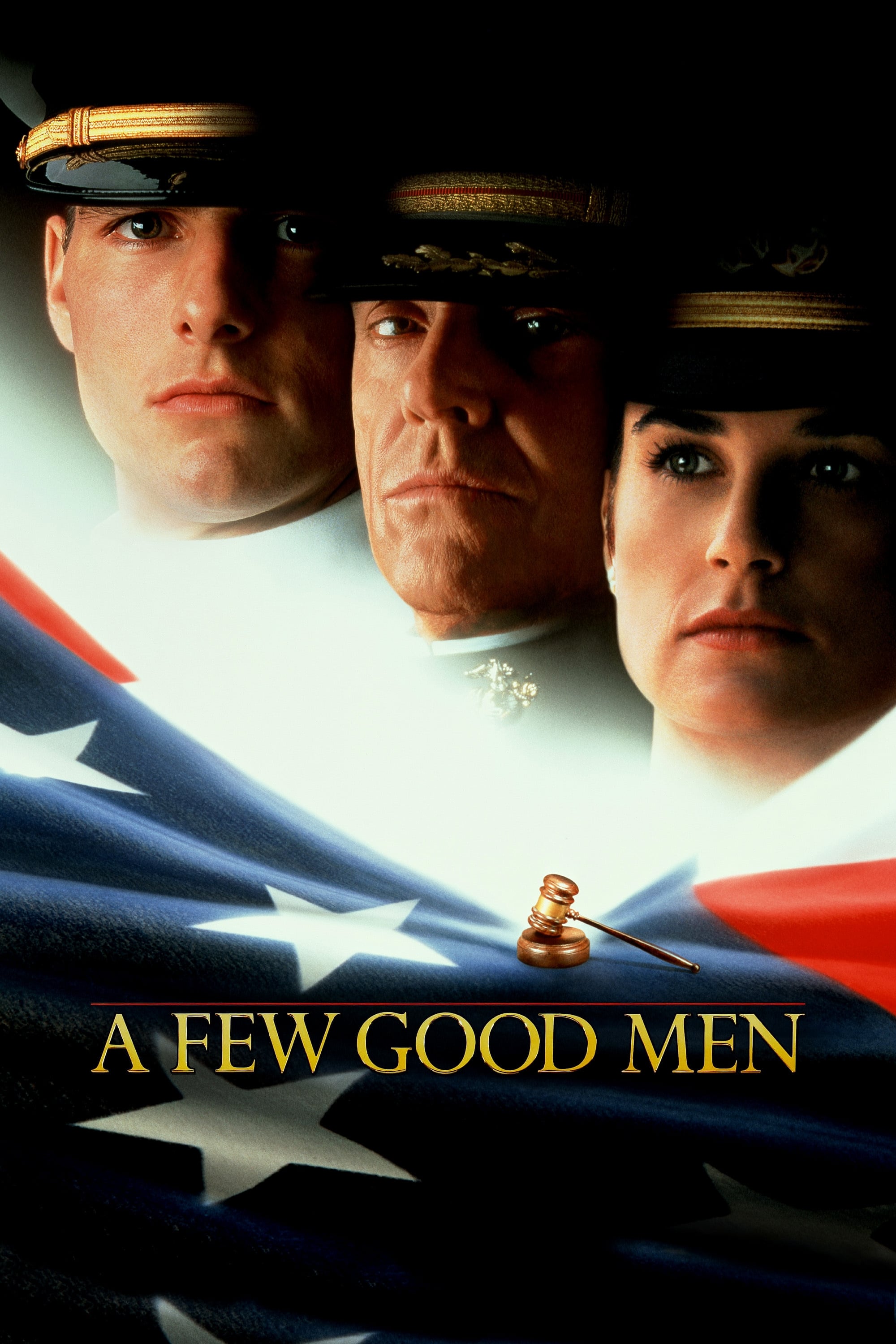
Lieutenant Daniel Kaffee defends two U.S. Marines charged with killing a fellow Marine at the Guantanamo Bay Naval Base. The case hinges on whether the accused were acting under orders known as a Code Red. Tensions rise as Kaffee challenges Colonel Nathan Jessup during an explosive cross-examination regarding chain of command. The film highlights the clash between military duty and the rule of law through intense verbal sparring.
’12 Angry Men’ (1957)
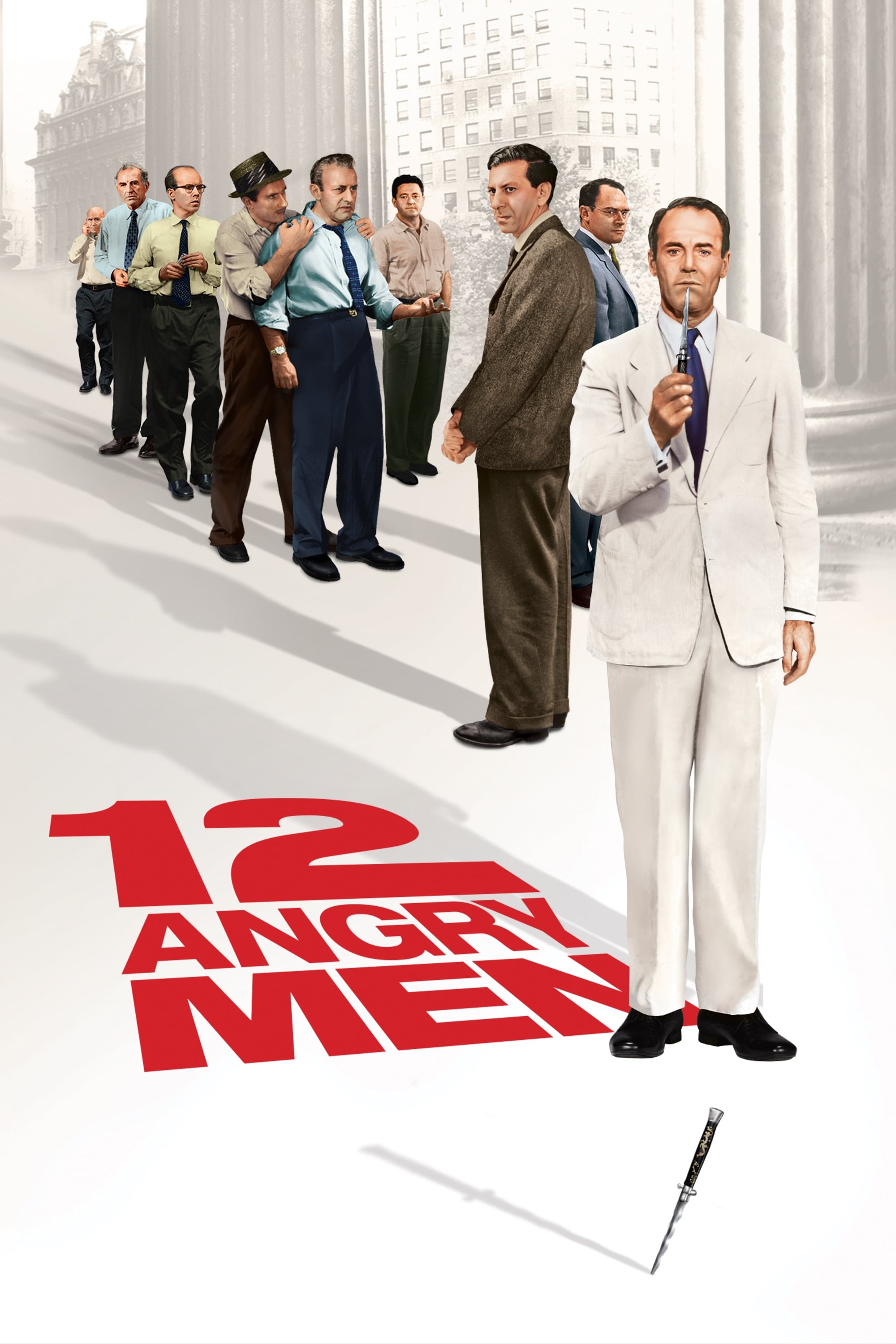
A jury retires to a claustrophobic room to decide the fate of a teenager accused of murdering his father. One holdout juror forces the eleven others to reexamine the evidence and their own prejudices against the defendant. The heat and confinement intensify the conflict as logical arguments battle against emotional outbursts. This drama relies entirely on dialogue to build suspense without leaving the deliberation room.
‘To Kill a Mockingbird’ (1962)
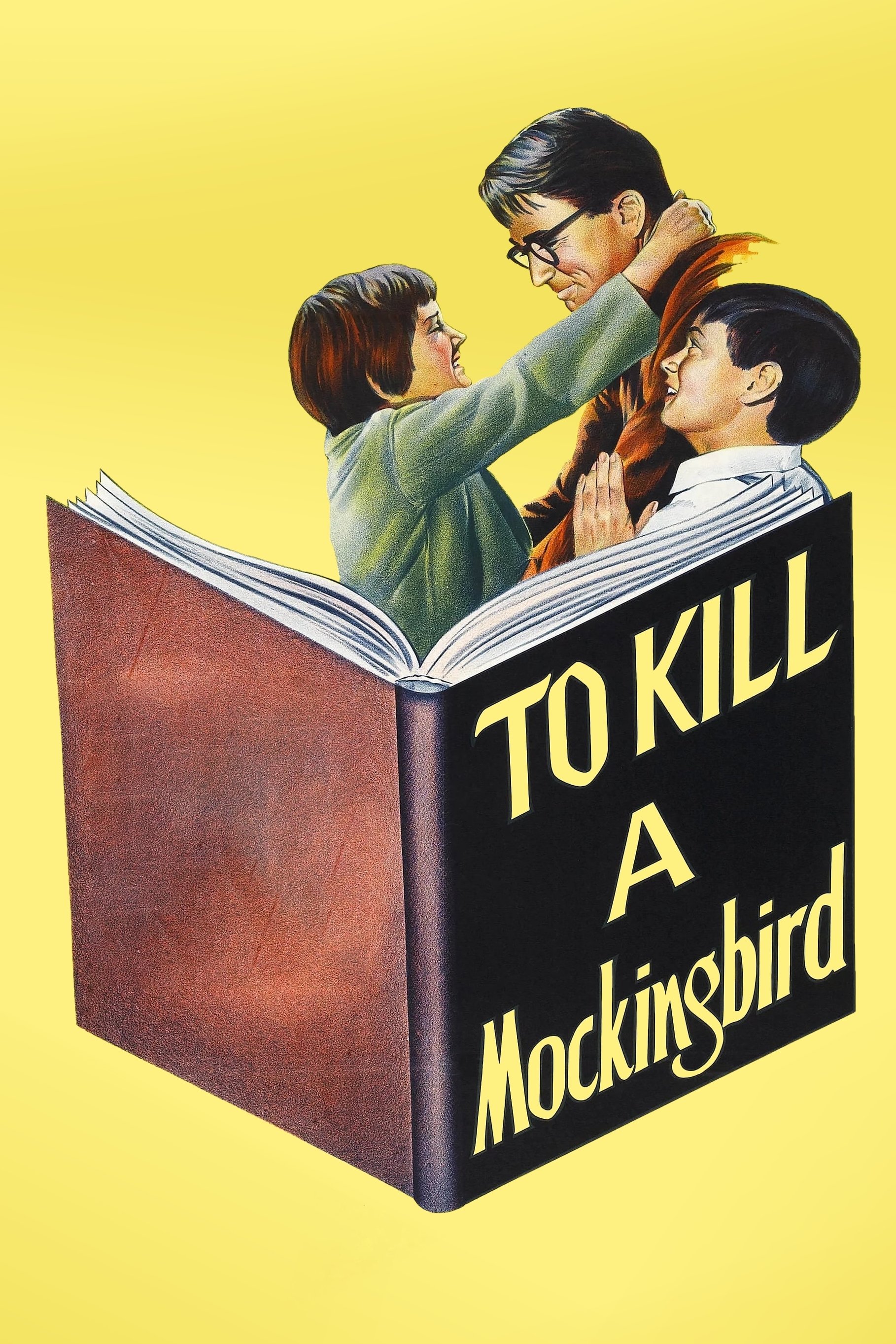
Atticus Finch defends a black man wrongly accused of raping a white woman in the racially segregated South. The trial exposes the deep prejudice and hypocrisy entrenched within the local community. Finch uses calm logic and unshakeable integrity to dismantle the prosecution case despite the hostility of the town. The courtroom scenes serve as a moral battleground where truth struggles against bigotry.
‘The Verdict’ (1982)
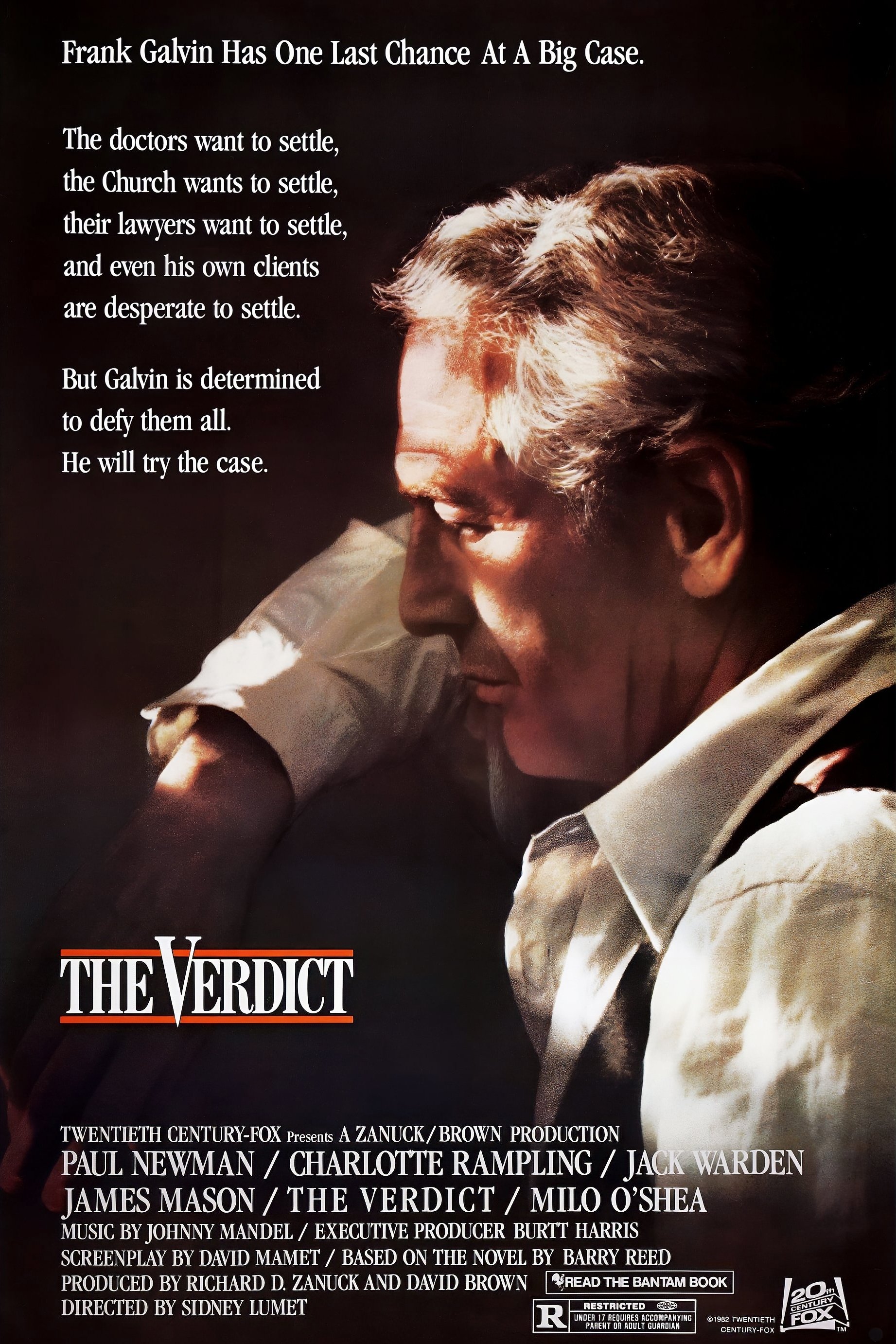
Frank Galvin is a washed-up alcoholic lawyer who takes a medical malpractice case for the money but finds redemption in the truth. He refuses a settlement offer to fight a powerful archdiocese and their high-priced legal team in court. The legal battle becomes a personal crusade for Galvin to regain his self-respect and secure justice for his comatose client. Every motion and objection feels like a struggle for survival against overwhelming odds.
‘Anatomy of a Murder’ (1959)
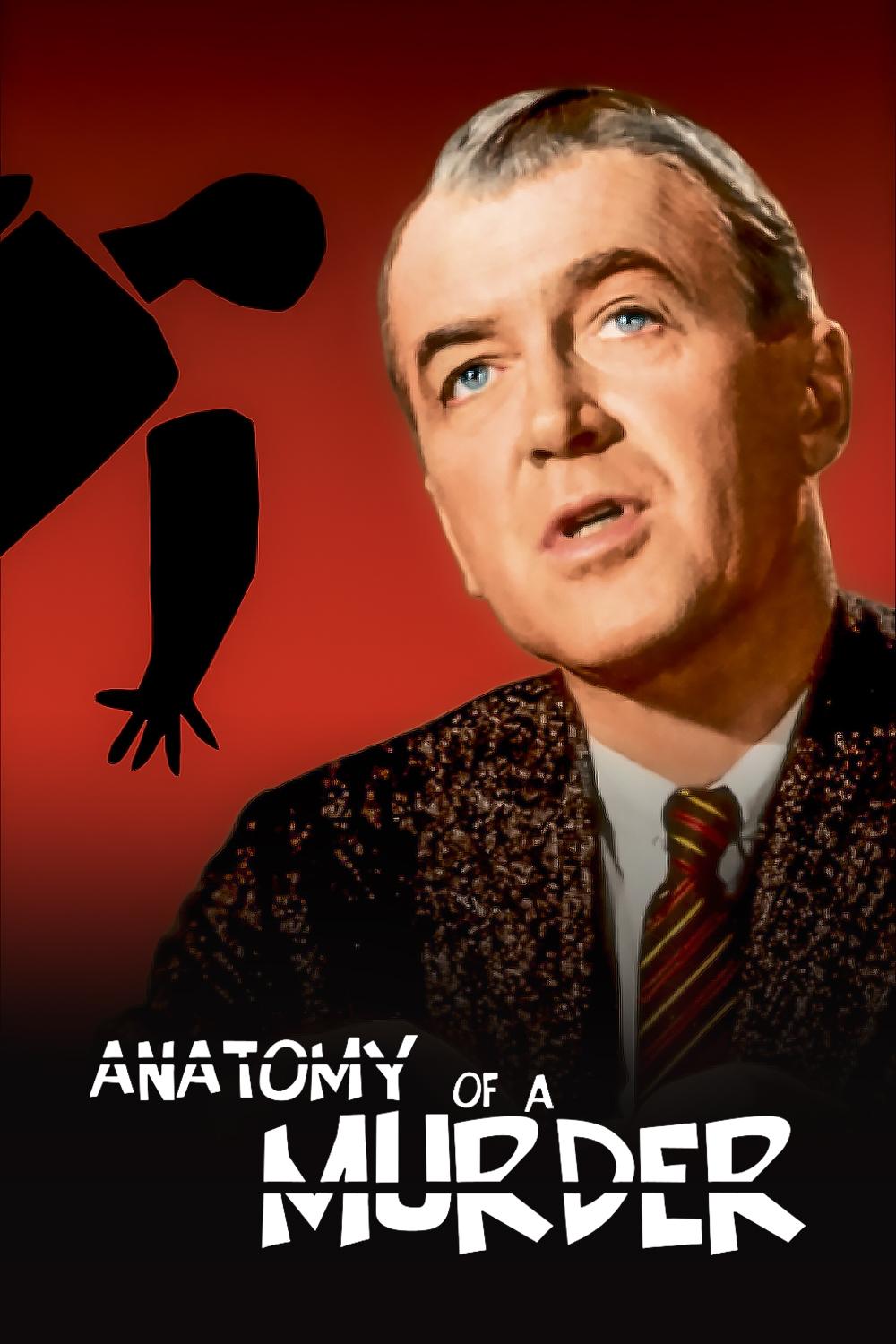
A small-town lawyer defends an army lieutenant accused of murdering a bartender who allegedly raped his wife. The defense relies on the concept of temporary insanity to justify the actions of the accused. Both the prosecution and defense engage in a tactical chess match of legal precedents and psychological maneuvering. The film portrays the ambiguous nature of truth and the meticulous procedures of the legal system.
‘Primal Fear’ (1996)
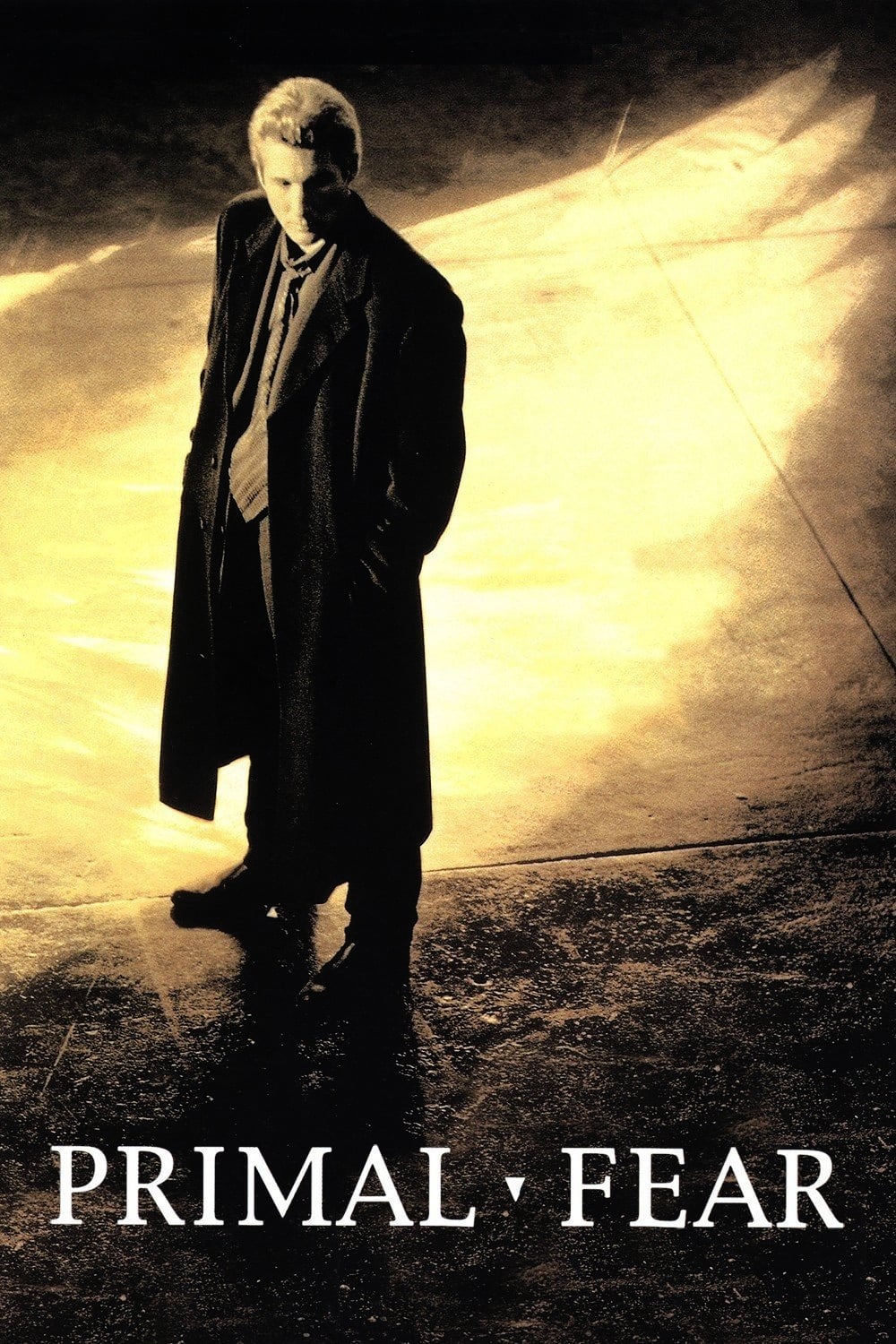
Defense attorney Martin Vail takes on the high-profile case of an altar boy accused of murdering an archbishop. The confident lawyer uncovers disturbing secrets while trying to save his client from the death penalty. Courtroom revelations shift the dynamic of the trial as the mental state of the defendant becomes central to the strategy. Vail finds himself manipulated in a game where winning comes at a devastating moral cost.
‘A Time to Kill’ (1996)
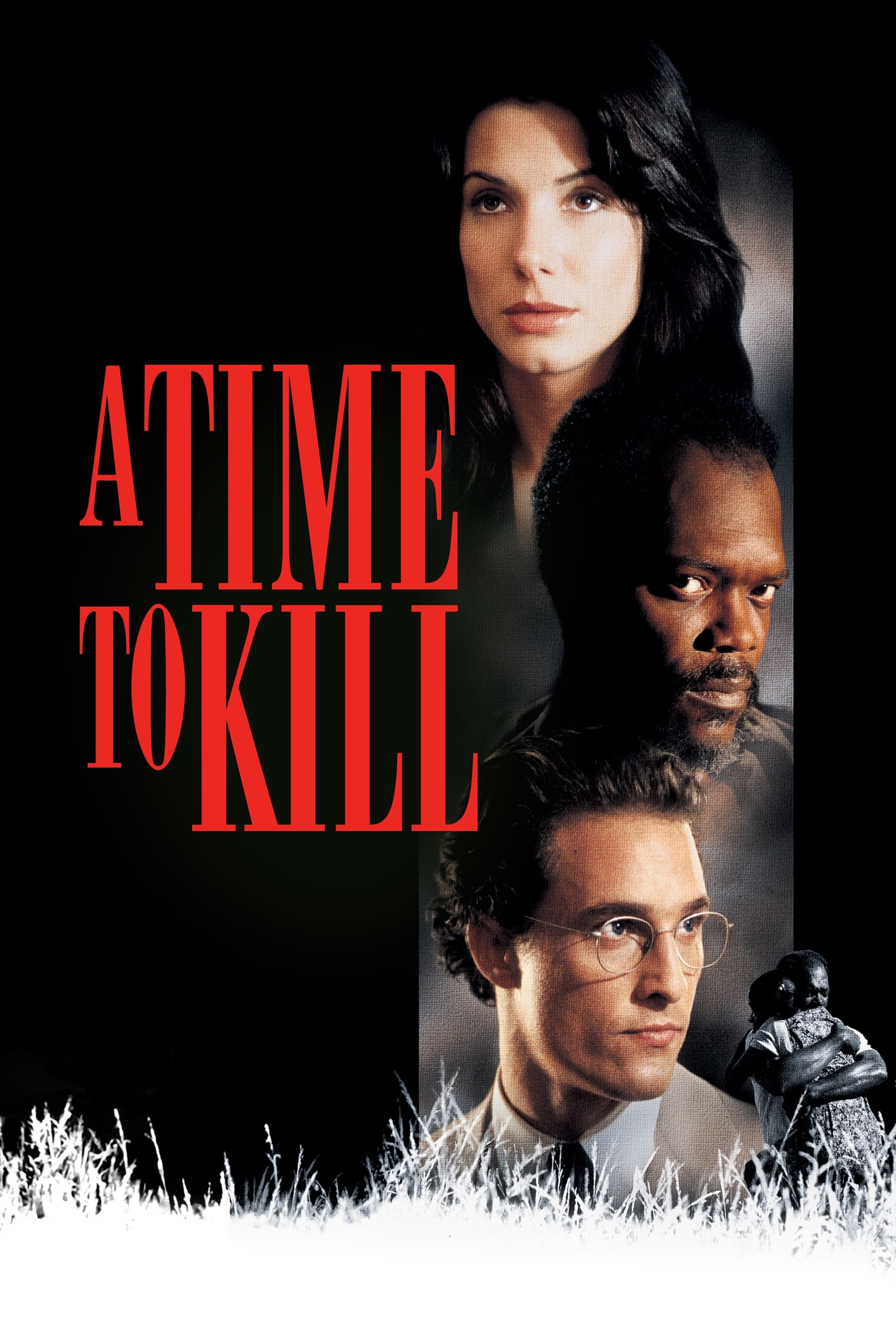
Carl Lee Hailey stands trial for killing the two men who assaulted his young daughter in a racially charged Mississippi town. Jake Brigance leads the defense team while facing threats from the Ku Klux Klan and a hostile public. The courtroom proceedings address complex questions regarding justice and vigilantism in the face of systemic failure. Closing arguments deliver an emotional plea that forces the jury to confront their own biases.
‘Philadelphia’ (1993)
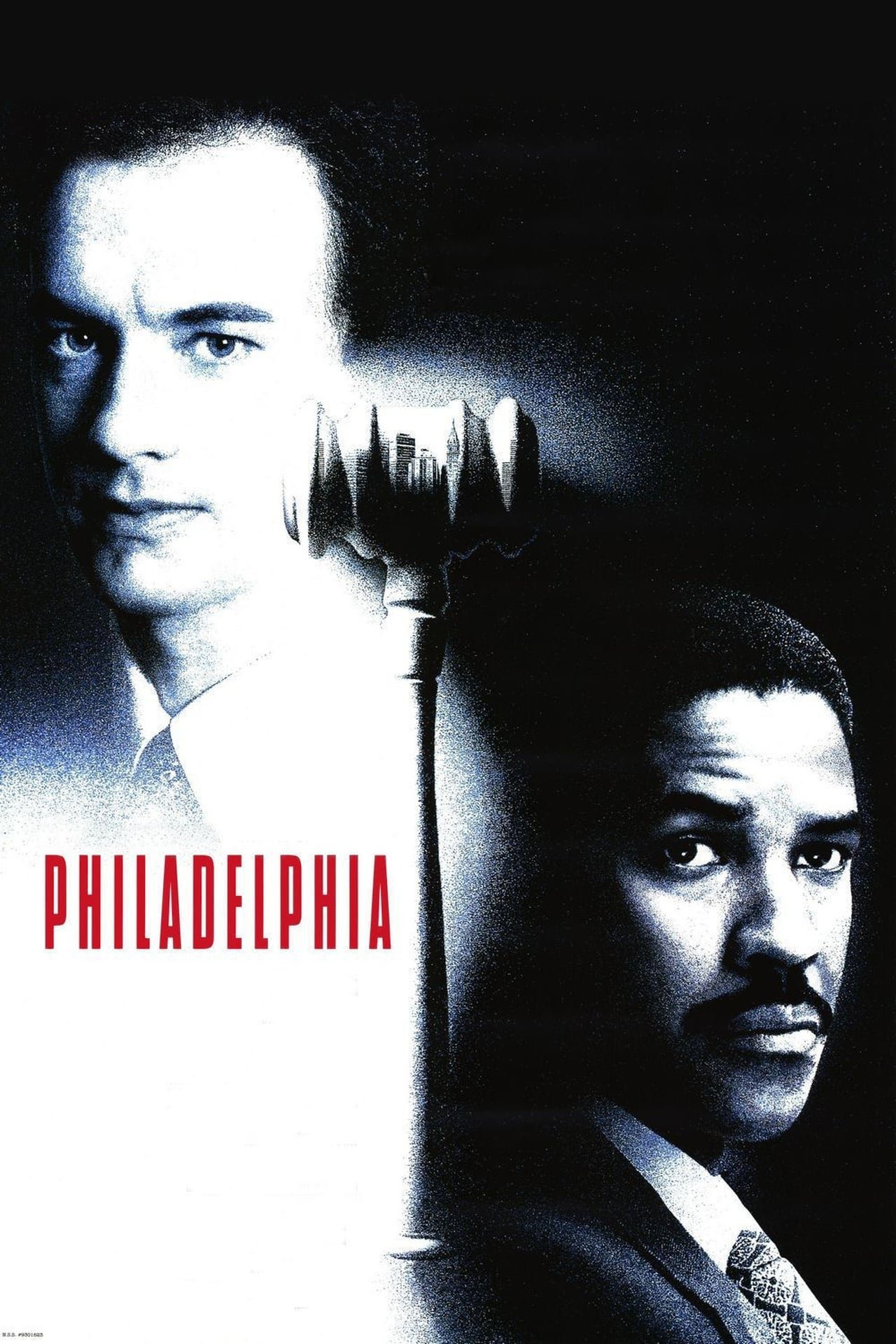
Andrew Beckett sues his former law firm for wrongful termination after being fired for having AIDS. He hires a homophobic personal injury lawyer named Joe Miller to represent him against his powerful former employers. The trial forces the characters and the jury to examine their fears and misconceptions about the disease. This legal battle marked a turning point in mainstream cinema regarding the portrayal of the HIV epidemic.
‘Witness for the Prosecution’ (1957)
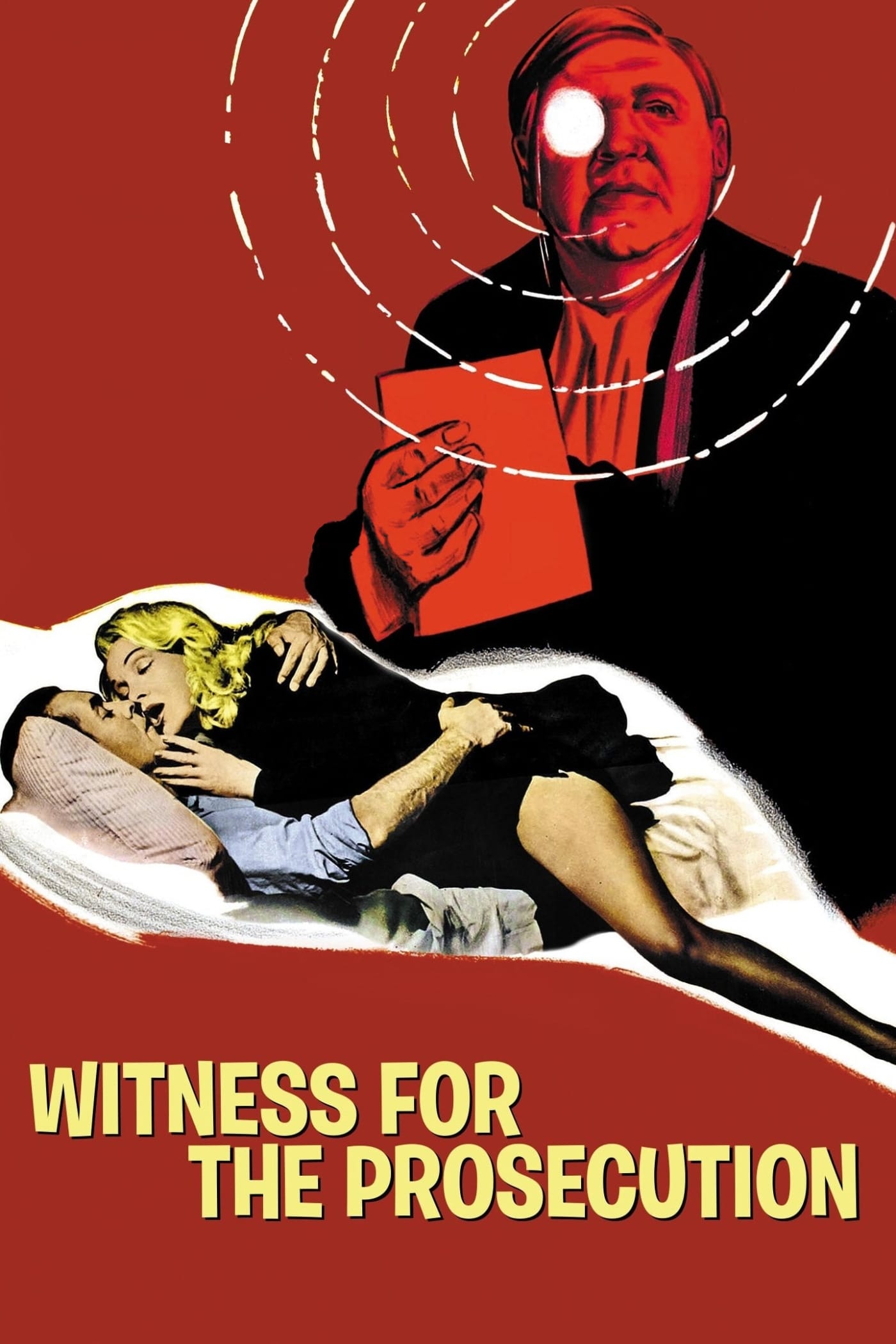
Sir Wilfrid Robarts defends a man accused of murdering a wealthy widow despite having just recovered from a heart attack. The case takes a dramatic turn when the wife of the accused testifies for the prosecution instead of the defense. Every testimony adds a layer of deception that keeps the barrister and the audience guessing until the end. The final moments of the trial deliver shocks that completely upend the established narrative.
‘The Lincoln Lawyer’ (2011)
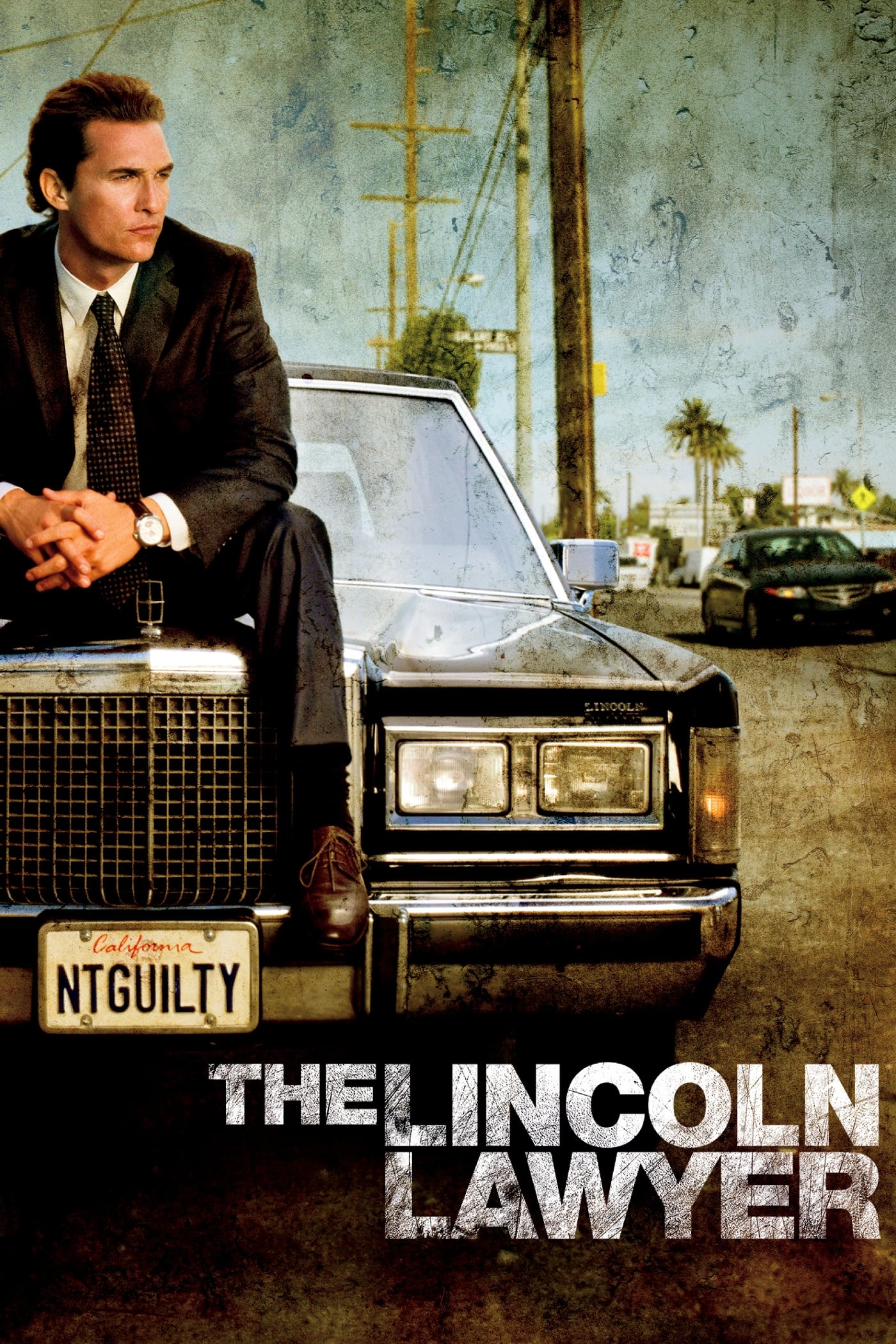
Mick Haller operates his legal practice out of the back of a Lincoln Town Car while defending petty criminals in Los Angeles. He lands a lucrative case defending a wealthy realtor accused of assault but discovers a sinister connection to a past client. The courtroom becomes a trap where Haller must outmaneuver his own client to serve real justice. He relies on street smarts and legal loopholes to survive a dangerous conflict of interest.
‘Presumed Innocent’ (1990)
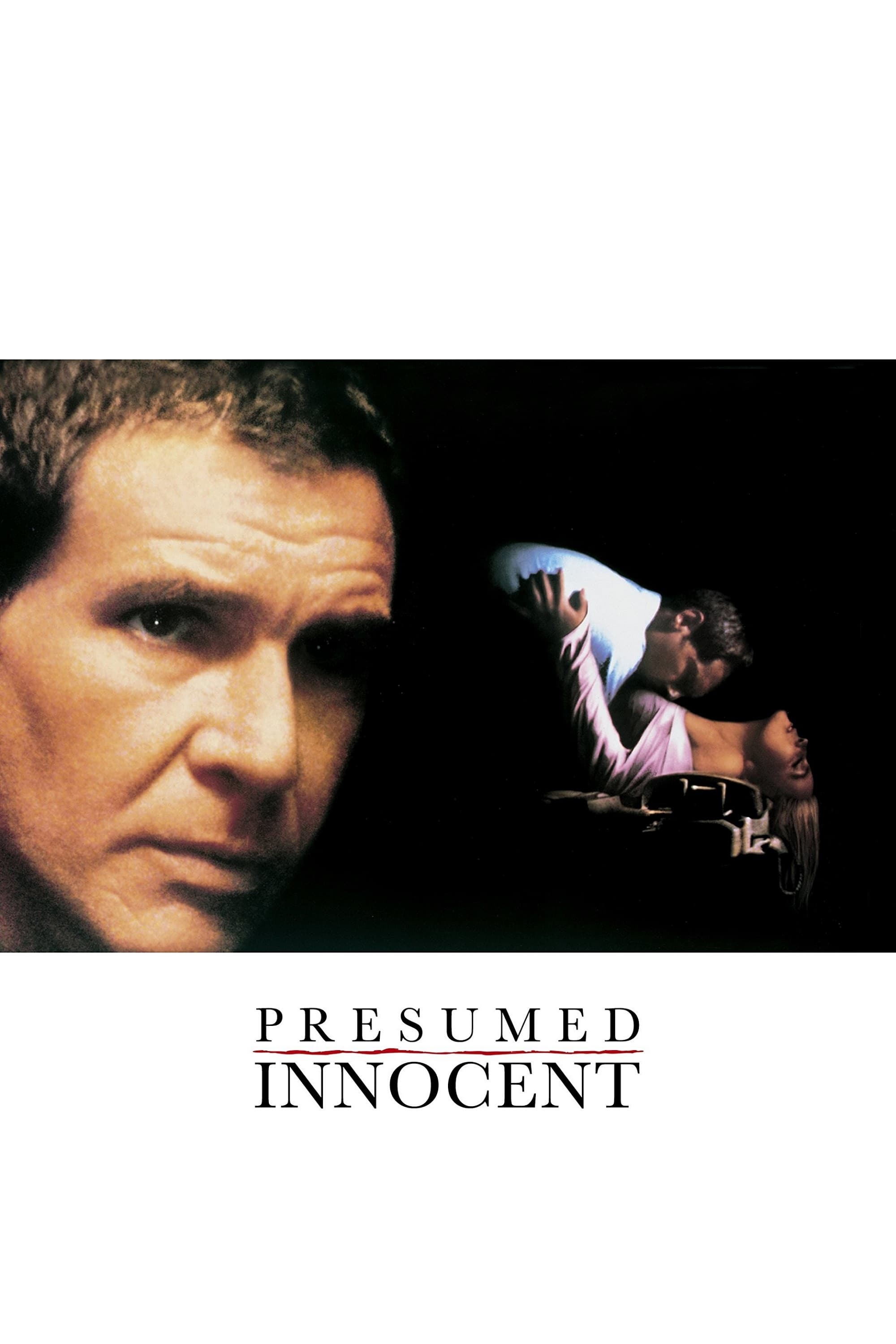
Prosecutor Rusty Sabich finds himself accused of the murder of a colleague with whom he had an affair. He must defend himself against the very legal system he served while uncovering corruption within the office. The trial reveals hidden evidence and political motivations that complicate the search for the real killer. Tension mounts as Sabich realizes he is being framed by someone who knows the legal process intimately.
‘The Caine Mutiny’ (1954)
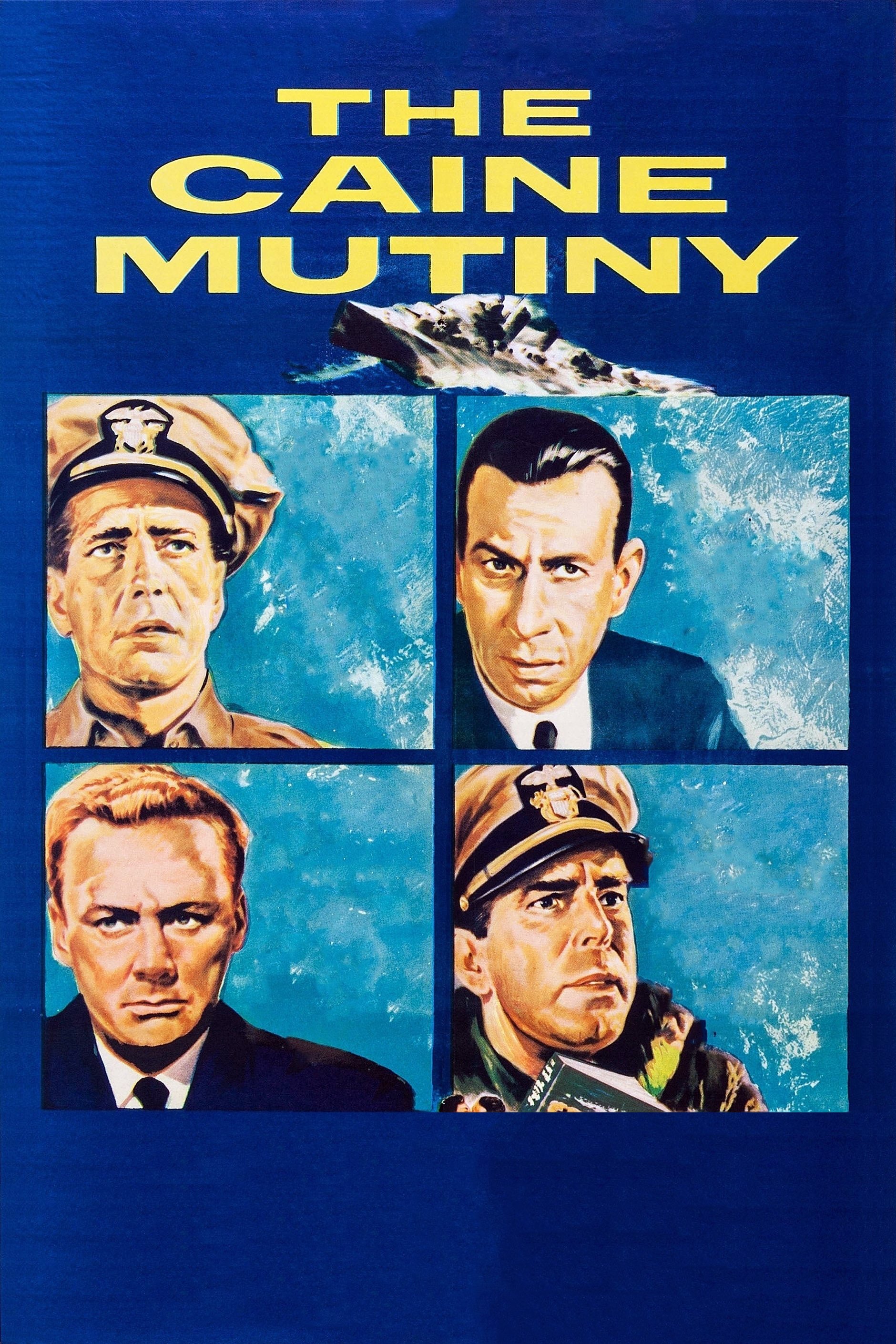
A naval officer faces a court-martial for relieving his captain of command during a typhoon. The trial centers on whether Captain Queeg was mentally unfit or if the mutiny was an act of betrayal. Defense attorney Barney Greenwald reluctantly exposes the fragility of the captain during a tense cross-examination. The film examines the rigid structure of military authority versus the practical necessities of survival.
‘The Rainmaker’ (1997)
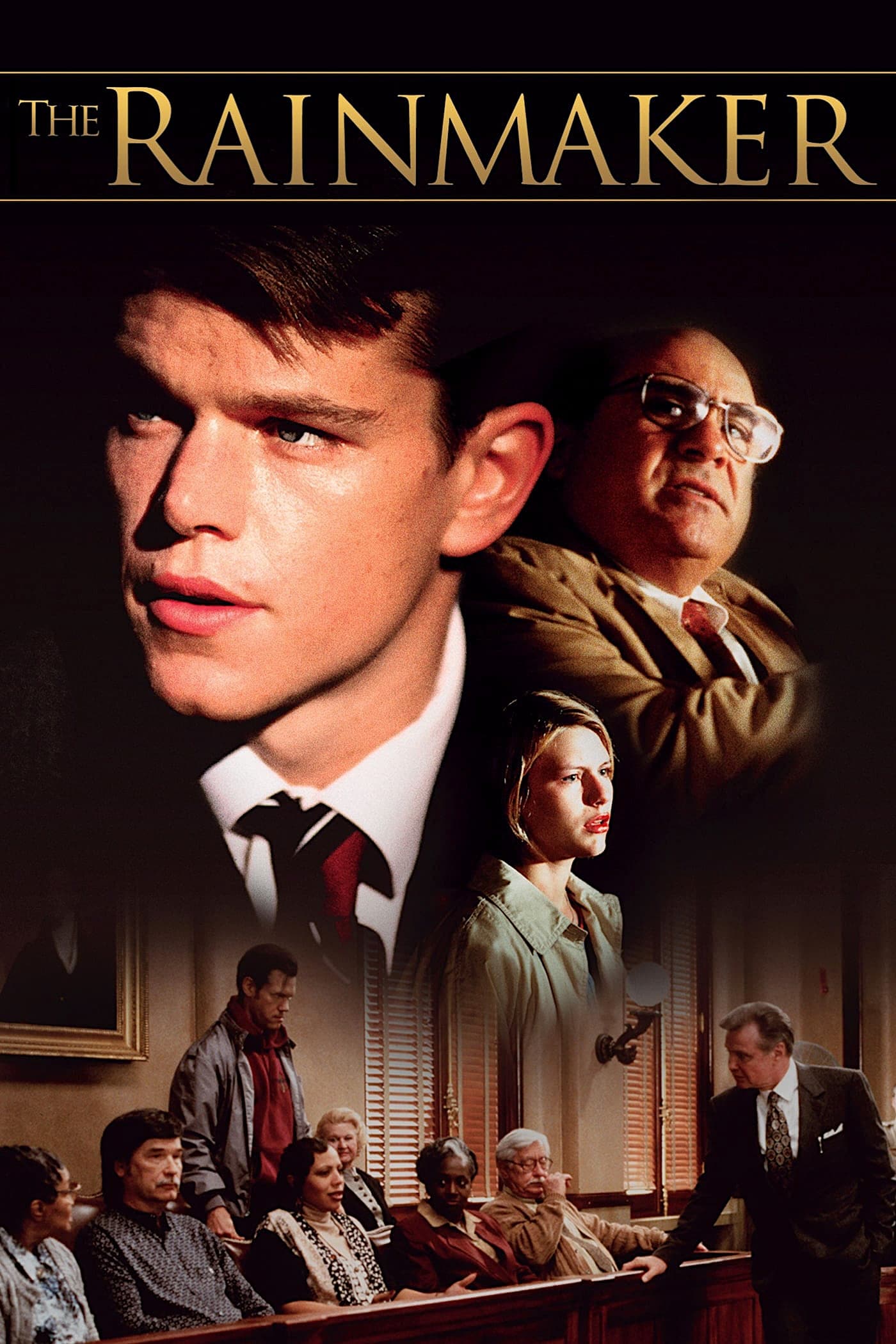
Rudy Baylor is an inexperienced lawyer who takes on a massive insurance company that denied coverage to a dying boy. He teams up with a scrappy paralegal to fight a team of expensive corporate attorneys who use every dirty trick available. The David versus Goliath battle highlights the corruption inherent in the insurance industry and the legal profession. Baylor relies on his empathy and persistence to find a way to win against superior resources.
‘Runaway Jury’ (2003)
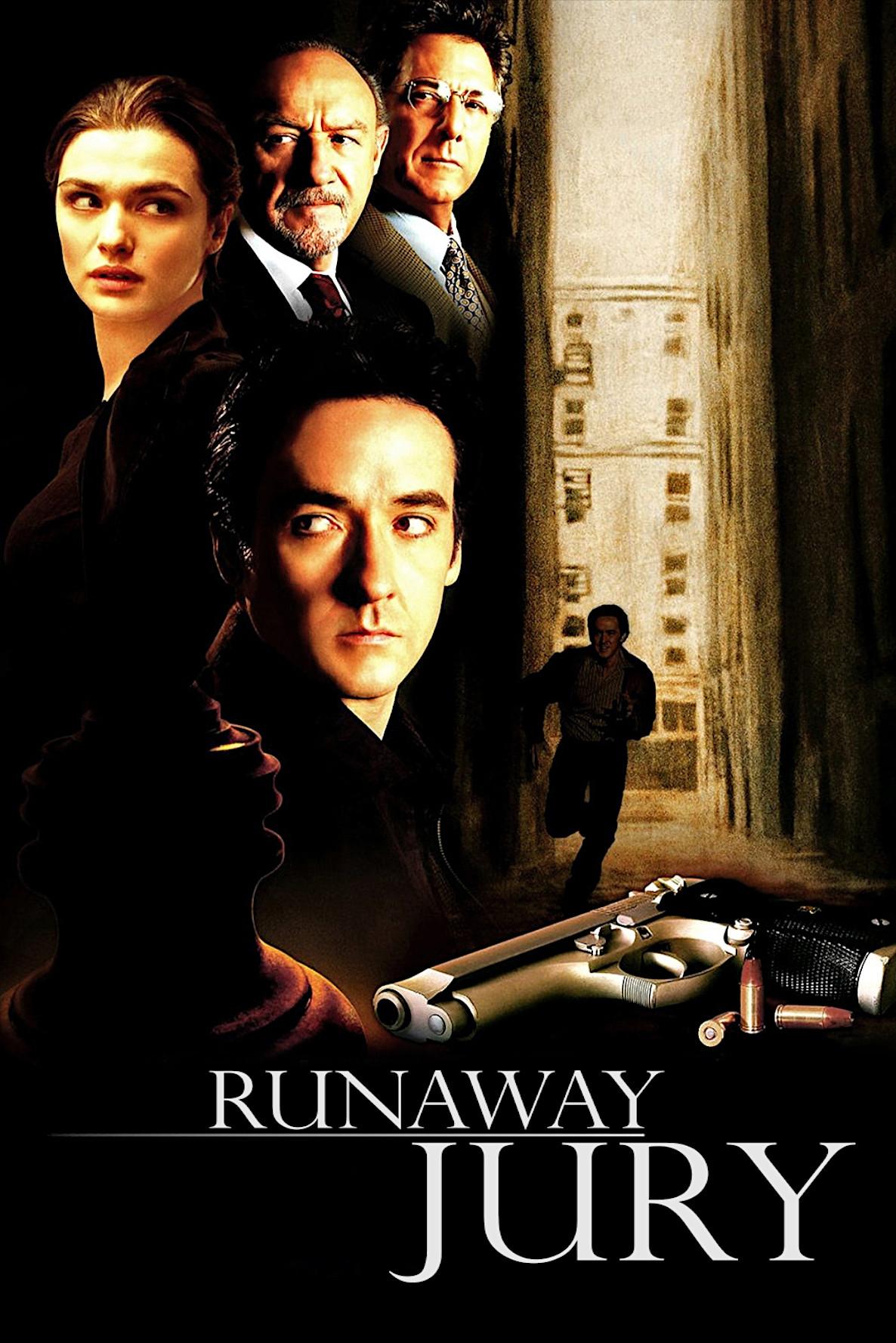
A high-stakes lawsuit against a gun manufacturer turns into a game of manipulation involving a juror and an outside consultant. Rankin Fitch uses advanced surveillance and blackmail to secure a verdict favorable to the defense. The courtroom proceedings are secondary to the psychological warfare taking place behind the scenes to control the jury. Moral arguments clash with corporate greed in a fast-paced battle for the final vote.
‘The Trial of the Chicago 7’ (2020)
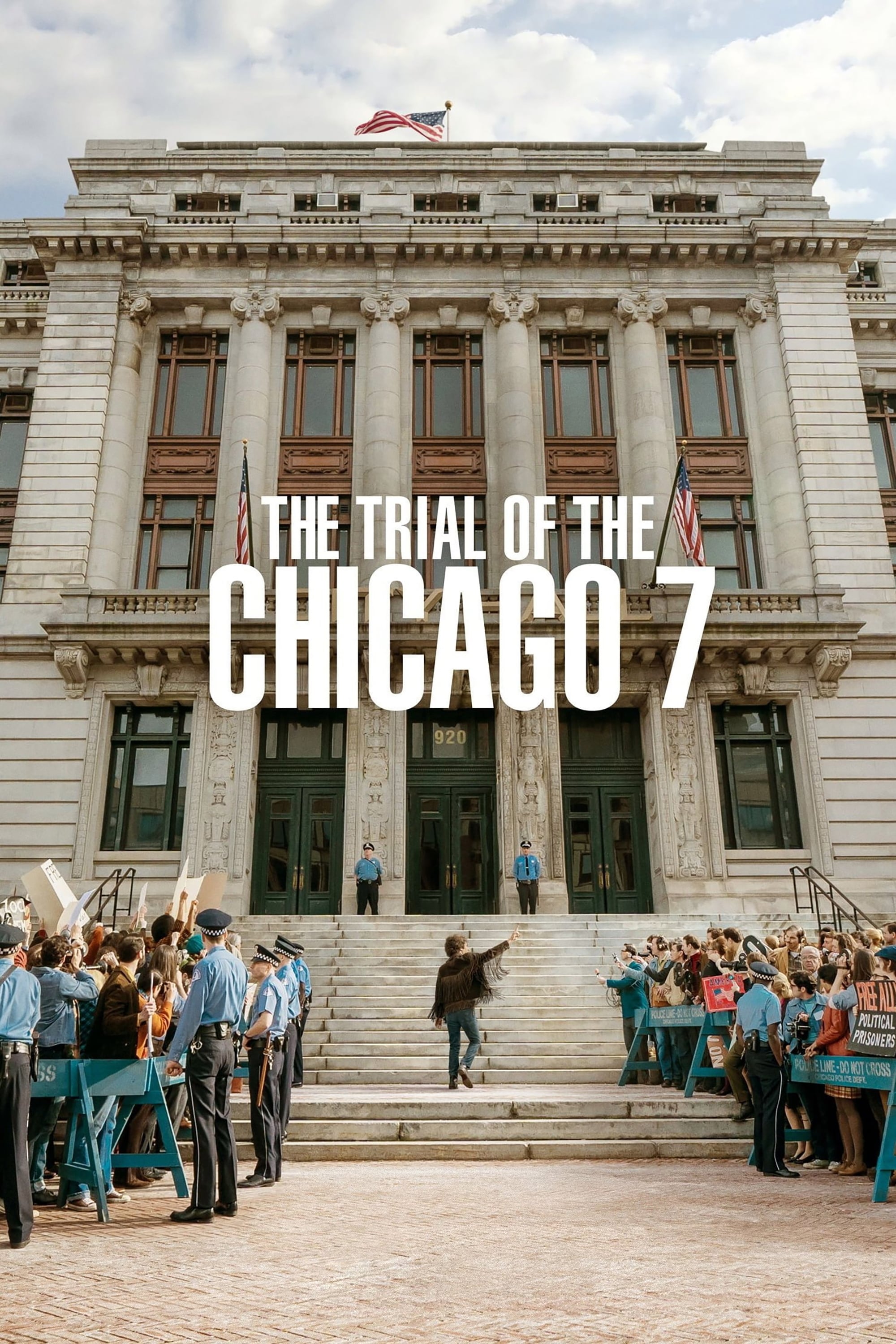
Seven defendants face conspiracy charges following the uprising at the 1968 Democratic National Convention in Chicago. The judge displays open hostility toward the defense team as political tensions spill into the courtroom. Clash of styles between the defendants creates internal conflict while they fight a government determined to make an example of them. The trial serves as a snapshot of a divided nation struggling with free speech and protest rights.
Let us know which courtroom drama kept you on the edge of your seat in the comments.