


Lesbian Actors Who Designed Their Wardrobe Boards

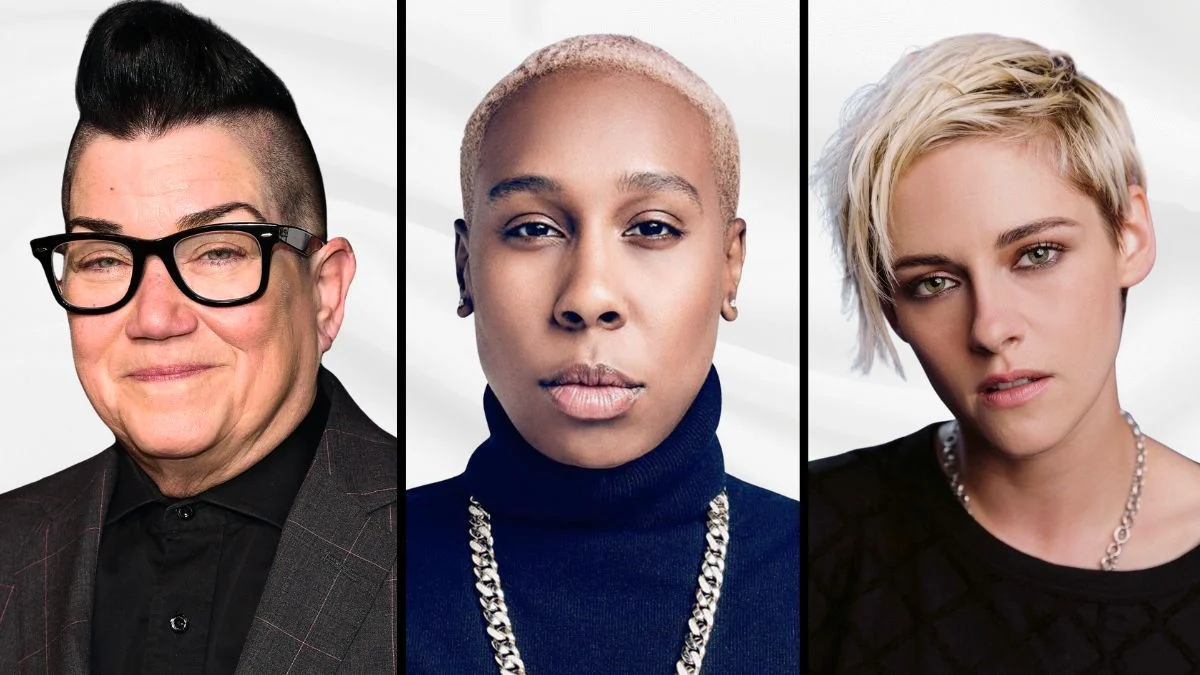


Costume design is an integral part of storytelling as it defines a character before they even speak a word. For many lesbian and queer actors on-screen style is also a powerful tool for signaling identity which leads them to collaborate closely with designers or even curate their own visual concepts. These performers went beyond the standard fitting process by bringing personal items or creating mood boards to ensure their characters’ wardrobes felt authentic to their lived experiences.
Kristen Stewart
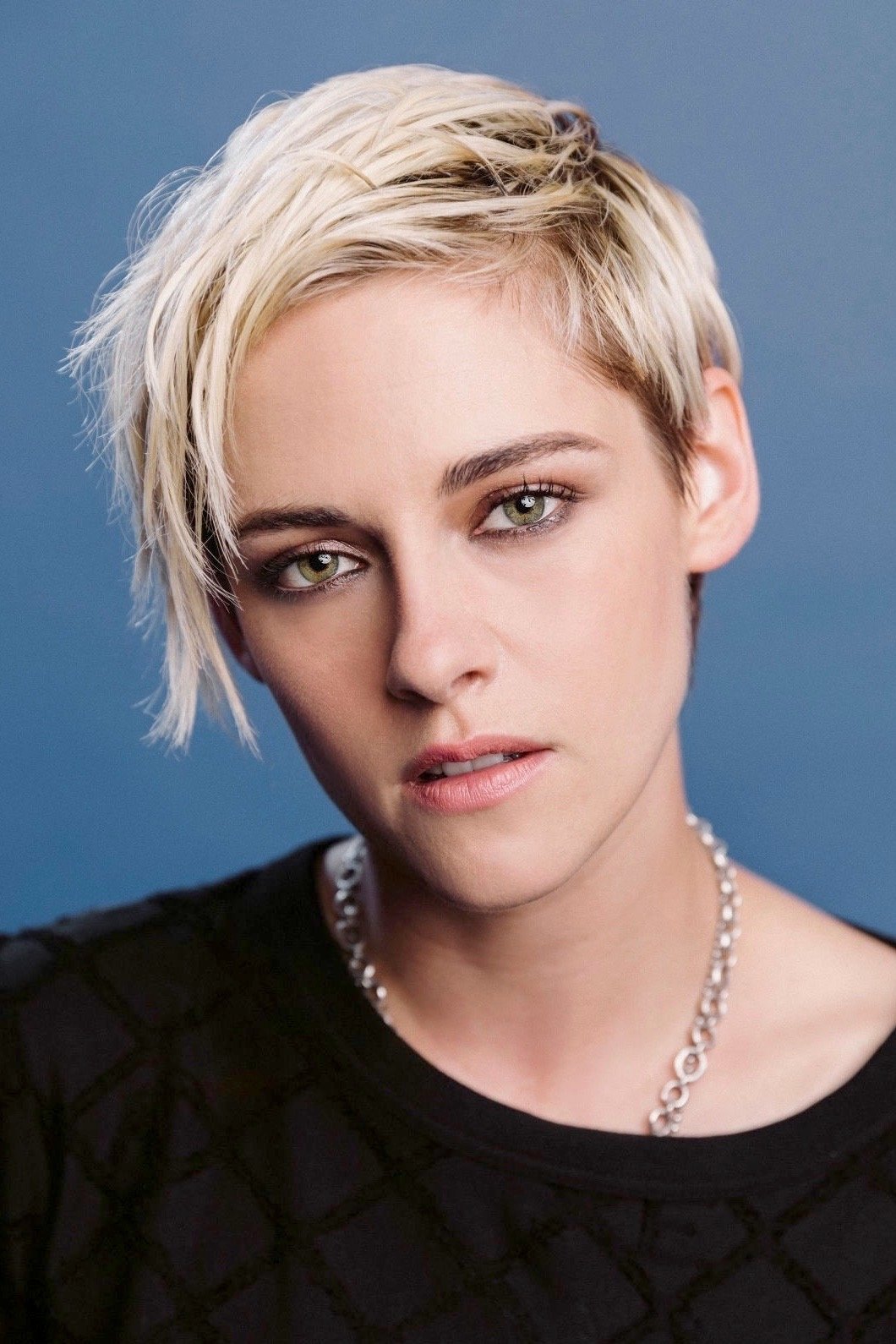
Kristen Stewart took a hands-on approach to her character Abby’s wardrobe in ‘Happiest Season’ ensuring the outfits felt authentic to a queer woman’s holiday experience. Stewart collaborated with costume designer Kathleen Felix-Hager and even brought in pieces from her own closet to ground the character’s aesthetic. The resulting look featured structured coats and button-downs rather than stereotypical feminine holiday attire which Stewart felt was essential for Abby’s comfort. This attention to detail resonated deeply with audiences who finally saw their own style reflected in a mainstream holiday rom-com.
Lena Waithe
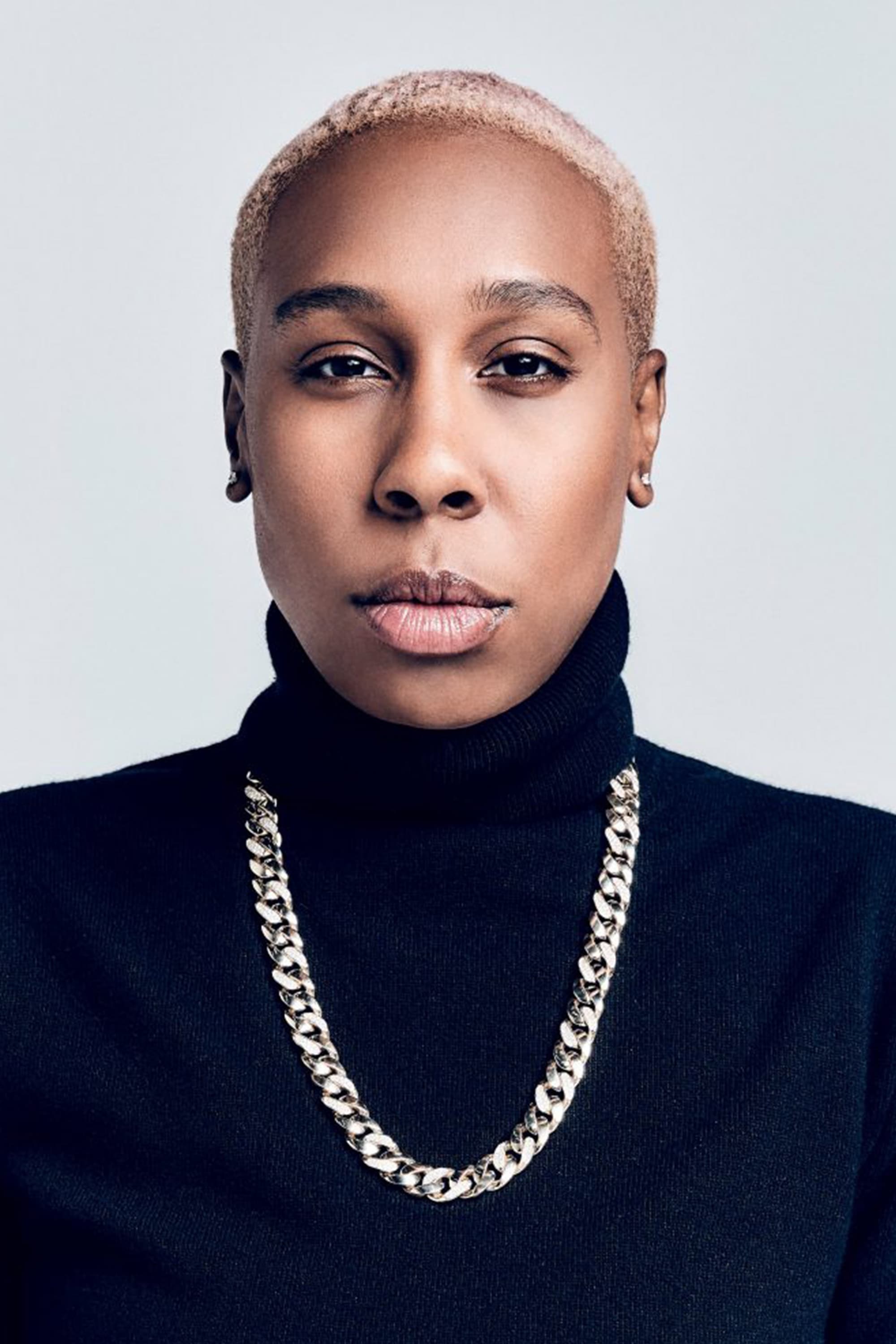
Lena Waithe’s character Denise in ‘Master of None’ was a groundbreaking representation of a black lesbian woman and her wardrobe was entirely driven by Waithe’s personal style. The actor and writer insisted that Denise wear streetwear brands and graphic tees that mirrored what she wore in her real life. By rejecting the traditional wardrobe options initially proposed Waithe curated a visual identity that felt lived-in and culturally specific. This creative control extended to the critical episodes where Denise’s clothing evolution played a narrative role in her coming-out journey.
Kate McKinnon
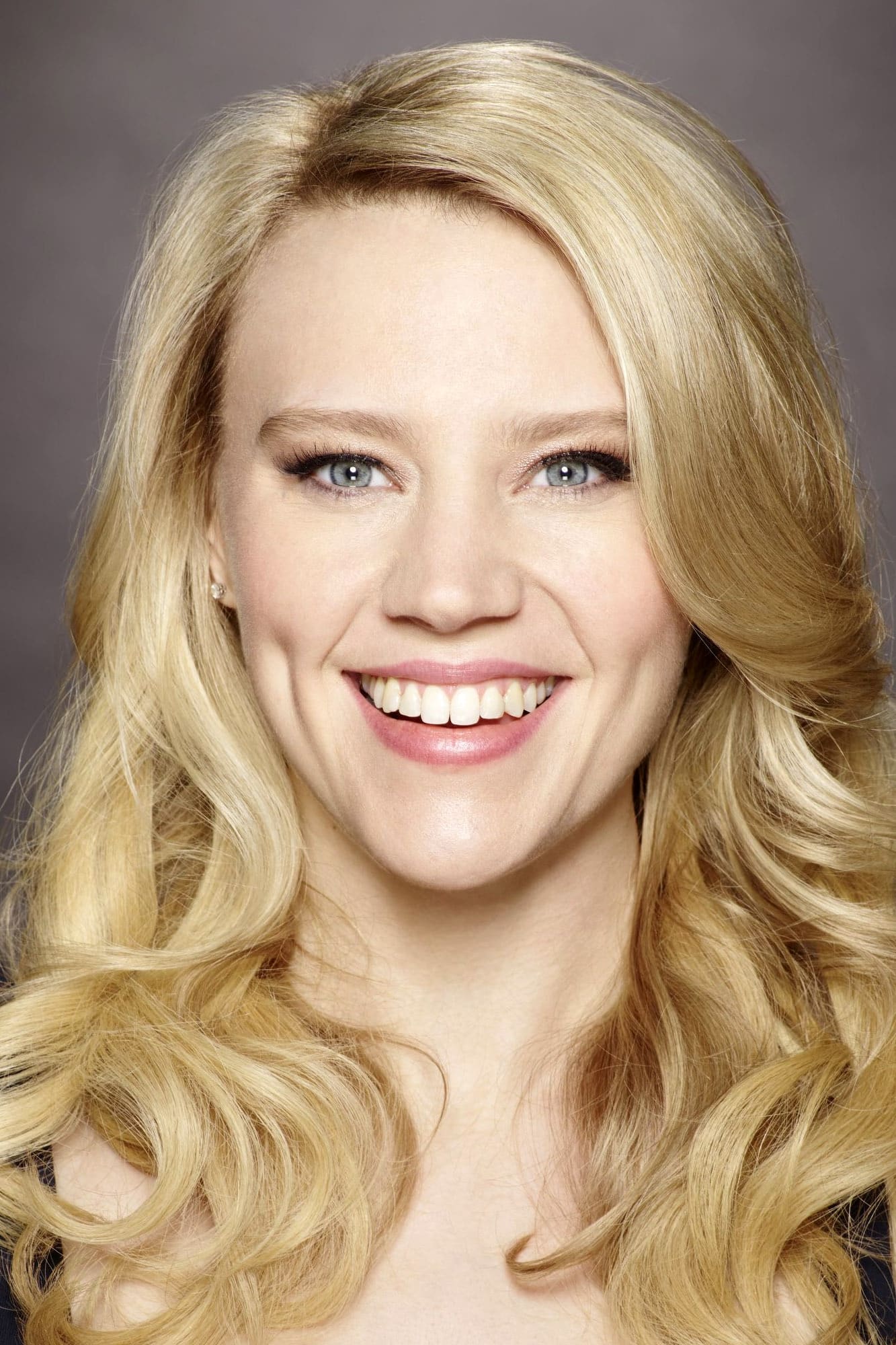
Kate McKinnon had a specific vision for her character Jillian Holtzmann in ‘Ghostbusters’ drawing inspiration from steampunk aesthetics and eccentric scientists. She collaborated with the design team to include signature accessories like the yellow-tinted safety goggles and the paint-splattered coveralls. McKinnon wanted Holtzmann to exude a chaotic genius vibe that defied gendered expectations of how a female scientist should look. The result was a fan-favorite costume that became an instant cosplay classic.
Tig Notaro
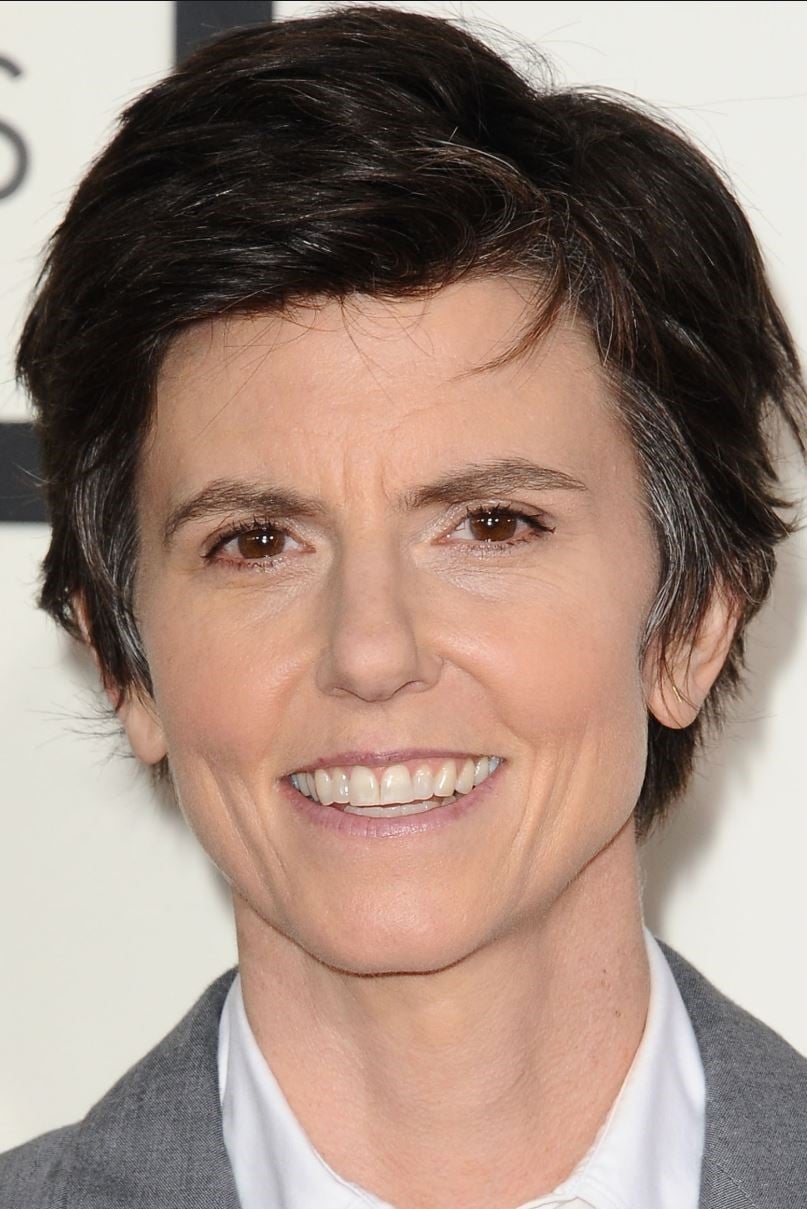
Tig Notaro used her own wardrobe as the blueprint for her semi-autobiographical character in ‘One Mississippi’ prioritizing comfort and specific gender-non-conforming cues. The show featured her signature button-downs and blazers which Notaro felt were non-negotiable for an authentic portrayal of her life. She worked to ensure that the clothing did not lean too far into caricature while maintaining a grounded and realistic aesthetic. This wardrobe consistency helped blur the lines between the actor and the character to enhance the show’s intimate feel.
Hunter Schafer
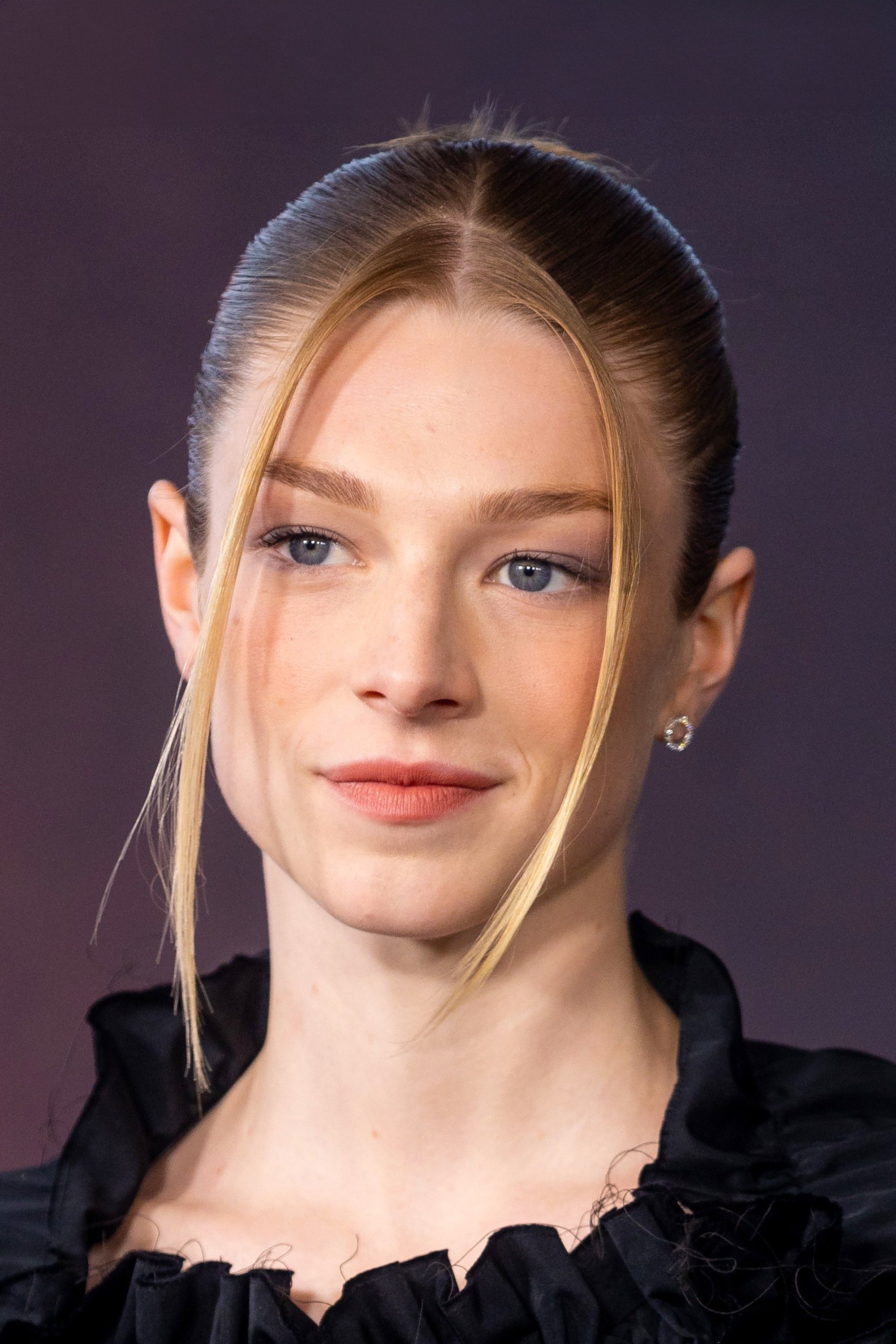
Hunter Schafer played a massive role in developing the fashion arc for her character Jules in ‘Euphoria’. Schafer worked intimately with the costume designer and makeup artists to use clothing as a timeline of Jules’s gender expression and emotional state. They utilized mood boards that mixed anime influences with e-girl aesthetics to create a look that was entirely unique to Gen Z queer culture. Schafer’s background in fashion allowed her to curate outfits that told a story independent of the dialogue.
Lea DeLaria
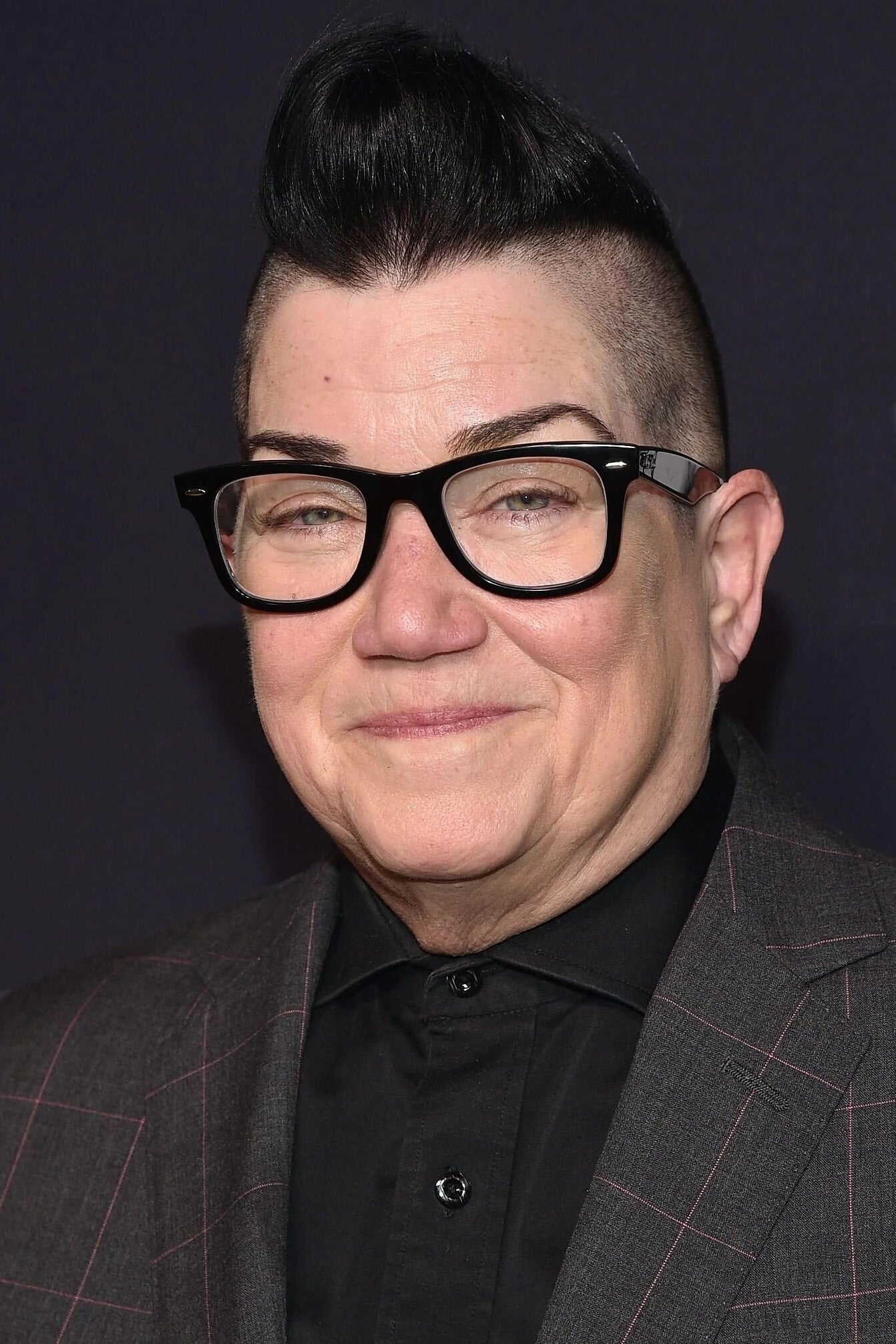
Lea DeLaria brought her own butch identity to the role of Big Boo in ‘Orange Is the New Black’ influencing how the character wore the standard prison uniform. She made specific choices about fit and accessories such as how she wore her sleeves and the addition of men’s underwear peeking above the waistband. DeLaria wanted to ensure that Big Boo represented a specific type of butch swagger that is rarely seen on television. Her input turned a generic uniform into a statement of gender identity and defiance.
Sarah Paulson
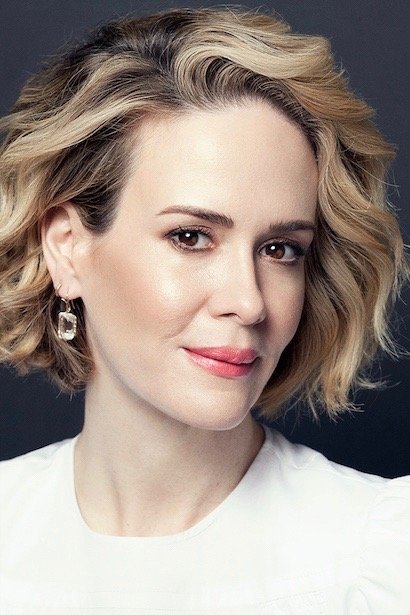
Sarah Paulson served as an executive producer on ‘Ratched’ and was deeply involved in the color palettes and silhouettes of Nurse Mildred Ratched. She worked with the costume team to ensure the vibrant greens and structured New Look suits conveyed the character’s desire for control and perfection. Paulson used the wardrobe to create a visual armor and often requested specific tailoring that restricted movement to enhance the character’s rigid posture. Her collaboration resulted in a wardrobe that was as psychologically complex as the character herself.
Mae Martin
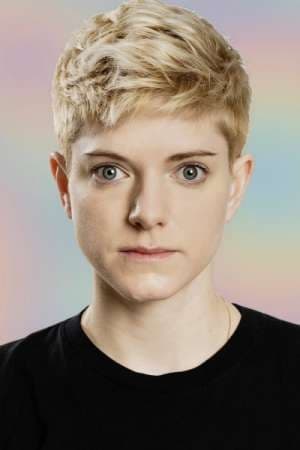
Mae Martin wrote and starred in ‘Feel Good’ and the wardrobe was a direct extension of their own closet. Martin ensured the character wore the same oversized vintage shirts and baseball caps that they wore in their stand-up career. The goal was to present a non-binary and soft-butch aesthetic that felt casual and realistic rather than stylized for TV. This authenticity was crucial for the show’s exploration of gender fluidity and relationships.
Clea DuVall
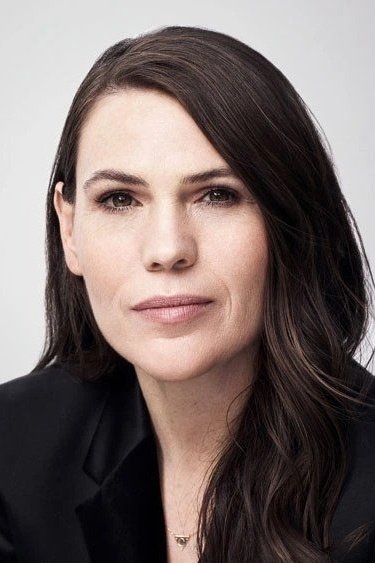
Clea DuVall wrote and directed ‘The Intervention’ which gave her complete control over the visual language of her character Jessie. She curated a wardrobe of relaxed flannels and denim that mirrored the “lesbian chic” style she helped popularize in the 90s. DuVall wanted the character to feel like a modern and matured version of the roles she played earlier in her career. The wardrobe choices reflected a comfortable and settled queer identity that contrasted with the chaotic relationships in the film.
Abby McEnany
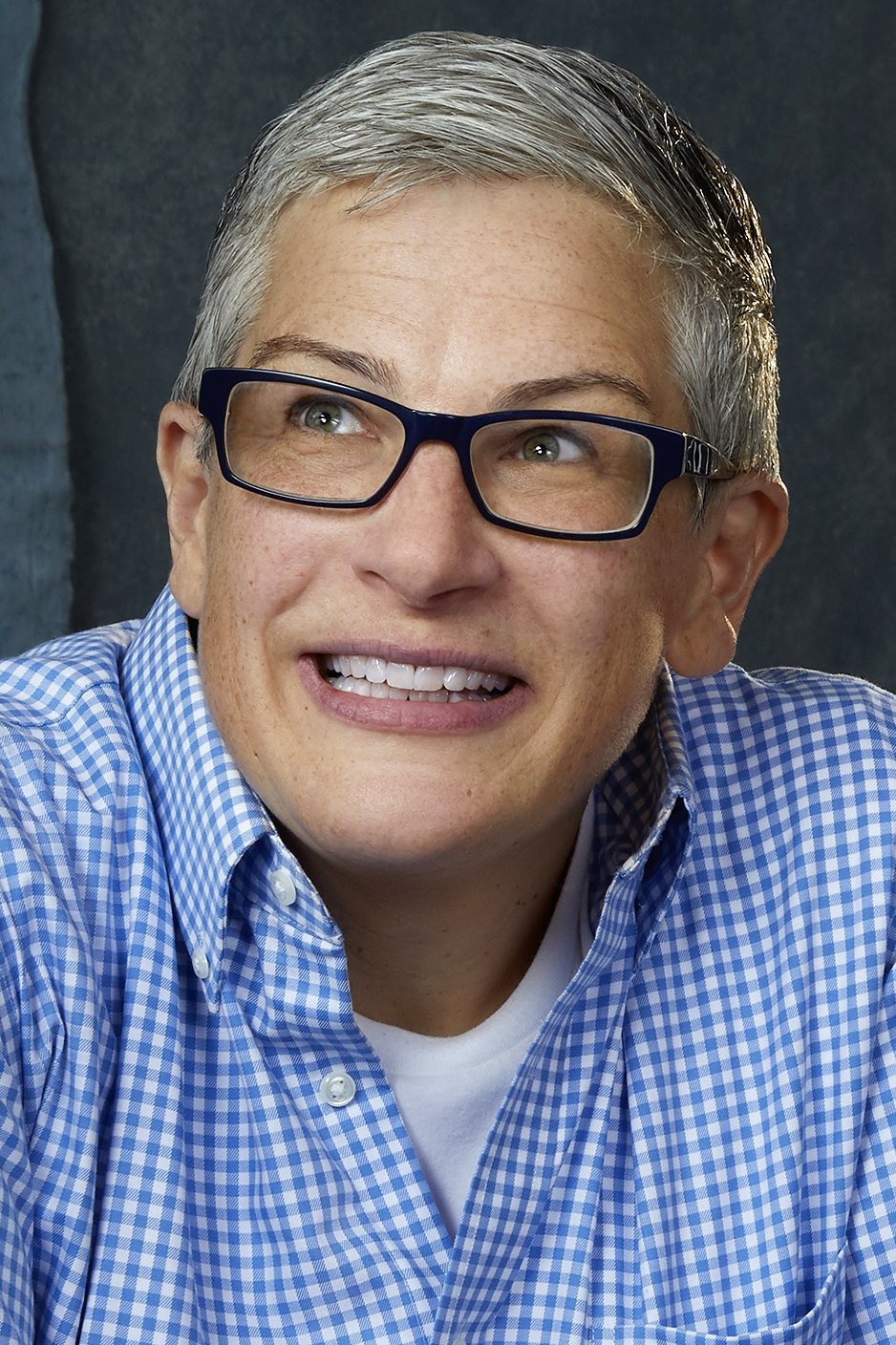
Abby McEnany’s show ‘Work in Progress’ is another example of a creator-star ensuring their specific aesthetic was translated to the screen without alteration. McEnany famously wore her own glasses and flannel shirts while resisting any attempt to glam up the character. She coined the term “masculine-of-center” for the show to describe her look which became a central plot point. The wardrobe was a declaration of self-acceptance and a rejection of traditional Hollywood beauty standards for lead actors.
Ruby Rose
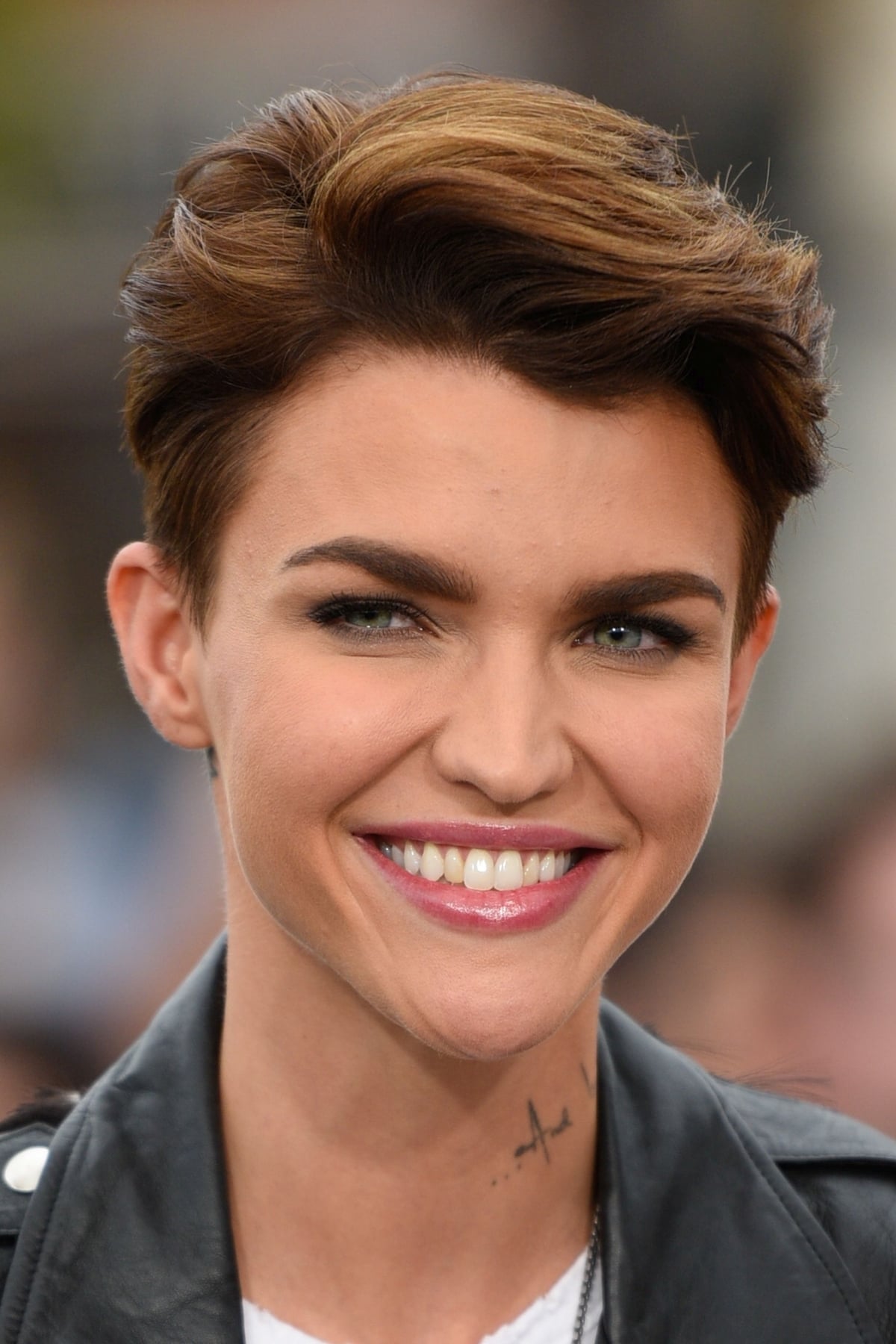
Ruby Rose had significant input into the design of the Batwoman suit and the civilian wardrobe of Kate Kane in ‘Batwoman’. She pushed for a look that balanced the comic book origins with a modern edgy lesbian style that included leather jackets and biker boots. Rose was particularly vocal about the wig used in the suit wanting to ensure it didn’t detract from the character’s queerness. Her collaboration helped ground the superhero in a recognizable LGBTQ+ aesthetic.
Cara Delevingne
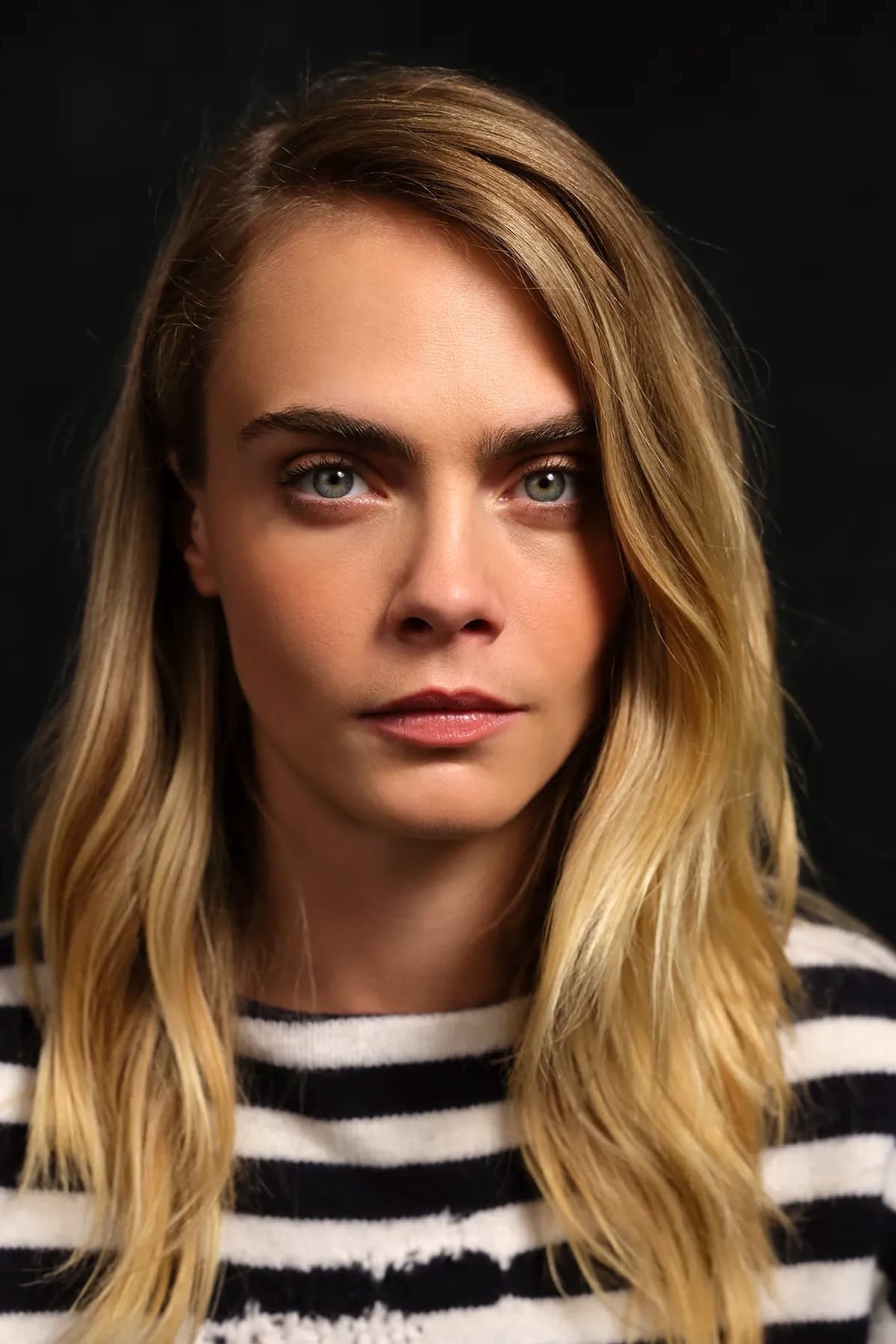
Cara Delevingne brought her high-fashion background to the role of Alice in ‘Only Murders in the Building’ creating a distinctively sharp and modern style. She collaborated on a wardrobe that mixed high-end tailored suits with bohemian artist elements to reflect her character’s duality. Delevingne wanted the look to be fluid and confident and often borrowed from menswear to establish authority in her scenes. The result was a sophisticated and queer-coded wardrobe that stood out against the classic Upper West Side setting.
Amandla Stenberg
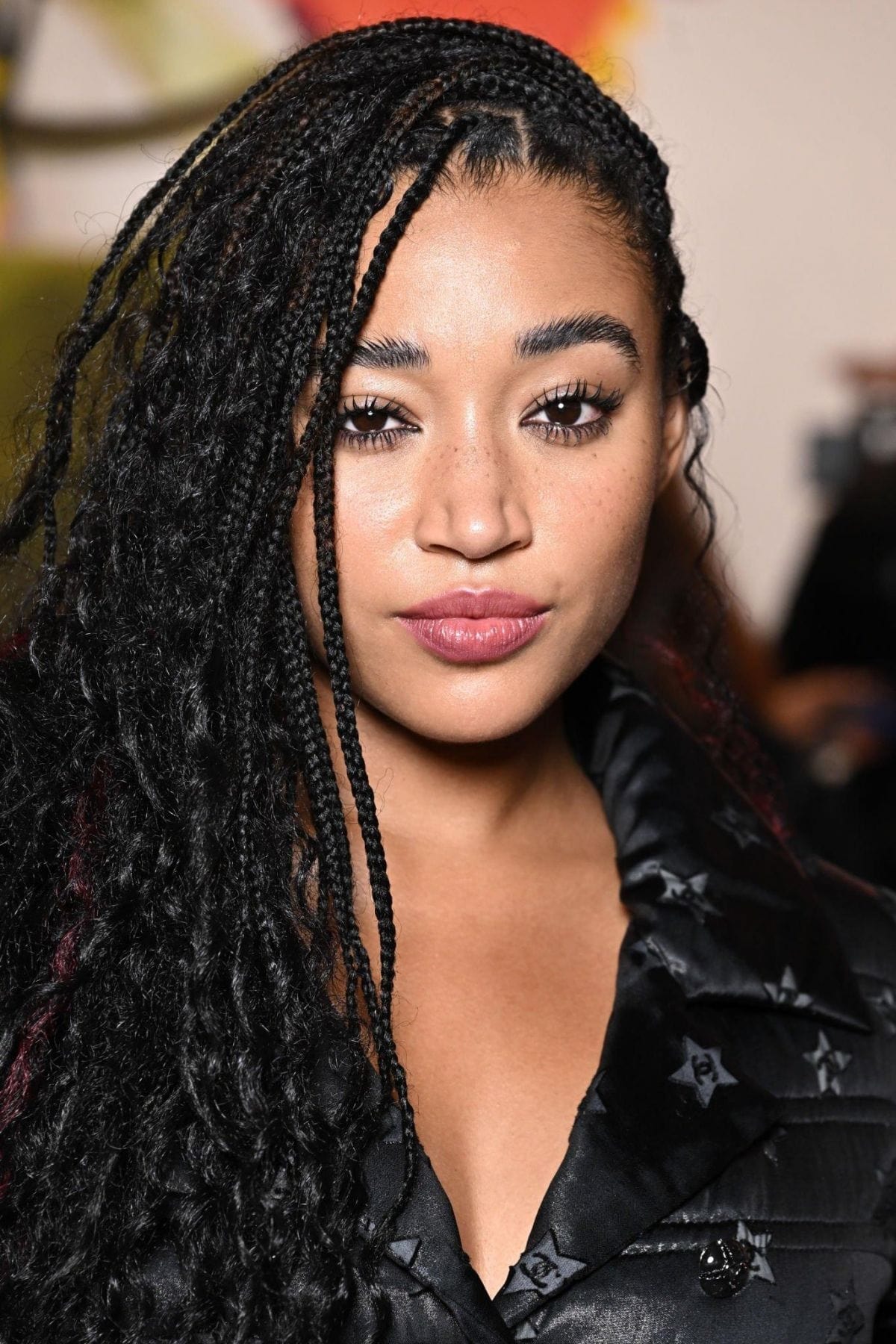
Amandla Stenberg worked with the styling team to craft a look for Sophie in ‘Bodies Bodies Bodies’ that captured the chaotic energy of wealthy Gen Z queer culture. Stenberg’s character wore oversized t-shirts and baggy pants that signaled a rejection of traditional slasher movie tropes for final girls. The actor helped select pieces that felt thrifted yet expensive to perfectly encapsulate the specific socioeconomic niche of the characters. This attention to detail added a layer of realism to the satire of the film.
Stephanie Beatriz
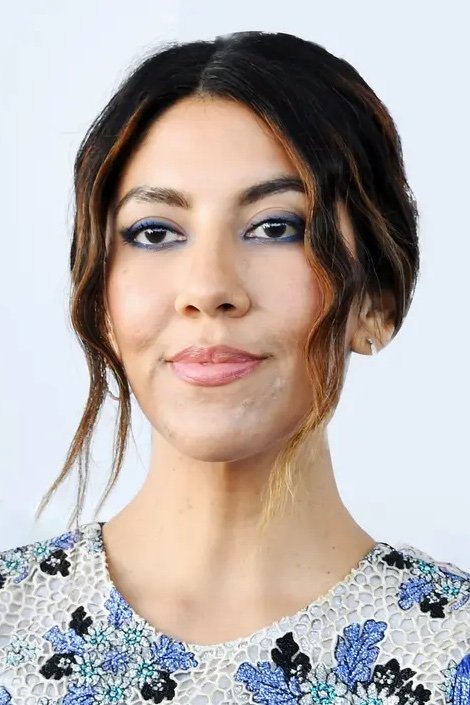
Stephanie Beatriz heavily influenced Rosa Diaz’s transformation from a standard detective look to her signature leather jacket and combat boots in ‘Brooklyn Nine-Nine’. Beatriz wanted Rosa’s armor to reflect her guarded personality and tough exterior. Over the seasons as Rosa came out Beatriz collaborated on subtle shifts in the wardrobe to include softer elements while maintaining the core badass aesthetic. This visual evolution paralleled the character’s emotional opening up to her squad.
Fiona Shaw
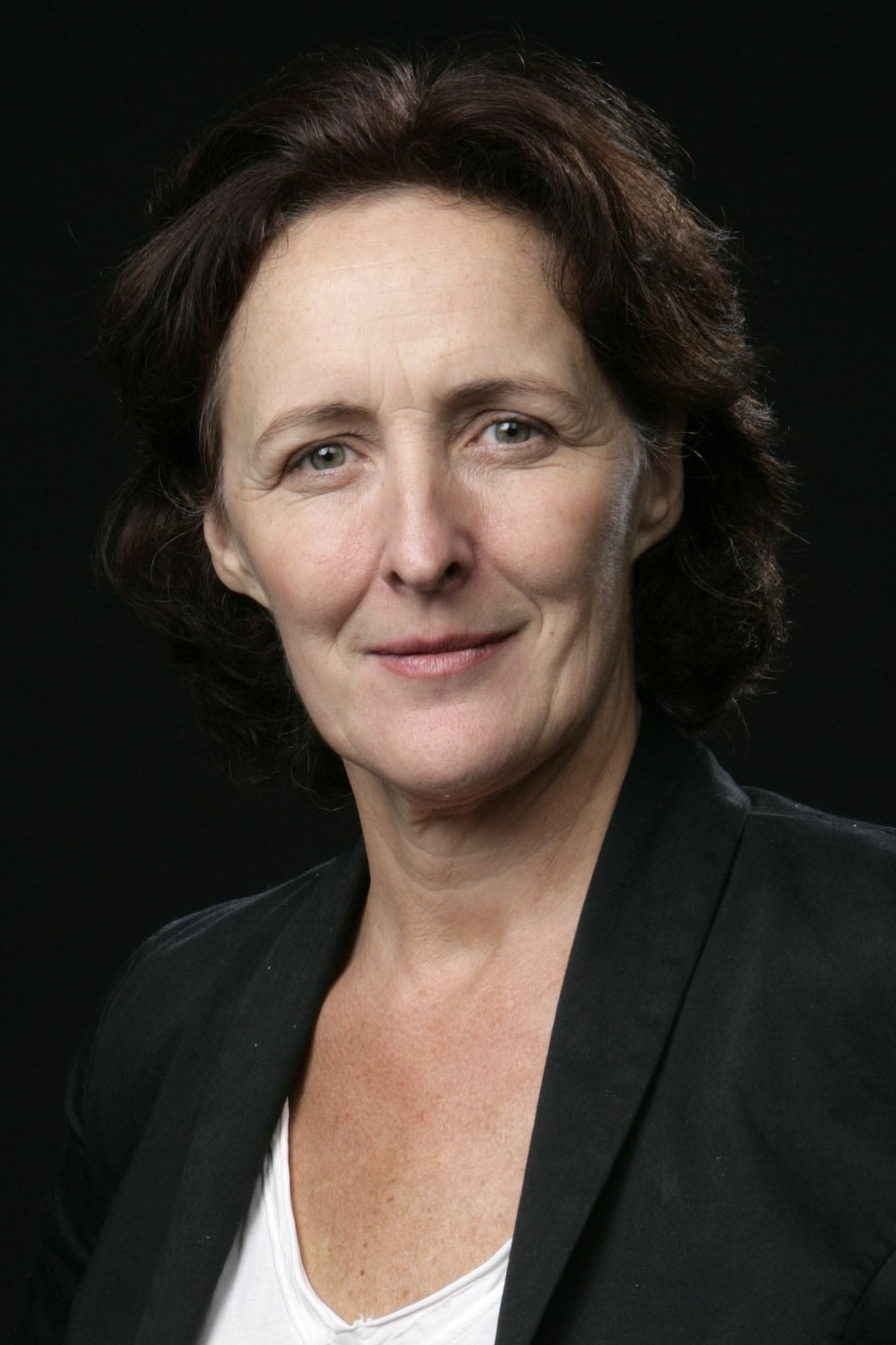
Fiona Shaw’s character Carolyn Martens in ‘Killing Eve’ became a style icon for her impeccable trench coats and silk shirts which was a look Shaw helped cultivate. She wanted Carolyn to have a wardrobe that was practical for a spy but undeniably expensive and worldly. Shaw collaborated on finding vintage pieces that suggested a life of travel and secret operations. The wardrobe became a key part of Carolyn’s enigmatic and powerful presence.
Lily Tomlin
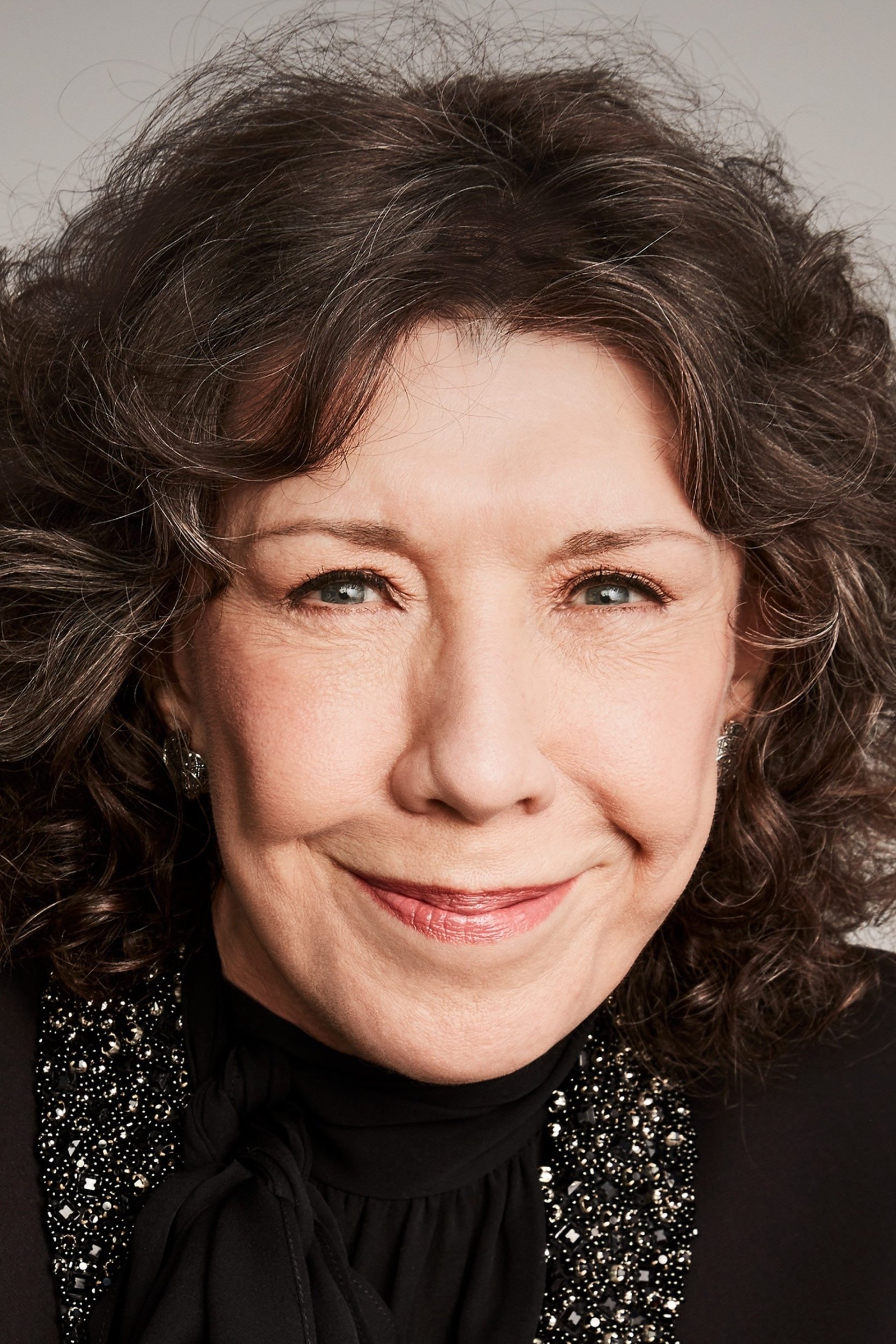
Lily Tomlin’s character Frankie Bergstein in ‘Grace and Frankie’ is defined by her bohemian art-teacher aesthetic which Tomlin helped curate. The actor pushed for layers and flowing fabrics that reflected Frankie’s free-spirited and hippie past. Tomlin wanted the clothes to look like they had been collected over decades of protests and art festivals. This distinct visual style served as the perfect foil to her co-star’s polished corporate look.
Cynthia Nixon
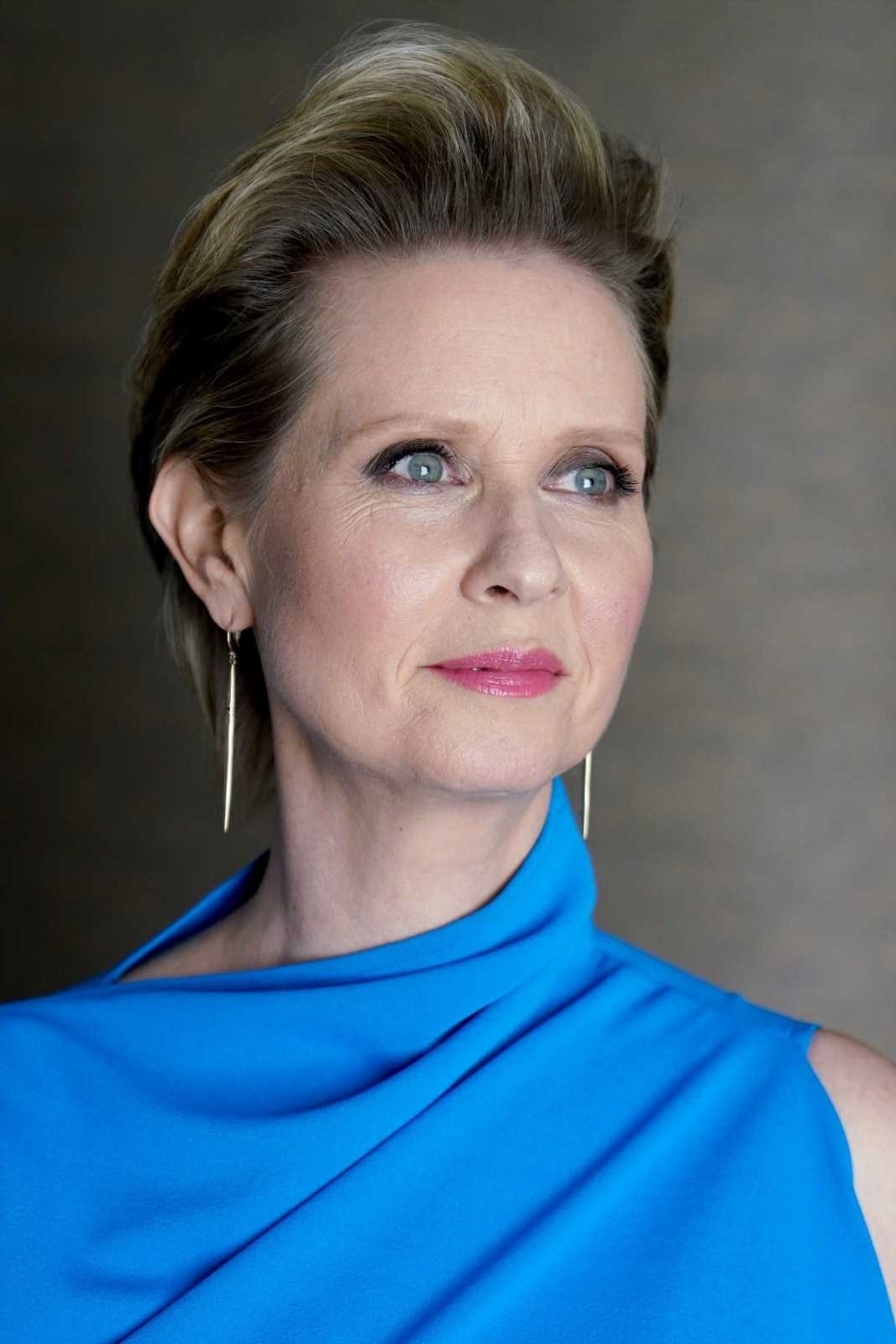
Cynthia Nixon was deeply involved in Miranda Hobbes’s style evolution in ‘And Just Like That…’ as the character navigated a new queer identity. Nixon worked with the costume designers to transition Miranda from her corporate legal suits to softer and more bohemian prints. This shift in wardrobe was meant to visually represent Miranda’s unbuttoning and exploration of a new life chapter. The collaboration ensured that the fashion arc mirrored the character’s internal liberation.
Devery Jacobs
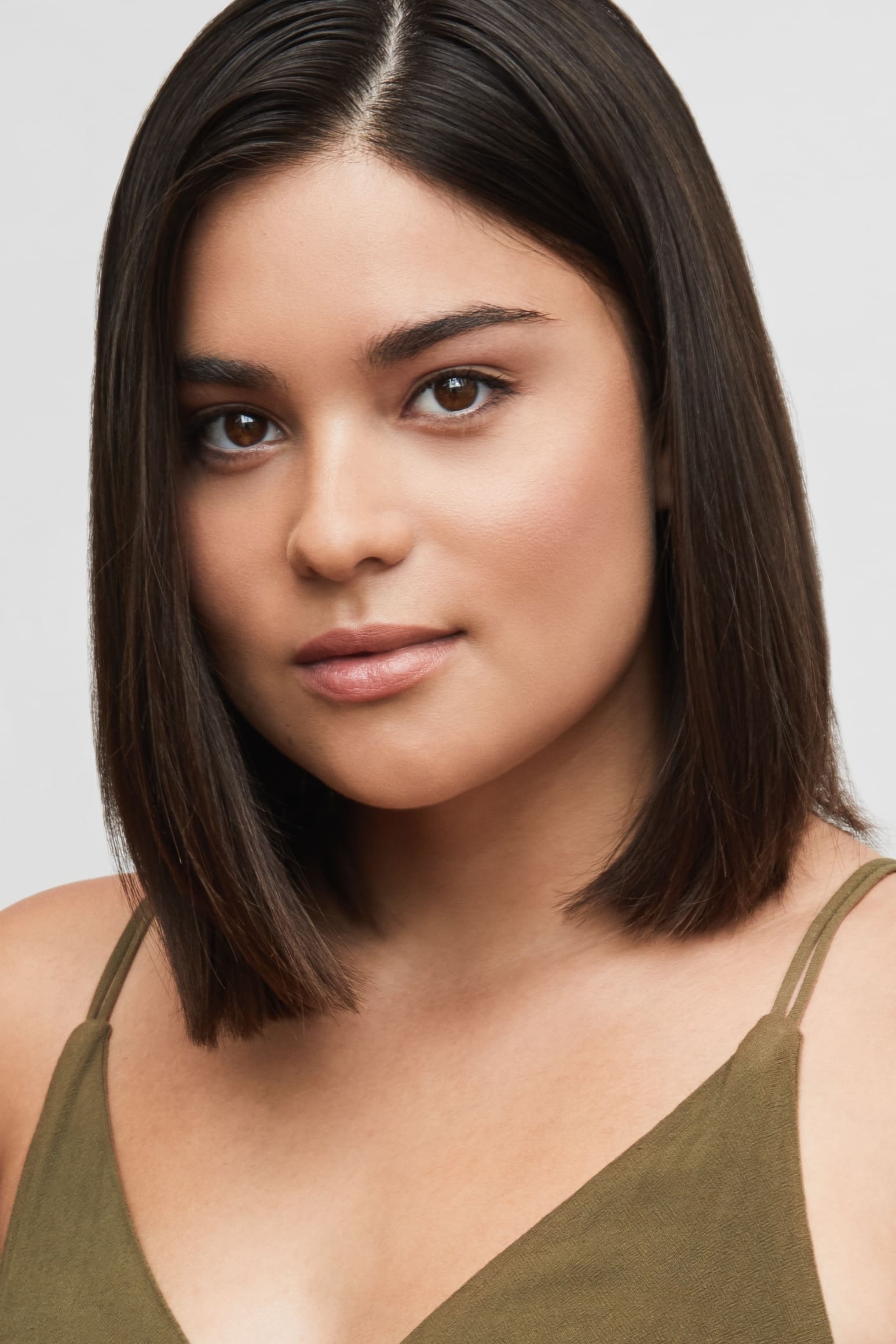
Devery Jacobs brought her own perspective as a queer Indigenous woman to Elora Danan’s style in ‘Reservation Dogs’. Jacobs collaborated on a look that mixed traditional grunge elements with practical reservation wear. She wanted Elora’s clothes to feel utilitarian and tough to reflect the character’s role as the group’s protector. The wardrobe choices avoided stereotypes and instead presented a modern lived-in rural teen aesthetic.
Ariana DeBose
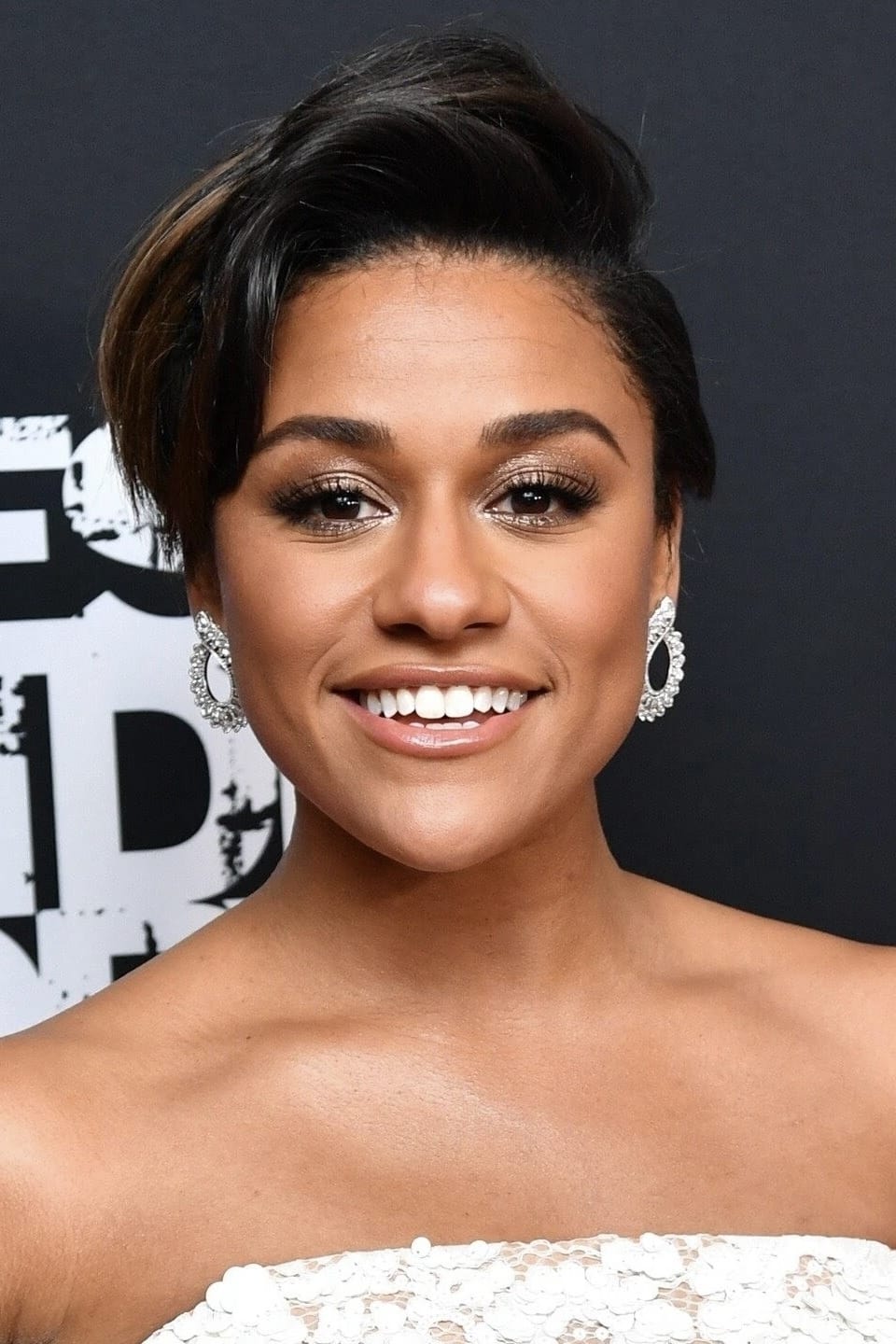
Ariana DeBose worked to ensure her character Alyssa Greene’s wardrobe in ‘The Prom’ reflected the tension between her public image and her private self. She collaborated on outfits that were perfectly polished and conservative looks which contrasted with the freedom she sought. DeBose wanted the clothing to feel like a uniform that Alyssa was forced to wear to survive in her conservative town. This visual constraint made her eventual coming out and style relaxation more impactful.
Jane Lynch
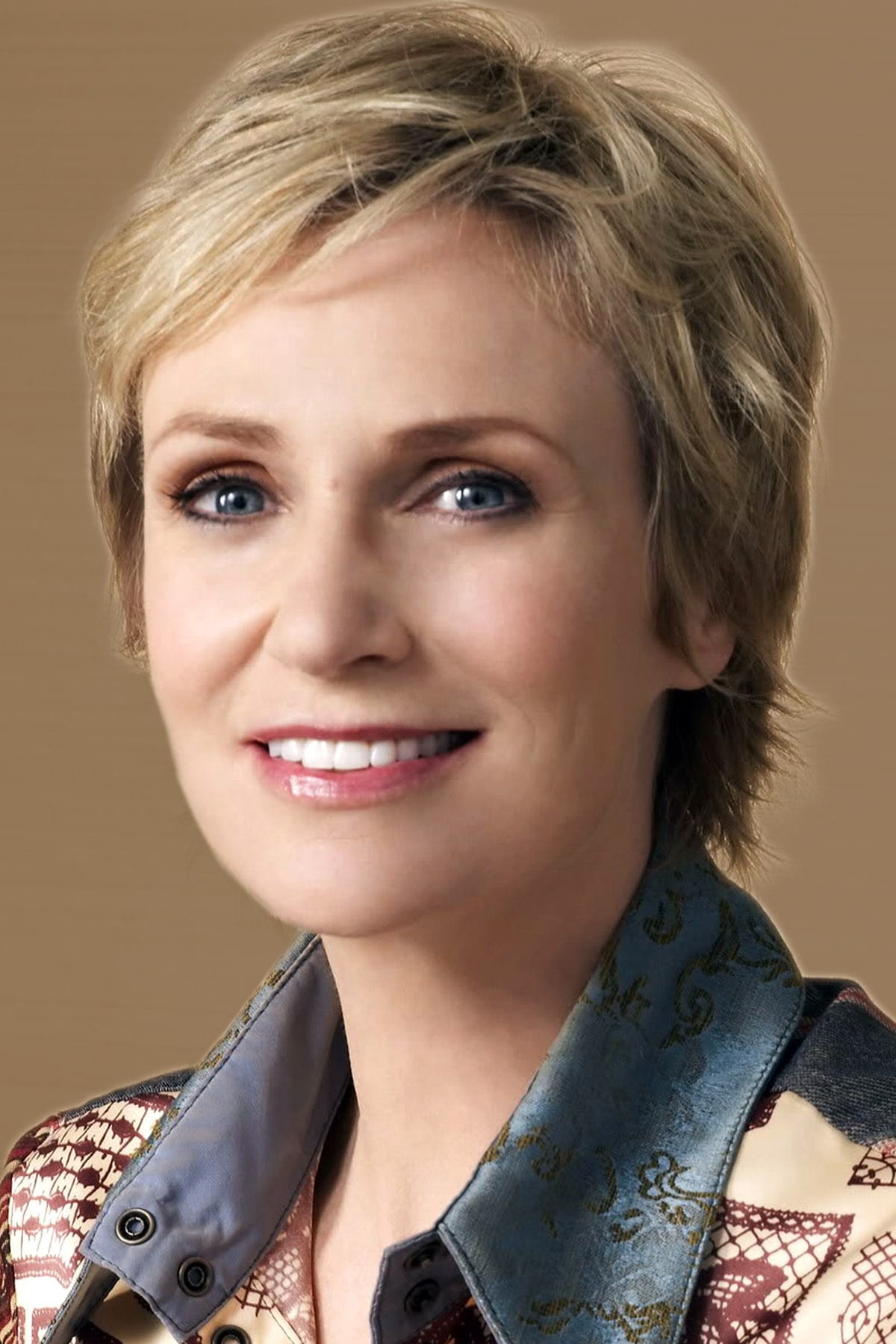
Jane Lynch’s Sue Sylvester in ‘Glee’ is synonymous with the tracksuit which was a costume choice Lynch embraced and helped turn into a character trait. Lynch leaned into the absurdity of wearing a tracksuit for every single occasion and suggested different colors for different moods or schemes. She wanted the uniform to represent Sue’s single-minded obsession with winning and her refusal to adhere to social norms. The tracksuit became one of the most recognizable costumes on television largely due to Lynch’s commitment to the bit.
Elliot Page
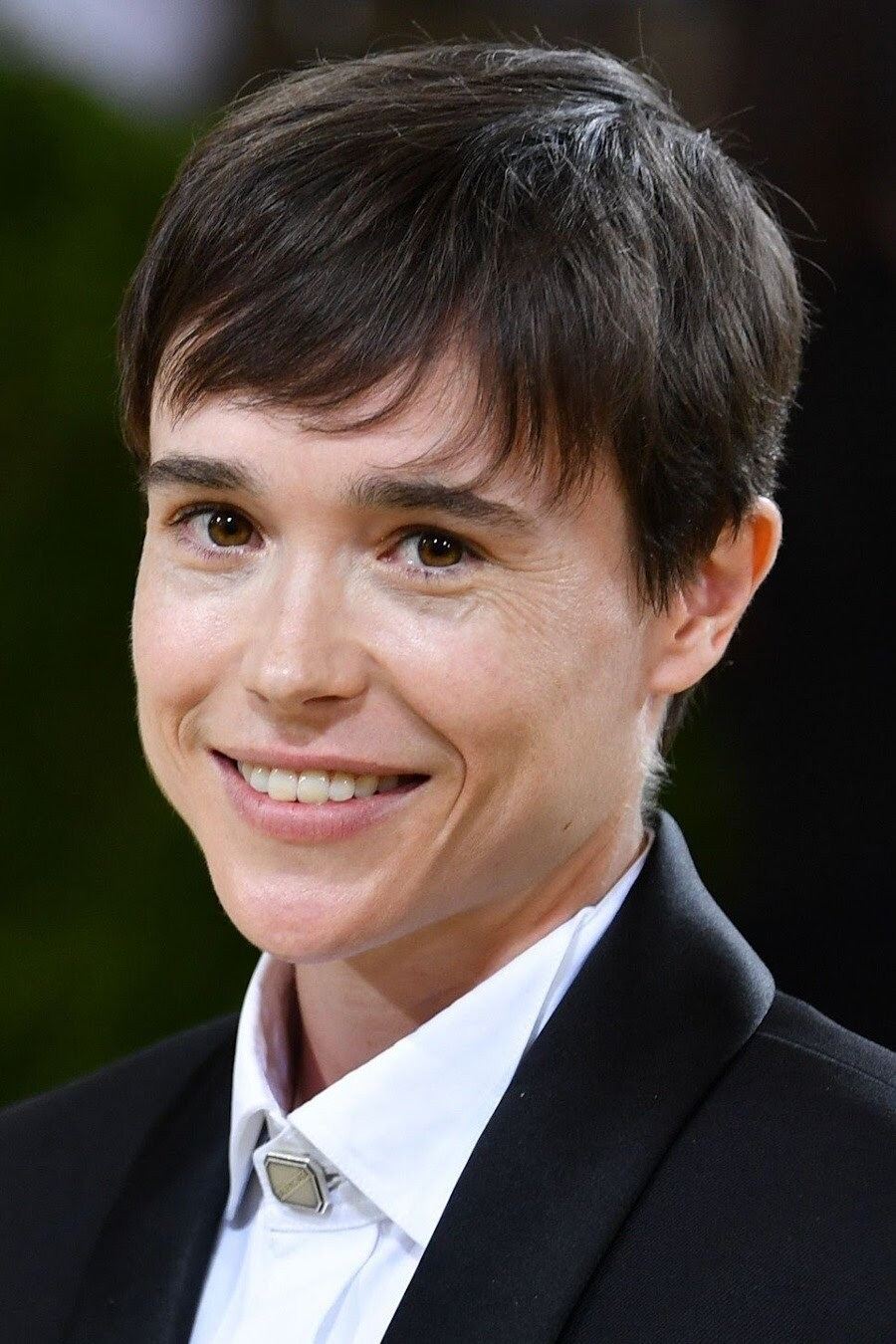
Elliot Page worked closely with the showrunner and costume team of ‘The Umbrella Academy’ to mirror his real-life transition through his character Viktor Hargreeves. The wardrobe shifted from Vanya’s fitted and feminine clothing to Viktor’s relaxed hoodies and shorter haircuts. Page wanted the clothing to reflect the comfort and relief that comes with gender affirmation. This thoughtful evolution provided a realistic depiction of a trans man finding his style.
Janelle Monáe
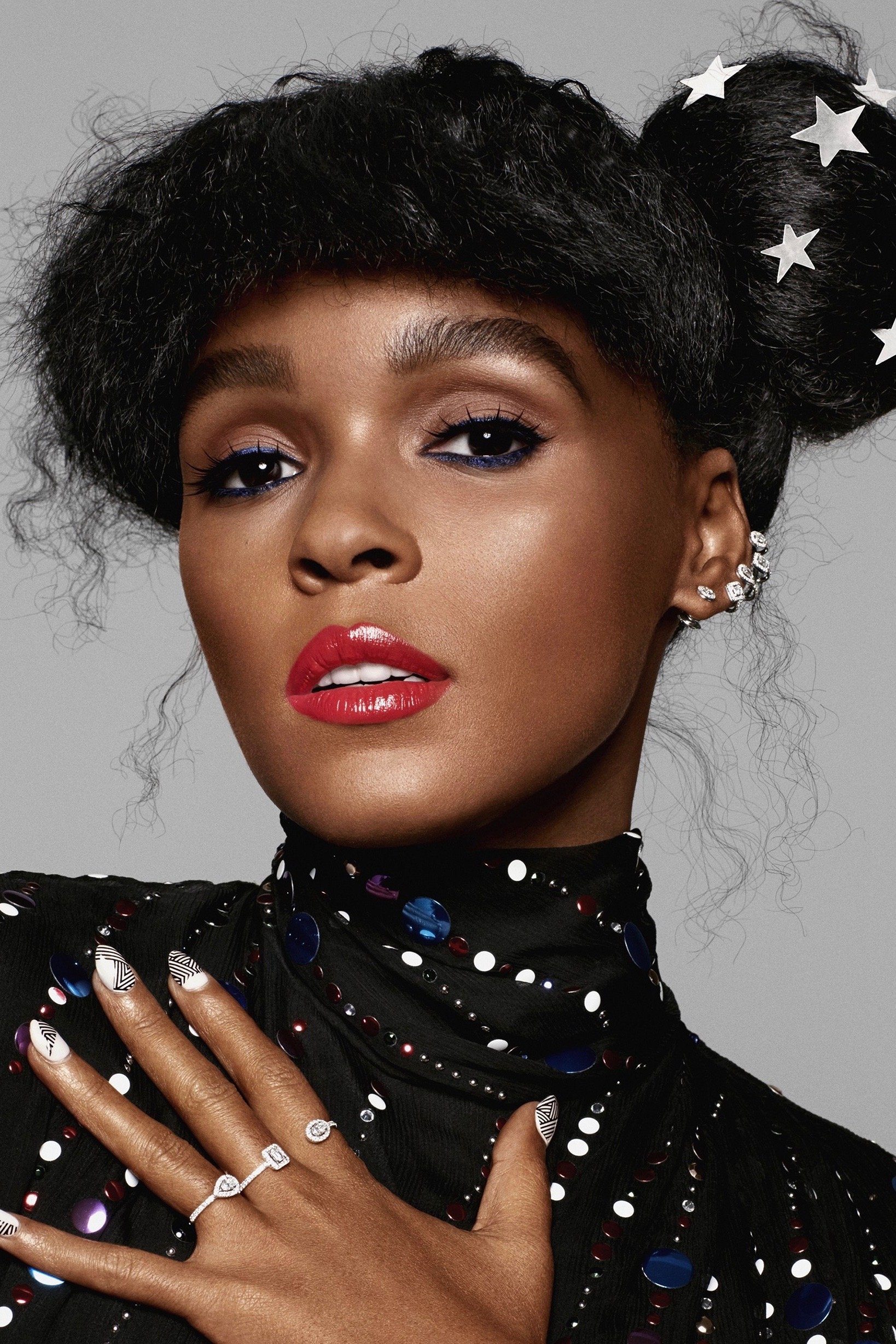
Janelle Monáe infused her own high-concept fashion sense into the role of Helen Brand in ‘Glass Onion’. She worked with the costume designer to distinguish the twin sisters through their clothing with Helen adopting a more intellectual and grounded aesthetic compared to her sister. Monáe used the wardrobe to signal the character’s outsider status among the wealthy disruptors. The clothing choices were pivotal in selling the deception at the center of the film’s mystery.
Sara Ramirez
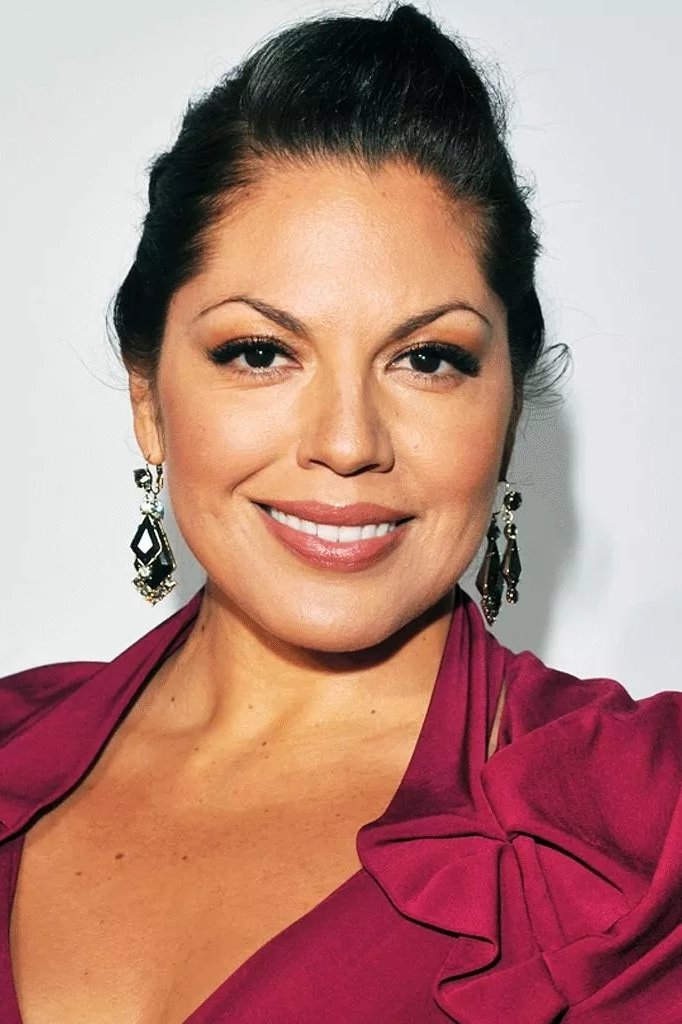
Sara Ramirez collaborated heavily on the controversial and bold style of Che Diaz in ‘And Just Like That…’. Ramirez wanted Che’s look to be unapologetically non-binary and loud to match the character’s career as a comedian and podcaster. They focused on graphic hoodies and custom jewelry that signaled a departure from the traditional Sex and the City fashion. This specific aesthetic was designed to disrupt the visual norms of the show’s established universe.
Holland Taylor
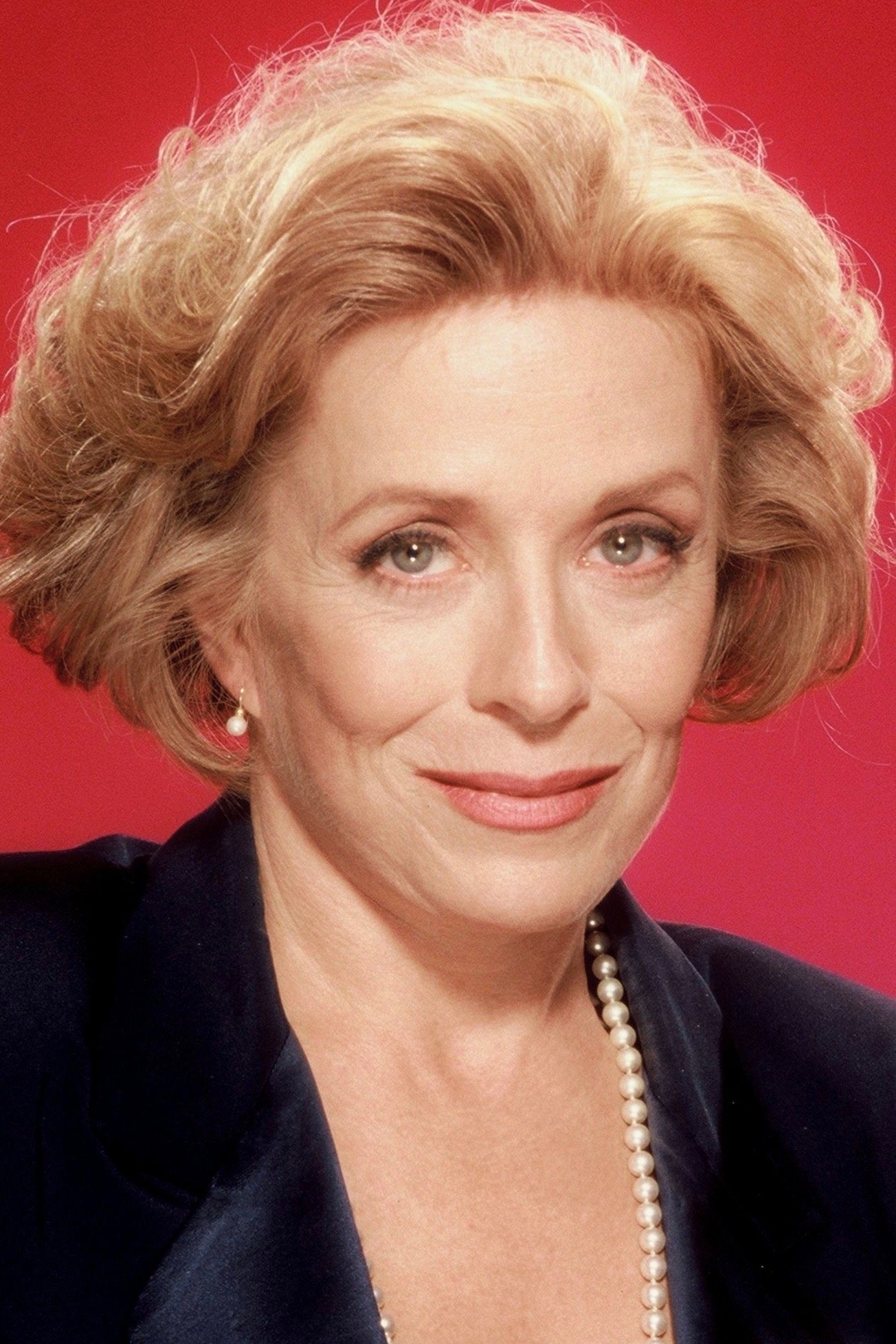
Holland Taylor brought her sophisticated personal style to the role of Professor Joan Hambling in ‘The Chair’. She worked to ensure Joan’s wardrobe reflected an older academic who refused to be invisible in a youth-obsessed university setting. Taylor favored bold colors and statement jewelry that commanded attention in lecture halls and faculty meetings. The wardrobe underscored the character’s resilience and her refusal to be sidelined by her colleagues.
Emma Corrin
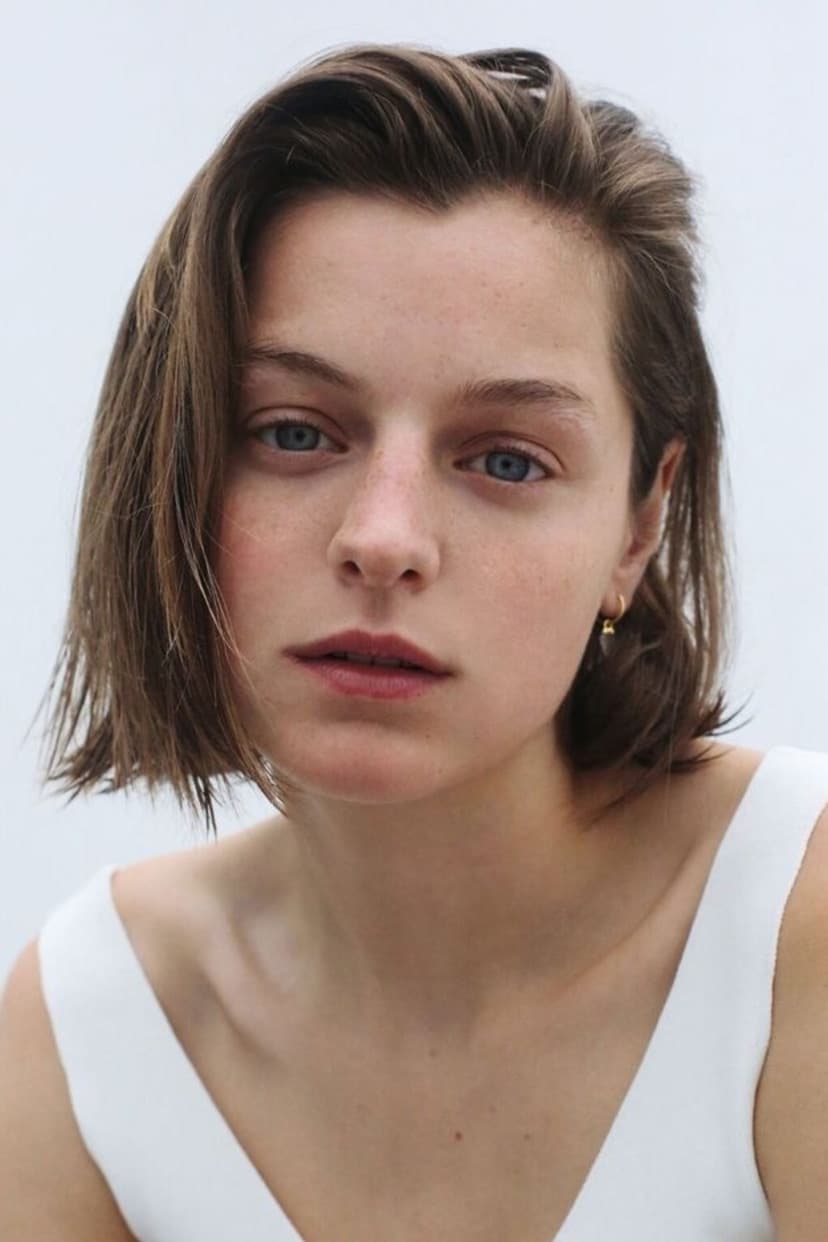
Emma Corrin utilized their own fashion-forward and non-binary instincts for the role of Darby Hart in ‘A Murder at the End of the World’. Corrin collaborated on a look that felt like a realistic Gen Z hacker who prioritized utility over glamour. They incorporated oversized hoodies and practical layers that allowed the character to move freely in dangerous situations. This grounded aesthetic helped establish Darby as a serious investigator rather than a stylized sleuth.
Bella Ramsey
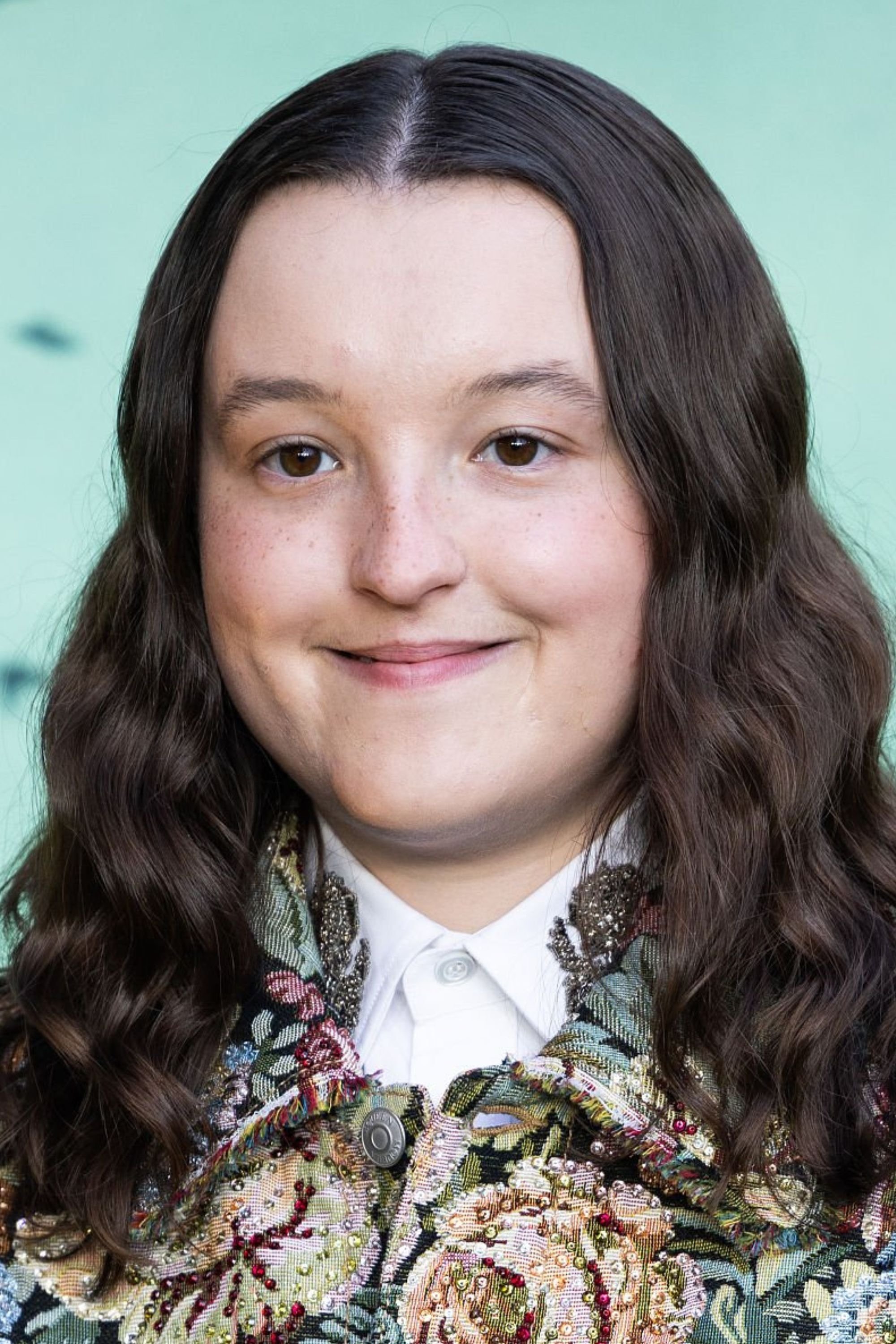
Bella Ramsey collaborated with the costume team on ‘The Last of Us’ to ensure Ellie’s wardrobe was practical for the apocalypse and true to the character’s tomboy nature. Ramsey discussed the importance of wearing a chest binder for the character to reflect a non-conforming gender expression. They focused on distressed denim and layers that looked worn-in and scavenged. This attention to functional detail helped ground the high-stakes fantasy in a gritty reality.
Kiersey Clemons
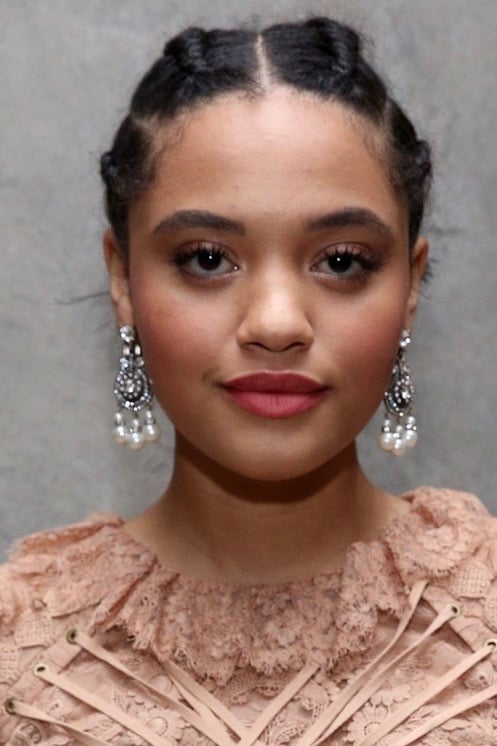
Kiersey Clemons influenced the indie-rock aesthetic of her character Sam in ‘Hearts Beat Loud’. She wanted the wardrobe to reflect a young artist living in Red Hook who mixes thrift store finds with comfortable rehearsal gear. Clemons helped select pieces that felt eclectic and effortless to match the film’s acoustic vibe. The style choices reinforced the bond between the character and her musician father.
Sasha Lane

Sasha Lane brought her distinctive personal style to her role in ‘American Honey’ and subsequent projects like ‘Loki’. For her breakout role she wore clothing that was scavenged and shared among the group of traveling teens which mirrored the production’s road trip atmosphere. Lane’s natural affinity for dreadlocks and streetwear influenced the character’s visual identity significantly. Her input ensured the character looked like a genuine part of the subculture being depicted.
Share your favorite style moment from these actors in the comments.