


Lesbian Actresses Who Claim They Were Passed Over for “Feminine” Lead Roles

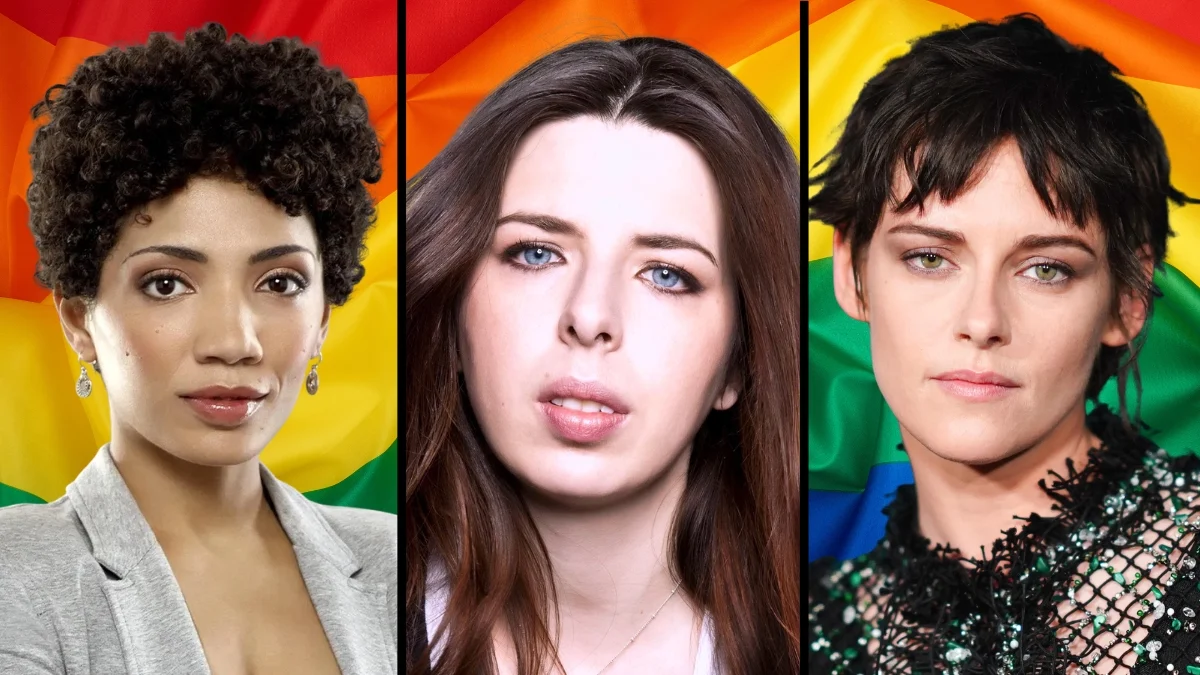


The entertainment industry has long maintained specific standards for its leading ladies, often prioritizing a traditional “feminine” image that caters to a broad demographic. For many lesbian and queer actresses, coming out or being open about their identity has historically led to concerns about their marketability in romantic or traditionally feminine roles. Several performers have shared personal accounts of being advised to hide their relationships or facing a sudden decline in casting opportunities for lead characters after their sexuality became public knowledge. These experiences shed light on the systemic challenges and typecasting that have persisted in Hollywood for decades.
Kristen Stewart
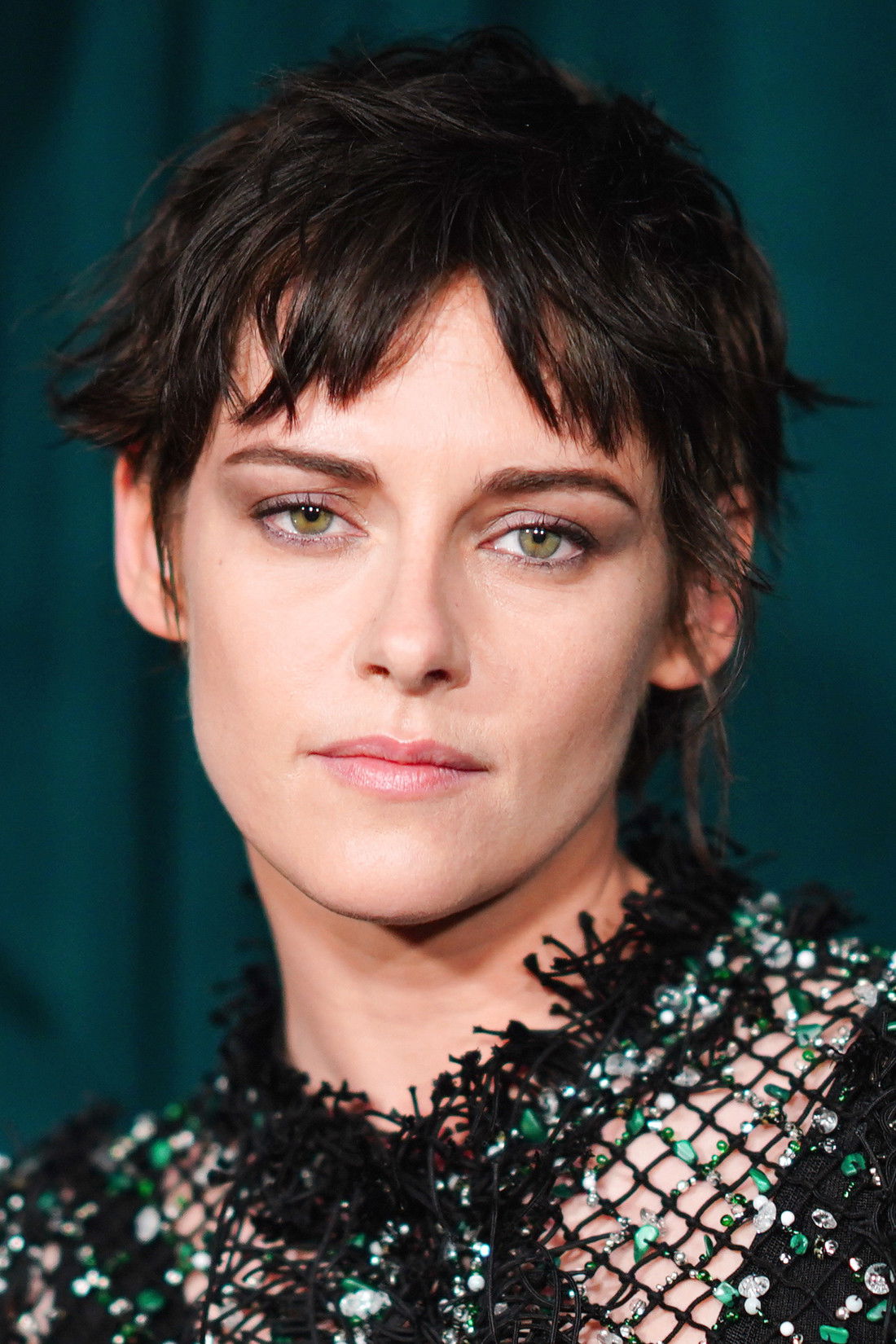
Kristen Stewart has openly discussed the pressure she faced early in her career to conceal her sexuality to secure mainstream success. She recounted being told by industry figures that if she refrained from holding her girlfriend’s hand in public, she might land a role in a ‘Marvel’ film. This pressure was rooted in the industry’s historical preference for casting actresses who maintain a specific feminine and marketable image for heterosexual audiences. Stewart eventually chose to be open about her identity, despite the potential risks to her status as a leading lady in big-budget productions. Her experiences highlight the systemic hurdles faced by queer actresses in the pursuit of diverse roles.
Portia de Rossi
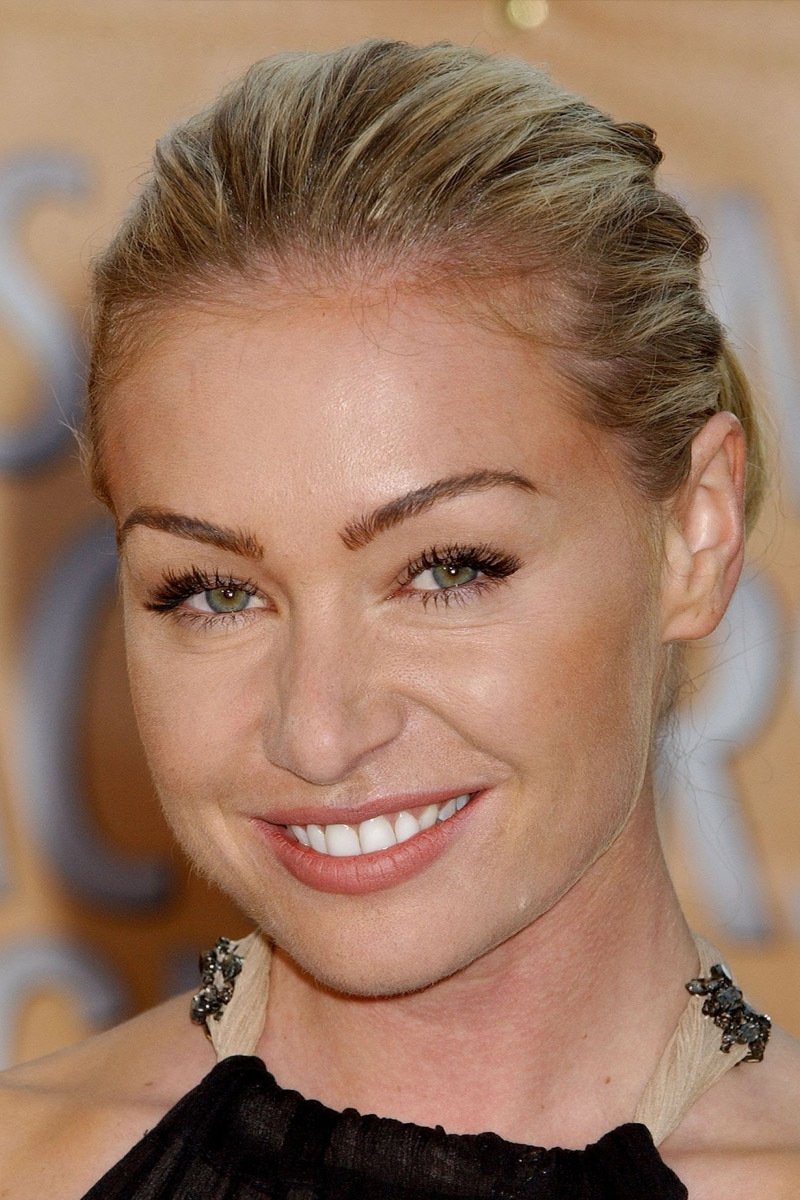
During her time on the hit series ‘Ally McBeal’, Portia de Rossi struggled with the pressure of maintaining a specific public persona. She has detailed in her memoir how she feared that coming out would instantly end her career as a glamorous, feminine leading lady. At the time, she believed the industry would not accept a lesbian in high-profile romantic roles opposite men. The constant stress of hiding her identity eventually led her to step away from acting for a period. She later returned to the screen in roles that allowed for more personal authenticity and less focus on traditional expectations.
Cara Delevingne
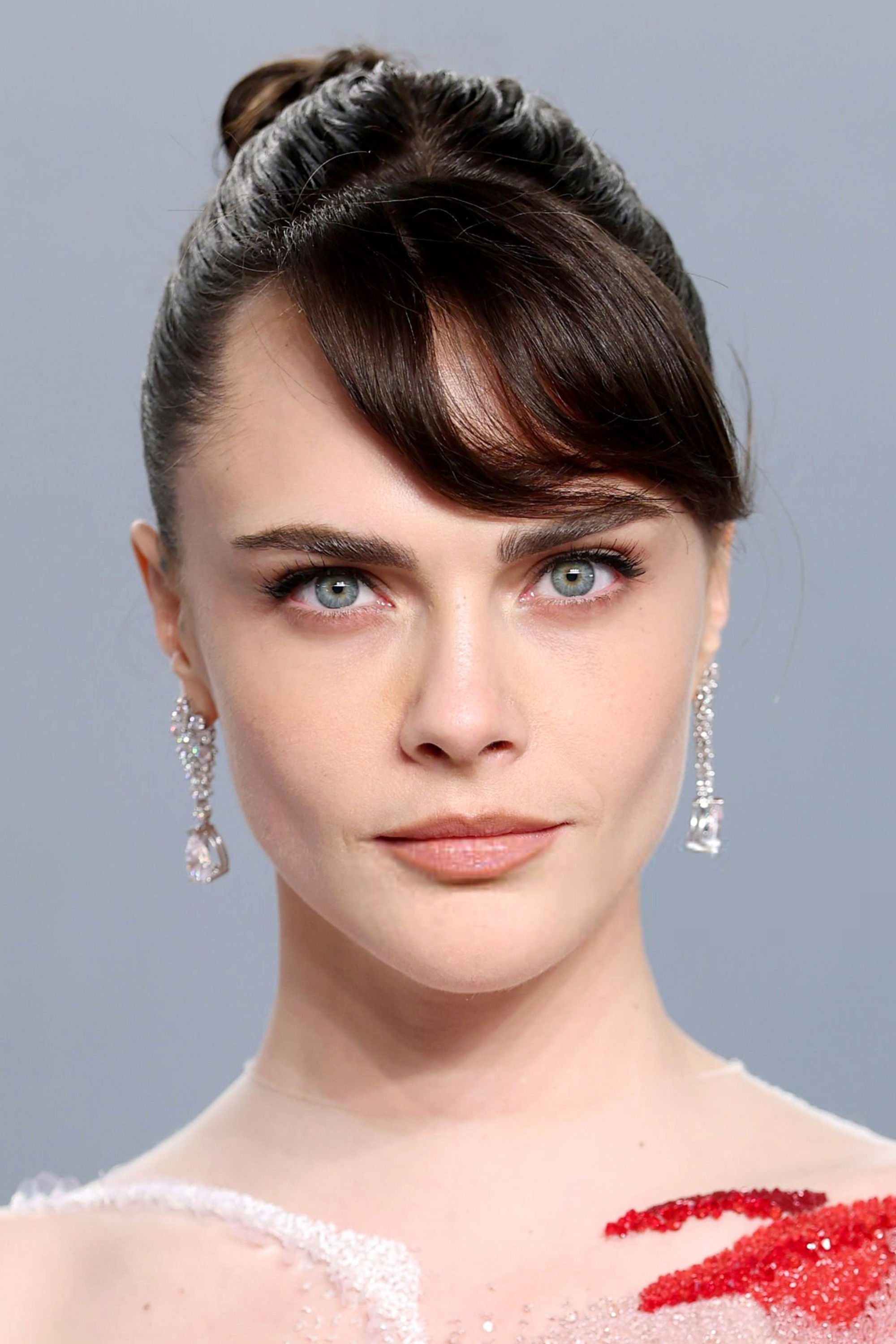
Cara Delevingne recounted a specific interaction with a high-profile producer who questioned her ability to succeed as a leading lady. The producer allegedly told her that if she were open about her sexuality, she would never be cast as a straight woman in a romantic lead role. This experience highlighted the gatekeeping that often occurs when queer actresses attempt to branch out into traditional film genres. Delevingne has since been vocal about the need for Hollywood to move past rigid stereotypes. She continues to seek roles that defy the narrow definitions of femininity often found in big-budget scripts.
Ruby Rose
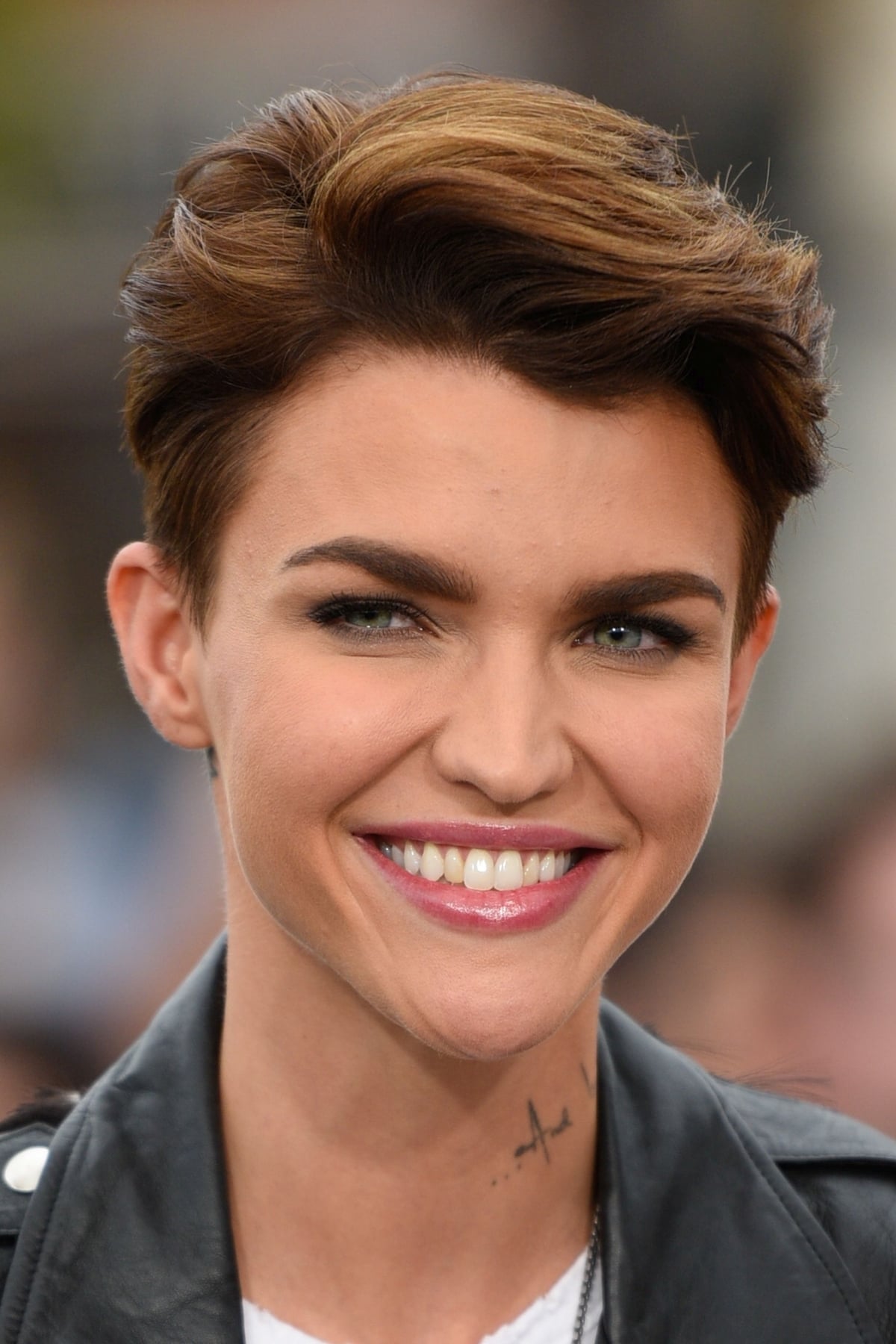
Ruby Rose has frequently addressed the difficulties of being cast in roles that require a traditional feminine aesthetic. She noted that her gender-fluid appearance and openness about her identity led to some casting directors viewing her as too edgy for mainstream lead roles. Rose has discussed being told she was not feminine enough to play certain characters, despite her versatility as an actress. This feedback often confined her to specific action-oriented or tough character archetypes. She has used her platform to challenge these industry standards and promote more diverse representation across all genres.
Kelly McGillis
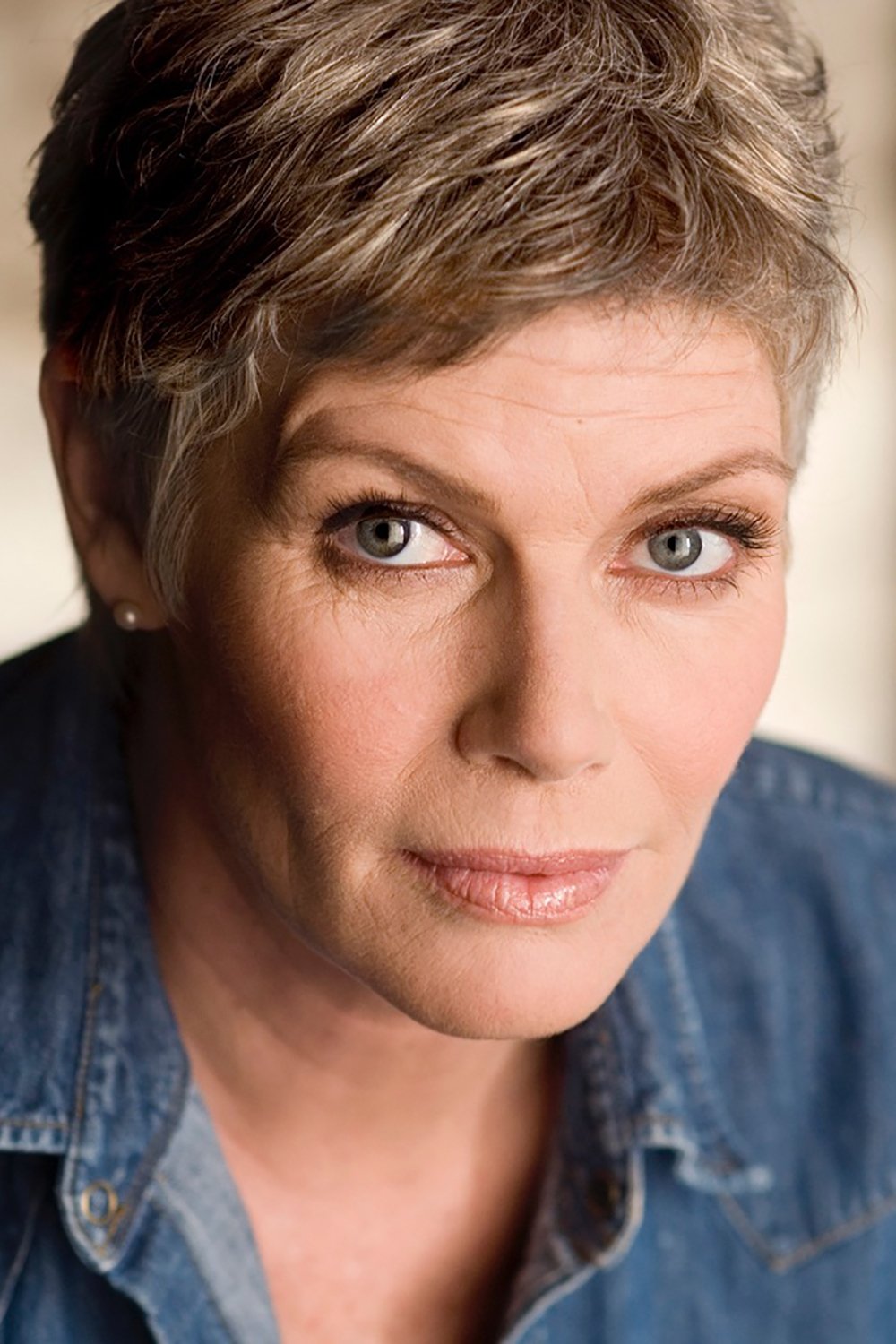
Kelly McGillis, known for her roles in ‘Top Gun’ and ‘Witness’, has spoken about how her career trajectory changed as she aged and lived more authentically. When the sequel ‘Top Gun: Maverick’ was announced, she noted that she was not asked to return, citing her physical appearance as a primary reason. She suggested that her refusal to conform to Hollywood’s feminine beauty standards, combined with her personal life choices, played a role in her exclusion. McGillis has expressed a sense of peace with being herself and not fitting the industry’s narrow requirements for female leads. Her comments sparked a broader conversation about the disposal of actresses who do not maintain a specific image.
Heather Matarazzo
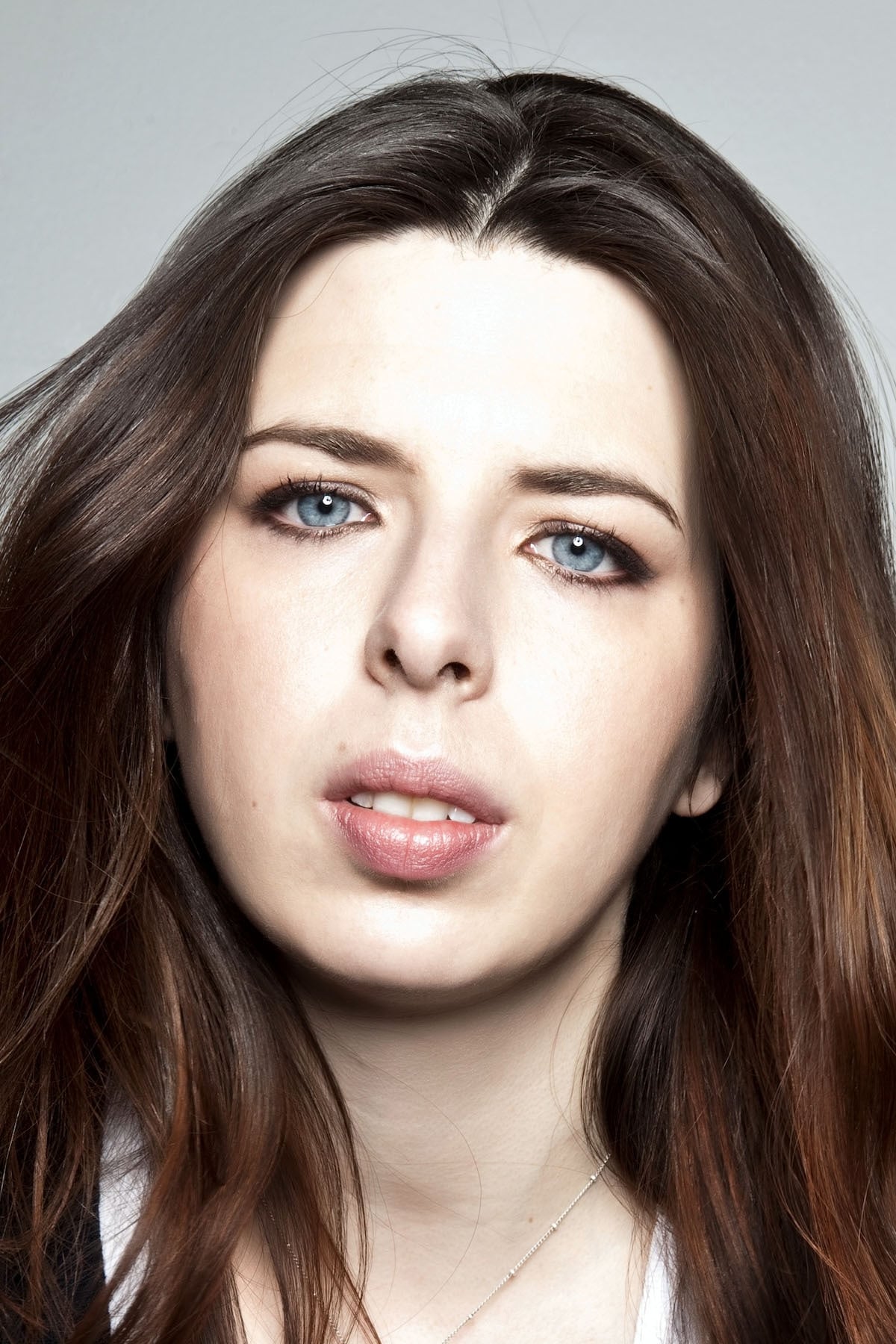
Heather Matarazzo, who rose to fame in ‘Welcome to the Dollhouse’, has been candid about the professional fallout she experienced after coming out. She stated that her career effectively hit a wall in 2004 once her sexuality became public knowledge. Matarazzo found that the feminine lead roles she was once considered for suddenly became unavailable to her. She described a period where agents were told that she was no longer right for certain parts without a clear artistic reason. This shift forced her to navigate a much more difficult path within the independent film scene.
Amanda Bearse
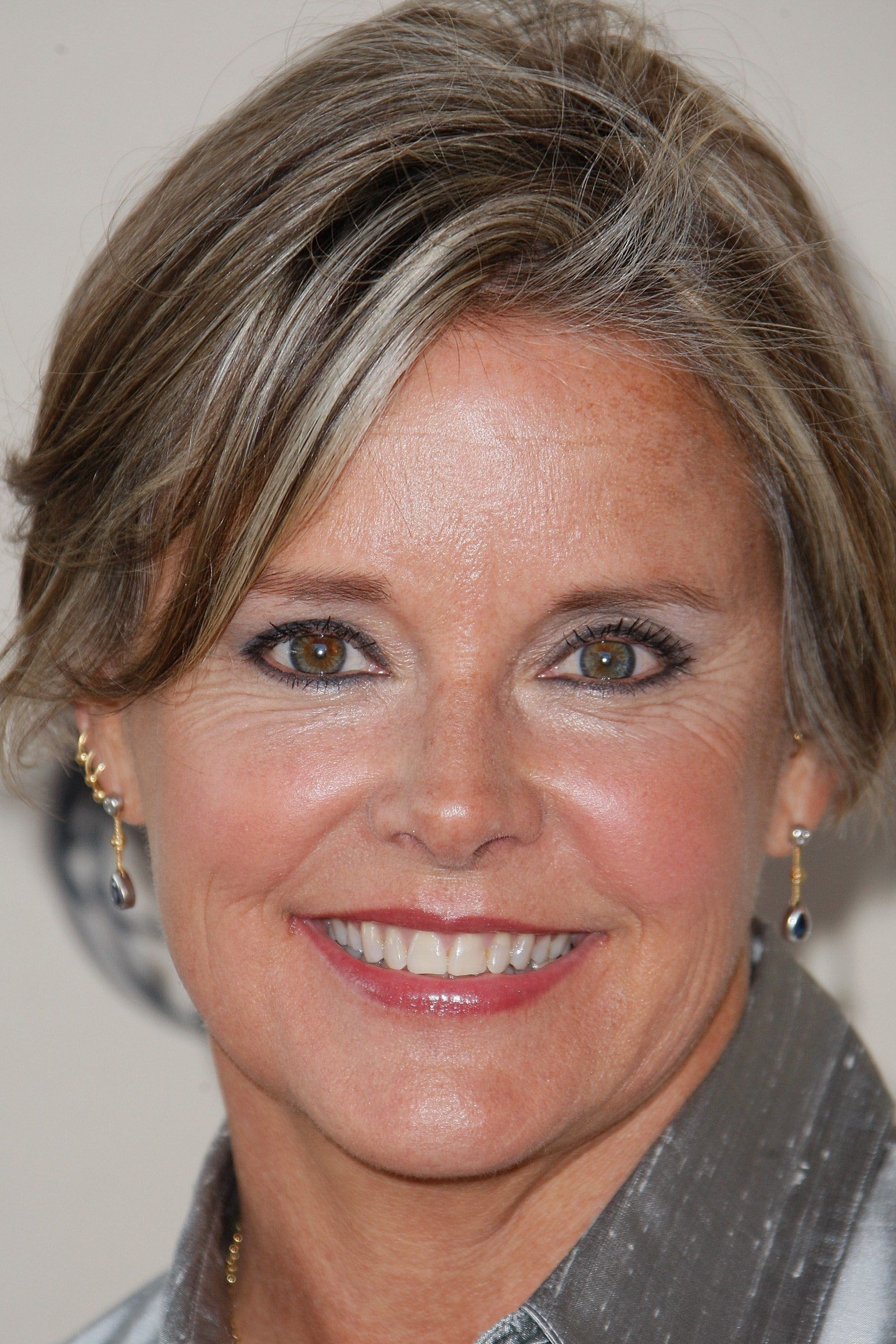
Amanda Bearse, a star of the long-running sitcom ‘Married… with Children’, came out publicly in the early 1990s. She has since reflected on how this decision significantly limited her opportunities for future feminine lead roles in television. Bearse noted that while she continued to work, the industry’s perception of her shifted, and she was rarely considered for romantic or traditional female parts. This led her to focus more on directing, where she found she had more control over her career. Her experience remains a landmark example of the risks early trailblazers took in the Hollywood system.
Jasika Nicole
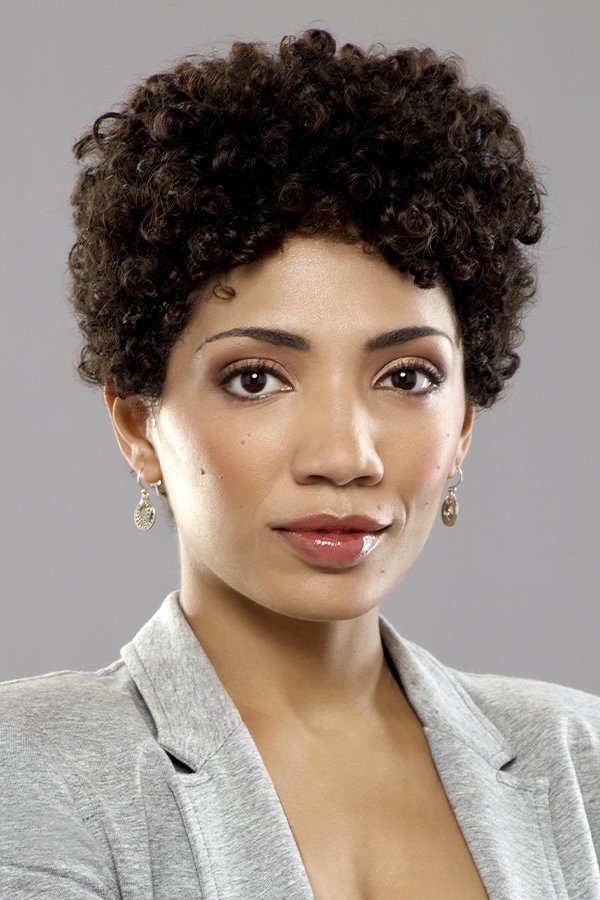
Jasika Nicole has spoken about the intersectional challenges of being a Black queer woman in the entertainment industry. She has described instances where she was passed over for feminine or soft roles because casting directors could not see past her queer identity. Nicole noted that there is often a push to cast her in tough or asexual roles rather than as a romantic lead. She has been vocal about the limitations placed on queer actors by those who believe they cannot convincingly play straight, feminine characters. Her advocacy continues to highlight the need for more nuanced casting in modern television and film.
Cynthia Nixon
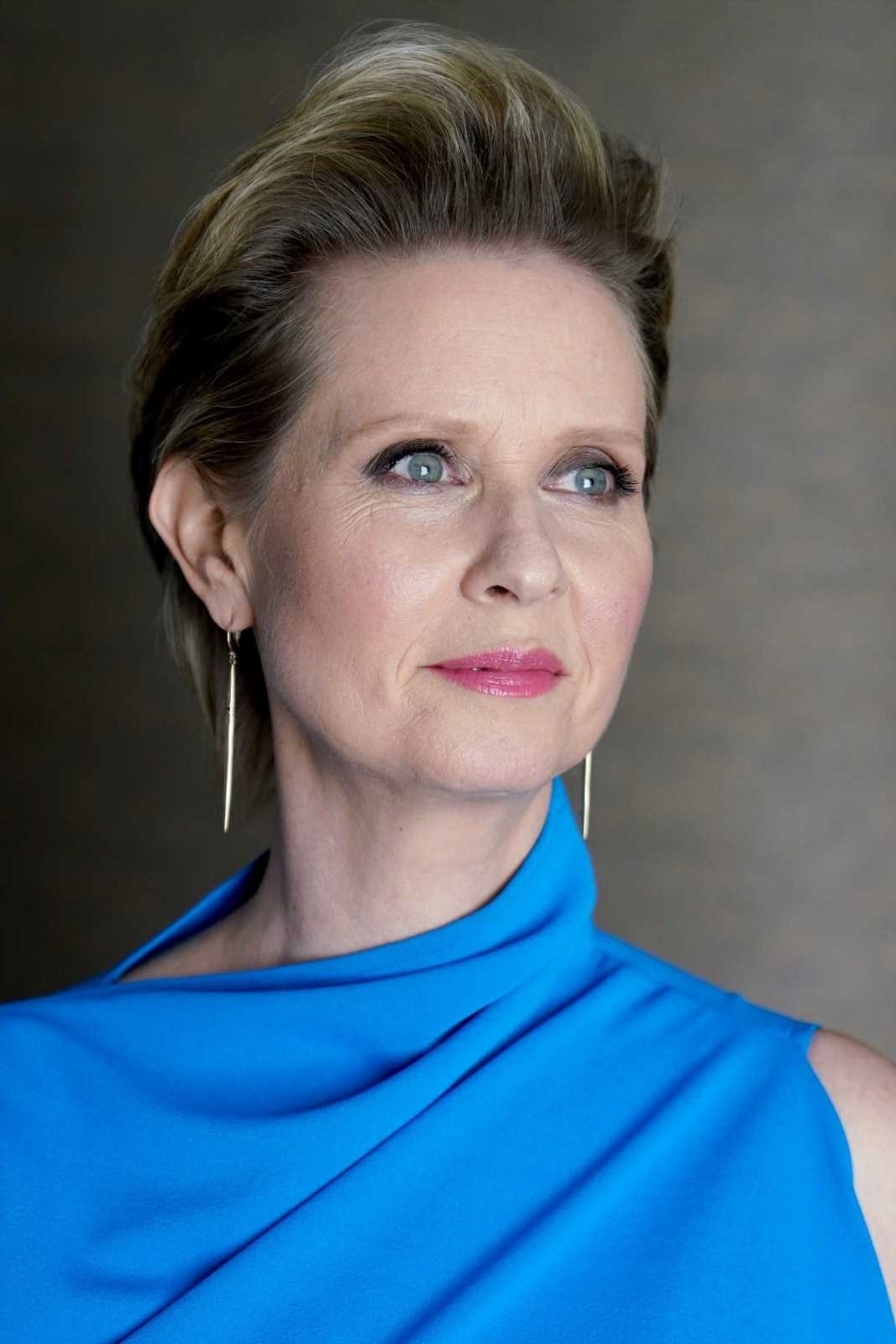
Cynthia Nixon observed a distinct change in the types of roles she was offered after her relationship with a woman became public news. She has mentioned that while she was previously seen as a versatile actress capable of playing a range of feminine characters, the industry’s view of her narrowed. Nixon pointed out that queer actors are often pigeonholed into specific types once their personal lives are known to the public. She has balanced her acting career with political activism, often addressing the biases present in media representation. Her role in ‘Sex and the City’ remains her most iconic feminine lead, but she has sought more diverse work since.
Clea DuVall
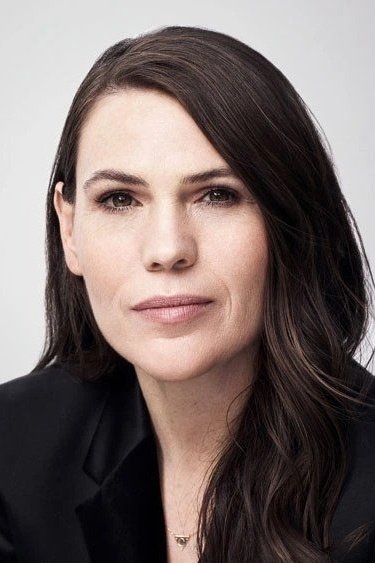
In the early stages of her career, Clea DuVall was often cast in outsider or tomboy roles in films like ‘The Faculty’ and ‘But I’m a Cheerleader’. She has shared that she felt a constant pressure to keep her sexuality a secret to avoid being excluded from more traditional feminine roles. DuVall noted that the industry’s lack of imagination often prevents queer actresses from being seen as viable candidates for romantic leads. This realization eventually led her to transition into writing and directing her own projects. By creating her own work, she has been able to tell stories that accurately reflect queer experiences.
Sarah Paulson
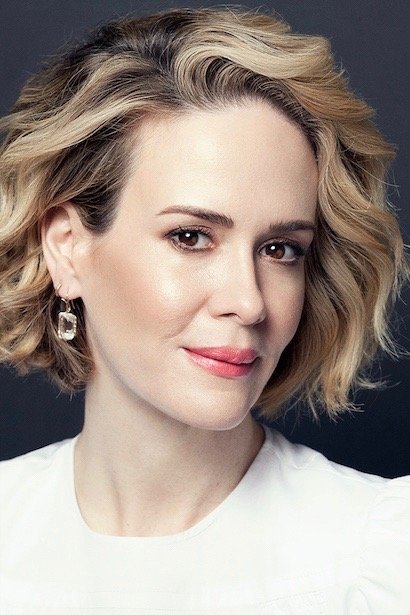
Sarah Paulson has discussed the warnings she received regarding her public relationship with actress Holland Taylor. Early in their relationship, she was told by some that being open about her partner could negatively impact her ability to land feminine lead roles. Paulson has managed to maintain a highly successful career by consistently delivering acclaimed performances in ‘American Horror Story’ and other projects. However, she has acknowledged that the industry still harbors biases against out actresses in romantic lead positions. She remains one of the most visible out actresses working in Hollywood today.
Michelle Rodriguez
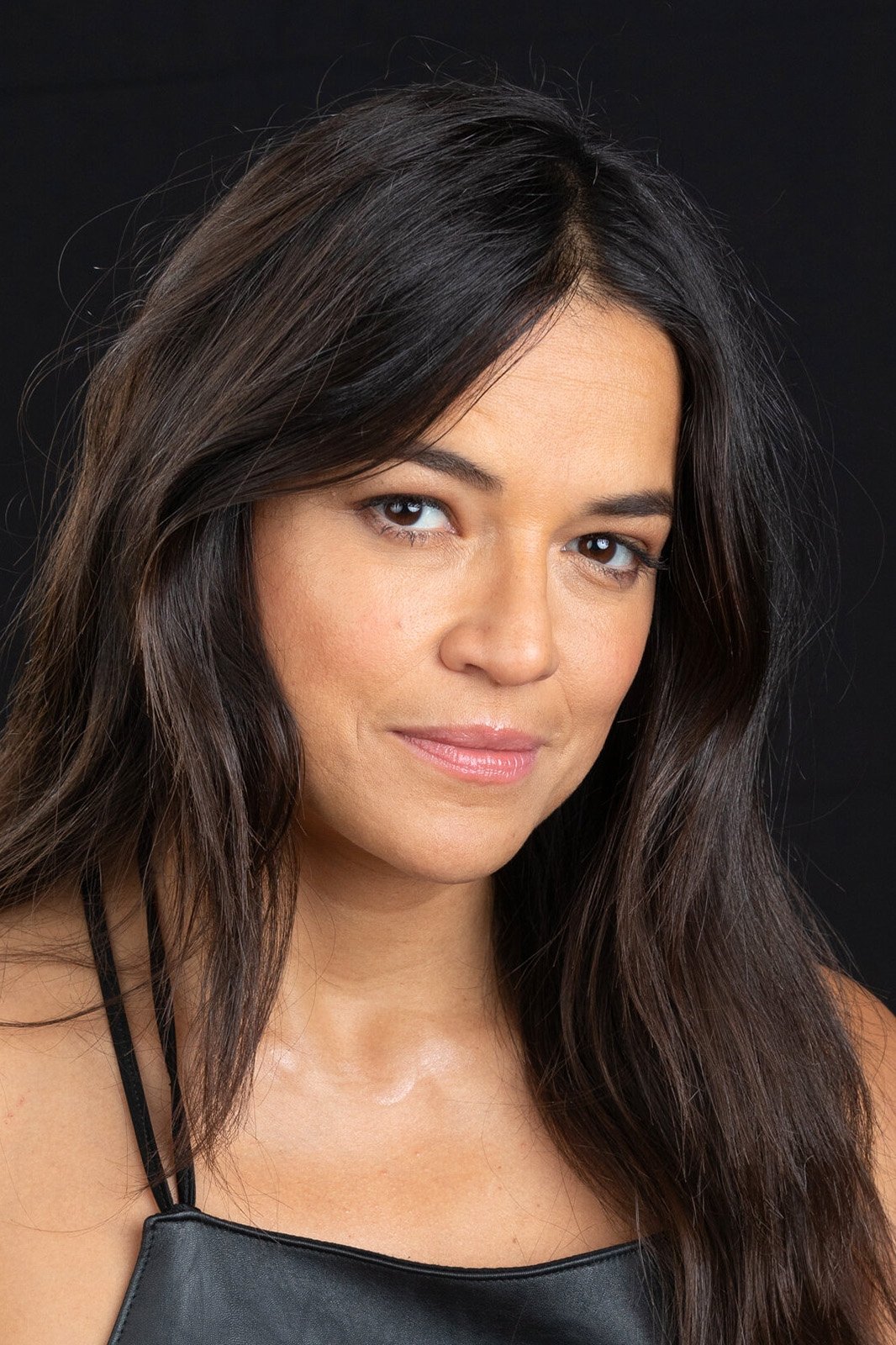
Michelle Rodriguez has frequently commented on being typecast in tough girl and tomboy roles throughout her career in the ‘Fast & Furious’ franchise. She has expressed a desire to play more feminine or soft roles but often finds that these opportunities are not extended to her. Rodriguez has suggested that the industry’s perception of her energy and personal life contributes to this narrow casting. She has spoken about the difficulty of breaking out of the action genre to find roles that showcase a different side of her acting abilities. Her career reflects the ongoing struggle of actresses who do not fit the traditional leading lady mold.
Leisha Hailey
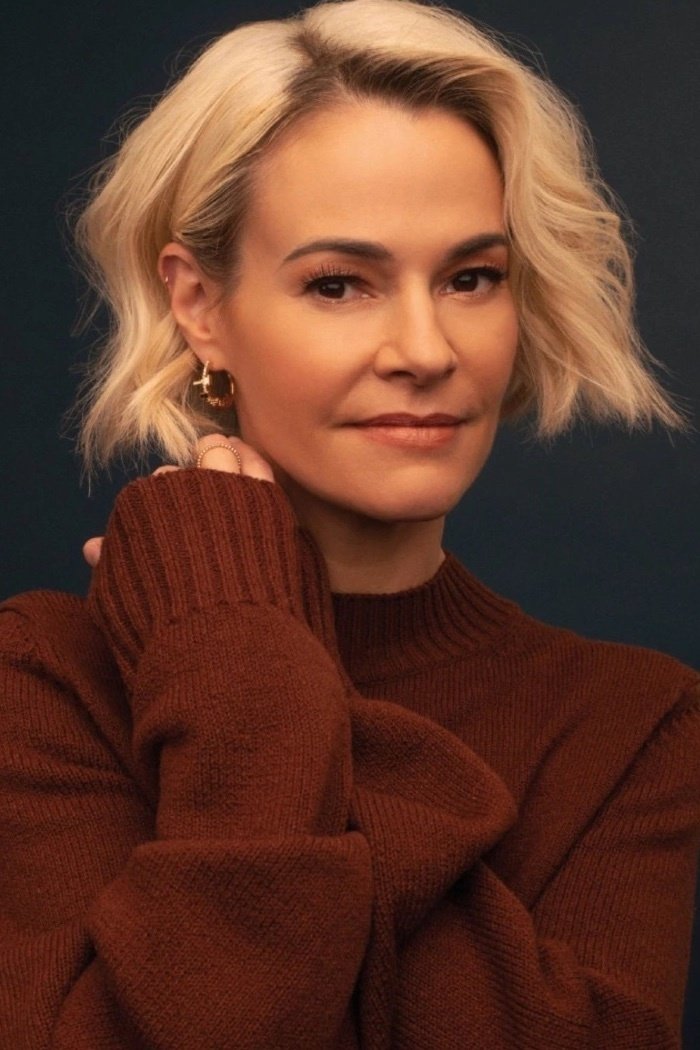
Leisha Hailey, known for her role in ‘The L Word’, has talked about the shift in her career after becoming a prominent figure in the queer community. She noted that while her visibility helped her secure roles within the LGBTQ+ space, it also made it harder to be considered for mainstream feminine leads. Hailey has mentioned that the industry often views out actresses through a single lens, limiting their professional range. She has balanced her time between acting and her music career, often navigating the complexities of being a public queer figure. Her experiences highlight the niche casting that often occurs after an actress comes out.
Ellen DeGeneres
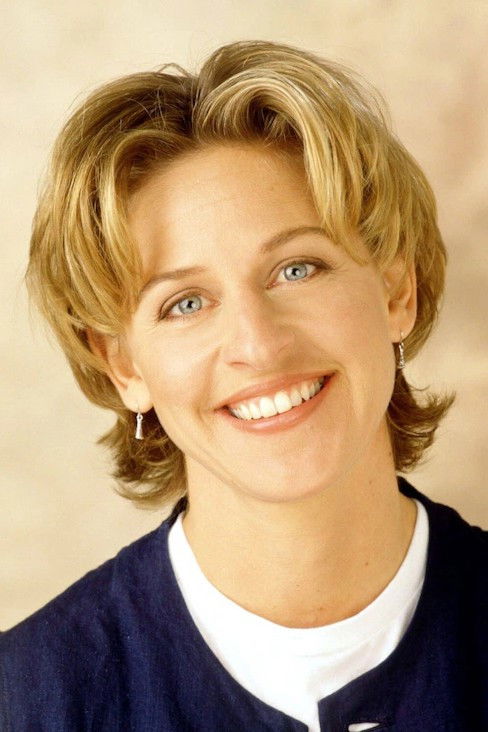
Ellen DeGeneres made history when she came out both personally and through her character on the sitcom ‘Ellen’. Following the announcement, the show faced a significant backlash and was eventually canceled, leading to a period where DeGeneres struggled to find work. She has stated that she was essentially blacklisted from traditional feminine lead roles for several years. The industry’s reaction suggested a belief that a lesbian lead would not be relatable to a mainstream audience. DeGeneres eventually reinvented her career through her daytime talk show, which became a massive global success.
Jane Lynch
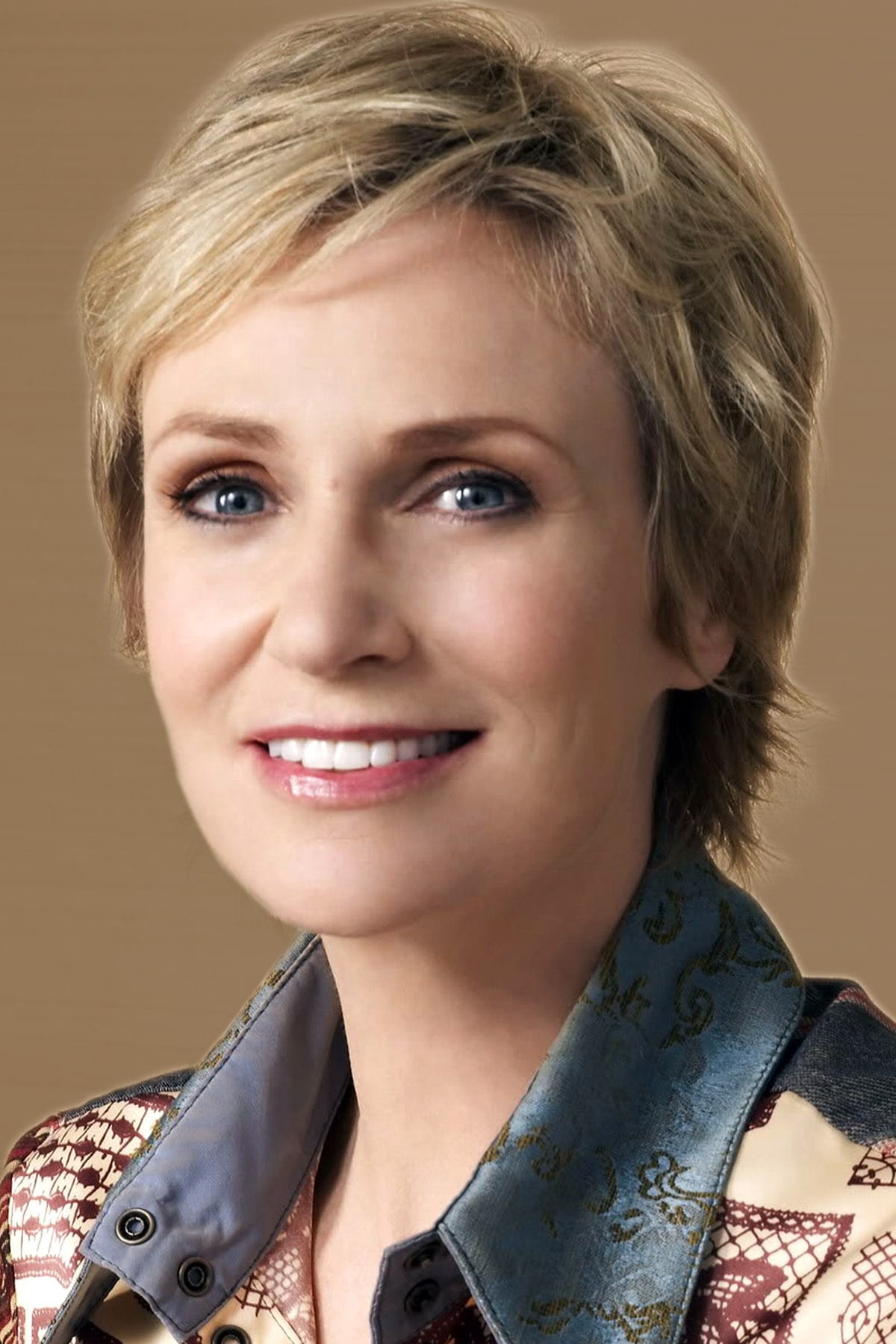
Jane Lynch has discussed how her height and her sexuality have influenced the way she is cast in Hollywood. She has noted that she was rarely, if ever, considered for traditional feminine lead or ingenue roles during her career. Lynch has found great success as a character actress in projects like ‘Glee’ and ‘Best in Show’, where her unique comedic style is celebrated. However, she has pointed out the lack of opportunities for queer women to play central romantic figures in major films. She continues to be a prominent voice for LGBTQ+ representation in the arts.
Meredith Baxter

Meredith Baxter, beloved for her role as the mother in ‘Family Ties’, came out as a lesbian later in her life. She has reflected on the perfect mother image she maintained during the height of her fame and how it was incompatible with her true self. Baxter noted that had she come out during the 1980s, her career as a feminine lead in television would likely have ended immediately. She described the industry at the time as one that required a strict adherence to traditional family values and gender roles. Since coming out, she has used her platform to speak about the liberation of living authentically.
Fiona Shaw
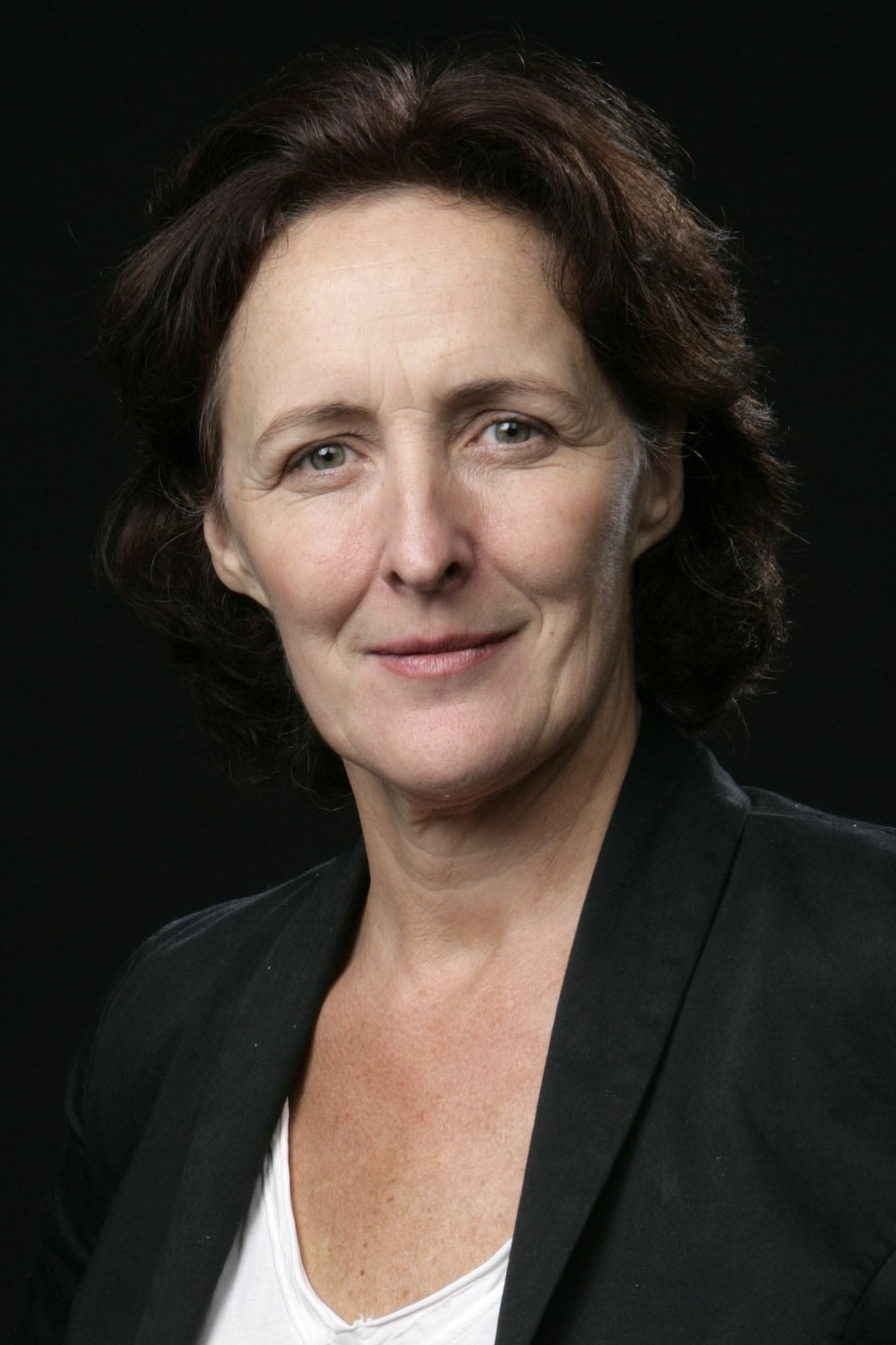
Fiona Shaw has explicitly mentioned the enormous pressure to hide her sexuality to keep her career options open as a traditional actress. She noted that during the height of her early career, being out was not considered an option for someone wanting to play feminine or romantic leads. Shaw believed that revealing her identity would have limited the types of scripts she received from major studios. While she has had a prolific career in projects like ‘Killing Eve’ and ‘Harry Potter’, she has reflected on the roles that might have been lost due to industry prejudice. Her success today comes after decades of navigating a shifting cultural landscape.
Share your thoughts on how Hollywood’s casting standards have evolved for LGBTQ+ performers in the comments.