


Lesbian Actresses Who Faced Studio Pressure to Stay in the Closet

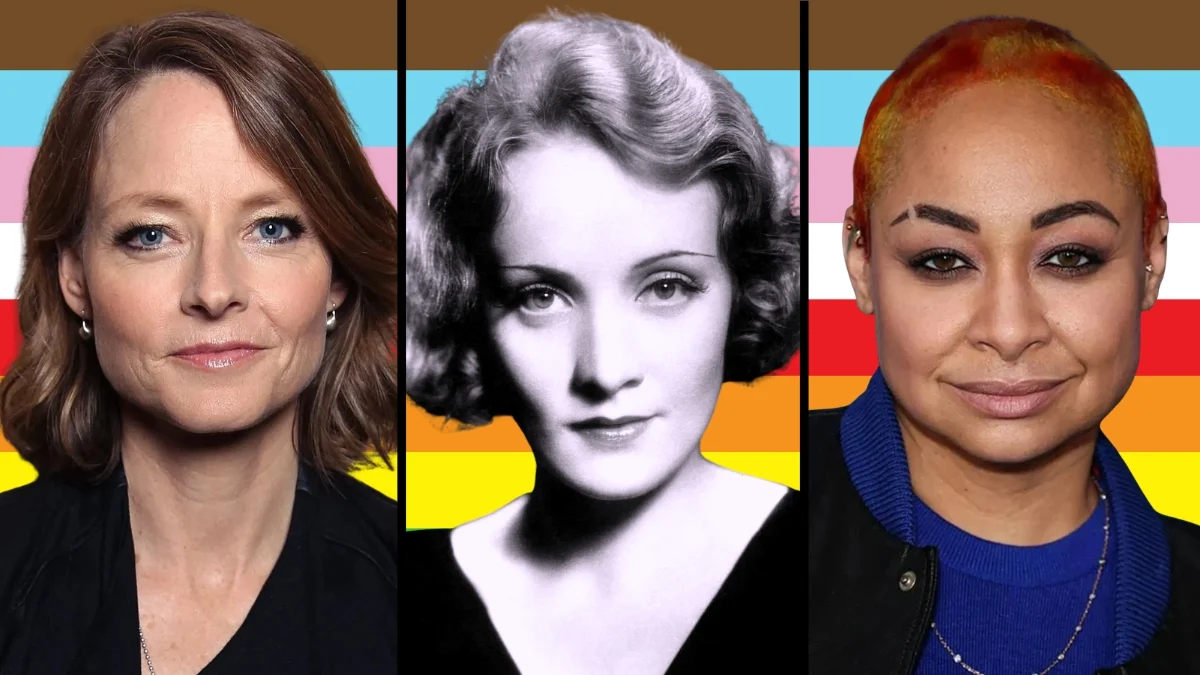


The history of Hollywood is inextricably linked with the management of public image, often at the expense of an actor’s personal truth. For decades, major film and television studios enforced strict morality clauses and cultivated specific personas to ensure their stars remained marketable to a broad audience. This systemic pressure forced many actresses to hide their relationships with women, leading to a culture of “lavender marriages” and carefully curated public lives. Only in recent years have many of these performers felt safe enough to speak openly about the professional risks they faced for being themselves.
Marlene Dietrich
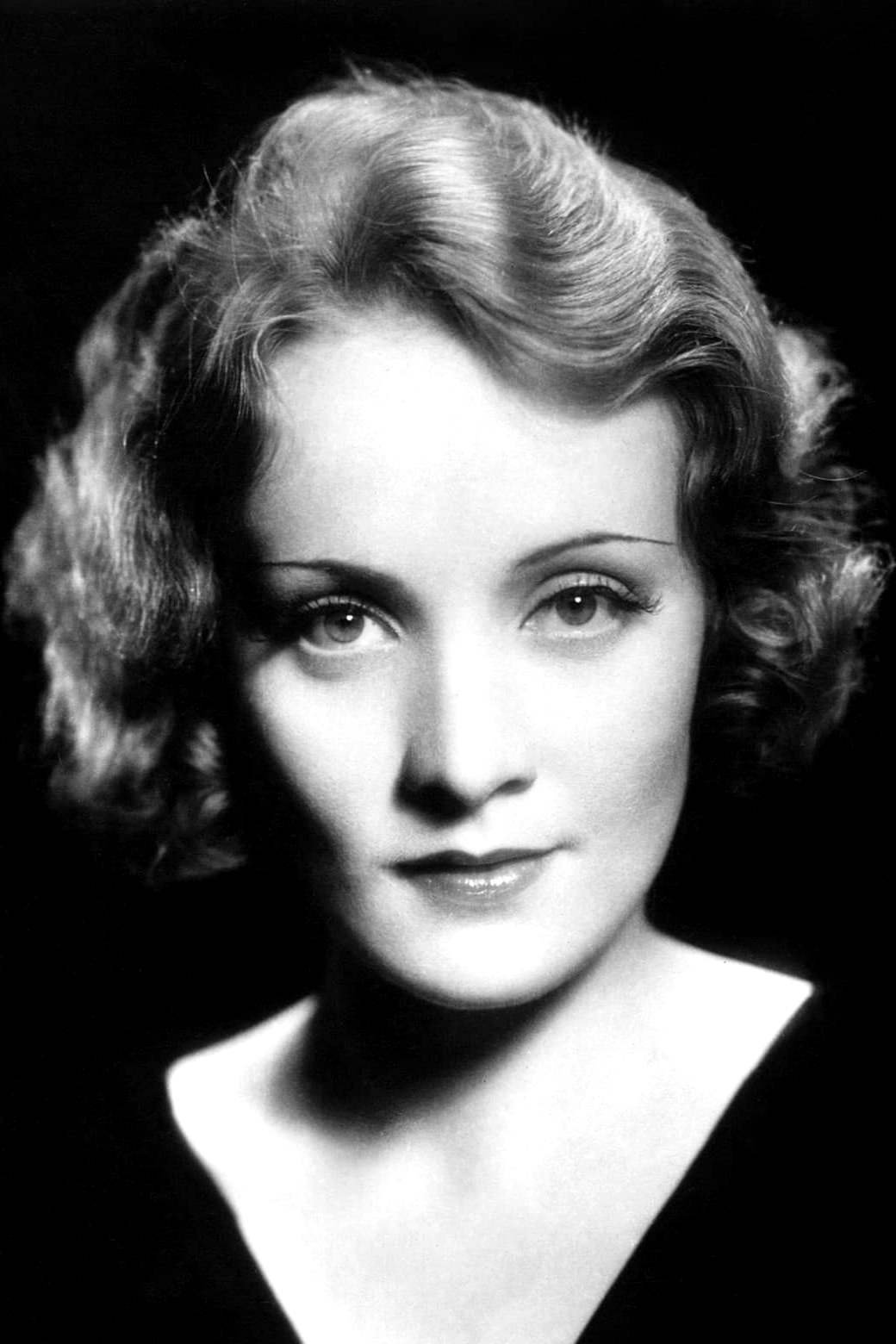
Paramount Pictures marketed her as a glamorous seductress to hide her off-screen relationships with women. Her contract included morality clauses that the studio used to maintain her public image as a heterosexual icon. Despite her fluid personal life, the studio controlled her wardrobe and public appearances to prevent rumors from reaching the mainstream public. This calculated grooming ensured she remained a viable box-office draw during the Golden Age of Hollywood. Her life was a constant negotiation between her private reality and the studio’s carefully crafted fantasy.
Greta Garbo
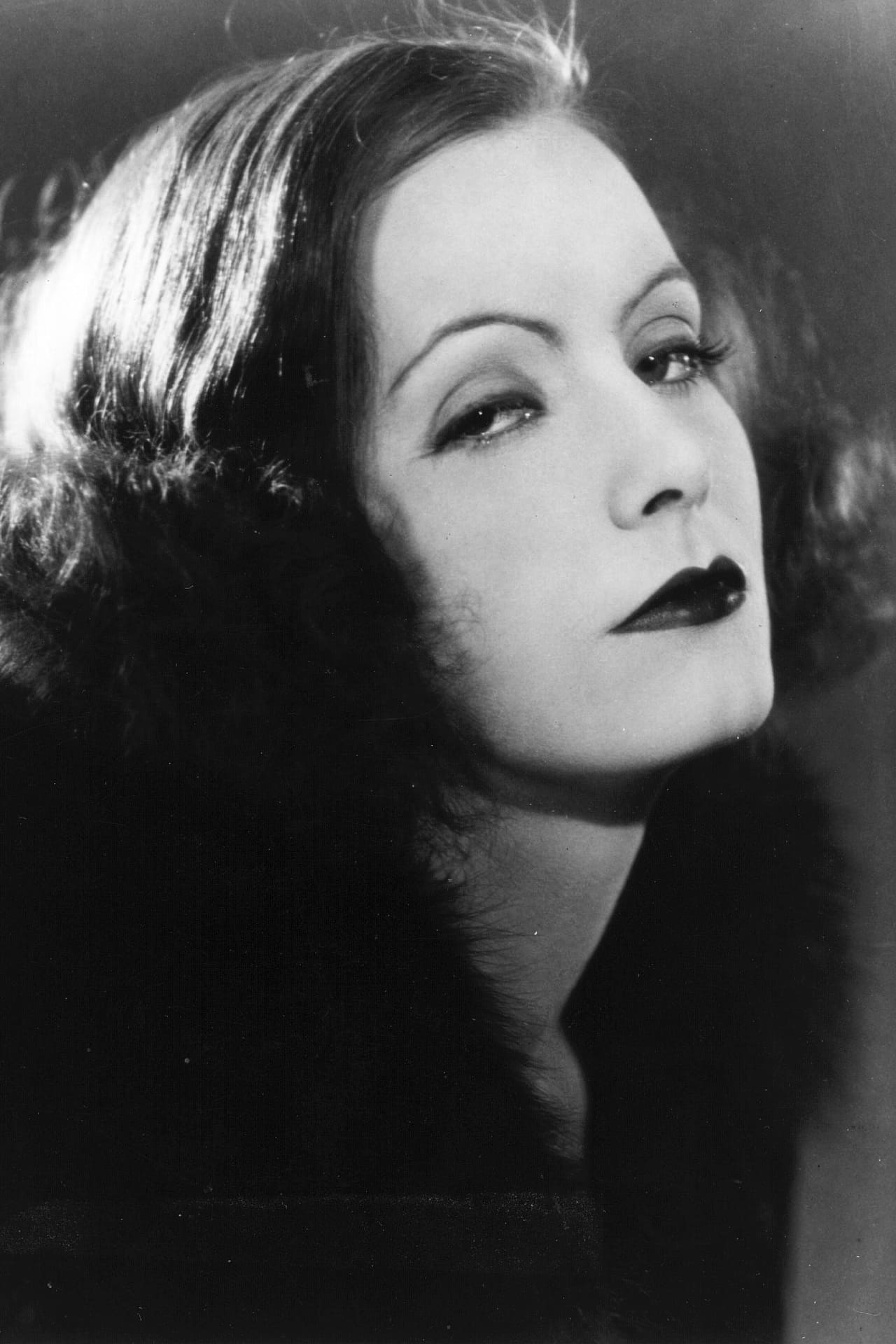
MGM famously maintained a veil of mystery around her to mask her private relationships with women like Mercedes de Acosta. The studio executives feared that her attraction to women would alienate conservative audiences and ruin her image as a romantic leading lady. They carefully curated her “hermit” persona as a marketing tool to avoid direct questions about her personal life. Garbo’s career flourished under this intense secrecy, though it came at the cost of her personal freedom. This enforced silence became a hallmark of her career and her enduring legacy in film history.
Barbara Stanwyck
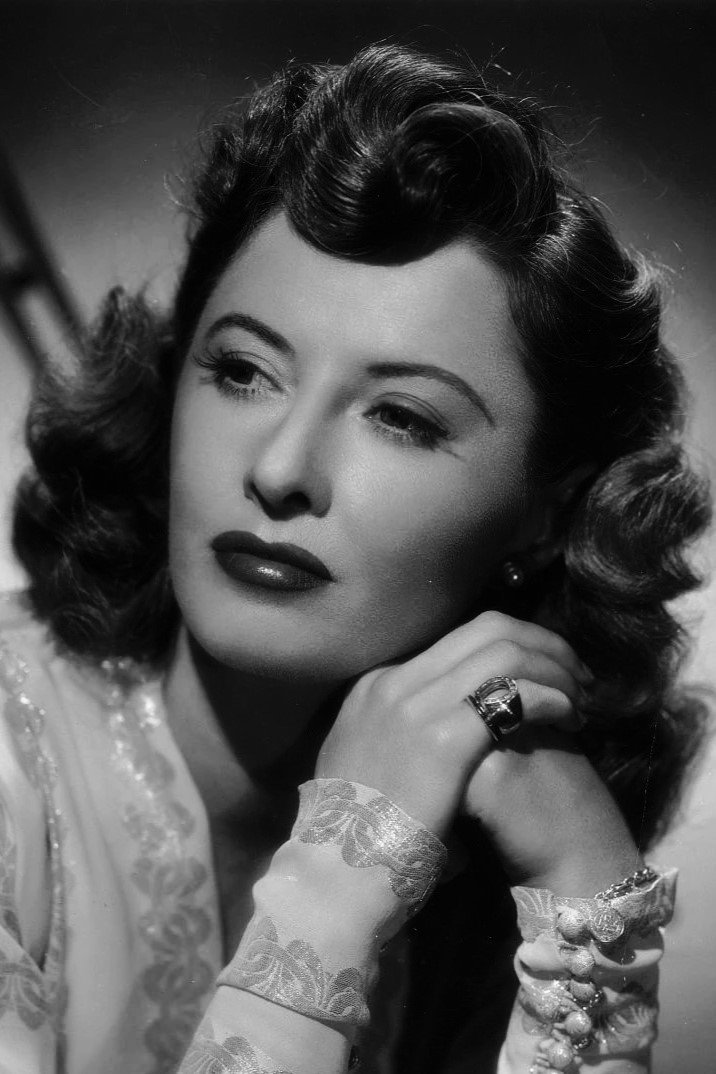
The star of ‘Double Indemnity’ was subject to studio-arranged marriages to protect her “tough girl” image from rumors about her sexuality. Hollywood studios in the 1930s and 1940s often used these “lavender marriages” to present a stable, heterosexual front to the public. Stanwyck remained private about her personal affairs throughout her long and successful career in film and television. Her professional longevity was partly dependent on her ability to navigate these rigid industry expectations. She never officially came out during her lifetime, adhering to the code of discretion established by the studio system.
Alla Nazimova
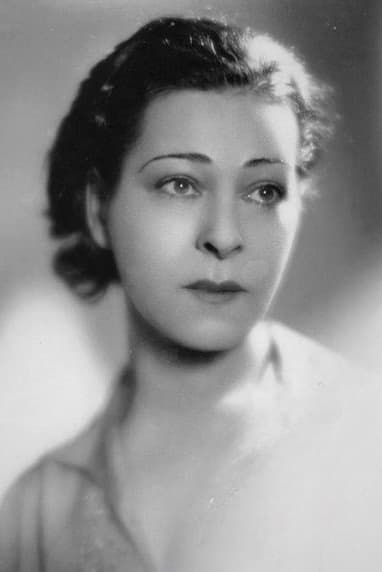
The silent film icon was eventually blacklisted by major studios once her lifestyle in her “Garden of Allah” estate became too public. She was forced into a lavender marriage with Charles Bryant to maintain a facade of domesticity for her fans. Despite her immense talent, the industry’s shift toward more conservative “Hays Code” standards effectively marginalized her. Nazimova’s career suffered significantly as she refused to fully abandon her identity for the sake of studio demands. Her story remains a stark example of how the early film industry penalized those who lived outside its moral boundaries.
Patsy Kelly
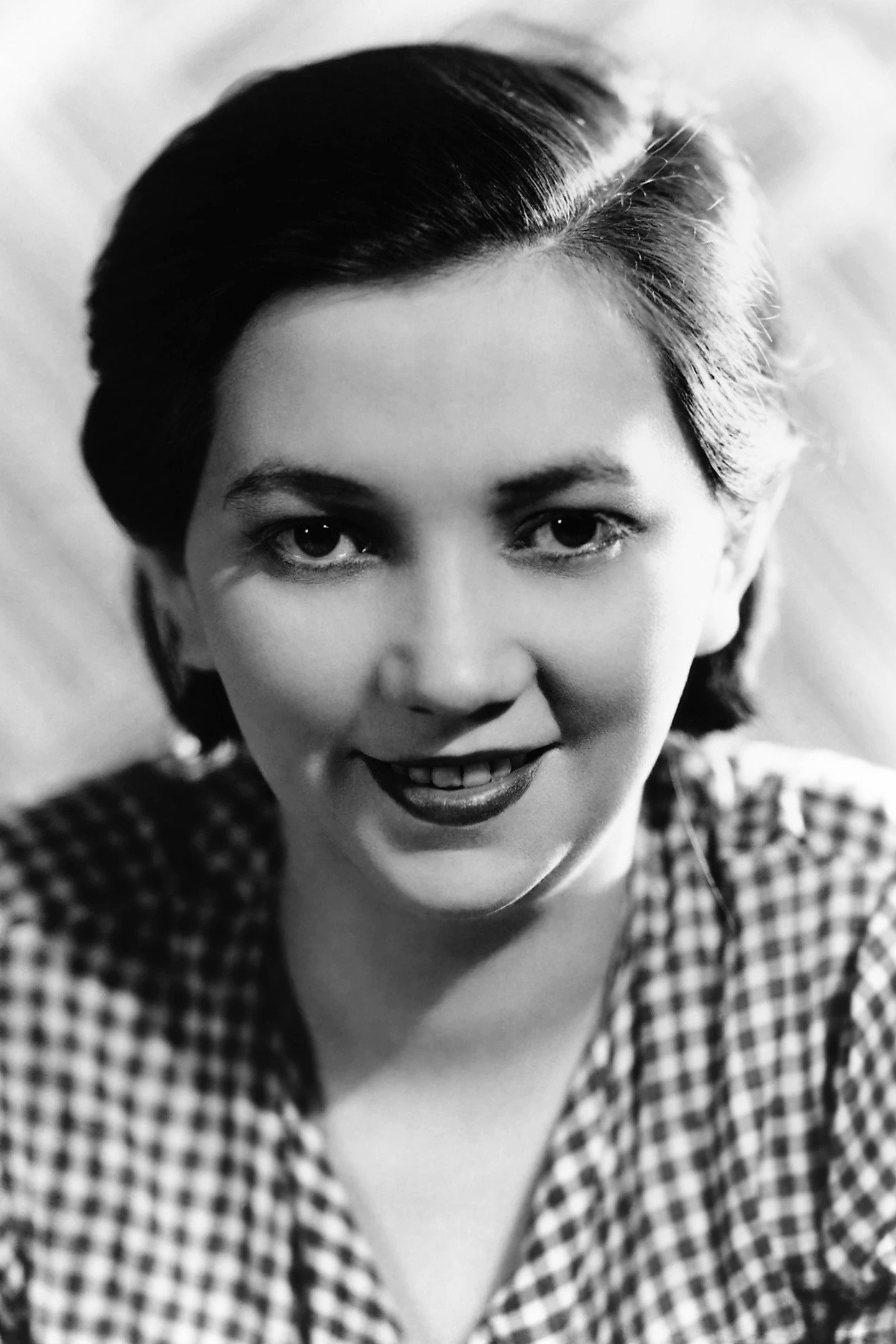
During the 1930s, this comedic actress was an open secret in Hollywood until Hal Roach Studios decided her visibility was a liability. She was pressured to hide her relationships and was eventually phased out of major productions as the industry’s moral policing intensified. Kelly’s career never fully recovered from the studio-enforced hiatus that followed her refusal to play by their rules. She remains a notable example of the professional price paid by early queer performers in the studio system. Despite the suppression, she later returned to the screen in character roles during the 1960s.
Tallulah Bankhead

Though known for her outrageous personality, major studios worked tirelessly to frame her relationships with women as mere eccentricities. Executives often interceded to keep her name out of the scandal sheets by emphasizing her various dalliances with men. She faced constant pressure to adhere to the traditional femininity expected of a Broadway and film star of her stature. This forced compartmentalization allowed her to continue working in ‘Lifeboat’ and other high-profile projects. Her public image was a constant battle between her natural defiance and the studio’s need for decorum.
Agnes Moorehead
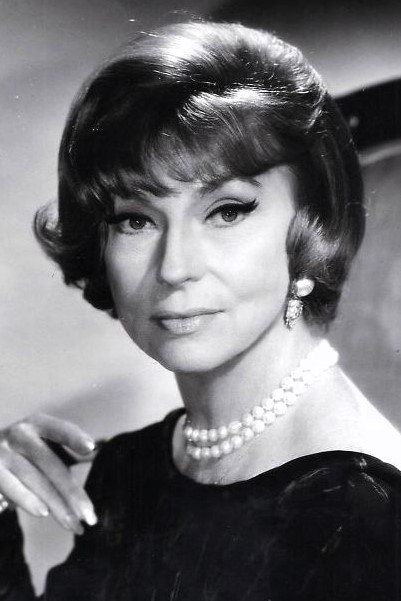
Known to many as Endora on ‘Bewitched’, she was often referred to as “The Lavender Lady of Hollywood” due to her closely guarded private life. Studios and publicists managed her image to ensure her professional viability as a respected character actress. While her sexuality was widely discussed in industry circles, it was never allowed to become public knowledge during her lifetime. She maintained a strict separation between her work and her personal life to satisfy the requirements of the era. This professional distance was a common survival strategy for many actresses of her generation.
Lily Tomlin
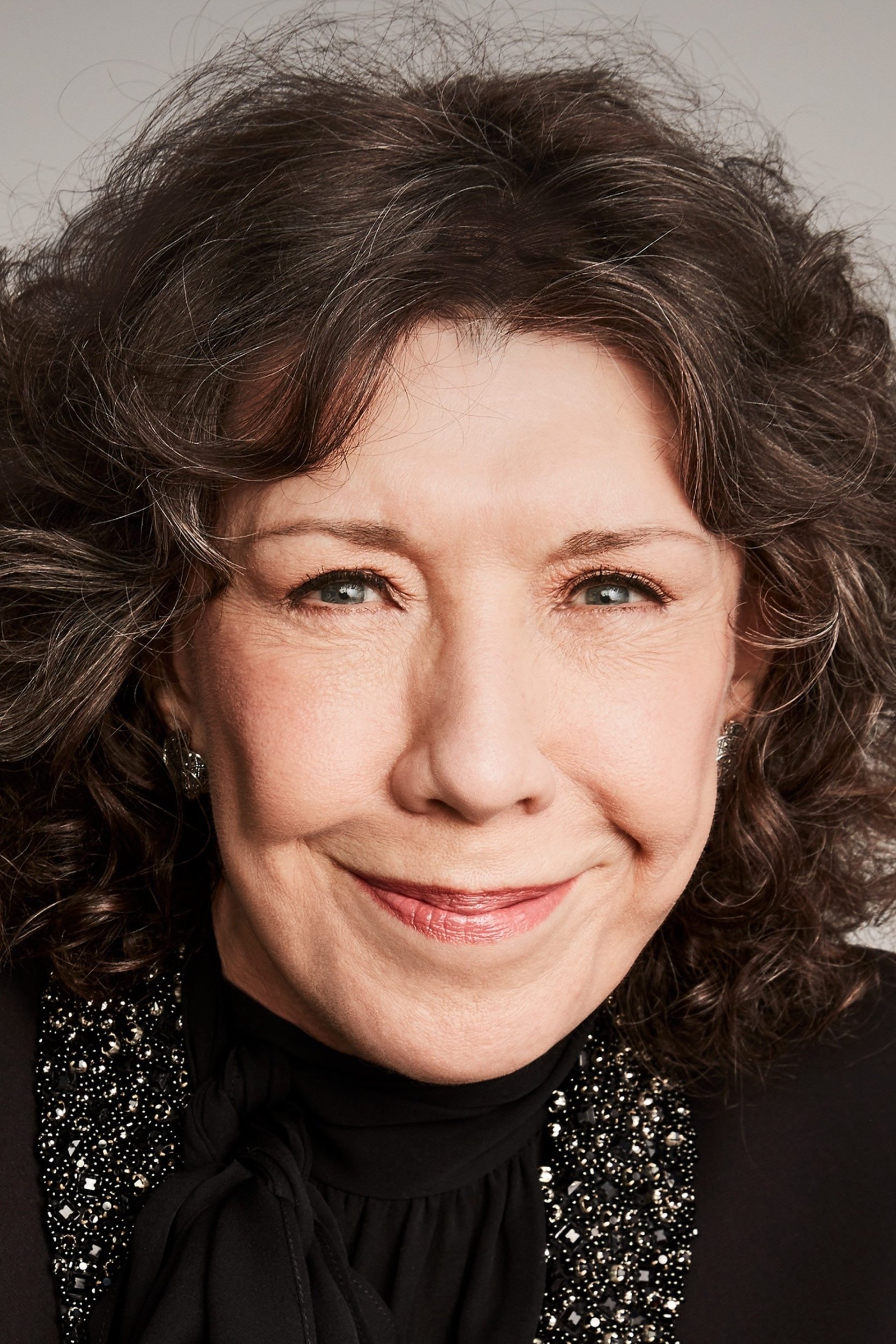
In the 1970s, publicists and agents warned her that coming out would instantly end her career as a comedic star. She famously walked out of an interview on ‘The Tonight Show’ when the line of questioning turned too personal. Tomlin remained private about her decades-long relationship with Jane Wagner until the industry environment became more accepting. This long-term discretion was a direct result of the systemic homophobia prevalent in major Hollywood studios for decades. She has since become an icon for the community, but her early career was defined by industry-mandated silence.
Kelly McGillis
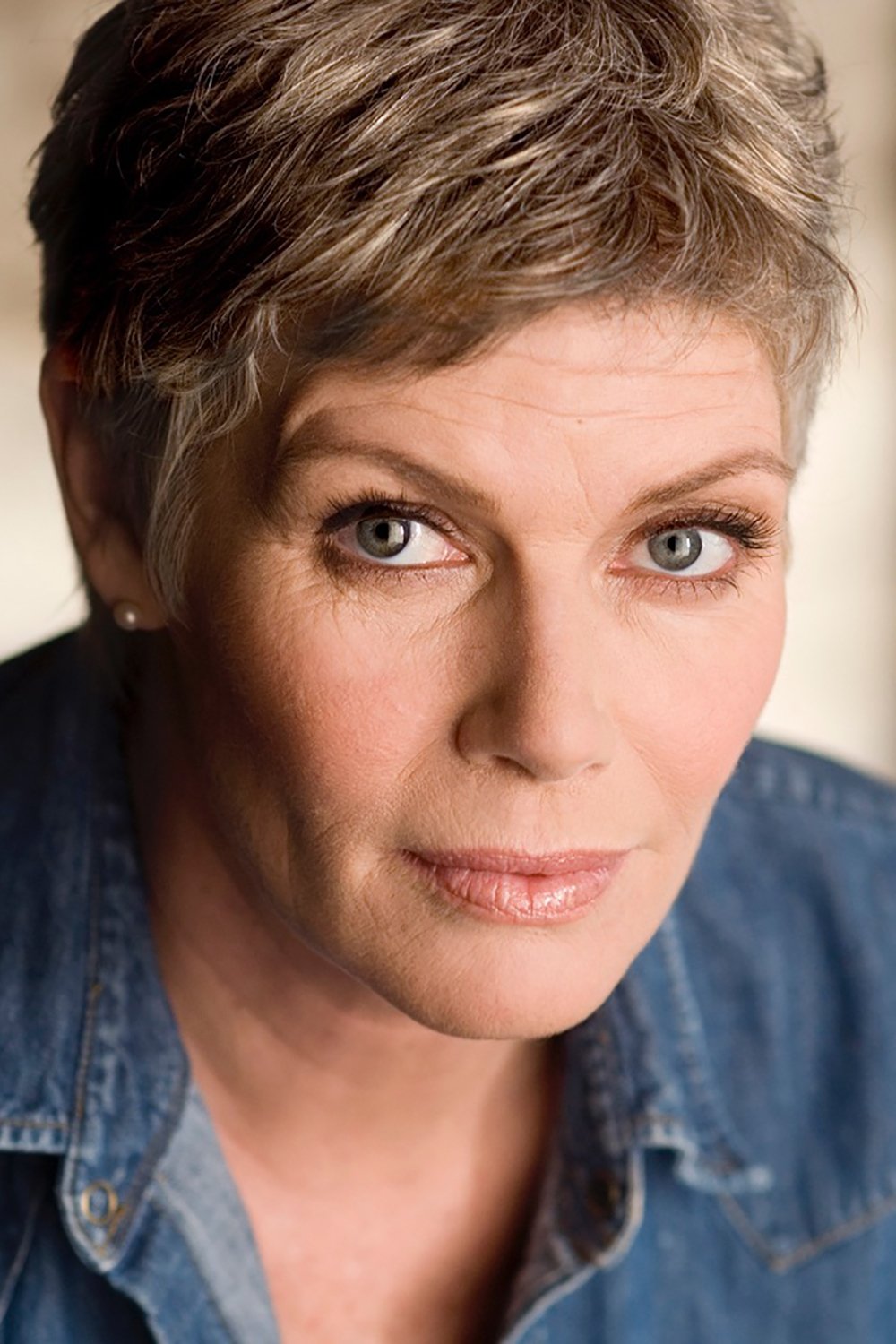
After the massive success of ‘Top Gun’, she faced immense pressure to maintain the image of a traditional romantic leading lady. Producers and agents encouraged her to keep her personal life hidden to avoid jeopardizing her “girl next door” appeal. She eventually chose to distance herself from the Hollywood spotlight as the requirements of the closet became too burdensome. McGillis later spoke about how the industry’s lack of support for queer actresses influenced her career path and personal happiness. Her experience highlights the difficult choices forced upon women who reached the pinnacle of stardom.
Jodie Foster
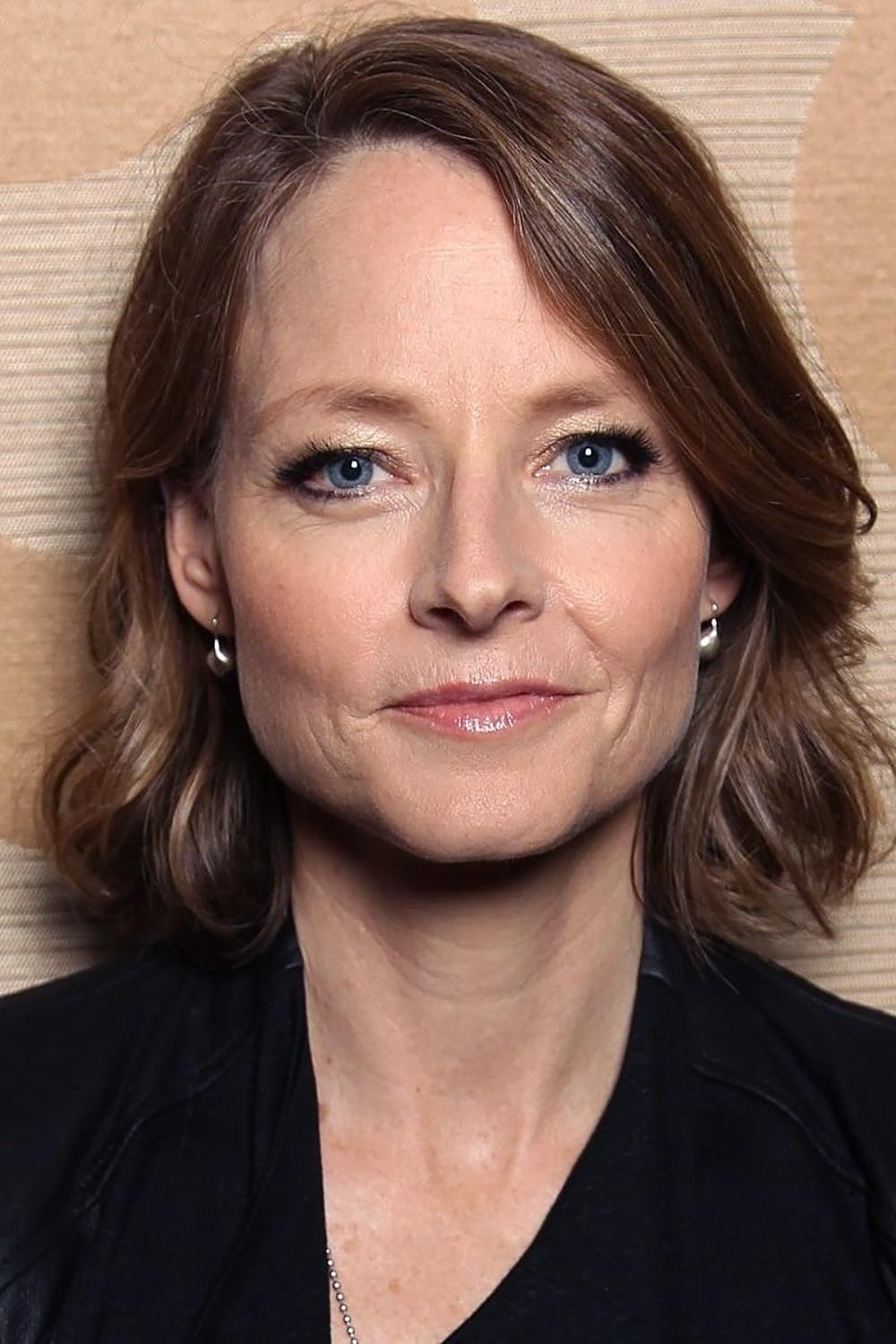
For much of her career, Foster was the subject of intense media speculation while the industry protected her “private” image. Major studios and high-powered agents facilitated her silence to ensure her roles in films like ‘The Silence of the Lambs’ remained unclouded by her personal life. This long-standing “open secret” was maintained through a complex network of professional loyalty and industry standards. She finally addressed her sexuality publicly during a career-spanning speech later in life, ending decades of speculation. Her journey reflects the slow evolution of Hollywood’s acceptance of its most prominent stars.
Kristy McNichol

A massive teen idol in the late 1970s, she was under enormous pressure from television networks to maintain a wholesome, heterosexual image. The stress of living a double life contributed to her eventual departure from the spotlight at the height of her fame. Studios at the time were ill-equipped to handle a star who did not fit the traditional romantic mold. She eventually came out years later, citing the need for personal peace over professional expectations. Her retirement served as a quiet protest against the rigid demands of the entertainment industry.
Meredith Baxter

The star of ‘Family Ties’ was the quintessential “American Mom,” a role that required her to stay deep in the closet for years. NBC and production executives benefited from her public image, which left no room for her true identity. She has described the internal conflict of maintaining a heteronormative persona for the sake of her television career. Her decision to come out later in life revealed the decades of suppression she endured while working in the studio system. Baxter’s story is a testament to the longevity of the closet in the world of network television.
Ellen DeGeneres
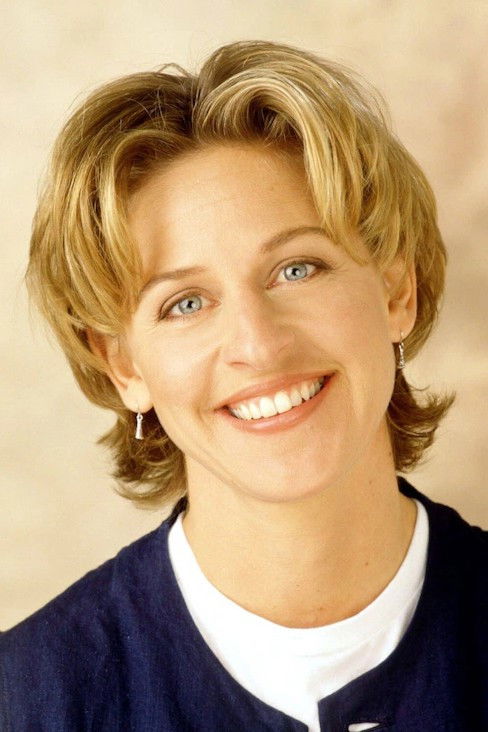
Before her historic coming out, she was repeatedly told by network executives that her career would be over if she revealed she was a lesbian. Disney and ABC were extremely hesitant to allow her character on ‘Ellen’ to come out, fearing a loss of advertisers and viewers. She was effectively forced to hide her identity for the first several years of her rise to fame. The subsequent backlash she faced, including a brief career hiatus, proved that the studio’s fears were rooted in a very real, systemic prejudice. Her ultimate return to success marked a turning point for the industry at large.
Portia de Rossi
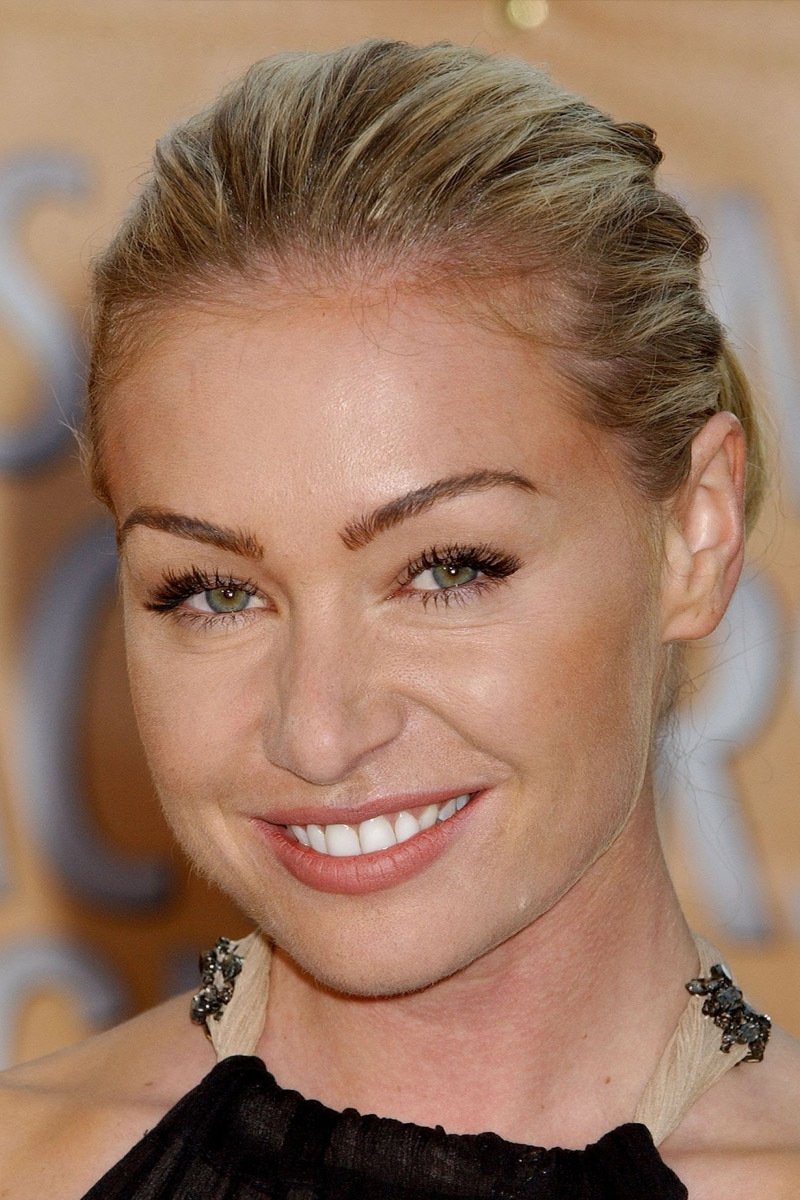
During her tenure on the hit show ‘Ally McBeal’, she felt intense pressure to embody the “perfect woman” stereotype for the network. She has spoken openly about the eating disorders and mental health struggles she faced while trying to hide her sexuality from the public. Managers and agents at the time advised her that being out would prevent her from being cast in future romantic roles. Her move toward authenticity only came after she left the high-pressure environment of network television. Today, she is vocal about the psychological toll that industry-enforced closets take on performers.
Cynthia Nixon
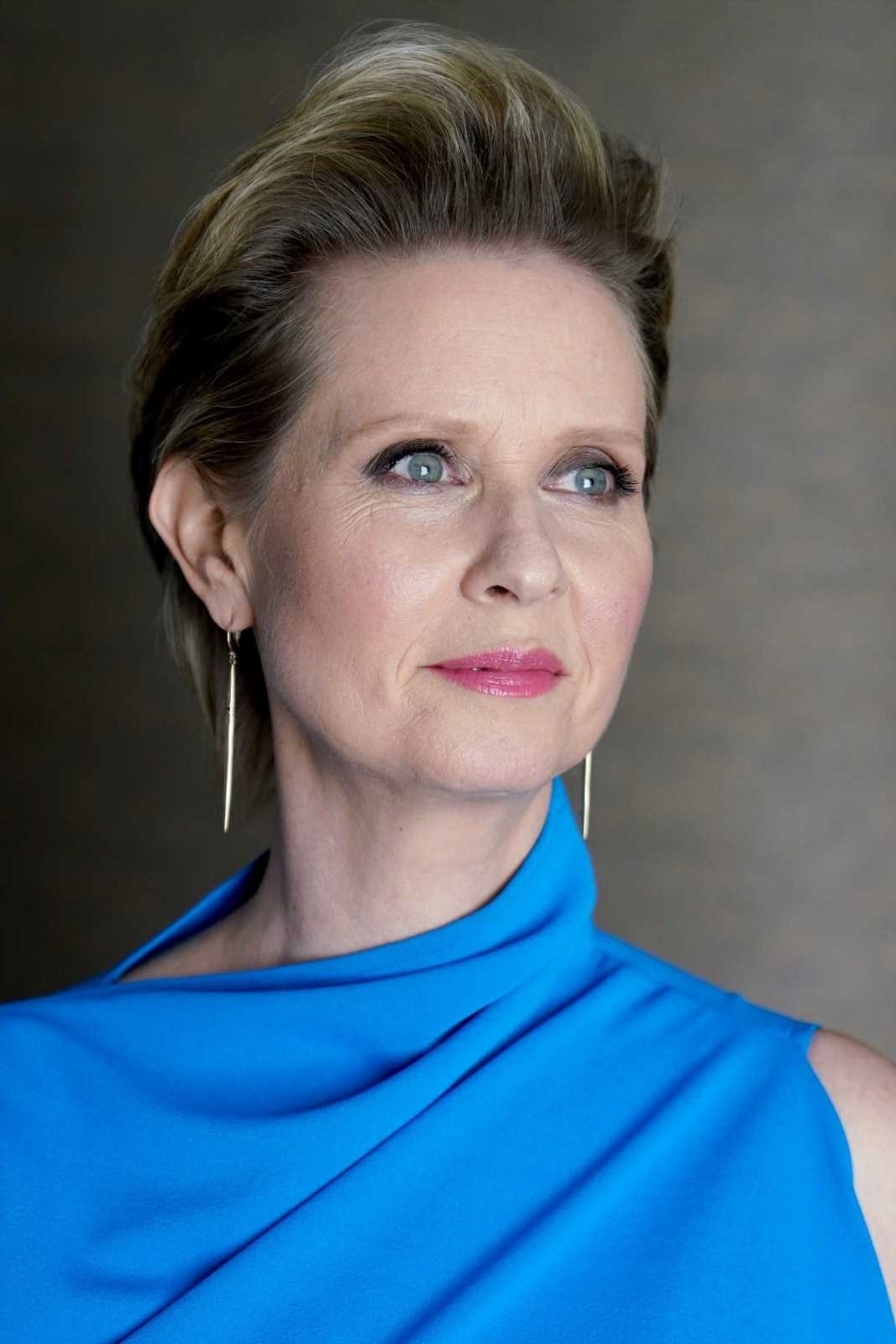
While starring in ‘Sex and the City’, she lived a life that was carefully monitored to ensure her public image matched the show’s heteronormative themes. Though the show was progressive in some ways, the industry’s expectations for its stars remained very traditional regarding their personal lives. She has since become a vocal advocate for LGBTQ+ rights, but her early years in the spotlight were marked by standard industry discretion. The shift in her career toward activism occurred only after she felt secure enough to challenge those studio norms. Nixon now uses her platform to fight for the visibility she was once denied.
Cherry Jones
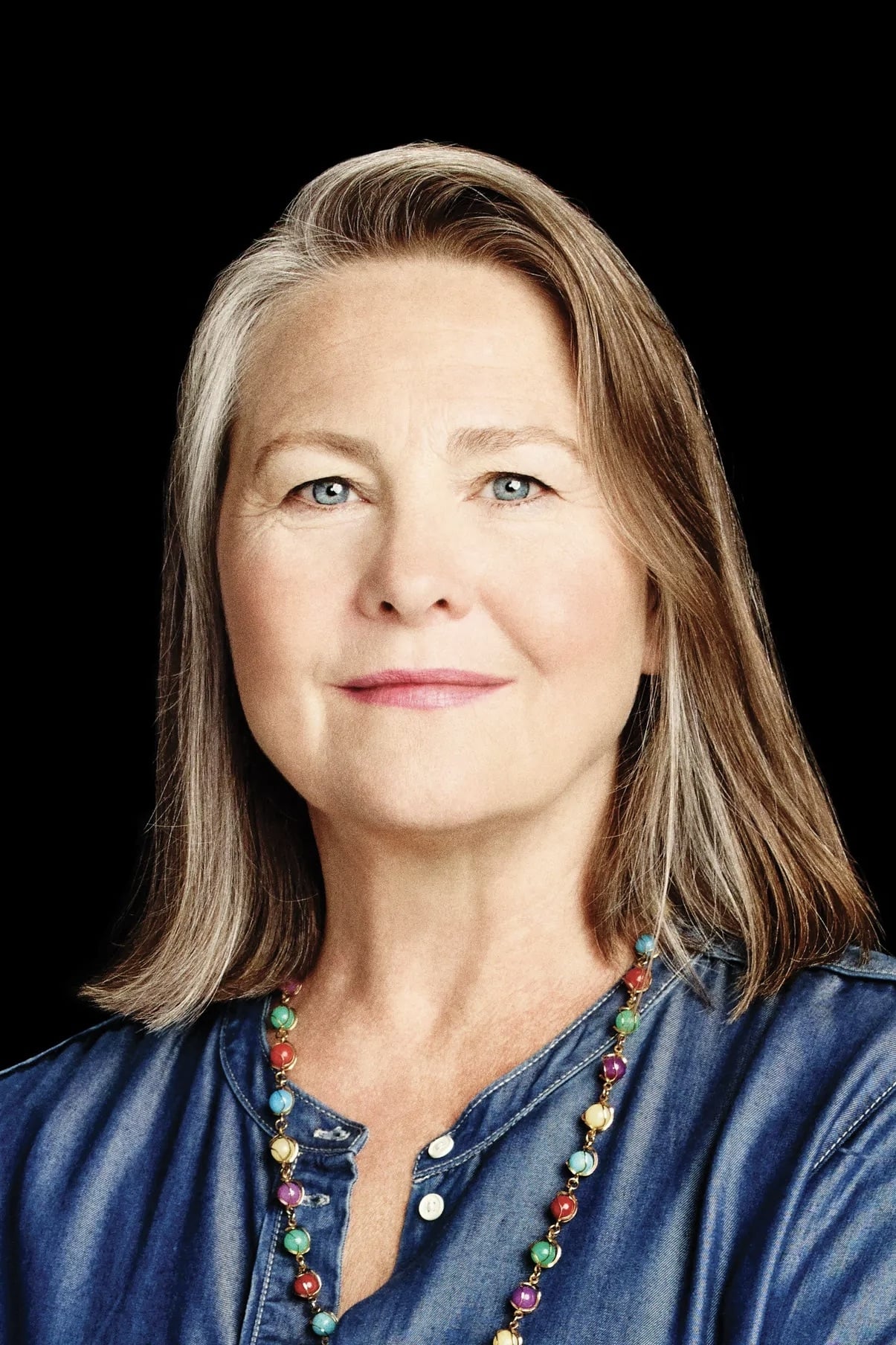
This Tony-winning actress was frequently warned by industry veterans that her film and television career would be limited if she were too public about her sexuality. While she was out in the theater world, the transition to major studio projects often required a more guarded approach. She noted that leading roles in film were particularly difficult to secure for actresses who did not conform to traditional expectations. Jones has maintained a successful career despite these systemic hurdles, often opting for complex character roles in shows like ’24’. Her success proved that talent could eventually transcend the limitations of the closet.
Fiona Shaw
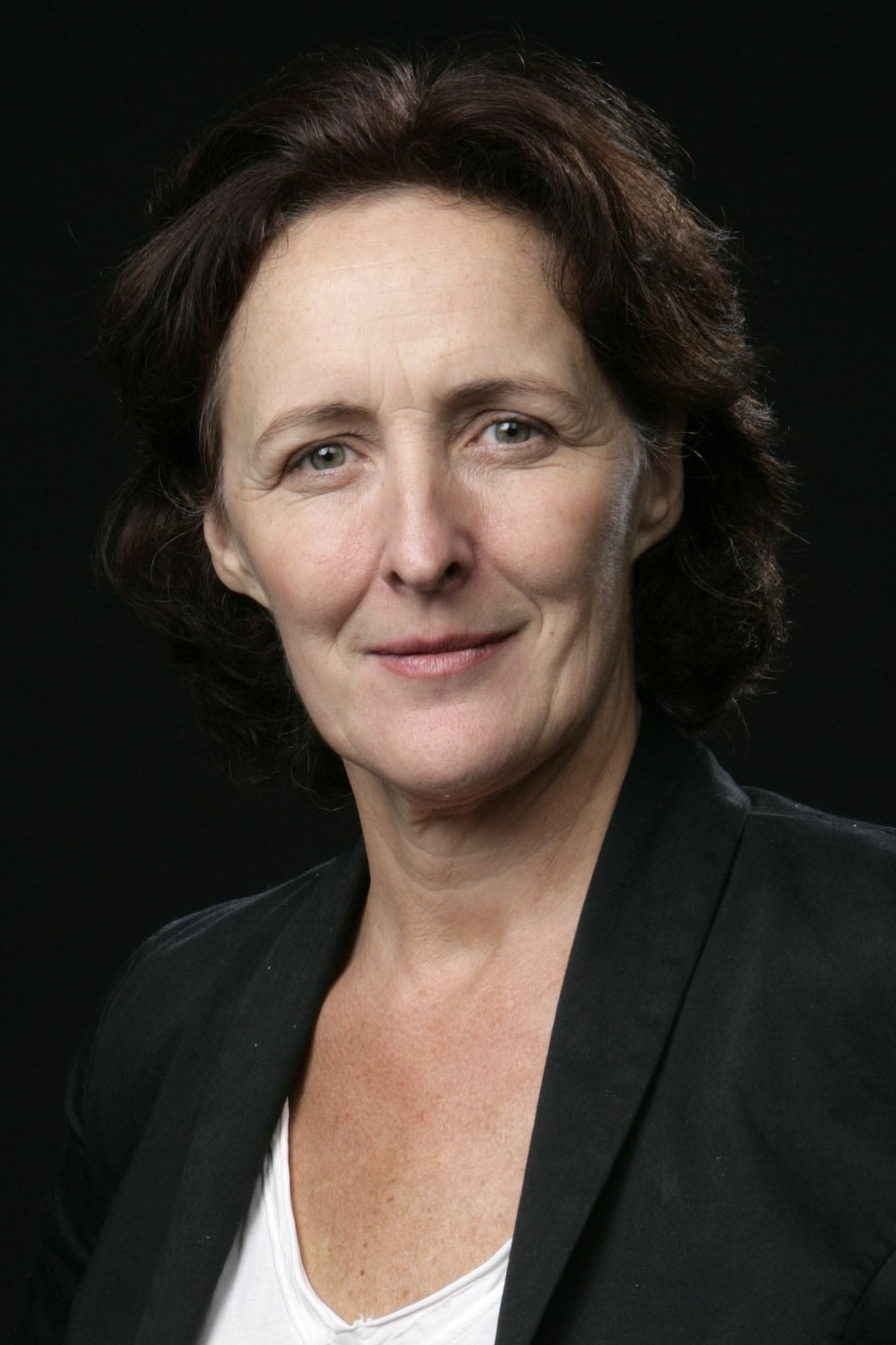
The ‘Killing Eve’ star has discussed how her sexuality was viewed as a potential hindrance by film studios during the 1980s and 1990s. She felt an unspoken pressure to keep her private life separate from her professional persona to ensure a steady stream of work. In the British and American film industries, the leading lady archetype was strictly guarded against any queer associations. Her recent success in major franchises shows a significant shift in how the industry treats veteran out actresses. Shaw’s career longevity highlights the changing tides of professional acceptance in the entertainment world.
Sophie Ward
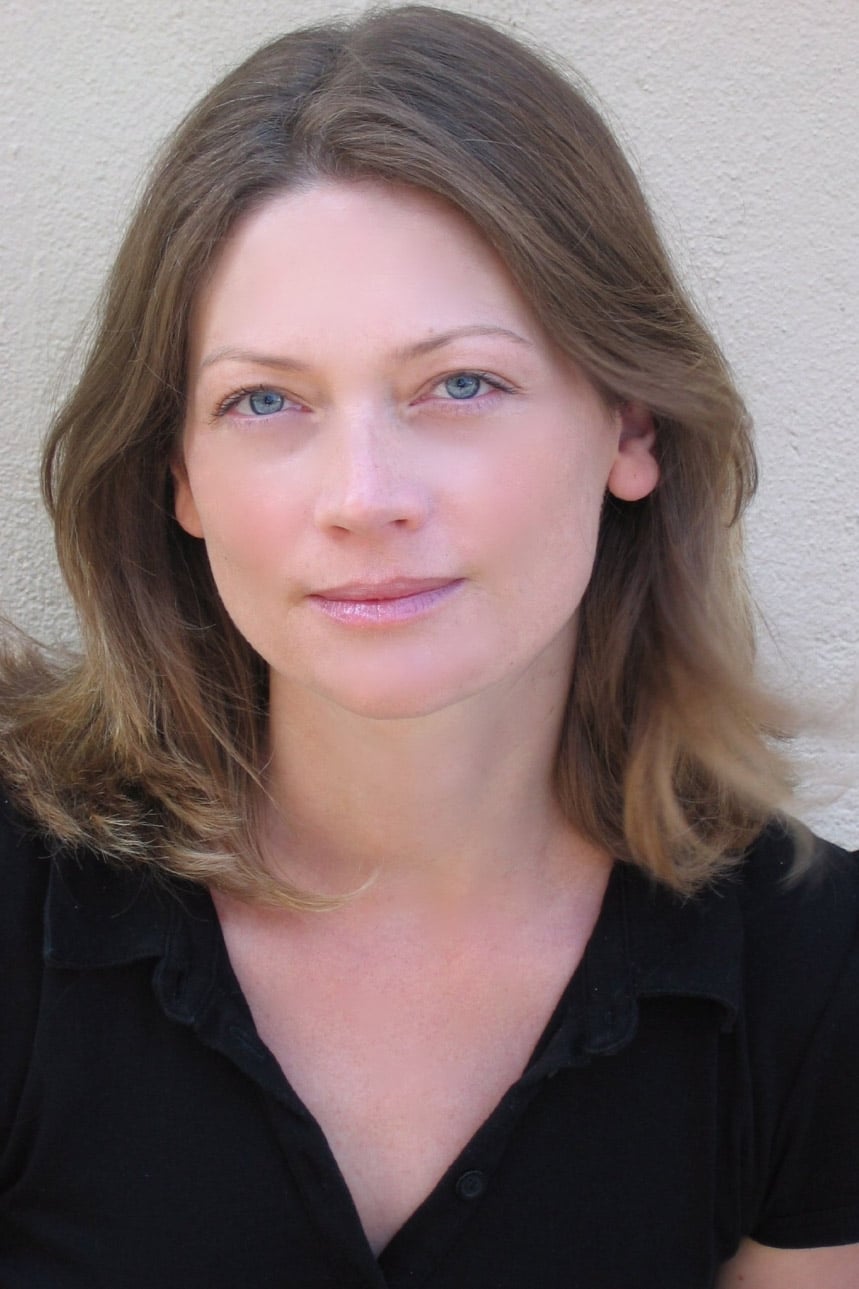
After coming out in the mid-1990s, this British actress experienced a noticeable decline in offers from major film studios. She has stated that the industry’s perception of her changed overnight, moving her from a leading lady to a “niche” performer. The pressure to stay in the closet was reinforced by the sudden lack of high-profile opportunities following her disclosure. Ward’s experience serves as a cautionary tale of how the studio system once penalized honesty with professional exclusion. Despite this, she has continued to work in independent film and theater, maintaining her artistic integrity.
Amanda Bearse
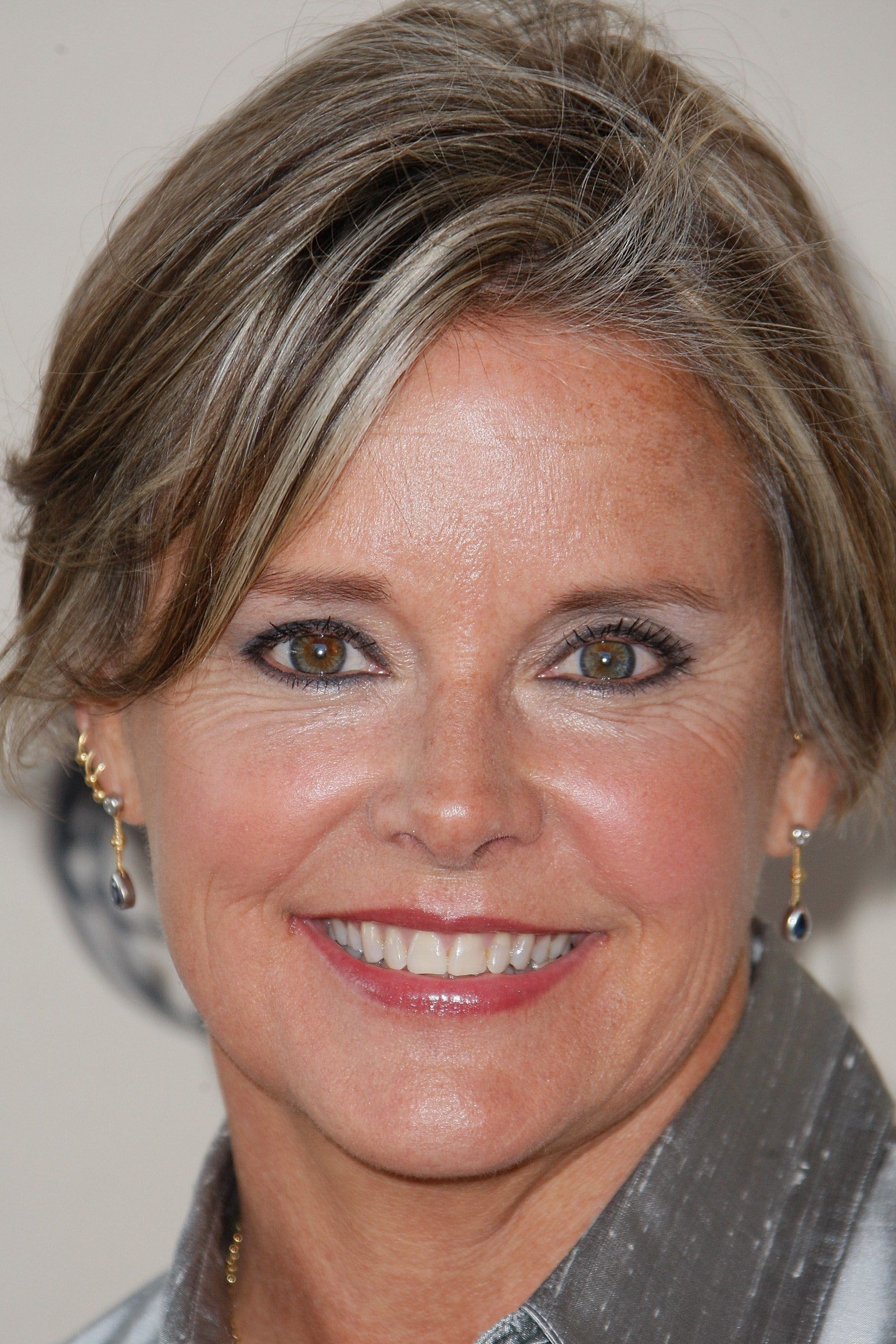
As a star on ‘Married… with Children’, she was one of the few actresses to come out during the height of a show’s popularity. While her castmates were supportive, the broader industry and studio environment became significantly less welcoming. She found that guest-starring roles and new projects were harder to secure once her sexuality was public knowledge. This forced her to shift her focus toward directing, where she found more consistent work away from the camera. Bearse’s career transition was a direct response to the limitations placed on out actresses in the 1990s.
Holland Taylor
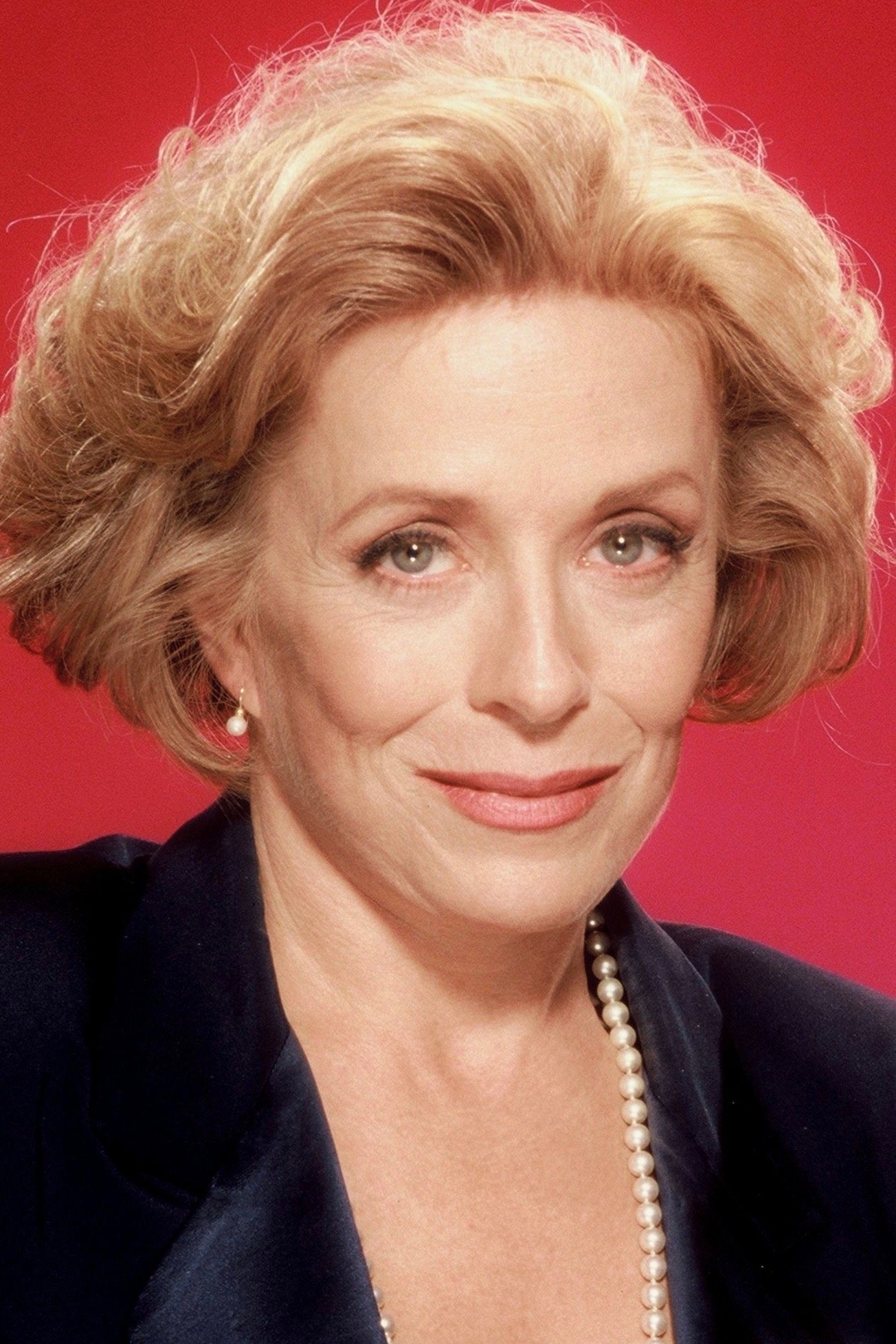
The veteran actress, known for ‘The Practice’ and ‘Two and a Half Men’, navigated Hollywood for decades under the rule of “don’t ask, don’t tell.” The studio system she entered favored a high level of discretion, especially for actresses who wanted to maintain long-term careers. She has spoken about the naturalness of her privacy, which was also a survival mechanism within the industry. It was only much later in her career that she felt comfortable discussing her relationship with Sarah Paulson. Her journey reflects the generational shift in how Hollywood stars manage their personal lives.
Jane Lynch
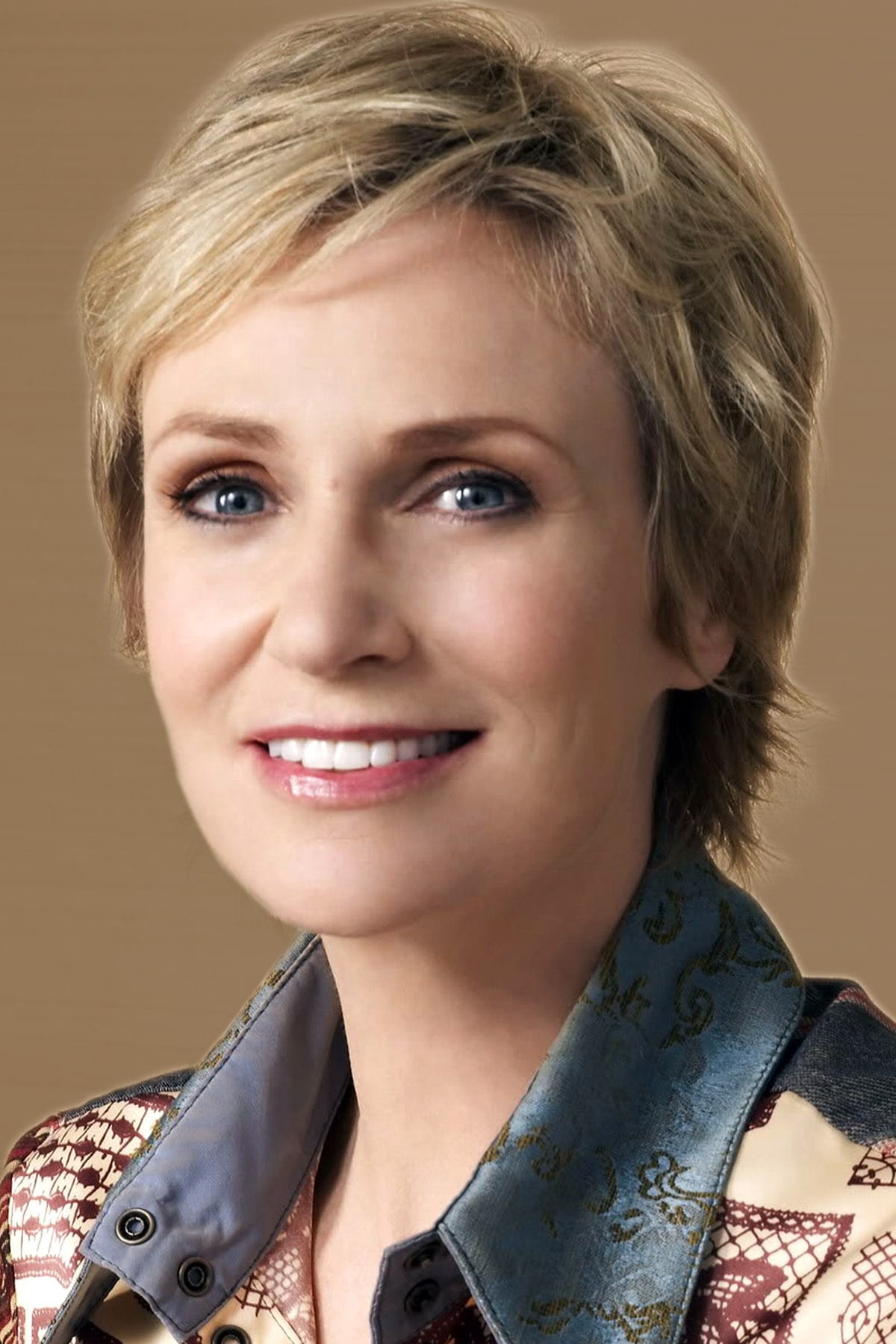
Before her breakout role in ‘Glee’, Lynch spent years as a reliable character actress who kept her personal life entirely separate from her work. Major studios often cast her in roles that avoided any mention of her personal identity, allowing her to work without industry questioning. She has noted that the landscape changed significantly during her career, allowing her to eventually be out without losing work. However, her early years were defined by the standard Hollywood requirement of professional anonymity to avoid typecasting. Lynch’s eventually public identity has made her one of the most recognizable queer women in comedy.
Wanda Sykes
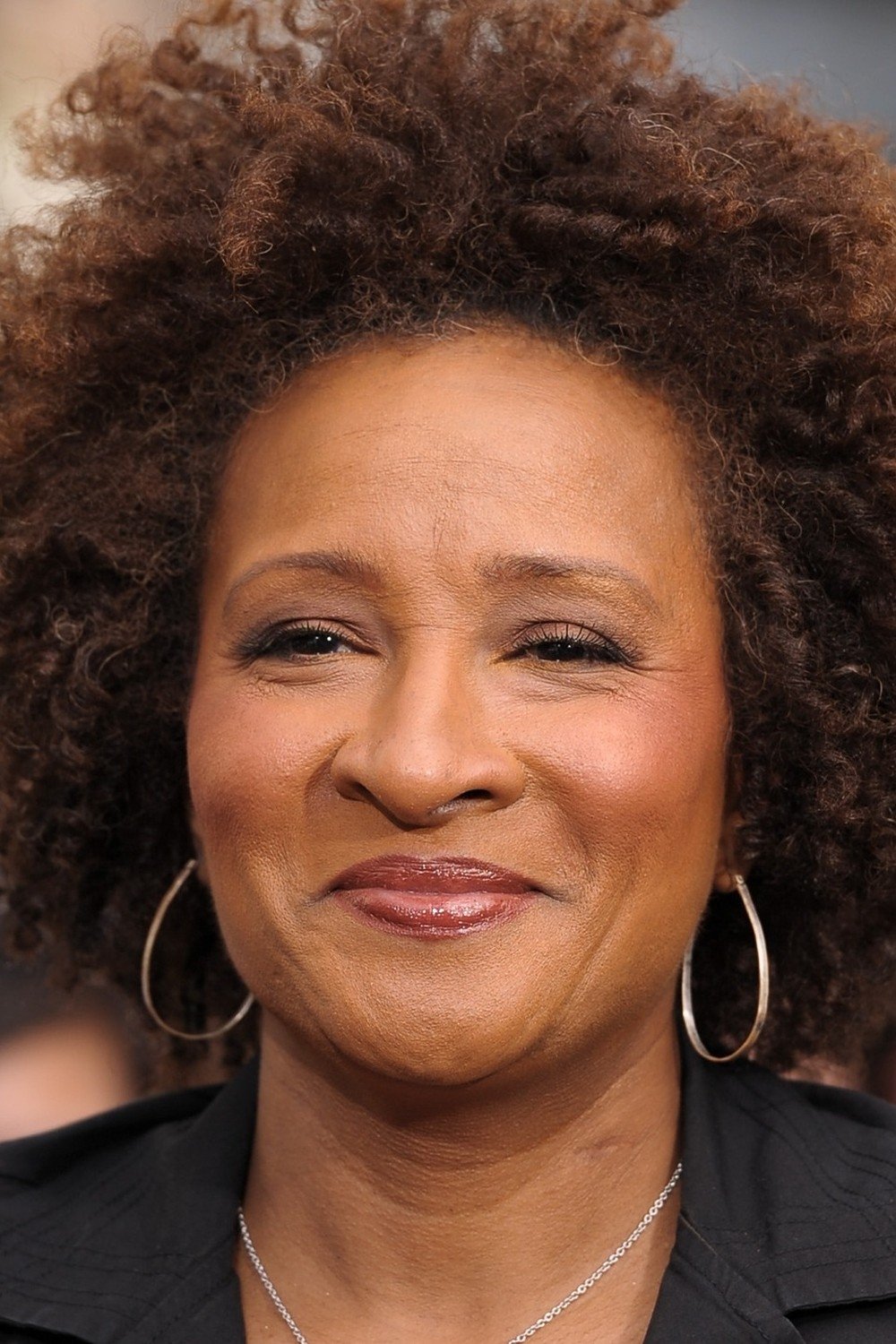
For much of her early career in stand-up and television, she did not discuss her private life to avoid being pigeonholed by executives. The pressure to appeal to a broad, mainstream audience often meant omitting any mention of a female partner in her material. She eventually came out during a rally in 2008, a move that was seen as a bold defiance of industry norms. Since then, she has been a vocal critic of the ways major studios once expected queer performers to remain hidden for marketability. Her career has only grown since she stepped out of the shadow of the closet.
Raven-Symoné
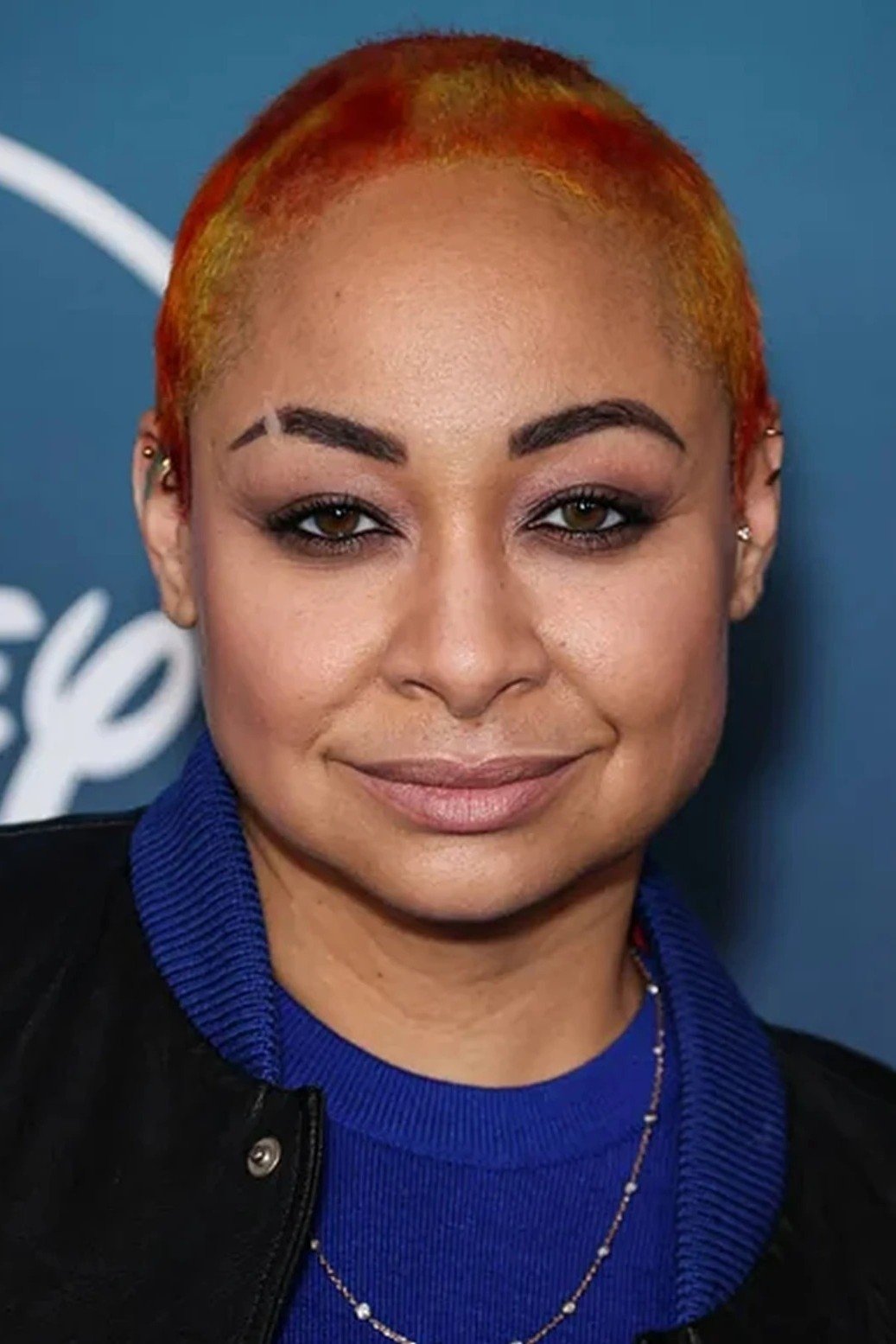
As a major child star and lead of ‘That’s So Raven’, she was under immense pressure from Disney to maintain a specific public image. The studio’s focus on “family-friendly” branding left no room for her to explore or express her true identity during her teen years. She has since described the feeling of being a “brand” rather than a person during her time as a network star. Coming out later in life allowed her to break free from the constraints imposed by her early career handlers. She remains an important figure for those who grew up under the heavy expectations of studio branding.
Sara Gilbert

During the original run of ‘Roseanne’, she remained closeted to protect her career and the show’s reputation with its midwestern audience. She has credited her co-star Roseanne Barr for being supportive, but the network and studio environment was much more restrictive. The fear of being typecast or losing her “girl next door” status kept her from living authentically in the public eye. Gilbert eventually came out on her own terms once she became a producer and talk show host on ‘The Talk’. Her experience illustrates the specific pressures faced by stars of high-rated network sitcoms.
Linda Hunt
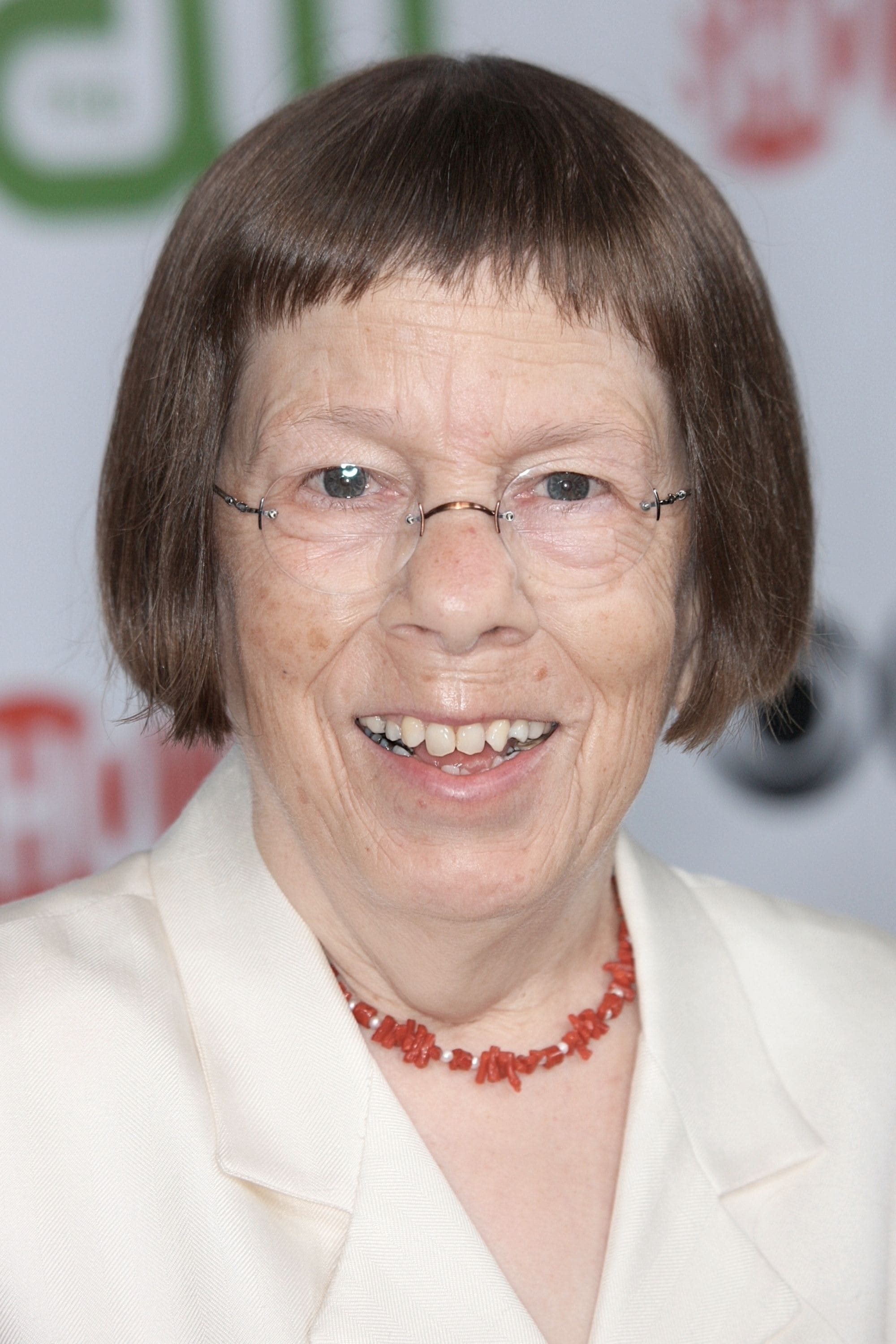
The Oscar-winning actress from ‘The Year of Living Dangerously’ has maintained a very private life throughout her decades in Hollywood. The industry during her peak years expected character actors to remain “blank slates” to avoid distracting from their performances. This discretion was often a forced choice for queer actors who wanted to avoid the professional sabotage often associated with being out. Hunt has lived with her partner for decades, but only in recent years has this become widely acknowledged by the public. Her career demonstrates how privacy was used as a tool for professional survival.
Clea DuVall
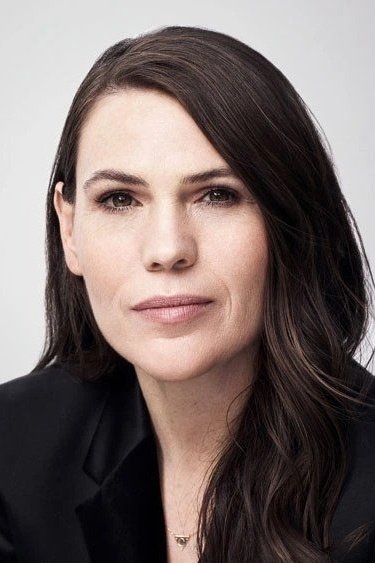
In the late 1990s, she was the go-to actress for edgy, alternative roles in films like ‘The Faculty’ and ‘Girl, Interrupted’. Despite her popularity, she was advised by industry professionals to keep her personal life vague to maintain her casting options. She has spoken about the anxiety of being outed and the pressure to perform a certain type of femininity on red carpets. Her transition to directing with ‘Happiest Season’ was a way to finally tell the stories she felt were suppressed early in her career. DuVall is now a leading voice in creating authentic queer representation in mainstream cinema.
Kristen Stewart
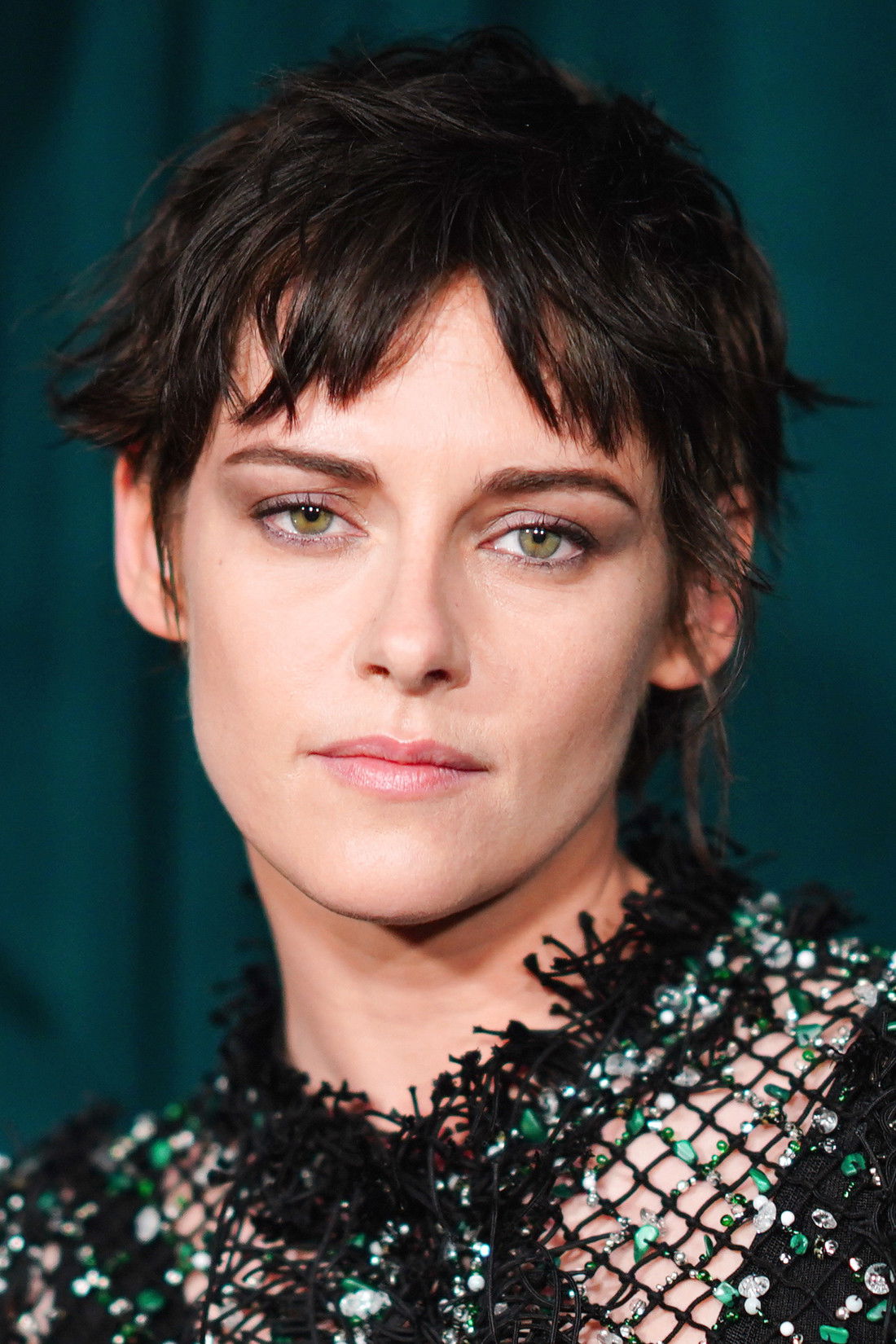
During the peak of ‘Twilight’ mania, Stewart was explicitly told that being seen holding a girlfriend’s hand could cost her a role in a ‘Marvel’ movie. The studio system and its agents were focused on maintaining her image as a heterosexual romantic lead to satisfy the global fan base. She has since criticized this “old-school” mentality that prioritizes marketability over an actor’s personal truth. Stewart now chooses to be completely open, rejecting the closet that the industry once tried to force her into. Her defiance marks a new era for leading ladies in major Hollywood franchises.
Amber Heard
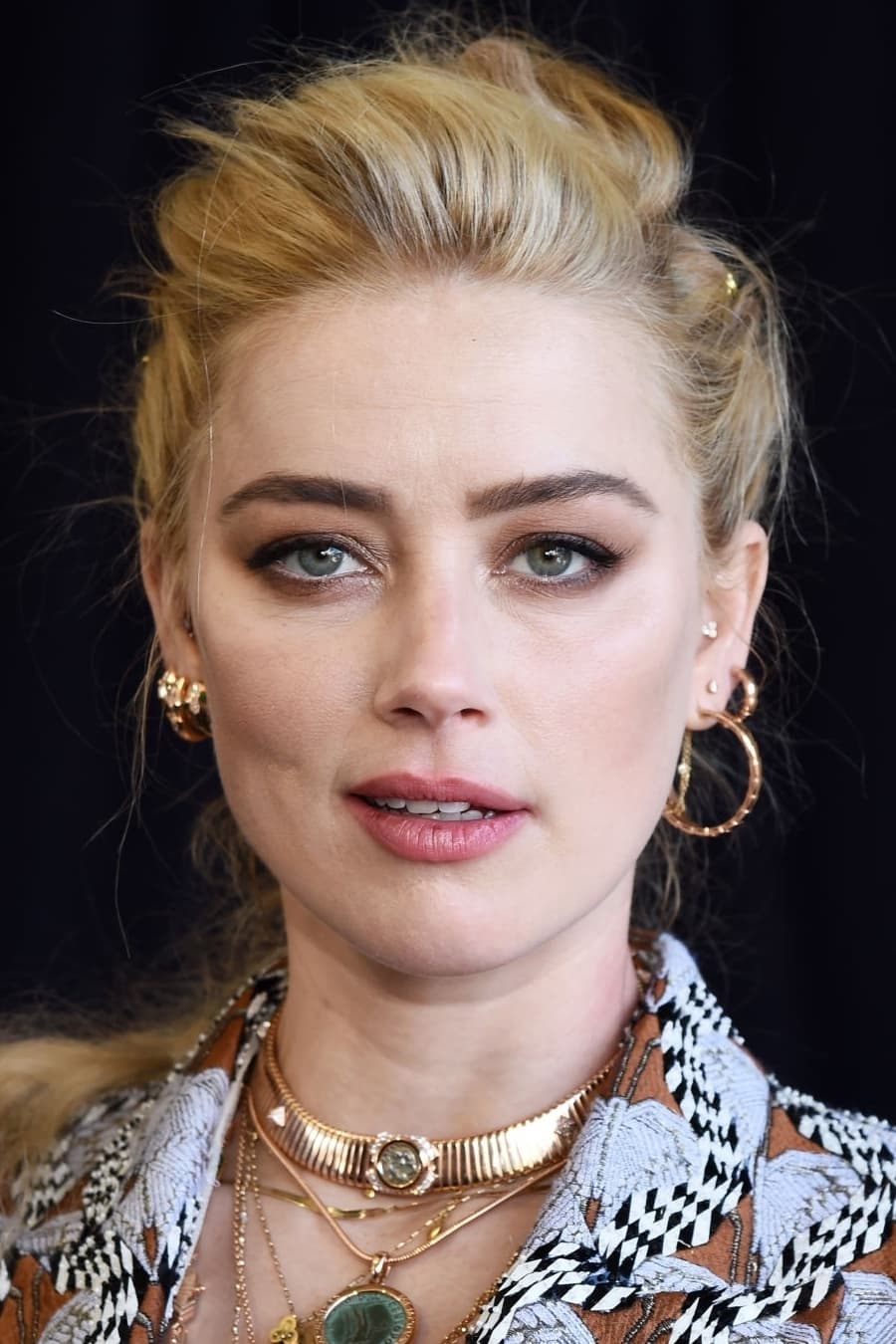
After coming out as bisexual early in her career, she was told by multiple industry insiders that she had “thrown away” her chance at becoming a leading lady. Producers warned her that audiences would not believe her in romantic roles opposite men if her relationships with women were public. She has frequently discussed the “hush-hush” nature of Hollywood when it comes to actresses who don’t fit the heterosexual mold. Despite this, she continued to work in major franchises like ‘Aquaman’ while remaining open about her identity. Her experience underscores the persistent biases that remain in the studio casting process.
Sarah Paulson
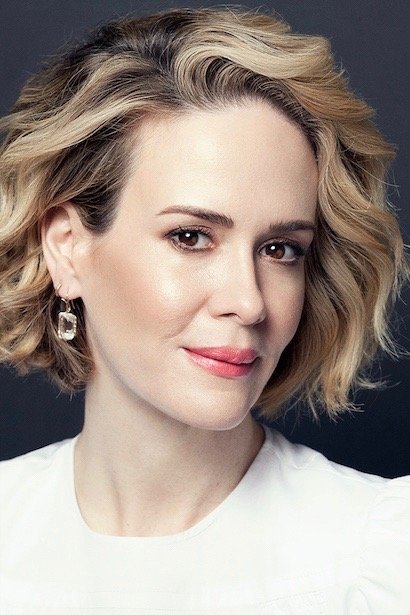
Early in her career, she was advised by people in the industry that her relationship with an older woman would be “detrimental” to her success. There was a strong belief that her personal choices would alienate studio executives and casting directors alike. She largely ignored this advice, though she admits it was a risky move in an industry that still favored the closet. Paulson’s eventual massive success with ‘American Horror Story’ proved that the industry’s traditional fears were increasingly outdated. She is now one of the most celebrated actresses in Hollywood, living her life openly.
Guinevere Turner
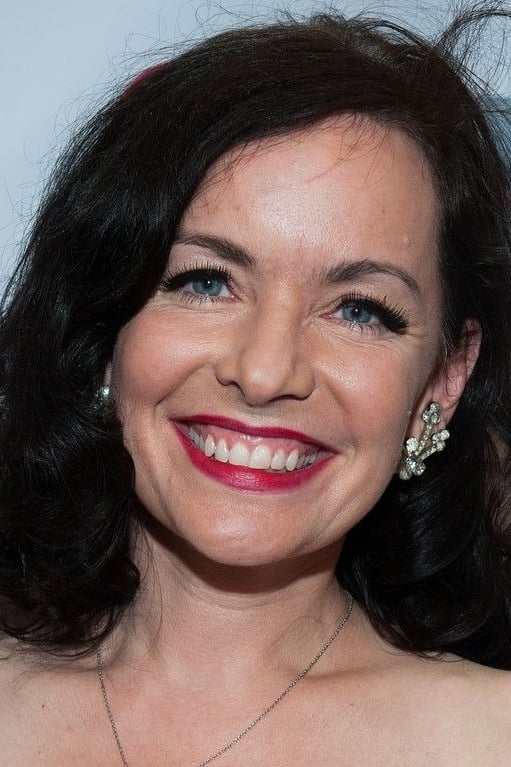
As the star and writer of ‘Go Fish’, she was a prominent face of the “New Queer Cinema” movement in the 1990s. However, she found that major Hollywood studios were far more resistant to her identity than the independent film world. She faced challenges in being cast in mainstream projects where executives preferred actresses who appeared “straight-passing.” Turner has continued to work as a successful screenwriter and actress, often highlighting the systemic barriers she encountered in the mainstream. Her career highlights the ongoing divide between independent artistic freedom and studio-driven constraints.
Please share your thoughts on the evolution of Hollywood’s treatment of LGBTQ+ actresses in the comments.