


Lesbian Stars Whose On-Screen Kisses Ignited Censor Debates




Moments of same-sex affection have a long history of running into broadcast “standards,” airline edits, and territorial cuts, and those controversies often get discussed around the shows or films rather than the people in them. To match your request, the entries below name the lesbian (or queer) stars up front and then point to the specific title and what, exactly, was challenged—warnings, affiliate refusals, pre-broadcast trims, or territorial edits—so readers can see where a brief kiss or romantic beat set off a wider debate.
Ellen DeGeneres
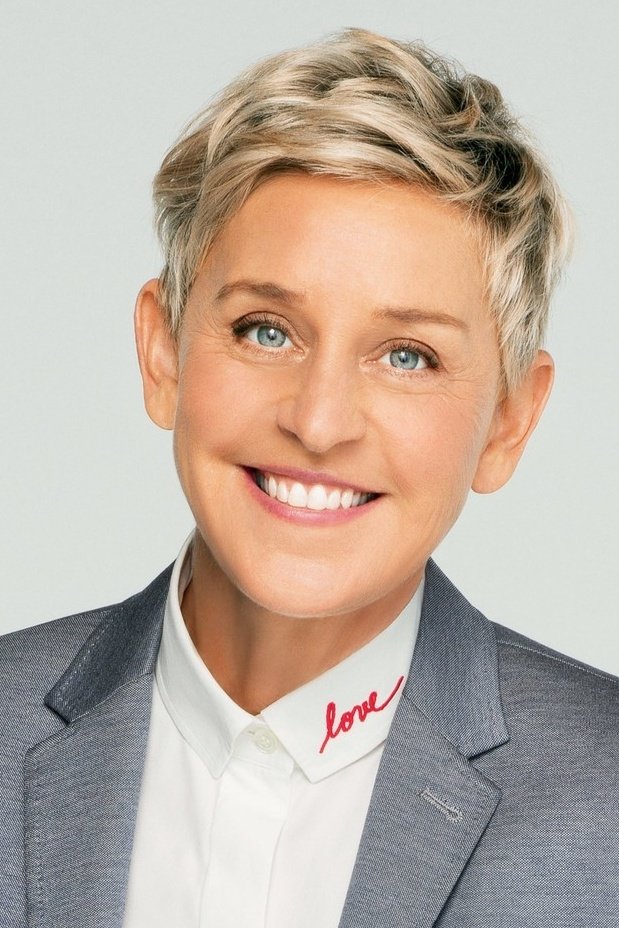
In ‘Ellen’—specifically the “Puppy Episode”—a same-sex kiss and coming-out storyline prompted ABC to add parental advisories, while at least one affiliate refused to air the episode at all. The network fielded advertiser concerns and limited some ad placements around the broadcast. Viewers in the affected market arranged an alternative screening to see the episode uncensored. The sequence quickly became a benchmark case in how primetime handled same-sex affection and the labels appended to it.
Leisha Hailey
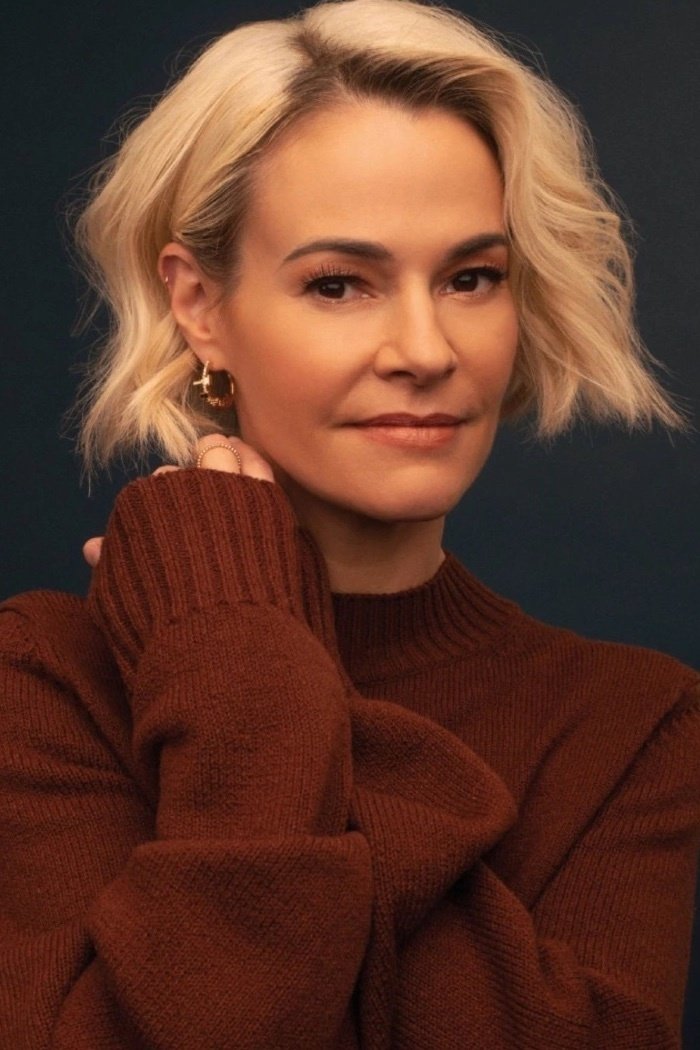
On ‘The L Word,’ multiple markets imposed strict broadcast limits on lesbian intimacy, leading to premium-cable or late-night-only availability in some regions and outright TV bans in others. Local regulators cited sexual-content rules when pushing lesbian kiss scenes off free-to-air channels. Home-video and streaming releases often restored the material where local law allowed. The show’s distribution history is frequently referenced when discussing how policy treated lesbian romance on television in the 2000s.
Jodie Foster
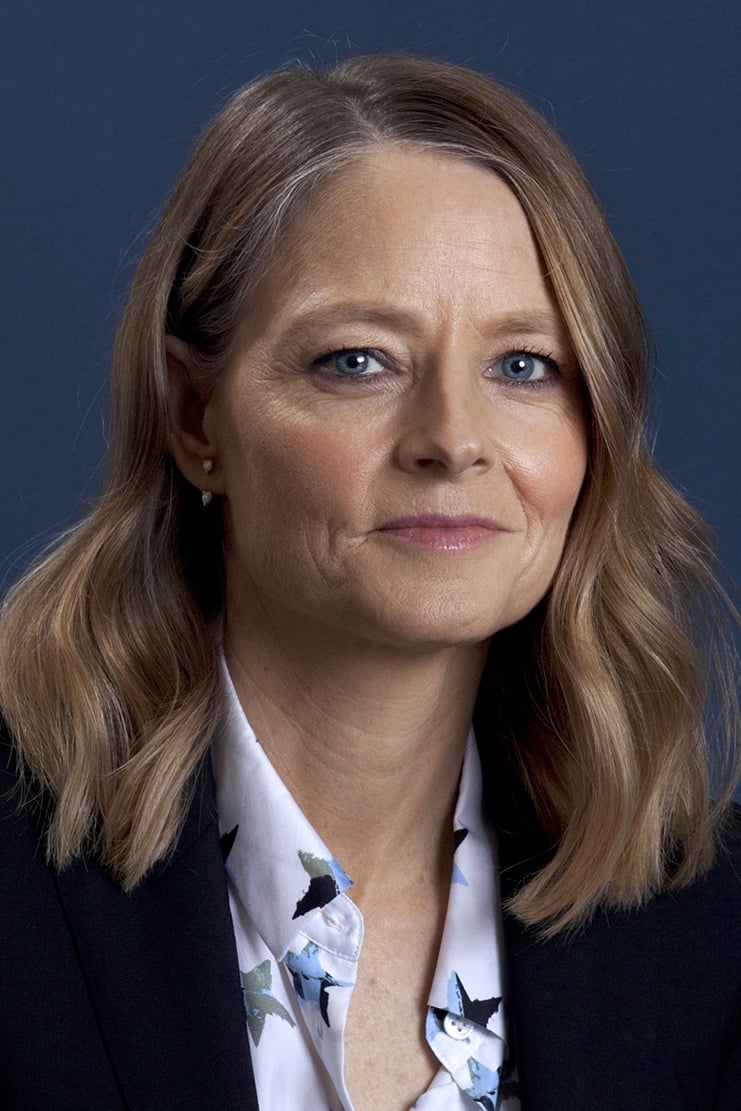
While her best-known titles center on crime and thriller plots, international TV versions of films featuring same-sex intimacy often arrived with edits that downplayed or removed brief romantic beats. Local schedulers shifted some broadcasts to late-night windows specifically to avoid showing same-sex affection during family hours. Airline versions historically trimmed kiss moments for “general audience” cuts. These practices are often cited in discussions about how distributors handled LGBTQ content broadly, even when the original theatrical versions were uncut.
Cynthia Nixon
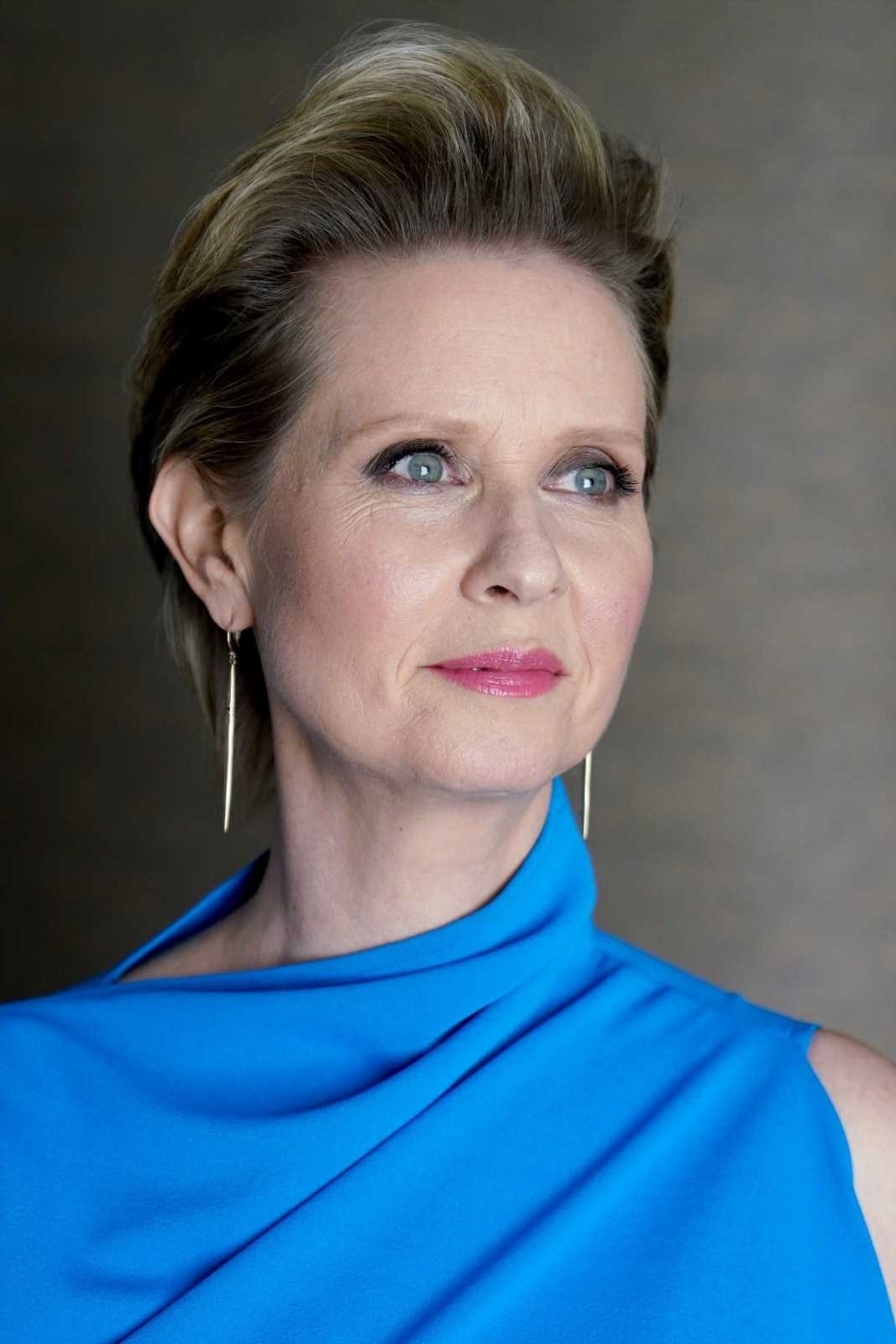
Episodes of ‘Sex and the City’ that featured same-sex kissing faced differing standards across territories, with some broadcasters applying earlier watershed cutoffs or trimming specific scenes for daytime repeats. Compilation edits for airline and hotel-TV packages reduced or removed brief romantic moments to meet house guidelines. DVD and streaming releases typically restored full sequences where permitted. The show’s global syndication track provides a paper trail of how the same scene could be treated differently country by country.
Samira Wiley

‘Orange Is the New Black’ circulated widely on streaming, but in several regions the series encountered content restrictions that targeted scenes of same-sex intimacy, including kisses between women. Some local platforms used higher age ratings or warning cards before episodes with notable romantic content. In-flight edits and hotel-TV packages commonly shortened these moments. The title is regularly cited in policy roundups about how lesbian romance was flagged in the streaming era’s early global rollouts.
Lea DeLaria
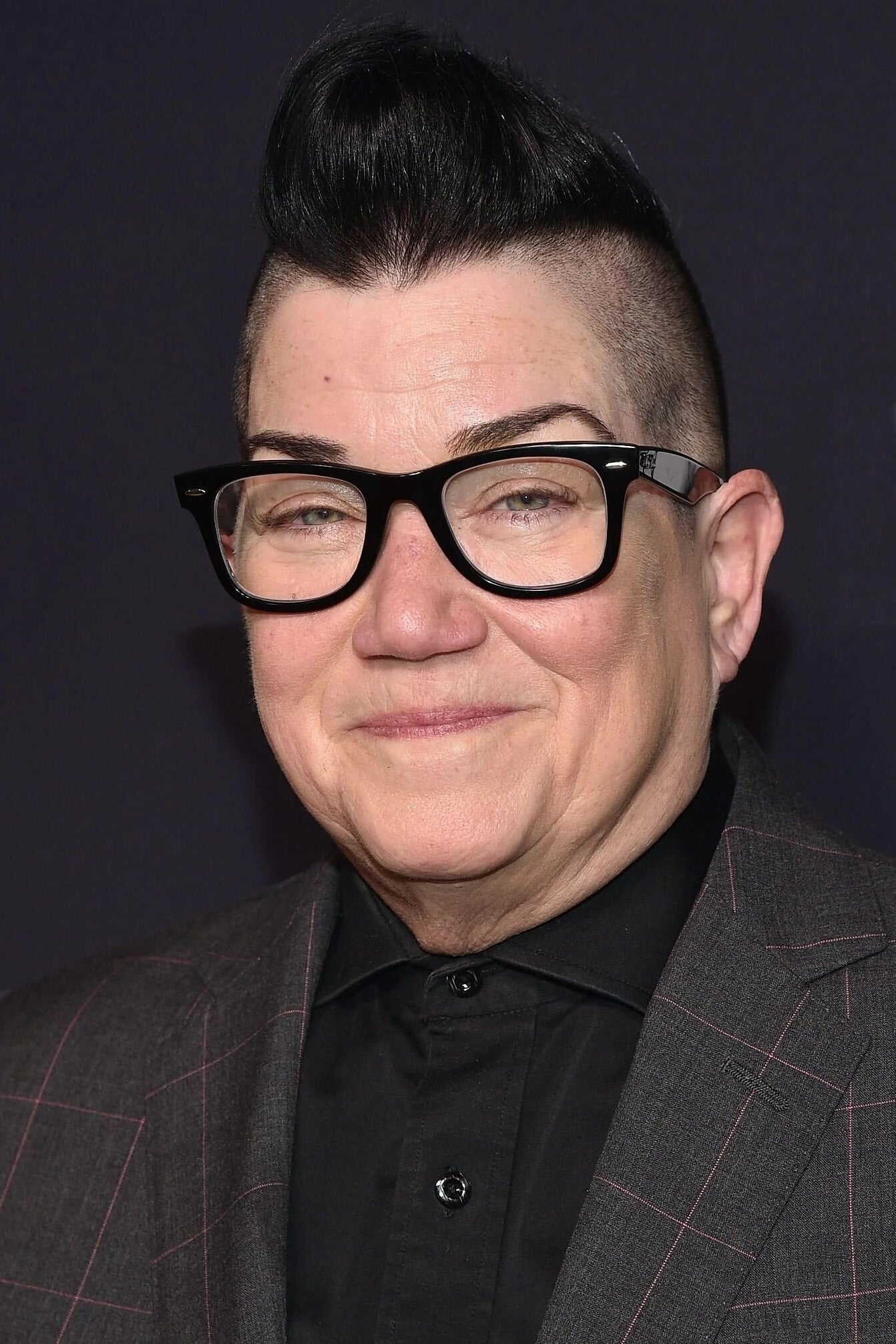
Also from ‘Orange Is the New Black,’ her seasons traveled through a patchwork of standards where lesbian kisses could trigger stricter age classifications or advisory slates. Markets that didn’t permit the uncensored series on broadcast TV relied on subscription platforms with late-night windows. Airlines and certain institutional screenings employed “family” cuts that removed quick kiss shots. The treatment illustrates how the same show generated different compliance decisions depending on venue and territory.
Kristen Stewart

Releases featuring Stewart’s queer-centered romances encountered sporadic territorial pushback on brief same-sex affection, resulting in higher age ratings or edited TV versions in select markets. Airline cuts for general audiences commonly shortened kiss scenes that would pass uncut in theaters. Festival screenings were typically complete, with changes appearing later in local TV or in-flight edits. The contrast between festival and mass-market versions is often flagged when tracking how distributors treat lesbian intimacy.
Ruby Rose
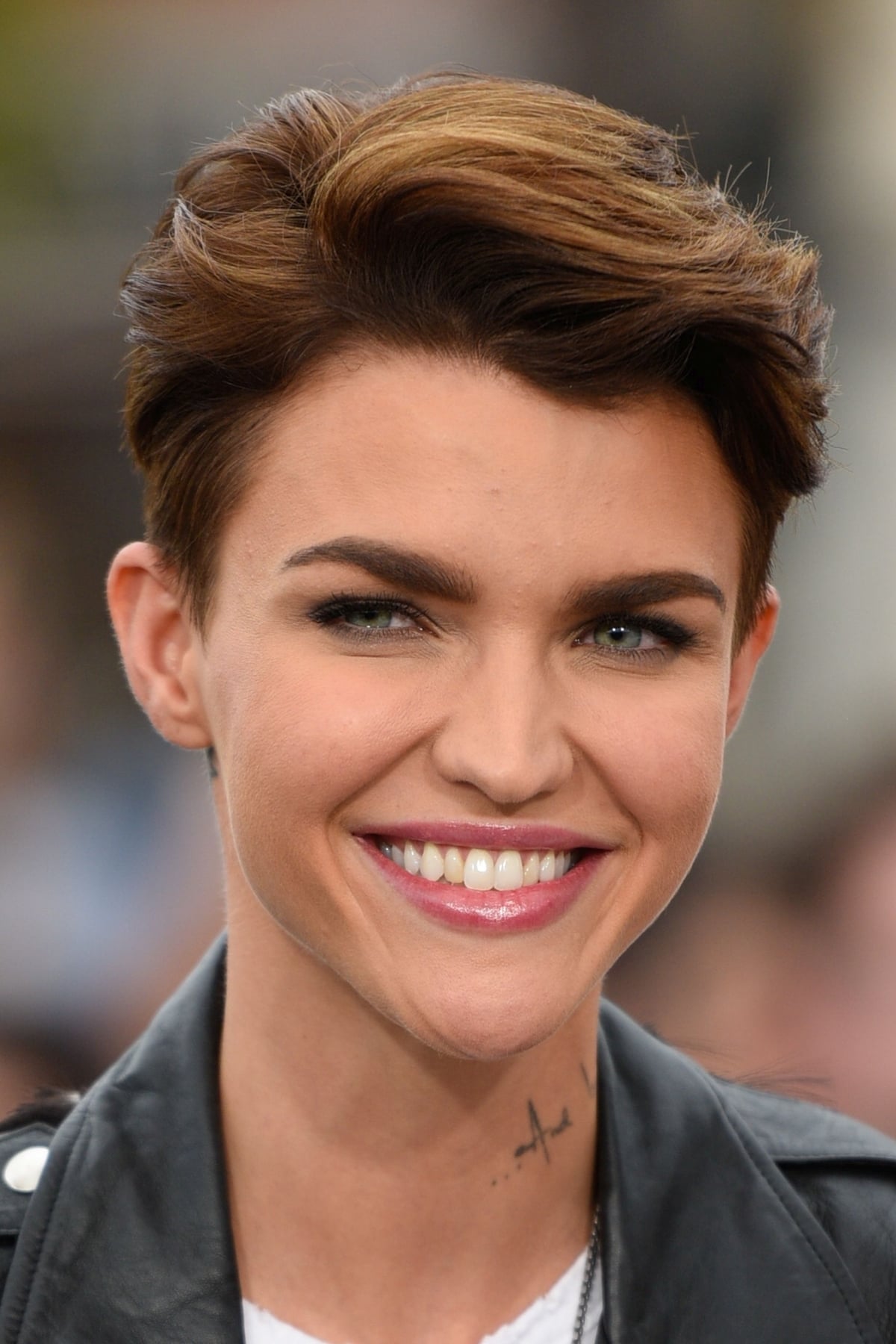
Network and platform guidelines around superhero series with queer leads sometimes triggered scheduling choices and edits that softened or shortened same-sex kiss beats, particularly for daytime reruns. International packages delivered to certain markets removed brief romantic shots to qualify for less restrictive time slots. Digital storefronts usually carried uncut episodes where allowed by local regulation. The adjustments around these scenes became part of broader debates about representation in genre TV.
Sarah Paulson

Across anthology seasons and streaming films, same-sex kisses involving Paulson have occasionally been trimmed for in-flight and daytime-TV edits, with uncut versions left to late-night or subscription windows. Content descriptors in program guides explicitly referenced “same-sex themes” to warn viewers in sensitive markets. Where cuts occurred, they targeted the shortest moments of physical affection rather than dialogue. These decisions are frequently cited as examples of how minimal contact can trigger compliance changes.
Adèle Haenel

Festival and theatrical versions of her lesbian-themed releases played uncut, but some TV and airline edits later shortened or repositioned kiss scenes to meet scheduling or package guidelines. Broadcasters in stricter jurisdictions opted for post-watershed slots or stronger advisories instead of airing the scenes intact earlier in the evening. Unedited home-video editions restored the original timing of romantic beats. The pathway from festival acclaim to edited mass-market versions is often used to show how policies can dilute lesbian intimacy without banning the work outright.
Share your thoughts in the comments: which on-screen kiss controversies did you encounter first, and where did you see edits or warnings pop up?