


LGBTQ+ Actors Who Deeply Regretted Their Most Famous Roles

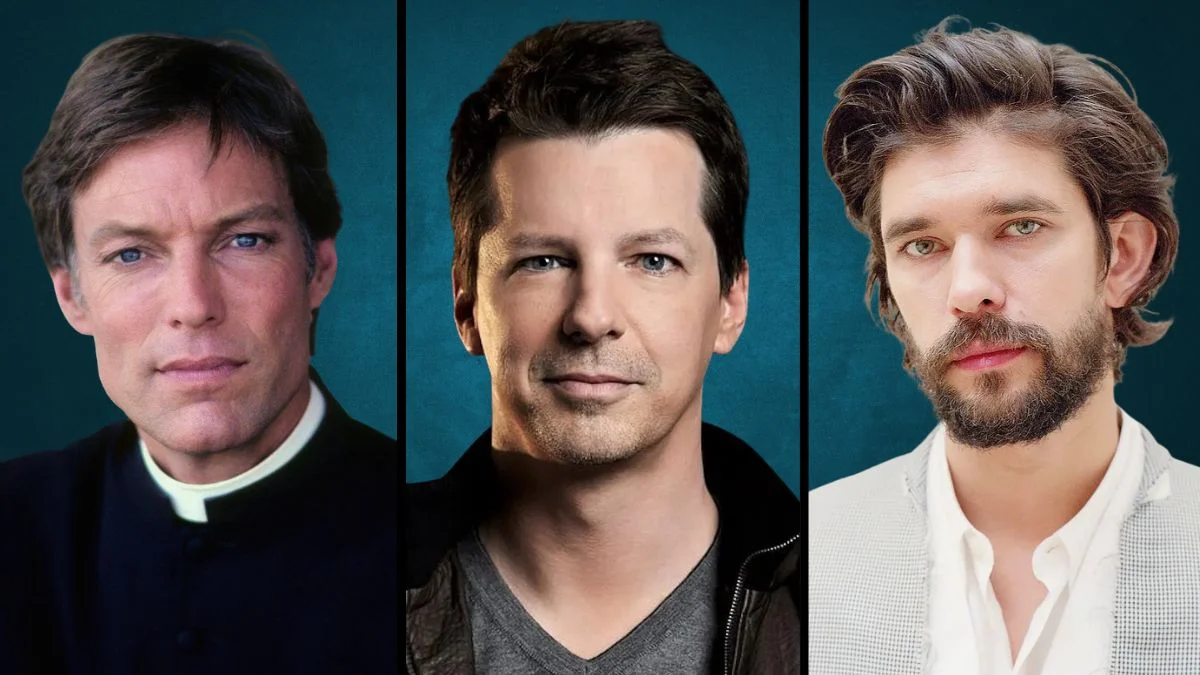


The history of Hollywood is filled with actors who felt constrained by the characters that brought them international fame. For many LGBTQ+ male performers, the pressure to remain in the closet often colored their perception of their most iconic work. Some actors looked back with frustration at the stereotypes they were forced to portray while others lamented the impact a specific role had on their personal authenticity. Exploring these regrets reveals the complex relationship between public success and private identity in the entertainment industry.
Wentworth Miller
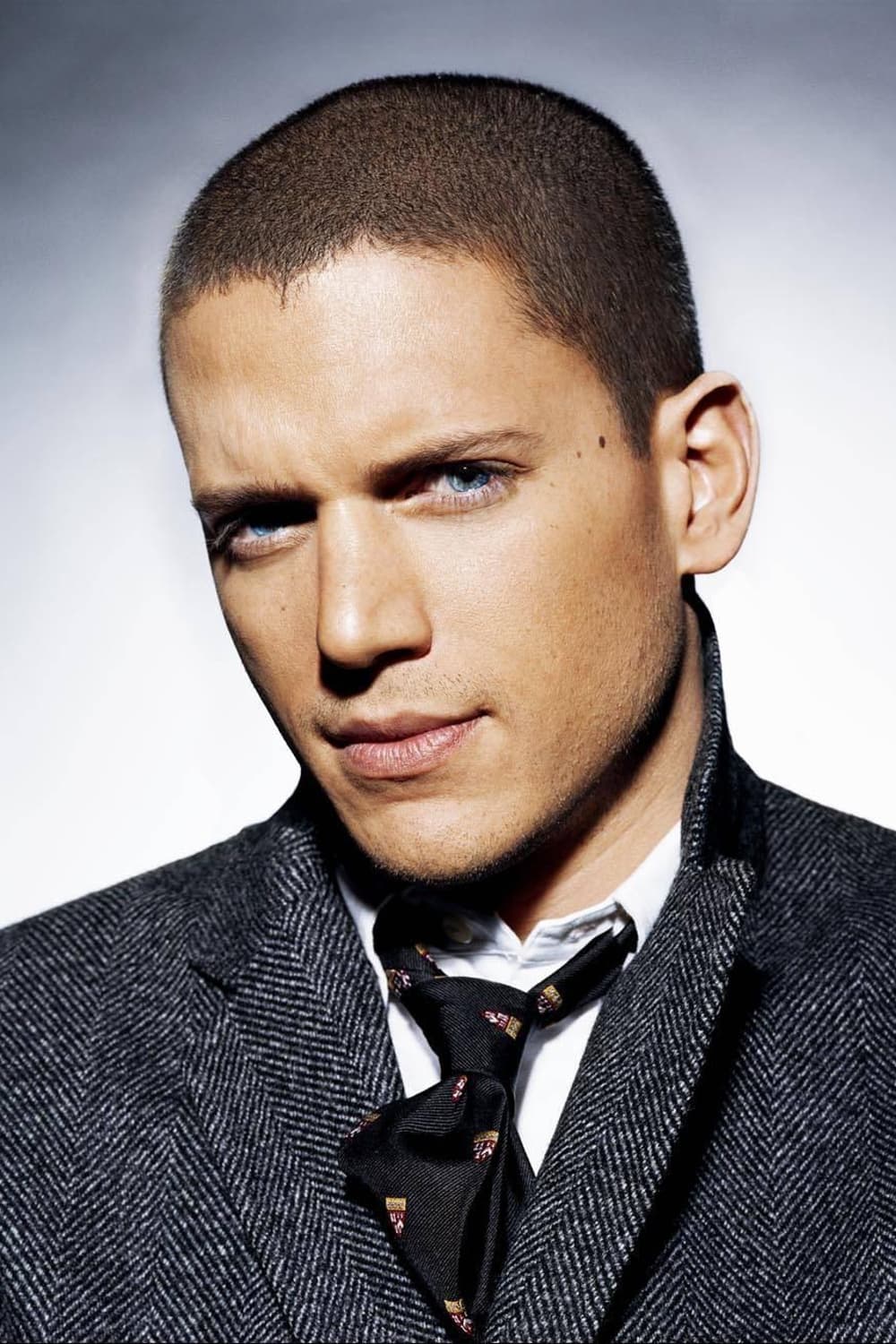
Wentworth Miller gained worldwide recognition for his portrayal of Michael Scofield in the hit series ‘Prison Break’. Years after the show ended the actor expressed a deep reluctance to continue playing straight characters because their stories have already been told repeatedly. Miller felt that his commitment to the role required him to suppress his own identity for the sake of the production. He eventually announced that he would no longer take on heterosexual roles to focus on projects that reflect his lived experience. This decision marked a significant turning point in his career as he prioritized his personal truth over commercial success.
Rupert Everett
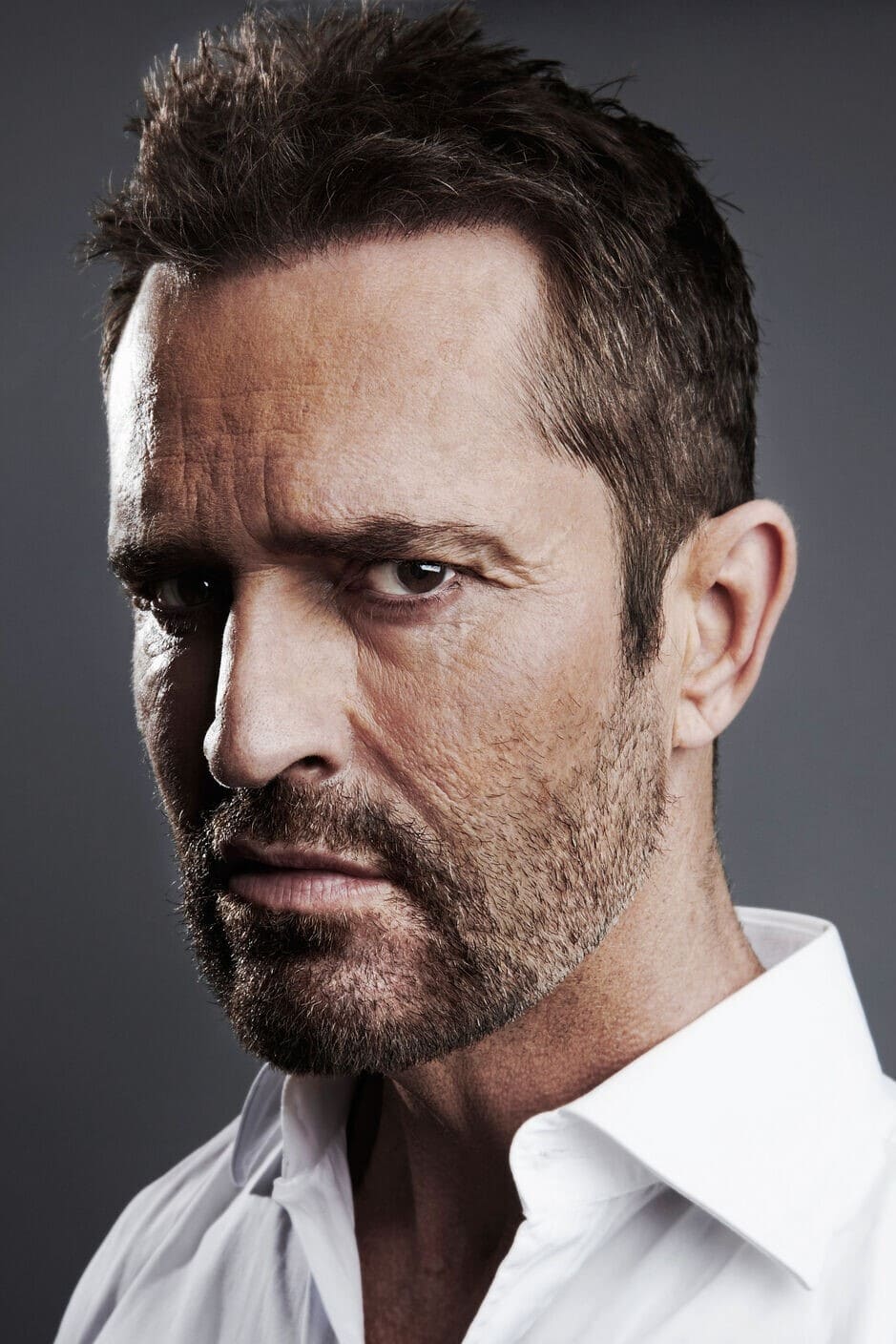
Rupert Everett became a breakout star following his charming performance in the romantic comedy ‘My Best Friend’s Wedding’. While the film was a massive success the actor later lamented that being an openly gay man in a high profile role limited his future opportunities. Everett felt that the industry viewed him only through the lens of his sexuality which prevented him from landing leading man roles in major blockbusters. He has been vocal about the systemic challenges faced by gay actors in Hollywood during the late nineties. His reflections serve as a cautionary tale about the professional consequences of being a pioneer in a less inclusive era.
George Takei
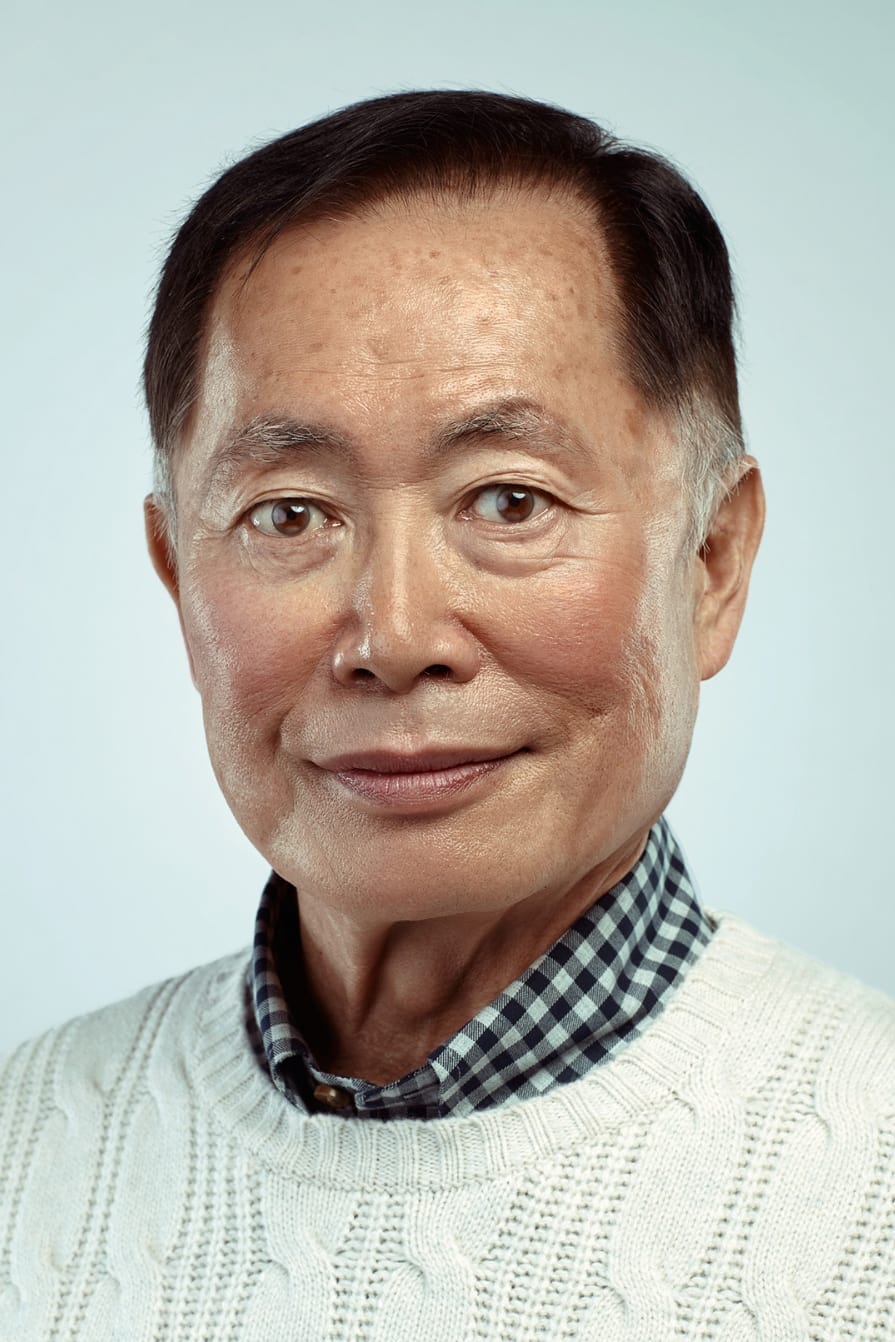
George Takei is best known for his role as Hikaru Sulu in the legendary science fiction franchise ‘Star Trek’. Although the character was a groundbreaking representation of Asian heritage Takei often felt frustrated by the lack of personal development for Sulu throughout the series. He also expressed disappointment when the character was revealed to be gay in the modern film reboots because he felt it deviated from the original vision of the creator. Takei spent decades hiding his true self while playing a character who was defined primarily by his professional duties. He eventually found greater satisfaction in activism and roles that allowed for more personal expression.
Ben Whishaw
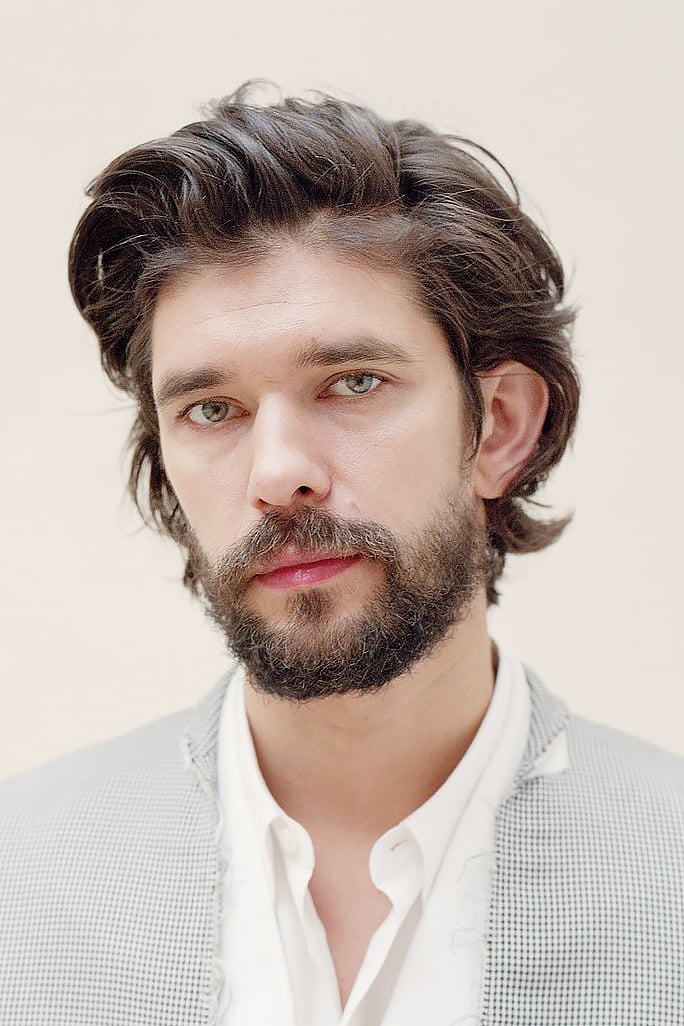
Ben Whishaw received critical acclaim for his performance in the biographical drama ‘The Danish Girl’. Despite the success of the film Whishaw later expressed significant reservations about the casting choices and the overall approach to the story. He felt that the production should have prioritized casting a trans actor for the lead role to ensure greater authenticity and representation. Whishaw questioned the industry practice of cisgender actors playing transgender characters regardless of their own LGBTQ+ status. His public reflection on the role highlighted the evolving conversation regarding responsible casting in contemporary cinema.
Jonathan Bennett
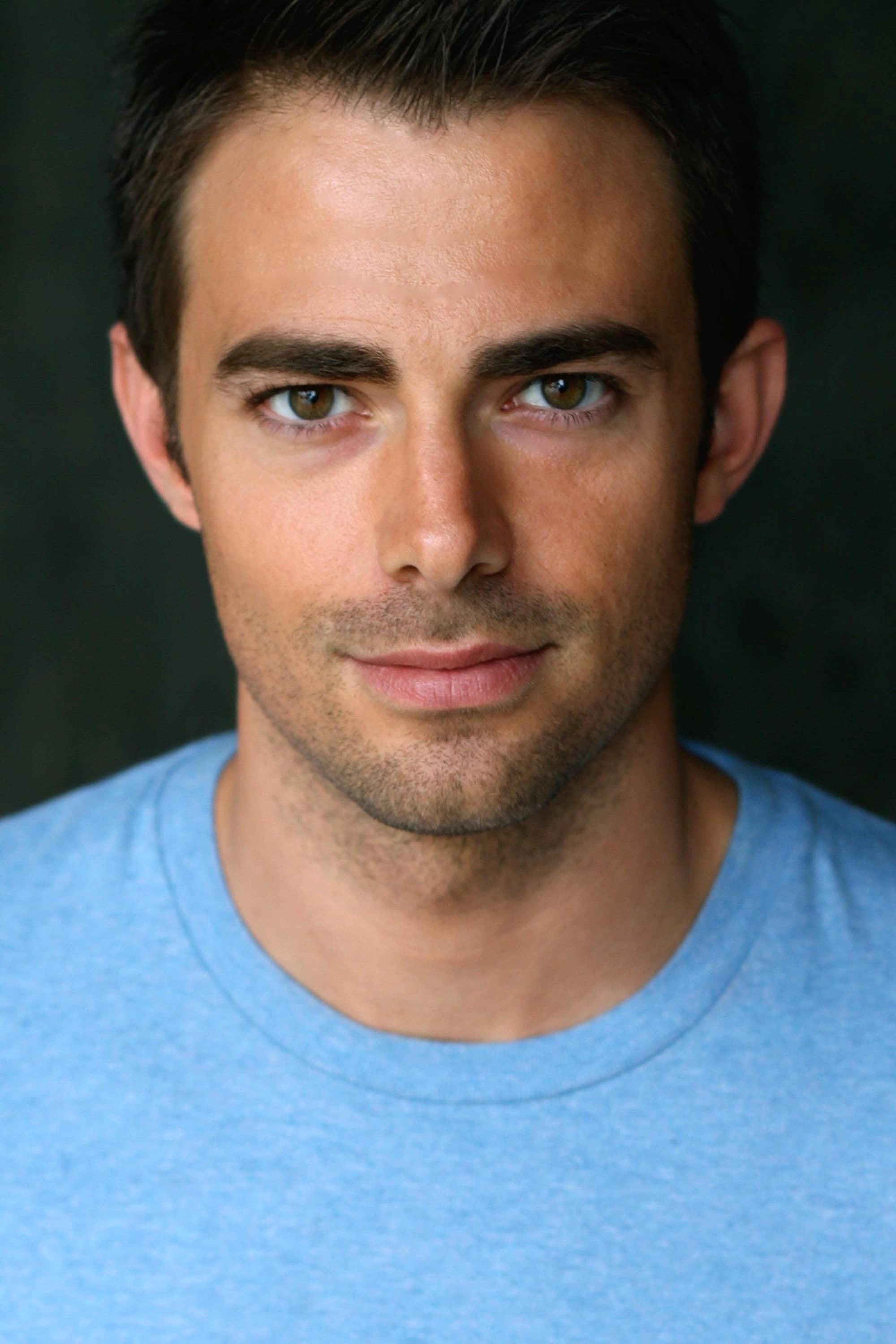
Jonathan Bennett captured the hearts of audiences as the teen heartthrob Aaron Samuels in the cult classic ‘Mean Girls’. During the height of the film’s popularity Bennett felt immense pressure to keep his sexual orientation a secret to maintain his image as a romantic lead. He later shared that the constant fear of being outed made the experience of filming and promoting the movie deeply stressful. The actor felt that he could not fully enjoy the success of his most famous role because he was living a double life. Today he embraces his identity and advocates for more visibility for LGBTQ+ performers in all types of roles.
Sean Hayes
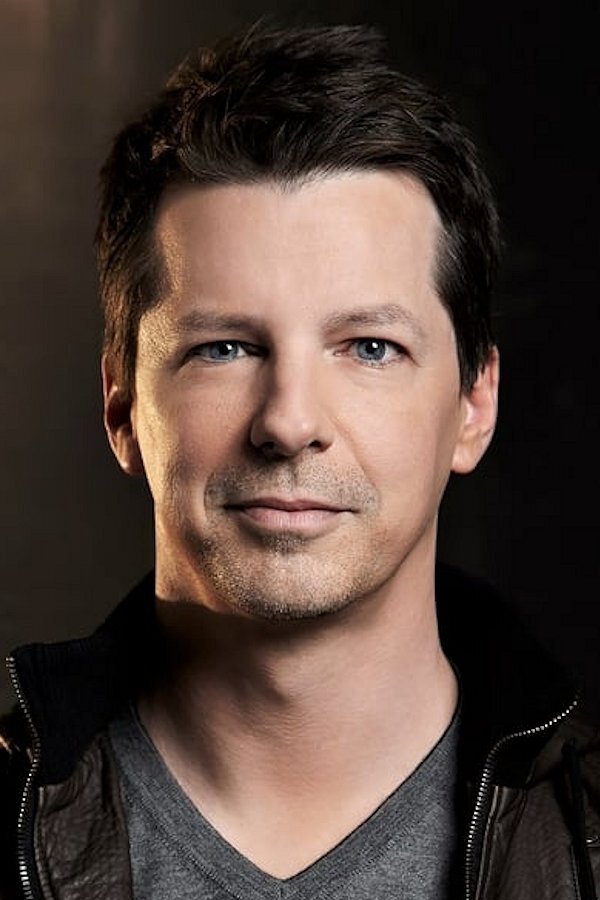
Sean Hayes became a household name for his comedic portrayal of Jack McFarland on the long running sitcom ‘Will & Grace’. While the show was a milestone for gay representation Hayes later expressed regret for not coming out publicly sooner during the original run. He felt that his silence may have missed an opportunity to provide even greater support for the LGBTQ+ community at a pivotal time. The actor admitted that his personal fears about his career trajectory influenced his decision to remain private. His experience reflects the difficult balance between personal safety and public advocacy for actors in the spotlight.
Richard Chamberlain
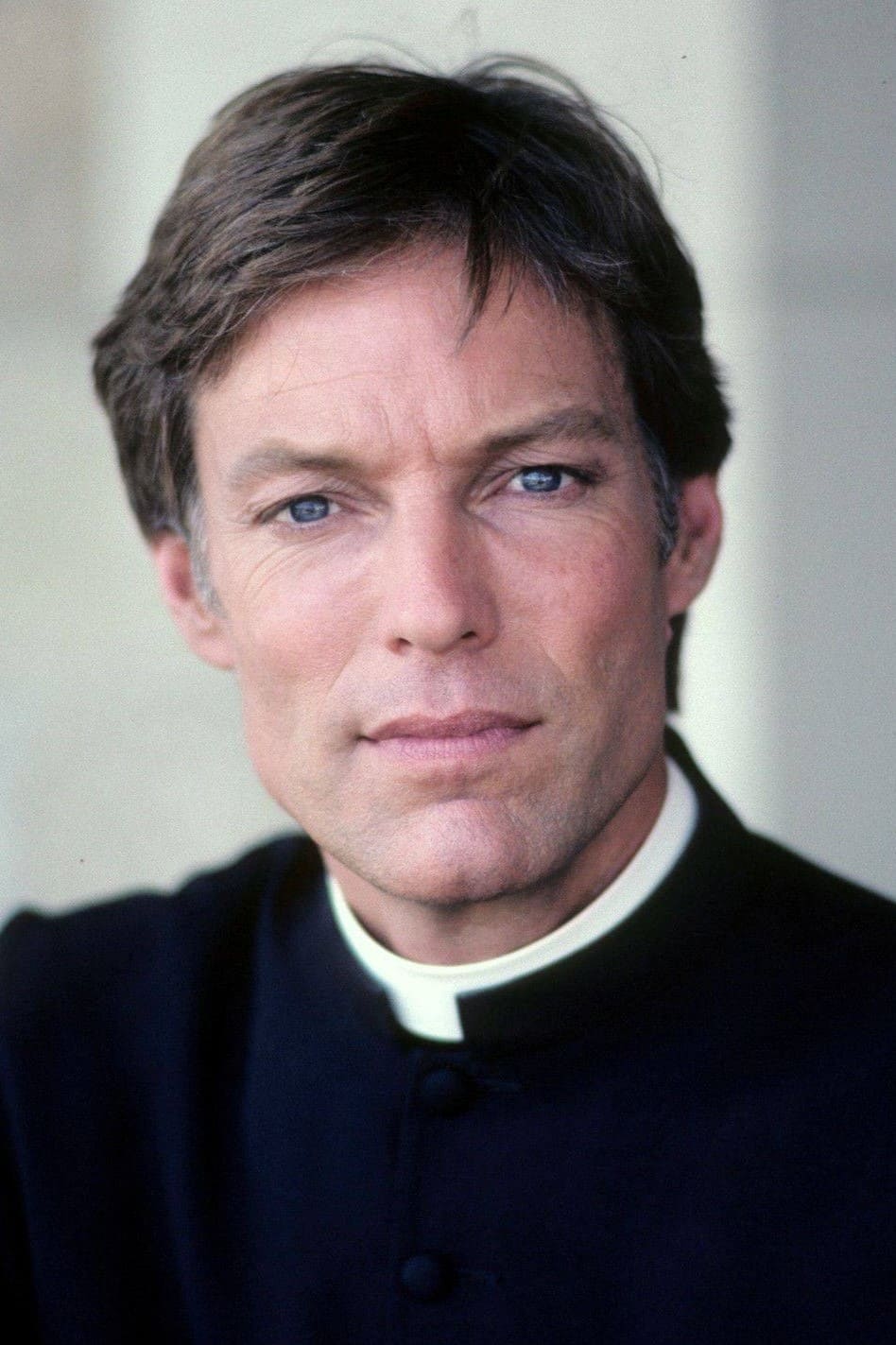
Richard Chamberlain was a massive television star known for his leading roles in projects like ‘The Thorn Birds’ and ‘Dr. Kildare’. For decades he maintained a public image as a traditional leading man while keeping his personal life entirely hidden from his fans. Chamberlain later spoke about the heavy emotional toll of living in the closet while being celebrated as a romantic icon for women. He felt that the roles he played were part of a larger performance that prevented him from ever feeling truly authentic in his public life. His eventual coming out allowed him to reconcile his professional legacy with his personal identity.
BD Wong
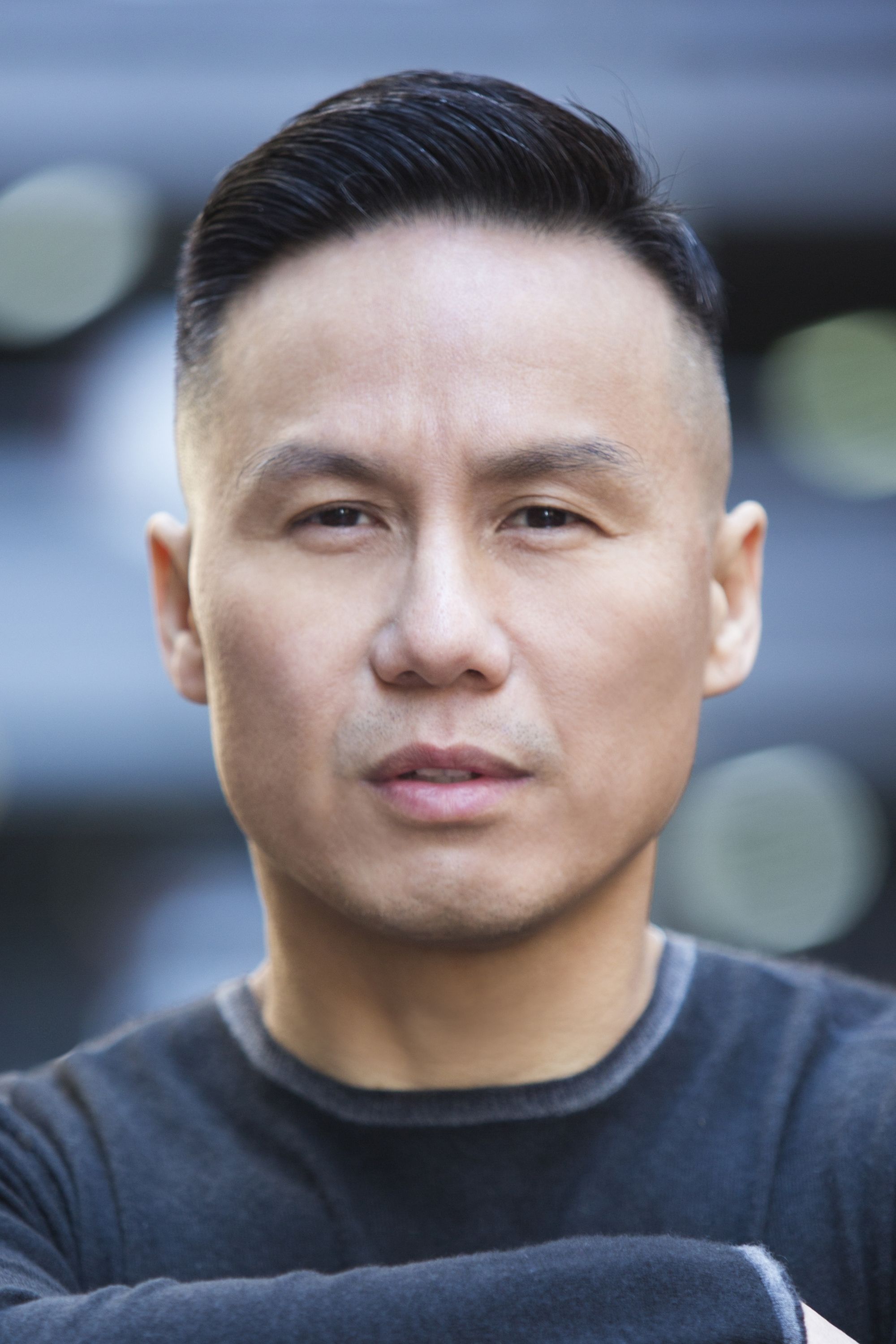
BD Wong appeared as Dr. Henry Wu in the massive blockbuster ‘Jurassic Park’ which became one of the most successful films of all time. The actor later expressed disappointment that his character was significantly reduced from the more complex version found in the original novel. He felt that the film version lacked the depth and scientific motivation that made the character interesting to him initially. Wong also navigated the challenges of being an Asian American actor in an industry that often offered limited and stereotypical roles. He later returned to the franchise to find more substantial opportunities to develop the character in subsequent sequels.
Matt Bomer
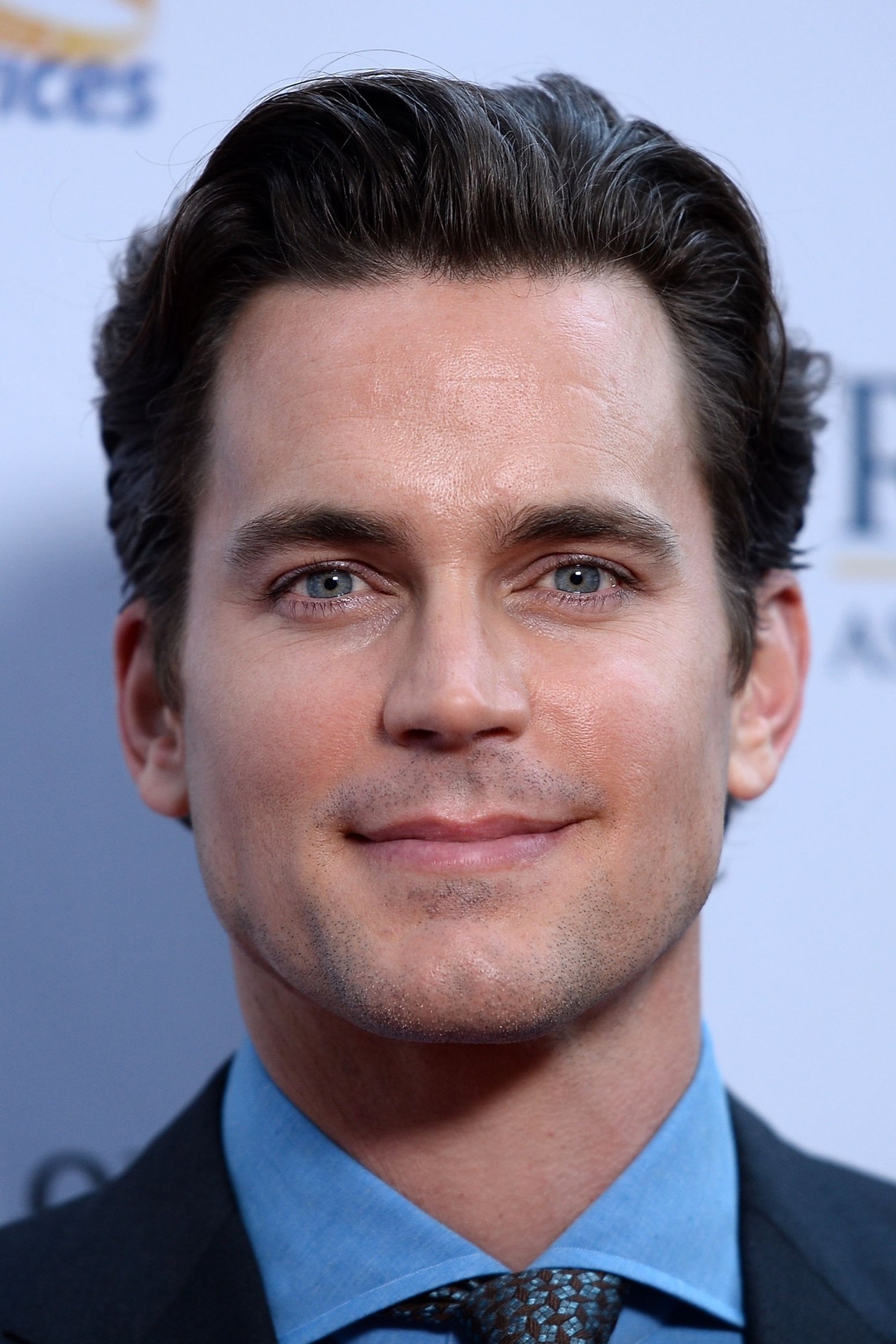
Matt Bomer rose to fame as the charismatic con artist Neal Caffrey in the popular television series ‘White Collar’. While he appreciated the success of the show Bomer felt that the intense focus on his physical appearance and charm sometimes overshadowed his capabilities as a dramatic actor. He also dealt with the industry’s hesitance to cast out gay men in traditional leading roles during the early stages of his career. Bomer has since sought out more diverse and challenging projects that allow him to explore different facets of the human experience. He remains a prominent figure in Hollywood who advocates for more nuanced storytelling for LGBTQ+ performers.
Ian McKellen
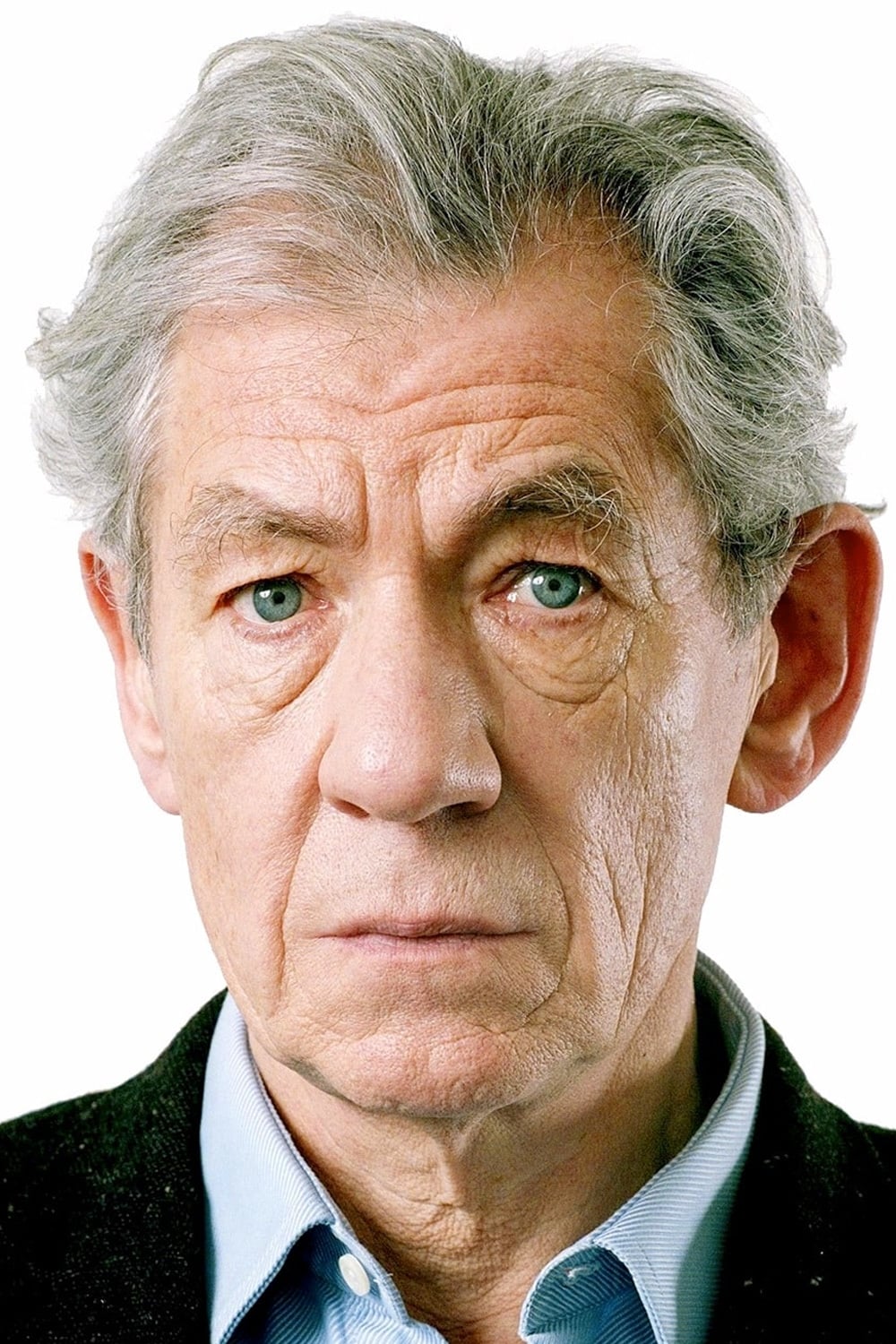
Ian McKellen is a legendary actor with a career spanning decades but he has been open about his dissatisfaction with the horror film ‘The Keep’. He found the production to be chaotic and the final product to be a disappointment compared to the original vision for the story. McKellen also spent a significant portion of his early career in the closet which he later felt hindered his ability to connect fully with certain roles. Since coming out he has found a new level of freedom and joy in his performances across theater and film. He remains one of the most respected voices in the industry for his dedication to both craft and activism.
Rock Hudson
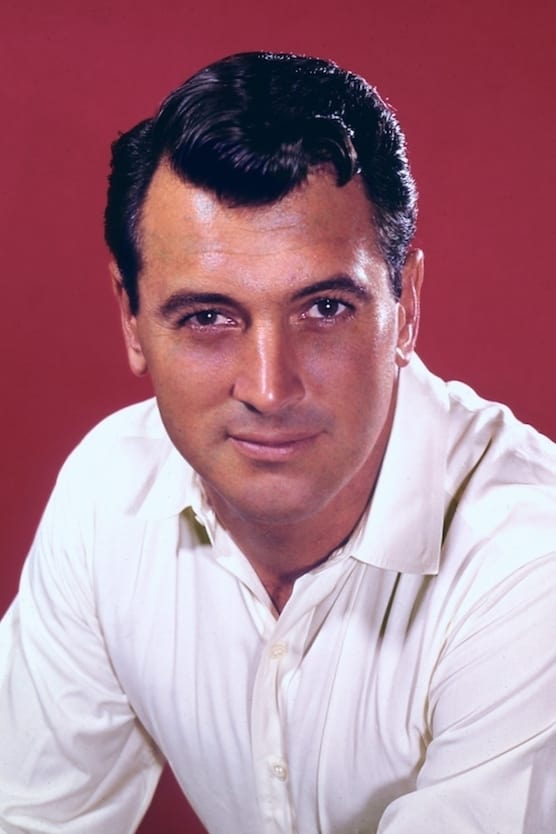
Rock Hudson was the quintessential Hollywood leading man during the golden age of cinema starring in classics like ‘Giant’ and ‘Pillow Talk’. Throughout his storied career he was forced to maintain a carefully curated image that hid his identity as a gay man from the public. Hudson reportedly felt the constant weight of this deception and the pressure to perform heteronormativity both on and off the screen. The conflict between his public persona and private reality created a sense of isolation that persisted until his final years. His legacy is now viewed through the lens of the systemic homophobia that dominated the industry for decades.
Anthony Perkins
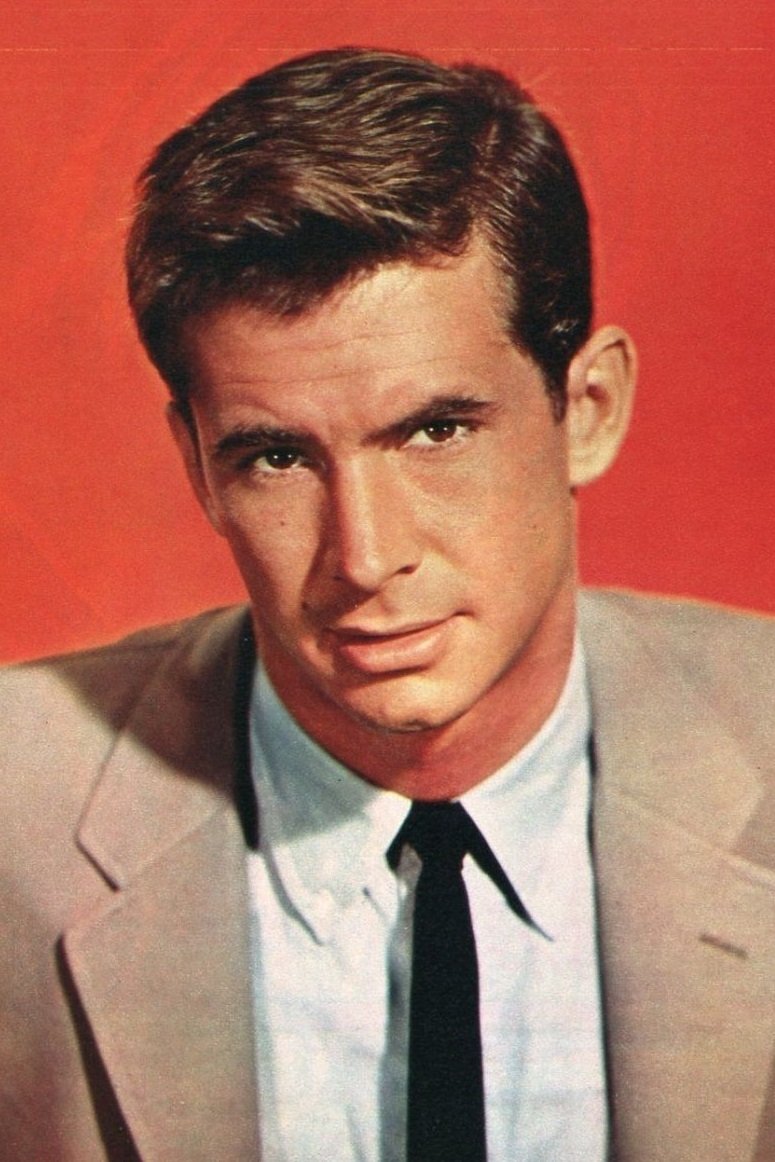
Anthony Perkins delivered one of the most iconic performances in film history as Norman Bates in the thriller ‘Psycho’. While the role brought him permanent fame he later felt that it lead to severe typecasting that limited the rest of his career. Perkins struggled with the public’s perception of him and the industry’s inability to see him in any other light after the success of the film. He also faced significant personal challenges navigating his sexuality in a conservative Hollywood environment that demanded conformity. The actor eventually found more experimental work but the shadow of Norman Bates remained a constant presence.
Russell Tovey
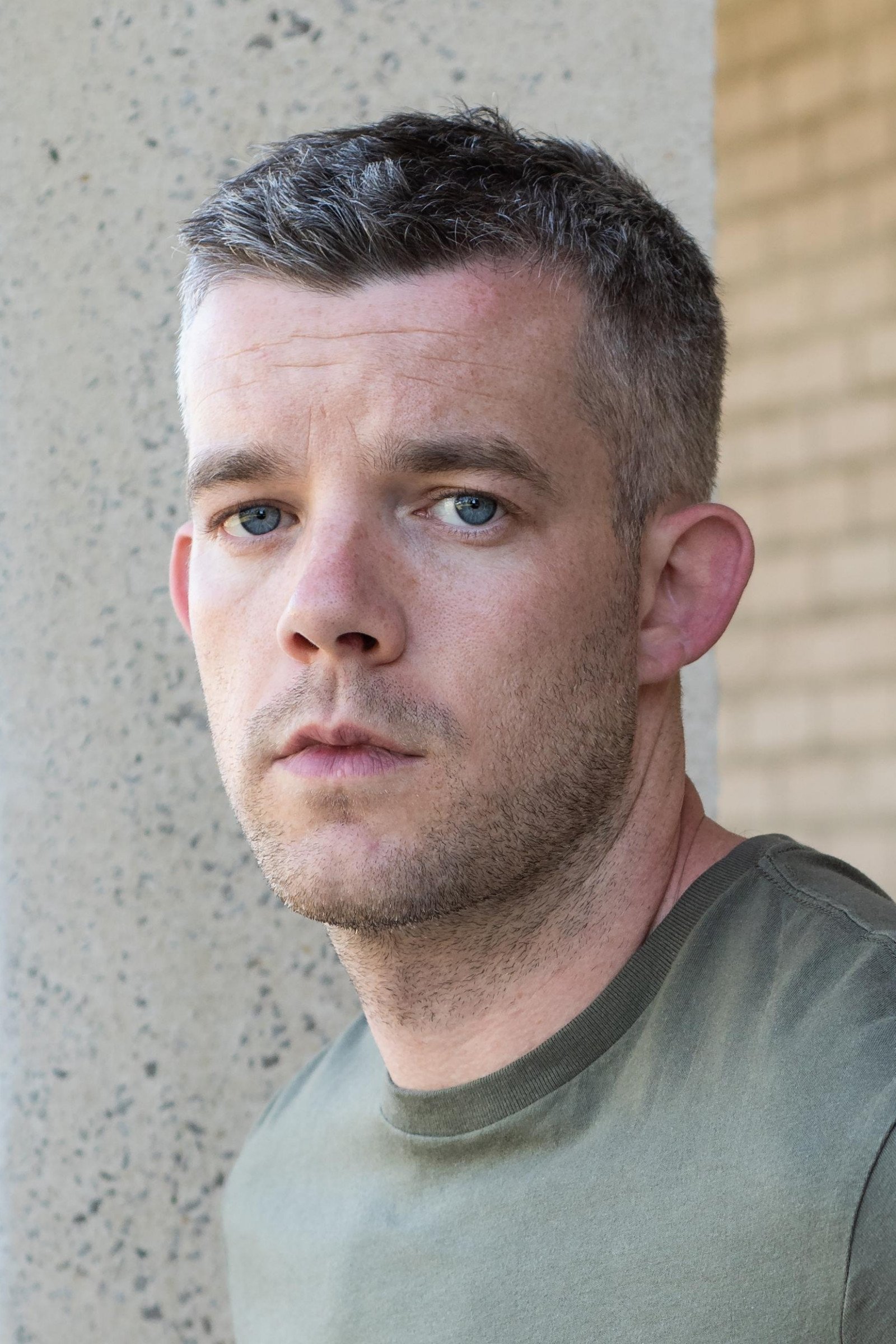
Russell Tovey starred in the intense sports drama ‘The Pass’ where he played a closeted professional soccer player over several years. The actor later reflected on the emotional difficulty of portraying such a deeply repressed and self loathing character. He felt that the role required him to tap into dark themes that were personally taxing to maintain throughout the production. Tovey has been an advocate for more positive and diverse LGBTQ+ representation in media to counter these types of narratives. He continues to select roles that challenge audience perceptions while maintaining his commitment to his personal identity.
Colton Haynes
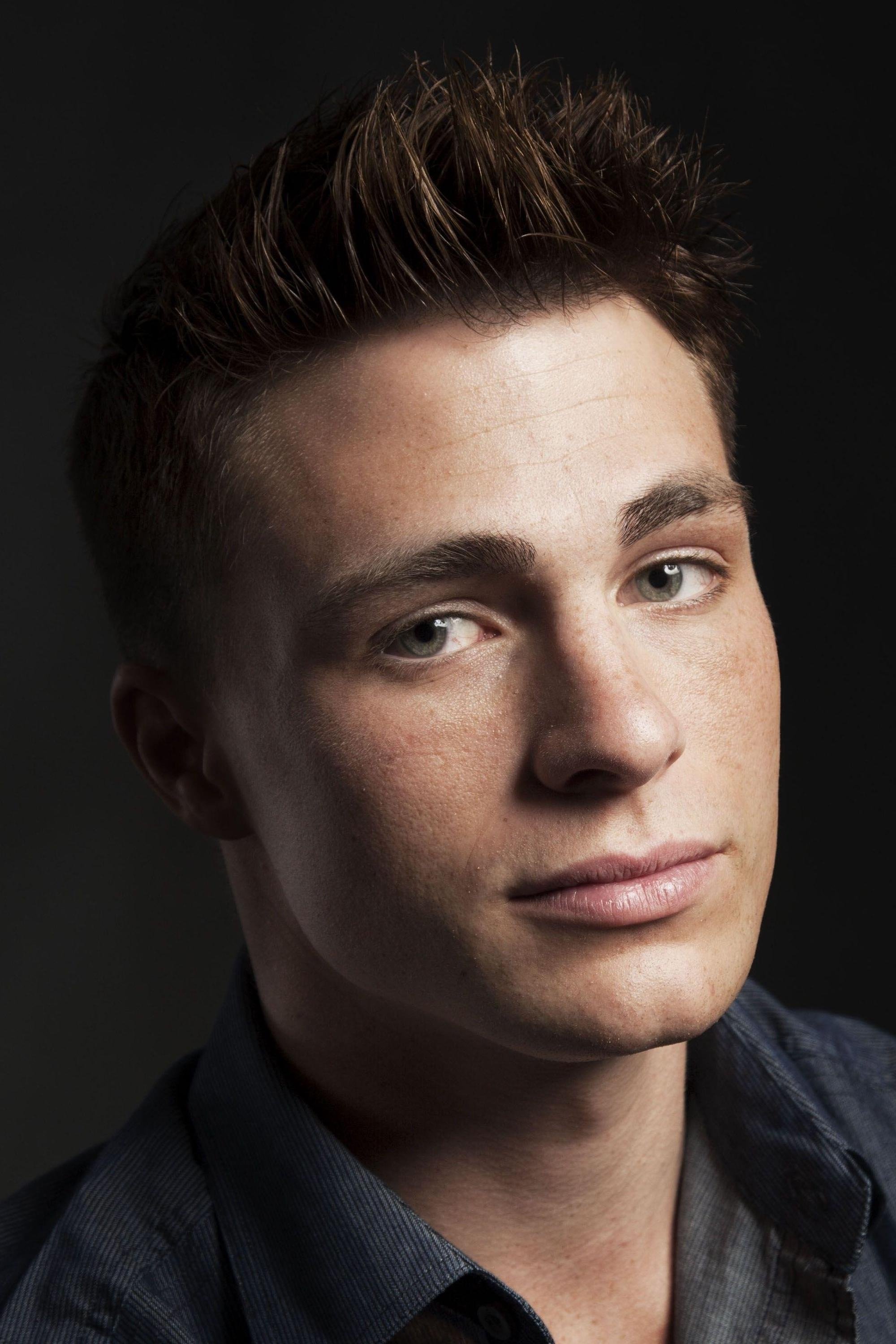
Colton Haynes became a teen idol through his roles in ‘Teen Wolf’ and ‘Arrow’ while navigating the pressures of the industry. He later revealed that his management team at the time pressured him to stay in the closet to protect his status as a heartthrob. Haynes felt that this forced secrecy led to significant mental health struggles and a lack of joy in his professional achievements. He eventually decided to step away from certain projects to prioritize his well being and live authentically. Since coming out he has been vocal about the importance of mental health and self acceptance in the entertainment world.
Charlie Carver
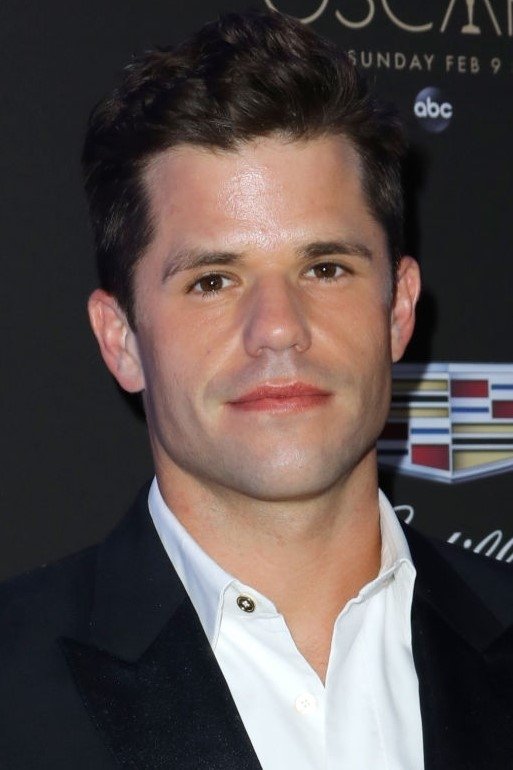
Charlie Carver appeared alongside his twin brother in several high profile series including ‘Desperate Housewives’ and ‘Teen Wolf’. In his early career he felt the need to hide his sexuality to ensure that he remained marketable for a wide range of roles. Carver later shared that this decision felt like a betrayal of himself and created a sense of disconnect from his work. He eventually came out publicly in a heartfelt social media post to regain control over his own narrative. Since then he has focused on projects that allow him to bring his full self to his performances.
Andrew Rannells
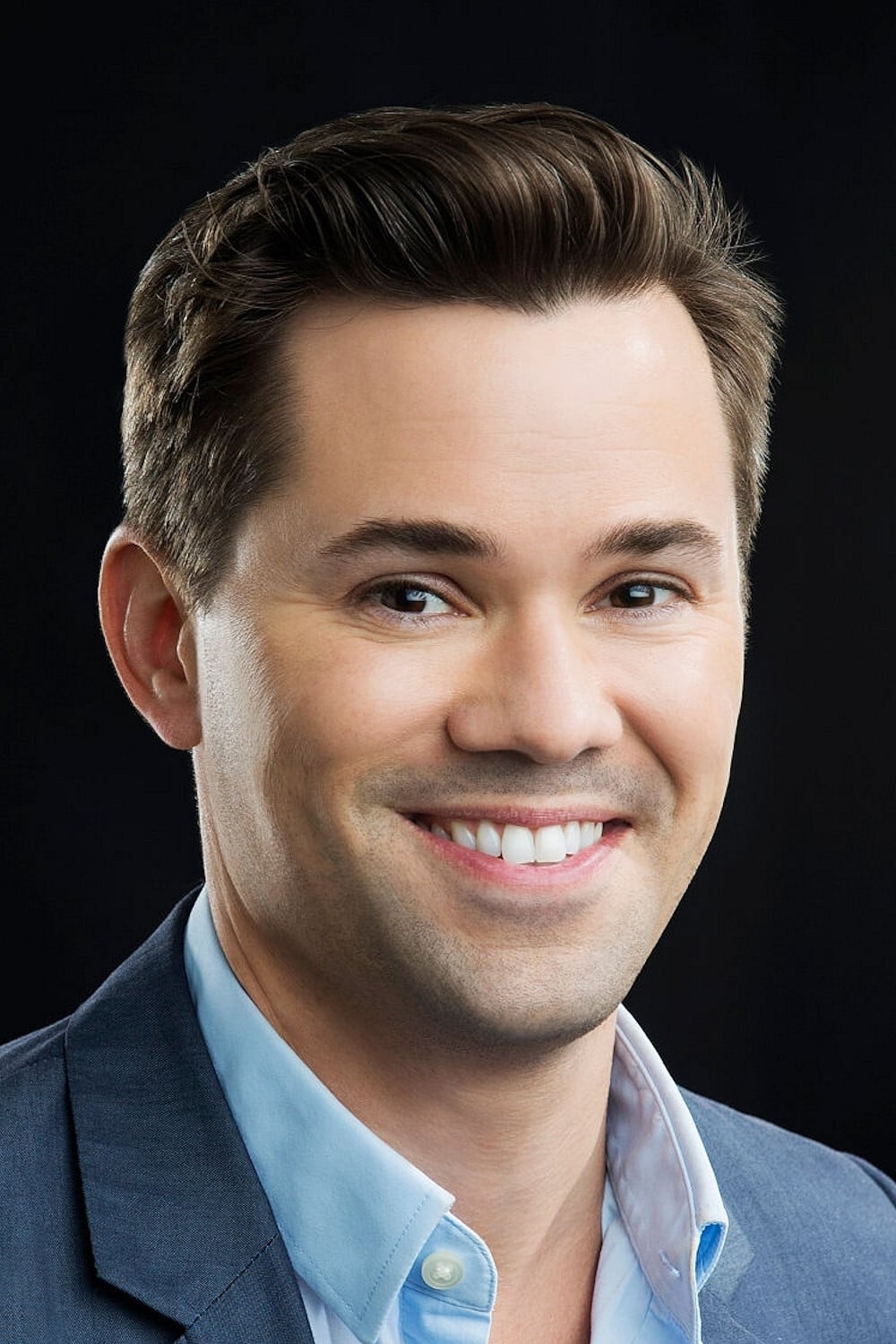
Andrew Rannells starred in the short lived but buzzy sitcom ‘The New Normal’ which focused on a gay couple starting a family. While the show was intended to be progressive Rannells later felt that some of the humor and characterizations relied too heavily on outdated tropes. He expressed a desire for more nuanced and less stereotypical depictions of gay men on network television. The actor has since found great success on Broadway and in television projects that offer more complex character arcs. He remains a strong advocate for high quality writing that reflects the true diversity of the LGBTQ+ community.
Billy Porter
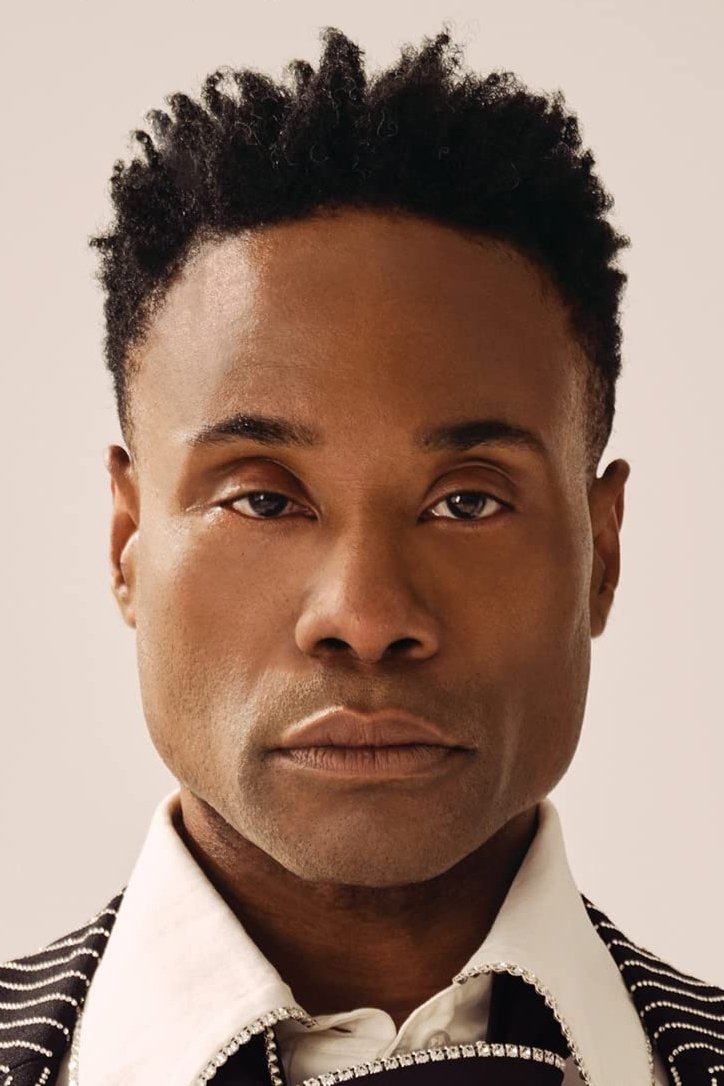
Billy Porter is an award winning performer known for his work in ‘Pose’ but he has also reflected on his earlier roles in films like ‘The Humbling’. He felt that the industry often tried to box him into limited roles that did not utilize his full range of talents. Porter struggled for many years to find projects that allowed him to express his unique identity without compromise. He has spoken about the frustration of being told he was too flamboyant or too specific for mainstream success. His eventual triumph serves as a testament to his persistence and the changing landscape of the entertainment industry.
Jim Parsons

Jim Parsons became one of the highest paid actors on television for his role as Sheldon Cooper in ‘The Big Bang Theory’. Despite the massive success and numerous awards Parsons eventually felt a sense of burnout and a need to move on from the character. He famously turned down a massive contract for additional seasons because he felt he had explored everything possible with the role. The actor also navigated the transition of being a publicly out man while playing a character whose sexuality was a frequent topic of fan speculation. He has since focused on dramatic roles that allow him to showcase different aspects of his acting ability.
Joel Grey
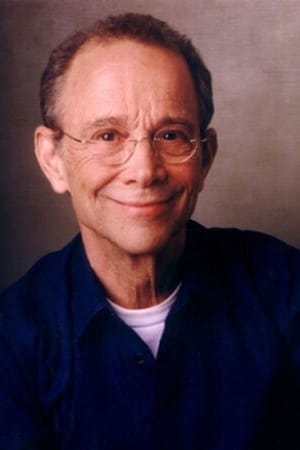
Joel Grey won an Academy Award for his unforgettable performance as the Master of Ceremonies in the musical ‘Cabaret’. For much of his career Grey felt the need to keep his personal life private to avoid the potential backlash from the industry and the public. He later admitted that the pressure to maintain a certain image was a heavy burden that lasted for many decades. Grey eventually came out publicly late in life to finally live with total transparency. He reflects on his past roles with a mix of pride for the work and regret for the secrecy that accompanied his success.
Tab Hunter
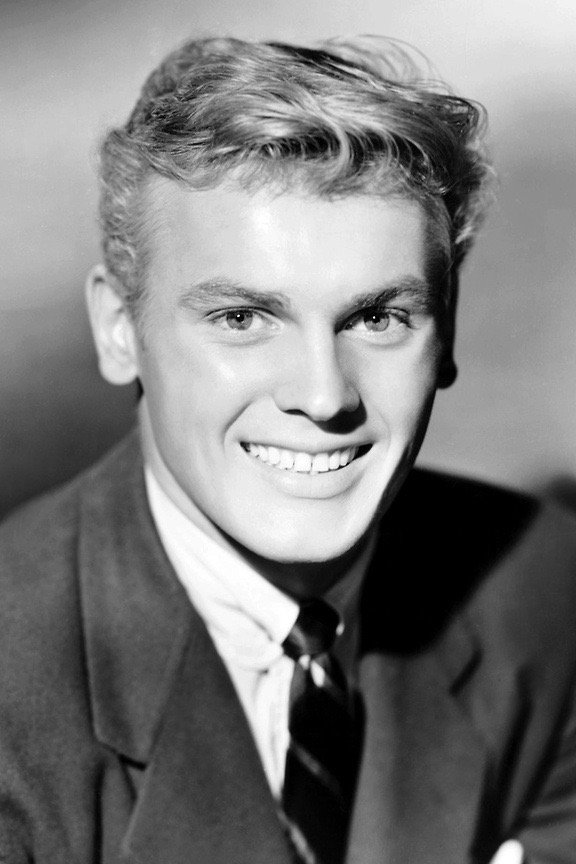
Tab Hunter was a top box office draw in the fifties with films like ‘Battle Cry’ and ‘The Sea Chase’. He was marketed as the ultimate American golden boy while his true identity remained a closely guarded secret. Hunter later described the experience of being a manufactured star as a surreal and often isolating experience. He felt that the studio system owned his image and dictated every aspect of his public life to ensure he remained a heterosexual fantasy. His eventual departure from the studio system allowed him to find a more authentic way of living outside the Hollywood spotlight.
Montgomery Clift
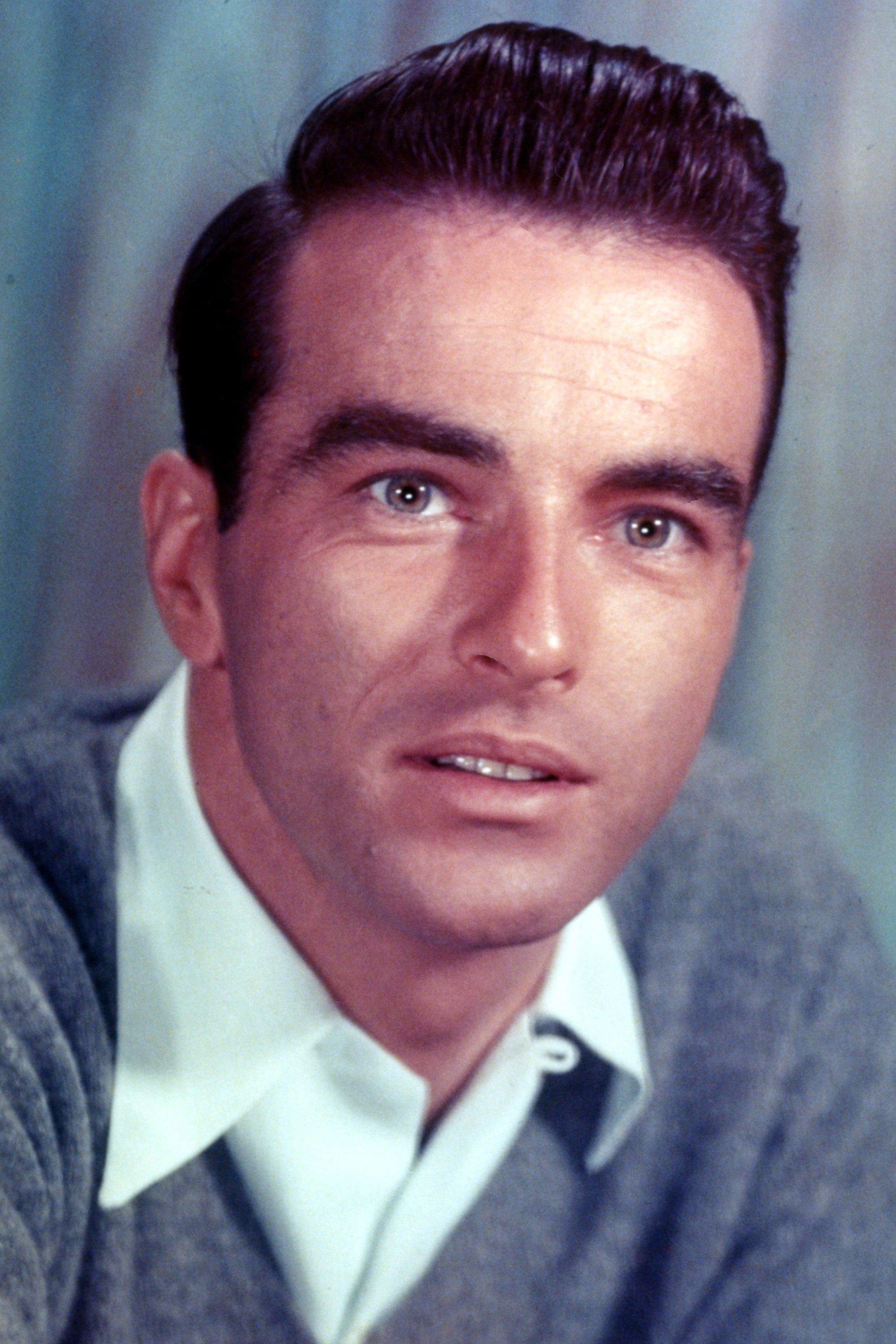
Montgomery Clift was a celebrated method actor who starred in classics like ‘A Place in the Sun’ and ‘From Here to Eternity’. He struggled immensely with the expectations of being a leading man while dealing with his own complex feelings about his identity. Clift felt that the Hollywood environment was toxic for someone who did not fit the traditional mold of a movie star. His internal conflicts often manifested in his intense and sometimes tortured performances on screen. He remains a tragic figure in film history who paved the way for more emotional depth in male acting.
James Dean
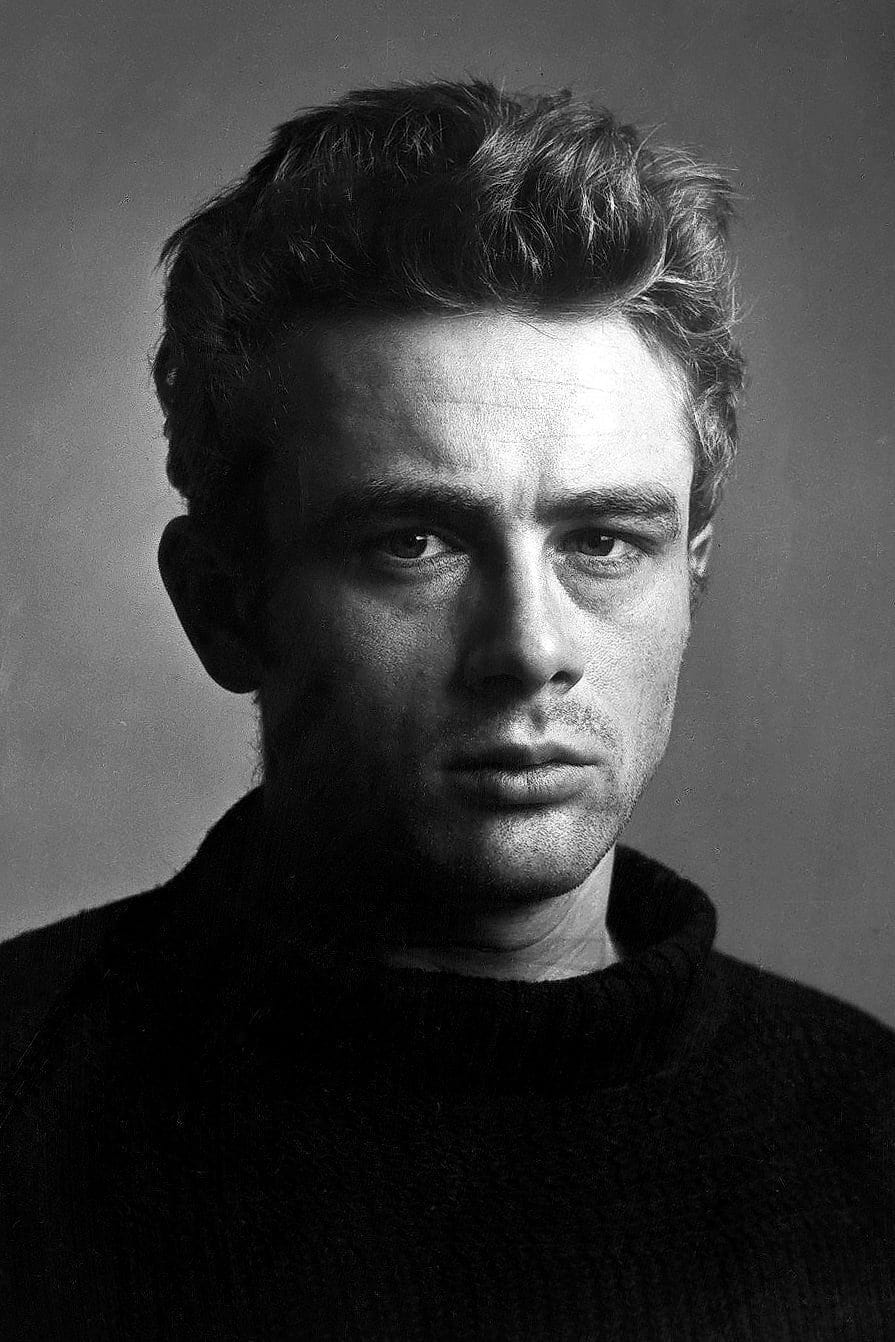
James Dean became a symbol of teenage rebellion after starring in ‘Rebel Without a Cause’ and ‘East of Eden’. While he only made three films before his untimely death he left an indelible mark on the industry. Dean reportedly struggled with the studio’s desire to promote him as a typical heartthrob while he explored a more fluid personal life. He often felt a sense of unease with the fame and the expectations that came with his rising status in Hollywood. His legacy continues to fascinate audiences who see his work as a reflection of his internal search for authenticity.
Dirk Bogarde
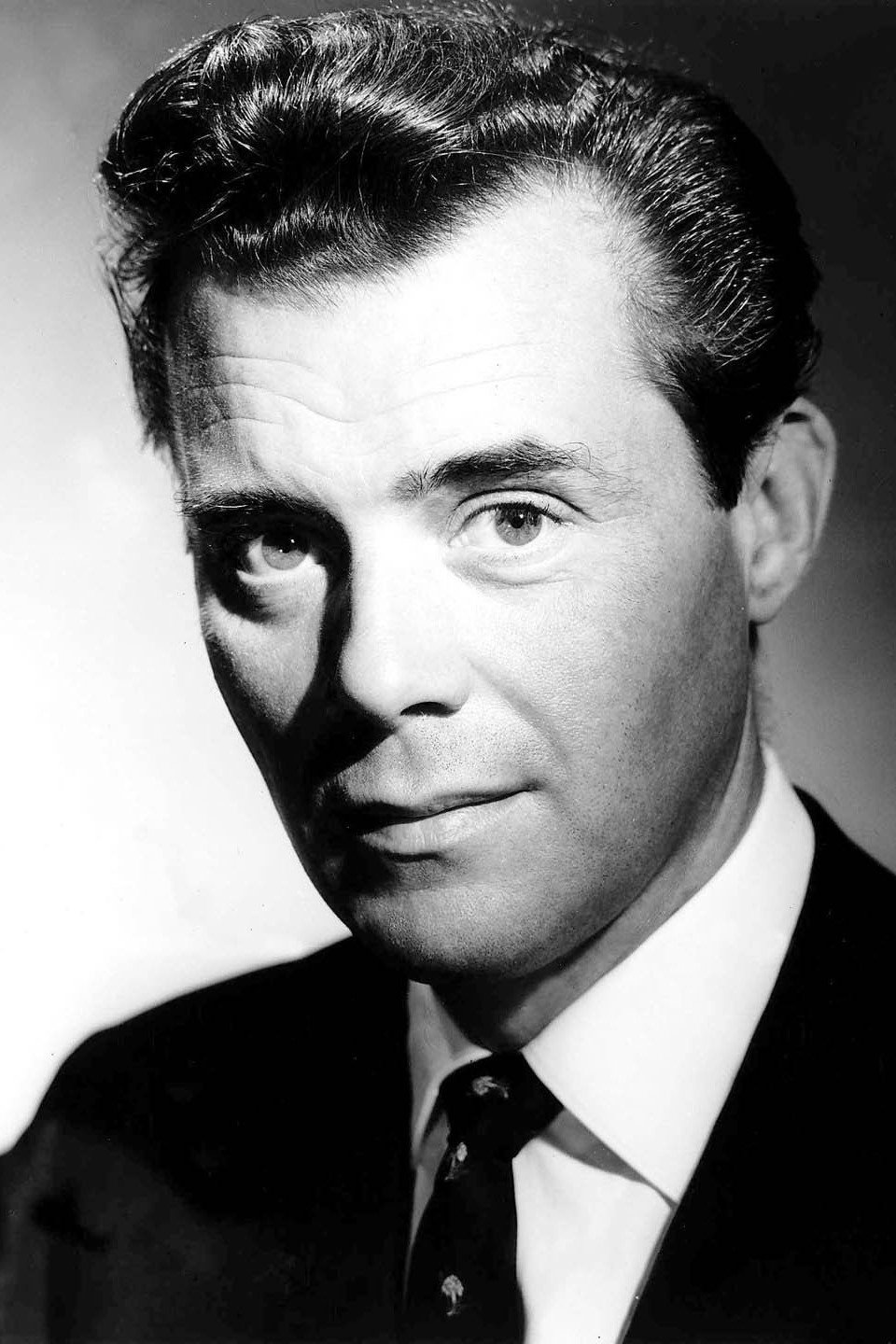
Dirk Bogarde was a major star in British cinema who took a significant risk by starring in the landmark film ‘Victim’. The movie was the first to use the word homosexual and dealt directly with the blackmail of gay men. Bogarde later felt that taking the role had a permanent impact on his career and limited his ability to remain a traditional leading man. While he was proud of the film’s social impact he also felt the sting of the industry’s subsequent cooling toward him. He eventually moved to Europe to pursue more artistic and less commercial projects.
Alan Cumming
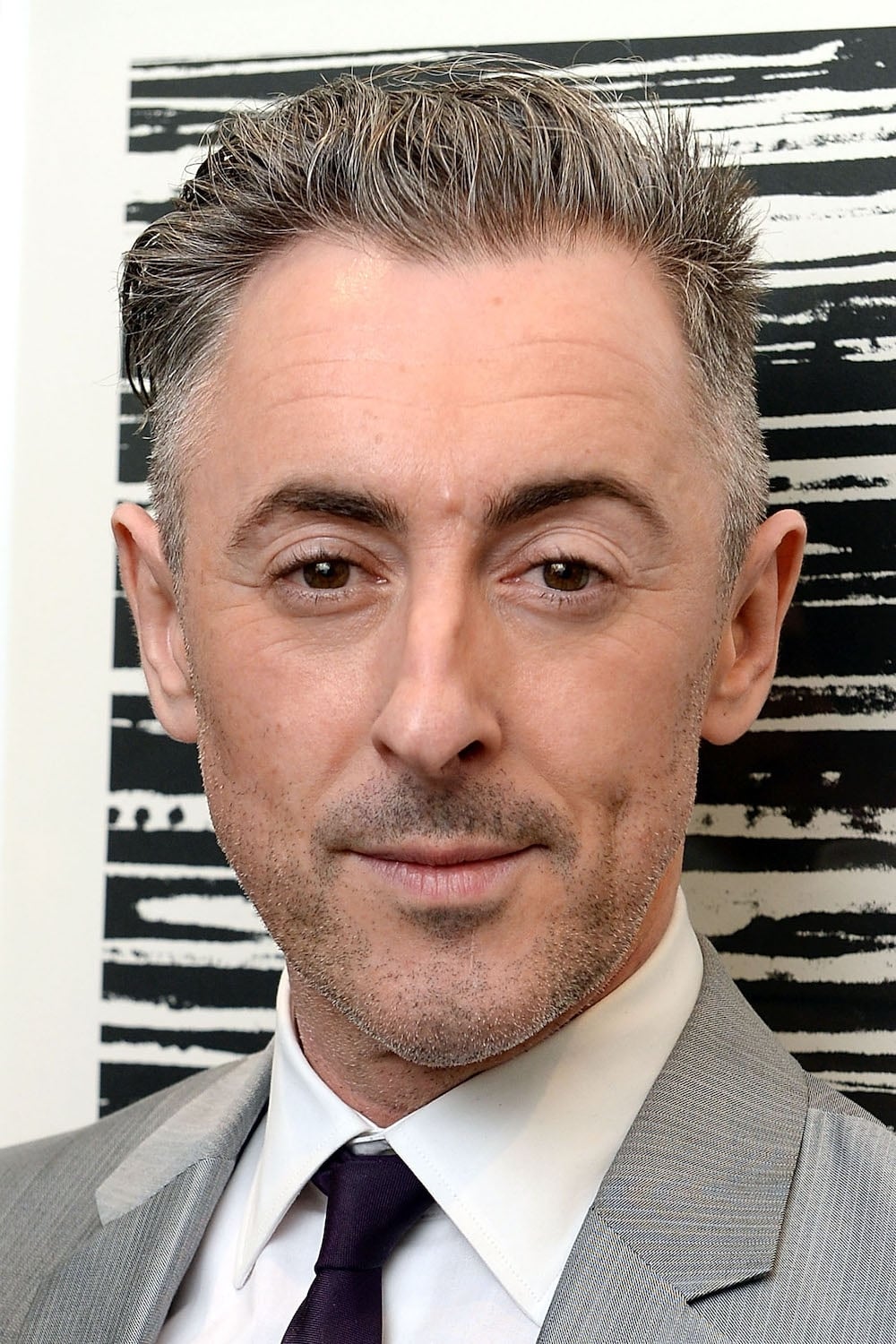
Alan Cumming has a diverse career including a role as Fegan Floop in the ‘Spy Kids’ franchise. While the films were popular the actor later felt that some of his work in mainstream family movies lacked the depth he craved. He has been open about his bisexual identity and the challenges of being an out actor in both Hollywood and the United Kingdom. Cumming often feels more at home in theater and independent films that allow for more creative freedom. He continues to balance commercial work with projects that align with his personal and political values.
Nathan Lane
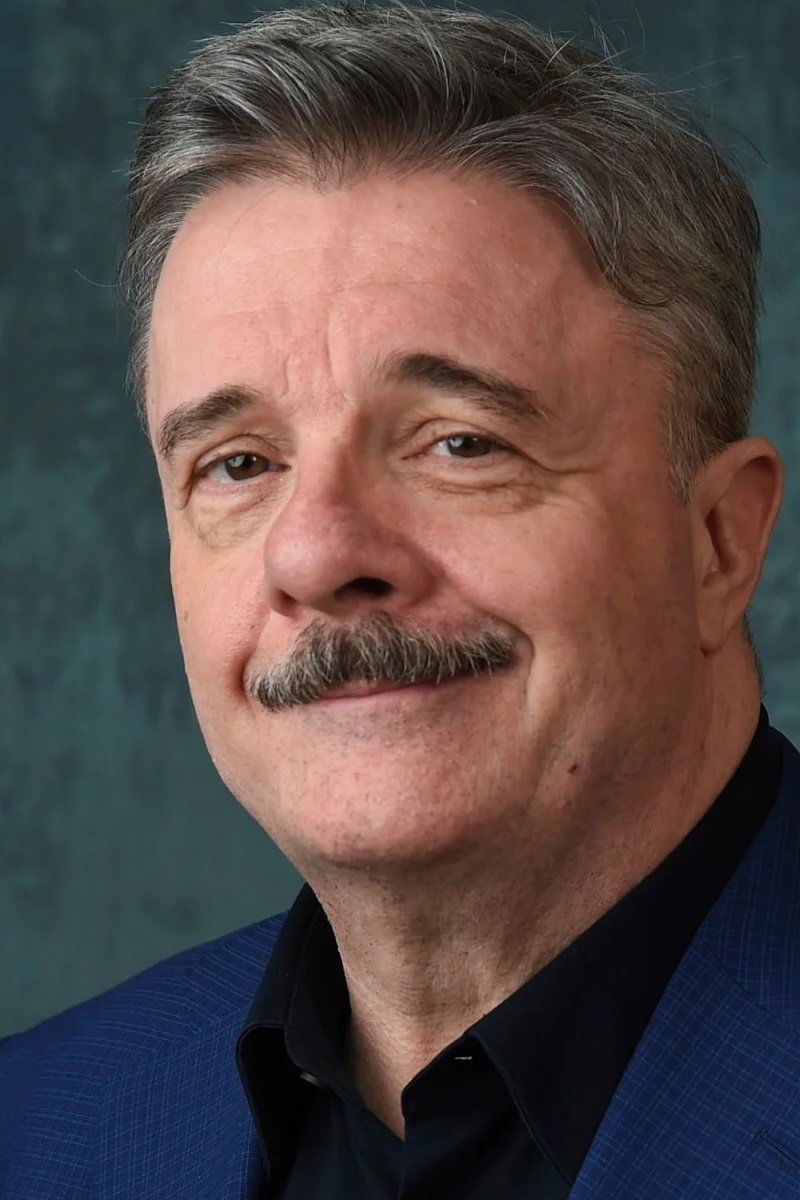
Nathan Lane delivered a beloved performance as Albert in the comedy ‘The Birdcage’. At the time of the film’s release Lane was not yet publicly out and he felt a great deal of anxiety about the media’s reaction to his role. He later shared that the pressure to discuss his personal life during the film’s promotion was incredibly stressful. While he is proud of the film he regrets that he was not in a place where he could speak his truth openly during its success. Lane has since become one of the most prominent out actors in the industry with a celebrated career in theater and film.
Victor Garber
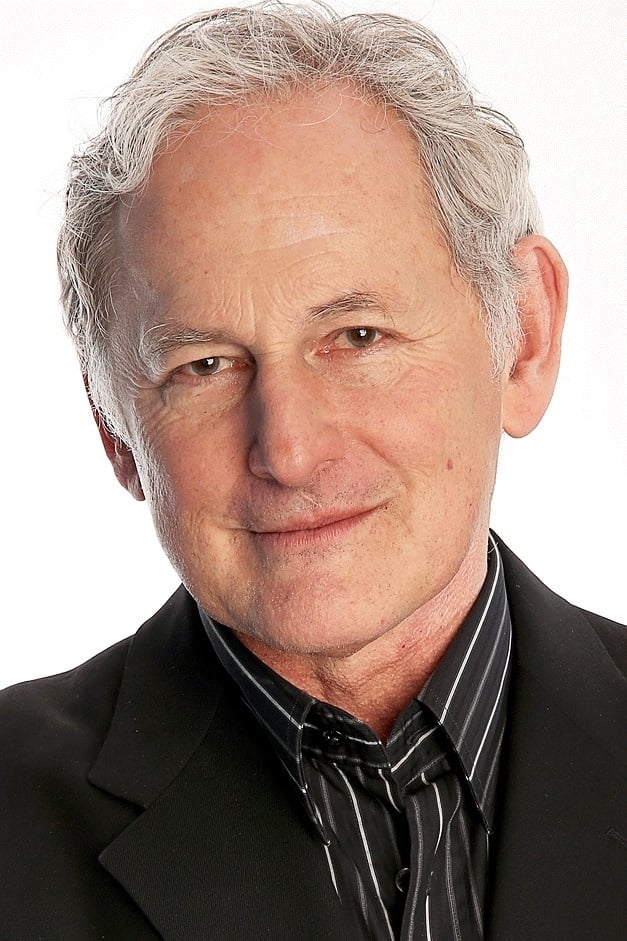
Victor Garber appeared in the epic blockbuster ‘Titanic’ as the ship’s designer Thomas Andrews. While the film was a global phenomenon Garber has occasionally reflected on the nature of being a character actor in massive productions. He spent many years maintaining his privacy before publicly acknowledging his long term partner later in his career. Garber felt that his professional success was sometimes separate from his personal reality during his busiest years in Hollywood. He has since enjoyed a prolific career across television and film while living authentically.
Zachary Quinto
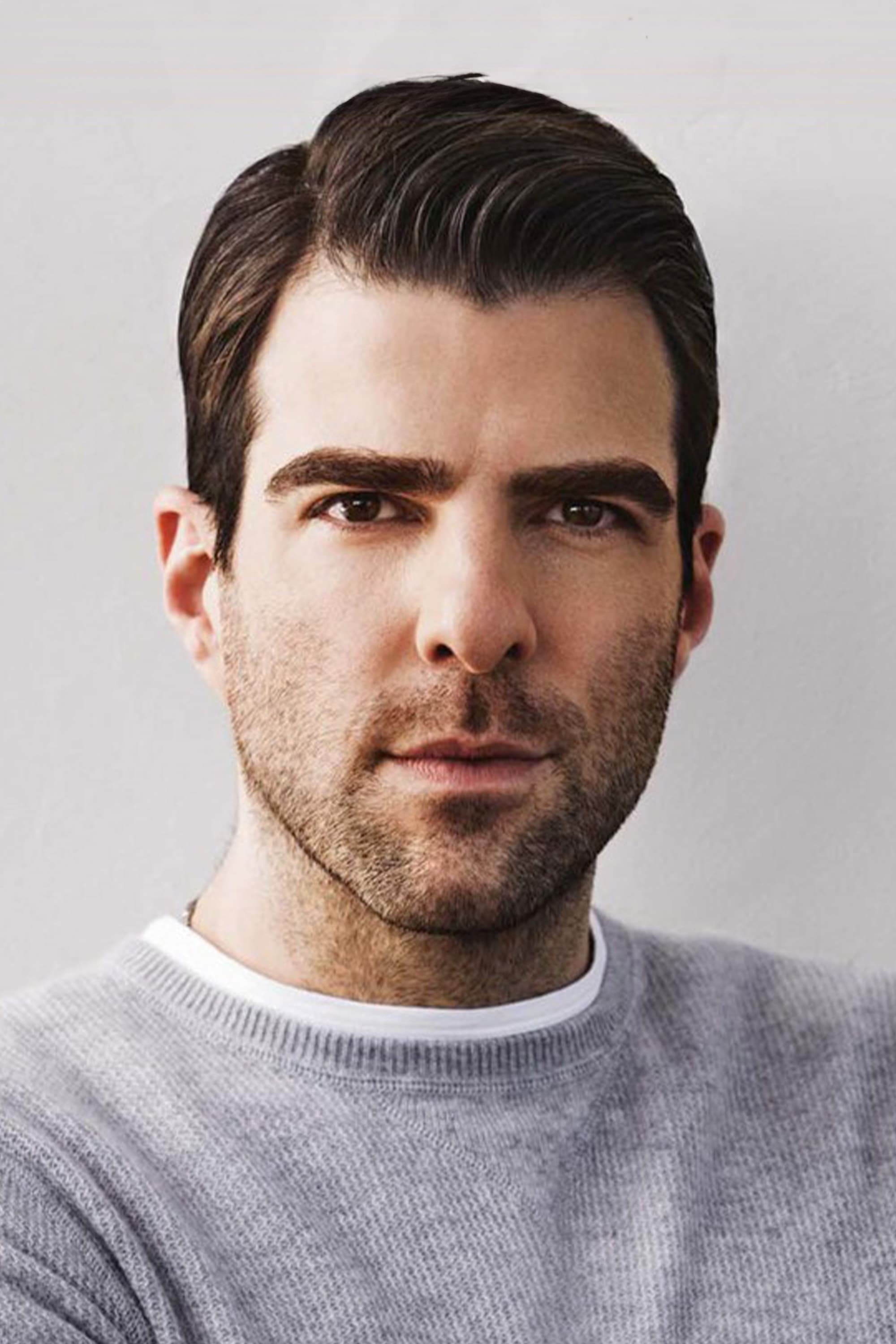
Zachary Quinto became a star through his roles in the series ‘Heroes’ and as Spock in the ‘Star Trek’ reboots. Before coming out publicly he felt the need to be cautious about how his identity might affect his career trajectory in big budget franchises. Quinto later admitted that the decision to be open about his sexuality brought a sense of relief that he had not anticipated. He has occasionally expressed a desire for more diverse roles that move beyond the science fiction genre that made him famous. He remains a vocal advocate for LGBTQ+ rights and more inclusive storytelling in mainstream media.
John Barrowman
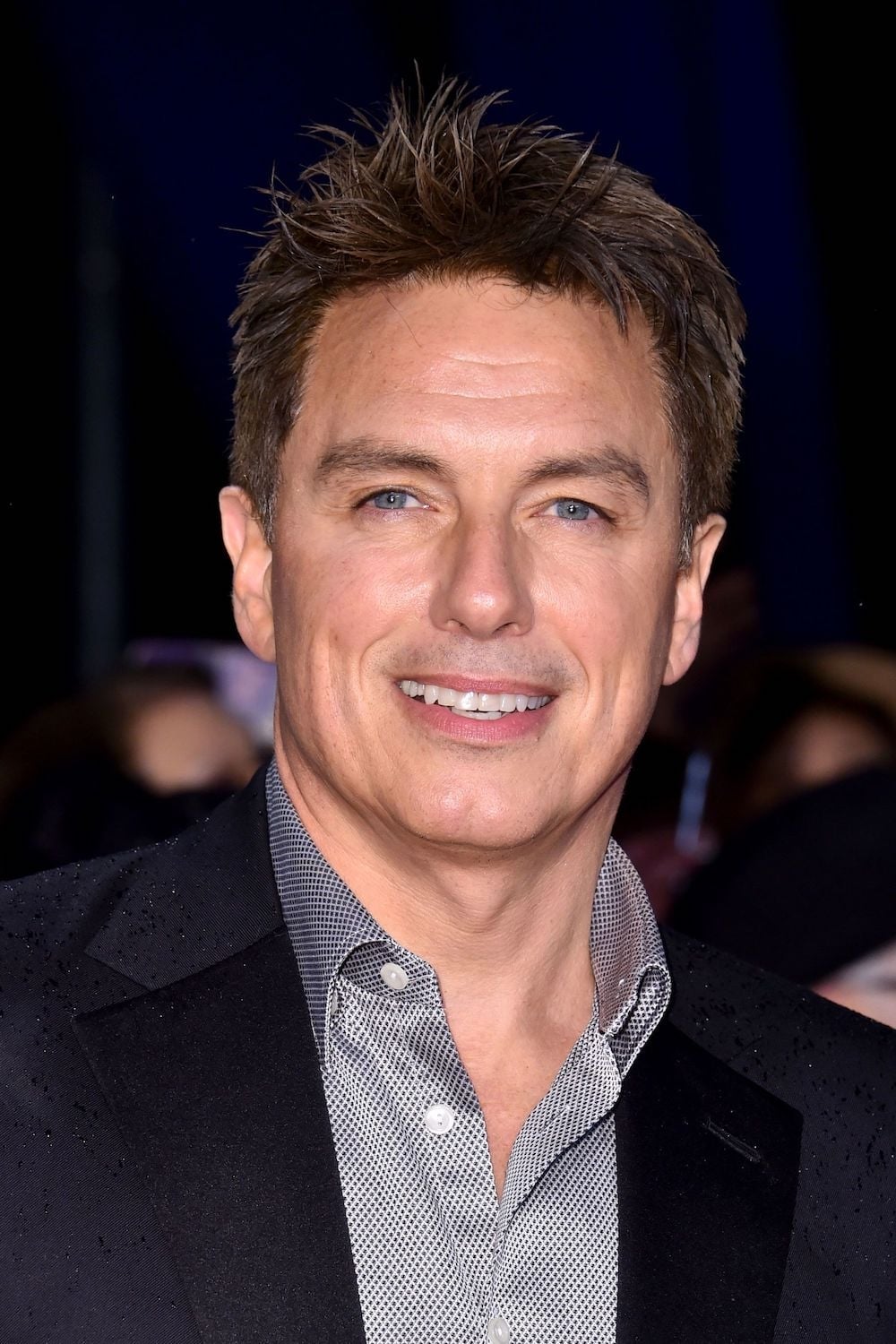
John Barrowman is best known for playing Captain Jack Harkness in ‘Doctor Who’ and its spin off ‘Torchwood’. While he embraced the role of a groundbreaking omnisexual hero he sometimes felt restricted by the expectations of the fandom. Barrowman has reflected on the challenges of being a high profile gay actor in the British and American television industries simultaneously. He has occasionally expressed frustration with the way certain plot lines or character developments were handled by the show’s writers. Despite these feelings he remains grateful for the impact the character had on queer representation in science fiction.
Stephen Fry
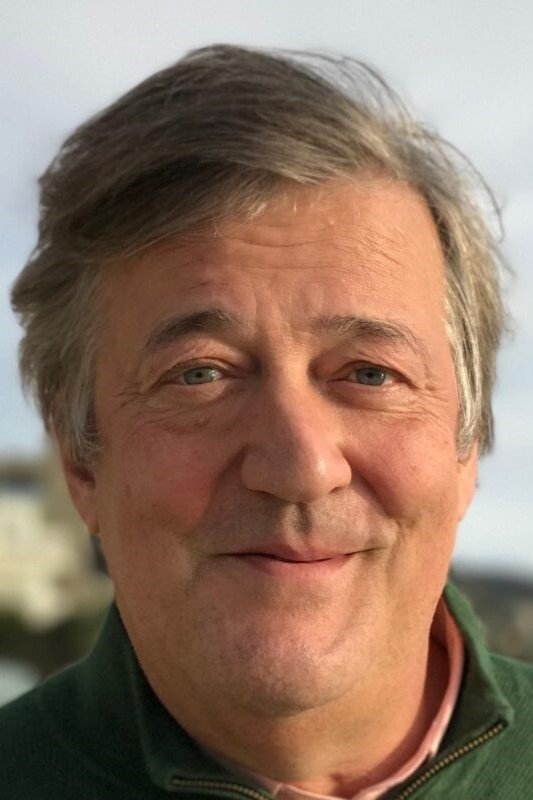
Stephen Fry appeared in ‘The Hobbit’ trilogy as the Master of Laketown which was a physically demanding and heavily costumed role. He later spoke about the discomfort of the filming process and the limited scope of the character within the larger epic. Fry has always been open about his identity and has navigated a career that spans comedy, drama, and documentary filmmaking. He often finds more fulfillment in his writing and intellectual pursuits than in large scale commercial acting projects. He continues to be a respected public intellectual and a prominent voice for LGBTQ+ issues worldwide.
David Hyde Pierce
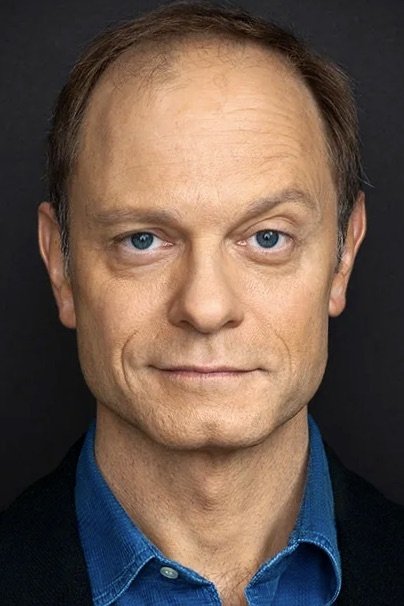
David Hyde Pierce is universally recognized for his brilliant portrayal of Niles Crane on the sitcom ‘Frasier’. Throughout the show’s original run he kept his personal life entirely private which he later felt was a necessary choice at the time. Pierce has reflected on the unique pressure of being a closeted actor while playing a character who was often the subject of public debate regarding his mannerisms. He eventually came out years after the show ended and has since focused on his first love of theater. He remains a highly respected performer who values his privacy and the integrity of his work.
Harvey Fierstein
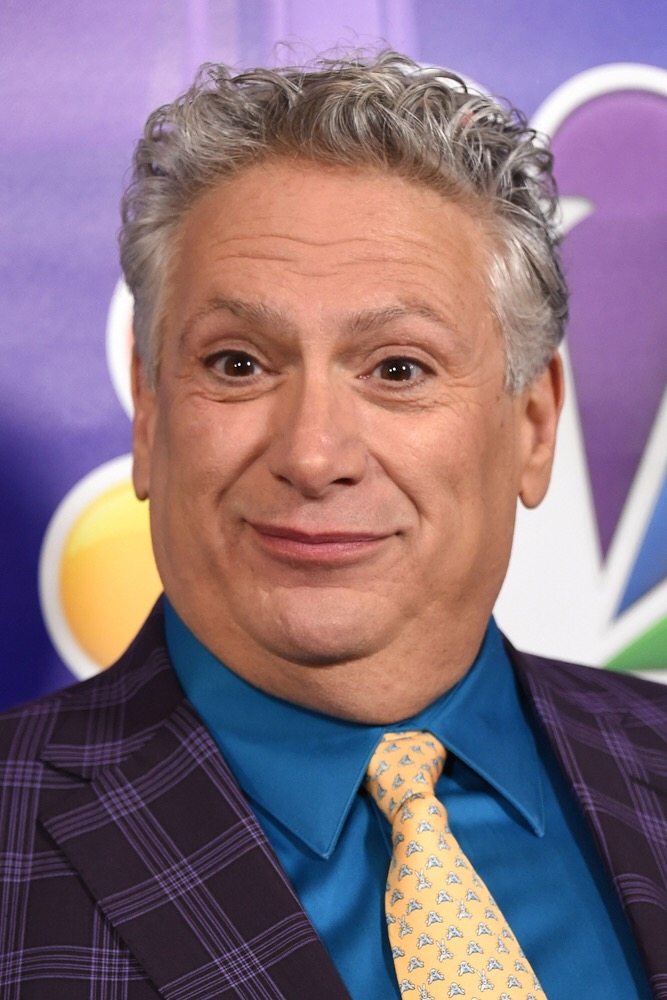
Harvey Fierstein is a pioneer of LGBTQ+ theater who also appeared in mainstream films like ‘Mrs. Doubtfire’. He has spoken about the frustration of being pigeonholed into the gay best friend or comic relief role for much of his film career. Fierstein felt that Hollywood often ignored his range as a dramatic actor in favor of his gravelly voice and theatrical persona. He eventually focused more on writing and performing on Broadway where he could create his own narratives. He remains a legendary figure in the fight for authentic queer storytelling in the arts.
Luke Evans
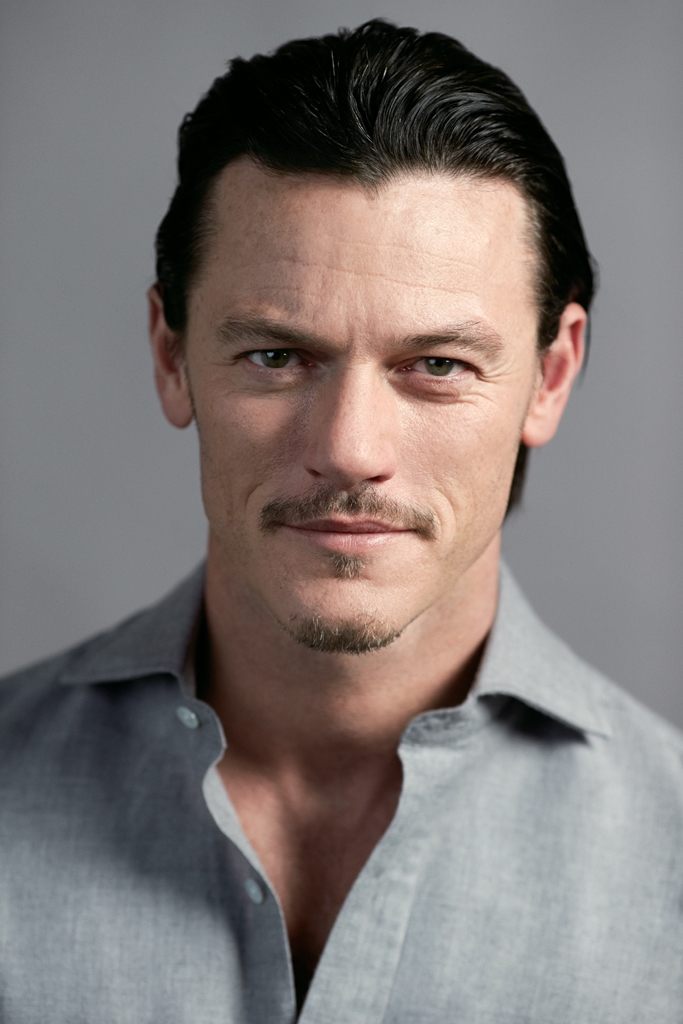
Luke Evans starred as Gaston in the live action adaptation of ‘Beauty and the Beast’. While the film was a massive hit Evans has occasionally discussed the difficulty of being an out actor in the highly scrutinized world of blockbuster franchises. He has navigated a career that balances big budget action roles with more intimate dramatic work. Evans has expressed a desire for the industry to move past the need for actors to constantly explain their personal lives. He continues to prove that his sexuality has no bearing on his ability to play a diverse range of characters.
Haaz Sleiman
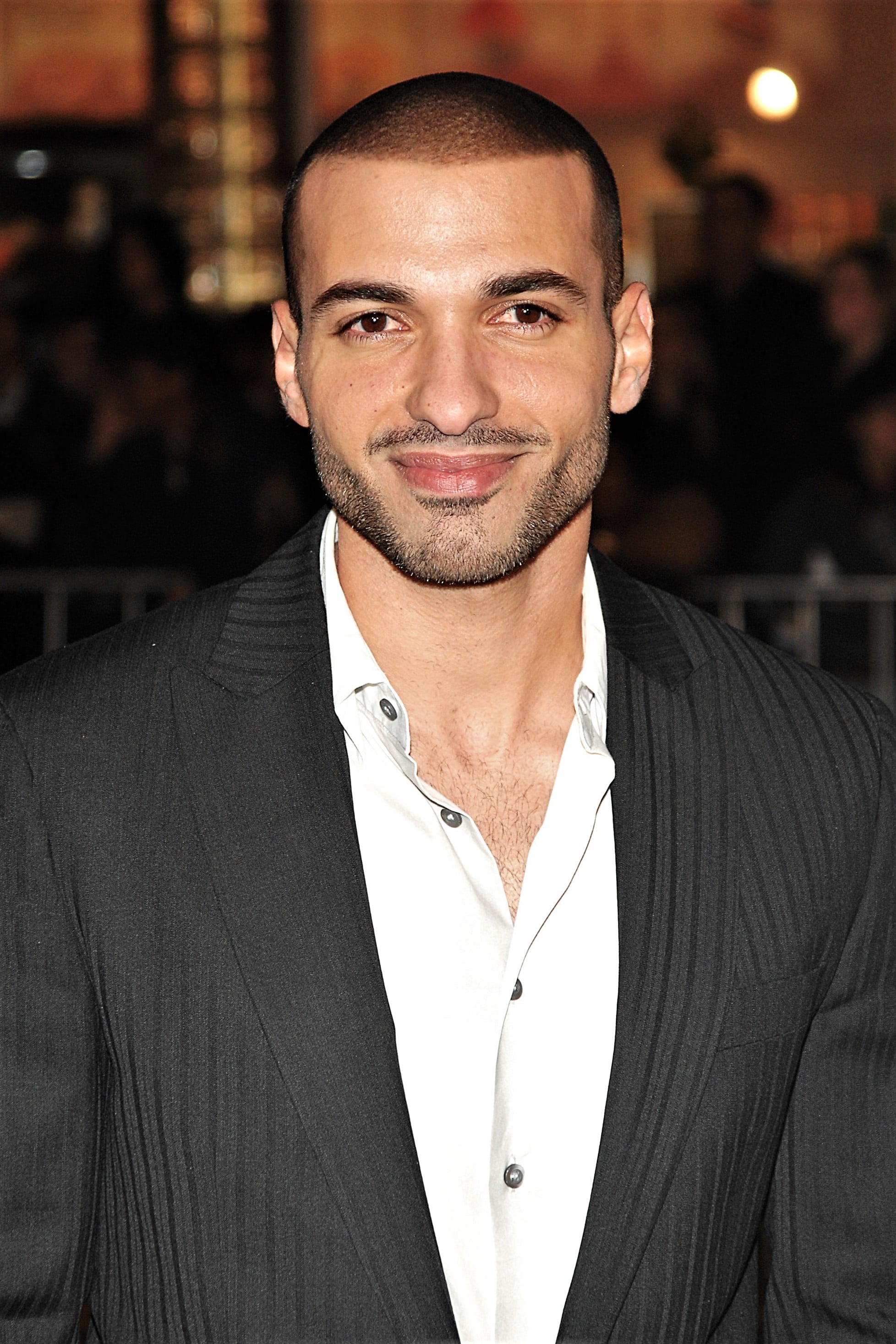
Haaz Sleiman starred in the acclaimed film ‘The Visitor’ and played a groundbreaking gay role in the superhero movie ‘Eternals’. He has been open about the challenges of being a gay man of Middle Eastern descent in a conservative industry. Sleiman felt that early in his career he had to be very careful about the roles he chose to avoid being stereotyped or outed prematurely. He has since become a vocal advocate for more intersectional representation in media. He continues to push for stories that reflect the complexity of his background and identity.
Tuc Watkins
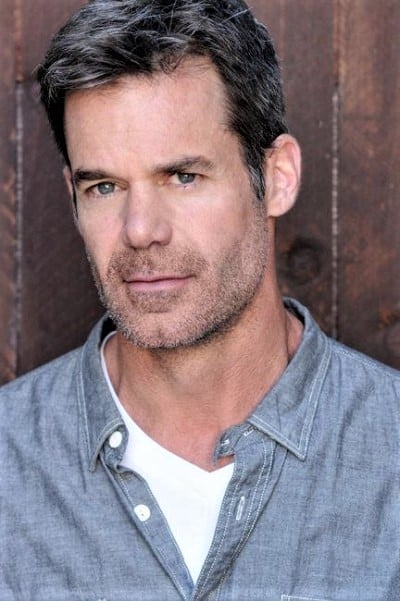
Tuc Watkins is known for his role as David Vickers on the soap opera ‘One Life to Live’ and for appearing in ‘Desperate Housewives’. He spent many years in the closet while playing a flamboyant and popular character on daytime television. Watkins later shared that the pressure to hide his reality while being a public figure was exhausting and isolating. He eventually came out publicly to live a more truthful life with his family. He has since found fulfillment in roles that allow him to be open about who he is.
Wilson Cruz
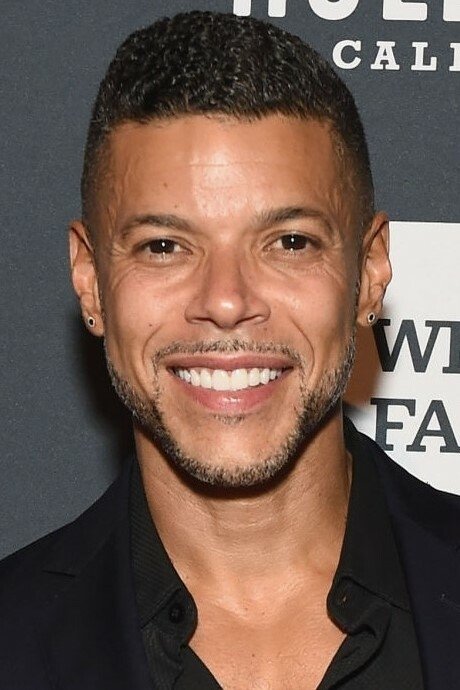
Wilson Cruz became a trailblazer for his role as Rickie Vasquez on the teen drama ‘My So Called Life’. While he is incredibly proud of the show’s impact he has spoken about the professional difficulties that followed playing such an iconic gay character so early in his career. Cruz felt that the industry was not yet ready to cast out gay actors in a variety of roles which led to periods of struggle. He has dedicated much of his life to activism and improving conditions for LGBTQ+ performers in Hollywood. He remains a vital voice in the ongoing quest for equality and representation.
Maulik Pancholy
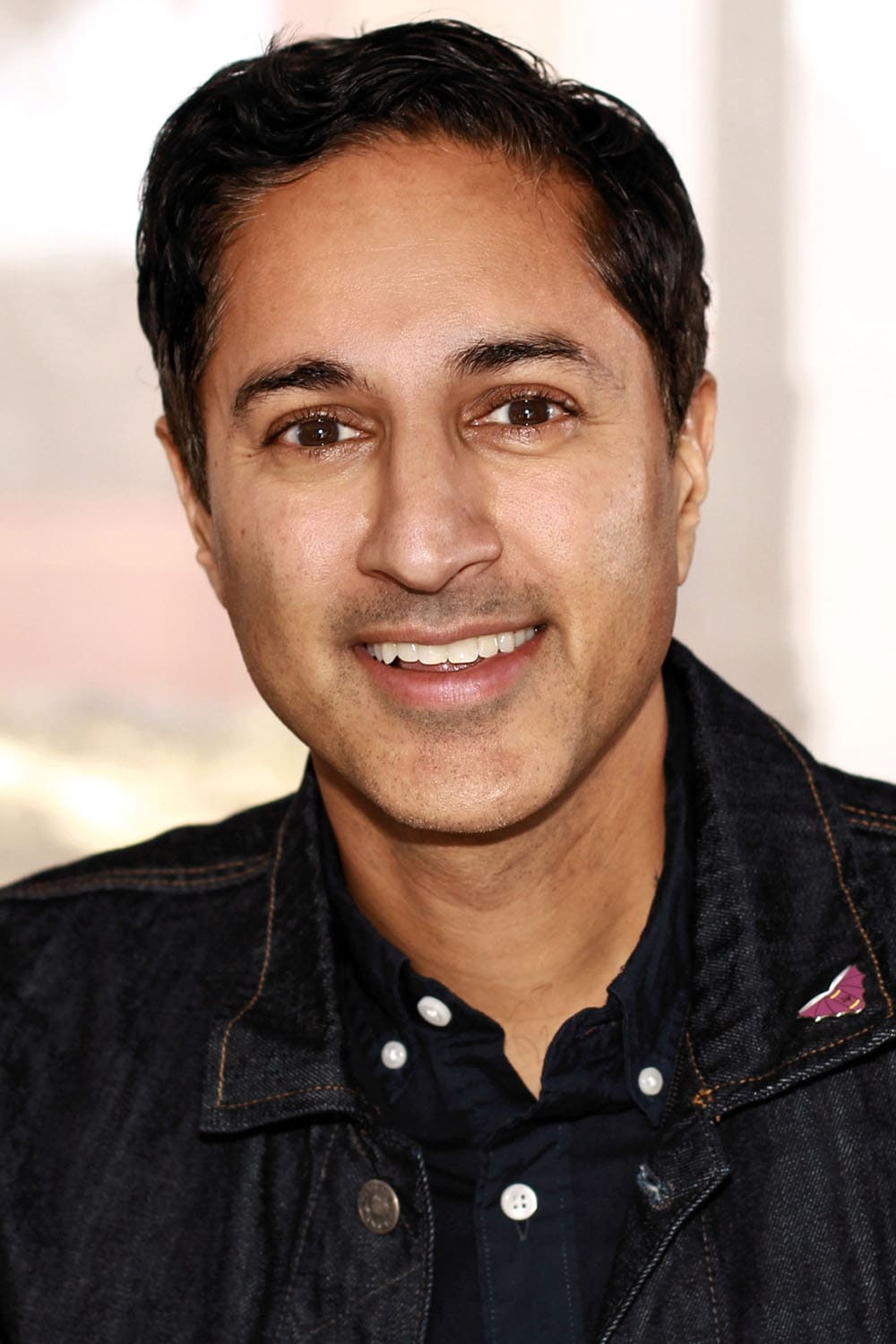
Maulik Pancholy is recognized for his roles in ’30 Rock’ and ‘Weeds’ as well as his extensive voice work. He spent several years in the closet during the height of his television success before deciding to live authentically. Pancholy felt that the constant need to monitor his public image was a distraction from his craft and personal happiness. He has since become a prominent advocate for the LGBTQ+ community and for better representation of Asian Americans in media. He continues to enjoy a successful and varied career across many platforms.
Robin de Jesús
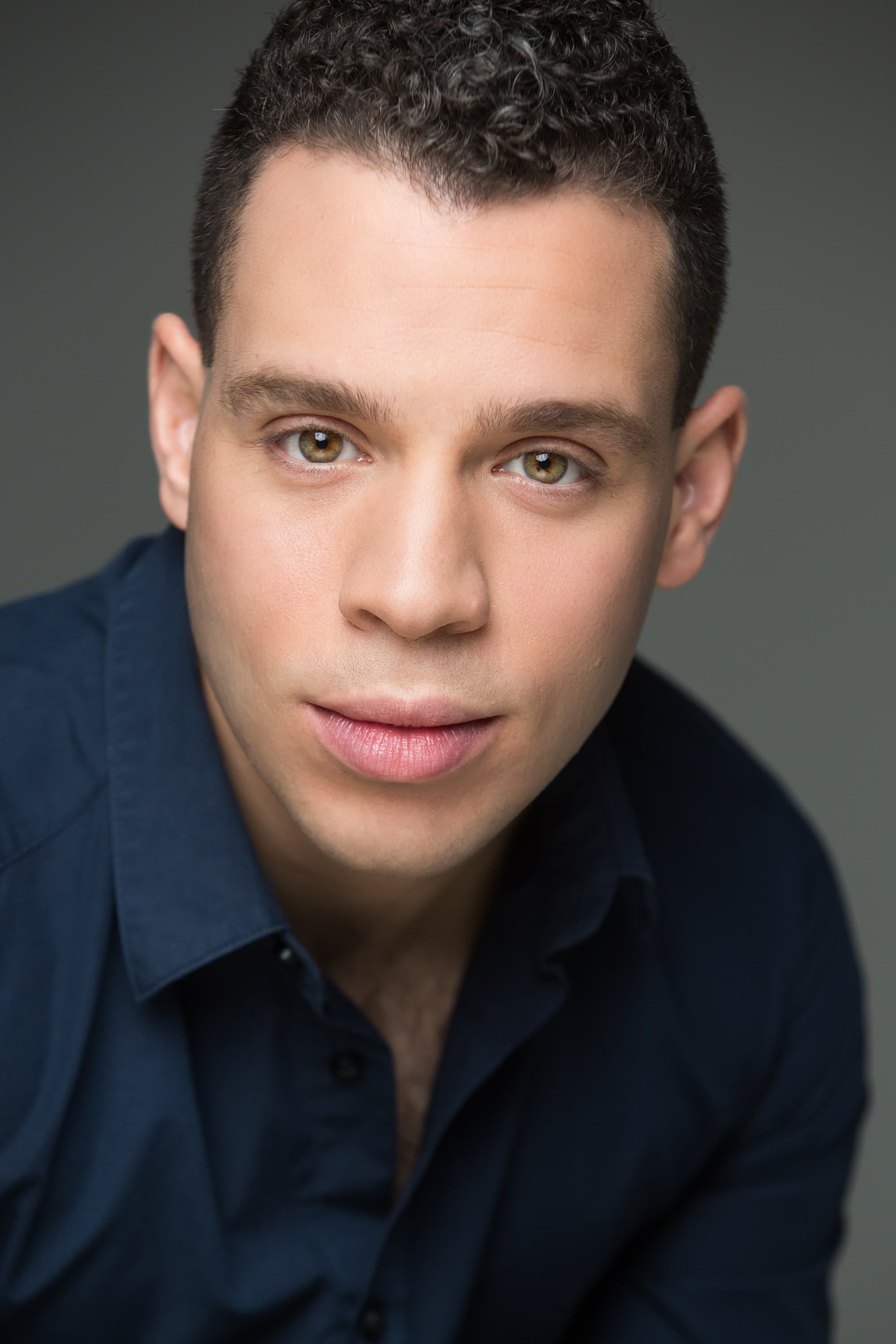
Robin de Jesús is a Tony nominated actor who has appeared in films like ‘Camp’ and ‘tick, tick… BOOM!’. He has been vocal about the limitations placed on Latinx actors who are also part of the LGBTQ+ community. De Jesús felt that he was often expected to fit into very specific and limited character tropes early in his career. He has worked hard to find roles that showcase his versatility and break away from industry expectations. His success serves as an inspiration for performers seeking to remain true to their identities while pursuing their dreams.
Guillermo Díaz
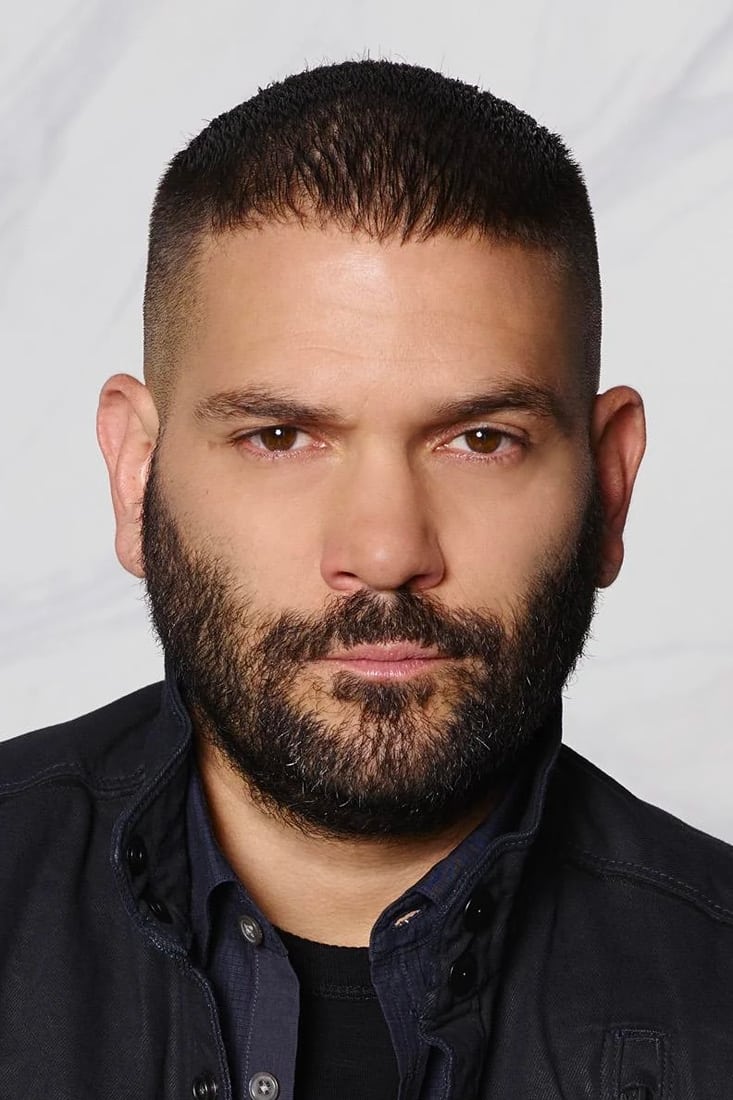
Guillermo Díaz gained fame for his role as Huck in the political thriller series ‘Scandal’. He has shared his experiences of being a gay Latino actor in an industry that often tries to categorize performers into narrow boxes. Díaz felt that some of his early roles were defined by stereotypes that did not reflect his true potential. He has been open about his identity and the importance of being visible for younger generations of LGBTQ+ actors. He continues to seek out challenging roles that defy easy categorization.
Conrad Ricamora
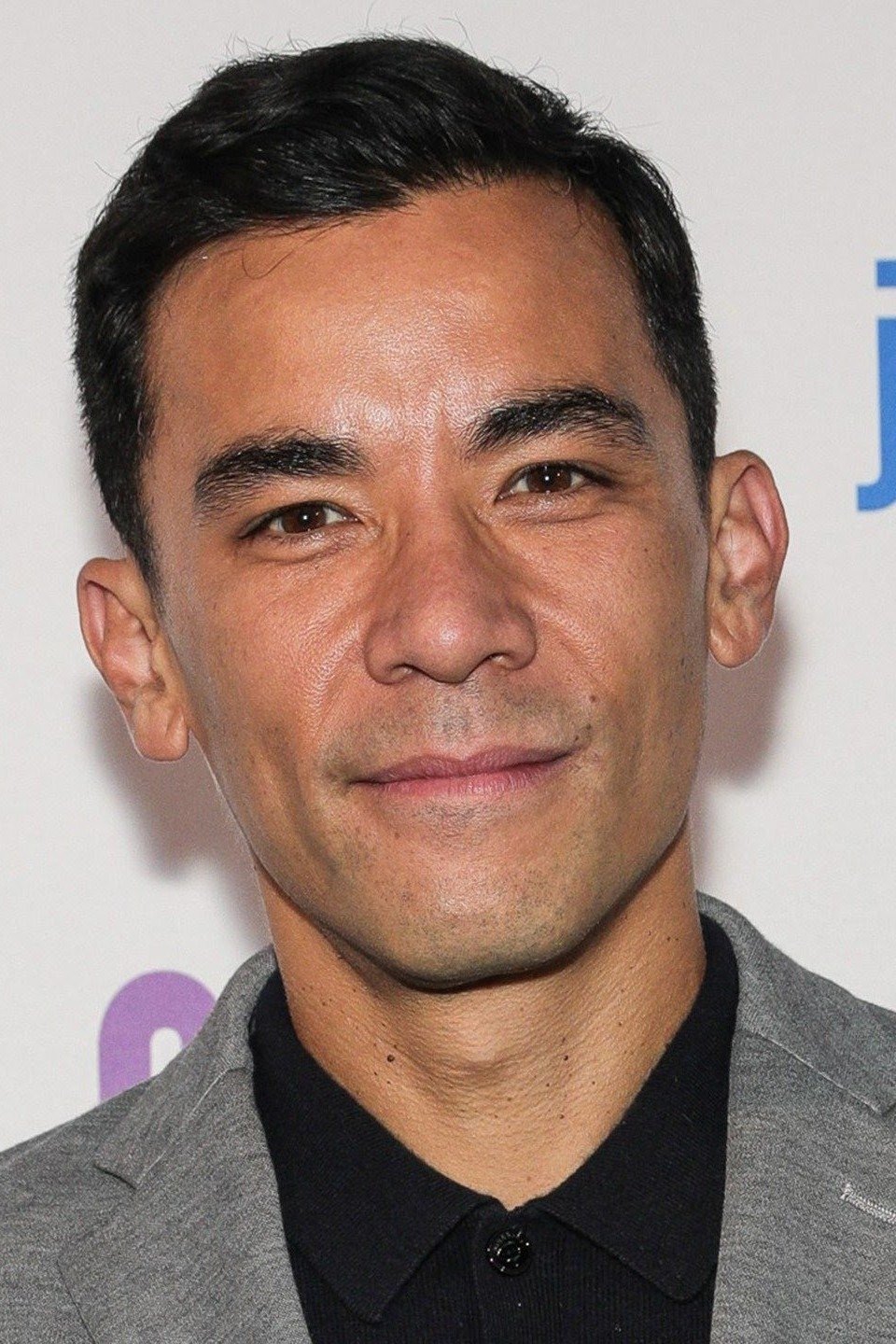
Conrad Ricamora is best known for his role as Oliver Hampton on the drama ‘How to Get Away with Murder’. He has discussed the pressure of being one of the few out Asian American actors on a major network series. Ricamora felt that the success of the show brought a level of scrutiny that was both rewarding and challenging to navigate. He has been an advocate for more diverse stories that explore the intersections of race and sexuality. He continues to work in television and theater while championing greater inclusion.
Kristian Nairn
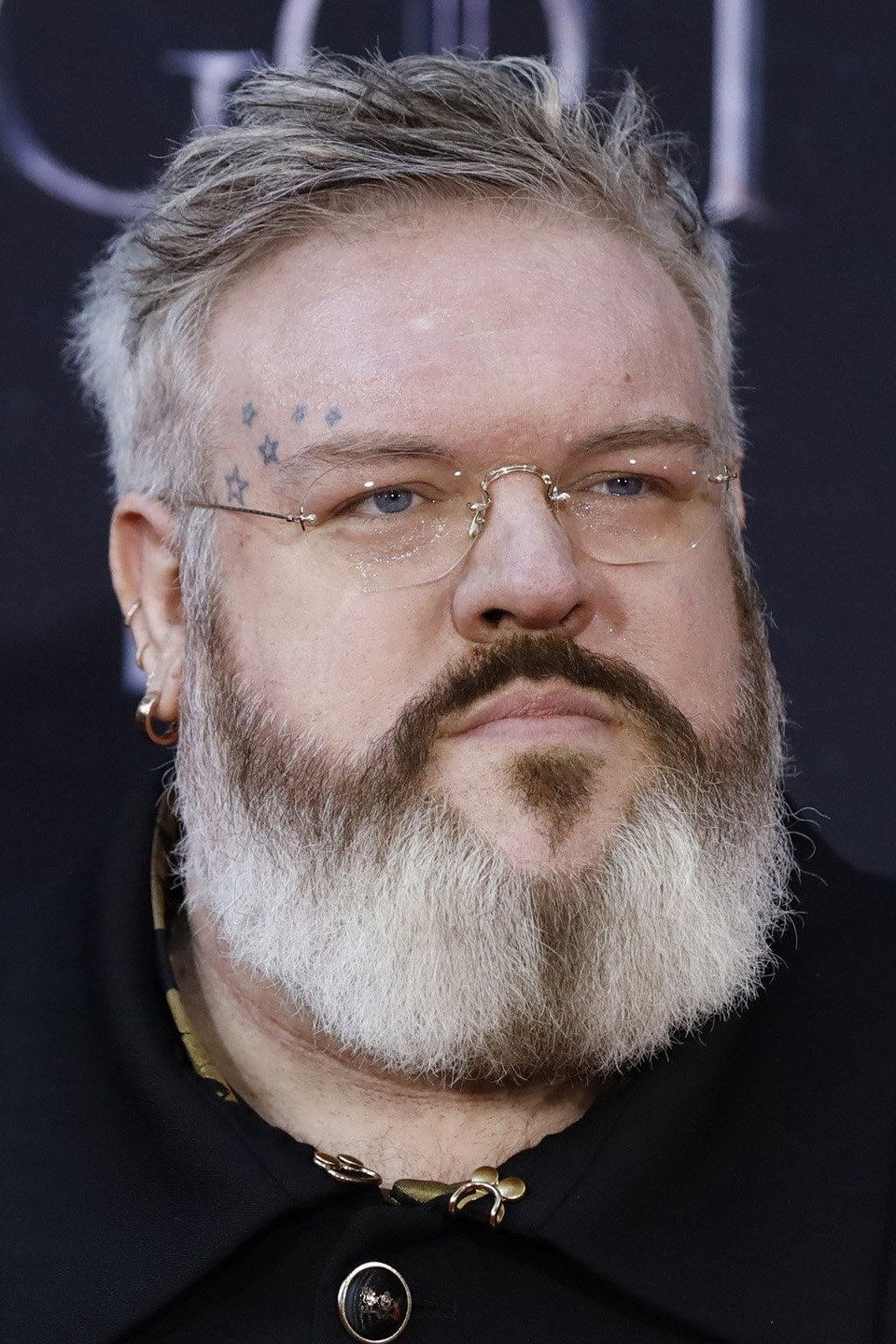
Kristian Nairn became a global star playing Hodor in the fantasy epic ‘Game of Thrones’. While he is grateful for the opportunity he has occasionally reflected on the physical and professional limitations of playing a character with very little dialogue. Nairn has been open about his identity as a gay man and has used his platform to advocate for the community. He has navigated a career that includes both acting and a successful career as a DJ. He remains a beloved figure among fans for his portrayal of one of the most endearing characters in the series.
Share your thoughts on these actor stories in the comments.