


LGBTQ+ Actors Who Disappeared from Hollywood After Coming Out

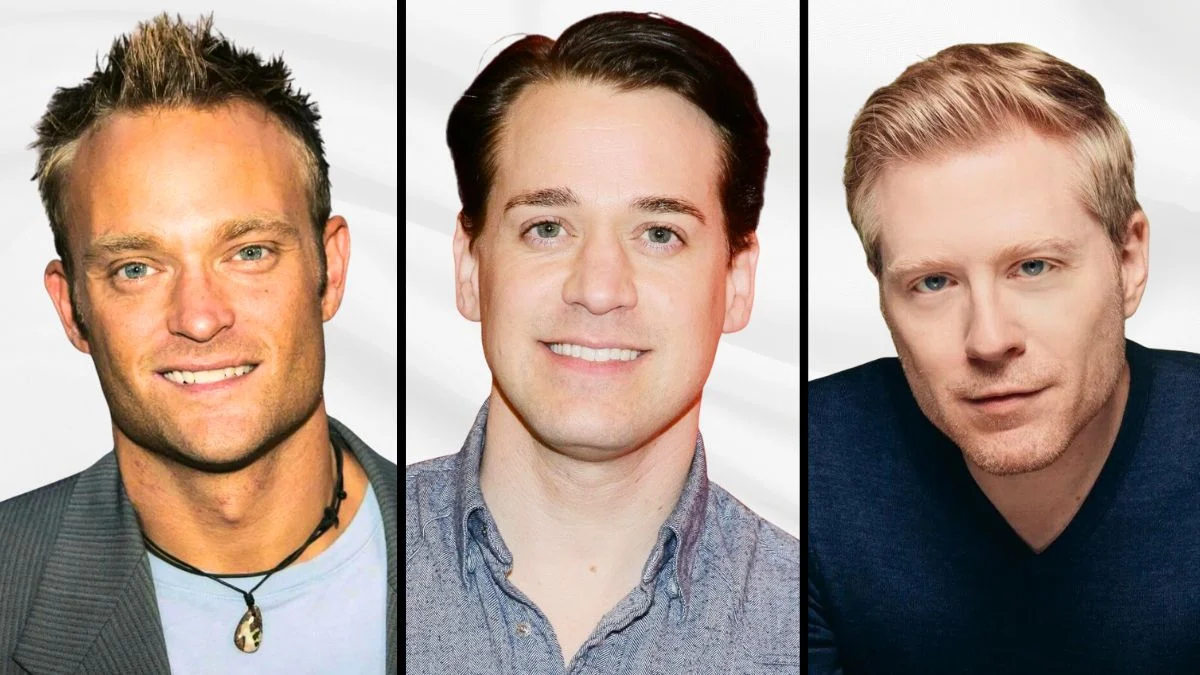


Hollywood has a long history of treating openly gay and bisexual men unevenly, and a number of performers who came out later found themselves stepping back from mainstream screen work. Some retired completely, some shifted to theater or writing, and others built careers outside the industry. The stories below focus on what each actor actually did after coming out and where their professional path led.
Chad Allen
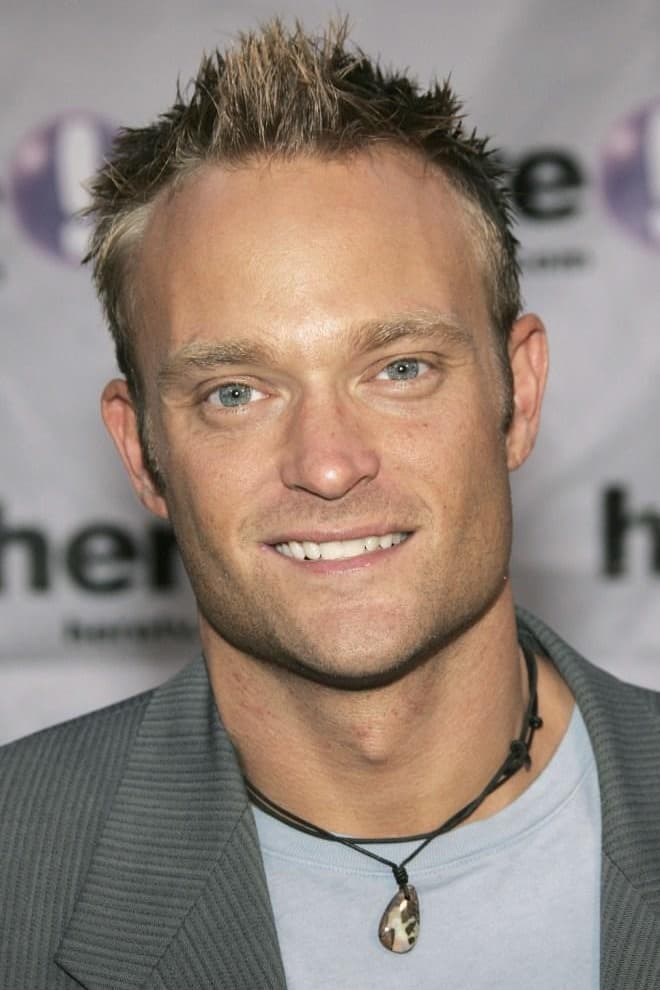
Chad Allen publicly came out in the late 1990s after years as a teen star and later headlined the ‘Donald Strachey Mysteries’ for Here TV. He announced his retirement from acting in 2015 and pursued graduate training to become a clinical psychologist. After stepping away, he removed his professional social media and focused on academics and clinical work. His screen credits slowed to a stop as he completed internships and licensure requirements.
Mark Patton
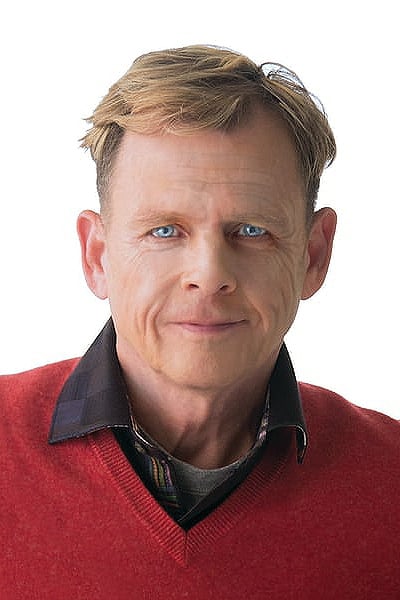
Best known for ‘A Nightmare on Elm Street 2’, Mark Patton faced industry scrutiny in the mid-to-late 1980s and eventually left Los Angeles. He moved to Mexico, opened a design business, and largely stopped auditioning for studio projects. Patton later reappeared for convention appearances and the documentary ‘Scream, Queen!’ which examined his experience. Outside of those engagements, he did not return to a regular Hollywood acting schedule.
Tommy Kirk
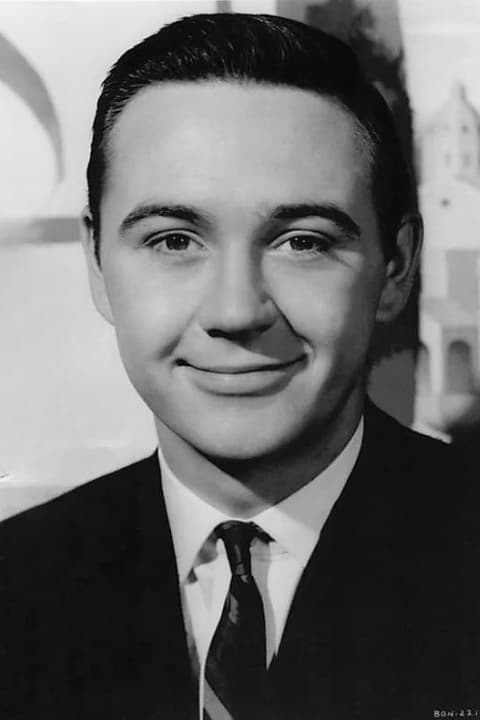
Disney star Tommy Kirk was outed in the early 1960s, after which his studio contract ended and film offers diminished. He later worked in regional theater and took jobs outside entertainment, including running a carpet and upholstery business. Kirk occasionally took small roles in low-budget features, but he did not reestablish a studio career. His public statements acknowledged his sexuality and the practical turn his life took away from Hollywood.
Rupert Everett
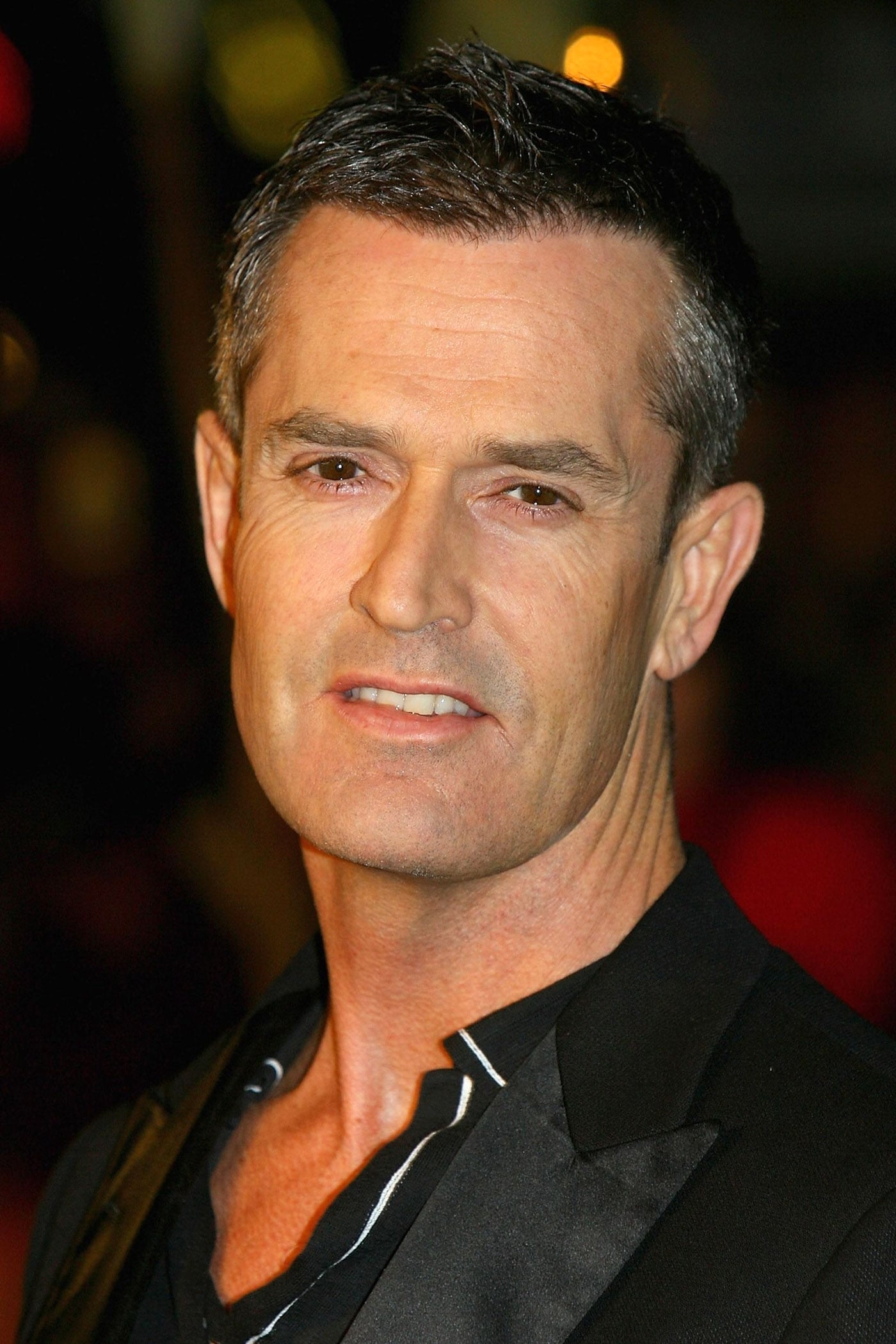
Rupert Everett discussed his decision to come out in the late 1980s and the impact it had on leading-man opportunities in U.S. films. He sustained work in European cinema, stage productions, voiceover, and writing, including publishing memoirs and directing. Hollywood roles became less frequent as he focused on projects developed in the U.K. and on the festival circuit. His later career centered on theater and auteur-driven films rather than major studio casting.
Richard Chamberlain
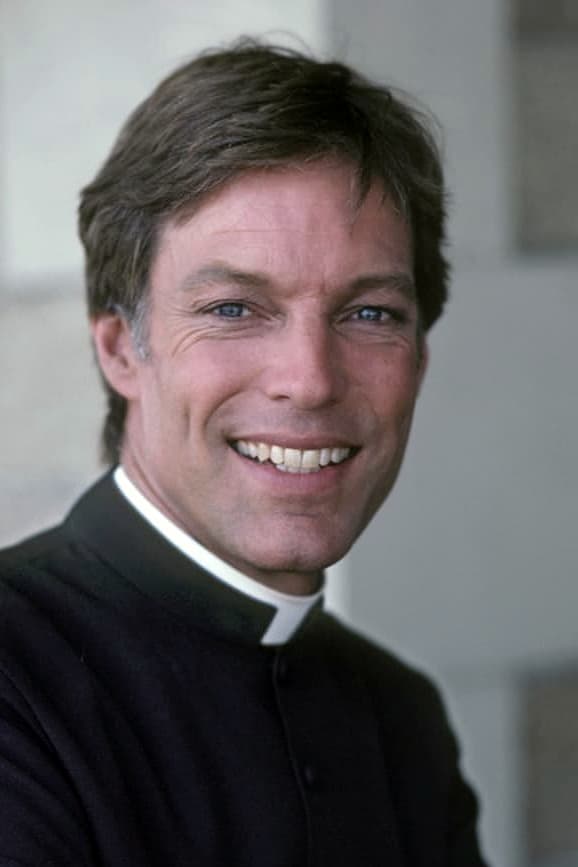
Richard Chamberlain, once a 1970s and 1980s miniseries mainstay, was widely reported as gay in the late 1980s and publicly came out in 2003. After that period he accepted select guest roles and stage parts while spending significant time living outside Hollywood hubs. His post-coming-out work leaned toward theater tours, regional productions, and occasional television appearances. The steady stream of U.S. lead roles he enjoyed earlier did not continue in the same way.
George Nader
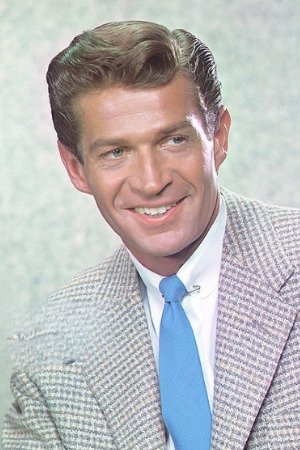
George Nader’s studio career stalled in the 1950s after scandal coverage and increasing scrutiny of his private life. He relocated to Europe, starred in German productions, and eventually left film to write fiction, including a sci-fi novel. Nader maintained a long-term partnership with Mark Miller and kept a low public profile in the United States. His onscreen presence in Hollywood effectively ended as he built a life largely away from the industry.
Tab Hunter
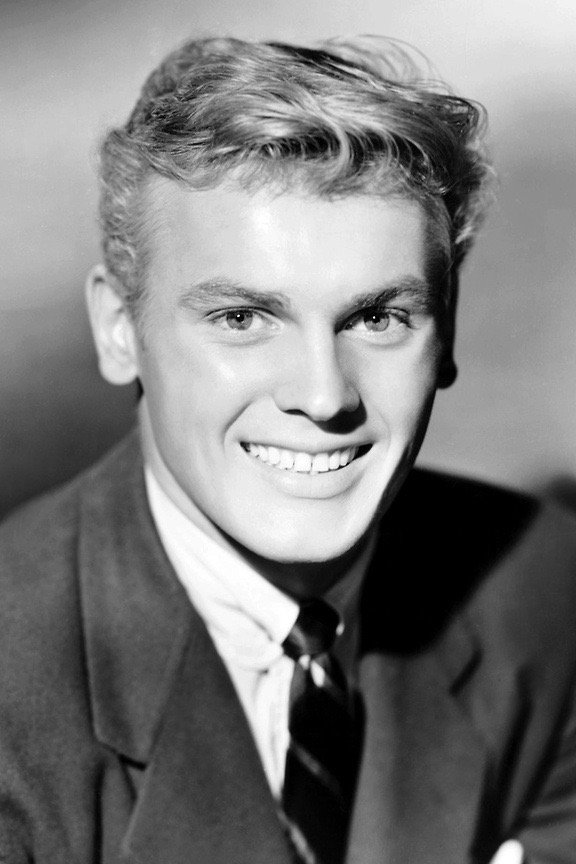
Tab Hunter’s heartthrob image collided with tabloid pressure, and he later publicly came out in a 2005 memoir. By then, his peak studio period was decades behind him and he had shifted to stage, independent films, and horse breeding. He made selective appearances and participated in documentaries about his career and the old studio system. Hollywood features were no longer his primary work as he prioritized personal projects and life outside the spotlight.
T.R. Knight
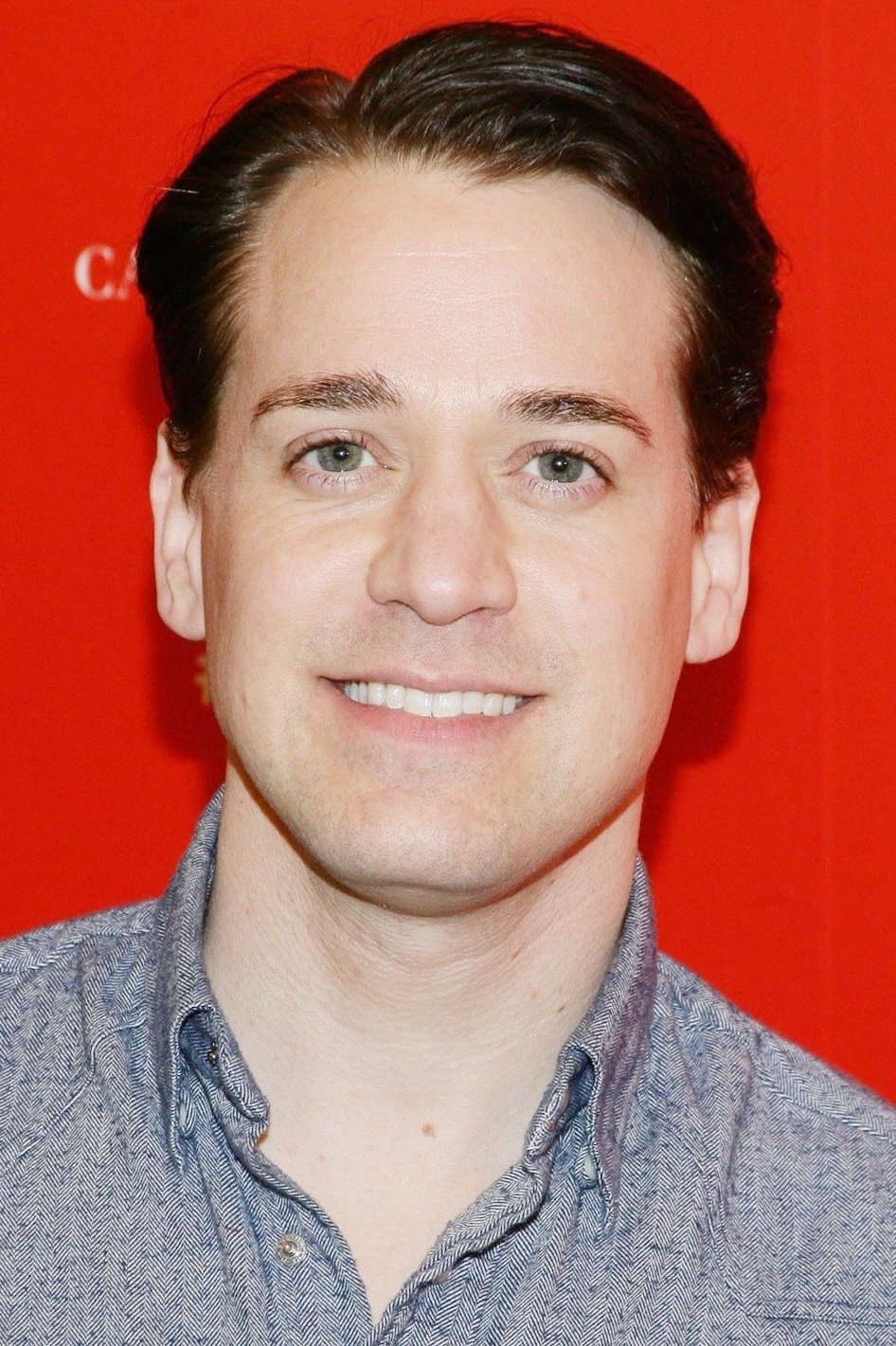
T.R. Knight came out in 2006 during his run on ‘Grey’s Anatomy’ and departed the series in 2009. He worked steadily on Broadway and in regional theater, choosing stage roles and occasional TV guest spots. He later booked limited-series parts and supporting roles but kept a lower profile in Los Angeles. Much of his professional energy moved toward theater rather than the Hollywood audition circuit.
Tom Villard
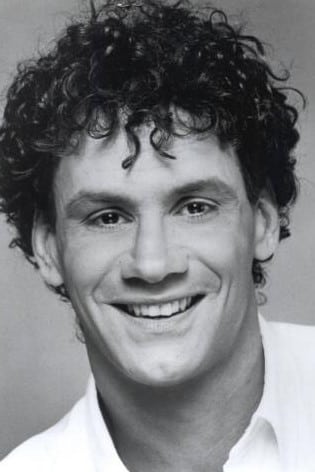
Tom Villard publicly disclosed that he was gay and living with HIV in 1994. His health declined rapidly and he died later that year, which ended a career that had included sitcoms and film supporting roles. In the months after coming forward, he spoke about industry stigma and healthcare challenges. His final appearances were advocacy-focused rather than pursuing new Hollywood projects.
Michael Kearns
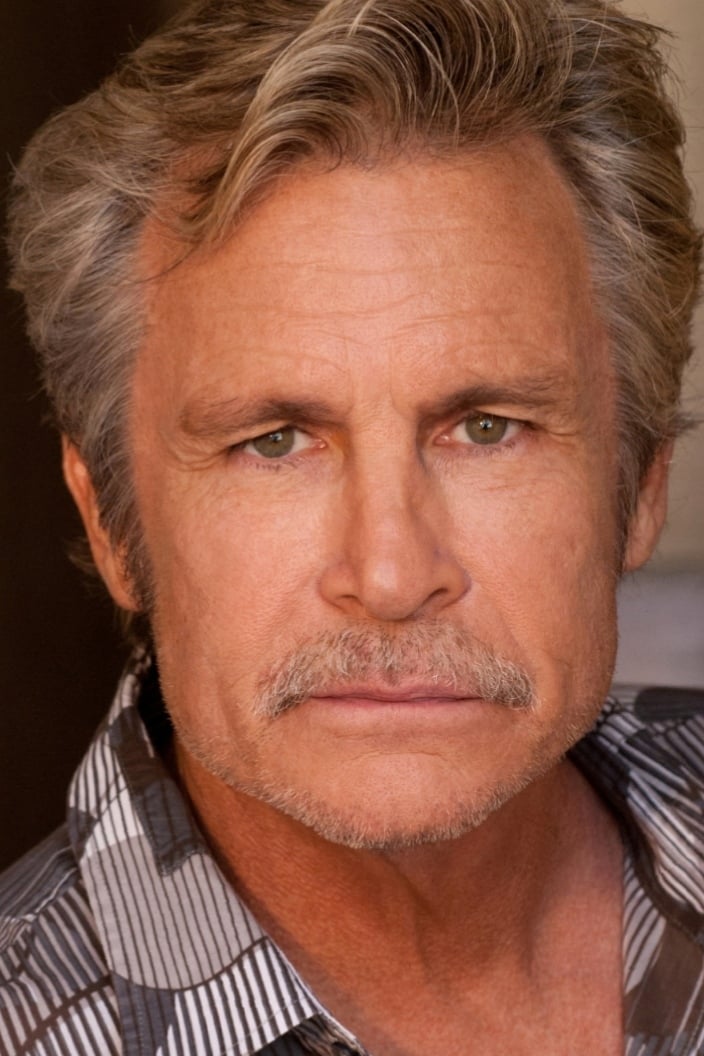
Michael Kearns came out as gay and later as HIV-positive in the early 1990s after television and stage credits in Los Angeles. He devoted himself to solo performance, teaching, and AIDS activism, moving away from mainstream screen roles. Kearns produced and directed theater pieces that addressed identity, illness, and community history. His creative base remained in small venues and classrooms rather than studio lots.
Wentworth Miller
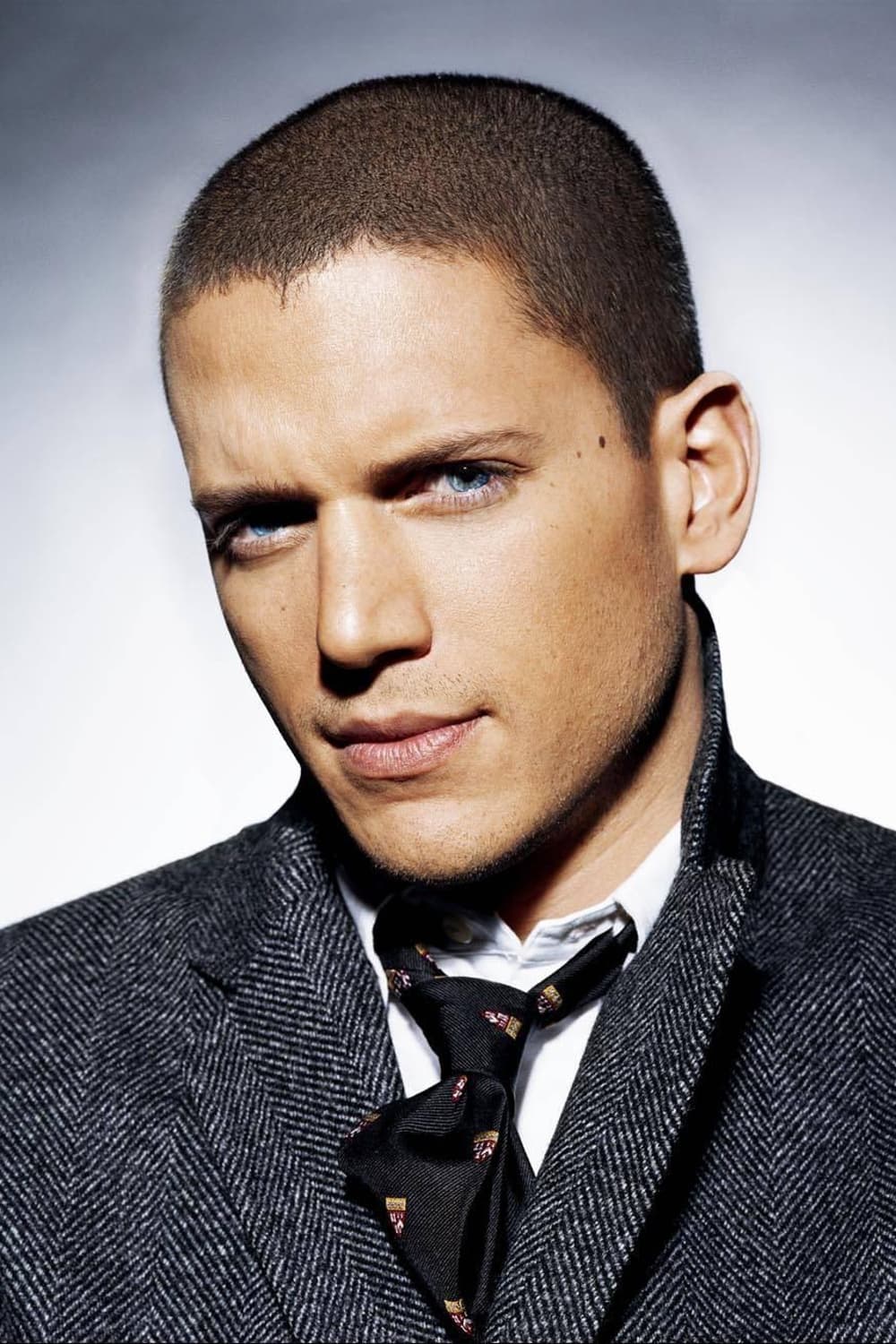
Wentworth Miller came out publicly in 2013 and later stated he no longer wished to play straight roles. He reduced his on-camera appearances, shifted to writing, and contributed scripts to television. Miller made limited guest appearances while focusing on advocacy around mental health and representation. His participation in Hollywood projects became selective as he concentrated on behind-the-scenes and personal priorities.
William Haines
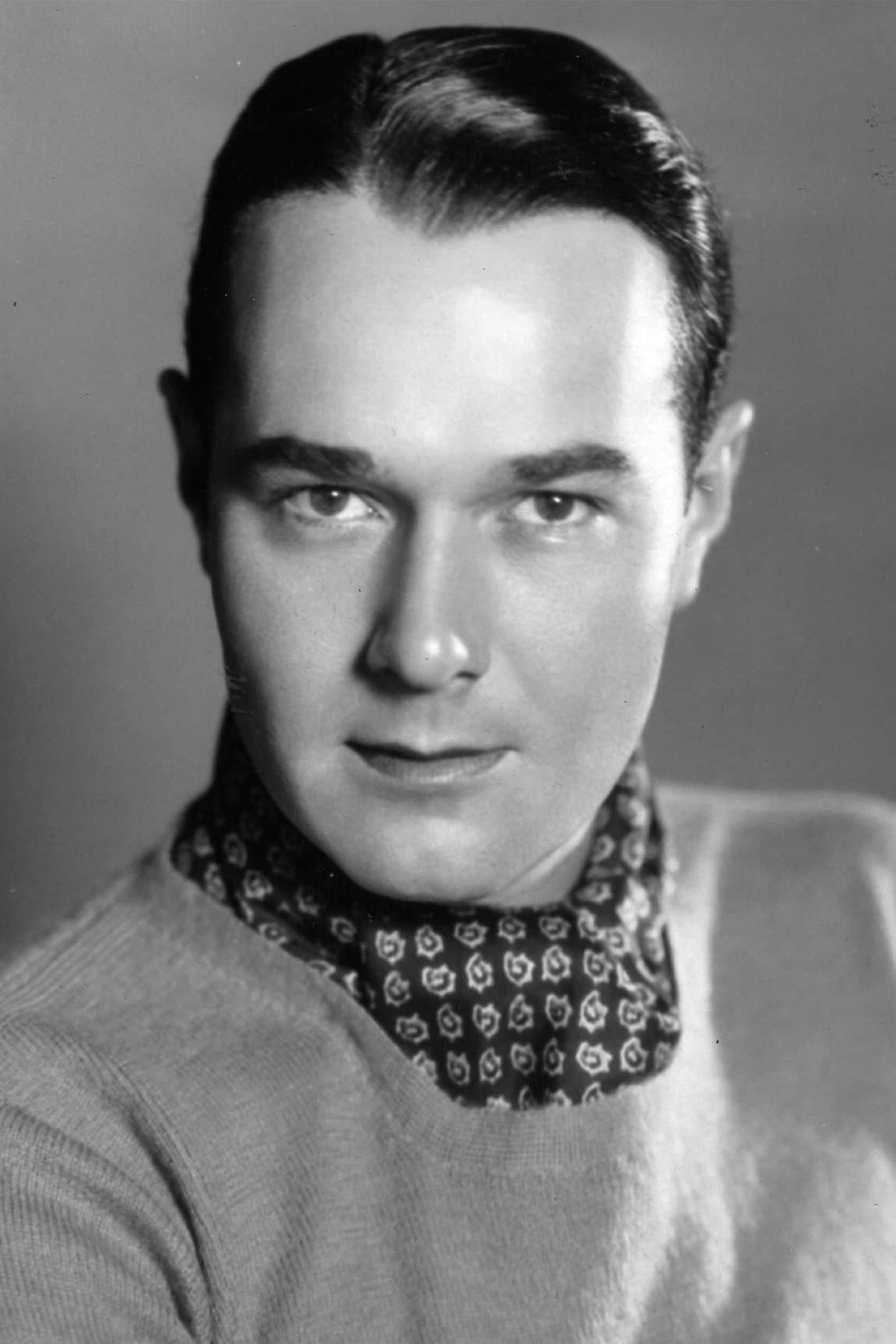
William Haines was one of MGM’s biggest stars in the late 1920s and refused studio pressure to hide his relationship with Jimmie Shields. After being dismissed, he left acting in the early 1930s and founded a successful interior design firm in Los Angeles. His design clients included major Hollywood figures, but he did not return to leading roles. He remained with Shields for decades and kept his professional life firmly outside the studio system.
Peter Wyngarde
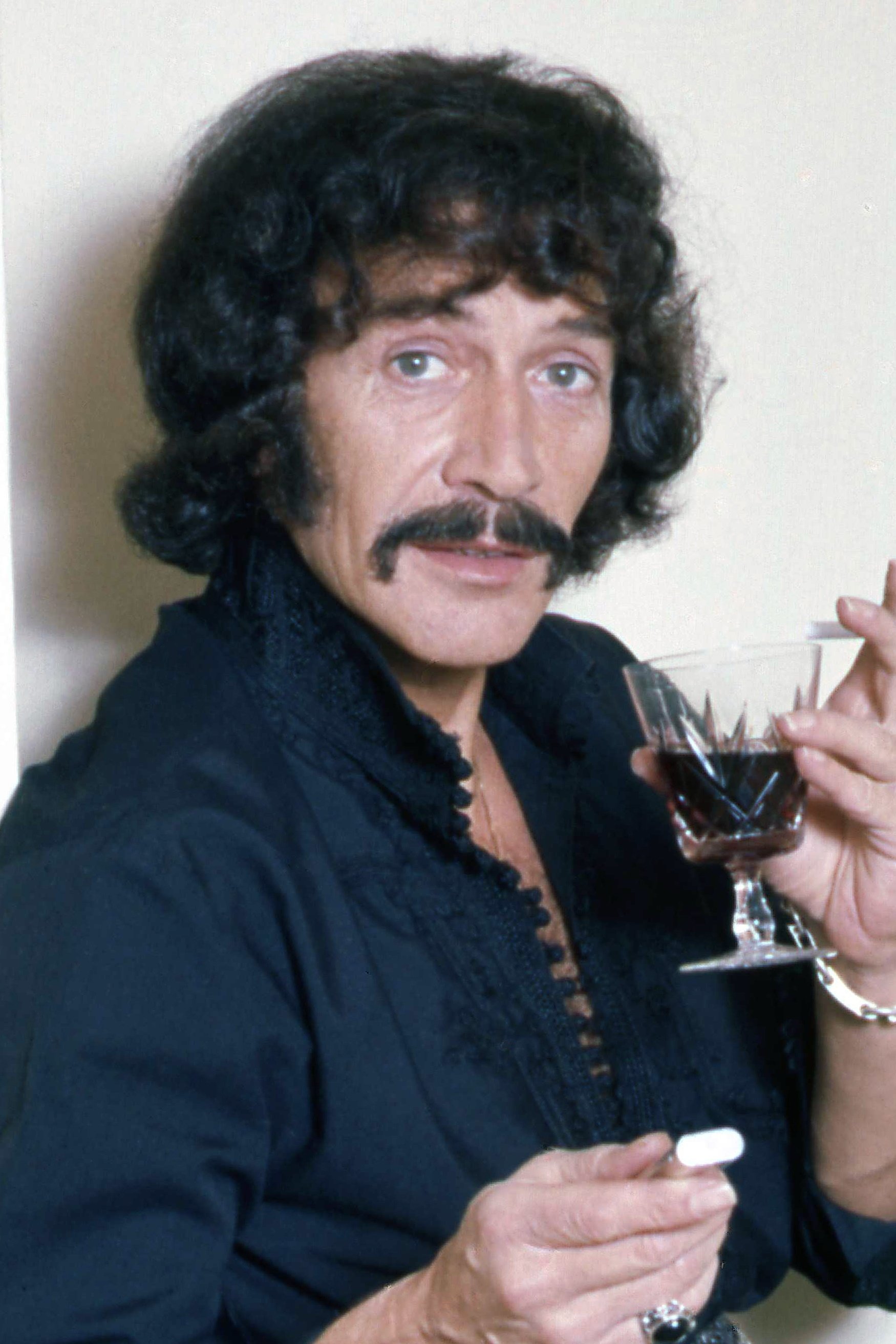
Peter Wyngarde became a television sensation in Britain with ‘Jason King’ before a 1970s public scandal severely damaged his screen prospects. In the years after increased scrutiny of his private life, he worked sporadically on stage and voice projects. He made convention appearances and occasional guest roles but did not reestablish a mainstream television career. His later professional activity centered on live events and cult-fandom engagements rather than studio work.
Jim Nabors

Jim Nabors, known for ‘Gomer Pyle’, largely retired from Hollywood decades before he married his longtime partner in 2013. He settled in Hawaii, performed select concerts, and made only infrequent television appearances. His public acknowledgment of his relationship coincided with an already quiet screen career. He focused on live performance and personal life rather than pursuing new film or TV roles.
Gordon Thomson
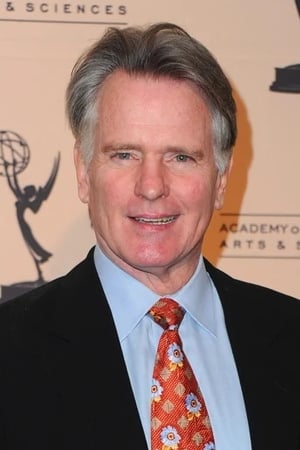
Gordon Thomson, remembered for ‘Dynasty’, publicly came out later in life after years of daytime and primetime appearances. He shifted toward theater, independent projects, and teaching rather than Los Angeles network series. His credits after that period were intermittent and often outside major studio pipelines. Most of his professional energy moved to smaller stages and regional productions.
David Yost
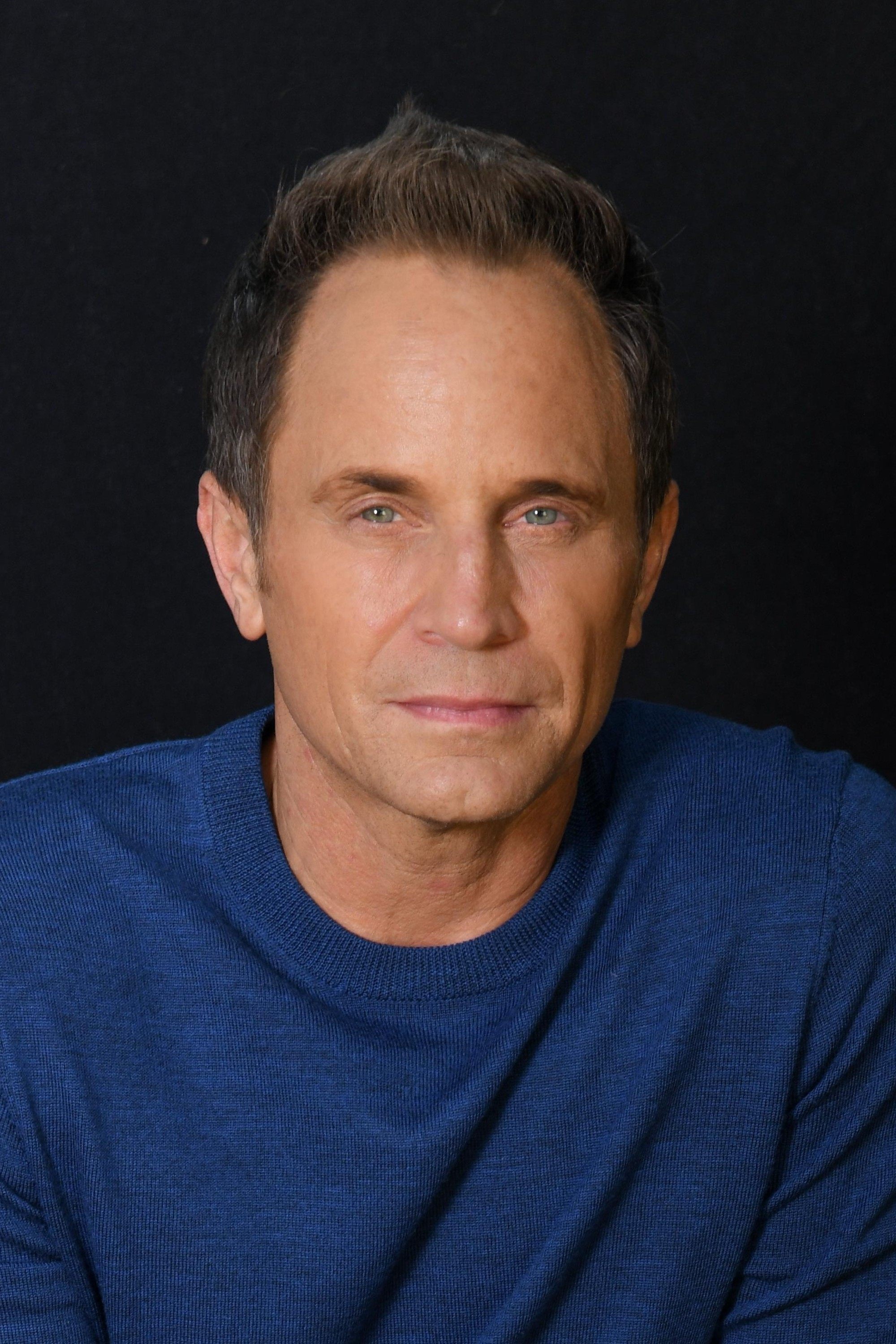
David Yost, known from ‘Mighty Morphin Power Rangers’, discussed leaving the show and later came out publicly after stepping back from acting. Following that period, he worked behind the scenes in production and attended fan conventions. He returned for special projects but did not resume a regular Hollywood acting schedule. His career centered on advocacy talks, event appearances, and limited screen work.
Eric Millegan
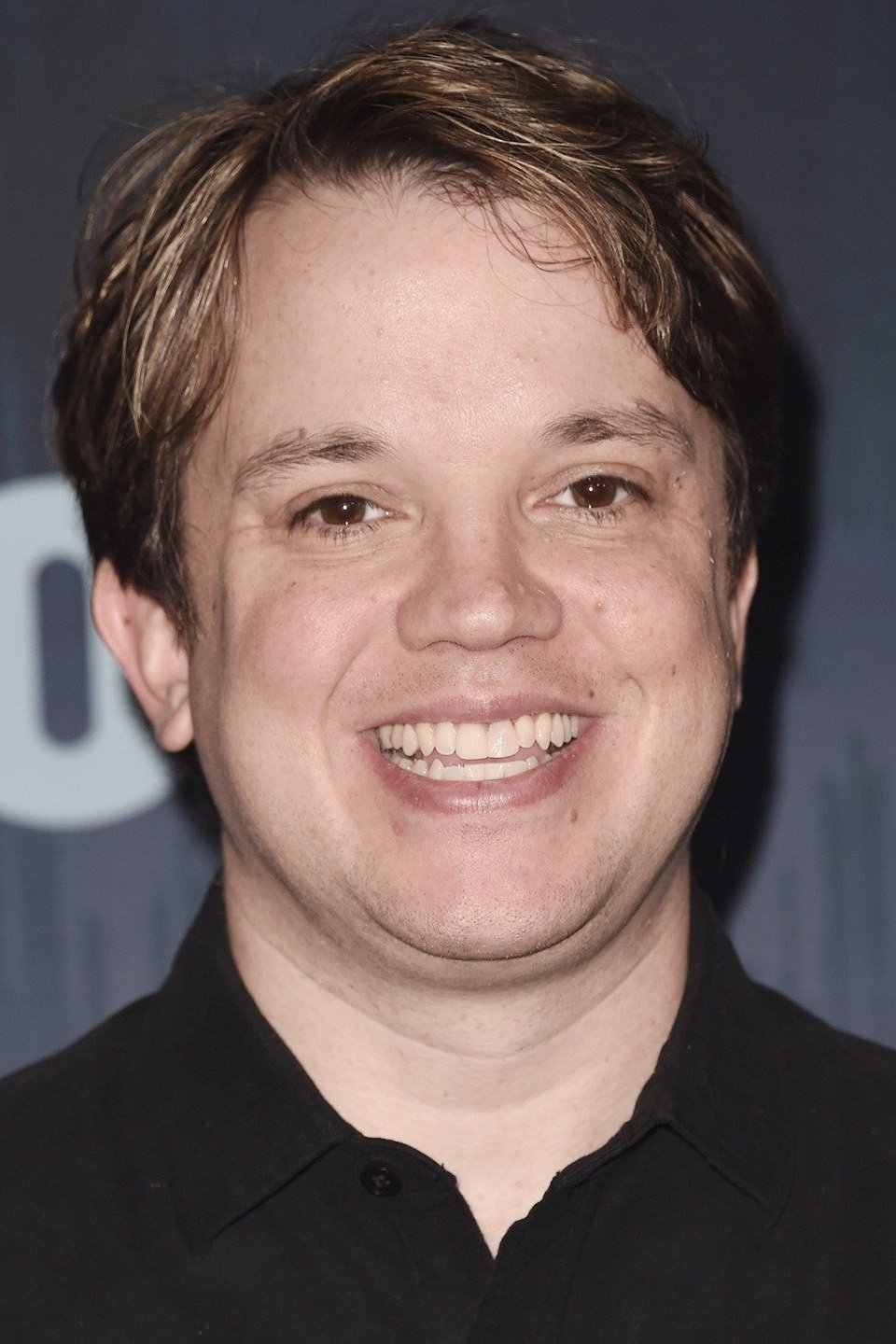
Eric Millegan came out publicly while starring on ‘Bones’ and later stepped away from full-time acting. He relocated from Los Angeles and focused on personal projects, music, and occasional stage appearances. Screen credits became less frequent as he prioritized life outside the Hollywood cycle. He has continued to engage with fans through concerts and special events rather than ongoing series roles.
Peter Paige
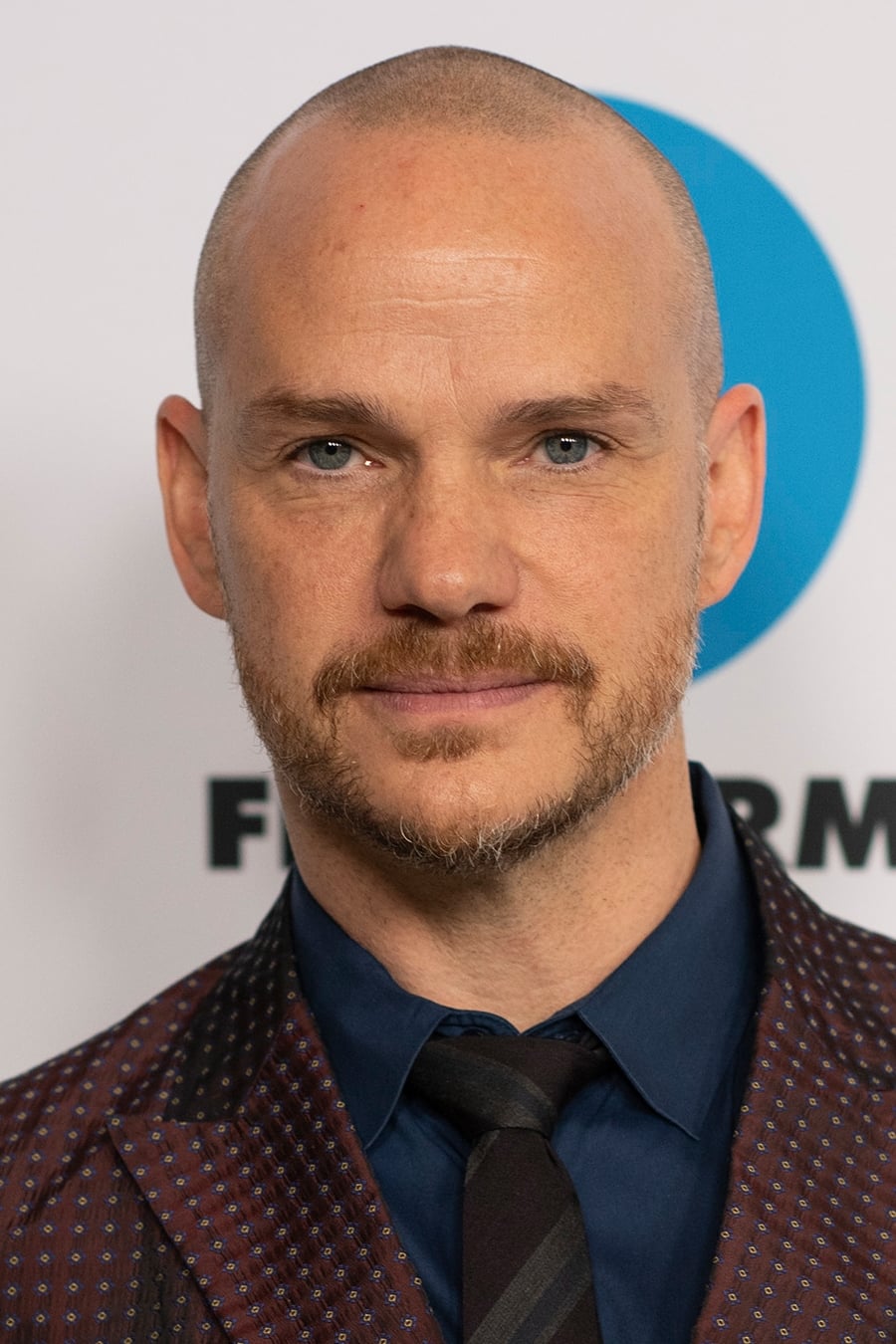
Peter Paige was open about his sexuality during and after ‘Queer as Folk’ and gradually moved behind the camera. He co-created and produced ‘The Fosters’ and other projects, emphasizing writing and directing. His on-camera roles became occasional while his producing work expanded. He built a long-term career largely on the creative and executive side rather than acting in studio features.
Randy Harrison
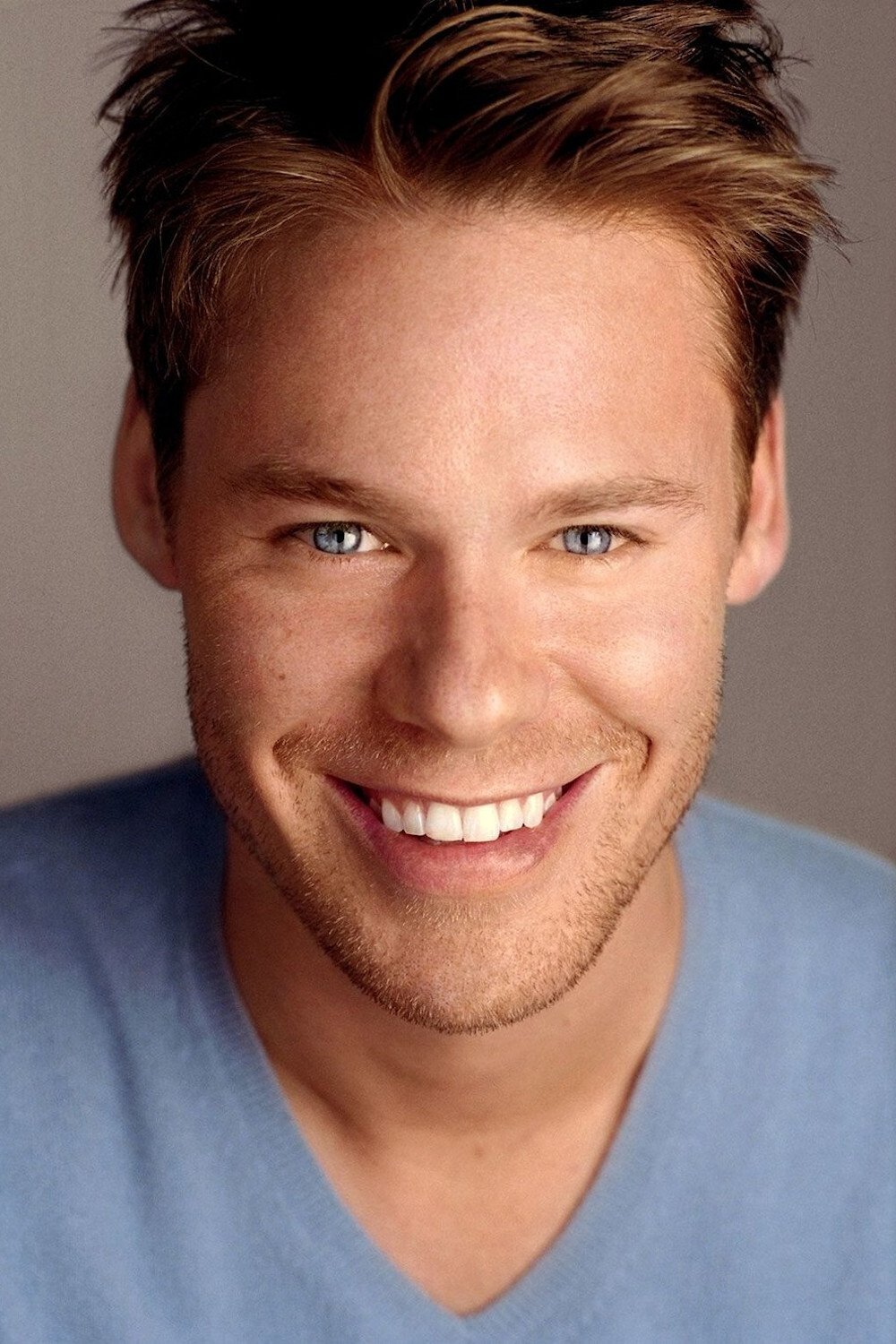
Randy Harrison has been openly gay since the early 2000s and pivoted heavily to theater after ‘Queer as Folk’. He worked in regional and New York stages with limited television guest work. His professional base shifted away from Los Angeles casting offices to repertory companies and touring productions. Hollywood credits appeared sporadically while stage commitments took priority.
Scott Lowell

Scott Lowell publicly embraced LGBTQ+ advocacy during and after ‘Queer as Folk’ and focused on theater and indie projects. He developed and acted in small-scale productions and web series with limited studio involvement. His work included festival-circuit titles and playhouse runs rather than network procedurals. The bulk of his post-series career unfolded outside Hollywood’s mainstream.
Peter Marc Jacobson
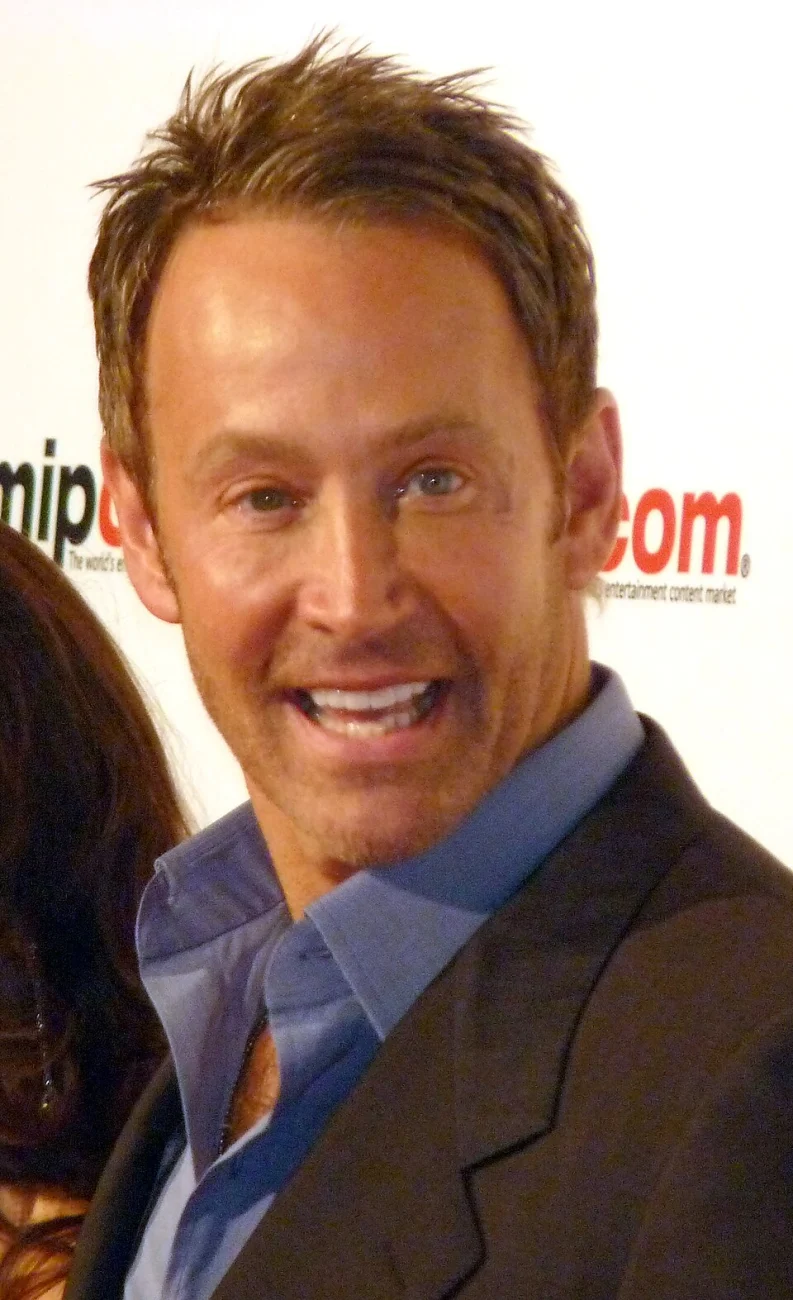
Peter Marc Jacobson, an actor turned writer-producer, came out after his marriage to Fran Drescher ended and built a career largely off-screen. He co-created ‘Happily Divorced’, drawing on personal experiences, and focused on writing and producing. Acting roles were occasional as his responsibilities centered on development and showrunning. His day-to-day work moved from auditioning to creating and managing series.
Jack Larson
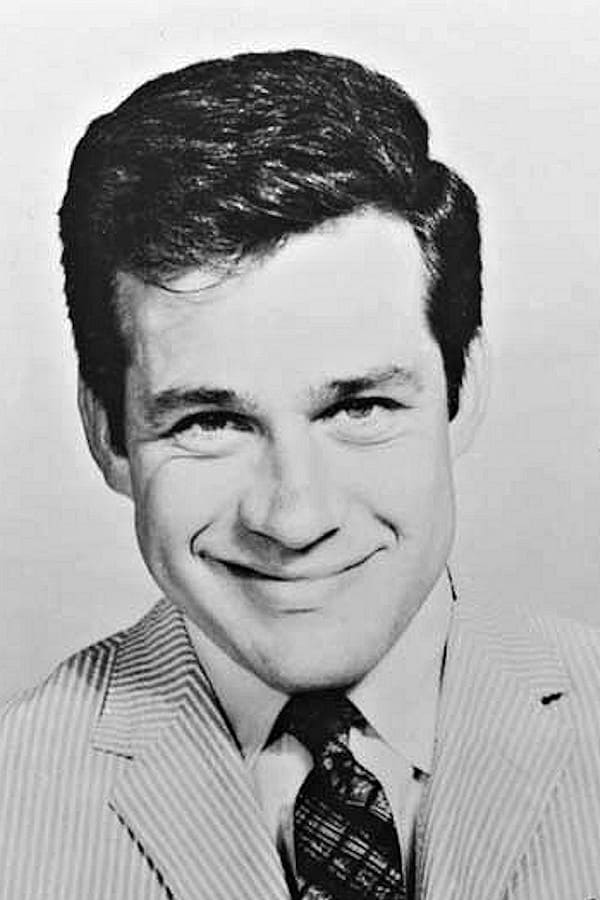
Jack Larson, famous as Jimmy Olsen in ‘Adventures of Superman’, lived openly within industry circles later in life and stepped away from regular acting. He became a playwright and producer and supported arts initiatives in Los Angeles. Screen appearances were rare cameos or interviews connected to Superman history. His primary creative output came from writing and arts patronage rather than Hollywood casting.
Anthony Rapp
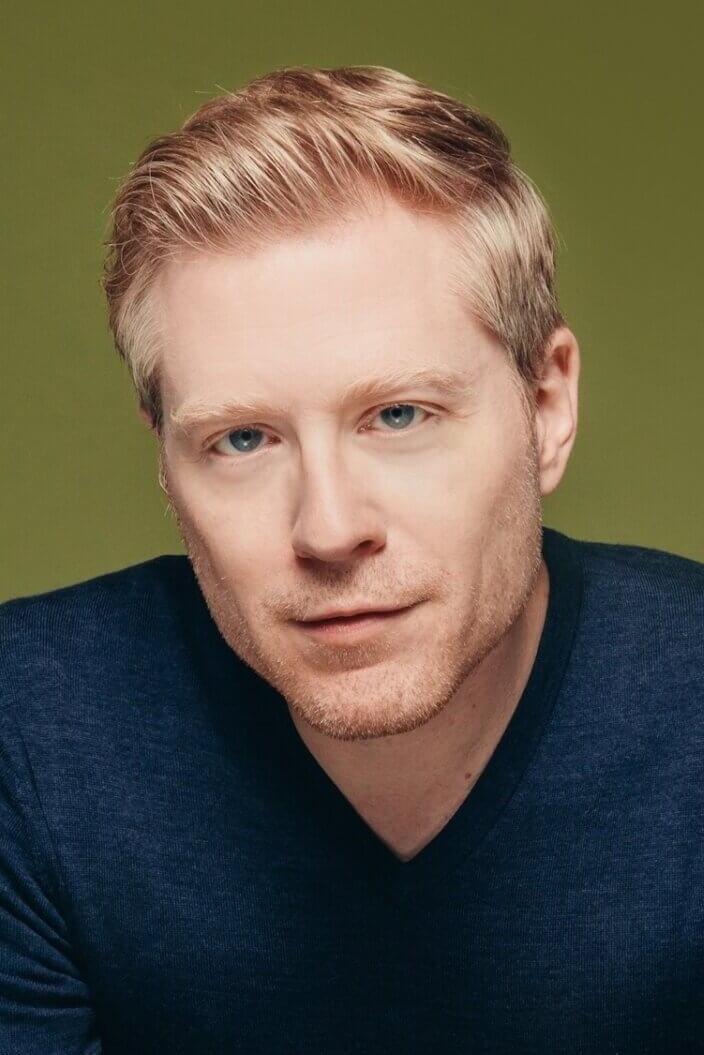
Anthony Rapp has been openly gay since the 1990s and concentrated much of his career on stage and music. While he booked select screen roles, he put significant time into Broadway and touring productions. His professional momentum centered on theater workshops, concerts, and cast recordings. Hollywood film and network television were periodic components rather than his main focus.
Michael Arden
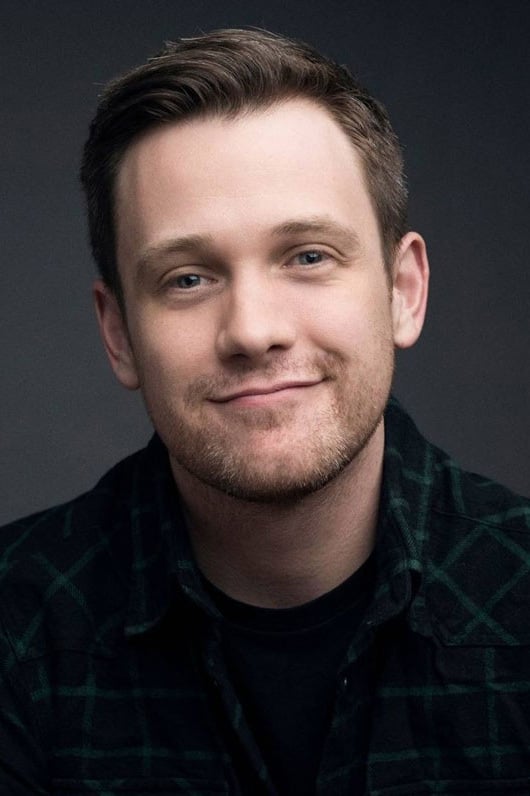
Michael Arden came out early in his career and gradually shifted from acting to directing. He led acclaimed stage revivals and earned major theater awards as a director. On-camera credits slowed while his behind-the-scenes responsibilities grew. His professional home base became rehearsal rooms and regional theaters rather than film lots.
Charlie David
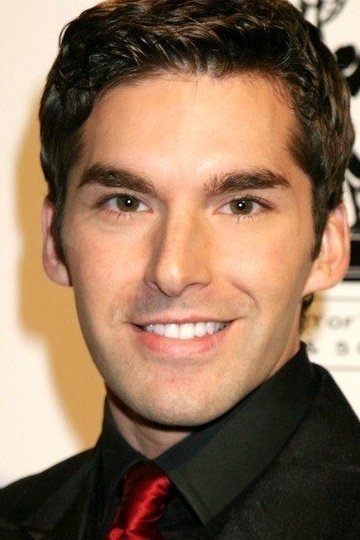
Charlie David has been openly gay throughout his career and moved into writing, producing, and hosting. He established a niche producing LGBTQ+ documentaries and series with limited mainstream studio involvement. Acting roles continued occasionally but were not his primary occupation. His focus turned to independent production companies and festival distribution.
Tuc Watkins
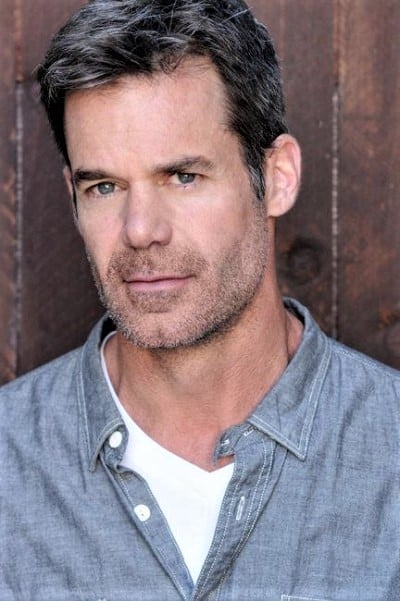
Tuc Watkins has long been openly gay and balanced acting with parenting and periodic stage work. After high-profile ensemble projects, he took selective roles and kept a lower profile in Los Angeles between gigs. Much of his visibility came from limited runs and streaming guest spots rather than major studio films. Family life and theater commitments often took precedence over chasing Hollywood leads.
Guillermo Díaz
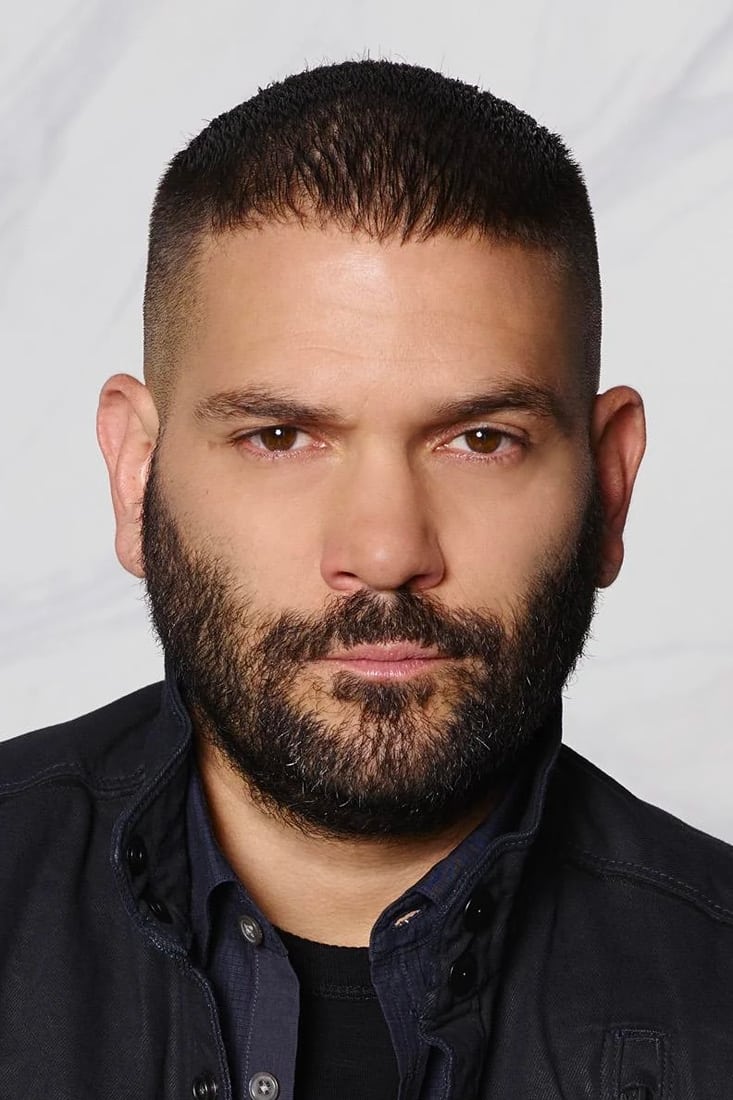
Guillermo Díaz has been openly gay for years and eased into selective television work after a long run on ‘Scandal’. He concentrated on guest arcs, voice roles, and personal projects outside big studio features. His screen presence became more occasional as he diversified into live events and advocacy. Hollywood output slowed compared with his peak network period.
Charlie Carver
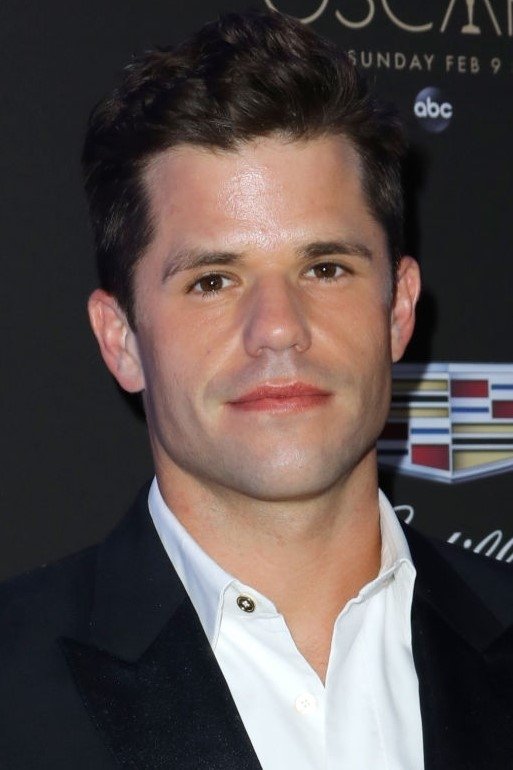
Charlie Carver publicly came out in 2016 and increasingly split his time between stage, writing, and selective screen roles. He developed plays and wrote essays that pulled him toward New York’s theater world. Hollywood appearances remained intermittent as he pursued development work and advocacy. His professional base broadened beyond traditional studio pathways.
Dan Payne
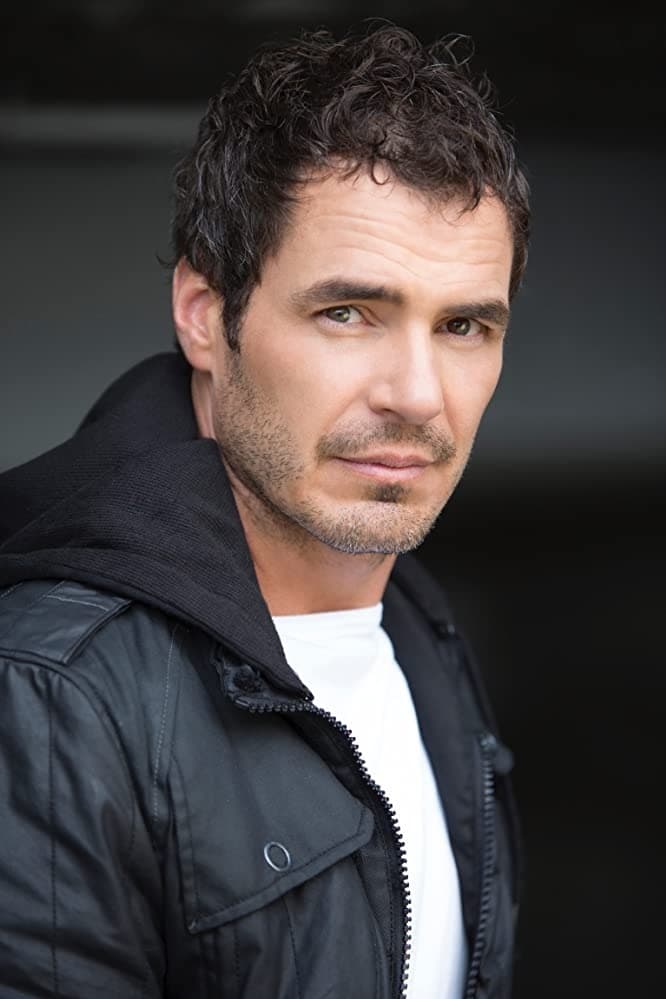
Dan Payne has been openly gay in recent years and focused on regional productions and genre conventions. He took selective roles in television movies and Canadian projects rather than Los Angeles studio features. Public appearances often centered on fan events and local shoots. His career emphasized work close to home with fewer mainstream Hollywood credits.
Alec Mapa
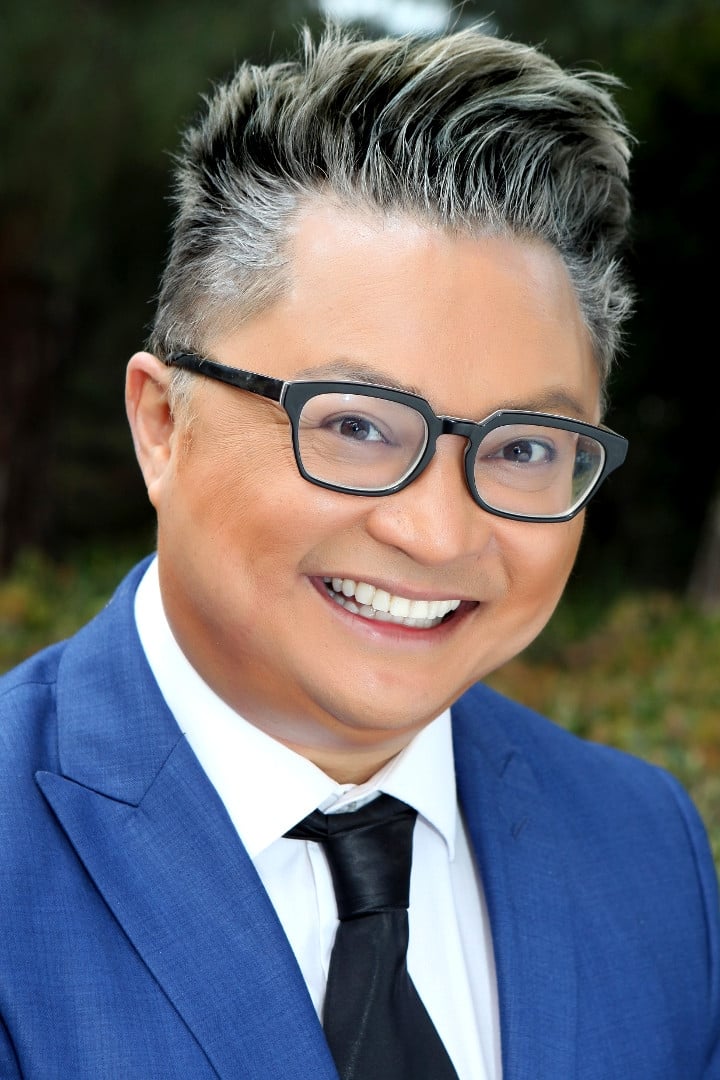
Alec Mapa has been openly gay for decades and steered much of his creative energy into stand-up, touring, and advocacy. Television guest roles continued, but he prioritized live performance, hosting, and personal projects. His schedule often revolved around comedy specials and benefit events rather than studio films. Hollywood work became one part of a broader slate centered on community engagement.
Randy Rainbow
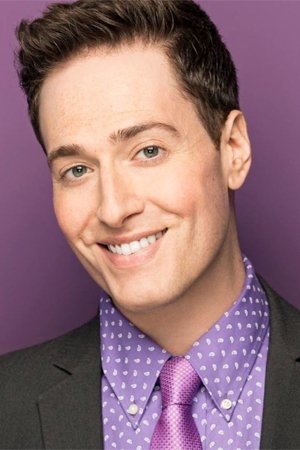
Randy Rainbow built his name as a performer and satirist and has been openly gay throughout his career, operating largely outside Hollywood. He focused on digital content, touring shows, and recordings rather than film or network series. His production model relies on online platforms and live venues. Traditional studio casting plays a minimal role in his professional output.
Share your thoughts below on which stories surprised you and which names you’d add to the conversation.