


LGBTQ+ Actors Who Say Straight Stars Still Steal Their Best Roles

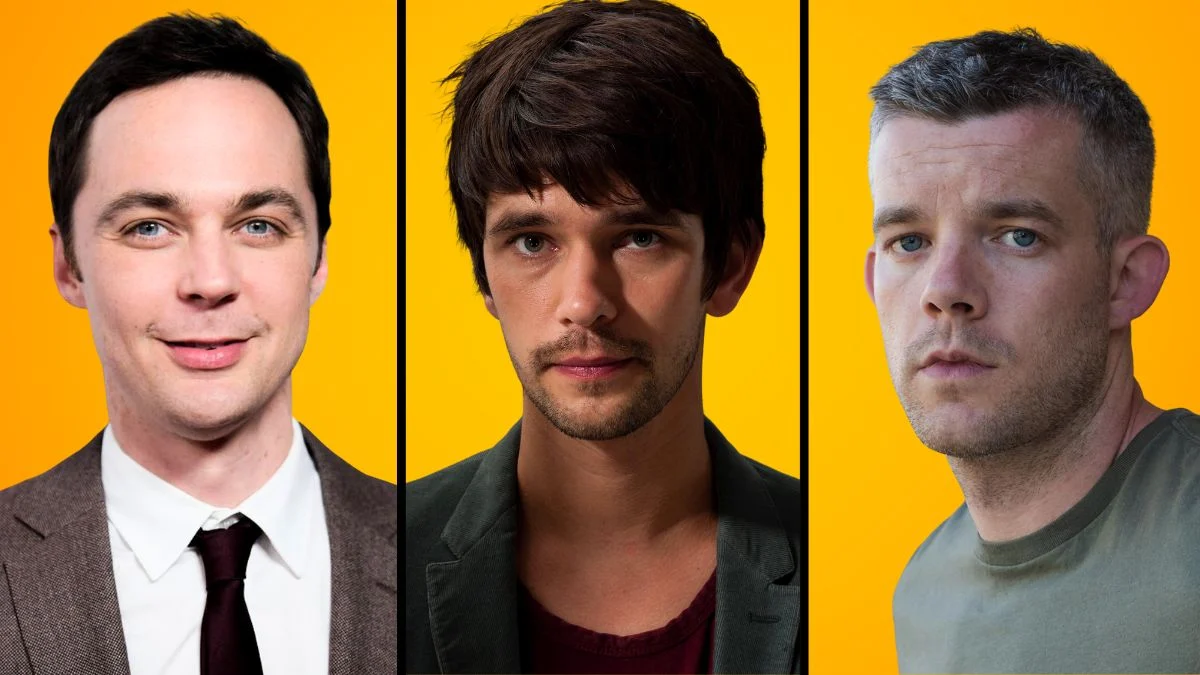


The entertainment industry has long faced scrutiny regarding representation and authenticity in casting decisions. Many LGBTQ+ performers argue that their lived experiences provide a necessary depth to queer characters that cisgender and heterosexual actors cannot replicate. While progress has been made in recent years, a significant number of professionals still point to systemic barriers that favor mainstream stars for prominent gay roles. These actors continue to advocate for a more equitable landscape where queer talent is prioritized for stories about their own community.
Billy Porter
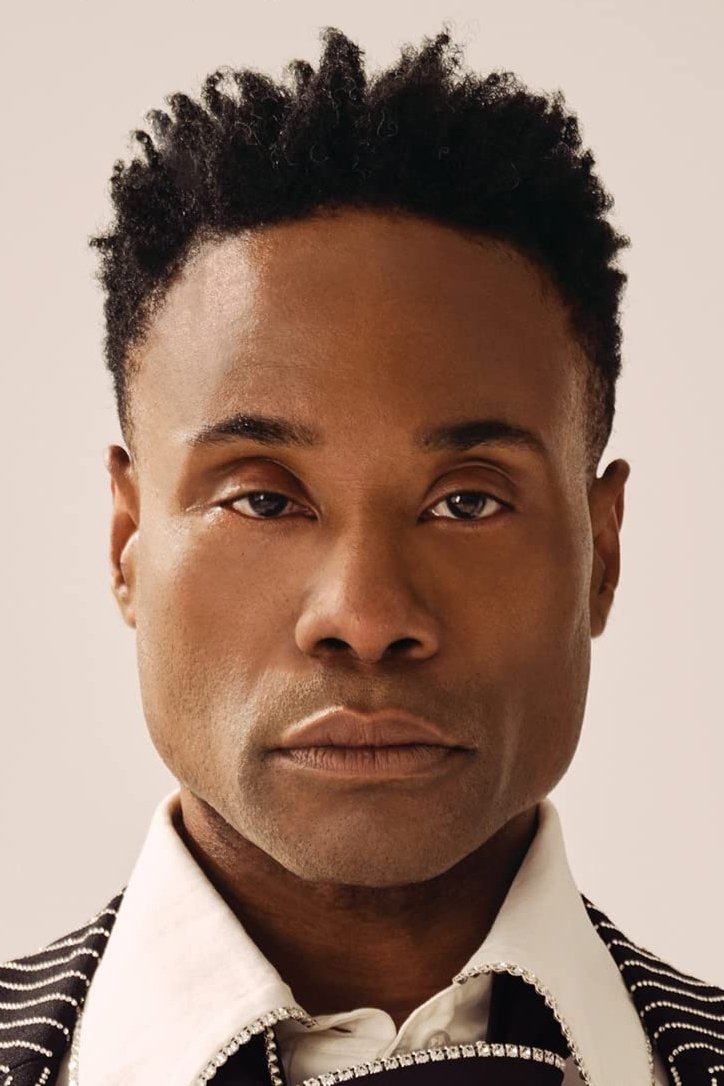
Billy Porter has often criticized the industry for prioritizing straight actors in major queer roles. He notes that queer actors are frequently denied the opportunity to play their own stories while straight counterparts receive awards for those same performances. Porter believes that the lack of access for gay men in Hollywood remains a systemic issue. He emphasizes that the industry must move beyond simply casting based on fame to ensure authentic representation. This stance has made him a prominent voice in the fight for more inclusive hiring practices.
Rupert Everett
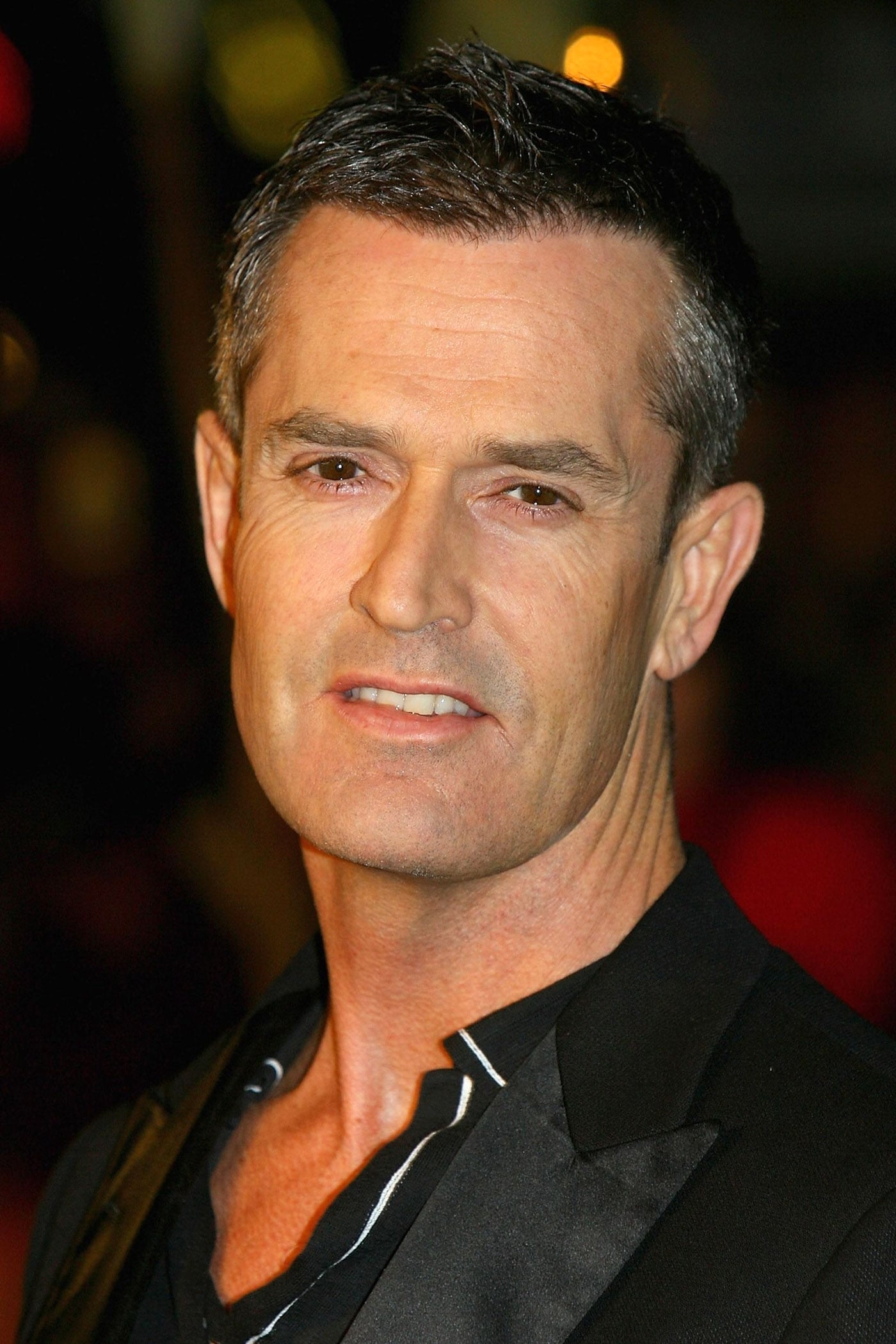
Rupert Everett has famously spoken about how his career was impacted by being an openly gay man in Hollywood. He has expressed frustration that straight actors are frequently cast in gay roles while gay actors are rarely considered for leading straight roles. Everett suggests that this imbalance has limited his professional growth over several decades. He remains a vocal advocate for the rights of LGBTQ+ performers to take ownership of queer narratives. His experiences highlight the double standard that many believe still exists in the casting process today.
Ian McKellen
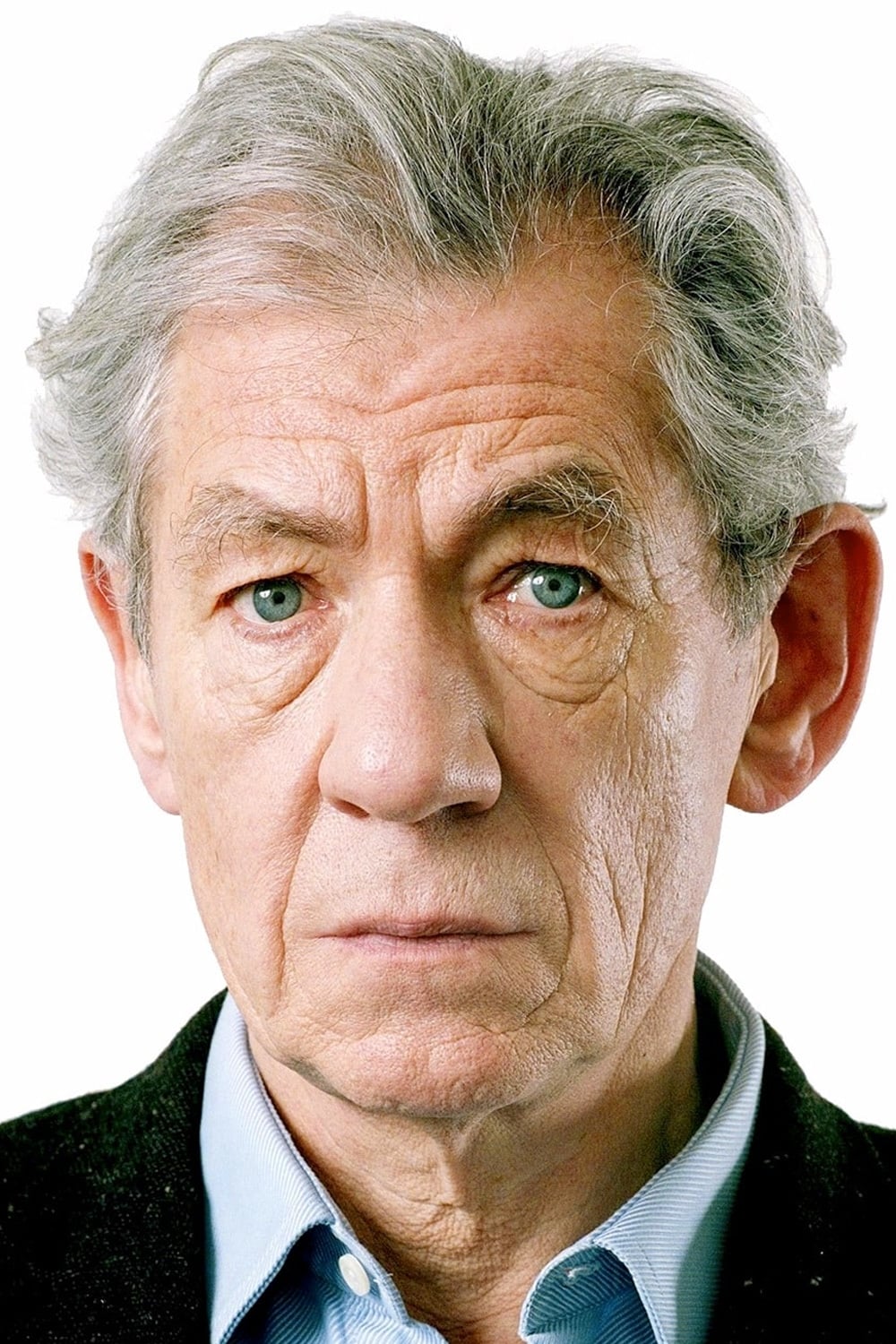
Ian McKellen has observed that the film industry was slow to recognize the talent of openly gay performers. He has questioned why straight actors are praised for their bravery when playing queer characters while gay actors struggle to find leading parts. McKellen argues that the industry should focus on providing more opportunities for LGBTQ+ talent to lead major productions. He believes that the authenticity brought by a gay actor to a gay role is irreplaceable. This perspective has been a cornerstone of his advocacy for decades in both theater and film.
Ben Whishaw
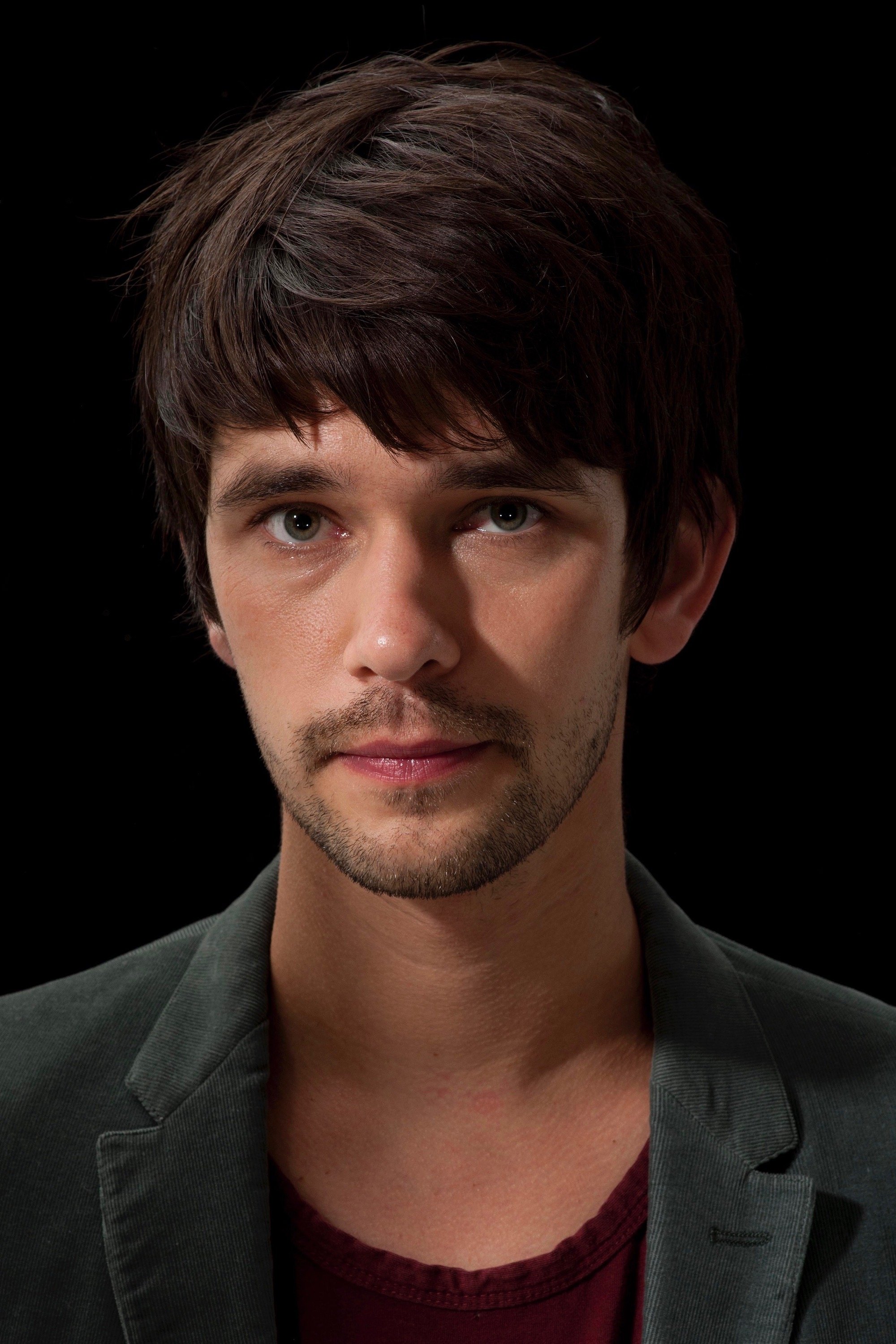
Ben Whishaw has discussed the importance of casting queer actors in queer roles to ensure a higher level of authenticity. He admits that while any actor should theoretically be able to play any part, the current reality favors those who are already established in the mainstream. Whishaw has expressed a desire to see more gay actors given the chance to portray the complexities of the LGBTQ+ experience. He believes that lived experience adds a layer of truth to a performance that is difficult to manufacture. The actor continues to support movements that prioritize diverse casting in high profile projects.
Billy Eichner
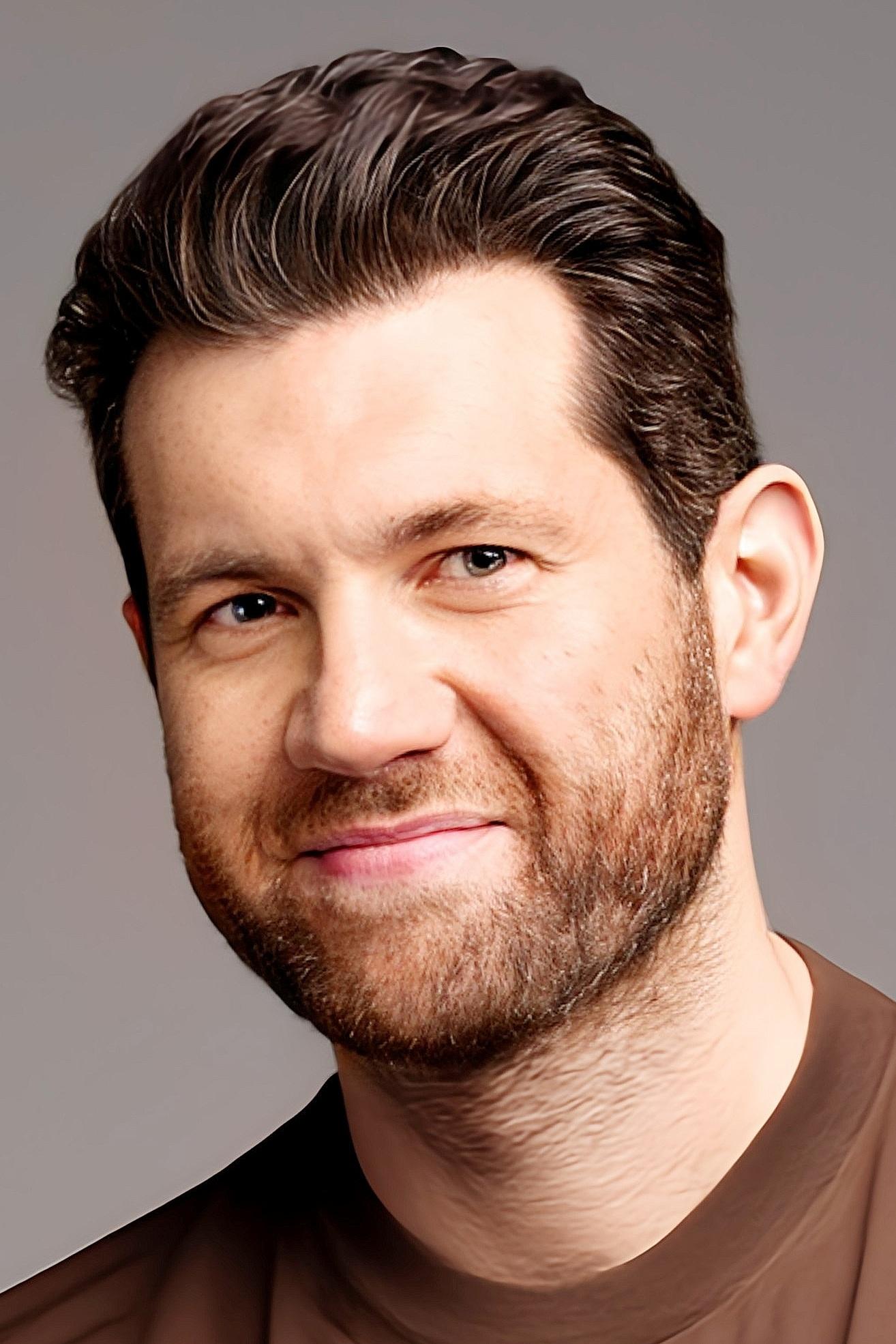
Billy Eichner has been vocal about the challenges of getting queer stories made with queer leads. During the promotion of his film ‘Bros’, he highlighted how rare it is for a major studio to greenlight a romantic comedy featuring an all LGBTQ+ principal cast. Eichner argues that for too long, these roles have been handed to straight actors looking for prestige. He believes that giving queer actors these opportunities is essential for the growth of the industry. His work aims to prove that LGBTQ+ talent can carry successful mainstream projects.
Laverne Cox
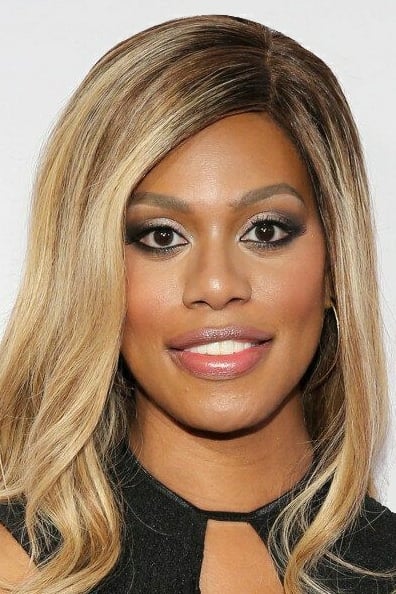
Laverne Cox has frequently addressed the issue of cisgender actors being cast in transgender roles. She argues that this practice reinforces the idea that trans people are merely performing a gender rather than living their truth. Cox believes that casting trans actors is a matter of both authenticity and employment equity. She has pointed out that many talented trans performers are overlooked for roles that were written specifically about their community. Her advocacy has sparked significant conversations about the ethics of representation in television and film.
Indya Moore
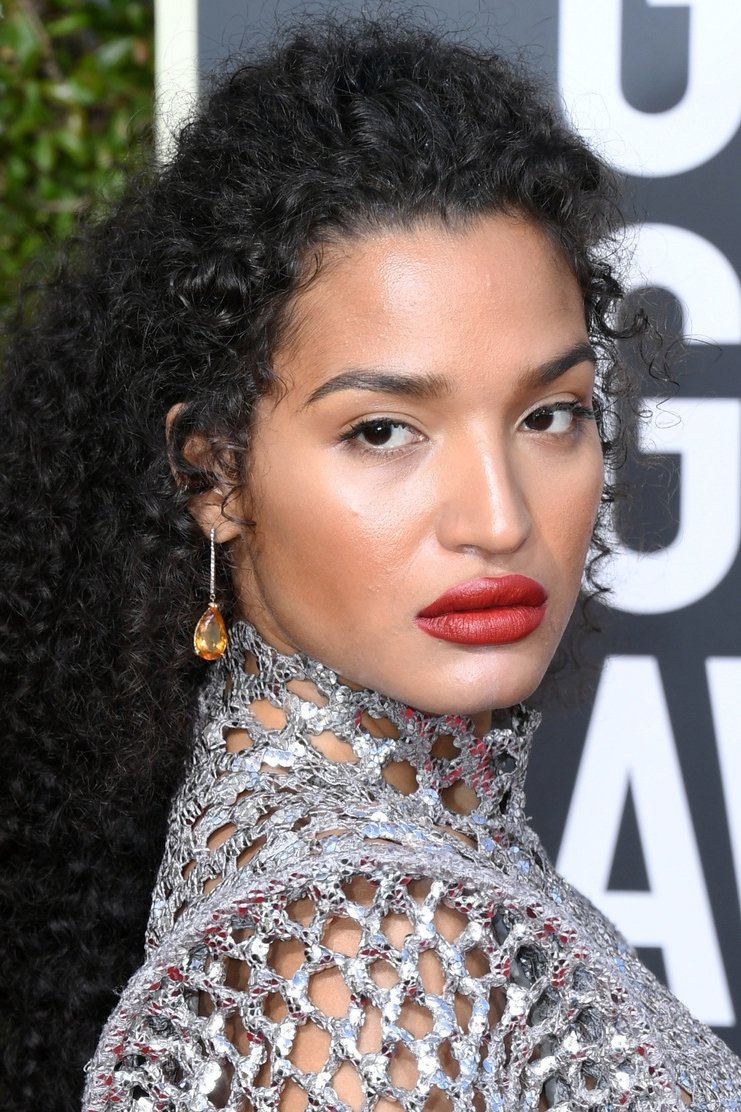
Indya Moore has been an outspoken critic of the traditional casting methods that exclude queer and trans performers. They argue that the industry often exploits the stories of marginalized groups without hiring the people who belong to them. Moore believes that authentic representation is necessary to properly tell the history and struggles of the LGBTQ+ community. They have challenged directors and producers to look beyond the usual pool of talent when filling these vital roles. Their activism continues to influence how modern productions approach diversity.
Angelica Ross
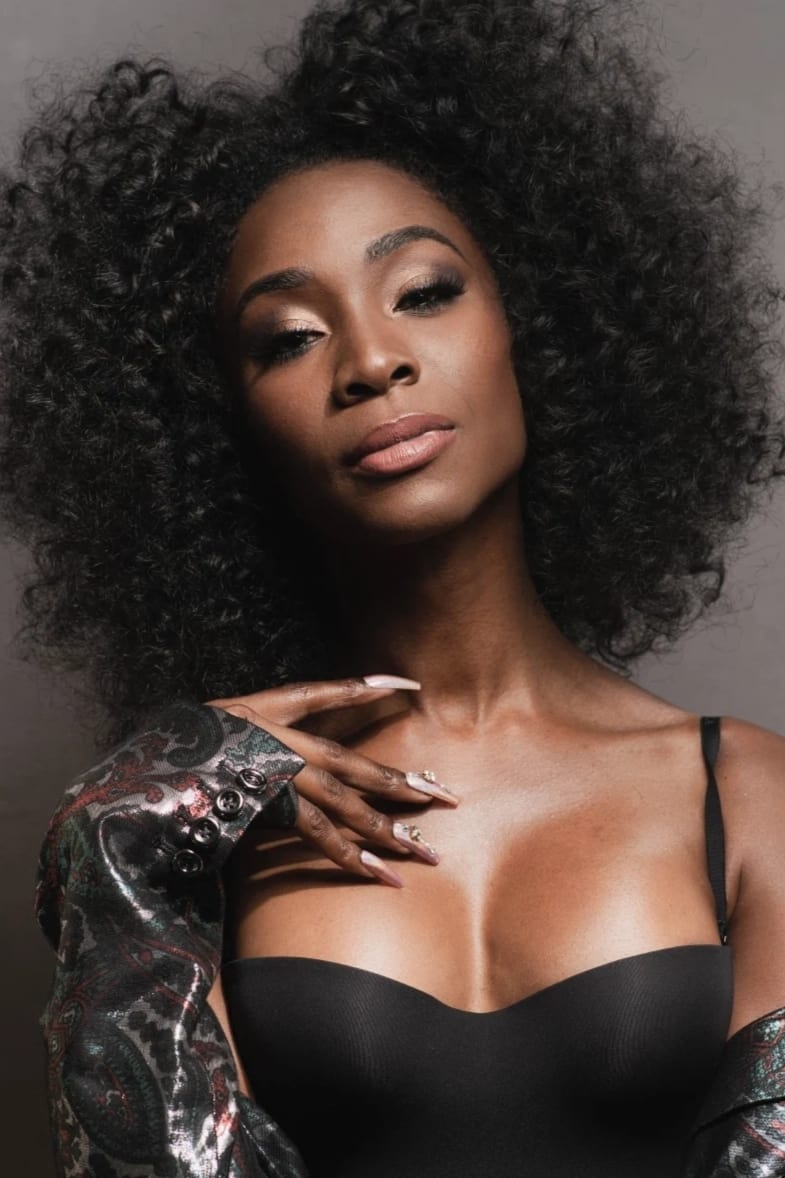
Angelica Ross has used her platform to highlight the lack of opportunities for trans actors in mainstream media. She argues that the industry often uses trans stories to garner critical acclaim while failing to hire trans people behind or in front of the camera. Ross believes that the narrative should be controlled by those who have lived the experiences being portrayed. She has encouraged production companies to invest in queer talent to ensure the longevity of their stories. Her leadership in the industry has helped open doors for many emerging performers.
Asia Kate Dillon

Asia Kate Dillon has challenged the industry to rethink its approach to gender and casting. As a nonbinary performer, they have advocated for roles that reflect a broader spectrum of identity. Dillon argues that when straight or cisgender actors take these roles, it can lead to a lack of depth in the portrayal. They believe that the industry must move toward a model where identity is respected and prioritized during the hiring process. Their work on ‘Billions’ has paved the way for more nonbinary representation in television.
Wentworth Miller
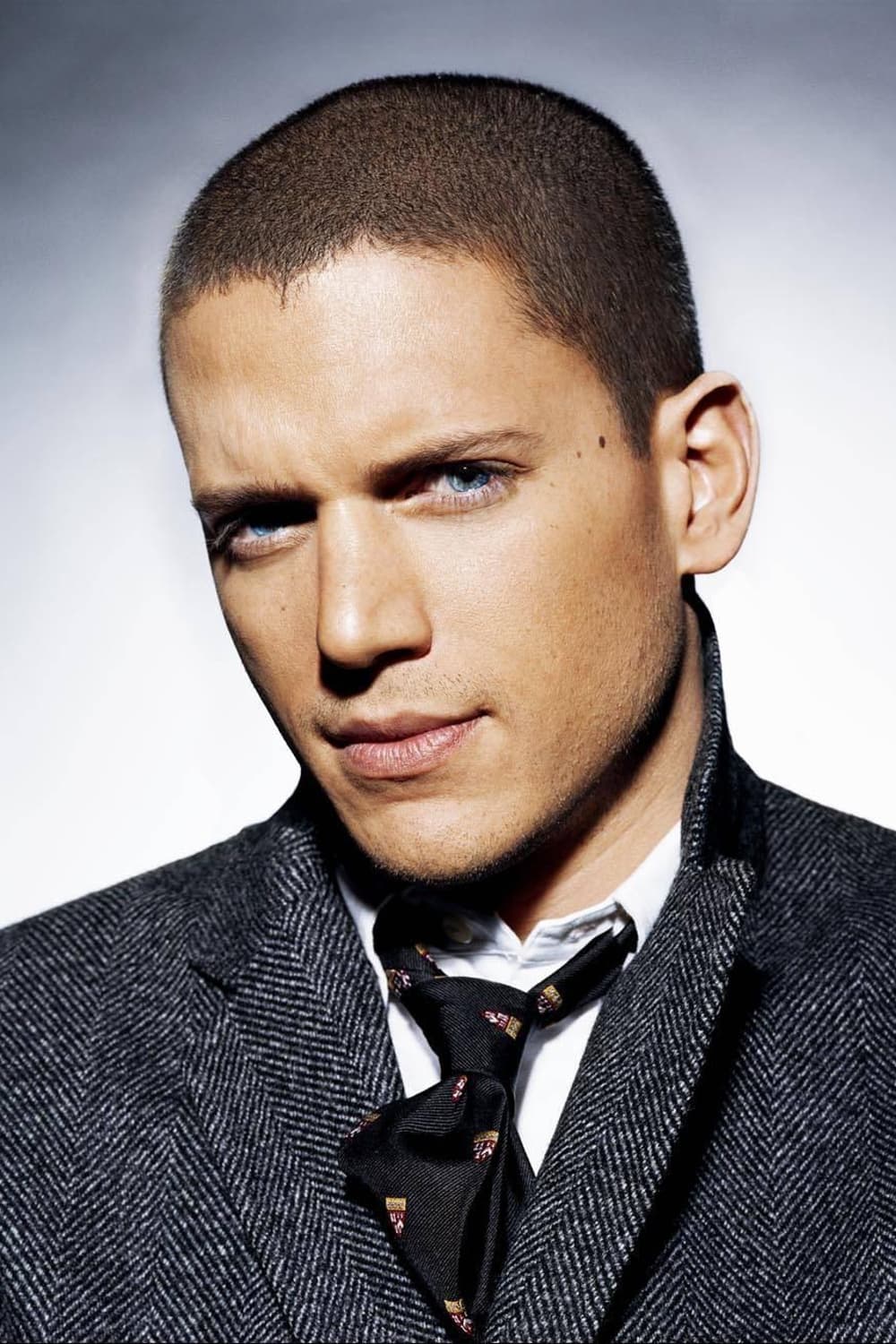
Wentworth Miller has shared his decision to no longer play straight characters to focus on queer representation. He believes that there is a special power in gay actors playing gay roles that resonates more deeply with the audience. Miller has noted that he spent much of his career hiding his identity to fit into traditional leading man molds. He now advocates for the industry to recognize the value of queer authenticity in storytelling. This shift in his career reflects a growing trend among actors who want to prioritize their community.
Andrew Scott
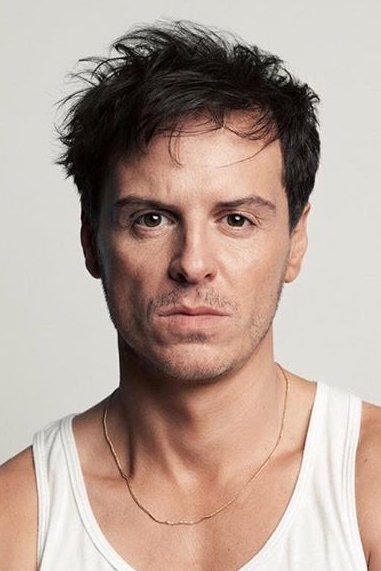
Andrew Scott has spoken about the nuances of casting and the importance of queer visibility in the arts. While he believes in the transformative power of acting, he acknowledges that queer actors have historically been marginalized. Scott suggests that providing gay actors with prominent roles is essential for a more balanced industry. He has noted that the industry often celebrates straight actors for playing gay while ignoring the talent of gay performers. His work in ‘All of Us Strangers’ has been cited as a prime example of the power of authentic casting.
Russell Tovey
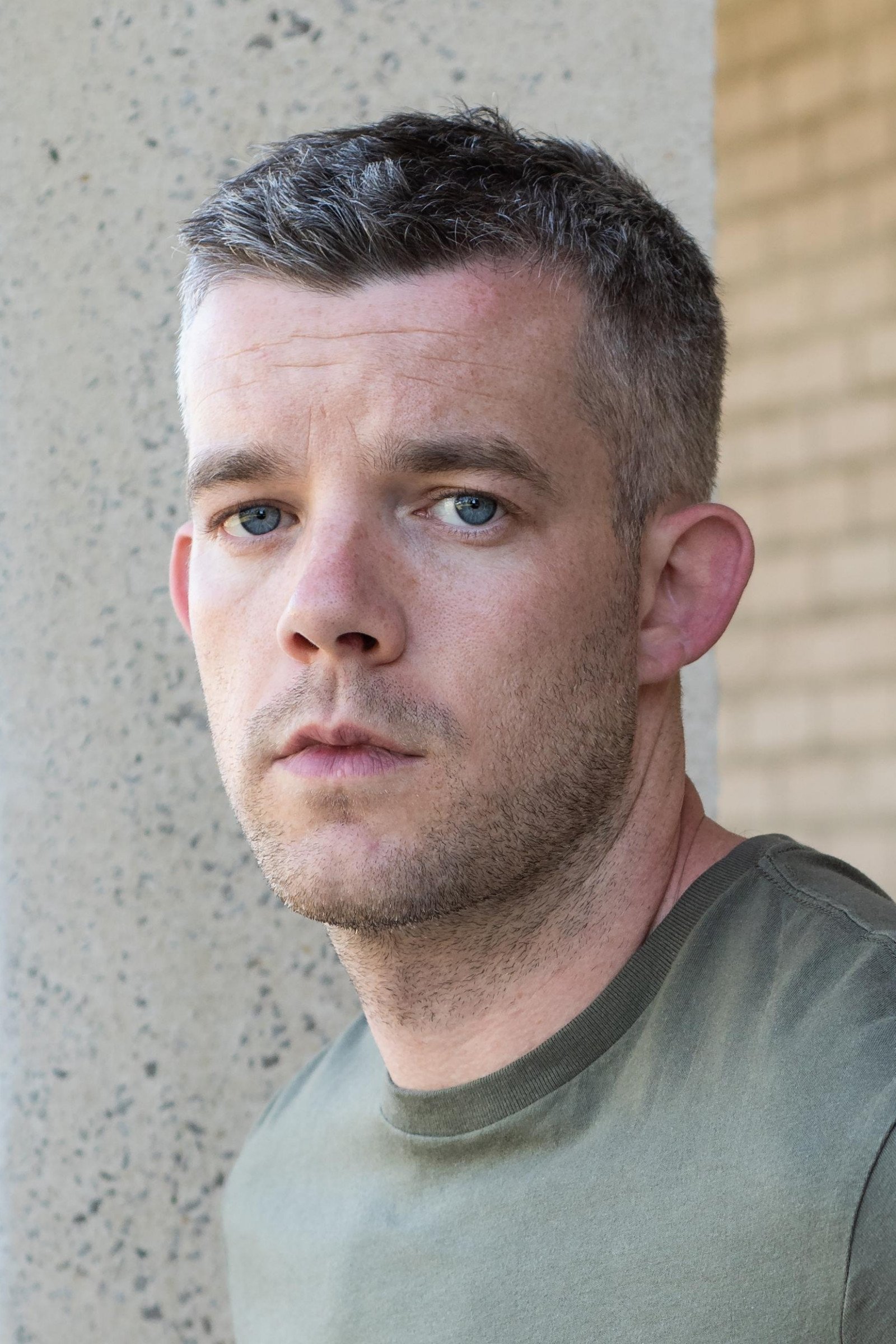
Russell Tovey has discussed the competitive nature of the industry and how it affects gay actors. He has noted that some of the most sought after queer roles are often reserved for straight A-list celebrities. Tovey believes that this practice can prevent talented gay actors from reaching the next level of their careers. He advocates for a more level playing field where queer performers are seen as the natural choice for queer stories. The actor remains committed to projects that center the LGBTQ+ experience.
Cynthia Nixon
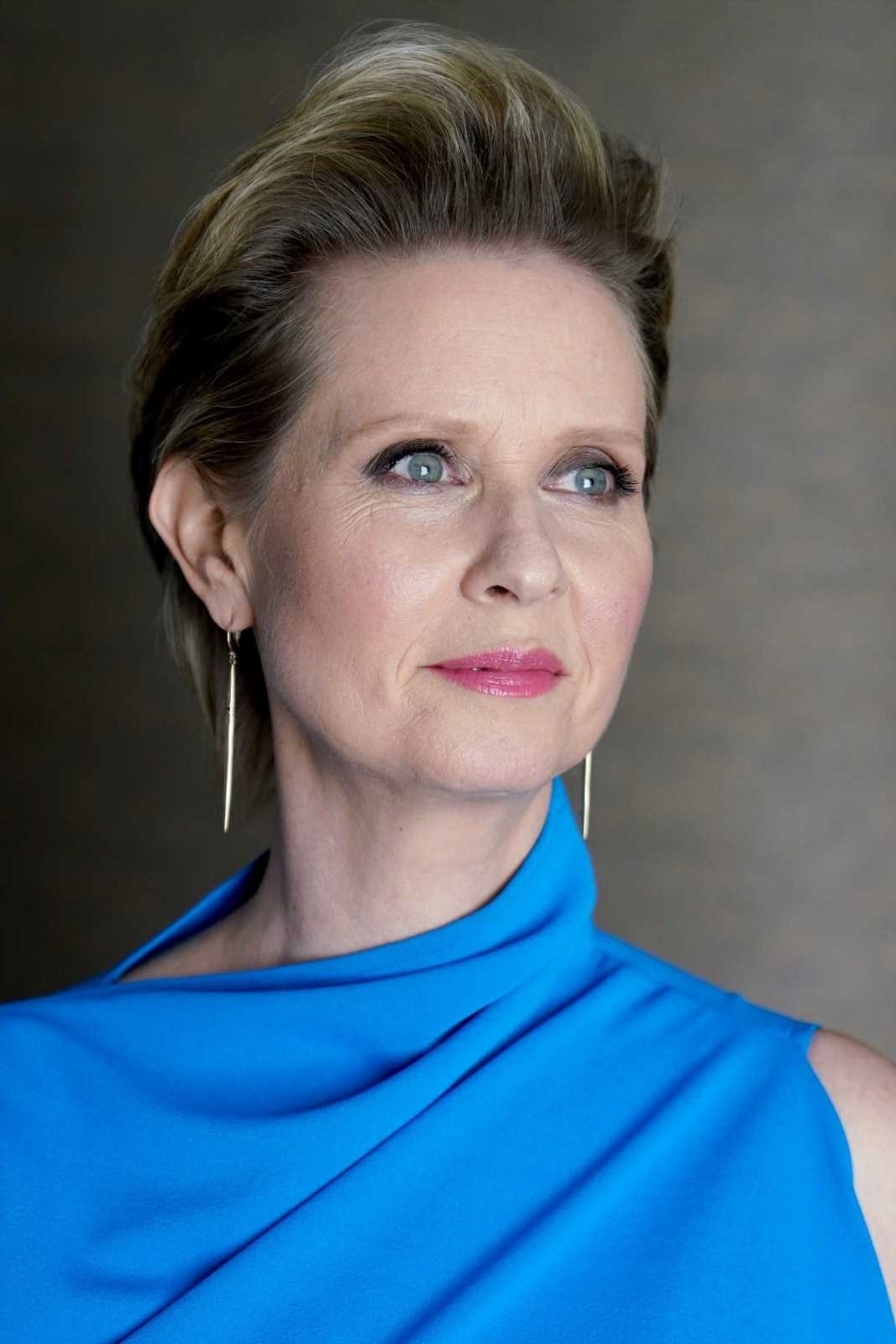
Cynthia Nixon has navigated the industry as an out actress for many years and has observed the shifting trends in casting. She has mentioned that while things are improving, there is still a tendency to cast straight stars in queer roles for commercial reasons. Nixon believes that queer actors bring a specific perspective that enriches the material. She has supported the idea that the community should be the primary storytellers of their own lives. Her career serves as an example of how visibility can influence the types of stories that get told.
Jim Parsons

Jim Parsons has reflected on how his career changed after coming out and the types of roles he has since been offered. He has noted that there is a unique connection between a queer actor and a queer character that cannot be easily replicated. Parsons suggests that the industry should do more to foster an environment where gay actors are the first choice for these parts. He has been involved in several projects that prioritize LGBTQ+ talent in both leading and supporting roles. His success in ‘The Boys in the Band’ showcased the strength of an all-queer cast.
Matt Bomer
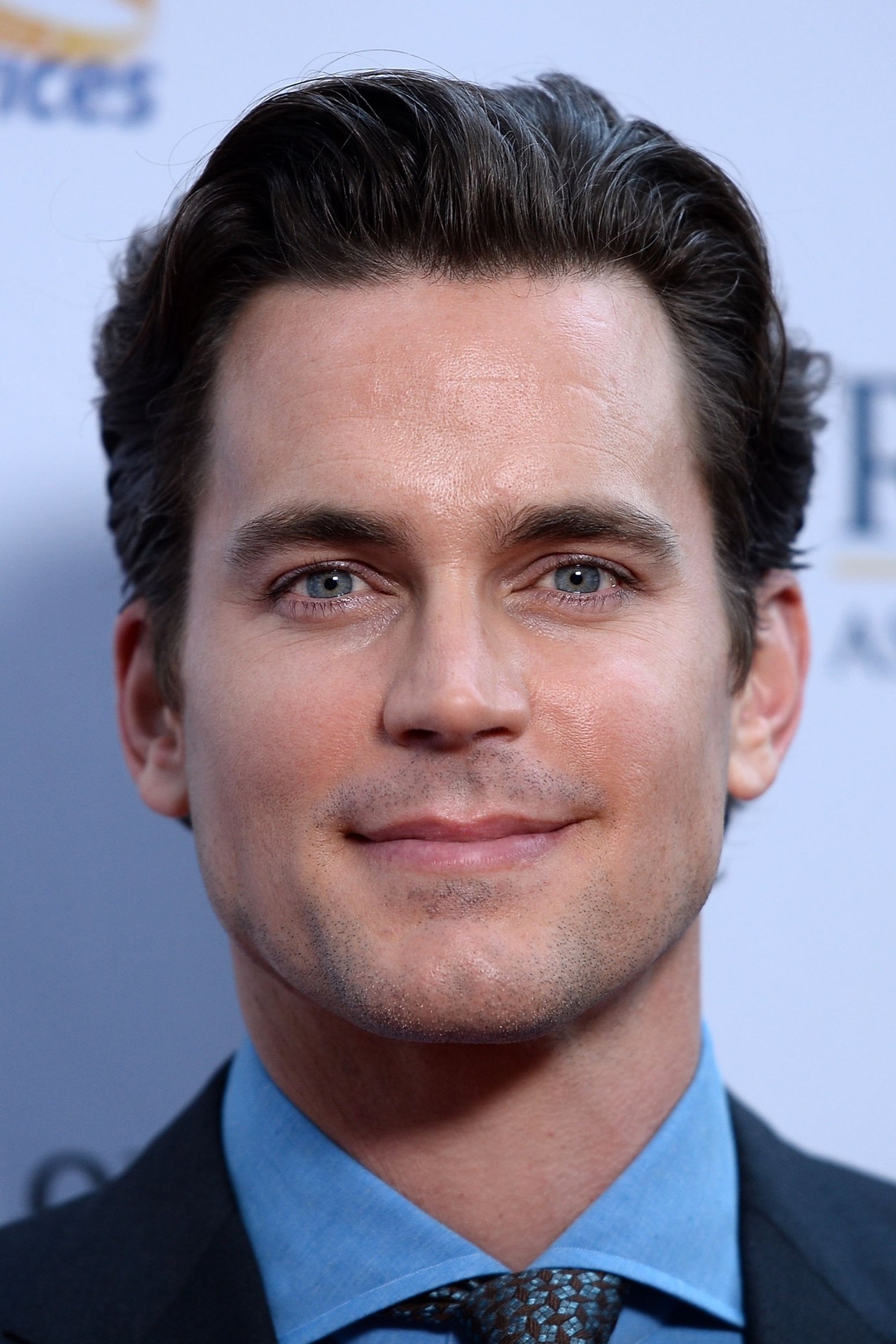
Matt Bomer has talked about the hurdles he faced earlier in his career regarding his sexual orientation. He has pointed out that queer actors often have to work harder to be considered for a variety of roles. Bomer believes that authentic casting is important because it validates the identities of the people being portrayed. He has expressed hope that the industry will continue to move toward a more inclusive future where talent is the primary factor. His involvement in ‘Fellow Travelers’ demonstrated the impact of having queer leads in historical narratives.
Jonathan Groff
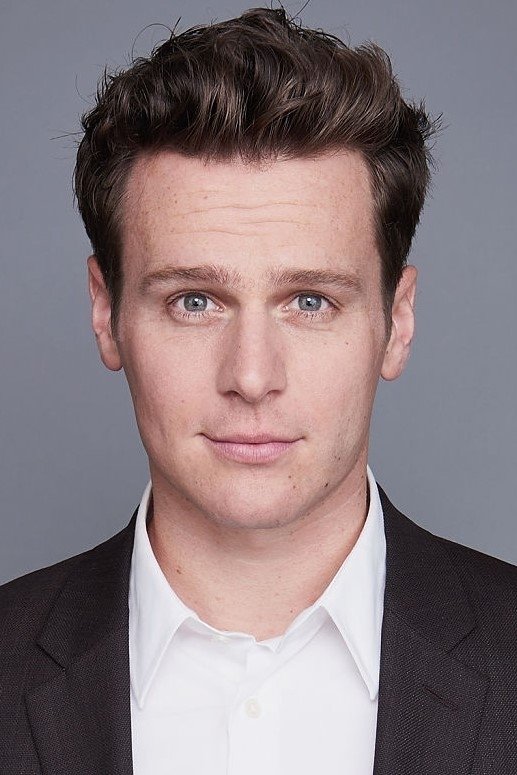
Jonathan Groff has balanced a career in theater and film while being open about his identity. He has discussed how the industry sometimes struggles to see gay actors as versatile enough for all types of roles. Groff believes that the best way to combat this is to ensure that queer actors are given the chance to play prominent queer characters. He argues that this visibility helps to break down stereotypes and provide more opportunities for others. His work continues to inspire a new generation of performers to be their authentic selves.
Zachary Quinto
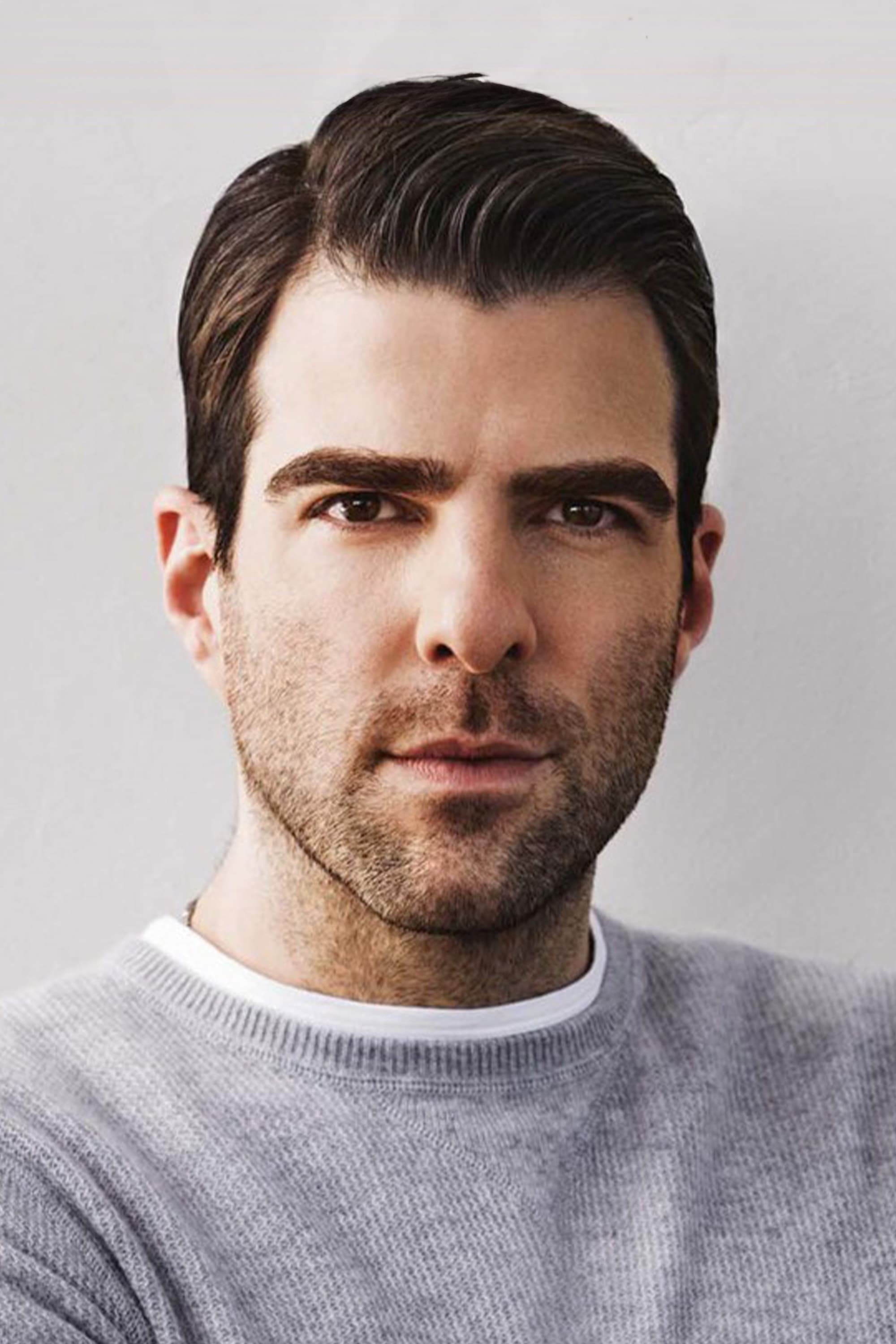
Zachary Quinto has been an active participant in the conversation about queer representation in Hollywood. He has noted that while progress has been made, there is still a long way to go in terms of casting equity. Quinto believes that straight actors taking queer roles can sometimes lead to caricatures rather than realistic portrayals. He advocates for the industry to look within the community to find the right talent for these stories. His commitment to diverse storytelling is evident in the projects he chooses to produce and star in.
George Takei
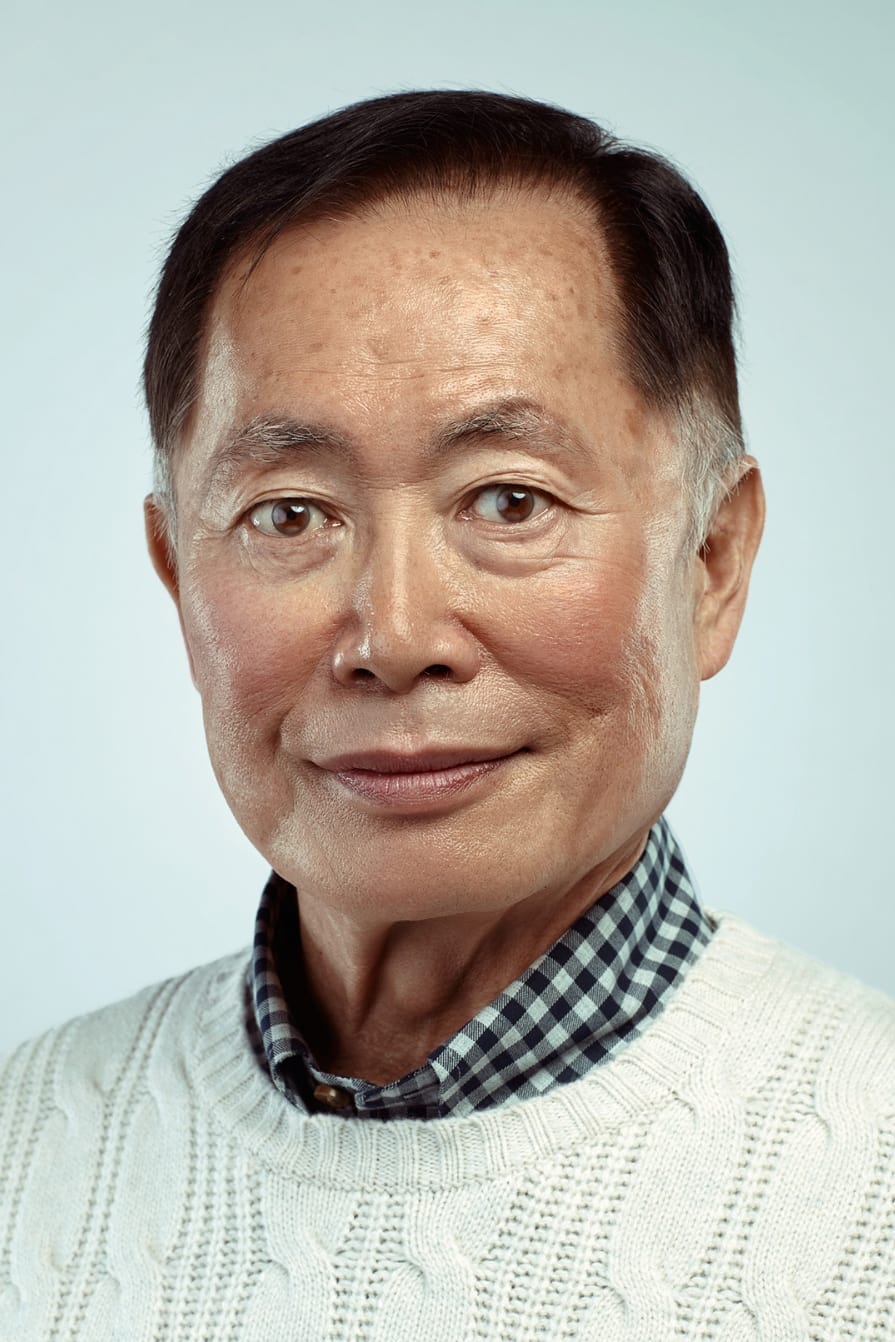
George Takei has spent decades advocating for the rights of LGBTQ+ people and has seen the industry evolve significantly. He has frequently mentioned the importance of having queer people tell their own stories to ensure historical and cultural accuracy. Takei believes that the practice of casting straight actors in gay roles is a relic of a less inclusive time. He encourages modern filmmakers to seek out and support LGBTQ+ talent at every level of production. His voice remains a powerful force in the movement for better representation.
Alan Cumming
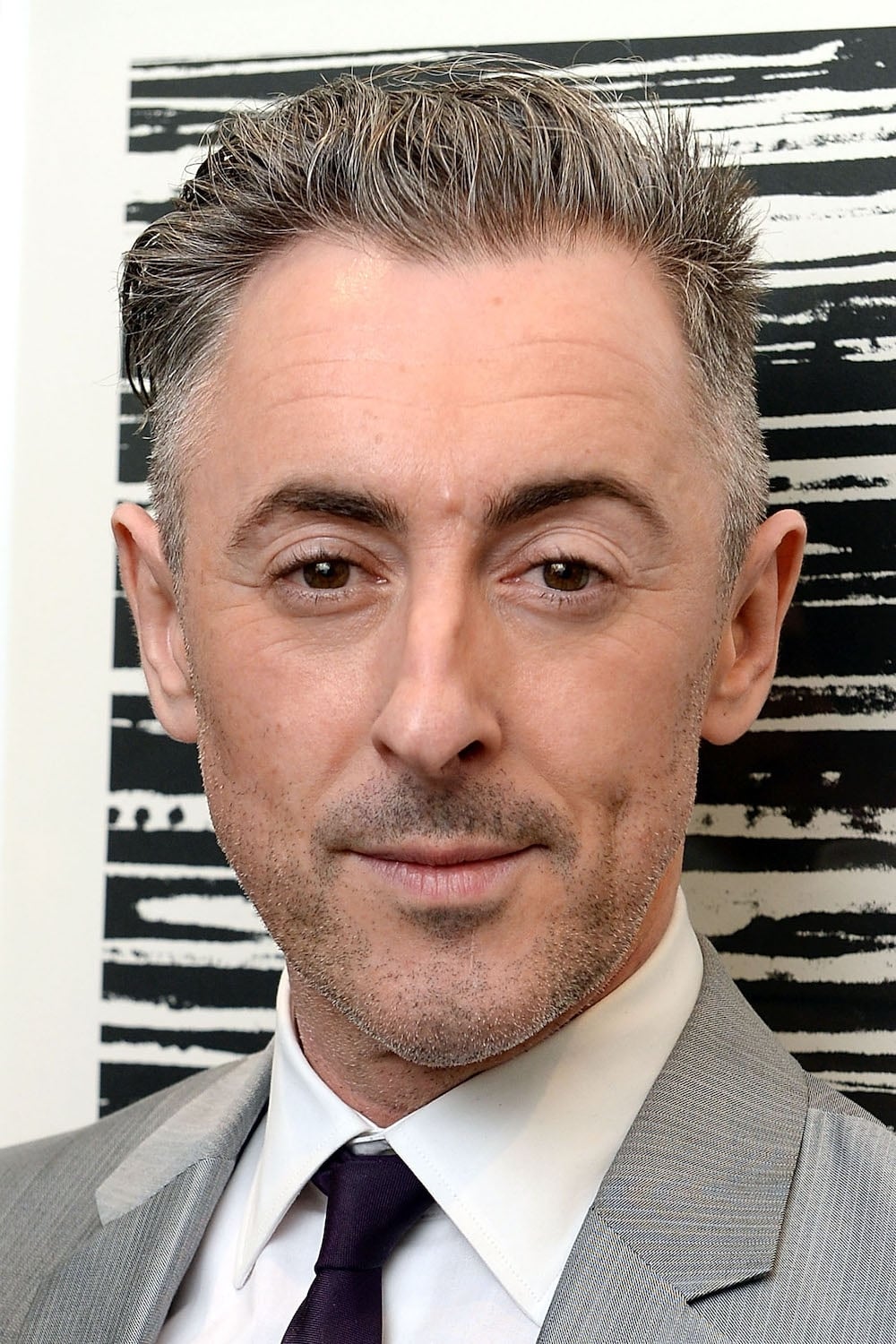
Alan Cumming has often shared his thoughts on the politics of casting and the need for authenticity. He has expressed frustration with the way the industry rewards straight actors for queer performances while often overlooking the same talent in gay performers. Cumming believes that the essence of a queer character is best captured by someone who understands the lived experience. He has consistently used his platform to champion the work of his peers in the LGBTQ+ community. His eclectic career proves that queer actors can excel in a wide range of genres.
Wilson Cruz
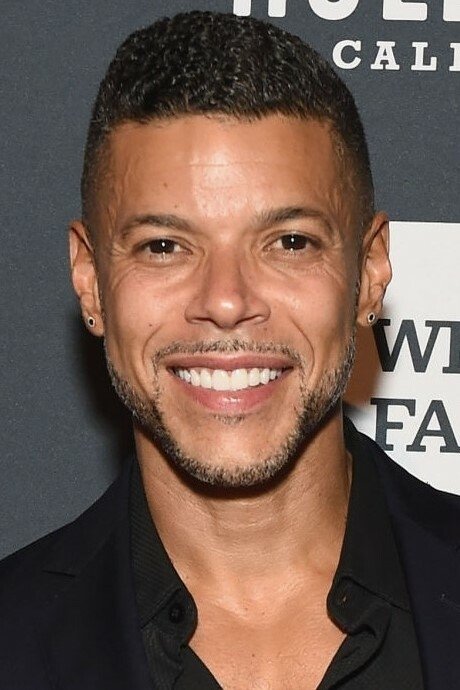
Wilson Cruz has been a trailblazer for LGBTQ+ representation on television since the early nineties. He has argued that the industry has a responsibility to hire queer actors for queer roles as a matter of justice and visibility. Cruz believes that the presence of authentic voices on screen helps to change hearts and minds in the real world. He has been a vocal critic of casting decisions that prioritize fame over community connection. His ongoing work continues to push for systemic changes within the major studios.
Anthony Rapp
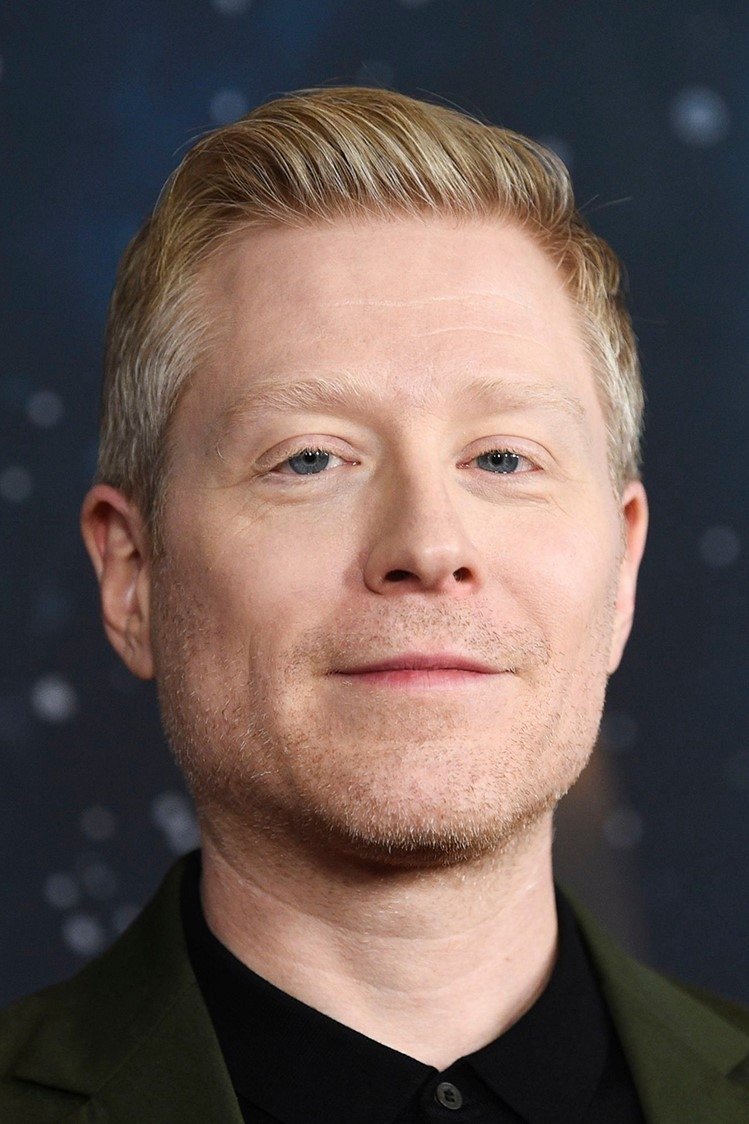
Anthony Rapp has emphasized the importance of visibility for gay actors since his early days in ‘Rent’. He has noted that seeing oneself reflected on screen by an actor who shares your identity is a powerful experience. Rapp believes that the industry should move away from the trend of casting straight actors in gay roles to win awards. He advocates for a more inclusive approach that values the contributions of LGBTQ+ performers. His career has been defined by a commitment to telling honest and impactful stories.
BD Wong
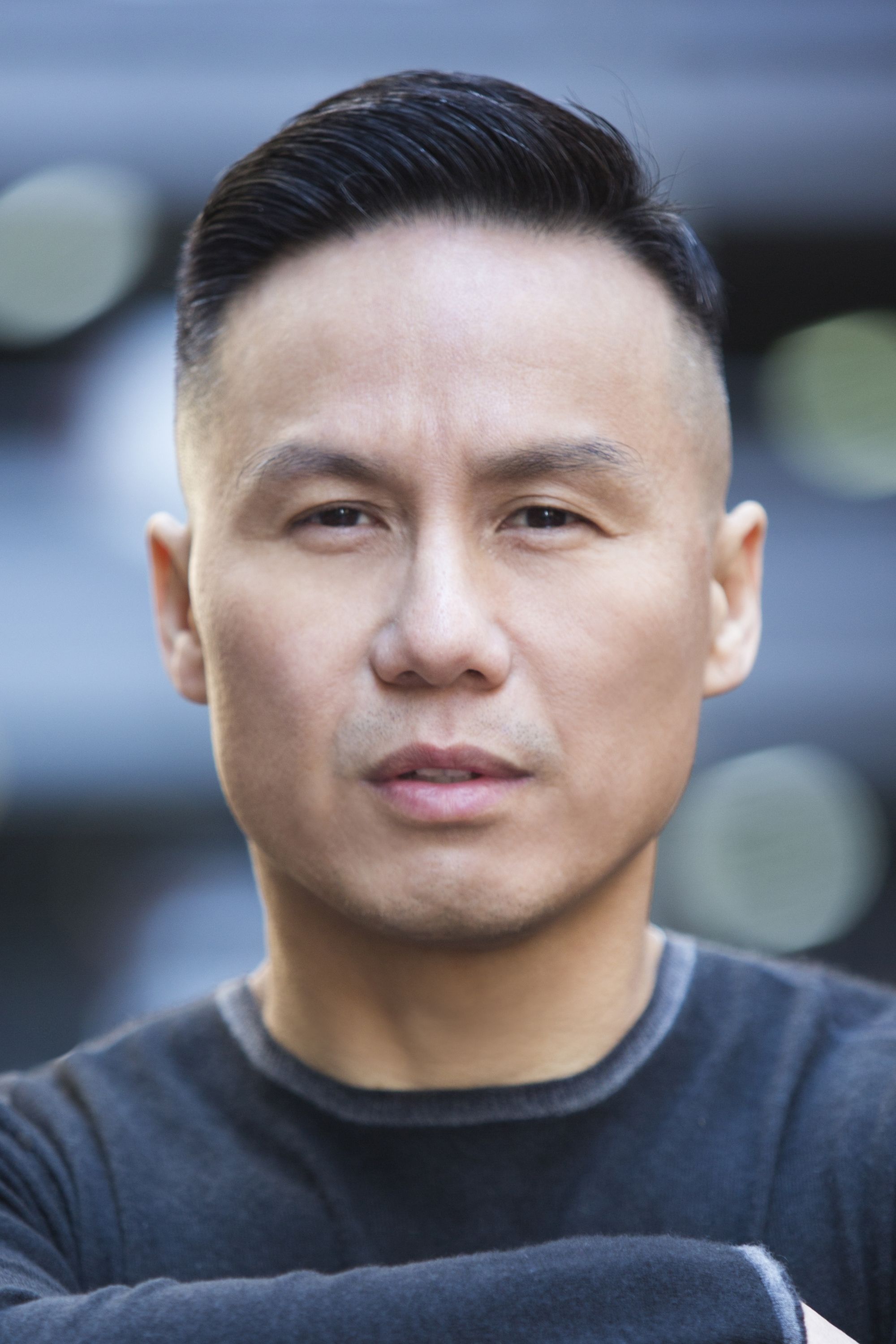
BD Wong has spoken about the intersection of race and sexuality in the casting process. He has noted that for a long time, queer roles for people of color were even more limited and often went to outsiders. Wong believes that authentic representation is crucial for providing a full picture of the human experience. He has encouraged the industry to be more thoughtful about who is chosen to represent marginalized communities. His long and successful career has broken many barriers for those who follow him.
Margaret Cho
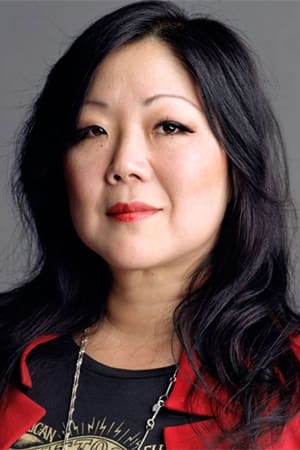
Margaret Cho has used her comedy and acting career to highlight the lack of queer Asian representation in Hollywood. She has argued that when these rare roles are given to straight performers, it takes away a vital opportunity for the community. Cho believes that the industry needs to do more to support queer talent from diverse backgrounds. She has been a consistent advocate for the power of storytelling to create social change. Her work continues to challenge the status quo and demand more from the entertainment industry.
Bowen Yang
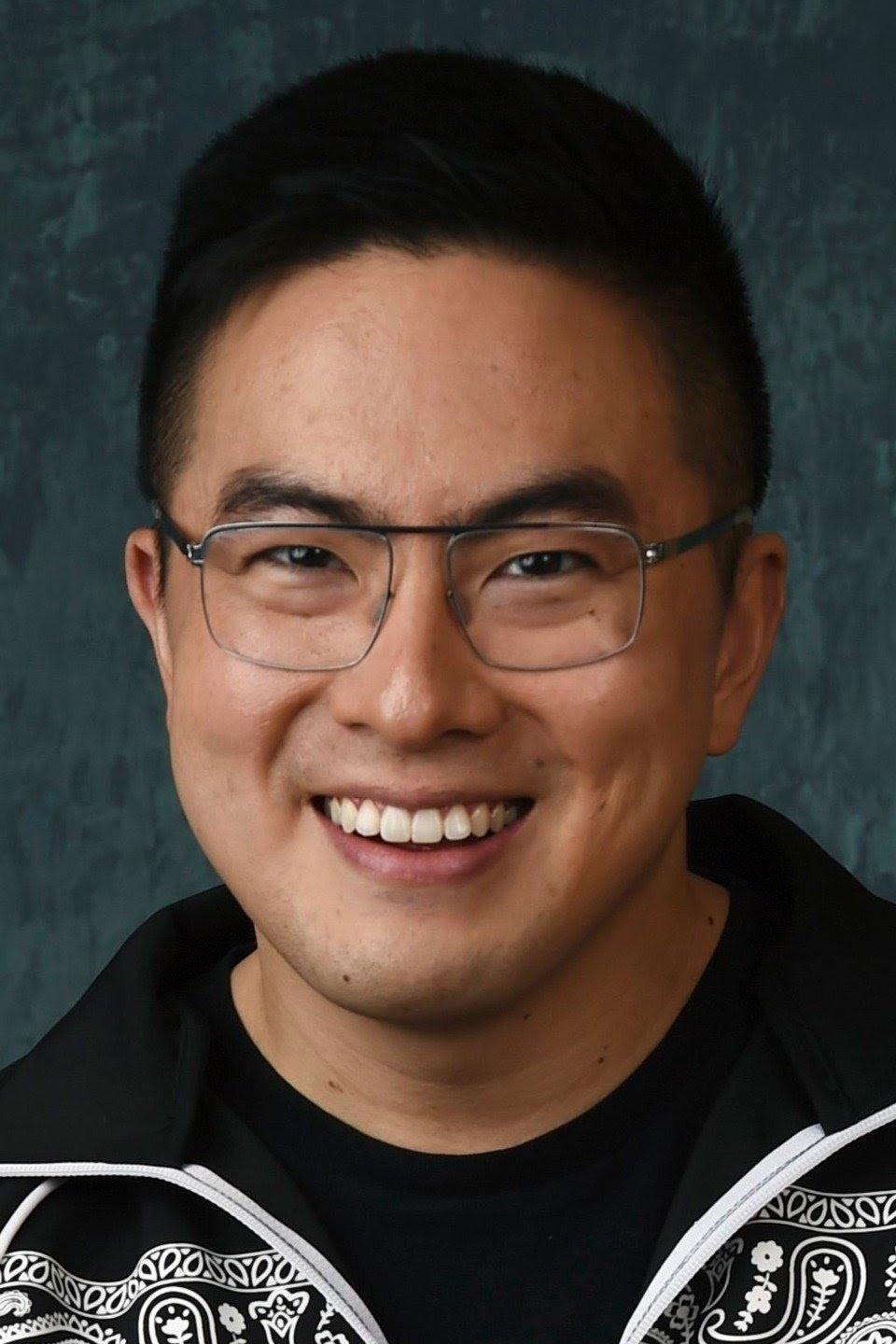
Bowen Yang has discussed the challenges of being a queer person of color in the modern entertainment landscape. He has noted that while there are more opportunities now, the competition for prominent queer roles remains fierce. Yang believes that casting queer actors is essential for bringing a unique and necessary humor to the screen. He has advocated for the industry to recognize the specific cultural knowledge that LGBTQ+ performers bring to their work. His presence on ‘Saturday Night Live’ has been a significant milestone for representation.
Tituss Burgess
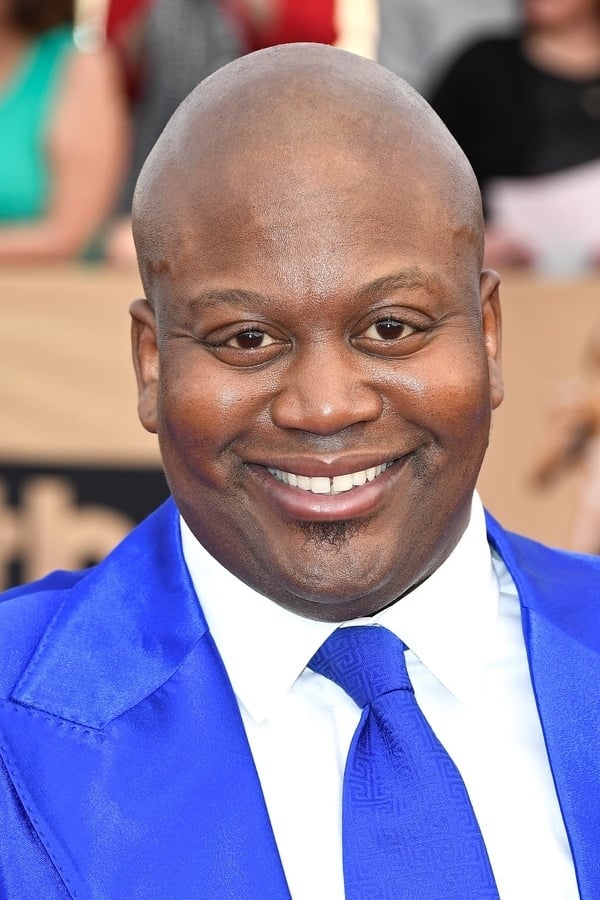
Tituss Burgess has spoken about the importance of being unapologetically himself in an industry that often asks performers to conform. He has noted that queer actors are often the last to be considered for the very roles that reflect their lives. Burgess believes that the industry should celebrate the uniqueness of queer talent rather than trying to fit them into traditional boxes. He has been a vocal supporter of casting initiatives that prioritize diversity and authenticity. His work continues to highlight the incredible range and depth of LGBTQ+ performers.
Dan Levy
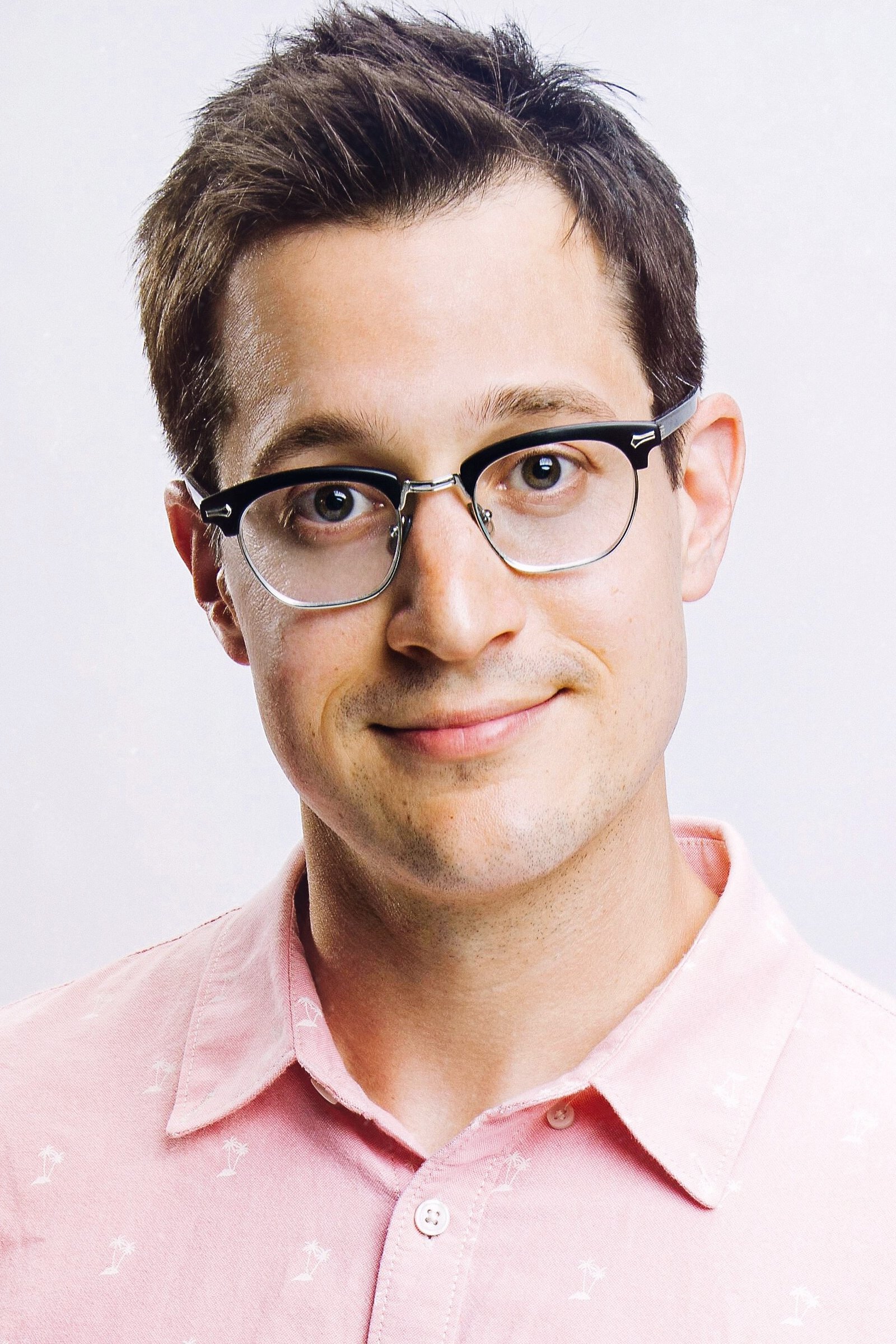
Dan Levy has become a major figure in the conversation about queer representation following the success of ‘Schitt’s Creek’. He has argued that the industry must provide a safe and supportive environment for queer actors to thrive. Levy believes that casting queer people in queer roles is a simple way to ensure the story feels grounded and real. He has made it a point to hire LGBTQ+ talent for his own projects to lead by example. His influence is helping to shift the standards of what is expected in modern television.
Jesse Tyler Ferguson
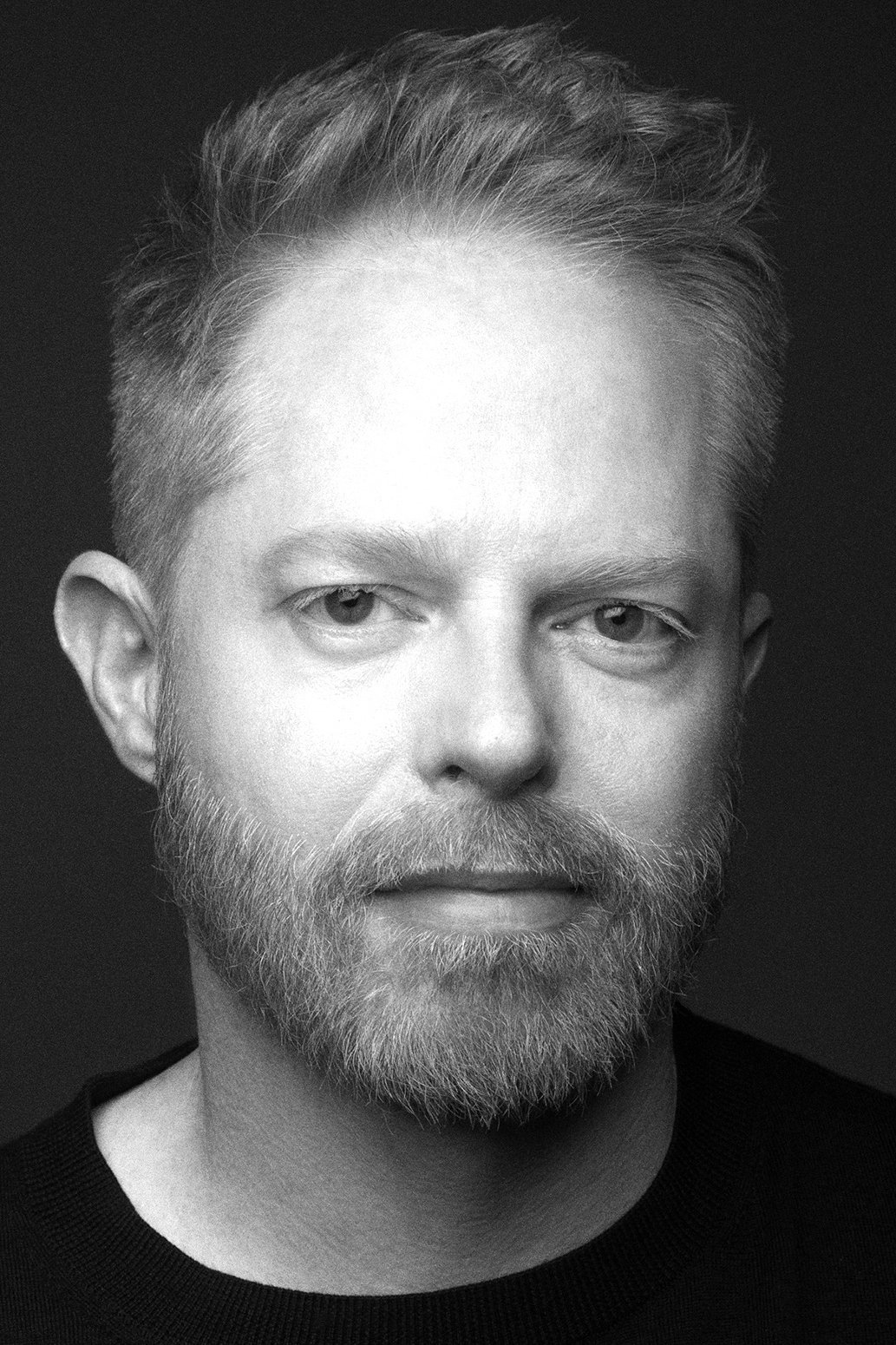
Jesse Tyler Ferguson has discussed the impact of his role on ‘Modern Family’ and the importance of gay visibility. He has noted that while he was proud of the show, there is still a need for more diverse queer stories led by queer actors. Ferguson believes that the industry has a tendency to play it safe by casting established straight stars in gay roles. He advocates for more risks to be taken on emerging LGBTQ+ talent who can bring a fresh perspective. His work in theater also highlights his commitment to queer narratives.
Jane Lynch
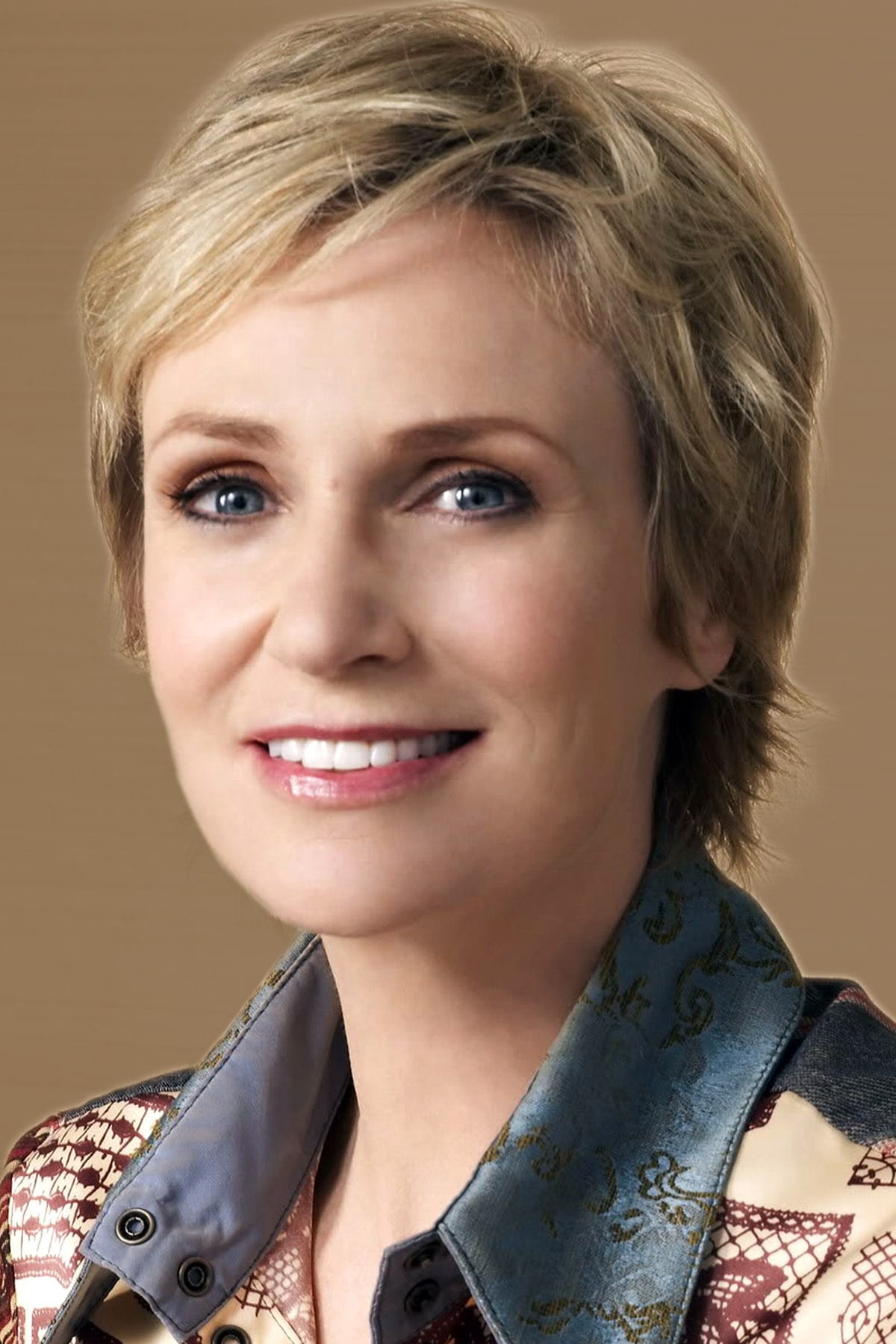
Jane Lynch has been a mainstay in the industry for years and has often commented on the progress of queer representation. She has noted that while there are more roles now, the quality and authenticity of those roles vary greatly. Lynch believes that gay actors bring a certain sensibility to their work that is hard to find elsewhere. She has encouraged producers to look beyond the usual suspects when casting queer characters. Her success in both comedy and drama shows the versatility of openly gay performers.
Sean Hayes
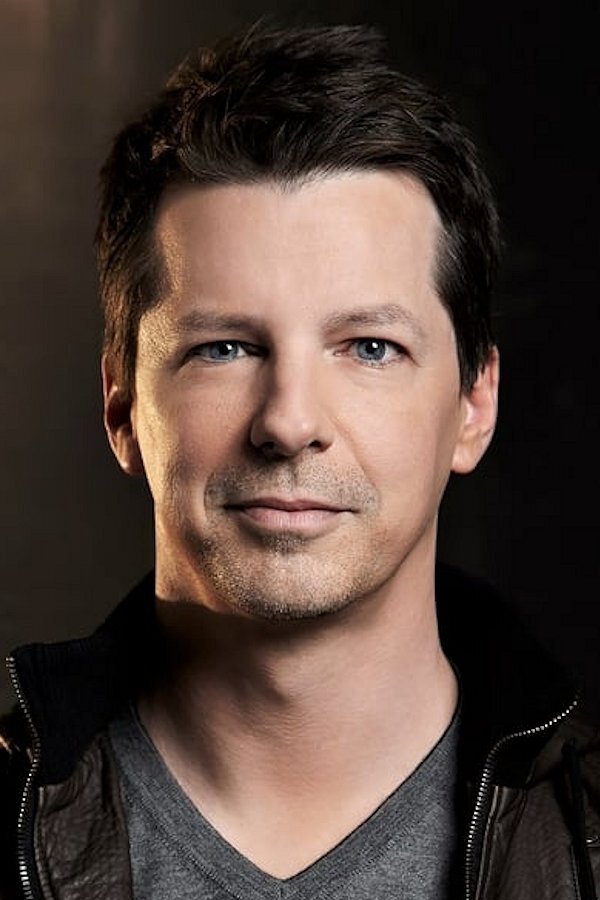
Sean Hayes has reflected on his time on ‘Will and Grace’ and how it shaped the landscape for gay actors. He has discussed the pressures of being one of the few out actors on a major network and the expectations that came with it. Hayes believes that the industry should continue to strive for a world where queer actors are the norm rather than the exception. He has supported the idea that gay actors should be the first choice for stories that center on the gay experience. His career remains a testament to the power of queer visibility.
Victor Garber
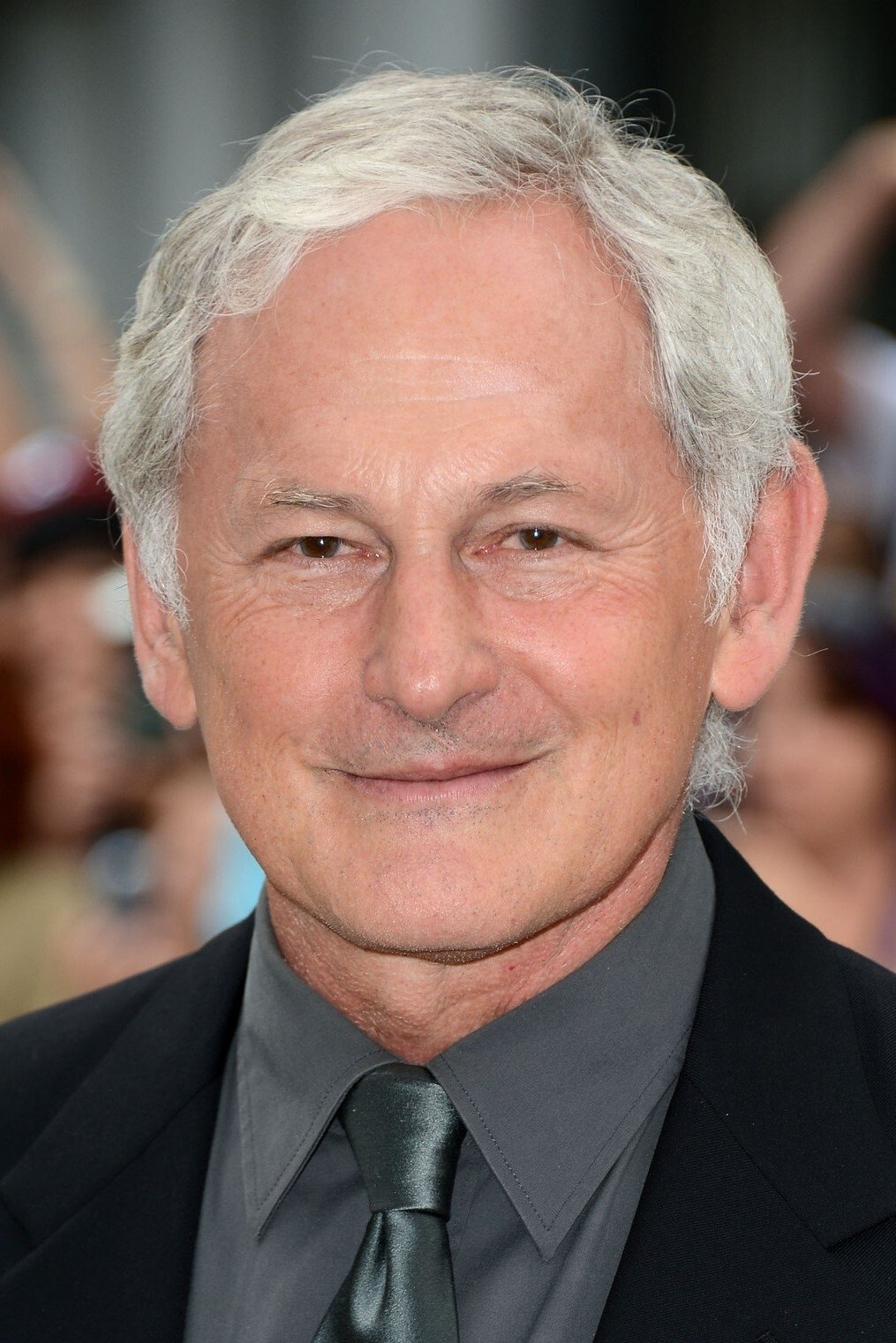
Victor Garber has enjoyed a long and varied career and has shared his thoughts on the evolution of Hollywood. He has noted that the industry was much more restrictive in the past regarding the personal lives of its stars. Garber believes that the current move toward more authentic casting is a positive step for everyone involved. He has expressed support for younger actors who are choosing to be open about their identities from the start. His presence in major film and television projects continues to provide a steady example of queer excellence.
Sarah Paulson
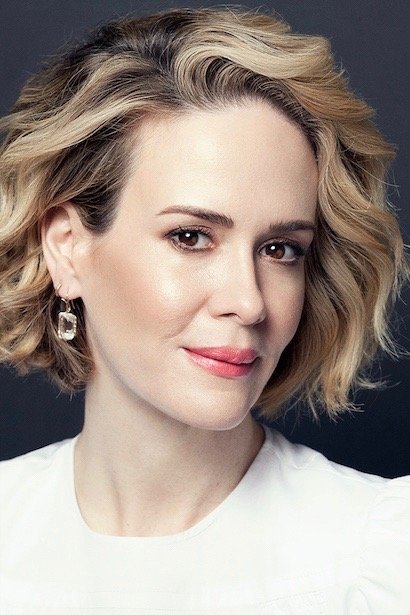
Sarah Paulson has often discussed the complexities of being a queer woman in the industry today. She has noted that while she has played a variety of roles, the industry still has a way to go in terms of true equity. Paulson believes that the most important thing is to have a diverse range of voices at the table when casting decisions are made. She has supported the work of her queer colleagues and has been a part of many projects that celebrate LGBTQ+ themes. Her career demonstrates the impact of having a prominent queer voice in the mainstream.
Conrad Ricamora
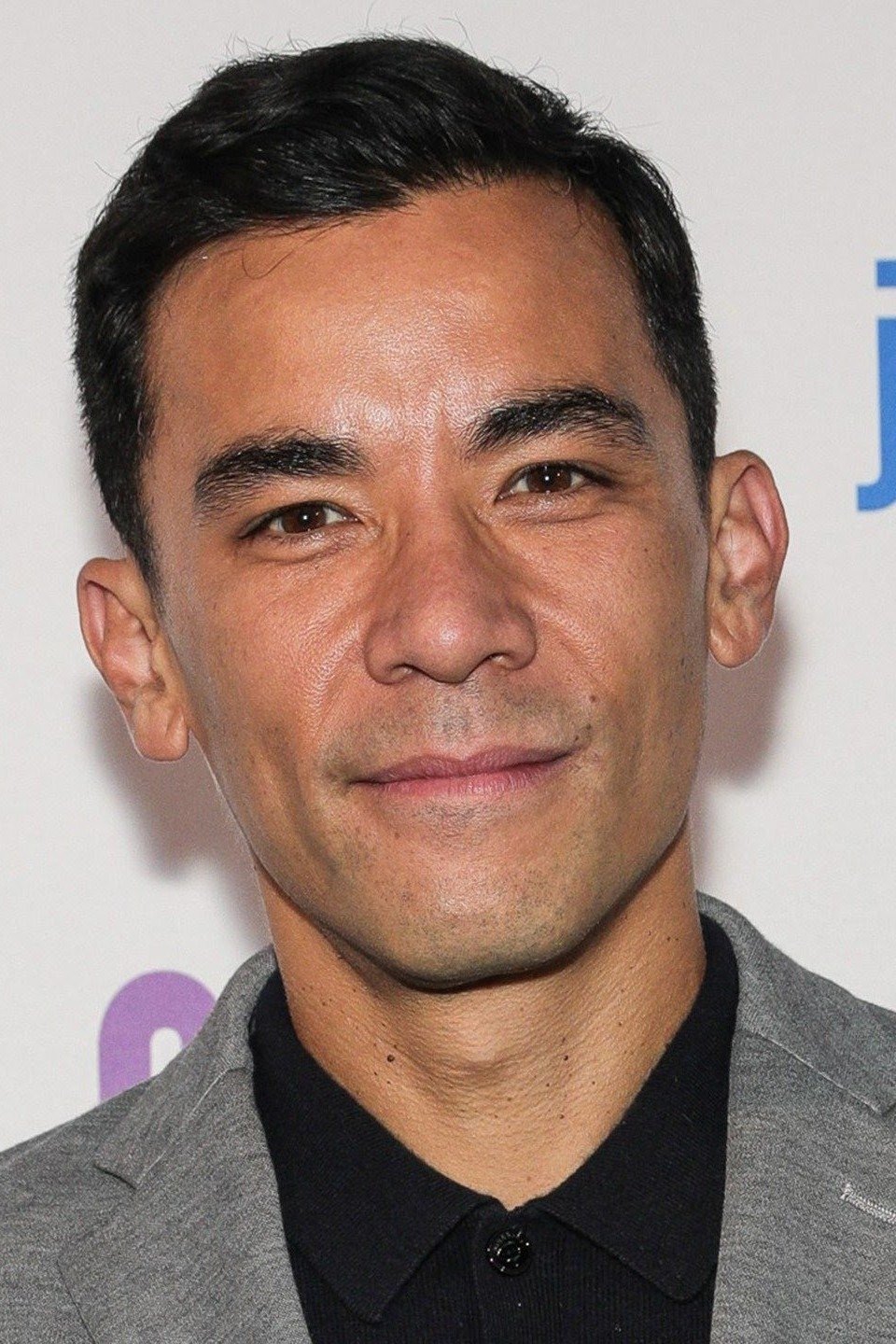
Conrad Ricamora has discussed the importance of having queer Asian men represented on screen in a meaningful way. He has noted that for a long time, these roles were either non-existent or played by people who did not share the identity. Ricamora believes that his role on ‘How to Get Away with Murder’ was a significant step forward for visibility. He continues to advocate for more opportunities for queer actors of color to lead major productions. His work remains focused on breaking down the barriers that prevent true representation.
Jake Borelli
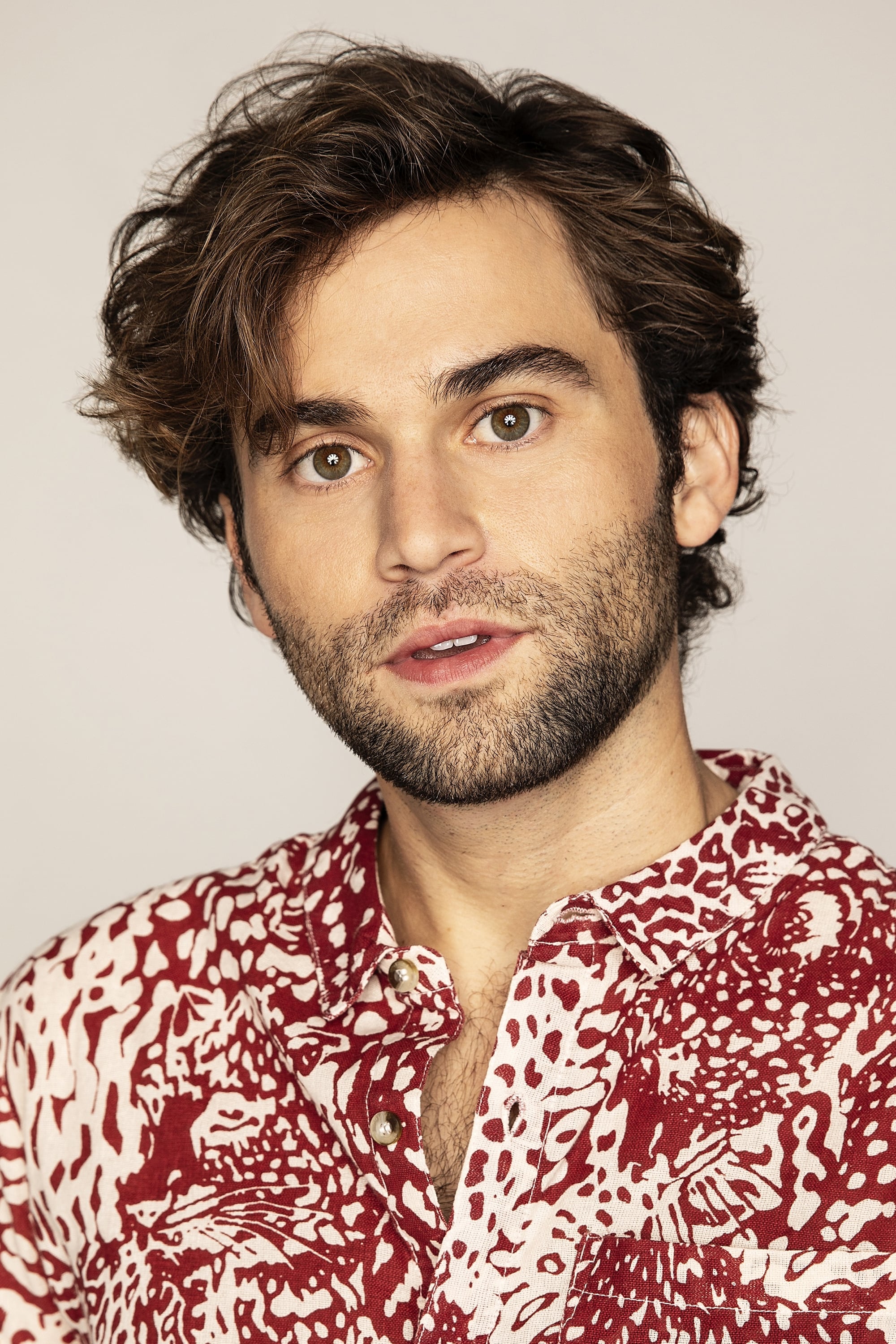
Jake Borelli has spoken about the significance of his coming out and its impact on his character on ‘Grey’s Anatomy’. He has noted that the feedback from the community showed how much it means to see a queer actor in a queer role. Borelli believes that the industry should prioritize this kind of authenticity whenever possible. He has expressed frustration with the historical trend of straight actors taking these pivotal parts. His advocacy is centered on making sure the next generation of queer actors feels seen and valued.
Nico Tortorella
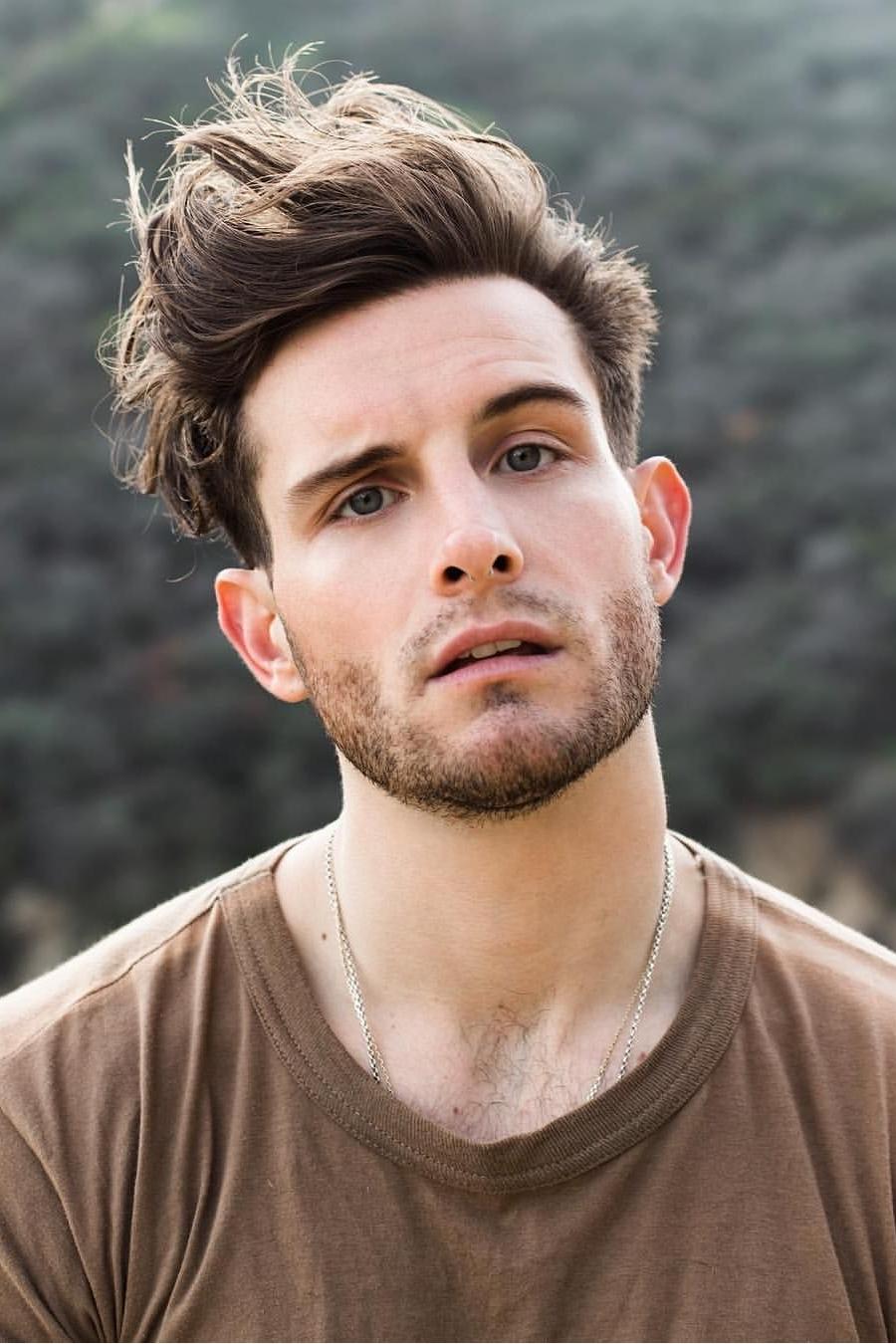
Nico Tortorella has challenged traditional notions of gender and sexuality through their work and public persona. They have argued that the casting process should be more fluid and inclusive of all identities. Tortorella believes that when the industry sticks to narrow definitions of who can play what, it limits the potential of the story. They have been a vocal proponent of casting queer and nonbinary actors in roles that reflect their lived reality. Their work continues to push the boundaries of what is expected in the entertainment world.
Scott Evans
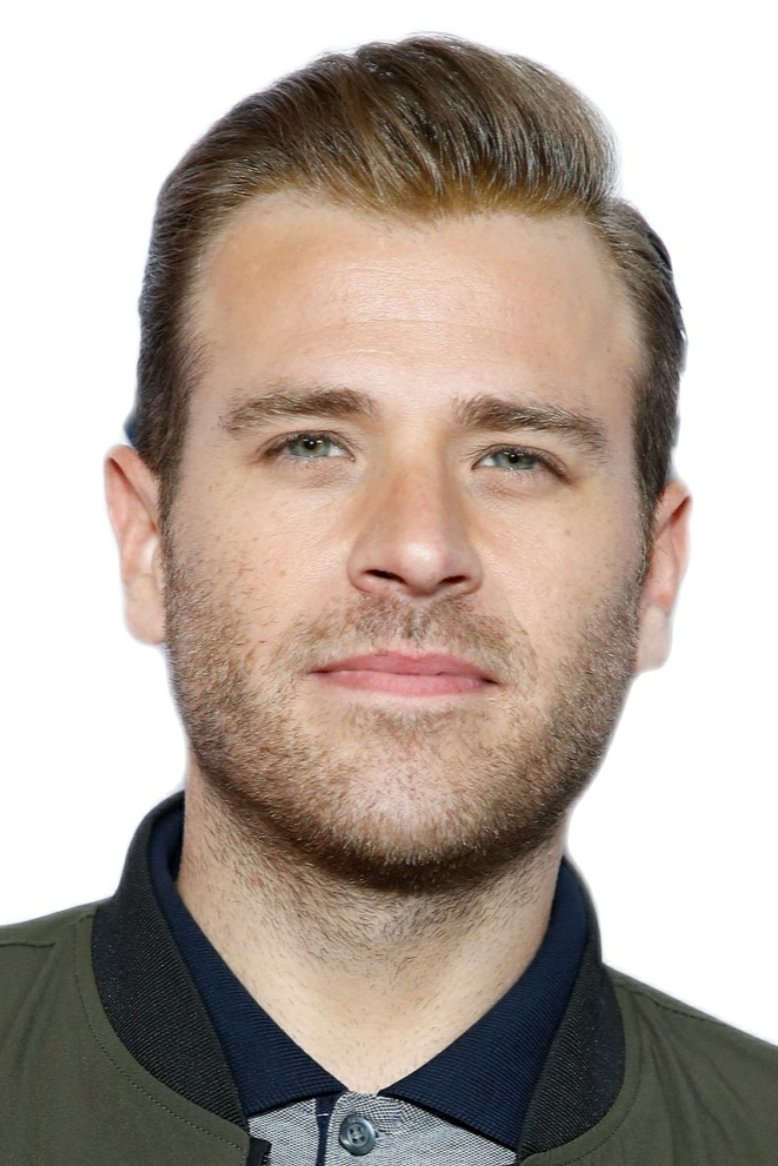
Scott Evans has discussed the challenges of being an out actor in Hollywood and the impact on his career path. He has noted that queer actors are often pigeonholed or overlooked for roles that straight actors are allowed to explore. Evans believes that more should be done to ensure that gay actors are given a fair shot at leading queer stories. He has advocated for the industry to move past its reliance on straight star power for these projects. His voice adds to the growing chorus of performers demanding more authenticity.
Colman Domingo

Colman Domingo has spoken extensively about the need for queer actors to be given the space to lead major narratives. He has noted that the industry often looks to straight actors for queer roles because of their perceived marketability. Domingo believes that this practice undermines the talent and lived experience of LGBTQ+ performers. He has been a part of several high profile projects that prioritize authentic casting and diverse storytelling. His work continues to demonstrate that queer actors are more than capable of carrying any role.
Alexandra Billings
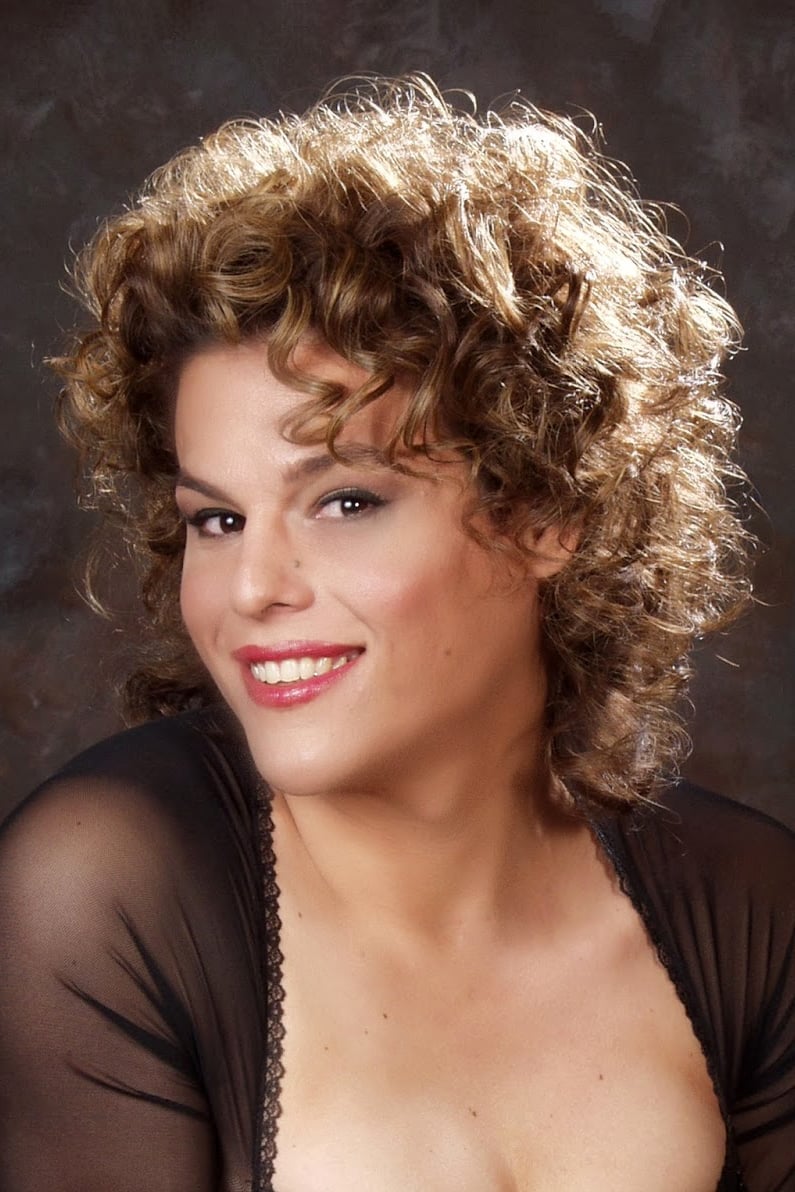
Alexandra Billings has been a long time advocate for the rights of trans performers in the entertainment industry. She has frequently criticized the practice of casting cisgender men in trans women’s roles, calling it harmful and inaccurate. Billings believes that the industry has a moral obligation to hire trans people to tell trans stories. She has noted that the lack of opportunity for trans actors is a systemic problem that requires a systemic solution. Her career has been dedicated to opening doors for those who have been historically excluded.
Please share your thoughts on the importance of authentic casting in the comments.