


LGBTQ+ Actors Who Say They Were Blacklisted for Their Personal Views

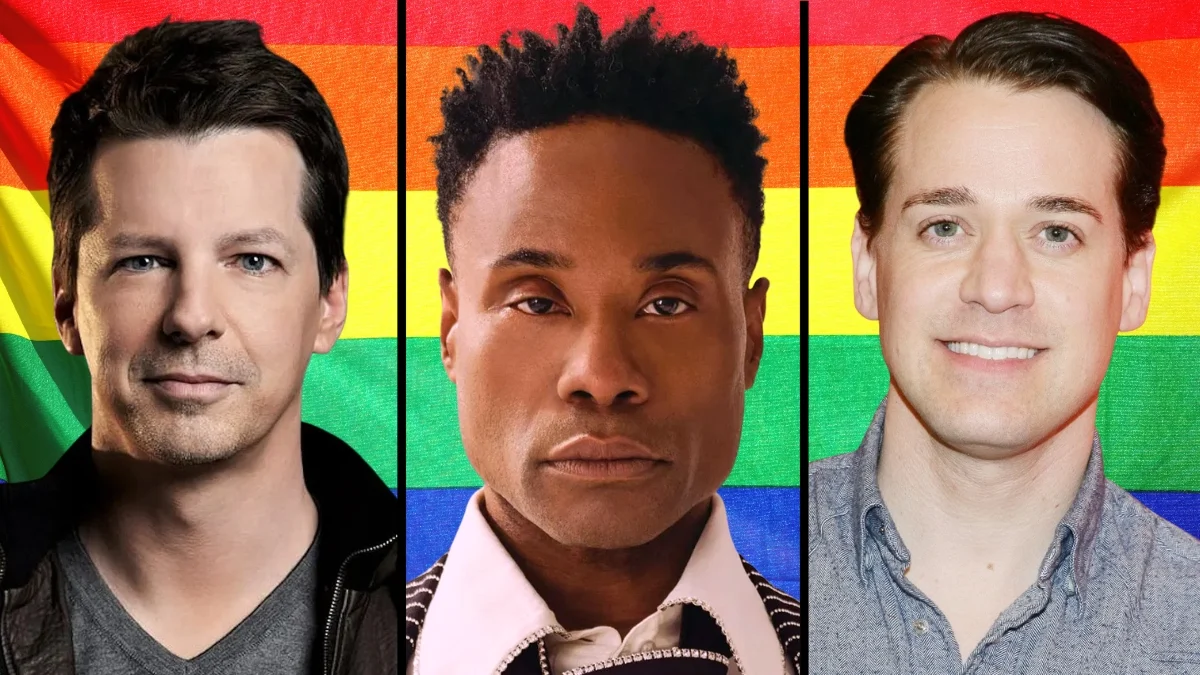


The entertainment industry has a long and complex history regarding the treatment of LGBTQ performers, with many actors claiming their careers suffered due to their personal identities or convictions. Throughout the 20th and 21st centuries, various male actors have come forward to describe experiences of being blacklisted, sidelined, or passed over for roles after their sexual orientation or personal views became public. While Hollywood has made strides toward inclusivity, these performers argue that systemic biases and industry gatekeepers have historically created barriers for those who do not conform to traditional expectations. This list explores several LGBTQ male actors who have publicly stated that their career trajectories were negatively impacted by the industry’s reaction to their personal lives and viewpoints.
Rupert Everett
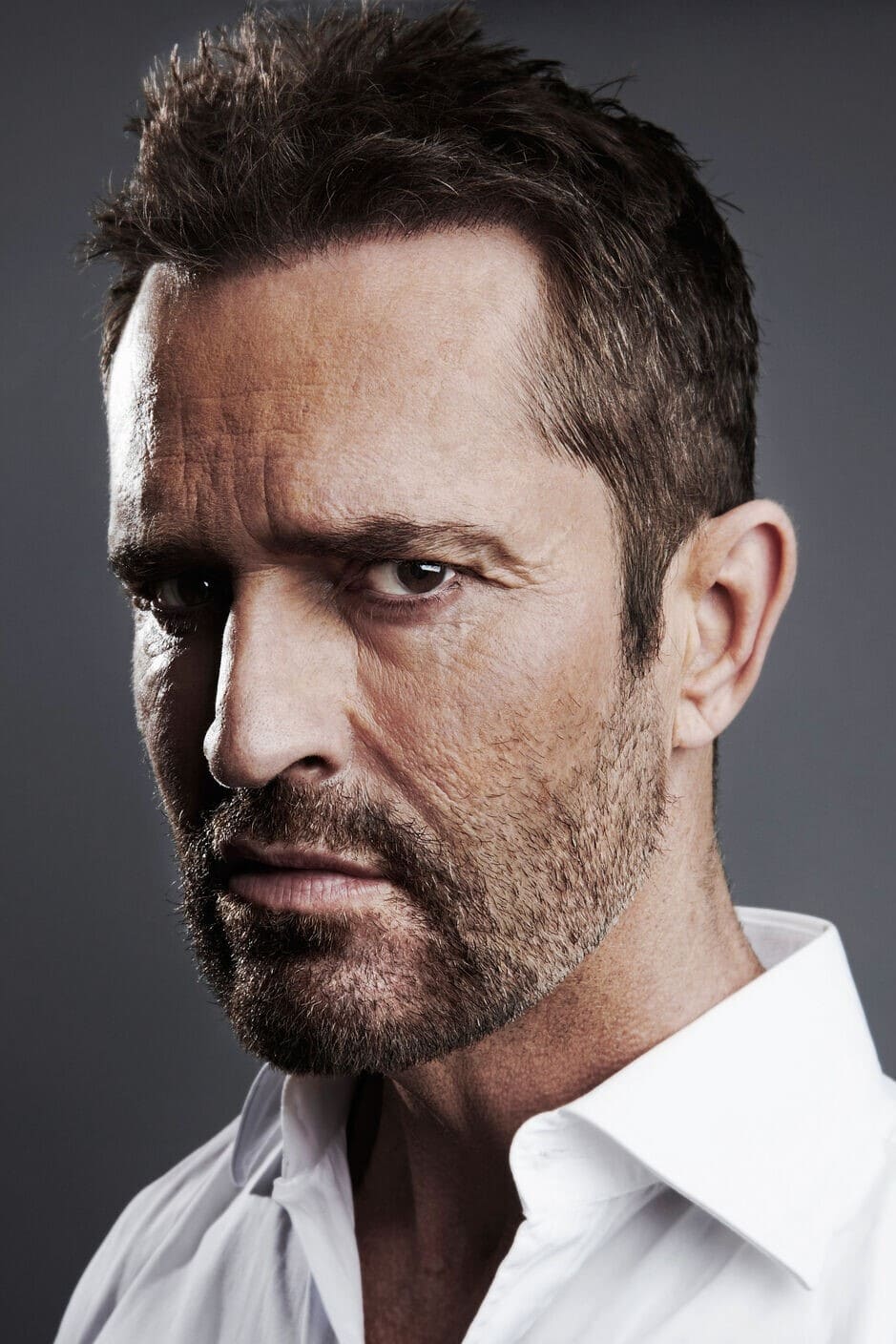
Rupert Everett has frequently spoken about how his decision to come out as gay in the late 1980s negatively impacted his career in Hollywood. The actor noted that he lost out on several major leading roles because he was no longer seen as a viable romantic lead for female audiences. In various interviews, he suggested that the industry’s inherent bias made it impossible for him to sustain the momentum he gained after ‘My Best Friend’s Wedding’. Everett maintains that coming out is still a risky move for actors who wish to pursue high-profile leading parts.
Billy Porter
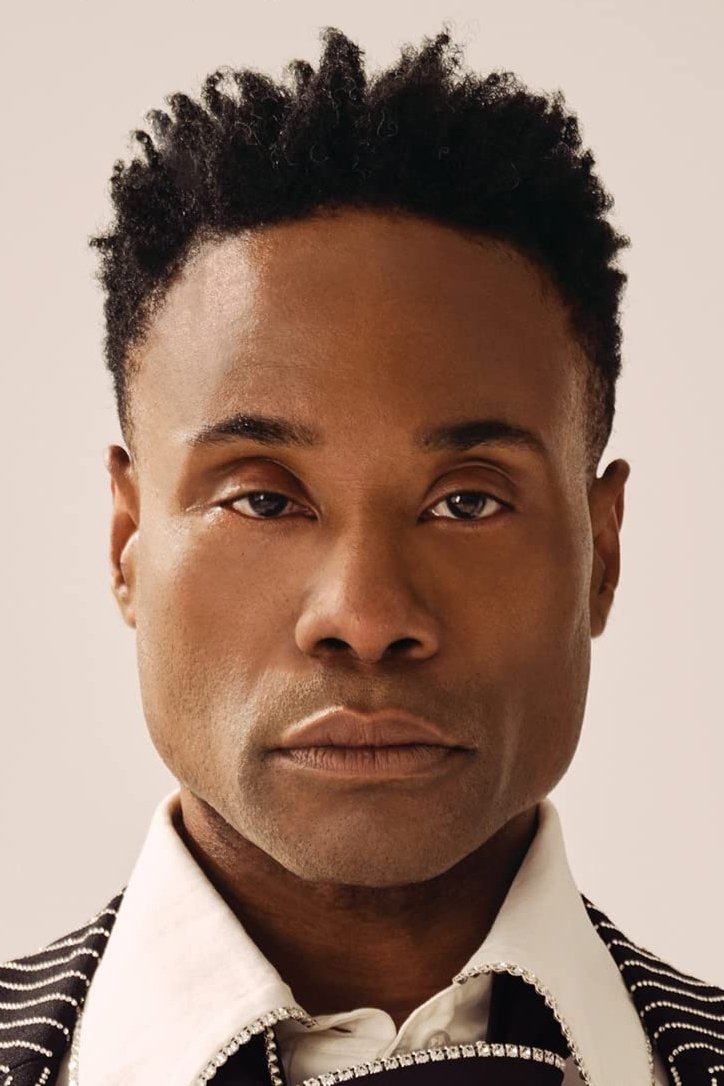
Billy Porter has been vocal about the decade-long period where he felt effectively blacklisted by the mainstream entertainment industry. Before his success on ‘Pose’, the actor struggled to find work in music and film because he was deemed “too flamboyant” by executives. Porter has stated that his refusal to compromise his authentic self led to a lack of opportunities in the 1990s and early 2000s. He has since used his platform to criticize the industry’s historical exclusion of queer performers of color.
Matt Bomer
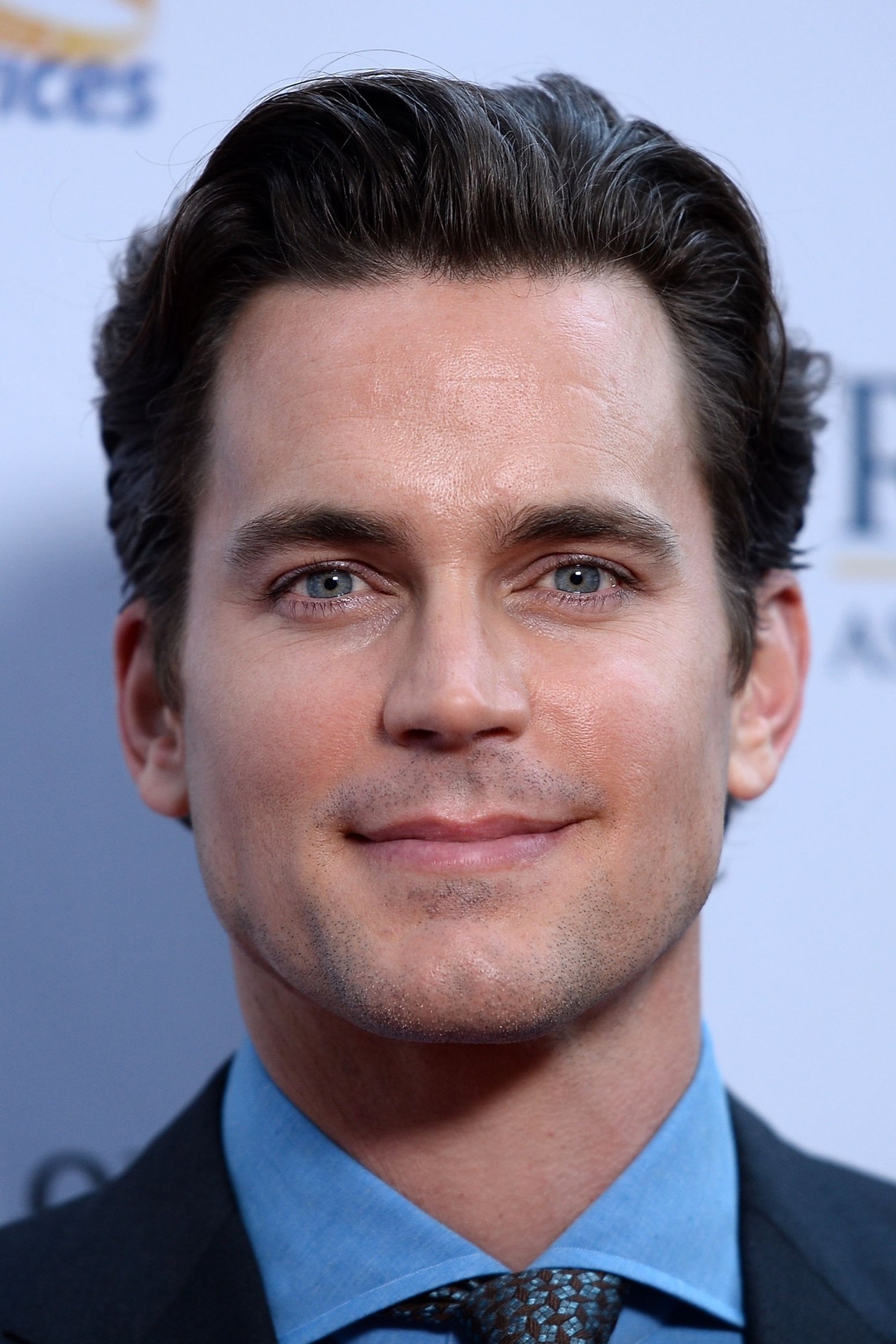
Matt Bomer reportedly lost the opportunity to play the titular character in a ‘Superman’ project directed by Brett Ratner due to his sexual orientation. Industry insiders have claimed that Bomer’s private life was a deciding factor in the casting process, a sentiment that the actor himself has acknowledged as a reality of that era. Despite his later success in ‘White Collar’, Bomer has discussed the subtle ways in which being an out actor can limit casting options for certain archetypes. He continues to advocate for more inclusive casting practices that do not penalize performers for their personal lives.
Chad Allen
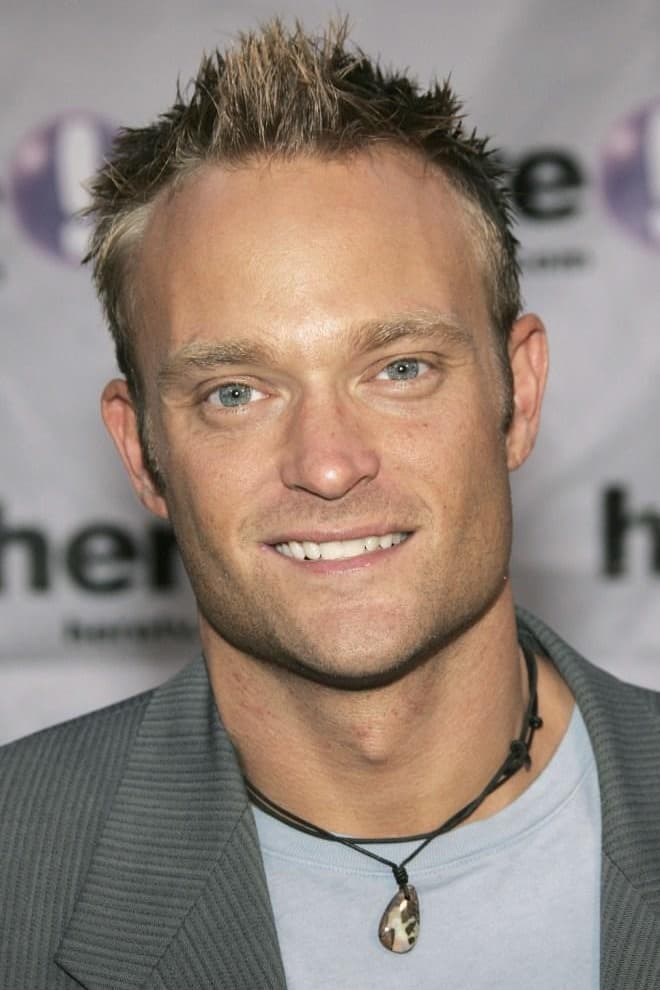
Chad Allen became a prominent figure in the 1990s when he was outed by a tabloid while starring in ‘Dr. Quinn, Medicine Woman’. The actor faced immediate pressure from the industry and expressed that his career trajectory shifted significantly after the incident became public. Allen noted that he was often passed over for leading roles in mainstream projects because of his public identity as a gay man. He eventually transitioned into advocacy and psychology, citing the difficulties of navigating a biased Hollywood landscape as a primary factor.
Richard Chamberlain
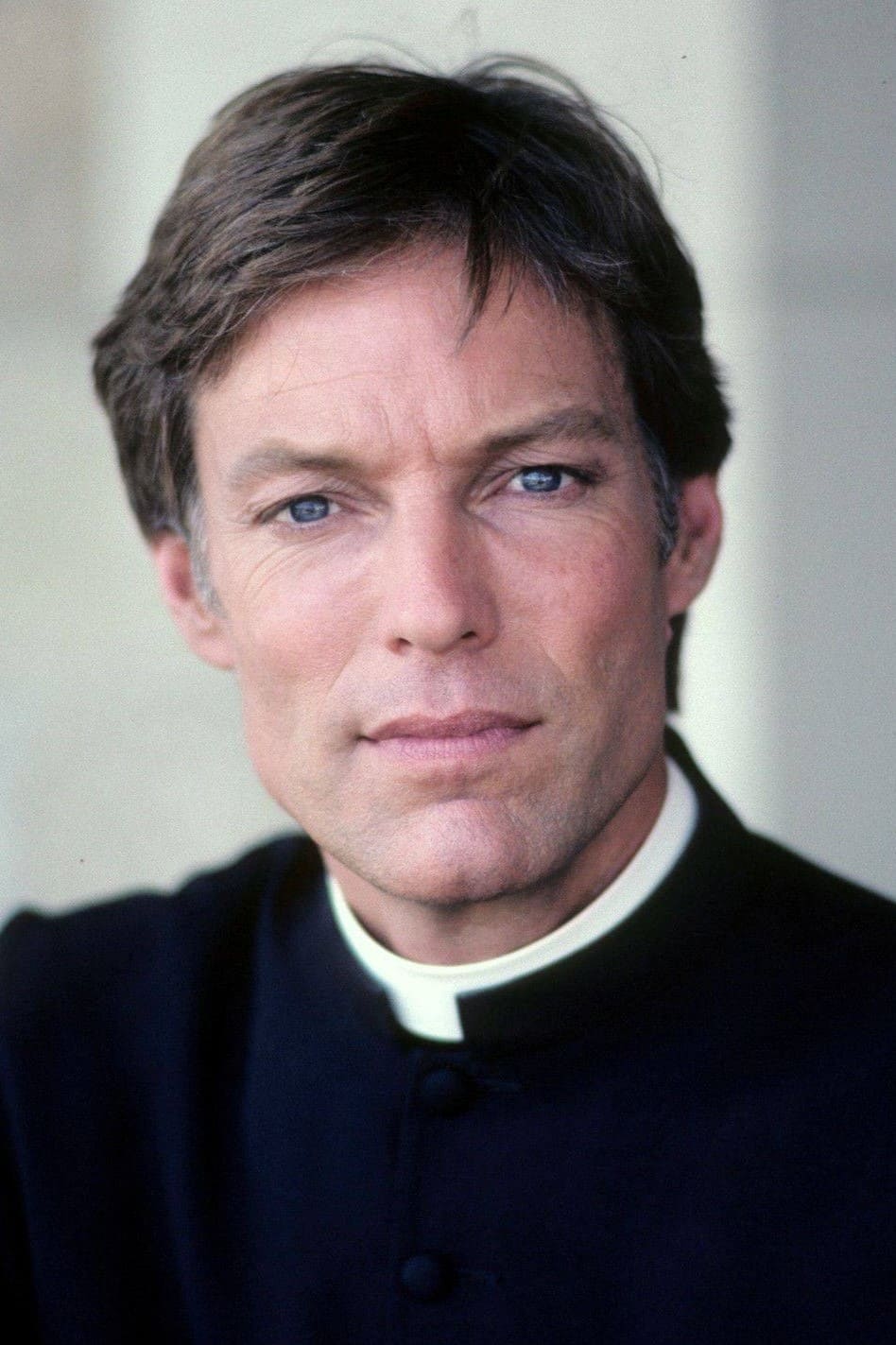
For many years, Richard Chamberlain was one of television’s most sought-after leading men, starring in hits like ‘Shogun’ and ‘The Thorn Birds’. He remained in the closet for the majority of his career, later stating that coming out earlier would have been professional suicide at the time. Chamberlain has argued that the industry’s perception of masculinity prevented gay actors from being cast in heroic roles during his prime. His eventual revelation in his memoir highlighted the systemic blacklisting of openly gay performers in mid-20th-century Hollywood.
Colton Haynes
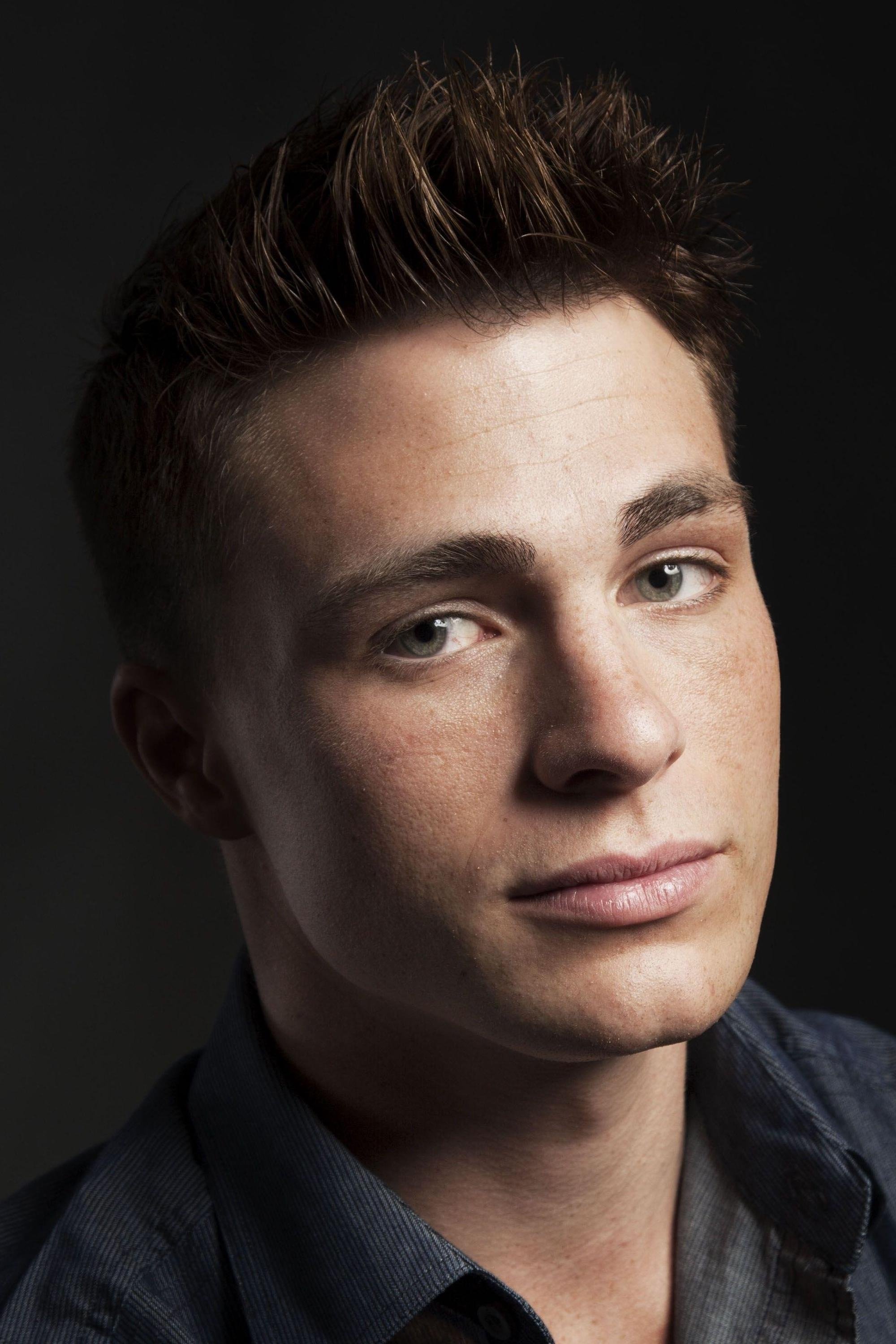
Colton Haynes has shared his experiences regarding the pressure to hide his sexuality early in his career to avoid being blacklisted by casting directors. The ‘Teen Wolf’ star claimed that his management team encouraged him to date women publicly to maintain a specific image for the mainstream market. Haynes has described the mental health toll of this deception and the constant fear that his career would end if he were honest about his personal views. Since coming out, he has spoken candidly about the industry’s slow progress in accepting queer actors in diverse, non-stereotypical roles.
T. R. Knight
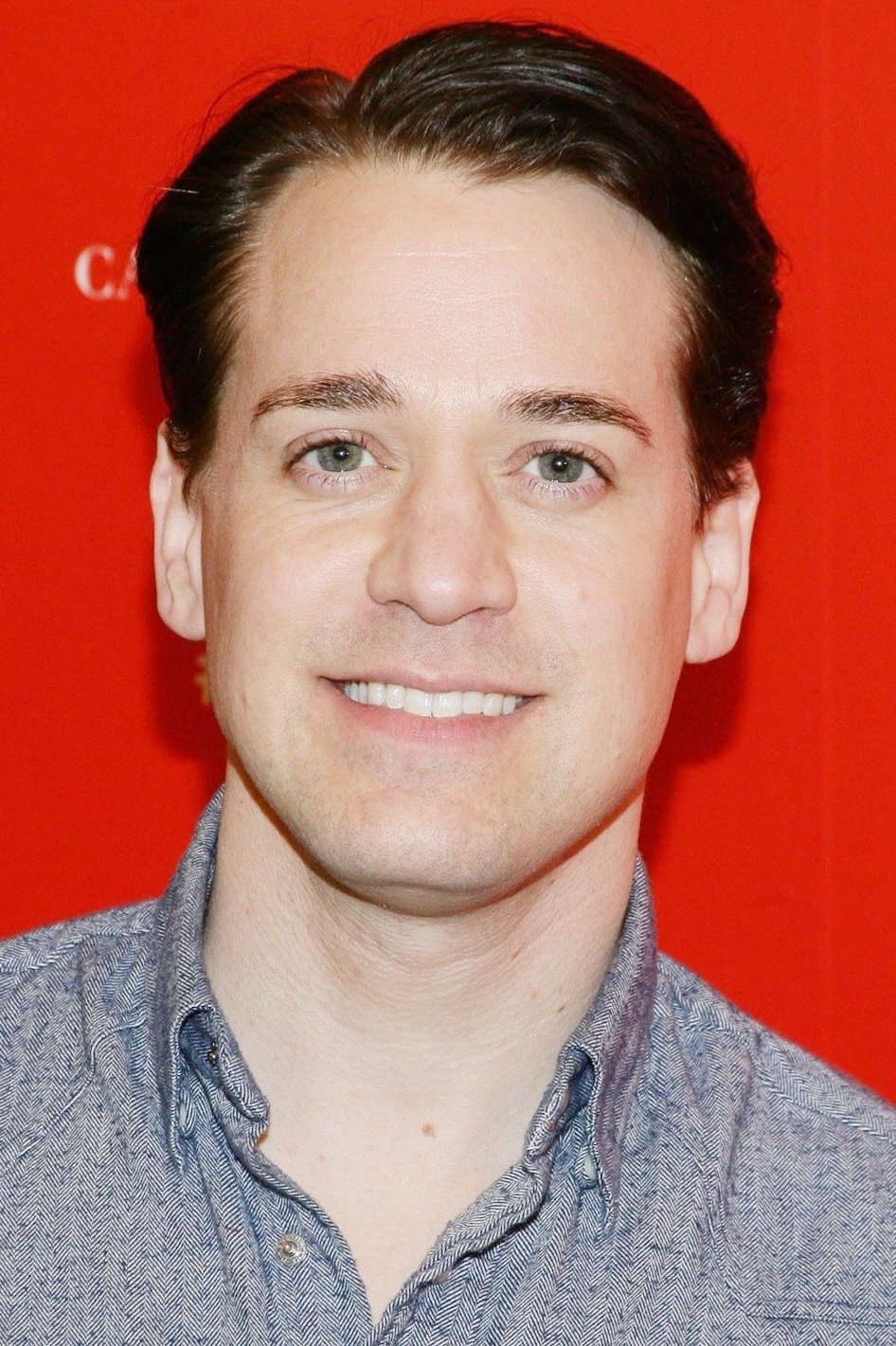
T.R. Knight experienced a public and professional fallout following a homophobic incident involving a co-star on the set of ‘Grey’s Anatomy’. The actor eventually chose to leave the hit series, citing a breakdown in communication and a lack of support from the production team during the controversy. Knight has suggested that the handling of his coming out and the subsequent tension impacted his standing within the television industry for a period. He has since focused his efforts on theater and select television roles, maintaining a more selective professional life.
Doug Spearman
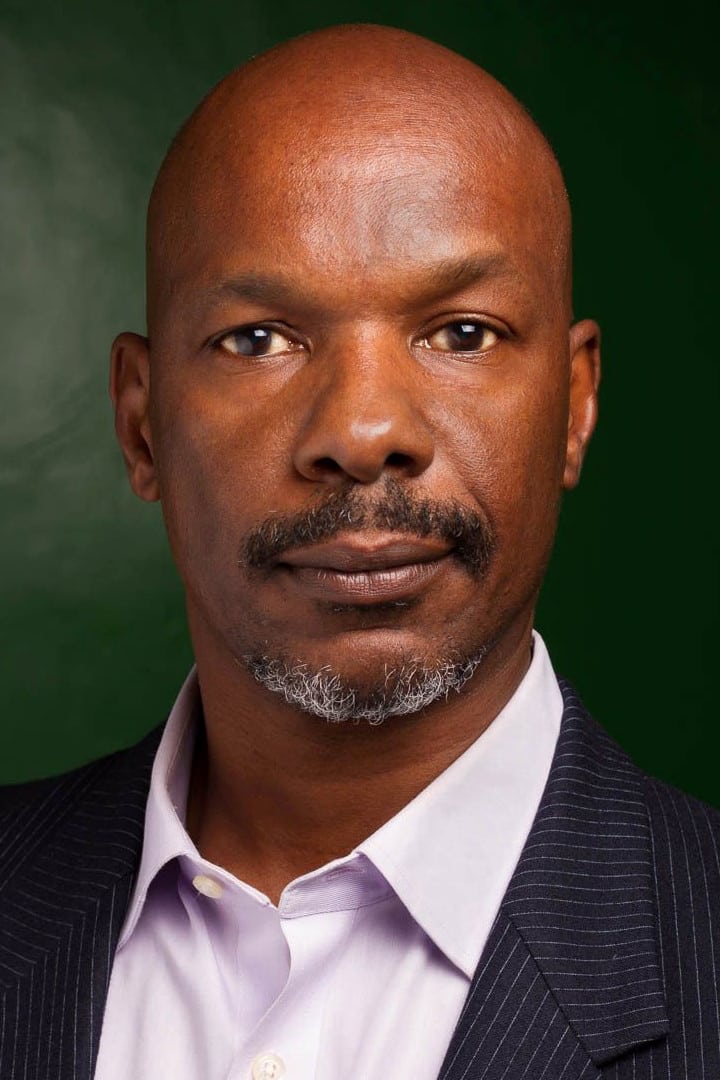
Doug Spearman, known for his role in the series ‘Noah’s Arc’, has discussed the challenges of being an out Black gay man in the entertainment industry. He has stated that Hollywood often pigeonholes queer actors of color, limiting their access to mainstream leading roles and high-budget projects. Spearman has been critical of how casting directors perceive “marketability,” which he believes serves as a form of soft blacklisting for those who do not fit a specific mold. His experiences led him to pursue directing and writing to create the representation he found lacking in the industry.
Tab Hunter
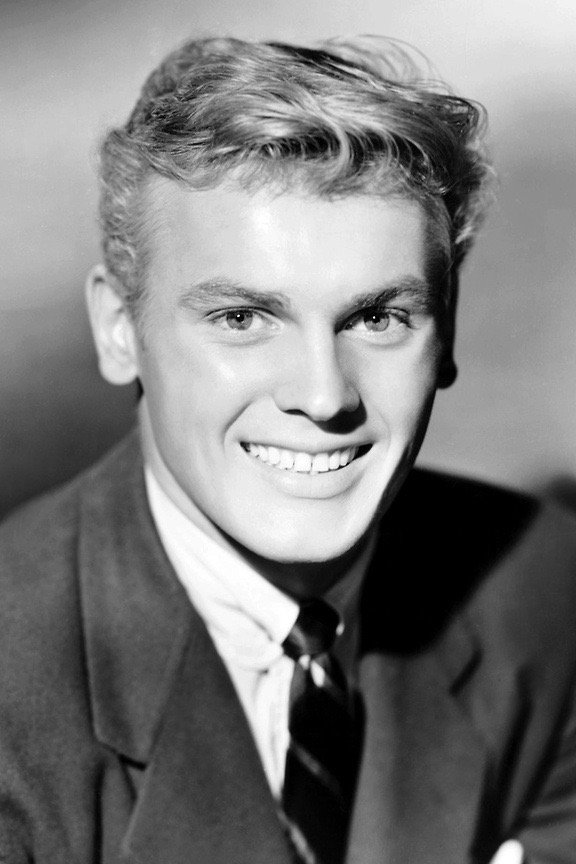
Tab Hunter was a major Hollywood heartthrob in the 1950s whose career was carefully managed to hide his personal life and relationships. When rumors about his sexuality began to circulate, the studio system worked aggressively to suppress the information to protect his “all-American” image. Hunter later detailed how the threat of being blacklisted kept him in a state of constant fear and professional restriction throughout his peak years. His story remains a definitive example of how the studio era controlled the personal views and identities of its most popular stars.
Rock Hudson
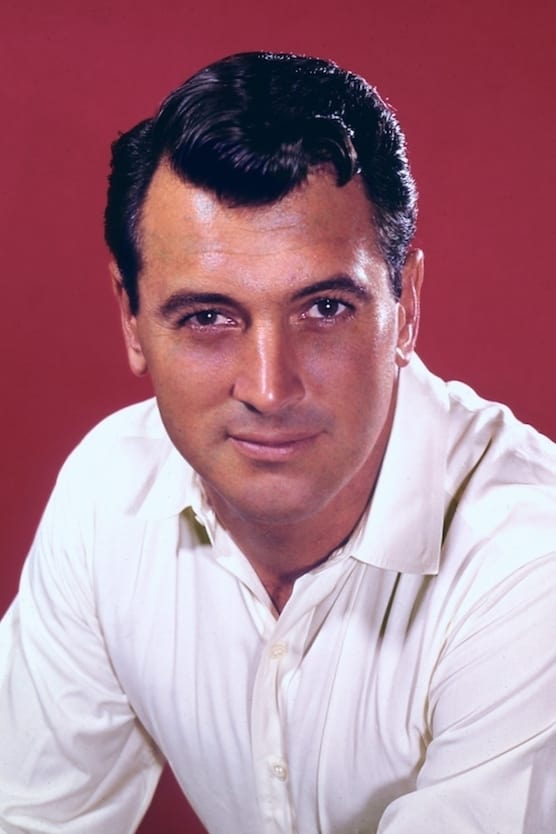
Rock Hudson’s entire career was built on a persona that the industry helped maintain while he hid his identity as a gay man. Following his death, it became clear that the fear of being blacklisted by major studios forced him to lead a double life for decades. Industry insiders have since confirmed that any public admission of his sexuality would have immediately ended his career as a leading man in ‘Giant’ and other classics. Hudson’s legacy continues to spark conversations about the systemic exclusion of LGBTQ performers during Hollywood’s Golden Age.
Sean Hayes
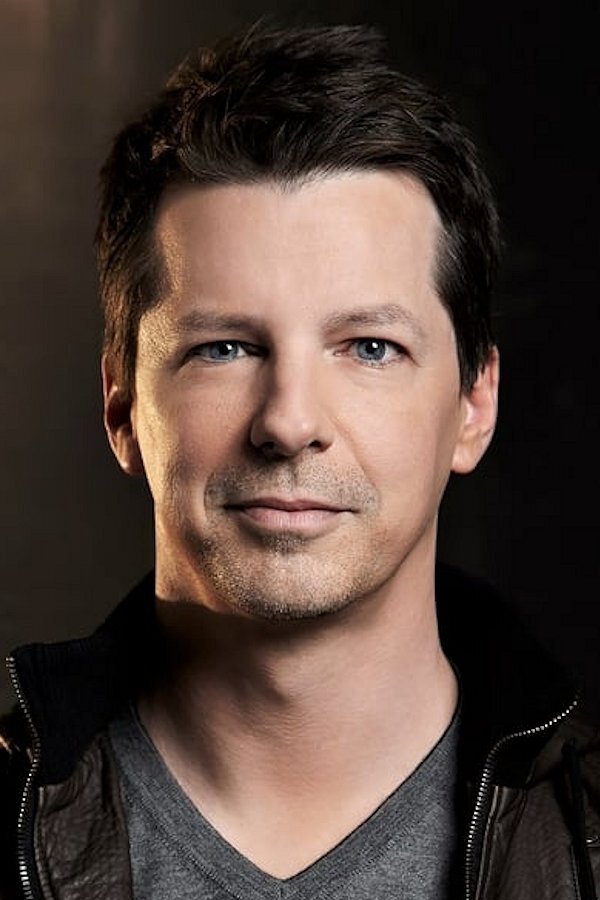
Sean Hayes, famous for his role as Jack McFarland on ‘Will & Grace’, waited several years before publicly discussing his sexuality in the media. He later admitted that he feared coming out while the show was airing would lead to being blacklisted from different types of future roles. Hayes has spoken about the “gay actor” label and how it initially limited the variety of scripts he received from major studios after his initial success. He has since become a successful producer, creating his own opportunities and paths within the industry.
Jonathan Bennett
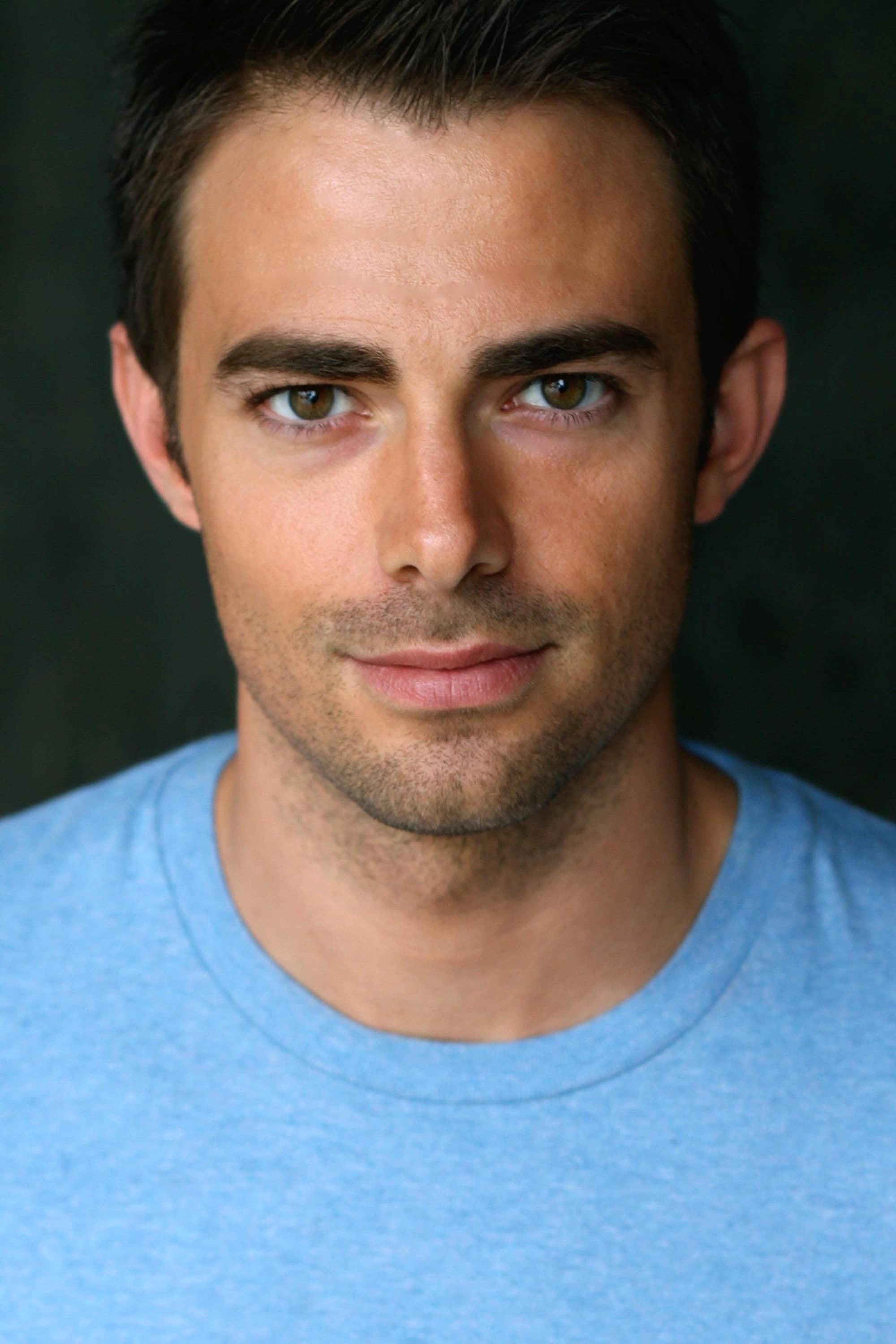
Jonathan Bennett gained fame in the film ‘Mean Girls’ but faced significant pressure to stay in the closet to preserve his career as a romantic leading man. He has mentioned that he was told being an openly gay man would make him uncastable in romantic comedies and mainstream leading roles. This forced secrecy impacted his professional choices for years as he navigated the narrow expectations of Hollywood executives. Bennett has since embraced his identity and works frequently in projects like ‘The Holiday Sitter’ that celebrate LGBTQ themes.
Wentworth Miller
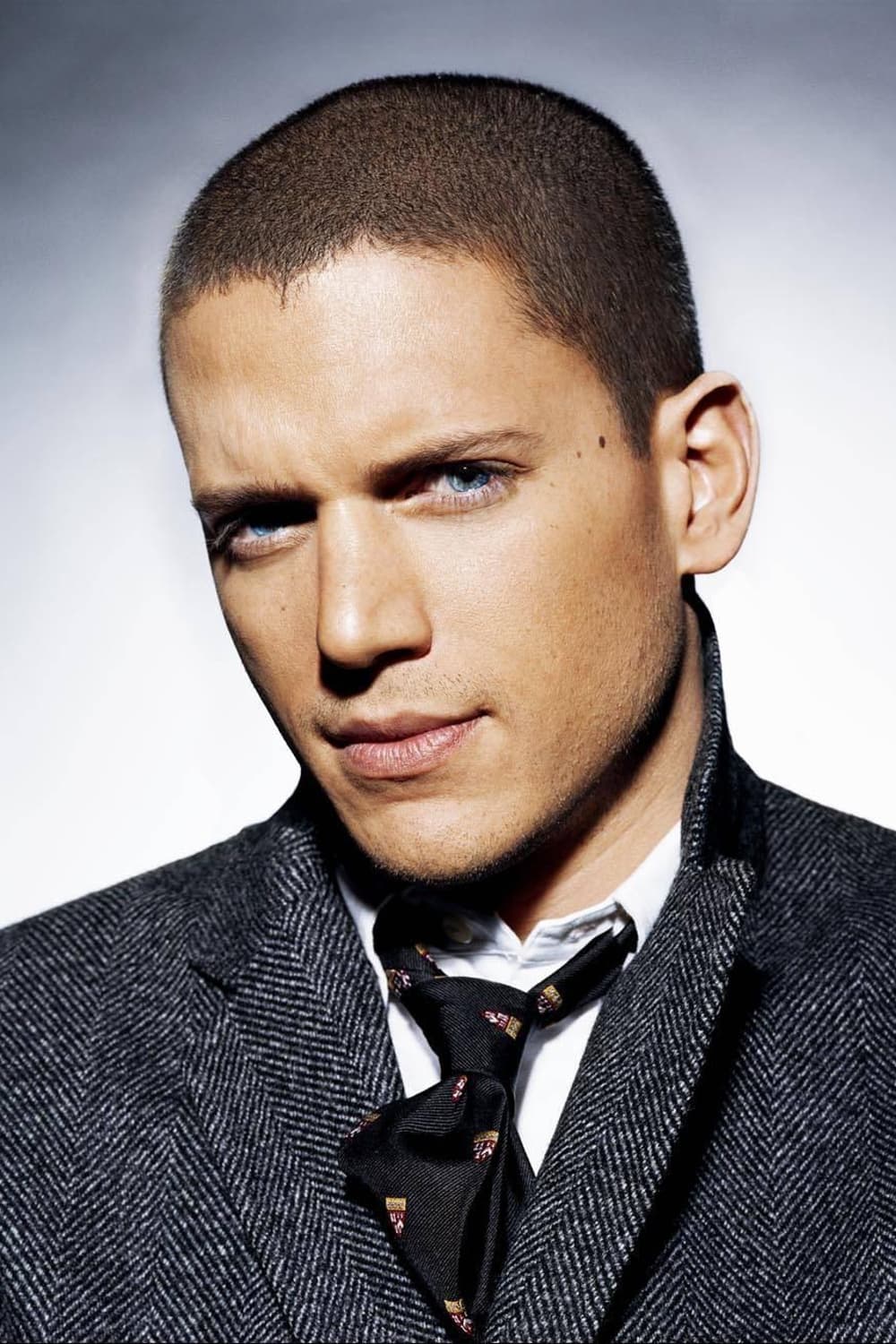
Wentworth Miller, the star of ‘Prison Break’, has discussed how the industry’s expectations of leading men influenced his career and overall mental health. He revealed that the pressure to maintain a certain public image while hiding his sexuality felt like a form of professional entrapment. Miller has been open about how his personal views on identity were at odds with the demands of traditional Hollywood stardom. He eventually chose to step away from certain roles to prioritize his authenticity, even if it meant fewer mainstream opportunities.
Kevin Spacey
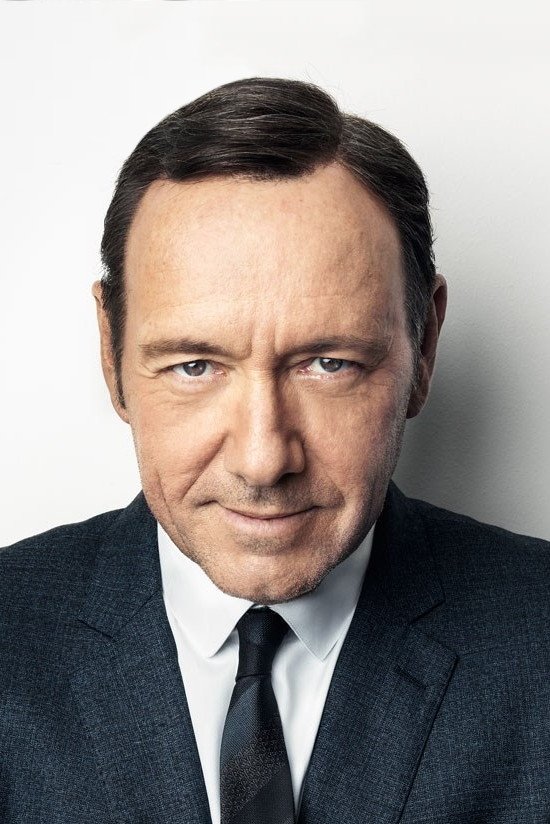
Kevin Spacey has frequently characterized his sudden removal from the industry as a form of blacklisting following various allegations and his subsequent coming out. While the circumstances involve legal controversies, Spacey has maintained in public appearances that he has been unfairly excluded from the craft he practiced for decades. He has compared his current situation to the historical blacklisting of actors during the mid-20th century, claiming he was denied due process by the entertainment world. This stance remains a point of significant debate given the nature of the accusations brought against him in ‘House of Cards’ and other projects.
Jussie Smollett
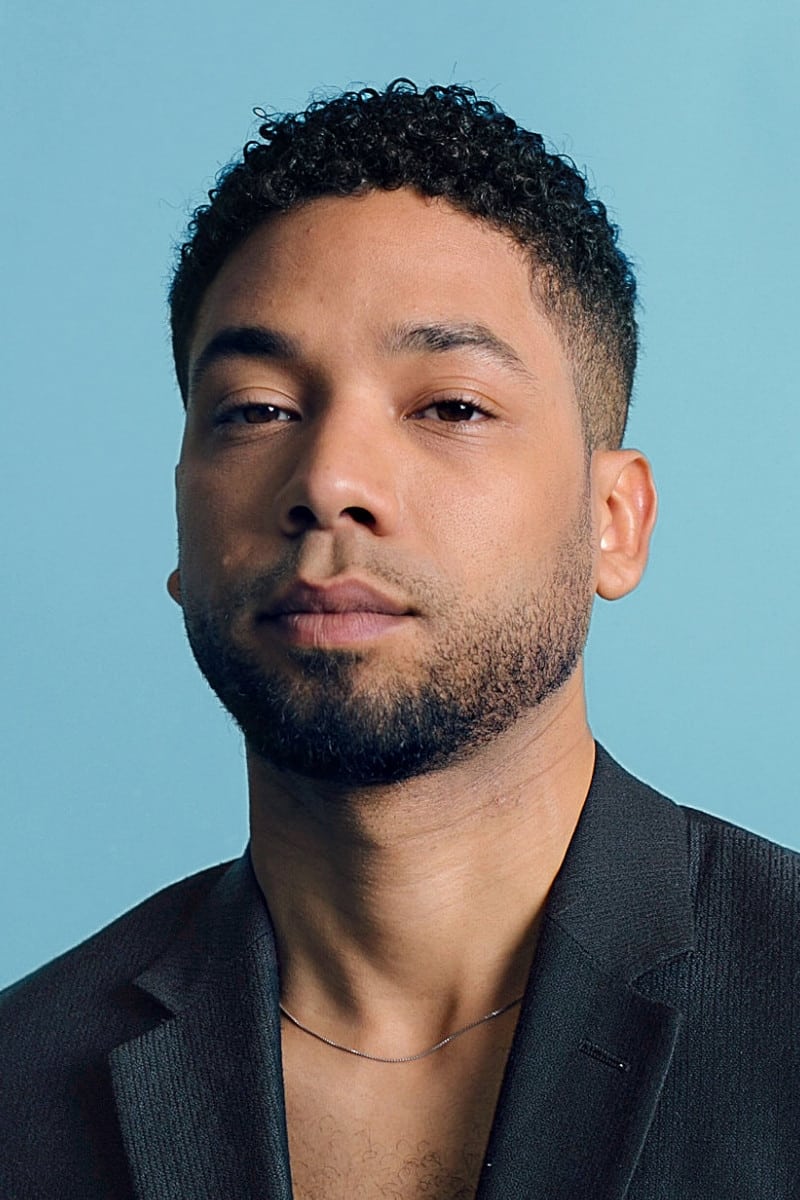
Jussie Smollett has claimed that he was effectively blacklisted by the television and film industry following the 2019 incident and legal battle in Chicago. The actor, known for his work on ‘Empire’, has stated that the backlash he faced was intensified by his identity and his vocal personal views. Despite being a prominent figure in the industry prior to the controversy, he has found it difficult to secure mainstream acting work in the years since. Smollett has maintained his innocence and continues to seek professional opportunities within independent film circles.
John Barrowman
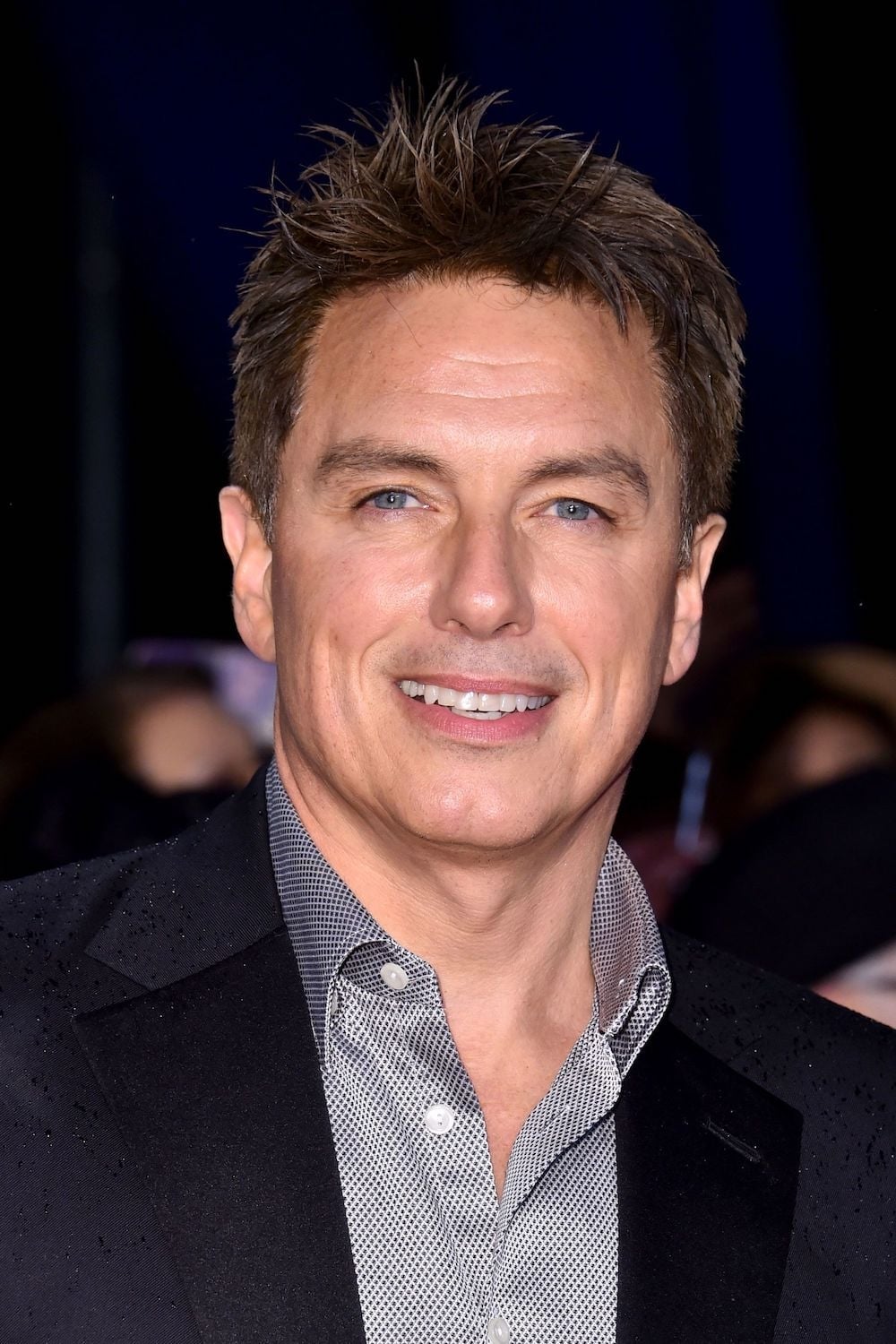
John Barrowman has claimed that he was effectively blacklisted from certain industry circles following the resurfacing of allegations regarding his past behavior on various sets. While he apologized for his actions, the actor expressed that the subsequent loss of work felt like a coordinated effort to remove him from the public eye. He has been vocal about his belief that the industry reacts disproportionately to past mistakes when they involve LGBTQ performers. Barrowman has used his platforms to address what he perceives as a lack of consistency in how the industry applies its standards.
Maulik Pancholy
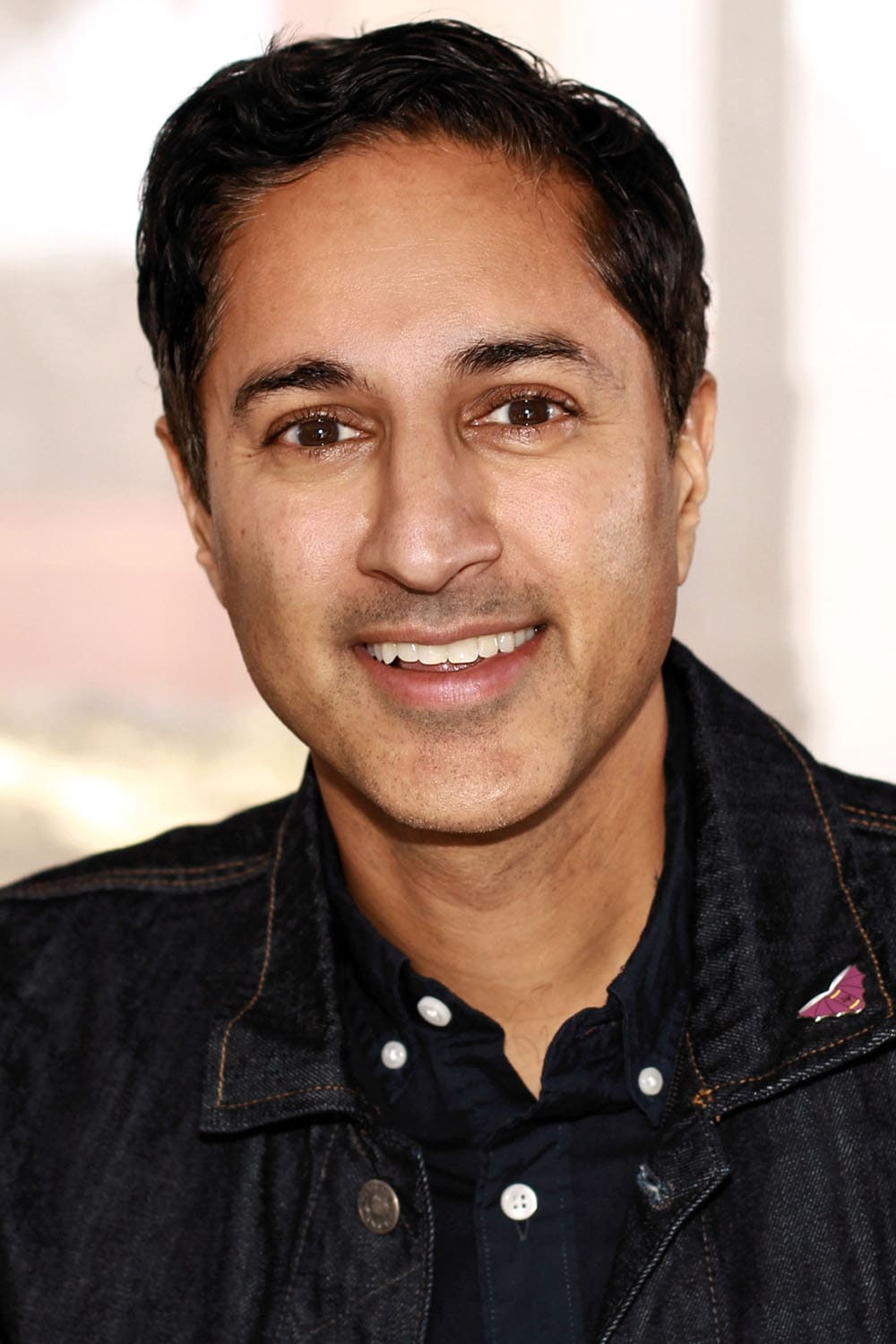
Maulik Pancholy has spoken about the systemic barriers he faced as an out gay actor of South Asian descent in the competitive Hollywood landscape. He noted that early in his career, he was often discouraged from being open about his personal life to avoid being excluded from mainstream casting calls. Pancholy has described the experience of being overlooked for diverse roles as a form of “quiet” blacklisting based on deep-seated industry biases. He has since become an advocate for better representation, emphasizing that personal identity should not dictate professional capability in ’30 Rock’ and beyond.
Please share your thoughts on these actors’ experiences and the history of Hollywood blacklisting in the comments.