


20 LGBTQ+ Actors Who Say They’re Tired of Only Playing “Tragic” Roles

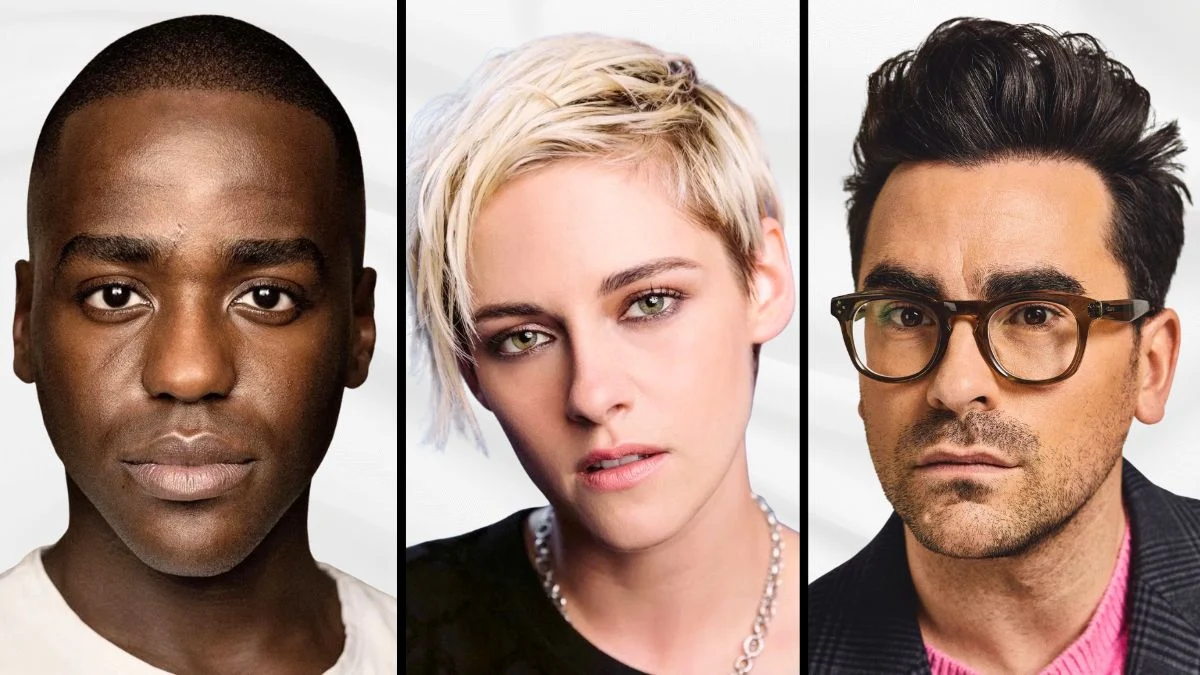


For decades, film and television frequently relegated LGBTQ+ characters to storylines defined by suffering, rejection, or untimely death. Known as the “Bury Your Gays” trope, this narrative pattern often suggested that queer lives were destined for tragedy rather than happy endings. However, a new generation of out actors is actively pushing back against these limitations by creating and choosing roles that center on joy, success, and normalcy. These performers are demanding scripts where their sexuality is just one facet of a complex life, rather than a plot device for trauma. The following list highlights actors who have vocalized their desire for diverse representation beyond the tragic stereotype.
Dan Levy
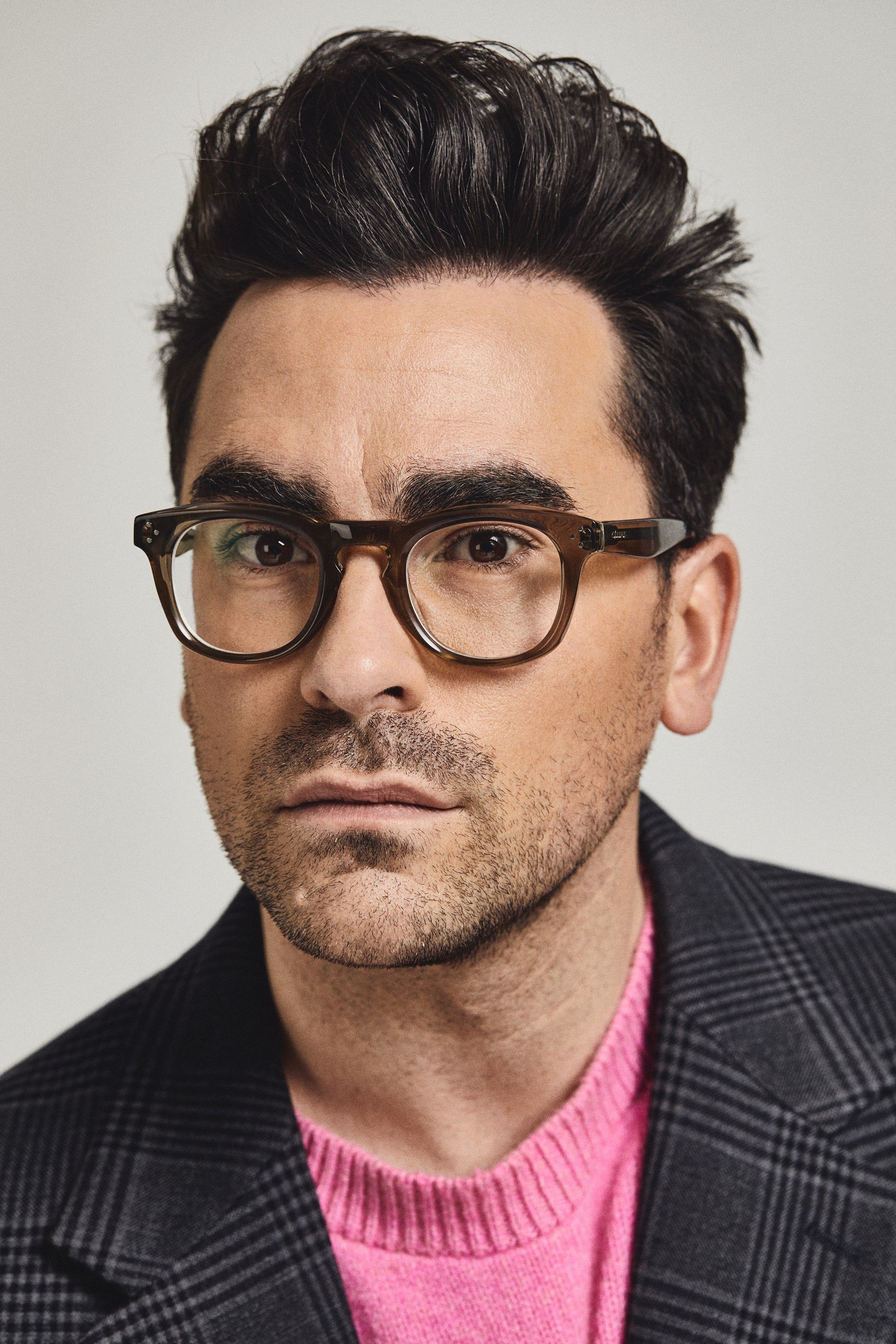
When developing his hit sitcom ‘Schitt’s Creek’ (2015–2020), Levy made a conscious decision to exclude homophobia from the show’s universe completely. He stated that he had “no patience” for bigotry and wanted to show how a queer romance could flourish without the threat of external hate. His character, David Rose, enjoys a happy ending and a supportive family dynamic that was transformative for television audiences. Levy has since advocated for stories that prioritize queer joy and safety over didactic lessons on tolerance.
Kristen Stewart
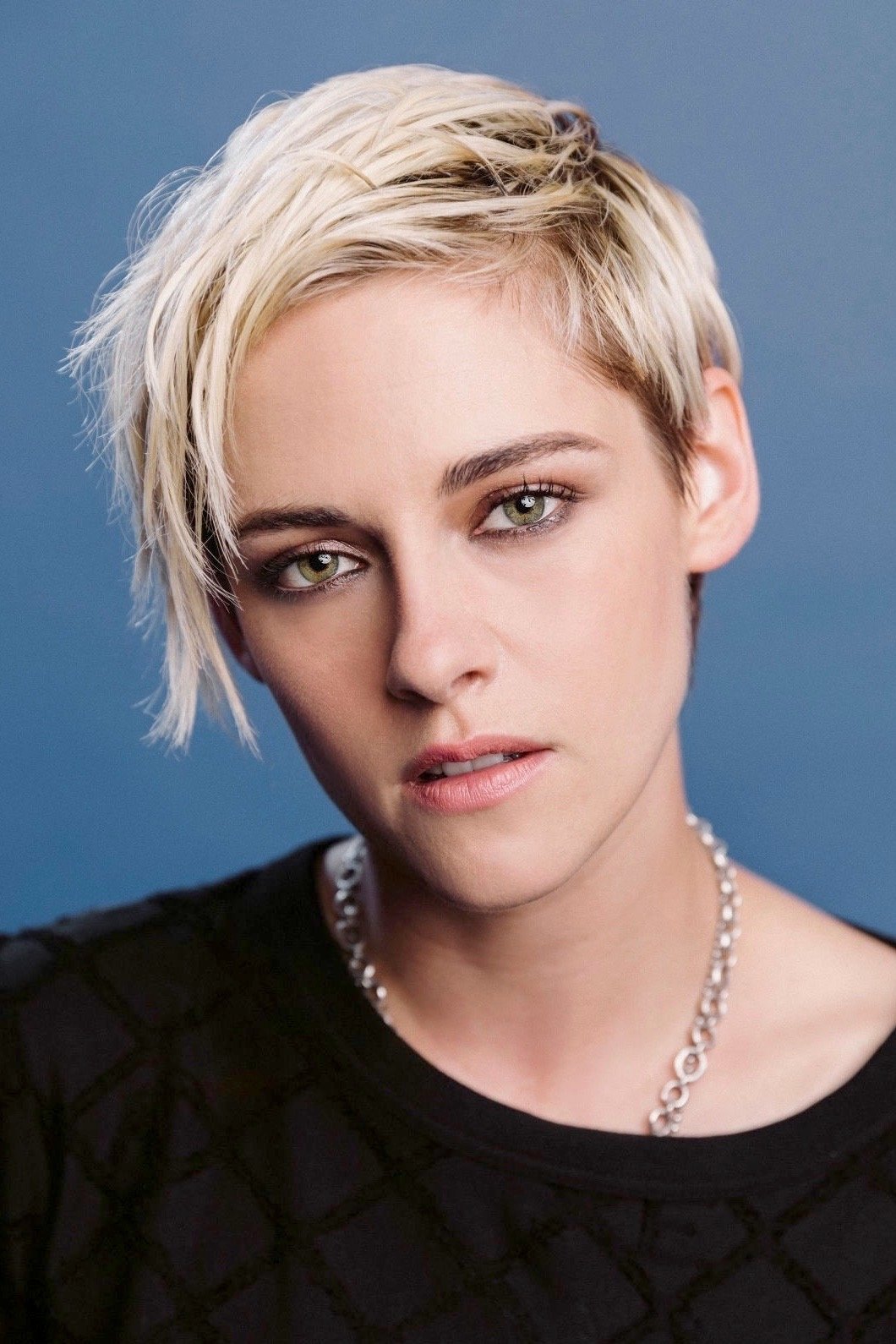
After years of starring in heavy dramas, Stewart actively sought out a role in a Christmas romantic comedy to counter the lack of gay holiday classics. Her performance in ‘Happiest Season’ (2020) was driven by her desire to see a lesbian couple navigate the holidays in a genre usually reserved for straight pairings. Stewart has expressed relief at seeing queer characters in commercial, lighthearted films rather than just art-house tragedies. She continues to push for projects that normalize female masculinity and queer relationships in mainstream cinema.
Billy Porter
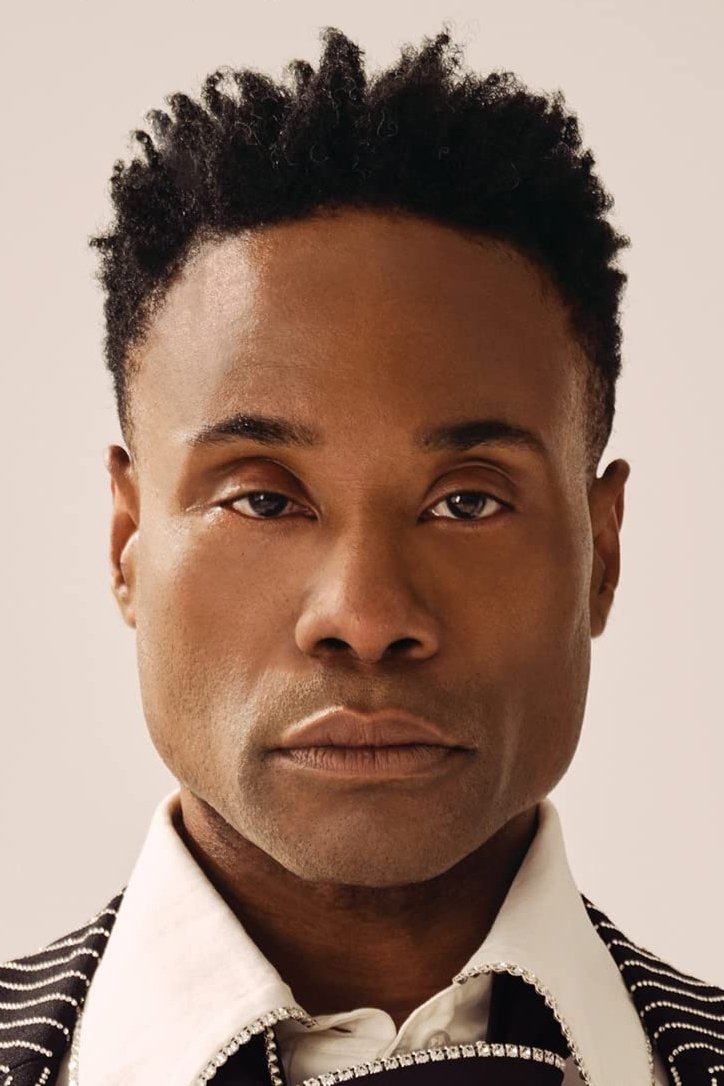
While he won an Emmy for his dramatic role in ‘Pose’ (2018–2021), Porter has been vocal about the need for “Black queer joy” in entertainment. He has spoken about moving past the archetype of the “sissy with a heart of gold” or the tragic victim who dies of AIDS. Porter deliberately chooses projects like ‘Cinderella’ (2021), where he played a magical, gender-neutral Fairy Godmother, to inspire empowerment. His career trajectory focuses on visibility that celebrates life rather than mourning it.
Stephanie Beatriz
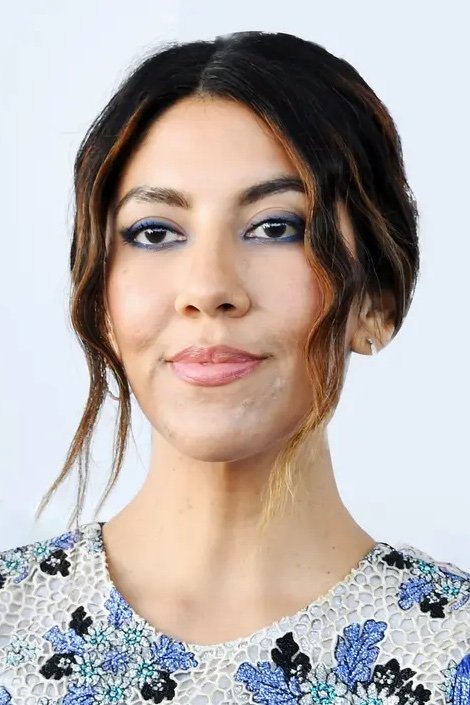
Beatriz, who identifies as bisexual, praised the writers of ‘Brooklyn Nine-Nine’ (2013–2021) for handling her character’s coming out with casual acceptance rather than melodrama. She noted that queer audiences were often “starved” for representation that didn’t involve death or epic tragedy. Her character, Rosa Diaz, remained a tough, competent detective whose sexuality was simply a part of her reality. Beatriz has highlighted how important it is for viewers to see bisexual characters existing happily in their careers and friendships.
Ncuti Gatwa
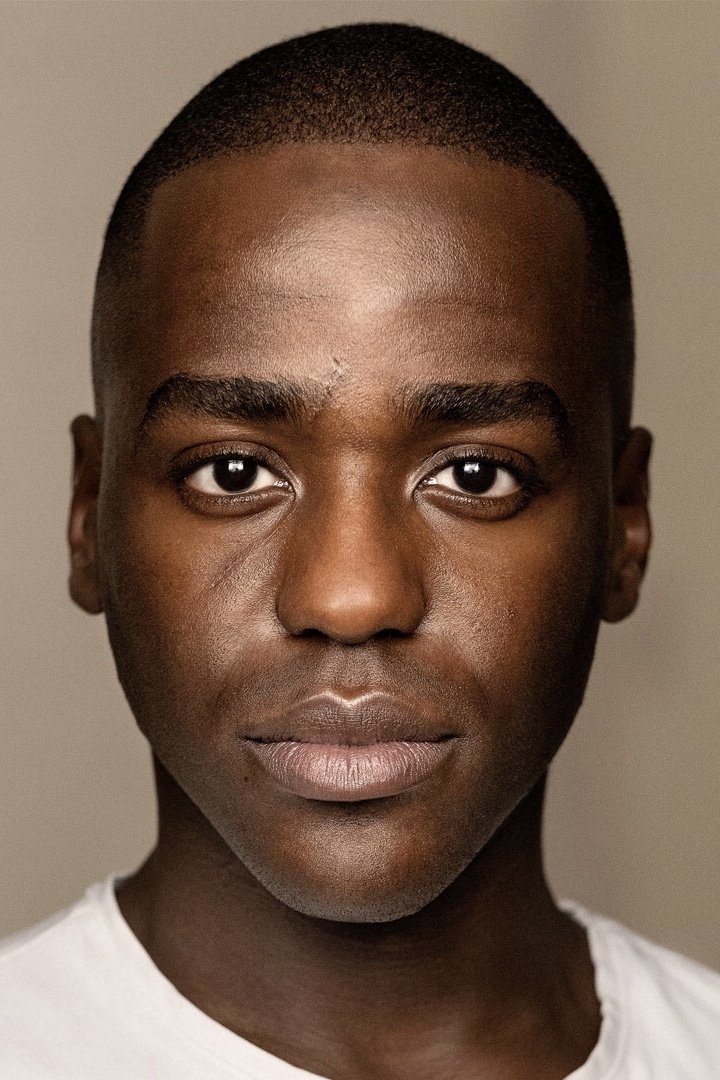
Gatwa found his role as Eric Effiong in ‘Sex Education’ (2019–2023) to be a healing experience because the character was fierce and unashamed. He has credited the show’s writing for giving nuance to a gay Black teen who wasn’t defined solely by trauma or victimization. Gatwa emphasized that playing a character who loved himself helped undo his own internalized negativity. Moving forward as the lead in ‘Doctor Who’, he continues to embody powerful, central figures rather than marginalized sidekicks.
Joel Kim Booster
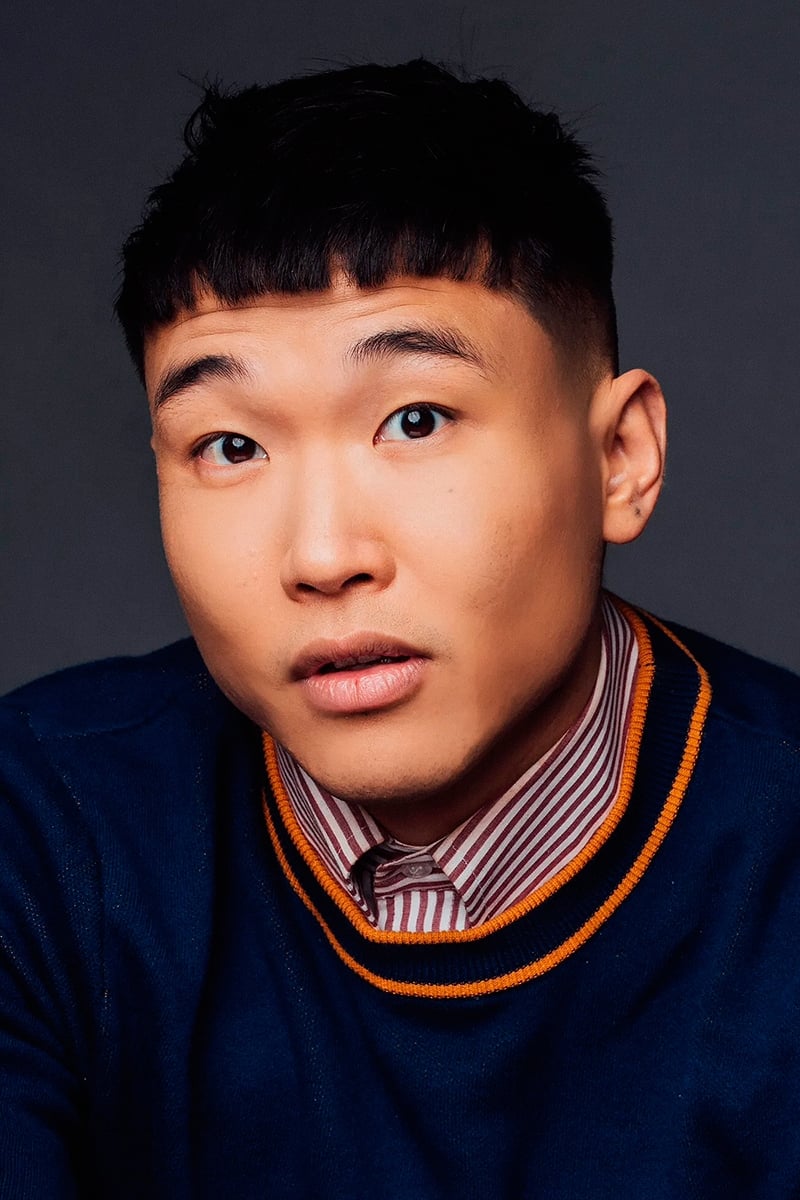
Booster wrote and starred in ‘Fire Island’ (2022) specifically to counter the “Laramie Project era” of gay media he grew up with, which focused heavily on hate crimes and suffering. He wanted to create a Jane Austen-inspired rom-com that showcased gay men having fun, falling in love, and being messy without the threat of violence. The film celebrates the concept of chosen family and the specific joy found in queer spaces. Booster’s work aims to prove that gay stories can be just as light and romantic as heteronormative ones.
Bowen Yang
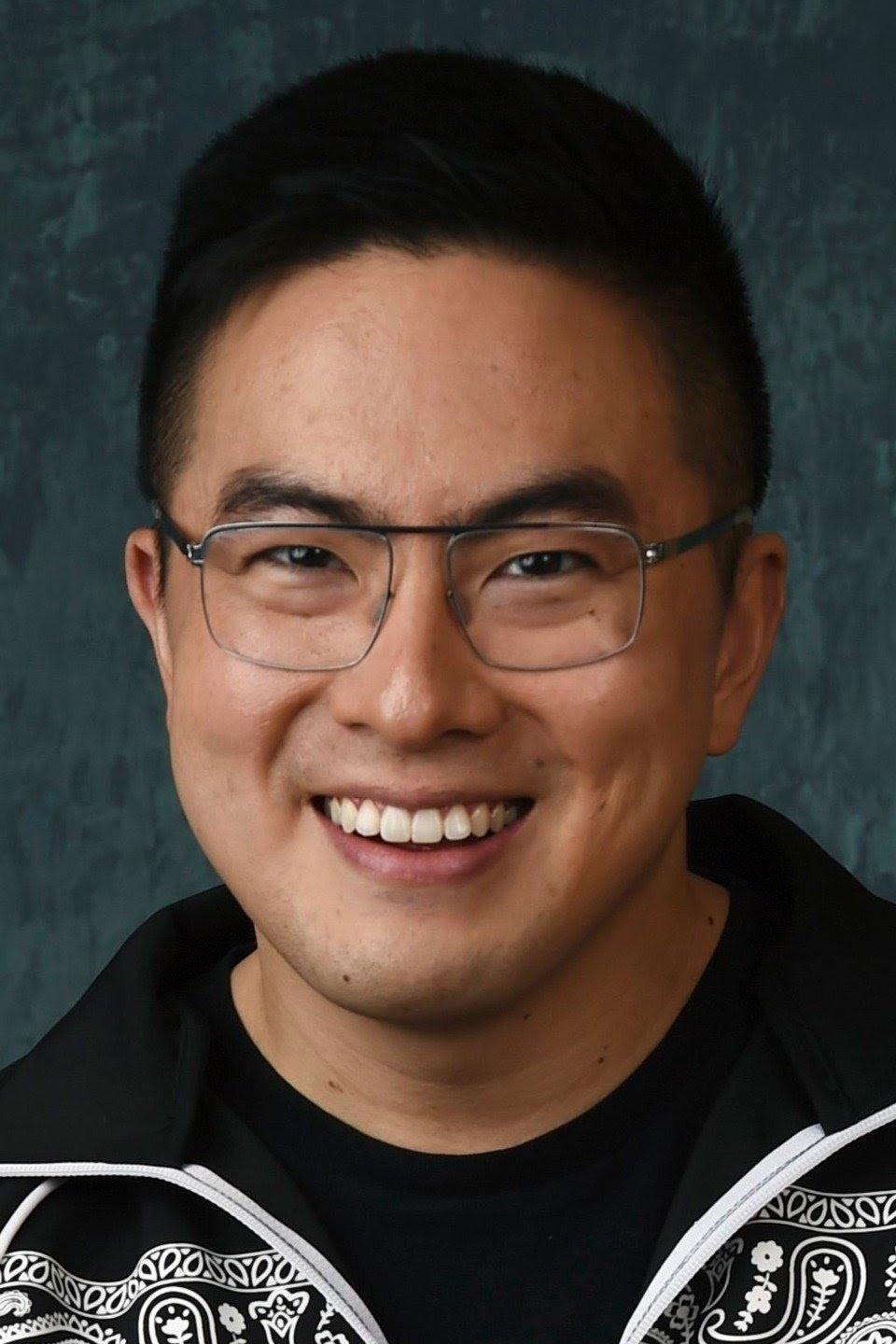
As a cast member on ‘Saturday Night Live’, Yang has consistently brought unapologetic queer humor to the forefront without making himself the punchline. He often plays confident, eccentric characters who demand attention, shifting the narrative away from the shy or victimized stereotype. In projects like ‘Fire Island’ (2022) and ‘Wicked’ (2024), Yang supports narratives that allow gay men to be complex, funny, and successful. He has spoken about the importance of queer comedians defining their own legacy through laughter rather than pain.
Clea DuVall
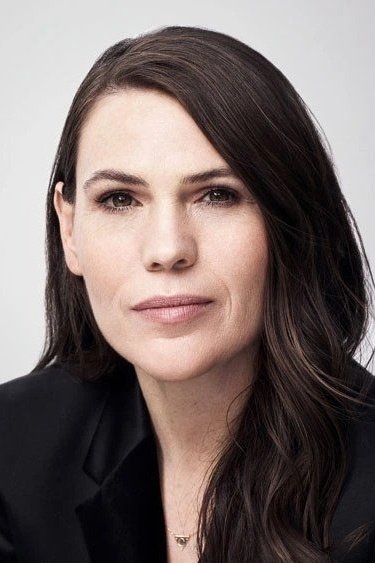
DuVall directed and co-wrote ‘Happiest Season’ (2020) because she had never seen her own experience represented in the holiday rom-com genre. As an actor who appeared in the conversion therapy drama ‘But I’m a Cheerleader’ (1999), she understands the weight of serious LGBTQ+ films but felt it was time for something lighter. She stated that LGBTQ+ audiences deserve “cheesy” happy endings just as much as anyone else. Her work behind the camera focuses on filling the gaps in genre cinema where queer characters have historically been excluded.
Ben Platt
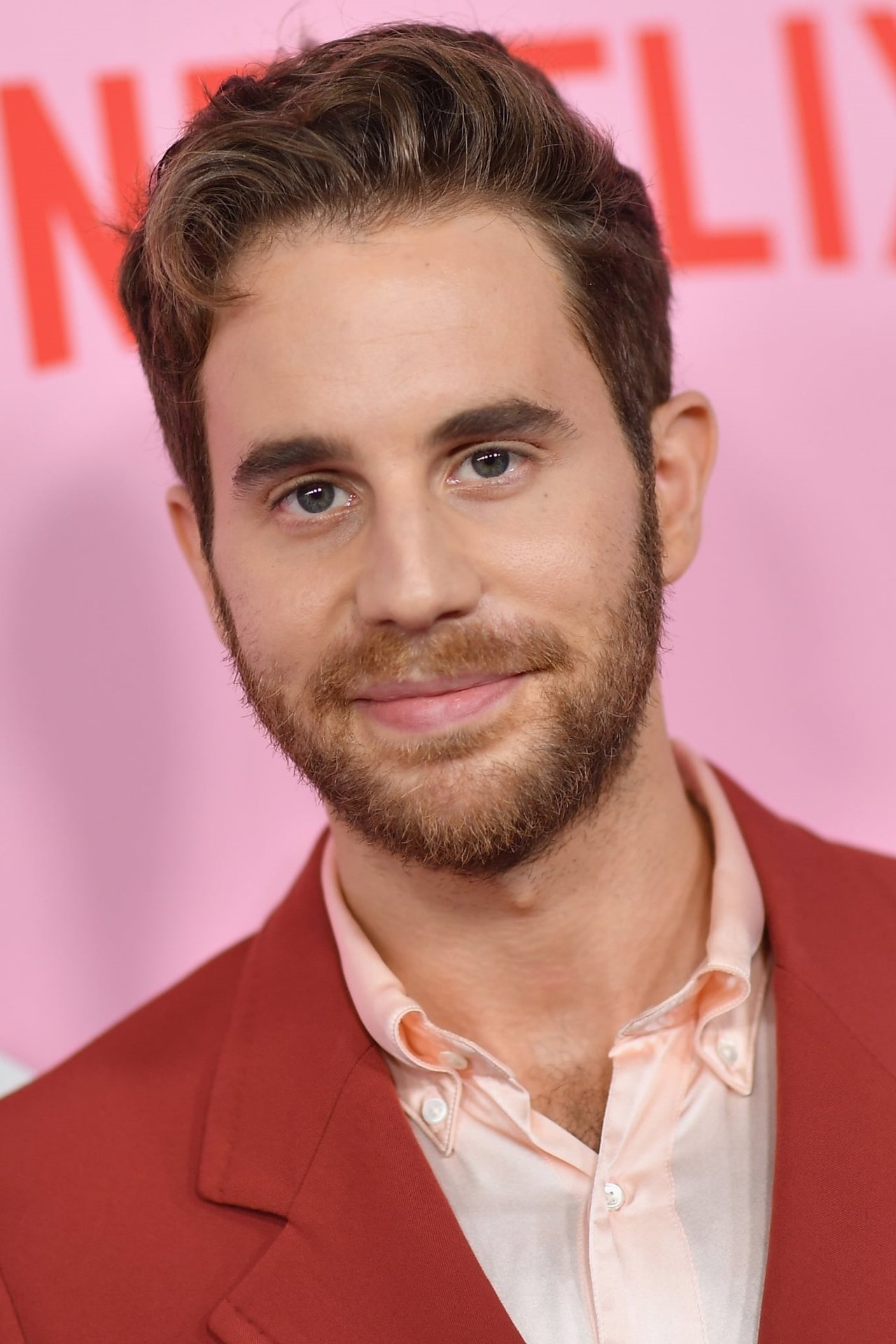
Platt appreciated that his character’s sexuality in ‘The Politician’ (2019–2020) was treated as a non-issue and not a central plot point. He found it “refreshing” to play a role where ambition and political maneuvering took precedence over a coming-out struggle. Platt has expressed a desire to play all types of human beings, where who they love is just one detail among many. He advocates for a landscape where queer characters can be villains, heroes, or anti-heroes without their identity being the sole focus.
Hunter Schafer
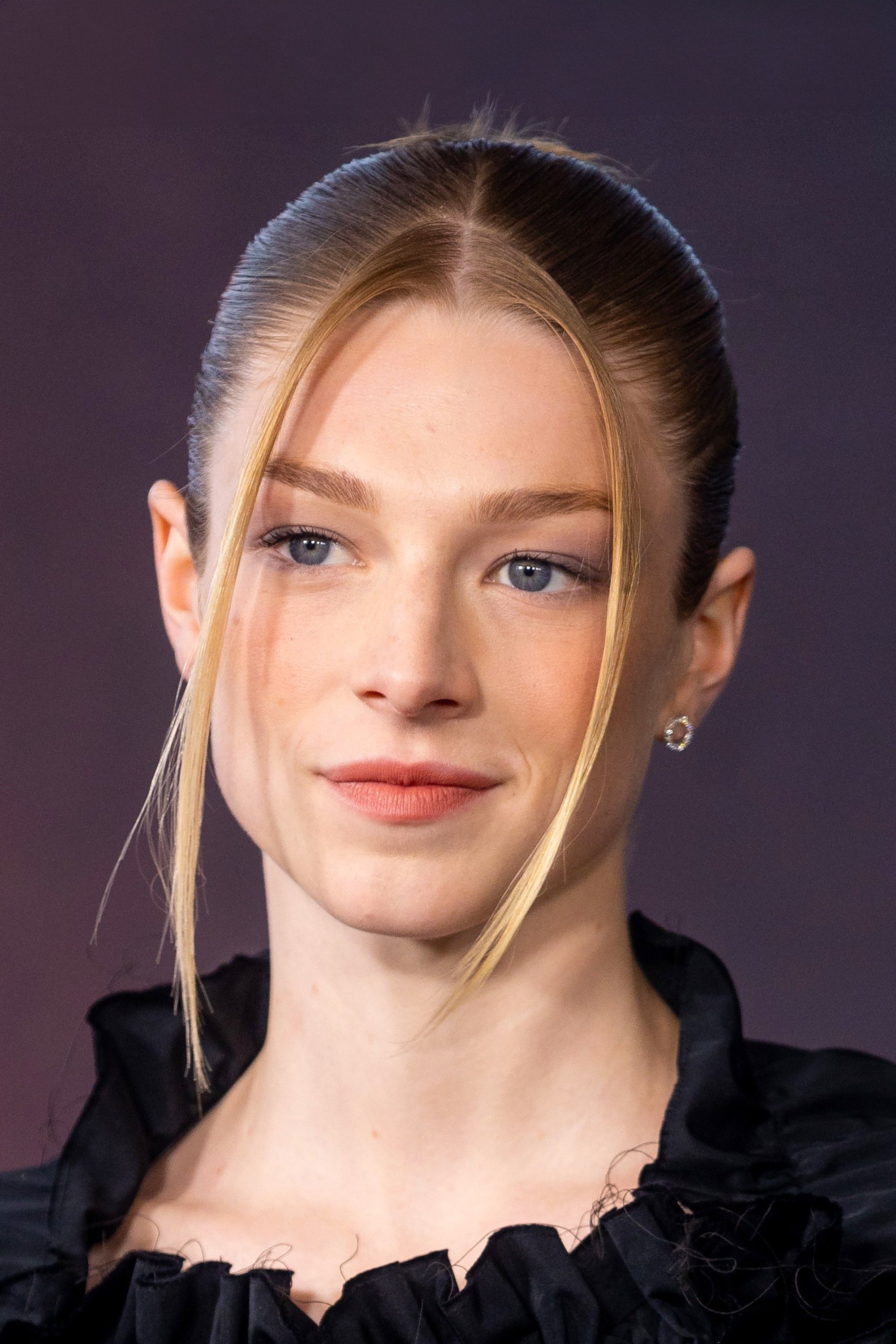
Schafer has been selective about her roles following her breakout success in ‘Euphoria’ (2019–present), recently revealing she has turned down “tons of trans roles.” She explained that she does not want her career to be defined solely by her trans identity or by explaining the trans experience to audiences. Schafer aims to play “girls” in various genres, such as horror and sci-fi, to expand the scope of what trans actors are allowed to do. Her goal is to let her art speak for itself rather than being a perpetual spokesperson for tragedy or transition.
Andrew Scott
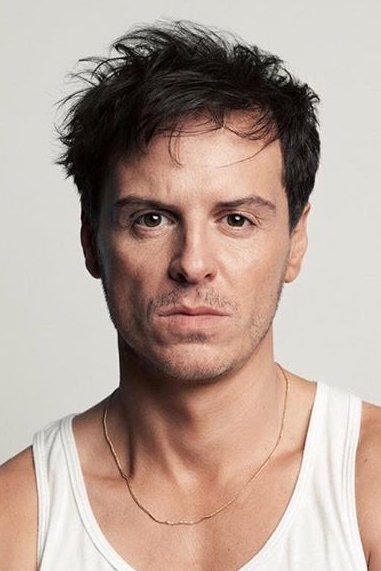
Scott has criticized the tendency of the industry to label gay characters primarily by their sexuality, which he feels often leads to restrictive, tragic typing. In ‘All of Us Strangers’ (2023), he tackled a heavy emotional role, but he consistently pushes for characters who are fully realized human beings. He has expressed frustration with the idea that playing a gay man must inherently mean playing a character in crisis. Scott seeks out scripts that explore the universal human condition, proving that queer actors can lead any story.
Michaela Jaé Rodriguez
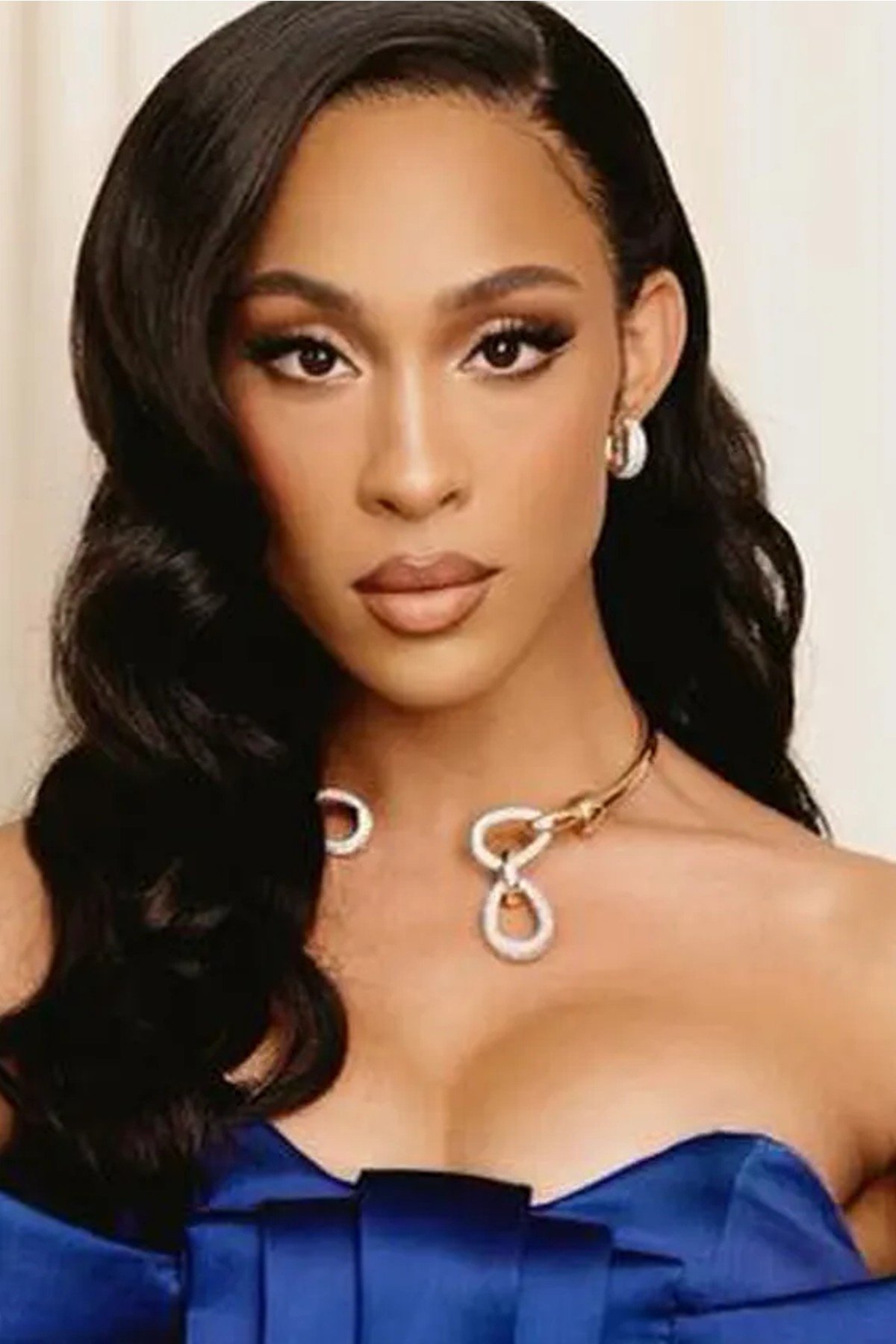
After her history-making dramatic turn in ‘Pose’ (2018–2021), Rodriguez actively sought out a comedic role to showcase her range and joy. She starred in ‘Loot’ (2022–present) as a strict, buttoned-up nonprofit director, a departure from the survival narratives often offered to trans women of color. Rodriguez has stated that she wants to show the world that trans women can be funny, professional, and thrive in lighthearted sitcom environments. Her career choices are breaking the mold of the tragic trans figure often seen in crime dramas.
Matt Bomer
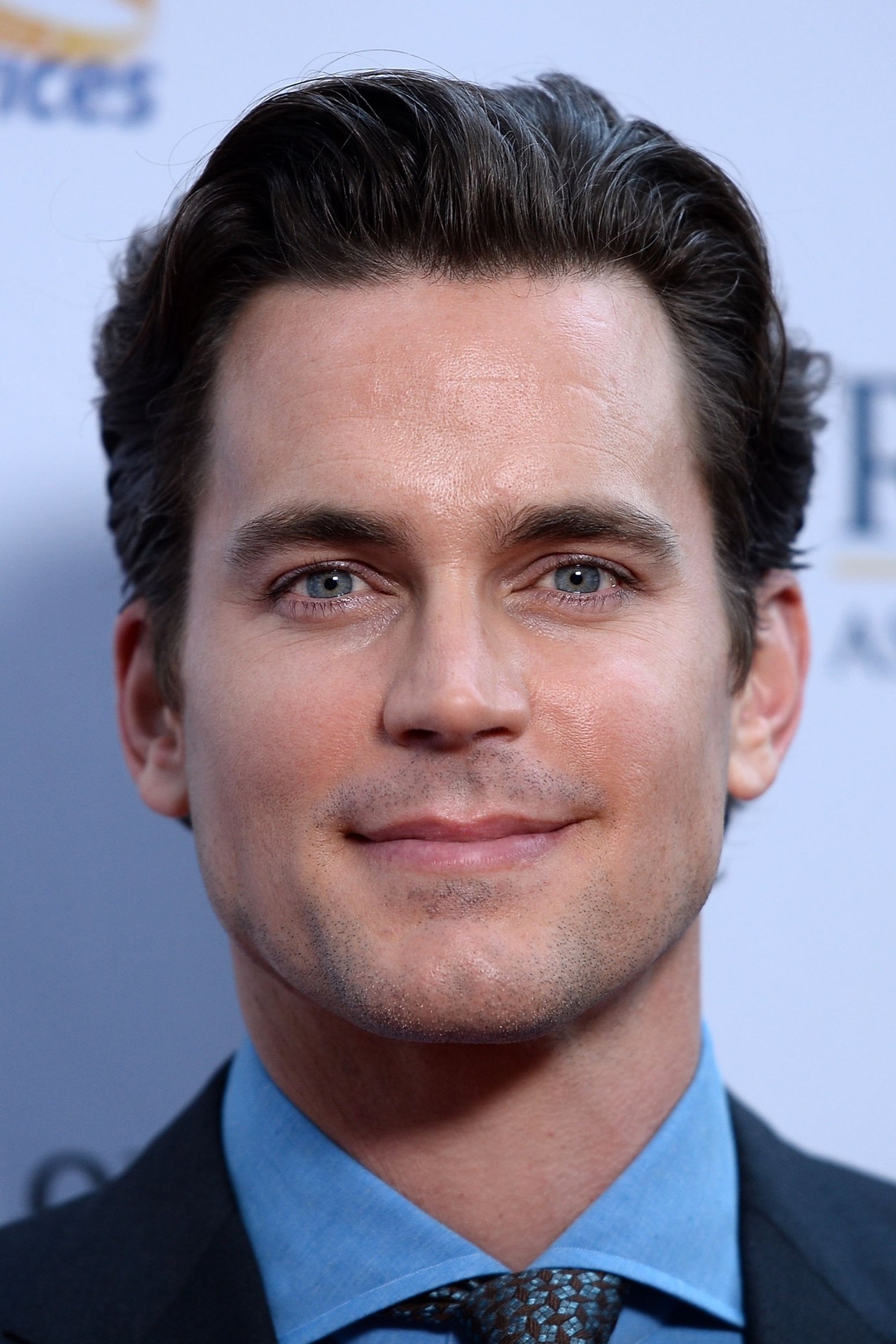
Bomer has played tragic figures, such as in ‘The Normal Heart’ (2014), but he balances his resume with roles that emphasize charm, action, and romance. By starring in ‘White Collar’ (2009–2014) and ‘Magic Mike’ (2012), he established himself as a sex symbol and a leading man, defying the industry’s tendency to desexualize or kill off gay actors. He advocates for variety, ensuring that for every heavy drama, there is a role that celebrates fun and charisma. Bomer’s career proves that out actors can carry mainstream entertainment.
Elliot Page
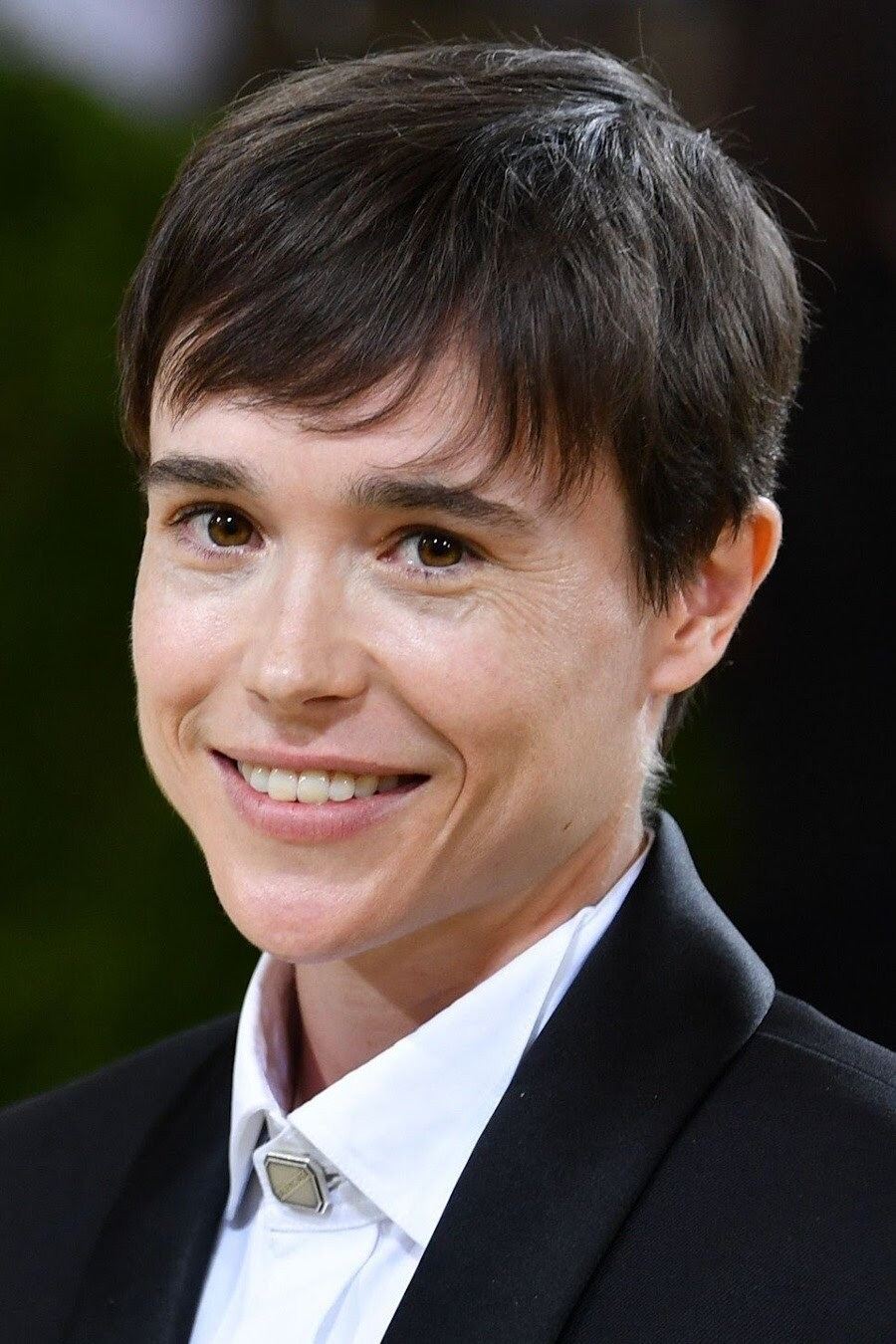
Since coming out as trans, Page has spoken about the euphoria of playing characters that feel authentic and comfortable. His character in ‘The Umbrella Academy’ (2019–2024) transitioned alongside him, a storyline handled with support and family acceptance rather than rejection. Page has expressed how draining it was to play repressive roles in the past and how much more joy he finds in acting now. He is now focused on projects that allow him to embody confidence and self-possession.
Laverne Cox
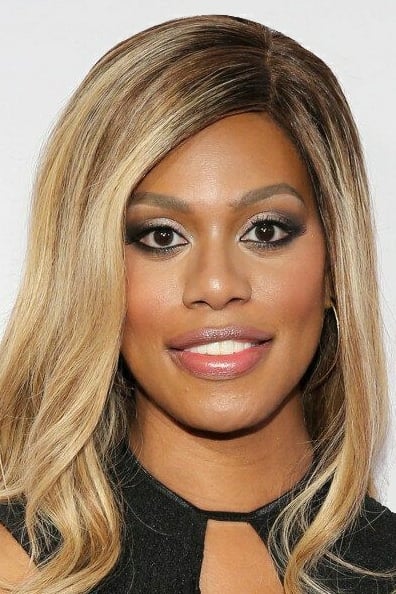
Cox has long been an advocate for moving trans representation beyond the “sex work or victim” tropes that dominated television for decades. While her role in ‘Orange Is the New Black’ (2013–2019) dealt with prison realities, she has since pivoted to roles in ‘Inventing Anna’ (2022) and ‘Promising Young Woman’ (2020) that showcase her as a professional. She emphasizes the importance of “possibility models” for trans youth, showing them lives filled with career success and love. Cox believes that seeing trans characters thrive is a form of activism in itself.
Neil Patrick Harris
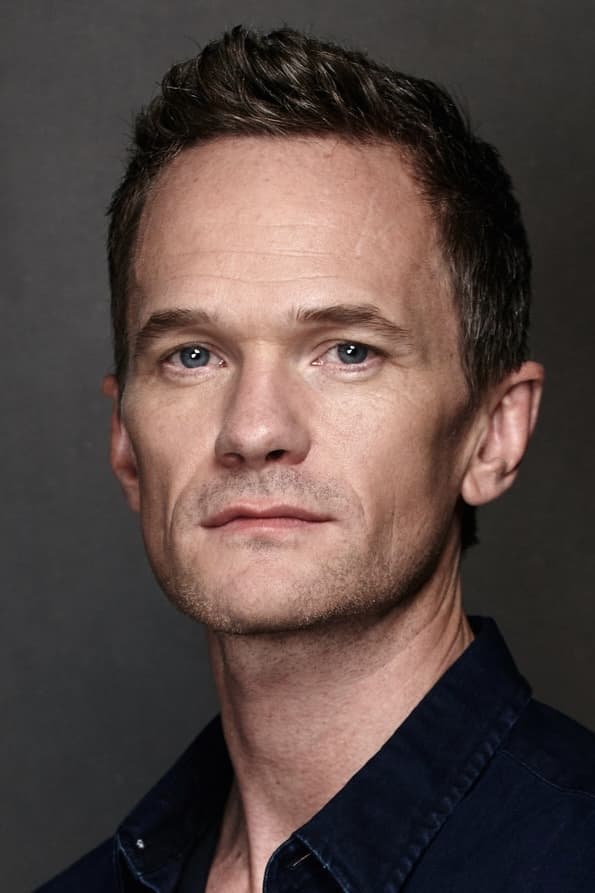
Harris helped redefine the possibilities for out actors by playing a womanizing straight character on ‘How I Met Your Mother’ (2005–2014) while being openly gay. In his series ‘Uncoupled’ (2022), he explored the world of gay dating in New York City with a focus on humor and romance rather than just sorrow. He tends to choose projects that are theatrical, comedic, or adventurous, avoiding the “sad gay” pigeonhole. Harris consistently demonstrates that a gay actor can be the face of network comedy and family entertainment.
Jonathan Groff
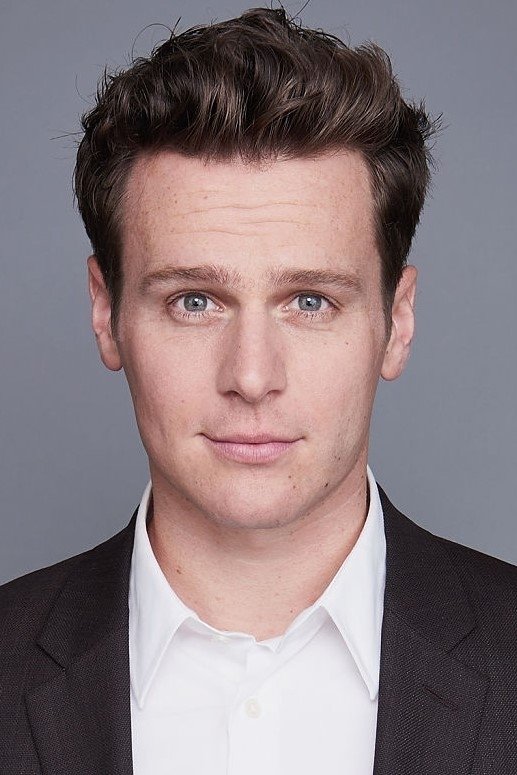
Groff’s work in ‘Looking’ (2014–2016) was praised for its slice-of-life approach, focusing on the mundane and intimate aspects of gay life rather than sensationalized tragedy. He has stated that he enjoys playing characters who are figuring out their lives in relatable, human ways. Whether voicing a reindeer-loving iceman in ‘Frozen’ (2013) or playing a strait-laced agent in ‘Mindhunter’ (2017–2019), Groff avoids stereotypes. His career highlights that queer actors can be defined by their talent and versatility across all genres.
Sarah Paulson
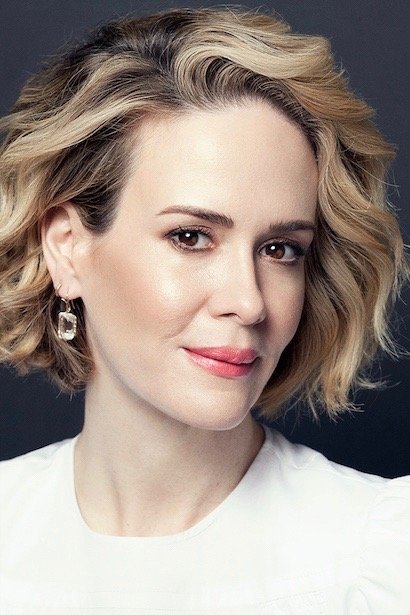
Paulson is known for playing complex, often dark characters, but she fights against the “dead lesbian” trope by ensuring her characters have agency and power. In ‘Ratched’ (2020), her character’s queerness is a central part of her identity but does not dictate a tragic fate in the traditional sense. She advocates for lesbian characters to be villains, anti-heroes, or complicated protagonists rather than just victims of circumstance. Paulson’s choices demand that queer women be treated with the same narrative weight as their straight counterparts.
Luke Evans
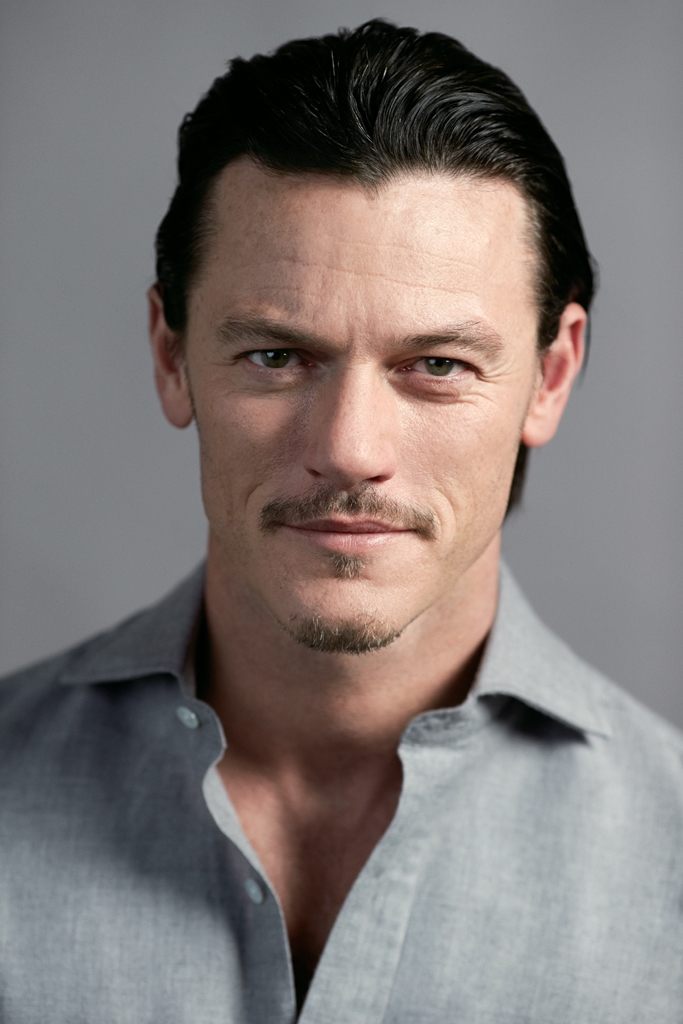
Evans has built a career as an action star and romantic lead, refusing to let his sexuality limit him to soft or tragic supporting roles. By taking on characters like Gaston in ‘Beauty and the Beast’ (2017) and Dracula in ‘Dracula Untold’ (2014), he occupies spaces typically reserved for straight macho archetypes. He has proven that an out gay man can convincingly play hyper-masculine blockbusters roles. Evans’ success challenges the industry assumption that queer actors cannot lead major action franchises.
Jim Parsons

After the massive success of ‘The Big Bang Theory’ (2007–2019), Parsons used his clout to produce and star in projects that tell specific gay stories, such as ‘The Boys in the Band’ (2020) and ‘Spoiler Alert’ (2022). While some of these stories contain sad elements, Parsons aims to humanize these characters fully, moving them beyond one-dimensional stereotypes. He has spoken about the importance of telling gay history while also normalizing gay love in modern settings. His work seeks to bridge the gap between mainstream sitcom accessibility and specific queer narratives.
Which of these actors do you think has had the biggest impact on changing LGBTQ+ representation? Share your thoughts in the comments.