


LGBTQ+ Actors Who Were Ahead of Their Time

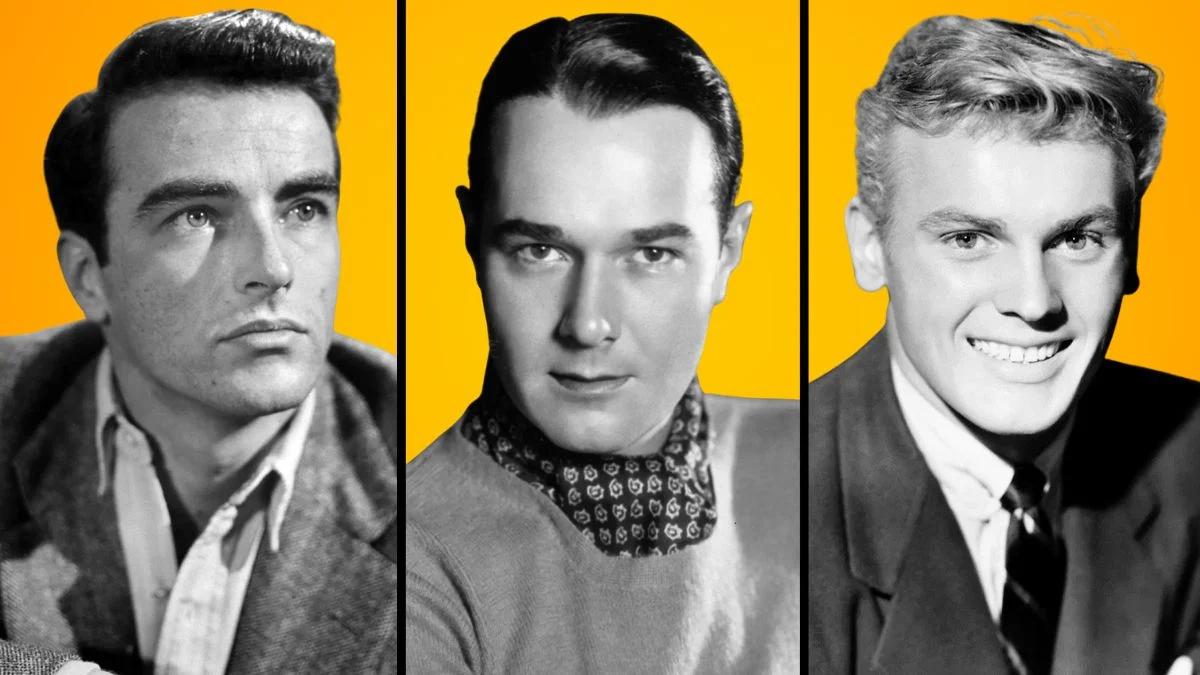


The history of cinema is filled with talented performers who had to navigate their careers while keeping their authentic selves hidden from the public eye. Many of these men became legends of the screen and defined masculinity for generations of audiences despite the immense pressure to remain in the closet. Some chose to live openly within their private circles while others faced persecution or career destruction if their secrets were revealed. Their contributions paved the way for the increased visibility and acceptance that modern actors enjoy today. These individuals left an indelible mark on the entertainment industry through their incredible talent and resilience.
William Haines
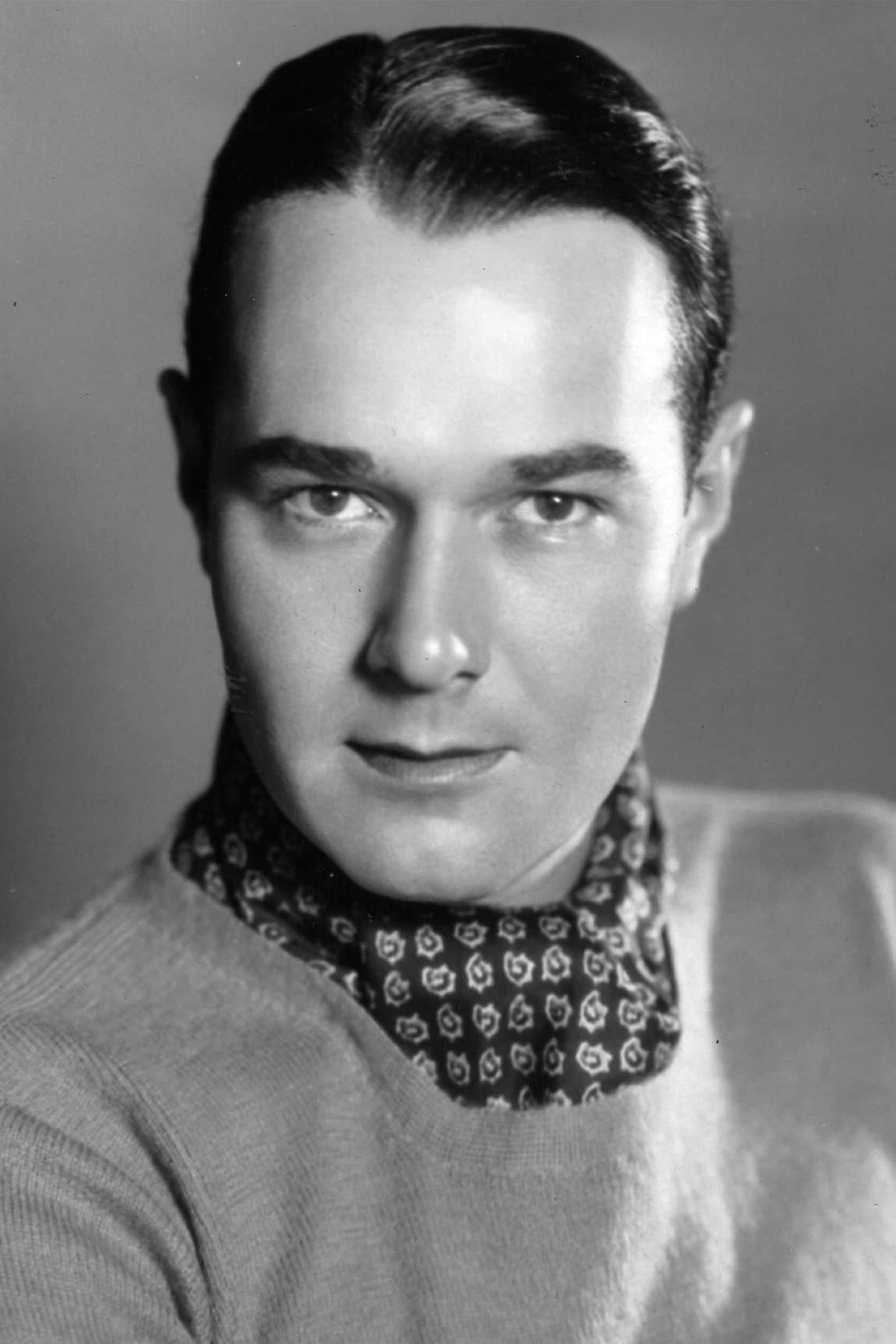
William Haines was one of the biggest box office stars of the silent film era and famously refused to deny his sexuality. He lived openly with his partner Jimmie Shields at a time when such honesty was unheard of in Hollywood. MGM studio head Louis B. Mayer gave him an ultimatum to enter a sham marriage or give up his career. Haines chose his partner over his stardom and was subsequently fired from the studio. He later transitioned into a highly successful career as an interior designer for the Hollywood elite.
Ramon Novarro
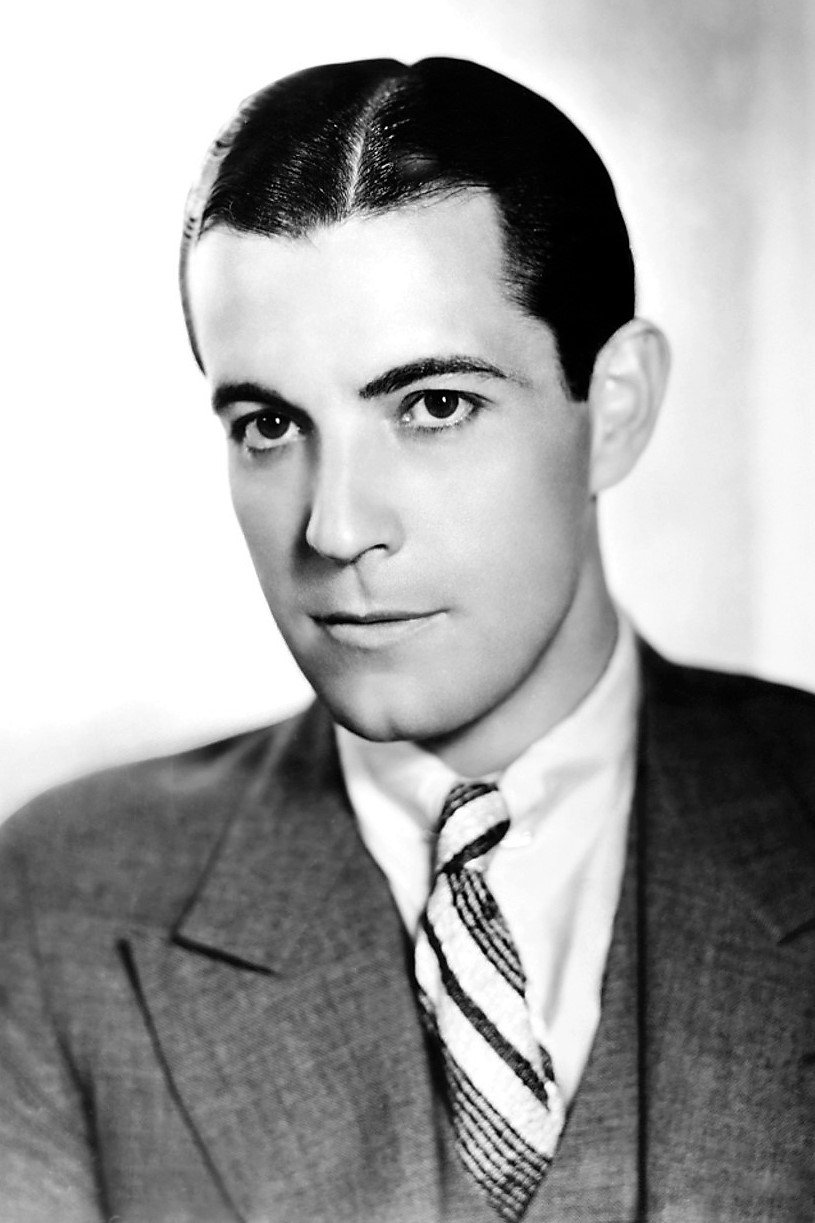
This Mexican-American actor became a massive international sex symbol after starring in ‘Ben-Hur’ in 1925. Novarro struggled with his Catholic faith and the pressures of maintaining his image as a romantic lead. He lived a relatively quiet life and resisted the studio pressure to marry a woman for publicity purposes. His career spanned the silent era and the transition to talkies where he continued to work in character roles. His tragic death later in life brought attention to the vulnerabilities faced by older gay men in Hollywood.
Rock Hudson
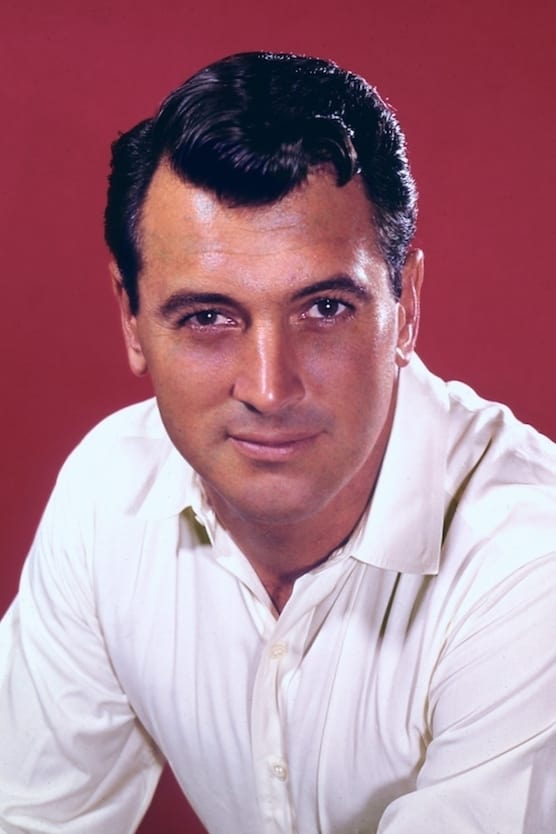
Rock Hudson was the ultimate symbol of American masculinity and a top box office draw during the 1950s and 1960s. He starred in beloved romantic comedies like ‘Pillow Talk’ while keeping his private life strictly guarded from his adoring fans. His eventual AIDS diagnosis in the 1980s shocked the world and forced a global conversation about the epidemic. Hudson used his remaining time to bring visibility to the disease and helped destigmatize the virus. His legacy remains complex but undeniably pivotal in the history of LGBTQ+ visibility.
Montgomery Clift

Montgomery Clift was a pioneer of method acting who delivered intense and vulnerable performances in films like ‘A Place in the Sun’. He refused to sign a studio contract which allowed him more freedom than many of his contemporaries. Clift lived fairly openly in New York City theater circles but kept his sexuality hidden from the wider moviegoing public. His personal struggles and physical pain often mirrored the tortured characters he played on screen. He remains one of the most influential actors in the history of American cinema.
Anthony Perkins
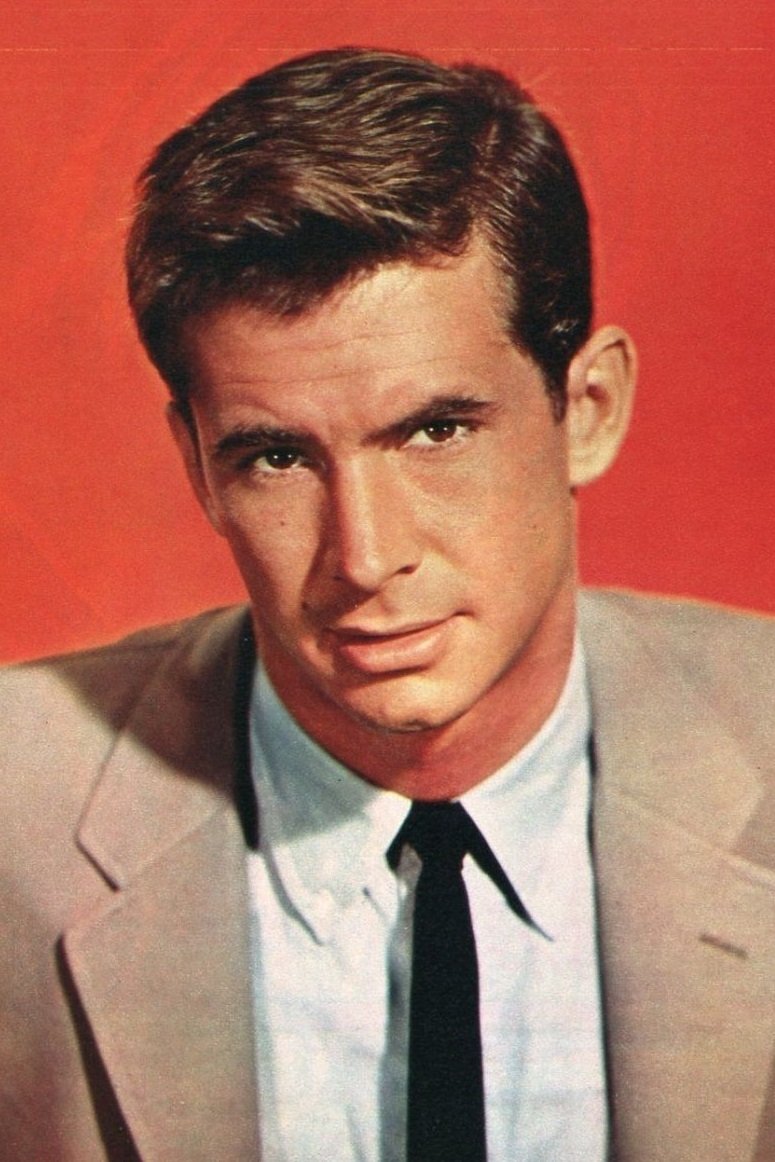
Anthony Perkins is best known for his chilling portrayal of Norman Bates in the Alfred Hitchcock classic ‘Psycho’. His association with the character was so strong that he struggled to find varied roles later in his career. Perkins had relationships with men including fellow actor Tab Hunter before eventually marrying a woman later in life. He continued to work in theater and film until his death from AIDS-related complications. His portrayal of complex psychological depth changed the horror genre forever.
Tab Hunter
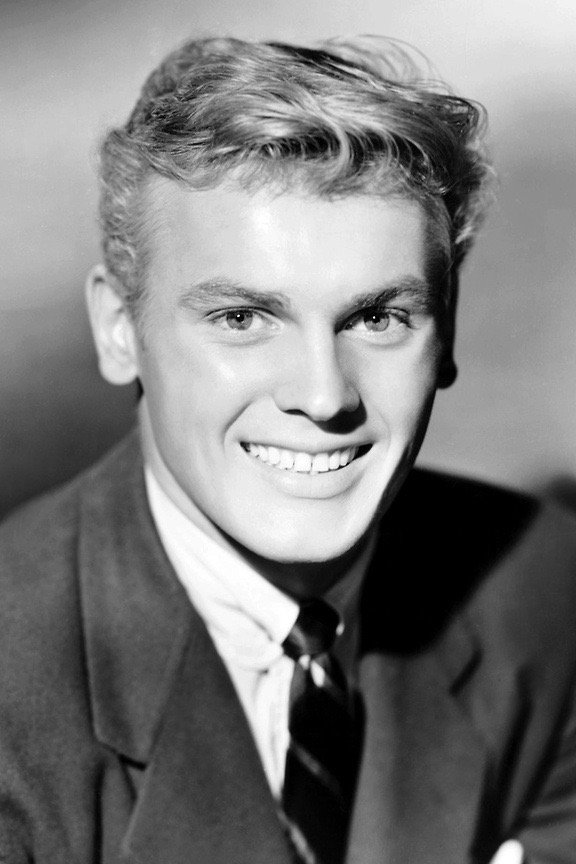
Tab Hunter was a manufactured teen idol who topped the music charts and starred in hit films during the 1950s. The studio system carefully crafted his image as the boy next door to appeal to young female audiences. He was famously outed by a gossip magazine but his clean-cut image allowed him to survive the scandal at the time. Hunter later wrote a memoir confirming his relationships and his experience as a closeted star in the studio system. He became a symbol of how Hollywood marketed an illusion of heterosexuality.
Raymond Burr
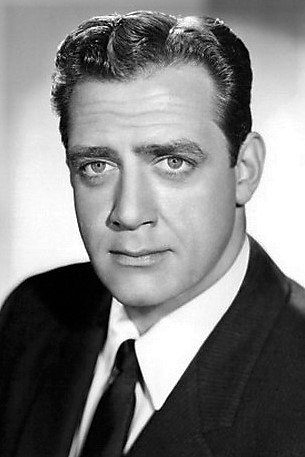
Raymond Burr became a household name as the title character in the long-running legal drama ‘Perry Mason’. He lived with his partner Robert Benevides for over thirty years while the press helped him maintain a fictional backstory about a deceased wife. Burr was a private man who let his work speak for itself and rarely gave interviews about his personal life. He created a vineyard and an orchid business with his partner away from the glare of Hollywood. His imposing screen presence made him one of the most respected television actors of his generation.
Richard Chamberlain
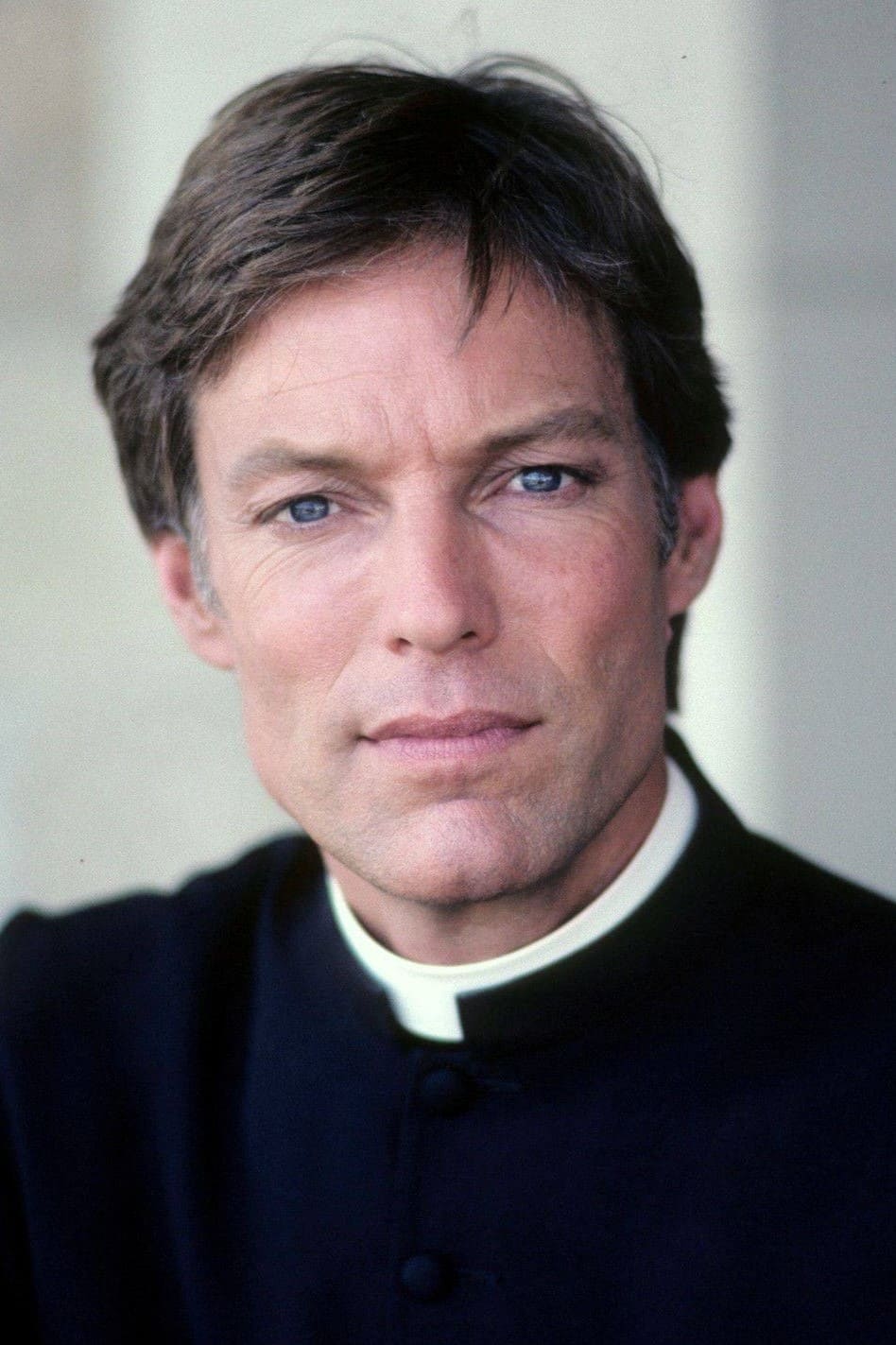
Richard Chamberlain was known as the king of the miniseries after starring in huge hits like ‘The Thorn Birds’ and ‘Shogun’. He was a massive heartthrob in the 1960s thanks to his role as the dashing ‘Dr. Kildare’. Chamberlain kept his sexuality a secret for the majority of his career to protect his status as a romantic lead. He officially came out in his memoir in 2003 and expressed regret for hiding his true self for so long. He continues to be an example of a leading man who defied stereotypes.
Dirk Bogarde
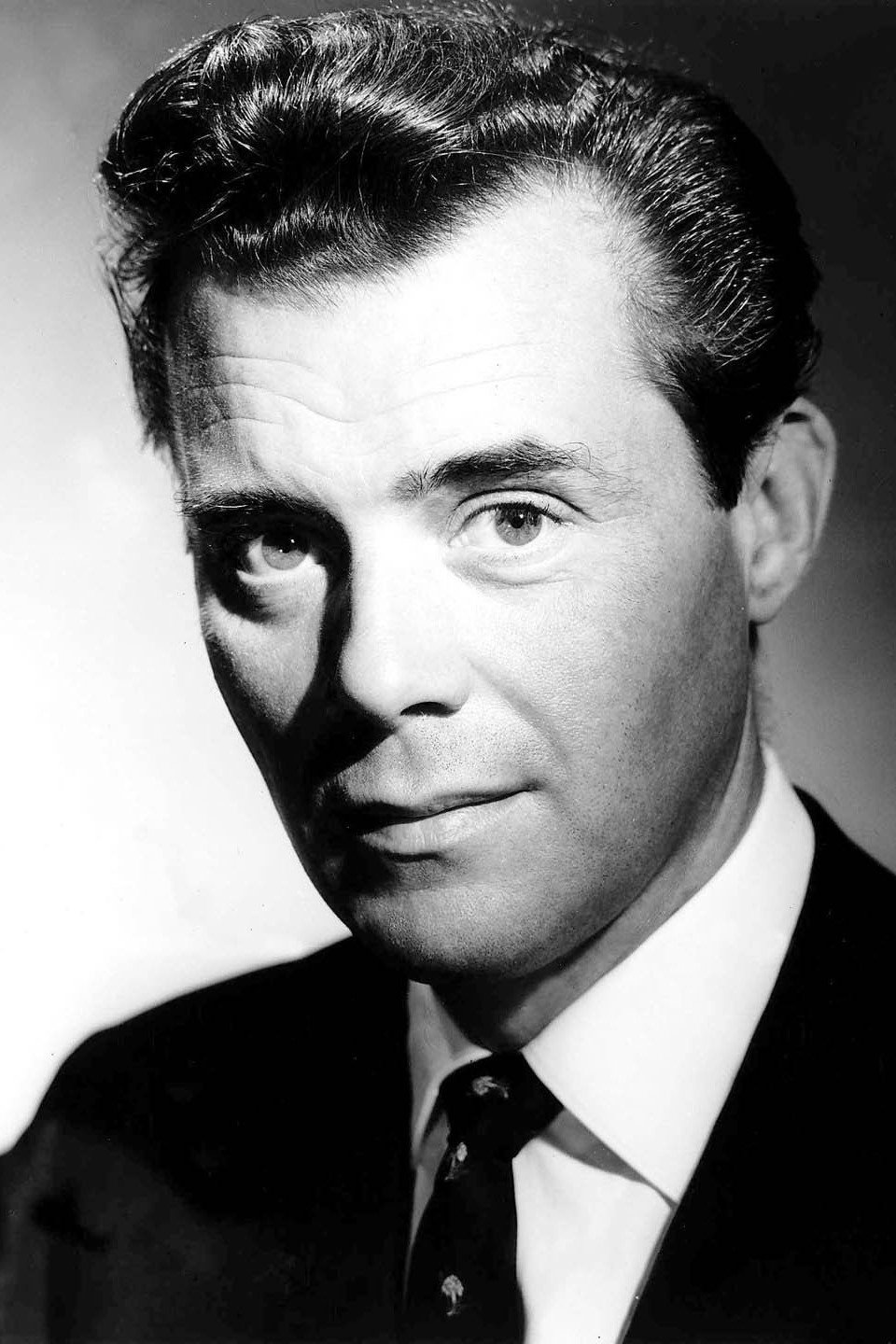
Dirk Bogarde was a British matinee idol who risked his career to star in the groundbreaking film ‘Victim’. The film was the first in the English language to use the word homosexual and directly address the blackmail of gay men. Bogarde lived with his partner Anthony Forwood for decades in a quiet domestic partnership. He eventually moved away from heartthrob roles to pursue complex arthouse cinema in Europe. His courage to take on the role in ‘Victim’ helped shift public opinion on the decriminalization of homosexuality in Britain.
Sal Mineo
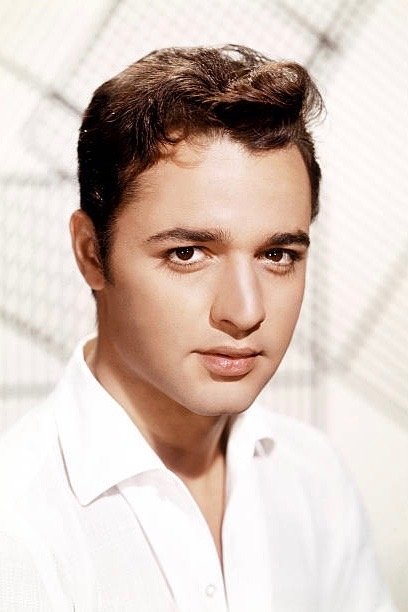
Sal Mineo became an instant star and a symbol of teenage angst with his performance in ‘Rebel Without a Cause’. He was one of the first major Hollywood actors to publicly acknowledge his bisexuality in interviews during the 1960s. His openness limited the roles he was offered as he transitioned into adulthood. Mineo found success directing theater productions that explored controversial and provocative themes. His life was tragically cut short but his refusal to hide remains inspiring.
Paul Lynde
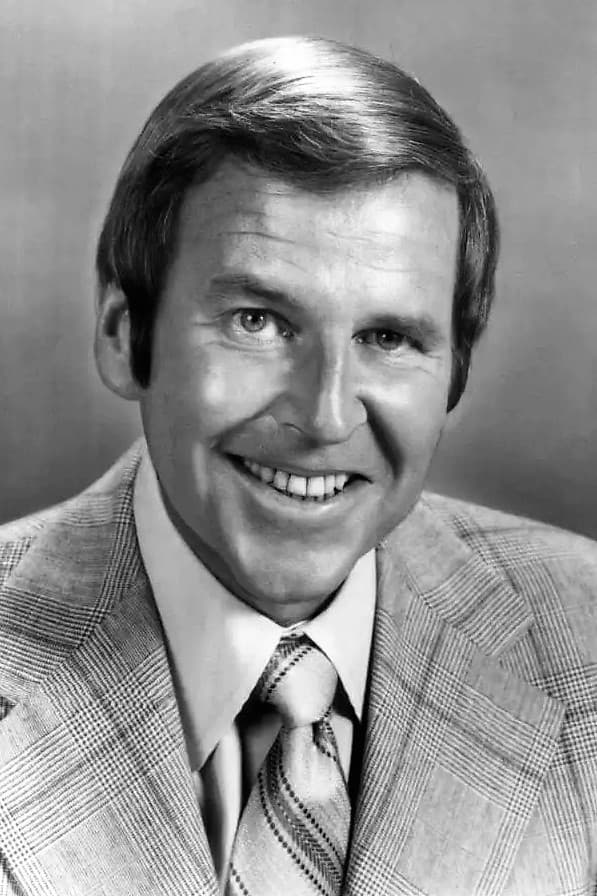
Paul Lynde was a comedic genius known for his snarky delivery and campy humor on ‘Hollywood Squares’. He never officially came out to the public but his persona was unmistakably queer and celebrated by audiences. Lynde stole every scene he was in whether it was in ‘Bye Bye Birdie’ or as Uncle Arthur on ‘Bewitched’. He used humor as a shield and a weapon to navigate a conservative industry. His unique style paved the way for future comedians to embrace their flamboyant sides.
Charles Laughton
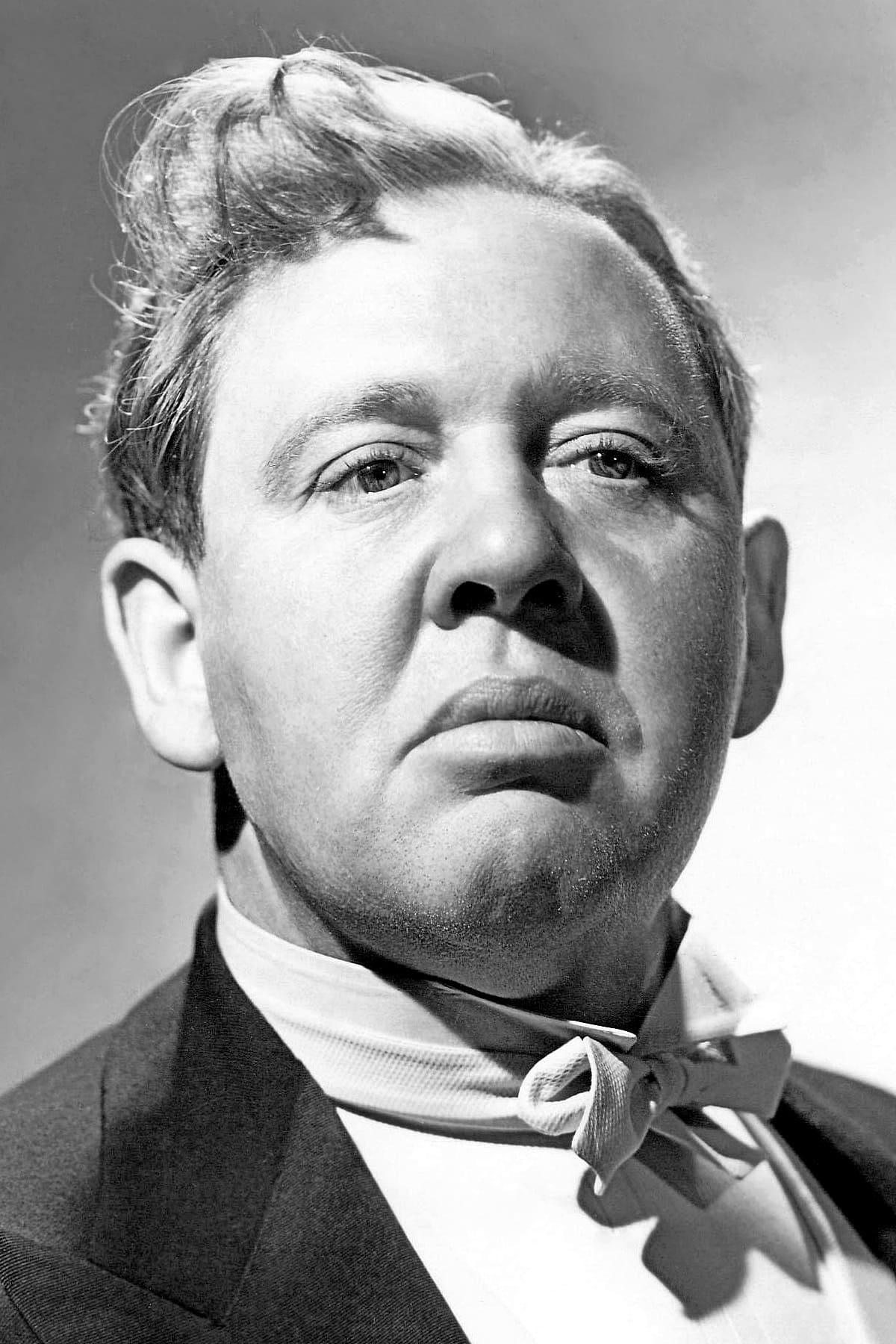
Charles Laughton was a celebrated character actor and director known for his commanding voice and presence. He was married to actress Elsa Lanchester who supported him despite knowing about his homosexuality. Laughton directed the noir masterpiece ‘The Night of the Hunter’ which has since become a cult classic. He and his wife lived a bohemian lifestyle that allowed him to have relationships with men. His talent was so immense that the industry largely overlooked his private life.
John Gielgud
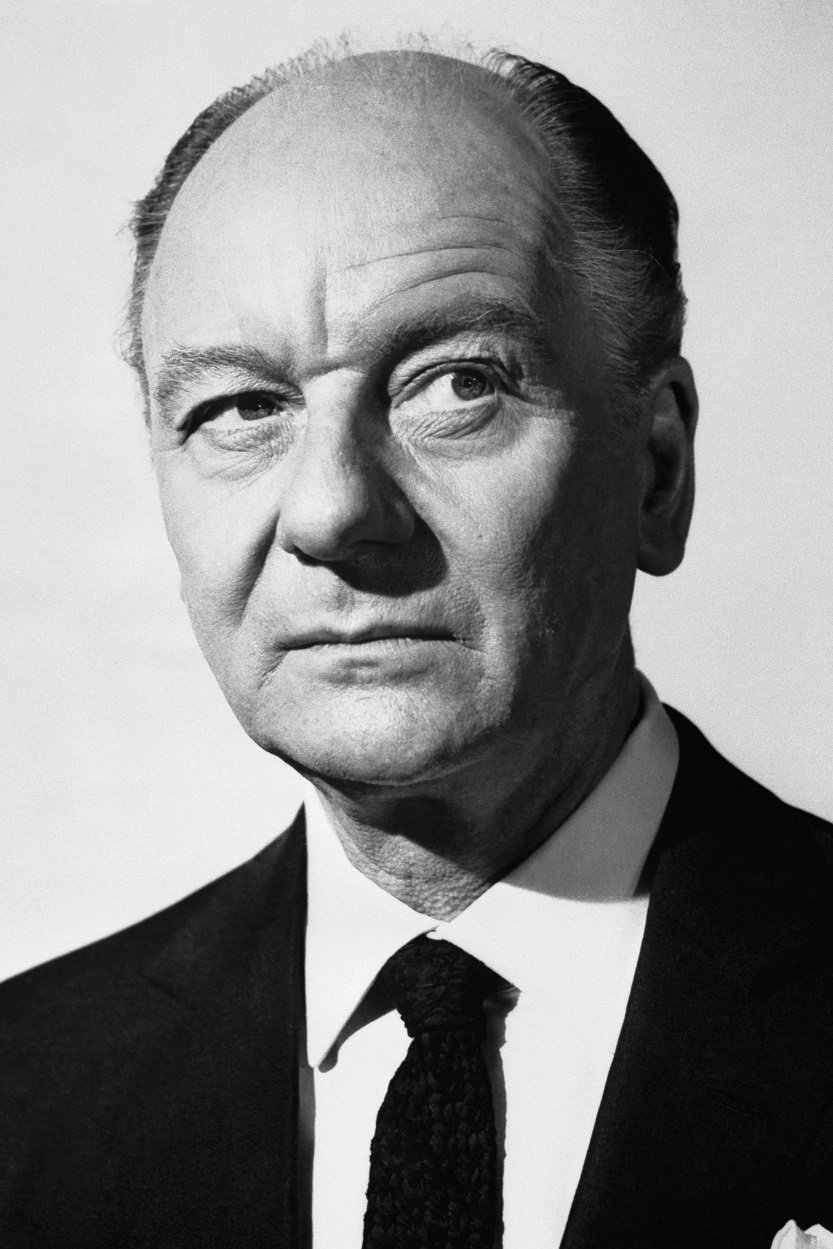
Sir John Gielgud is considered one of the greatest stage actors of the twentieth century. He faced a potential career-ending scandal when he was arrested for a homosexual act in the 1950s. The theatrical community and the public rallied around him and he received a standing ovation at his next performance. Gielgud continued to work in major films and won an Academy Award later in life for ‘Arthur’. His resilience showed that talent could sometimes triumph over prejudice.
Noël Coward
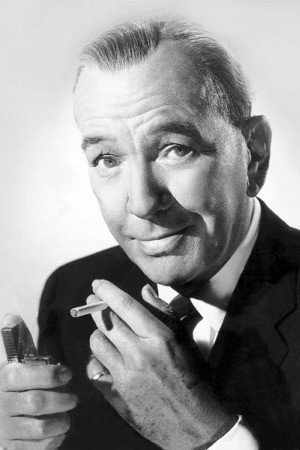
Noël Coward was a playwright and actor known for his sophisticated wit and flamboyant style. He projected an image of refined bachelorhood that was widely understood to be a code for his homosexuality. Coward wrote plays and songs that poked fun at social norms and celebrated unconventional lives. He acted in films like ‘The Italian Job’ and remained a cultural icon until his death. His work defined a specific era of British elegance and camp.
Clifton Webb
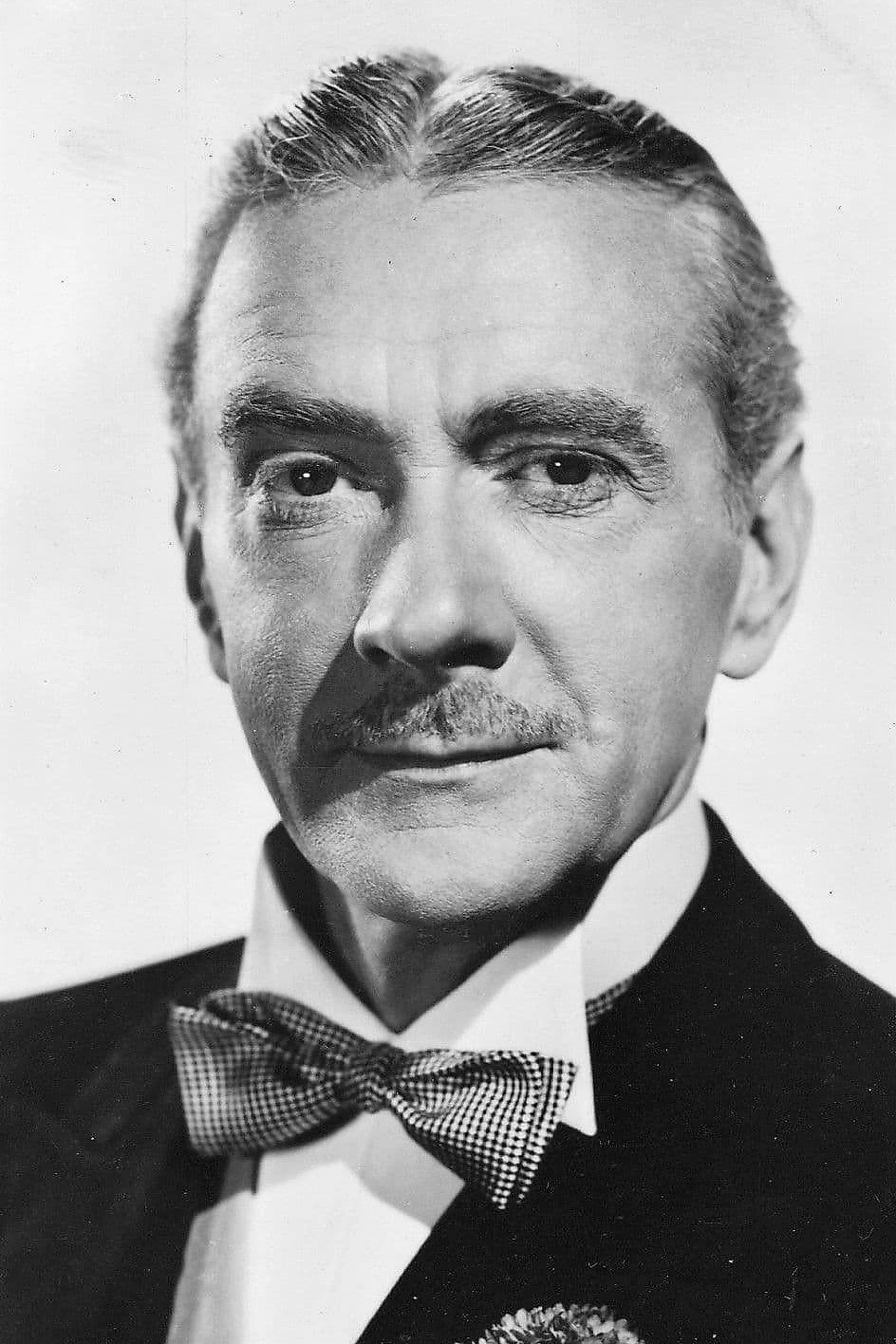
Clifton Webb was an unlikely movie star who found fame in his fifties playing acerbic and sophisticated characters. He was openly devoted to his mother and lived with her until her death which fueled local gossip. Webb received an Oscar nomination for ‘Laura’ and became a box office draw in family comedies. He never married and made little effort to fabricate a heterosexual personal life. Studio boss Darryl F. Zanuck respected his talent enough to keep him employed despite his refusal to play the Hollywood game.
Robert Reed
Robert Reed is best known as the father Mike Brady on the iconic sitcom ‘The Brady Bunch’. He struggled immensely with the disconnect between his own life and the wholesome image of the character he played. Reed was a classically trained actor who often felt frustrated by the simple scripts of the sitcom. He kept his sexuality hidden to protect the show and his career. His colleagues knew the truth and respected his privacy and professionalism on set.
Farley Granger
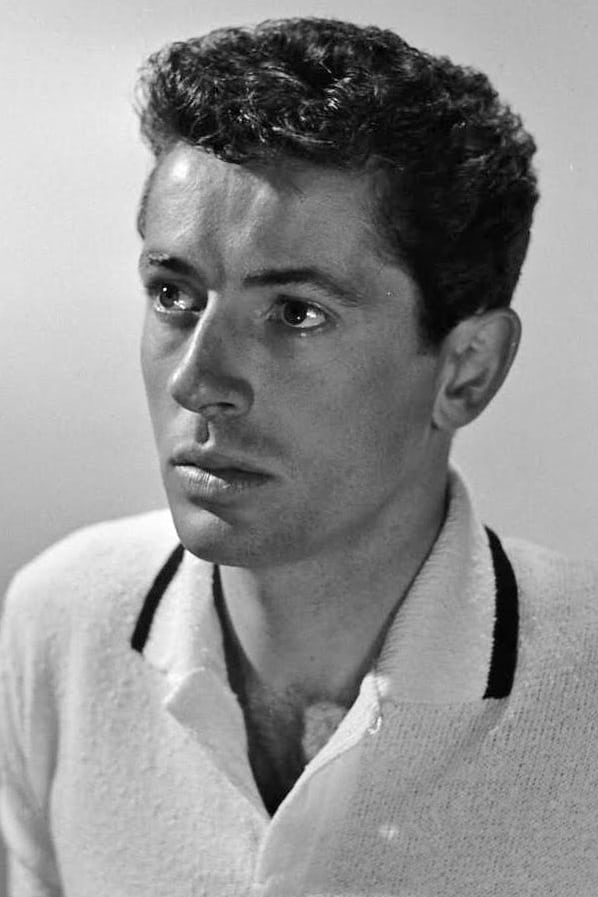
Farley Granger starred in two Alfred Hitchcock thrillers including ‘Rope’ and ‘Strangers on a Train’. He was bisexual and wrote candidly about his relationships with both men and women in his autobiography. Granger rejected the studio system constraints and bought out his own contract to pursue theater work. He refused to let the studios dictate his personal life or his career path. His performances in Hitchcock films often contained subtext that is studied by film scholars today.
Cesar Romero
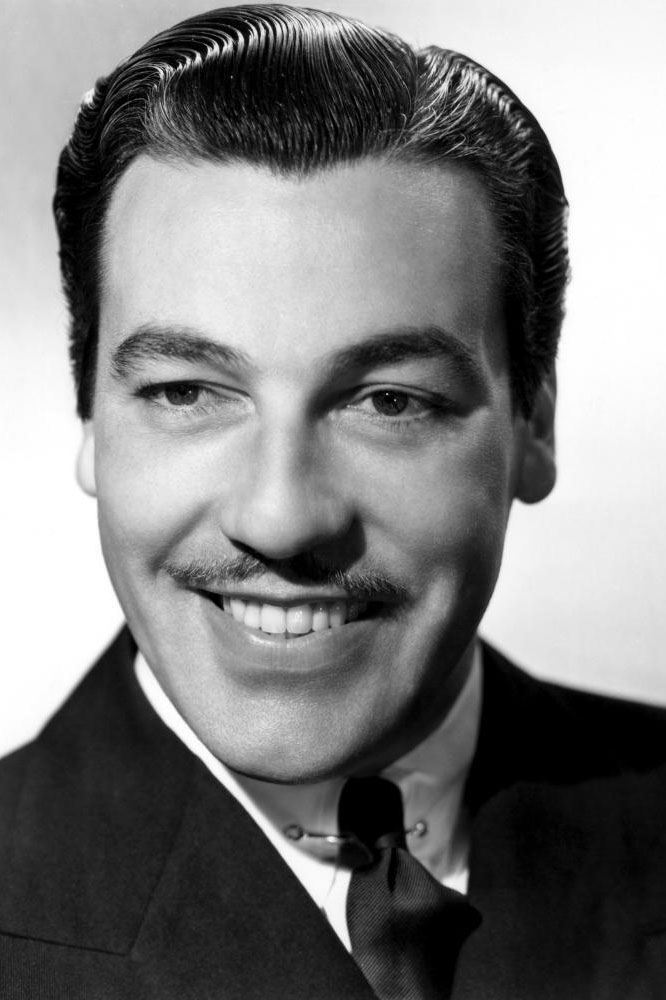
Cesar Romero was a “Latin Lover” type in musicals and comedies before becoming the original Joker in the ‘Batman’ television series. He was a lifelong bachelor who attended Hollywood premieres with famous actresses on his arm to deflect rumors. Romero was a staple of the Hollywood social scene and worked consistently for decades. He maintained a private life that was separate from his flamboyant screen persona. His portrayal of the Joker remains one of the most energetic and beloved versions of the character.
Tyrone Power
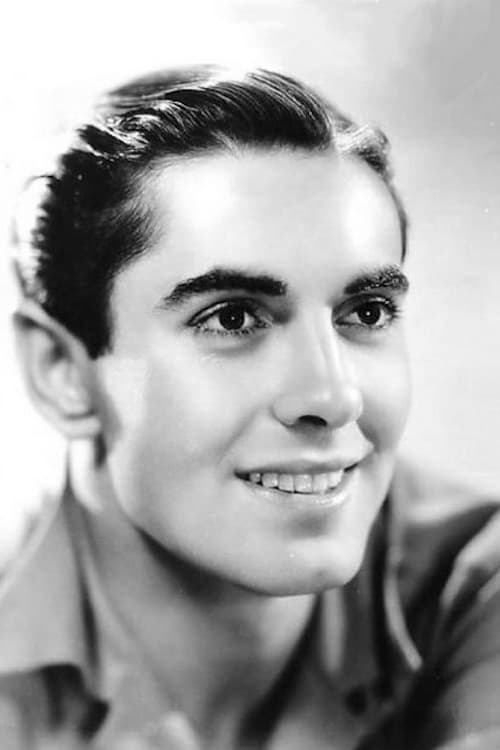
Tyrone Power was one of the most handsome and bankable leading men of the golden age of Hollywood. He had relationships with women but also maintained affairs with men throughout his life. Power starred in swashbucklers and romantic dramas that capitalized on his dashing good looks. He often traveled in circles that accepted his bisexuality even if the public did not know. His early death from a heart attack ended a career that was just beginning to explore darker character roles.
Michael Redgrave
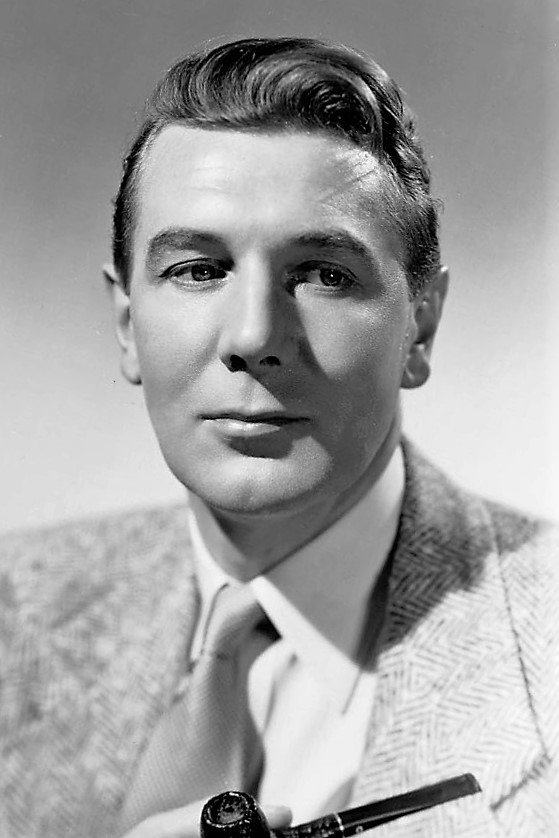
Sir Michael Redgrave was a titan of the British stage and screen who founded a legendary acting dynasty. He was married to Rachel Kempson for fifty years but was open with her about his relationships with men. Redgrave kept a diary where he discussed his internal conflicts and his bisexuality. He gave powerful performances in films like ‘The Browning Version’ which dealt with emotional repression. His ability to channel his personal complexity into his art made him a revered figure.
Denholm Elliott
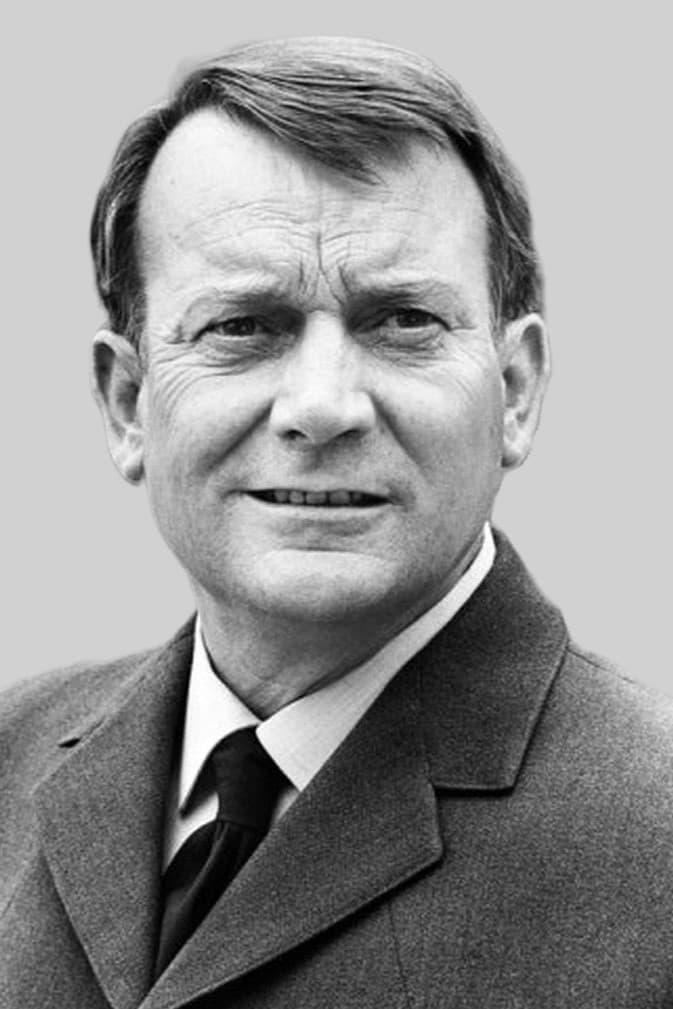
Denholm Elliott was a brilliant character actor known for his roles in the ‘Indiana Jones’ films and ‘A Room with a View’. He was openly bisexual in the industry long before it was common to be so. Elliott faced a career downturn in the 1950s but rebuilt his reputation to become one of Britain’s most reliable supporting actors. He died of AIDS-related tuberculosis in the early 1990s. His jovial screen presence masked a life that was often filled with risk and adventure.
Graham Chapman
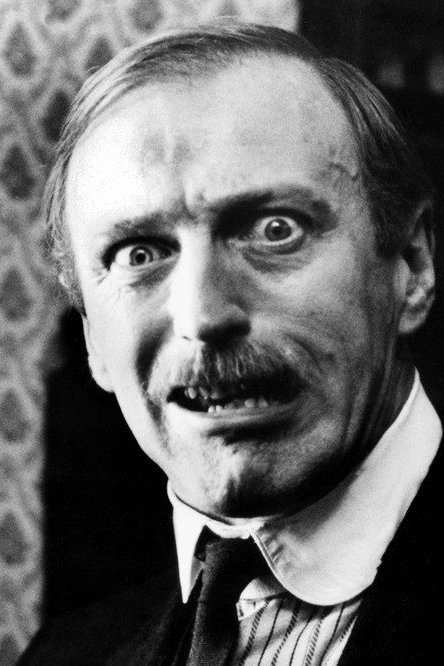
Graham Chapman was one of the six members of the legendary comedy troupe Monty Python. He was openly gay during the height of the group’s fame and brought his partner to filming locations. Chapman struggled with alcoholism but found support from his fellow Pythons. He played the lead in ‘Life of Brian’ and ‘Monty Python and the Holy Grail’ with a straight-faced absurdity. His memorial service is famous for the humorous and touching eulogy delivered by John Cleese.
Nigel Hawthorne
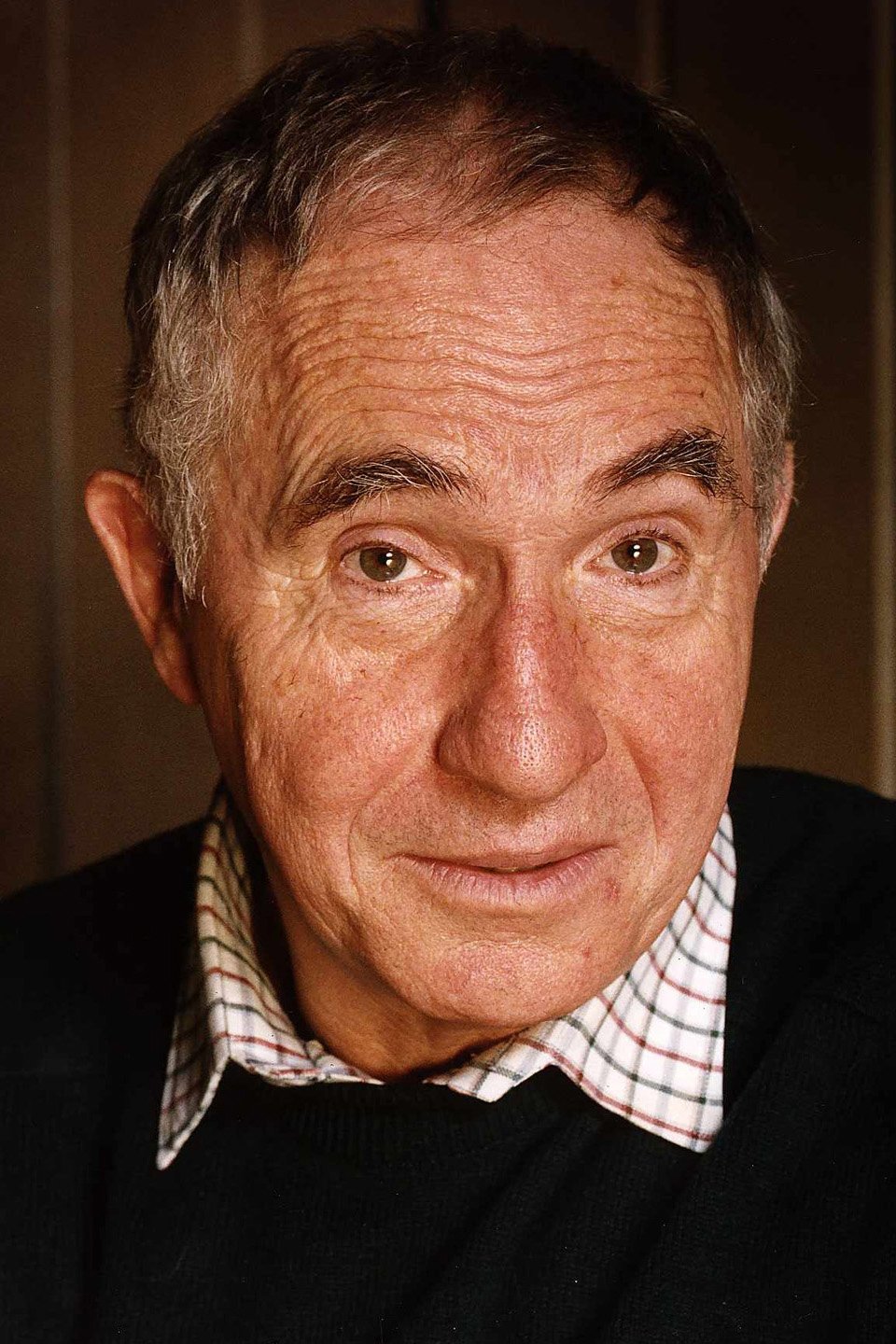
Sir Nigel Hawthorne became a national treasure in the UK for his role as Sir Humphrey Appleby in ‘Yes Minister’. He was outed by the press shortly before attending the Academy Awards as a nominee for ‘The Madness of King George’. Hawthorne handled the intrusion with dignity and attended the ceremony with his long-term partner. He resented that his private life became a headline but refused to apologize for who he was. His work remains the gold standard for political satire.
George Takei
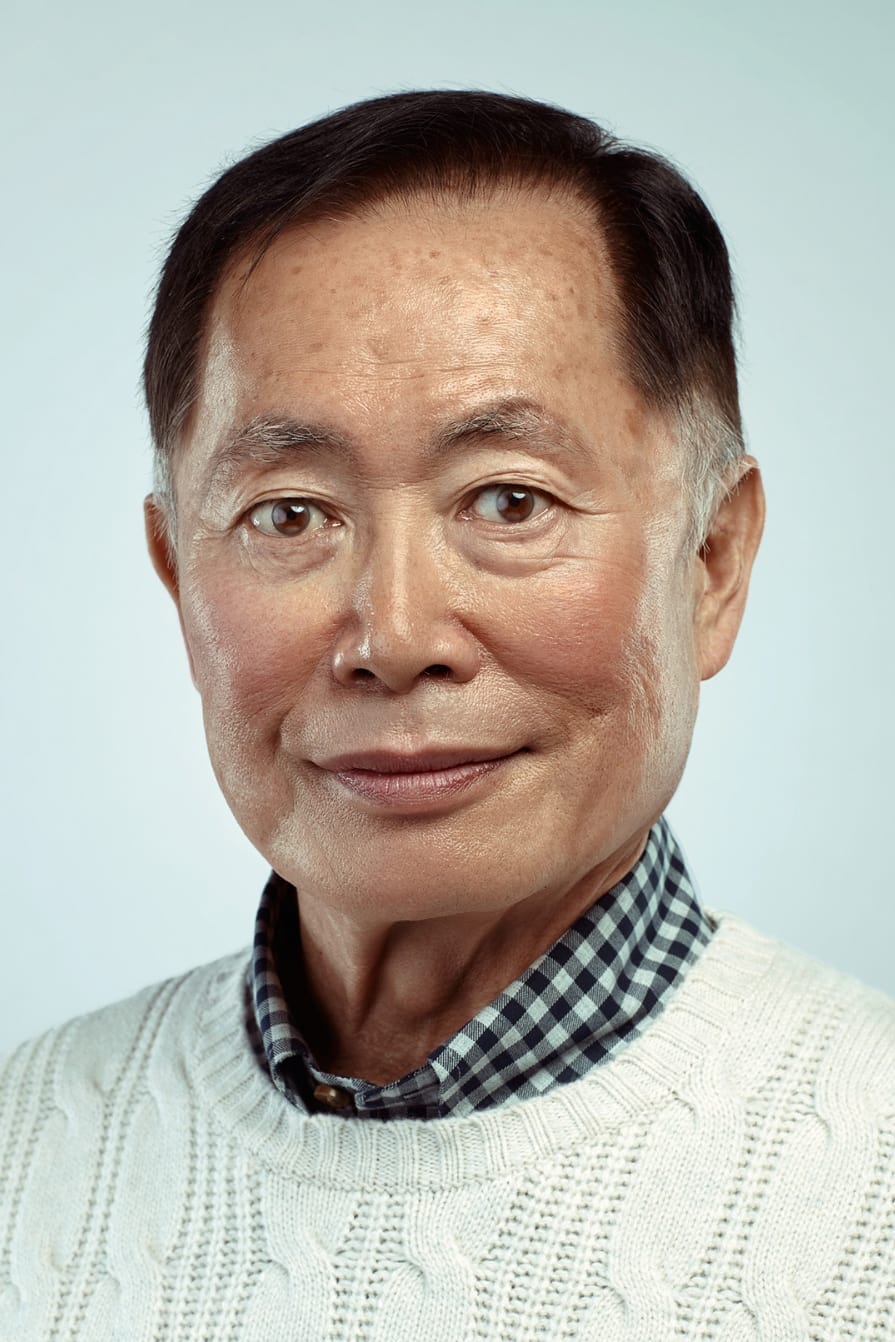
George Takei gained fame as Hikaru Sulu on the original ‘Star Trek’ series. He kept his sexuality hidden during the show’s run to avoid jeopardizing his career. Takei came out publicly in 2005 and has since become a massive influential activist for LGBTQ+ rights. He uses his social media platforms to educate people and advocate for social justice. His second act as an outspoken internet personality has introduced him to a whole new generation of fans.
Ian McKellen
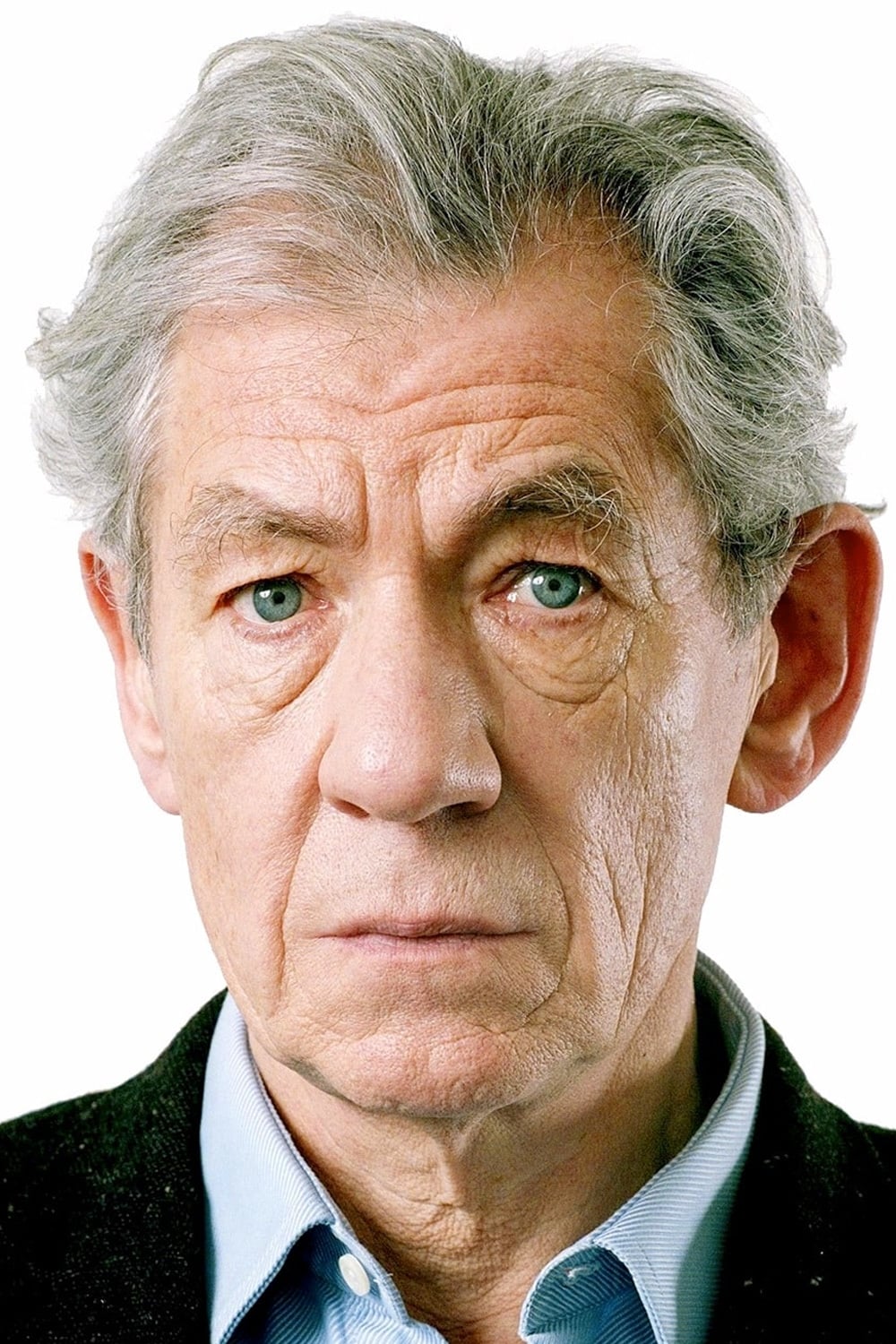
Sir Ian McKellen is a legend of stage and screen who came out publicly in 1988 to fight against anti-gay legislation in the UK. He was already a respected actor but achieved global superstardom later in life with ‘X-Men’ and ‘The Lord of the Rings’. McKellen proved that coming out did not have to mean the end of a career as a leading man. He co-founded Stonewall and remains a tireless campaigner for equality. His knighthood and career longevity serve as an inspiration to countless actors.
Derek Jacobi
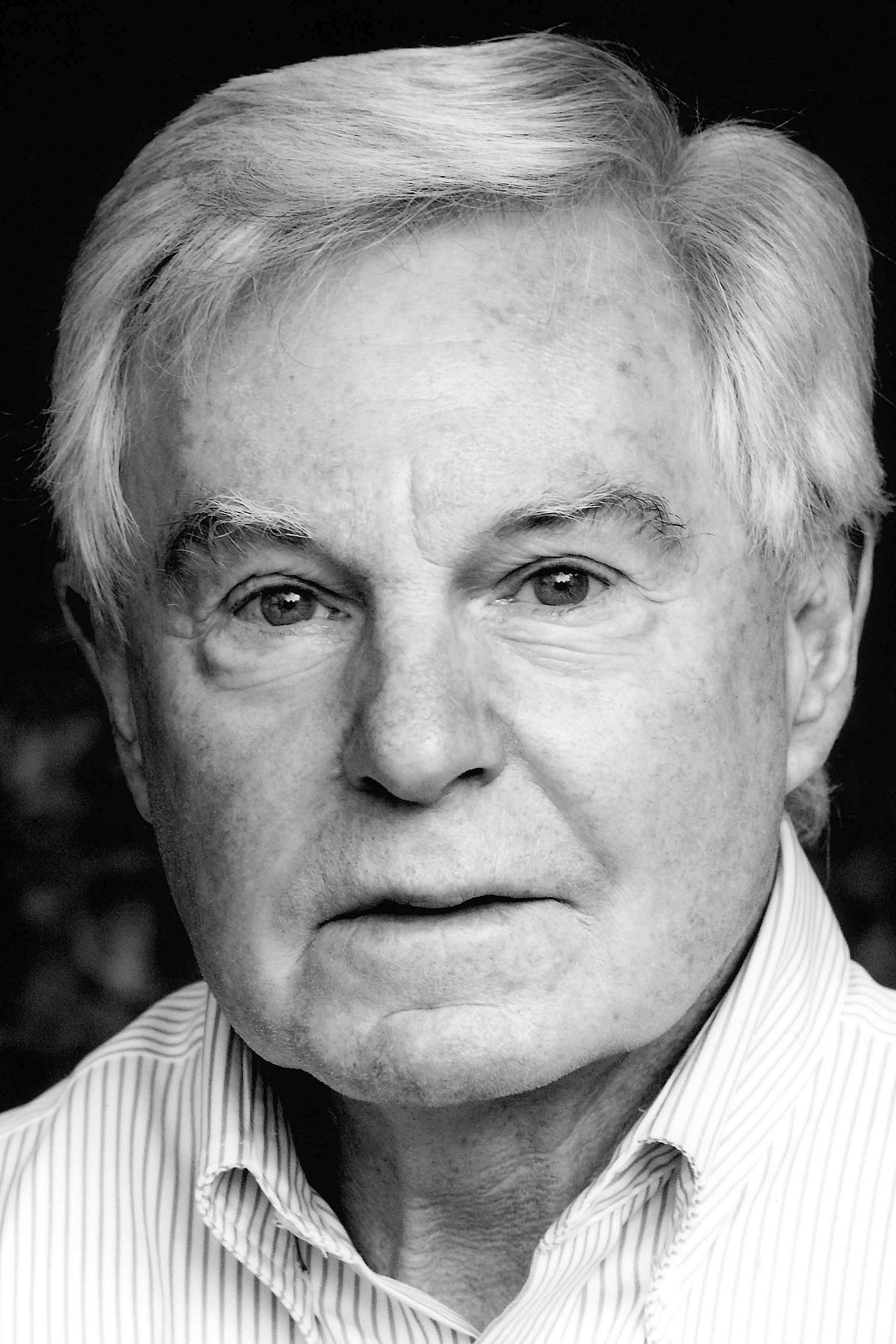
Sir Derek Jacobi found fame with the BBC series ‘I, Claudius’ and has enjoyed a distinguished career in theater and film. He has been with his partner Richard Clifford for decades and they were among the first couples to enter a civil partnership in the UK. Jacobi never made a grand announcement but lived his life openly and authentically. He brings a profound intelligence and sensitivity to every role he plays. His knighthood recognized his massive contribution to the dramatic arts.
Harvey Fierstein
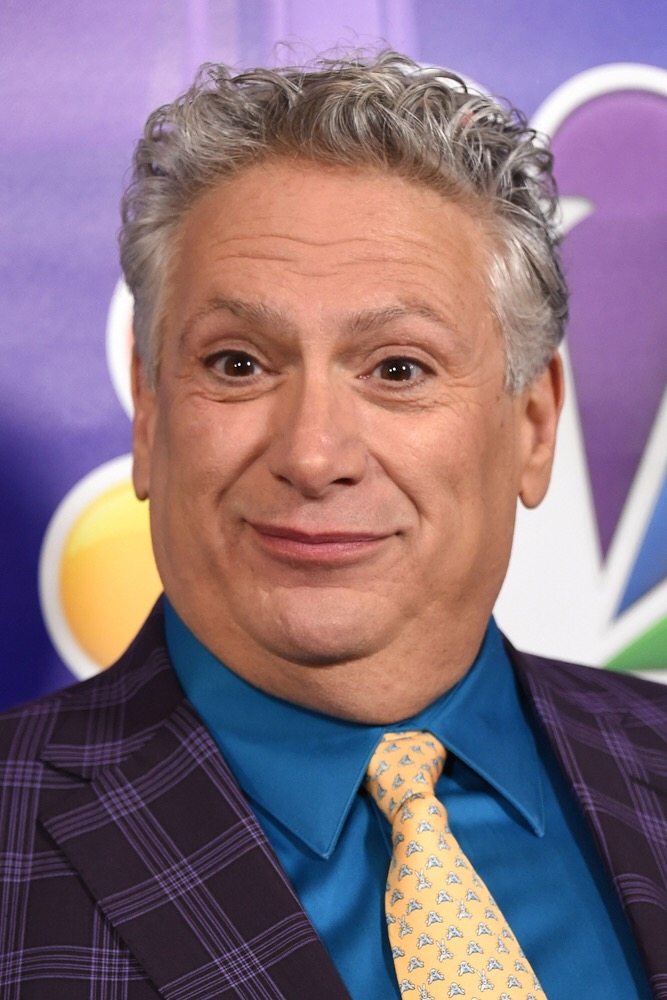
Harvey Fierstein broke barriers by writing and starring in ‘Torch Song Trilogy’ which depicted gay life with honesty and humor. His distinctive gravelly voice and refusal to hide his flamboyance made him a unique presence in Hollywood. He won Tony Awards for both writing and acting and appeared in mainstream hits like ‘Mrs. Doubtfire’. Fierstein has always been out and used his work to demand visibility for drag queens and queer people. He remains a vital voice in the American theater.
Divine
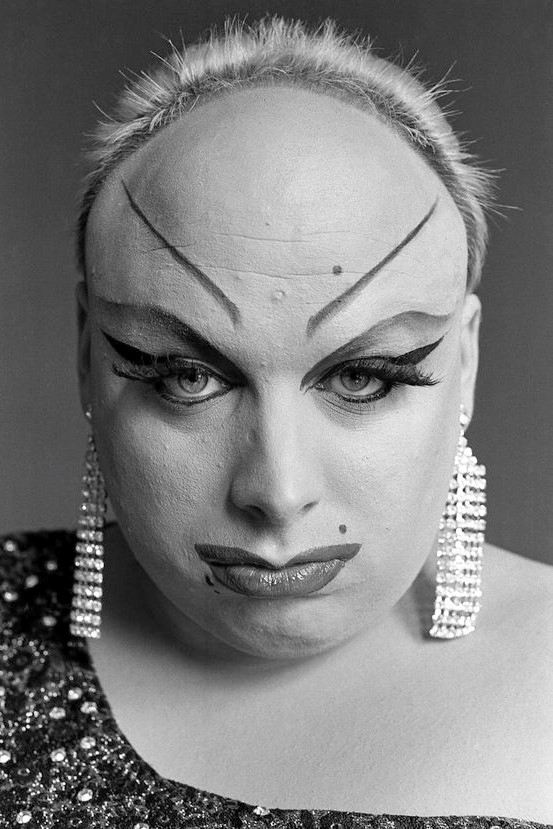
Divine was the stage name of Harris Glenn Milstead who became a counterculture icon through his work with filmmaker John Waters. Films like ‘Pink Flamingos’ and ‘Hairspray’ challenged concepts of bad taste and gender performance. Divine was a talented character actor who wanted to be recognized for his versatility beyond drag roles. He passed away just as he was beginning to receive mainstream recognition for his acting ability. His fearless approach to performance art influenced drag culture globally.
Rupert Everett
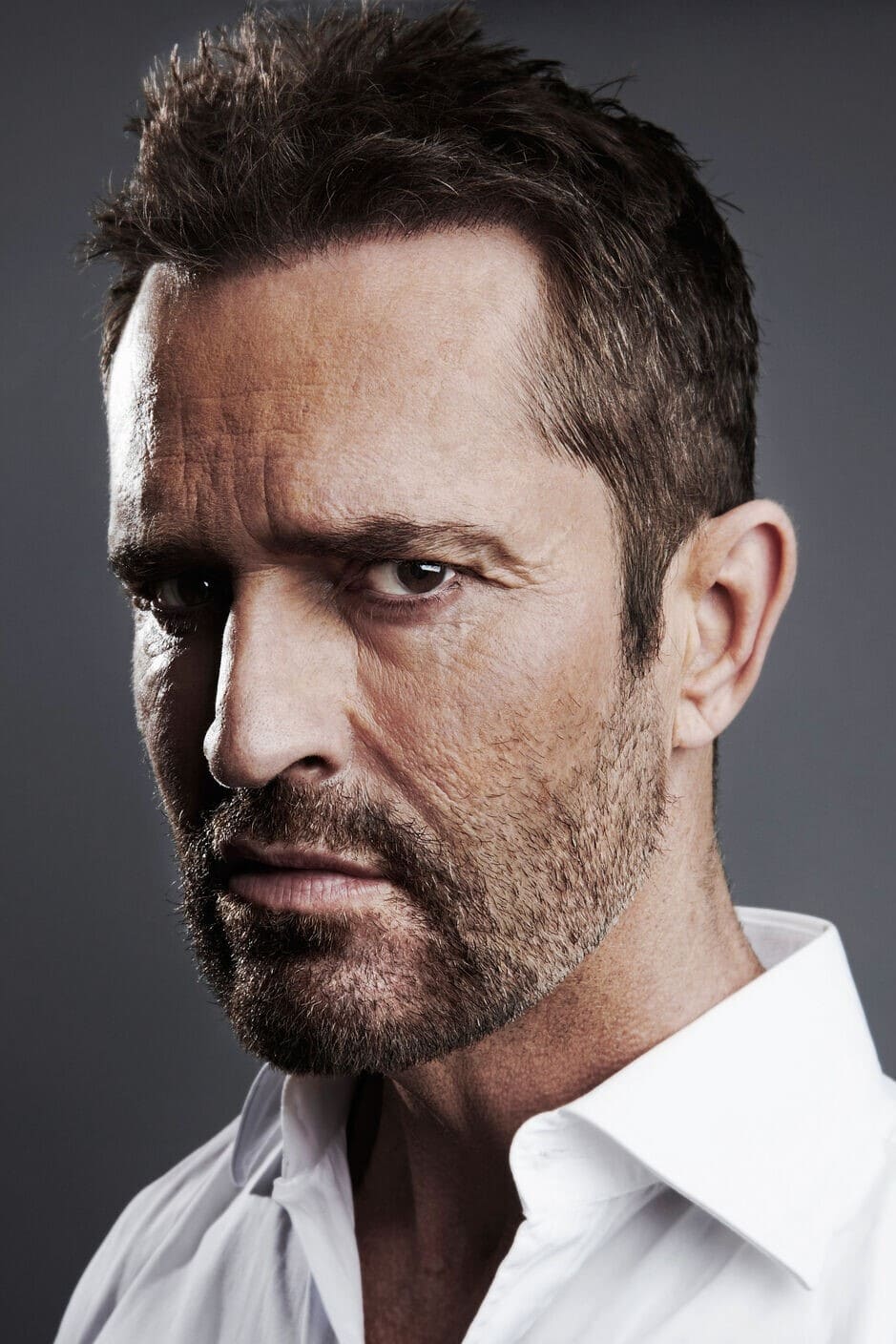
Rupert Everett became a star with ‘Another Country’ and later charmed audiences in ‘My Best Friend’s Wedding’. He was openly gay early in his career and has spoken vocally about how it negatively impacted his opportunities in Hollywood. Everett refused to play the game of pretending to be straight to secure romantic lead roles. He turned his focus to writing and directing later in his career. His candor about the industry’s homophobia shed light on the double standards actors face.
Tommy Kirk
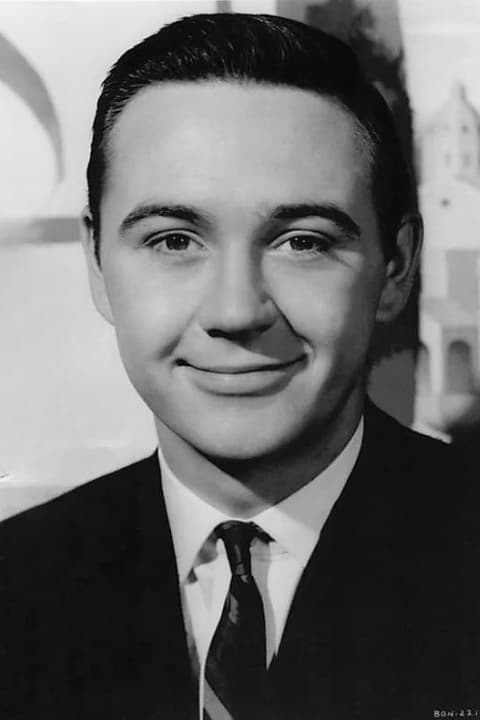
Tommy Kirk was a major child star for Disney who appeared in classics like ‘Old Yeller’ and ‘The Shaggy Dog’. He was fired by Walt Disney personally after studio executives discovered he was gay. Kirk struggled to find work after being blacklisted by the studio that made him famous. He eventually left acting to run a carpet cleaning business and lived a quiet life. His story highlights the harsh reality faced by young queer actors in the studio system.
Dick Sargent
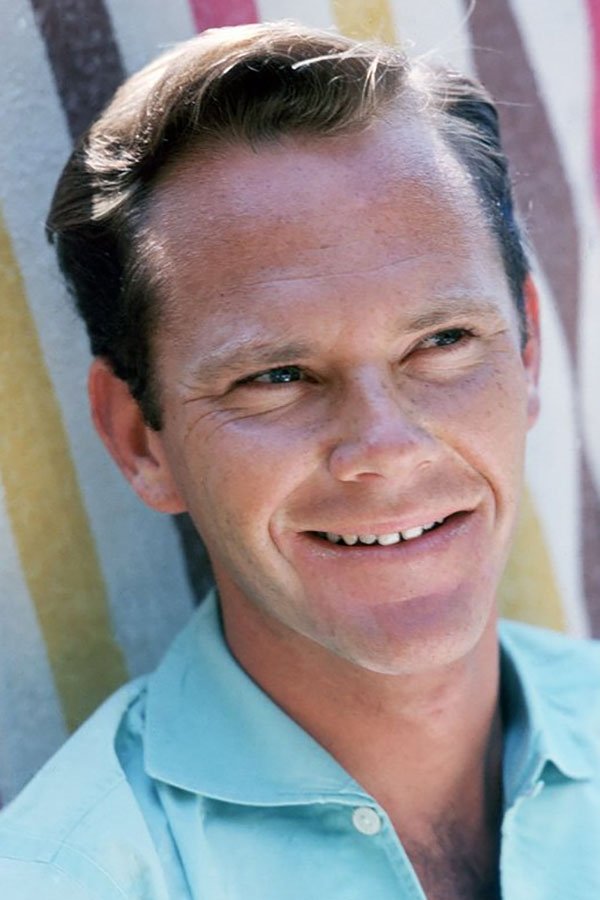
Dick Sargent is best known for taking over the role of Darrin Stephens on the hit sitcom ‘Bewitched’. He was a closeted gay man during his time on the show and felt the pressure to conform. Sargent came out publicly in the early 1990s to highlight the high rate of suicide among gay teenagers. He spent his final years as an activist and grand marshal for pride parades. His bravery later in life helped rewrite the narrative of his career.
Roddy McDowall
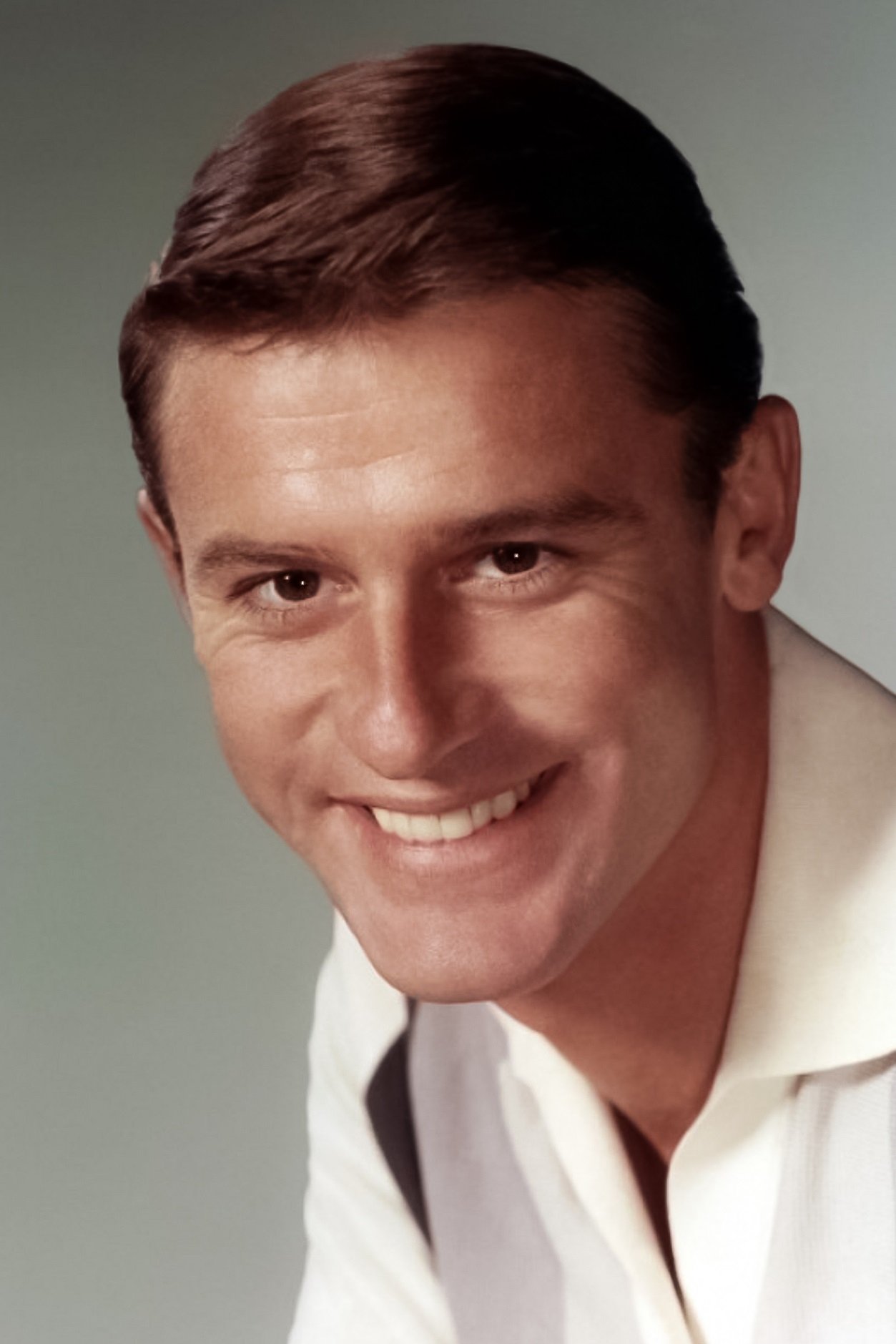
Roddy McDowall began as a child actor and transitioned into a successful adult career in films like ‘Planet of the Apes’. He was a beloved figure in Hollywood who served as a confidant to many stars including Elizabeth Taylor. McDowall was discreet about his private life but was known within the industry as a gay man. He amassed one of the largest private collections of film history and photography. His legacy is one of kindness and professional endurance.
Vincent Price
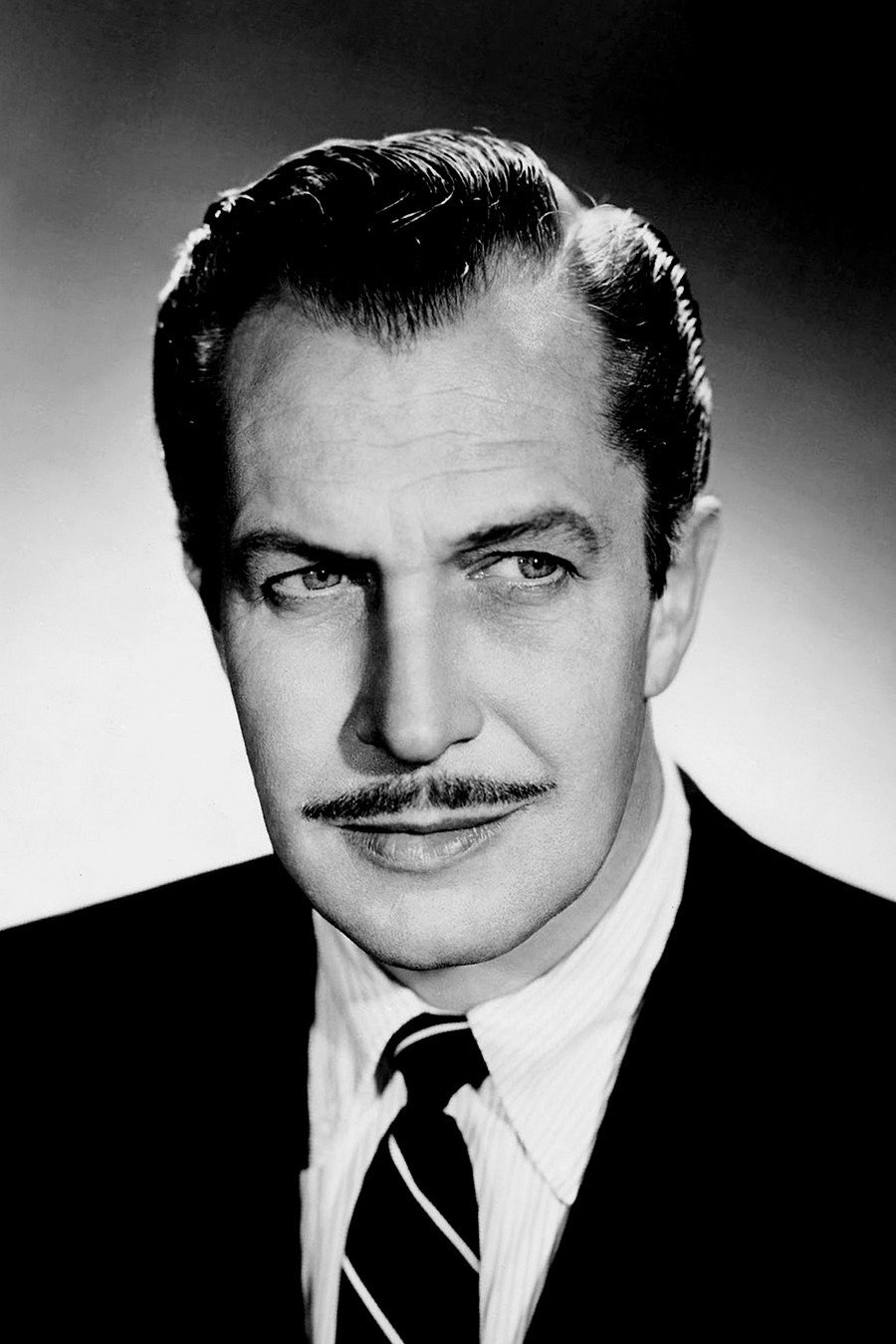
Vincent Price was the undisputed master of horror who starred in classics like ‘House of Wax’ and ‘The Fly’. He was bisexual and had a supportive third wife who understood his nature. Price was a gourmet chef and art collector who defied the simple categorization of a horror villain. He championed the arts and brought a sense of camp and sophistication to his spooky roles. His daughter later confirmed his bisexuality and open-minded view of the world.
Ivor Novello
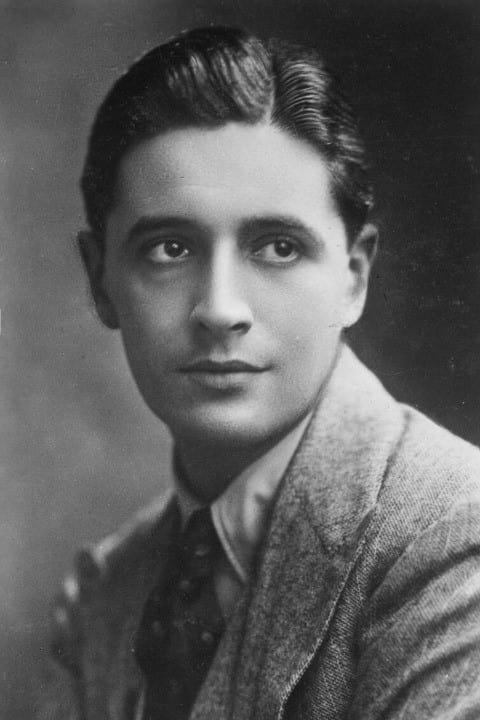
Ivor Novello was one of the most popular British entertainers of the early 20th century. He was a composer and playwright as well as a matinee idol of the silent screen in films like ‘The Lodger’. Novello was openly gay in his theatrical circles and was adored by the public despite the laws of the time. The Ivor Novello Awards for songwriting are named in his honor. He represented a glamour and romance that captivated a nation.
Jean Marais
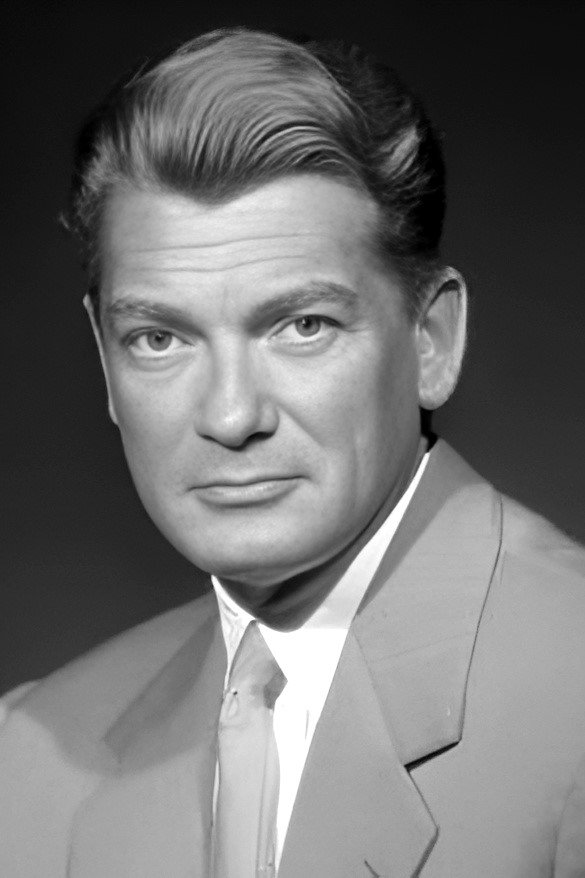
Jean Marais was a French actor and the muse of director Jean Cocteau. He starred in the poetic masterpiece ‘Beauty and the Beast’ and became a major star of French cinema. Marais and Cocteau were a creative power couple who influenced art and film significantly. He was also a hero of the French Resistance during World War II. His rugged good looks and artistic soul made him a unique figure in European film.
Liberace
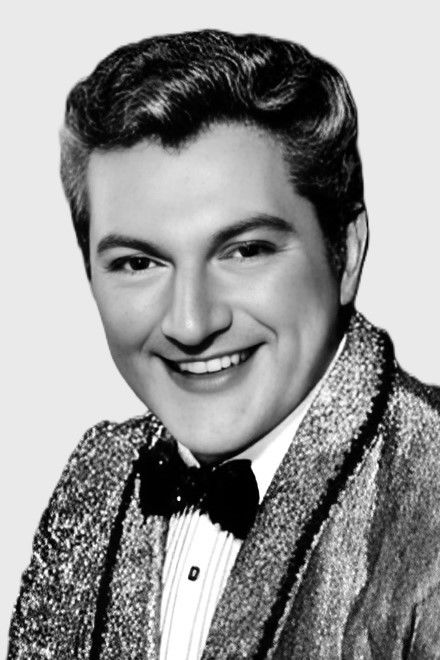
Liberace was a pianist and vocalist who became the highest-paid entertainer in the world at his peak. His act was defined by excessive costumes, candelabras, and a flamboyant stage persona. He famously sued a newspaper for implying he was gay and won the case. Despite his denial, his style was undeniably queer and he died of AIDS-related illness. He paved the way for showmanship in Las Vegas and beyond.
Joel Grey
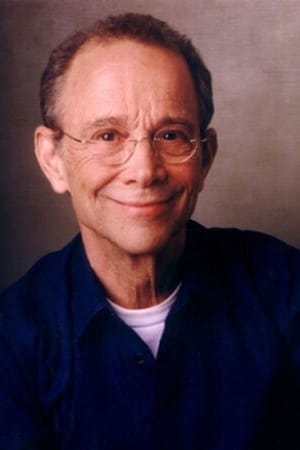
Joel Grey won an Academy Award for his unforgettable performance as the Master of Ceremonies in ‘Cabaret’. He was married for many years and raised a family while struggling with his identity. Grey came out publicly as a gay man at the age of 82. He spoke about the relief of finally being able to embrace his true self after a lifetime of hiding. His work in ‘Cabaret’ remains a touchstone of queer cinema.
Nathan Lane
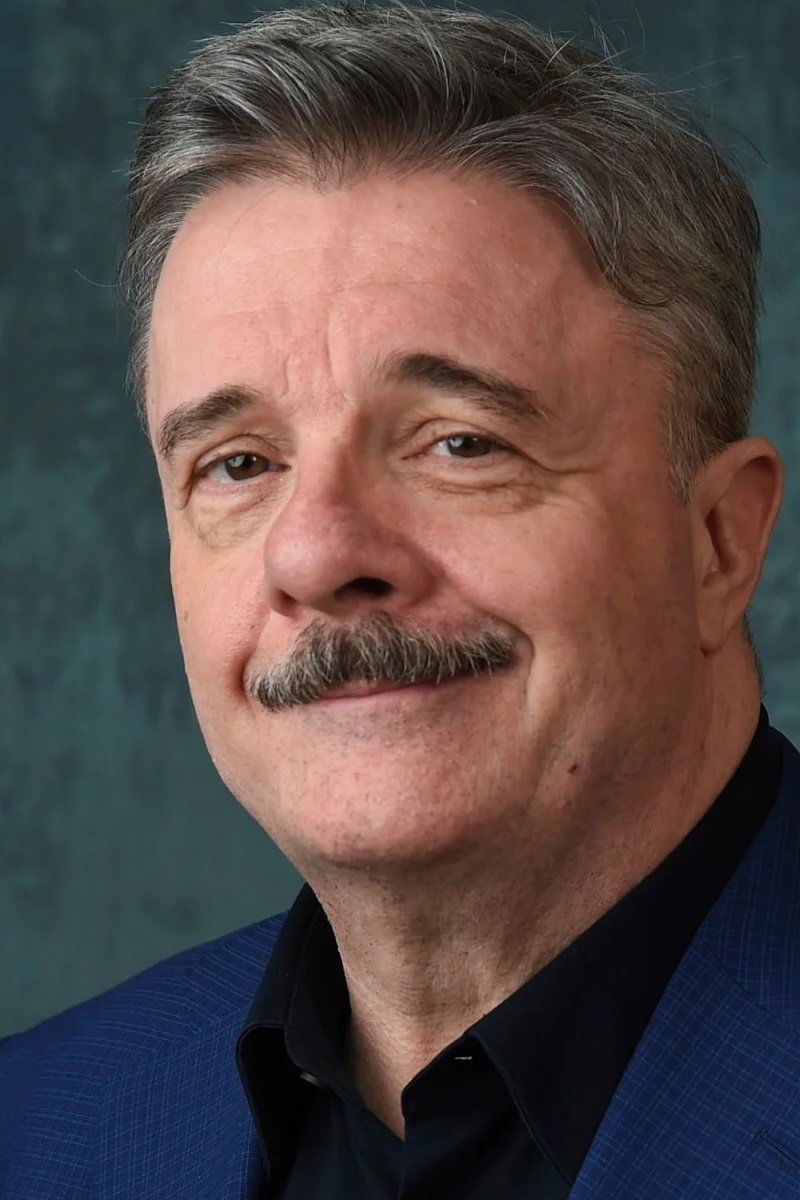
Nathan Lane is a titan of Broadway and film known for his incredible comedic timing. He played a drag queen in ‘The Birdcage’ at a time when he was not yet publicly out to the media. Lane eventually came out and has since married his long-time partner. He seamlessly transitions between musical theater and serious drama. His success proved that an openly gay actor could be a top draw on the Great White Way.
Leslie Jordan

Leslie Jordan was a character actor with a distinct Southern drawl who won an Emmy for his role on ‘Will & Grace’. He was openly gay for most of his career and often played effeminate characters with pride. Jordan found a massive new audience during the pandemic through his viral social media videos. He wrote books and performed one-man shows that chronicled his journey from Tennessee to Hollywood. His joy and positivity made him a beloved figure.
Brad Davis
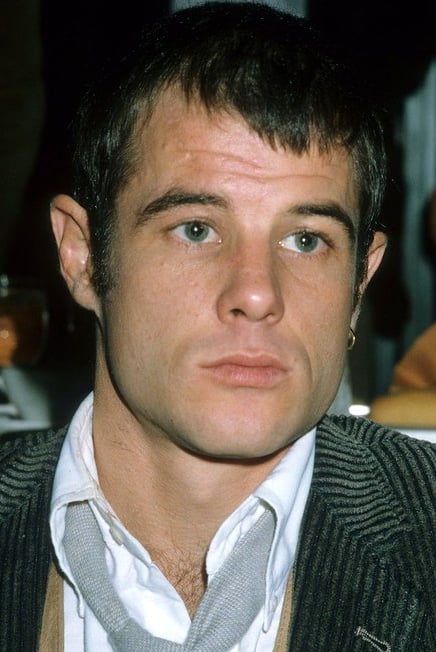
Brad Davis became an overnight sensation with his intense performance in the prison drama ‘Midnight Express’. He was diagnosed with HIV in 1985 and kept his condition a secret to continue working. Davis wrote a memoir before his death that exposed the homophobia and fear within the industry regarding AIDS. He committed assisted suicide to end his suffering on his own terms. His wife became an activist to carry on his legacy.
Please share your thoughts on these trailblazing actors in the comments.