


LGBTQ+ Actresses Who Publicly Apologized for Problematic Past Roles



The landscape of Hollywood is constantly evolving as the industry grapples with the historical lack of authentic representation and problematic casting choices. In recent years, several LGBTQ+ actresses have taken the initiative to reflect on their past work and issue public apologies for roles that were deemed insensitive or exclusionary. These acknowledgments often address issues ranging from whitewashing and the use of fat suits to the decision to work with controversial directors. By speaking out, these performers contribute to a broader conversation about accountability and the future of storytelling in cinema and television.
Sarah Paulson
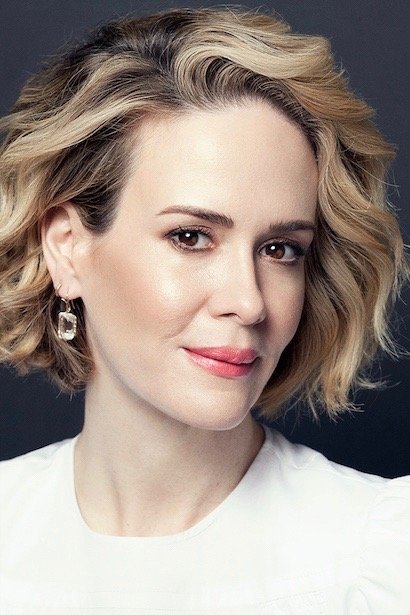
Sarah Paulson faced significant criticism for wearing a fat suit to portray Linda Tripp in the series ‘Impeachment: American Crime Story’. She later admitted that the decision was problematic and that she regretted not considering the impact of her physical transformation more deeply. Paulson acknowledged that fatphobia is a systemic issue in Hollywood and that her role could have been an opportunity for an actor of a different body type. She expressed a firm desire to be more mindful of such casting decisions in her future projects.
Evan Rachel Wood
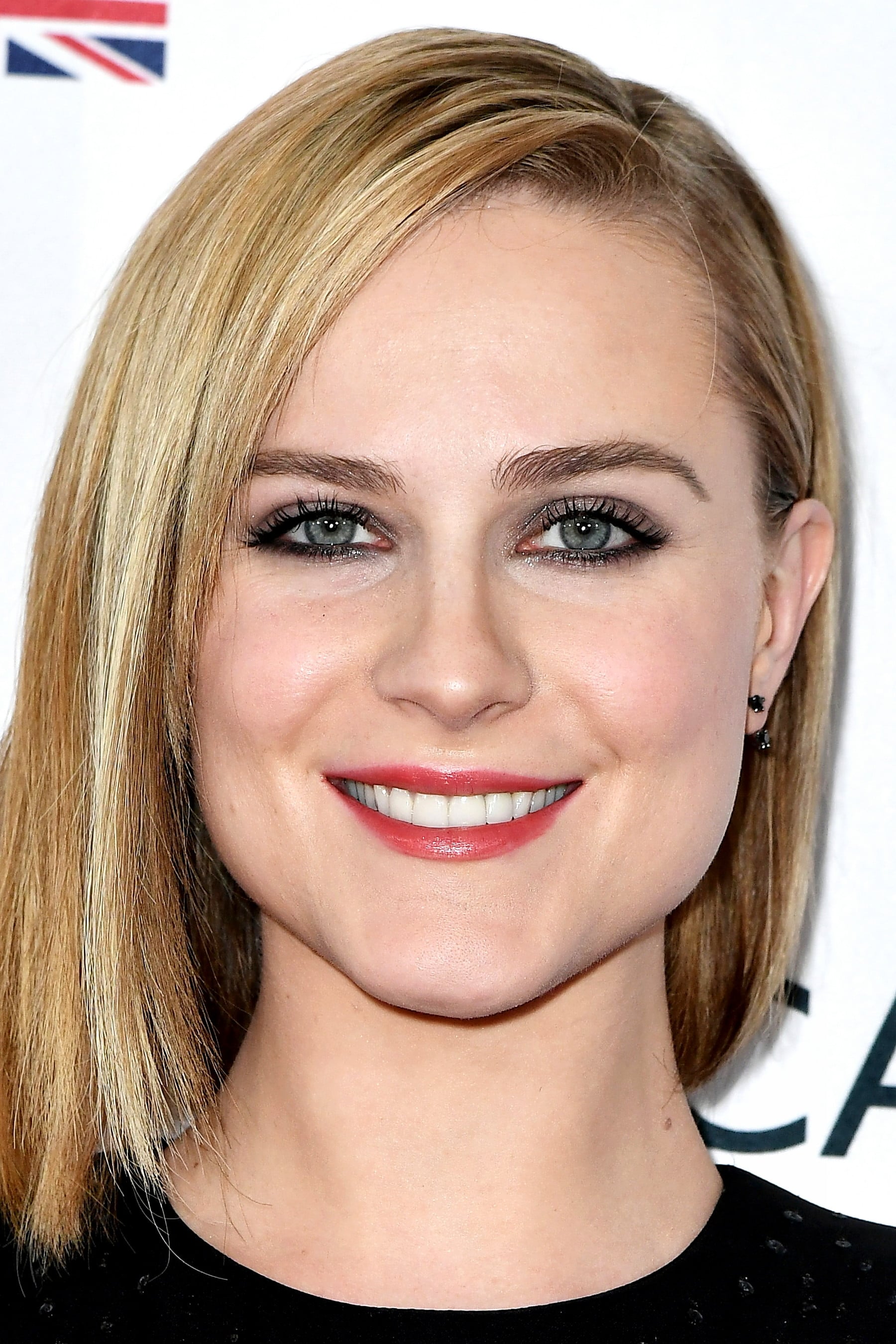
Evan Rachel Wood expressed her regret for starring in the Woody Allen film ‘Whatever Works’. She stated that her understanding of the allegations against the director was incomplete when she accepted the role in 2009. Wood apologized for her participation and has since become a leading figure in the #MeToo movement, advocating for systemic change. She continues to use her platform to promote accountability and transparency for victims of abuse in the arts.
Kristen Stewart

Kristen Stewart addressed the controversy of working with Woody Allen in the 2016 film ‘Café Society’ by acknowledging the moral complexity of the situation. While she initially took the role for the professional opportunity, she later expressed a more regretful stance on the collaboration and its implications. Stewart apologized for any unintended endorsement of the director’s past actions through her involvement in the project. She has since focused her career on working with diverse, socially progressive directors and themes.
Drew Barrymore
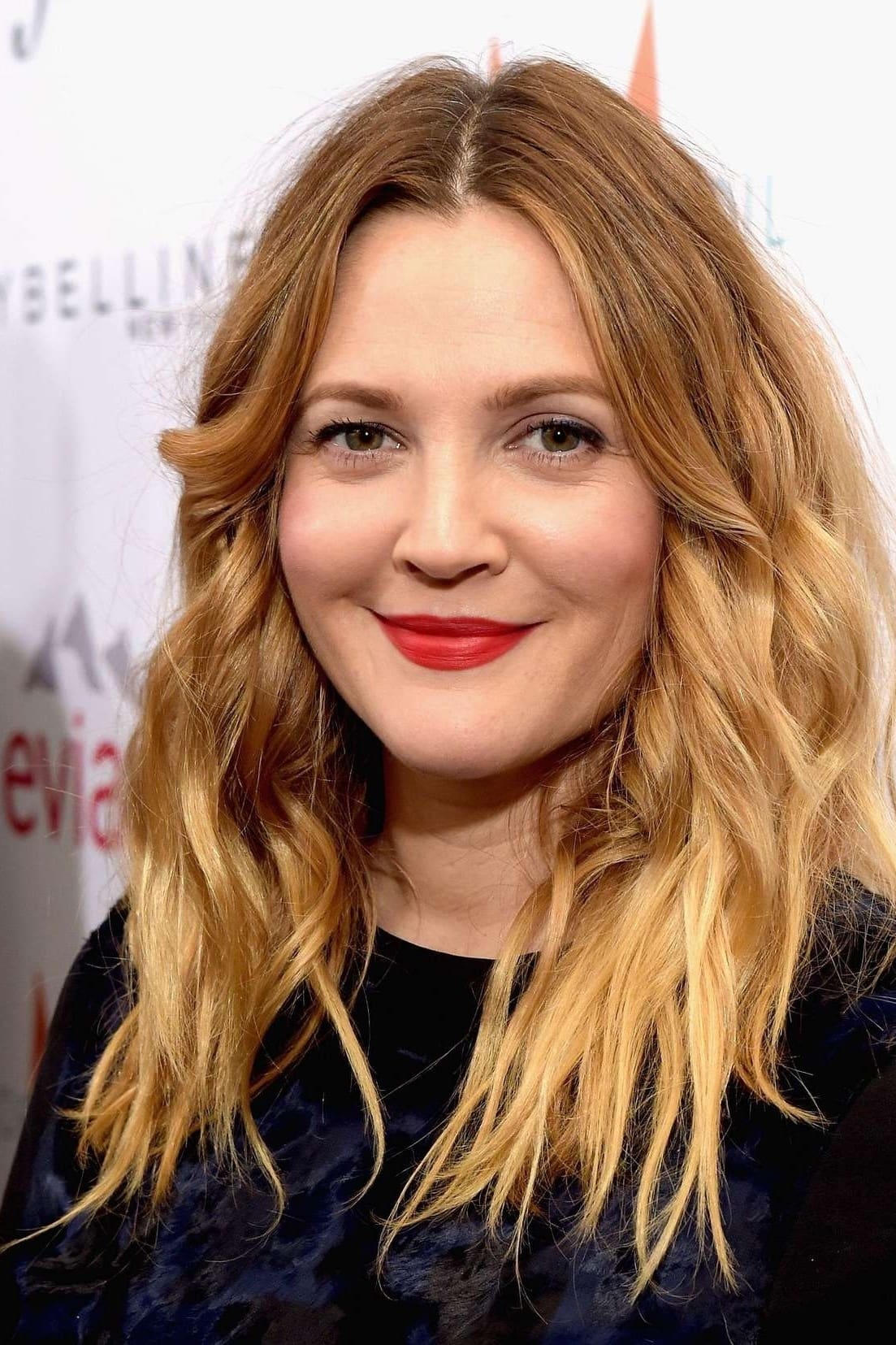
Drew Barrymore publicly apologized for working with Woody Allen on the 1996 film ‘Everyone Says I Love You’ during a segment on her talk show. She noted that she was unaware of the full details surrounding the allegations against him at the time she was cast. Barrymore expressed her support for Dylan Farrow and apologized for any pain her participation may have caused over the years. She joined several other actors who have since distanced themselves from the director’s body of work.
Jameela Jamil
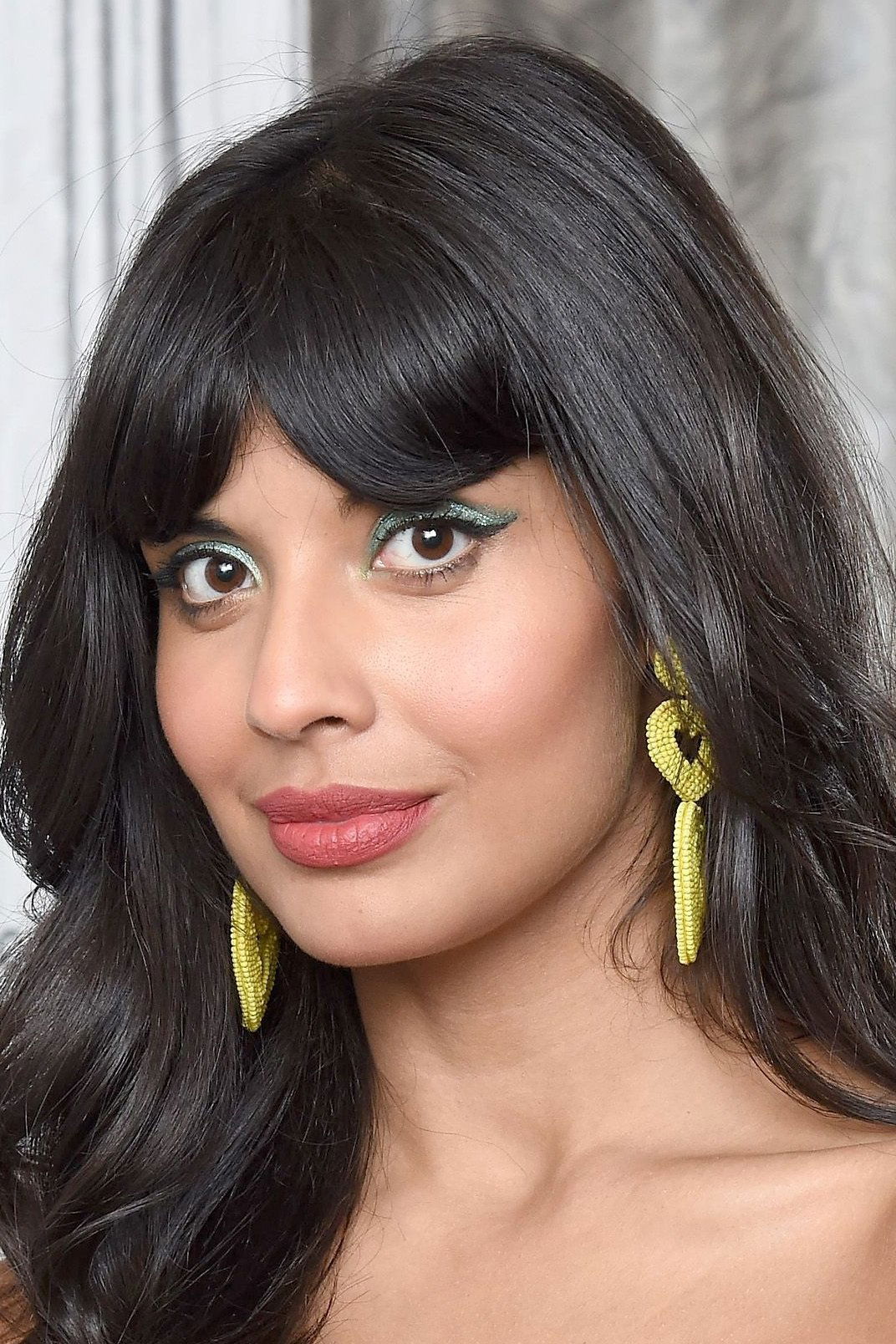
Jameela Jamil issued an apology following the backlash to her casting as a judge on the ballroom competition series ‘Legendary’. Critics felt that a lead position on the show should have gone to a member of the established Black or Latinx LGBTQ+ ballroom community. Jamil used the opportunity to come out as queer and acknowledged that she should have handled the announcement with far more sensitivity. She apologized for taking up space in a community she was not a visible part of at the time.
Sia
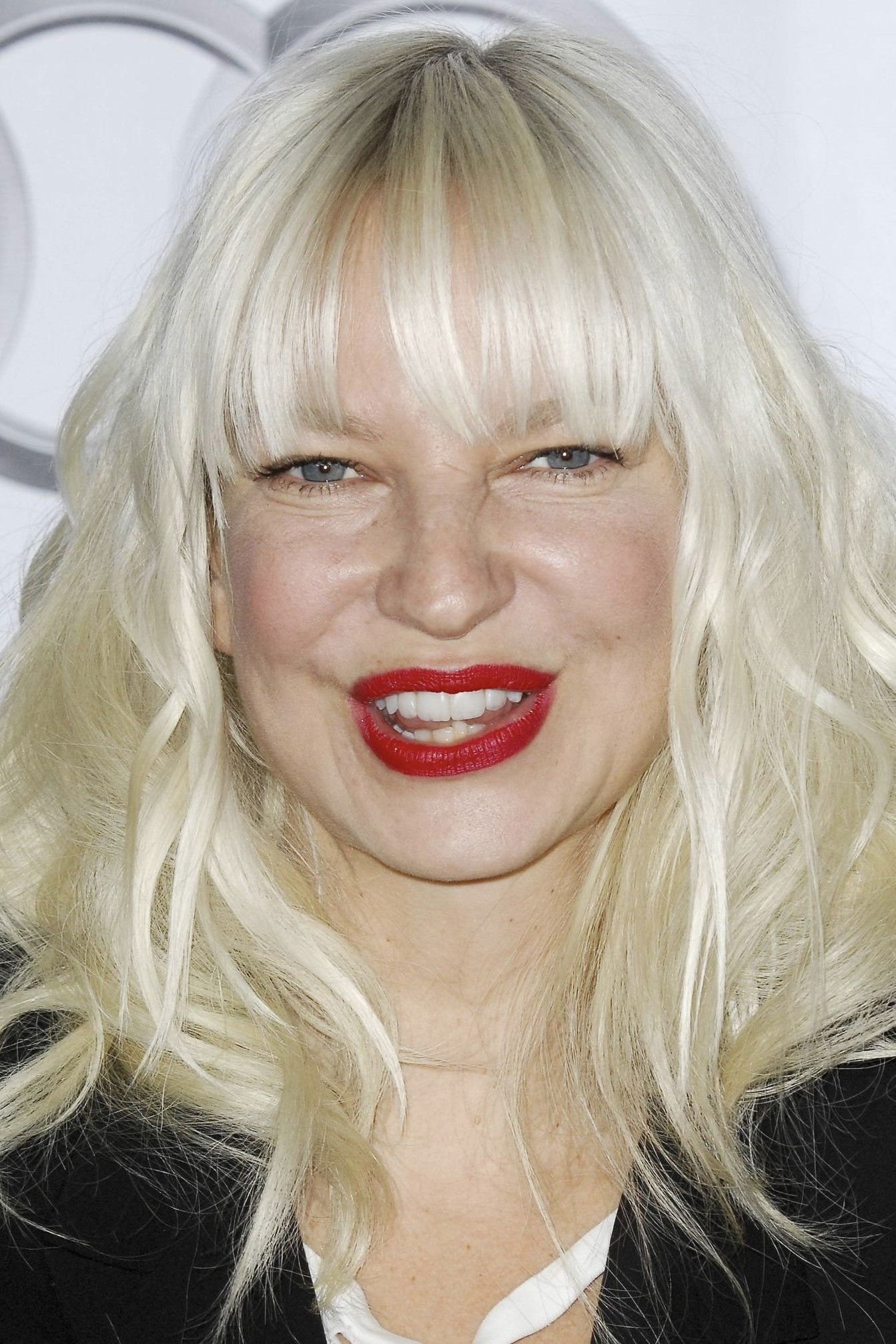
Sia apologized for the depiction of autism in her 2021 film ‘Music’, which featured Maddie Ziegler in the title role. The film was criticized for its use of physical restraints on a neurodivergent character, a practice that is widely considered dangerous and offensive. Sia expressed regret for these specific scenes and promised to remove them from future versions of the movie. She also apologized for her initially defensive reaction to the valid criticism from the neurodivergent community.
Margaret Cho
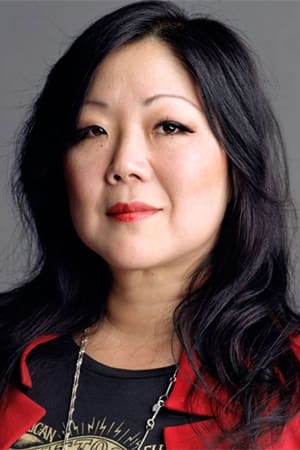
Margaret Cho has been vocal about her regret concerning the stereotypical nature of her 1994 sitcom ‘All-American Girl’. She apologized for not being able to protect the authenticity of her culture against the demands of network executives at the time. Cho described the experience as a painful missed opportunity and noted that the show’s failure was largely due to its lack of genuine representation. She has since dedicated her career to deconstructing those same stereotypes through her stand-up and acting roles.
Jenny Slate
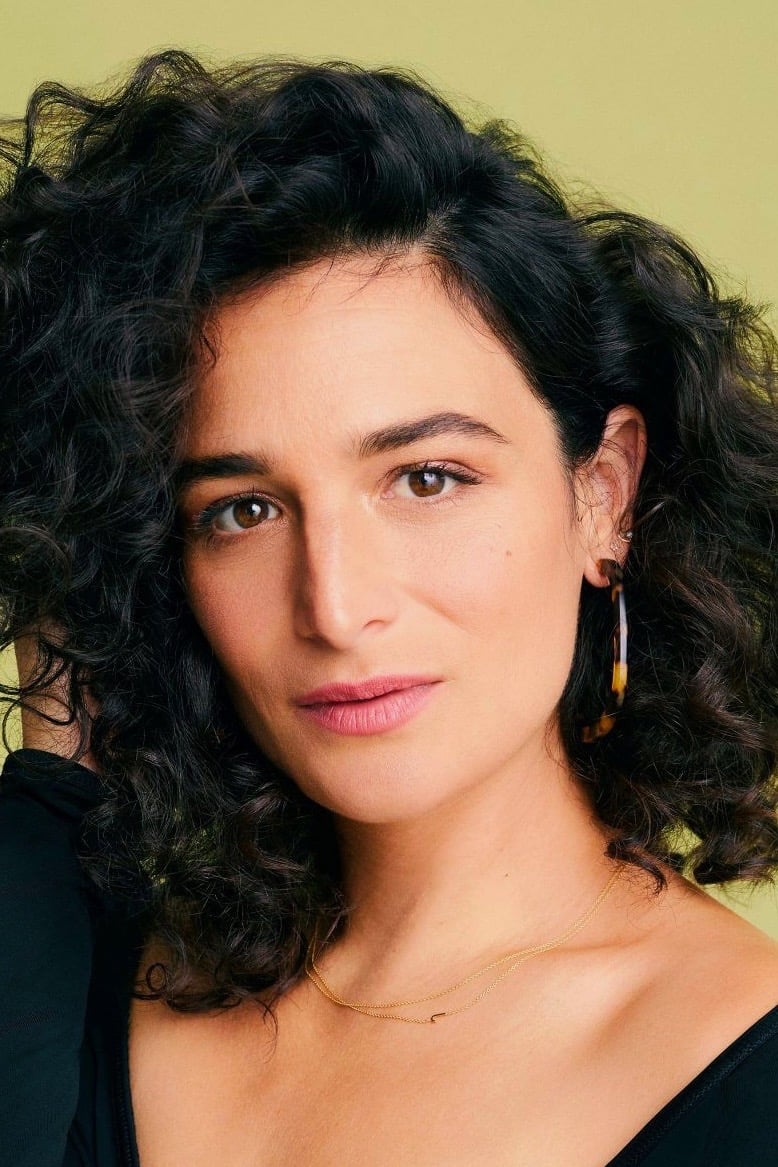
Jenny Slate voiced the biracial character Missy for several seasons of the popular animated comedy ‘Big Mouth’. In 2020, she announced her departure from the role, stating that her casting was a direct example of white privilege. Slate apologized for her original reasoning that she could play the character because the mother was white, admitting it was an act of erasure. She emphasized the importance of Black characters being voiced by Black actors to ensure authentic and respectful representation.
Lena Dunham
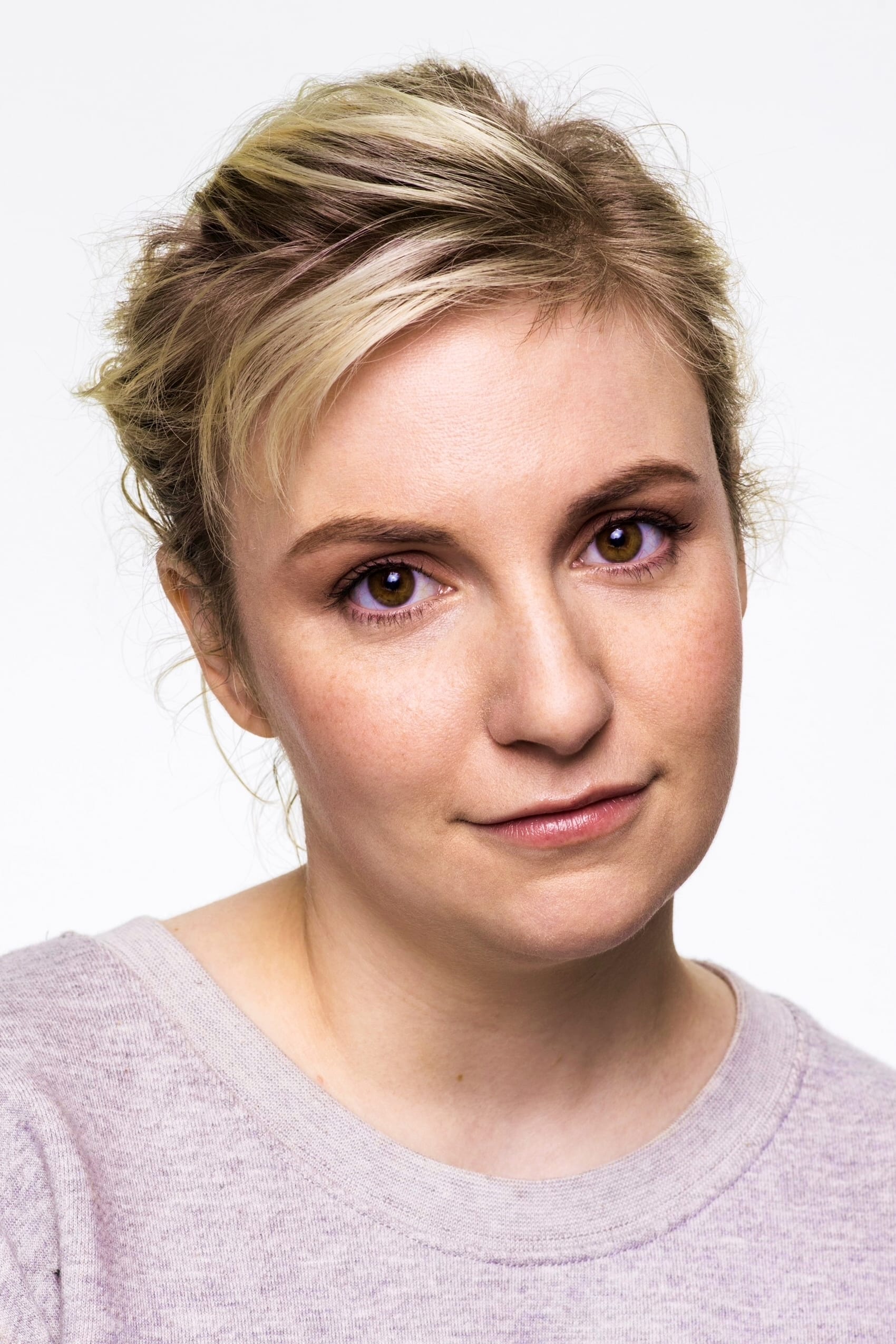
Lena Dunham apologized for the lack of racial diversity in her HBO series ‘Girls’, which depicted a largely white version of New York City. She admitted that her own upbringing and privilege created a significant blind spot that prevented her from seeing the necessity of inclusive casting. The actress and creator stated that she has since learned the importance of intentionality and research in storytelling. She expressed regret that the show did not reflect the multi-cultural reality of the environment it sought to portray.
Amandla Stenberg
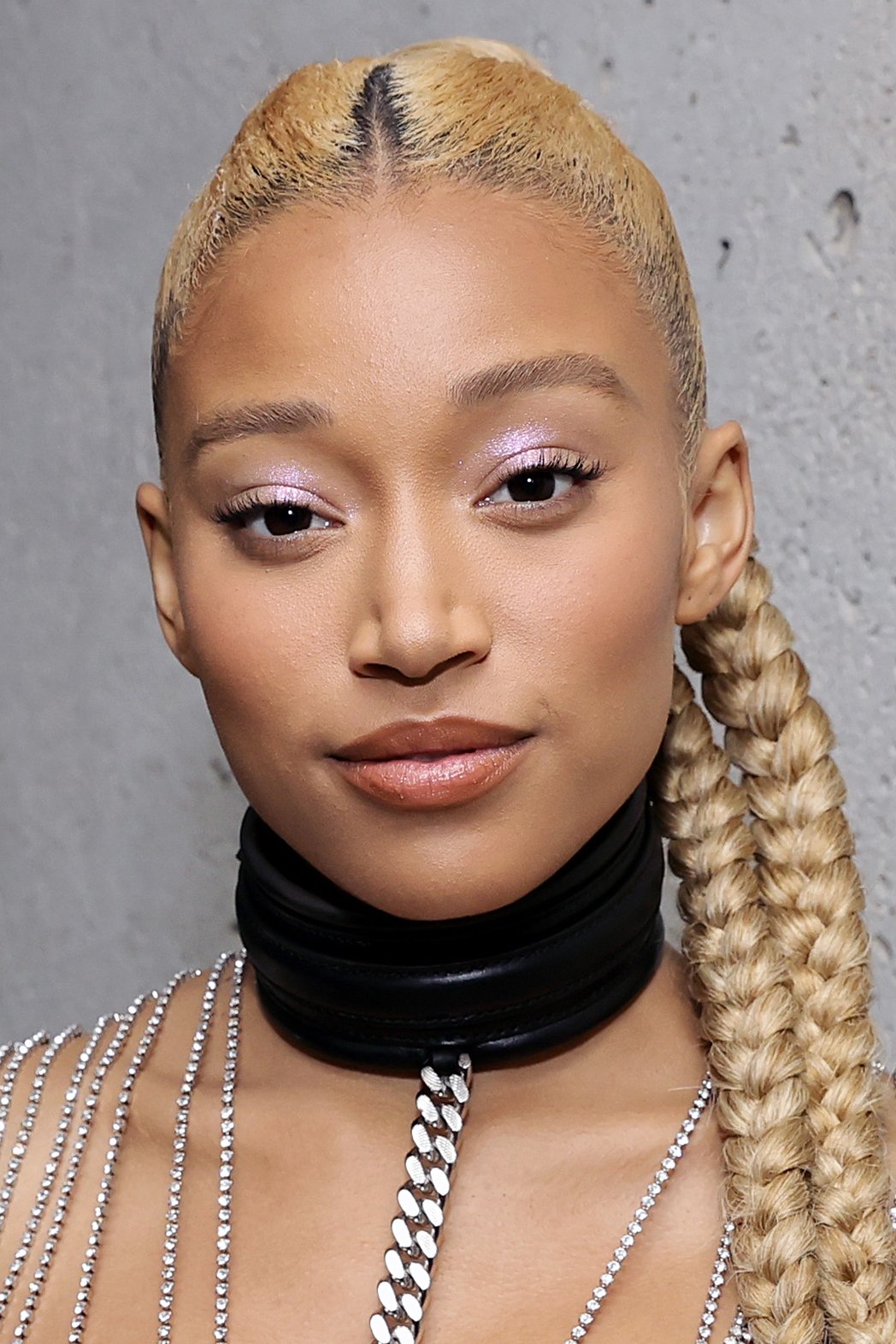
Amandla Stenberg responded to intense criticism regarding the 2018 film ‘Where Hands Touch’, which centered on a romance between a biracial girl and a Nazi. She acknowledged that while the intent was to highlight a forgotten historical group, the execution was perceived as romanticizing a dark and traumatic period. Stenberg apologized for the discomfort and pain the film caused to the communities affected by the Holocaust and systemic racism. She has since been more selective about roles that address sensitive historical themes and narratives.
Share your perspective on how Hollywood should handle the recasting of problematic roles in the comments.