


LGBTQ+ Actresses Who Were Publicly Attacked for Not Being “Queer Enough”

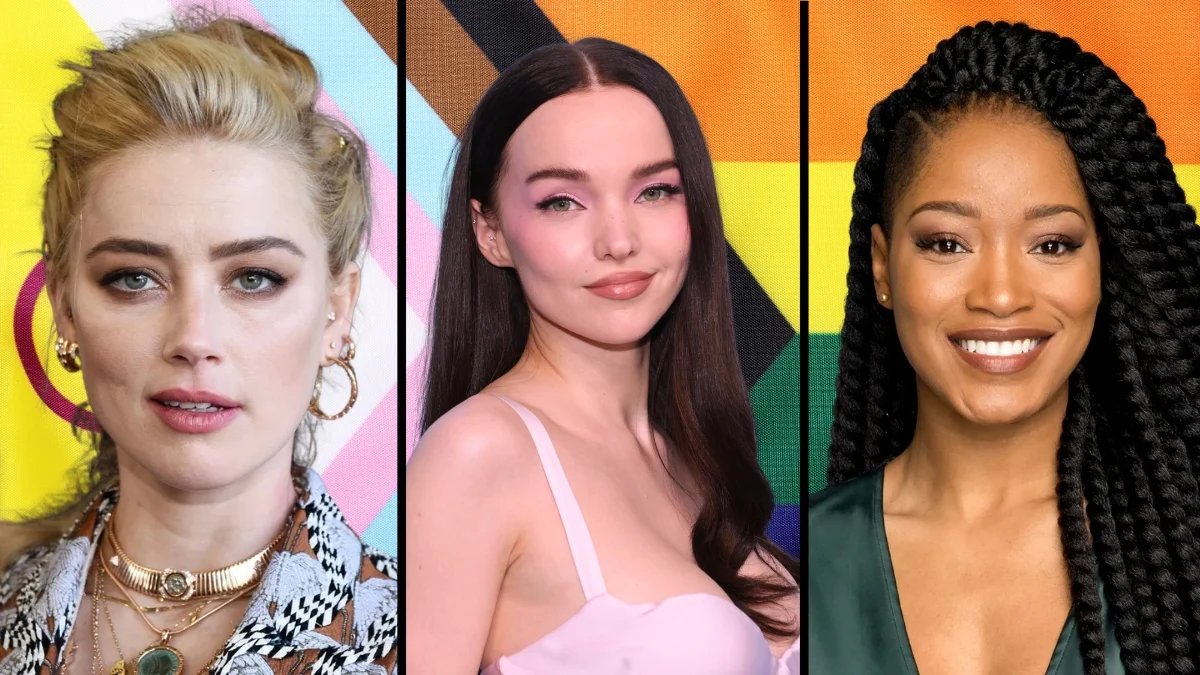


The journey of self-discovery for many Hollywood actresses is often hindered by the intense scrutiny of the public eye. Within the entertainment industry and social media spheres, a culture of gatekeeping frequently targets queer women who do not fit narrow, stereotypical definitions of “queerness.” Many actresses have faced public attacks or accusations of performativity because of their dating history, their choice of labels, or their personal presentation. This environment highlights the persistent challenges of bisexual erasure and the pressure to conform to specific community standards. The following actresses have all spoken out about being criticized for not being “queer enough.”
Amandla Stenberg
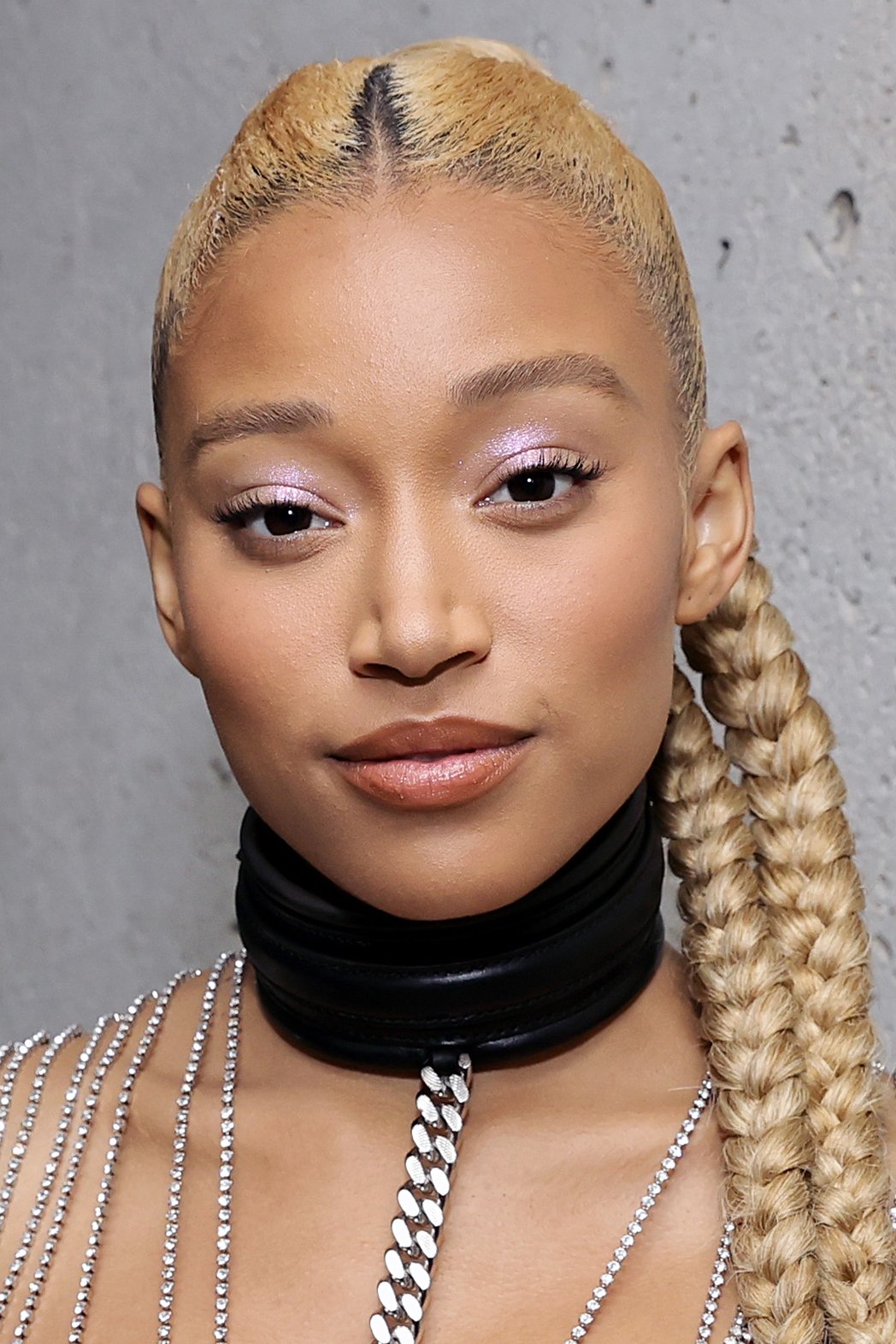
‘The Hate U Give’ star has faced gatekeeping for her evolving labels throughout her career. She initially came out as bisexual and later as a lesbian, which sparked public discourse about the “validity” of her journey. Critics often scrutinized her public appearances and relationships during this personal transition. Stenberg has spoken about how this pressure makes it difficult for young queer people to explore their identities authentically. She remains a prominent voice for intersectionality and representation in Hollywood.
Amber Heard
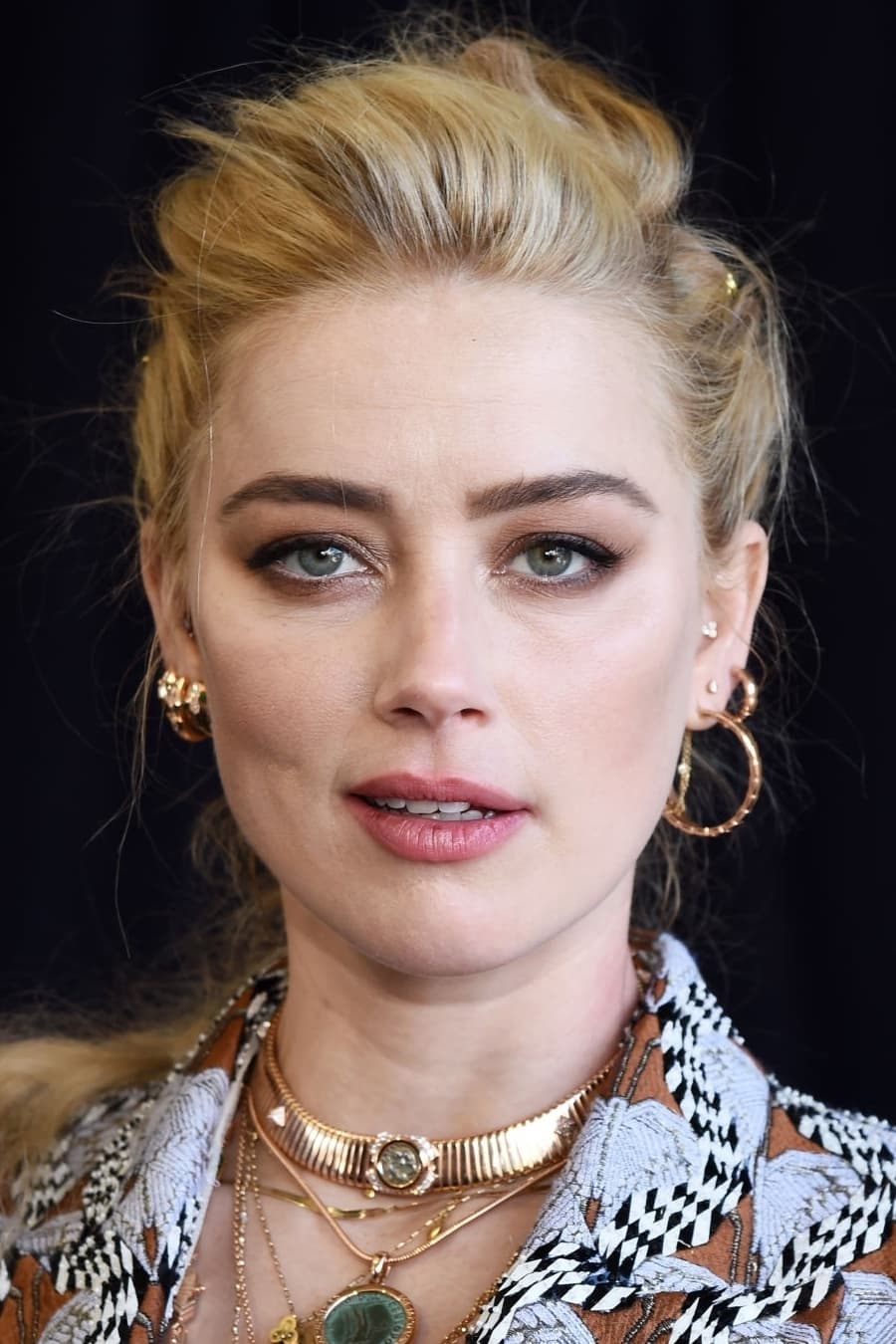
Heard publicly came out as bisexual in 2010 during a ‘GLAAD’ event. When she later married Johnny Depp, her queer identity was often dismissed by both the media and some members of the public as a “phase.” She has spoken out about the erasure that bisexual women face when they are in high-profile heteronormative relationships. Despite the personal and legal turmoil in her life, she has maintained her stance on her orientation. Her career includes major roles in films such as ‘Aquaman’ and ‘The Rum Diary’.
Aubrey Plaza

The ‘Parks and Recreation’ actress came out as bisexual in 2016 during an interview with ‘The Advocate’. Because of her deadpan humor and “ironic” public persona, some critics initially questioned if she was being serious. She has faced comments suggesting her queerness is part of her “quirky” brand rather than a legitimate lived reality. Plaza has largely ignored these critiques, continuing to play complex characters in films like ‘Emily the Criminal’. She remains one of the most visible bisexual women in the modern entertainment industry.
Bella Thorne
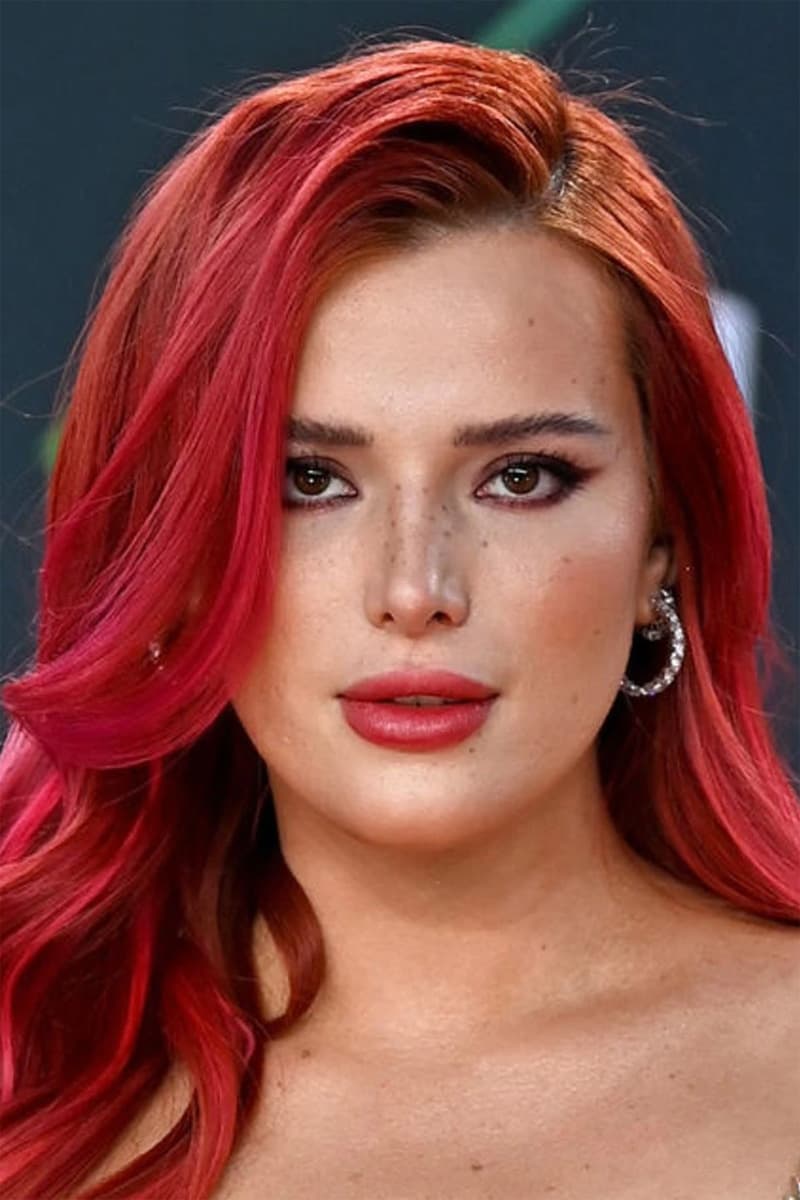
Thorne came out as bisexual in 2016 and later pansexual in 2019 during a segment on ‘Good Morning America’. She has been a frequent target of gatekeeping due to her unconventional public image and dating history. Some critics have accused her of using her sexuality for attention, an allegation she has firmly denied in several interviews. She continues to advocate for the rights of pansexual individuals who feel misunderstood by the mainstream. Her diverse body of work includes ‘Shake It Up’ and ‘The Babysitter’.
Cara Delevingne
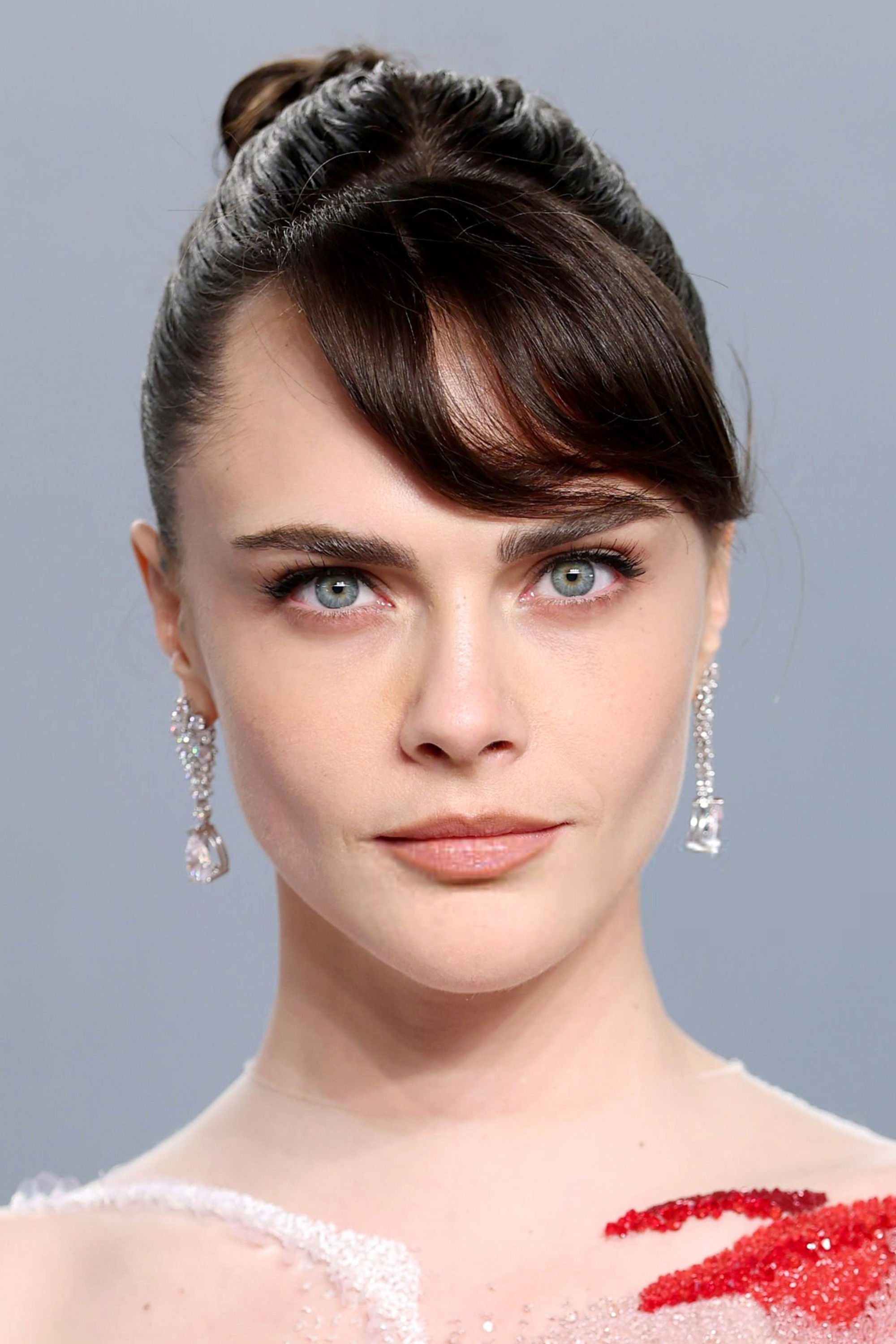
The ‘Carnival Row’ star has been open about her pansexuality and her experience with gender fluidity. She has faced backlash for her high-profile relationships with men, with some critics claiming she is “backsliding” from her queer identity. Delevingne has been vocal about the fact that her attraction is not limited by gender and should not be policed by the public. She has often expressed frustration with the industry’s constant need to put her in a specific box. Her career spans modeling and major films like ‘Suicide Squad’.
Cynthia Nixon
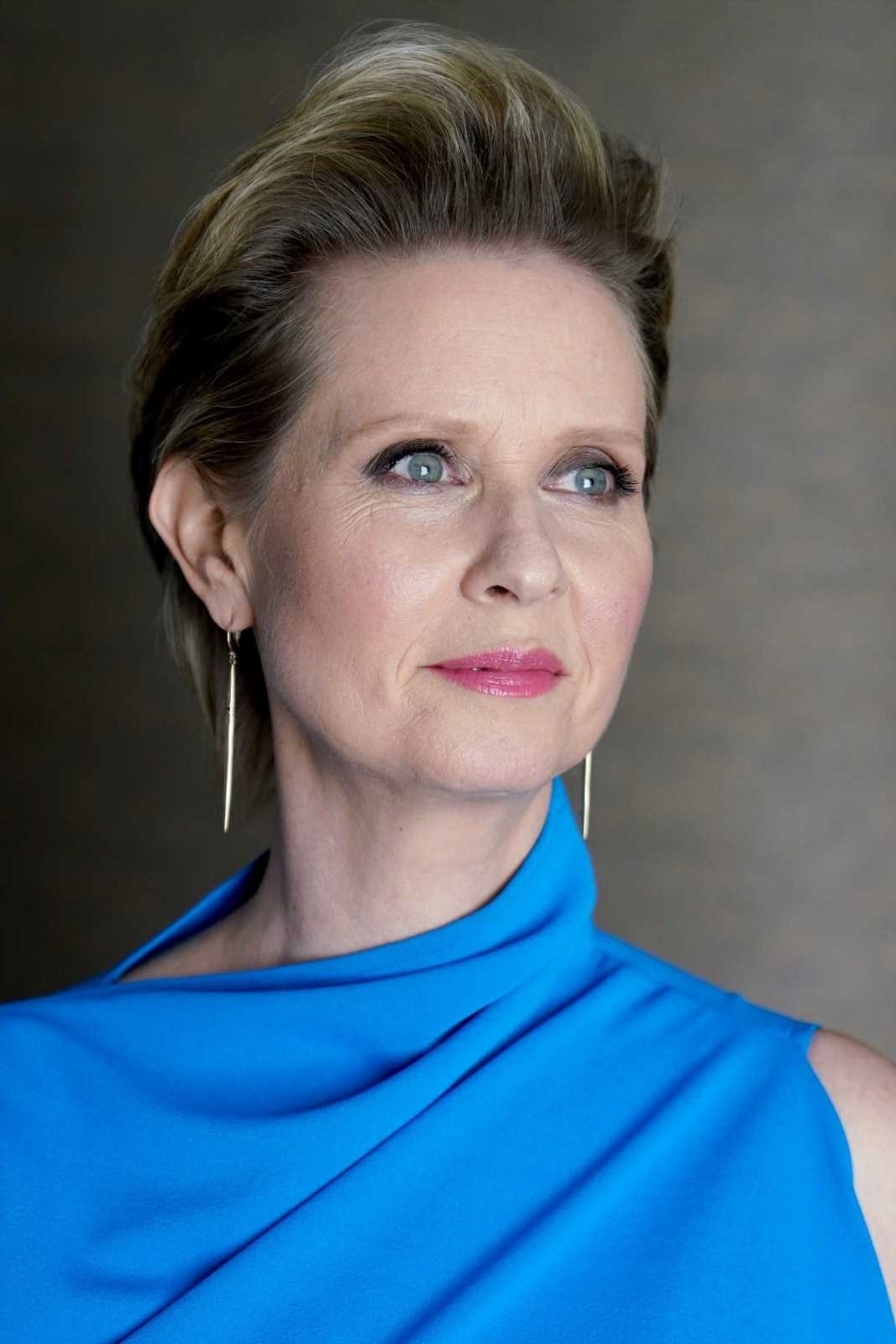
Nixon, a lead in ‘And Just Like That…’, faced significant backlash in 2012 for saying her sexuality was a “choice.” This comment sparked a massive debate within the LGBTQ+ community, where many felt it validated harmful conversion therapy arguments. Nixon later clarified that while her attraction felt like a choice for her personally, she understood it was innate for others. She has since used her platform to advocate for marriage equality and trans rights. She remains a powerful figure in both entertainment and New York politics.
Demi Lovato

Lovato, who appeared in ‘Glee’, has been open about her journey with her gender identity and sexuality. She has faced criticism for the way she navigated her coming out process in her various documentary projects. Some members of the community have attacked her for changing her labels or for her past relationships with men. Lovato has responded by stating that her identity is fluid and constantly evolving over time. She continues to be a major advocate for mental health and LGBTQ+ visibility through her art and activism.
Dove Cameron
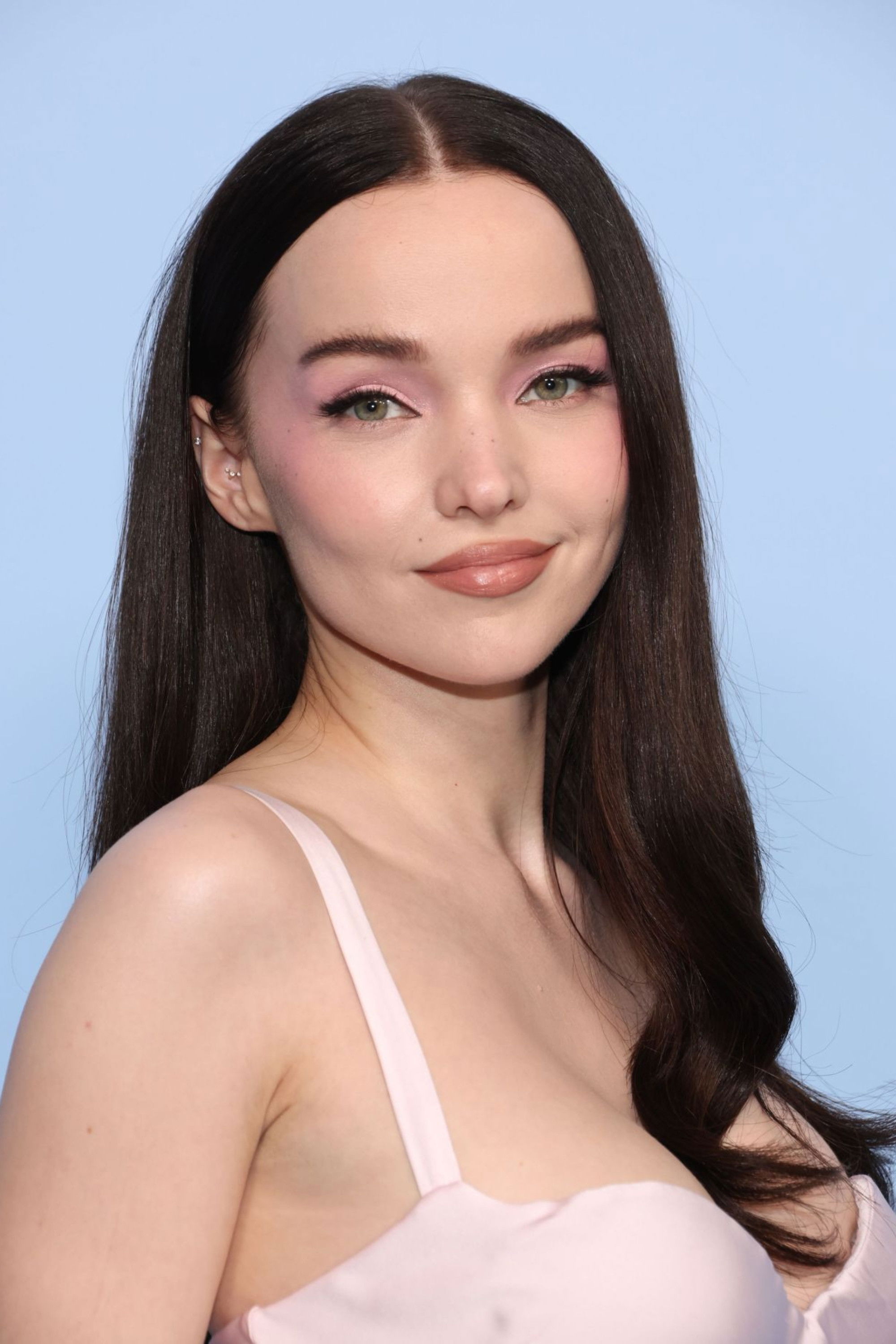
The ‘Schmigadoon!’ star faced intense “queer-baiting” accusations before officially coming out to the public in 2020. Even after coming out, she has dealt with skeptics who claim she only did so to gain career relevance. Cameron has spoken to ‘Gay Times’ about the anxiety this public scrutiny and gatekeeping caused her early on. She has since embraced her identity fully, often incorporating queer themes into her music and her role in ‘Descendants’. Her career continues to thrive as she remains committed to transparency regarding her journey.
Evan Rachel Wood
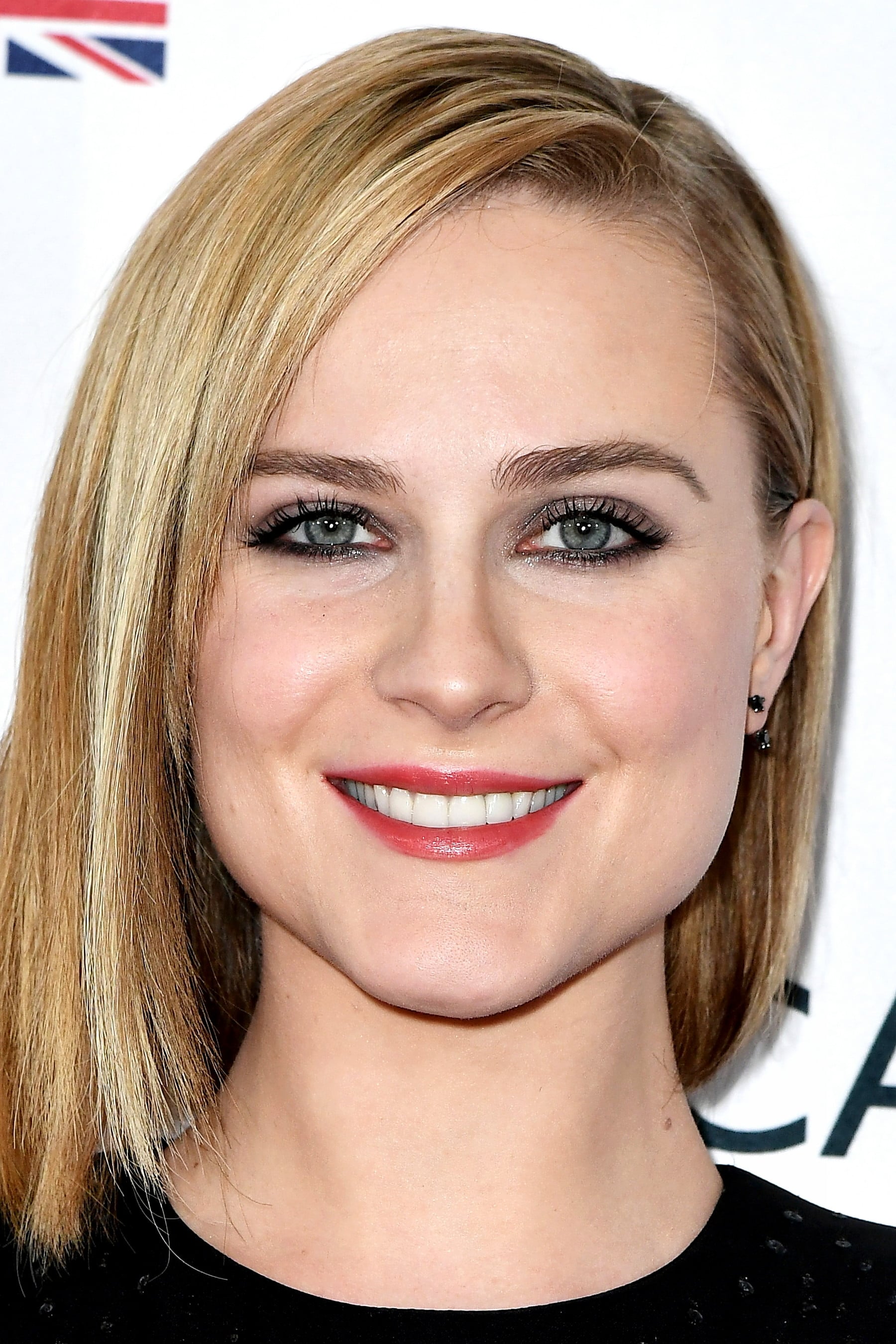
Wood has been a vocal bisexual advocate since coming out in 2011. The ‘Westworld’ actress has frequently called out “bi-phobia” and erasure from within the queer community itself. She has been publicly attacked for her “straight-passing” relationships, which critics claim make her “less queer” than those in same-sex partnerships. Wood has used social media to educate followers on why these assumptions are harmful to bisexual people. She remains a dedicated activist for domestic violence survivors and LGBTQ+ rights.
Halsey
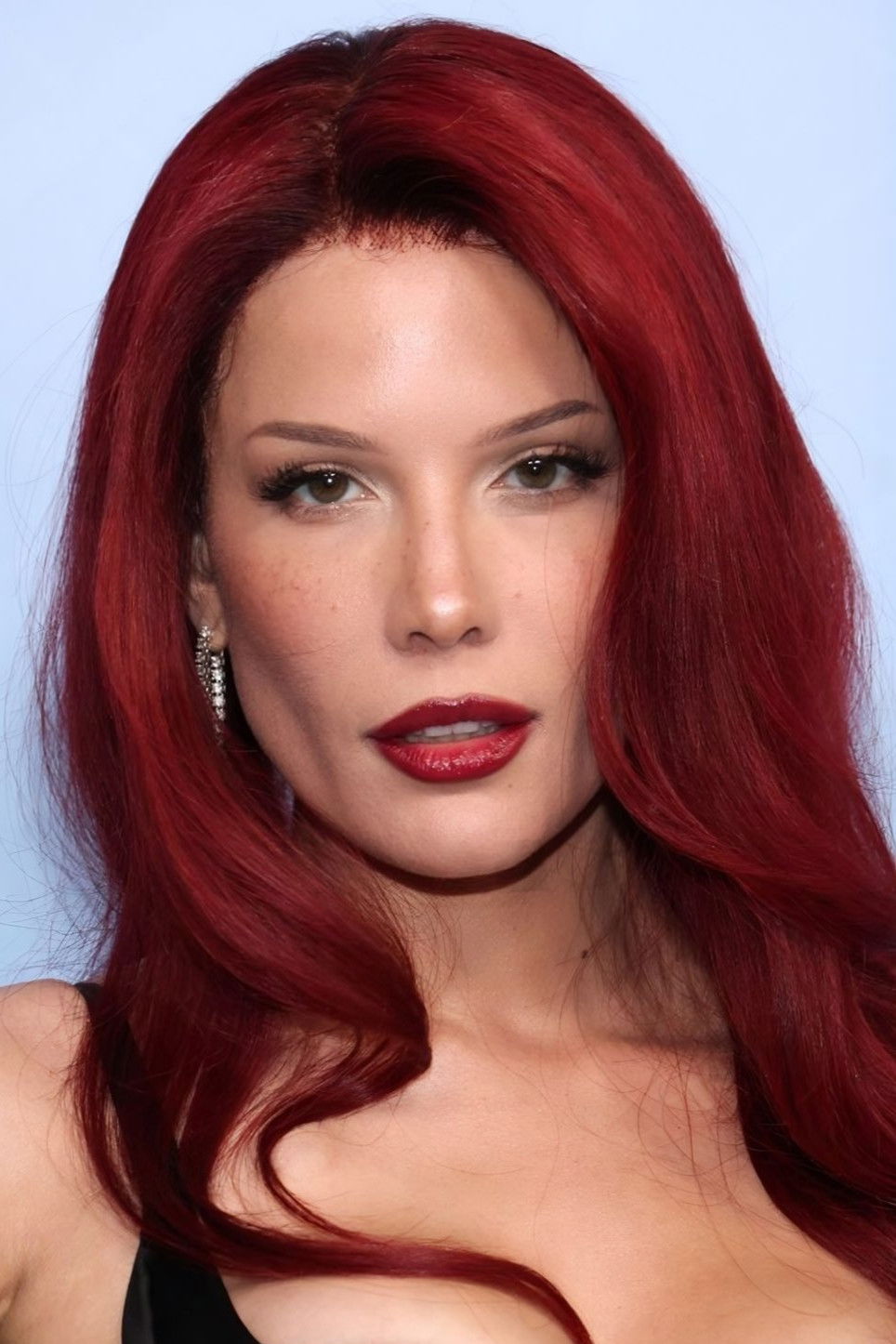
Although primarily a musician, Halsey has acted in films such as ‘MaXXXine’ and ‘A Star Is Born’. She has frequently been the target of “queer-baiting” accusations despite being out as bisexual for many years. Critics often point to her relationships with men as evidence that she is not “truly” part of the community. Halsey has used her platform to clap back at these critics, asserting that her queerness is not defined by her current partner. She continues to be a major voice for bisexual representation in both music and film.
Jojo Siwa
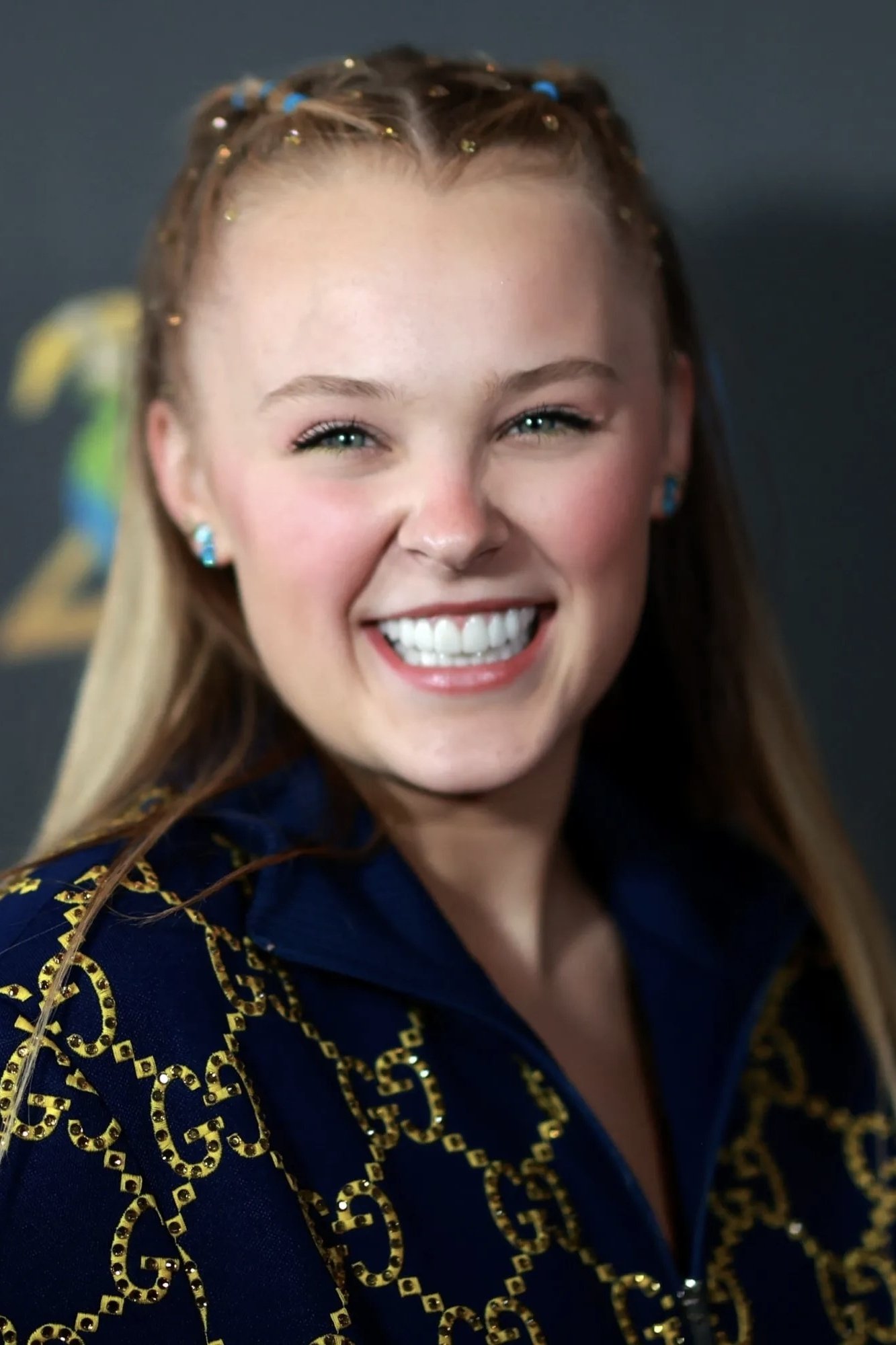
The ‘The J Team’ star faced a significant wave of criticism following her aesthetic “rebrand” in 2024. Some critics argued that her style changes were performative and didn’t align with the history of lesbian culture. She was accused by some of being “too new” to the community to claim certain labels or artistic styles. Siwa has defended her right to evolve and express her identity in her own way regardless of outside expectations. She remains a polarizing but highly visible figure for younger queer generations.
Keke Palmer

Palmer, who starred in ‘Hustlers’, has spoken about her fluid sexuality in several interviews, including ‘The 85 South Show’. Before being more explicit about her orientation, she was often accused of “queer-baiting” in her music videos. Some critics have attacked her for not using more traditional labels like “lesbian” or “bisexual” to define herself. Palmer has maintained that she prefers to live without labels and loves who she loves. She continues to be one of Hollywood’s most versatile and beloved actresses.
Kristen Stewart
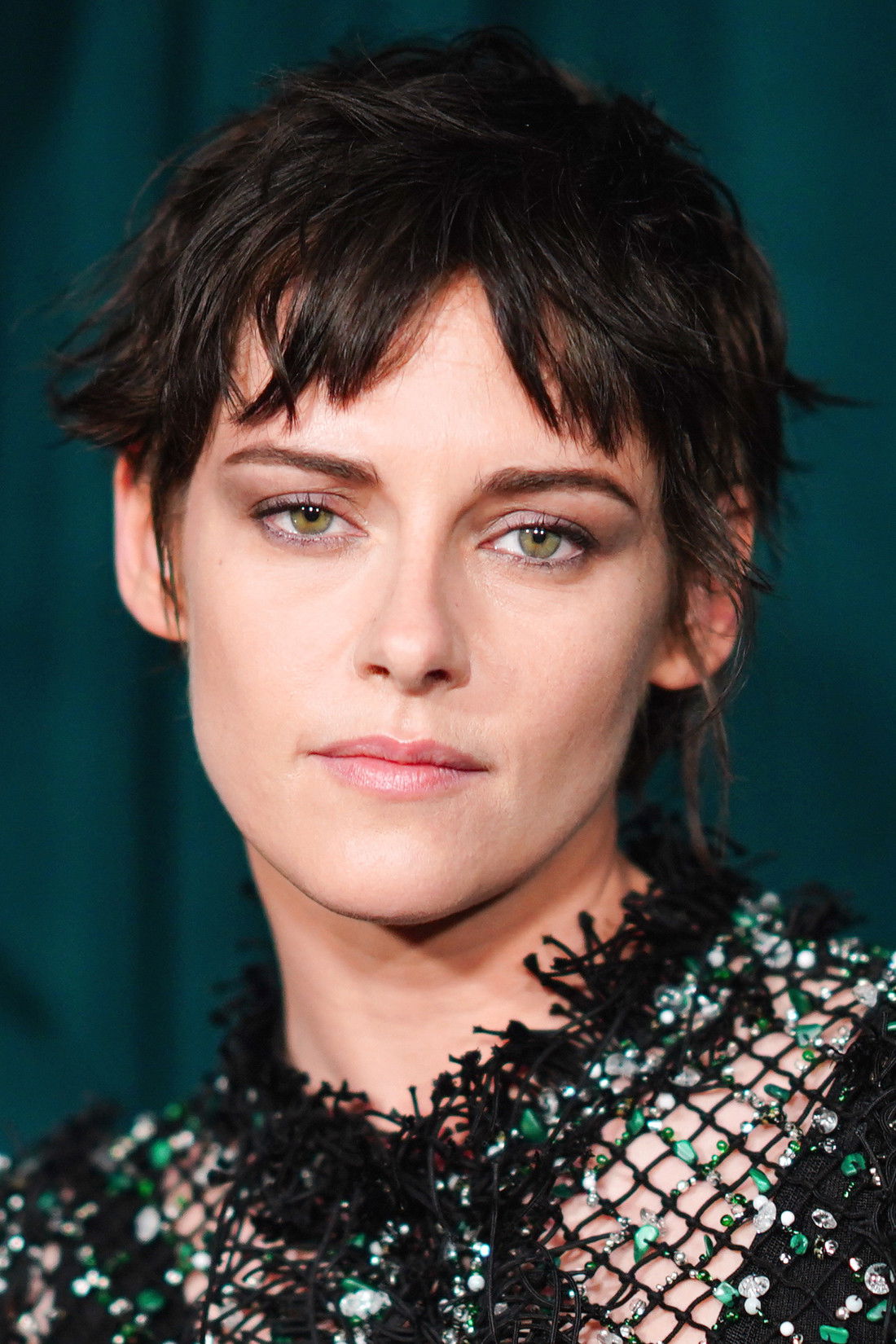
The ‘Spencer’ actress was criticized early in her career for refusing to label her sexuality to the press. Some activists felt she was “hiding” and not doing enough for community visibility despite her public relationships with women. Stewart later addressed this, explaining that she wanted to protect her privacy while still figuring herself out. Since then, she has become an iconic figure in queer cinema and is often more vocal about her identity. She continues to lead major projects like ‘Crimes of the Future’.
Reneé Rapp
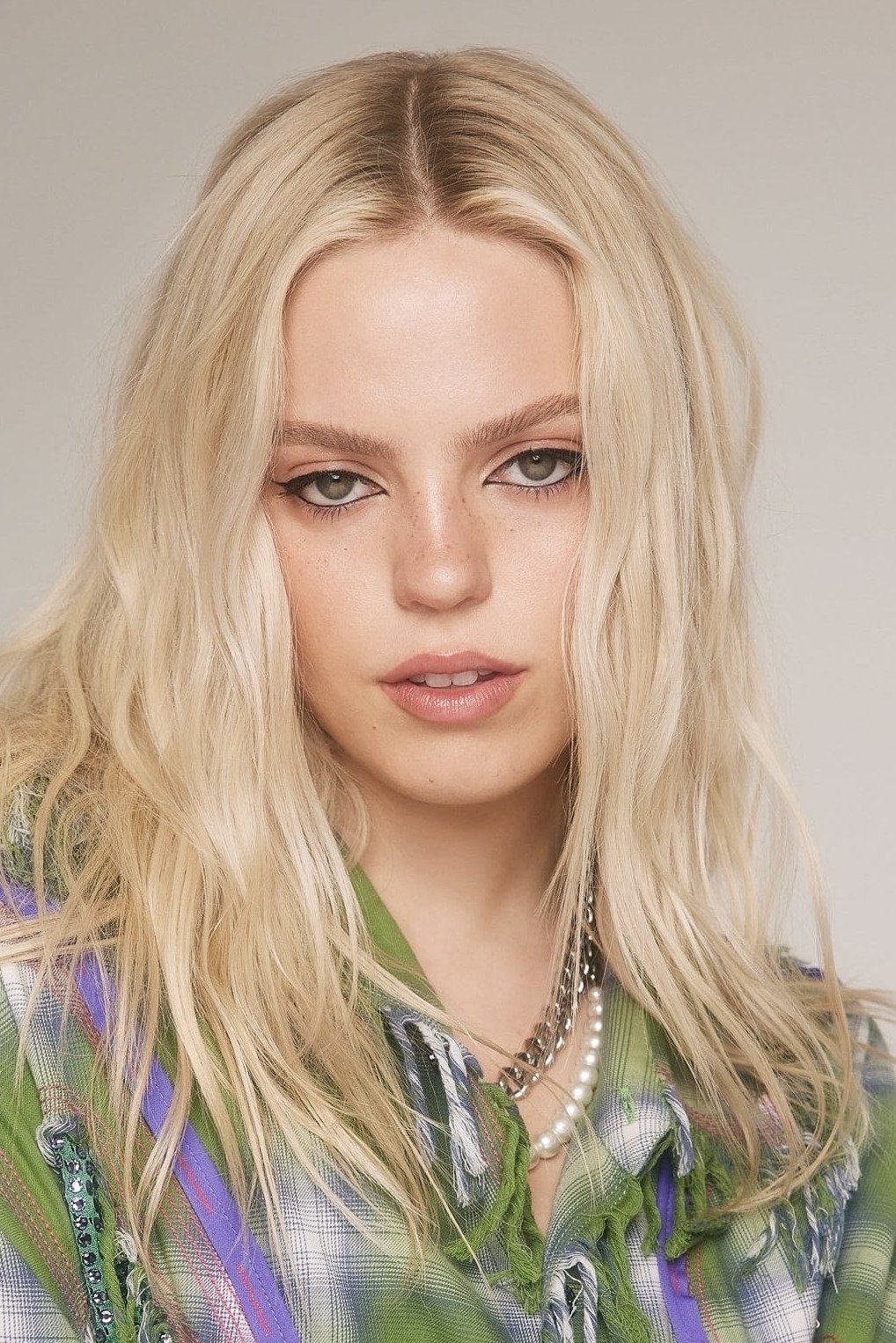
Rapp, who stars in the 2024 film ‘Mean Girls’, has faced social media discourse regarding her identity as a lesbian. Some fans and critics have policed her past comments about her attraction to men before she fully identified as a lesbian. This gatekeeping has often manifested as public debates over her “right” to use specific community labels. Rapp has remained unapologetic, frequently discussing her identity in interviews and during her live performances. She is currently one of the most prominent rising stars in the queer community.
Stephanie Beatriz
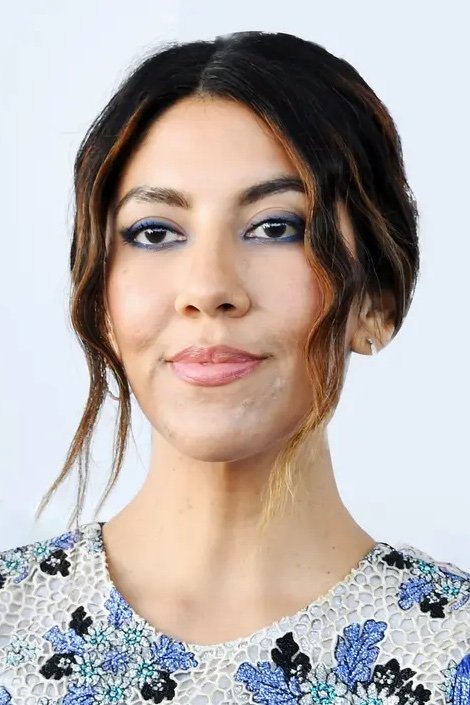
Beatriz, a star of ‘Encanto’, has been a vocal advocate for bisexual visibility since coming out in 2016. She has faced public criticism for her marriage to a man, with some claiming it makes her “straight.” Beatriz has used her platform to explain that bisexuality is not a “transition phase” to being straight or gay. She has often spoken about the isolation that comes from being gatekept by her own community. She continues to represent bisexual characters in her voice and live-action work, such as ‘Brooklyn Nine-Nine’.
Tessa Thompson
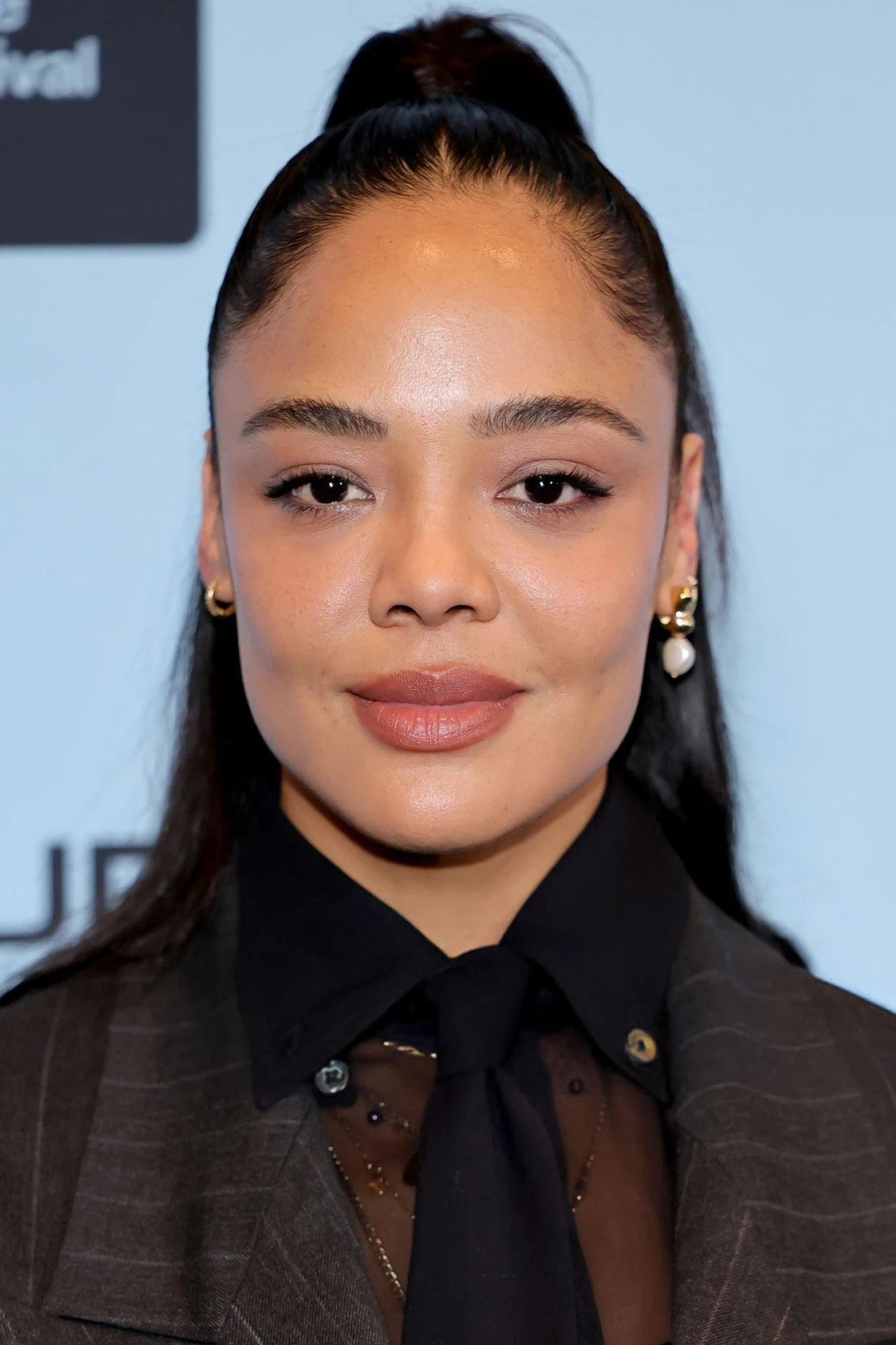
The ‘Passing’ actress has dealt with public speculation regarding her relationship with Janelle Monáe for many years. Critics have often attacked her for not being “explicit enough” about her labels or her private life. Thompson told ‘Net-a-Porter’ that she values her privacy but is open about her attraction to both men and women. She has faced pressure to fit into specific boxes of queerness to satisfy public expectations and media narratives. She remains a leading figure in Hollywood, championing diverse storytelling in projects like ‘Creed’.
Please share your thoughts on the challenges of queer visibility and gatekeeping in the comments.