


LGBTQ+ Celebrities Who Faced Career Obstacles After Challenging Mainstream “Queer” Tropes

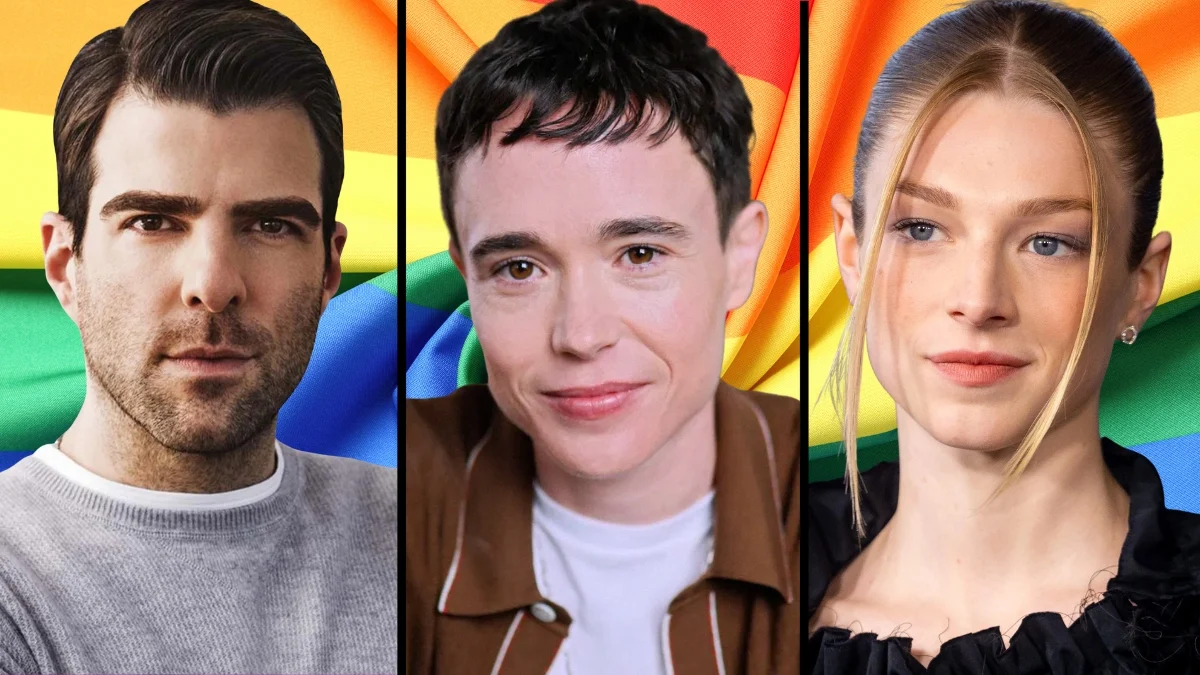


The entertainment industry has long maintained specific expectations for LGBTQ+ performers, often forcing them into narrow archetypal roles or demanding they keep their private lives hidden to maintain marketability. When celebrities challenge these mainstream tropes—whether by refusing to play stereotyped characters or being vocal about their authentic identities—they frequently encounter systemic pushback. From losing major franchise roles to facing media scrutiny for rejecting traditional labels, the journey toward authentic representation has been fraught with professional risks. The following individuals have navigated these complex industry dynamics, often at the cost of their immediate career momentum.
Ellen DeGeneres
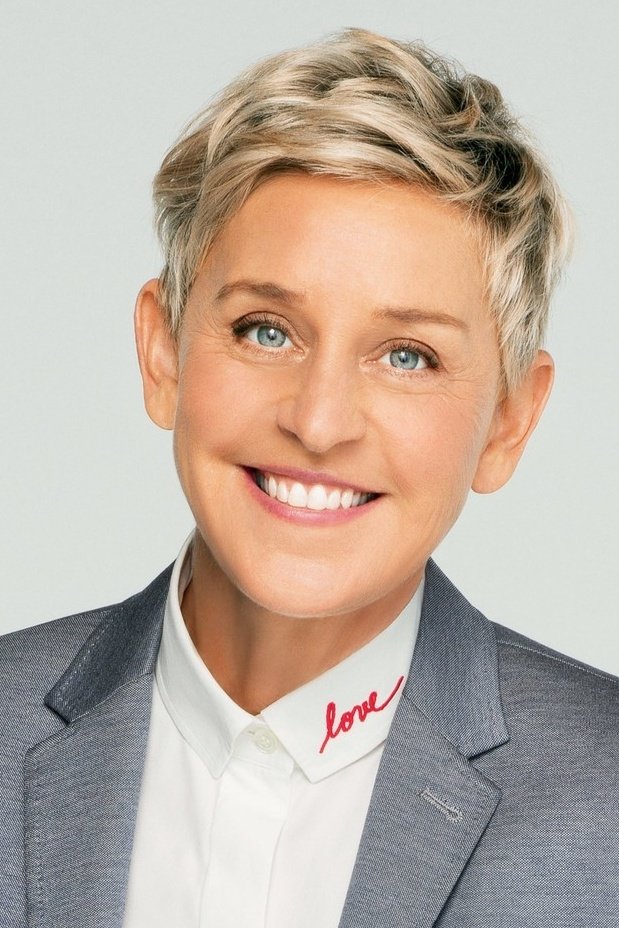
In 1997, Ellen DeGeneres made history by coming out simultaneously in real life and through her character on the sitcom ‘Ellen’. Following the landmark episode titled ‘The Puppy Episode’, the series faced a significant drop in advertising revenue and was eventually canceled. DeGeneres has stated in various interviews that her career stalled for several years as Hollywood was hesitant to cast her in new projects. It took the eventual success of ‘The Ellen DeGeneres Show’ in 2003 for her to regain mainstream prominence. Her experience remains a primary example of the professional consequences faced by queer performers in the late 1990s.
Matt Bomer
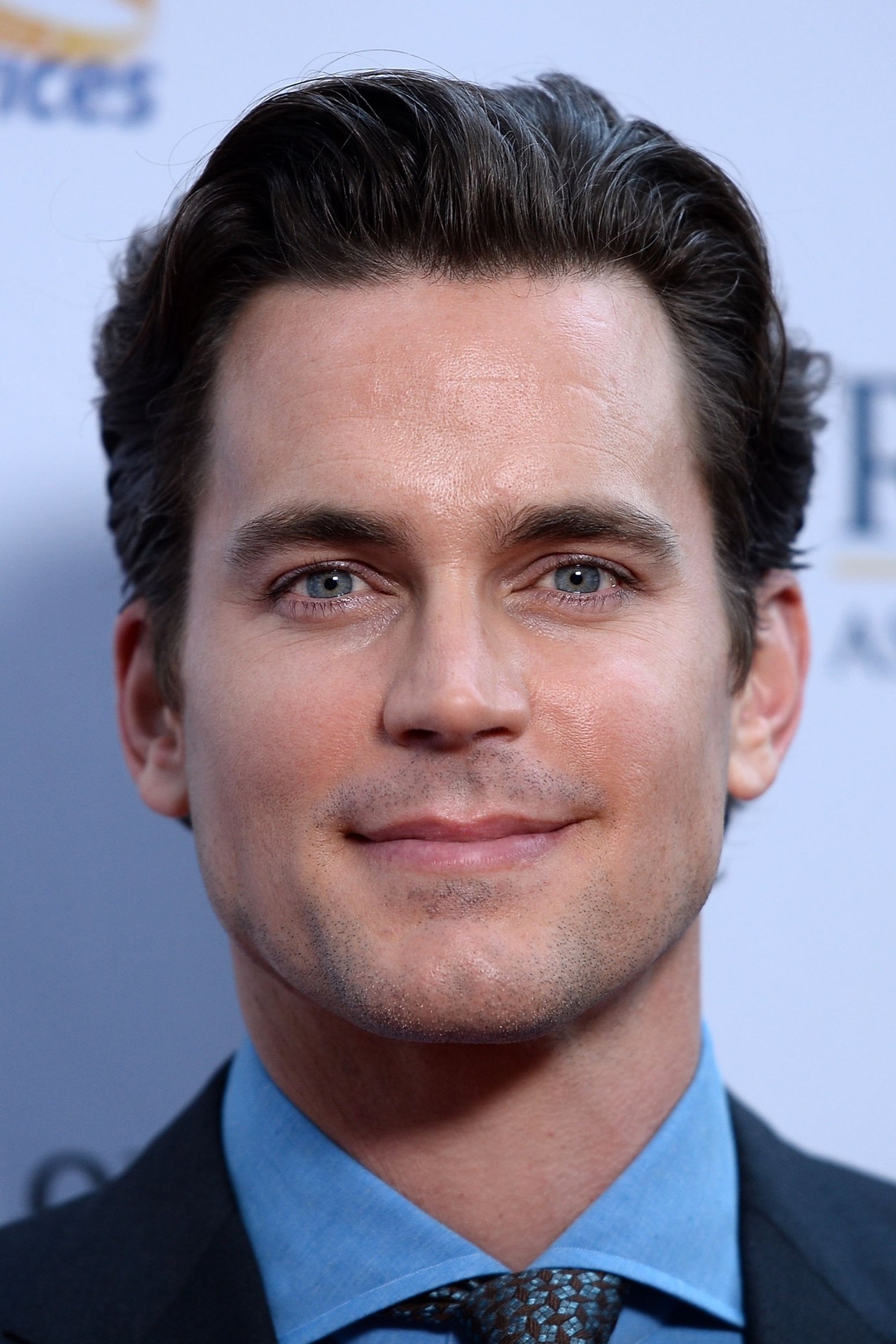
Matt Bomer has openly discussed how his sexual orientation impacted his early career prospects, particularly regarding leading man tropes. Reports indicate that Bomer was a top contender for the lead role in ‘Superman: Flyby’, a project written by J.J. Abrams that was never produced. Director Brett Ratner later confirmed that Bomer’s sexuality was a factor in the casting decision made by the studio. Despite this hurdle, Bomer found success in ‘White Collar’, though he has remained vocal about the limitations placed on out actors in the action genre. He continues to challenge industry norms by taking complex roles that span the spectrum of identity.
Elliot Page
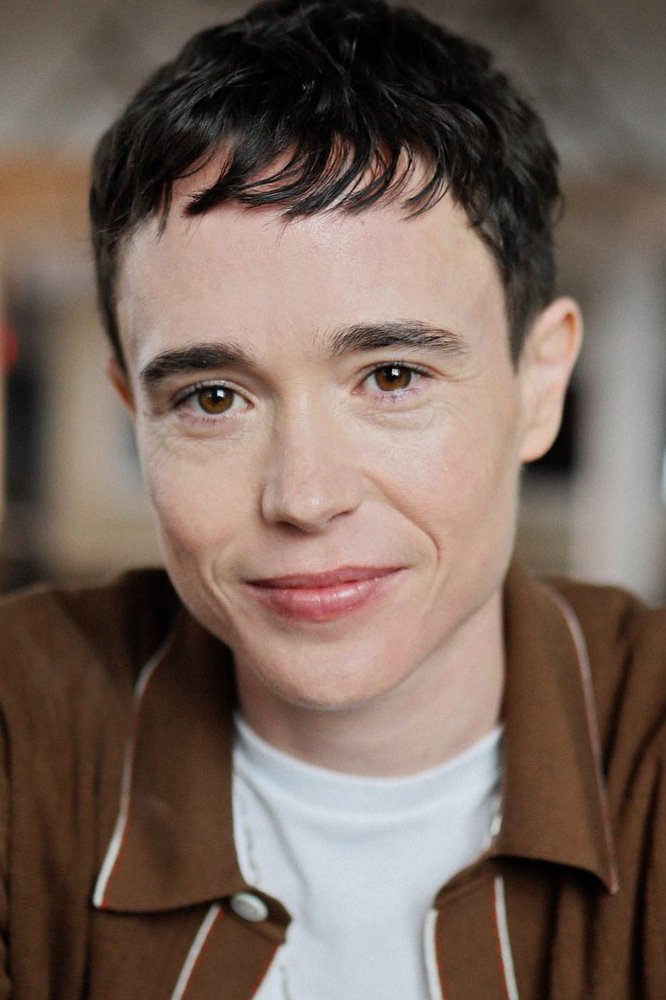
After coming out as a trans man in 2020, Elliot Page transitioned his career away from the female-coded roles that had defined his early success in films like ‘Juno’. Page has detailed the intense pressure he felt to conform to feminine tropes during red-carpet appearances and promotional tours earlier in his career. While he has continued to star in ‘The Umbrella Academy’, the transition required a significant narrative adjustment for his character, Viktor Hargreeves. Page has used his platform to highlight how the industry often struggles to provide diverse opportunities for trans performers. His memoir, ‘Pageboy’, further chronicles the obstacles he faced while navigating Hollywood’s rigid gender expectations.
Kristen Stewart
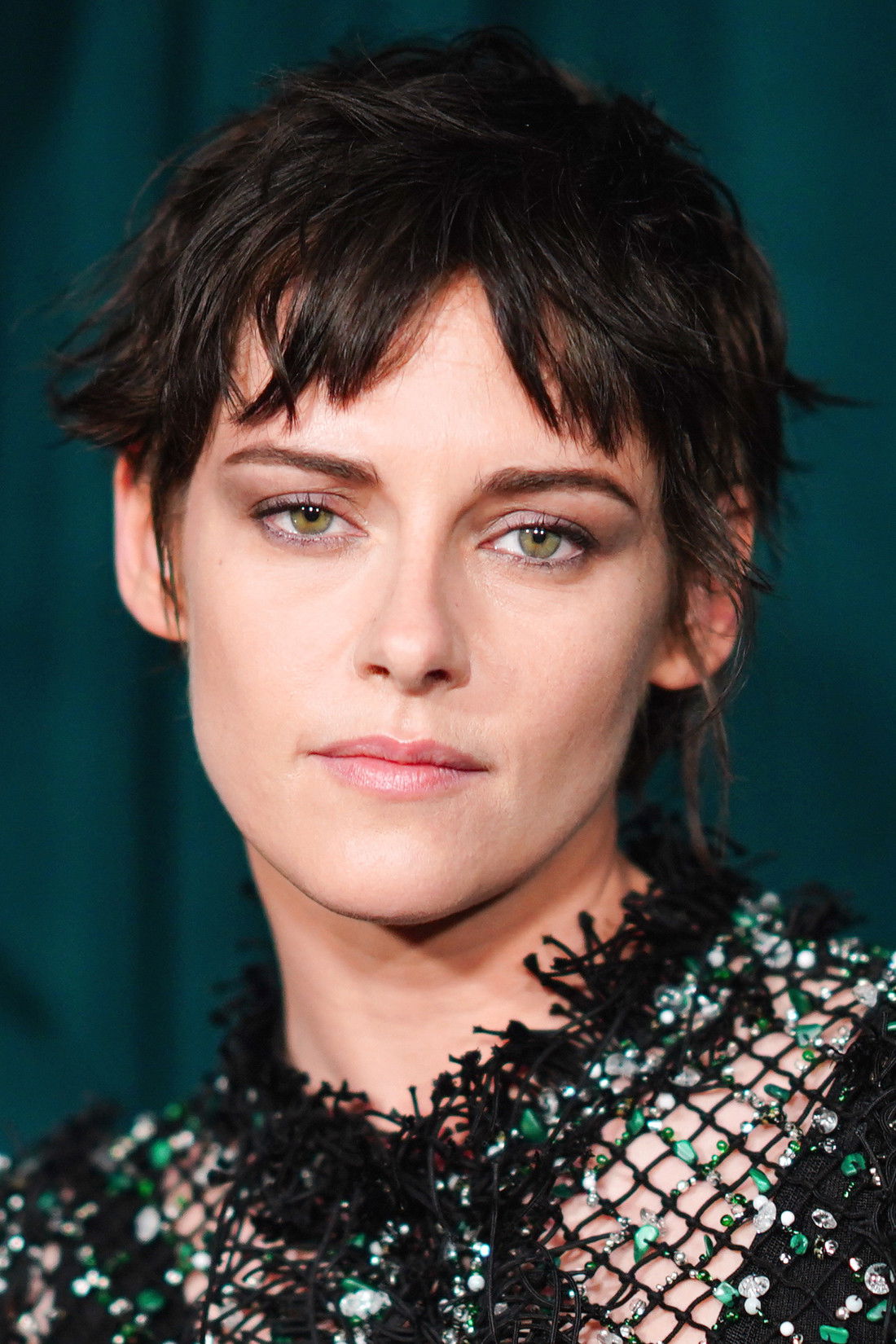
Kristen Stewart faced considerable industry pressure regarding her public image after her breakout role in ‘Twilight’. She has recounted being told by industry figures that she should hide her same-sex relationships if she wanted to secure a role in a ‘Marvel’ film. Stewart challenged this trope by refusing to compartmentalize her private life for professional gain. While her career has thrived in independent cinema with films like ‘Spencer’, she has been candid about the double standards queer women face. Her refusal to conform to the “closeted starlet” trope has made her a pivotal figure in contemporary queer cinema.
Rupert Everett
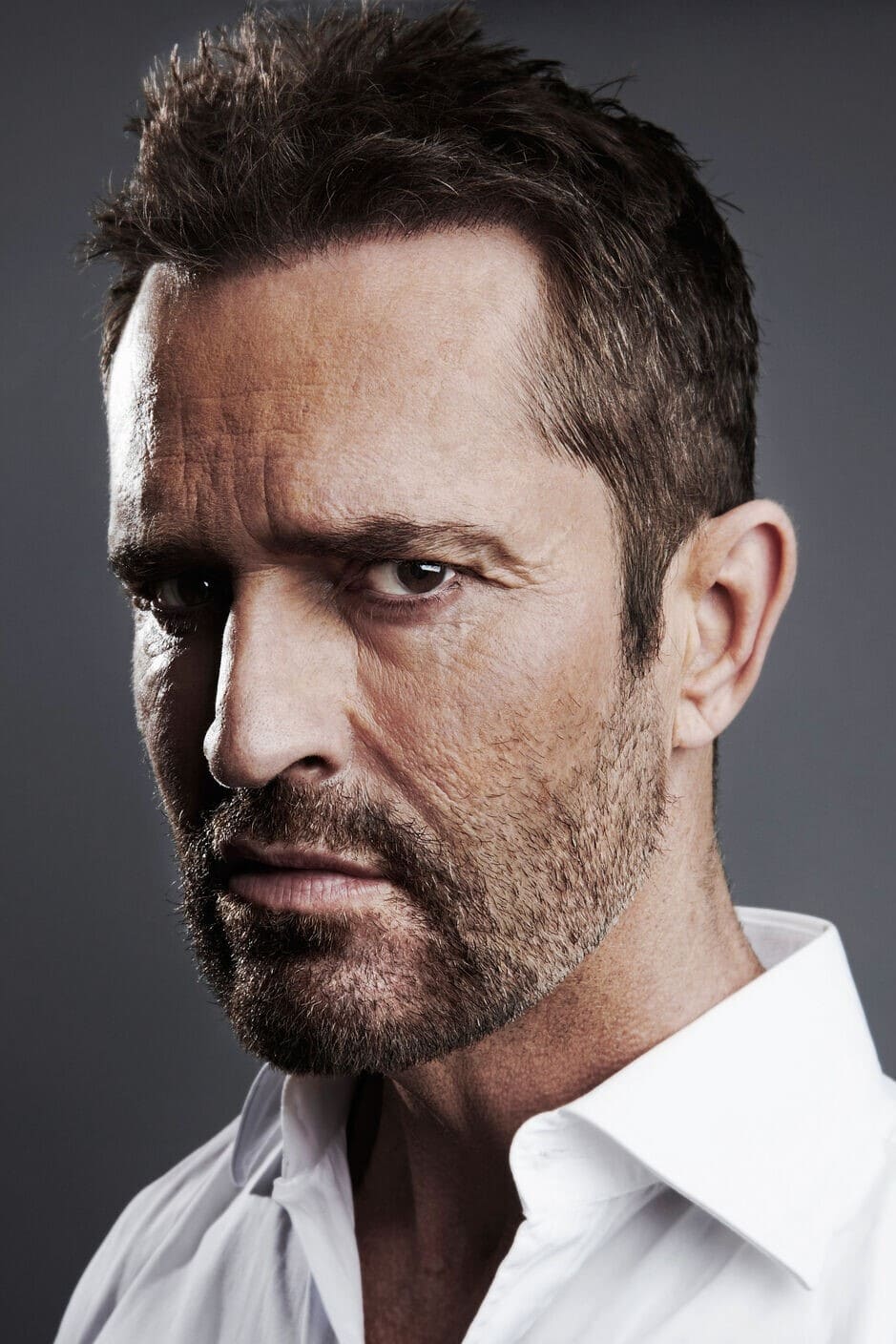
Rupert Everett was one of the first high-profile British actors to come out as gay in the 1980s, a move he later claimed significantly hindered his career. After a successful turn in ‘My Best Friend’s Wedding’, Everett found that he was rarely considered for leading man roles in major studio productions. He has argued that the industry’s glass ceiling prevented him from reaching the same heights as his straight peers. Everett eventually turned to writing and directing, notably with the film ‘The Happy Prince’. He remains a vocal critic of the way Hollywood typecasts and limits gay performers.
Wentworth Miller
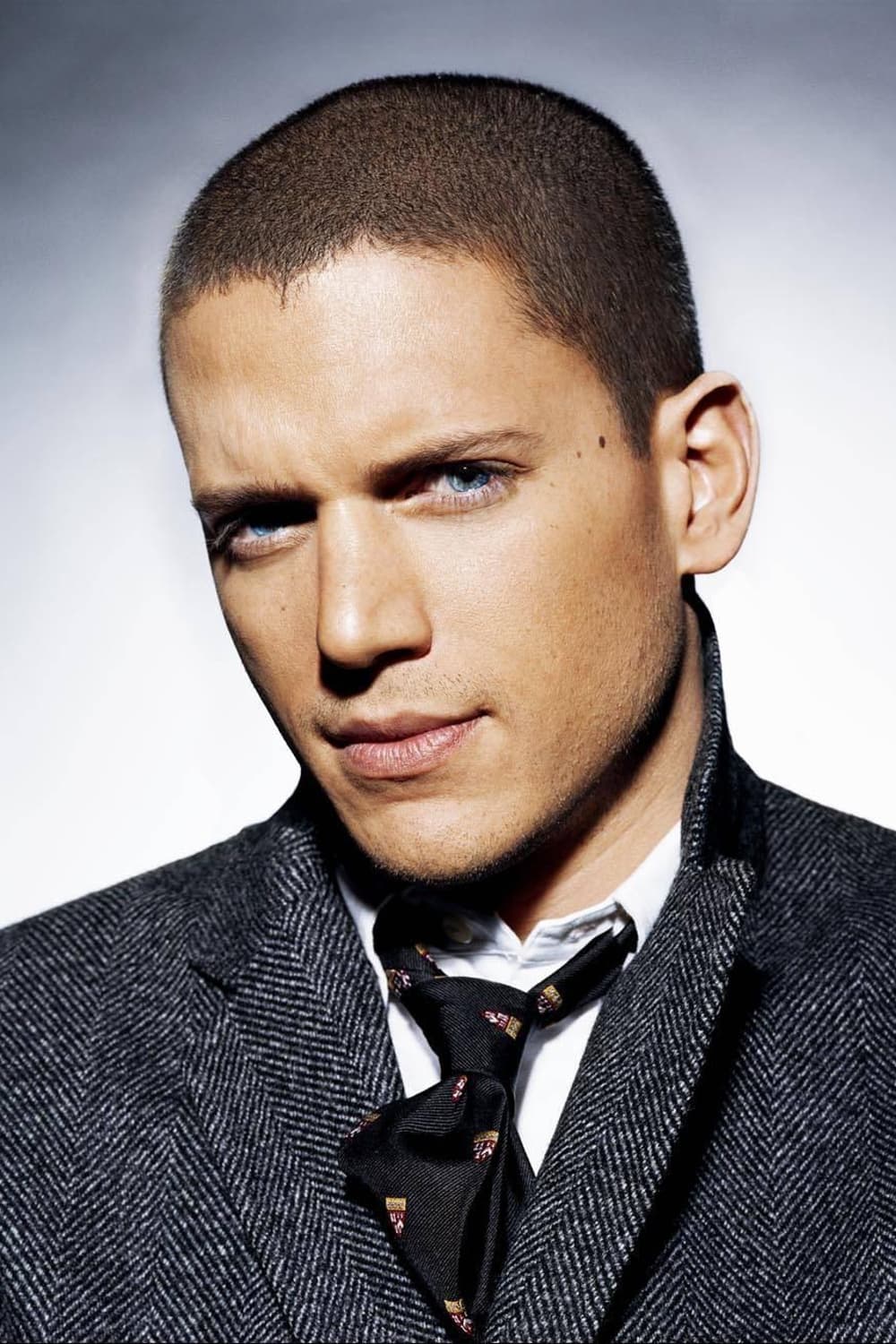
‘Prison Break’ star Wentworth Miller challenged the trope of the closeted action star when he came out in 2013 in protest against Russian anti-LGBTQ+ laws. Miller eventually announced that he would no longer play straight characters, stating that their stories have already been told extensively. This decision intentionally limited his casting pool in a mainstream industry that often prioritizes heteronormative narratives. Miller has since focused on roles that allow for more authentic expression, such as Captain Cold in ‘The Flash’. His stance serves as a direct challenge to the “straight-passing” expectations often placed on male actors.
Hunter Schafer
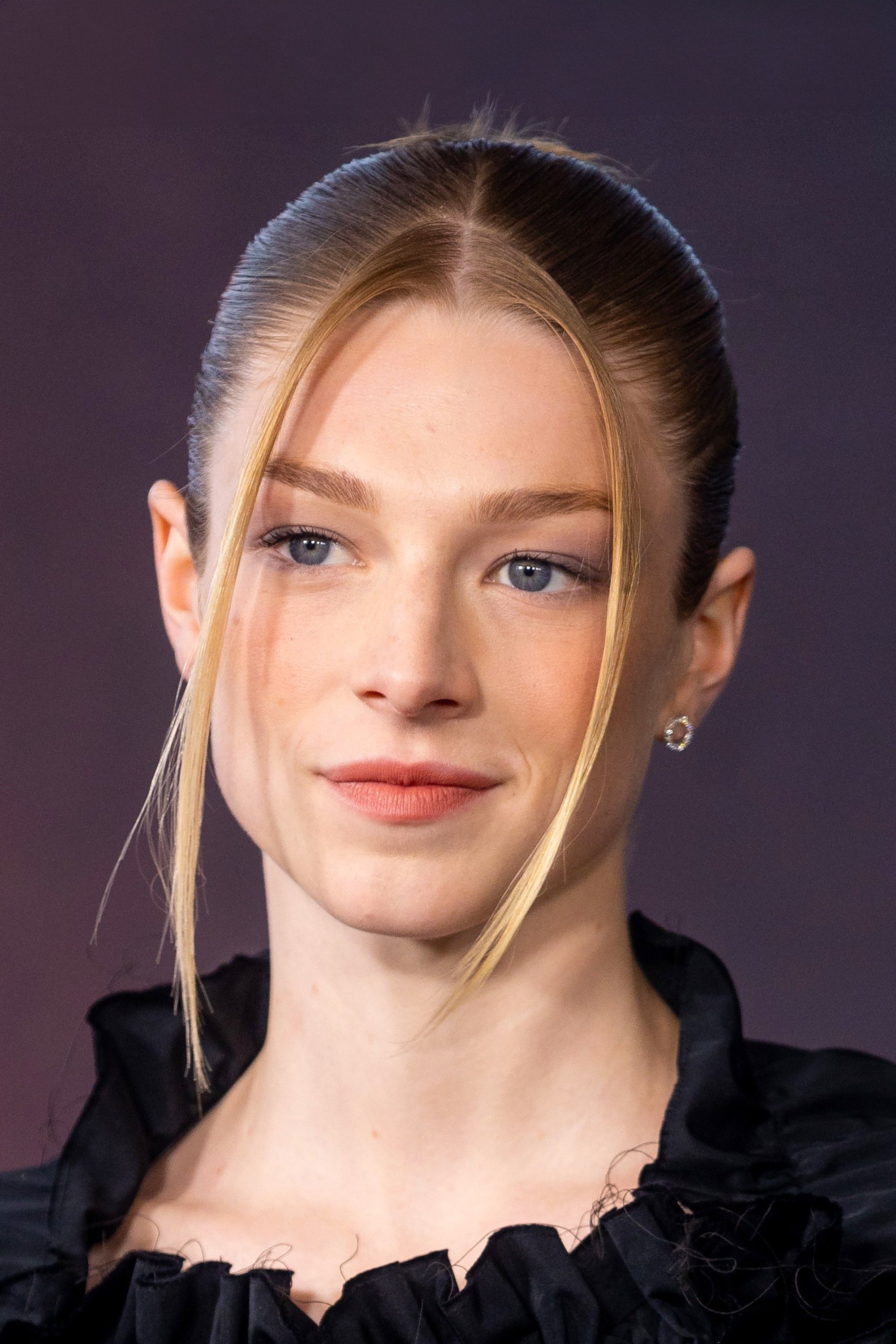
Hunter Schafer, known for her role in ‘Euphoria’, has recently challenged the industry’s tendency to typecast trans actors solely in trans-focused narratives. In interviews, she expressed a desire to move away from being labeled a “trans actress” and instead be recognized simply as an actress. Schafer noted that constantly revolving her work around her gender identity can be limiting and exhausting. This shift in career focus is a push against the “educational” trope often forced upon queer and trans performers. She seeks to normalize trans presence in mainstream film without the character’s identity being the primary plot point.
Billy Porter
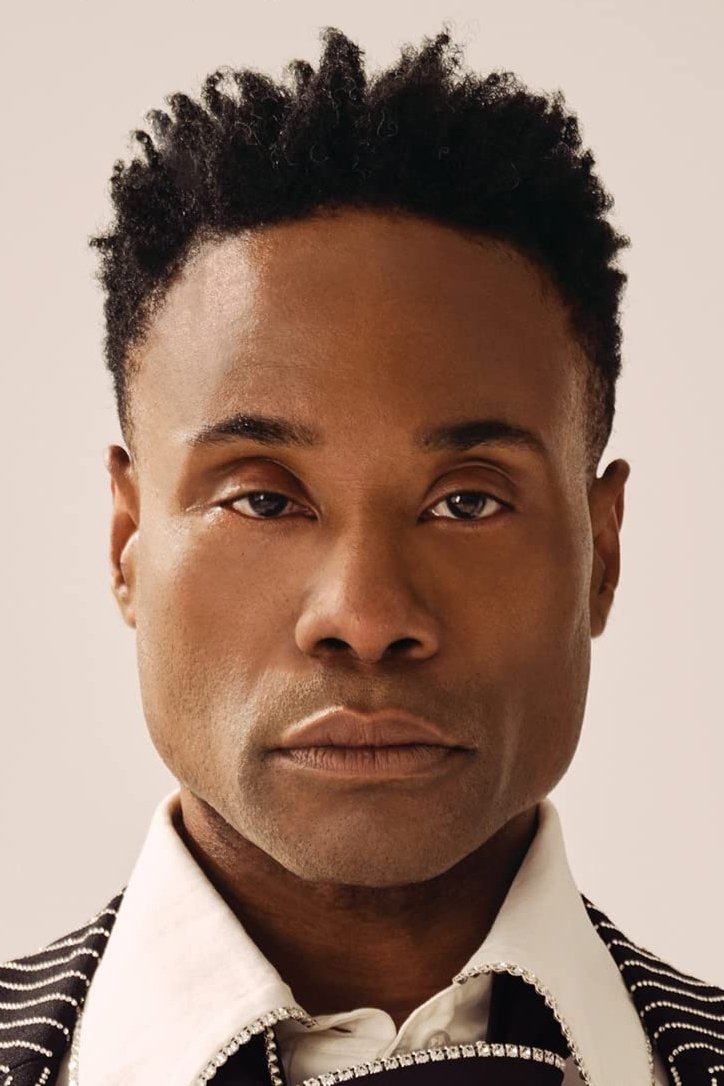
Billy Porter spent years in the industry before reaching mainstream stardom with the series ‘Pose’. He has spoken frequently about how his flamboyant style and refusal to adhere to traditional masculine tropes led to him being “blackballed” by the music industry early on. Porter’s career saw a resurgence only after he embraced his authentic self and challenged the binary expectations of the red carpet. He has described the struggle of being told he was “too much” for mainstream audiences for decades. Today, he uses his fashion and roles to dismantle the narrow definitions of queer masculinity.
Luke Evans
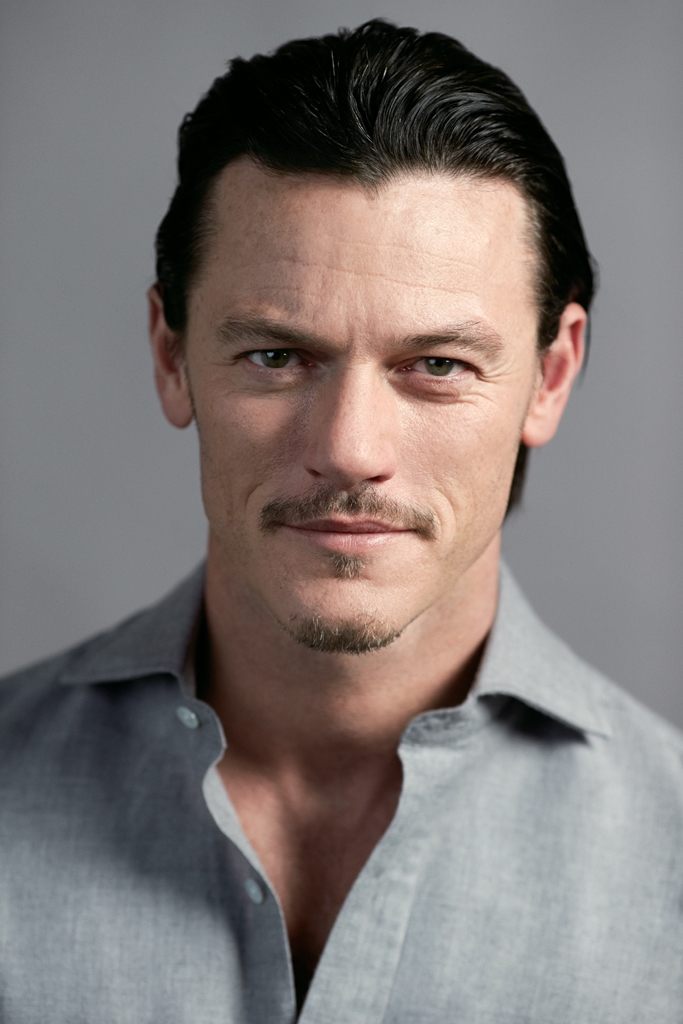
Luke Evans was out at the start of his career in the London theater scene, but he faced a different kind of obstacle when he transitioned to Hollywood. As he landed roles in major franchises like ‘Fast & Furious 6’ and ‘The Hobbit’, media narratives often treated his sexuality as a secret that had been “revealed.” This disconnect highlighted the industry’s tendency to market gay actors as straight heartthrobs while ignoring their actual identities. Evans has navigated this by maintaining his privacy while refusing to lie about his life. He continues to work at the highest levels of the industry, bridging the gap between action star tropes and queer identity.
Indya Moore
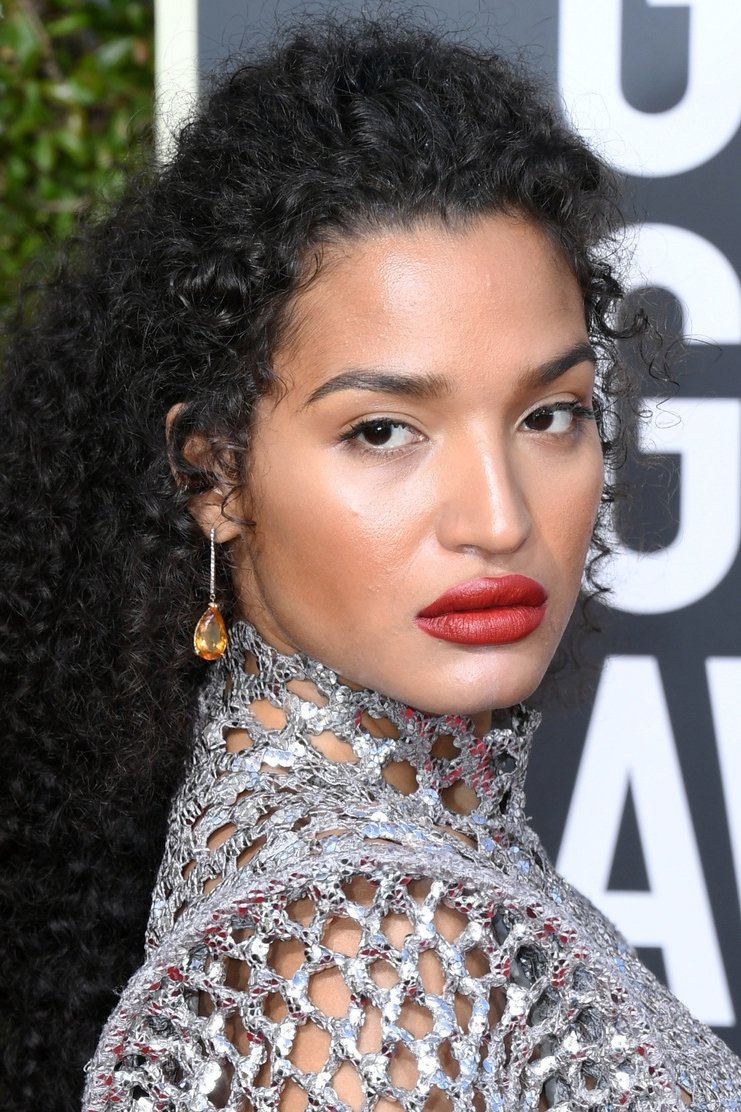
Indya Moore, a breakout star of ‘Pose’, has been a vocal critic of how the fashion and film industries treat non-binary and trans performers of color. They have faced professional friction for speaking out against brands and productions that they believe exploit queer culture without providing real support. Moore has challenged the trope of the “grateful” minority performer by demanding better working conditions and more authentic storytelling. These stances have sometimes led to public disputes with major industry figures. Nevertheless, Moore remains a central voice in the push for intersectional representation in media.
Angelica Ross
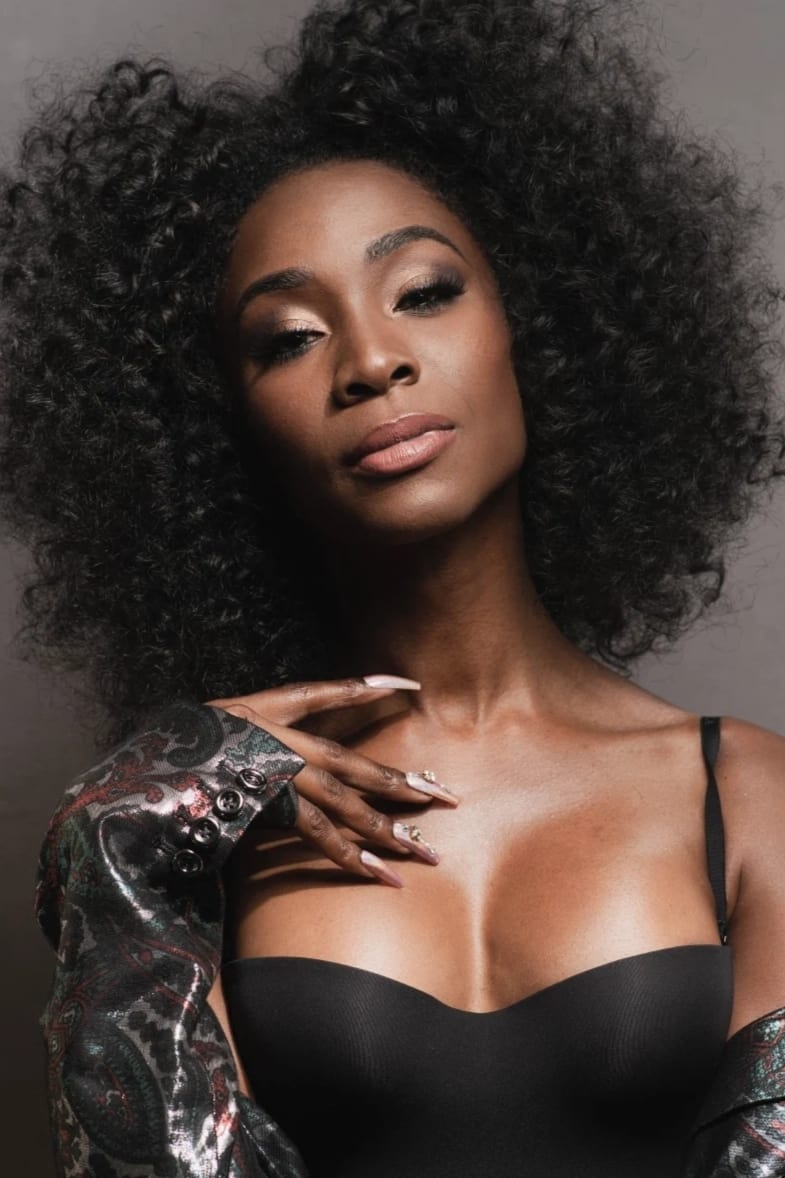
Angelica Ross made history as a regular on ‘Pose’ and ‘American Horror Story’, but she has faced significant hurdles after speaking out about production issues. In 2023, she publicly detailed her negative experiences on the set of ‘American Horror Story’ and her frustrations with producer Ryan Murphy. Ross has challenged the trope that queer performers must remain silent about industry mistreatment to protect their careers. Her openness about the “boys’ club” atmosphere in television production sparked widespread conversation about safety for Black trans women. She has since focused more on tech advocacy and independent ventures.
George Takei
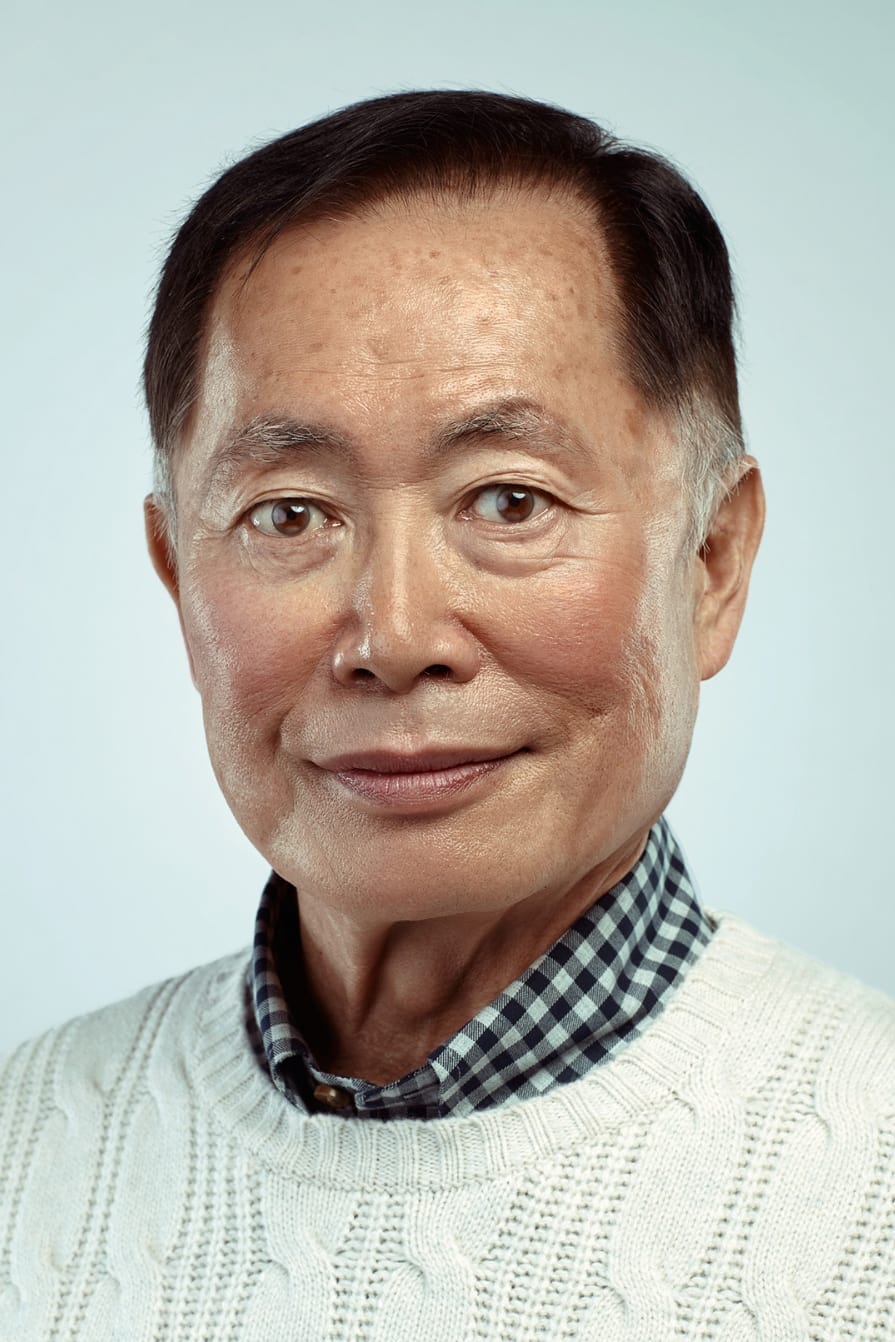
George Takei spent the majority of his ‘Star Trek’ career in the closet, fearing that his sexuality would end his time on the show. He has described the “double life” he led for decades to fit the trope of the reliable supporting actor. It was not until 2005 that Takei came out publicly, a move sparked by then-Governor Arnold Schwarzenegger’s veto of a same-sex marriage bill. Following his announcement, Takei saw a massive resurgence in his career, though he has reflected on the decades of roles he likely missed. His story illustrates the long-term psychological and professional toll of the industry-enforced closet.
Rosie O’Donnell
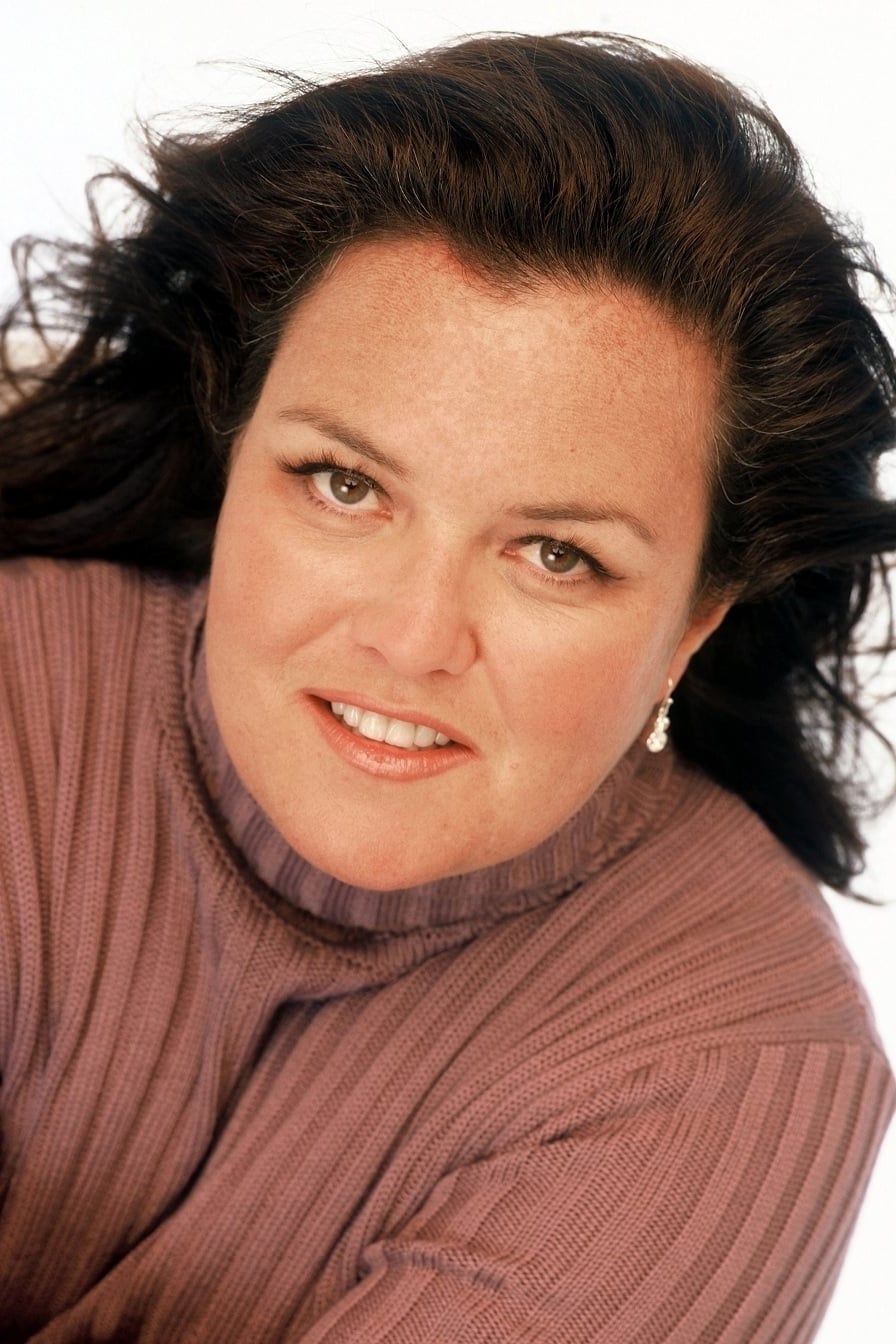
Rosie O’Donnell was known as “The Queen of Nice” during the height of her daytime talk show, a persona that relied on a non-threatening, mainstream image. When she came out as a lesbian in 2002, she intentionally dismantled the sanitized trope that the media had constructed for her. This transition led to a more polarizing public image and a shift in her career toward more political and confrontational roles. O’Donnell has been open about how the industry’s perception of her changed once she was no longer “the relatable mom” figure. She remains a pioneer for queer women in the talk show and variety formats.
Andrew Scott
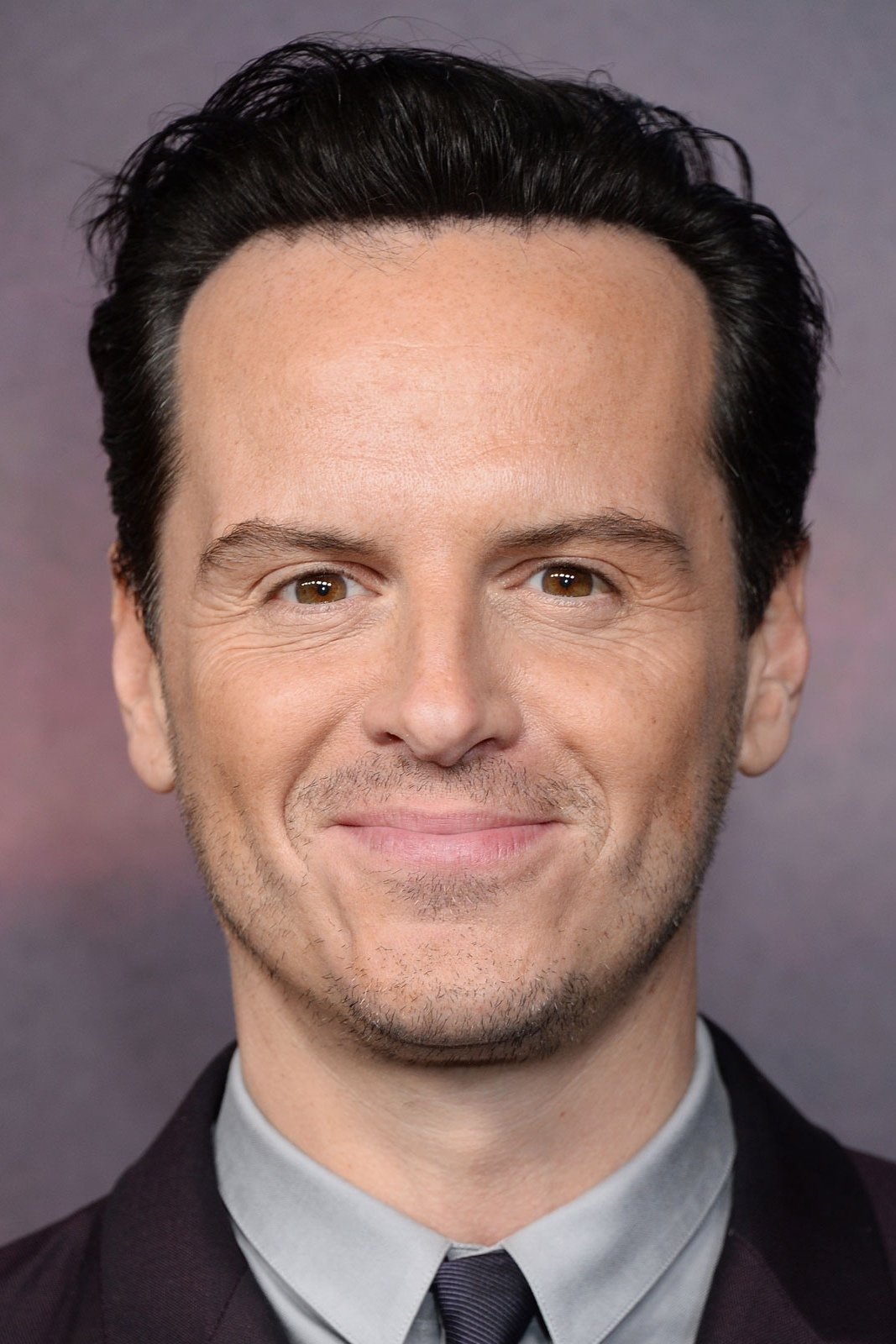
‘Fleabag’ and ‘Sherlock’ star Andrew Scott has consistently pushed back against the trope of being defined primarily by his sexuality. He has expressed frustration with the term “openly gay,” arguing that it implies a level of defiance that should not be necessary in the modern era. Scott has occasionally faced criticism from within the community for his views on not wanting his sexuality to be the lead in every interview. By insisting that his work as an actor stands separate from his identity, he challenges the industry’s habit of pigeonholing queer talent. He continues to land diverse roles that are not strictly defined by queer themes.
Asia Kate Dillon

Asia Kate Dillon, known for ‘Billions’, became the first non-binary performer to play a non-binary character on a major television show. They challenged the mainstream entertainment industry by questioning the gendered categories of the Emmy and Critics’ Choice Awards. Dillon wrote letters to various academies asking why “actor” and “actress” were still separate categories, arguing for gender-neutral recognition. This advocacy forced a public conversation about how the industry’s structure excludes non-binary individuals. While some ceremonies have adjusted their rules, Dillon’s stance remains a direct challenge to the binary tropes of Hollywood’s award season.
Laverne Cox
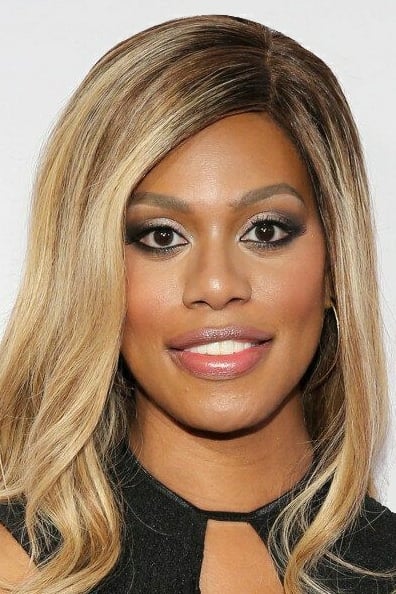
Laverne Cox became a household name with ‘Orange Is the New Black’, but she has been vocal about the limited tropes available to trans women of color. She has described how the industry often only offers trans actors roles that focus on transition, trauma, or being the victim of a crime. Cox has used her influence to produce documentaries like ‘Disclosure’ to critique these recurring media patterns. She has faced obstacles in securing leading roles in mainstream rom-coms or action films that aren’t defined by her gender. Her career is a constant negotiation between visibility and the fight against systemic typecasting.
Ezra Miller
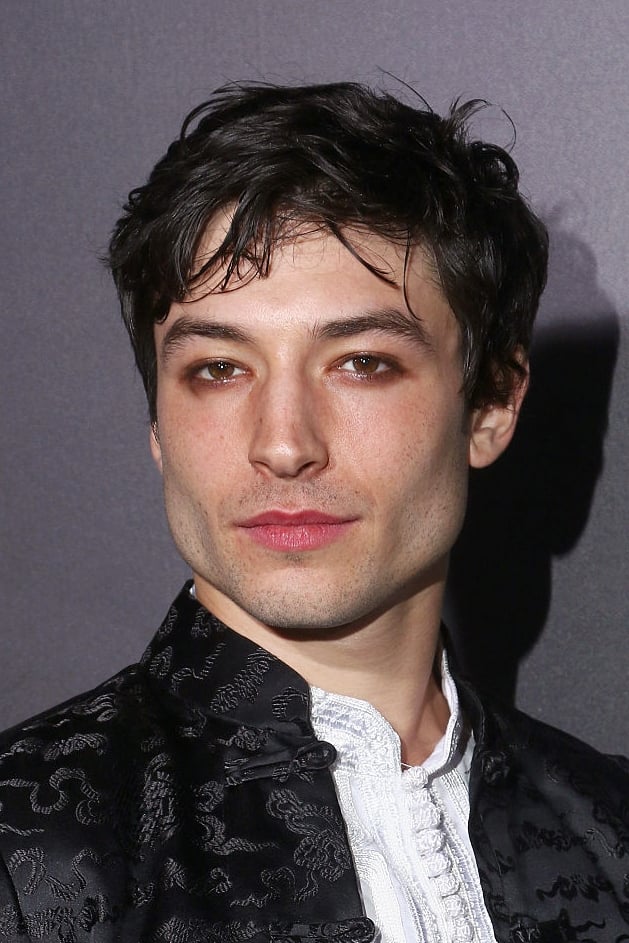
Ezra Miller was one of the first actors in a major superhero franchise to identify as non-binary and queer. During the promotion of ‘The Flash’ and ‘Fantastic Beasts’, Miller’s public persona often challenged traditional red-carpet fashion and gender norms. While Miller has faced significant legal and behavioral controversies, their career also highlights the industry’s discomfort with non-conforming leads. Before their legal issues, Miller spoke about the pushback they received from studio executives regarding their gender expression. The fallout from their career trajectory remains a complex case study in the intersection of identity and public conduct.
Ben Whishaw
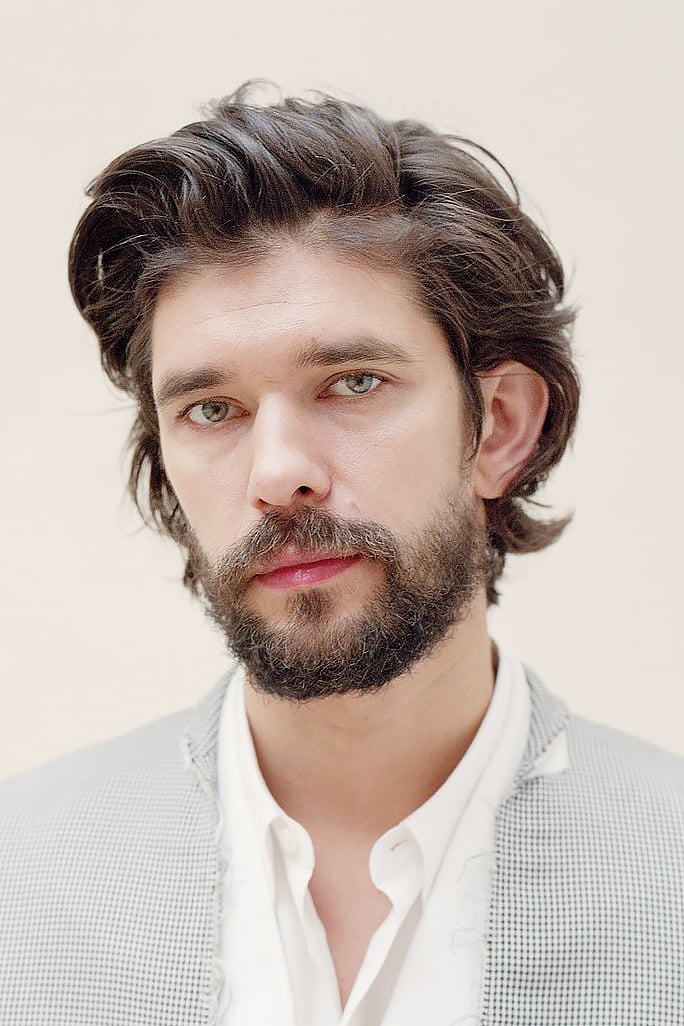
Ben Whishaw, known for playing Q in the ‘James Bond’ series, has often spoken about the “invisible” nature of the closet in the British film industry. He kept his private life quiet for years, only confirming his civil partnership in 2013 after intense media speculation. Whishaw has discussed the trope that gay actors cannot be perceived as masculine enough for certain roles. He has also expressed skepticism about the industry’s sudden push for “authentic casting,” suggesting it might create new limitations for performers. His career continues to balance high-profile blockbusters with experimental, identity-focused work.
Jerrod Carmichael
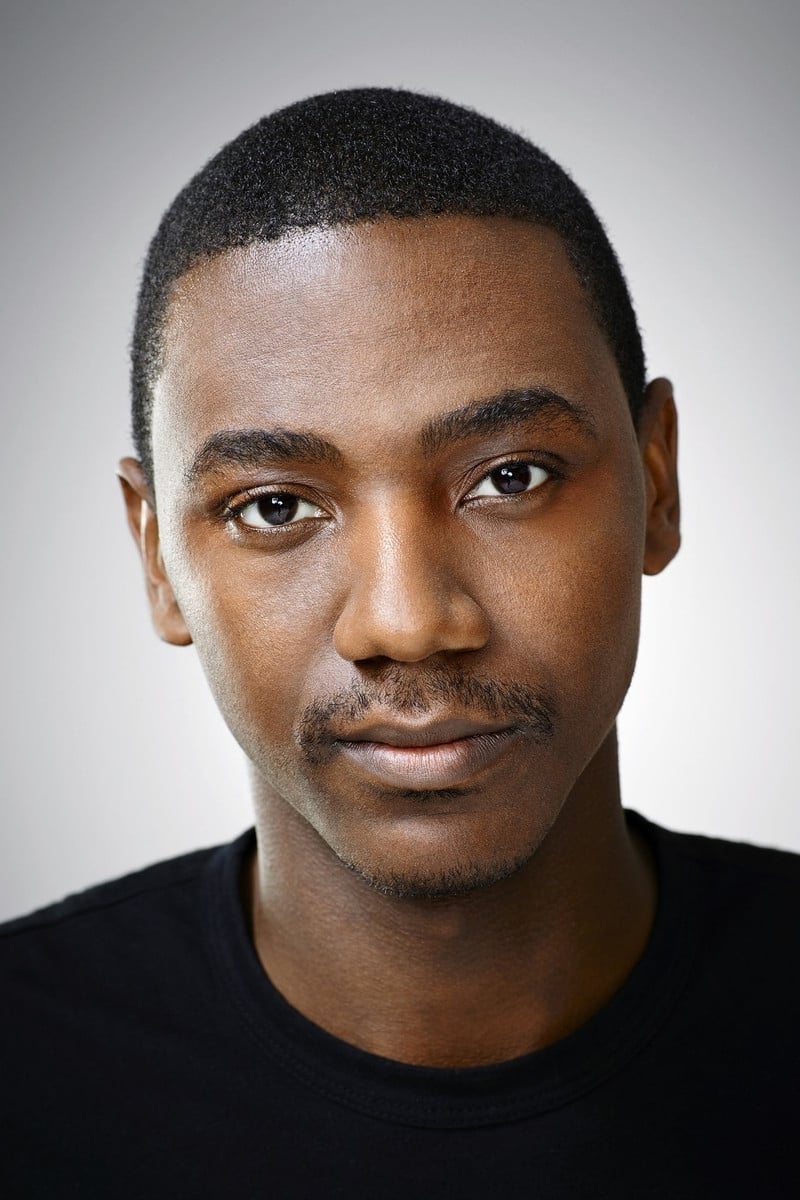
Jerrod Carmichael came out as gay in his 2022 HBO special ‘Rothaniel’, a move that directly challenged his previous image as a traditional stand-up comic. He used the special to address the discomfort he felt maintaining a certain trope of Black masculinity for his audience. Carmichael has since been open about the professional and personal friction that followed his announcement. His subsequent work, including his hosting of the Golden Globes, has leaned into discomfort and brutal honesty. He remains a key figure in modern comedy for refusing to offer a sanitized version of the queer experience.
Zachary Quinto
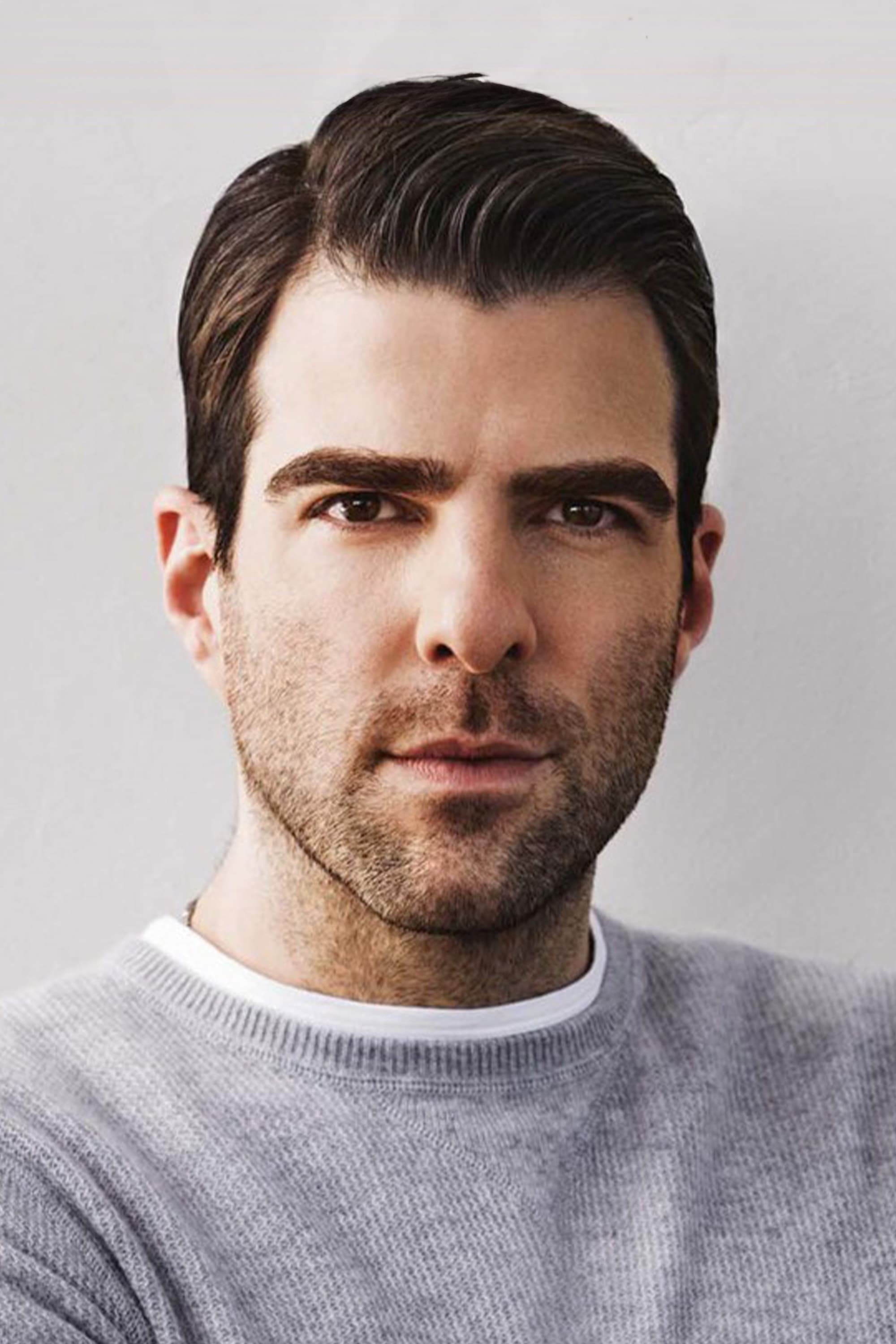
Zachary Quinto came out in 2011, at a time when he was starring in the massive ‘Star Trek’ reboot franchise as Spock. He has admitted that there were concerns from advisors about how this would affect his “marketability” in international territories. Quinto challenged the trope of the sexless sci-fi character by being open about his identity and taking on queer roles in projects like ‘The Boys in the Band’. He has noted that while doors opened in some areas, the “leading man” roles in traditional action films became harder to come by. His career reflects the ongoing transition of the industry’s treatment of out actors in tentpole films.
Sarah Paulson
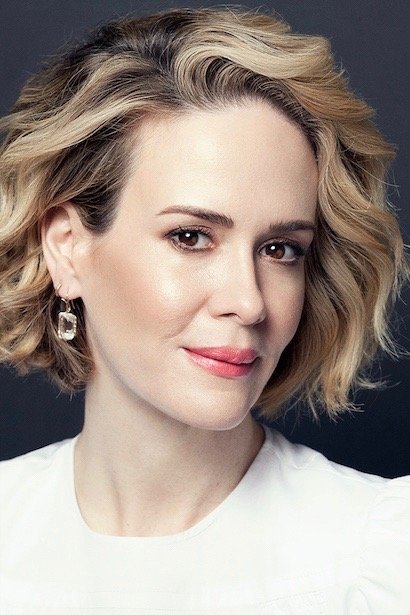
Sarah Paulson has frequently navigated the industry’s obsession with labeling the relationships of queer women. She has been in high-profile relationships with older women, such as Cherry Jones and Holland Taylor, which challenged the Hollywood trope of age-gap relationships. Paulson has spoken about being advised to keep her relationship with Taylor quiet to avoid damaging her career. She ignored the advice and has since become one of the most celebrated actresses in television and film. Her success demonstrates that defying industry expectations regarding personal life does not always result in a career decline.
Cynthia Nixon
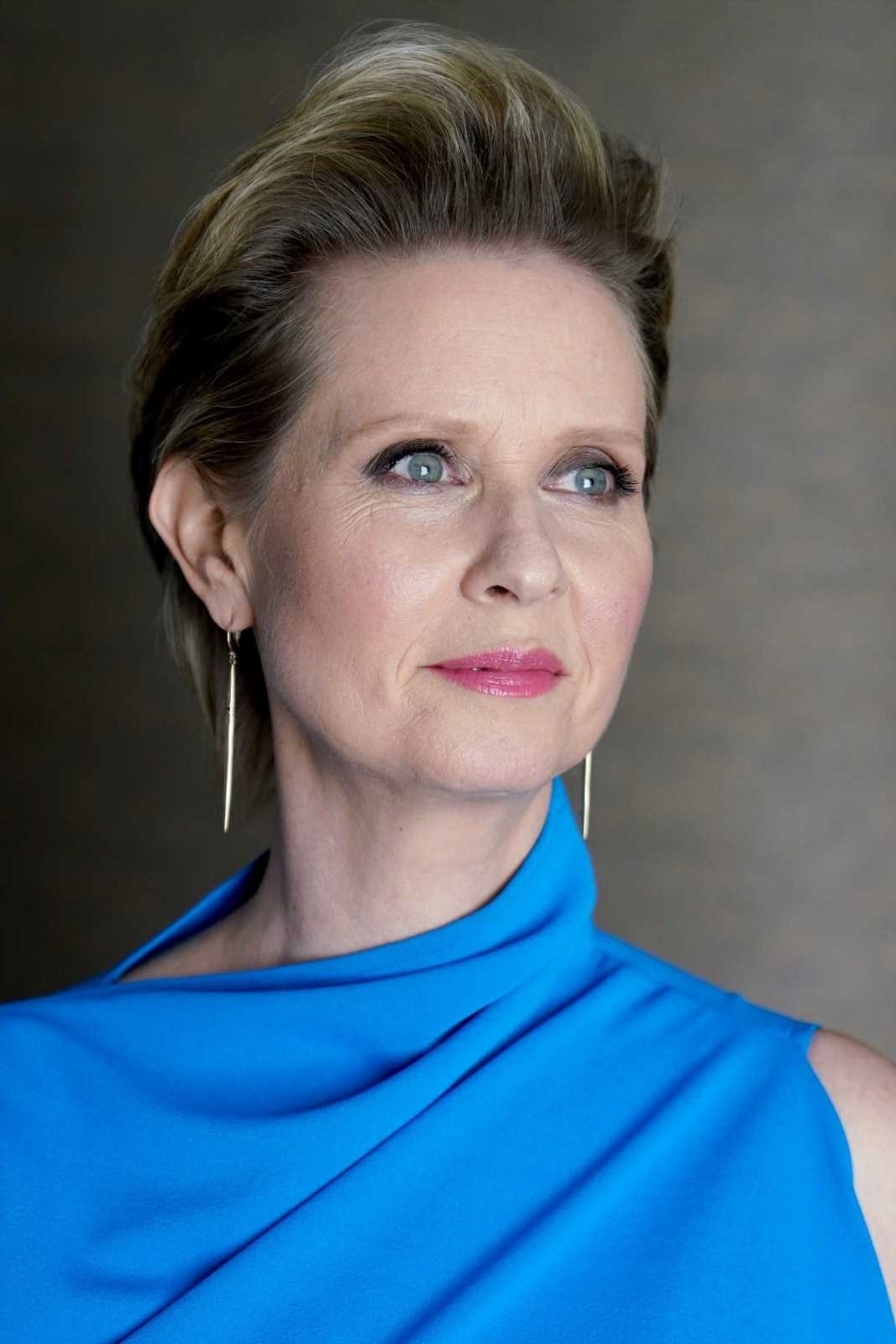
Known for her role in ‘Sex and the City’, Cynthia Nixon transitioned from a mainstream acting career into the world of politics and activism. When she began dating a woman in 2004, she faced intense media scrutiny that attempted to categorize her according to existing queer tropes. Nixon famously stated that her sexuality was a choice for her, a comment that caused friction within the LGBTQ+ community and the media. She has used her platform to fight for marriage equality and educational reform in New York. Her career shift highlights the path of performers who move beyond the screen to challenge systemic inequalities.
Jane Lynch
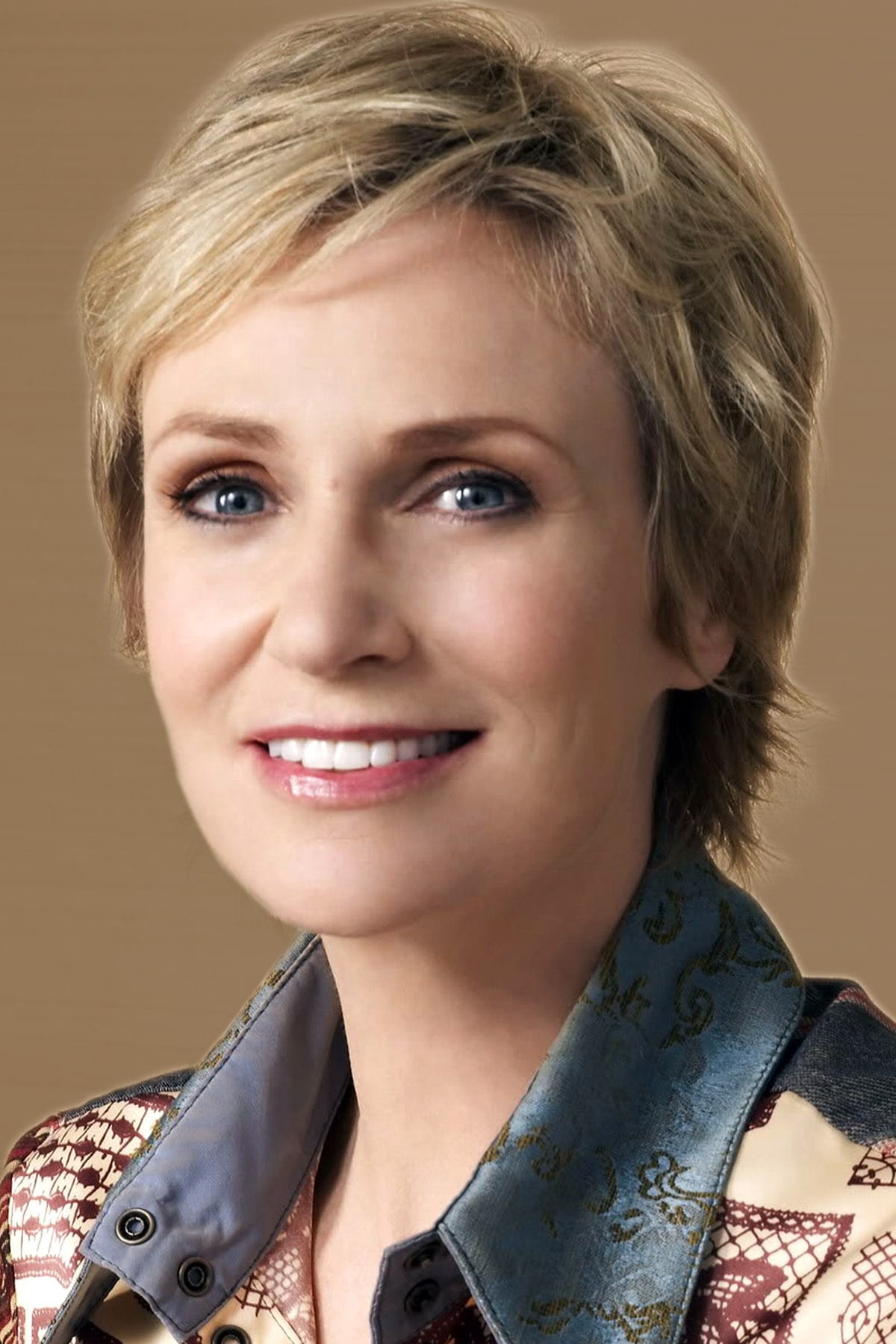
Jane Lynch found mainstream success later in her career with ‘Glee’, playing the iconic Sue Sylvester. She has often discussed the “asexual” trope that the industry often assigns to queer character actors. Before ‘Glee’, Lynch was frequently cast in supporting roles where her sexuality was either ignored or used as a punchline. She has been open about the struggle to find roles that allowed for a full range of romantic and emotional depth. Lynch’s career remains a testament to the power of a single breakout role to change the industry’s perception of an out performer.
Ian McKellen
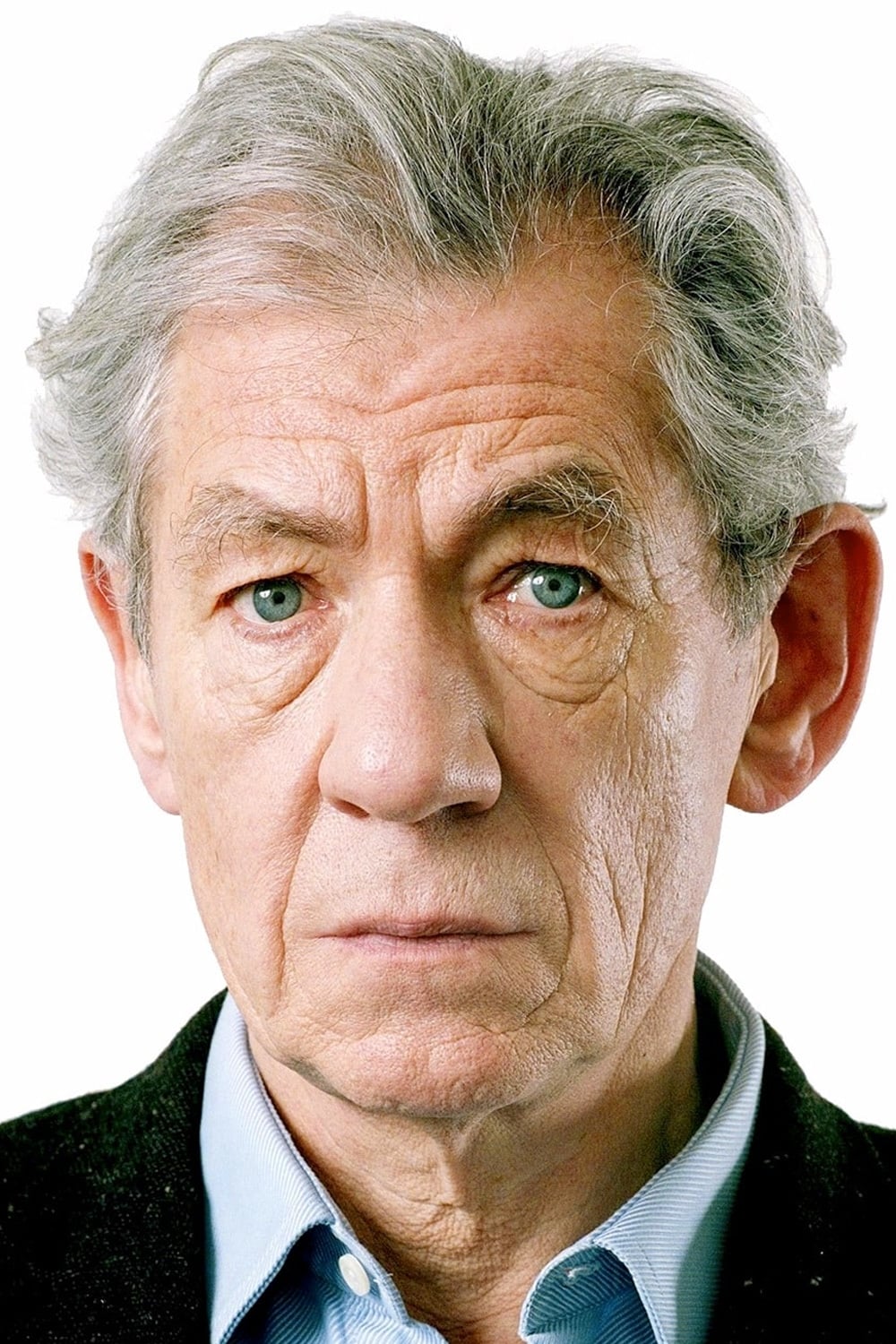
Sir Ian McKellen came out in 1988 during a BBC Radio discussion regarding Section 28, a piece of anti-gay legislation in the UK. At the time, he was a respected stage actor, and many feared his move into mainstream film would be halted. Instead, McKellen became a staple of major franchises like ‘X-Men’ and ‘The Lord of the Rings’. He has been a tireless advocate for queer rights, often using his fame to challenge the trope that gay actors cannot be elder statesmen of the arts. His career proves that longevity is possible even when challenging the state directly.
Neil Patrick Harris
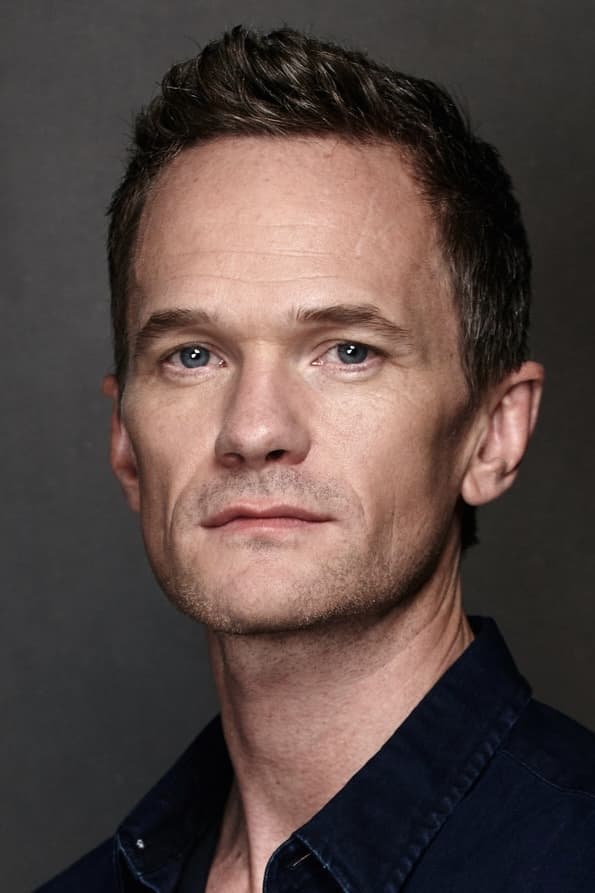
Neil Patrick Harris successfully played the womanizing trope of Barney Stinson on ‘How I Met Your Mother’ while being an out gay man in real life. When he came out in 2006, there was significant speculation about whether audiences would still “buy” him as a straight character. Harris defied the obstacle of typecasting by leaning into his versatility as a performer, host, and singer. He became one of the first out gay men to host the Oscars, further breaking barriers for queer entertainers. His career showed that an actor’s personal identity does not have to limit the types of roles they can convincingly portray.
Lil Nas X
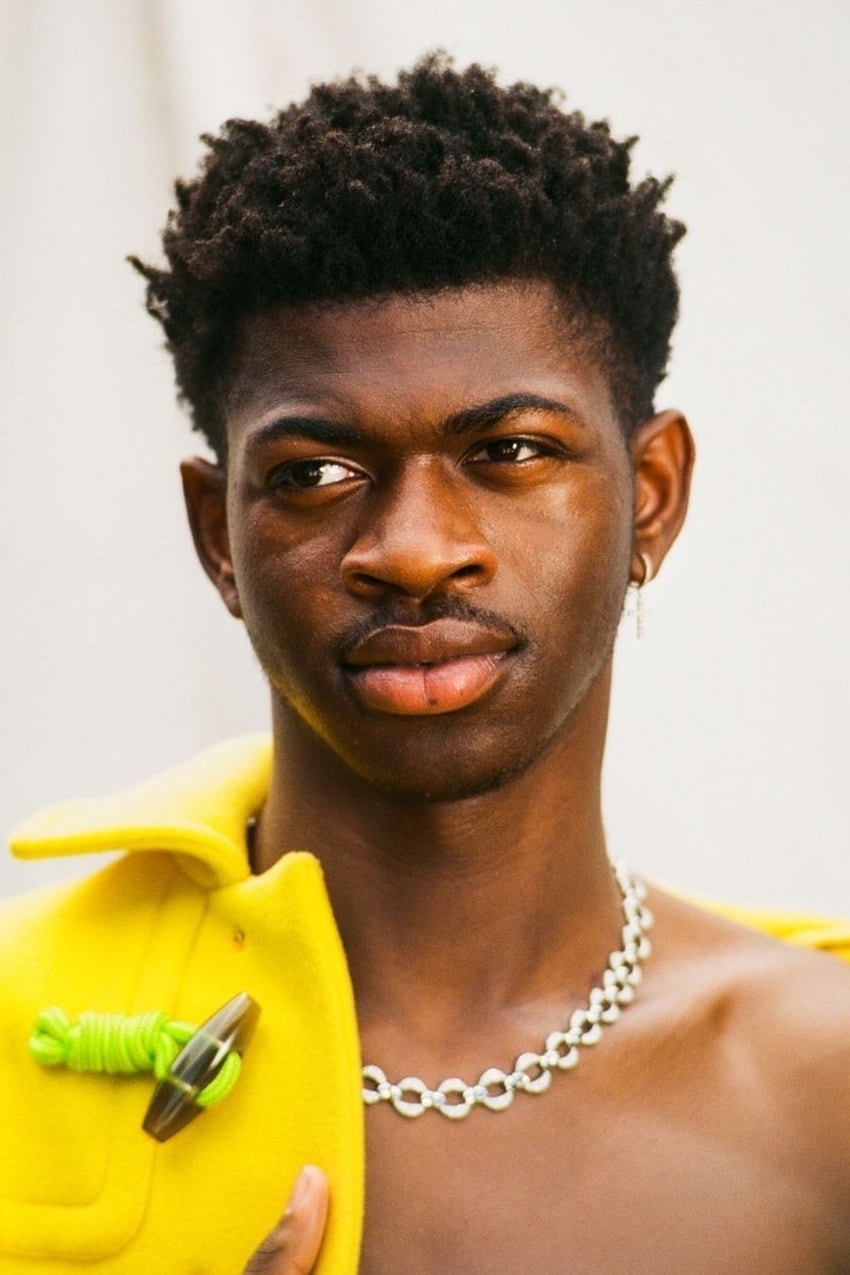
Lil Nas X burst onto the scene with ‘Old Town Road’, but his career took a radical turn when he came out at the height of the song’s success. He has faced massive backlash for challenging the tropes of the hip-hop and country music genres, which are traditionally heteronormative. By incorporating queer imagery and themes into his music videos and performances, he has become a lightning rod for controversy. Many critics and industry insiders predicted his career would be short-lived due to his provocative nature. Instead, he has used the pushback to fuel his brand and become a global superstar.
Frank Ocean
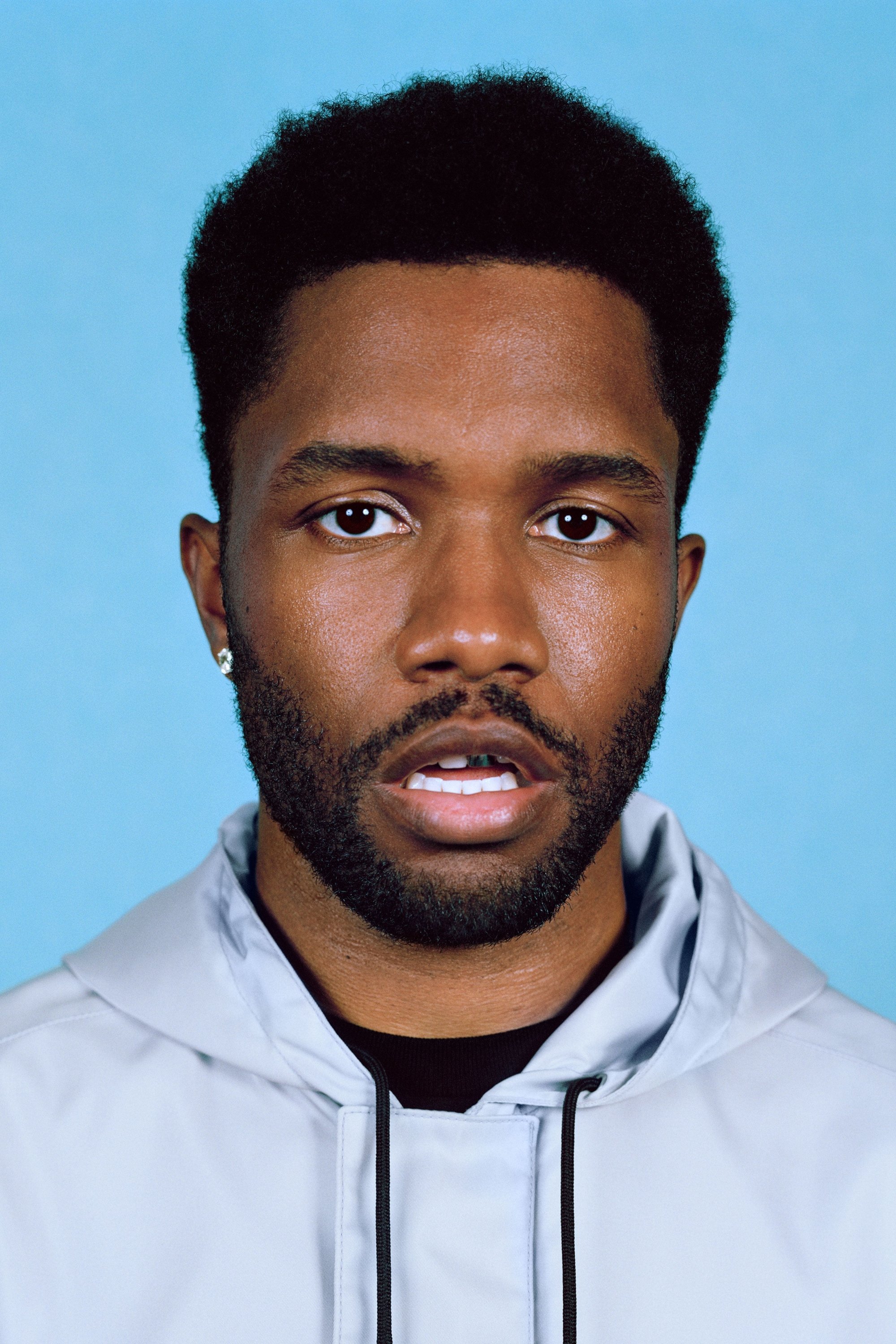
Frank Ocean’s 2012 open letter on Tumblr, where he discussed his first love being a man, was a watershed moment for R&B. The genre had long been dominated by hyper-masculine tropes, and Ocean’s vulnerability was seen as a professional risk. Following the release of ‘Channel Orange’, he withdrew from the traditional celebrity machine, partly to avoid being commodified as a “queer icon.” This distancing from the industry has sometimes been interpreted as a career obstacle, as he rarely tours or does interviews. However, his influence on the sound and culture of modern music remains unparalleled.
Ricky Martin
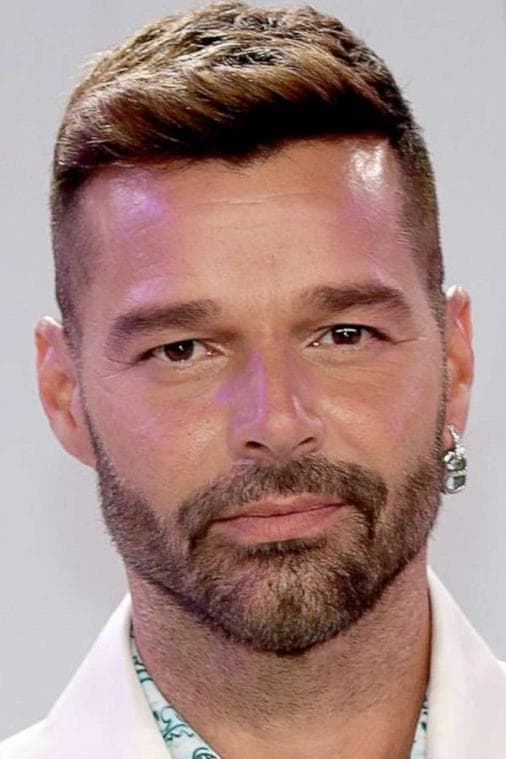
Ricky Martin was the face of the “Latin Explosion” in the late 90s, marketed heavily as a global sex symbol for women. When he came out in 2010, he dismantled the carefully constructed trope of the hot-blooded male heartthrobs. Martin later admitted that he was told by many in the industry that coming out would end his career. While his chart dominance shifted after he came out, he found new success in acting, notably in ‘The Assassination of Gianni Versace: American Crime Story’. He continues to be a vocal advocate for queer families and adoption rights.
JoJo Siwa
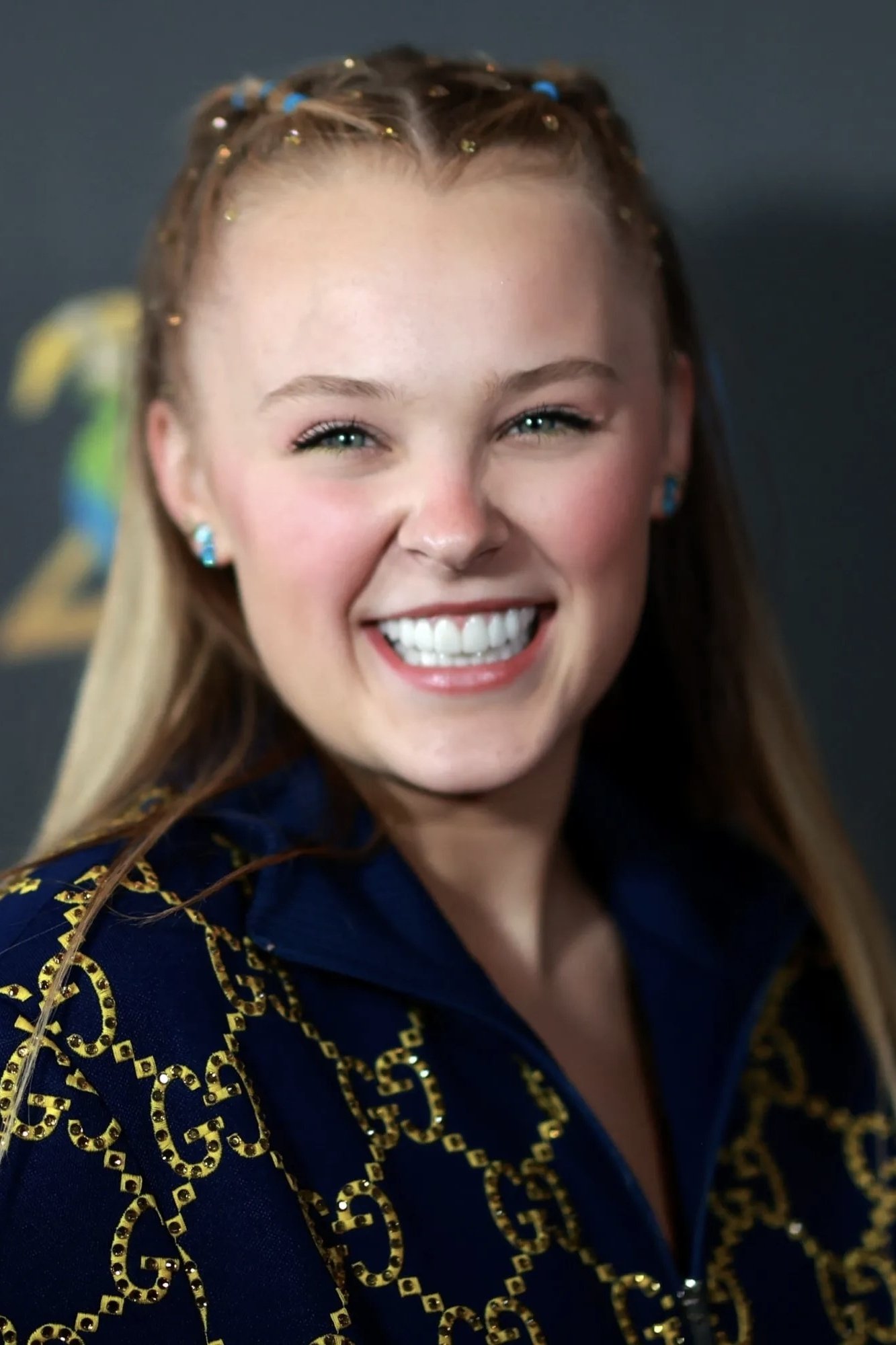
JoJo Siwa transitioned from a child star with a highly sanitized image to an out queer artist, which caused a significant stir among her young fan base’s parents. When she came out in 2021, she faced immediate pushback and was even snubbed by the Nickelodeon Kids’ Choice Awards in 2022. Siwa has worked to rebrand her image, moving away from the “bows and sparkles” trope to something more adult and expressive. This transition has been met with both praise and intense internet scrutiny. She remains committed to showing her young audience that identity can be fluid and authentic.
Ruby Rose
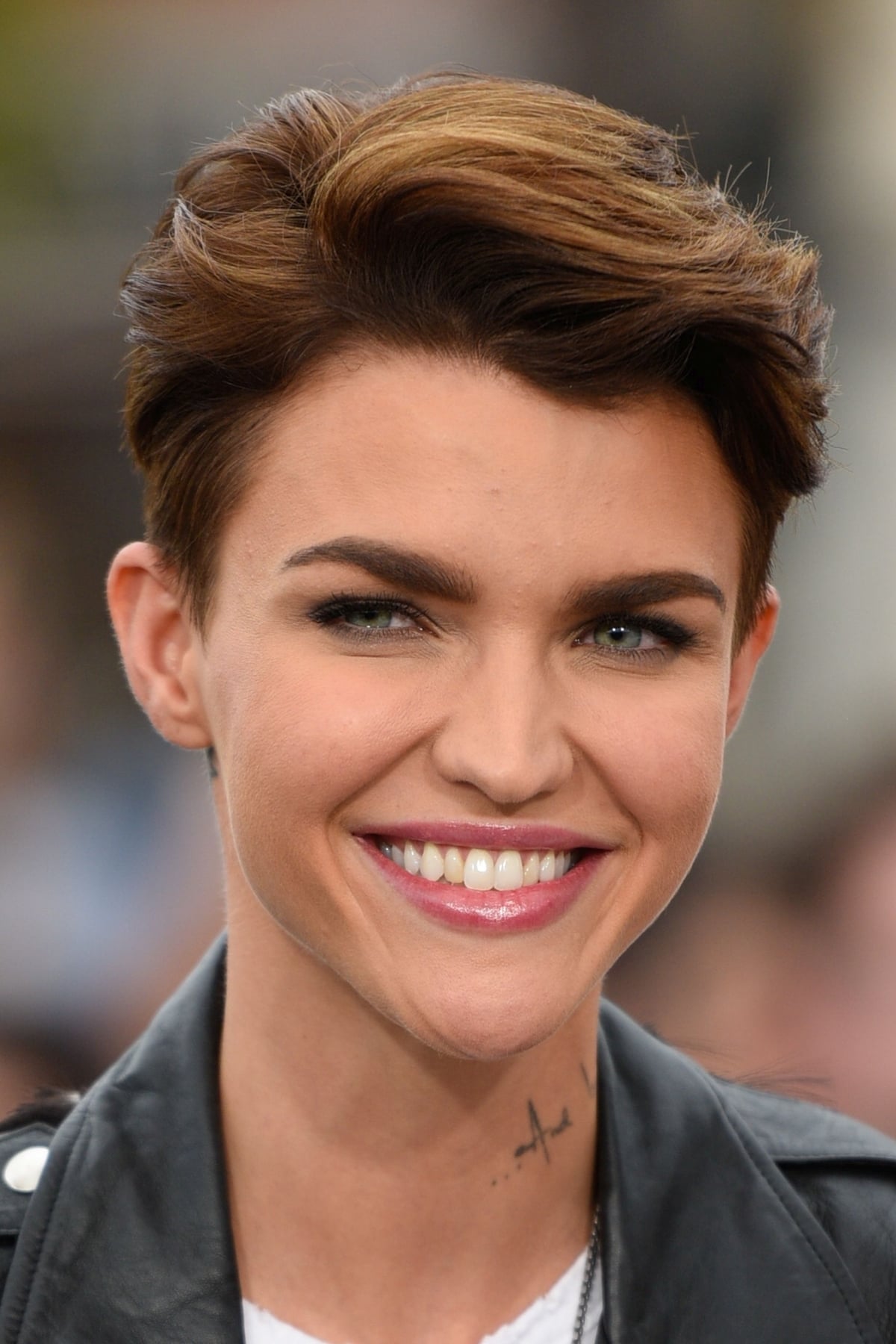
Ruby Rose gained international fame on ‘Orange Is the New Black’ and was quickly cast as the lead in the ‘Batwoman’ series. Her casting was met with backlash from some who felt she didn’t fit the “correct” trope of the character, despite her being a lesbian in real life. Rose eventually left the show after one season, citing a difficult working environment and physical injuries. She has since been vocal about the “toxic” culture on set, which led to a public rift with the studio. Her experience highlights the unique pressures placed on queer actors when they take on iconic LGBTQ+ roles.
Nico Tortorella
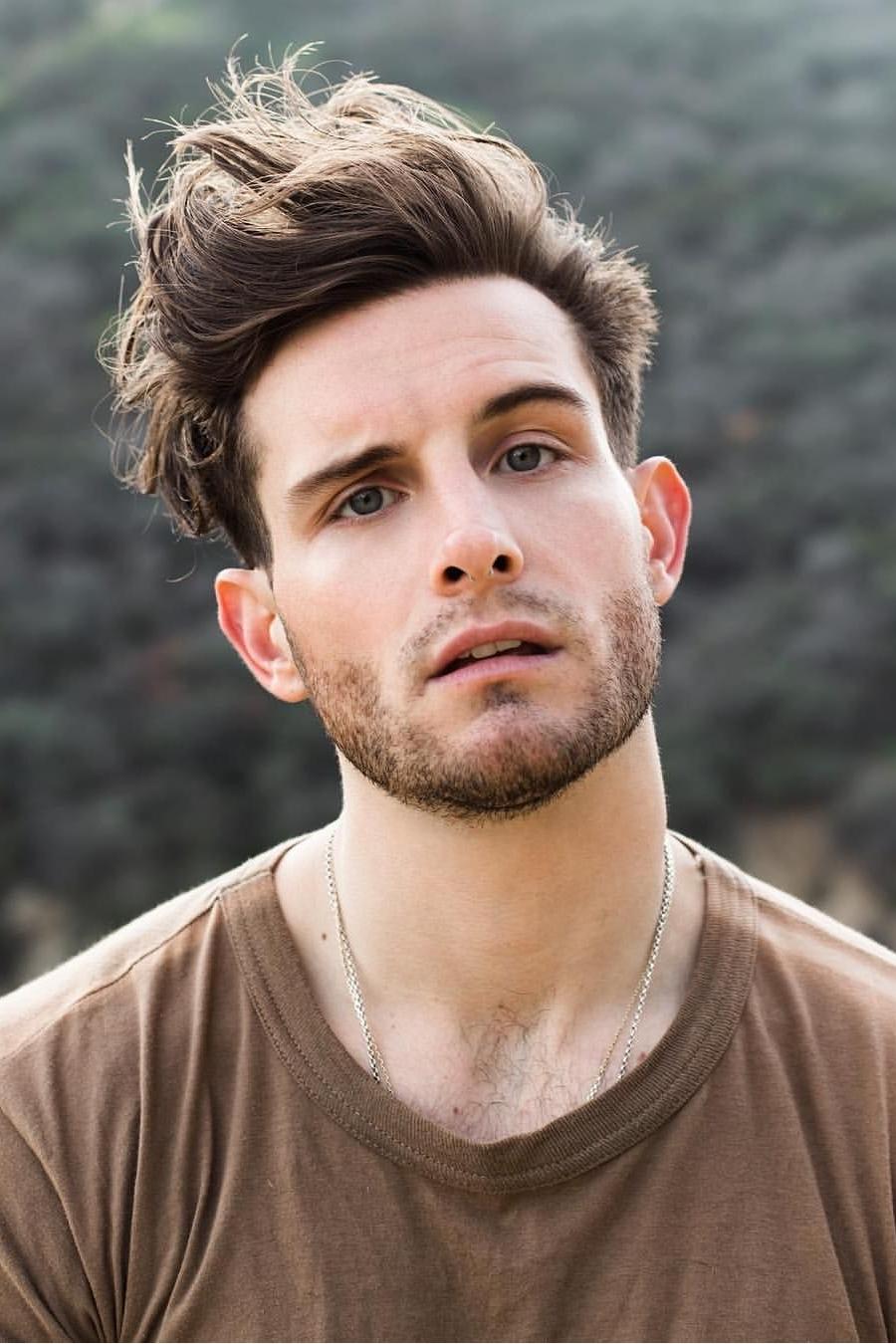
Nico Tortorella, star of ‘Younger’, has been a prominent voice for non-binary and sexually fluid individuals in the industry. They have often challenged the binary tropes of the “leading man” by appearing in gender-non-conforming fashion and discussing polyamory. Tortorella has noted that while their openness has won them a dedicated following, it has also led to confusion and closed doors in more traditional casting circles. They have used their platform to write books and host podcasts that explore the nuances of identity. Their career represents the new wave of performers who refuse to fit into any single box.
Olly Alexander
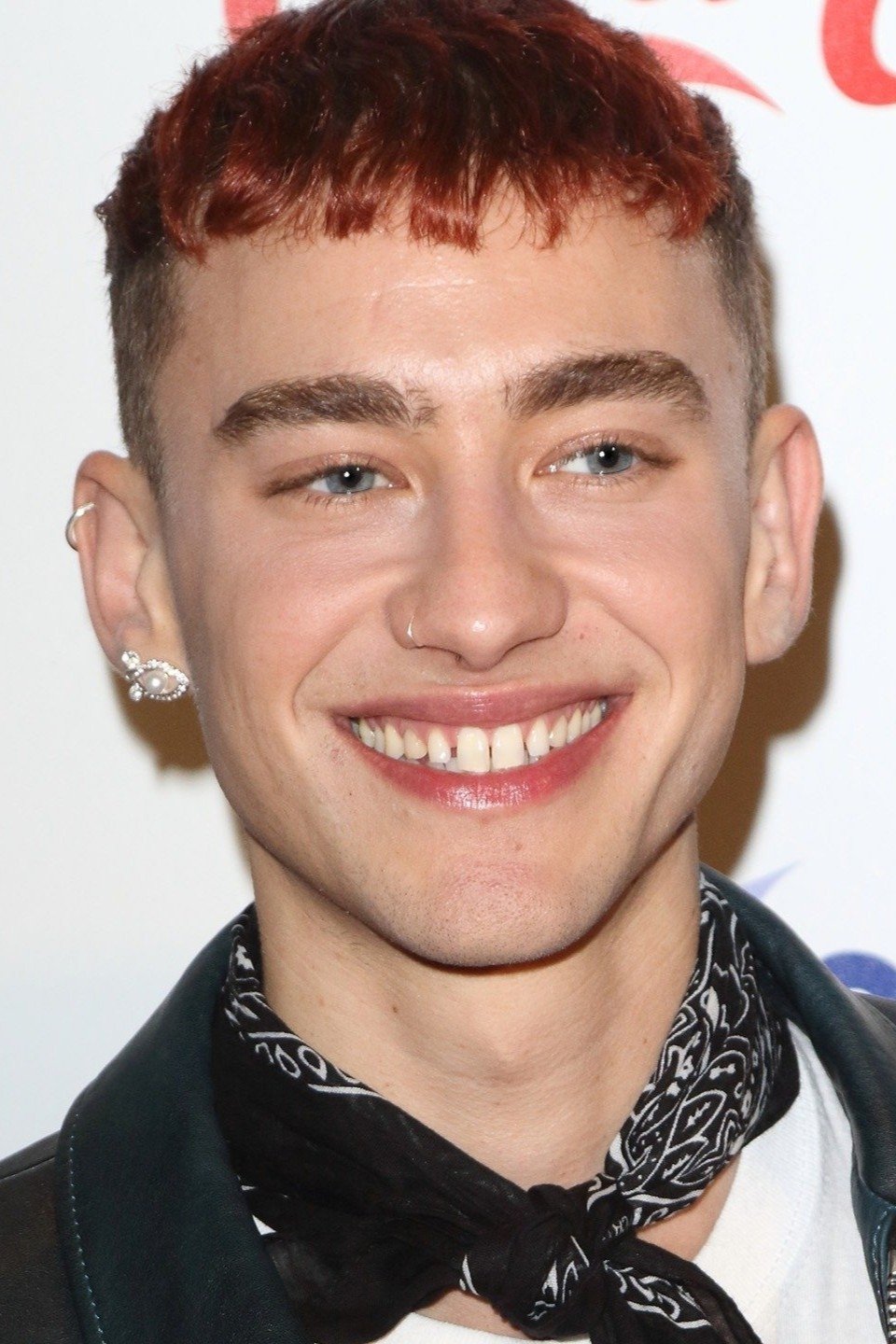
Years of success with the band Years & Years led Olly Alexander to become a prominent queer voice in pop music. He has been vocal about the pressure he felt early on to tone down his queerness to be more “radio-friendly.” Alexander challenged this by making his music and visuals overtly queer, such as in the video for ‘Sanctify’. He also starred in the hit series ‘It’s a Sin’, which dealt with the HIV/AIDS crisis, a project he was told might be too “niche” for a global audience. He continues to represent the UK on international stages, including the Eurovision Song Contest.
Hayley Kiyoko
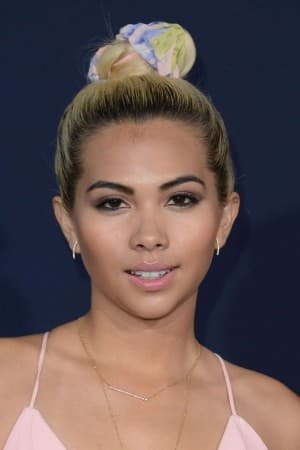
Often referred to as “Lesbian Jesus” by her fans, Hayley Kiyoko has centered her entire music career around her queer identity. Early in her career, she faced resistance from music executives who felt her songs were too focused on girls. Kiyoko pushed back against the trope that queer music cannot have mainstream pop appeal. Her success with hits like ‘Curious’ proved that there was a massive, underserved audience for her perspective. She has consistently funded her own projects to maintain creative control over her queer-centric narratives. Her career is a blueprint for independent queer success in the music industry.
Janelle Monáe
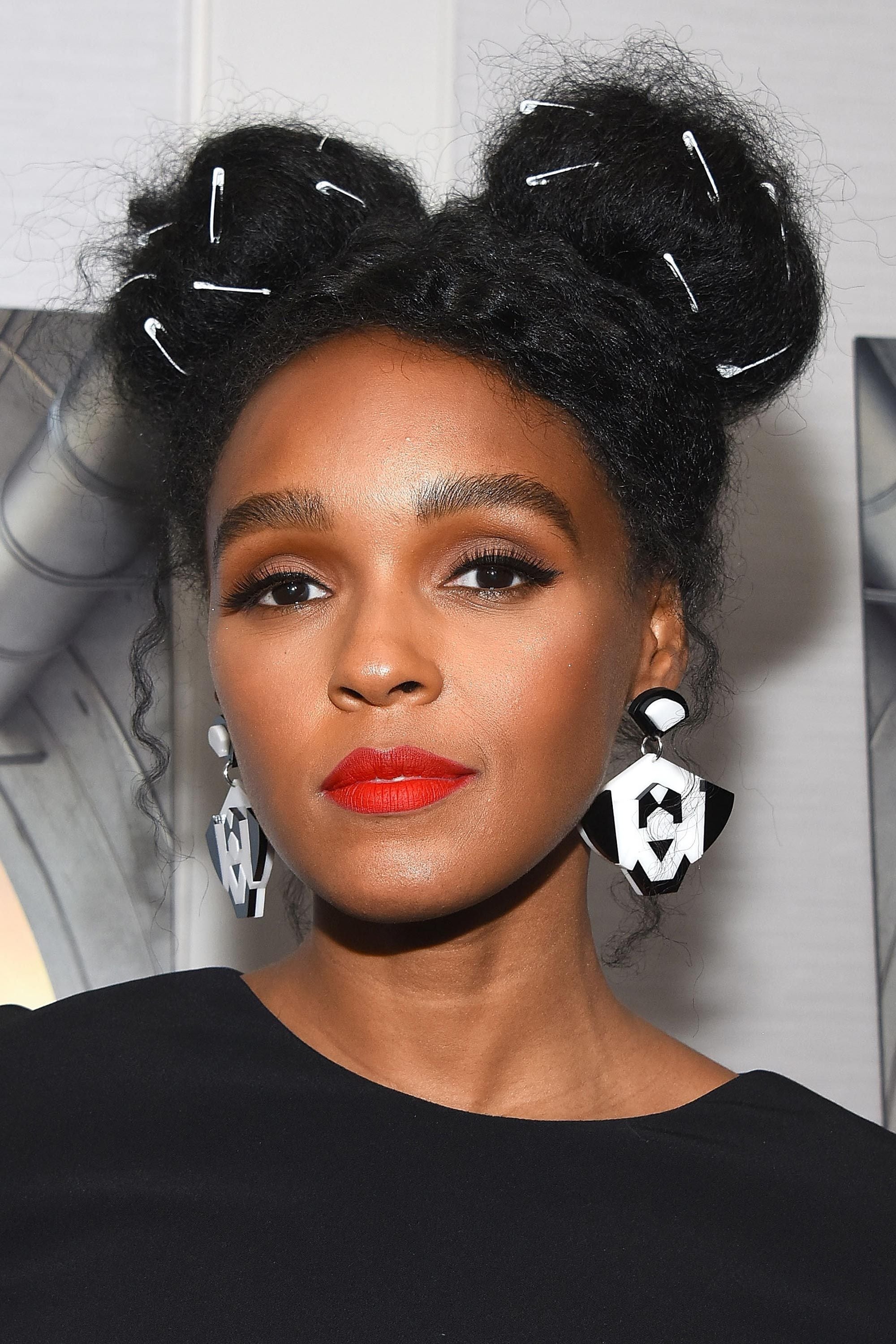
Janelle Monáe spent the early part of her career performing in a tuxedo and maintaining a highly conceptual, android-like persona. This was a direct challenge to the hyper-sexualized tropes often forced upon Black women in the music industry. When Monáe came out as pansexual and non-binary, she shifted her aesthetic to be more colorful and sexually liberated in projects like ‘Dirty Computer’. This transition was a significant professional pivot that invited new levels of scrutiny regarding her identity. Monáe has successfully moved into high-profile acting roles in films like ‘Hidden Figures’ and ‘Glass Onion’.
Cheyenne Jackson
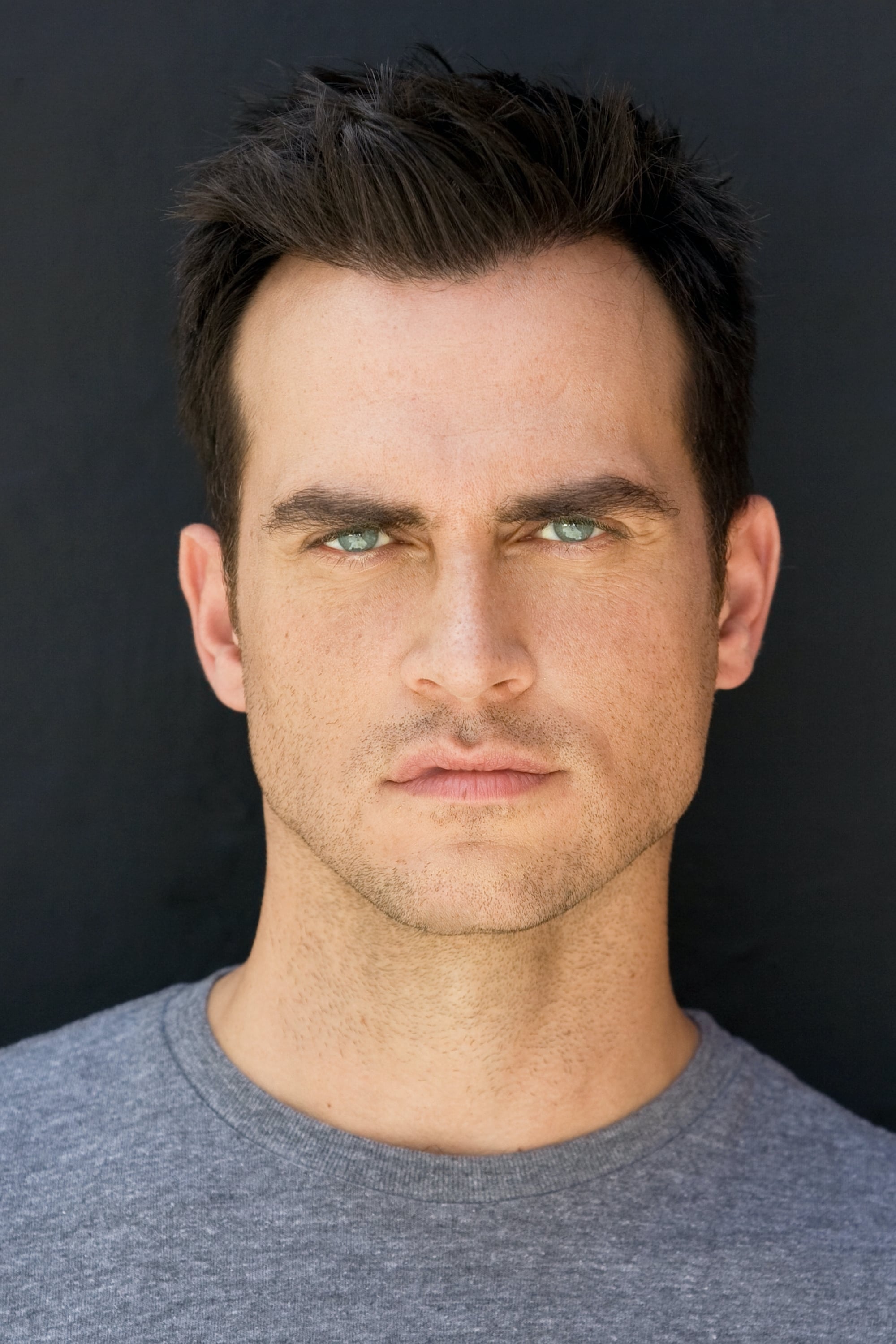
Cheyenne Jackson is a Broadway veteran who transitioned into television roles in ‘Glee’ and ‘American Horror Story’. He has discussed the “invisible” pressure to remain a vague “leading man” type to keep casting options open. Jackson has been open about his sobriety and his life as a gay father, challenging the trope of the hard-partying queer performer. He has noted that while being out has not stopped his career, it has certainly influenced the “types” he is considered for in Hollywood. He remains a prolific performer across stage and screen.
Raven-Symoné
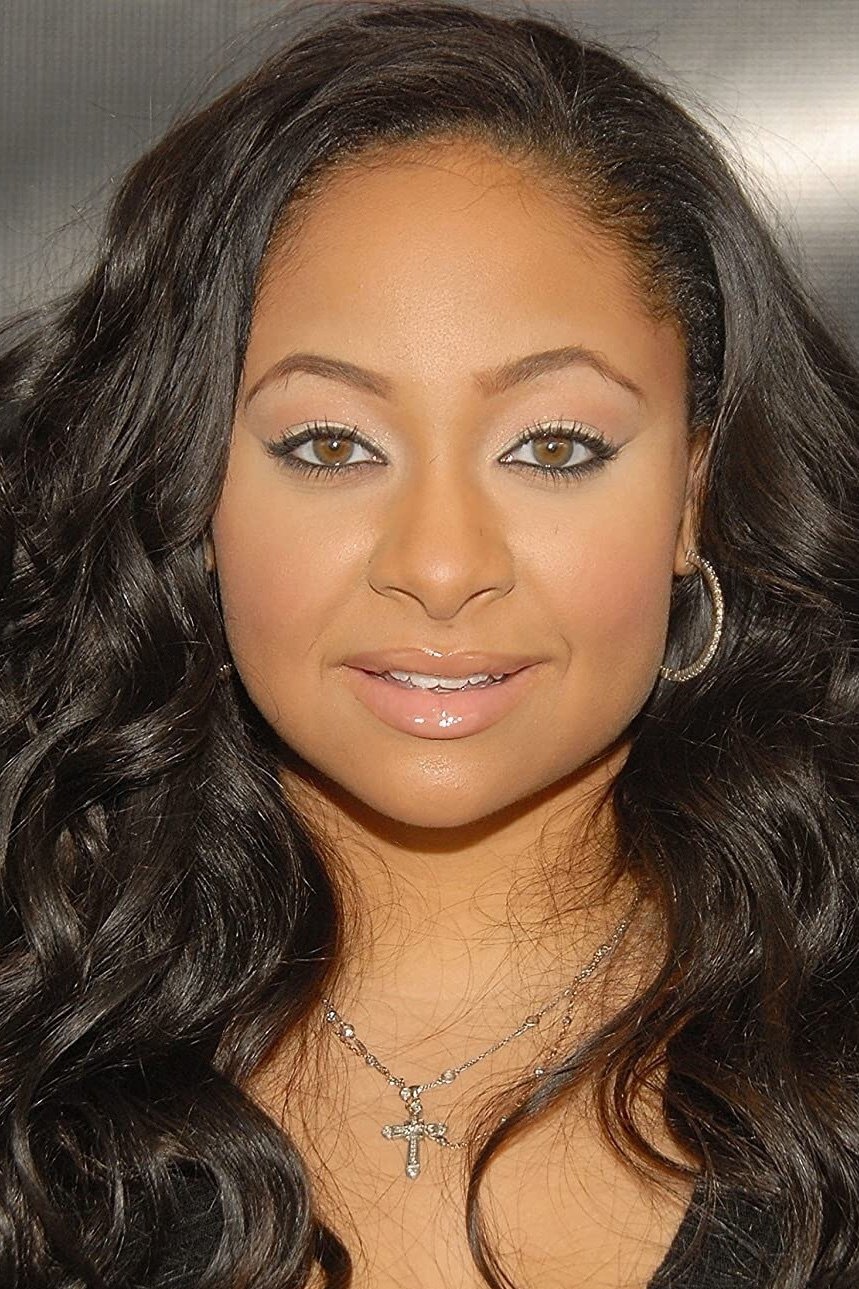
Raven-Symoné, a former child star on ‘The Cosby Show’ and ‘That’s So Raven’, has had a complex relationship with labels. In a 2014 interview with Oprah Winfrey, she stated she did not want to be labeled “gay” or “African-American,” but rather a “human who loves humans.” This stance challenged both mainstream queer tropes and identity-based marketing, leading to significant backlash from the LGBTQ+ community. Since then, she has become more involved in queer visibility, even executive producing the reboot ‘Raven’s Home’. Her journey reflects the struggle of child stars to define themselves on their own terms.
Wanda Sykes
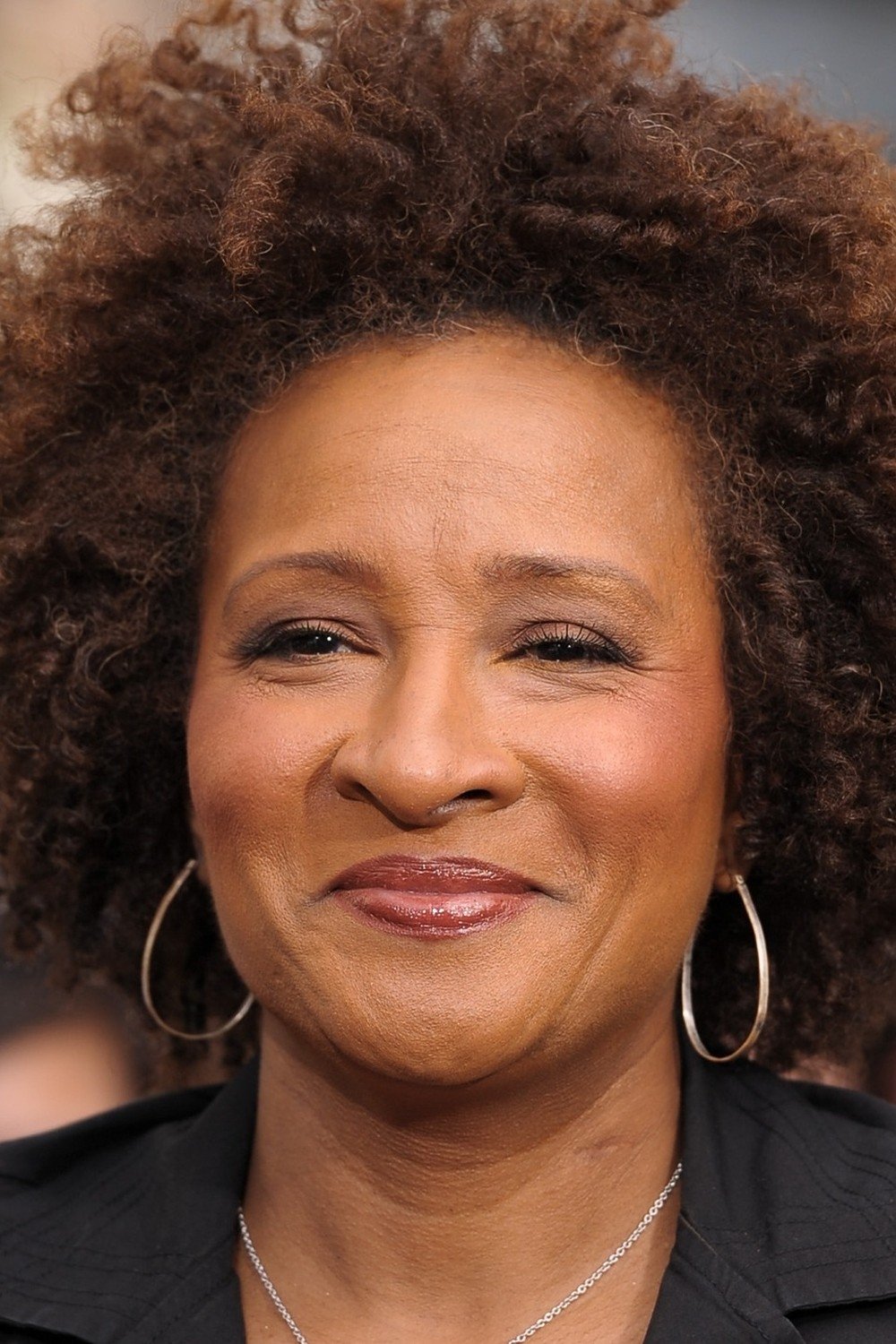
Wanda Sykes came out publicly at a 2008 rally against Proposition 8 in California, a move that surprised many in the comedy world. As a Black lesbian in comedy, she has faced the intersectional challenge of defying both racial and gender tropes. Sykes has stated that coming out actually made her more comfortable and effective in her stand-up. However, she has also discussed the difficulty of getting certain projects greenlit that center on her specific life experience. She continues to be a powerhouse in the industry, voicing characters and starring in the sitcom ‘The Upshaws’.
Jonathan Bennett
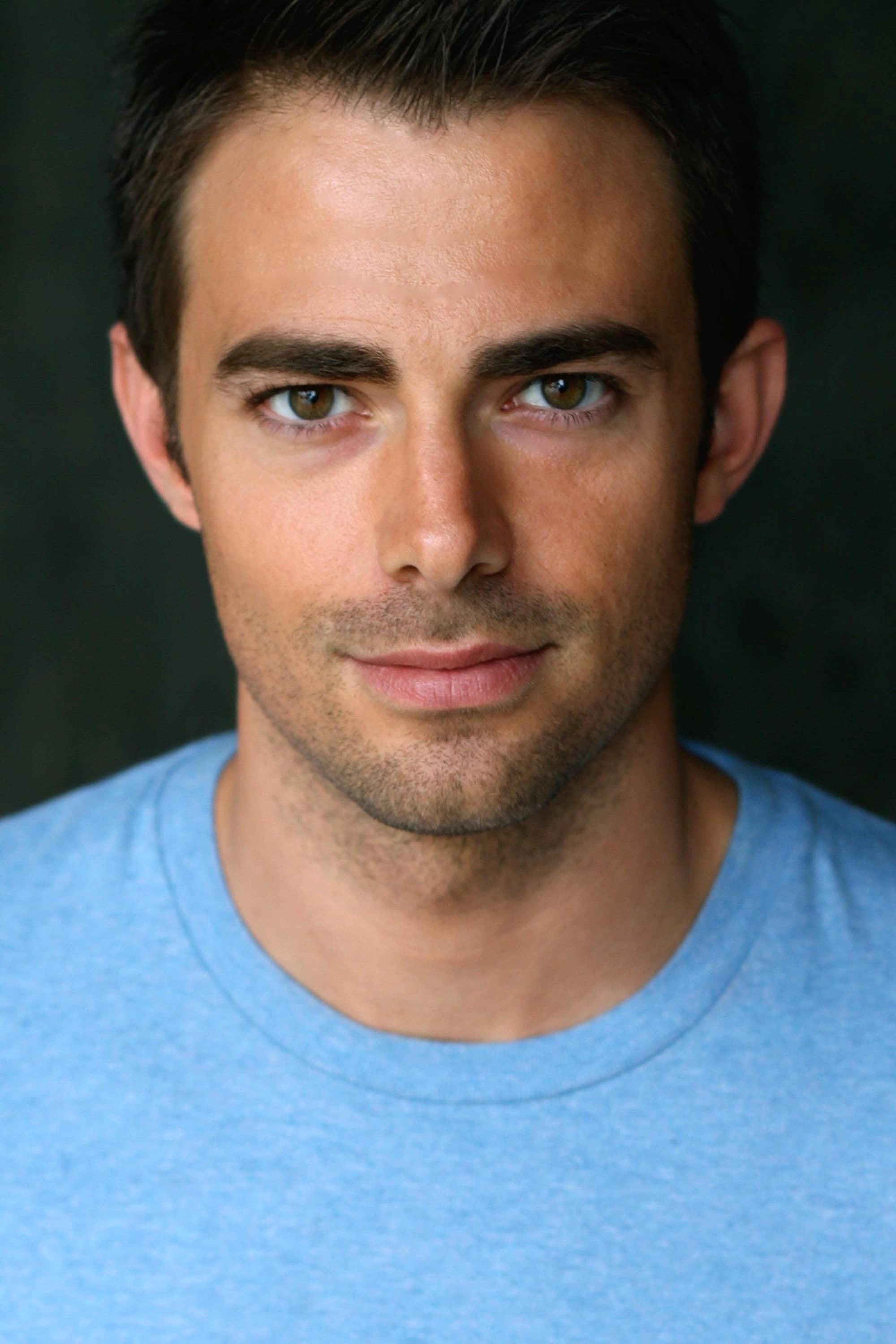
After playing the quintessential high school heartthrob Aaron Samuels in ‘Mean Girls’, Jonathan Bennett found his career at a crossroads. He was advised to stay in the closet to maintain his status as a teen idol, a trope that he eventually found suffocating. For years, he struggled to find leading roles in mainstream films after the ‘Mean Girls’ hype faded. Bennett eventually embraced his identity and found a new career niche in Hallmark Channel movies. He became the first actor to lead an LGBTQ+ centered Christmas movie for the network, ‘The Holiday Sitter’.
Victor Garber
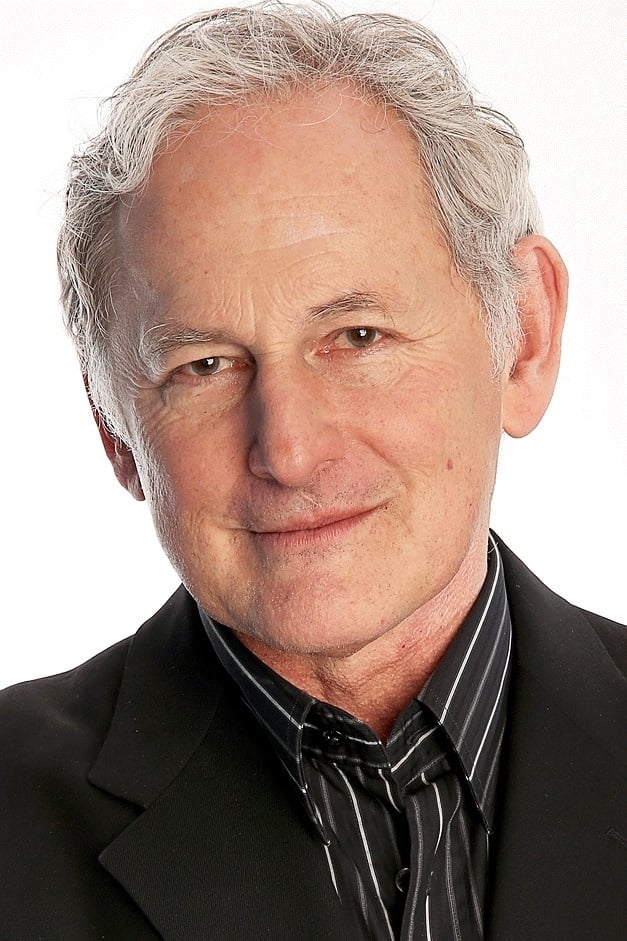
Victor Garber is a prolific character actor known for ‘Alias’ and ‘Titanic’, who only officially confirmed his sexuality in a brief 2013 interview. For most of his career, he operated within the industry-standard trope of the private, distinguished actor. Garber has mentioned that he never felt he was “in” the closet, but he also didn’t feel the industry was ready for him to be “out” during his peak years. Since confirming his relationship with Rainer Andreesen, he has continued to work steadily, including a long stint on ‘Legends of Tomorrow’. His career shows the quiet navigation required by many veteran queer actors.
Jim Parsons

Jim Parsons became one of the highest-paid actors on television for his role as Sheldon Cooper in ‘The Big Bang Theory’. He was outed by a New York Times profile in 2012, which challenged the trope that sitcom stars must be perceived as available or straight. Parsons has since pivoted to producing and starring in queer-centric projects like ‘The Boys in the Band’ and ‘Spoiler Alert’. He has been open about how the massive success of ‘The Big Bang Theory’ gave him the financial freedom to take risks. He remains a key figure in shifting the narrative for gay men in comedy.
T. R. Knight
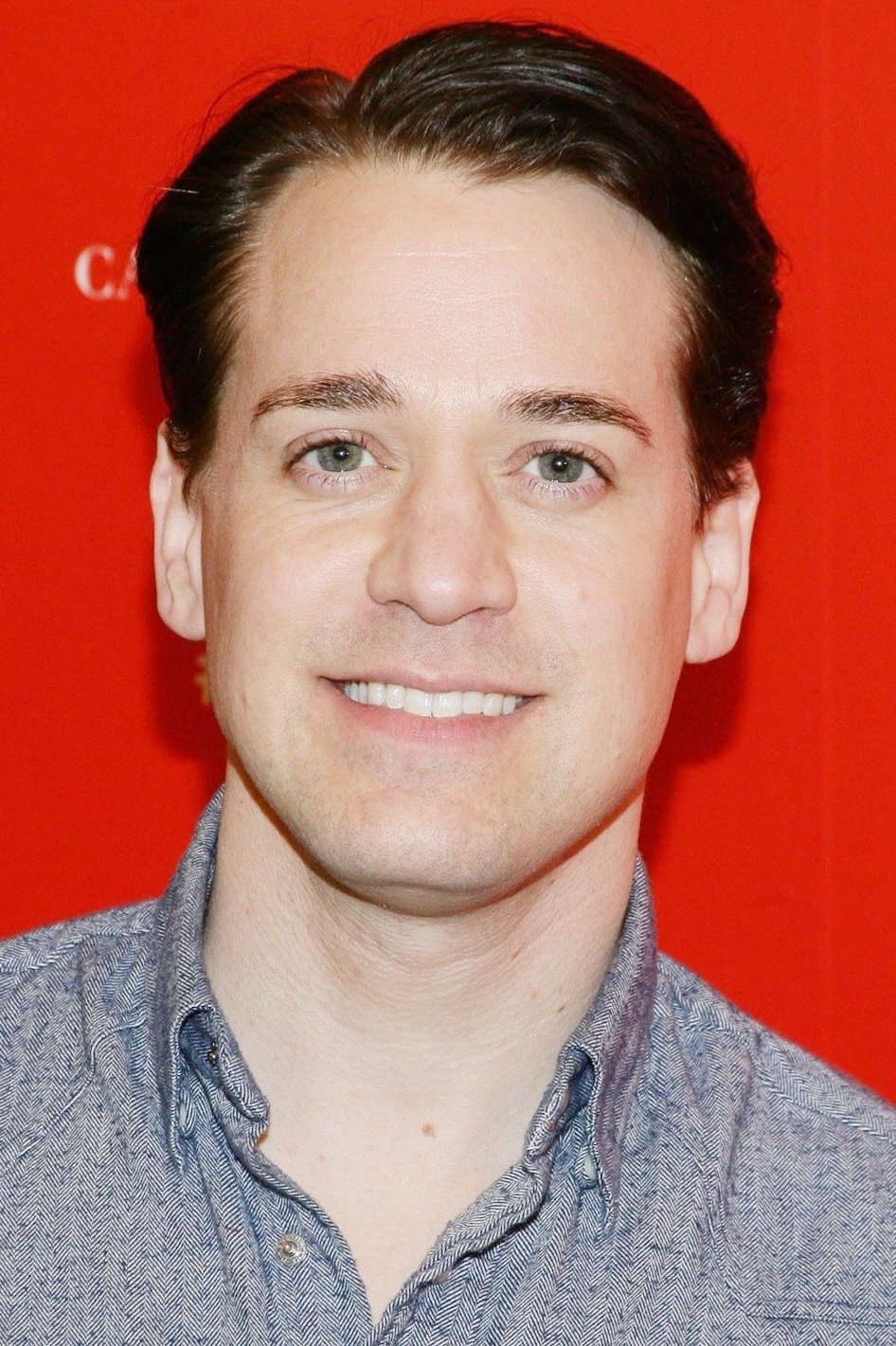
T.R. Knight’s exit from ‘Grey’s Anatomy’ was precipitated by a high-profile behind-the-scenes incident where a co-star used a homophobic slur. This event forced Knight to come out publicly before he was perhaps ready to do so on his own terms. He challenged the trope of the “compliant” cast member by speaking out about the lack of support he felt from the show’s leadership. Following his departure, Knight’s television career slowed down for several years as he returned to his roots in the theater. He eventually returned to TV in ‘The Flight Attendant’, showcasing his resilience.
Portia de Rossi
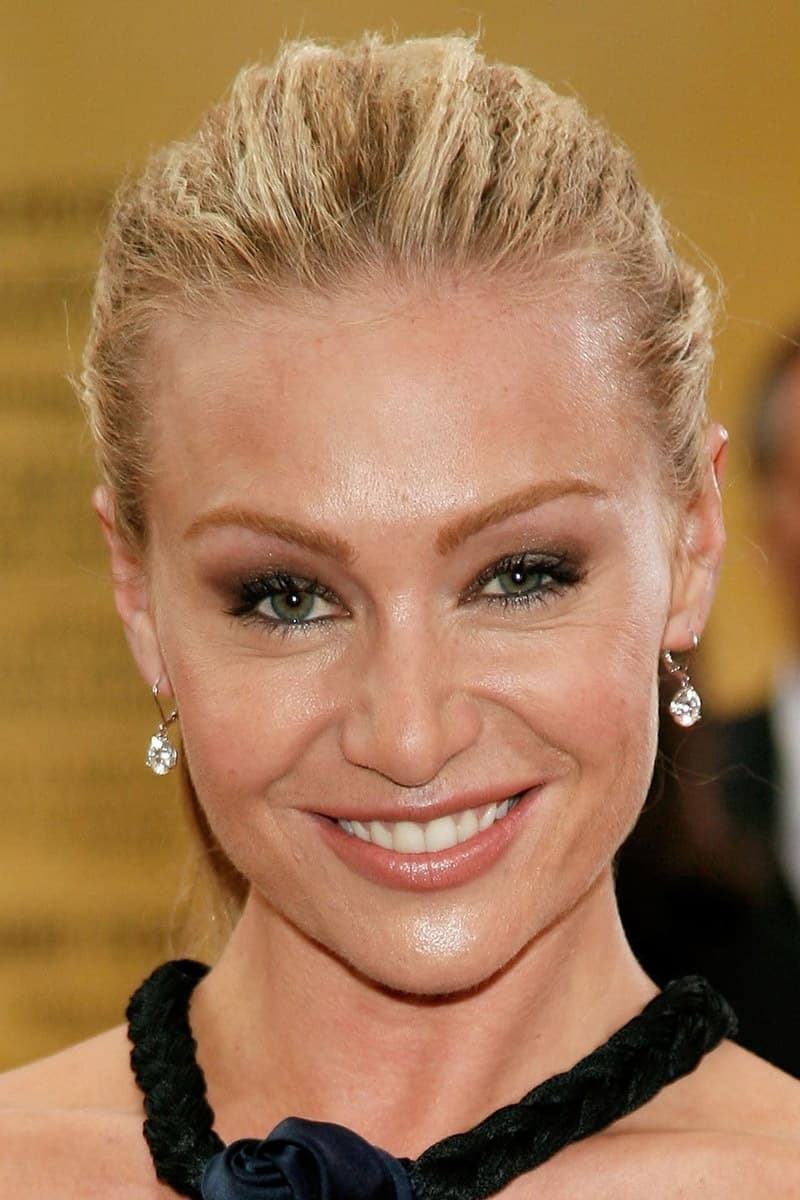
Portia de Rossi achieved fame on ‘Ally McBeal’ and ‘Arrested Development’ while keeping her sexuality a secret. She has written extensively in her memoir, ‘Unbearable Lightness’, about the eating disorder and mental health struggles she faced while trying to fit the “thin, blonde starlet” trope. Her marriage to Ellen DeGeneres made her one half of the most famous queer couple in the world, which completely changed her professional trajectory. De Rossi eventually stepped away from acting to focus on her business ventures and art curation. Her story highlights the extreme personal cost of maintaining a false public image.
Colton Haynes
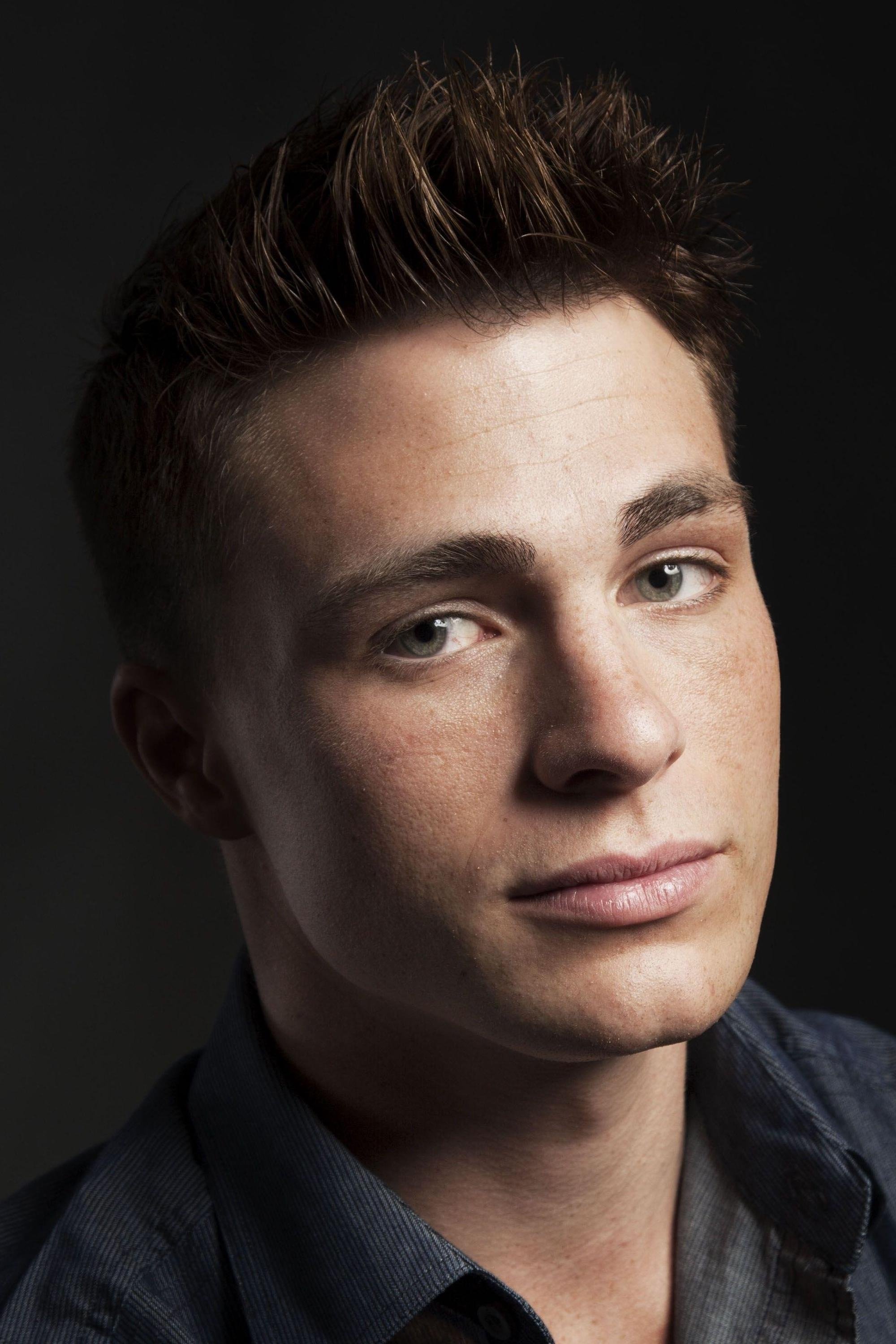
‘Teen Wolf’ and ‘Arrow’ star Colton Haynes was outed by a Tumblr post early in his career, leading to a period of intense mental health struggles. He has since discussed how his management team at the time forced him to date women for publicity to maintain his “heartthrob” status. Challenging this trope led to a temporary hiatus from acting as he sought treatment for anxiety and addiction. Haynes eventually returned to the industry on his own terms, speaking candidly about his experiences in his memoir, ‘Miss Memory Lane’. He is now an advocate for mental health and queer authenticity.
Charlie Carver
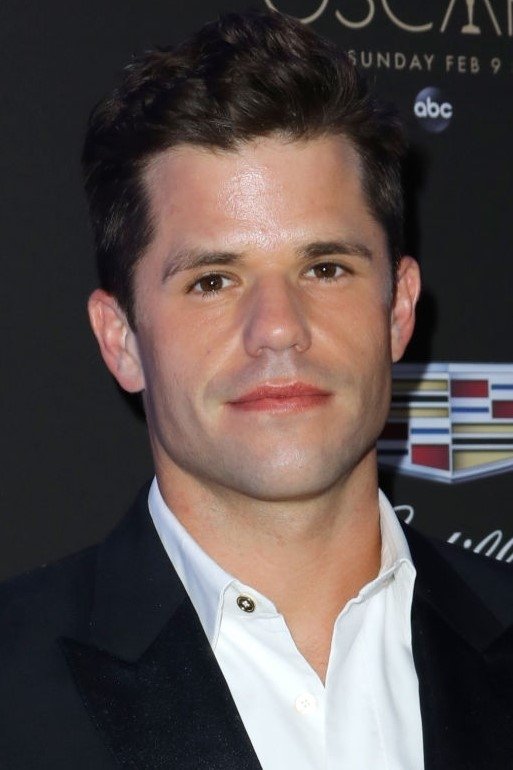
Charlie Carver, known for ‘Desperate Housewives’ and ‘Teen Wolf’, came out in a multi-part Instagram post in 2016. He addressed the “leading man” obstacle directly, stating that he was worried coming out would limit his career opportunities. Since then, he has worked closely with Ryan Murphy on projects like ‘Ratched’ and the Broadway revival of ‘The Boys in the Band’. Carver has been vocal about the need for queer actors to be able to play a variety of roles, not just those defined by trauma. He represents a generation of actors who are prioritizing their mental health over industry expectations.
Wilson Cruz
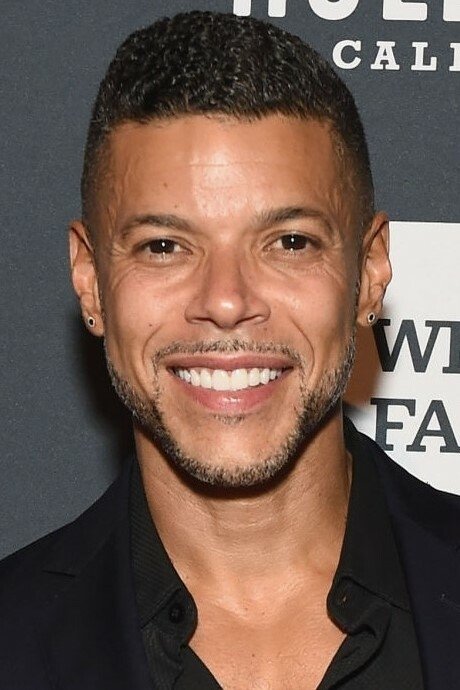
Wilson Cruz made history in 1994 as the first openly gay actor to play an openly gay character on a major network series, ‘My So-Called Life’. Following the show’s cancellation, Cruz faced significant obstacles, including a period of homelessness and a lack of job offers. He has discussed how the industry at the time simply didn’t know what to do with an out actor. Cruz persisted, eventually landing a groundbreaking role on ‘Star Trek: Discovery’ as part of the franchise’s first gay couple. His career is a testament to the decades-long struggle for queer visibility and respect in Hollywood.
Share your thoughts on these performers and their impact on the industry in the comments.