


LGBTQ+ Celebrities Who Refuse to Play Characters Defined Only by Their Sexuality

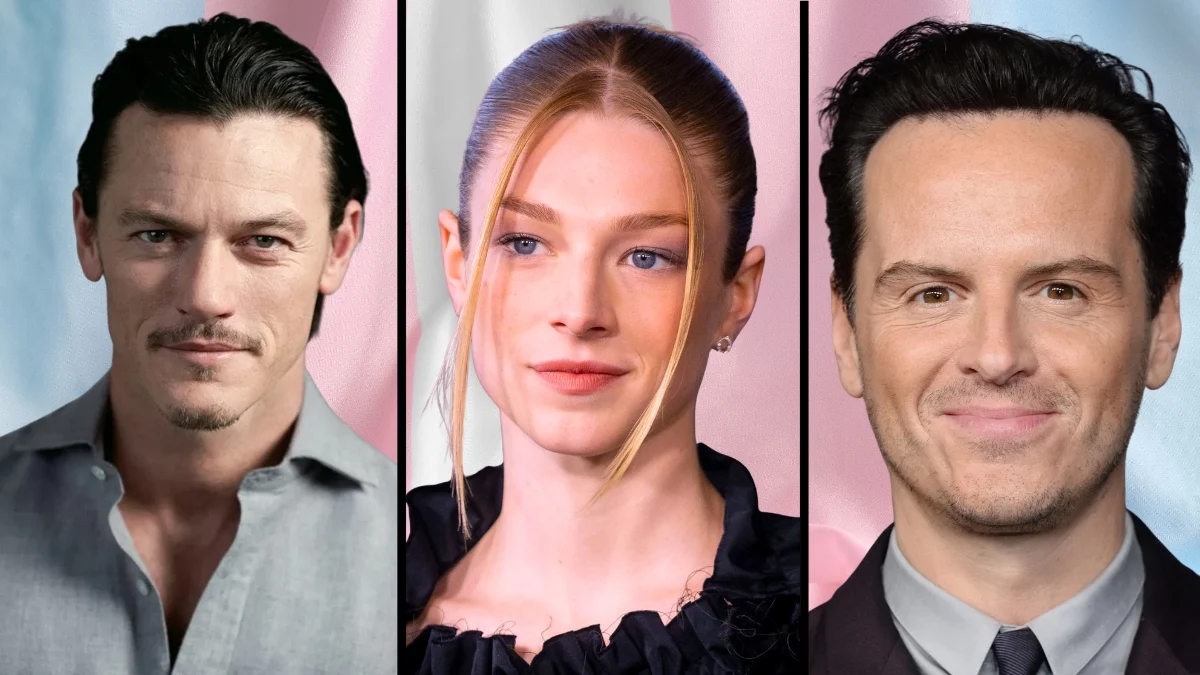


The landscape of Hollywood has undergone a significant transformation regarding the representation of LGBTQ+ actors and their roles. Historically, queer performers were often confined to stereotypical characters where their sexual orientation or gender identity was their only defining trait. Today, a growing number of celebrities are advocating for more nuanced and multi-dimensional roles that prioritize human complexity over identity labels. These actors are increasingly selecting projects that treat their sexuality as incidental, allowing them to showcase a broader range of talent. By challenging industry norms, they are paving the way for a more inclusive and authentic cinematic experience.
Hunter Schafer
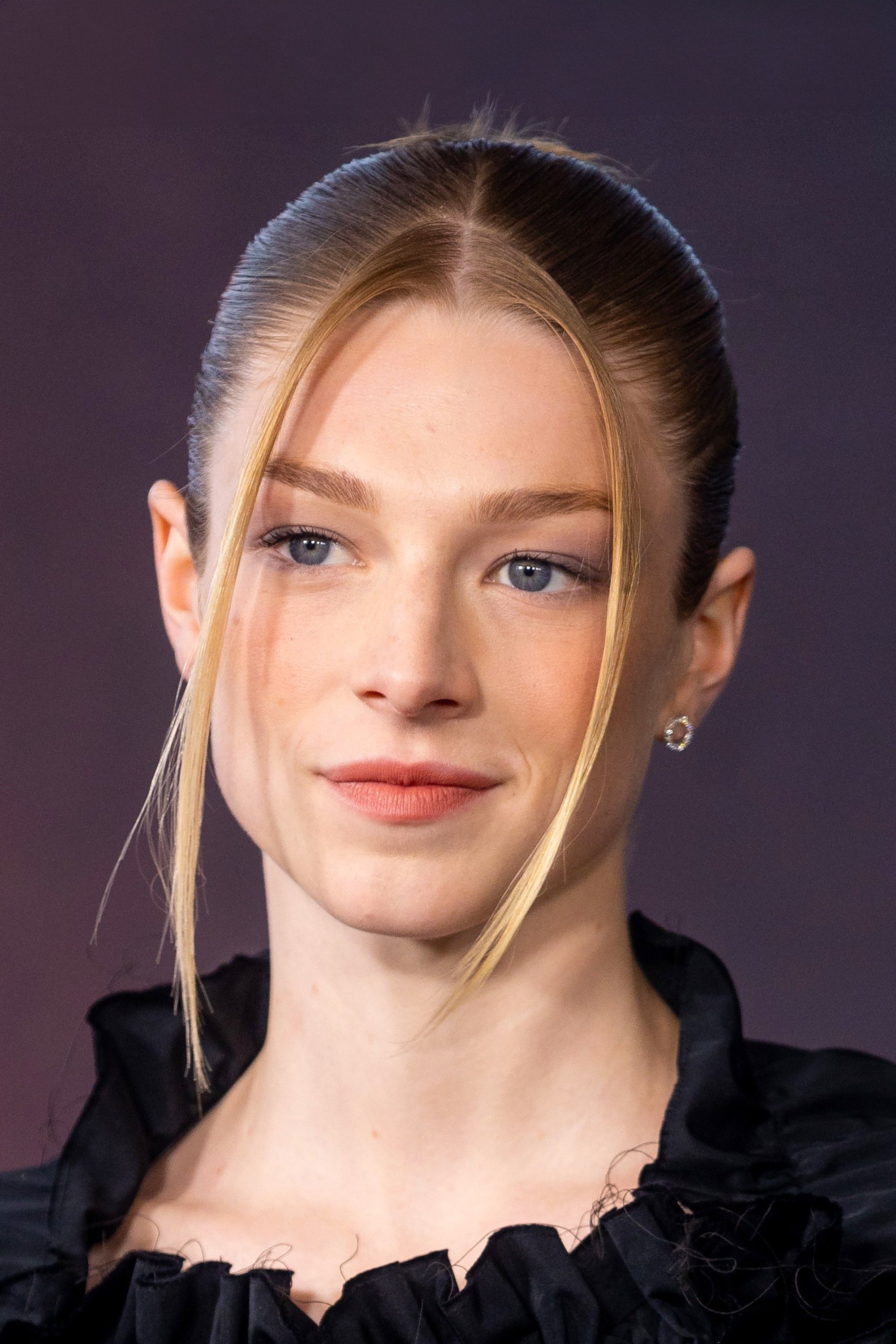
She recently told GQ that she no longer wants to take roles centered on her trans identity. Schafer explained that she wants to be seen as an actor first and foremost, rather than a “trans actor.” This decision stems from a desire to explore a wider range of human experiences on screen. By moving away from identity-specific narratives, she aims to reach new professional heights. Her role in ‘The Hunger Games: The Ballad of Songbirds & Snakes’ reflects this shift toward mainstream blockbuster cinema.
Andrew Scott
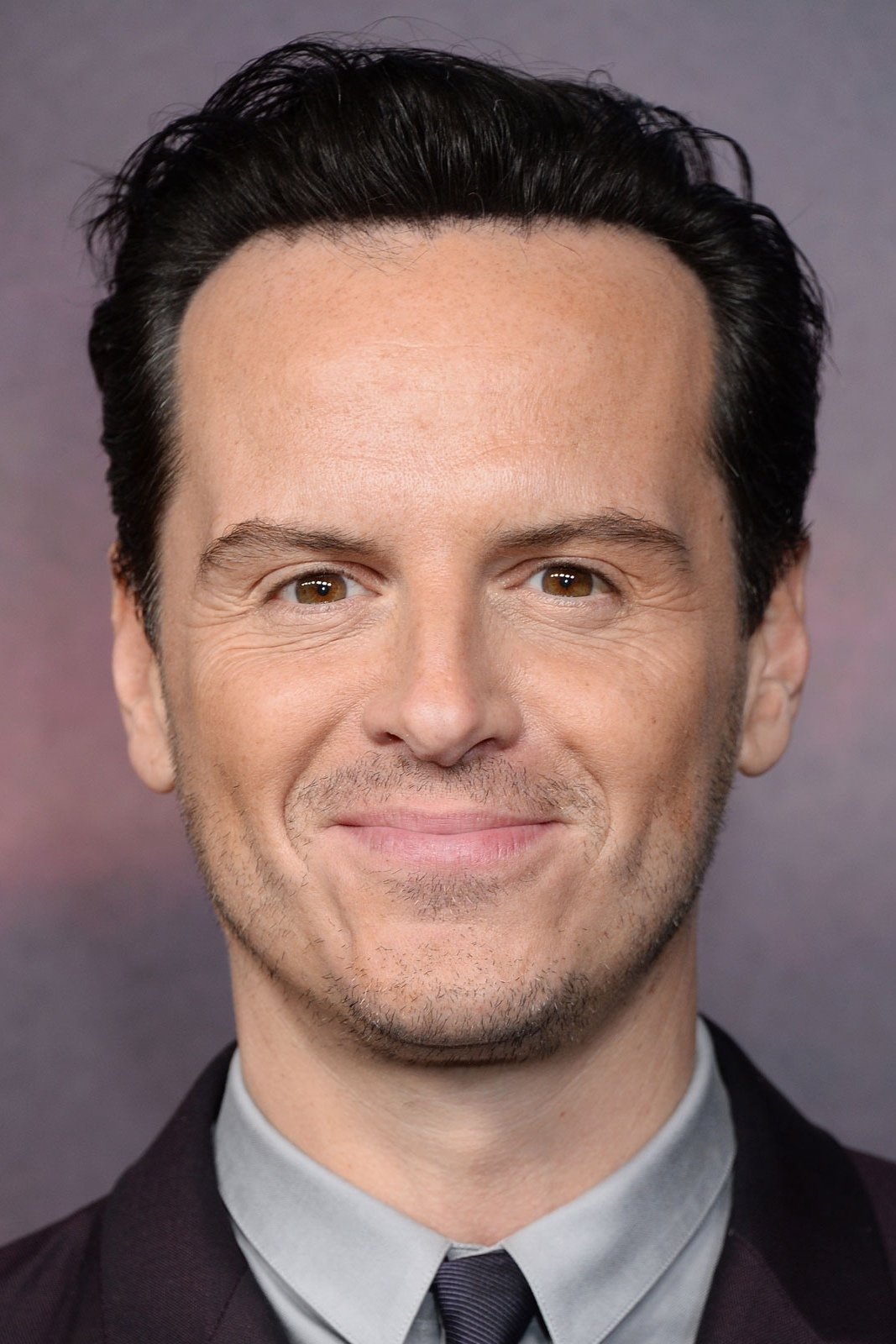
The Irish actor has frequently stated that he does not want to be categorized solely by his sexuality. He told the Independent that being gay is just one part of his personality and should not dictate the types of roles he receives. Scott rose to international fame playing the villainous Moriarty in ‘Sherlock’ and the “Hot Priest” in ‘Fleabag’. He emphasizes that the “gay” label should not be used as a prefix to the word “actor.” His career choices prioritize the complexity and emotional depth of the scripts he accepts.
Jonathan Bailey
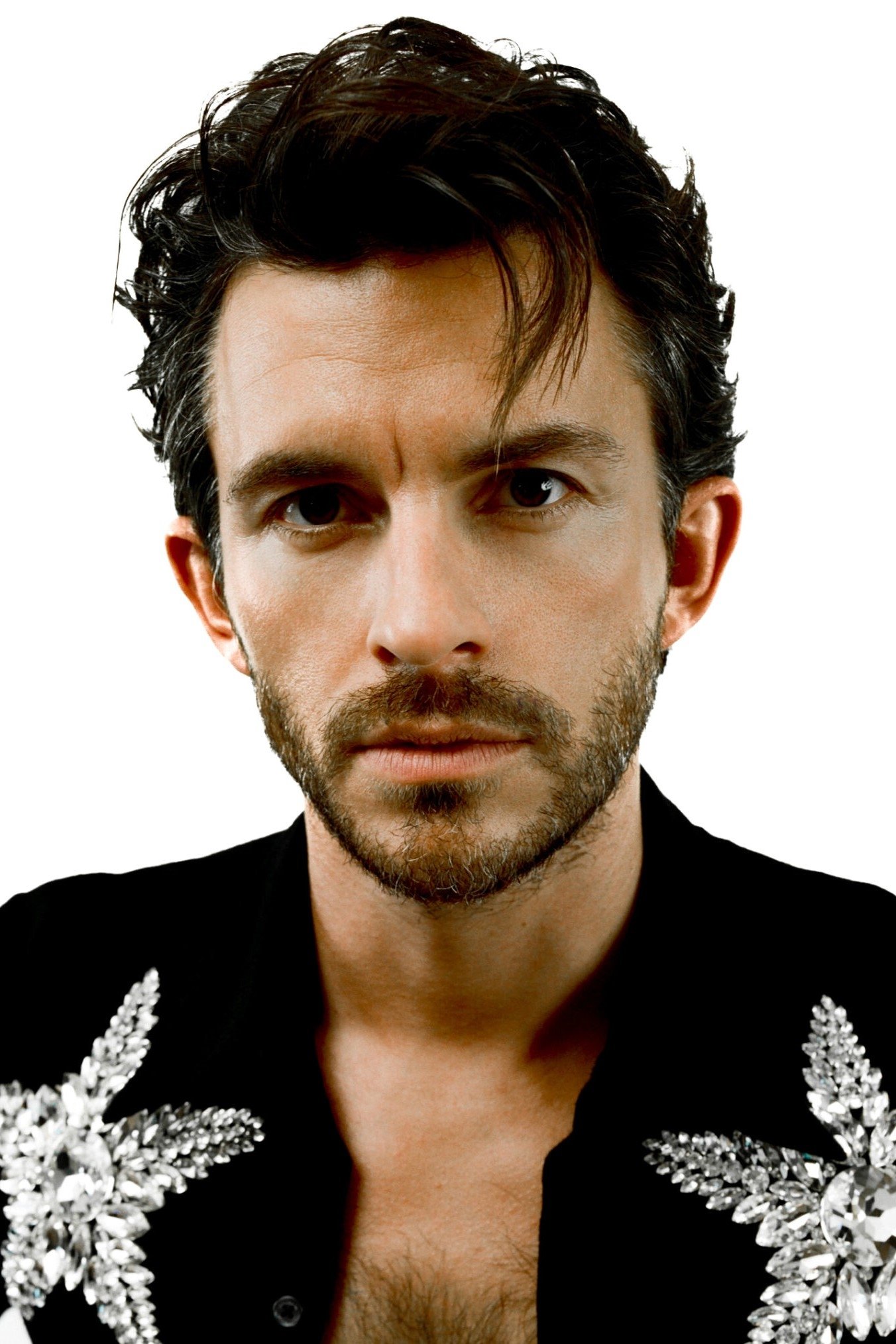
Known for his starring role in ‘Bridgerton’, Bailey has become a leading man in mainstream romantic dramas. He has spoken about the importance of gay actors playing roles where their sexuality is incidental to the plot. In the limited series ‘Fellow Travelers’, he explores queer history, but in many other projects, he focuses on universal character traits. Bailey believes that visibility comes from proving queer actors can lead any genre. He continues to select roles that showcase his versatility across theater and television.
Neil Patrick Harris
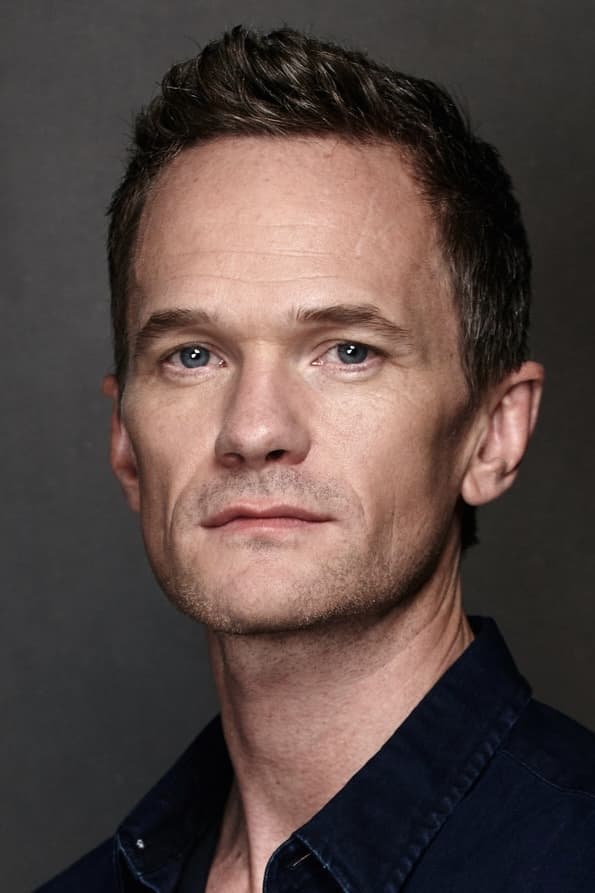
Harris has built a prolific career playing a wide variety of characters, most notably the womanizing Barney Stinson in ‘How I Met Your Mother’. He has argued that an actor’s job is to inhabit characters different from themselves, regardless of sexual orientation. Harris has voiced his preference for roles that are defined by their actions and personality rather than their romantic interests. Whether in ‘Gone Girl’ or ‘A Series of Unfortunate Events’, his choices demonstrate a commitment to genre-spanning performances. He remains a vocal advocate for the idea that talent transcends identity.
Matt Bomer
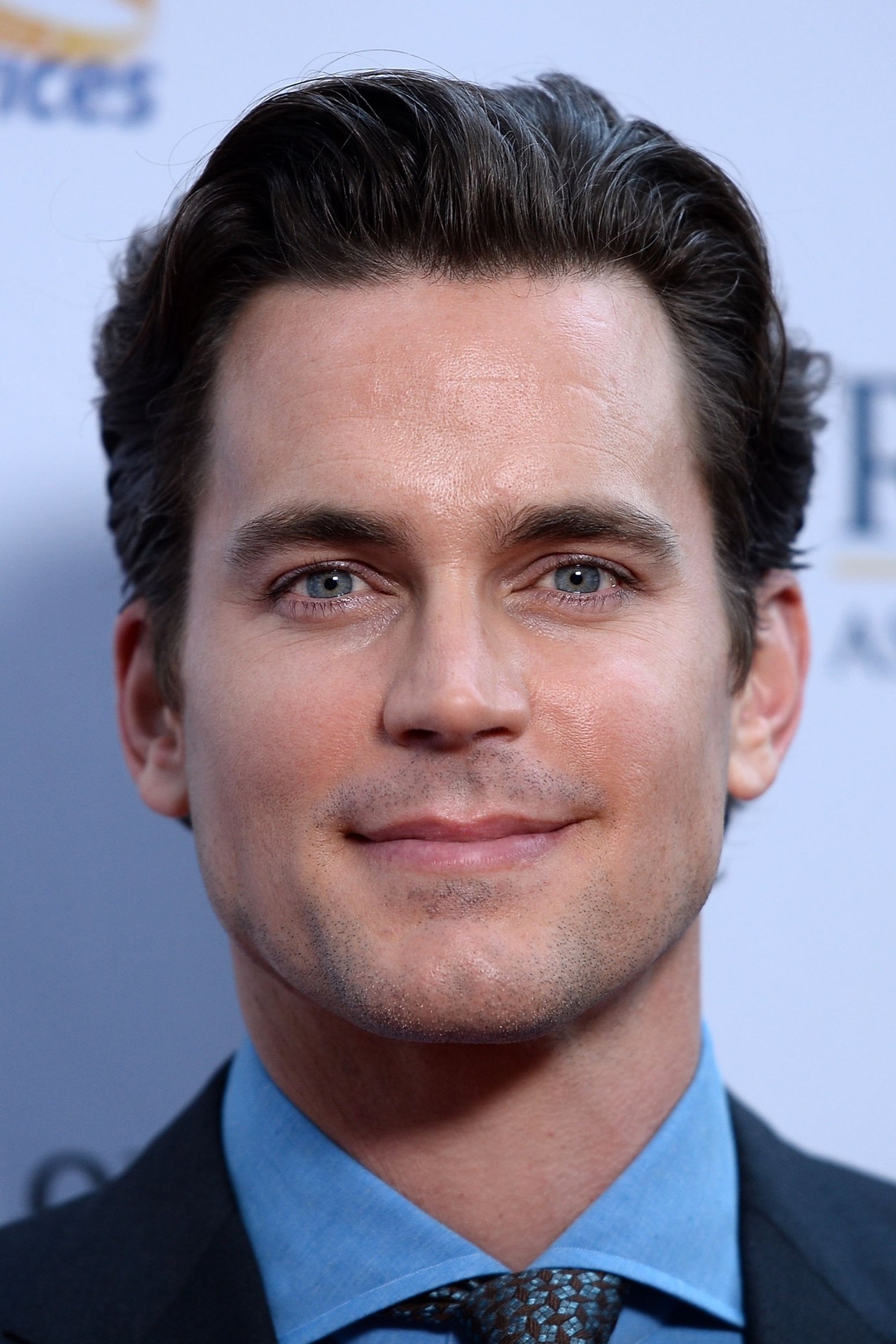
Bomer has often played roles where his character’s sexuality is either straight or not the primary focus of the story. In ‘White Collar’, he played a suave con artist whose romantic interests were women, proving his range to a broad audience. He has mentioned in interviews that he seeks out scripts with three-dimensional people who have complex motivations. Bomer believes that the industry is changing to allow for more nuanced portrayals of all people. His work in projects like ‘The Normal Heart’ highlights his range, balancing historical importance with personal depth.
Sarah Paulson
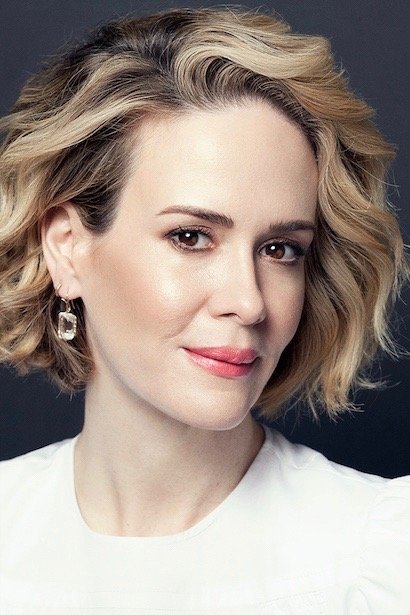
Paulson is a frequent collaborator with Ryan Murphy, often playing intense and varied characters in ‘American Horror Story’. Many of her most famous roles are not defined by who the character is dating, but by their psychological state or professional life. She has consistently avoided being pigeonholed into specific queer roles, instead opting for a wide spectrum of humanity. Her performance in ‘Ratched’ focused on the origin story of a famous literary villain. Paulson’s career serves as a blueprint for maintaining a diverse filmography while being openly queer.
Ben Whishaw
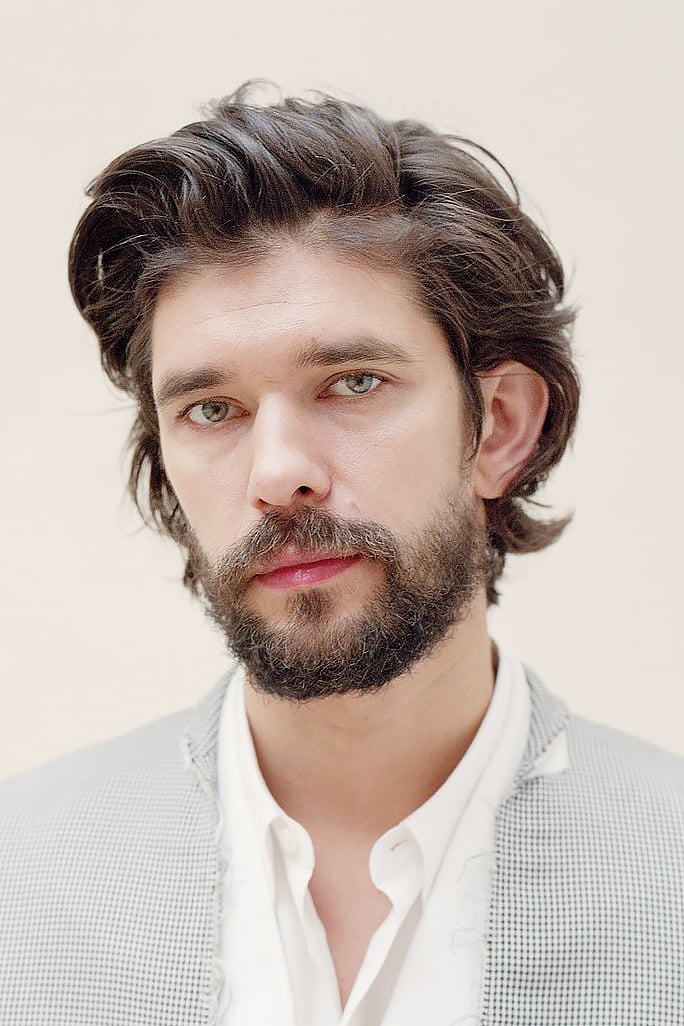
The British actor, famous for playing Q in the ‘James Bond’ franchise, has expressed a desire for more neutral roles. He told the Guardian that he looks forward to a time when an actor’s sexuality is not a talking point. Whishaw has played a variety of historical and fictional figures, from John Keats in ‘Bright Star’ to the voice of ‘Paddington’. He tends to gravitate toward scripts that offer a unique perspective on the human condition. His commitment to craft over identity has made him one of the most respected actors of his generation.
Colman Domingo
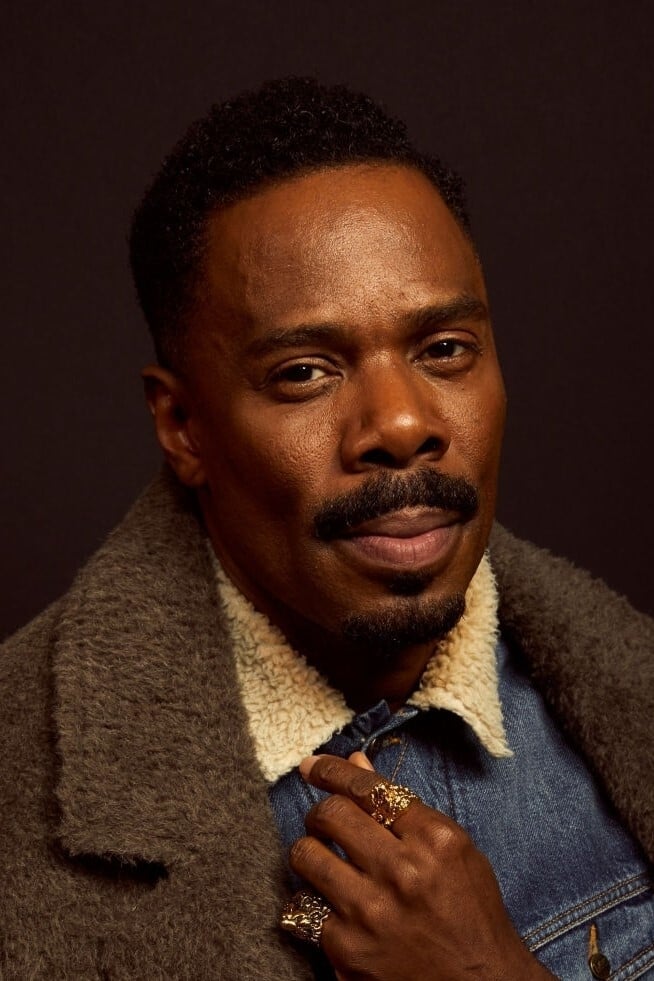
Domingo has become a powerhouse in Hollywood, earning acclaim for his roles in ‘Rustin’ and ‘The Color Purple’. He has stated that he seeks “men of consequence” who are defined by their contributions and character. Domingo often rejects scripts that rely on tired stereotypes or focus exclusively on the trauma of being queer. He views his career as a way to expand the narrative of what Black and queer men can achieve on screen. His versatility allows him to move seamlessly between stage, television, and film.
Hari Nef
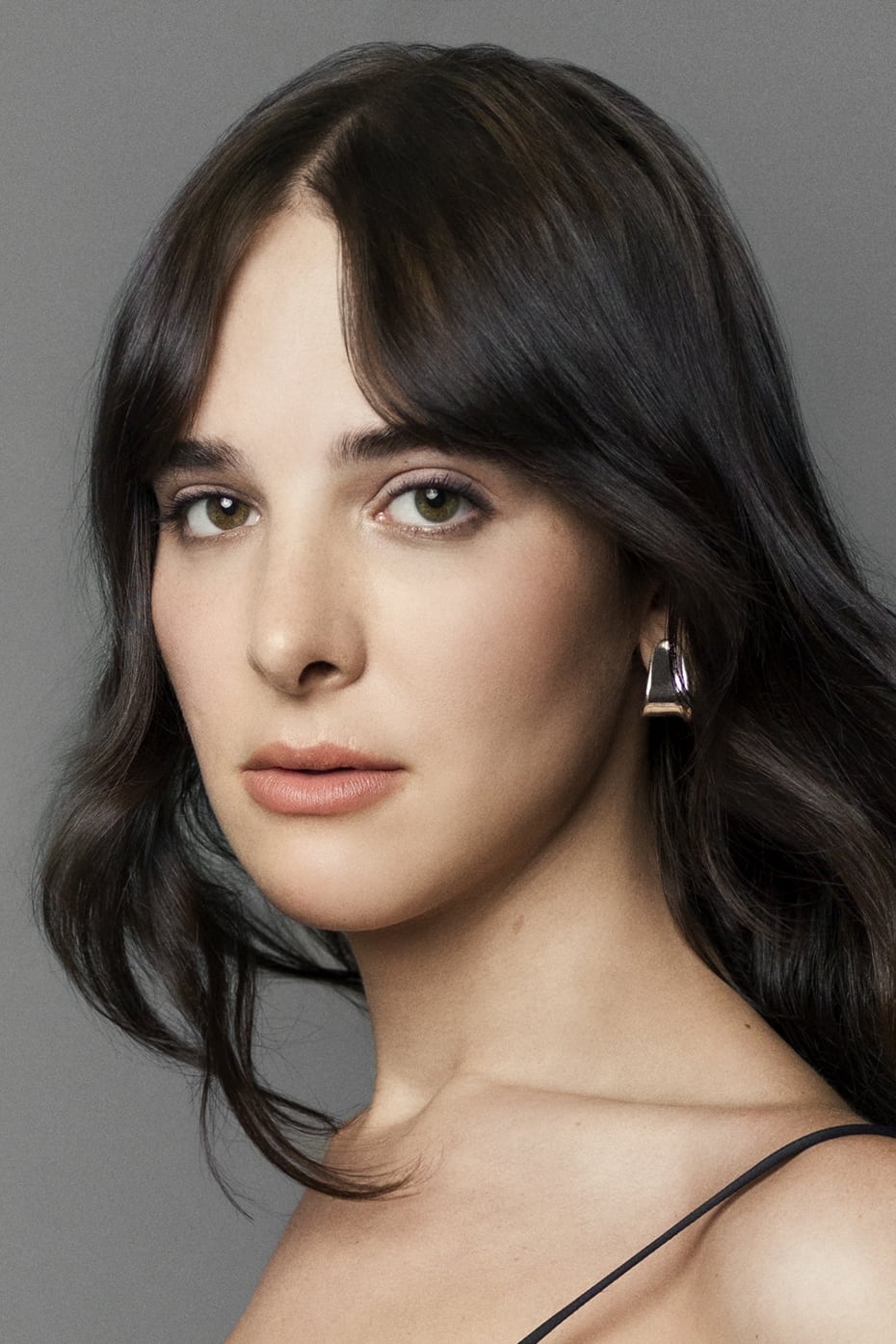
Nef has made a name for herself in projects like ‘Transparent’, ‘Barbie’, and ‘The Idol’. She has been vocal about wanting to play roles where her trans identity is not the plot’s focus. Nef argues that trans actors should be allowed to inhabit the same space as any other performer without being restricted to educational roles. Her role as a doctor in ‘Barbie’ exemplified this approach by being a character that happened to be played by a trans woman. She continues to advocate for more creative freedom for marginalized performers.
Zachary Quinto
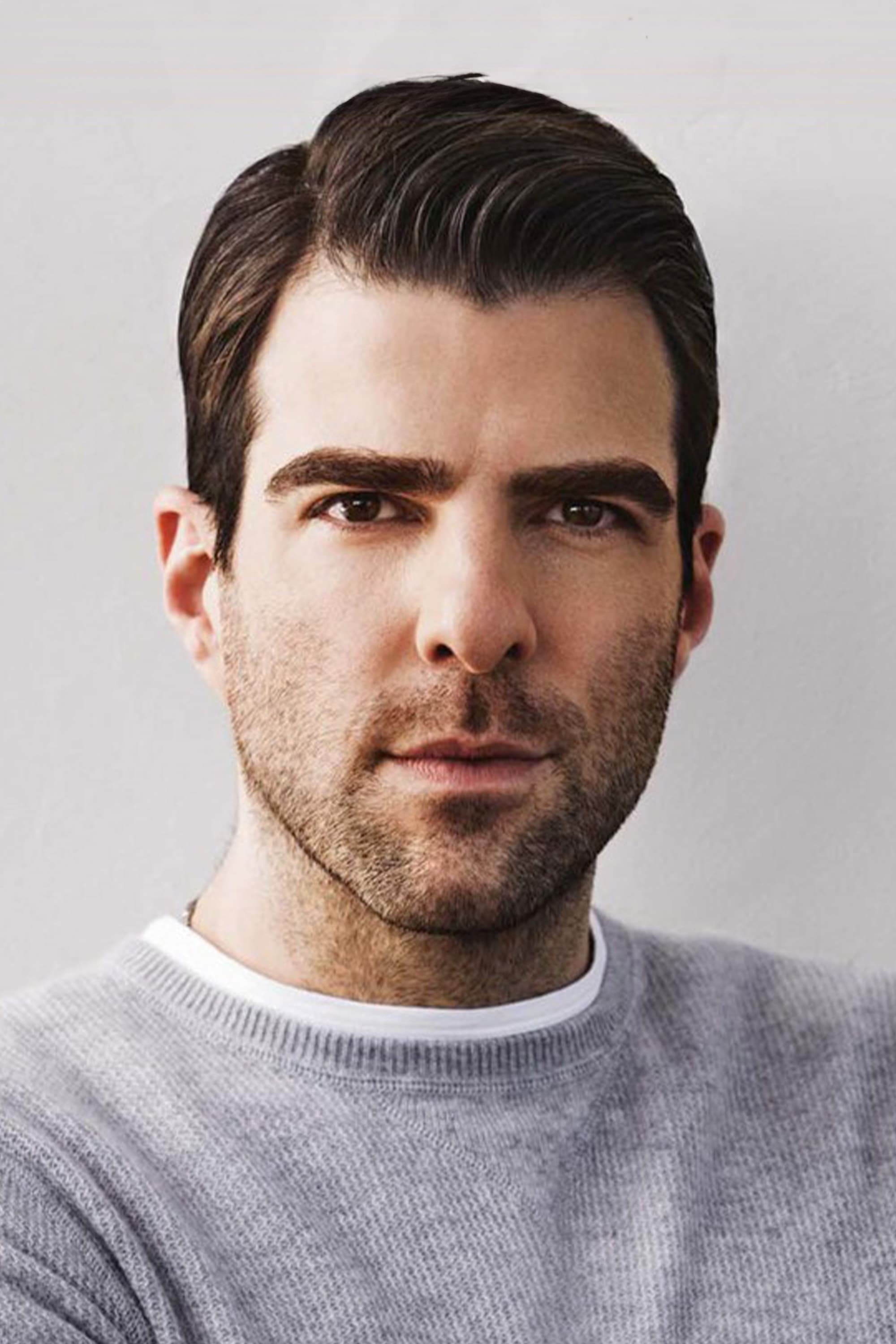
Best known for his roles in ‘Heroes’ and the ‘Star Trek’ reboot, Quinto has balanced his career with both queer and straight roles. He has spoken about the necessity of queer actors being considered for alpha or intellectual roles without their sexuality being an issue. Quinto often chooses projects that tackle philosophical or social themes rather than identity politics alone. He has portrayed a wide range of characters, from the logical Spock to the villainous Oliver Thredson in ‘American Horror Story’. His production company also focuses on telling diverse stories that go beyond simple categorization.
Luke Evans
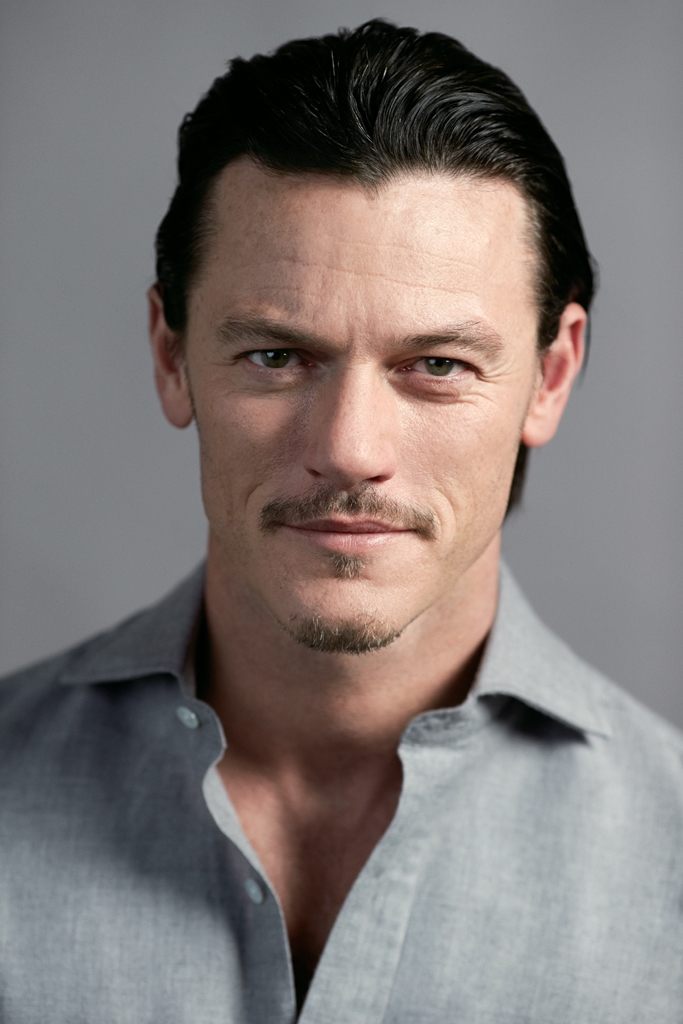
Evans has maintained a successful career as an action star and leading man in blockbusters like ‘The Hobbit’ and ‘Dracula Untold’. He has often kept his personal life private to ensure that audiences see him as the character first. Evans has played many heteronormative roles, including the villainous Gaston in the live-action ‘Beauty and the Beast’. He has expressed that an actor’s sexual orientation should not limit the types of stories they can tell. By taking on physically demanding and romantic lead roles, he has challenged traditional Hollywood casting norms.
Kristen Stewart
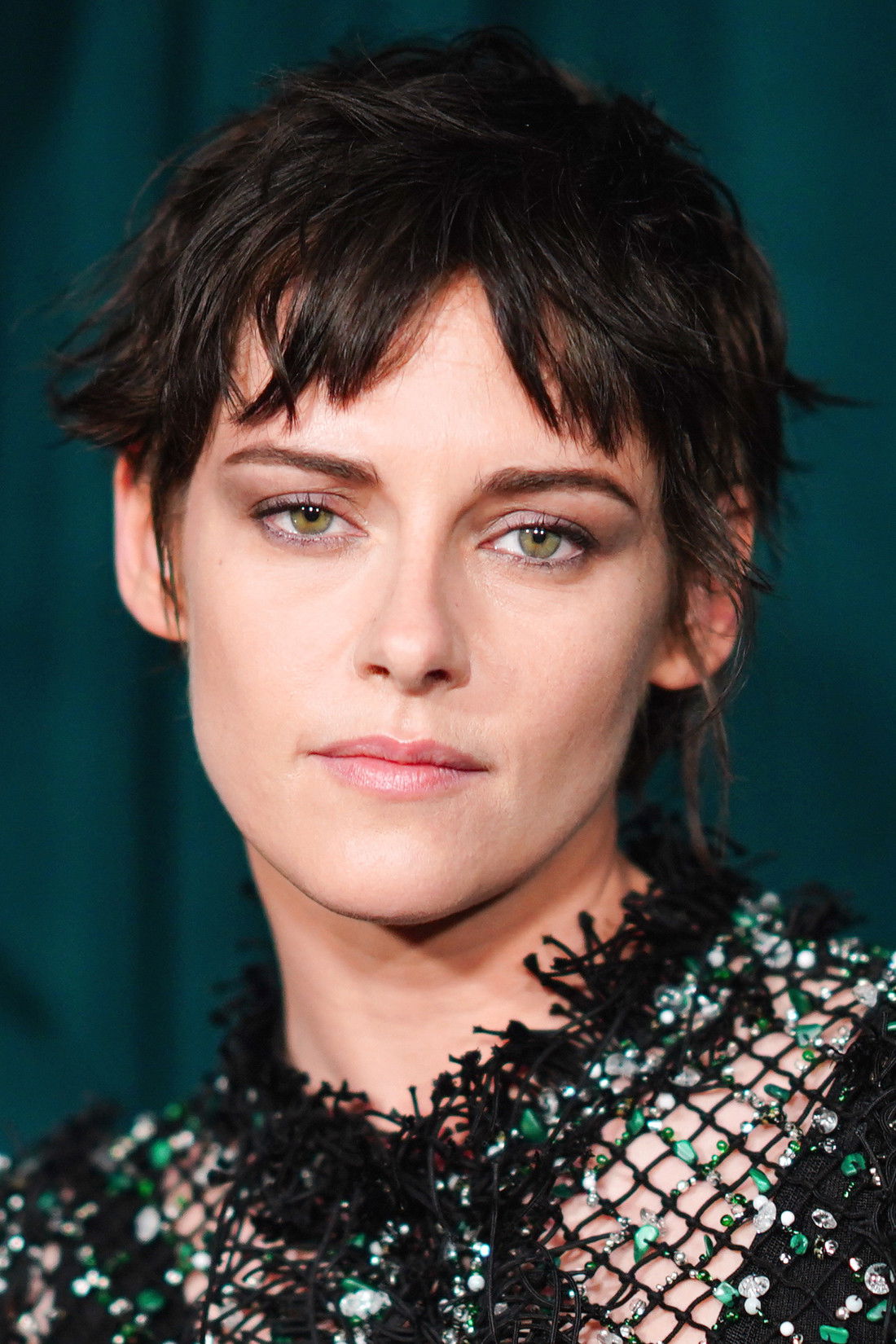
Since coming out, Stewart has continued to play a variety of roles that are not strictly defined by her sexuality. While she has embraced queer narratives like ‘Happiest Season’, she also focuses on experimental and biographical roles like ‘Spencer’. Stewart often looks for characters that feel authentic and human regardless of who they are attracted to. She has stated that she does not want to be a spokesperson for a specific identity through every role. Her filmography remains one of the most eclectic and genre-defying in the industry today.
Jim Parsons

After gaining fame as Sheldon Cooper in ‘The Big Bang Theory’, Parsons has taken on a variety of diverse projects. While he has participated in queer-centric stories like ‘The Boys in the Band’, he also seeks out roles where his sexuality is irrelevant. Parsons has noted that his time on the long-running sitcom allowed him the freedom to choose scripts based on character depth. He values roles that offer a real human experience rather than just a political statement. His transition from television to film and theater showcases a commitment to varied storytelling.
Dan Levy
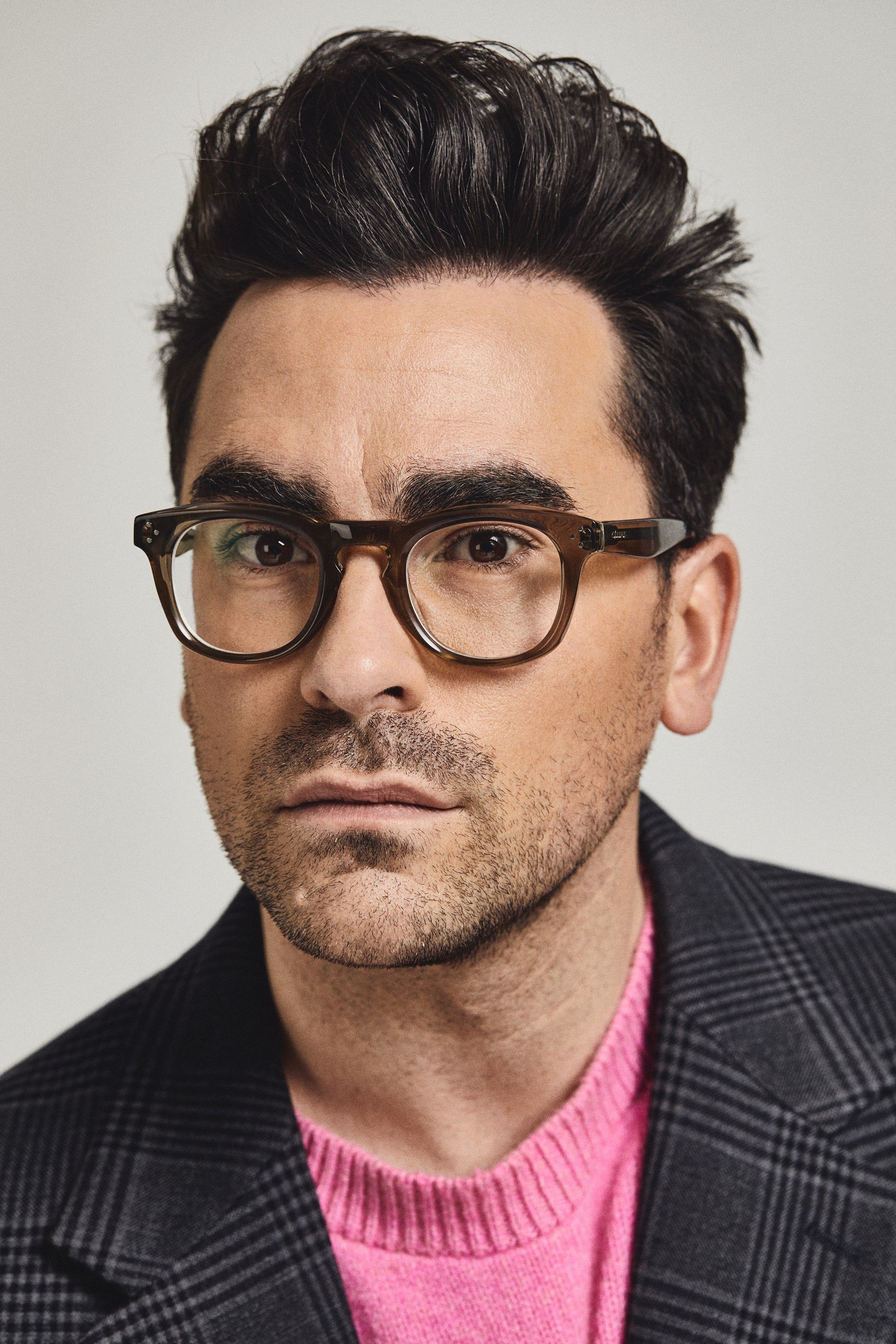
Levy rose to fame with ‘Schitt’s Creek’, a show he co-created and starred in. He deliberately chose to omit homophobia from the show’s universe to focus on the character’s personal growth and relationships. Levy has expressed that he wants to see queer characters living lives that aren’t defined solely by their struggle. He continues to develop projects, such as ‘Good Grief’, that highlight the humor and mundane aspects of life. His work emphasizes that queer stories can be universal and relatable to all audiences.
Russell Tovey
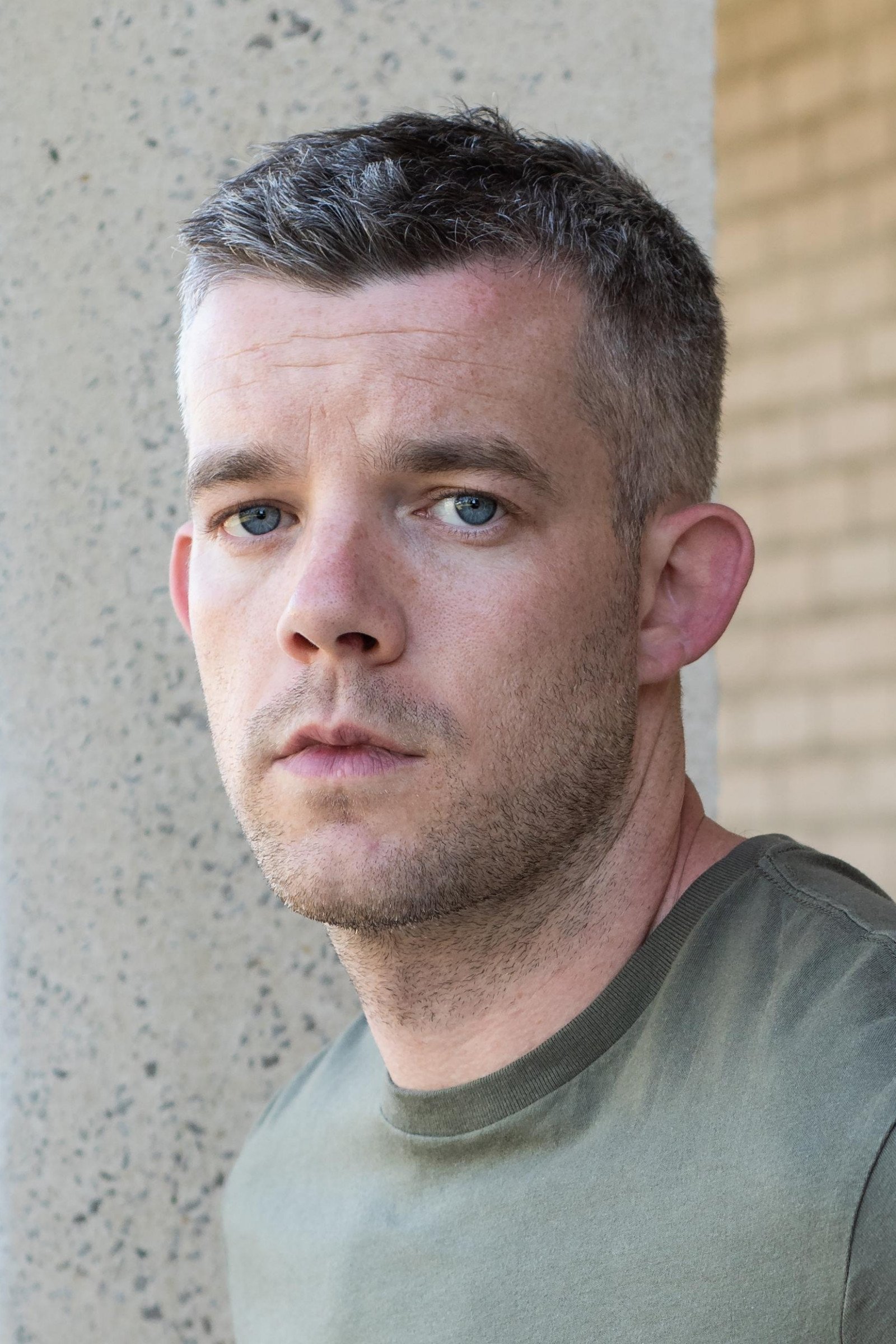
Tovey has been open about his desire to play “the guy next door” or everyman characters. He told the Guardian that he resisted being cast only in gay roles early in his career to avoid being stereotyped. He has played a wide range of characters in shows like ‘Being Human’ and ‘Quantico’. Tovey believes that the more queer actors play a variety of roles, the more the industry will normalize their presence. He continues to champion scripts that treat a character’s sexuality as just one of many traits.
Cynthia Nixon
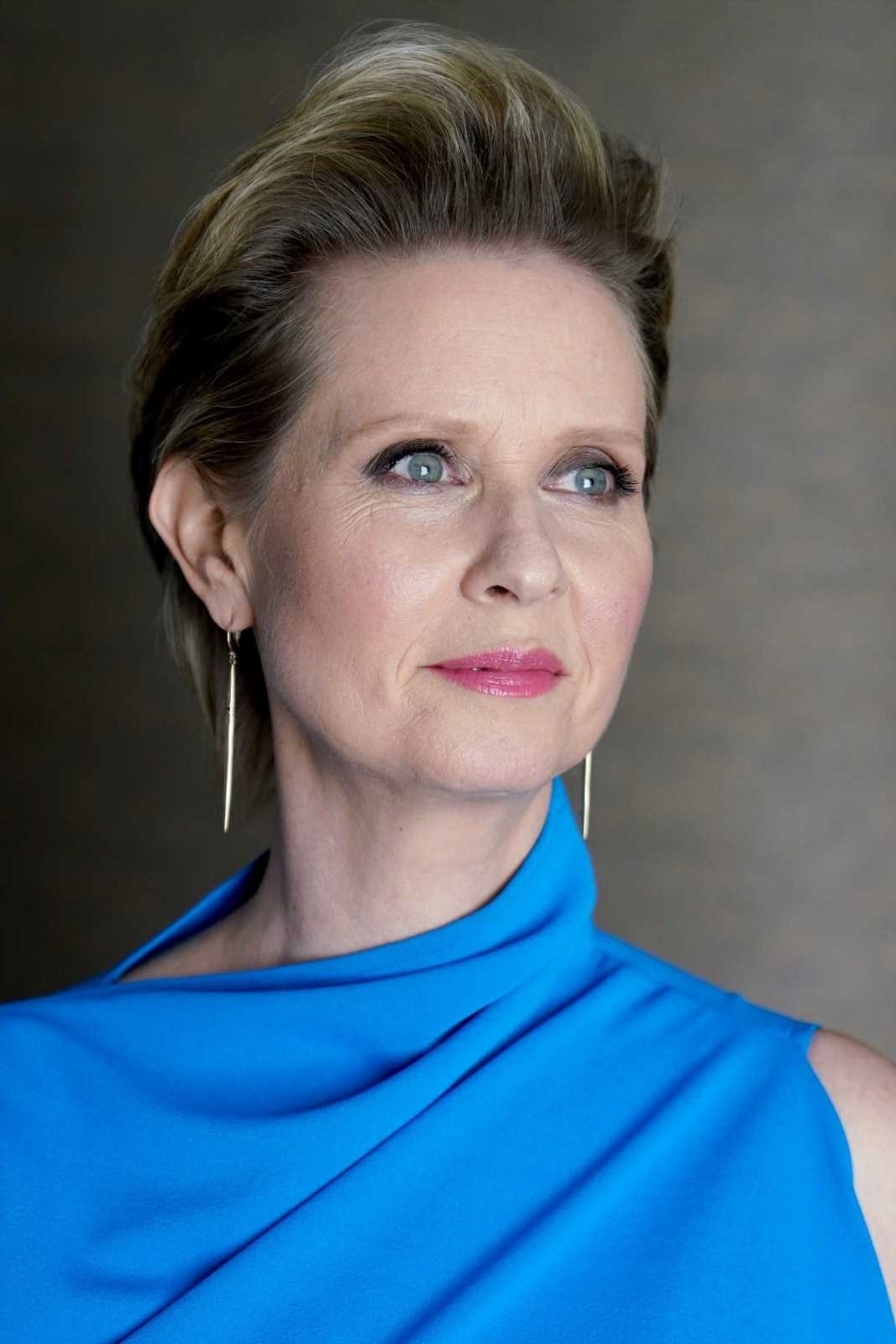
Nixon is widely recognized for her role as Miranda Hobbes in ‘Sex and the City’. She has consistently sought out roles in political and historical dramas, such as ‘The Gilded Age’. In her career, she has prioritized characters with strong professional and personal convictions that transcend their romantic lives. Nixon has advocated for the idea that queer actors should have the opportunity to play any role they are suited for. Her work in ‘Ratched’ and various Broadway productions further highlights her commitment to complex characterizations.
Please share your thoughts on which of these actors has had the biggest impact on modern representation in the comments.