


LGBTQ+ Celebs Who Disappeared From The Spotlight Unfairly

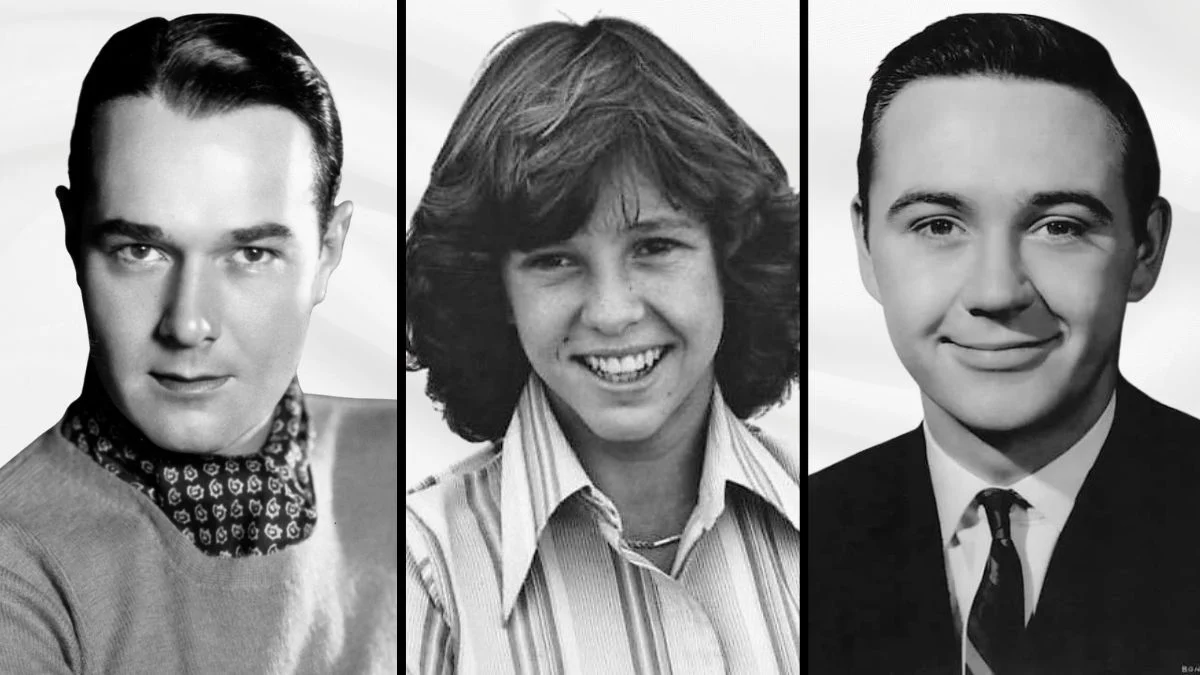


The entertainment industry has a long and complicated history regarding the treatment of LGBTQ+ talent. Many gifted actors and musicians faced blacklisting or sudden career halts simply for living their truth or refusing to hide their identities. Studios and record labels often prioritized conservative marketability over genuine talent which forced many stars into early retirement or alternative careers. While representation has improved significantly in recent years these figures paid a heavy price for the progress we see today.
William Haines
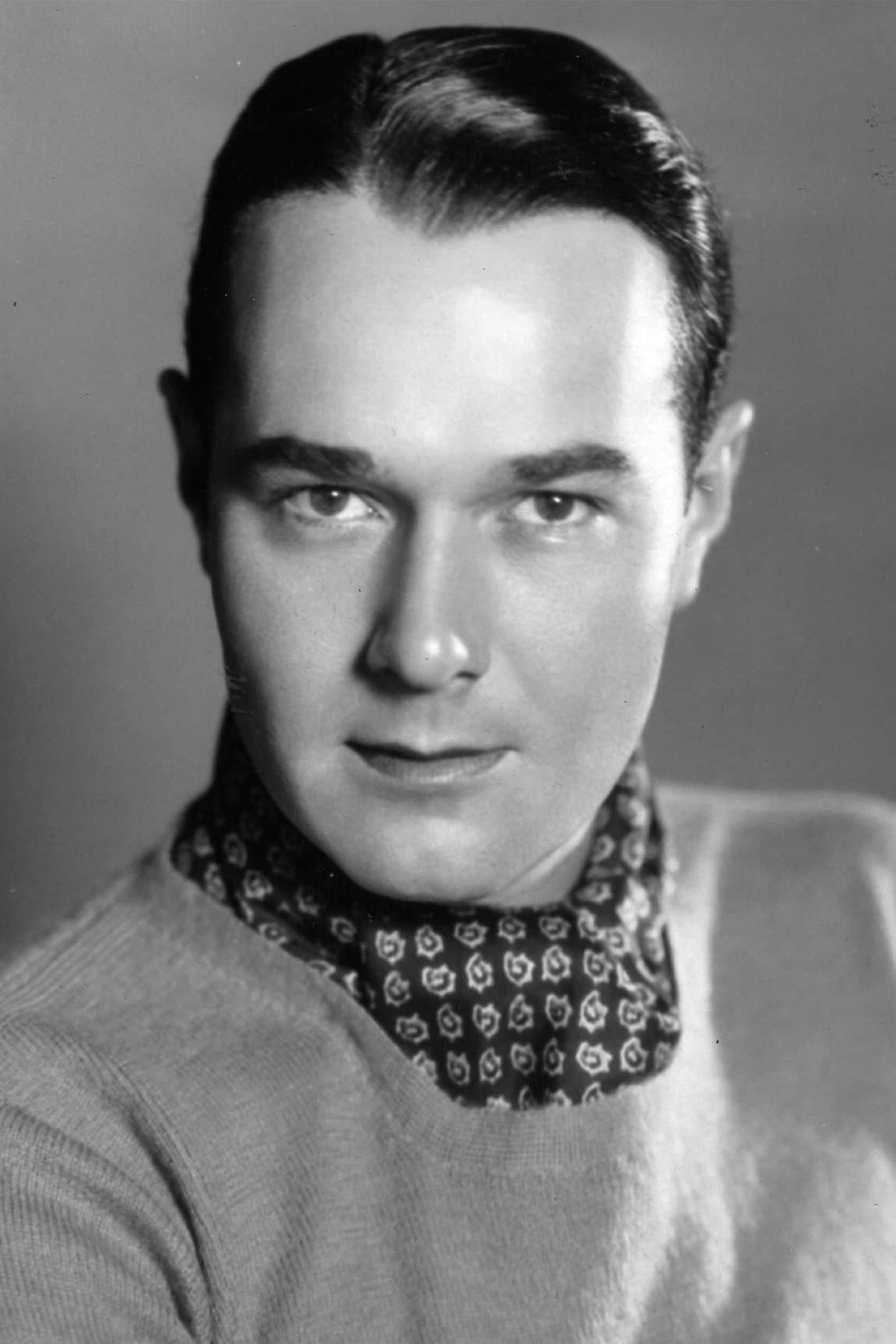
William Haines was one of the biggest box office draws for MGM during the silent film era and early talkies. His career came to an abrupt end when studio head Louis B. Mayer demanded he enter a sham marriage to cover up his homosexuality. Haines refused to leave his partner Jimmie Shields and chose to quit acting rather than compromise his integrity. He successfully pivoted to interior design but Hollywood lost a leading man due to intolerance. His story remains one of the earliest examples of an actor choosing love over fame.
Anne Heche
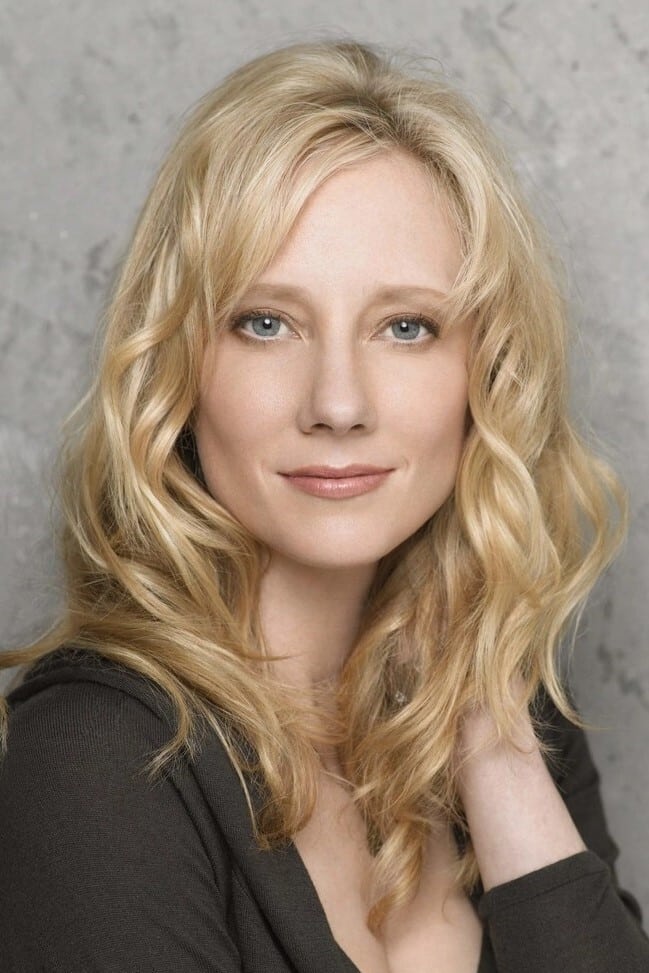
Anne Heche was a rising star in the late 1990s with major roles in films like ‘Six Days Seven Nights’ and ‘Volcano’. Her career momentum stalled dramatically after she publicly dated comedian Ellen DeGeneres. Heche stated that she was fired from a picture deal with Fox and did not work in a studio film for ten years following the relationship. Executives viewed her openness as a liability to her romantic lead potential. She eventually found work in television and independent films before her tragic death.
Tommy Kirk
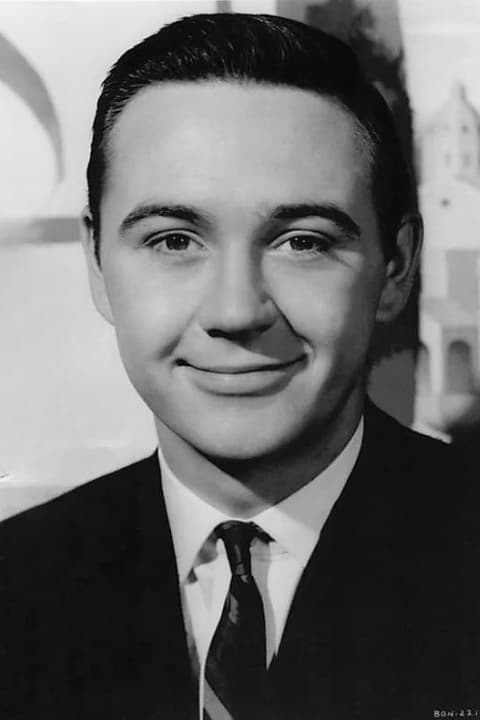
Disney audiences adored Tommy Kirk for his roles in family classics like ‘Old Yeller’ and ‘The Shaggy Dog’. His relationship with the studio ended abruptly when Walt Disney personally fired him after discovering Kirk was gay. The termination derailed his trajectory from a wholesome teen idol to a struggling actor in B-movies. Kirk eventually left the industry almost entirely to run a carpet cleaning business. He later spoke about the pain of being discarded by the studio that helped build his name.
Rupert Everett
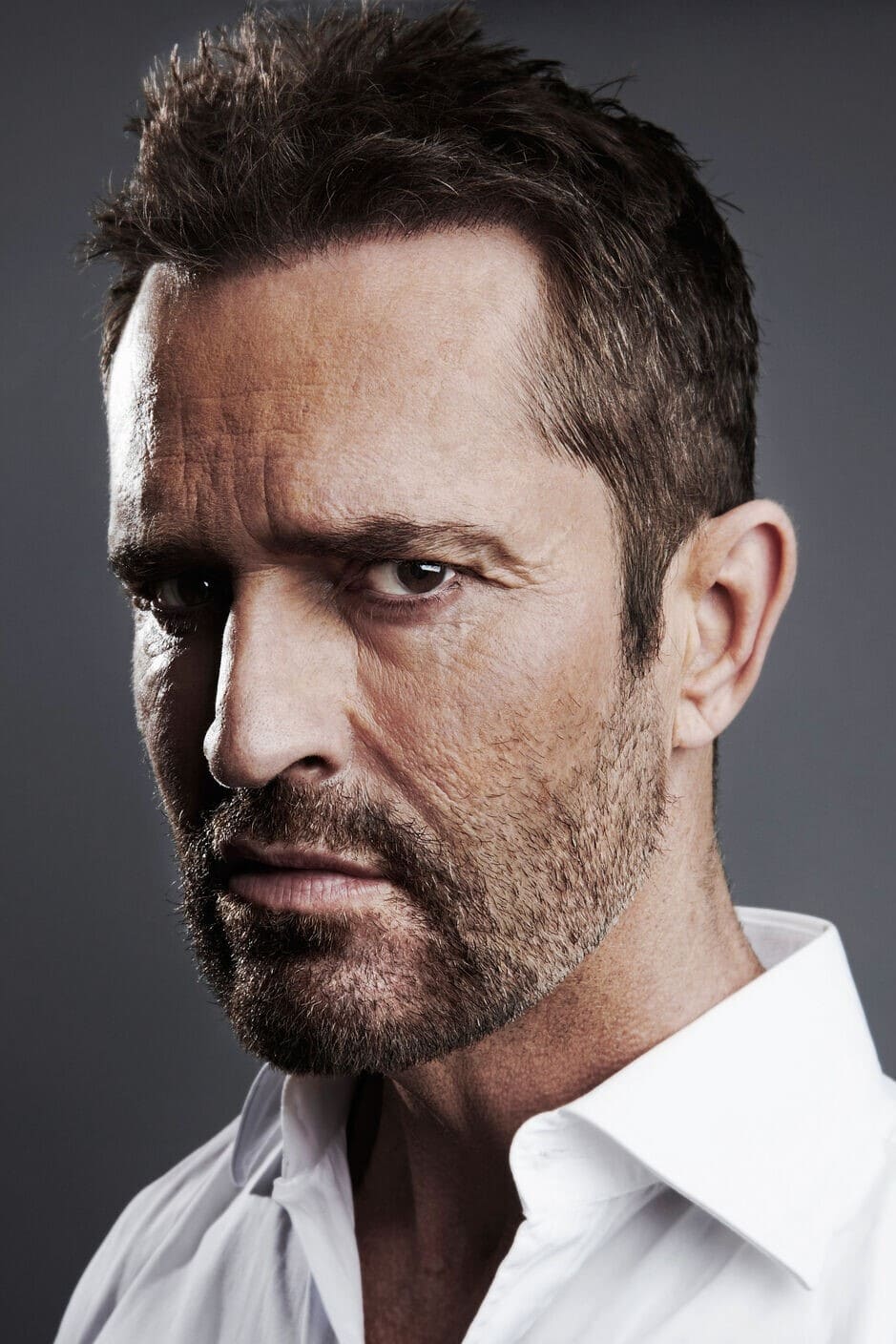
British actor Rupert Everett was poised for superstardom after his breakout performance in ‘My Best Friend’s Wedding’. He has frequently discussed how coming out as gay limited his opportunities for leading roles in Hollywood blockbusters. Studios were hesitant to cast him as a romantic hero opposite female leads. Everett continued to work in theater and smaller films but the A-list career projected for him vanished. He has since become a vocal critic of the glass ceiling for gay actors in the film industry.
Mitchell Anderson
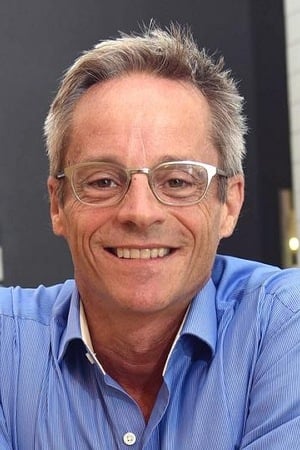
Mitchell Anderson was a familiar face on television during the 1990s with a regular role on ‘Party of Five’. He made headlines by coming out at a GLAAD awards ceremony in 1996. Anderson found that acting offers dried up almost immediately after his public declaration. He eventually left Hollywood to become a chef and restaurant owner in Atlanta. His experience highlighted the professional risks actors took by being honest during that decade.
Chad Allen
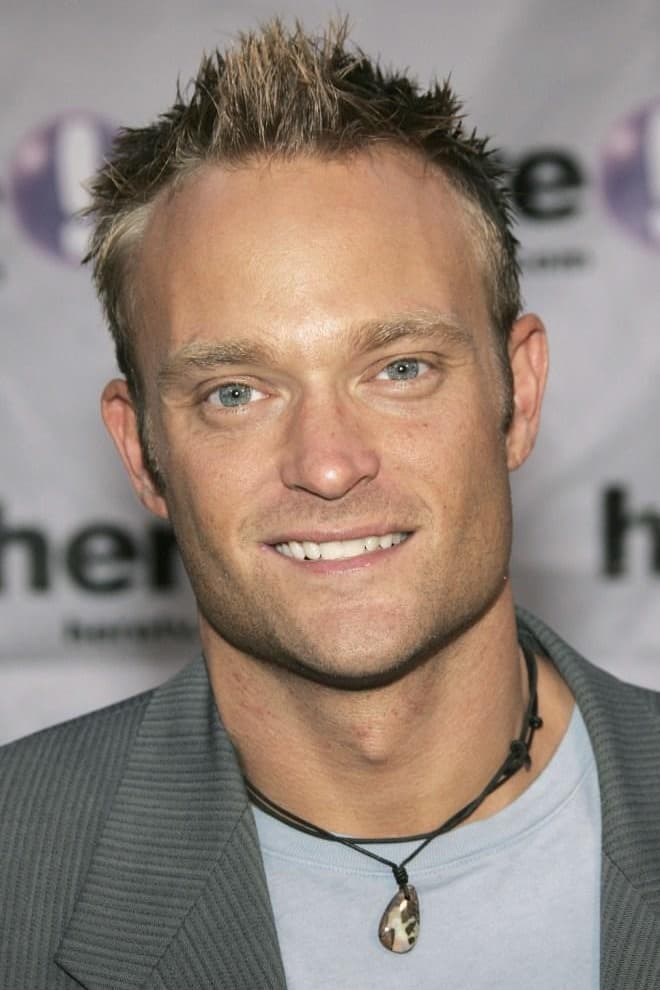
Chad Allen became a teen heartthrob through his role on the western drama ‘Dr. Quinn, Medicine Woman’. Tabloids outed him after publishing photos of him kissing another man at a party. The unwanted exposure negatively impacted his ability to secure mainstream roles as he was viewed through the lens of the scandal. Allen continued to work in theater and independent queer cinema before retiring from acting to become a clinical psychologist. He chose to help others rather than fight an industry that pigeonholed him.
Sal Mineo
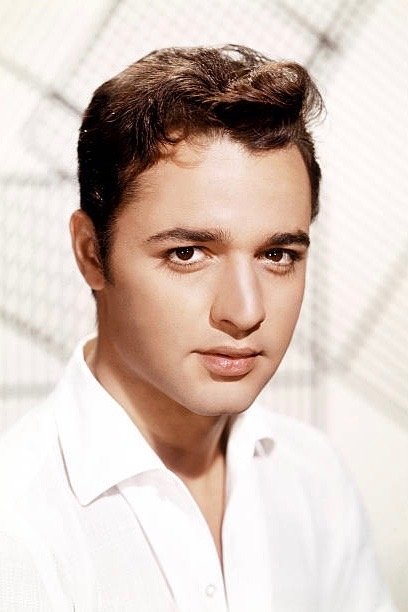
Sal Mineo became one of the first teen idols after his Oscar-nominated performance in ‘Rebel Without a Cause’. He struggled to transition into adult roles partly due to his open bisexuality which was taboo in the 1960s. Major studios stopped offering him parts and he was relegated to television guest spots and theater. Mineo was attempting a career revival when he was tragically murdered in 1976. His potential was stifled by an industry that did not know how to market him.
Jobriath
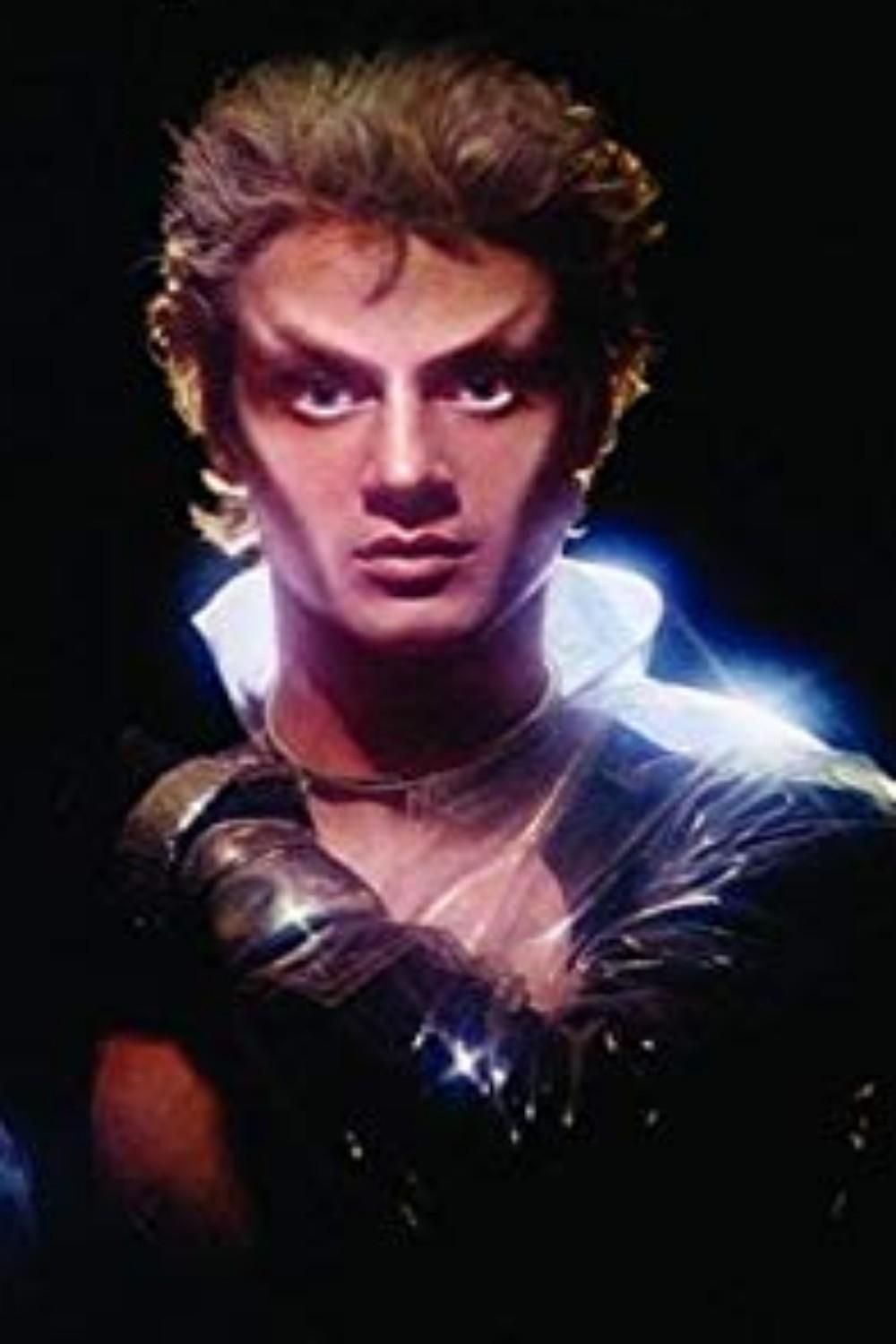
Rock musician Jobriath was marketed as the first openly gay rock star in the early 1970s with a massive promotional push. The public and critics rejected the hype and his unapologetic presentation. His albums failed to sell and his label quickly dropped him. Jobriath was effectively blacklisted from the music industry and lived in obscurity until his death. He is now considered a cult figure who was unfairly punished for being ahead of his time.
Jaye Davidson
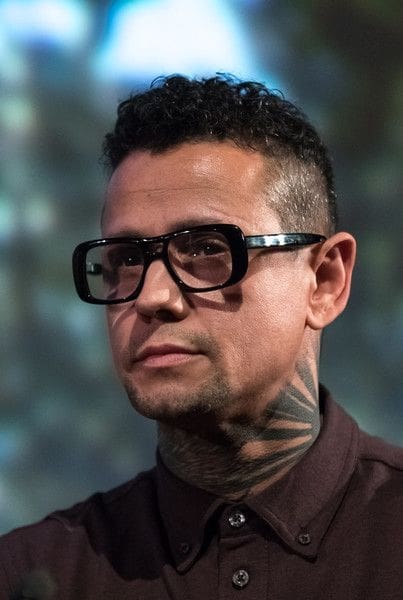
Jaye Davidson achieved instant fame and an Oscar nomination for his debut in ‘The Crying Game’. He followed this with a villainous role in the blockbuster ‘Stargate’. Davidson found the intense scrutiny regarding his looks and sexuality to be overwhelming and unpleasant. He decided to retire from acting completely to work in fashion and avoid the public eye. The industry lost a unique talent because the environment was too toxic for him to navigate.
Kristy McNichol

Kristy McNichol was one of the most popular actresses of the late 1970s and early 1980s. She quietly retired from acting in the 1990s to manage her mental health. McNichol later revealed that the pressure of hiding her sexuality contributed to her emotional struggles. She felt she could not be her authentic self while working in the entertainment business. Her departure marked the loss of a highly capable comedic and dramatic actress.
Danny Pintauro
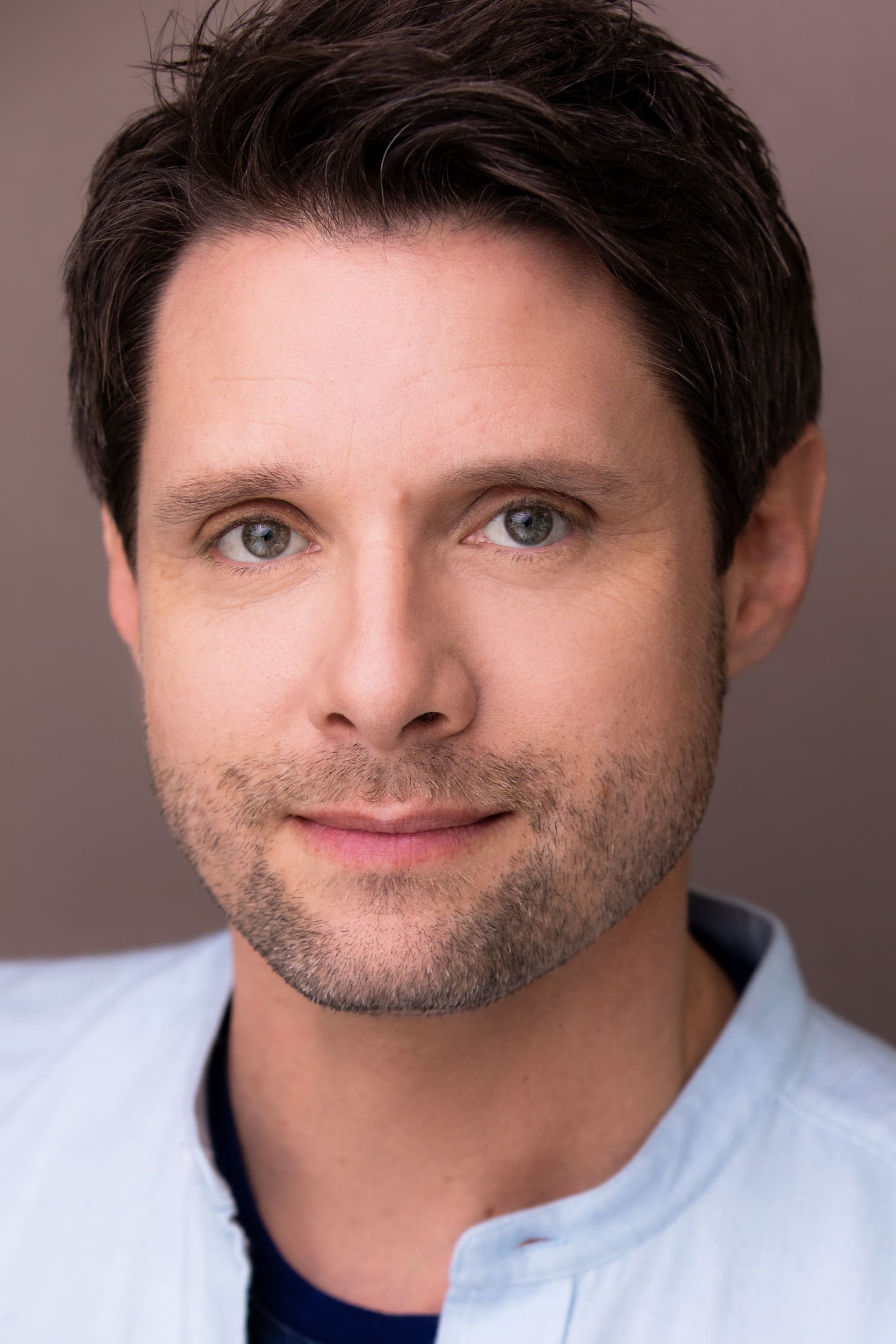
Danny Pintauro grew up on television as the son on the sitcom ‘Who’s the Boss?’. The National Enquirer threatened to out him which forced him to reveal his sexuality publicly in 1997. The revelation made it difficult for him to transition into adult acting roles. He faced further stigma after revealing his HIV-positive status years later. Pintauro largely stepped away from entertainment to work regular jobs and engage in activism.
K.d. lang
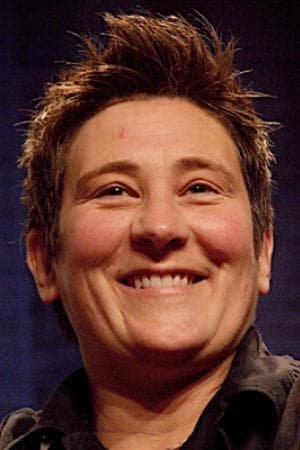
Canadian singer K.d. lang was a country music sensation with a powerful voice and unique style. Her career in the country genre hit a wall after she came out as a lesbian in 1992. Country radio stations boycotted her music and protesters appeared at her concerts. She successfully crossed over into adult contemporary pop but her roots in country were severed by intolerance. The industry backlash was a clear example of the conservative gatekeeping in Nashville.
Tevin Campbell
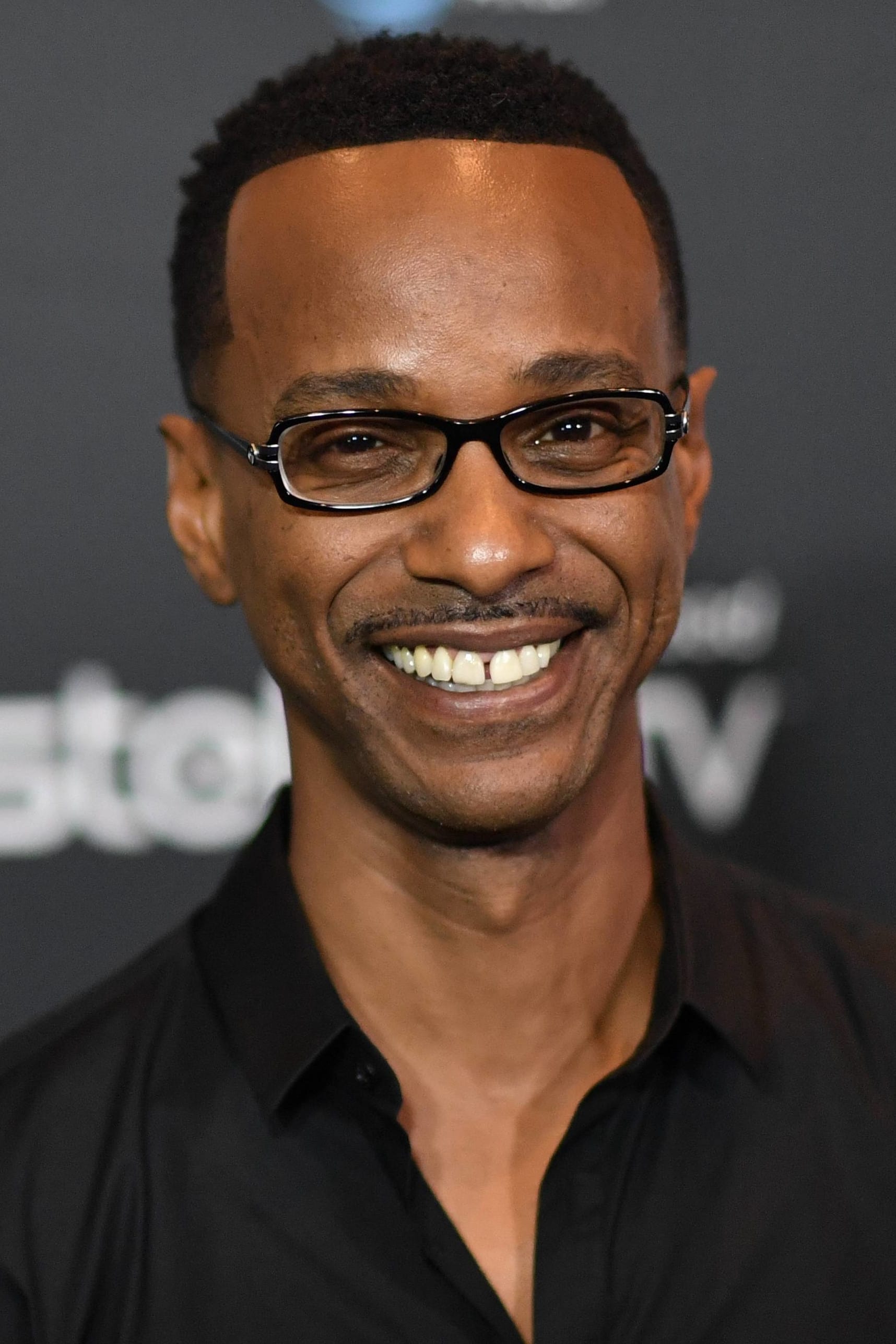
Tevin Campbell was a protege of Quincy Jones and Prince with a string of R&B hits in the early 1990s. His career cooled off rapidly following a solicitation arrest and persistent rumors about his sexuality. The R&B market at the time was not accepting of queer male artists. Campbell retreated from the spotlight and stopped releasing major albums for decades. He has only recently begun to receive recognition as a legacy artist.
Jonathan Bennett
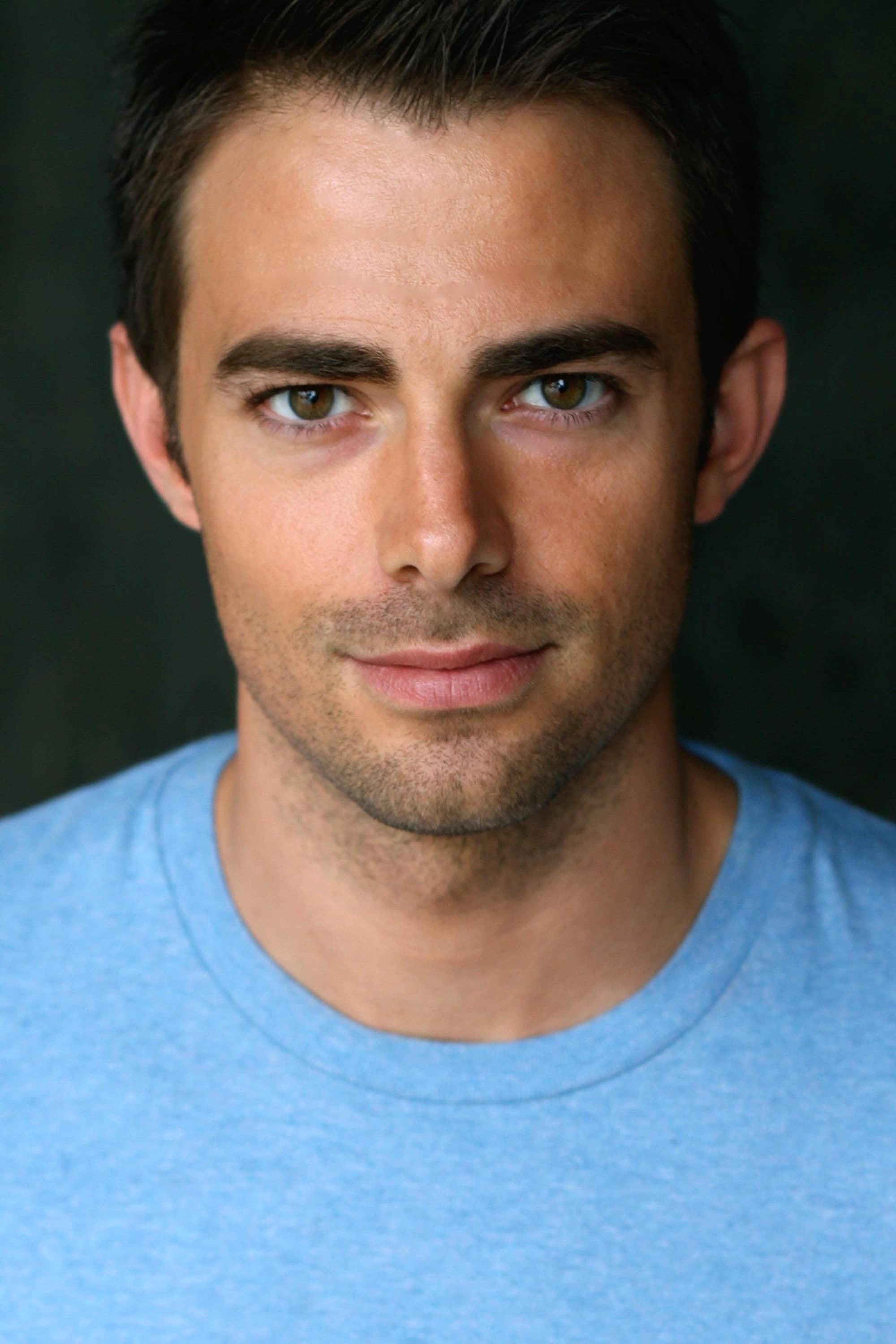
Jonathan Bennett became recognizable globally as Aaron Samuels in the hit film ‘Mean Girls’. He was advised by his team to stay in the closet to protect his viability as a leading man. This suppression limited the roles he pursued and stifled his artistic growth. Bennett eventually came out and found a niche in hosting and Hallmark movies. He has spoken about the anxiety of living a double life during his prime acting years.
Kelly McGillis
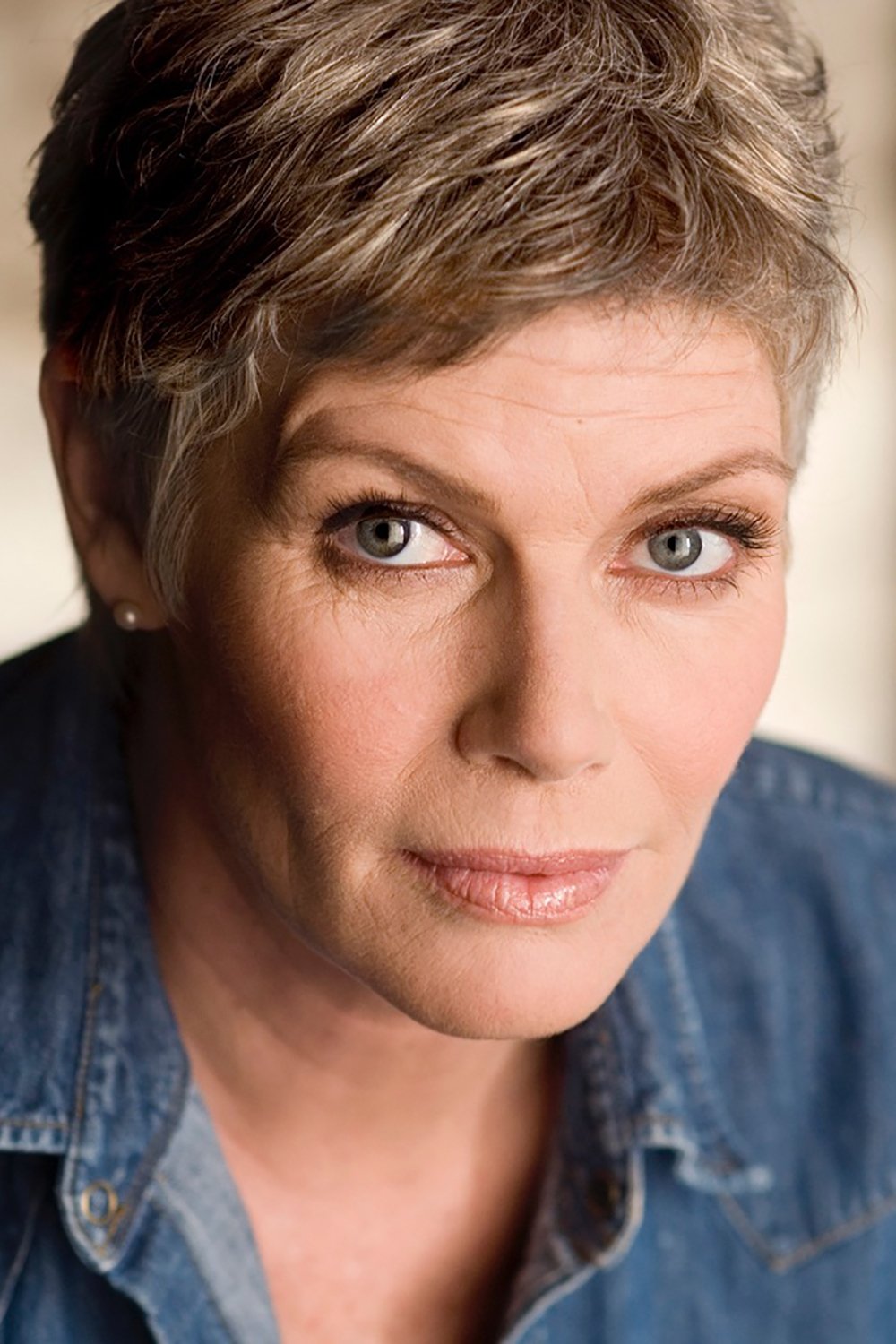
Kelly McGillis starred in two of the biggest films of the 1980s with ‘Top Gun’ and ‘Witness’. She stepped back from Hollywood to focus on her family and run a restaurant. McGillis later came out as a lesbian and noted that she felt disconnected from the industry’s expectations. She has mentioned that she does not get asked back for sequels because she aged naturally and lives openly. Her A-list status faded as she prioritized her authentic self over Hollywood standards.
Tab Hunter
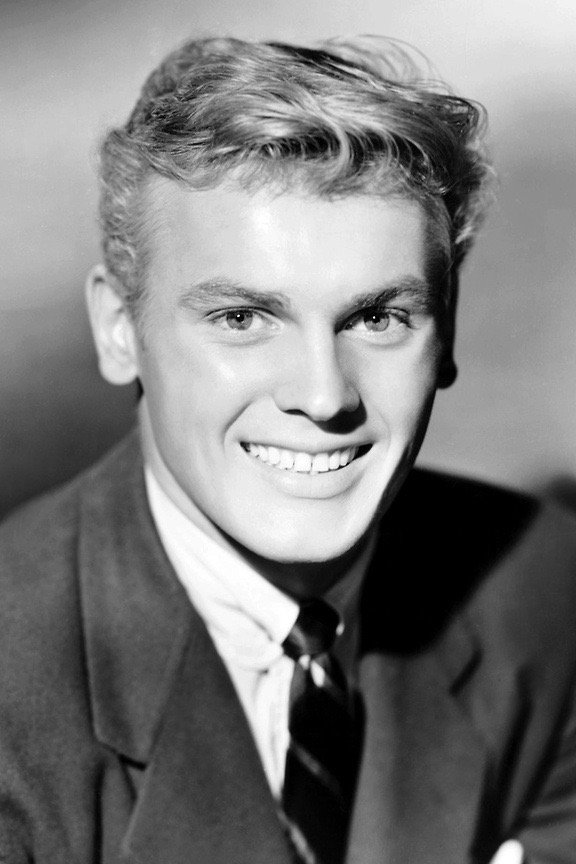
Tab Hunter was the archetype of the blond all-American boy next door in the 1950s. He lived a secret life as a gay man while the studio manufactured romances for him in fan magazines. Hunter eventually bought out his own contract to escape the restrictive studio system. His career as a major star waned as he moved into dinner theater and European films. He later verified the exhaustion of maintaining a false heterosexual image for years.
Anthony Perkins
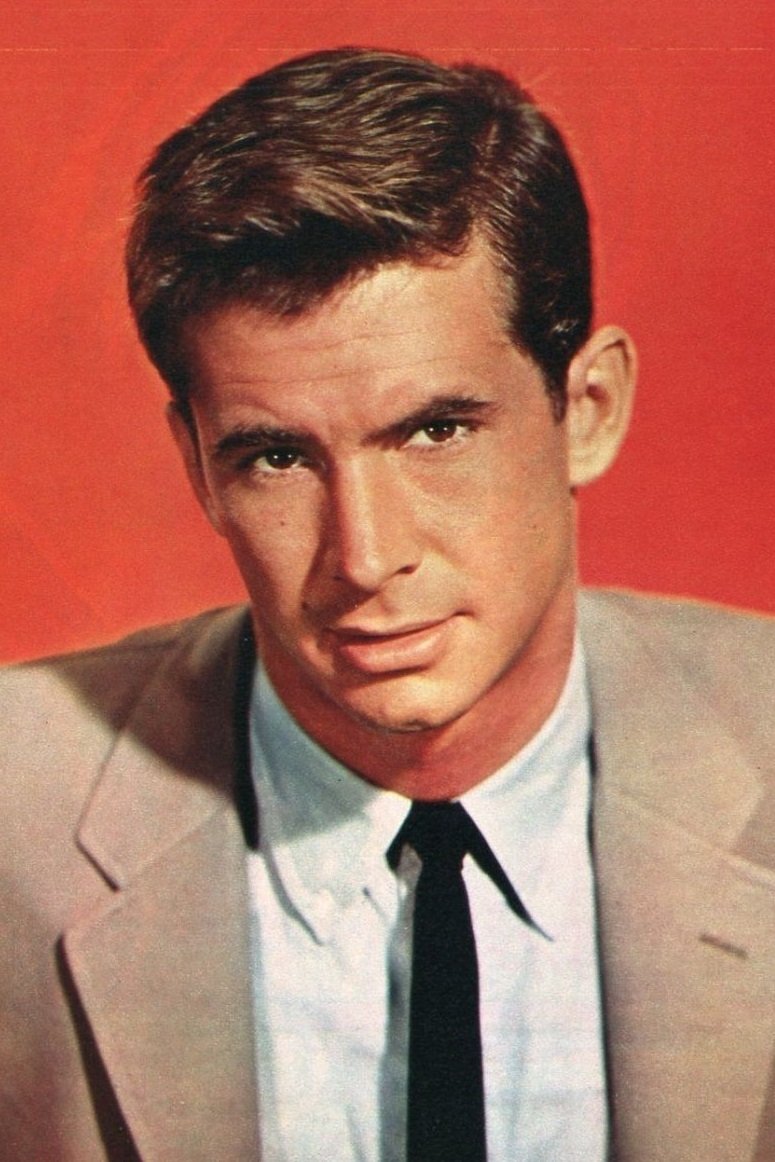
Anthony Perkins is forever associated with his chilling performance as Norman Bates in ‘Psycho’. That role combined with rumors about his sexuality led to typecasting and a decline in leading man offers. He lived in fear that exposure would end his career entirely and underwent conversion therapy attempts. Perkins continued to work but never regained the star power he held prior to 1960. His complex personal life remained hidden to preserve his livelihood.
Paul Lynde
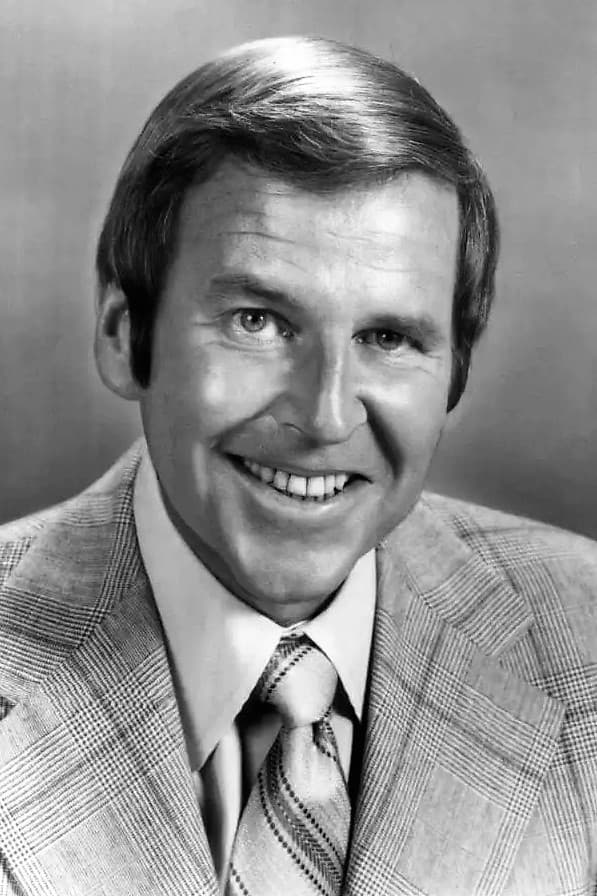
Paul Lynde was a comedic genius known for his center square spot on ‘Hollywood Squares’ and his role in ‘Bye Bye Birdie’. Despite his immense talent he was never given the opportunity to lead his own sitcom. Executives viewed his camp persona as too gay for mainstream audiences to anchor a show. He was relegated to supporting roles and game show appearances until his death. Lynde used humor as a shield against a homophobia that capped his professional ceiling.
Dick Sargent
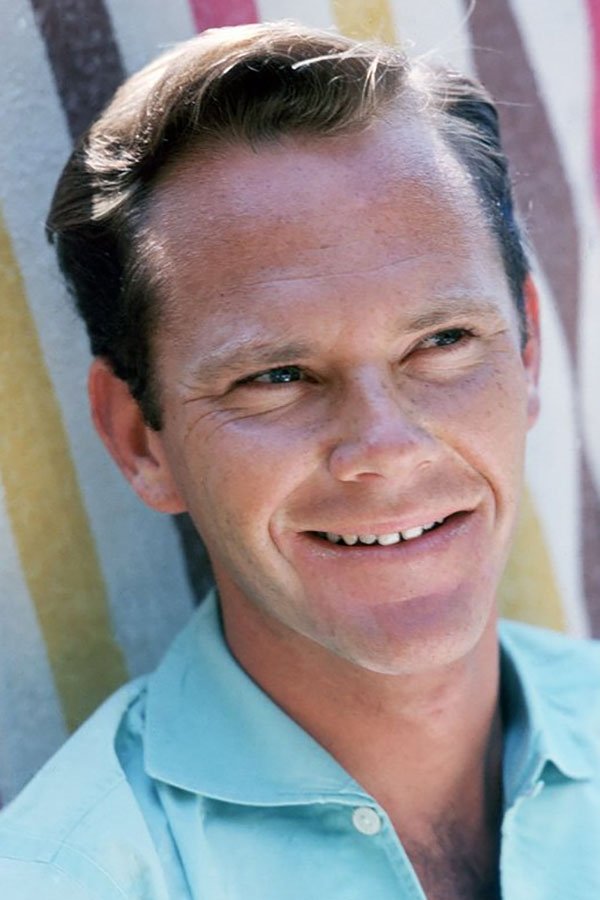
Dick Sargent is best known for being the second actor to play Darrin Stephens on ‘Bewitched’. He spent the majority of his career in the closet to secure work in television. Sargent finally came out in the early 1990s to combat high suicide rates among gay youth. By that time his opportunities for major roles had already diminished significantly. He spent his final years as an activist rather than a working actor.
Amanda Bearse
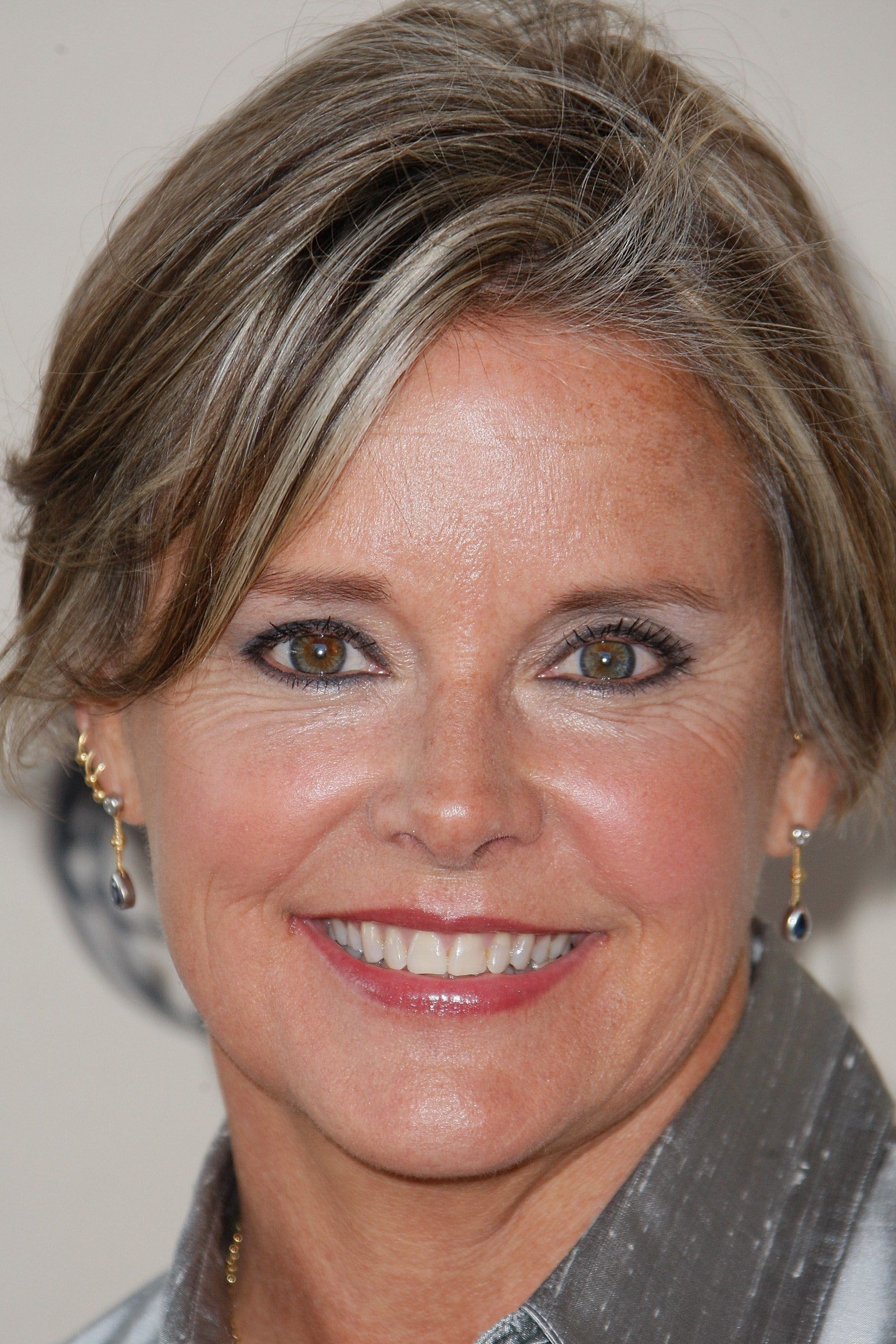
Amanda Bearse played the neighbor Marcy D’Arcy on the long-running sitcom ‘Married… with Children’. She became the first prime-time actress to come out as a lesbian while on a series. Bearse transitioned into directing but found that acting roles vanished after her announcement. She noted that the phone simply stopped ringing for on-screen work. Her contributions were largely shifted behind the camera due to the industry’s reluctance to cast her.
Alexis Arquette
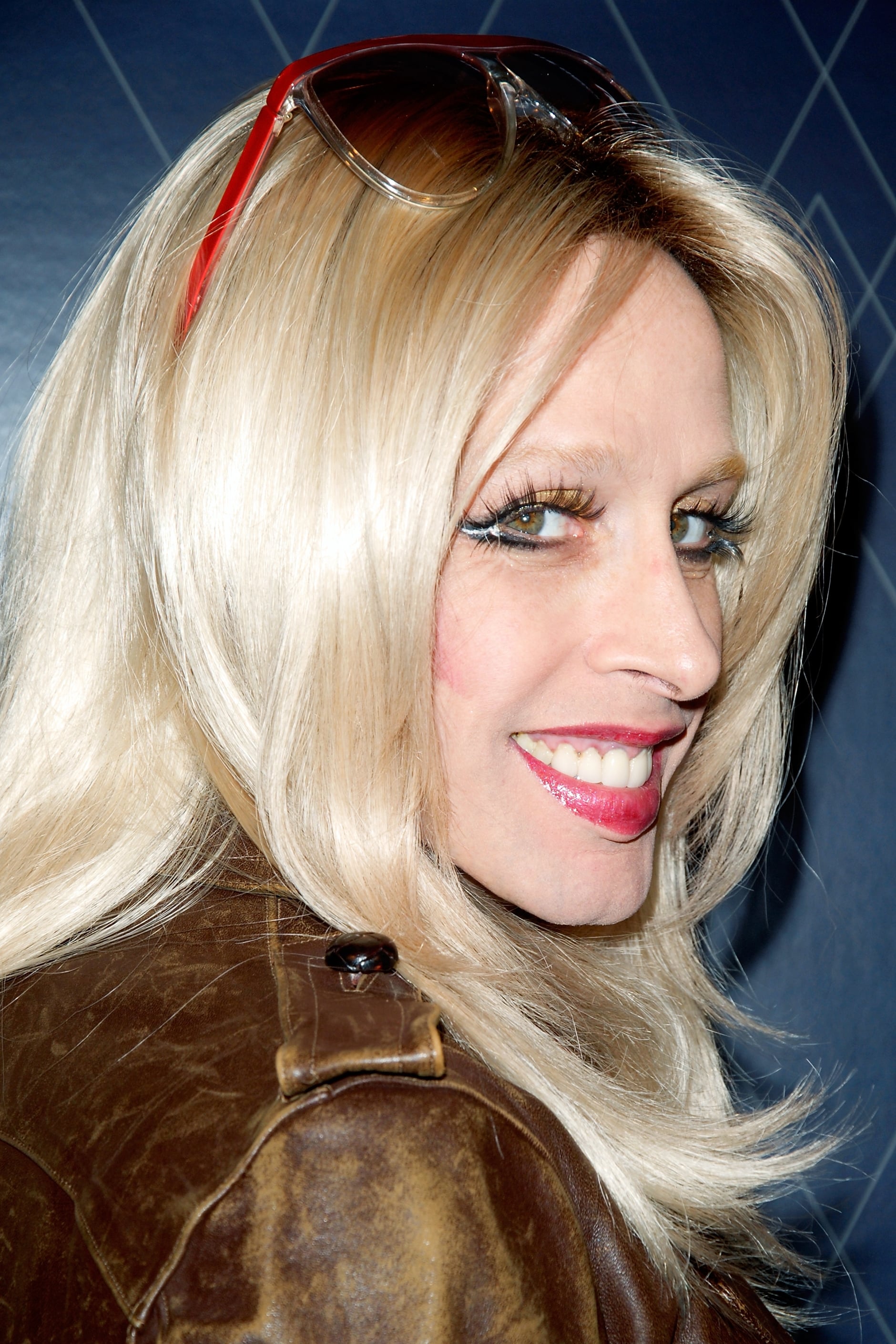
Alexis Arquette was a trans actress and member of the famous Arquette acting dynasty. She appeared in films like ‘The Wedding Singer’ but found roles scarce after transitioning. The industry often treated her as a novelty or ignored her for serious dramatic work. She documented her struggles in a film that highlighted the lack of opportunities for trans performers. Her career was unfairly limited by the rigid gender norms of Hollywood casting.
George Michael
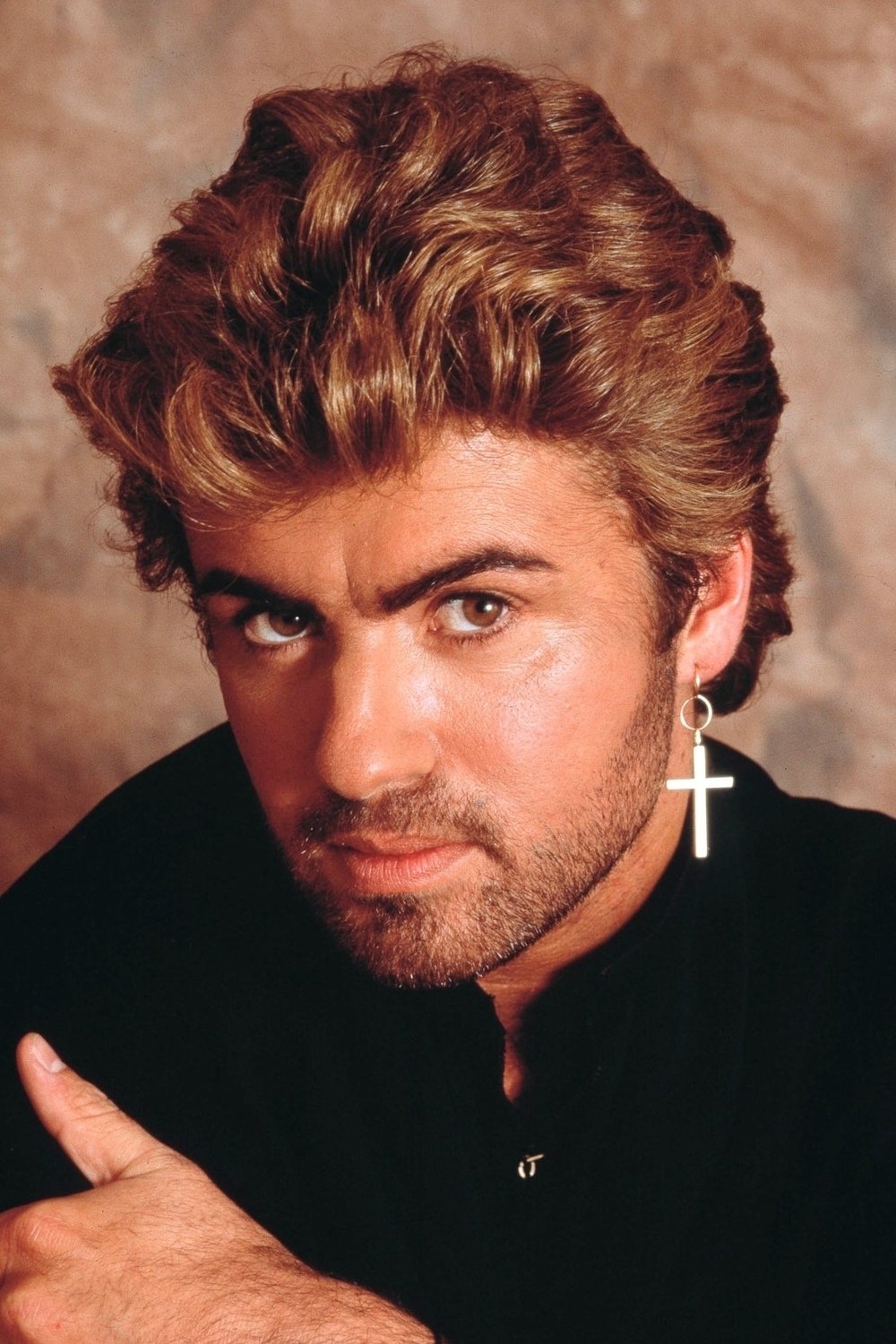
George Michael was a global pop icon who faced a massive career setback in the United States after a 1998 arrest. The incident forced him to come out and led to a media frenzy that overshadowed his musical output. American radio stations and MTV reduced their support for his new material. He continued to tour successfully in Europe but his US chart dominance effectively ended. The scandal punished him far more severely than his heterosexual peers who faced legal issues.
Lance Bass
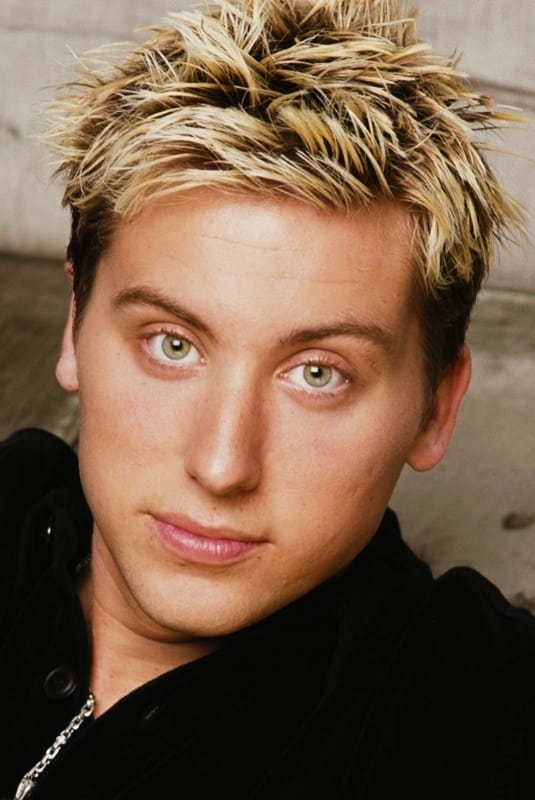
Lance Bass reached the pinnacle of fame as a member of the boy band NSYNC. He came out in a cover story for People magazine in 2006. Bass found that the entertainment industry struggled to find a place for an openly gay former teen idol. Projects were stalled and he faced difficulty launching a solo career compared to his bandmates. He pivoted to radio hosting and reality television after acting opportunities proved elusive.
Clay Aiken
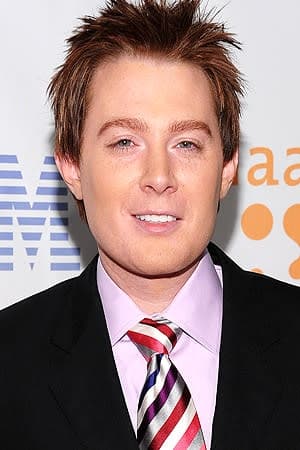
Clay Aiken gained a massive following as the runner-up on the second season of ‘American Idol’. He refrained from discussing his sexuality for years to maintain his commercial appeal with conservative voters. When he finally came out his record sales dropped and he was dropped by his label. Aiken shifted his focus to politics and Broadway after the pop music machine rejected him. His career trajectory is a clear example of the commercial penalty for coming out.
Sophie B. Hawkins
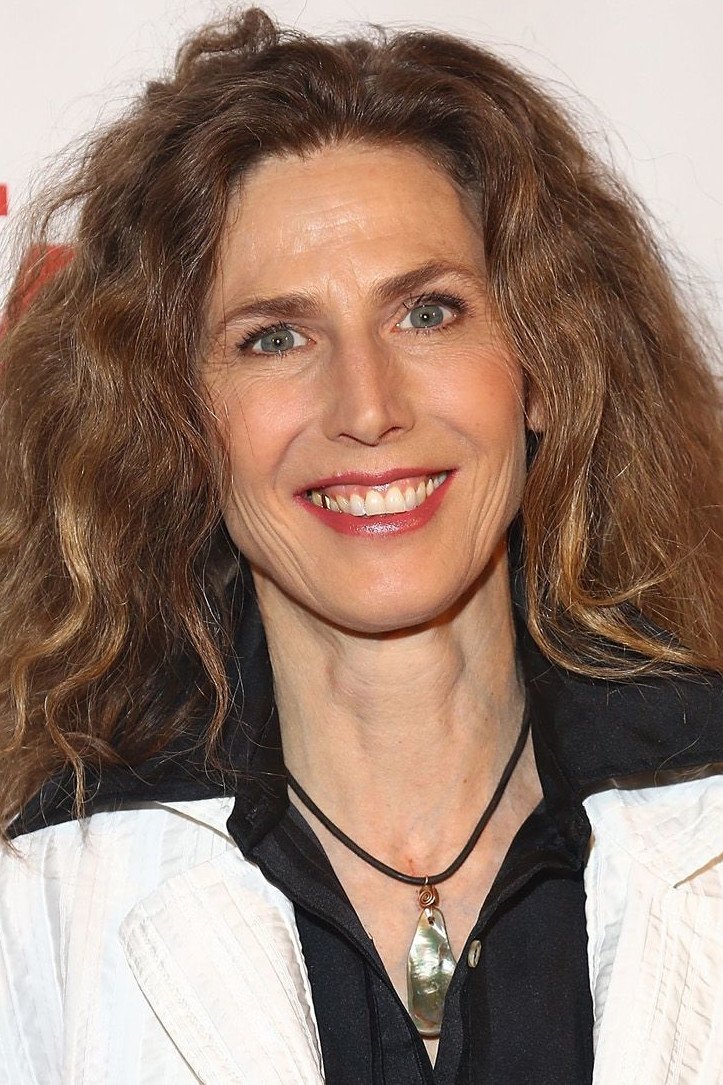
Sophie B. Hawkins had a massive hit with ‘Damn I Wish I Was Your Lover’ in the early 1990s. Her career suffered when she refused to hide her pansexuality and fought with her label over her image. The label delayed her albums and pulled promotional support when she would not conform. Hawkins continued to make music independently but lost her footing in the mainstream. She sacrificed commercial success to maintain creative and personal control.
Tell us which of these stars you miss the most in the comments.