


LGBTQ+ Celebs Who Were Doing It Before It Was Trendy

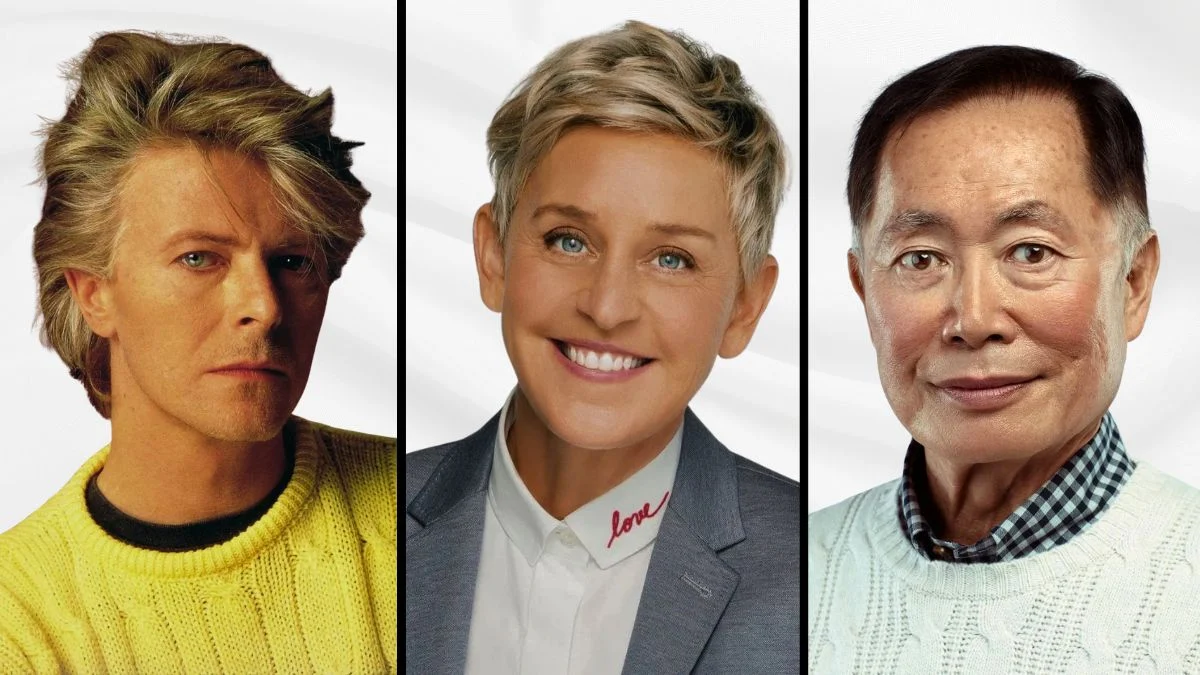


Living authentically in the public eye has not always been celebrated or safe for entertainers. Decades before widespread acceptance and corporate Pride campaigns these trailblazers were breaking barriers by refusing to hide their identities. Some faced severe career backlash while others lived defiantly in glass closets that challenged societal norms. Their courage and visibility paved the way for the diverse representation seen in media today.
Elton John
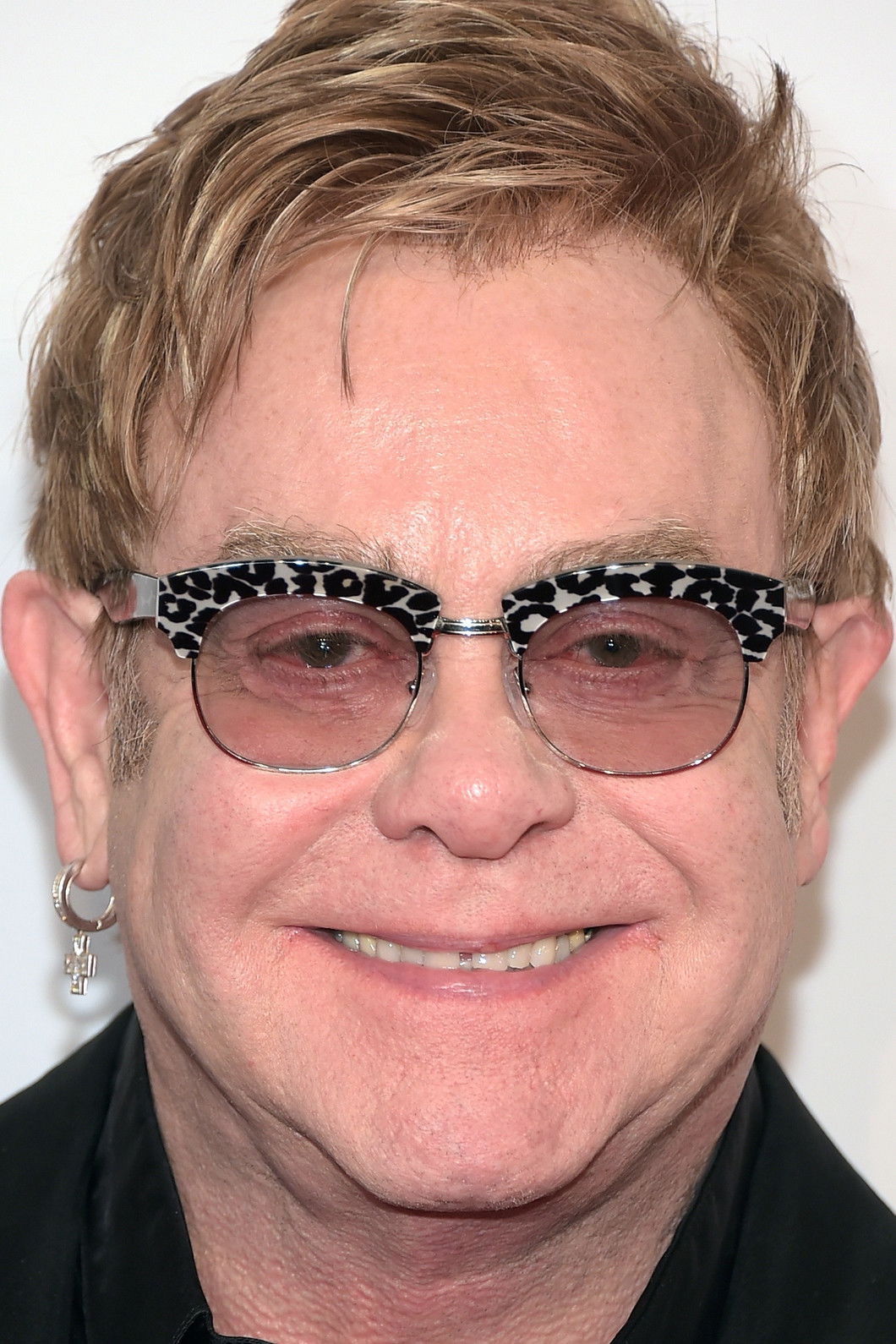
The British superstar began living openly as a bisexual man in 1976 before later identifying as gay. He weathered intense media scrutiny regarding his personal life while dominating global charts with hits like ‘Rocket Man’. Elton John became a fierce advocate for HIV/AIDS awareness during the height of the epidemic when few others would speak up. His flamboyance and refusal to conform helped shift public perception of gay celebrities forever. He remains one of the most successful and influential artists in music history.
Freddie Mercury
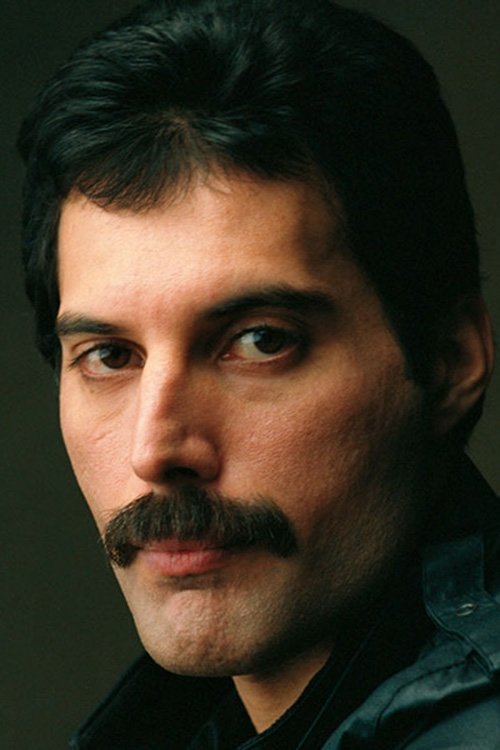
The legendary frontman of Queen challenged masculinity with his flamboyant stage persona and operatic vocal style. While he was private about his personal life he lived openly within his inner circle and frequented gay venues in London and New York. His diagnosis with AIDS brought global attention to the disease after his tragic passing in 1991. Mercury refused to compromise his artistic vision or his identity for the sake of commercial appeal. Songs like ‘Bohemian Rhapsody’ continue to resonate as anthems of individuality.
Ian McKellen
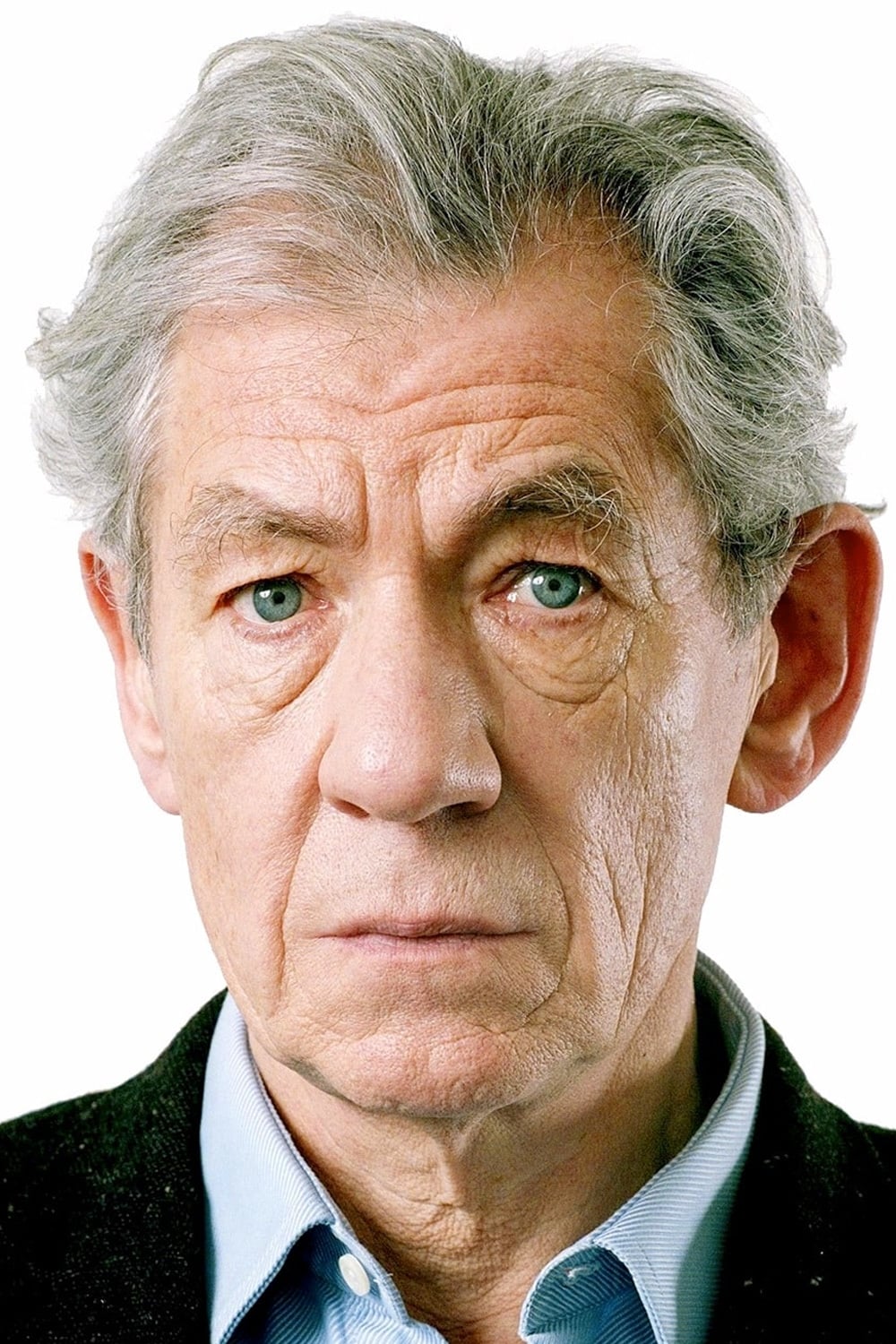
This esteemed actor came out publicly in 1988 during a BBC radio broadcast to protest Section 28. This controversial legislation sought to ban the promotion of homosexuality in British schools. McKellen risked his career as a respected stage and screen actor to fight for equal rights. He has since become a global icon for roles in ‘The Lord of the Rings’ and ‘X-Men’. His activism continues to inspire new generations of LGBTQ+ performers.
Ellen DeGeneres
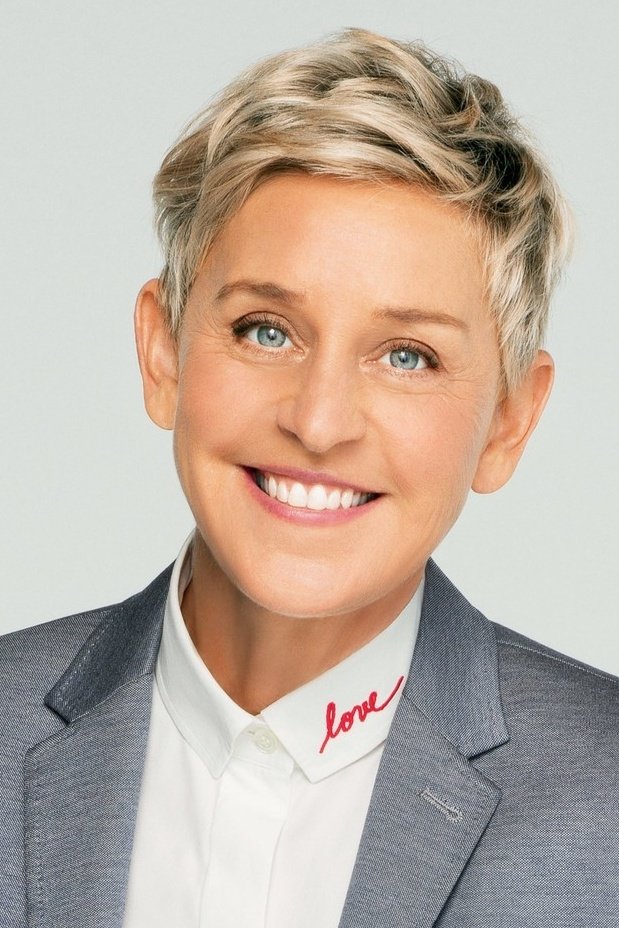
The comedian made television history in 1997 when her character came out in ‘The Puppy Episode’ of her sitcom. She simultaneously appeared on the cover of Time magazine with the headline stating she was gay. The backlash was immediate and resulted in her show being cancelled and her career stalling for several years. Her bravery in the face of widespread homophobia opened doors for queer characters on network television. She eventually returned to become one of the most successful talk show hosts in the world.
George Michael
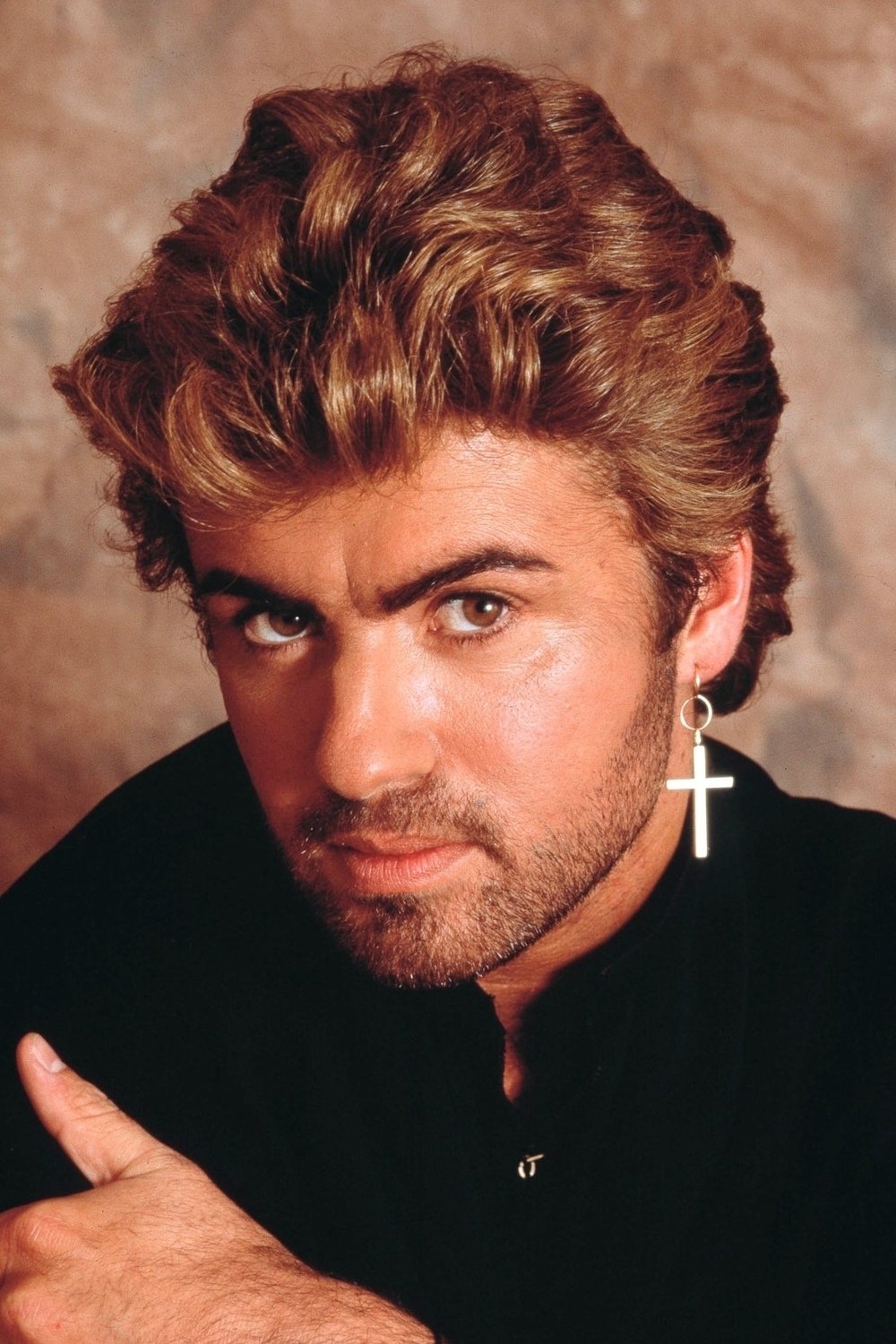
The pop icon struggled with his sexuality privately during his rise to fame with Wham! but eventually embraced his identity. After a highly publicized arrest in 1998 he refused to apologize and instead released the satirical video for ‘Outside’. He became an outspoken advocate for gay rights and sexual freedom during a conservative era. His music videos often challenged heteronormative standards and celebrated queer culture. Michael remains a symbol of unapologetic self-expression.
Melissa Etheridge
The rock singer publicly came out in 1993 during the Triangle Ball celebrating the inauguration of Bill Clinton. Her declaration was a rare move for a rock artist at the peak of their commercial success. She became a prominent face of lesbian visibility in the music industry throughout the 1990s. Etheridge famously performed a tribute to Janis Joplin at the Grammys while bald from chemotherapy. Her activism for LGBTQ+ rights and breast cancer awareness has cemented her legacy.
k.d. lang
The Canadian country singer caused a stir in the conservative music world when she came out in 1992. She appeared on a now-famous Vanity Fair cover being shaved by supermodel Cindy Crawford. Radio stations in the American South banned her music but she refused to back down. Her voice and androgynous style challenged the rigid gender roles of the country music genre. She proved that talent could transcend prejudice and garnered multiple Grammy awards.
Boy George

The Culture Club frontman introduced the world to gender-bending fashion in the early 1980s. His androgynous appearance confused and captivated audiences while propelling ‘Karma Chameleon’ to the top of the charts. He never explicitly labeled his sexuality during his peak but lived his truth through his aesthetic. His visibility brought questions of gender identity into living rooms across the globe. Boy George remains a pioneer for non-binary and gender-nonconforming expression.
David Bowie
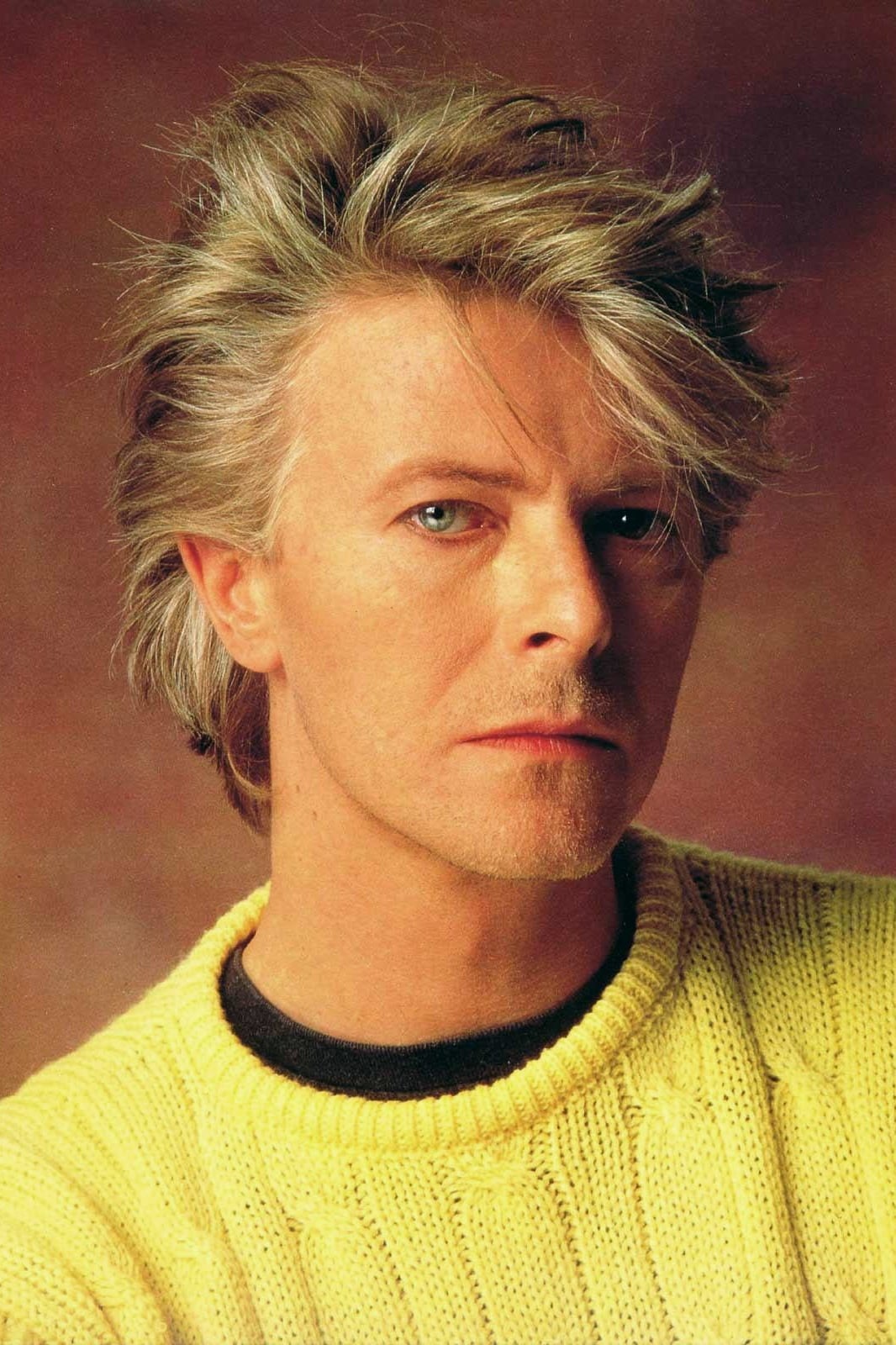
The rock chameleon declared he was gay in a 1972 interview with Melody Maker before later identifying as bisexual. He created the alter ego Ziggy Stardust to explore themes of sexuality and alienation. His fluid approach to gender and fashion influenced countless artists who followed in his footsteps. Bowie challenged the binary definition of sexuality long before the term non-binary was in common use. His artistic fearlessness made him a hero to outsiders everywhere.
Marlene Dietrich
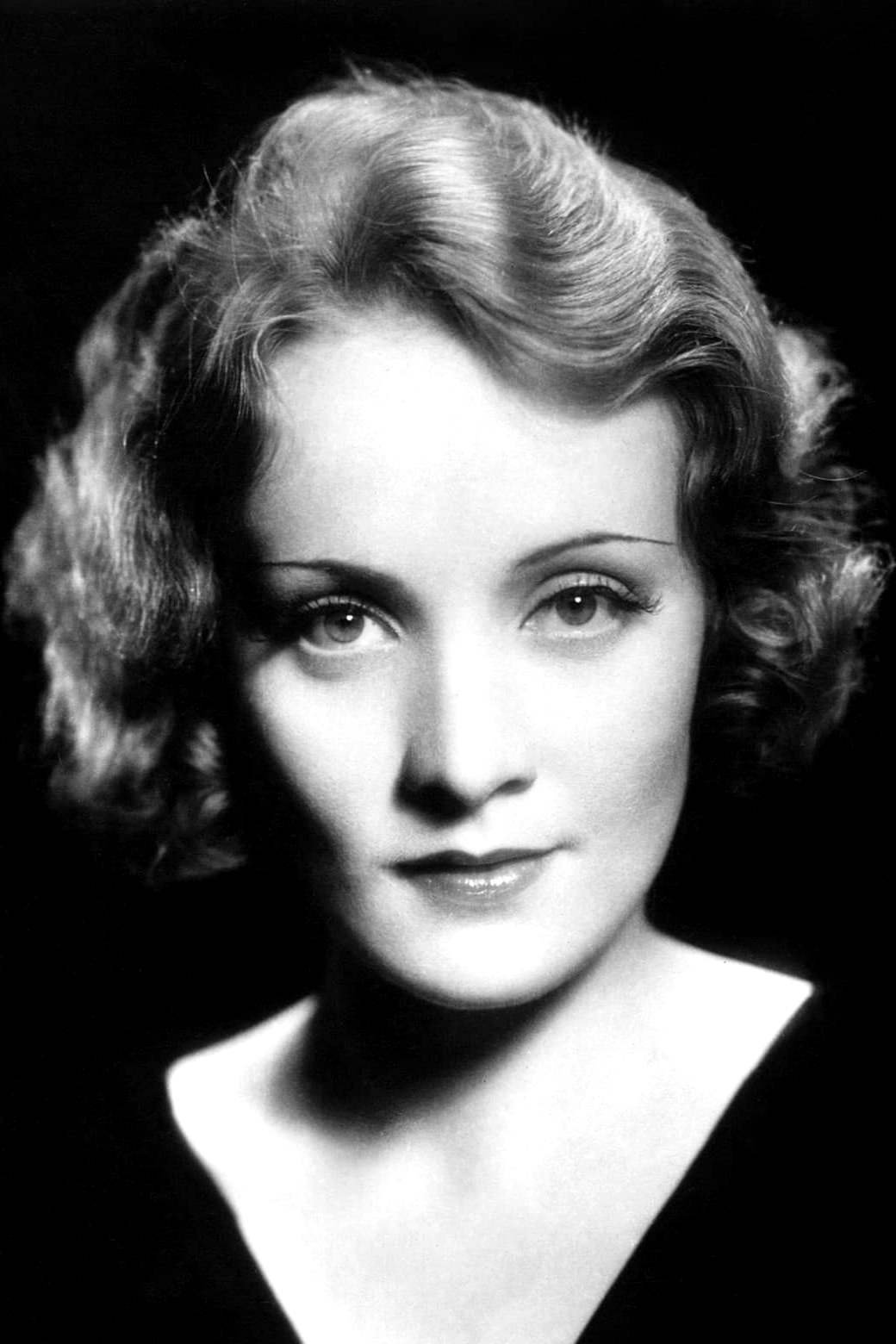
This Golden Age Hollywood star famously defied gender norms by wearing tuxedos and top hats on and off screen. She disregarded the morality clauses of her era to live an open bisexual life within the safety of her social circles. Dietrich had relationships with both men and women and refused to apologize for her independence. Her performance in ‘Morocco’ features one of the first on-screen kisses between two women. She remains an enduring icon of sophisticated queer rebellion.
Harvey Fierstein
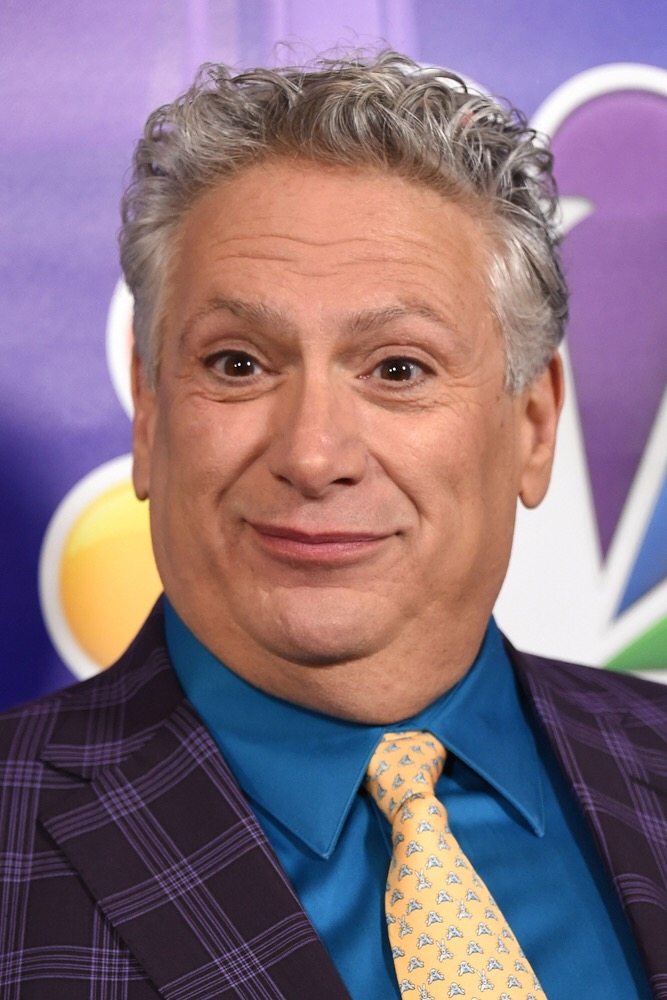
The gravel-voiced actor and playwright has been openly gay throughout his entire professional career. He wrote and starred in ‘Torch Song Trilogy’ which brought the reality of gay life to mainstream Broadway audiences. Fierstein refused to hide his distinct voice or mannerisms to fit Hollywood standards. He won multiple Tony Awards and became a visible advocate for LGBTQ+ visibility in the theater world. His work humanized the gay experience for millions of theatergoers.
Divine
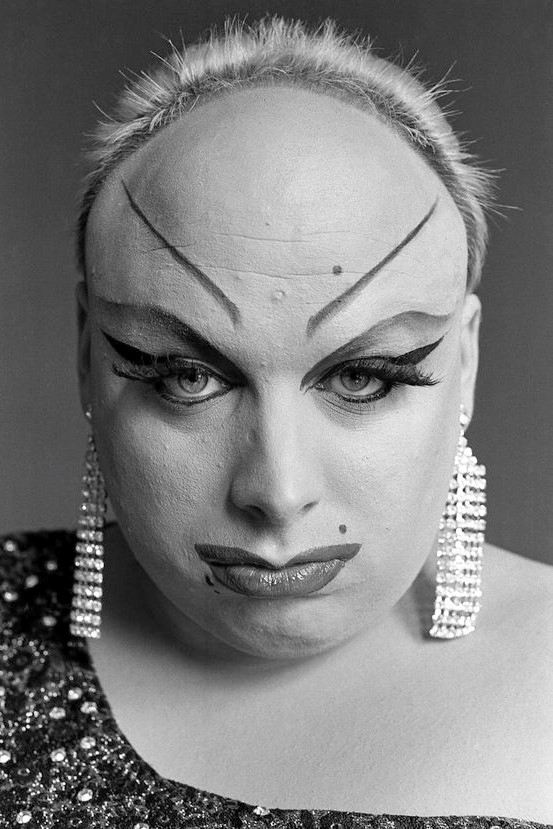
Harris Glenn Milstead created the drag persona Divine and became a counterculture icon in the films of John Waters. Movies like ‘Pink Flamingos’ pushed the boundaries of taste and celebrated bad behavior. Divine challenged mainstream beauty standards and the concept of gender performance. The character served as the visual inspiration for Ursula in Disney’s ‘The Little Mermaid’. Divine proved that drag could be punk rock and subversive art.
Sylvester
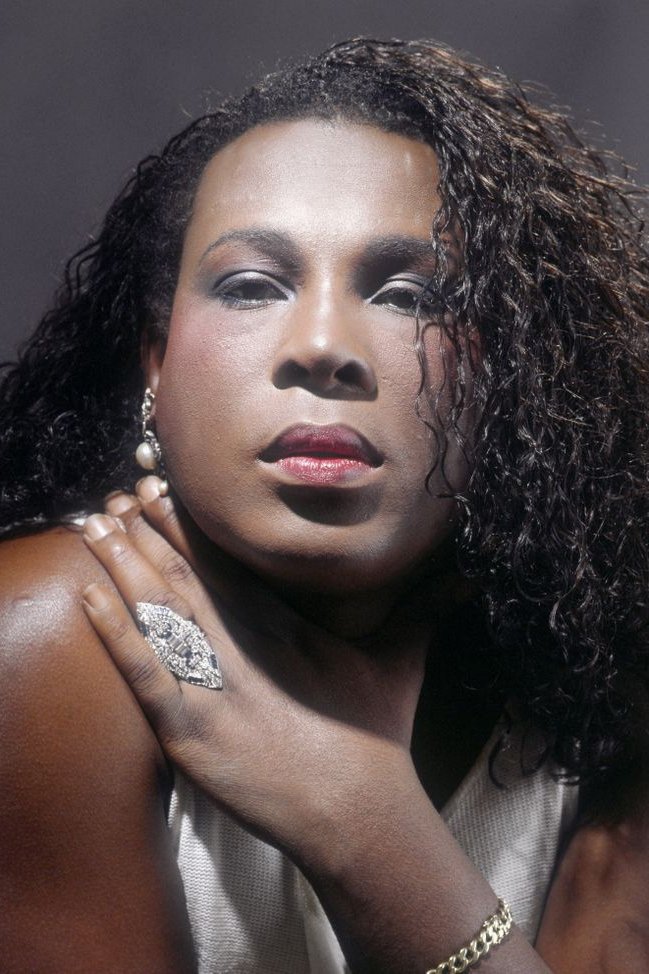
The disco legend known as the Queen of Disco lived proudly as an openly gay man who sometimes dressed in drag. His falsetto voice drove hits like ‘You Make Me Feel (Mighty Real)’ to the top of the dance charts. Sylvester demanded visibility and respect in an industry that often tried to hide Black queer artists. He bequeathed his royalties to HIV/AIDS charities upon his death. His music remains a staple of LGBTQ+ nightlife celebrations.
Rob Halford
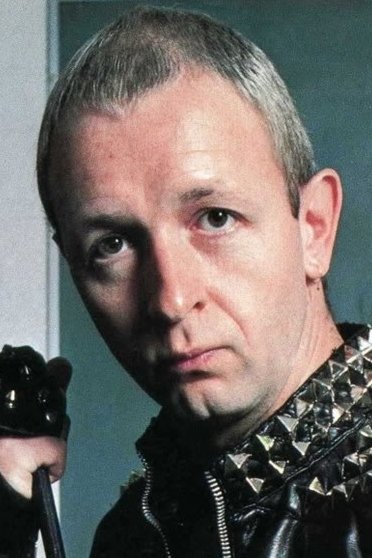
The frontman of Judas Priest shattered stereotypes when he came out as gay in 1998. He was one of the first major figures in the hyper-masculine world of heavy metal to reveal his sexuality. Halford proved that being gay and being a metal god were not mutually exclusive. His leather-and-studs aesthetic had already heavily influenced the metal fashion scene. He continues to be a role model for queer fans of heavy music.
Billie Jean King
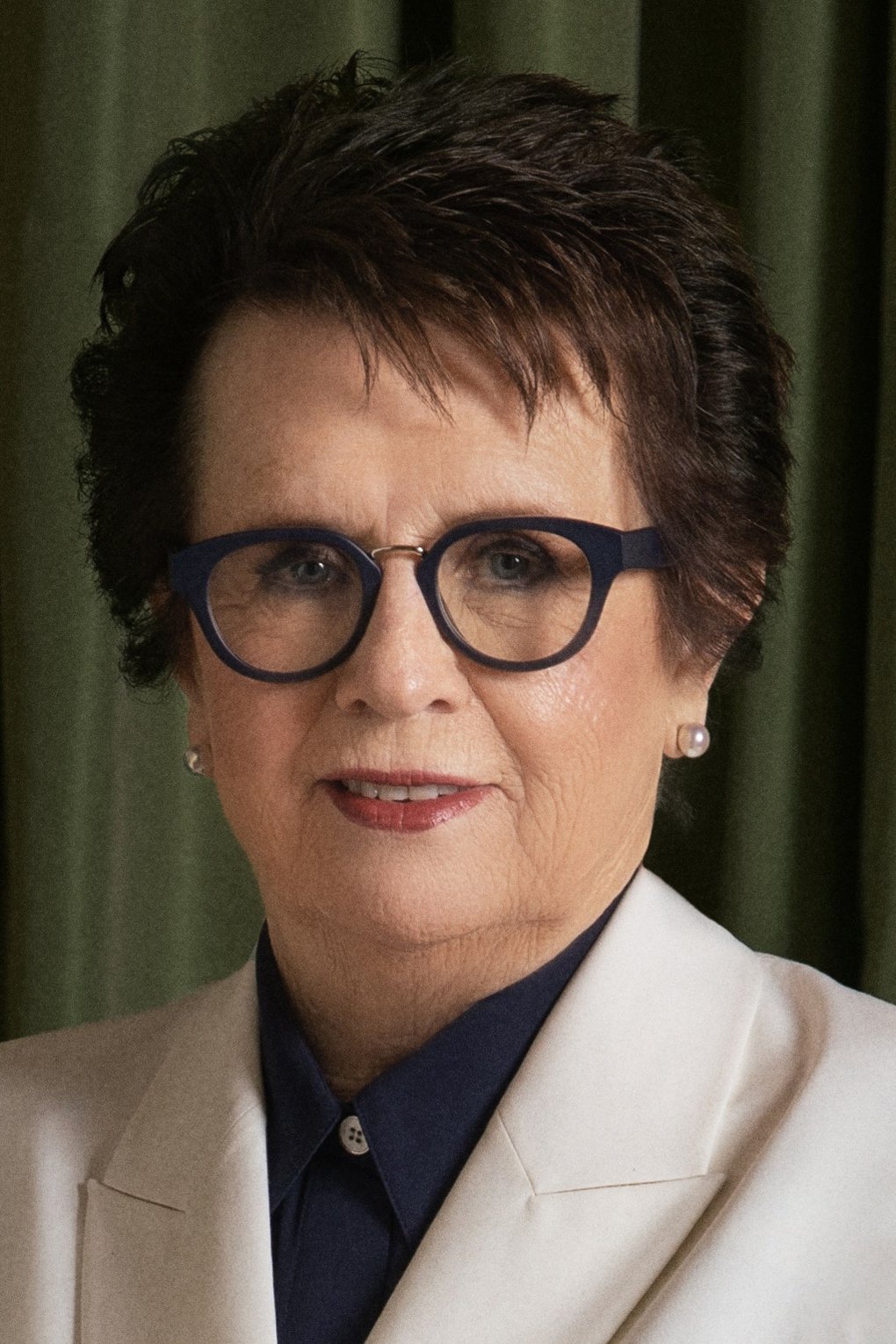
The tennis legend was outed in 1981 due to a palimony lawsuit but chose to acknowledge her truth. She lost all her endorsements overnight but continued to fight for equality in sports. King founded the Women’s Tennis Association and campaigned tirelessly for equal pay. Her resilience in the face of public scrutiny paved the way for future out athletes. She was awarded the Presidential Medal of Freedom for her advocacy.
Martina Navratilova
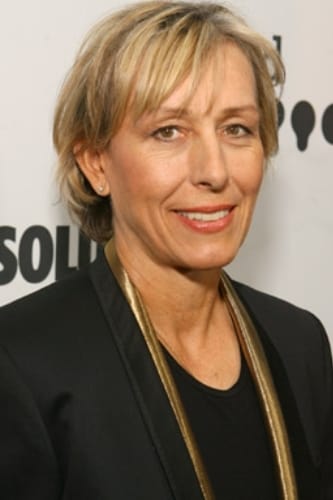
This tennis champion defected from Czechoslovakia and lived openly as a lesbian during the height of her career in the 1980s. She faced hostility from crowds and lost sponsorship deals for her honesty. Navratilova dominated the sport with a physical style that challenged traditional views of female athletes. She has been an outspoken activist for gay rights for decades. Her courage made her a hero to women who felt marginalized in sports.
Greg Louganis
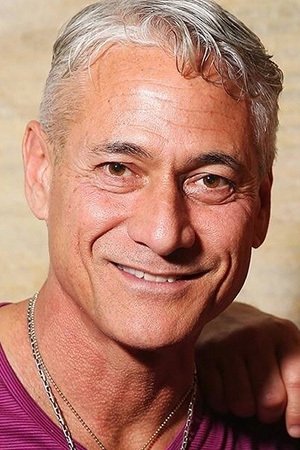
The Olympic diver is considered one of the greatest athletes in history and came out publicly in the mid-1990s. He revealed his HIV-positive status in his best-selling autobiography ‘Breaking the Surface’. Louganis faced criticism and fear regarding his participation in the 1988 Olympics but educated the public on transmission. His story highlighted the struggles of gay athletes during the AIDS crisis. He remains a mentor for young divers and an LGBTQ+ spokesperson.
John Waters
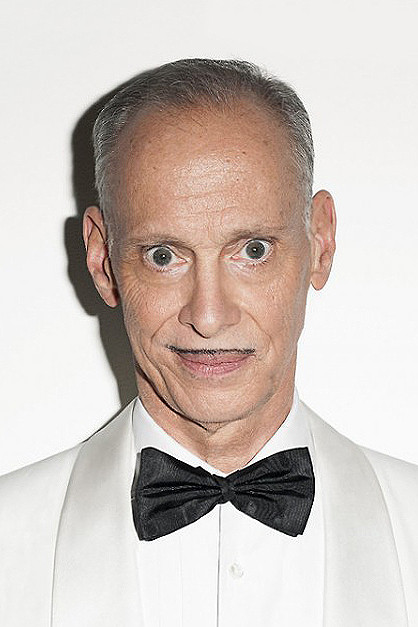
The filmmaker known as the Pope of Trash has lived openly as a gay man since his youth in Baltimore. He created a cinema of the grotesque that celebrated outcasts and queer characters. Films like ‘Hairspray’ and ‘Female Trouble’ brought drag and camp into the cultural conversation. Waters has always embraced the label of outsider and turned it into a badge of honor. His mustache and wit are instantly recognizable symbols of subversion.
Stephen Fry
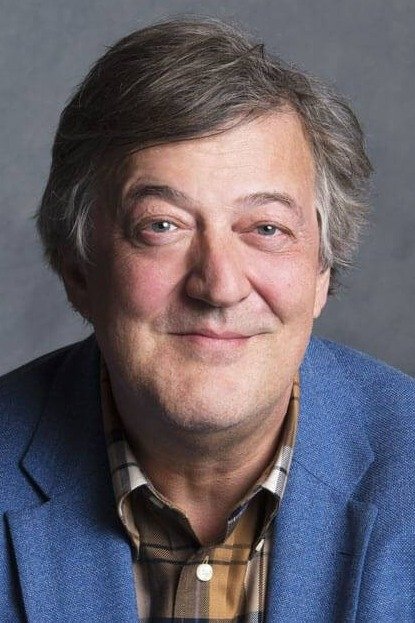
The British actor and writer has been openly gay throughout his career in comedy and television. He navigated the entertainment industry with a dry wit and intellect that commanded respect. Fry has spoken candidly about his struggles with mental health and his experiences as a gay man. He married his partner in 2015 and continues to advocate for rights globally. His voice is considered a national treasure in the United Kingdom.
Lily Tomlin
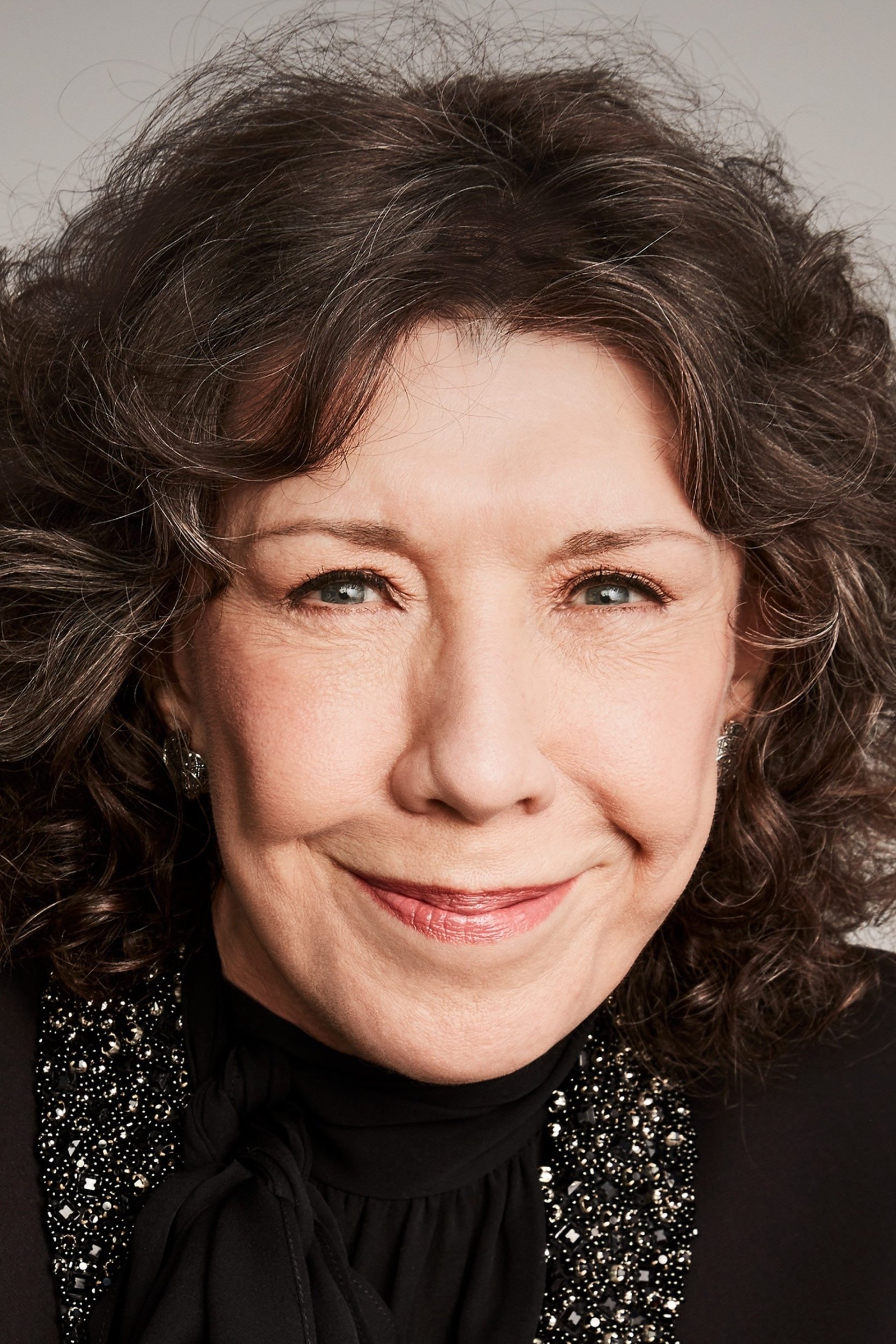
The legendary comedian turned down the cover of Time magazine in 1975 because they wanted her to come out on their terms. She lived openly with her partner Jane Wagner for decades before they legally married. Tomlin focused on her work in ‘9 to 5’ and ‘Grace and Frankie’ while living her truth quietly. She navigated a Hollywood system that was often hostile to lesbian women. Her longevity in the industry is a testament to her immense talent.
George Takei
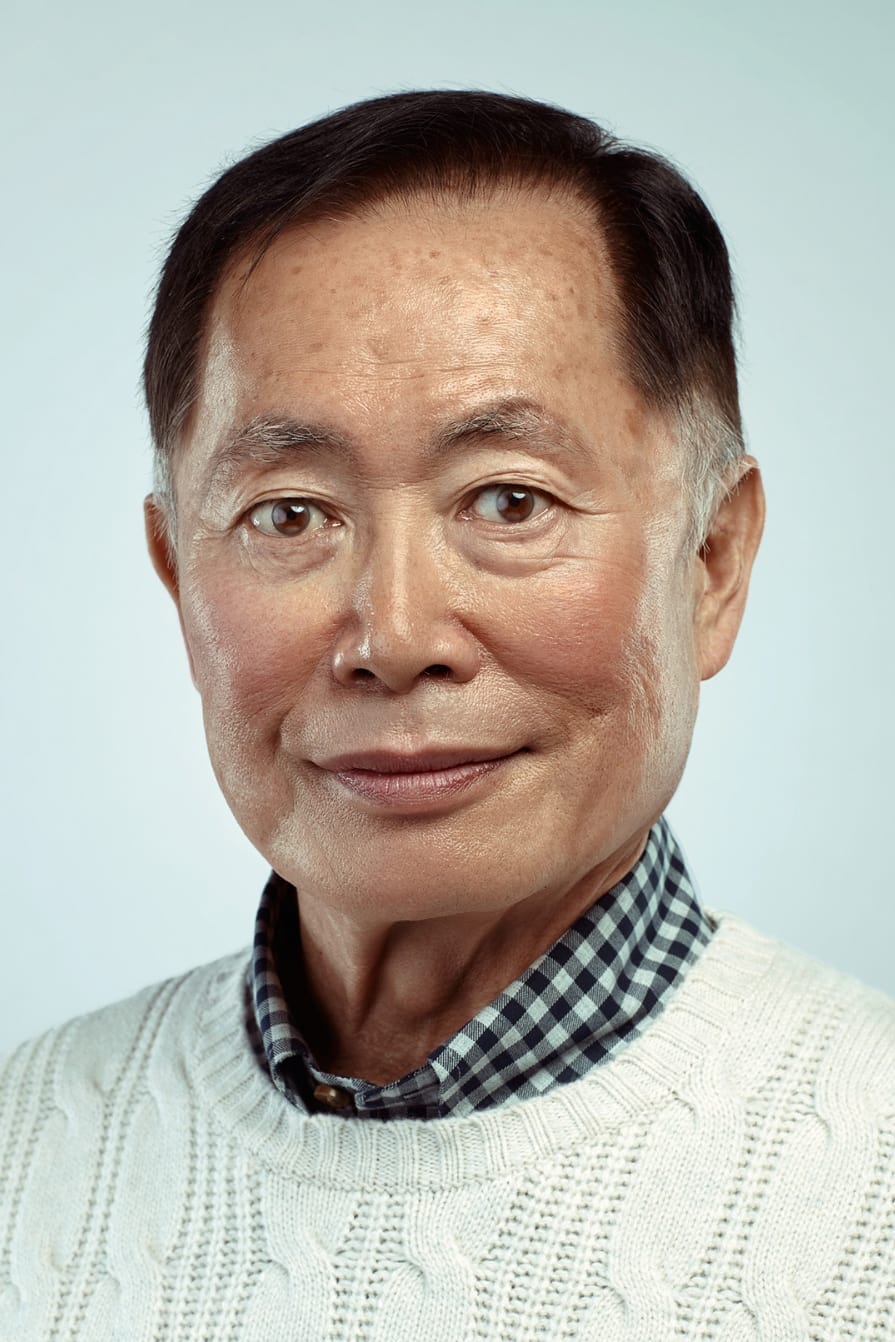
The ‘Star Trek’ actor came out publicly in 2005 but had been with his partner Brad Altman for many years prior. He served as a bridge between the classic Hollywood era and modern activism. Takei uses his massive social media following to advocate for social justice and LGBTQ+ rights. He often draws parallels between the treatment of gay people and his childhood internment during World War II. His voice has become one of the most prominent in the community.
Josephine Baker
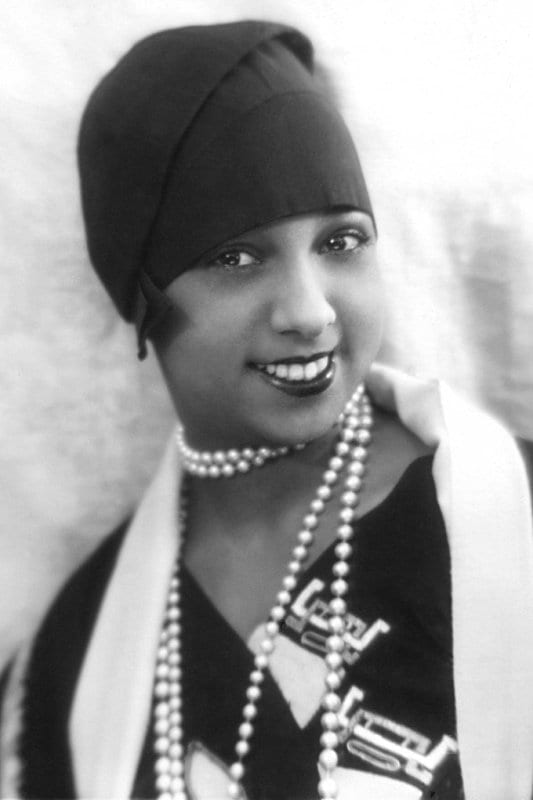
The entertainer and civil rights activist was known for her bisexual affairs during the Jazz Age in Paris. She created a chosen family she called the Rainbow Tribe and lived according to her own rules. Baker performed in skirts made of bananas and challenged racial barriers alongside sexual ones. She served the French Resistance during World War II. Her life was a testament to the power of breaking every boundary placed before her.
Frida Kahlo
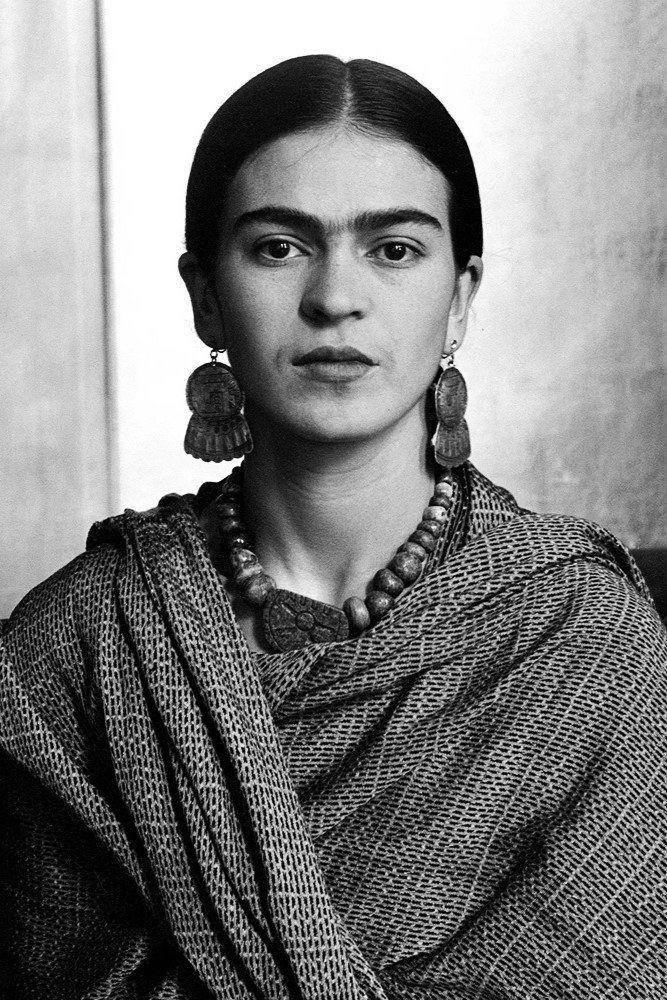
The Mexican artist is an icon for her unibrow and her unashamed depiction of female pain and passion. She had romantic relationships with both men and women including the singer Chavela Vargas. Kahlo used her art to explore identity and gender in ways that were radical for her time. Her distinctive style challenged the expectations of how a woman should look and behave. She remains a feminist and queer icon around the world.
Truman Capote
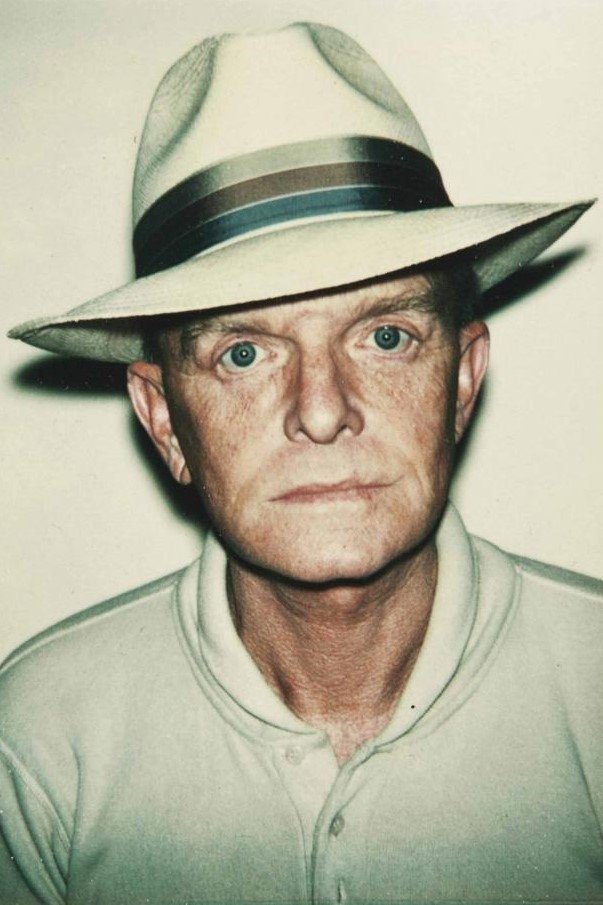
The celebrated author of ‘In Cold Blood’ was openly gay long before the gay liberation movement gained traction. He was a fixture of high society who made no secret of his orientation or his eccentricities. Capote wrote with a sensitivity that often reflected his status as an outsider. His flamboyant personality made him a favorite on talk shows. He lived unapologetically in a time of rigid social conservatism.
James Baldwin
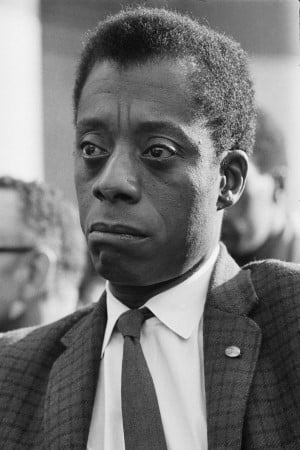
The prolific writer and activist explored the complexities of racial and sexual identity in works like ‘Giovanni’s Room’. He lived as an openly gay Black man during the civil rights movement. Baldwin spoke with an eloquence that dismantled the arguments of his oppressors. He spent much of his life in France to escape the prejudice of the United States. His essays continue to be essential reading for understanding intersectionality.
Andy Warhol
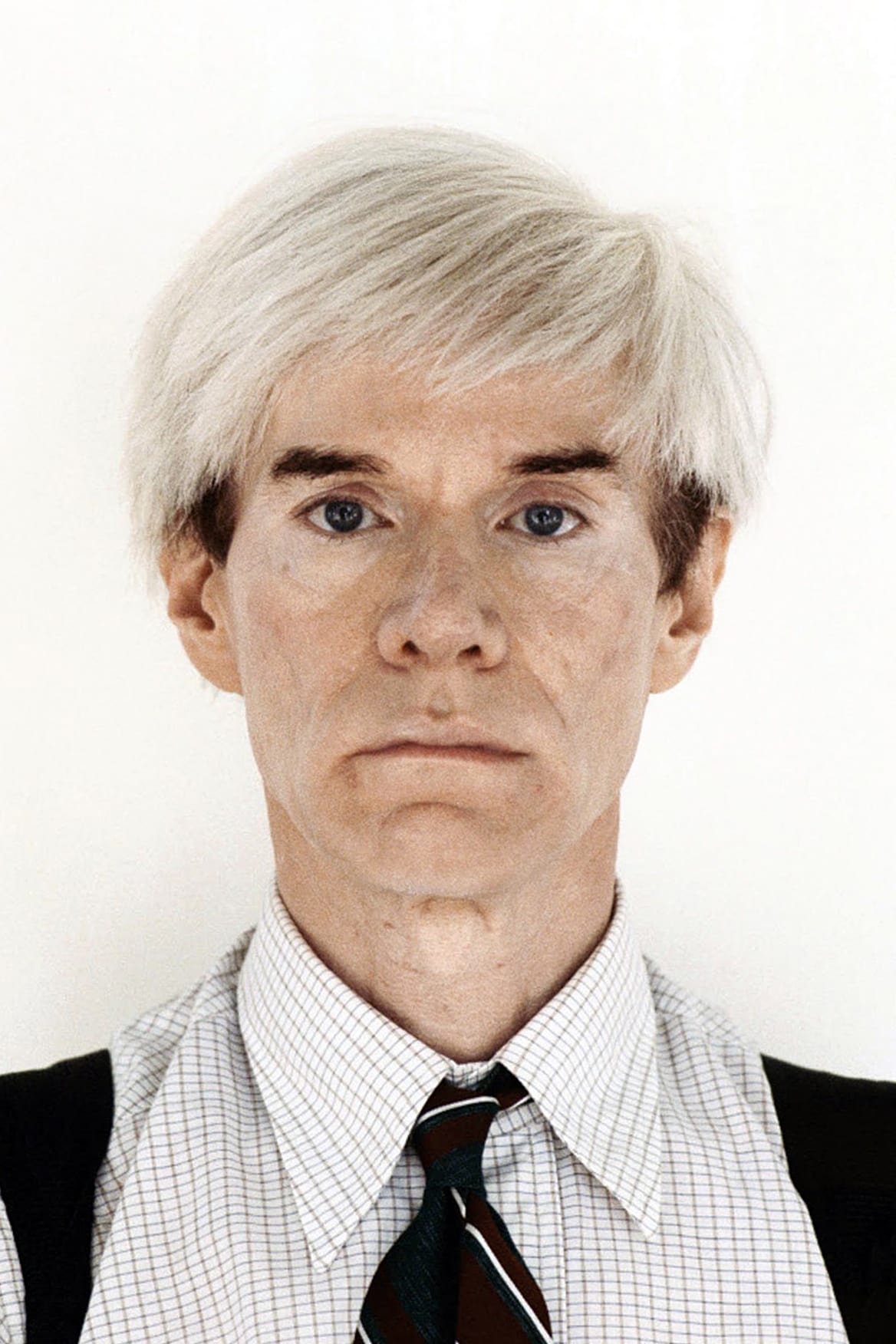
The Pop Art pioneer turned his studio known as The Factory into a haven for queer artists and drag queens. He lived as an openly gay man and infused his art with homoerotic imagery. Warhol challenged the definition of art and celebrity culture through his films and prints. He elevated marginalized figures to the status of superstars. His influence on visual culture and queer aesthetics is immeasurable.
Marsha P. Johnson
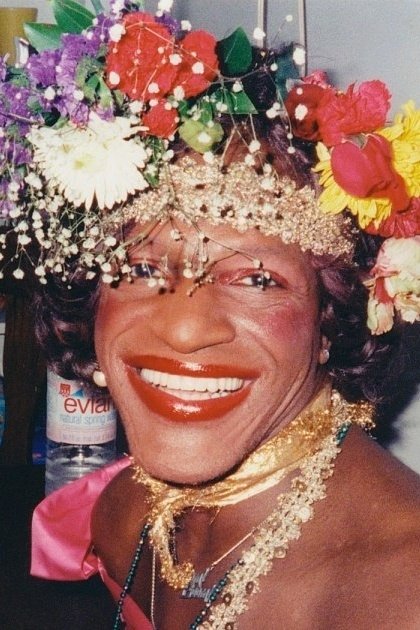
This self-identified drag queen was a central figure in the Stonewall uprising of 1969. She co-founded the Street Transvestite Action Revolutionaries to support homeless queer youth. Johnson was a fixture of Greenwich Village and a tireless advocate for those on the margins of society. She wore flowers in her hair and radiated joy despite facing constant police harassment. Her legacy is honored today as a pioneer of the transgender rights movement.
Tallulah Bankhead

The stage and screen actress was infamous for her husky voice and wild lifestyle. She was open about her bisexuality and drug use in an era that demanded purity from women. Bankhead was known to refer to everyone as “Darling” because she had trouble remembering names. She inspired characters like Cruella de Vil with her larger-than-life persona. Her refusal to be shamed made her a cult figure in the gay community.
Rupert Everett
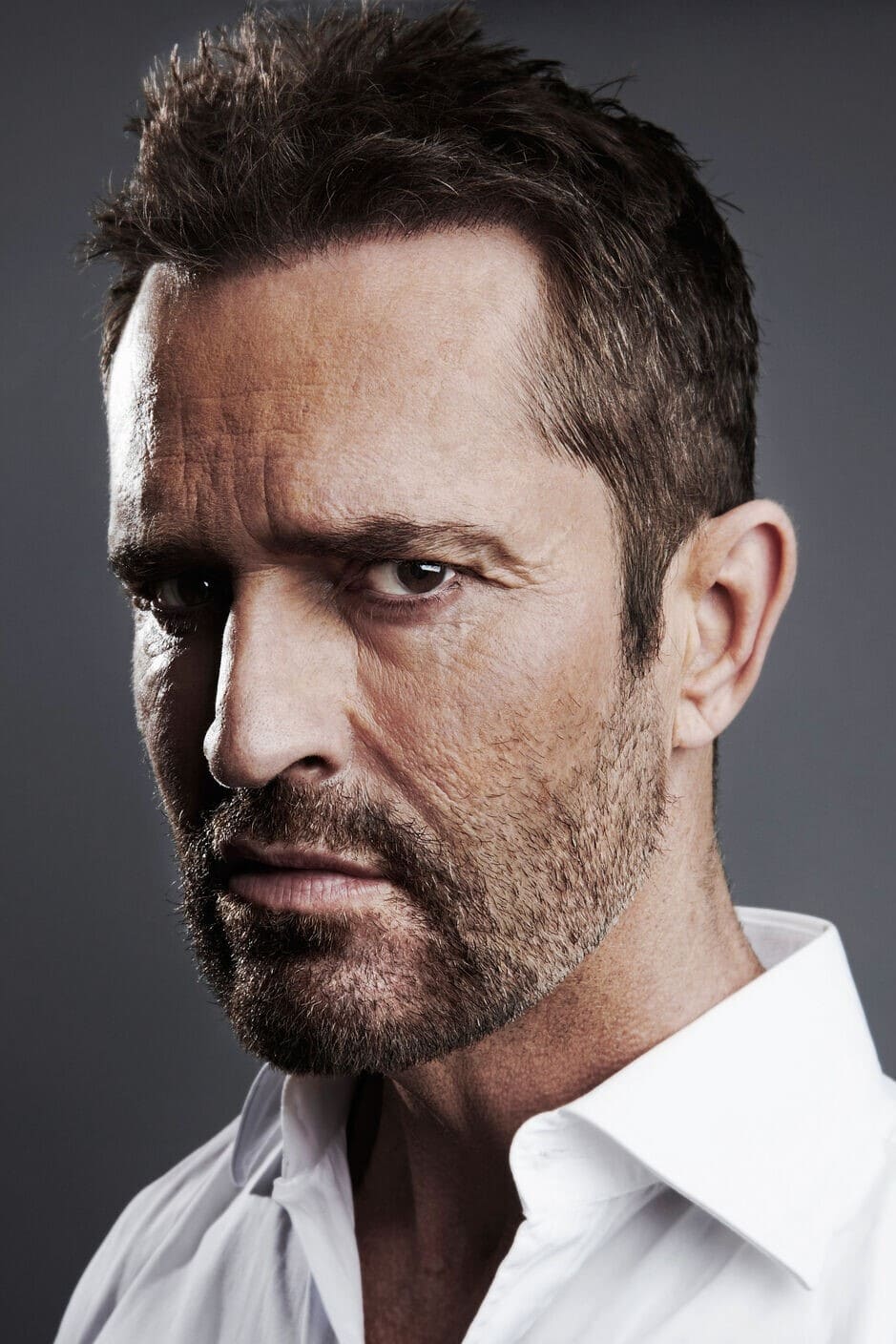
The British actor was one of the few leading men to come out as gay and continue to work in major films. He starred in ‘My Best Friend’s Wedding’ and brought a sophisticated gay character to a mainstream romantic comedy. Everett has written memoirs detailing the wilder days of his youth in London. He has played Oscar Wilde on stage and screen with critical acclaim. His career proved that an openly gay actor could still command the screen.
Little Richard
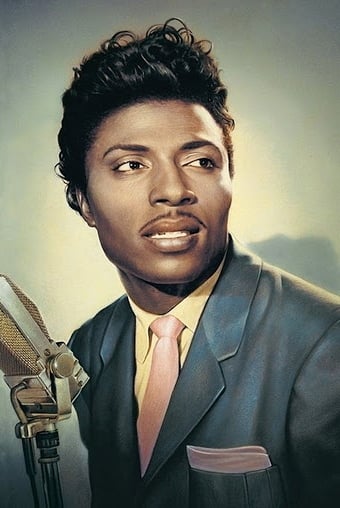
The architect of rock and roll brought a flamboyant and gender-bending energy to the piano. He wore makeup and loud costumes that influenced generations of performers from Prince to Bowie. Little Richard struggled with his sexuality and religion throughout his life but his queerness was central to his performance. He was a pioneer who broke down racial and musical barriers simultaneously. His energy defined the sound of the 20th century.
Oscar Wilde
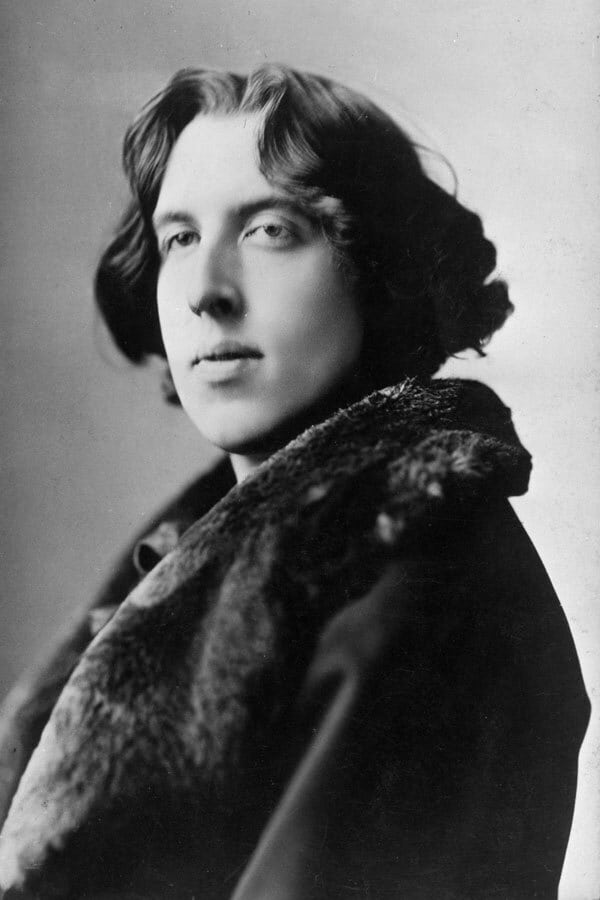
The Irish playwright and wit lived during the Victorian era and was persecuted for his sexuality. He was the center of a highly publicized trial that resulted in his imprisonment for gross indecency. Wilde wrote ‘The Picture of Dorian Gray’ which explored themes of hedonism and double lives. His sharp humor and flamboyant style made him a celebrity before his fall from grace. He is remembered as a martyr for gay rights and a literary genius.
Tennessee Williams
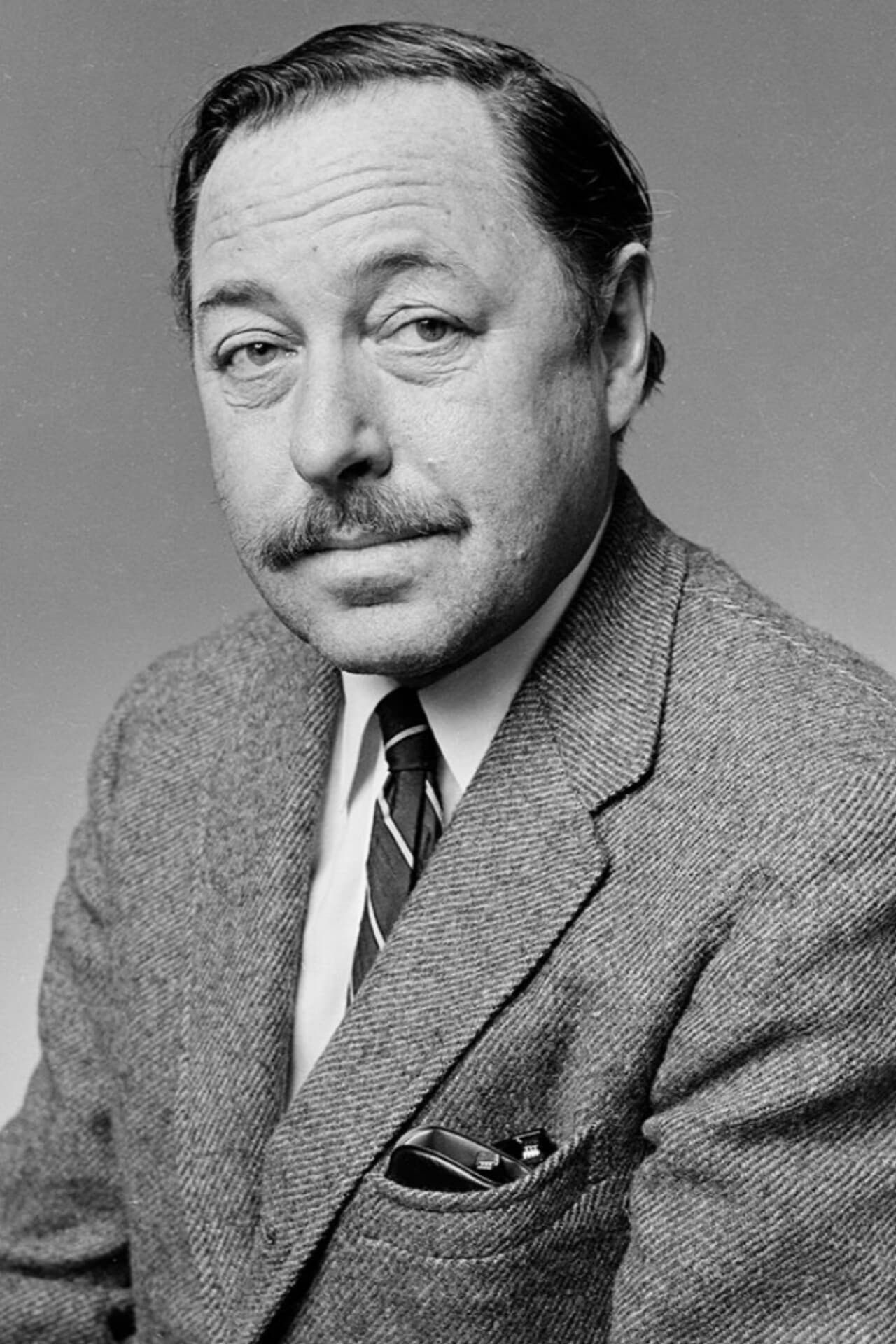
The playwright behind ‘A Streetcar Named Desire’ was one of the most significant writers of the 20th century. He lived as a gay man and infused his characters with a sense of longing and hidden secrets. Williams struggled with addiction and depression but produced a body of work that transformed American theater. His memoirs were candid about his sexual experiences. He gave a voice to the fragile and the broken.
Gore Vidal
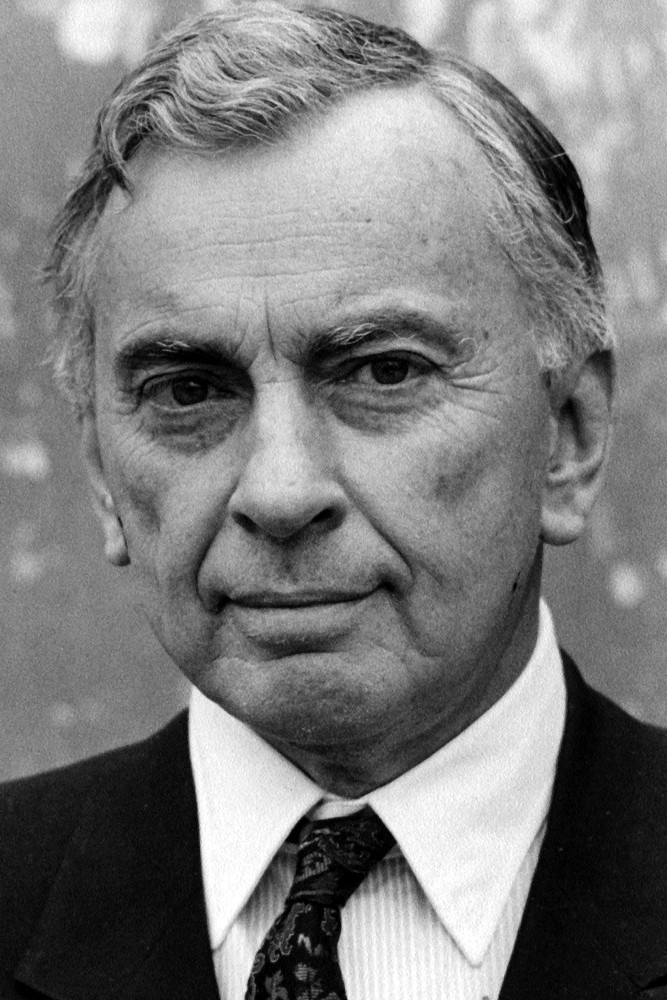
The intellectual and writer was open about his same-sex relationships but rejected the labels of gay or straight. He wrote ‘The City and the Pillar’ in 1948 which was one of the first mainstream novels to feature a well-adjusted gay protagonist. Vidal was a sharp critic of American politics and social mores. He lived with his partner Howard Austen for over fifty years. His wit made him a formidable opponent in any debate.
Amanda Lear
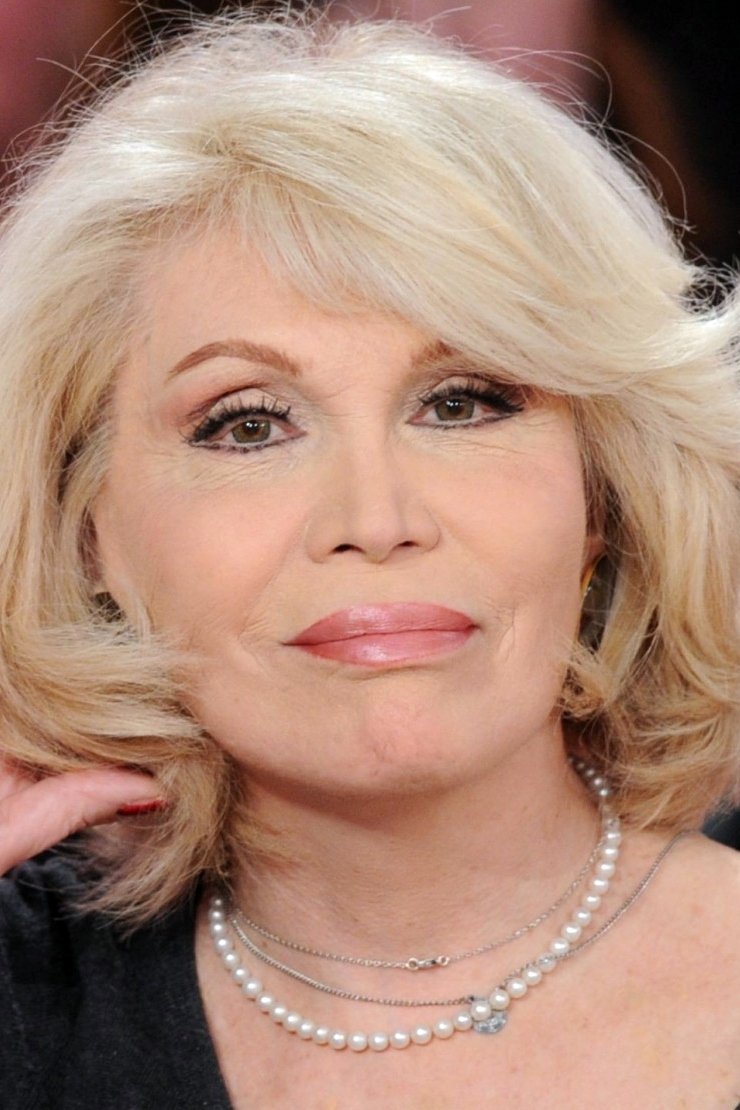
The disco queen and muse to Salvador Dalí played with gender ambiguity throughout the 1970s. Rumors about her origins swirled and she fueled the mystery to build her mystique. Lear dominated the European disco charts with her deep voice and campy lyrics. She was a fashion icon who walked the runway for major designers. Her refusal to clarify her history made her a fascinating figure in pop culture.
Grace Jones
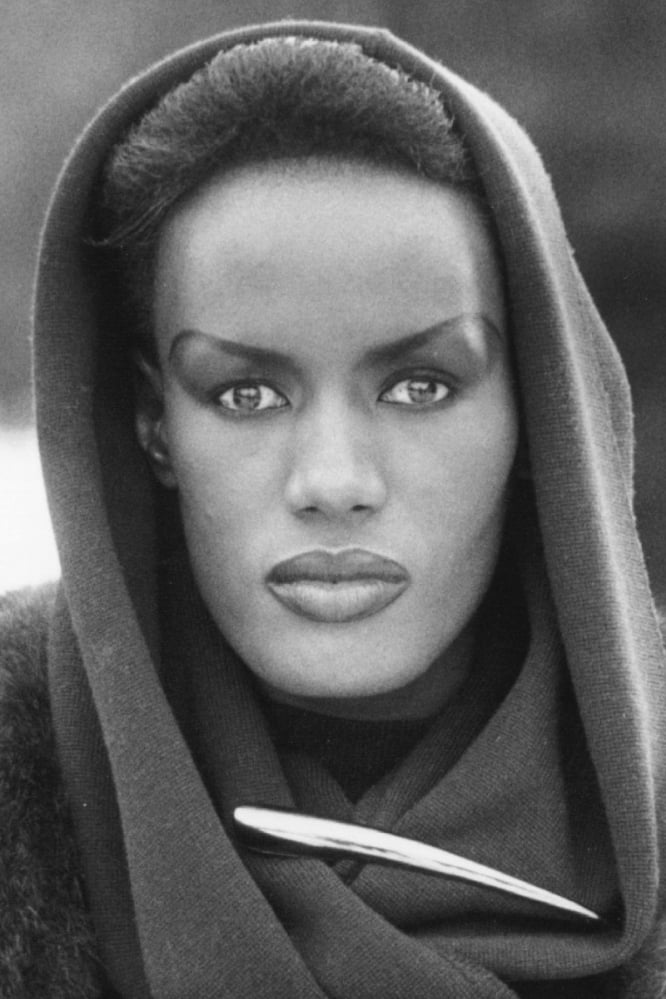
The Jamaican singer and model pioneered a severe androgynous look that terrified and fascinated the public. She challenged traditional notions of black female beauty and sexuality. Jones starred in ‘A View to a Kill’ and released avant-garde albums like ‘Nightclubbing’. She frequented Studio 54 and became a symbol of 80s excess and artistic freedom. Her influence is seen in modern artists who blur the lines of gender.
Share your favorite pioneer from this list or mention who we missed in the comments.