

LGBTQ-Friendly Anime That Built Massive Global Communities

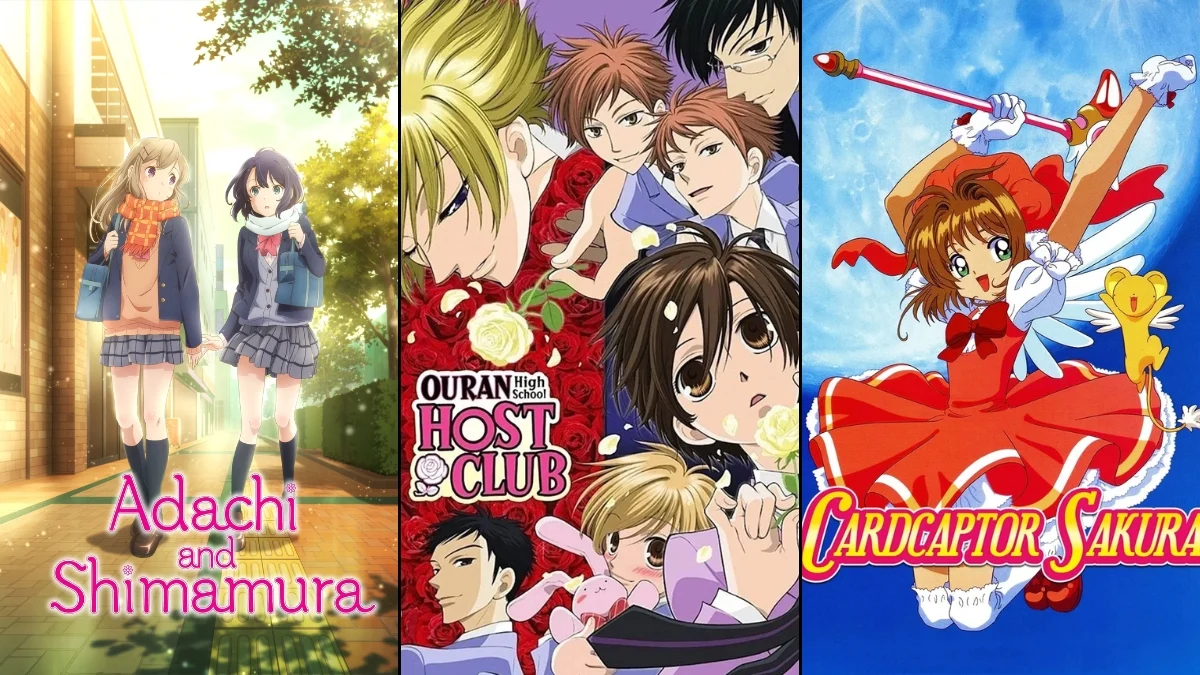


The evolution of Japanese animation has led to an increasing number of series that provide visibility and representation for the LGBTQ+ community. These shows often explore themes of identity, romance, and social dynamics with varying degrees of realism and fantasy. From historical milestones to modern successes, these titles have resonated with international audiences and fostered large online communities. By centering queer experiences, these works have helped bridge cultural gaps and offer diverse narratives to a global viewer base.
‘Princess Knight’ (1967–1968)

Created by Osamu Tezuka, this series follows Princess Sapphire, who was born with both a male and female heart. She must masquerade as a prince to inherit the throne of Silverland because women are legally barred from succession. The show is considered a foundation for gender-bending themes and explored complex gender roles decades before they became mainstream. Its historical significance continues to attract fans interested in the origins of queer representation in anime. The series is frequently cited by scholars for its early contribution to gender discourse in Japanese media.
‘Sailor Moon’ (1992–1997)
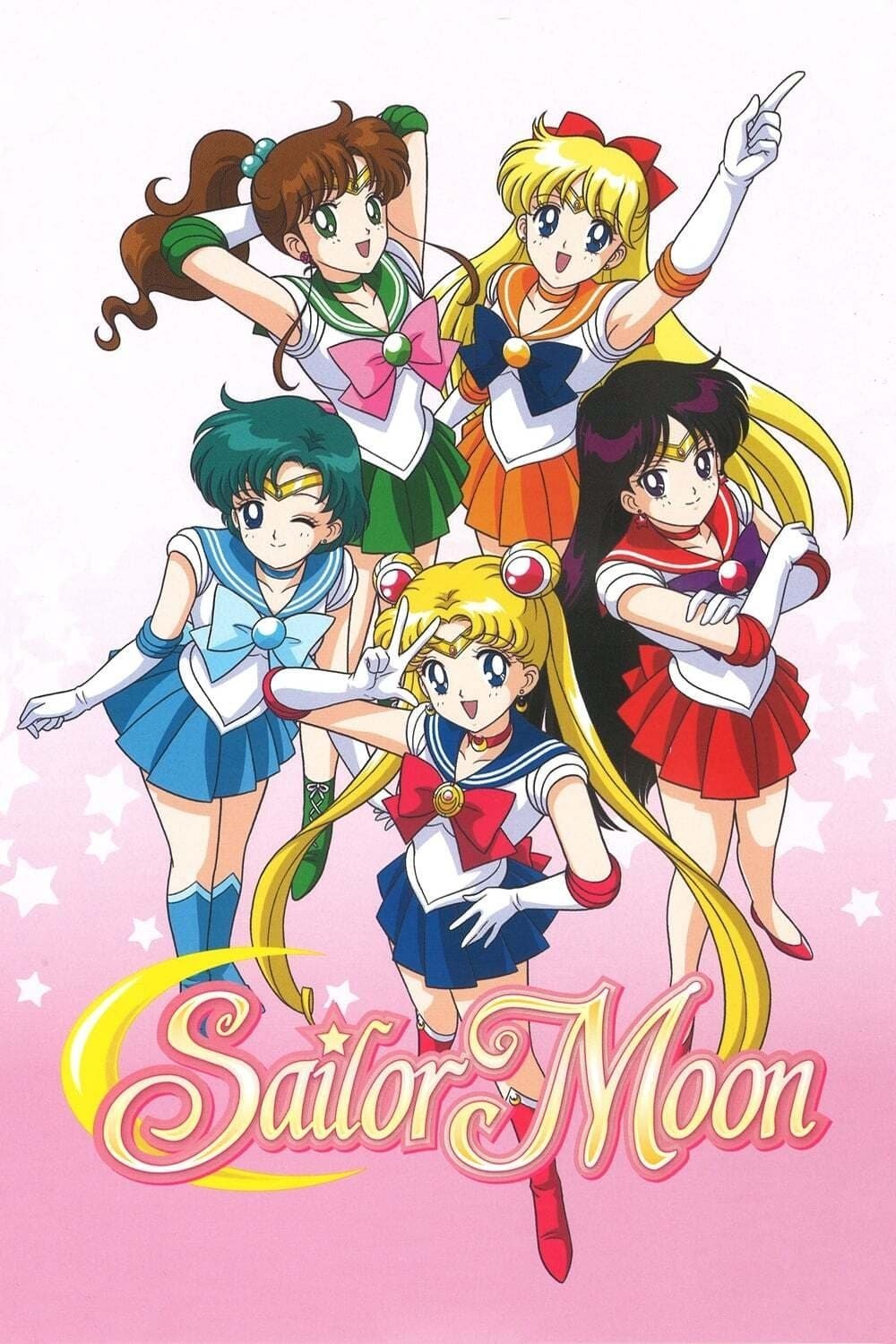
‘Sailor Moon’ introduced global audiences to Haruka Tenou and Michiru Kaiou, a lesbian couple known as Sailor Uranus and Sailor Neptune. While their relationship was famously censored in some international dubs, the original Japanese version clearly established their romantic bond. The series also featured the Sailor Starlights, who shifted genders during their transformations. This inclusion of queer characters made the show a staple for LGBTQ+ fans worldwide during the 1990s. Its legacy remains strong, with the characters continuing to serve as icons of representation in pop culture.
‘Revolutionary Girl Utena’ (1997)
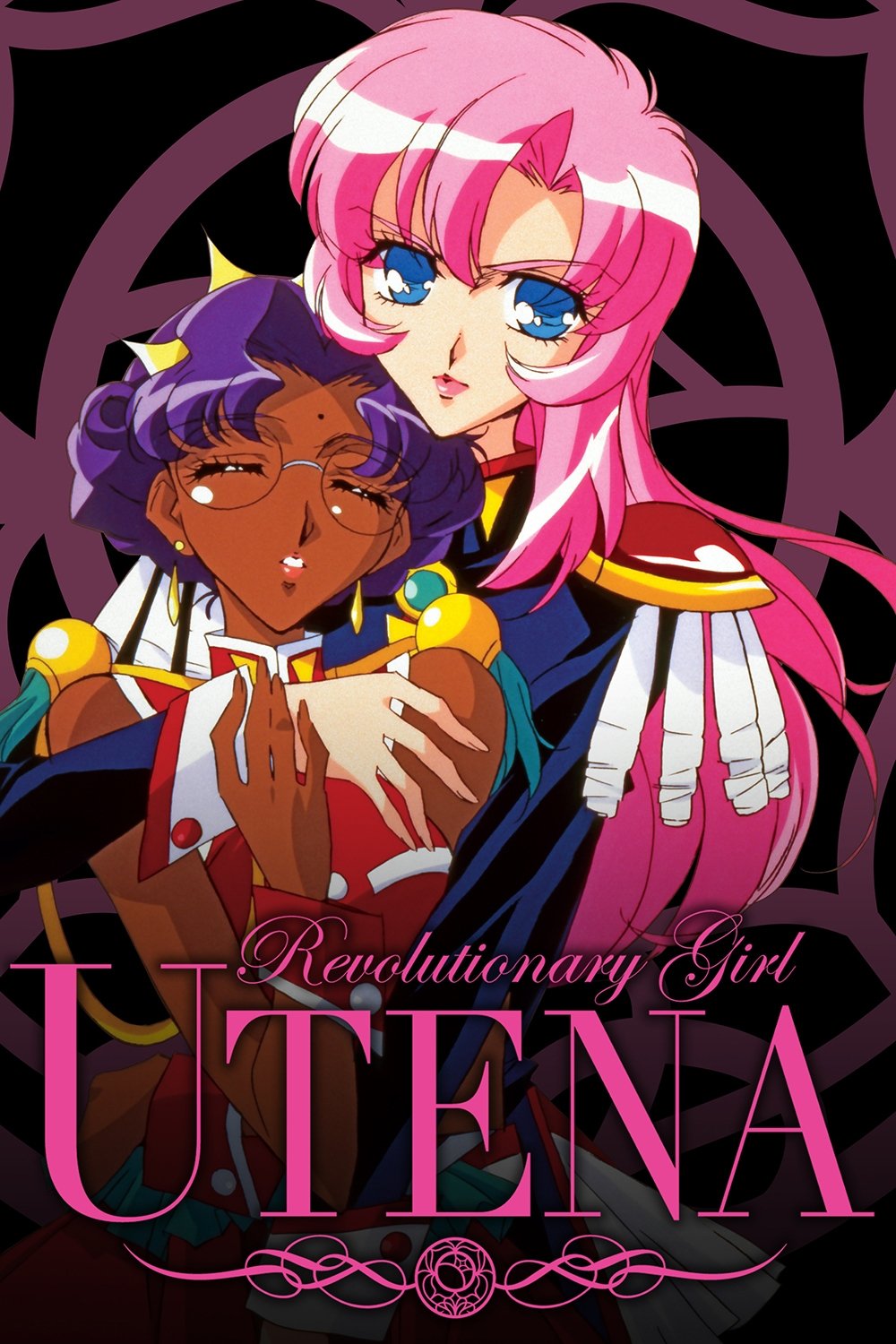
This series subverts traditional fairy tale tropes by following Utena Tenjou, a girl who desires to be a prince rather than a princess. Utena becomes involved in a series of sword duels at Ohtori Academy to protect Anthy Himemiya, the Rose Bride. The show explores deep psychological themes and presents a central relationship between Utena and Anthy that transcends standard platonic boundaries. It is widely acclaimed for its surrealist imagery and its critique of patriarchal structures. The anime has maintained a massive global community dedicated to analyzing its queer subtext and symbolism.
‘Cardcaptor Sakura’ (1998–2000)
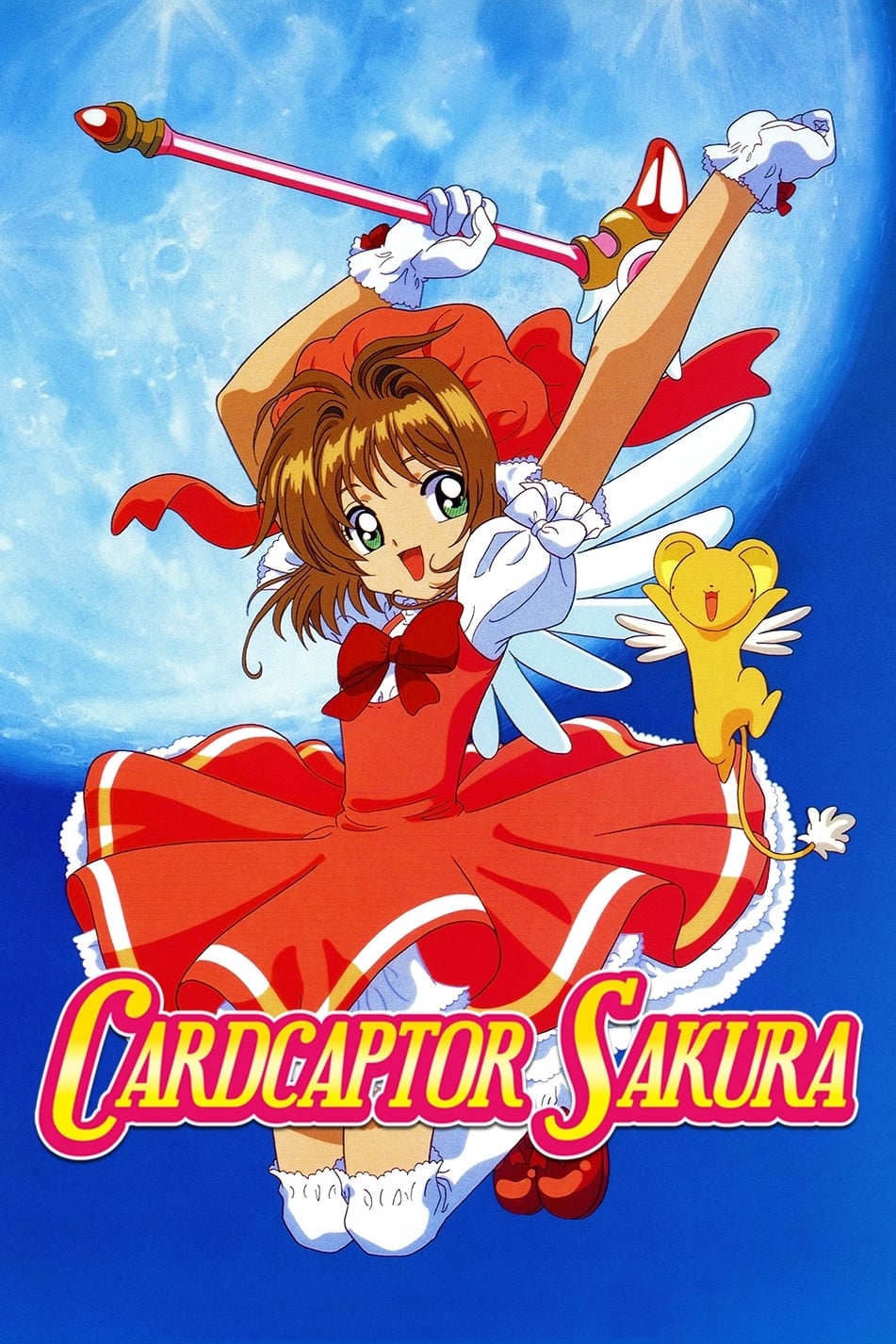
‘Cardcaptor Sakura’ is noted for its casual and inclusive approach to various forms of affection and identity. The series features a prominent romantic relationship between Touya Kinomoto and Yukito Tsukishiro, which is presented without prejudice. Additionally, the character Tomoyo Daidouji harbors romantic feelings for the protagonist, Sakura Kinomoto. These elements were revolutionary for a series aimed at younger audiences at the time of its release. The show’s gentle handling of diverse attractions has made it a beloved title within the LGBTQ+ community.
‘Paradise Kiss’ (2005)
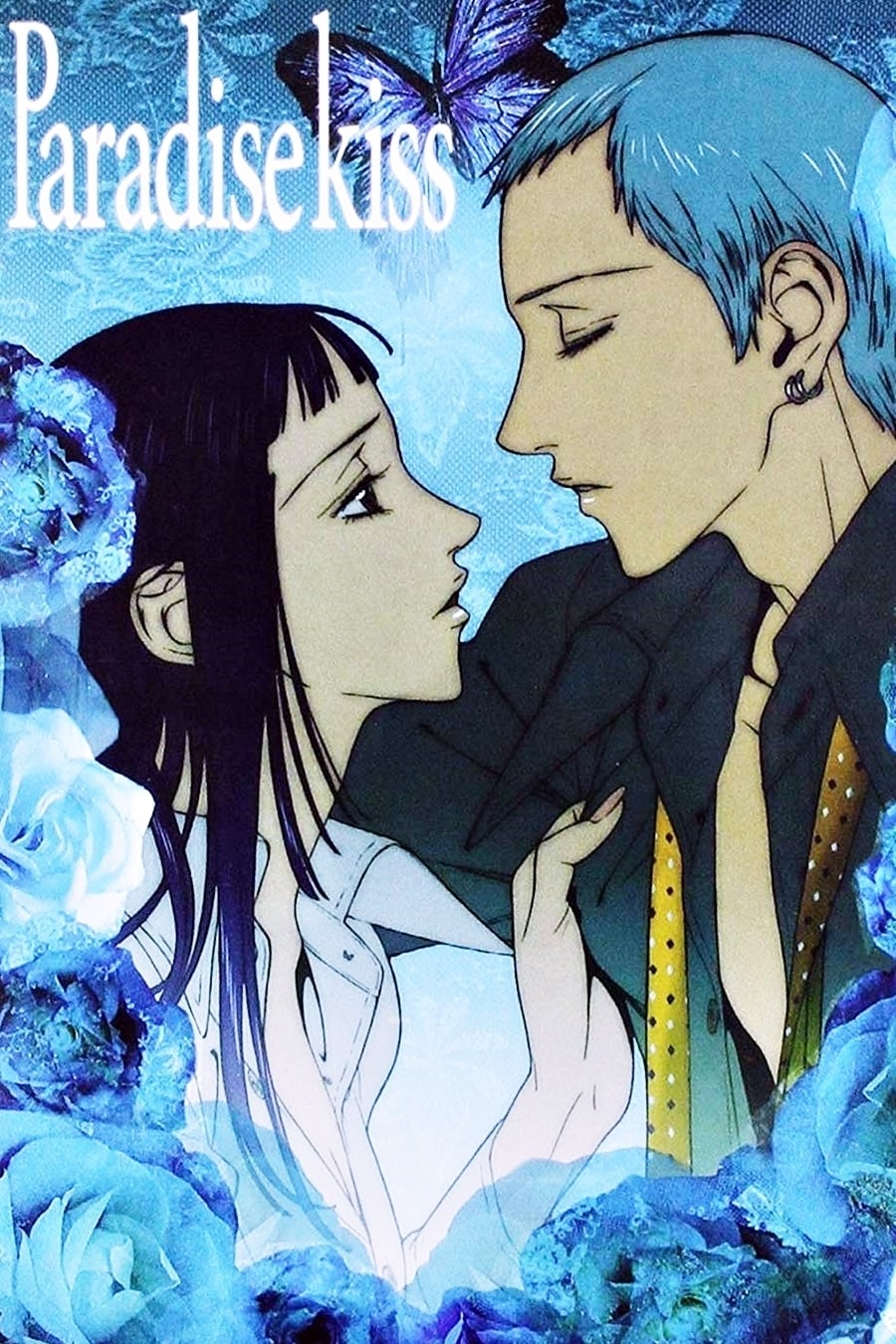
‘Paradise Kiss’ follows high school student Yukari Hayasaka as she becomes involved with a group of fashion design students. The series features Isabella Yamamoto, a transgender woman who serves as a motherly figure to the group. Isabella’s backstory is treated with dignity, focusing on her journey of self-acceptance and the support she received from her friend George. The show is praised for its mature storytelling and its stylish depiction of the fashion world. Its inclusion of a grounded transgender character helped it build a dedicated international following.
‘Ouran High School Host Club’ (2006)
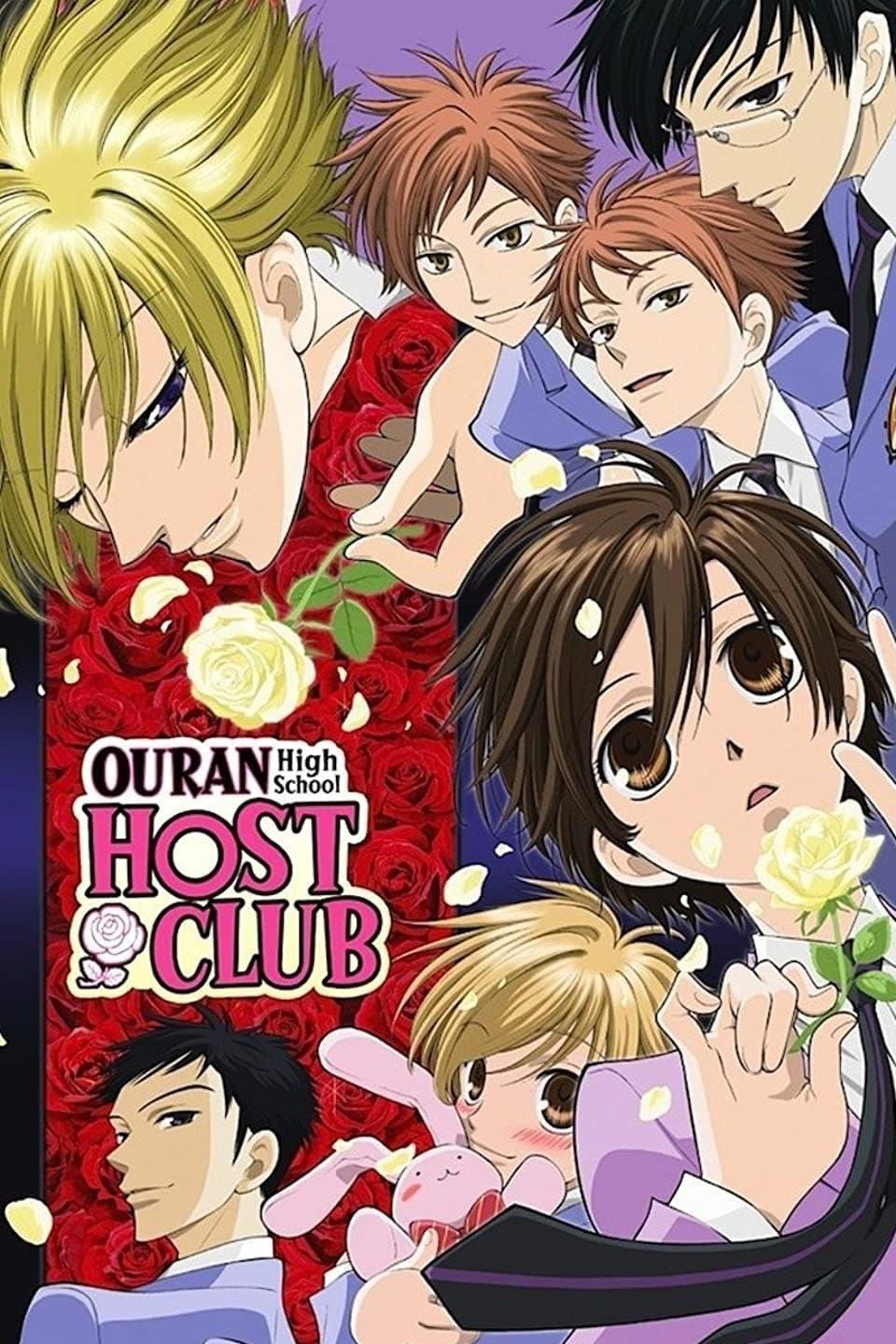
This series centers on Haruhi Fujioka, a student who accidentally joins a host club after breaking an expensive vase. Haruhi is notable for her gender-neutral outlook, stating that she does not care whether people perceive her as a boy or a girl. The show satirizes gender stereotypes and explores themes of identity and attraction through its diverse cast. It has been embraced by fans for its progressive stance on gender non-conformity. The series remains a popular entry point for viewers interested in stories that challenge traditional social norms.
‘Simoun’ (2006)
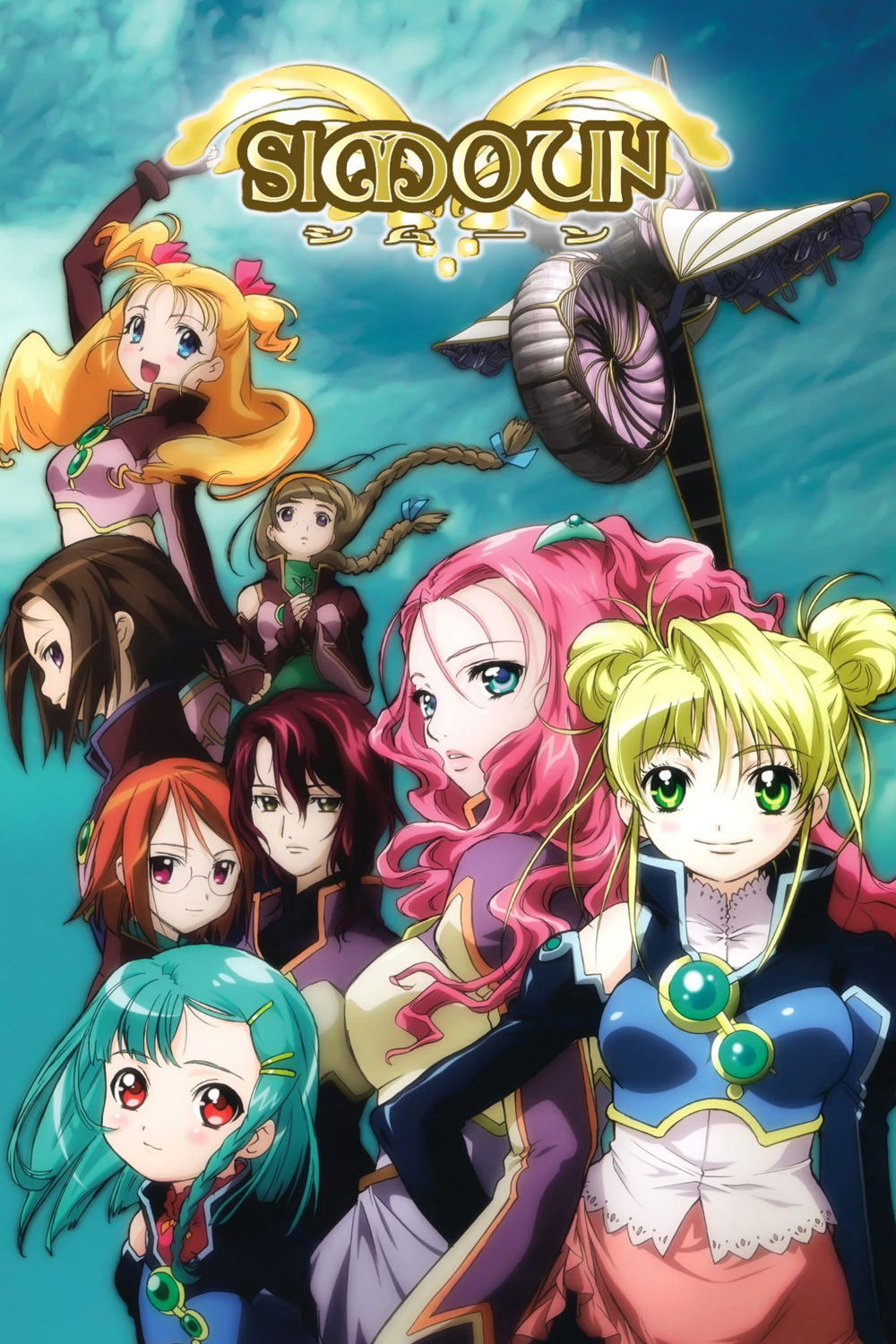
‘Simoun’ takes place in a world where everyone is born female and must choose a permanent gender at a sacred spring upon reaching adulthood. The story focuses on the pilots of the Simoun, flying machines used for both religious ceremonies and warfare. The characters navigate their feelings for one another while facing the pressure of their impending gender choices. This unique premise allows the series to explore gender fluidity and queer romance in a high-fantasy setting. It has garnered a cult following for its philosophical approach to identity and its intricate world-building.
‘Antique Bakery’ (2008)
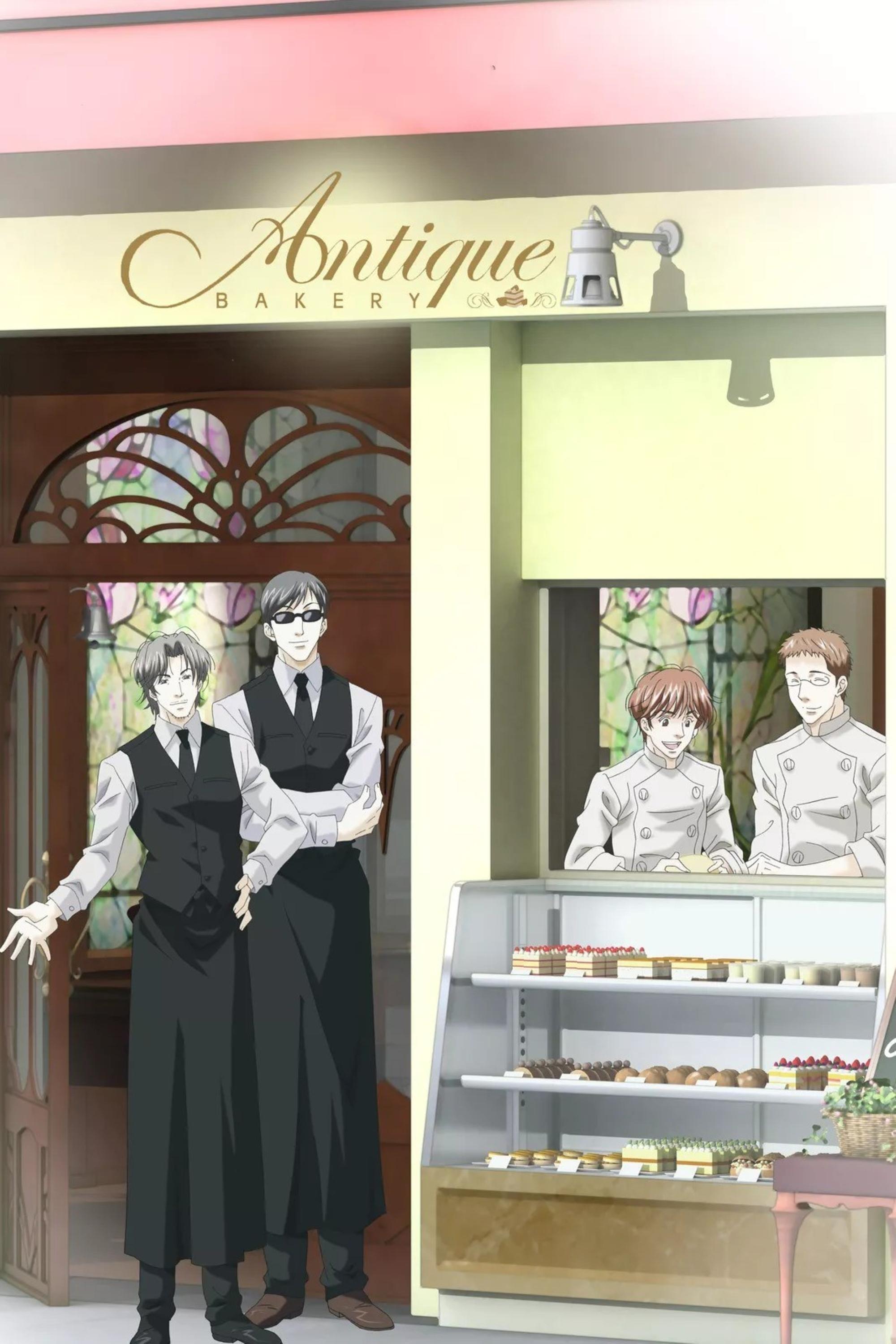
Based on the manga by Fumi Yoshinaga, this series revolves around four men who work at a small bakery. One of the main characters, Yusuke Ono, is an openly gay pastry chef with a “demonic charm” that affects almost every man he meets. The show balances its comedic elements with serious explorations of the characters’ past traumas and personal growth. It is recognized for featuring a gay protagonist whose identity is a central part of the narrative rather than a side plot. The series built a community of fans who appreciate its blend of slice-of-life storytelling and queer representation.
‘Sweet Blue Flowers’ (2009)
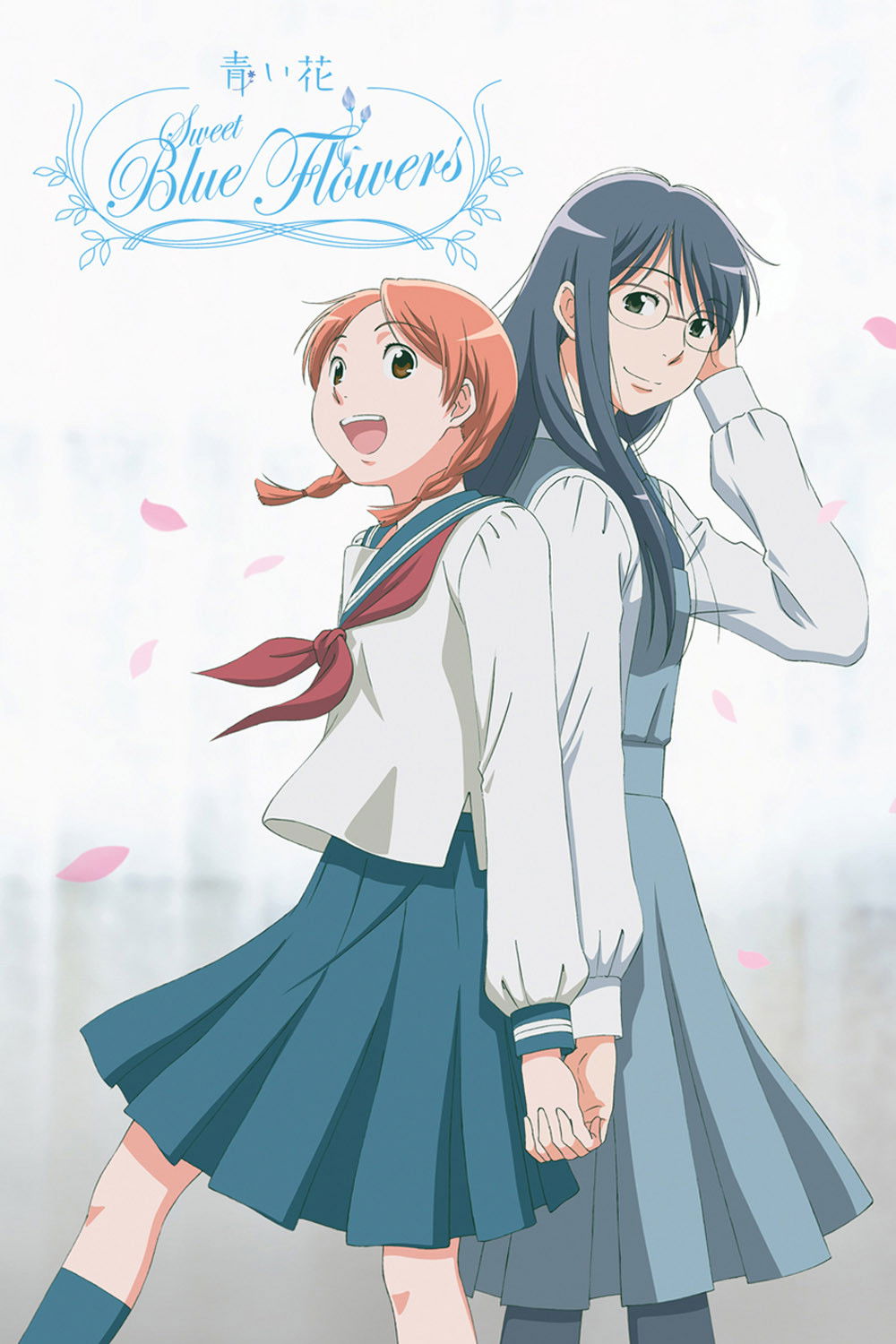
‘Blue Flower’ tells the story of two childhood friends, Fumi Manjoume and Akira Okudaira, who reunite in high school. Fumi is a lesbian navigating her first experiences with love and heartbreak while attending an all-girls academy. The series is celebrated for its realistic and sensitive portrayal of teenage girl-love relationships. It avoids common tropes of the genre in favor of a grounded, character-driven narrative. Its focus on the emotional complexities of queer youth has made it a significant title for fans of the yuri genre.
‘Whispered Words’ (2009)

This series follows Sumika Murasame, a high school girl who is secretly in love with her best friend, Ushio Kazama. The conflict arises because Ushio exclusively likes “cute” girls, and the athletic Sumika does not believe she fits that description. The show explores Sumika’s internal struggle and the challenges of being queer in a school environment. It addresses themes of unrequited love and the search for community among other LGBTQ+ students. The anime has attracted a global audience that identifies with its honest depiction of adolescent longing.
‘No. 6’ (2011)
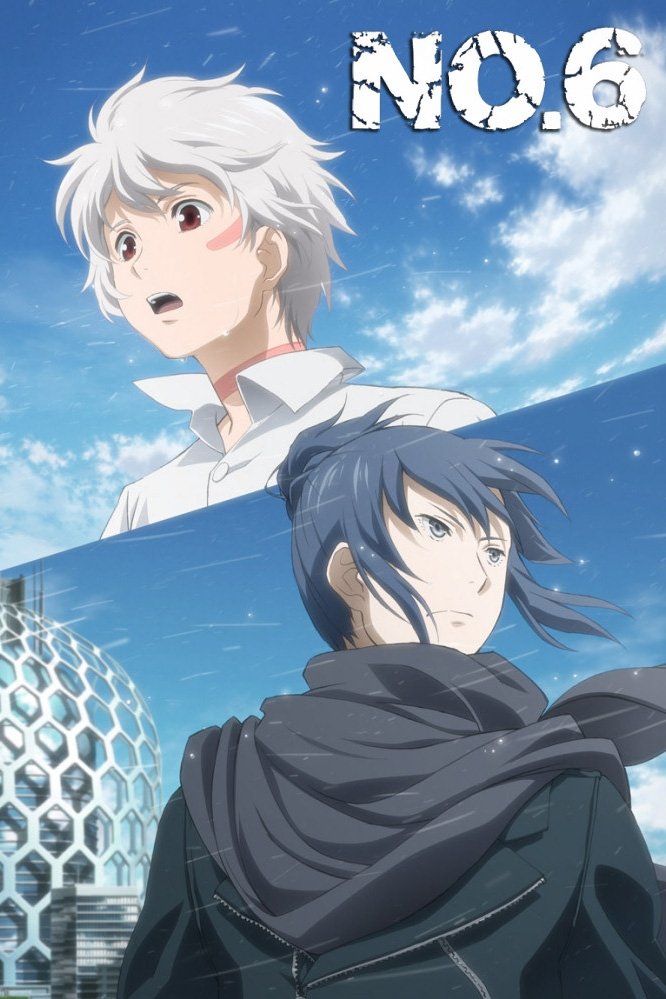
Set in a dystopian future, ‘No. 6′ follows the bond between Shion, an elite citizen, and Nezumi, a boy living outside the city’s walls. Their relationship develops from mutual survival into an intense romantic connection as they uncover the dark truths of their society. The series is often praised for integrating its queer romance naturally into a high-stakes science fiction plot. It avoids making the characters’ sexuality the sole focus, treating their bond as an essential part of their journey. This approach has helped the show maintain a strong presence in global fan communities.
‘Wandering Son’ (2011)
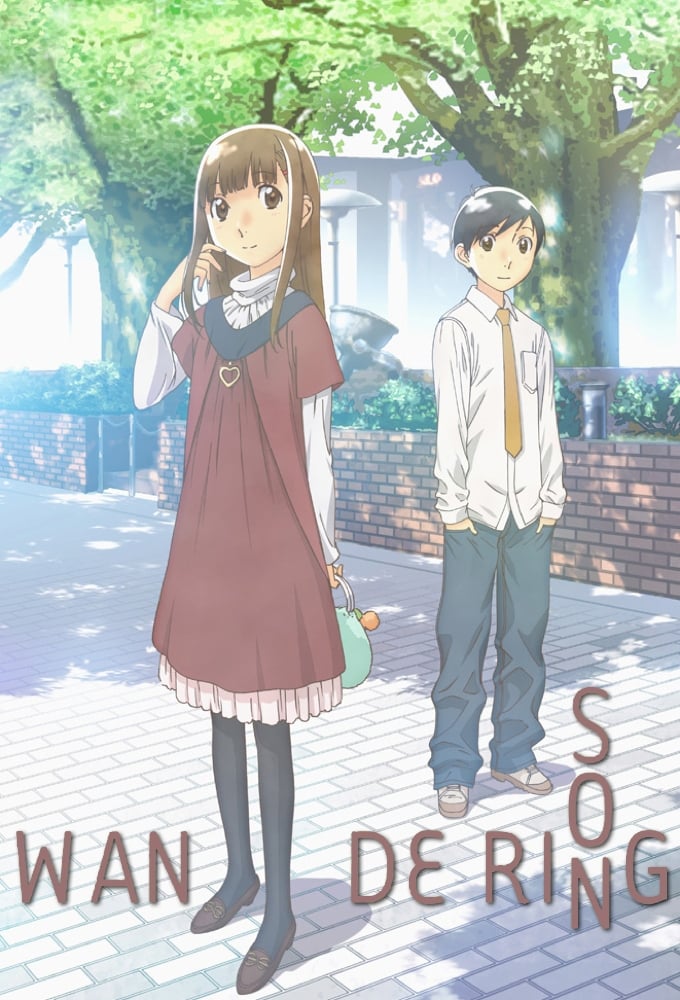
‘Wandering Son’ is a critically acclaimed series that focuses on two middle school students, Shuuichi Nitori and Yoshino Takatsuki, who are exploring their gender identities. Shuuichi is a trans girl, while Yoshino is a trans boy, and the story follows their experiences with puberty and social transition. The anime is highly regarded for its empathetic and realistic treatment of transgender youth. It tackles the difficulties of navigating family expectations and school life with great sensitivity. The series remains one of the most prominent examples of trans representation in the medium.
‘Love Stage!!’ (2014)

This series follows Izumi Sena, a college student from a famous entertainment family who wants to be a manga artist despite his lack of talent. He is forced to participate in a commercial where he reunites with Ryoma Ichijo, an actor who has been in love with Izumi since they were children. The catch is that Ryoma believed Izumi was a girl for ten years. The show explores their developing relationship as Ryoma comes to terms with Izumi’s true gender and his own feelings. It has built a large international fanbase within the boys’ love community for its comedic and romantic elements.
‘Yuri!!! on Ice’ (2016)
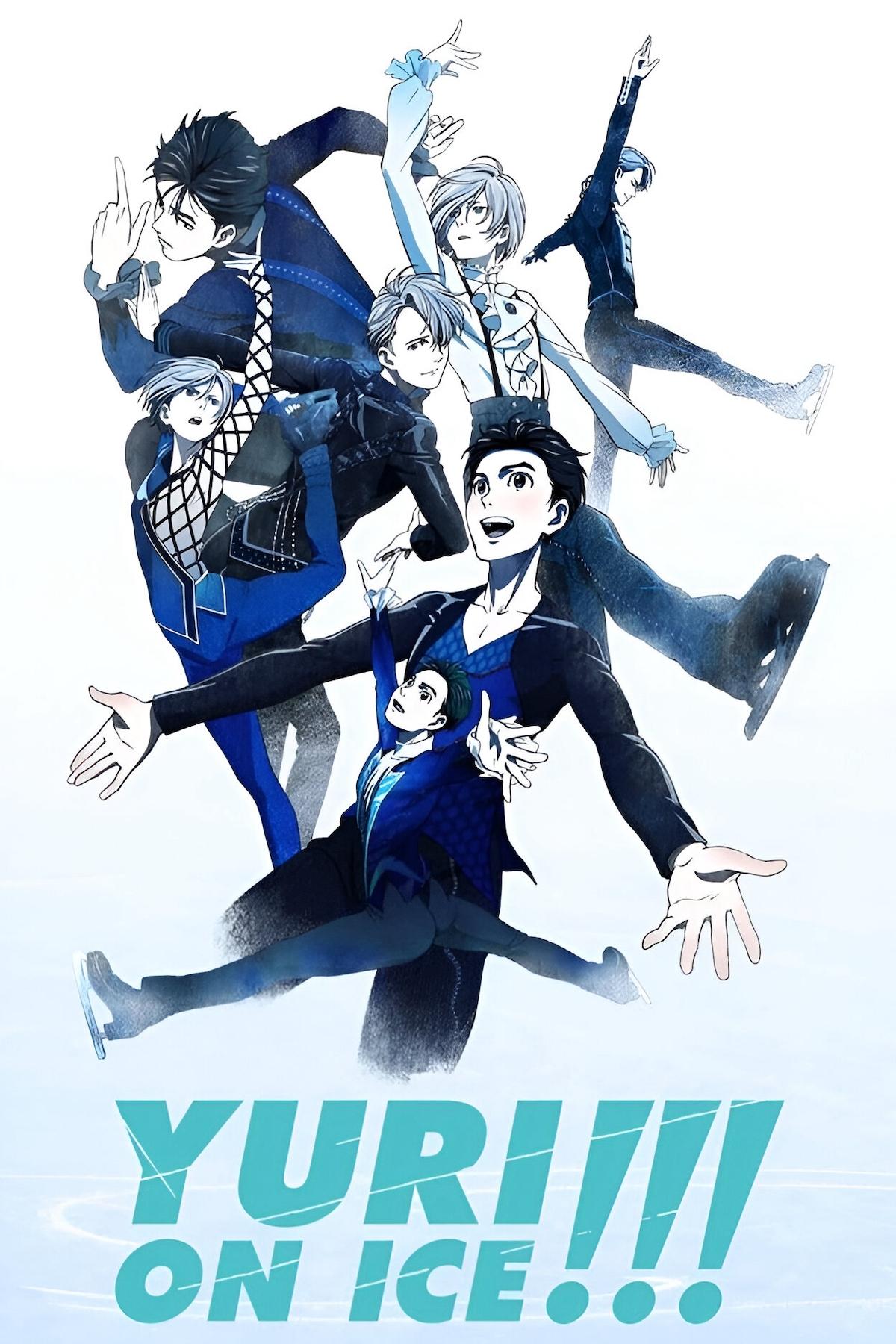
‘Yuri!!! on Ice’ became a global phenomenon for its depiction of the relationship between Japanese figure skater Yuri Katsuki and his coach, Victor Nikiforov. The series follows Yuri’s return to competitive skating as he gains confidence through Victor’s support. It received widespread praise for its healthy portrayal of a same-sex relationship and its avoidance of harmful stereotypes. The show won numerous awards and sparked a massive online community that celebrated its inclusive narrative. It is often cited as a milestone for queer representation in mainstream sports anime.
‘Dou kyu sei – Classmates’ (2016)
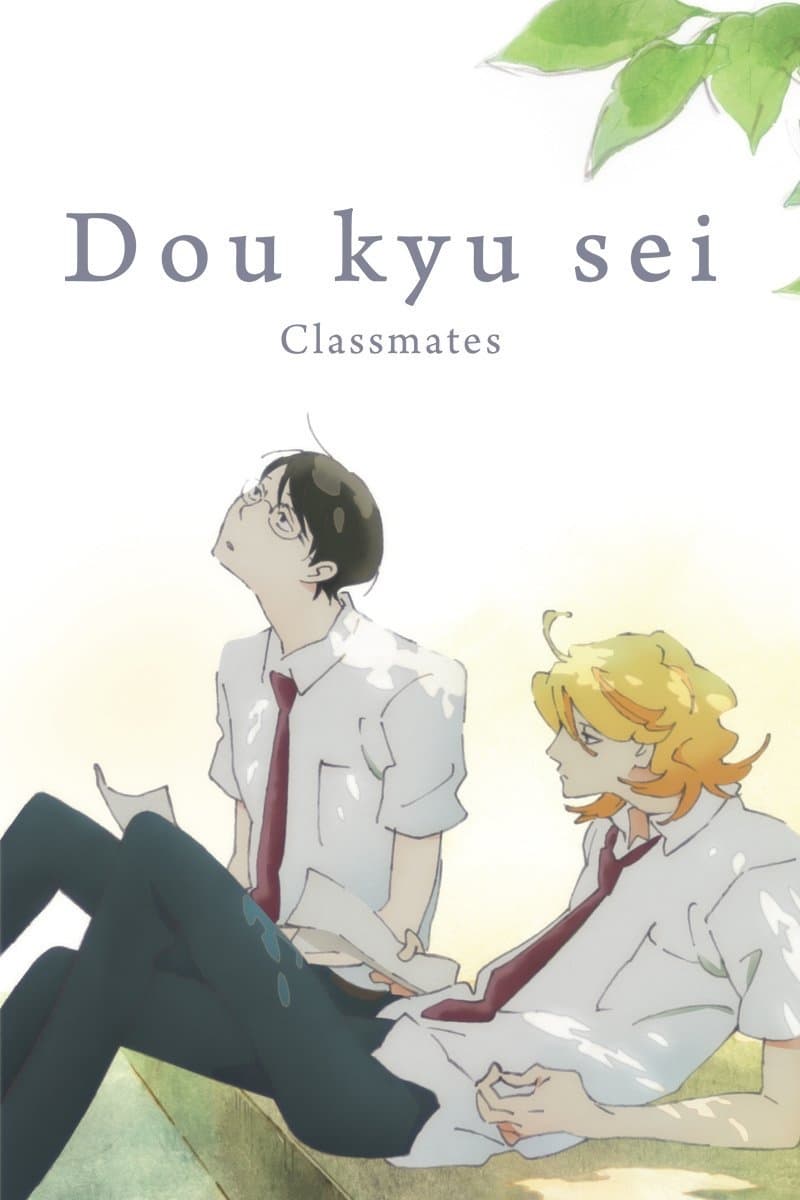
This film adaptation of Asumiko Nakamura’s manga focuses on the blossoming romance between two high school boys, Hikaru Kusakabe and Rihito Sajo. They begin spending time together when Hikaru offers to help Rihito practice for a school choir festival. The story is a gentle, realistic exploration of first love and the anxieties that come with it. Its unique, watercolor-inspired art style and faithful adaptation of the source material earned it critical acclaim. The movie has a dedicated global following that appreciates its soft and respectful approach to gay romance.
‘Land of the Lustrous’ (2017)
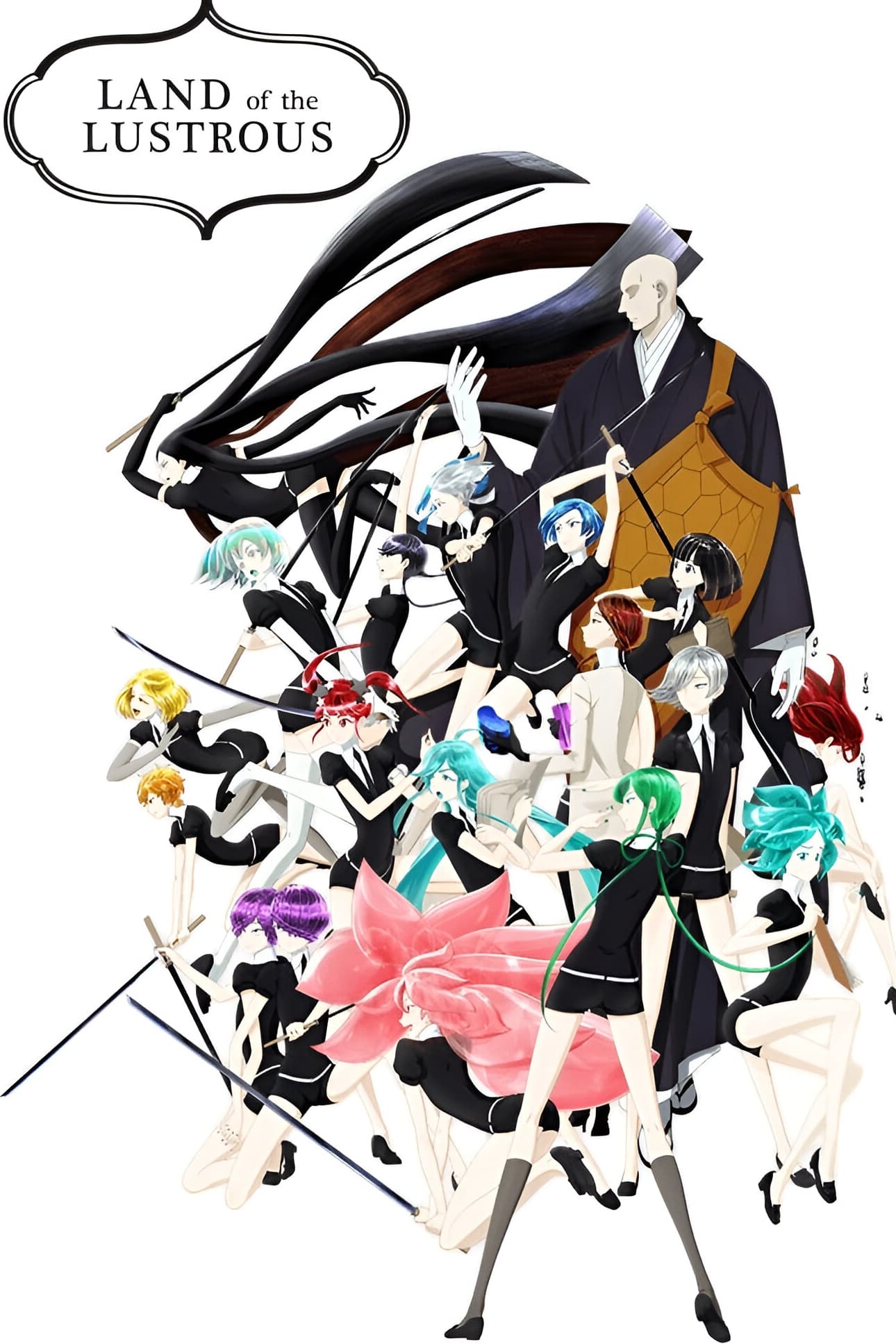
In ‘Land of the Lustrous’, the characters are humanoid gemstones who are biologically genderless and use neutral pronouns. The protagonist, Phos, seeks a purpose in a world where the gems must defend themselves against invaders from the moon. While the show is a fantasy action series, its portrayal of agender characters has made it a point of discussion regarding non-binary representation. The technical achievement of its 3D animation and its philosophical themes have attracted a diverse audience. It is frequently highlighted by the LGBTQ+ community for its natural inclusion of gender-neutral identities.
‘Devilman Crybaby’ (2018)

Directed by Masaaki Yuasa, this reimagining of the classic manga features a central conflict between Akira Fudo and his childhood friend, Ryo Asuka. The narrative explores Ryo’s complex feelings for Akira, which are eventually revealed to be romantic in nature. The show uses its visceral horror and supernatural elements to comment on human nature and social exclusion. Ryo’s identity and his inability to understand his own emotions are pivotal to the series’ tragic conclusion. The show’s bold approach and queer themes helped it gain a massive audience on international streaming platforms.
‘Banana Fish’ (2018)

‘Banana Fish’ is a gritty crime drama centered on Ash Lynx, a young gang leader in New York City, and Eiji Okumura, a Japanese photographer’s assistant. Their deep emotional and physical bond is the heart of the series as they navigate a dangerous conspiracy involving a mysterious drug. While the show is an action-thriller, the relationship between Ash and Eiji is often interpreted as a soulmate-level connection. It has a significant global fanbase that values its intense character development and tragic narrative. The series is noted for its realistic depiction of trauma and the healing power of companionship.
‘Bloom Into You’ (2018)
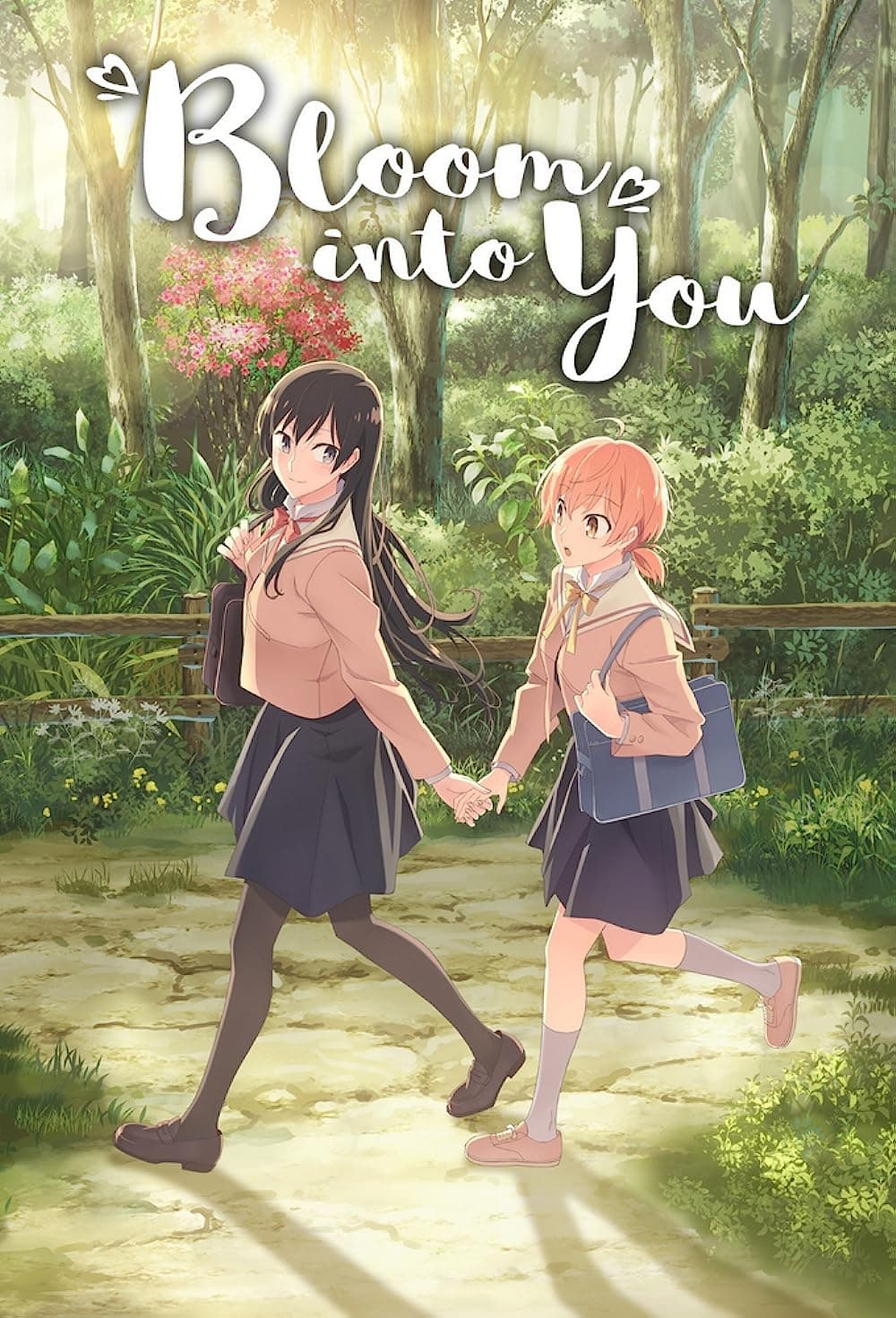
‘Bloom Into You’ follows Yuu Koito, a girl who has always waited for a romantic confession but feels nothing when she finally receives one. She meets Touko Nanami, a student council member who is also struggling with her own identity and self-image. The series explores Yuu’s journey toward understanding her own feelings and the different ways people experience attraction. It is praised for its nuanced writing and its inclusion of characters who fall on the asexual and aromantic spectrums. The anime has built a strong international community that appreciates its mature take on the yuri genre.
‘Kase-san and Morning Glories’ (2018)
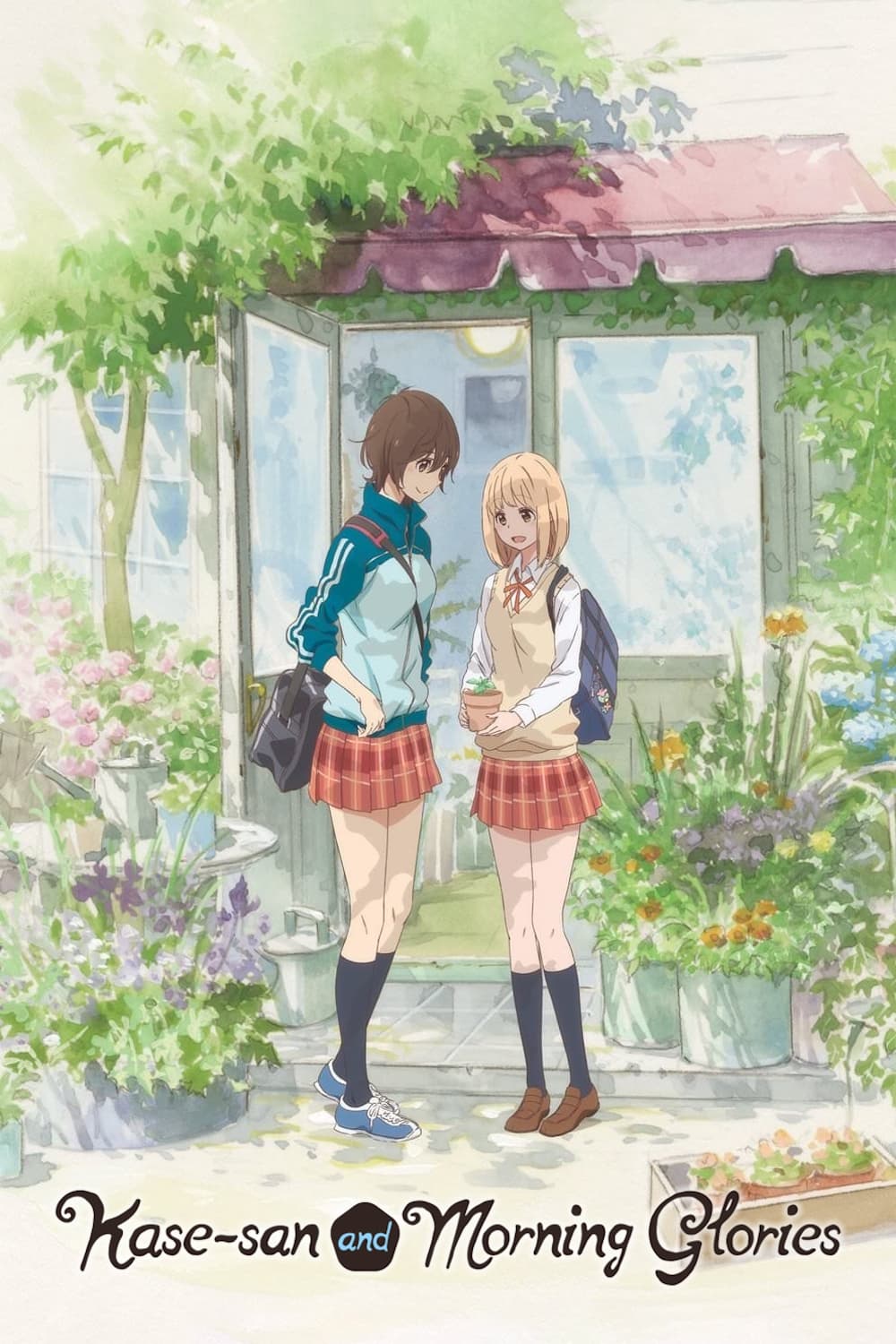
This original video animation follows the sweet and uncomplicated romance between Yui Yamada, a shy gardener, and Tomoka Kase, the school’s track star. The story focuses on their daily lives as a couple and the small hurdles they face during their final year of high school. It is celebrated for providing a positive and happy portrayal of a lesbian relationship without relying on heavy drama. The bright animation and wholesome tone have made it a favorite among fans seeking uplifting queer stories. Its popularity has led to a lasting international community of supporters.
‘Given’ (2019)
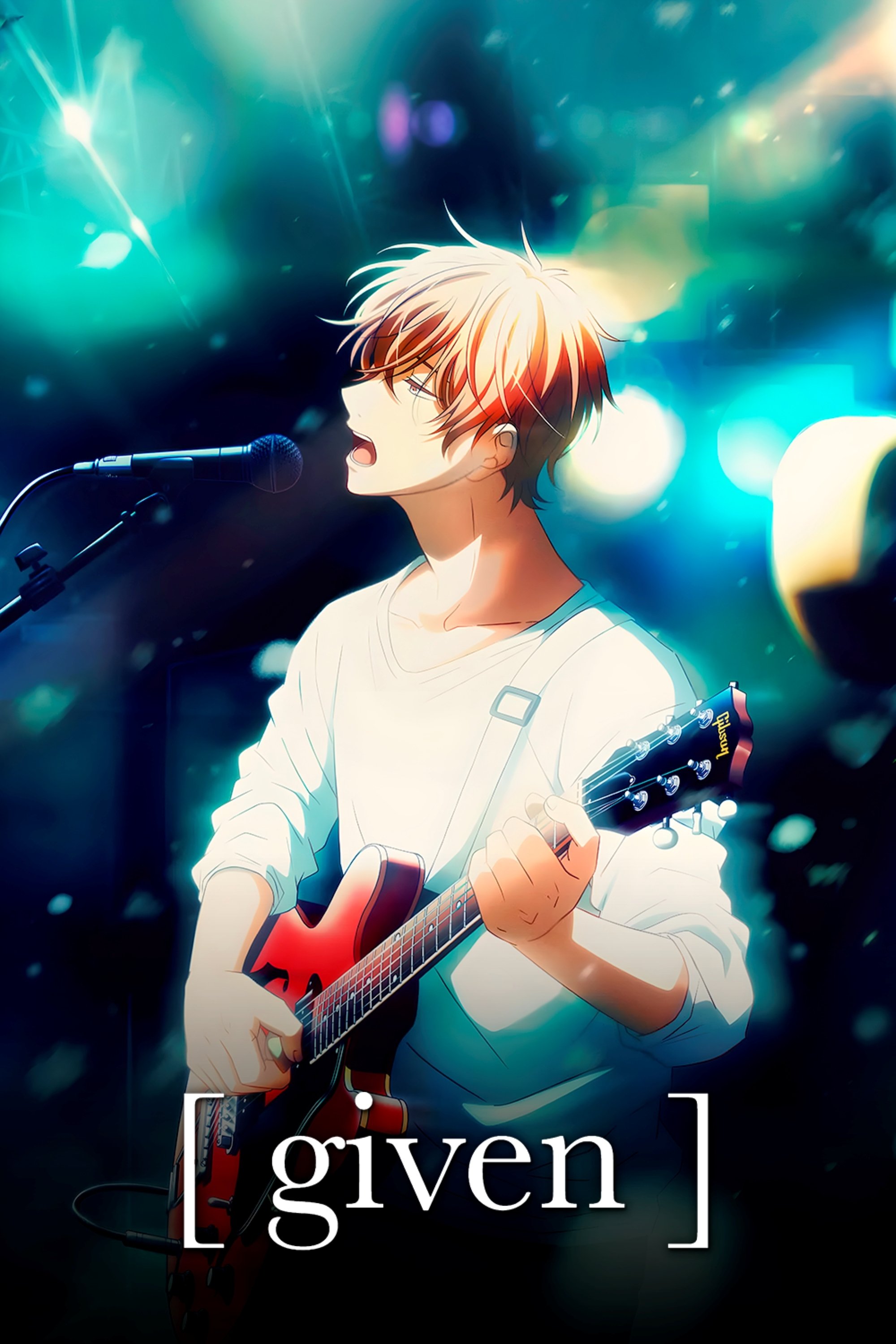
‘Given’ centers on a high school rock band and the developing relationship between guitarist Ritsuka Uenoyama and vocalist Mafuyu Sato. Mafuyu is dealing with the grief of losing his former boyfriend to suicide, and his music becomes a way to process his trauma. The series is highly regarded for its emotional depth and its realistic portrayal of grief and recovery within a queer context. It balances the technical aspects of being in a band with the interpersonal dynamics of the characters. The show’s success led to several sequels and a dedicated global fanbase.
‘Stars Align’ (2019)
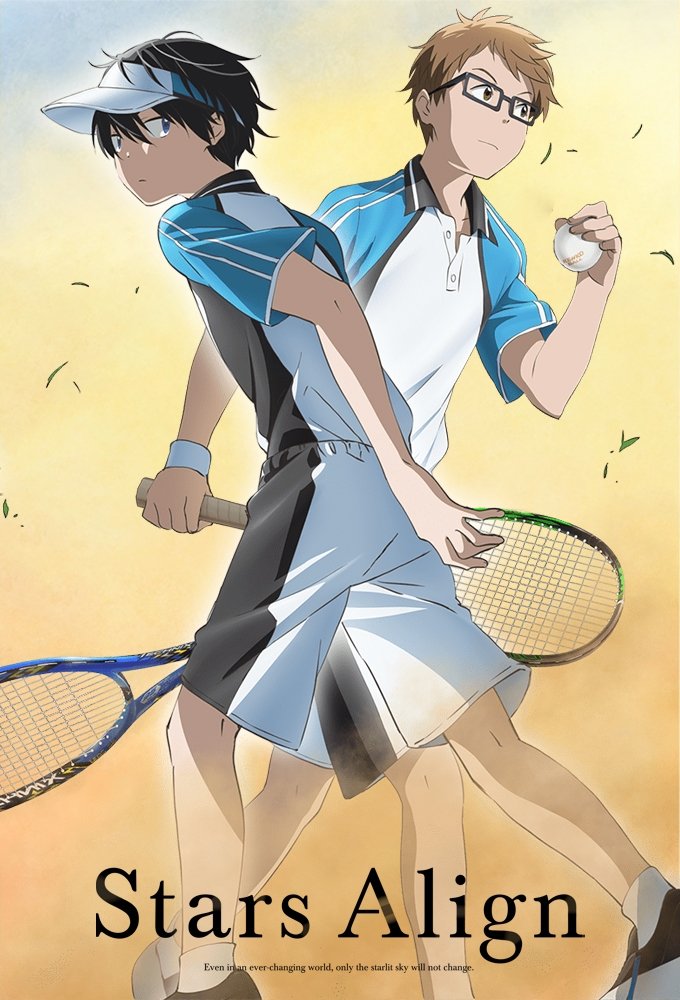
While ‘Stars Align’ is primarily a sports anime about a struggling soft tennis club, it gained significant attention for its diverse character backgrounds. One character, Yuu Sasaki, explicitly discusses being X-gender and exploring their identity as non-binary or transgender. The show addresses various social issues, including family trauma and the pressures of fitting into societal norms. This inclusion of a non-binary perspective was praised for its directness and sensitivity. The series has a strong community of fans who advocate for its realistic and inclusive storytelling.
‘Carole & Tuesday’ (2019)
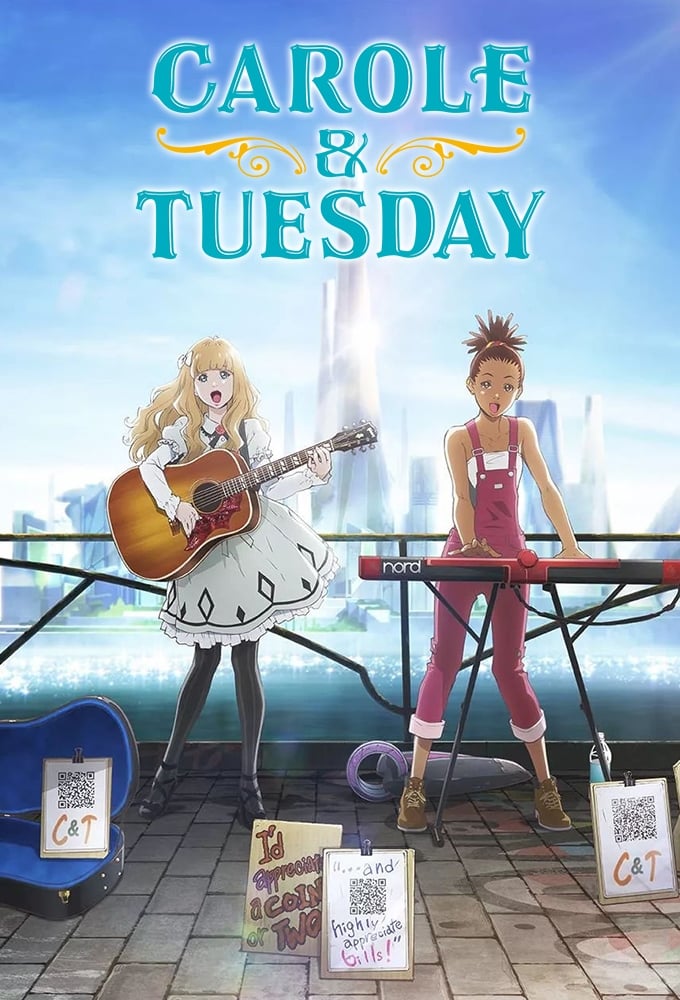
Set on a terraformed Mars, this series follows two aspiring musicians from different backgrounds who team up to make music. The show features a diverse and international cast, including queer characters and a variety of family structures. It treats these elements as a natural part of its futuristic society, focusing on the universal power of music to connect people. The high production values and soulful soundtrack helped it reach a wide audience through global streaming services. Its inclusive world-building has been a point of praise for LGBTQ+ viewers.
‘Sarazanmai’ (2019)
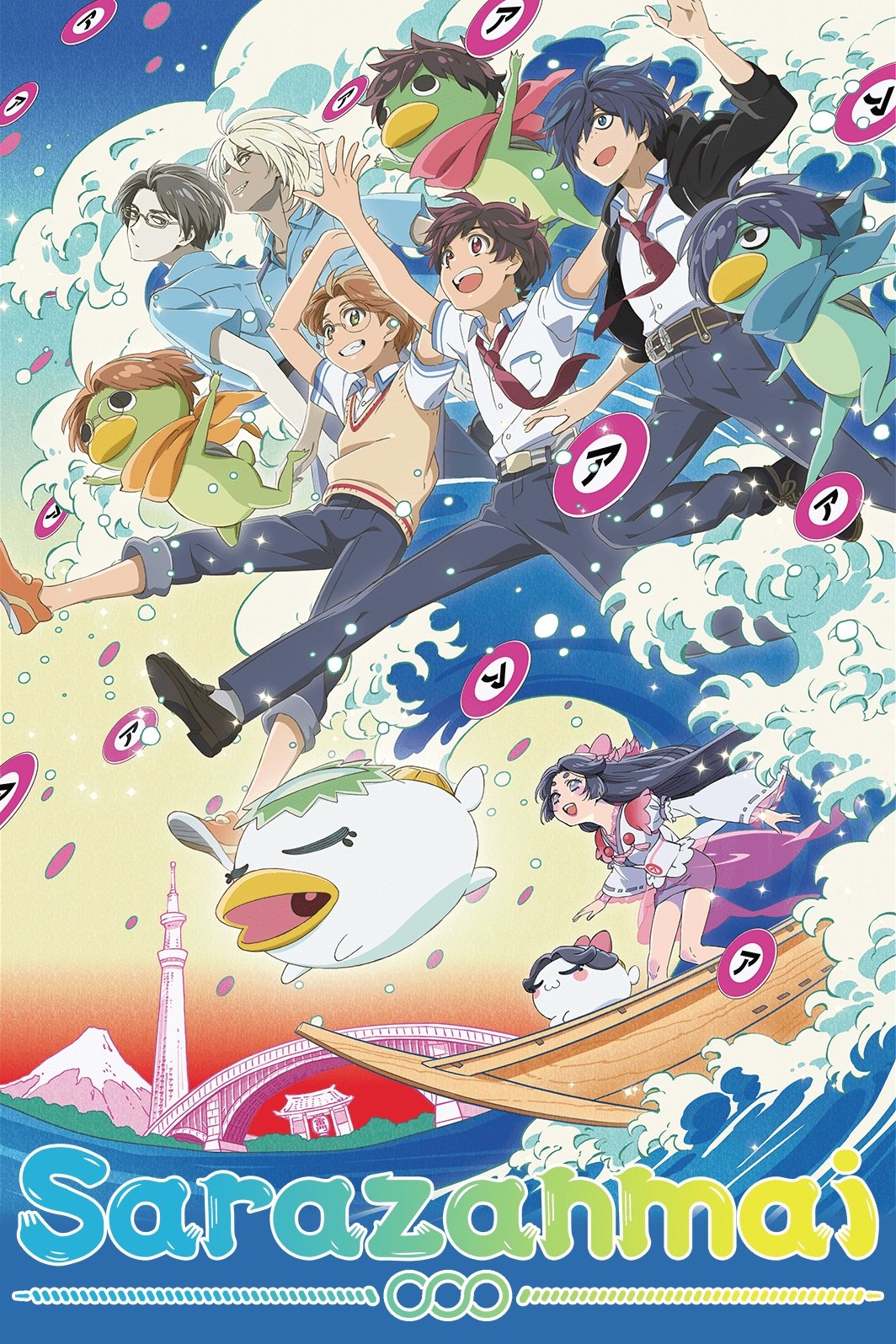
Directed by Kunihiko Ikuhara, ‘Sarazanmai’ follows three middle schoolers who are transformed into mythical creatures to fight supernatural threats. The series uses surreal visual metaphors to explore deep themes of human connection and the weight of personal secrets. It features a central gay relationship between characters Reo and Mabu, whose bond is critical to the overarching plot. The show’s experimental style and explicit queer themes have earned it a significant international cult following. It is frequently analyzed by fans for its commentary on how desire and transparency shape interpersonal relationships.
‘Adachi and Shimamura’ (2020)
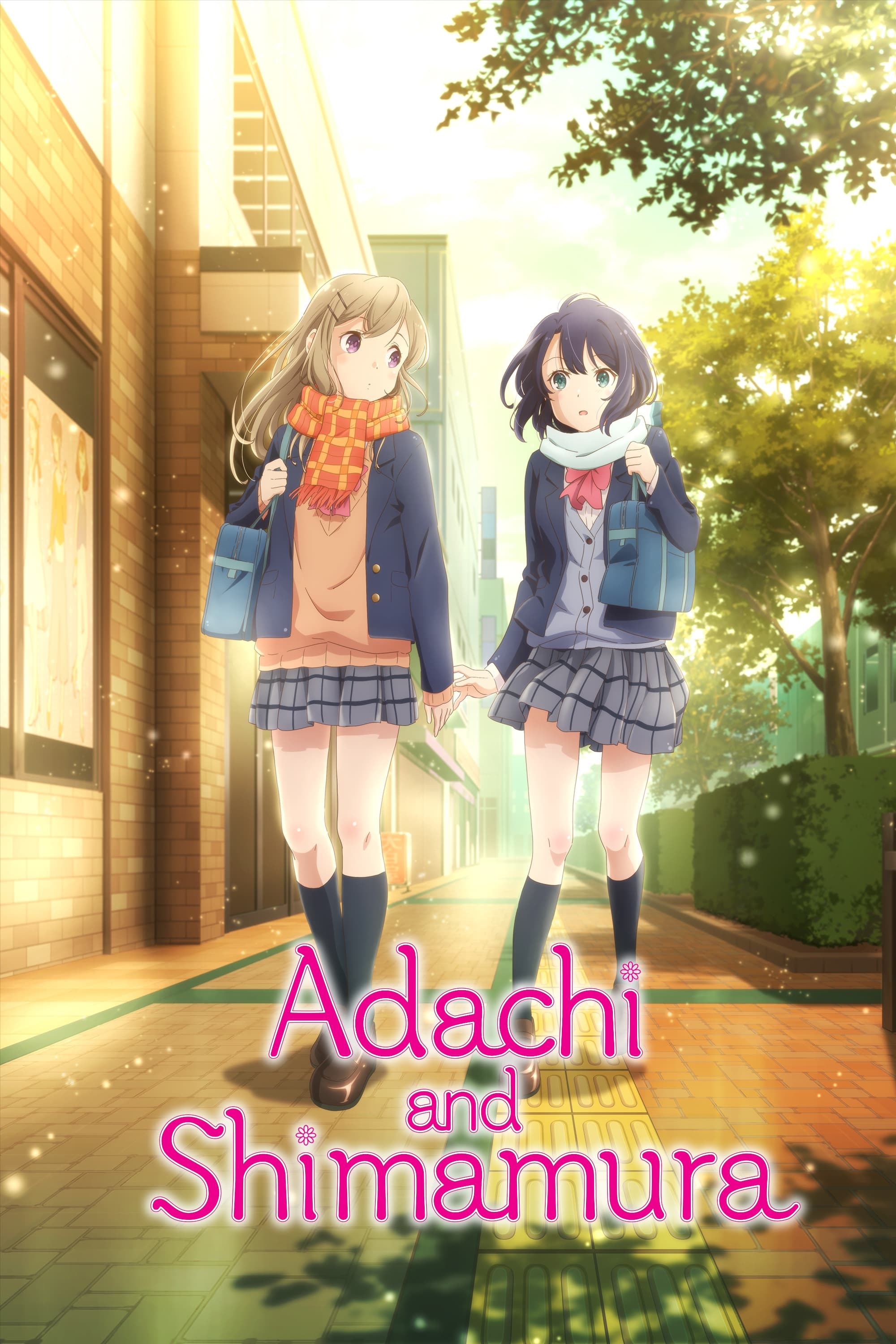
This series provides an intimate look at the evolving relationship between two high school girls who spend their days hiding in the school gym. Adachi’s internal monologue captures the anxiety and excitement of realizing her romantic feelings for her best friend. The show is praised for its quiet, contemplative atmosphere and its refusal to rely on over-the-top drama. It focuses on the small physical and emotional milestones that occur as the two girls grow closer over time. Its relatability has made it a standout title for fans of modern girl-love narratives.
‘The Case Files of Jeweler Richard’ (2020)
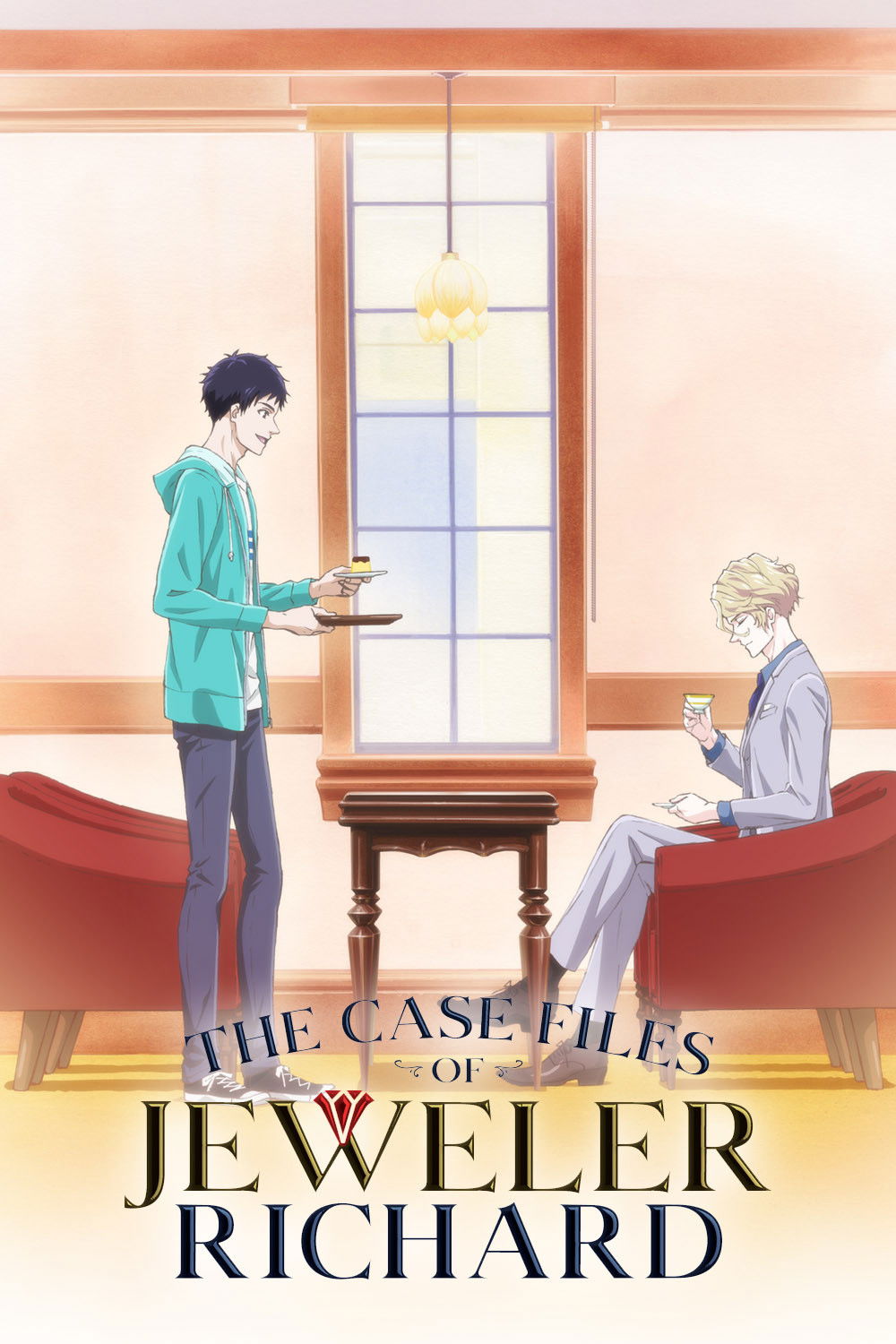
This series follows Seigi Nakata, a college student who begins working for a highly skilled British jeweler named Richard. Richard is an openly gay man, and the show treats his identity with maturity and matter-of-factness throughout the mystery-driven plot. The narrative explores various social issues, including the complexities of living as an LGBTQ+ individual in Japanese society. Fans appreciate the respectful and nuanced chemistry that develops between the two main characters. The anime built a community centered on its thoughtful dialogue and its rejection of common queer-coding tropes.
‘Wonder Egg Priority’ (2021)
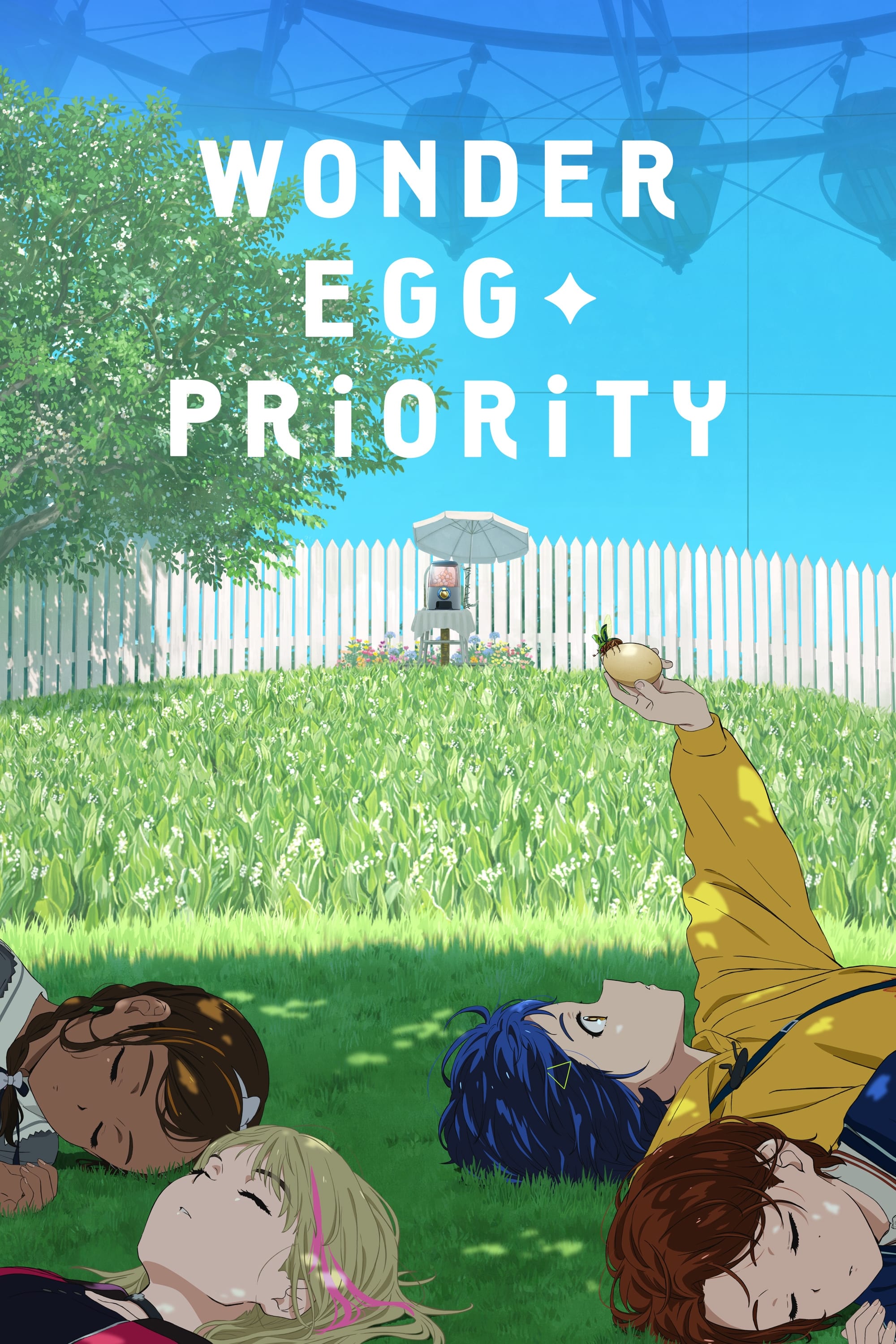
This psychological series centers on four girls who navigate a dream world to combat the trauma and guilt surrounding suicide. It features Momoe Sawaki, a girl who struggles with her gender expression and the way society perceives her femininity. The story also includes a significant appearance by a trans masculine character named Kaoru, highlighting trans experiences. While the series is noted for its intense and dark themes, it provides a unique platform for discussing gender identity and body image. Its striking animation and willingness to tackle sensitive topics fostered extensive global fan discussion.
‘Mobile Suit Gundam: The Witch from Mercury’ (2022–2023)
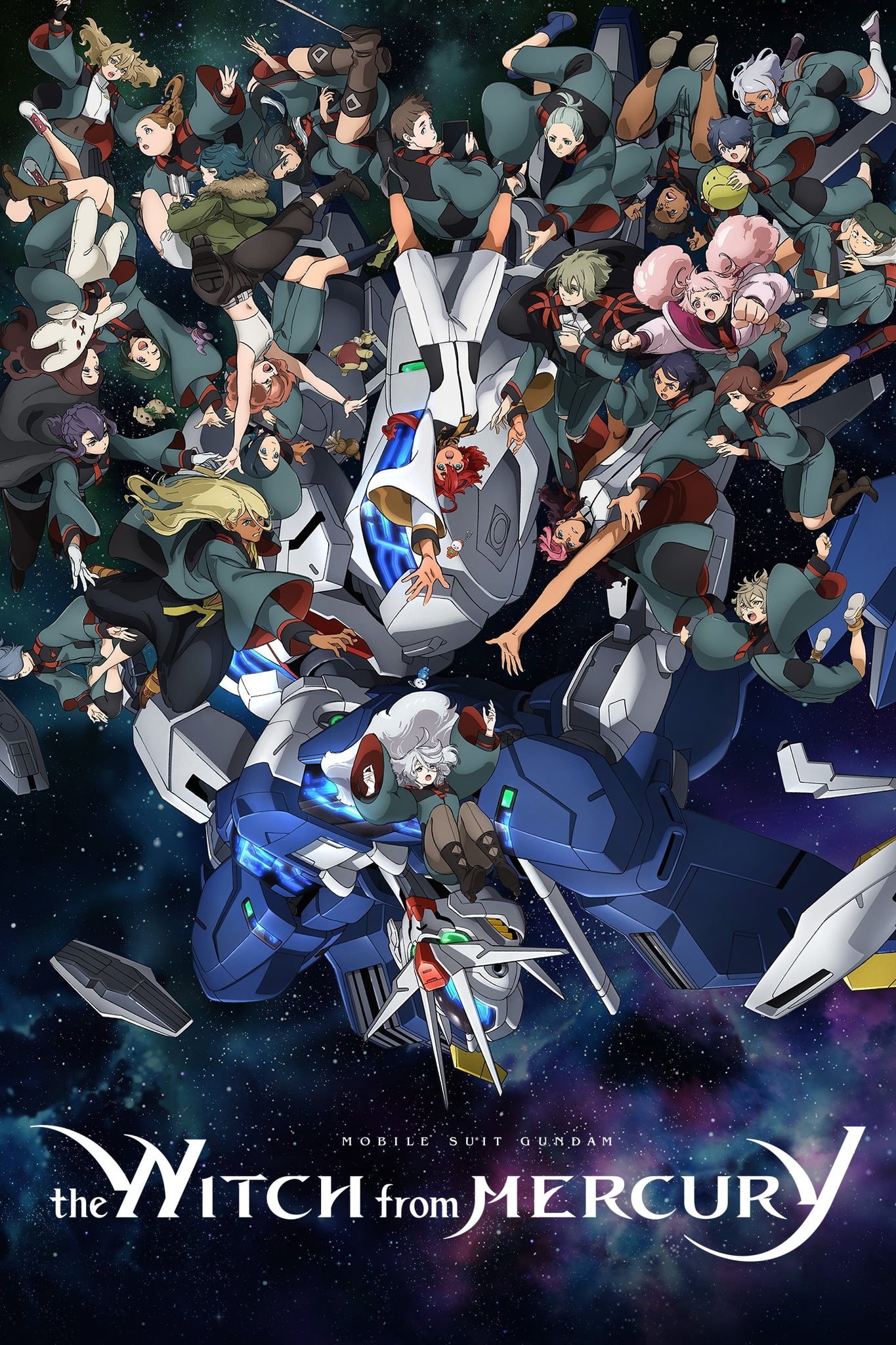
As the first mainline entry in the franchise to feature a woman protagonist, this series centers on the bond between Suletta Mercury and Miorine Rembran. Their relationship begins as a political engagement and matures into a genuine romantic connection that drives the entire plot. The show broke boundaries by confirming their marriage in the finale, marking a major step for queer representation in the mecha genre. It successfully combined traditional space-opera themes with a modern, inclusive narrative about autonomy and love. The massive global success of the series has cemented Suletta and Miorine as modern icons in the anime community.
‘The Magical Revolution of the Reincarnated Princess and the Genius Young Lady’ (2023)
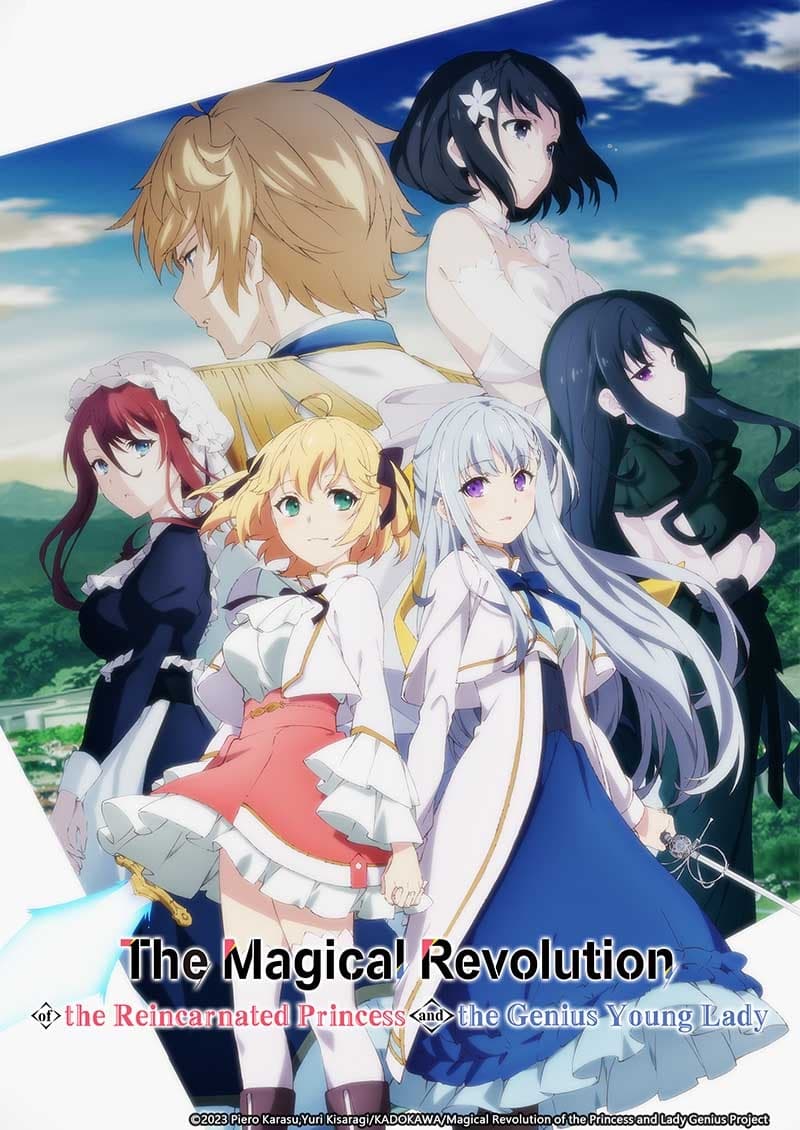
This series subverts isekai tropes by focusing on the romantic and political alliance between Princess Anisphia and the noblewoman Euphyllia. After Euphyllia is publicly shamed, Anisphia takes her under her wing to explore new forms of magic together. The show is explicit about the romantic feelings the two women develop for one another as they challenge the traditions of their kingdom. It is praised for its strong character writing and its refusal to relegate the queer romance to a secondary concern. The series quickly established a large international community attracted to its blend of high fantasy and lesbian romance.
‘Skip and Loafer’ (2023)
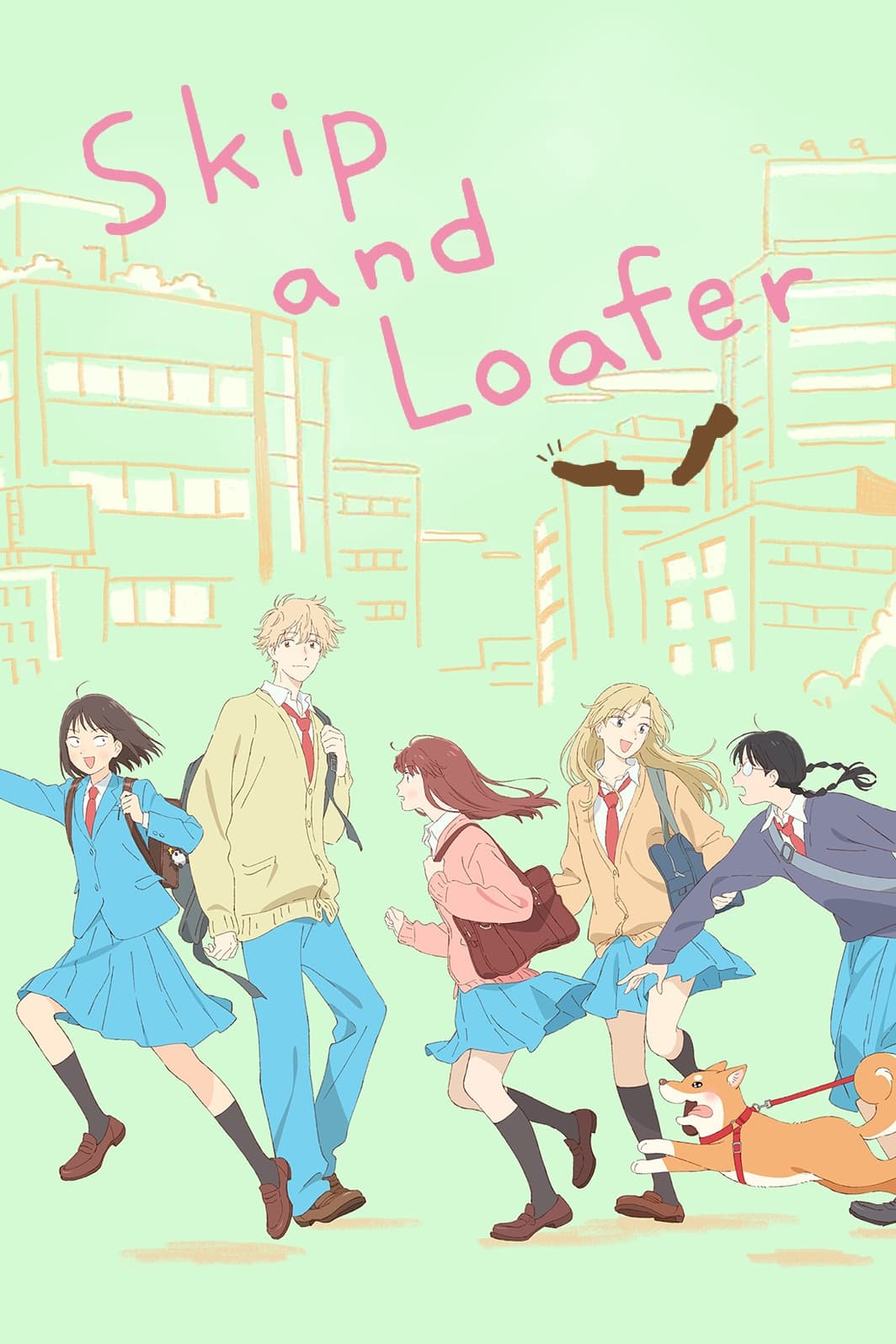
‘Skip and Loafer’ is a wholesome slice-of-life anime that follows Mitsumi Iwakura as she moves from the countryside to Tokyo to attend high school. One of the show’s most beloved characters is Mitsumi’s aunt, Nao, who is a trans woman and a successful fashion designer. Nao is portrayed as a grounded, loving guardian whose gender identity is an integral part of her character rather than a plot device. The series is celebrated for its kind-hearted nature and its realistic, respectful depiction of a wide variety of people. It has built a massive following among fans who value its gentle humor and its commitment to diverse representation.
Let us know which of these groundbreaking series had the biggest impact on your journey through anime in the comments.