


LGBTQ+ Icons Who Have Been Activists Since Long Before It Was “Mainstream”

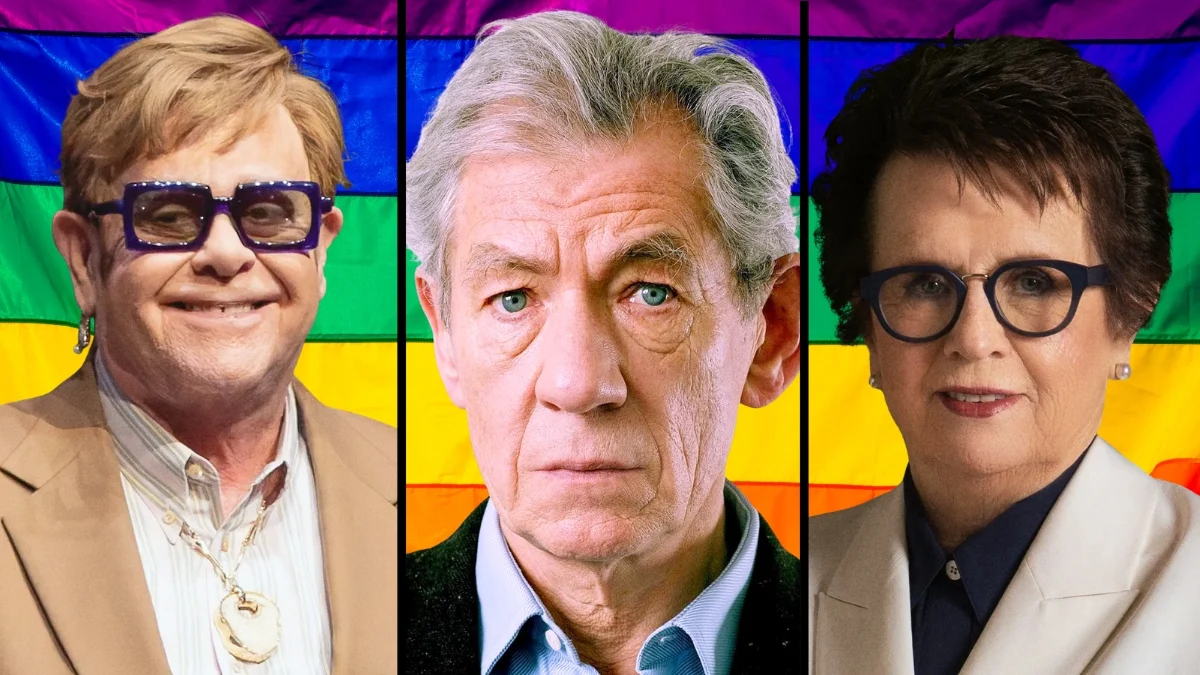


The history of the LGBTQ+ rights movement is built upon the tireless work of individuals who advocated for equality during eras of intense social and legal hostility. These pioneers often risked their careers, safety, and reputations to demand visibility and basic human rights for the queer community. Long before Pride became a global celebration supported by major corporations, these activists were on the front lines of protests, organizing grassroots campaigns, and providing essential services to marginalized youth. Their enduring legacies continue to provide the framework for contemporary activism and social progress.
Marsha P. Johnson
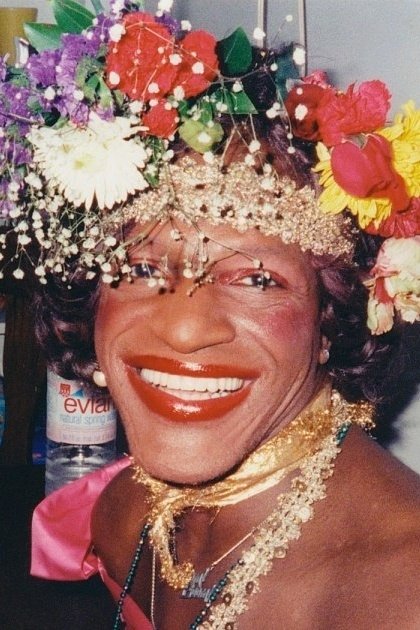
Marsha P. Johnson was a central figure in the 1969 Stonewall Uprising and a pioneering trans rights activist. Along with Sylvia Rivera, she co-founded Street Transvestite Action Revolutionaries (STAR) in 1970 to provide housing and support for homeless LGBTQ+ youth in New York City. Johnson dedicated much of her life to AIDS activism through her work with the direct-action group ACT UP. Her presence in the Greenwich Village scene during the mid-20th century helped forge a path for modern trans visibility and intersectional activism.
Ian McKellen
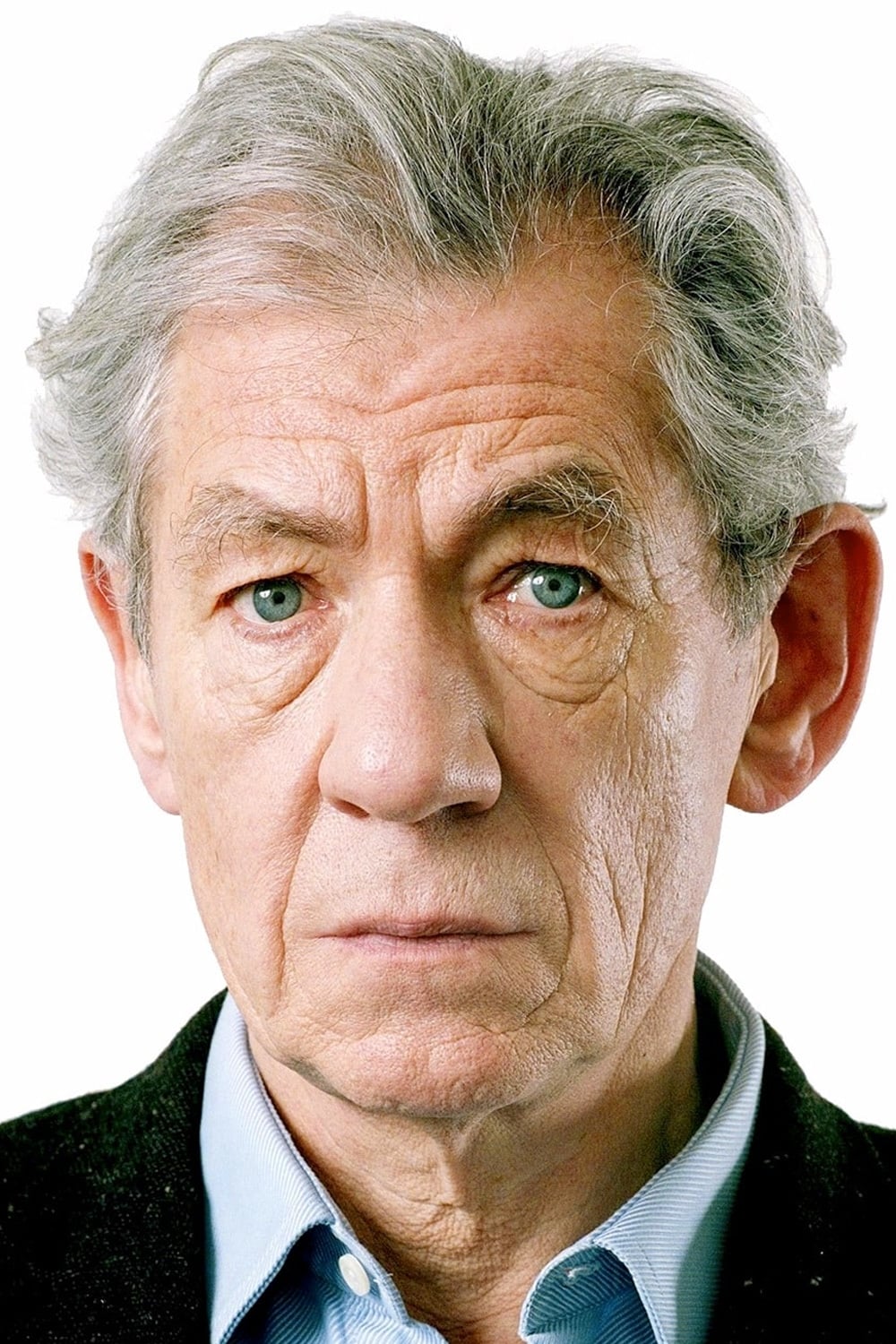
Sir Ian McKellen came out publicly as gay in 1988 on a BBC Radio program to protest Section 28, a controversial law in the United Kingdom that prohibited the promotion of homosexuality. He co-founded the lobbying group Stonewall, which focuses on legal and social equality for LGBTQ+ individuals across the UK. Throughout his career, he has used his global platform as an actor to advocate for equal rights and visibility within the arts and broader society. His efforts were instrumental in the eventual repeal of discriminatory legislation and the promotion of queer rights in Europe.
Harvey Milk
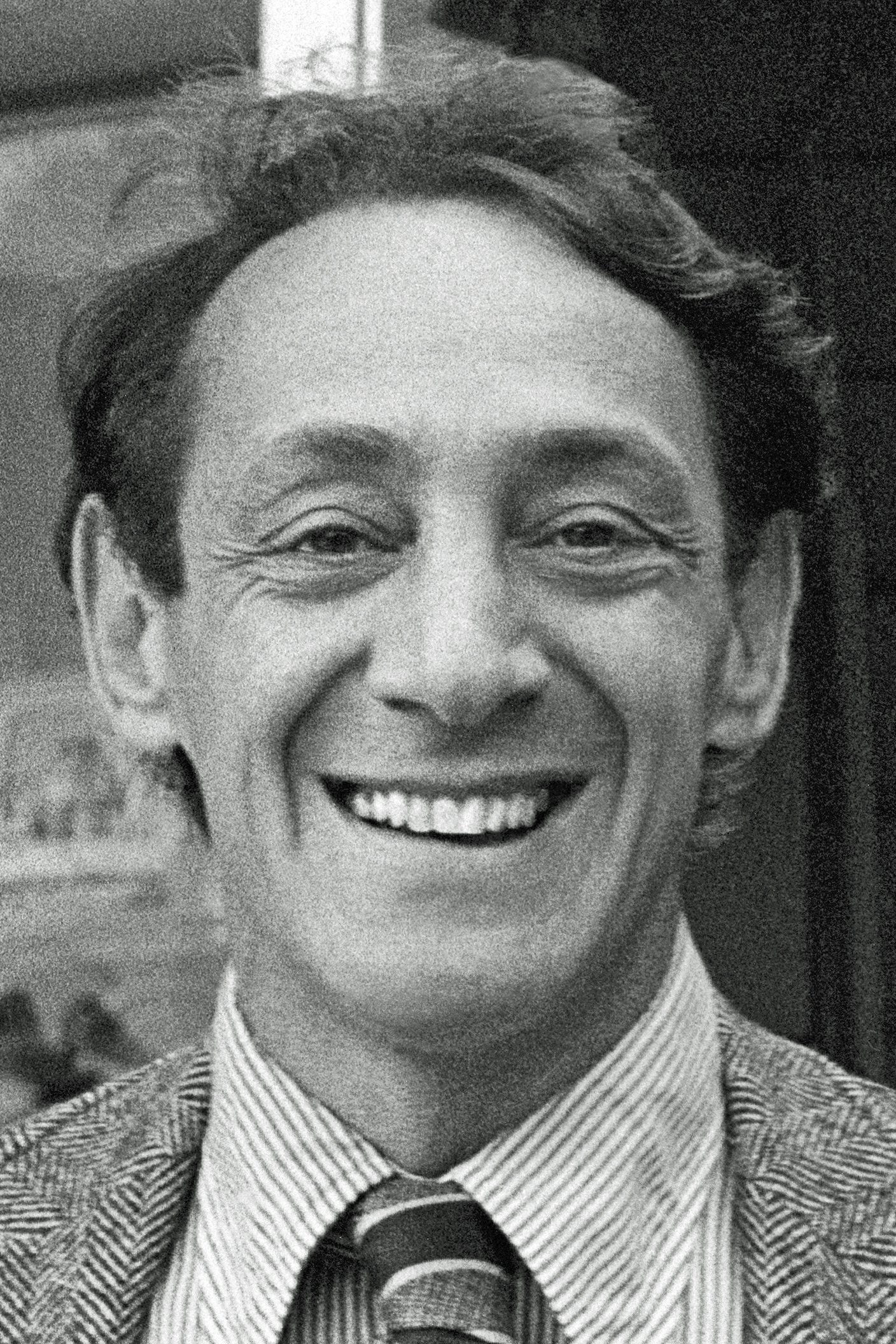
Harvey Milk was the first openly gay man to be elected to public office in California, winning a seat on the San Francisco Board of Supervisors in 1977. He famously led the campaign against the Briggs Initiative, a 1978 ballot measure that sought to ban gay people from teaching in public schools. Milk emphasized the importance of LGBTQ+ individuals coming out to their families and communities to break down prejudices and build political power. His political career, though tragically cut short by assassination, became a blueprint for queer political mobilization and representation.
Sylvia Rivera
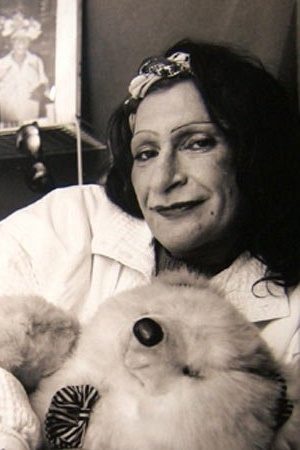
Sylvia Rivera was a prominent activist who fought for the rights of transgender people and people of color within the broader gay rights movement. She participated in the Stonewall Uprising and later co-founded STAR to help marginalized youth who were often excluded from mainstream society. Rivera was known for challenging the gay rights movement of the 1970s to be more inclusive of trans women and gender-nonconforming individuals. Her legacy continues to influence intersectional activism and serves as a reminder of the origins of the queer liberation movement.
Bayard Rustin
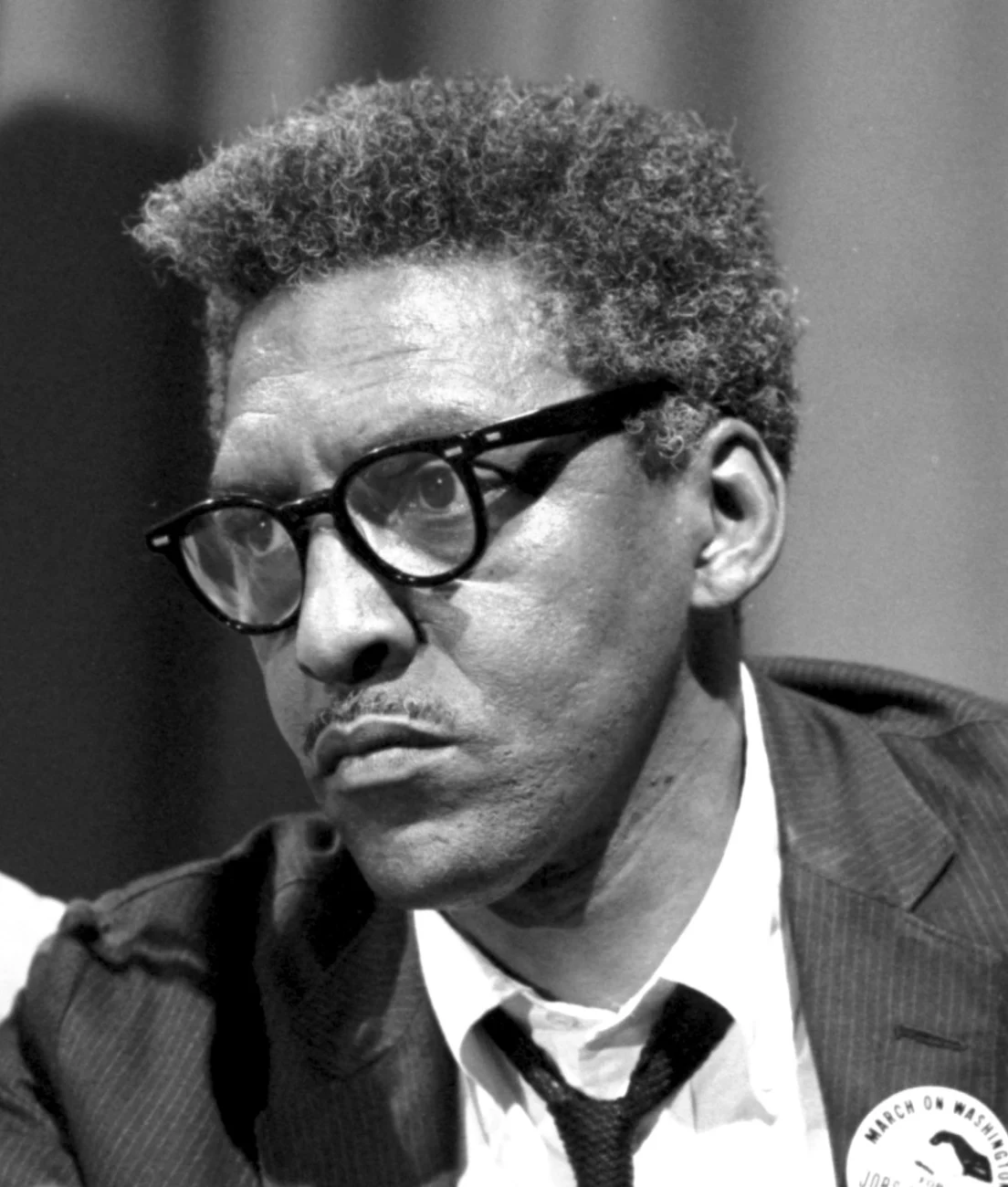
Bayard Rustin was a principal organizer of the 1963 March on Washington and a close advisor to Dr. Martin Luther King Jr. Despite facing intense discrimination within the civil rights movement due to his sexuality, he remained a tireless advocate for nonviolent social change and economic justice. In the 1980s, he shifted his focus toward gay rights, urging for the passage of New York’s Gay Rights Bill and testifying on behalf of the community. Rustin’s career highlights the long history of intersectional activism between racial justice and sexual minority rights.
Audre Lorde
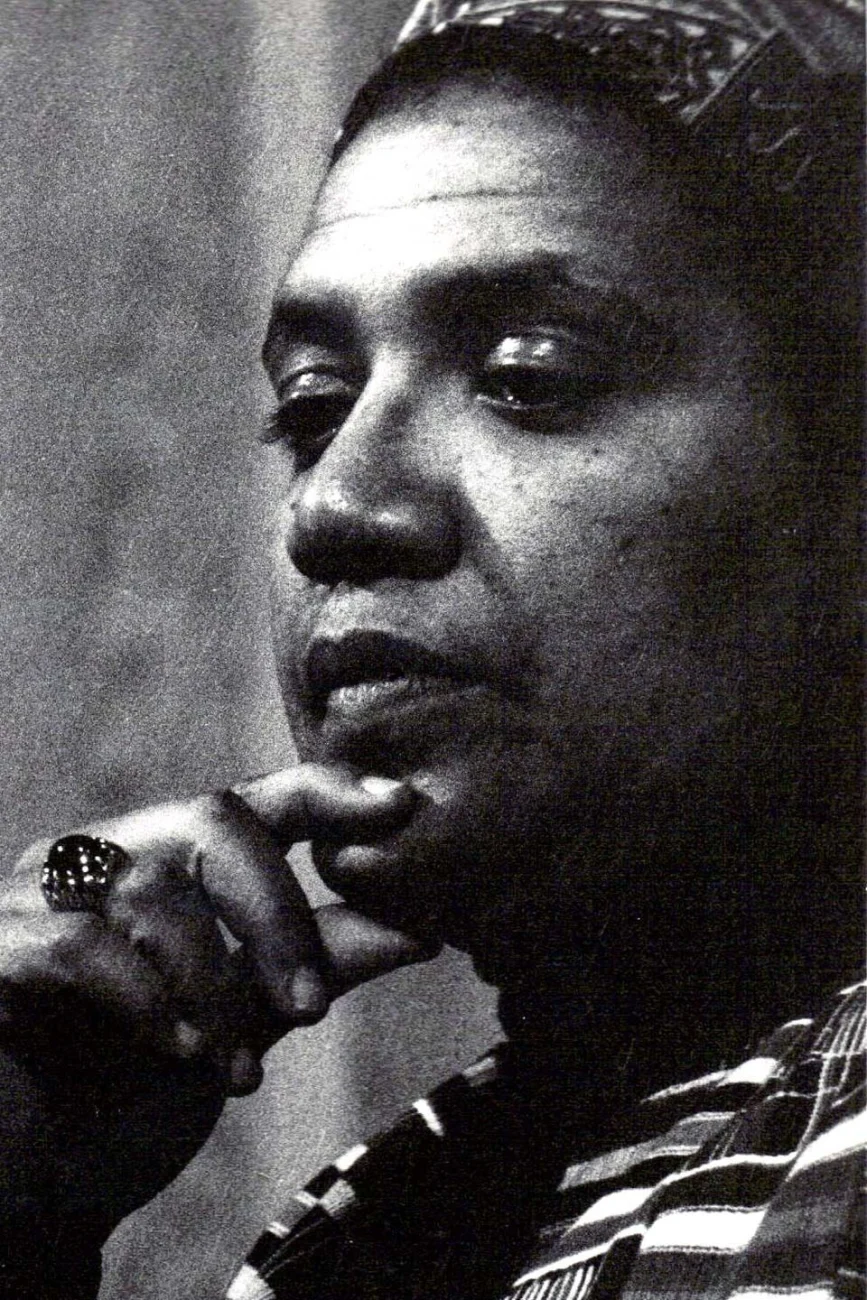
Audre Lorde was a poet, essayist, and activist who addressed the intersections of race, gender, and sexuality in her extensive body of work. She was a key figure in the second-wave feminist movement and the civil rights movement, often critiquing their lack of inclusivity regarding Black queer women. Lorde played a major role in organizing the first National March on Washington for Lesbian and Gay Rights in 1979. Her writings, including her famous essays on the “master’s tools,” remain foundational texts for understanding how multiple identities shape the experience of oppression.
Larry Kramer
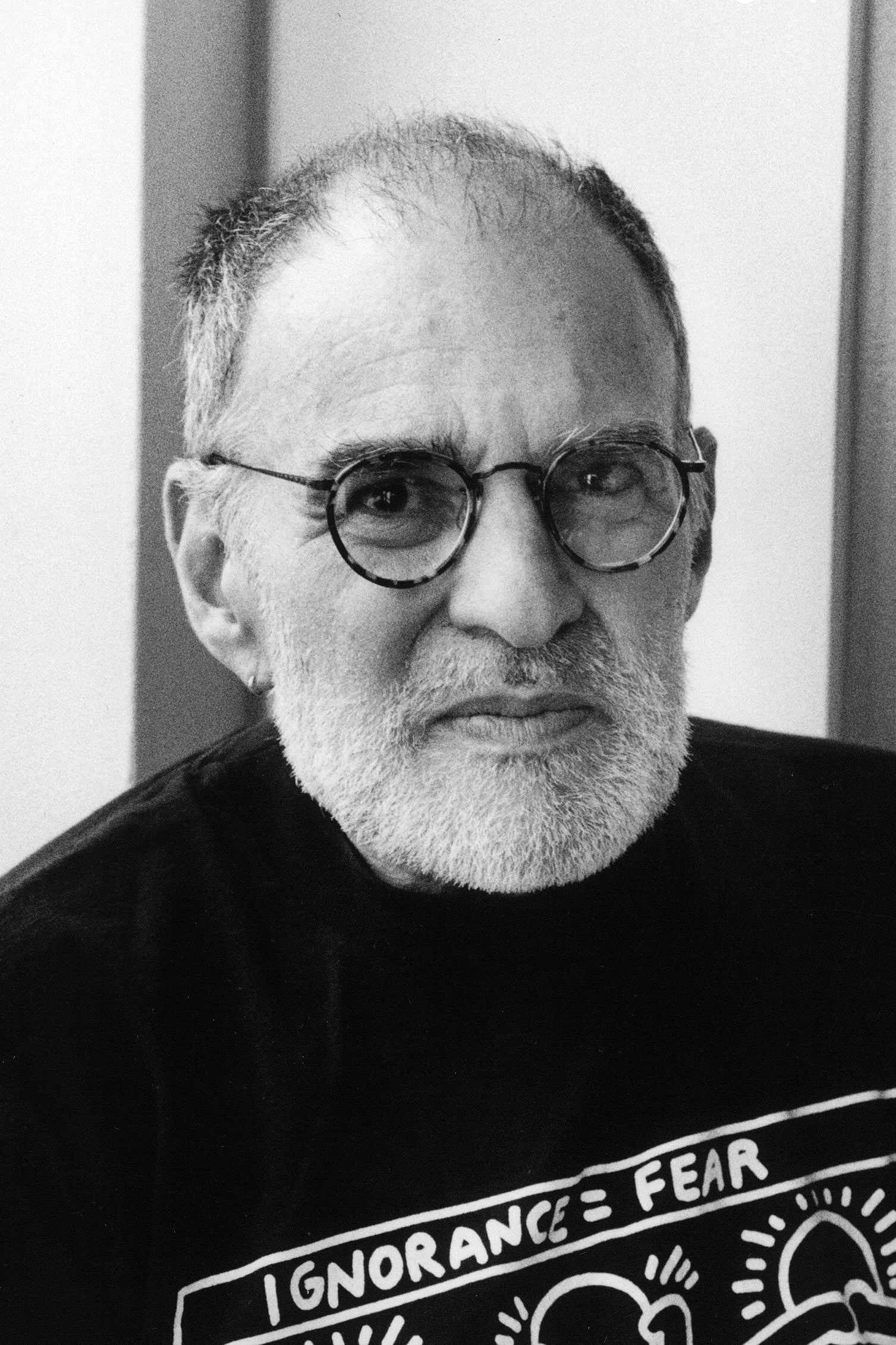
Larry Kramer was a playwright and activist who became a leading voice during the HIV/AIDS crisis in the early 1980s. He co-founded the Gay Men’s Health Crisis (GMHC) in 1982 to provide resources and medical support for those affected by the virus. Frustrated by the government’s slow response to the epidemic, he later formed the direct-action group ACT UP to demand more research and faster drug approvals. His work was instrumental in bringing national attention to the health needs of the LGBTQ+ community and forcing legislative change.
Billie Jean King
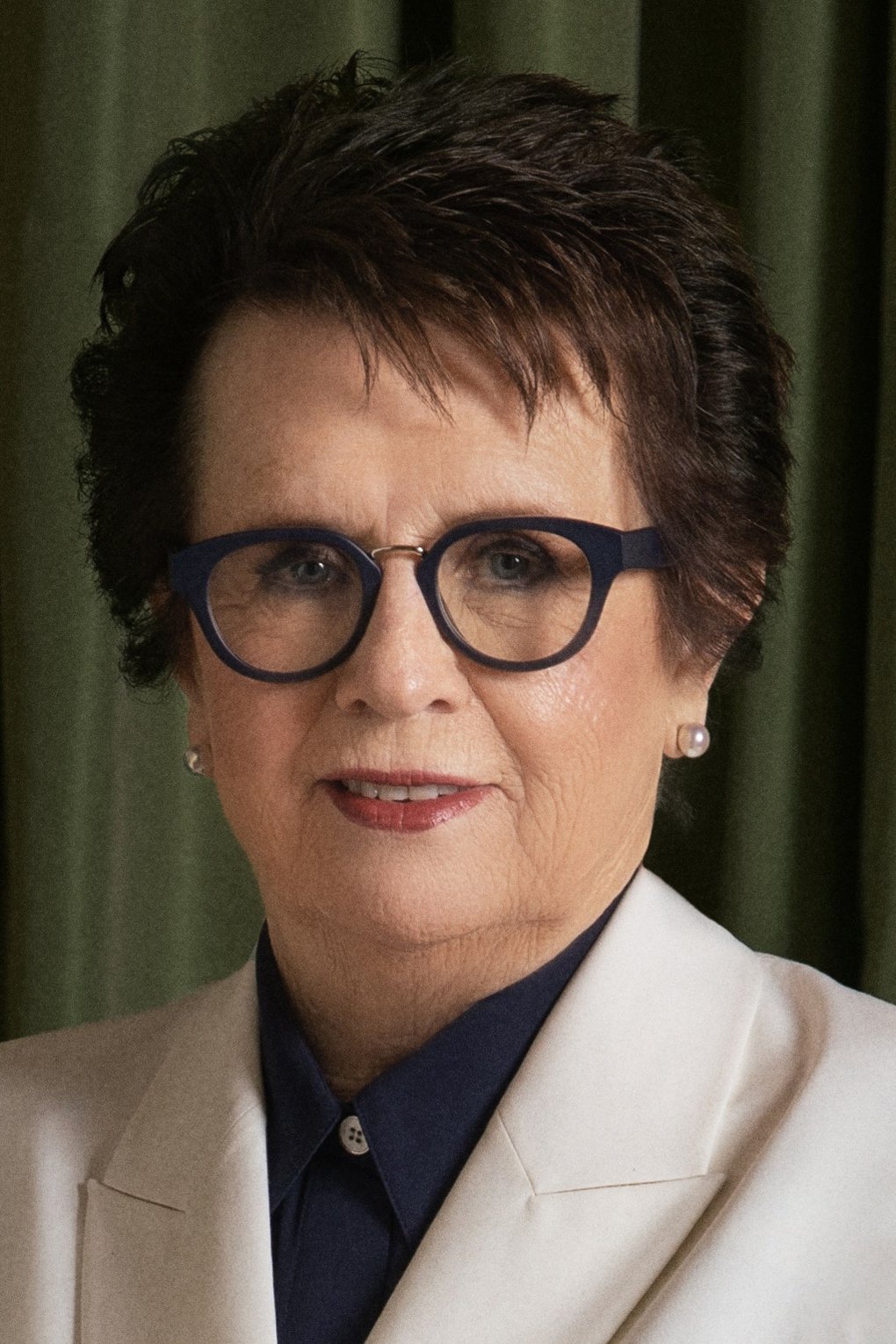
Billie Jean King is a tennis legend who became a pioneer for gender equality and LGBTQ+ rights after being publicly outed in 1981. She was the first prominent female athlete to speak openly about her sexuality, despite losing all her endorsement deals at the time. King founded the Women’s Sports Foundation and has spent decades advocating for Title IX and equal pay within the sporting world. Her resilience and continued advocacy paved the way for future generations of queer athletes to live and compete authentically.
Elton John
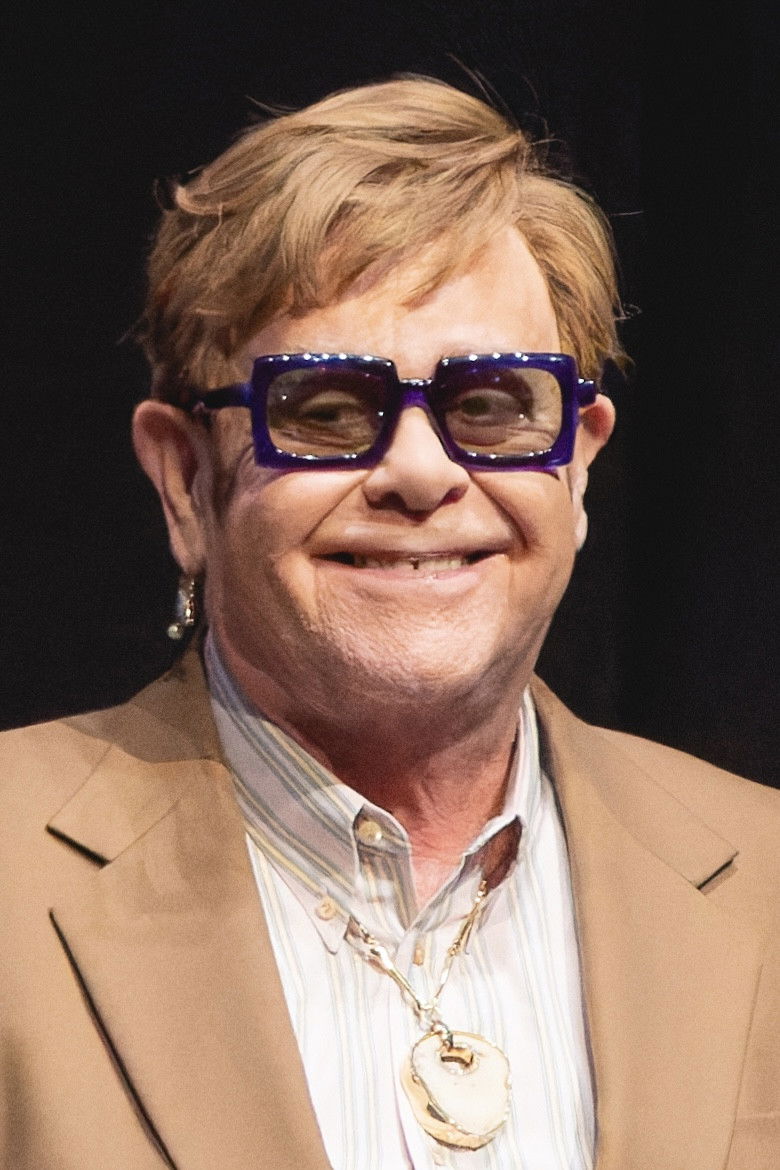
Elton John established the Elton John AIDS Foundation in 1992, an organization that has raised hundreds of millions of dollars to support HIV/AIDS prevention and treatment globally. He began his public advocacy during a period when the epidemic was heavily stigmatized and often ignored by world leaders. John has consistently used his international stardom to challenge discriminatory laws and promote equality across the globe. His long-standing commitment to the cause helped shift public perception of the LGBTQ+ community during the late 20th century.
James Baldwin
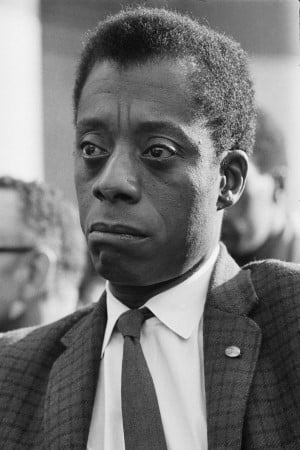
James Baldwin was an influential writer and civil rights activist who explored themes of race and sexuality in seminal works like ‘Giovanni’s Room’. He was one of the few prominent public figures in the 1950s and 1960s to be open about his sexuality while fighting for racial justice. Baldwin used his literary platform to critique the systemic barriers faced by marginalized communities and the psychological toll of discrimination. His work continues to serve as a vital bridge between the civil rights movement and the push for queer liberation.
Angela Davis
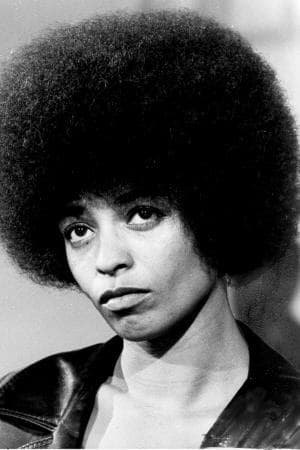
Angela Davis is a philosopher and political activist who has been a prominent figure in social justice movements since the late 1960s. While long known for her work in prison reform and racial equality, she has been an outspoken advocate for LGBTQ+ rights for several decades. Davis emphasizes the intersectionality of oppression, arguing that liberation for one group is inextricably tied to the liberation of all. Her ongoing activism and academic work continue to inspire new generations of queer and trans activists globally.
Frank Kameny
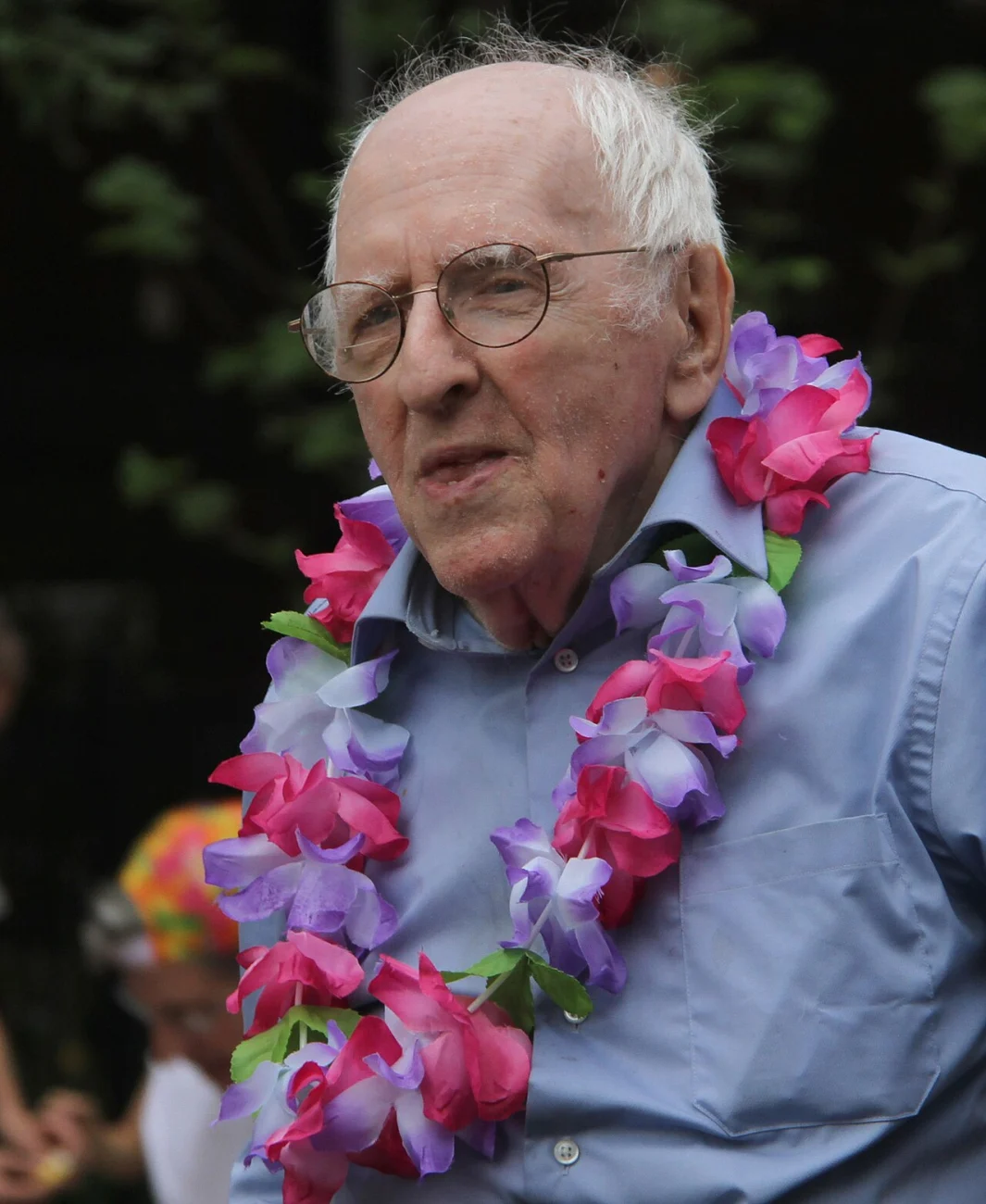
Frank Kameny was a prominent figure in the early American gay rights movement after being fired from the Army Map Service in 1957 because of his sexuality. He fought his dismissal all the way to the Supreme Court, marking the first time a claim of discrimination based on sexual orientation was filed there. Kameny co-founded the Mattachine Society of Washington, D.C., and was instrumental in organizing early pickets at the White House and the Pentagon. He also led the successful campaign to have the American Psychiatric Association remove homosexuality from its list of mental disorders in 1973.
Tell us which of these activists has inspired you the most in the comments.