


LGBTQ+ Musicians Who Faced Erasure from the Industry After Speaking Out

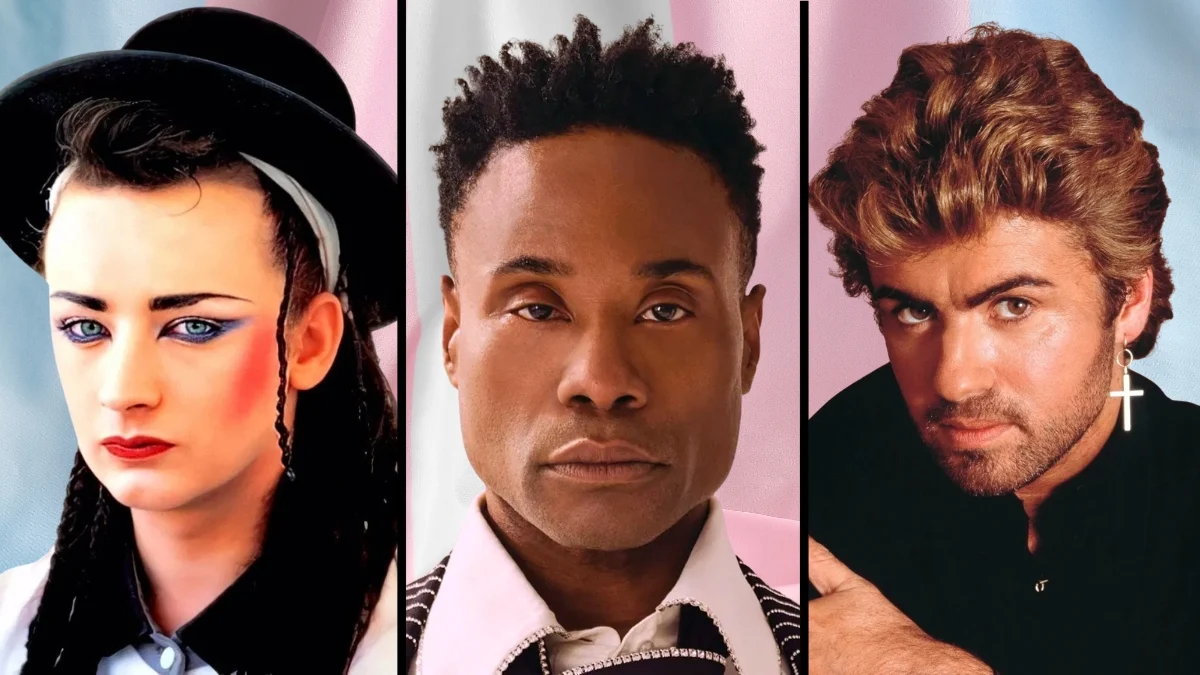


The music industry has long been a place of artistic expression, yet for many LGBTQ+ artists, honesty about their identity has historically come with a heavy price. Throughout the decades, numerous performers have faced professional blacklisting, the loss of sponsorship deals, and the sudden withdrawal of radio support after coming out. This erasure often occurred at the height of their popularity, forcing many to either pivot their careers or fade into obscurity. Understanding the history of these musicians highlights the systemic challenges that queer artists have navigated to pave the way for modern visibility. These stories reveal a pattern of industry gatekeeping that prioritized commercial safety over the authentic lives of the performers.
k.d. lang
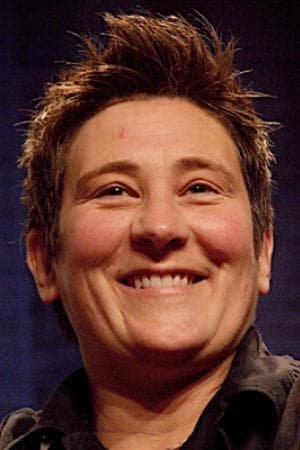
A multiple Grammy Award winner, k.d. lang faced immediate consequences after coming out in a 1992 interview. Her decision led to several country music stations banning her music, and she became a target of protests in her home province of Alberta. While she eventually transitioned into pop and jazz with great success, her standing in the country music genre was permanently altered. The industry backlash highlighted the rigid social boundaries present in the music business during the early 1990s. She continues to be recognized for her vocal prowess and her courage in being an early out performer.
Jobriath
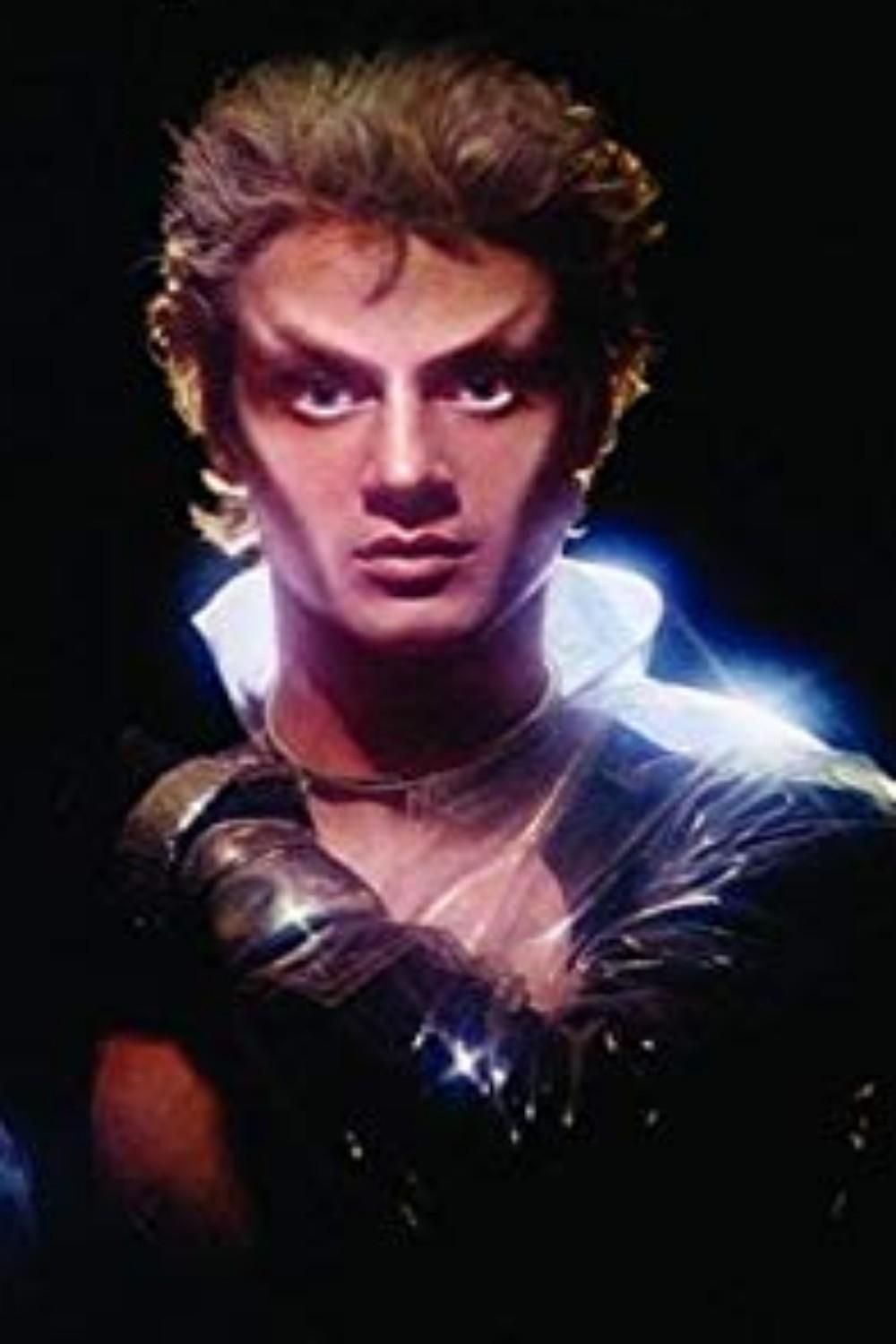
Marketed as the first openly gay rock star in the early 1970s, Jobriath faced a massive industry and media backlash that effectively ended his career. Despite a significant promotional campaign by Elektra Records, his debut album ‘Jobriath’ failed to gain traction as critics and audiences rejected his flamboyant, queer identity. He was often mocked in the press and eventually dropped by his label after only two albums. He retreated from the music industry entirely and lived in relative obscurity until his death in 1983. Today, he is considered a cult figure and a pioneer of glam rock who was ahead of his time.
Sylvester
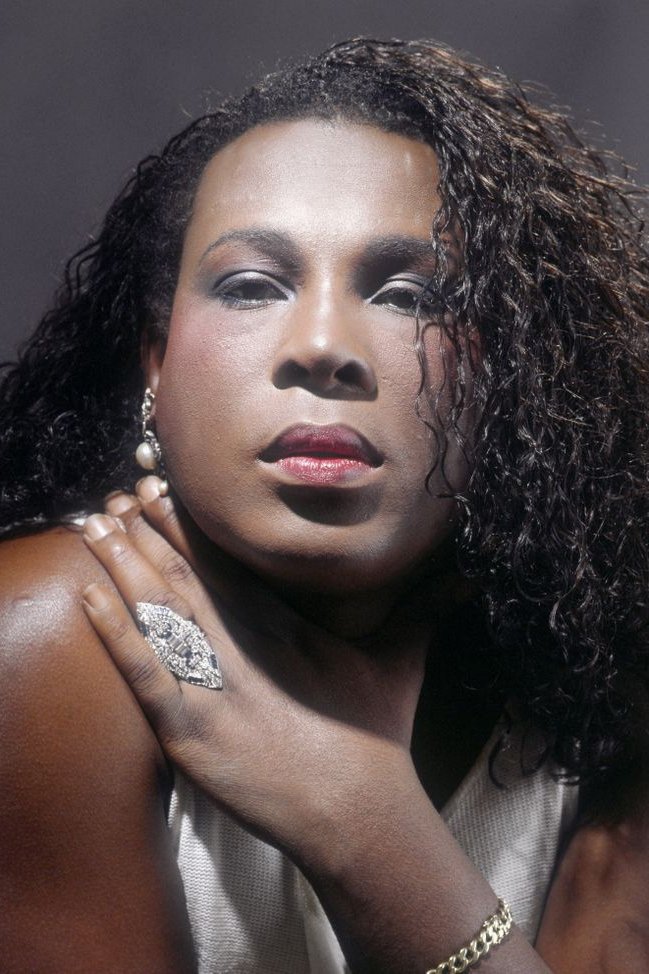
Known as the Queen of Disco, Sylvester was a gender-fluid artist who achieved international stardom with hits like ‘You Make Me Feel (Mighty Real)’. Despite his success, he faced significant erasure from mainstream music history for years after the disco era ended. His flamboyant stage presence and refusal to conform to gender norms often made industry executives uncomfortable during the shift to 1980s pop. During the height of the AIDS crisis, his contributions were frequently overlooked by a media landscape that was increasingly hostile toward queer icons. He is now posthumously celebrated as a foundational figure in electronic and dance music.
George Michael
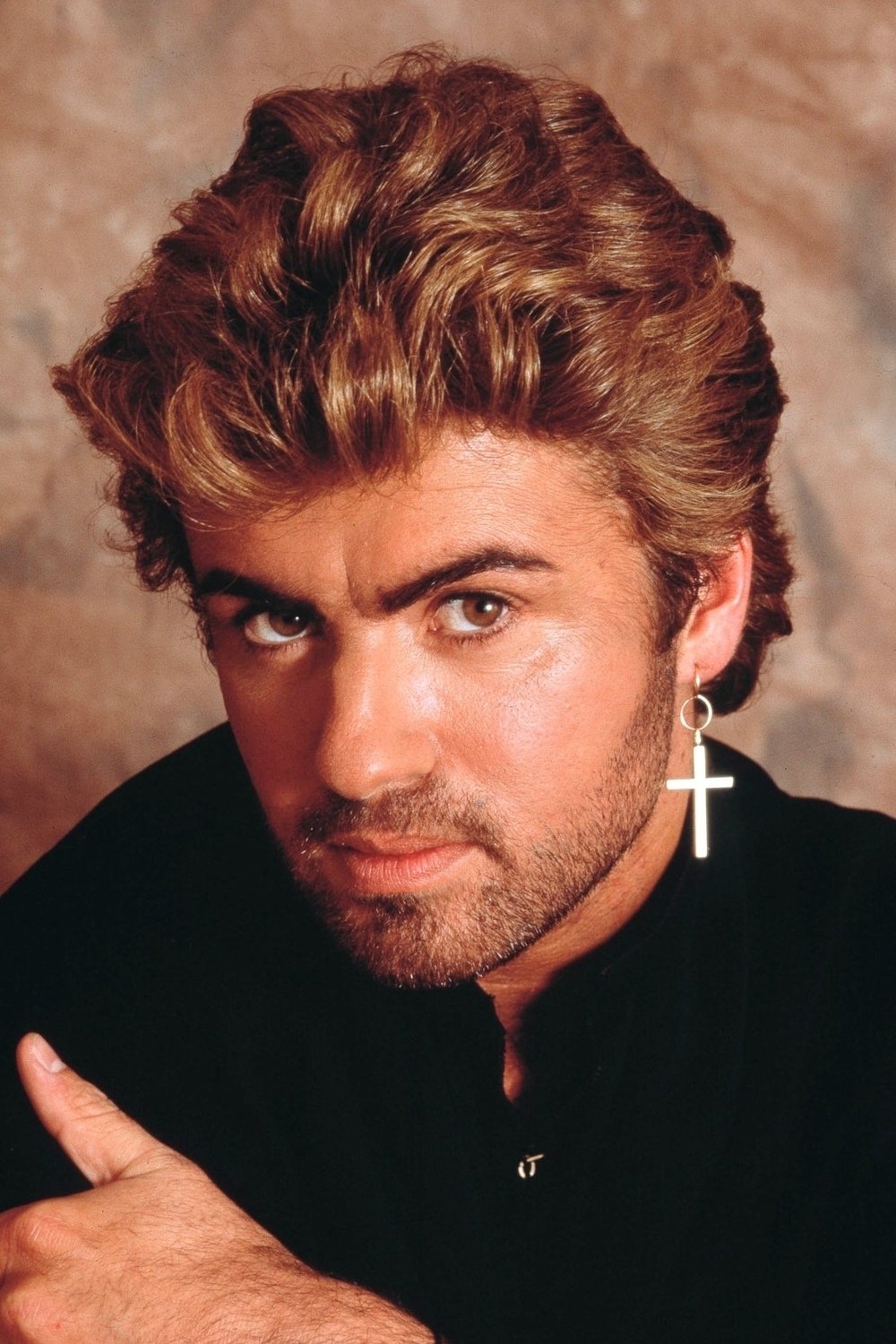
George Michael was already a global superstar when a highly publicized incident in 1998 forced him to come out as gay. Following the event, he faced a sharp decline in American radio airplay and was often the subject of ridicule in tabloid media. He addressed the industry’s hypocrisy and the police sting in the song ‘Outside’, which featured a provocative music video. While he remained popular internationally, his relationship with the U.S. music industry remained strained for the remainder of his career. He became a vocal critic of the way the industry and media treated queer public figures.
Dusty Springfield

One of the most iconic voices of the 1960s, Dusty Springfield’s career suffered significantly due to rumors about her sexuality. In a 1970 interview, she admitted to being attracted to both men and women, which was a radical statement for the time. Following this disclosure, her record sales plummeted, and her public image was tarnished in the eyes of the mainstream press. She spent much of the 1970s and early 1980s in professional exile before a successful comeback with the Pet Shop Boys. Her story reflects the heavy toll that homophobia took on female pop stars of her era.
Billy Porter
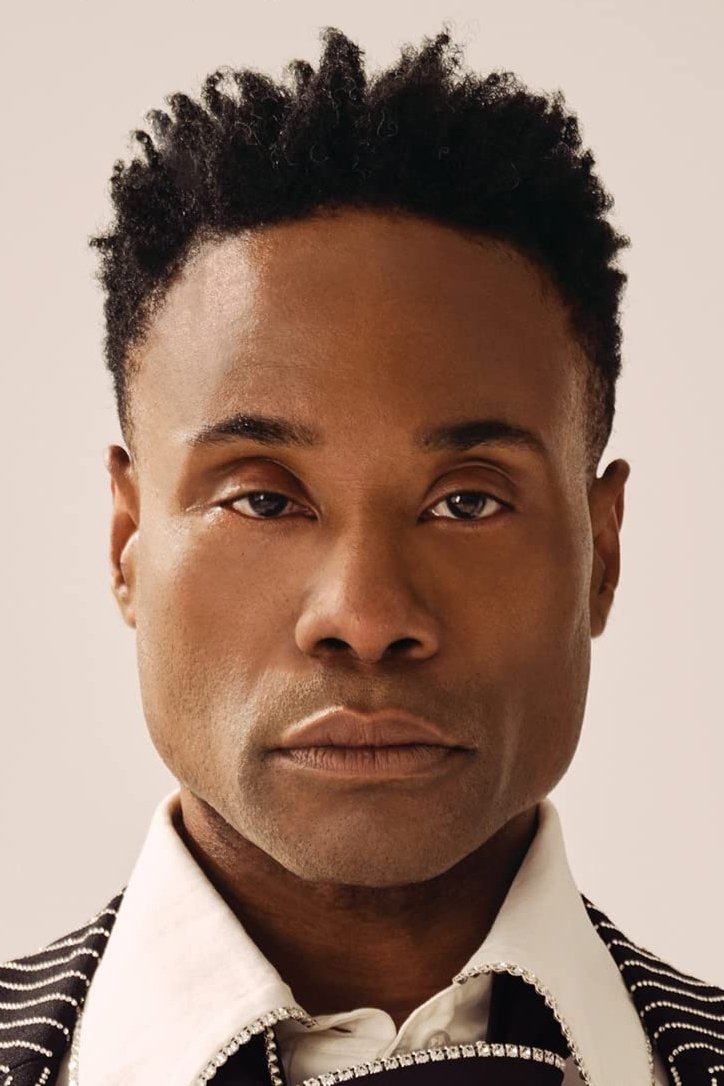
Long before his success on ‘Pose’, Billy Porter attempted to launch a career as a soul and R&B singer in the 1990s. He released a self-titled album in 1997, but he faced intense pressure to hide his sexuality to appeal to a mainstream audience. When he refused to play the part of a traditional R&B heartthrob, the industry largely stopped supporting his musical endeavors. Porter has since been vocal about how the music business of that era had no place for an out, feminine-presenting Black man. He eventually pivoted to Broadway, where he found the success that the recording industry had denied him.
Boy George

As the lead singer of Culture Club, Boy George was a global icon of the New Romantic movement. However, as the 1980s progressed, his personal life and sexuality became the focus of intense tabloid scrutiny and industry marginalization. After his career hit a slump, he found it difficult to secure the same level of mainstream support he once enjoyed as a gender-bending star. Radio stations in certain regions began to shy away from his work as his public persona became more controversial. Despite these hurdles, he remained an influential figure in fashion and electronic music.
Steve Grand

Steve Grand gained viral fame in 2013 with his music video ‘All-American Boy’, which depicted a story of unrequited gay love. Despite the video’s massive success, Grand revealed that he was unable to find a major record label willing to sign an openly gay country-rock artist. He was forced to turn to crowdfunding to finance his debut album, highlighting the persistent barriers for out artists. Mainstream industry gatekeepers were reportedly skeptical of his ability to market to a traditional audience. His career trajectory remains a testament to the challenges of independent queer artists working outside the label system.
Will Young
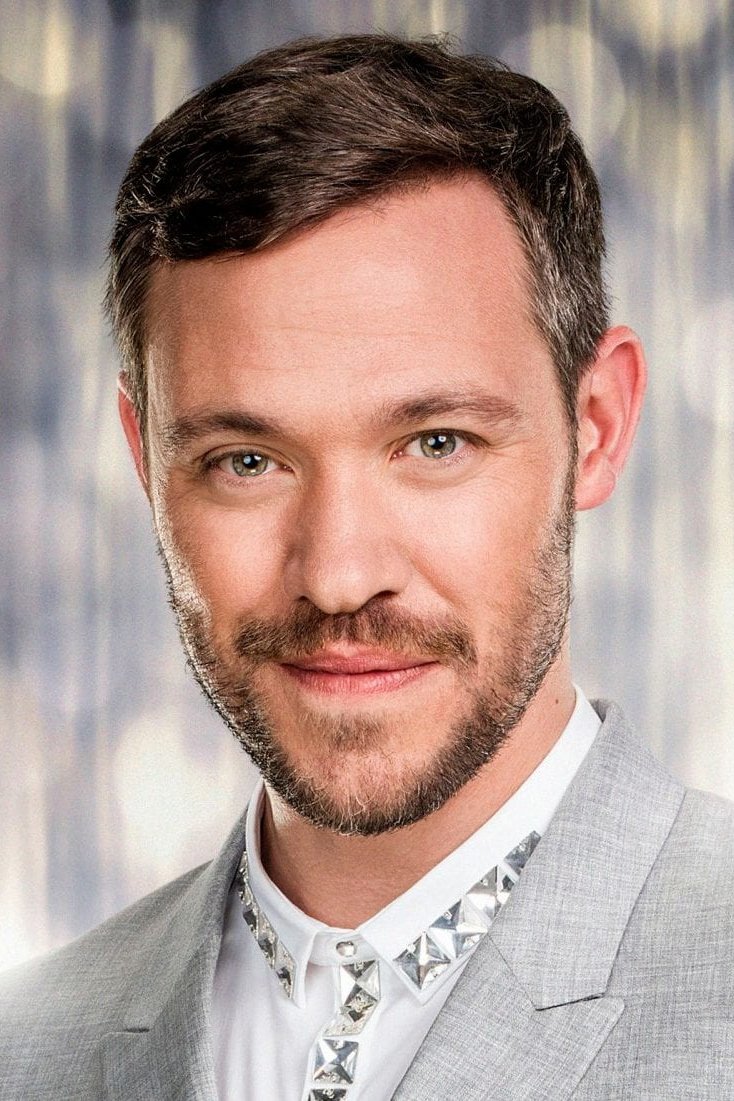
After winning the first season of ‘Pop Idol’ in the UK, Will Young made the decision to come out as gay almost immediately. While he enjoyed significant chart success, he later spoke out about the subtle forms of erasure and homophobia he experienced from label executives. He claimed that he was often encouraged to tone down his personality to remain commercially viable to a broad audience. In several interviews, he noted that certain professional opportunities were blocked because of his identity during the early 2000s. His experience provided a look into the specific barriers faced by LGBTQ+ pop stars during that decade.
Share your thoughts on these artists’ legacies in the comments.