

20 LGBTQ Storylines Networks Cut Or “Straightwashed”



Television history is filled with moments where LGBTQ characters and relationships were toned down, rewritten, or removed when shows were adapted or broadcast in different places. Sometimes it happened during localization for younger audiences. Other times it was the result of broadcast standards or regional laws. These changes often altered relationships, pronouns, or entire scenes. Here are twenty notable cases where what aired didn’t fully match what creators put on the page or screen.
‘Sailor Moon’ (1992–1997)
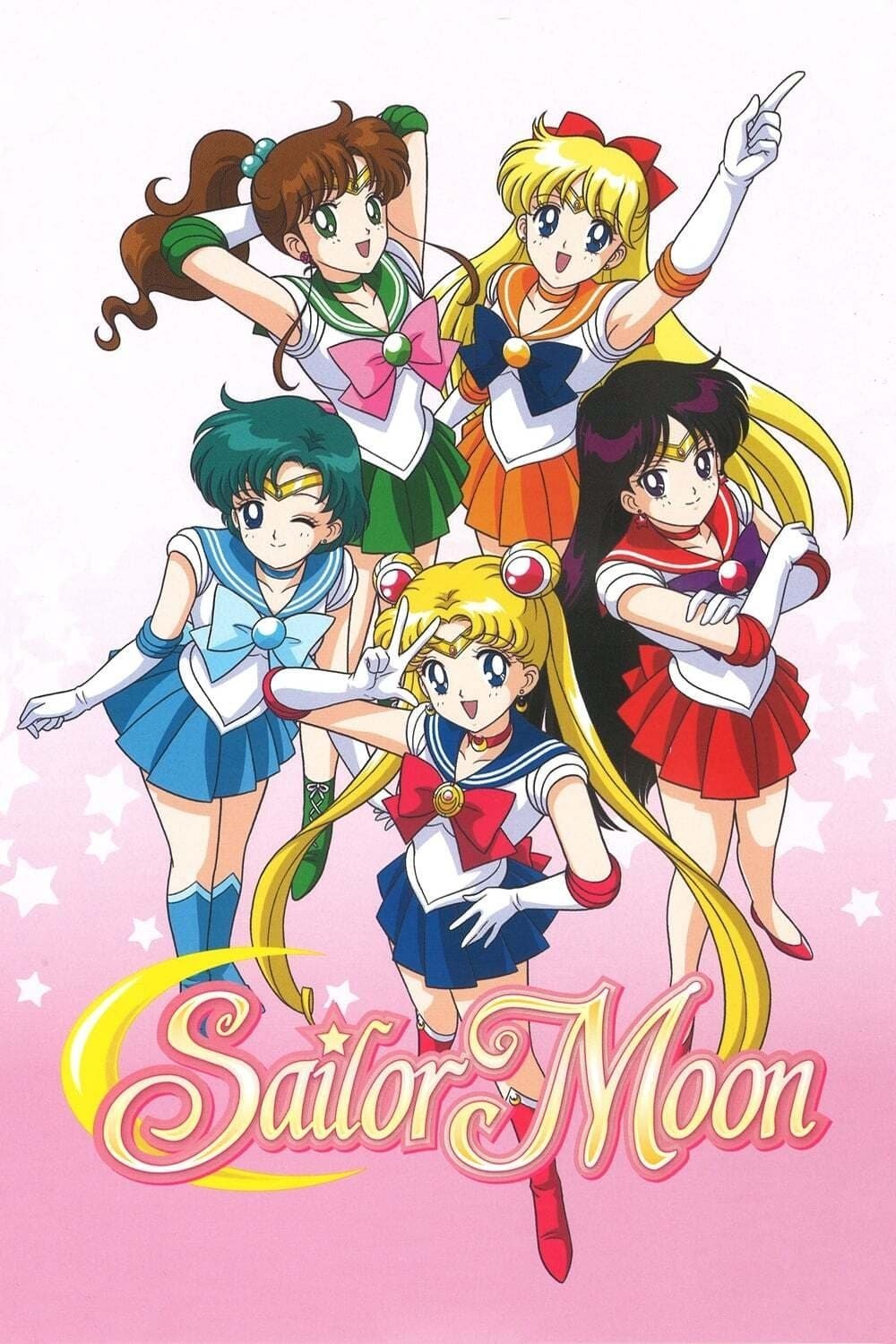
In the 1990s English-language dub, Haruka and Michiru’s relationship was reworked by calling them cousins. Earlier episodes also changed Zoisite’s gender from male to female in order to present a male and female pairing. Dialogue and scenes that showed romantic intent between same-sex characters were softened or trimmed. These edits shaped how many viewers first understood the characters.
‘Cardcaptor Sakura’ (1998–2000)
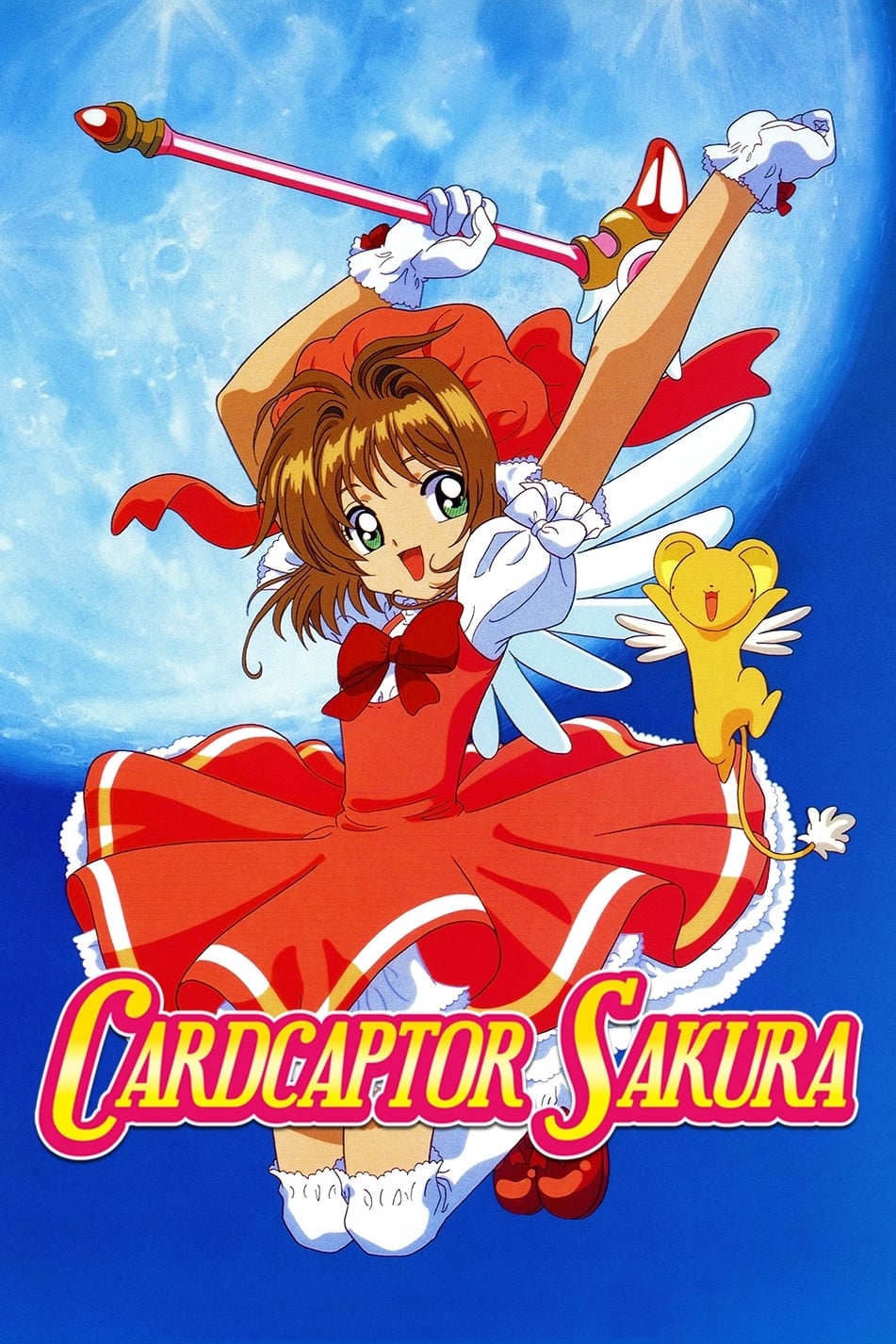
When ‘Cardcaptor Sakura’ was re-edited as ‘Cardcaptors’ for North American broadcast, episodes were reordered and removed to center a boy character and reduce romance subplots. Tomoyo’s feelings for Sakura were minimized through dialogue changes and selective episode choices. Syaoran’s crush on Yukito received less emphasis in the aired sequence. The localized version presented a narrower view of the original relationships.
‘Steven Universe’ (2013–2019)

Some international broadcasts altered or cut scenes that portrayed same-sex romance, including affectionate moments between Gems. Certain music cues and lines were replaced to avoid implying a romantic pairing. A few regions adjusted age ratings or edited episodes rather than airing them as produced. Those choices changed how central relationships were introduced to audiences.
‘Adventure Time’ (2010–2018)
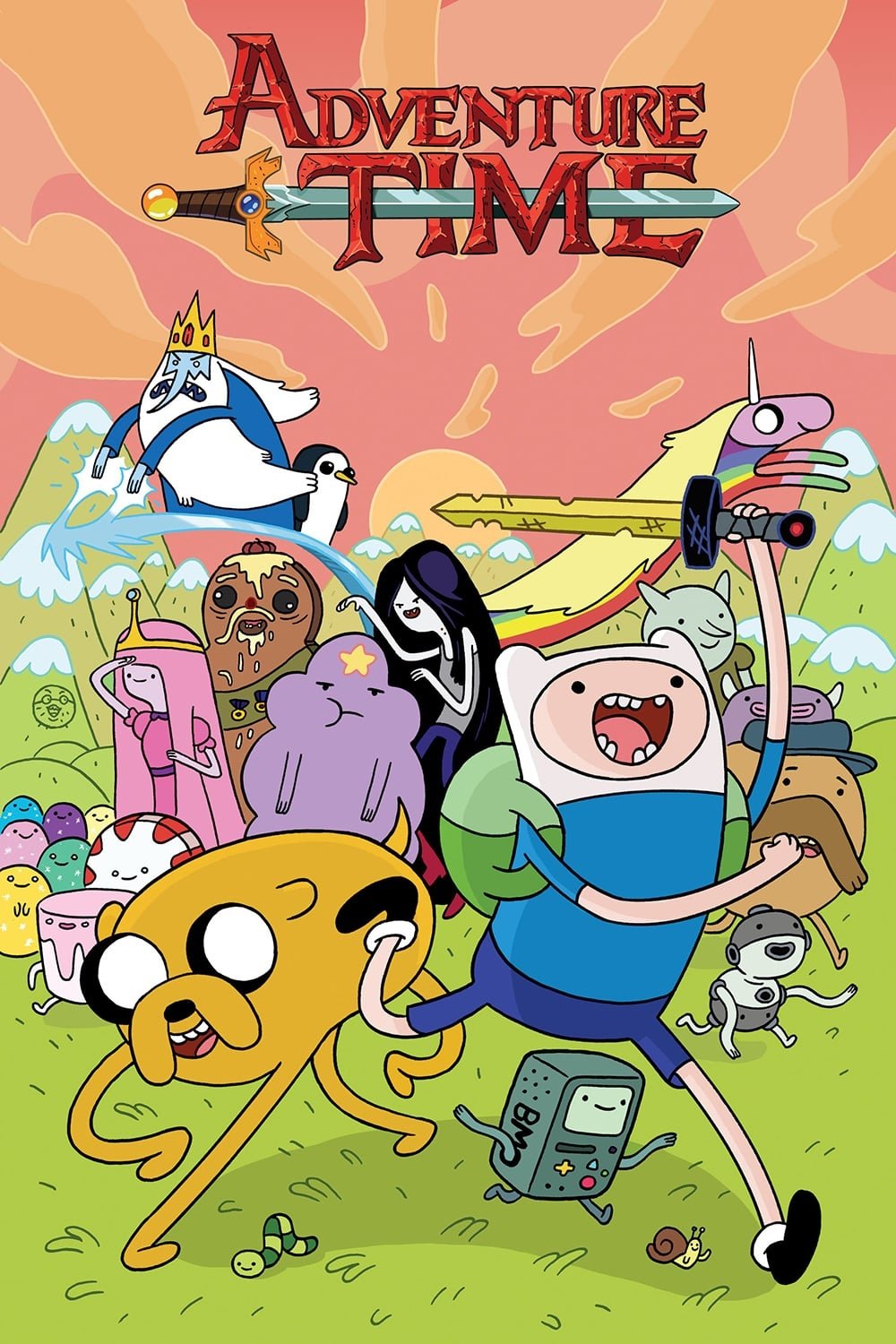
References that linked Princess Bubblegum and Marceline were toned down in some territories. Lines that suggested a past relationship were softened in edits for regional broadcasts. Music and visual moments that signaled affection sometimes aired differently outside the original market. These changes delayed how openly their bond appeared on television for some viewers.
‘Gravity Falls’ (2012–2016)
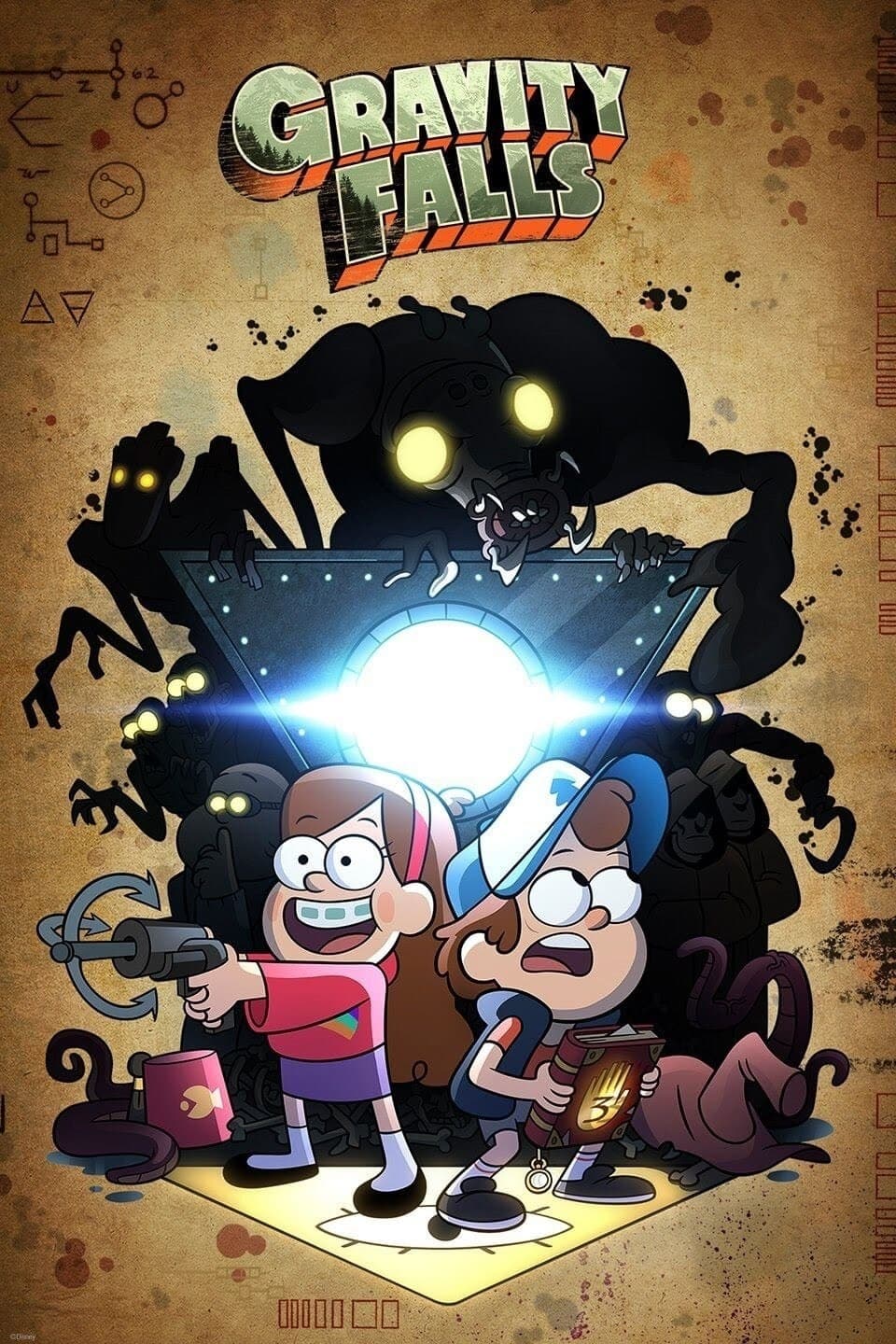
Early in production, broadcast standards did not permit an on-screen same-sex couple, which affected background character plans. The show later included confirmation of a couple near the end of its run. In some regions, lines identifying that relationship were omitted or dubbed differently. The result was uneven visibility depending on where the series aired.
‘Clarence’ (2014–2018)
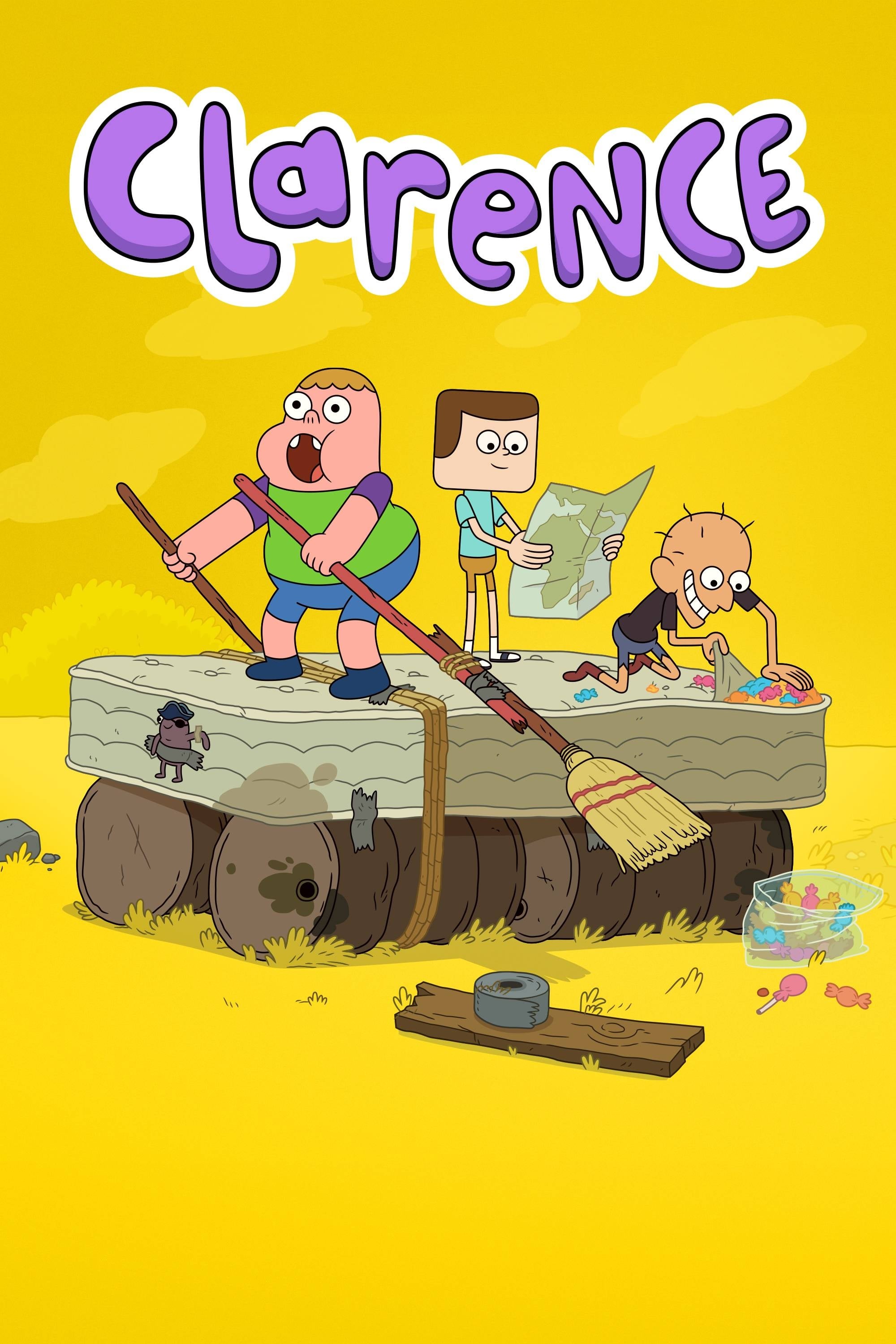
The pilot included a brief same-sex kiss that was changed to a cheek peck for broadcast. Later episodes featured gay characters more clearly, but initial edits reduced early visibility. The shift illustrated how first impressions can be shaped by small changes. Viewers who only saw the pilot version encountered a different tone.
‘The Legend of Korra’ (2012–2014)
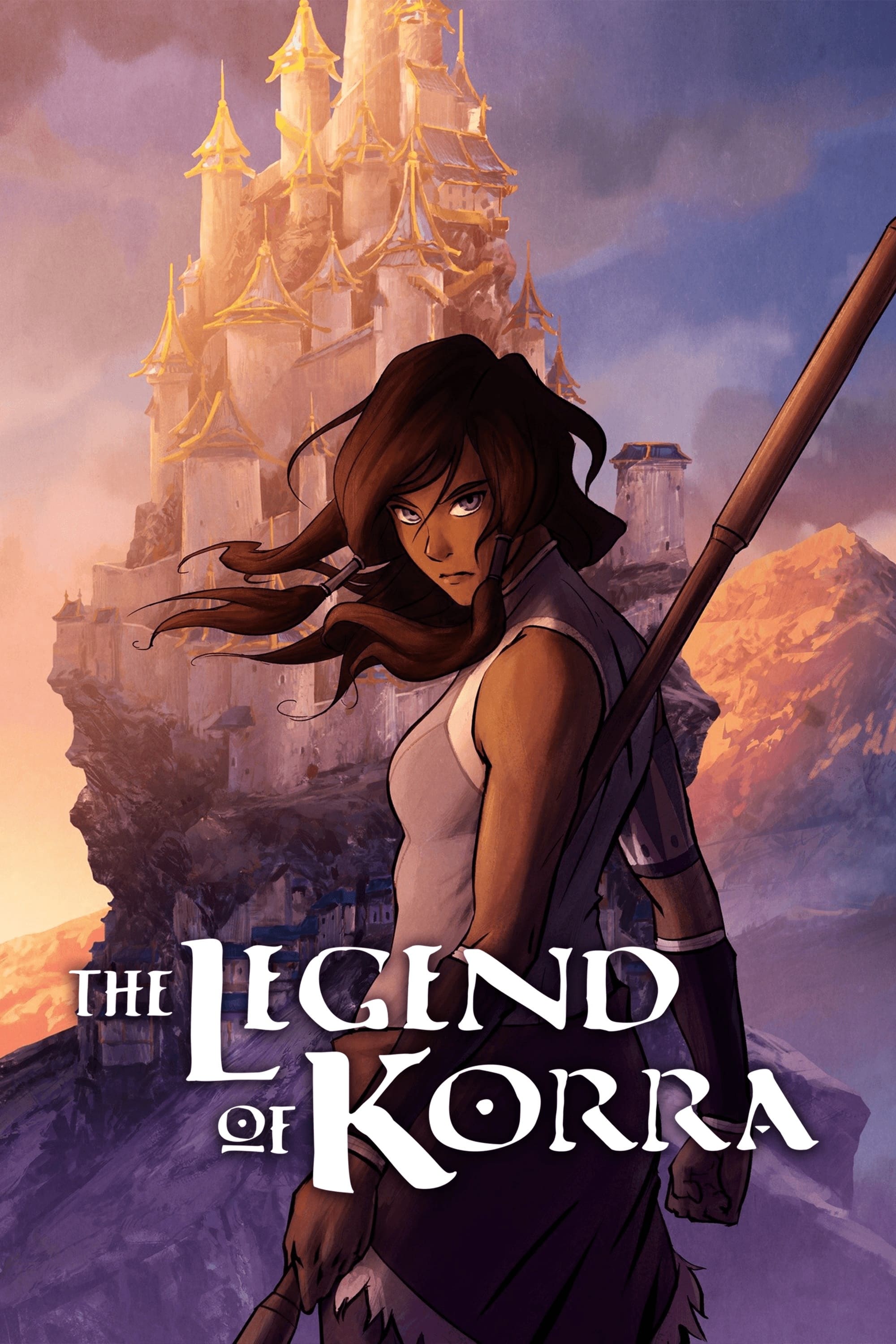
The series finale used visual language to confirm Korra and Asami beginning a relationship, while earlier episodes kept hints low-key. Network scheduling and distribution moved later episodes online, which affected how the ending reached audiences. International versions varied in how directly the final moment was presented. The subdued approach meant many viewers only learned the intent after the fact.
‘Voltron: Legendary Defender’ (2016–2018)
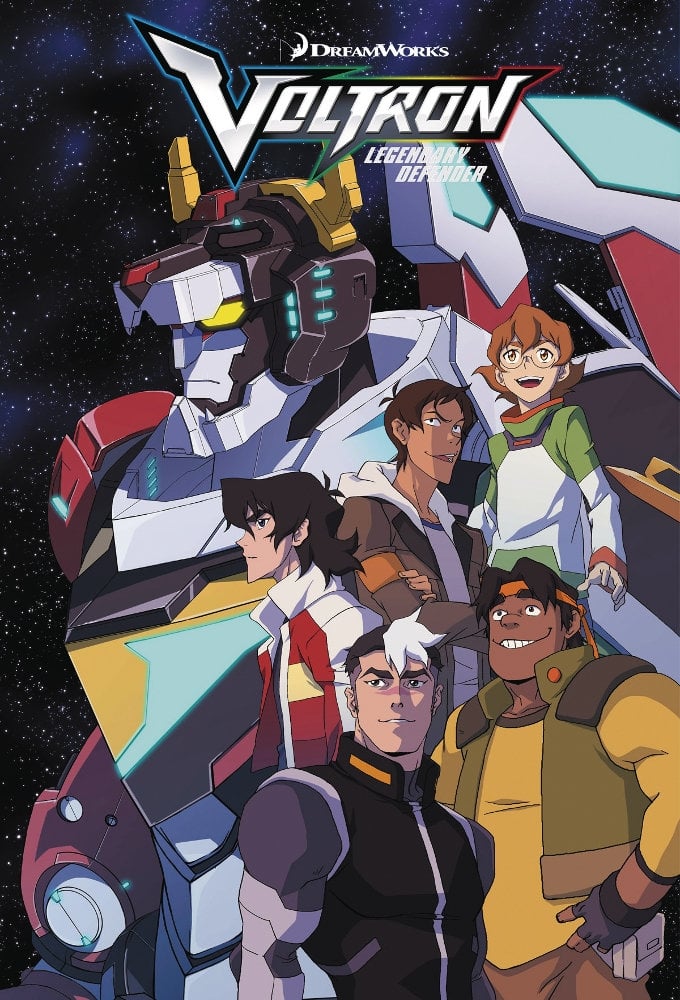
A backstory revealed that Shiro had a male partner, but the relationship received limited screen time. Promotional materials in some markets did not highlight this detail. Subsequent episodes referenced the partner briefly and then moved on after a short appearance. This approach reduced the depth that viewers expected from a major character’s romantic history.
‘Star vs. the Forces of Evil’ (2015–2019)
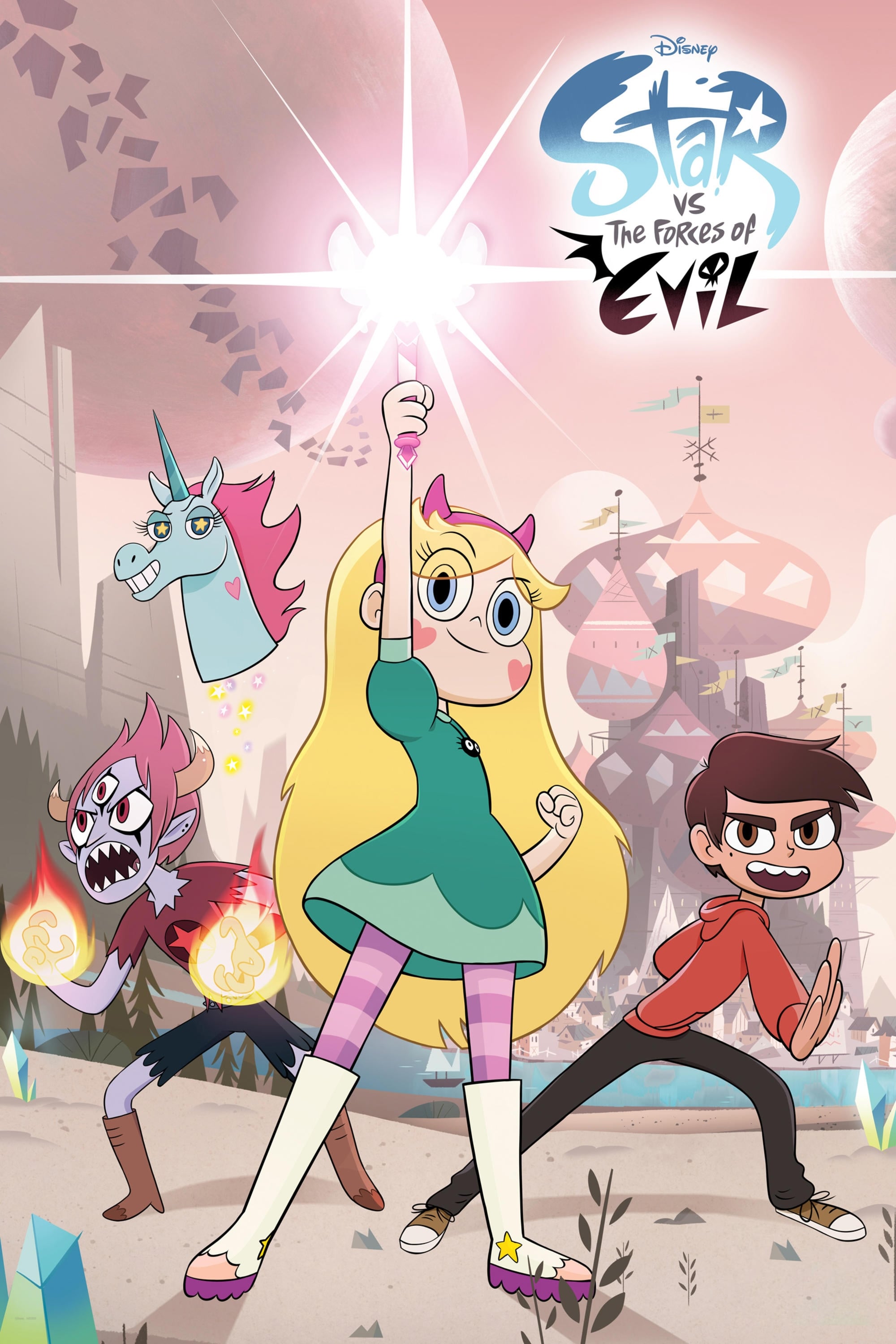
An episode included brief same-sex kisses in a crowd scene that some broadcasters chose not to carry. Edits and scheduling decisions meant audiences in certain countries never saw the scene at all. Airing patterns differed by region, creating an uneven rollout. The final version viewers saw depended on the local broadcaster.
‘Andi Mack’ (2017–2019)
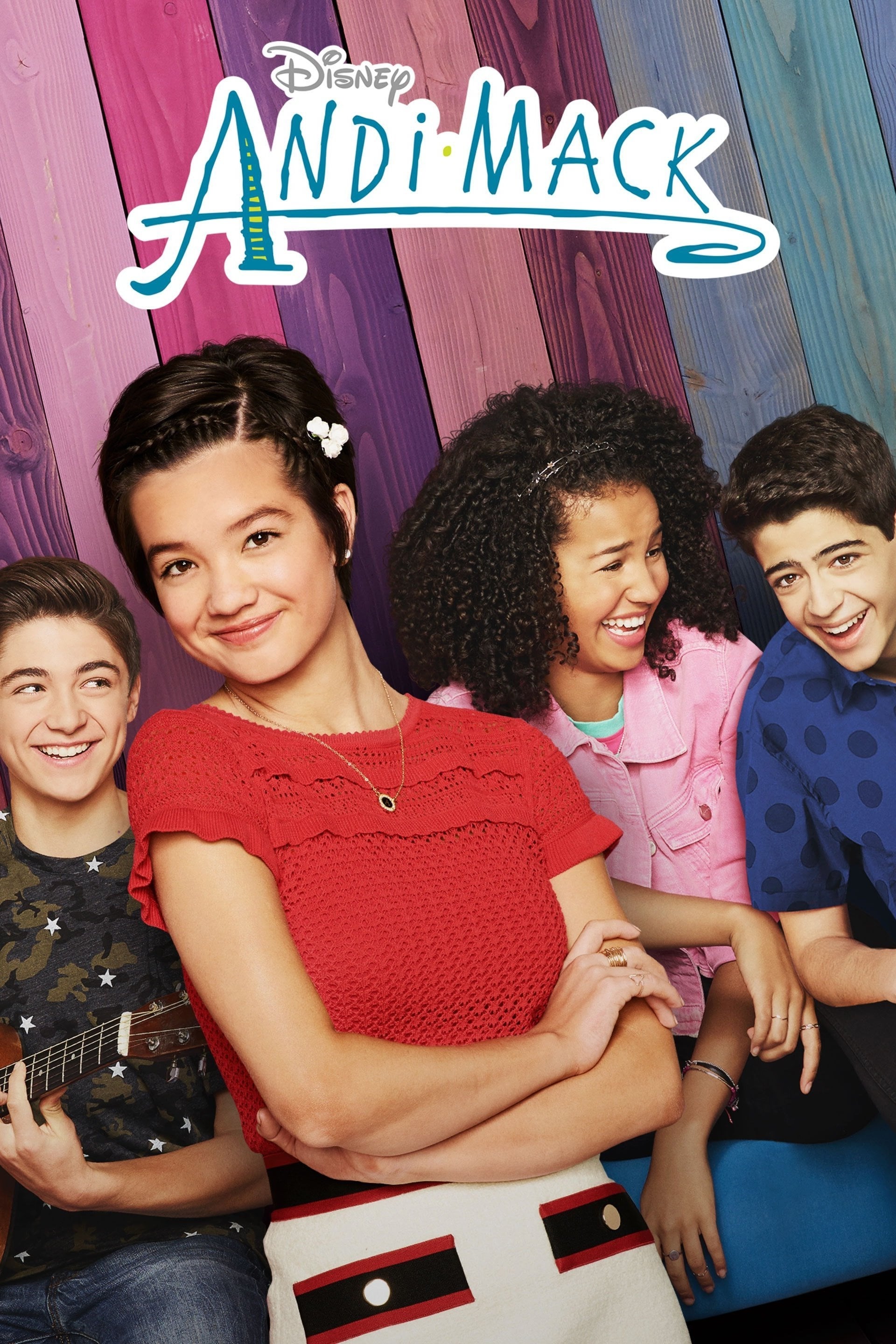
A coming-out storyline for a main character was notable for a kids and family channel. Some countries declined to air the episode or the series after that point. Local schedules and availability changed without the arc intact. Viewers in those regions missed the narrative milestone as it originally aired.
‘The Owl House’ (2020–2023)
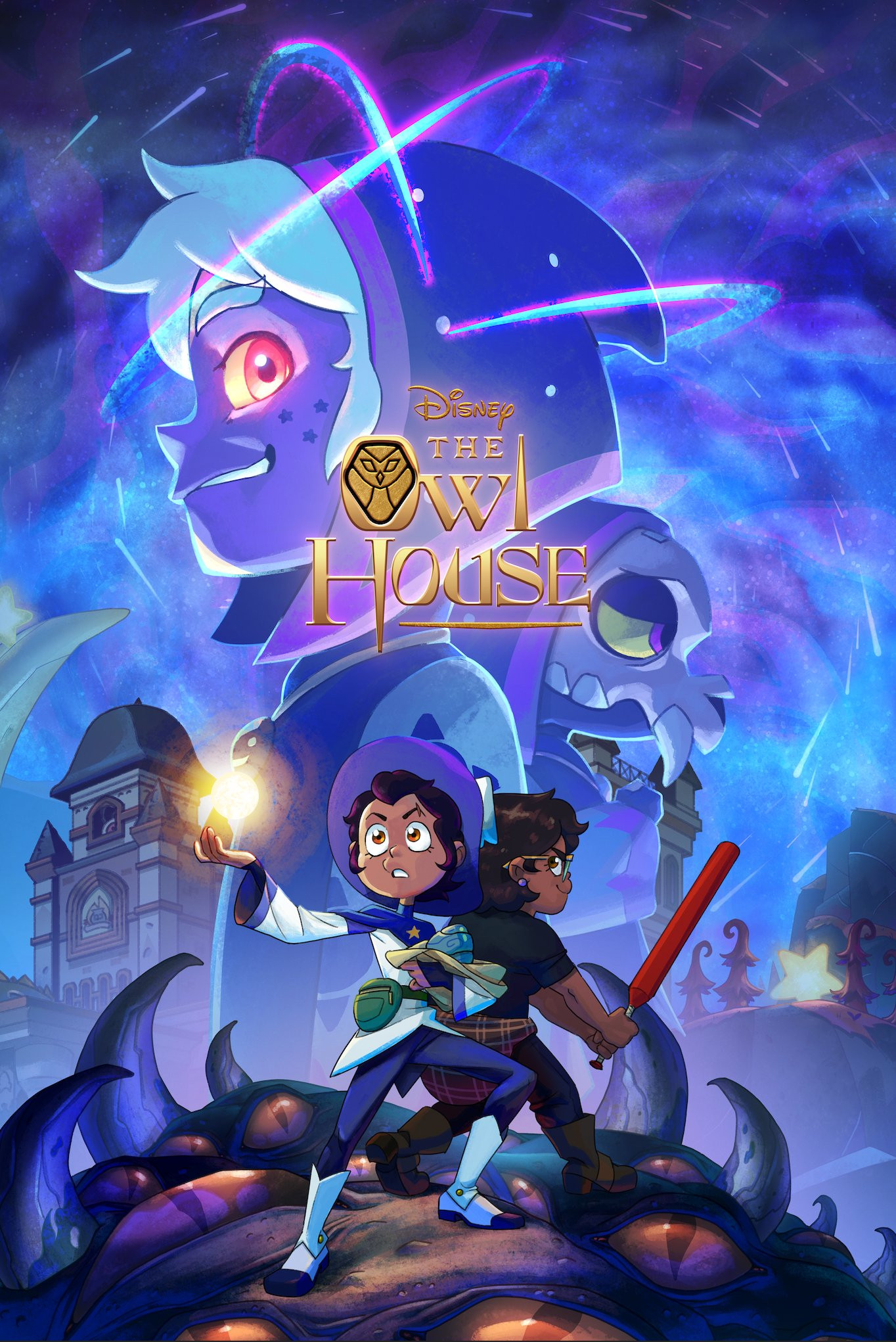
The show featured an openly queer lead romance that faced different distribution choices outside its home market. Certain regions edited scenes or adjusted availability. Later special episodes were released with varying schedules that affected access. These factors shaped how consistently the relationship appeared worldwide.
‘One Piece’ (1999– )
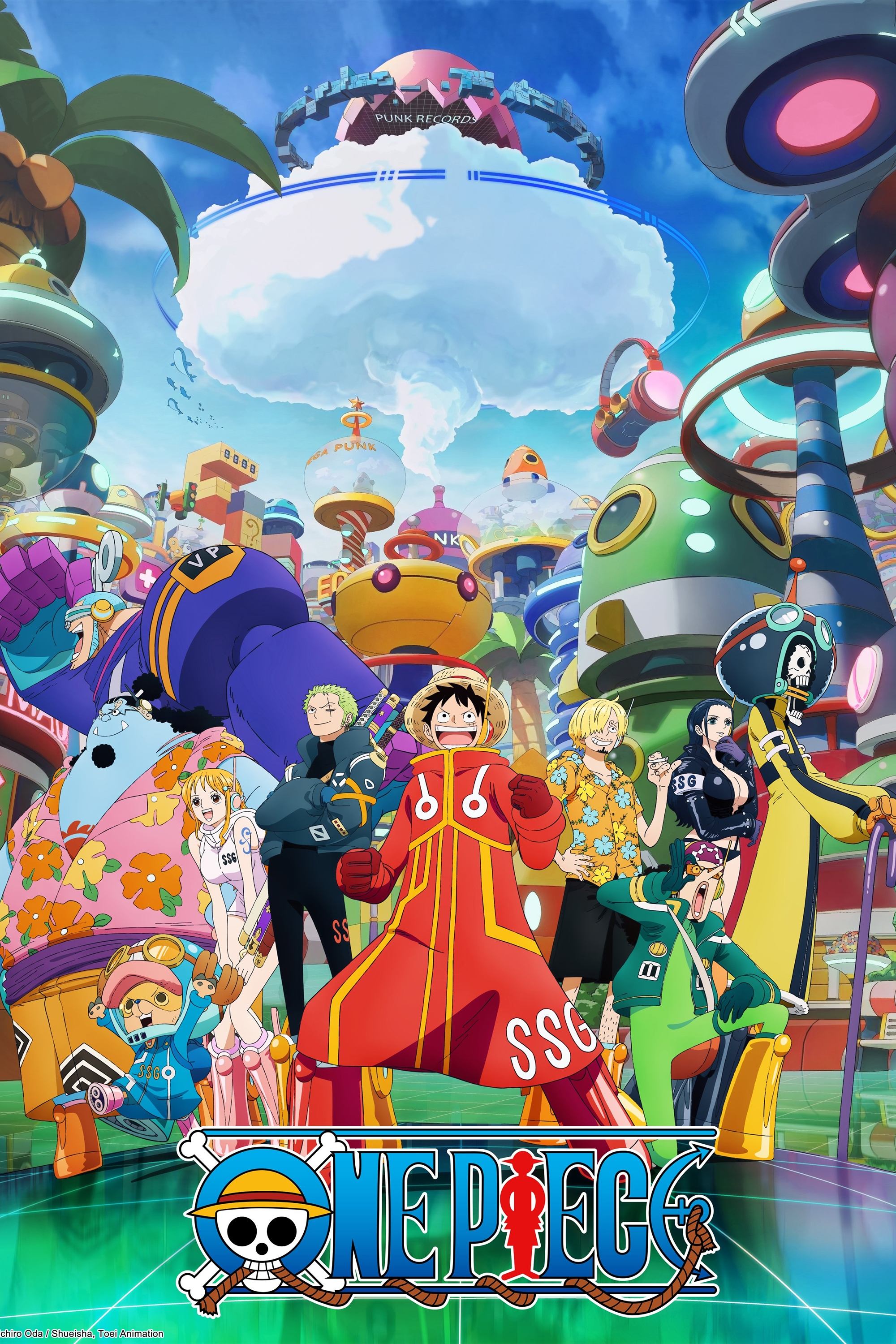
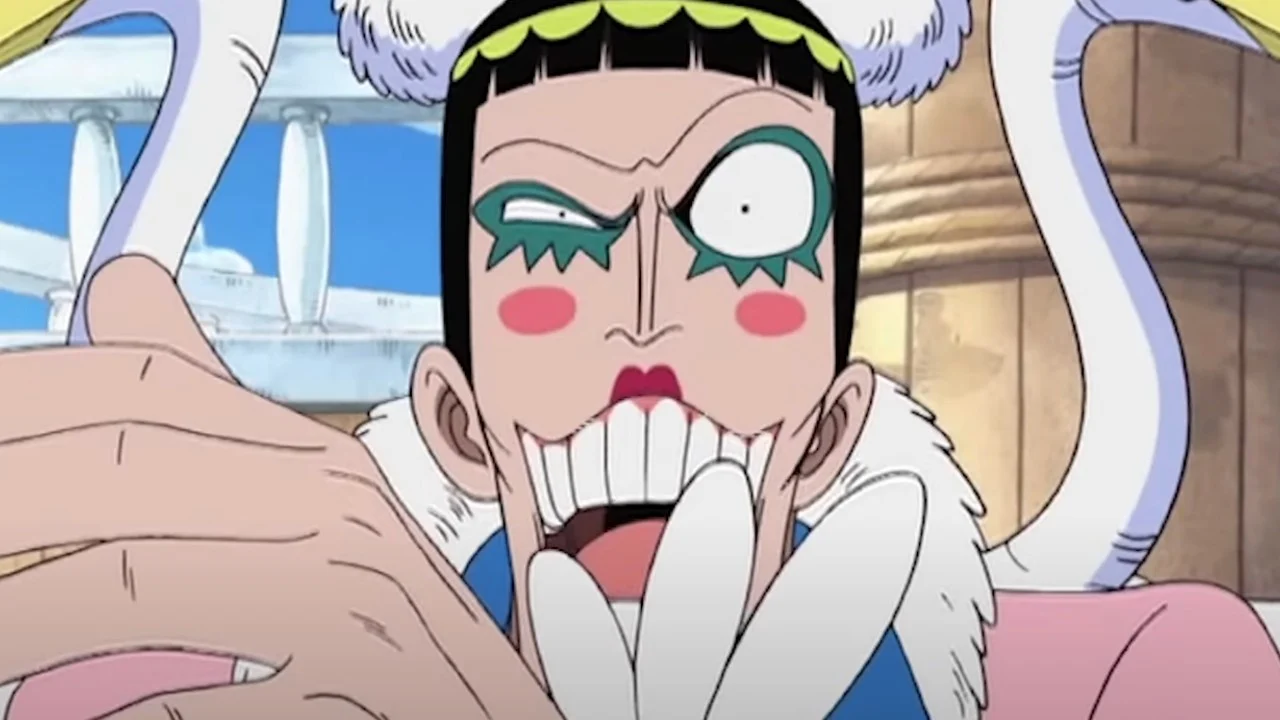
Localizations for younger Western audiences removed or altered dialogue around queer-coded characters such as Mr. 2. Terms and mannerisms were changed to avoid discussing gender expression. Scenes that framed his identity positively were trimmed in some edits. The broadcast versions presented a less nuanced portrayal than the original.
‘Dragon Ball Z’ (1989–1996)

Local dubs modified aspects of General Blue’s characterization to reduce explicit references to his orientation. Dialogue that hinted at attraction was reworded or removed. The shift smoothed out identity markers that were clear in the source. Audiences watching dubbed TV blocks met a different version of the character.
‘Naruto’ (2002–2007)
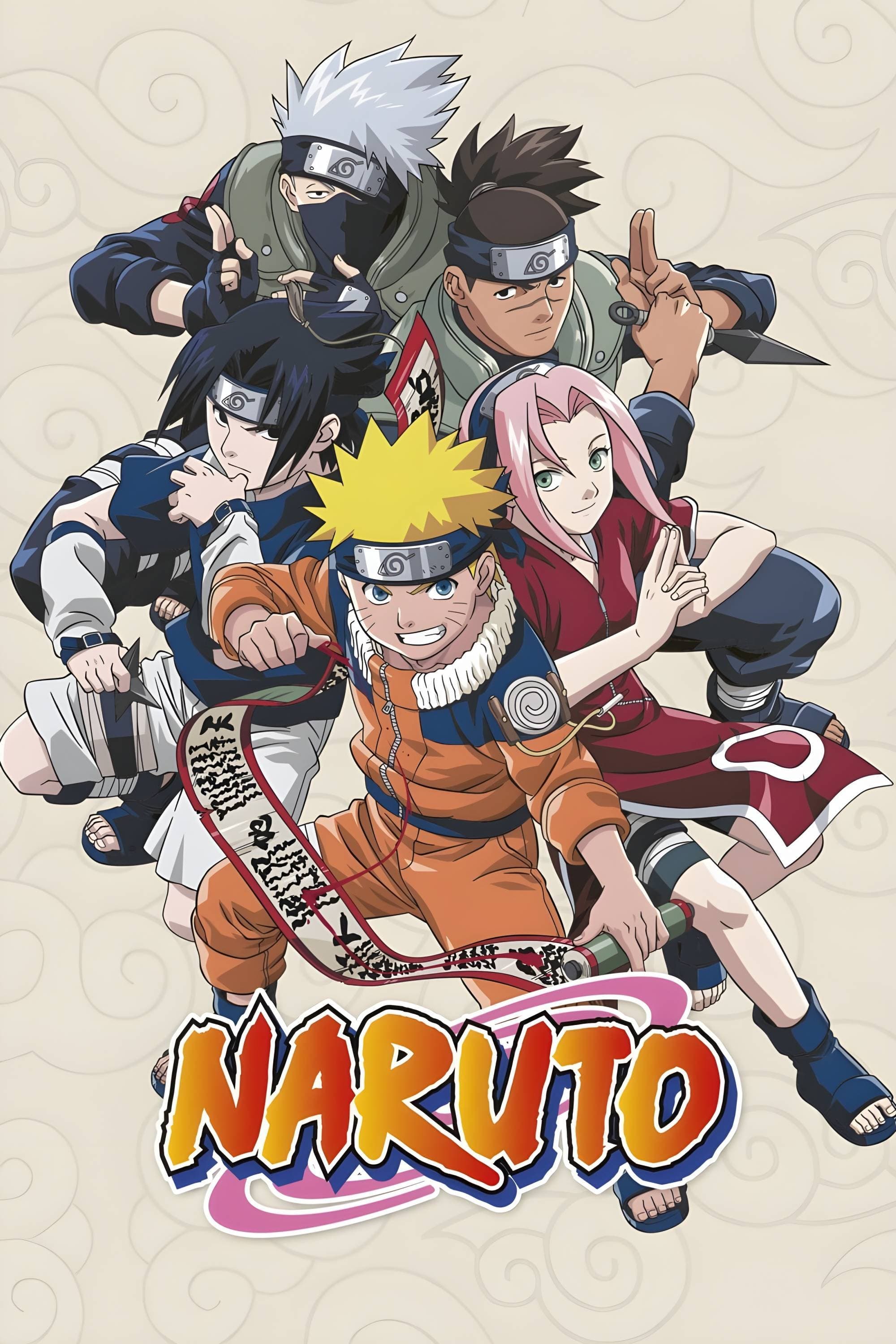
English-language dialogue clarified Haku’s gender early and reframed character interactions to limit ambiguity. Subtle elements of androgyny and the reactions it provoked were simplified. Edits helped fit the series into a set broadcast category for age and content. The localized airing changed the tone of several early episodes.
‘Sailor Moon Sailor Stars’ (1996–1997)

This final arc introduced the Starlights, who present differently in their civilian and hero forms. Broadcasters in some markets chose not to license or air the season due to those gender presentation elements. As a result, the arc was long unavailable on children’s TV blocks in several countries. Viewers missed key relationships that concluded the larger story.
‘Xena: Warrior Princess’ (1995–2001)
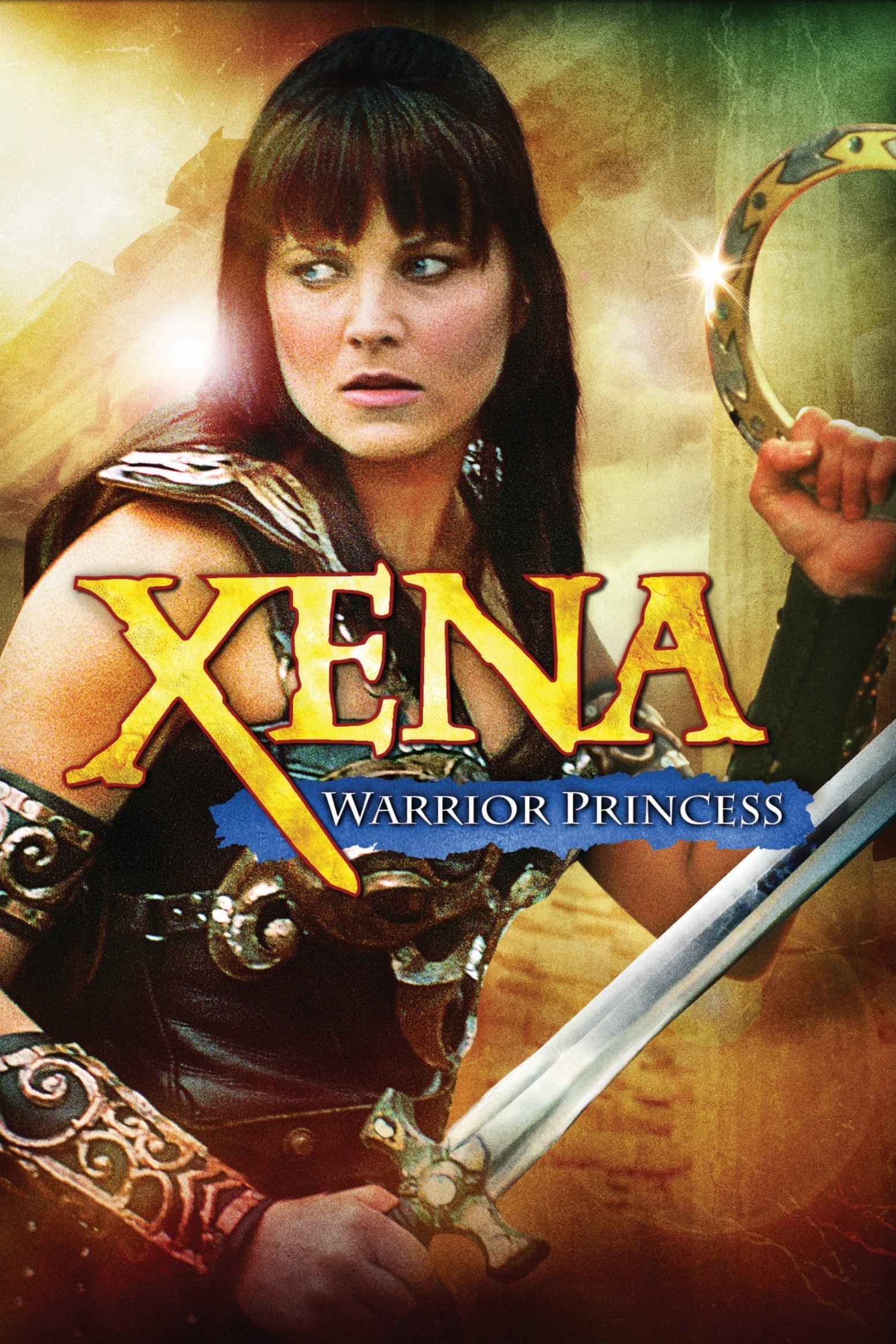
Syndicated airings in some places trimmed scenes and lines that emphasized intimacy between Xena and Gabrielle. Episodes with suggestive moments were edited differently depending on time slot and region. The result left their bond more ambiguous in certain broadcasts. Fan discussions often relied on unedited versions to follow the relationship.
‘Once Upon a Time’ (2011–2018)
Mulan’s attraction to another woman was introduced and then left unresolved after cast shifts and scheduling. Later seasons moved focus to different arcs without returning to her story. Broadcast constraints and casting changes meant the thread did not continue on screen. Viewers never saw a full exploration of the initial setup.
‘Supernatural’ (2005–2020)
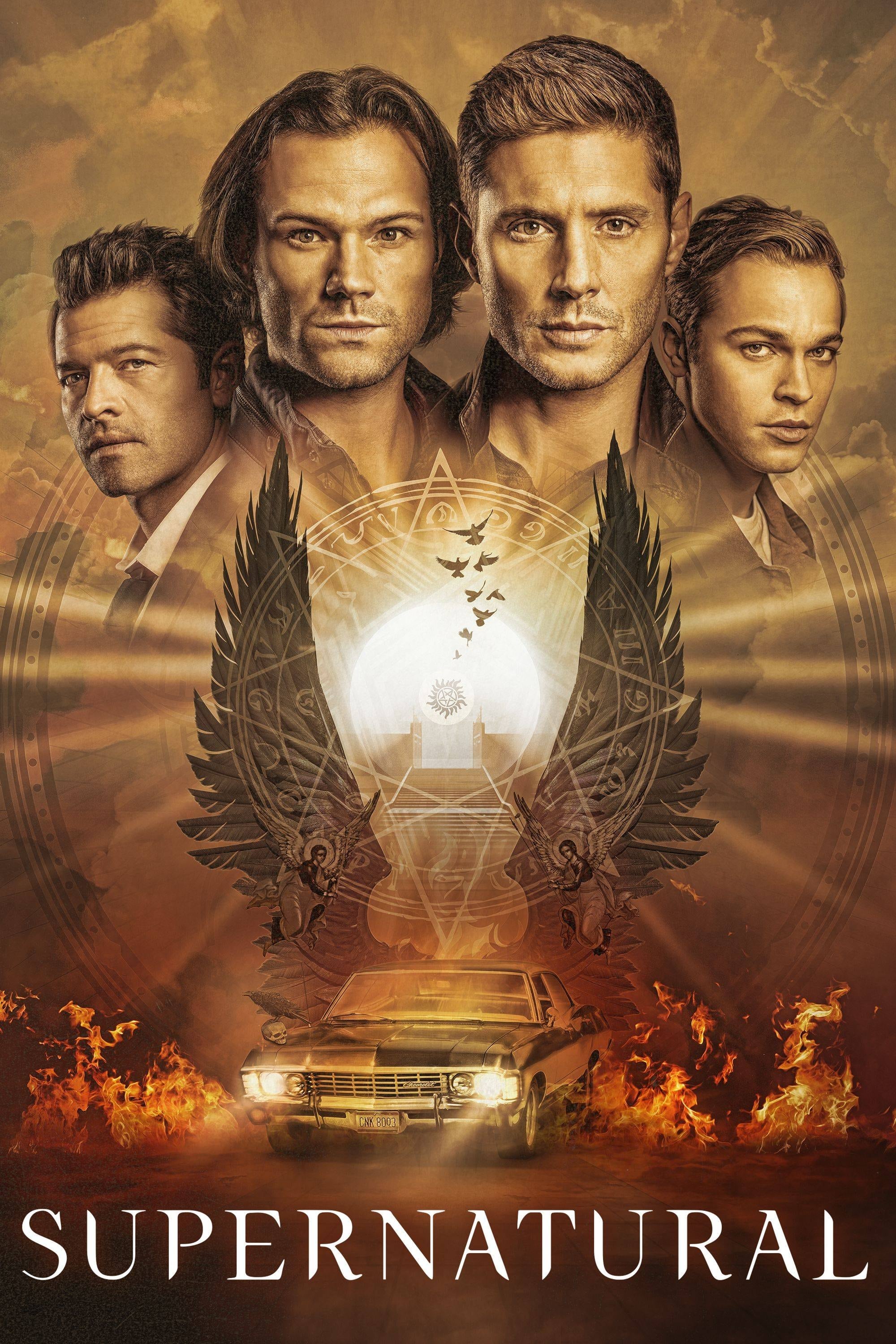
For years the show kept popular queer subtext at a distance, and a late-series confession aired unevenly in translation abroad. At least one regional airing altered the key line in its dub. Earlier network standards also limited direct acknowledgment of certain relationships. Different versions led to different understandings of what characters said.
‘The Loud House’ (2016– )
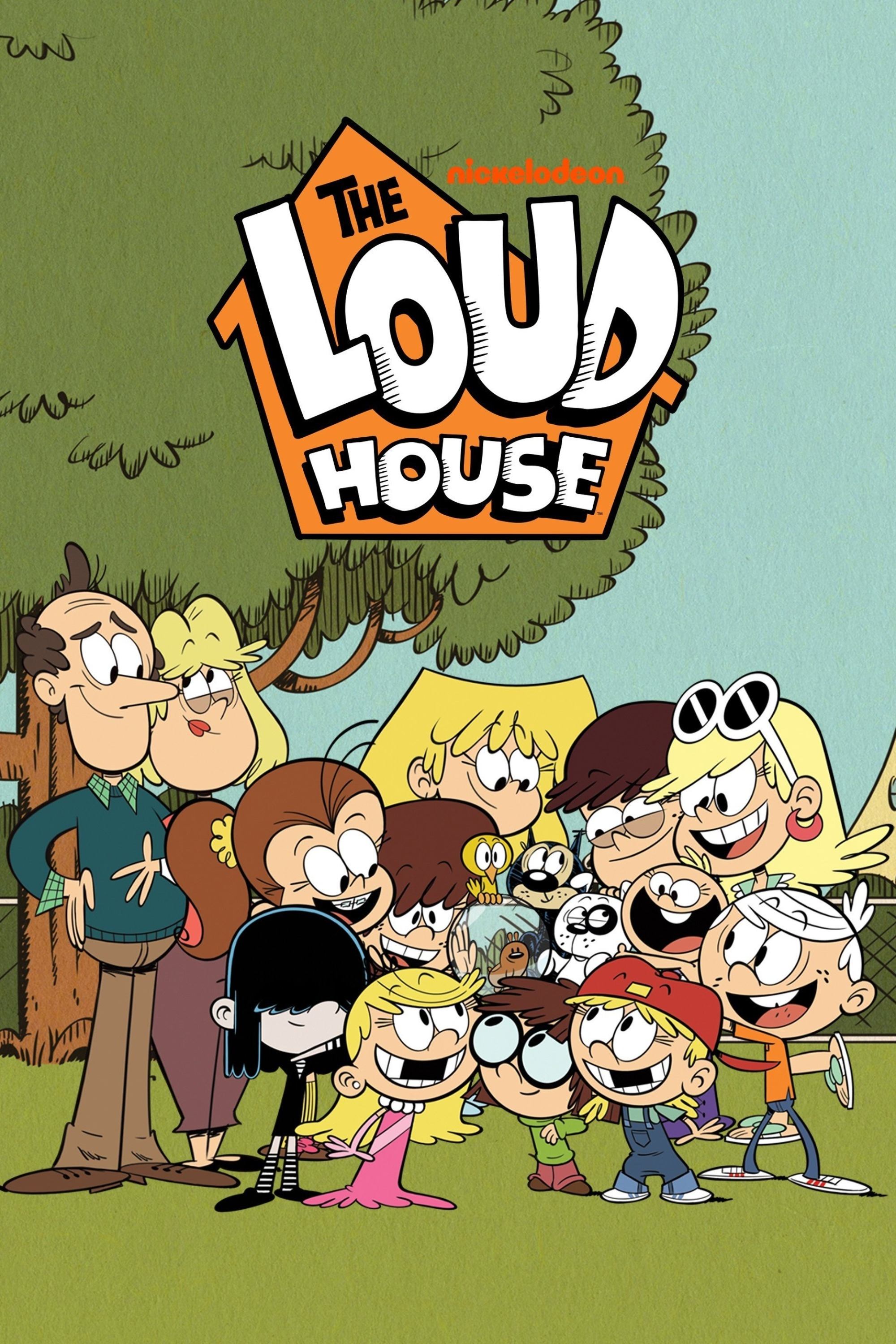
Episodes featuring Clyde’s two dads did not air in a few countries due to local policies. Scheduling changes and regional edits removed or delayed those appearances. The characters remained part of the show in its primary market. International viewers sometimes encountered seasons without those family scenes.
‘Arthur’ (1996–2022)
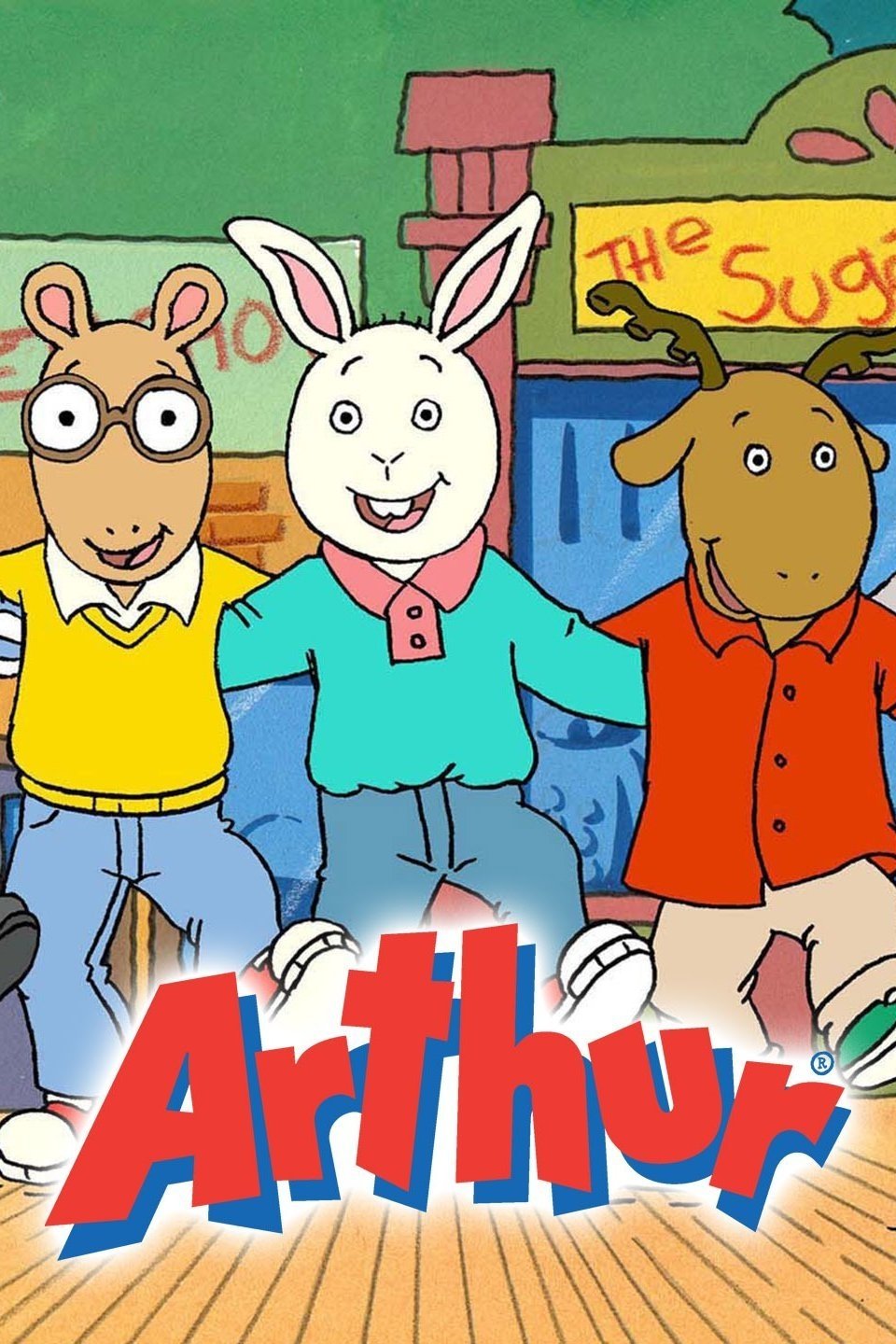
An episode that depicted Mr. Ratburn’s wedding to another man did not air on a public broadcaster in one U.S. state. The rest of the season continued as scheduled nationally. The decision created a patchwork of availability based on location. Many viewers only saw the episode through other platforms later on.
Share your thoughts below about which of these changes surprised you and which stories you’d like to see restored in full in future releases.